24 Babysitter Rules From the ’80s and ’90s That No Parent Would Allow Today
There was a period, roughly spanning the years from the Carter administration to the early internet, when leaving a child in someone else’s care involved writing a phone number on a piece of paper and trusting the rest to providence. The babysitter was typically a teenager from up the street.
The instructions were brief. The parents went out and did not think about it again until they came home, which was how the evening worked for everyone involved.
This arrangement was not irresponsible — it was normal. The standards of the era were the standards of the era, and most children who experienced 1980s babysitting survived it intact.
Looking at those standards now, from the vantage point of parenting in an age of GPS, video monitors, and background checks, the casual confidence of it is striking. The phone number on the fridge was not even a mobile number. It was the restaurant.
The Babysitter Was Often a 12 or 13-Year-Old Neighbour

The babysitter in the 1980s was frequently a child herself — barely older than the children she was watching, perhaps twelve or thirteen, selected primarily because she lived nearby and was available on a Friday night. Her qualification was proximity and a basic willingness.
No certification was required. No age minimum existed in most places.
Her parents probably knew her charges’ parents. This was considered sufficient.
The idea that someone who hadn’t yet sat a GCSE exam might be legally and practically responsible for a toddler was not considered alarming.
The Emergency Contact Was a Restaurant’s Landline

When 1980s parents left for the evening, the contact information they provided was typically a phone number for wherever they were going — a restaurant, a friend’s house, a party — which was a landline that would be answered by someone other than the parent and relayed to them only if the message reached them in time. The babysitter, if something went wrong, had approximately one chance to reach an adult, and that adult might not be the parent.
The backup plan was usually a neighbour’s number. The neighbour had no specific obligation to help.
The Kids Could Stay Up as Late as They Wanted

A recurring feature of 1980s and 1990s babysitting was the informal negotiation around bedtime that occurred once the parents’ car had left the driveway. The babysitter, being a teenager primarily interested in watching the parent’s cable television subscription, frequently had no strong interest in enforcing the stated bedtime.
The children, being children, had strong interest in extending it. The agreement reached was usually midnight or later, depending on the content available.
The parents arrived home to children asleep on the sofa and accepted this as an acceptable outcome.
Everyone Watched Whatever Was on the TV, Including Things Rated 15 or 18

Cable television in the 1980s was not filtered. The television in the living room received every channel the parents’ subscription included, which meant that an enterprising child could access content rated considerably above their age on any given evening.
The babysitter, occupied with her own interest in the programming, rarely enforced a content restriction that wasn’t her own preference. Many adults have specific memories of watching something thoroughly inappropriate on a babysitting night and saying nothing about it the following morning to any adult, ever.
The Babysitter Invited Her Friends Over

The teenage babysitter frequently treated the babysitting engagement as an opportunity to host a small gathering in someone else’s house, with access to someone else’s food and someone else’s large television. The invited friends were not vetted.
They simply arrived. The children being supervised either went to bed early to avoid them or sat at the top of the stairs listening to a conversation they were largely too young to follow.
The parents returned to discover that someone had sat in the father’s chair and that the crisps were gone.
There Was No Way for the Babysitter to Reach the Parents Instantly

The absence of mobile phones in the 1980s created a structural gap between the babysitter and the parents that has no modern equivalent: if something happened and the restaurant’s phone wasn’t answered, or the number was wrong, or the parents were at a party that didn’t have a phone in the room, communication was simply unavailable. The babysitter managed alone.
Most evenings this produced no problem because most evenings produced no emergency. The occasions when it did produce a problem were resolved through whatever resources the babysitter had, which were primarily local and practical.
The Children Could Go Outside After Dark

Children in the care of a 1980s babysitter were not necessarily confined to the house. Playing in the garden or in the street after dark — particularly in summer, when it was still warm — was an acceptable activity that the babysitter supervised from inside through an open back door.
The perimeter of the garden was the limit. This was policed by the honour system.
The children generally stayed in the garden, and the babysitter generally noticed if they didn’t, and the parents were not informed either way.
The Fridge Was Fully Available

Parental instructions regarding the kitchen in the 1980s rarely included specific restrictions. The babysitter was told where things were and implicitly invited to eat whatever she needed, and this licence extended informally to the children, who understood that babysitting nights had a different relationship to snack rules than normal evenings.
By the time the parents came home, the biscuits were gone, the good cereal was mostly gone, and there was a reasonable chance that whatever had been left over from dinner had also been consumed. Nobody mentioned any of this.
The Babysitter Would Put All the Kids in One Room and Close the Door

A babysitter managing multiple children across different ages sometimes resolved the complexity of divided supervision by establishing everyone in one room — usually the living room — and effectively parking the whole group in front of the television. This was a sound logistics solution and produced no obvious problems in most cases.
The youngest children fell asleep. The older ones watched the programming.
Nobody needed anything. The babysitter ate crisps in the kitchen and came to check periodically.
A 14-Year-Old Could Babysit a Baby

The age of the child being watched placed no formal lower limit on the babysitter’s required age in most contexts. A fourteen-year-old neighbour babysitting a six-month-old was an entirely normal arrangement, entered into without specific training or first aid qualification.
The fourteen-year-old managed through instinct, prior experience with younger siblings if applicable, and the knowledge that the restaurant number was somewhere on the fridge. This arrangement occasionally resulted in situations that required more expertise than was available, and this fact did not significantly change the practice.
The Parents Came Home Noticeably Late

The stated return time in a 1980s babysitting arrangement was understood as approximate. The parents were having a good time and the babysitter was being paid by the hour or in a flat fee that didn’t vary much with time, and the evening therefore extended well past the original estimate without announcement.
The babysitter could not send a message. She could call the restaurant and ask to speak to the parents, which was an option with a low conversion rate.
She waited. By the end of the evening she had watched everything available on television and the children had been asleep for two hours.
Boys Were Rarely Hired as Babysitters
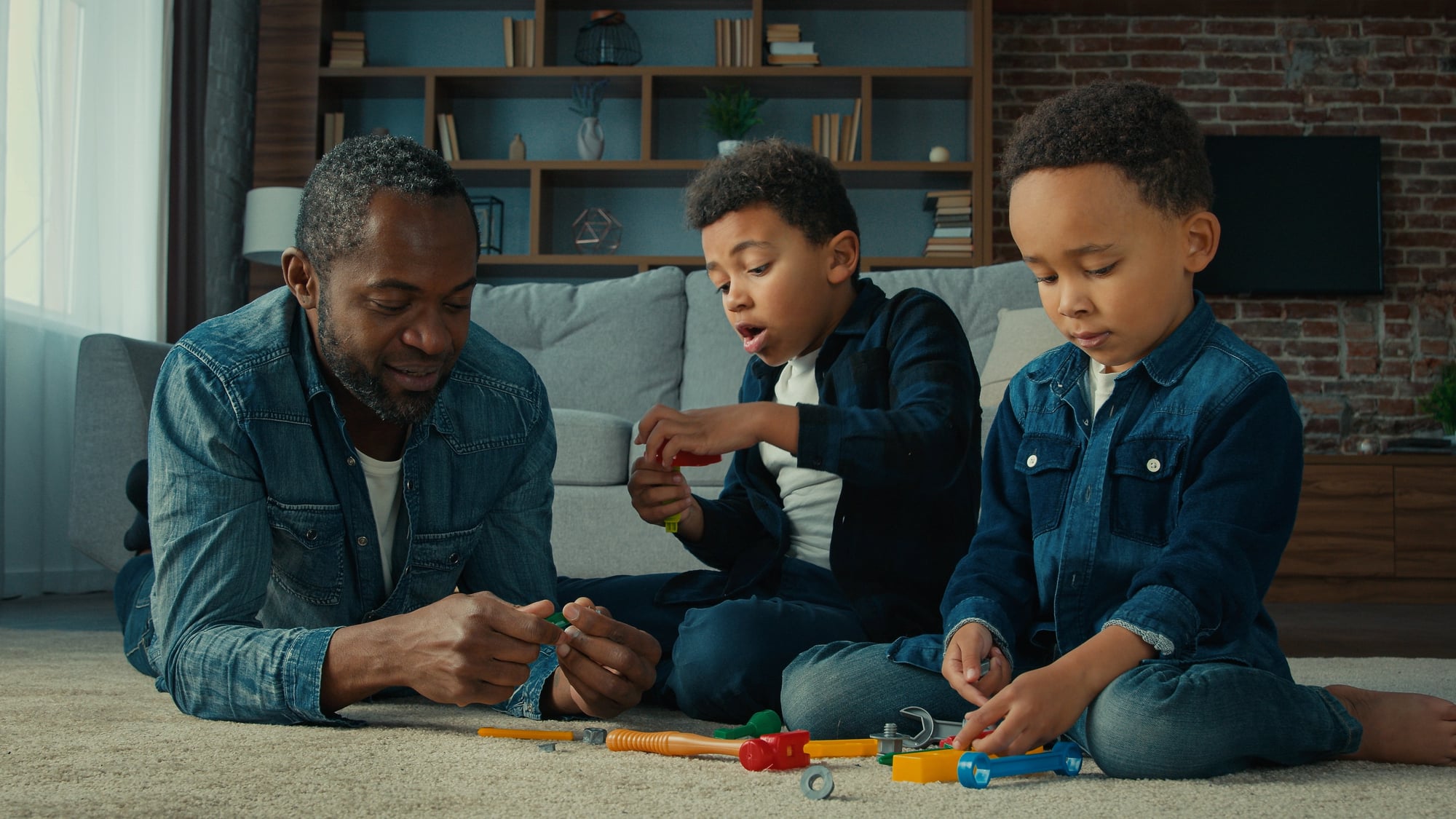
The overwhelming cultural expectation of the era was that babysitting was a girl’s job, and the teenage boys of the 1980s and 1990s were rarely considered as candidates regardless of their competence or interest. The social coding of childcare as feminine produced a hiring pool that was effectively segregated by gender, with teenage girls taking the economic opportunity and teenage boys generally left out of it.
This was so thoroughly unremarked upon at the time that many adults who grew up in the era have never consciously noticed it until it’s pointed out.
The Babysitter’s Homework Came With Her

A babysitter who had homework due the following day brought it with her and did it at the kitchen table after the children were in bed. This was considered normal and industrious.
The kitchen table in someone else’s house, under a single overhead light, with a dictionary borrowed from a shelf — this was the homework environment for a significant percentage of 1980s suburban teenagers on Friday evenings. The parents came home and found the school books spread out and said something complimentary about the babysitter being so responsible.
Siblings Were Left to Sort Out Their Own Arguments

Conflict resolution between children in the care of a 1980s babysitter was managed primarily by the babysitter’s preference for not getting involved. The standard intervention was brief: a loud instruction from the kitchen to stop it, and then a return to whatever the babysitter was doing.
If the conflict persisted, a second instruction. If it persisted beyond that, someone was sent to their room, which resolved the immediate volume problem without addressing the underlying dispute.
The parents received no report of the conflict. It had resolved by morning.
Car Trips Happened Without Car Seats for Older Kids

If the babysitter needed to transport children anywhere — a short trip to a friend’s house, a collection from a club or activity — the older children in the car were not necessarily restrained by anything more specific than the standard seatbelt, and younger children’s car seat requirements were considerably less stringent than current law demands. The babysitter drove the family car with provisional or no licence in some cases, or a licence held for a matter of months.
The journey was treated as an ordinary domestic errand rather than a formal responsibility.
The Medicine Cabinet Was Accessible

Children who complained of headaches or minor ailments during a babysitting evening were sometimes given over-the-counter medication by the babysitter from the cabinet in the bathroom, without specific instructions from the parents about whether this was appropriate and at what dose. The babysitter estimated a reasonable amount based on the child’s size.
The child confirmed or denied that they felt better. The medication was generally mild.
The parents were not informed. This resolved the situation and would not be repeated in any contemporary babysitting arrangement without explicit written parental authorisation.
The Babysitter’s Boyfriend Might Show Up

The teenage babysitter occasionally had a boyfriend who, once the parents had left and the children were occupied, would arrive and spend part of the evening in the house. This was not mentioned to the parents in advance.
The boyfriend watched television in the living room, ate the remaining snacks, and left before the parents came home. The children knew about the boyfriend’s visit and understood instinctively that mentioning it would end the informal arrangement that made babysitting nights more permissive than standard evenings.
Nobody mentioned it.
Children Were Bathed or Put to Bed Without Specific Instructions

The bathing and bedtime routine of children in the 1980s was transferred to the babysitter with minimal instruction. She was assumed to know approximately how this worked.
Shampoo was in the bathroom. Pyjamas were presumably somewhere.
Bedtime was around eight for the small ones, later for the older ones. The specificity of current bedtime instructions — exact routine, specific books, white noise machine settings, which stuffed animal lives inside which part of the bed — would have been received in 1985 as extraordinary.
The babysitter improvised. The children went to sleep.
No Background Check Was Conducted

The decision to hire a babysitter in the 1980s and 1990s was made on the basis of personal knowledge, community reputation, and the sense that the person seemed fine. A background check — formal verification of criminal history or safeguarding training — was not part of the hiring process for a private babysitting arrangement at any point in the era.
The parents knew the family, or the family knew someone who knew the family, and this chain of social knowledge was treated as the relevant qualification. In almost all cases, it was sufficient.
The House Alarm, If There Was One, Was Shared Without Formal Security Protocols
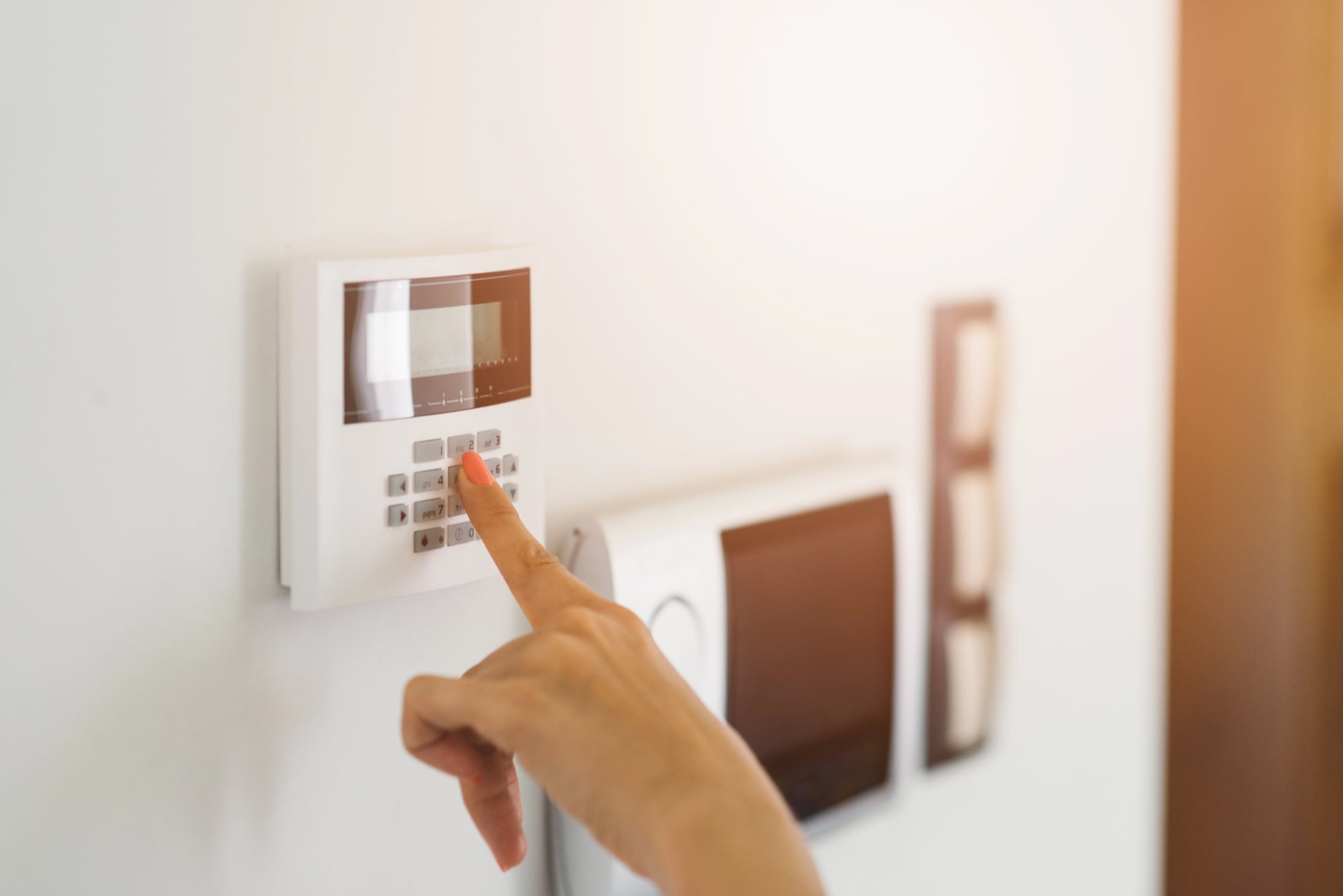
Homes that had alarm systems in the 1980s provided the babysitter with the code, because without it she couldn’t operate the alarm. This code was shared verbally and not formally revoked after the engagement.
The babysitter wrote it down somewhere and kept it, or didn’t write it down and forgot it, or mentioned it to the friend she’d invited over. The security protocols around alarm codes and keypad access were loosely managed in an era when the primary security concern was remembered to set the alarm at all.
Food Allergies Were Not Always on the List

The piece of paper left on the fridge by 1980s parents typically contained a phone number, perhaps a second phone number, and a brief note about bedtime. Food allergies, dietary restrictions, and specific nutritional instructions were not standard elements of the handover.
Nut allergies were less understood and considerably less visible in mainstream culture, and the range of formally documented dietary restrictions in the general population was significantly smaller than it is today. The babysitter fed the children what was available.
The parents arrived home and asked if everything had been all right. It had.
The Return Time Was Whenever the Taxi Arrived

Pre-Uber suburban parenthood at night depended on either driving home, being driven home, or waiting for a minicab that had been booked from a payphone at an indeterminate point earlier in the evening. The minicab had no GPS.
It had a dispatcher and a rough ETA that became less accurate the later the evening ran. The babysitter, waiting in someone else’s house, had no visibility into when this cab would arrive.
She sat with the television on and the house quiet and let the time pass until headlights in the driveway resolved the question.
There Was No Way to Check If the Children Were Actually Asleep

Baby monitors existed in the 1980s — audio monitors, plugged into the wall, transmitting a faint crackle of ambient room noise from a matching receiver in the kitchen or living room. Video monitoring of sleeping children was not available to the average household until the 2000s.
The babysitter knew the children were in bed. Whether they were actually asleep, or lying quietly staring at the ceiling, or conducting a quiet game under the covers by torchlight — this was structurally unverifiable.
This was, for the children, one of the better aspects of the whole arrangement.
The Parents Drove Home Having Had Several Drinks

The drink-driving laws of the 1980s existed but were enforced with considerably less rigour than current standards, and the cultural normalisation of driving after several drinks — particularly at shorter distances, late at night, on familiar roads — was more prevalent than current attitudes allow. Parents arriving home from an evening out in the 1980s were not necessarily arriving sober.
The babysitter noticed or didn’t notice, collected her money, and was driven home by the parents or walked home alone, depending on the distance and the evening. This too was normal.
What Changed Was the Standard, Not the Love

None of this happened because 1980s and 1990s parents cared less about their children than parents do today. The standards were different, the tools were different, the risks that were understood and managed were different.
A generation of children grew up in households where the babysitter was thirteen, the emergency plan was a restaurant phone number, and the medicine cabinet was accessible on the basis of a child’s complaint — and most of them grew up fine.
What changed was the information. More knowledge about child development, safeguarding risks, car safety, and medical dosing produced more specific guidelines, and more specific guidelines produced more specific expectations, and more specific expectations produced the annotated handover notes, the background checks, and the video monitors.
The love was always the same intensity. The protocols just caught up with it.
More from Go2Tutors!

- The Romanov Crown Jewels and Their Tragic Fate
- 13 Historical Mysteries That Science Still Can’t Solve
- Famous Hoaxes That Fooled the World for Years
- 15 Child Stars with Tragic Adult Lives
- 16 Famous Jewelry Pieces in History
Like Go2Tutors’s content? Follow us on MSN.