28 Spies Who Operated in Plain Sight and Fooled Everyone Around Them
The defining quality of a truly effective spy is not the ability to disappear but the ability to be completely visible and still not seen. The most damaging intelligence operations in history were not run from shadows — they were run from desks in London, from embassy offices in Washington, from prison camps and chicken farms and suburban Virginia, by people whose colleagues trusted them absolutely and whose handlers sometimes barely believed their luck.
Every spy on this list was hiding in the most exposed possible place: right in front of everyone who needed to catch them.
Kim Philby — The Head of Soviet Counterintelligence, Working for the Soviets
Harold Adrian Russell Philby — Kim to everyone who knew him — rose to become head of the Soviet counterintelligence section of MI6, Britain’s foreign intelligence service. From that position, he ran the entire British operation designed to catch Soviet spies, while himself being one of the most productive Soviet agents in history.
He was a member of the Cambridge Five, a network of British intelligence officers recruited as students in the 1930s. Philby was at various points considered a candidate for director of MI6 itself.
He was suspected of passing information to the Soviets twice during his career, was investigated twice, and was cleared twice — partly because his closest friend in the service, Nicholas Elliott, defended him absolutely. He defected to Moscow in 1963.
Intelligence historians estimate the scale of his damage to Western networks in the millions of compromised operational details.
Juan Pujol García (Agent Garbo) — The Spy With 27 Imaginary Agents

Juan Pujol García was a Catalan chicken farmer who decided to fight fascism by becoming a spy, despite having no intelligence training, no contacts, and no credentials. The British rejected him.
Undeterred, he approached German intelligence in Madrid, invented a cover as a Spanish official traveling to London, and was accepted and trained. He then moved to Lisbon rather than London and began filing intelligence reports about Britain based entirely on guidebooks, railway timetables, and his own imagination.
He invented twenty-seven fictional sub-agents with full backstories, reported their “intelligence,” and became one of Germany’s most trusted sources — without ever having set foot in England. By the time MI6 discovered what he was doing, they were astonished enough to hire him properly.
In 1944, his fabricated intelligence played a central role in convincing Hitler that D-Day was not the main Allied landing. He received both an MBE from Britain and an Iron Cross from Germany.
He faked his own death in 1949, lived quietly in Venezuela, and was tracked down by a historian in 1984.
Robert Hanssen — The FBI’s Counterintelligence Expert

Robert Hanssen was a deeply religious man with strong conservative convictions and a long career in the FBI, where he worked in counterintelligence. He was also, for over twenty years, the most damaging spy in FBI history.
Hanssen passed detailed intelligence to the Soviet Union and Russia from 1979 onward, revealing the identities of Soviet officers who had been secretly working for the US — at least three of whom were executed after Hanssen’s disclosures. He revealed the existence of a secret tunnel under the Soviet embassy in Washington that the FBI and NSA had dug for surveillance.
He gave up the entire American nuclear war response strategy. He was caught in 2001 when the FBI paid a Russian intelligence source seven million dollars for a KGB file containing his fingerprints.
He was arrested making a dead drop in a Virginia park and sentenced to fifteen consecutive life terms.
Aldrich Ames — The CIA’s Soviet Division
Aldrich Ames ran Soviet operations for the CIA’s counterintelligence center for years while simultaneously selling the names of CIA assets to the KGB. He began spying for the Soviets in 1985 and continued for nine years.
The CIA noticed that assets in the Soviet Union were being arrested and executed at an alarming rate but spent years looking for an explanation before finding the obvious one. Ames drove a Jaguar and owned a half-million-dollar house in cash on a government salary.
The CIA eventually noticed the financial discrepancy. He was arrested in 1994 and is serving a life sentence.
At least ten people were executed based on information he provided.
Eddie Chapman (Agent Zigzag) — Criminal, Spy, Double Agent, MBE

Eddie Chapman was a professional safecracker who was serving a prison sentence on the German-occupied island of Jersey when the Germans decided to take him up on his offer to spy against Britain. He was trained by the Abwehr, parachuted into England in 1942, and immediately surrendered to British authorities and offered to work as a double agent.
He was sent back to Germany with fabricated intelligence and managed to convince the Abwehr that he had sabotaged a De Havilland aircraft factory — the RAF staged the sabotage convincingly with photographs. He was awarded the Iron Cross by Germany and given a substantial cash payment.
MI5 gave him an MBE and £6,000. He was arguably the only person in World War II to receive medals from both sides.
Duško Popov (Agent Tricycle) — The Real James Bond?
Duško Popov was a Yugoslav playboy, lawyer, and double agent who worked for MI5 during World War II while ostensibly working for the Abwehr. He is sometimes cited as part of the inspiration for Ian Fleming’s James Bond character — Fleming met Popov in Lisbon in 1941 and reportedly observed him gambling with enormous sums.
Popov passed Germany’s questionnaire about Pearl Harbor’s defenses to the FBI in August 1941, months before the attack, but J. Edgar Hoover reportedly dismissed him as untrustworthy. In 1942, Popov helped break up a German spy network in the United States.
He wrote his memoirs, lived comfortably in the south of France after the war, and died in 1981.
The Cambridge Five — Five Men, Decades of Damage

Kim Philby was the most famous, but the Cambridge Five consisted of five British intelligence and government officials who were recruited as Soviet agents at Cambridge University in the 1930s: Philby, Donald Maclean, Guy Burgess, Anthony Blunt, and John Cairncross (identified as the likely fifth member). All five reached senior positions in British intelligence or government.
Maclean passed atomic secrets. Burgess worked in the Foreign Office.
Blunt became Surveyor of the Queen’s Pictures. Cairncross passed information about the Enigma decryption program to the Soviets.
Their collective access covered British intelligence, American nuclear research, and signals intelligence for decades. The last of them, Anthony Blunt, was exposed in 1979 but given immunity in exchange for a confession.
The Queen was informed before the public was.
Virginia Hall — The Woman the Gestapo Called “The Limping Lady”
Virginia Hall was an American diplomat with an artificial leg who became one of the most effective Allied agents in occupied France during World War II. She organized resistance networks, coordinated supply drops, and helped evacuate downed pilots, all while living openly in Vichy France and later in the French countryside under cover as a milkmaid.
The Gestapo distributed wanted posters with her description and labeled her “the most dangerous of all Allied spies.” She escaped over the Pyrenees on foot in winter, losing her artificial leg in the snow as she crossed the mountains.
She received the Distinguished Service Cross, the only civilian woman to receive it in World War II, in a private ceremony because she refused to appear in public for fear of compromising her networks.
Eli Cohen — The Man Who Almost Became Syria’s Defense Minister

Eli Cohen was an Egyptian-born Israeli intelligence officer who infiltrated Syrian high society in the early 1960s under the identity of a Syrian businessman returning from Argentina. He befriended Syrian military officers and politicians, attended parties at the Ministry of Defense, and was at one point considered for the position of Deputy Defense Minister of Syria.
The intelligence he passed to Israel during the period before the 1967 Six-Day War is credited with giving Israel decisive military advantage — Israeli forces knew the positions of Syrian fortifications on the Golan Heights in specific detail because Cohen had visited them personally. He was caught in 1965, publicly tried, and hanged in Damascus.
Syria has repeatedly refused Israel’s requests to return his remains.
George Blake — Destroyed Two Generations of Operations
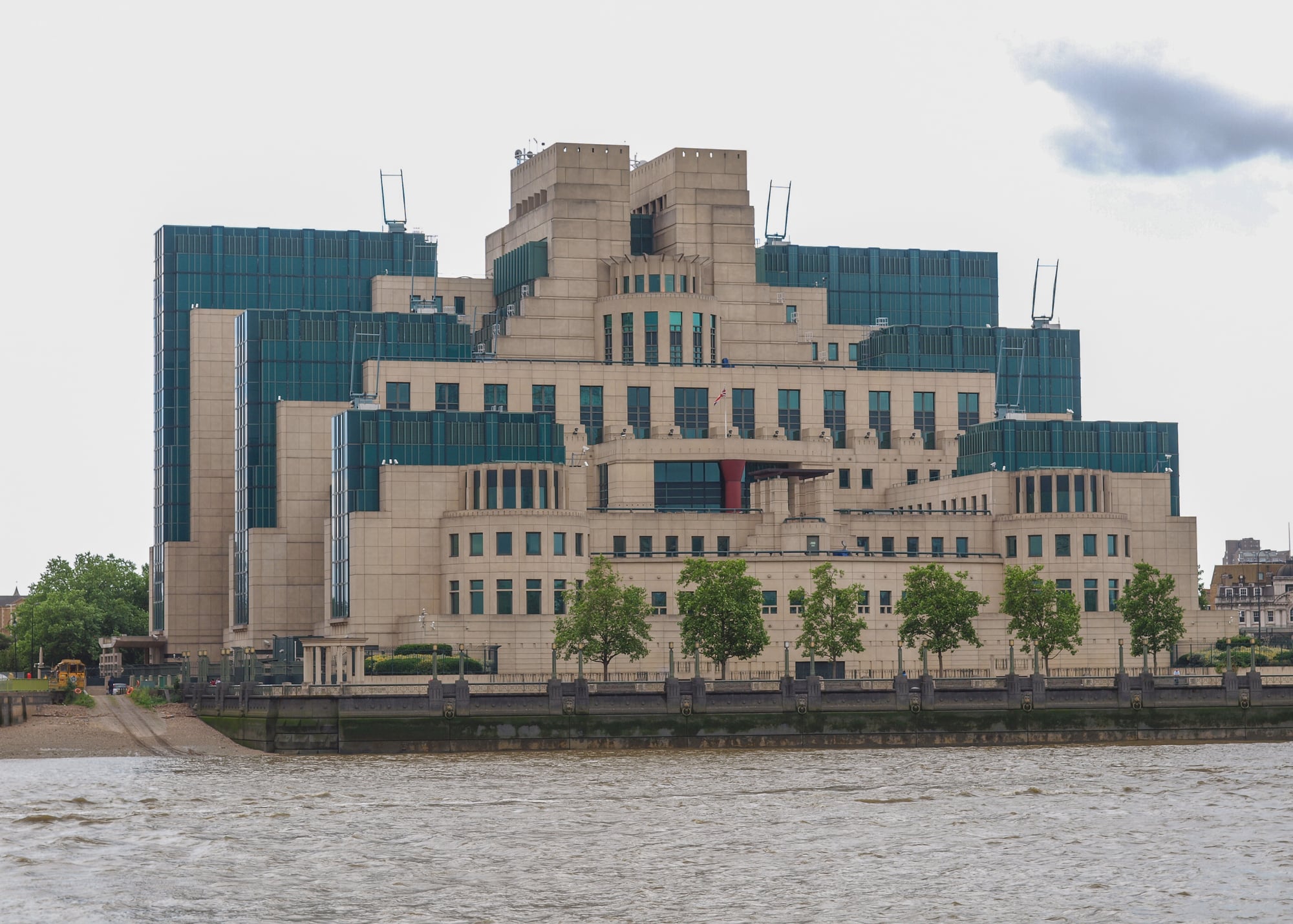
George Blake was a British intelligence officer who was captured during the Korean War, spent time in a North Korean prison camp, and came out as a Soviet agent. He was sent to West Berlin to recruit Soviet agents and used the position to expose virtually every British and combined US-British operation he knew of.
He is credited with exposing Operation Gold — a tunnel the CIA and MI6 had dug under the Berlin Wall to tap Soviet communications — before it was even operational, though the Soviets let it run for a year to protect Blake. He is estimated to have exposed forty or more agents, some of whom were executed.
He was arrested in 1961, convicted, and sentenced to forty-two years — one year per agent exposed. He escaped from Wormwood Scrubs prison in 1966, made it to Moscow, and was still alive there into his nineties.
Elizabeth Van Lew — Richmond’s Loyal Confederate
Elizabeth Van Lew was a wealthy Richmond, Virginia woman who presented herself as an eccentric Confederate loyalist during the Civil War while running one of the most productive Union spy rings of the conflict. She cultivated a reputation for harmless eccentricity, was nicknamed “Crazy Bet” by her neighbors, and used her social position to visit Union prisoners at Libby Prison — where she gathered intelligence and helped prisoners escape.
Her network, the Richmond Underground, is credited with passing critical military intelligence to Ulysses S. Grant’s command. She reportedly hid escaped Union officers in a secret room in her mansion.
After the war, Grant appointed her postmistress of Richmond, which her former Confederate neighbors found deeply unwelcome.
Noor Inayat Khan — The Wireless Operator the Germans Never Suspected
Noor Inayat Khan was the daughter of an Indian Sufi musician and a British-American mother who became the first female wireless operator sent into occupied France by the British Special Operations Executive. She was gentle, idealistic, and had been advised by her SOE trainers that she was unsuitable for espionage work — too honest, too transparent, too unwilling to lie convincingly.
She was caught in 1943, held at Pforzheim prison in Germany in chains, and refused to give any information throughout her interrogation. She was executed at Dachau concentration camp in September 1944.
She was posthumously awarded the George Cross, Britain’s highest civilian honor.
John André — The British Officer Who Coordinated Benedict Arnold
Major John André was the British Army’s chief of intelligence and a charming, widely admired figure who handled the negotiations with American general Benedict Arnold for Arnold’s defection. He went behind American lines in civilian clothes to meet with Arnold personally, which technically made him a spy rather than a prisoner of war under the laws of the time.
He was captured by American irregulars who found documents hidden in his boot, tried by a court-martial that included Alexander Hamilton, and hanged. Arnold escaped to the British.
André was so well-liked by American officers that several attempted to negotiate an exchange for him. Washington refused.
James Rivington — The Loyalist Printer Who Worked for George Washington
James Rivington published New York’s most prominent Loyalist newspaper during the American Revolution, writing furious screeds against the patriot cause that made him so hated that his print shop was destroyed and he was burned in effigy. In secret, he was a member of the Culper Spy Ring, passing intelligence about British troop movements to George Washington using invisible ink.
His cover as a deeply committed Loyalist was so effective that it has taken historians considerable time to confirm his role, and his motivations remain unclear. After the British evacuated New York, Rivington stayed and continued printing — which was unusual for a committed Loyalist who would otherwise have had reason to fear reprisal.
Mata Hari — The Spy Whose Guilt Is Still Debated
Margaretha Zelle, who performed under the name Mata Hari, was a Dutch exotic dancer and courtesan who was executed by French firing squad in 1917 for alleged espionage on behalf of Germany. She certainly had access to high-ranking military and political figures through her relationships with them.
Whether she actually passed useful intelligence is a different question, and one that historians have argued about ever since. Some intelligence historians believe she was largely a scapegoat — an available foreign woman with suspicious contacts during a period when French military morale was catastrophically low and the public needed someone to blame for military failures.
Her guilt has never been definitively established and her conviction was based on evidence that subsequent analysts have found thin.
Klaus Fuchs — The Physicist Who Gave Away the Bomb
Klaus Fuchs was a German-born physicist who fled Nazi Germany, worked on the British nuclear program, and was sent to Los Alamos to join the Manhattan Project. He was a valued and trusted colleague who genuinely contributed to the science.
He was also, throughout the entire period, passing nuclear weapons design information to the Soviets. When he was caught in 1950, American and British intelligence realized that the Soviet Union’s development of nuclear weapons had been accelerated significantly by his work.
He served nine years in prison in Britain, was released, and returned to East Germany where he continued his scientific career. He never expressed particular remorse.
Aldrich Ames on Ames’s Failure: The Lifestyle Problem
After Ames was caught in 1994, CIA director James Woolsey acknowledged that the Agency had failed to notice that one of its senior officers was living in a $540,000 house, paid cash for a Jaguar, and ran up credit card bills his government salary could not have supported — for nine years. The failures of oversight that allowed Ames to continue were so fundamental that the CIA initiated a review of lifestyle screening procedures.
The Agency reportedly paid more attention to the financial discrepancies of junior employees than of senior ones, on the theory that senior people were more trusted. Ames had understood this.
Ana Belén Montes — The Pentagon’s Cuba Analyst
Ana Belén Montes was the Defense Intelligence Agency’s senior Cuba analyst for many years. She was also, from 1985 onward, one of Cuba’s most effective intelligence assets in Washington.
She passed highly classified assessments of US intelligence on Cuba to Havana, gave the Cubans information about covert American operations in Central America, and consistently shaped US intelligence assessments to favor Cuban interests. She received the DIA’s Meritorious Civilian Service Award in 1997.
She was arrested in 2001, ten days after the September 11 attacks, when the FBI had enough evidence to move. She pleaded guilty and was sentenced to twenty-five years.
She was released in 2023.
The Double Cross System’s Twenty Agents

During World War II, MI5 ran the Double Cross System — a program under which virtually every German agent sent to Britain was either turned into a double agent or arrested. At its peak, Twenty Committee (named for the Roman numerals XX) was managing twenty German agents simultaneously, all feeding fabricated intelligence to Germany.
The Germans never realized their entire British network had been captured and turned. The system required the agents to be convincing enough that Germany did not suspect them, which meant feeding Germany enough genuine intelligence mixed with the false material to maintain credibility.
The balance was delicate and required constant management. It may be the largest coordinated deception operation in intelligence history.
Walter Mittelberger — Invisible Inside the Abwehr

Walter Mittelberger was a senior officer inside the Abwehr — Germany’s military intelligence organization — during World War II who is believed to have been passing information to British intelligence throughout the war. The Abwehr itself was riddled with officers who were either opposed to the Nazi regime ideologically or were working for the Allies more directly.
Admiral Wilhelm Canaris, the Abwehr’s director, is believed by some historians to have been sabotaging German intelligence operations deliberately from the top of the organization. The extent of Abwehr penetration by Allied intelligence remains partially classified.
Oleg Penkovsky — The Soviet Colonel Who Changed the Cold War
Oleg Penkovsky was a senior GRU (Soviet military intelligence) colonel who walked into the American and British embassies in Moscow in 1961 and offered to spy. Both initially declined to believe him.
He persisted and eventually was accepted by MI6 and the CIA jointly. He passed tens of thousands of pages of Soviet military intelligence over approximately eighteen months, including detailed information about Soviet missile capabilities that proved crucial during the Cuban Missile Crisis in 1962.
His intelligence helped American analysts understand that Soviet missiles were less capable than the USSR claimed. He was caught in 1962 and executed.
Rudolf Abel — The Soviet Spy Who Was the Benchmark
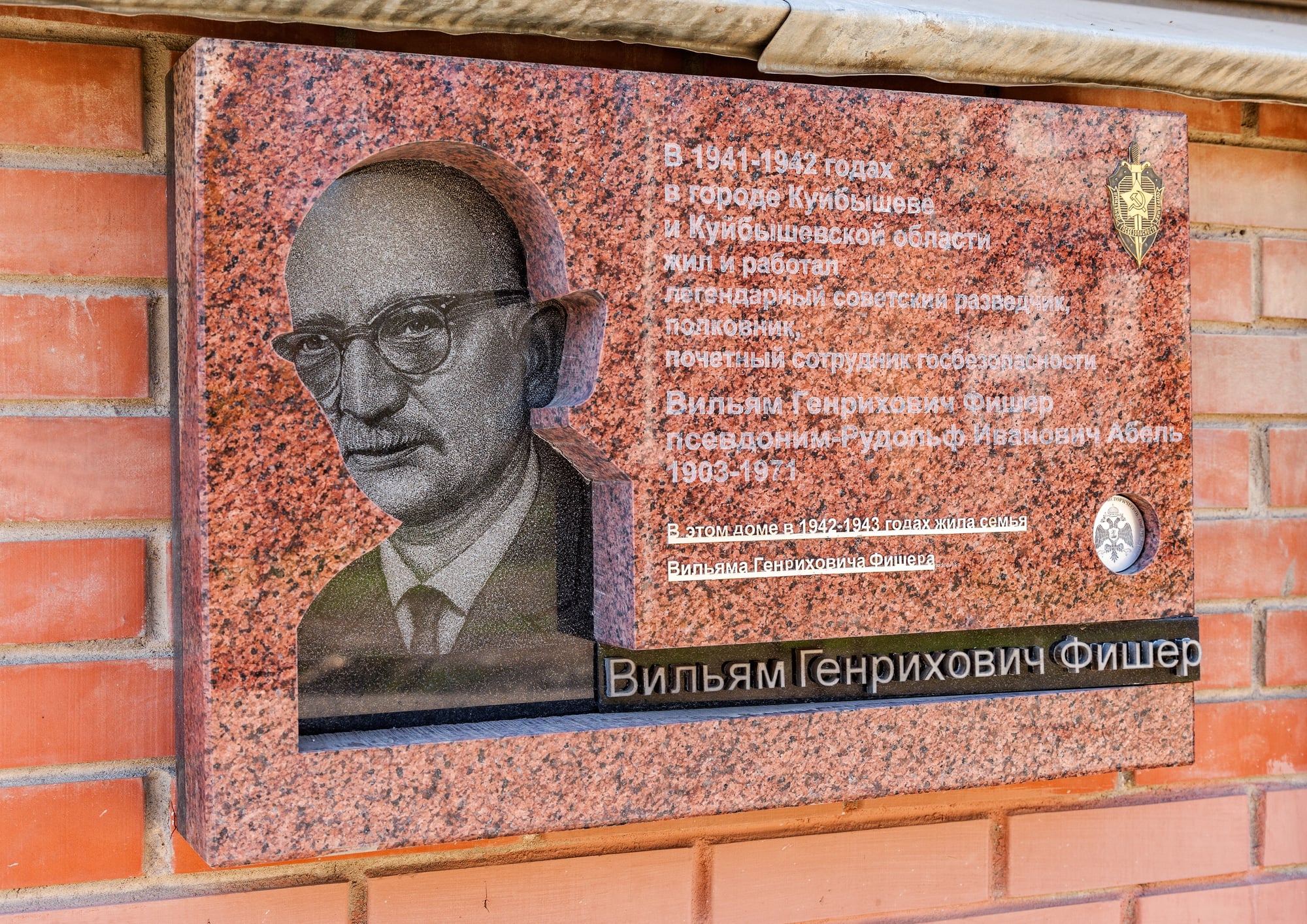
Rudolf Abel — actually named Vilyam Fisher — was a senior KGB officer who lived in Brooklyn for years under cover as a painter and photographer, running a Soviet intelligence network. He was caught in 1957 when his own assistant, panicking under FBI pressure, defected and gave him up.
He was convicted of espionage, sentenced to thirty years, and traded in 1962 for U-2 pilot Francis Gary Powers on Berlin’s Glienicke Bridge. His professionalism was so respected by the intelligence community on both sides that the CIA reportedly considered him a model of what an illegal intelligence officer should be.
The 2015 film Bridge of Spies depicts his capture and trade.
Aldrich Ames and His Handler’s Observation
The CIA officer who served as Ames’s Soviet contact reportedly noted, after the arrest, that Ames had been unusually calm during the years of his espionage — not nervous, not evasive, not guilty. He had compartmentalized the two lives completely enough that colleagues found him pleasant, reliable, and professionally competent right up to the end.
Several people who knew him well said afterward that they had never suspected anything. The absence of obvious signs of stress in someone committing sustained treason at the highest level continues to puzzle behavioral analysts.
Julius and Ethel Rosenberg — The Nuclear Spy Ring
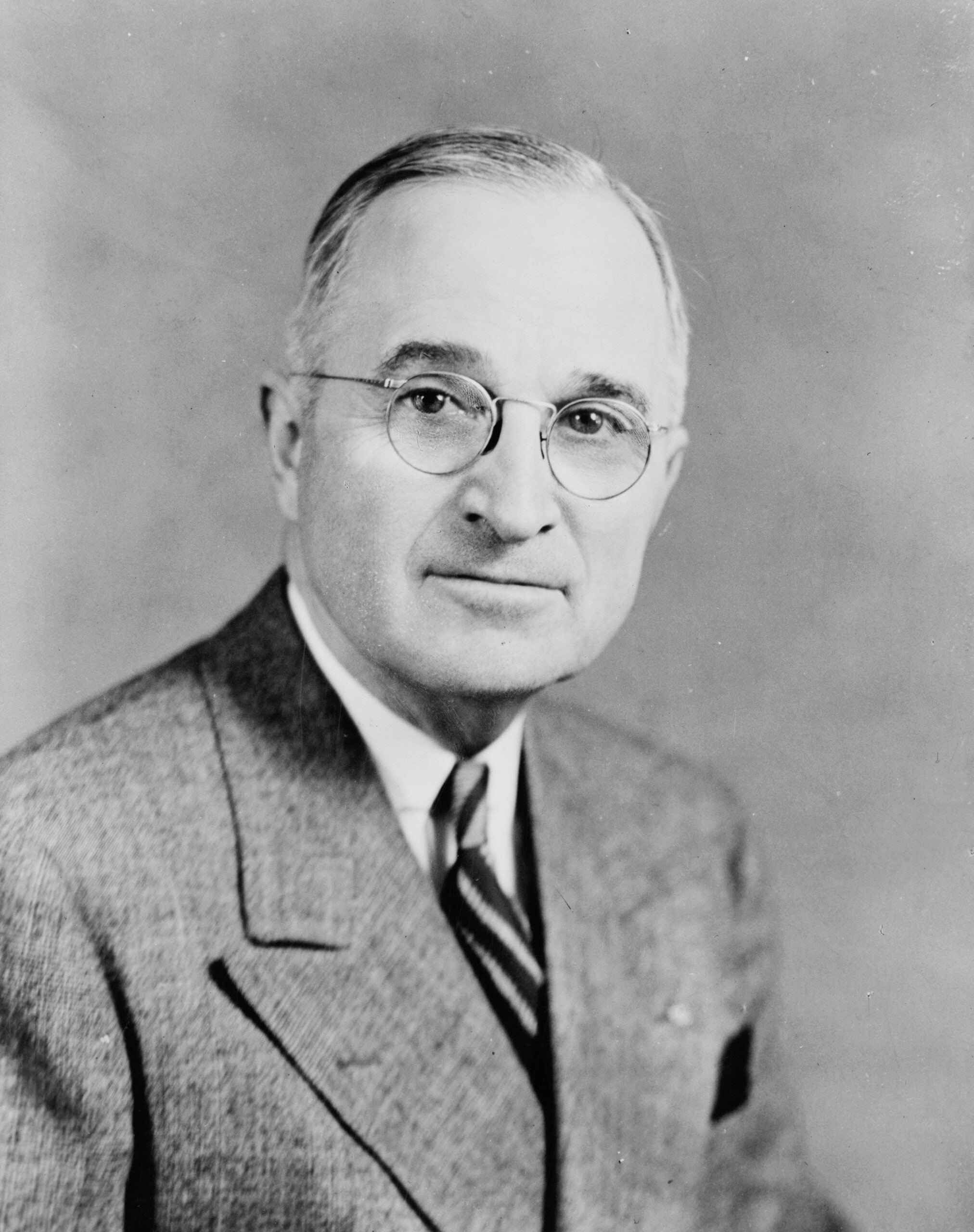
Julius Rosenberg was an electrical engineer who recruited a network of Soviet spies from his position within the US Army Signal Corps and through his connections in the American Communist Party. His brother-in-law, David Greenglass, worked at Los Alamos and passed nuclear information through the ring.
Klaus Fuchs was a separate but related channel. The Rosenbergs were arrested in 1950, tried for conspiracy to commit espionage, and executed in 1953 — the only American civilians executed for espionage during the Cold War.
The case was deeply controversial, with debate about whether both Julius and Ethel were equally culpable. Documents released after the Soviet Union’s collapse indicate Julius was significantly involved and Ethel was aware of but less active in the network.
W. Somerset Maugham — The Writer Who Was Also a Spy
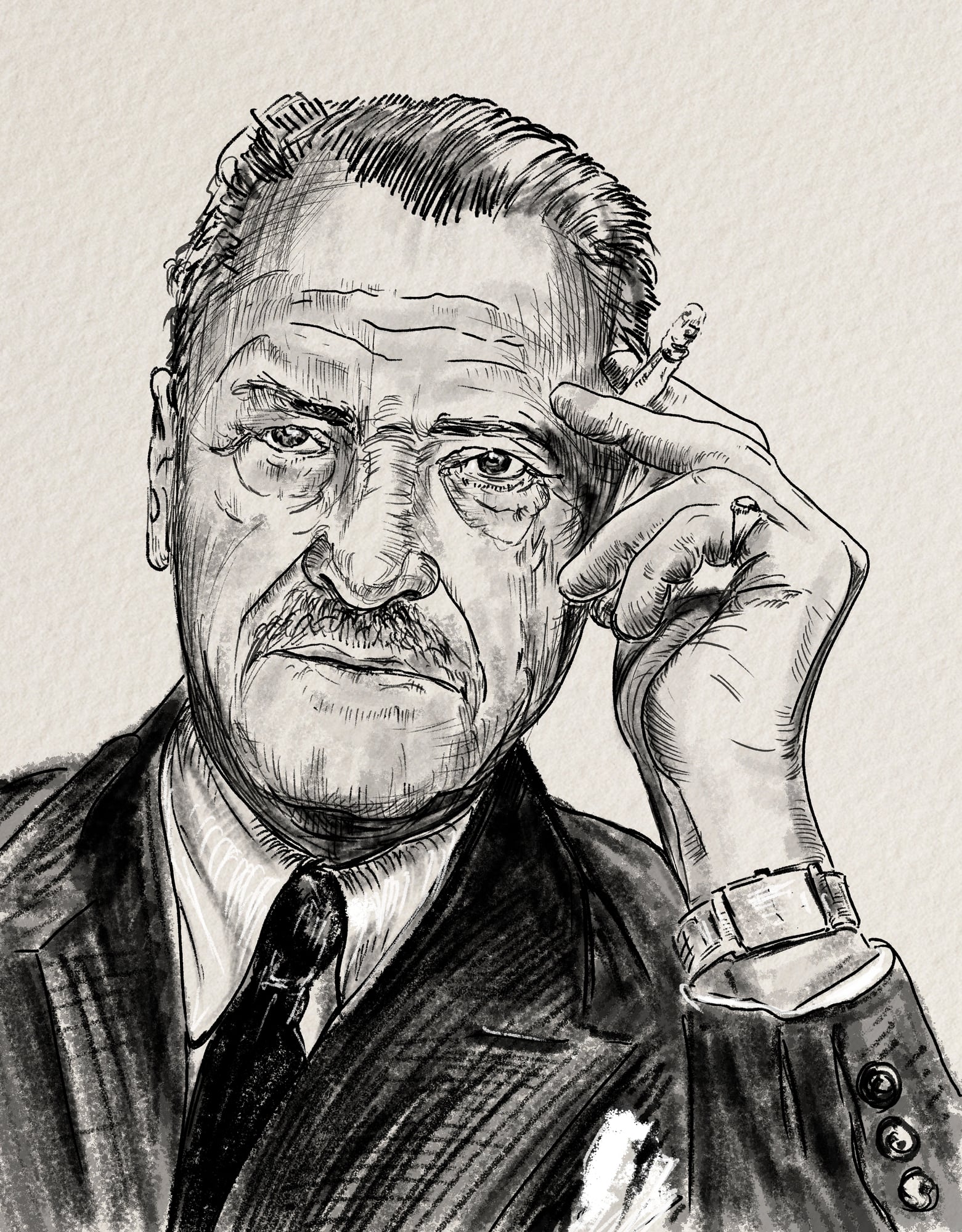
W. Somerset Maugham, the novelist, worked as a British intelligence officer during World War I, serving in Switzerland and Russia. He ran agents, handled payments, and gathered political intelligence.
His experience in espionage directly informed his novel Ashenden, published in 1928, which is generally considered the first realistic literary treatment of intelligence work — James Bond’s emotional opposite in its depiction of the job as bureaucratic, morally ambiguous, and frequently unsuccessful. Maugham continued his literary career publicly while the intelligence work remained private until long after the war ended.
Sydney Reilly — The Ace of Spies Who May Have Been Mostly Legend
Sidney Reilly’s biography is a moving target. He may have been born Shlomo Rosenblum in Ukraine or in Ireland as the illegitimate son of an Irish sea captain, depending on which account is believed.
He worked for British intelligence from the 1890s onward, operating in Russia, Japan, and the Ottoman Empire, and is believed to have gathered significant intelligence in the years before World War I. His reputation as the “Ace of Spies” grew partly from his own self-promotion and partly from genuine accomplishment in extremely dangerous environments.
He was lured back to the Soviet Union in 1925, arrested, and is believed to have been executed, though no confirmed records of his death have been produced. The BBC series Reilly, Ace of Spies dramatized his life in 1983.
Leopold Trepper — The Red Orchestra’s Director
Leopold Trepper ran the Red Orchestra, one of the most significant Soviet intelligence networks operating in Nazi-occupied Europe during World War II. Operating from Brussels and then Paris, he ran an intelligence network that gathered military and industrial intelligence from within Germany.
He was eventually caught by the Gestapo, cooperated under pressure, and was used by the Germans to feed disinformation back to Moscow. After the war he was imprisoned by the Soviets on suspicion of having collaborated.
He was eventually released, emigrated to Poland, then to France, then to Israel, and wrote his memoirs, published in 1975. His network operated under German occupation for years, which required living openly in Paris and maintaining the appearance of a legitimate business.
The Trust of the Betrayed

What connects most of the people on this list is not cleverness alone but the institutional trust that surrounded them. Kim Philby was believed because his colleagues trusted him.
Robert Hanssen was believed because the FBI trusted him. Ana Belén Montes was given awards while she passed intelligence to Cuba.
The agencies that were penetrated did not fail because they lacked smart people — they failed because trust, once established, resists revision even when the evidence begins to shift. Intelligence services have learned from each generation of penetration cases that the profiles they use to identify suspicious behavior keep being wrong.
The spy who seems financially comfortable, professionally engaged, personally likable, and ideologically committed is at least as dangerous as the one who seems troubled or disaffected. The lesson that every major espionage case teaches is the same one: the person you would least suspect is not necessarily innocent, and the person everyone trusts the most is also the one with the most access to give away.
More from Go2Tutors!

- The Romanov Crown Jewels and Their Tragic Fate
- 13 Historical Mysteries That Science Still Can’t Solve
- Famous Hoaxes That Fooled the World for Years
- 15 Child Stars with Tragic Adult Lives
- 16 Famous Jewelry Pieces in History
Like Go2Tutors’s content? Follow us on MSN.