30 Things Kids Used to Do Over Summer Break That Would Shock Parents Today
There was a rule, universally understood and never formally stated, that governed summer break for most American kids until roughly the mid-2000s: be back before the streetlights come on. That was it.
The entire safety framework for hours of unsupervised activity across an entire neighborhood was a single visual cue at dusk. What happened between breakfast and the streetlights was left entirely to the children’s discretion, which is a level of institutional trust in minors that now seems almost impossible to imagine.
The childhood that produced this rule — roaming, improvised, unscheduled, occasionally dangerous, and largely unsupervised — wasn’t idyllic by any objective measure. There were real injuries.
There were bad ideas that got pursued to their natural consequences. But it also produced something that’s genuinely harder to manufacture now: a long summer of complete self-directed freedom, where the only check on your activities was whether you made it home alive by dark.
Roaming the Neighborhood Until Streetlights Came On
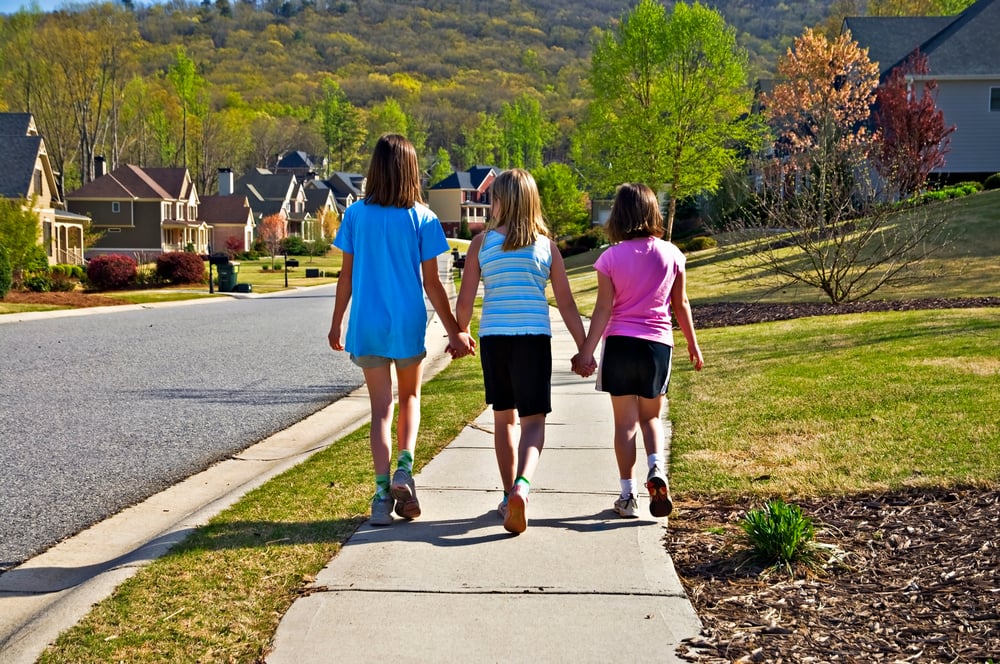
The streetlight rule isn’t a metaphor — it was a literal operating instruction. Children left after breakfast, checked in for lunch at their own homes or whoever’s house they happened to be near, and returned when the neighborhood lights flickered on at dusk.
Their parents had, by modern standards, essentially no information about where they were or what they were doing during those hours. The expectation was not that nothing bad would happen.
The expectation was that children would manage themselves adequately, and mostly they did.
Swimming in Unsupervised Water
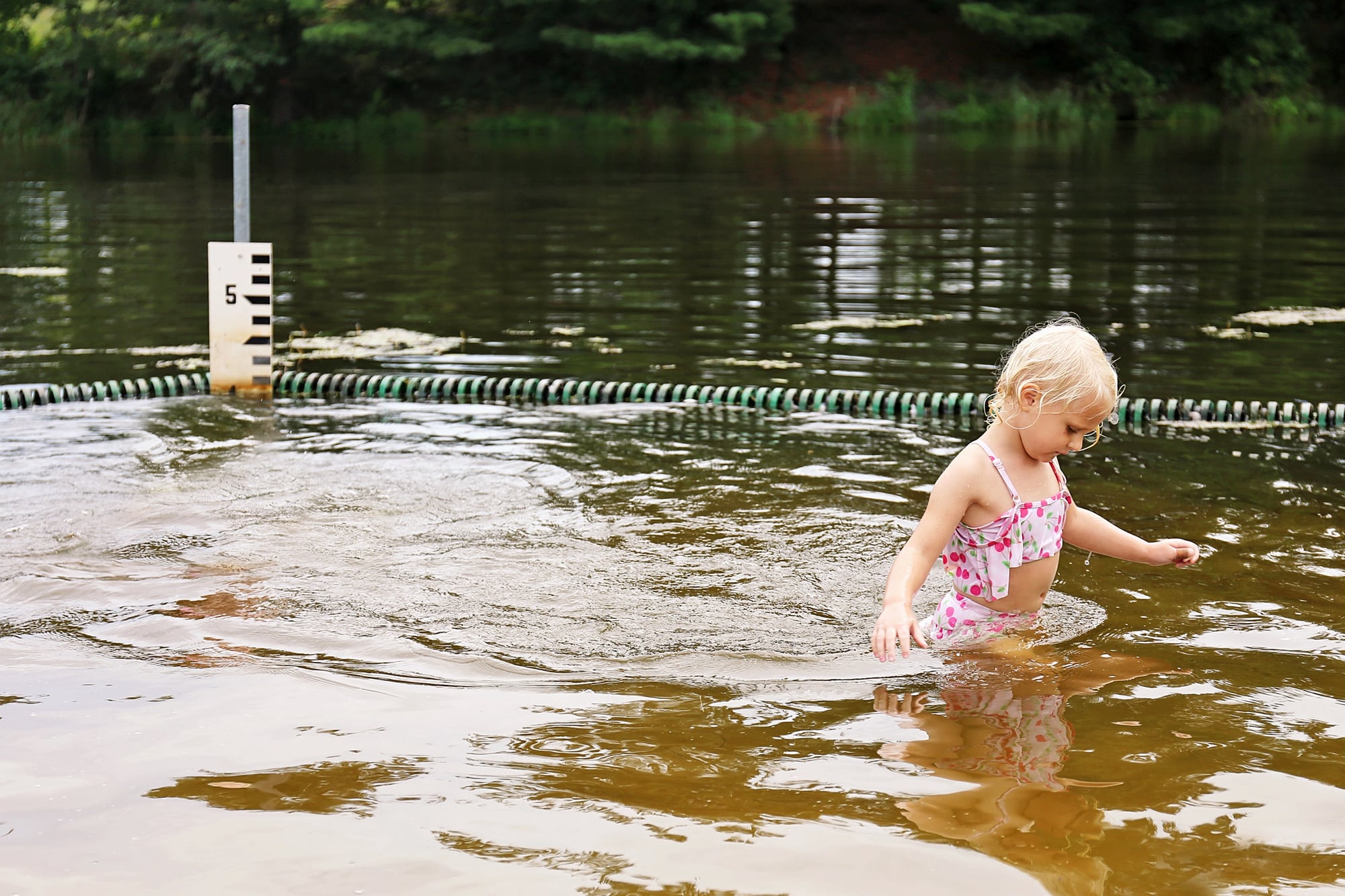
Creeks, ponds, lakes, quarry pits, rivers — wherever water was accessible and cool, children went. Not with adults.
Not at a designated swimming area with a lifeguard present. They picked a spot that looked swimmable, verified it by jumping in, and swam.
The hazards were real: submerged objects, unpredictable currents, depth that was hard to assess from the surface. Drownings happened.
But the freedom to independently access water on a hot summer day was considered a normal part of childhood, not a parental dereliction.
Riding Bikes Miles from Home Without Helmets
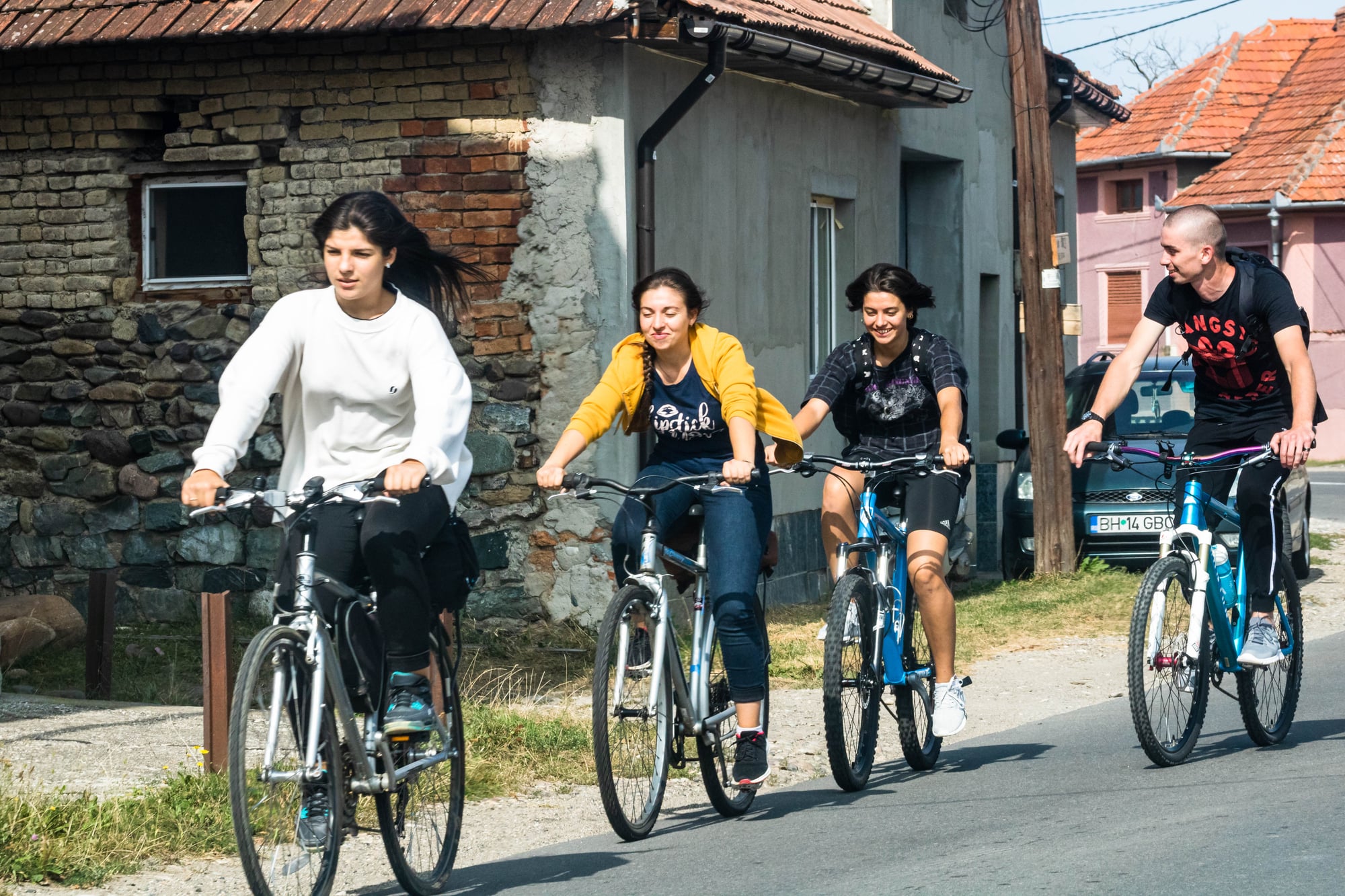
Bicycle helmets existed before 1990, but they were rare enough that a child wearing one would have attracted commentary from other children. Kids rode for miles through neighborhoods, down hills, across arterial roads, and on dirt paths — without helmets, without knee pads, and without parental knowledge of their route.
The bike was transportation and it was freedom, and the range it offered was genuinely significant: kids regularly traveled three, four, five miles from home on bikes during summer days and considered this unremarkable.
Riding in the Back of a Pickup Truck
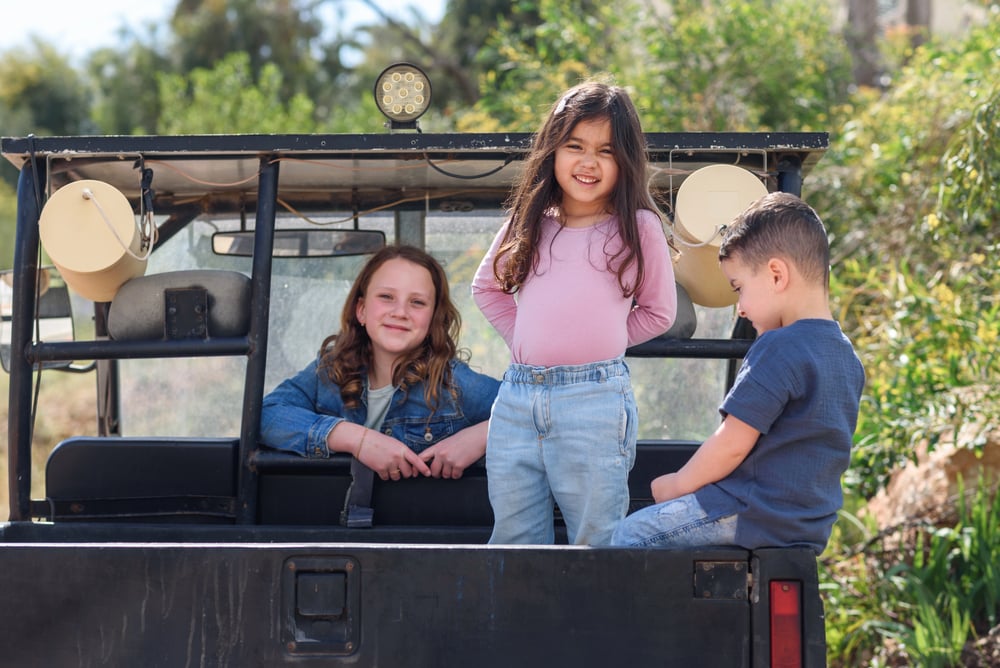
Before seatbelt laws became uniformly enforced and before the safety standards that govern vehicle travel were tightened, piling into the back of a neighbor’s or uncle’s pickup truck was a common summer transport option for children. You sat in the truck bed, held onto the wheel wells or the sides, and traveled.
At highway speeds this was genuinely dangerous. At neighborhood speeds it was breezy and fun.
Parents permitted it. The adults driving considered it normal.
The current generation of parents receiving this information tends to respond with genuine disbelief.
Playing in the Street With No Supervision
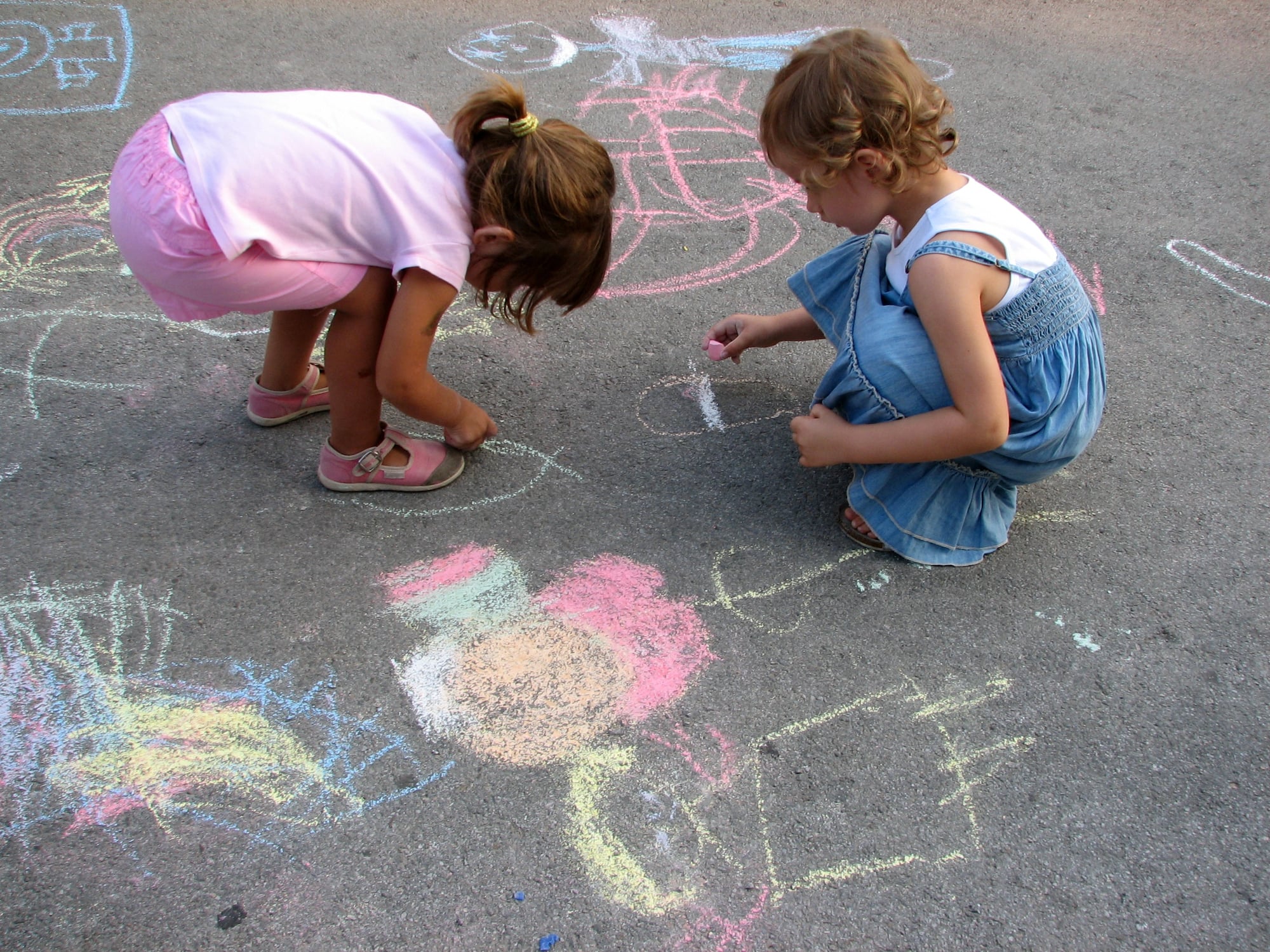
Before cul-de-sac development patterns and before traffic volumes increased on residential streets, children used the street itself as a play surface. Street hockey, basketball with a hoop dragged to the pavement, pickup kickball games that used chalk-marked bases — the street was a natural extension of the yard and the playground.
Drivers were expected to slow down and navigate around children. Children were expected to move for cars.
It worked well enough that the arrangement persisted for decades.
Building Forts From Whatever Was Available
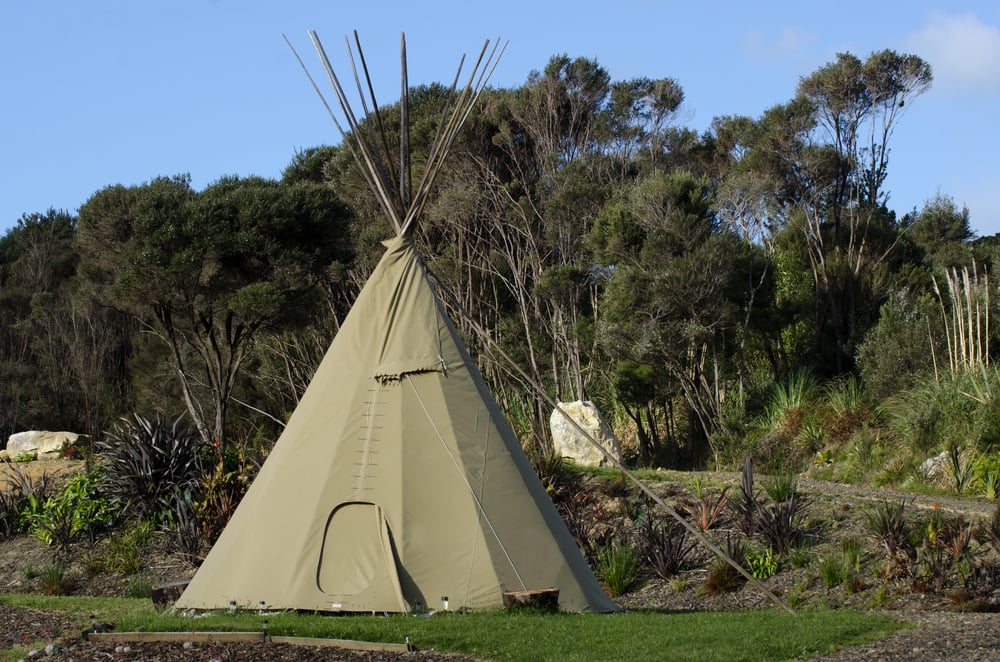
A summer fort was a more serious engineering project than adults now typically recall. Children gathered wood scraps, pallets, old doors, cardboard, and anything else accessible and constructed structures in backyards, in wooded areas, or in fields.
Some forts had multiple rooms and took multiple days to build. The structures were not safe by any modern construction standard — they had exposed nails, unstable roofs, and walls that collapsed unpredictably.
This was considered normal creative building activity, not a hazard requiring adult intervention.
Drinking From Garden Hoses

The garden hose was a primary hydration source during summer outdoor play. Not because it was superior to indoor water, but because going inside to get a glass of water required going inside.
Inside meant the possibility of being given something to do or of losing your position in whatever game was underway. The specific flavor of garden hose water — slightly rubbery, distinctly warm for the first few seconds, then cold — is one of the most immediately recognizable sensory memories of pre-digital childhood.
Spending Entire Days in the Woods Alone
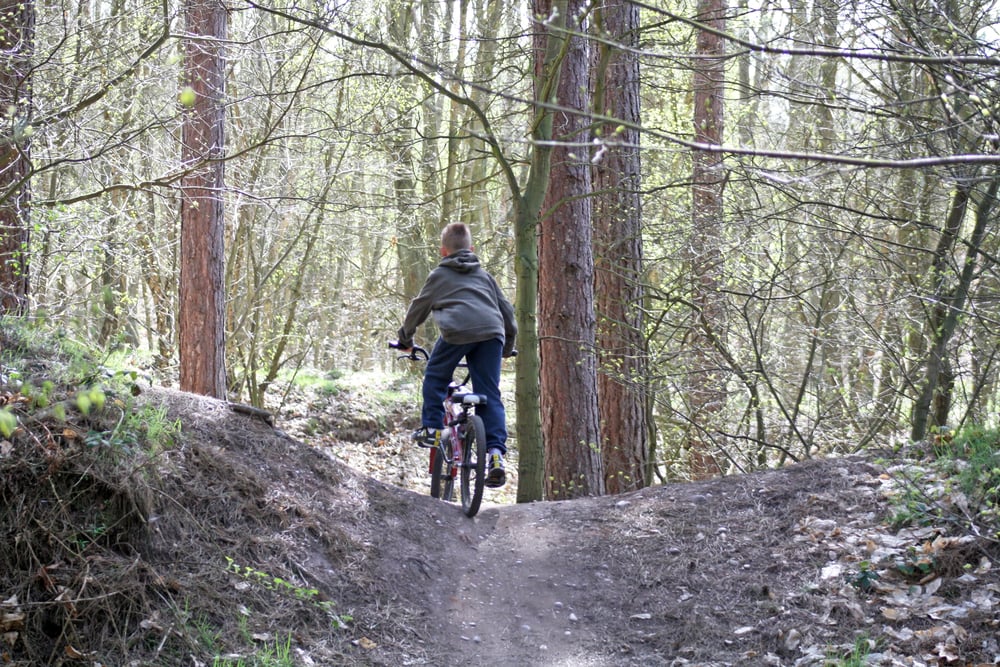
Many children who grew up with access to wooded areas near their homes spent significant periods of summer breaks in them, completely alone or with friends, and completely out of contact with any adult. They explored, built things, caught animals, ate questionable berries after verifying them against a nature field guide or against whatever a slightly older kid had said, and navigated back home in time for dinner.
The woods were treated as safe enough for unaccompanied children, which was partly right and partly an act of collective parental faith.
Catching and Keeping Wild Animals
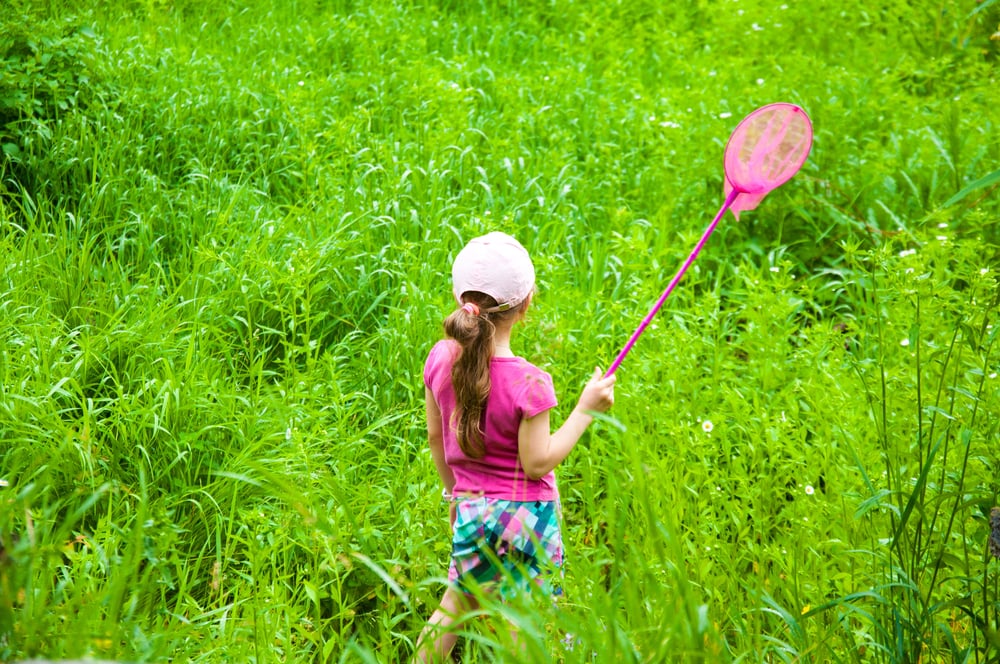
Fireflies in jars at dusk. Tadpoles in buckets to watch develop into frogs.
Crawfish from creek beds. Garter snakes caught in fields.
These were standard summer wildlife encounters that children conducted independently and brought home to parents who received the results with varying levels of enthusiasm. The keeping of wild animals in improvised home containers was not considered an environmental concern or a hygiene issue.
It was considered evidence that a child had been productively engaged with the natural world.
Going to the Library Alone

Before children required adult accompaniment for virtually every public excursion, the public library was a place children visited independently. They biked or walked there, browsed the summer reading program shelves, checked out books on their own library cards, and biked or walked home.
The library in many communities functioned as a supervised but unstructured environment where children of various ages coexisted around books and air conditioning without adult escort. The summer reading program — which tracked books read for prizes — was the primary organized activity of many pre-screen summers.
Watching Television for Hours With No Limits
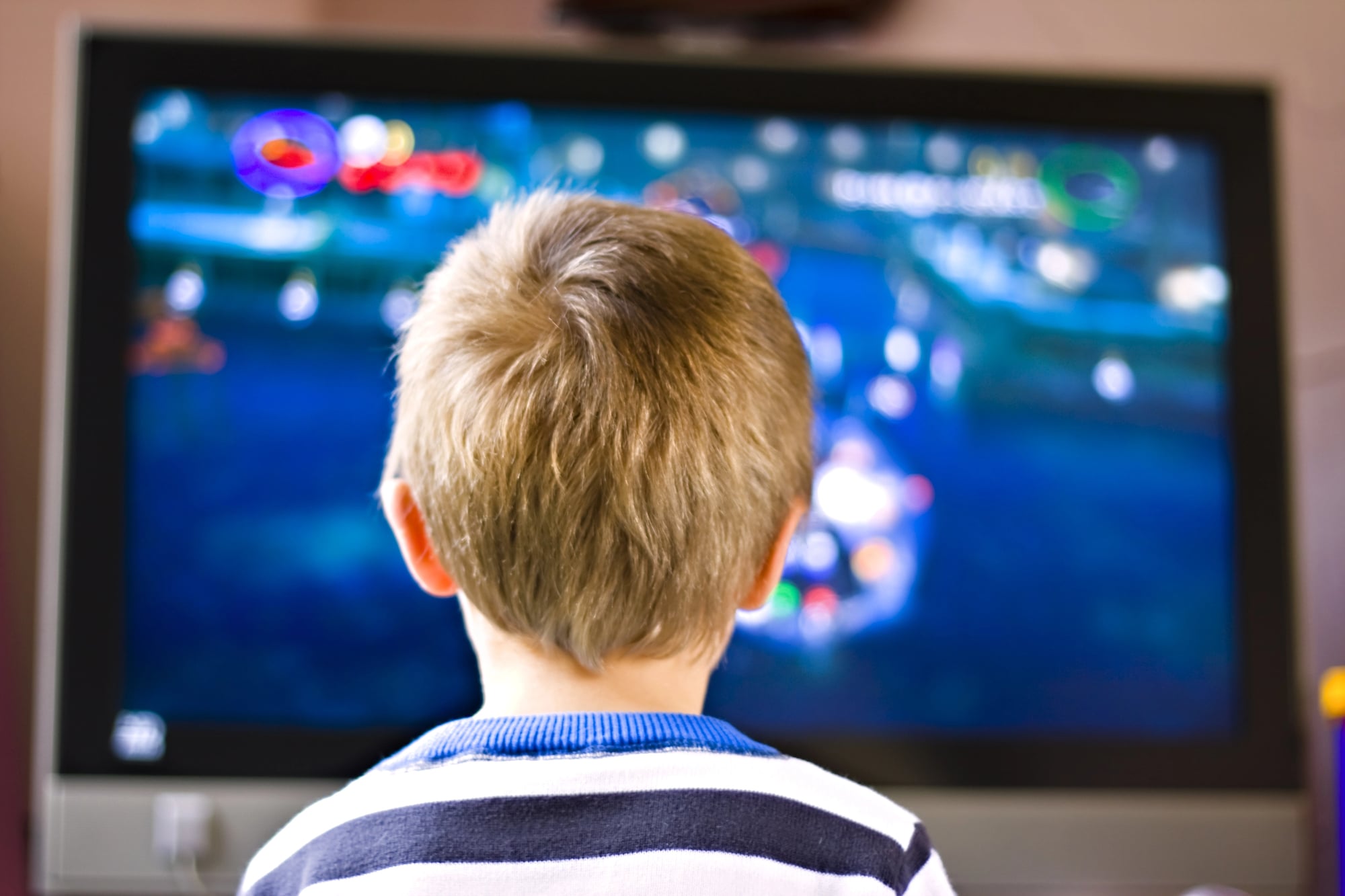
Before screen time became a parenting discourse category, television was simply available and children watched it. Specifically, during summer breaks, they watched cartoons from approximately 6 a.m. until noon on Saturday mornings, and on summer weekdays they watched whatever was on, which during the 1970s, 1980s, and early 1990s included soap operas, game shows, and reruns of shows that ran in the early afternoon.
No limit was tracked. No content filter was applied beyond what the networks had already cleared for broadcast.
Sleeping Outside Without an Adult

Backyard camping — sleeping in a tent or sleeping bag in the family yard without adult supervision — was a standard summer activity for children from roughly ages eight upward. The terror and delight of the experience came from the darkness, the sounds of the neighborhood at night, the possibility of rain, and the general vulnerability of being outside in a thin shell of nylon.
Parents slept inside. The children sorted out the night themselves.
Walking to the Corner Store Alone

Errand independence — being sent to or going independently to a nearby store to buy items — was considered a normal developmental milestone. A seven or eight-year-old being handed coins and sent to the corner store for a specific item was an ordinary transaction in most communities.
The child traveled alone, managed the purchase, received change, and returned. This was the informal mechanism through which children learned to handle money, navigate commercial transactions, and move through public space without adult guidance.
Exploding Things With Firecrackers

In the days before the current regulatory environment around consumer fireworks, and in many states still today, children obtained firecrackers and used them in ways that would generate immediate parental intervention in most households now. Firecrackers in abandoned ant hills.
Firecrackers in cardboard structures. Firecrackers in the backyard at dusk without telling anyone.
The injuries that resulted — occasionally significant ones — were understood as part of the calculus of having unsupervised access to small explosives. They were not a surprise.
Lemonade Stands Without Permits or Parental Oversight
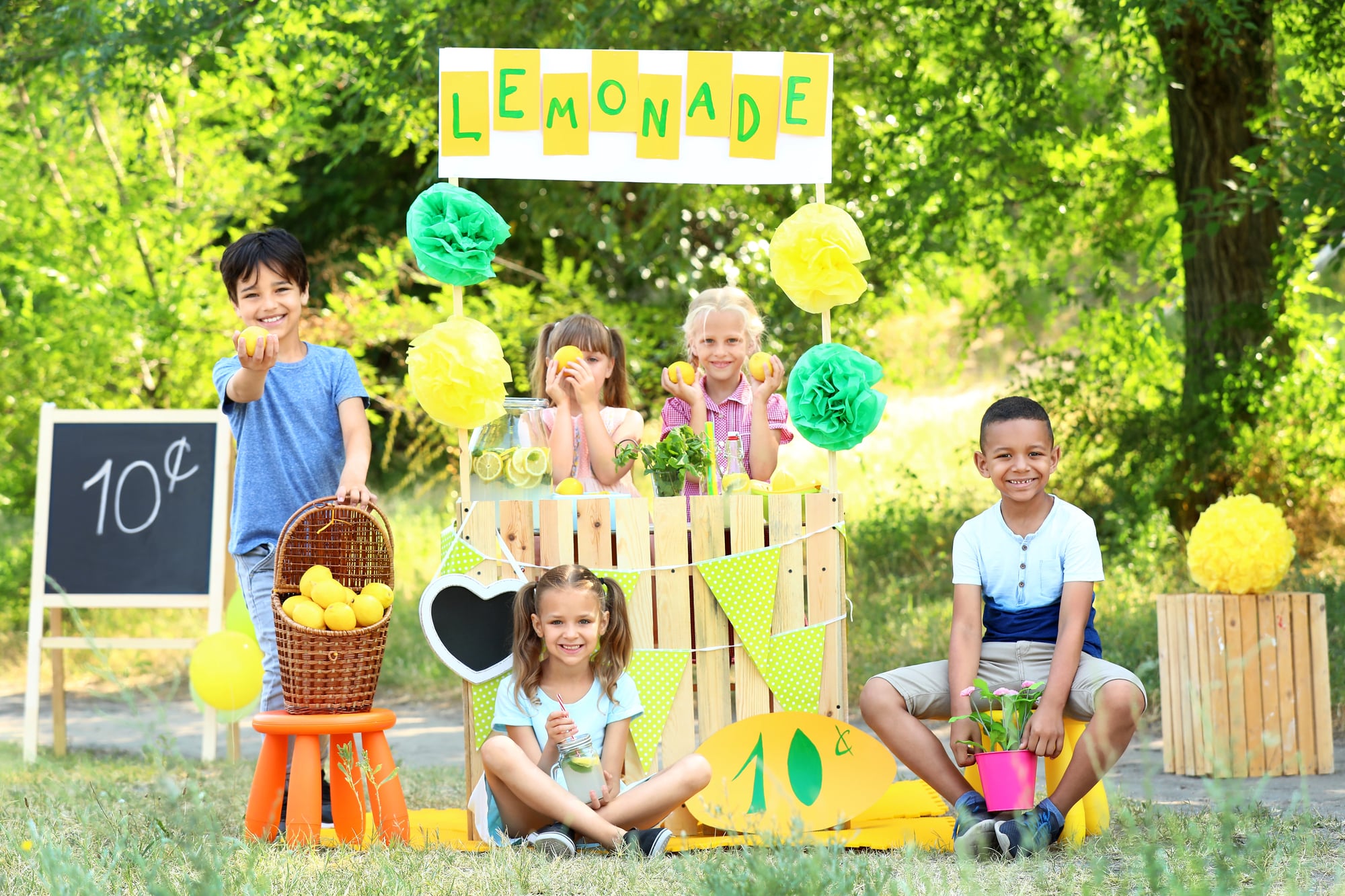
The childhood lemonade stand — a folding table, a pitcher, a cardboard sign, and access to sugar and lemons — operated without business licensing, without parental presence, and without health inspection. Children priced their product arbitrarily, handled cash without a register, and negotiated with adult customers entirely independently.
Several municipalities have, in recent years, begun requiring permits for childhood lemonade stands, which is a policy change that is almost impossible to explain to anyone who ran one before such requirements existed.
Getting Bored and Staying Bored

Boredom was not treated as a condition requiring intervention. Children who reported boredom to parents were given suggestions along the lines of “go outside” or “find something to do,” not a structured activity, a screen, or a playdate scheduling call.
The boredom was expected to resolve itself, and it generally did — through improvisation, creative play, or through sitting in the boredom long enough that even previously unappealing options started to look attractive. The tolerance for unstructured, unproductive time was significantly higher than it is now.
Going to Day Camp on a Bus Without Electronic Check-In
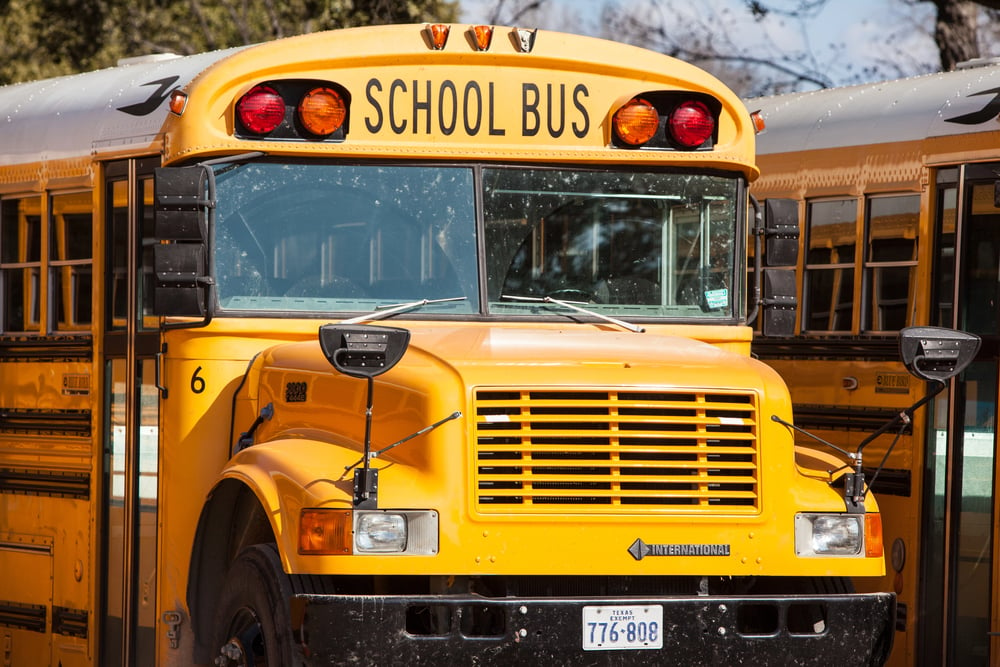
Camp buses arrived at neighborhood stops at specific times and children boarded them without GPS tracking, digital sign-in procedures, or any mechanism for parents to confirm their child had boarded beyond waving at the departing bus. The communication between the camp and the home on a typical day was zero.
Parents expected their children to return at the afternoon pickup time and received a phone call only if something significant had occurred. This is structurally identical to modern camp operations except that every modern camp parent’s phone now receives a continuous stream of photos, digital attendance confirmations, and optional GPS tracking.
Running Through Sprinklers
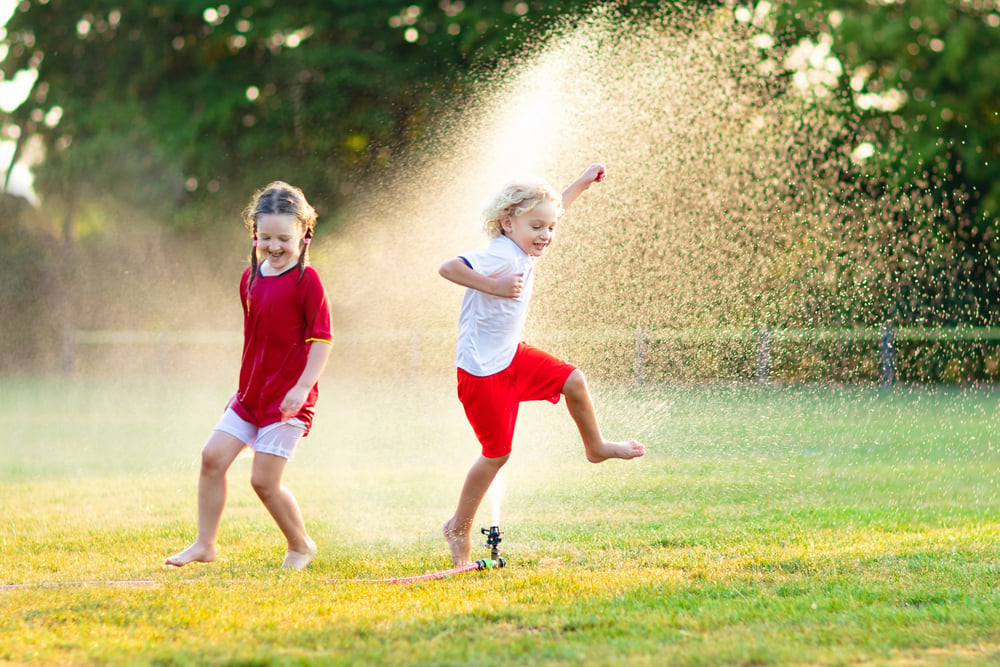
Not a sprinkler park. Not a splash pad with rubberized surfaces and city lifeguards.
An actual lawn sprinkler attached to a garden hose, running on grass that became a mud patch over the course of the afternoon, with children running through it in bathing suits or sometimes just regular clothes that were acceptable losses. The physical sensation — cold water, warm grass, mud between toes, the eventual sunburned shoulders from too many hours in direct sunlight — is described by adults who experienced it in terms that suggest a sensory vividness that purpose-built splash pad facilities don’t replicate.
Making and Eating Food Unsupervised
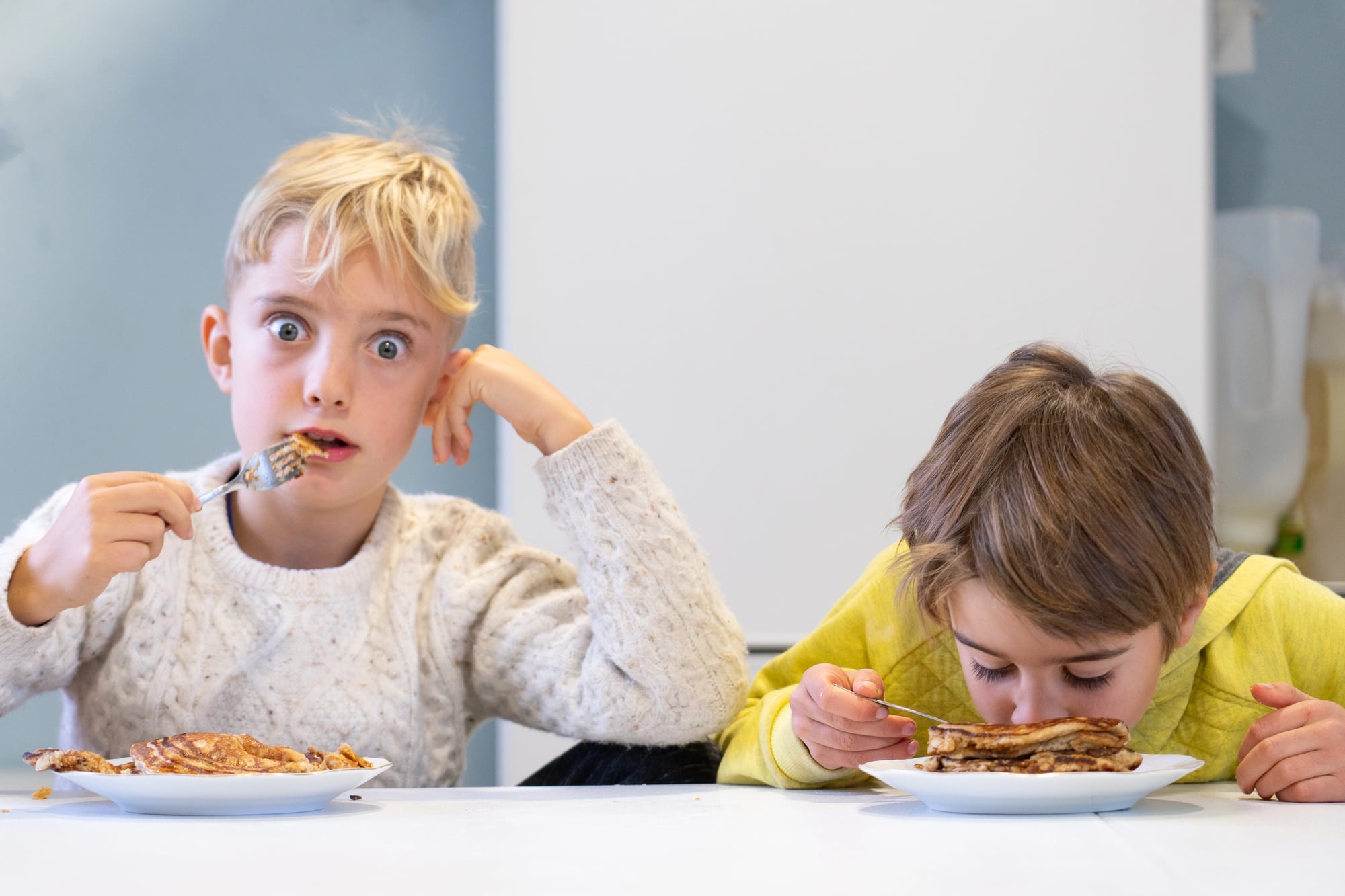
Children who spent summers at home operated kitchens, to varying degrees, without adult supervision. Sandwiches, obviously.
But also stoves: boiling pasta, making macaroni and cheese from a box, heating soup. Occasionally more ambitious projects.
The burns and cuts that resulted were treated at home with whatever was in the medicine cabinet. The primary cooking supervision was the knowledge that parents would be home by a certain time and that whatever mess had been created should be cleaned up by then.
Building Ramps and Riding Them
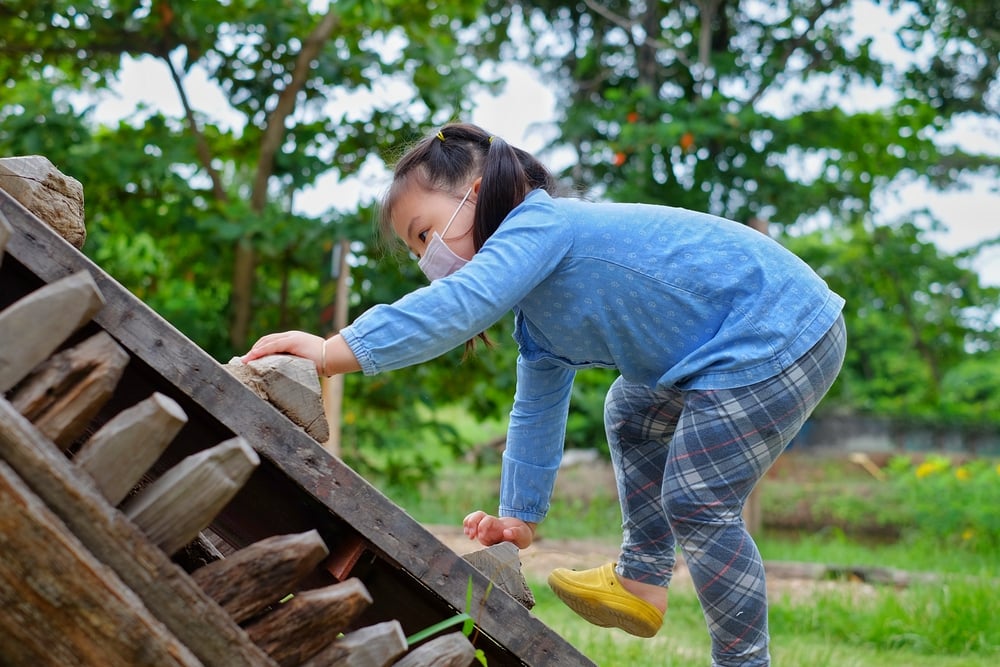
A plank of wood, a brick, and a bicycle: the backyard ramp. Children constructed these and used them to launch themselves into the air, with an understanding of physics that was entirely empirical and occasionally costly.
The injuries sustained from ramp-related bicycle activities were considered part of the experience of summer rather than negligence on someone’s part. More ambitious ramp projects involved multiple planks, larger bricks, and sometimes an audience of neighborhood children who had gathered to watch.
Making Up Games With No Rules
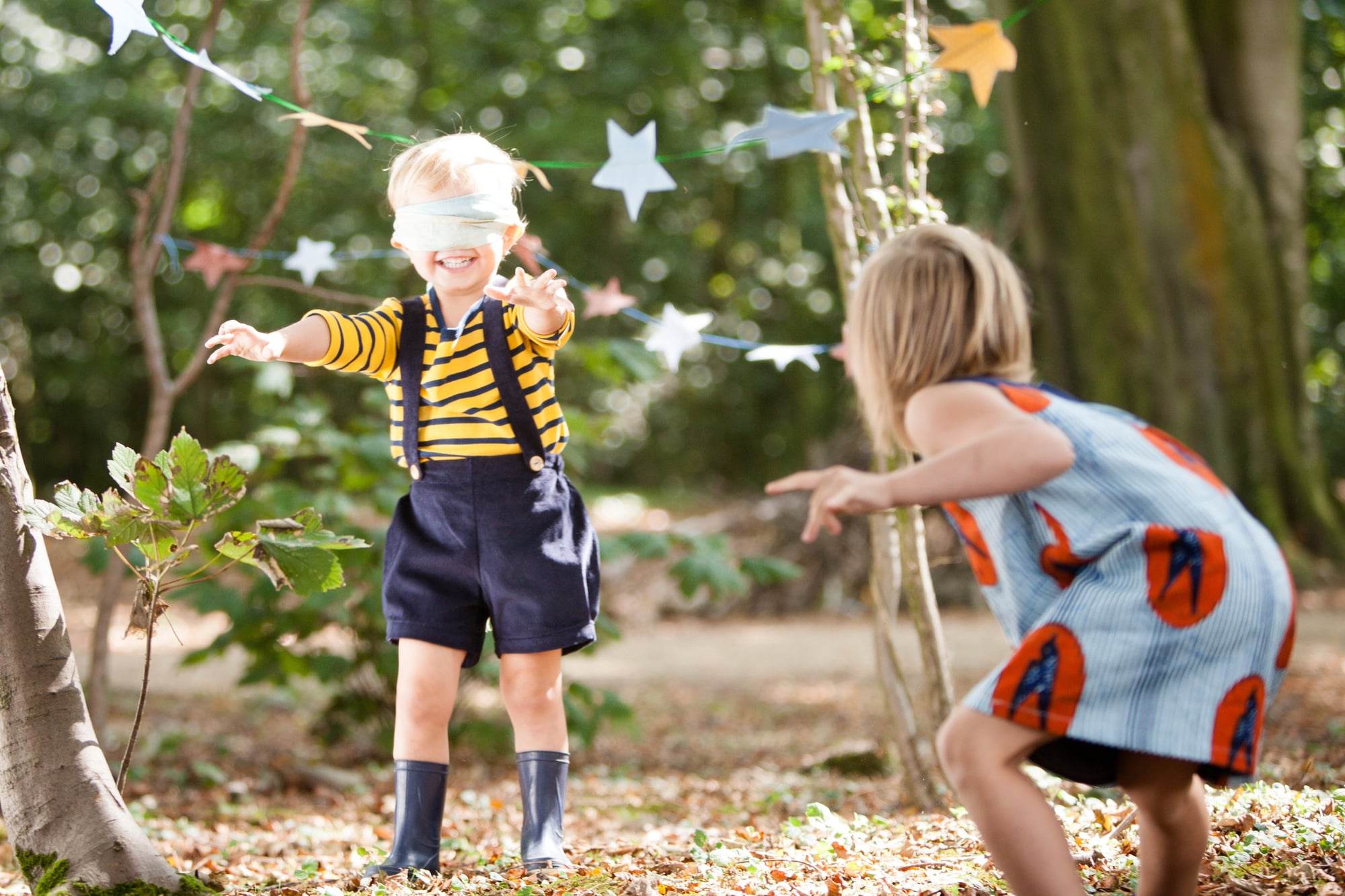
Some of the most-remembered childhood games had no names and no permanent rules — they were invented in the moment out of whatever was available and whatever sounded interesting, and the rules were modified during play by unanimous consent of whoever was present. These games existed for one afternoon or for the whole summer depending on how long the participants sustained interest.
They were neither recorded nor transmitted, existing entirely in the time between breakfast and streetlights, leaving no trace.
Reading Without Guidance

Summer reading in the pre-algorithm era was driven entirely by proximity and cover art. Children went to libraries or used whatever books were already in the house, chose based on what looked interesting, and read without anyone monitoring comprehension or assigning questions about themes.
The result was reading that went in unexpected directions: children who became obsessed with specific authors, with specific genres, or with a single book that got read four times in a summer. The absence of guidance was also the absence of redirection.
Staying Up to Catch Lightning Bugs After Dark
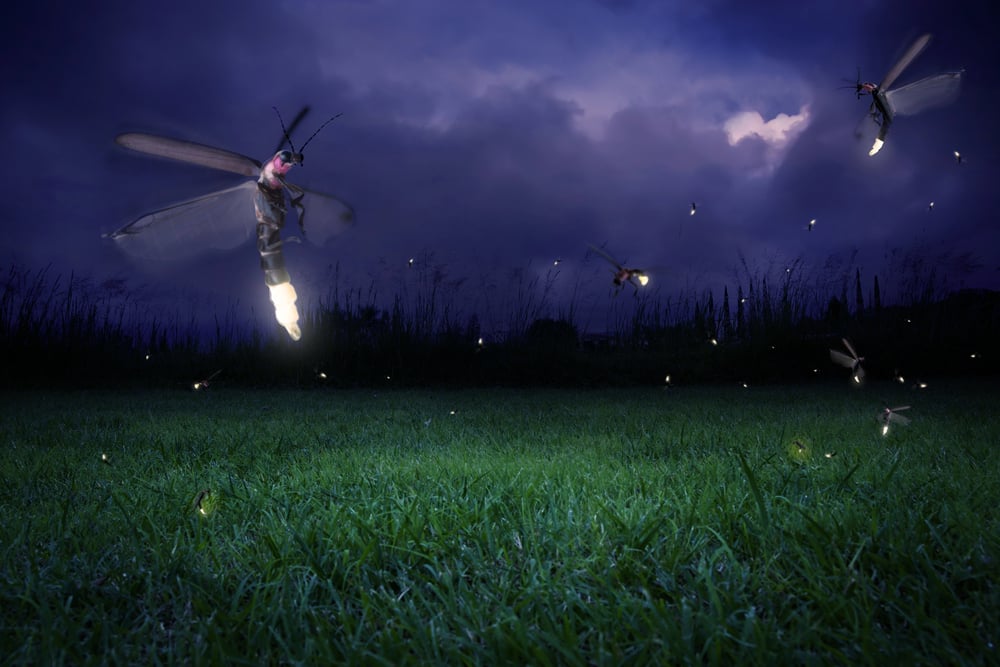
In regions where fireflies are present, catching them at dusk and into the evening was one of the canonical midsummer activities. The activity required staying outside past the conventional bedtime, which was accommodated in the way that most childhood summer experiences were accommodated: by the informal understanding that summer operated under different rules.
Children ran barefoot on lawns in the dark, grabbed at small lights, put them in jars to carry back inside, and released them by morning.
Spending Long Days at Public Pools Unsupervised
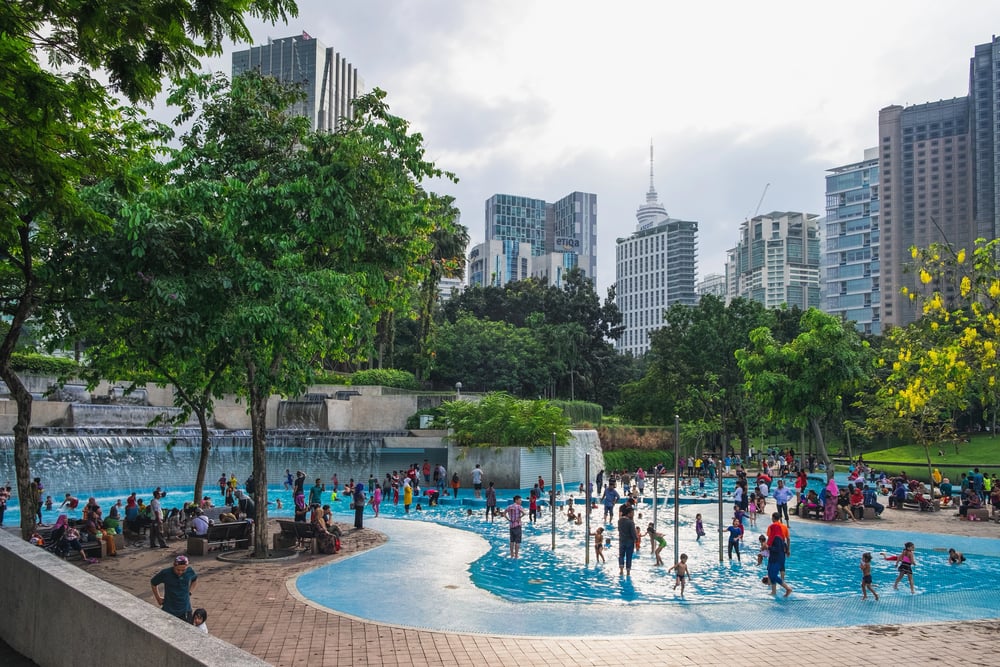
The municipal public pool — open all summer, cheap admission, frequently crowded, lifeguarded but not otherwise supervised — was where many children spent the majority of their summer days. Parents dropped children off in the morning and picked them up in the afternoon.
What happened in between was the pool’s problem and the children’s experience. The pool had its own social economy, its own hierarchies, its own rules.
It functioned as a complete summer environment that absorbed children for hours in a way that required nothing from their parents except transportation.
Making Prank Phone Calls

Before caller ID was universal, before every call was documented by a device that retained the number, and before the social anxiety around phone communication that afflicts current teenagers, children called numbers from the phone book or called people they knew and performed simple pranks: “Is your refrigerator running? You’d better catch it.”
The comedy was not sophisticated. The activity occupied time.
It was completely victimless by any reasonable standard, which is probably why it required no adult oversight.
Playing Tag in the Dark

Night tag — the standard rules of tag but played after dark in a neighborhood where the only light came from houses and streetlights — was a summer special event. The darkness made hiding easier, made chasing harder, and made the game feel dramatically higher stakes than the daytime version.
Parents who looked out at 9 p.m. and saw their children running through the neighborhood in the dark generally did not intervene, because night tag was understood as an acceptable summer activity for children old enough to be trusted not to run into traffic.
Watching Summer Movies Multiple Times at the Theater
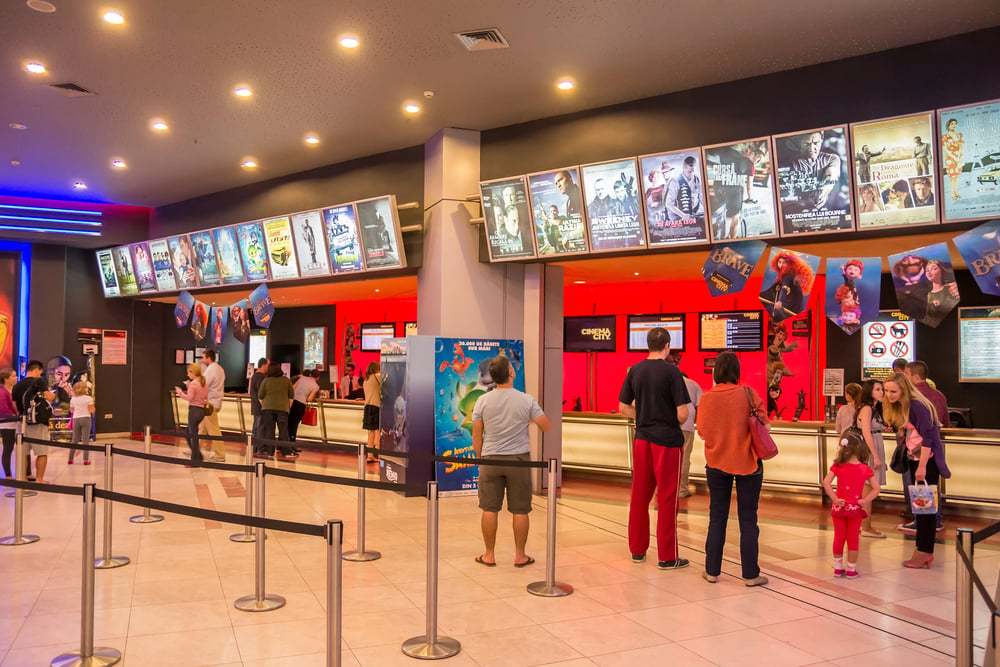
Summer movies before home video and streaming existed were theater-only events for their entire first-run period. Children who wanted to see a movie a second time went back to the theater a second time.
Entire childhood summers were structured around which movie was playing, which involved either biking to the theater, being driven, or — in many cases — walking there as part of a small group of children without adult accompaniment. The specific experience of seeing a summer blockbuster repeatedly, in a theater, with different friends each time, produced a depth of engagement with specific films that streaming access to the same film at home doesn’t replicate.
Taking Long Unsupervised Trips on Public Transit
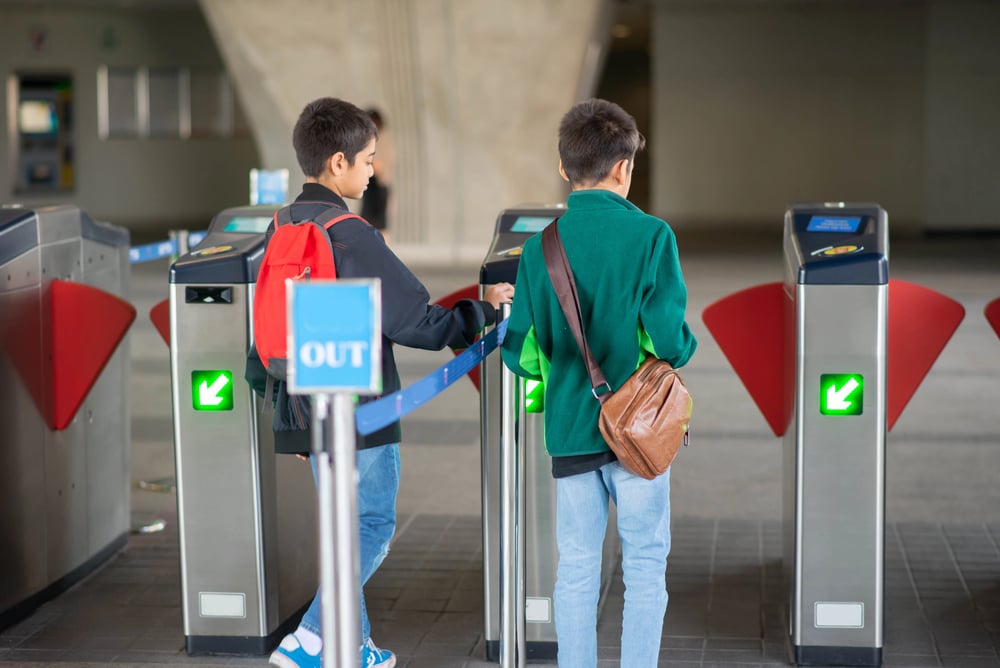
In cities and larger towns with bus or subway systems, children who had reached a certain age — often as young as eight or nine — used public transit independently. They went to pools, museums, parks, and each other’s houses by bus, on their own.
They managed fare, waited at stops, transferred lines. The transit system was a map of the summer’s possible adventures, and independence on it was a milestone rather than a concern.
Exploring Abandoned Buildings
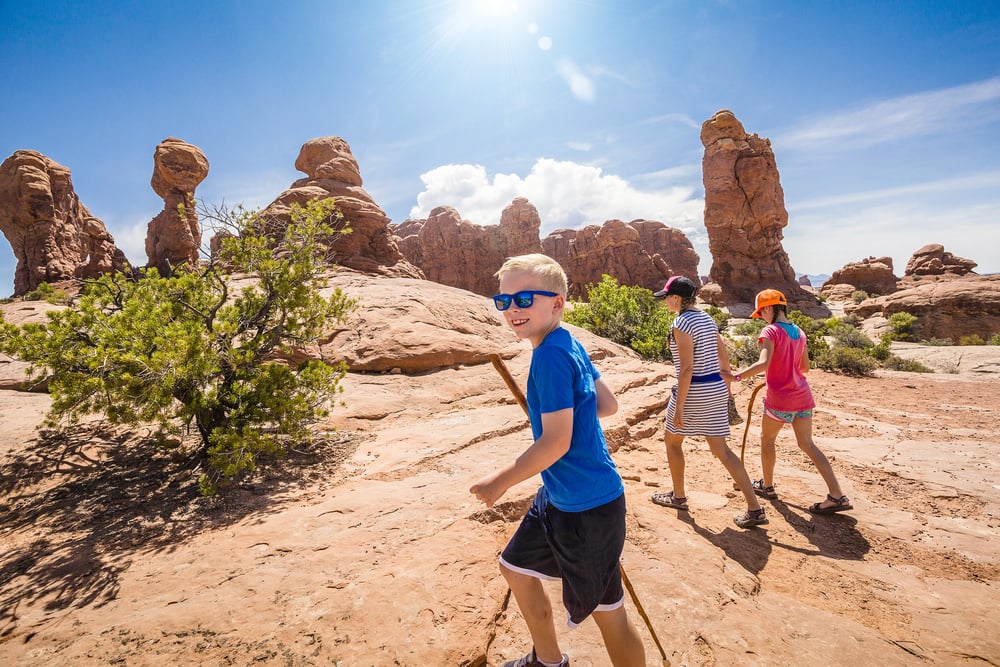
The abandoned farm building at the edge of town, the derelict warehouse, the empty house with a broken window that everyone knew about — these structures exercised a specific gravitational pull on children that was understood by adults and not sufficiently discouraged to prevent entry. The dangers were structural, chemical, and occasionally social.
The appeal was the specific quality of a space that adults had vacated and that children could enter freely. This is not an activity that was supervised, sanctioned, or safe.
It was very much remembered.
Being Bored Enough to Try Almost Anything
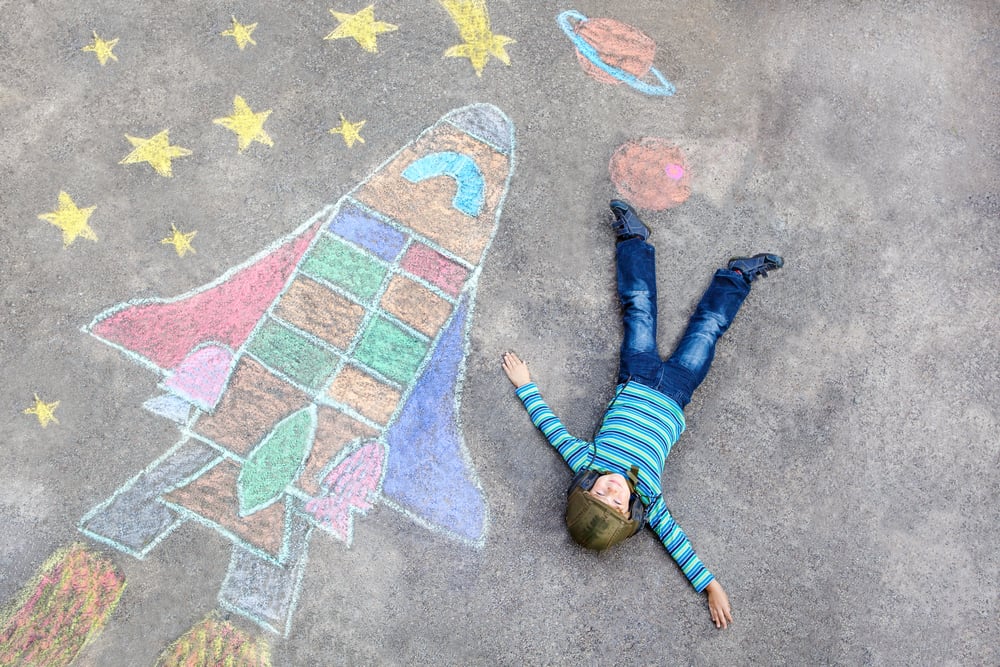
The specific productivity of extreme boredom — the state where you’ve exhausted all preferred options and begin genuinely considering things you would not otherwise consider — generated some of the most creative and memorable summer experiences of pre-digital childhood. Children who had exhausted the obvious options tried the non-obvious ones: building something, growing something, cooking something, writing something, teaching themselves something, starting something that had no particular purpose.
Boredom, sufficiently extended and sufficiently free of rescue, turns out to generate initiative. That is the one summer activity that genuinely cannot be scheduled.
Where All That Time Went

The summer break that permitted all of the above wasn’t simply a different era — it was a different theory of childhood. The working theory was that children were capable of managing themselves, that the risks of unsupervised activity were acceptable costs of the development it produced, and that boredom and freedom together were generative rather than dangerous.
Whether that theory was right is a legitimate question with legitimate disagreement.
What isn’t in dispute is that the children who grew up that way now have detailed, specific, sensory-rich memories of those summers — and they report them with a nostalgia that goes beyond mere affection for the past. They remember what it felt like to be somewhere without being reachable, to make a decision nobody knew about, to come home dirty from a day that had gone in directions nobody had planned.
That feeling has a name when it happens to adults. It’s called freedom, and it turns out children used to have it for three months every year.
More from Go2Tutors!

- The Romanov Crown Jewels and Their Tragic Fate
- 13 Historical Mysteries That Science Still Can’t Solve
- Famous Hoaxes That Fooled the World for Years
- 15 Child Stars with Tragic Adult Lives
- 16 Famous Jewelry Pieces in History
Like Go2Tutors’s content? Follow us on MSN.