29 Etiquette Mistakes Travelers Make Abroad Without Realizing They’re Being Rude
The most embarrassing travel mistakes are not the ones where you know you’re doing something wrong. They are the ones where you believe you are being perfectly polite — perhaps even generously so — while the person in front of you silently processes the offense. Tipping enthusiastically in Japan.
Nodding to confirm you understood something in Bulgaria. Handing a gift in Korea with one hand. None of these feel like faux pas in the moment, which is exactly what makes them the ones that stick.
Some cultural etiquette rules have obvious practical logic once explained. Others are rooted in historical, religious, or philosophical frameworks that take longer to understand.
What they share is that they were never designed with foreign visitors in mind, and the assumption that your home culture’s defaults transfer cleanly to another country’s social context is, itself, a mistake.
Tipping in Japan

Tipping in Japan is not merely unnecessary — it is genuinely offensive in many contexts. Japanese service culture is built on the principle that quality service is the professional standard, not an above-and-beyond act deserving financial reward.
Leaving money on a table or pressing a tip on a server can be interpreted as implying the person is underpaid or that you think they need charity. Many servers will chase you down the street to return money left behind.
In high-end traditional establishments, insisting on tipping after a refusal is considered particularly rude.
Nodding Yes in Bulgaria

In Bulgaria, nodding the head up and down means no, and shaking it side to side means yes — the opposite of what most of the world does. The result is maximum confusion during any exchange involving agreement: you nod to accept, the Bulgarian shopkeeper hears refusal, adjusts, and the spiral continues.
There is no fully reliable workaround except using words, since body language in this context actively undermines verbal communication. Albania and a few other Balkan regions share a version of this inversion.
Using the Left Hand in the Middle East, India, and parts of Africa
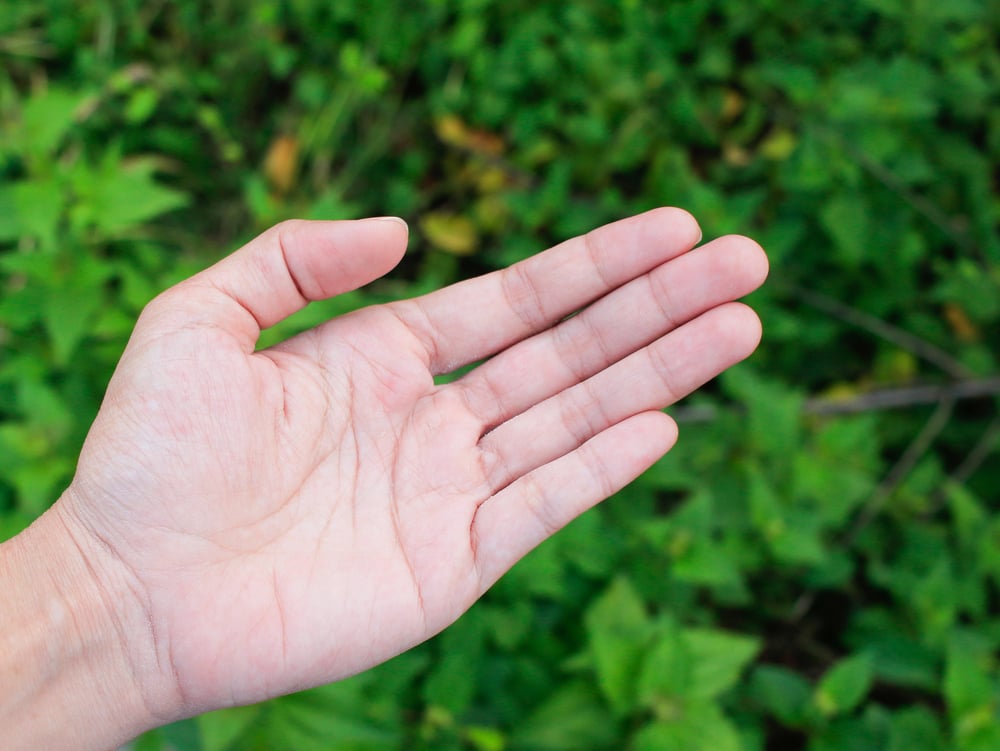
Across Muslim-majority countries, much of South Asia, and parts of sub-Saharan Africa, the left hand is traditionally considered impure — reserved for personal hygiene tasks. Handing money, food, or a business card with the left hand, or eating with it, is considered insulting in these contexts.
This is a source of particular difficulty for left-handed travelers, who may need to consciously retrain years of automatic movement. The same applies to passing dishes across a shared table.
Pointing Feet at People in Thailand

In Thailand, Laos, Cambodia, and Myanmar, the feet are considered the lowest and most spiritually impure part of the body. Pointing the soles of your feet at another person — by crossing your legs in a direction that aims your foot at them, by resting feet on furniture in a cafe, or by sitting with feet extended toward a Buddha image — is a serious insult.
The offense is compounded in temples and sacred spaces, where even accidentally pointing feet toward a shrine or monk can cause real offense. The corrective posture when sitting on the floor is to tuck feet behind the body.
Touching Someone’s Head in Thailand and Buddhist Countries

The head is considered the most sacred part of the body in Thai culture and throughout much of Buddhist tradition. Ruffling a child’s hair affectionately, patting an adult on the head, or reaching over someone’s head to grab something are all significant violations.
Tourists accustomed to the friendly gesture of tousling a child’s hair as a sign of warmth consistently stumble on this one, since the instinct is entirely benign in Western contexts. In Thailand, physical contact with monks by women is prohibited entirely.
Giving Chrysanthemums in France

Chrysanthemums are funeral flowers in France, associated specifically with All Saints’ Day and the tradition of placing them on graves. Arriving at a French dinner party with a bouquet of chrysanthemums is the floral equivalent of bringing a condolence card to a birthday party.
Carnations are similarly associated with funerals in Poland, red roses with romantic intentions that may be misread at a professional occasion, and yellow flowers with infidelity in some European contexts. France, specifically, also reserves chrysanthemums so firmly for funerals that most florists will steer foreign customers away from them automatically.
Not Saying Bonjour First in France

Entering a French shop, café, or business without saying “bonjour” — before any request, any question, any browsing — is considered genuinely rude, not merely an oversight. The greeting acknowledges the person’s humanity before treating them as a service function.
Launching directly into “Do you have…?” or “Where is…?” signals to a French person that you are treating them as a vending machine. The rule applies to any interaction, including brief ones: a pharmacist, a bakery counter, a hotel concierge.
Failing to say “au revoir” on departure compounds the original offense.
Filling Your Own Glass in Japan and South Korea

In Japan and South Korea, pouring your own drink at a shared meal is considered self-serving in the social sense, not just the literal one. The custom is to pour for others at the table, who will pour for you.
The gesture signals attentiveness and care — the opposite of reaching for your own glass. The result is that a foreign guest who politely pours their own drink to avoid troubling others is, in the local context, being subtly inconsiderate.
The correct response when someone pours for you is to slightly lift your glass to receive it.
Exchanging Business Cards Incorrectly in Japan

In Japanese professional contexts, the exchange of business cards — meishi — is a ritual with specific requirements. Cards must be presented and received with both hands and a slight bow.
You examine the card carefully for a moment before setting it respectfully on the table in front of you. Pocketing it immediately, writing on it, or laying another object on top of it are all considered disrespectful acts — the equivalent of dismissing the person’s identity in your hand.
Most Western business travelers are aware that a cultural exchange exists around business cards in Japan but underestimate how specifically choreographed it is.
The OK Gesture in Brazil, Turkey, and Parts of Europe

The OK gesture — thumb and index finger forming a circle, other fingers extended — is inoffensive or positive in North America and much of Europe, but in Brazil it is considered obscene, roughly equivalent to the middle finger. In Turkey, it is also offensive, and in parts of the Mediterranean it carries a crude anatomical connotation.
The gesture has traveled widely enough through American media that it is recognized in some places, but that recognition doesn’t diminish the offense — it actually compounds it in contexts where the rude meaning is the only established one.
Thumbs Up in Iran, Parts of the Middle East, and West Africa

The thumbs-up gesture, universally positive in Western contexts, is the equivalent of a deeply offensive raised finger in Iran and is also considered rude in parts of West Africa and Greece. American and British travelers, who use thumbs-up reflexively as an affirmative or encouraging signal, can cause genuine offense in these regions without any awareness that anything has happened.
The ease and frequency with which the gesture is deployed makes the habit difficult to break even for travelers who know about the issue.
Assuming a Head Shake Means No in Turkey

In Turkey, a sharp upward head toss accompanied by a tongue click means no — not the side-to-side head shake that English speakers default to. A forward head dip means yes.
This is a genuinely different movement from anything in the Western repertoire, and the absence of the expected side-to-side means travelers frequently interpret a clear “no” as an uncertain hesitation, leading to persistent misunderstandings in vendor negotiations and practical directions.
Entering a Home or Mosque With Shoes On

Removing shoes before entering a private home is expected across Japan, South Korea, much of South Asia, Southeast Asia, and Muslim-majority countries. In Japan, the entryway — genkan — is architecturally designed to facilitate this transition, with a raised floor section demarcating the boundary between outside and inside. In mosques everywhere, shoes are always removed before entering, with facilities for storage at the entrance.
Entering with shoes on is not a minor oversight — it tracks dirt, and in the case of mosques the sacred space is considered desecrated by outside contamination.
Eating or Drinking in Public During Ramadan
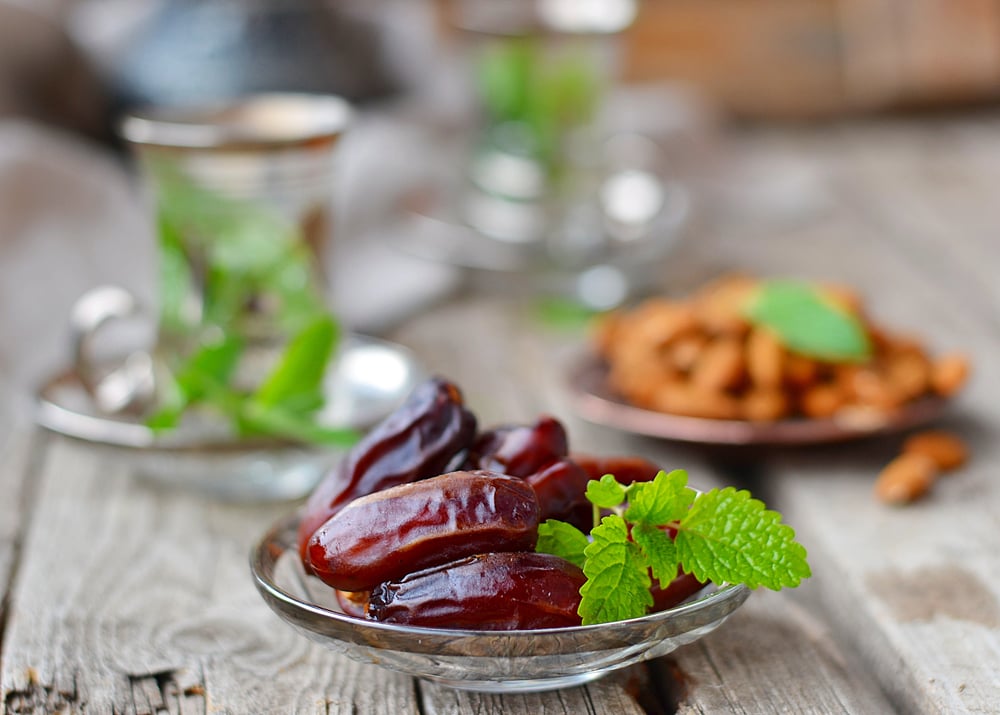
During Ramadan in Muslim-majority countries, eating, drinking, or chewing gum in public during daylight hours is considered deeply disrespectful to those who are fasting. In some countries — including Saudi Arabia, the UAE, and Kuwait — it is also illegal, with fines or detention as potential consequences.
Many establishments close kitchens until after sunset. Tourists who eat street food or drink water openly in public during Ramadan are not merely making a social misstep but can draw genuine hostility and, in some jurisdictions, legal attention.
Complimenting Too Effusively in the Middle East

In Arab culture, if you admire an object in someone’s home with genuine enthusiasm, the host may feel culturally obligated to give it to you — and refusing the offer could be taken as an insult. This creates an asymmetric situation that traveler guides consistently flag: expressing admiration for a decorative object, piece of jewelry, or household item can trigger an unexpected gifting obligation that neither party necessarily wanted.
Moderate appreciation is appropriate; extended effusive admiration of specific items is not, unless you are prepared to navigate a graceful refusal of the gift that follows.
Cutting in Queue in the UK
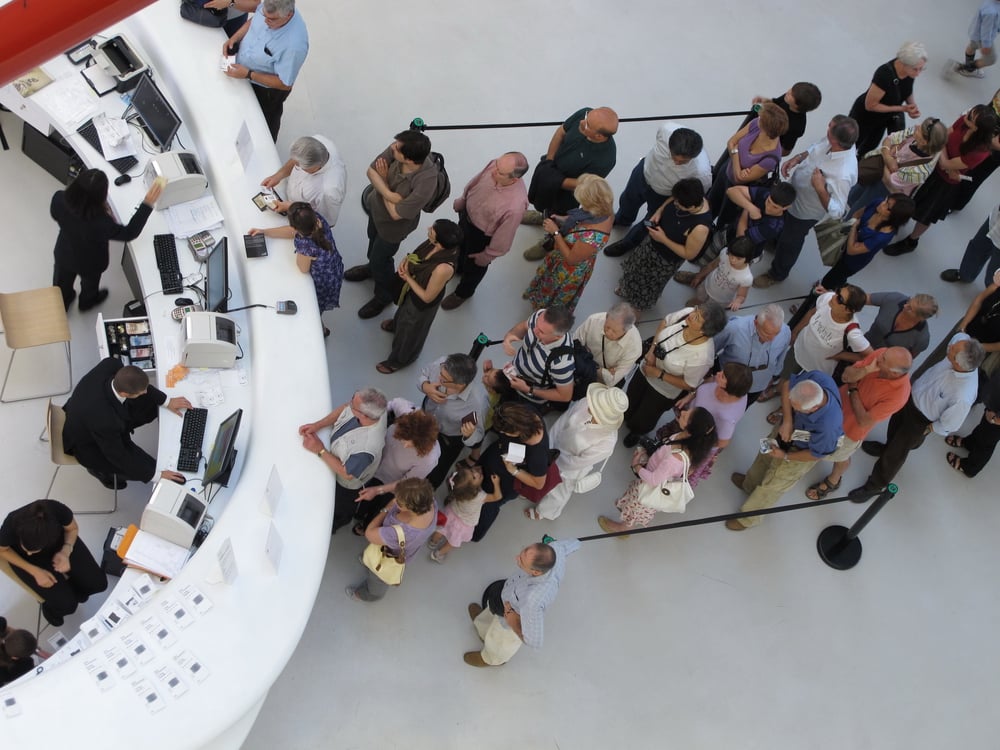
The British relationship with the orderly queue borders on sacred. Pushing ahead, joining a friend who is already waiting rather than going to the back, or failing to recognize where a queue begins and ends is considered one of the most reliably offensive things a foreign visitor can do.
The offense is compounded by the British tendency not to say anything directly: you will not be confronted, but the social disapproval radiates at temperature. Airports, tea shops, bus stops, and museum ticket lines all operate under the same invisible queuing contract, and violating it marks you unmistakably as someone who does not understand how things work here.
Making a Toast With a Non-Alcoholic Drink in Germany and Spain

In Germany and Spain, raising a glass of water during a toast carries the association described in Greek mythology — water was the drink of the dead. Clinking glasses of water at a celebration is widely considered to be wishing bad luck or even death on those you are toasting.
The belief is not universally held and is weakening in urban contexts, but in traditional settings and among older generations, the person who raises their water glass during a toast will often receive a pointed comment or be asked to wait while someone finds them something else to drink with.
Sitting Cross-Legged in Formal Settings (Japan and South Korea)
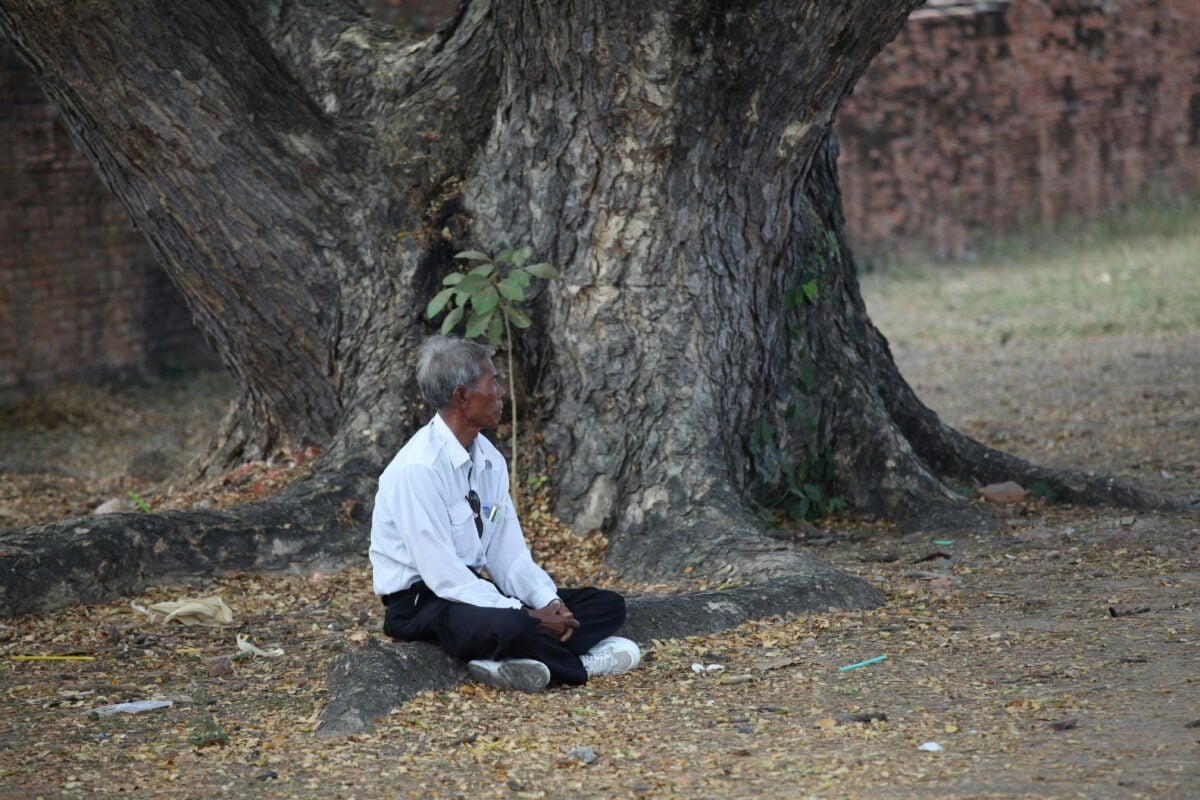
In Japanese and Korean formal dining situations — particularly at low tables with floor seating — certain sitting positions are appropriate and others signal social positioning. Men typically sit cross-legged (agura) while women sit in the formal seiza position (kneeling with legs folded beneath).
Sitting in agura as a woman in a formal Japanese context reads as casual to the point of carelessness. Stretching legs out in front of you in either culture is worse, especially if your feet point toward another person at the table.
Using First Names Without Permission in Germany
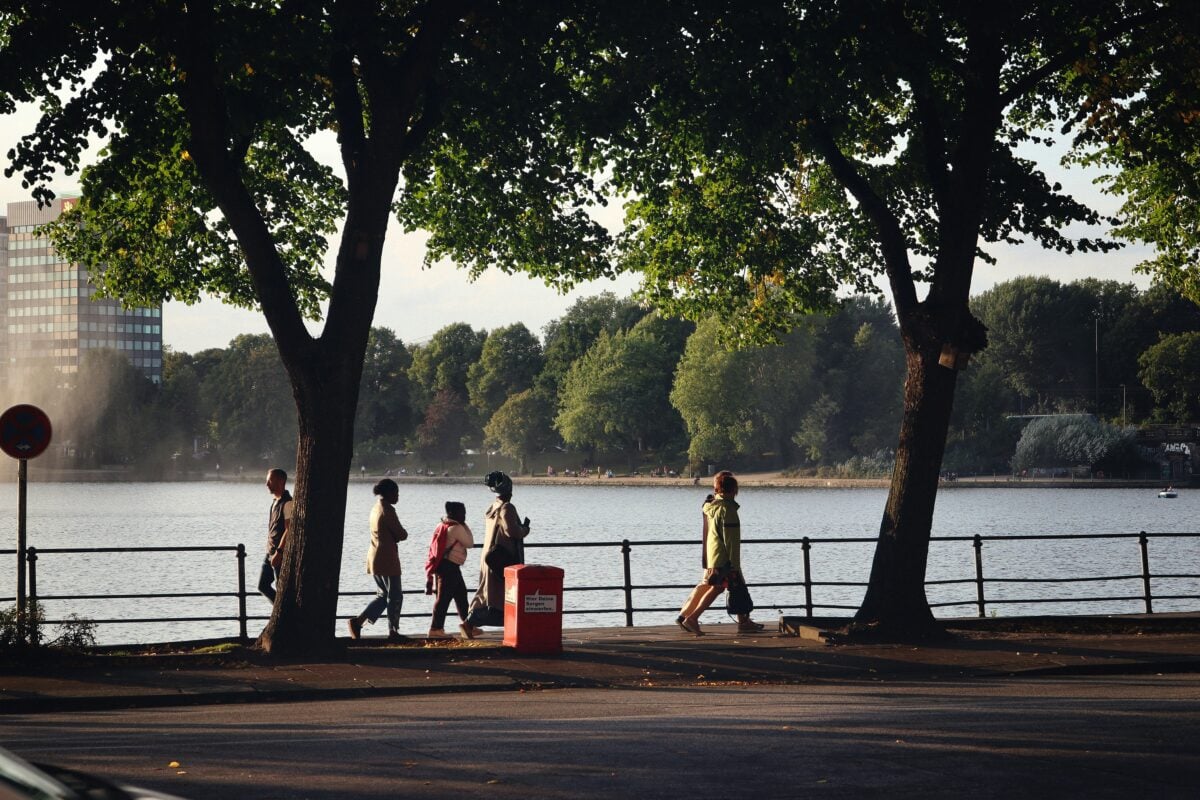
German professional and social culture maintains a clear distinction between the formal second-person “Sie” and the informal “du,” and the use of first names is tied to which register applies. Calling a German colleague, shopkeeper, or new acquaintance by their first name without being invited to do so is presumptuous and familiar in a way that can read as disrespectful.
The switch from formal to informal address is a step that the German party initiates, not the visitor. The distinction is largely invisible to travelers from cultures where first names are the immediate default.
Photographing People in Morocco, India, and Indigenous Communities

Pointing a camera at a person without asking, in many cultures, is an act of presumption — you are claiming their image without permission. In Morocco, photographing people in markets and medinas without consent is considered offensive and can lead to genuinely hostile reactions.
In parts of India and across many indigenous communities globally, photographing religious ceremonies or sacred spaces is restricted or prohibited, with signage that tourists often fail to notice. Offering payment in exchange for photography in these contexts resolves some situations but creates new ones, particularly in communities where the transactional nature of tourist photography is a sore point.
Refusing Food in Japan and South Korea
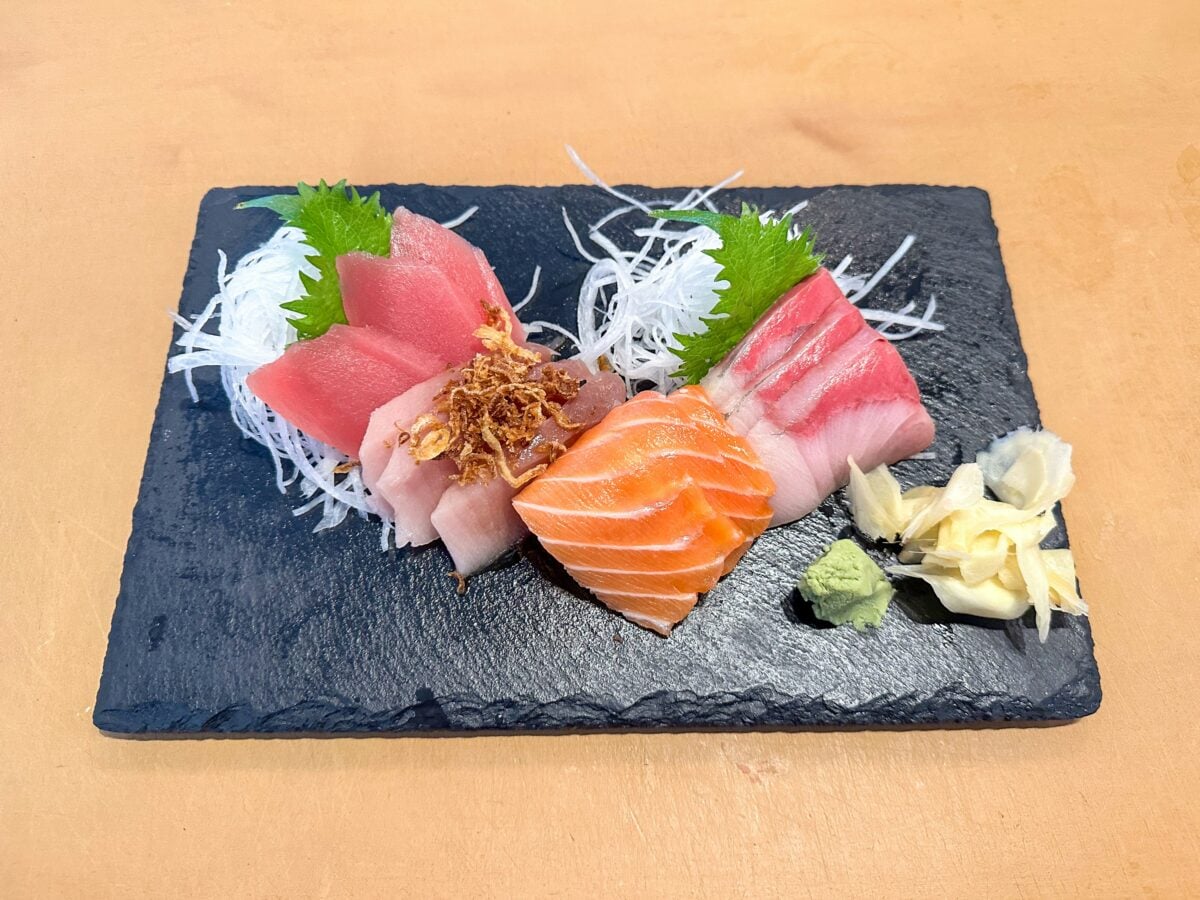
In Japanese and Korean hospitality culture, the offer of food or drink to a guest is a meaningful gesture of care. Refusing without a specific reason — dietary restriction, allergy — reads as dismissive of the host’s effort.
The correct response in Japan when food is offered is to accept initially, even if you eat only a small amount. Refusing outright or pushing food away signals discomfort that goes beyond food preference and reflects on the host’s hospitality.
A polite indication of fullness — with thanks — after accepting some is always preferable to a flat refusal at the outset.
Being Chronically On Time in Morocco and West Africa

In Morocco, showing up to a social occasion precisely on time — or, worse, a few minutes early — is not the considerate gesture that punctuality signals in Northern Europe or North America. In Moroccan social time, arriving early means you might walk in before the host is ready, which creates an awkward situation.
Arriving fifteen to thirty minutes after the stated time is closer to the expected social arrival window. This dynamic operates differently in business contexts, where punctuality is increasingly expected, but social misreadings of late arrival as rudeness or early arrival as thoughtfulness create friction in both directions.
Bargaining in Japan
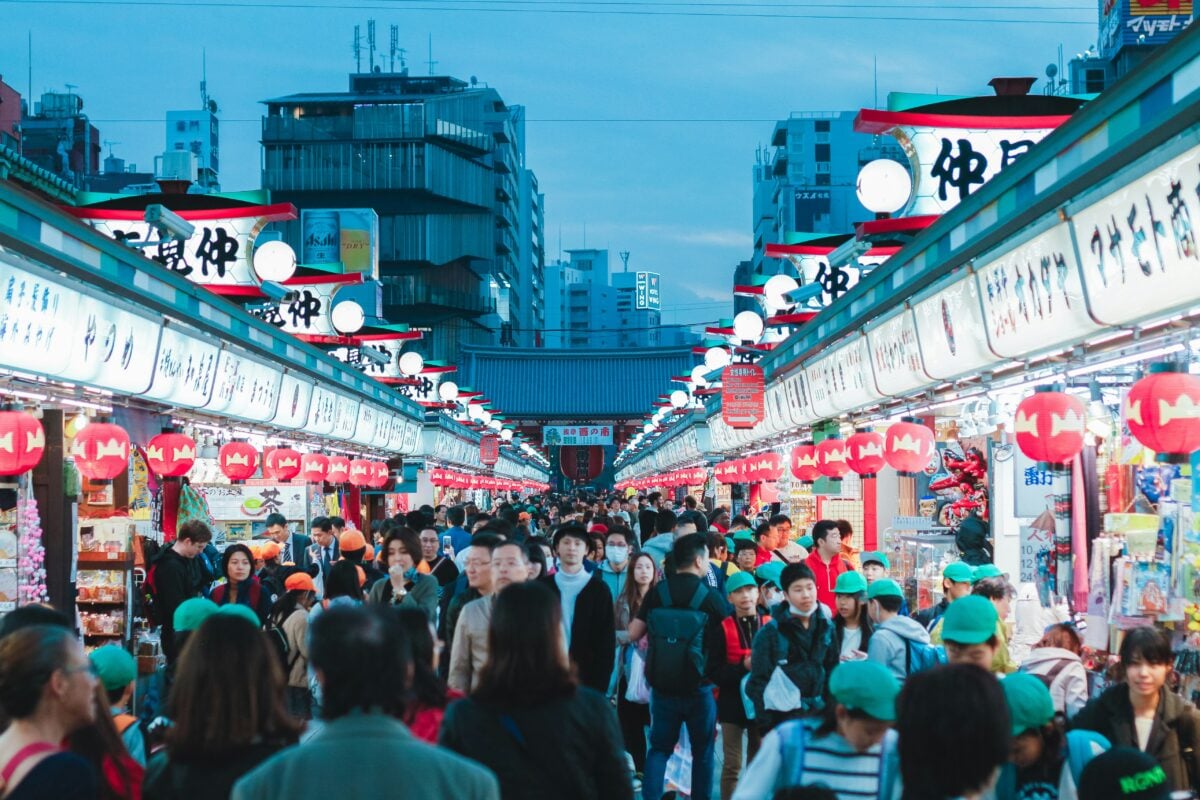
Attempting to negotiate prices in Japan — the kind of cheerful price negotiation that is expected and appreciated in many parts of Asia, the Middle East, and Latin America — is a category error. Prices in Japanese shops are the price.
Haggling implies that the shopkeeper set an unfair price or that the item is not worth what was asked, both of which are offensive interpretations. The haggling instinct that serves travelers well in a Marrakech souk or an Istanbul bazaar should be firmly parked on arrival in Japan.
The Moutza Gesture in Greece

The Greek moutza — an open palm thrust toward another person with fingers spread — is one of the most offensive gestures in Greek culture. It looks, to most foreigners, like an ordinary “stop” hand signal or a friendly wave.
In Greece, it is deeply insulting, the equivalent of saying something very coarse directly to someone’s face. Travelers who instinctively hold up a hand to mean “hold on a moment” or “five” while counting on their fingers have accidentally deployed it without any awareness.
Not Removing Shoes Before Entering a Japanese Restaurant
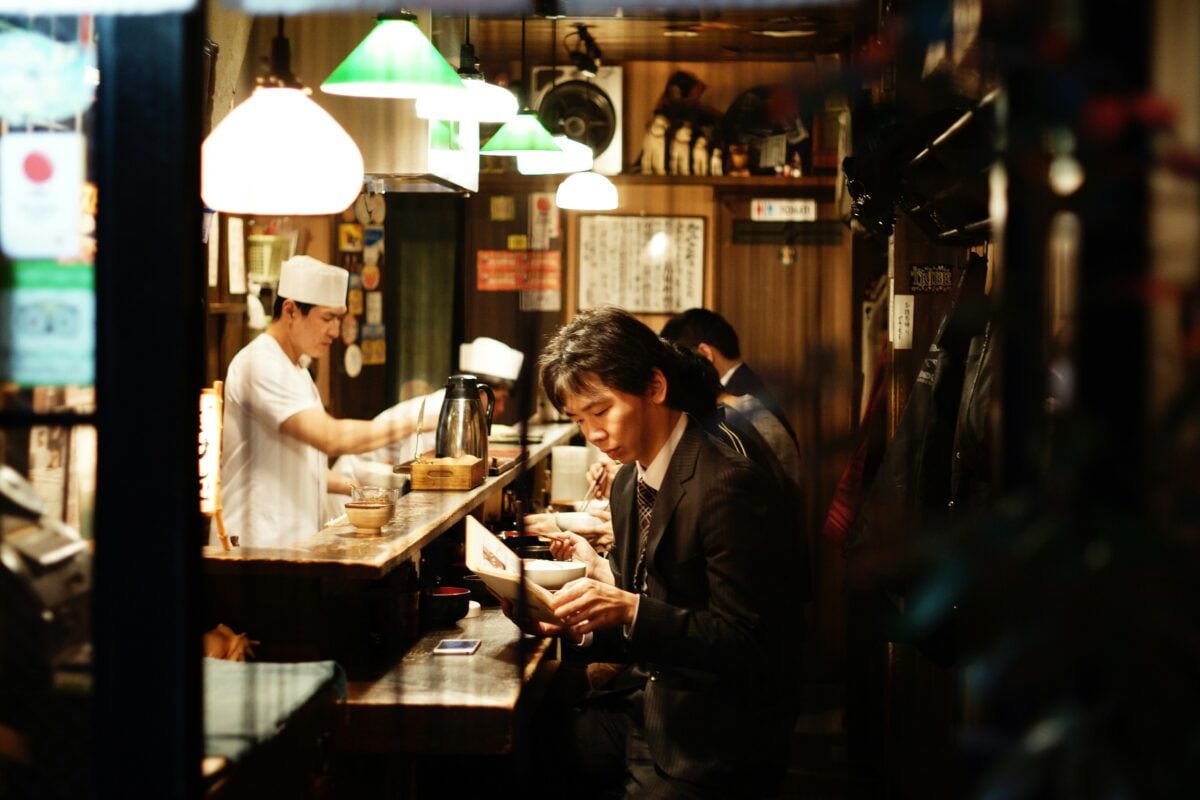
A subset of the shoe removal issue worth addressing separately: many traditional Japanese restaurants feature tatami mat seating areas where diners sit on floor cushions. A sign or a step at the entrance to this section indicates that shoes should be left there.
Tourists who are managing the general rule about shoes at the front door sometimes miss the secondary shoe removal point when moving from a regular-floor restaurant section to a tatami section. The insult of tracking shoes across tatami is considered significant.
Discussing the German Past Inappropriately

In Germany, certain gestures, symbols, and specific references to the Nazi period carry legal as well as social dimensions — performing a Nazi salute is a criminal offense under German law, as is displaying certain prohibited symbols. For most tourists, the more common issue is casual reference to World War II history in ways that Germans find tasteless or that conflate contemporary Germany with its 20th-century history.
German identity is carefully constructed around the country’s post-war transformation, and jokes or casual references that collapse that distance are received poorly.
Laughing at Russian Directness

Russian social directness — being told your haircut doesn’t suit you, being asked your age or salary at a first meeting — is not rudeness in the Russian context but rather an expression of honest engagement. Foreign visitors who laugh nervously or become visibly discomforted by direct Russian questions often create a social awkwardness that was not intended by the asker.
The reciprocal mistake is equally common: attempting to be diplomatically indirect in the way Northern Europeans or North Americans might soften a criticism that can read to a Russian as evasive or dishonest.
Accepting Gifts Immediately in China

In Chinese gift-giving tradition, it is customary to decline a gift one or two times before accepting, as an expression of modesty and appreciation rather than genuine refusal. Immediately accepting a gift that is offered, especially if you unwrap and examine it right away, can appear eager or materialistic.
The host offers, the guest declines politely, the host insists, and the guest accepts with visible reluctance. The same exchange happens in reverse — travelers who have brought a gift for a Chinese host and have it seemingly refused may be unsure whether to persist.
The answer is usually yes.
Missing the Social Meaning of Food Sharing in Ethiopia
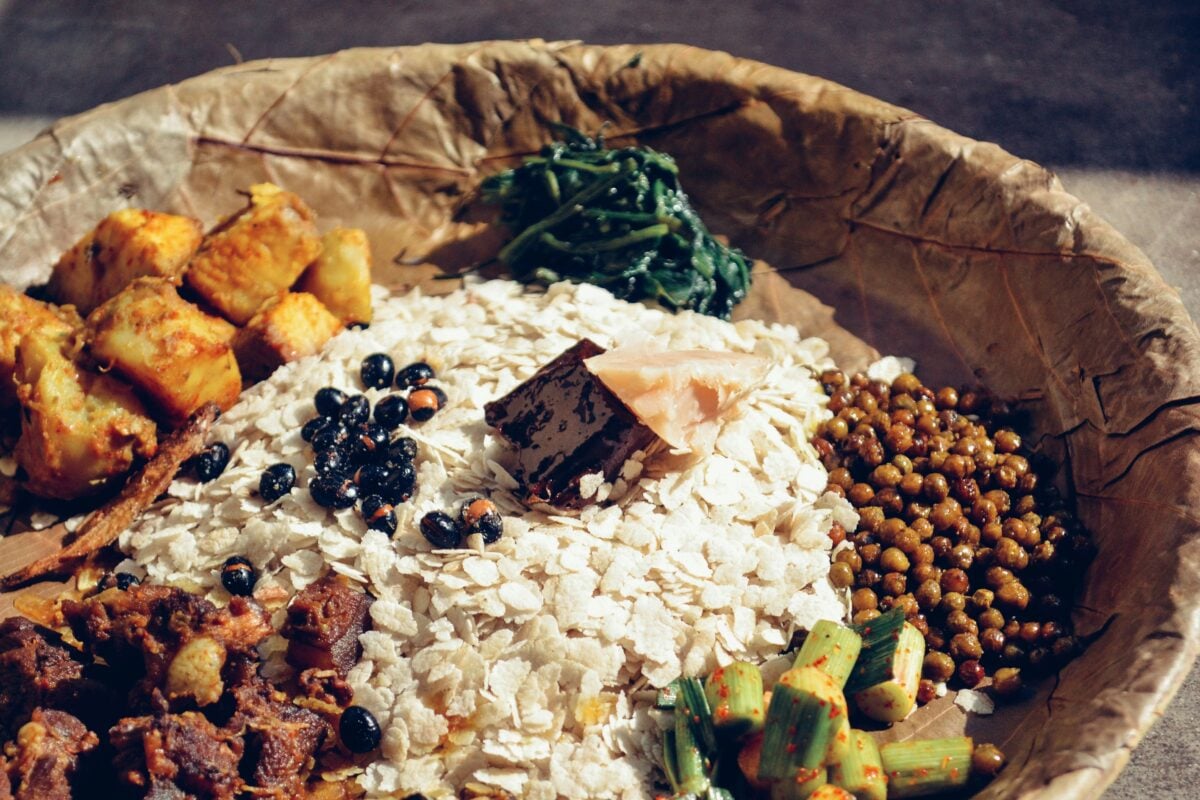
In Ethiopian dining culture, the injera — a large spongy flatbread — serves as both plate and utensil, and the meal is shared from a communal platter that everyone eats from directly. Requesting a separate plate for your own portion is considered isolating behavior that goes against the communal purpose of the meal.
The concept of gursha — taking a portion of food and feeding it directly to another person — is a gesture of intimacy and affection, and declining it or appearing uncomfortable when offered it can cause real hurt to the person making the gesture.
The Invisible Contract of Cultural Curiosity
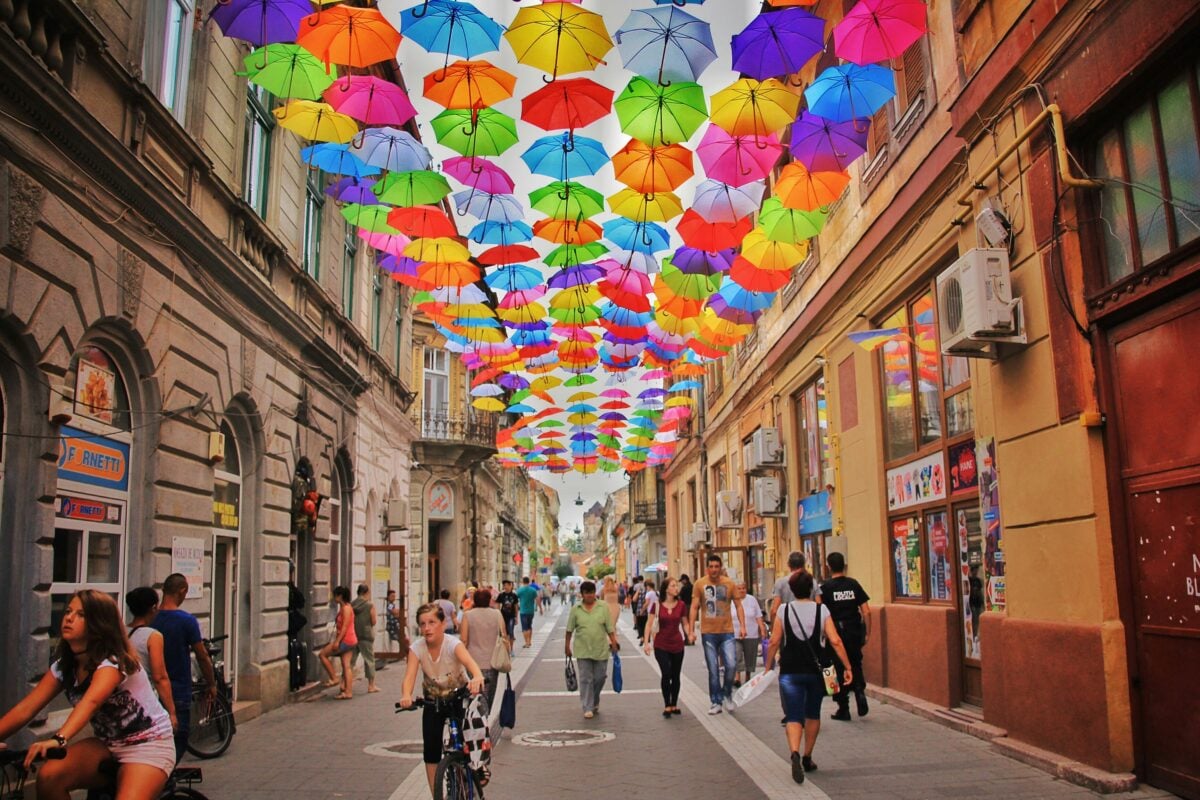
The underpinning of all these mistakes is not malice but assumption — the comfortable default that behaviors carrying one meaning at home carry the same meaning everywhere. The most reliable travelers are not the ones who have memorized every rule in every country but the ones who hold their own defaults lightly enough to notice when something has landed differently than they expected.
That noticing — the small social readout that tells you a room changed when you did something — is more teachable than any list of prohibitions. It requires watching people rather than phones, staying genuinely curious about why something worked the way it did, and being genuinely unbothered by the discomfort of not knowing the rules of the room you are in.
The countries that seem most impenetrable to travelers are almost always the ones where the traveler arrived having already decided they understood.
More from Go2Tutors!

- The Romanov Crown Jewels and Their Tragic Fate
- 13 Historical Mysteries That Science Still Can’t Solve
- Famous Hoaxes That Fooled the World for Years
- 15 Child Stars with Tragic Adult Lives
- 16 Famous Jewelry Pieces in History
Like Go2Tutors’s content? Follow us on MSN.