Why Some Countries Changed Their National Anthem More Times Than Anyone Realizes
A national anthem sounds like one of the most permanent things a country can have. It plays at the Olympics, at state funerals, at the beginning of school days in dozens of countries — a fixed, sonorous statement of national identity that seems as though it has always been there.
In reality, most of the world’s anthems are younger than people assume, many have been revised more often than their governments like to advertise, and a surprising number of countries are currently using songs that are either the recycled melodies of discarded political systems, deeply contested compromises, or genuinely temporary arrangements that nobody got around to replacing. Anthems change.
They change more often than almost anything else nations claim as permanent.
Russia: Three Complete Overhauls in One Century
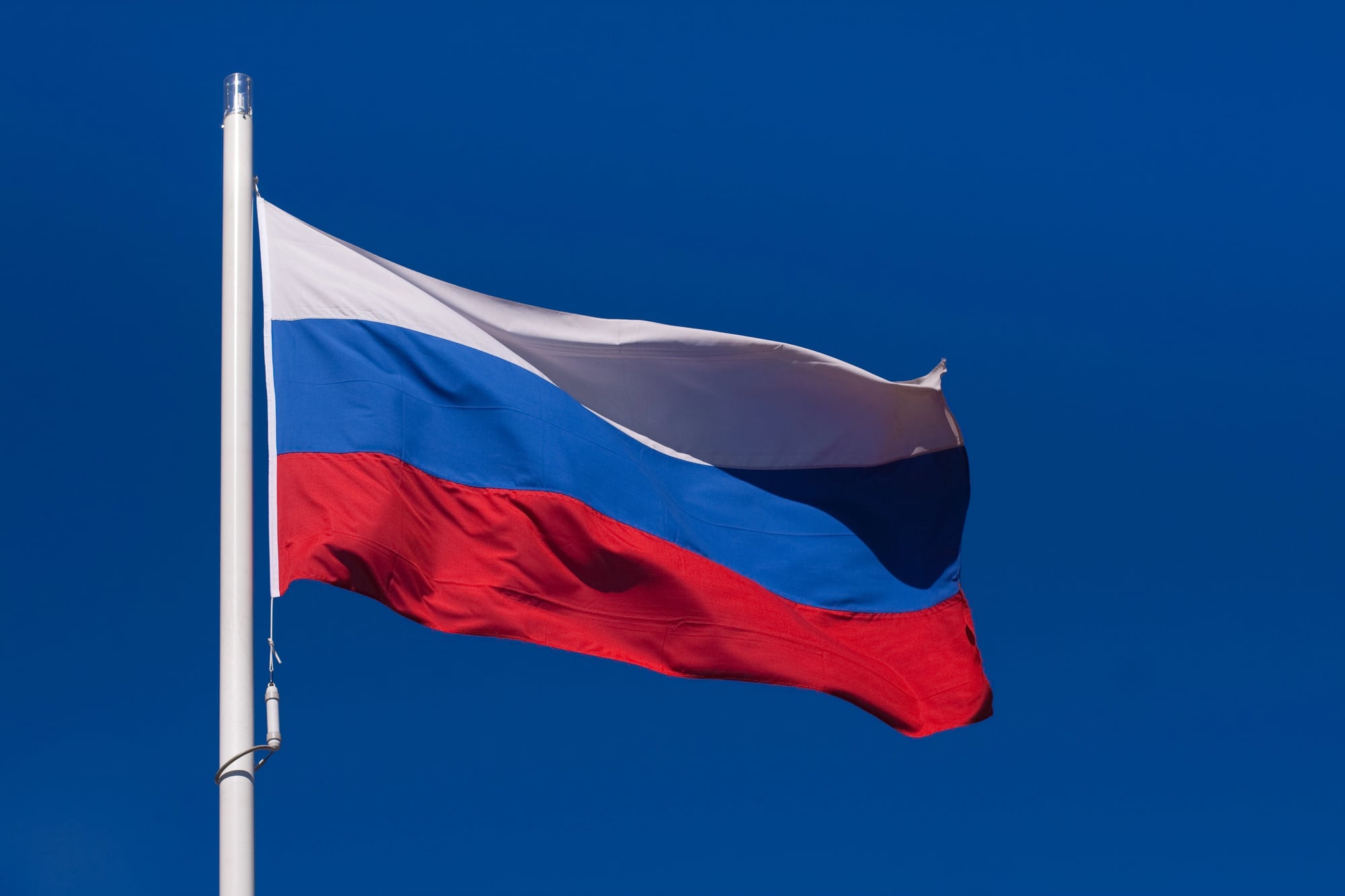
Russia is the most dramatic case of anthem revision in modern history, and the most revealing one. Imperial Russia used “The Prayer of the Russians” as its anthem — a melody borrowed from the Prussian national anthem, which itself was borrowed from Haydn’s “Emperor’s Hymn.”
After the 1917 revolution, the new Soviet government adopted “The Internationale,” the pan-socialist anthem written by two French workers in 1871, which had never been intended as a national anthem at all but worked well enough for a government that considered national borders bourgeois constructs. In 1944, Stalin decided the country needed something more specifically Soviet for wartime morale, and commissioned a new anthem from composer Alexander Alexandrov.
The new anthem praised Stalin by name. After Stalin’s death, Khrushchev banned the lyrics, and the Soviet anthem became officially wordless for over a decade — athletes competed at the Olympics to music nobody was allowed to sing.
New lyrics were eventually written in 1970, carefully edited to remove Stalin. When the Soviet Union collapsed in 1991, Russia adopted a melody by nineteenth-century composer Mikhail Glinka that also had no lyrics.
Nobody could agree on words. Olympic athletes stood in silence again for the better part of a decade.
Vladimir Putin restored the Alexandrov melody in 2000 with entirely new lyrics, written by Sergey Mikhalkov — the same poet who had written the original 1944 anthem, who was in his mid-eighties by this point. It was, by some counts, the fourth major iteration of Russian national music in under a century, composed partly by a man who had outlived every political regime he’d written for.
Germany: The Wrong Verse for Decades
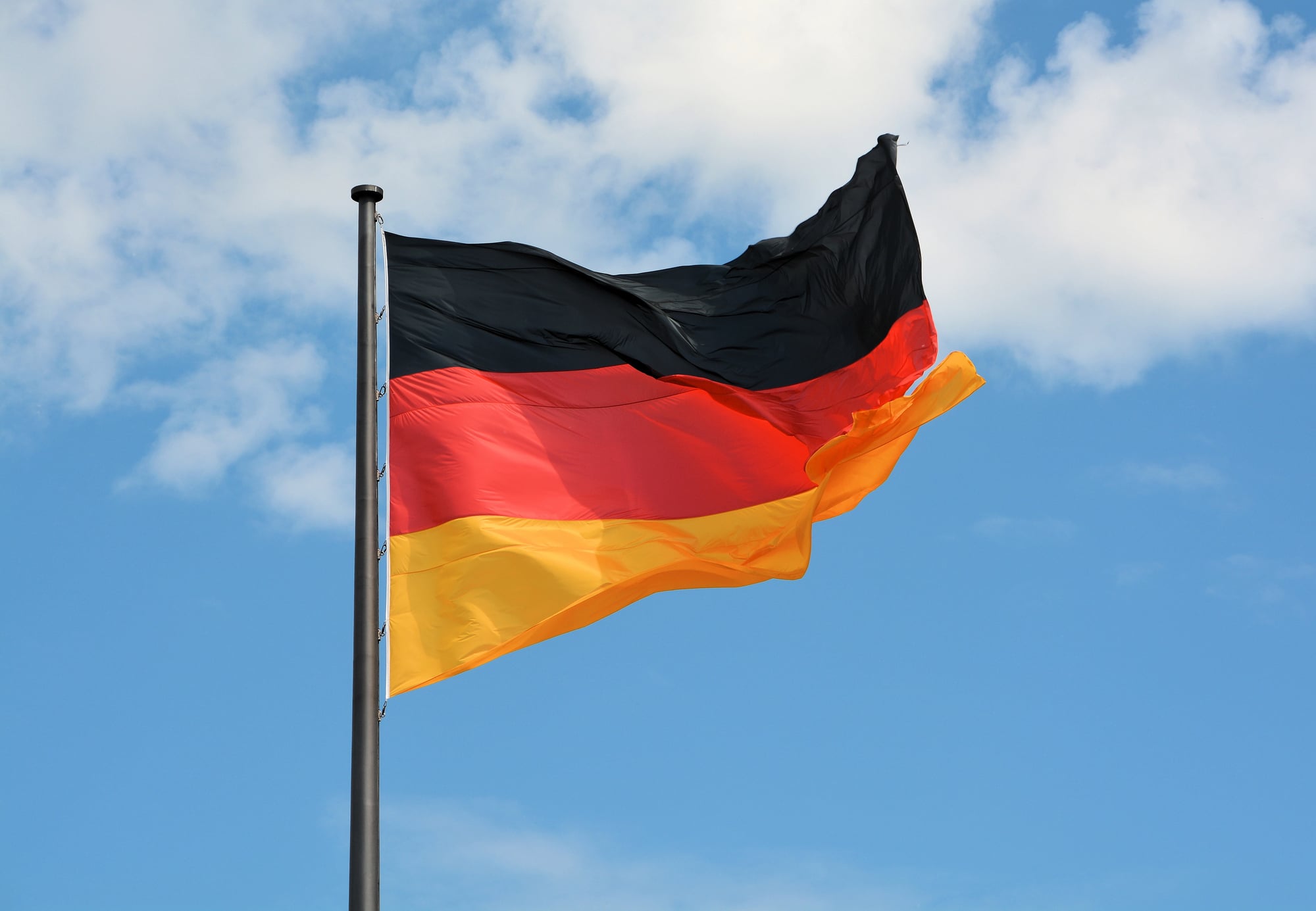
Germany’s national anthem exists in three verses, of which only the third is now officially sung. The first verse opens “Deutschland über alles” — Germany above all — and is not performed at official events.
The confusion about which part of the anthem Germany actually uses is pervasive enough that it has been an issue at international sporting events. The original anthem was written in 1841 by Heinrich Hoffmann von Fallersleben, who was not calling for German domination of the world but for German national unity above the interests of Germany’s then-thirty-nine squabbling principalities.
The phrase meant something specific in 1841. By the mid-twentieth century it meant something else.
The Federal Republic officially declared in 1952 that only the third verse — “Einigkeit und Recht und Freiheit” (“Unity and Justice and Freedom”) — was the national anthem. East Germany used an entirely different anthem until reunification in 1990.
Since reunification, Germany officially sings only the third verse, but the misunderstanding about the first verse has persisted for so long that German authorities periodically have to correct it publicly.
South Africa: A Compromise That Required Five Languages
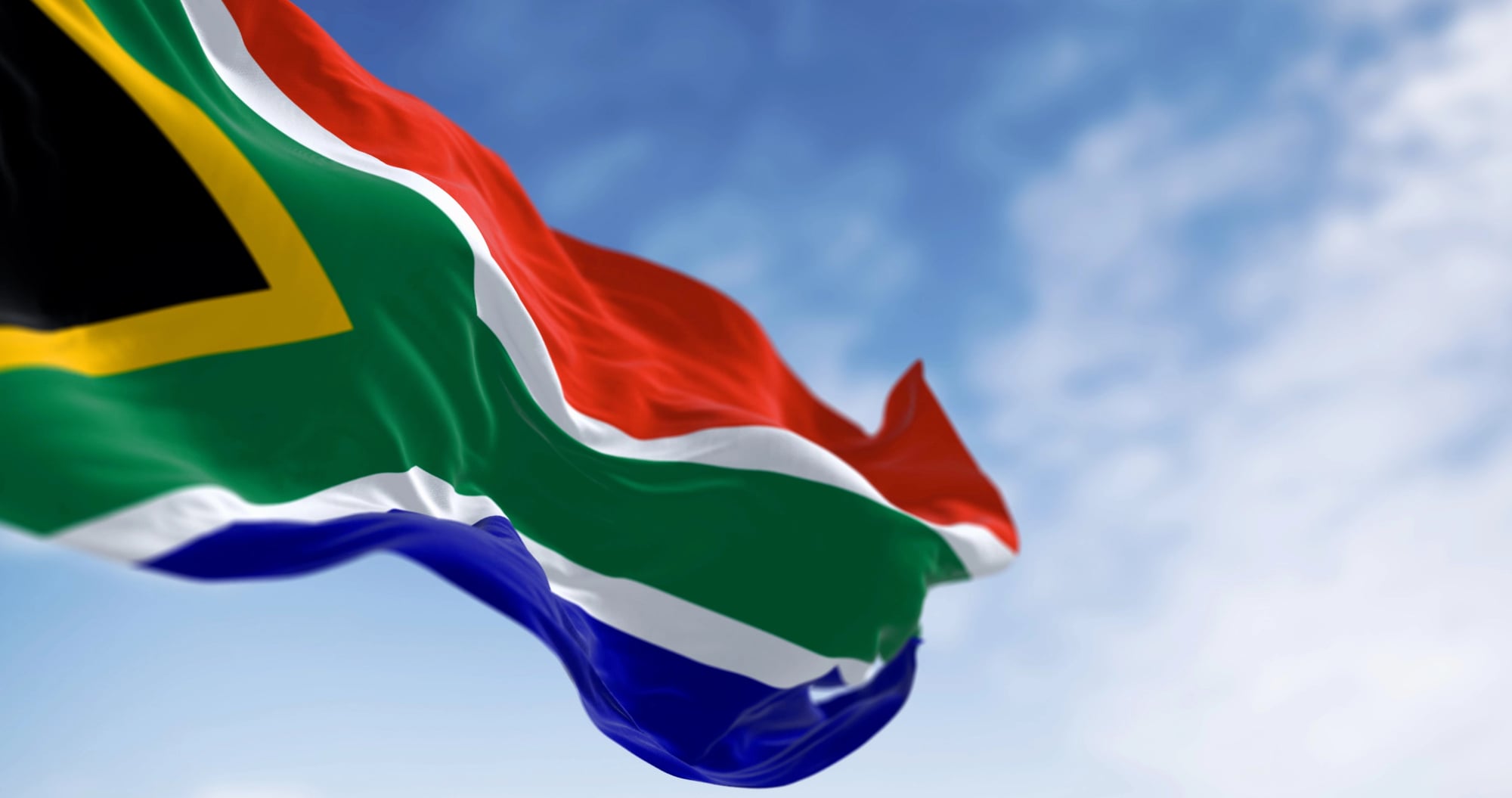
Before 1994, South Africa’s national anthem was “Die Stem van Suid-Afrika” (“The Call of South Africa”), a song written by a white Afrikaner poet in 1918 and deeply associated with the apartheid government. After Nelson Mandela became president, South Africa needed a new anthem that could plausibly represent all South Africans.
The solution was a deliberate compromise: the current anthem, adopted in its final hybrid form in 1997, blends “Nkosi Sikelel’ iAfrika” (“God Bless Africa”) with portions of the old anthem, and is performed in five languages — Xhosa, Zulu, Sesotho, Afrikaans, and English — in the course of a single relatively short song. The anthem itself is an argument for reconciliation made in musical form, though whether the argument is heard the same way by all South Africans is a different matter.
It is regularly cited as one of the most unusual national anthems in the world, which understates how unusual the political circumstances that produced it were.
The Soviet Union: An Anthem That Outlived Its Government
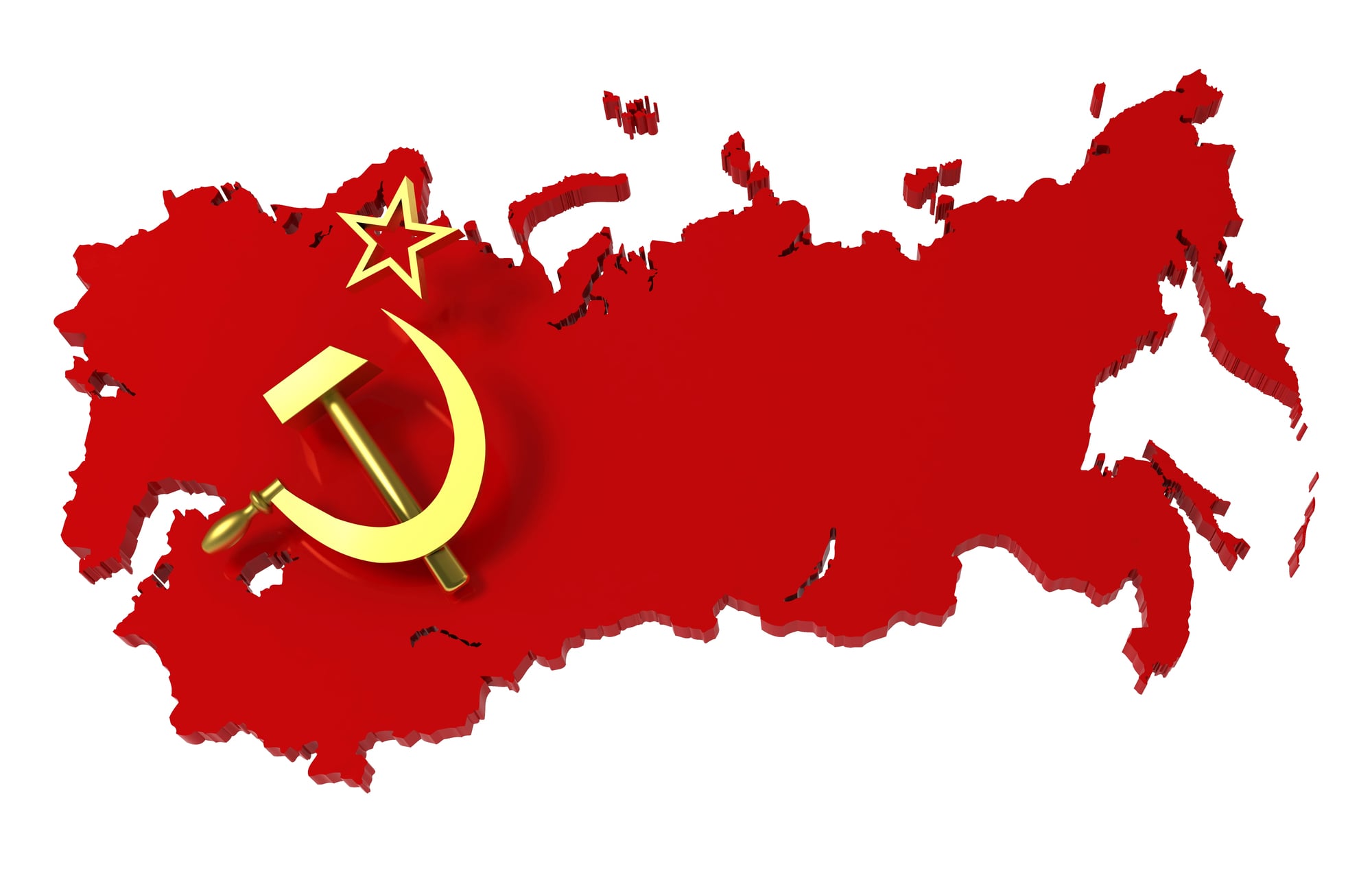
The Soviet national anthem, created in 1944 under Stalin, has had the peculiar afterlife of being the basis for the current Russian anthem, twenty-nine years after the Soviet Union ceased to exist. Alexandrov’s melody — the same tune that accompanied Soviet Olympic victories, Soviet military parades, and Soviet propaganda broadcasts — is still the melody played when a Russian athlete wins gold at the Olympics.
The lyrics have been revised three times: first to remove a Stalin reference, then again in 1977 to update the communist references, then entirely rewritten in 2000 to remove the communist framework while retaining the tune. The melody has outlasted the ideology it was written to serve by a significant margin and shows no sign of being replaced.
Egypt: Four Anthems Since Independence
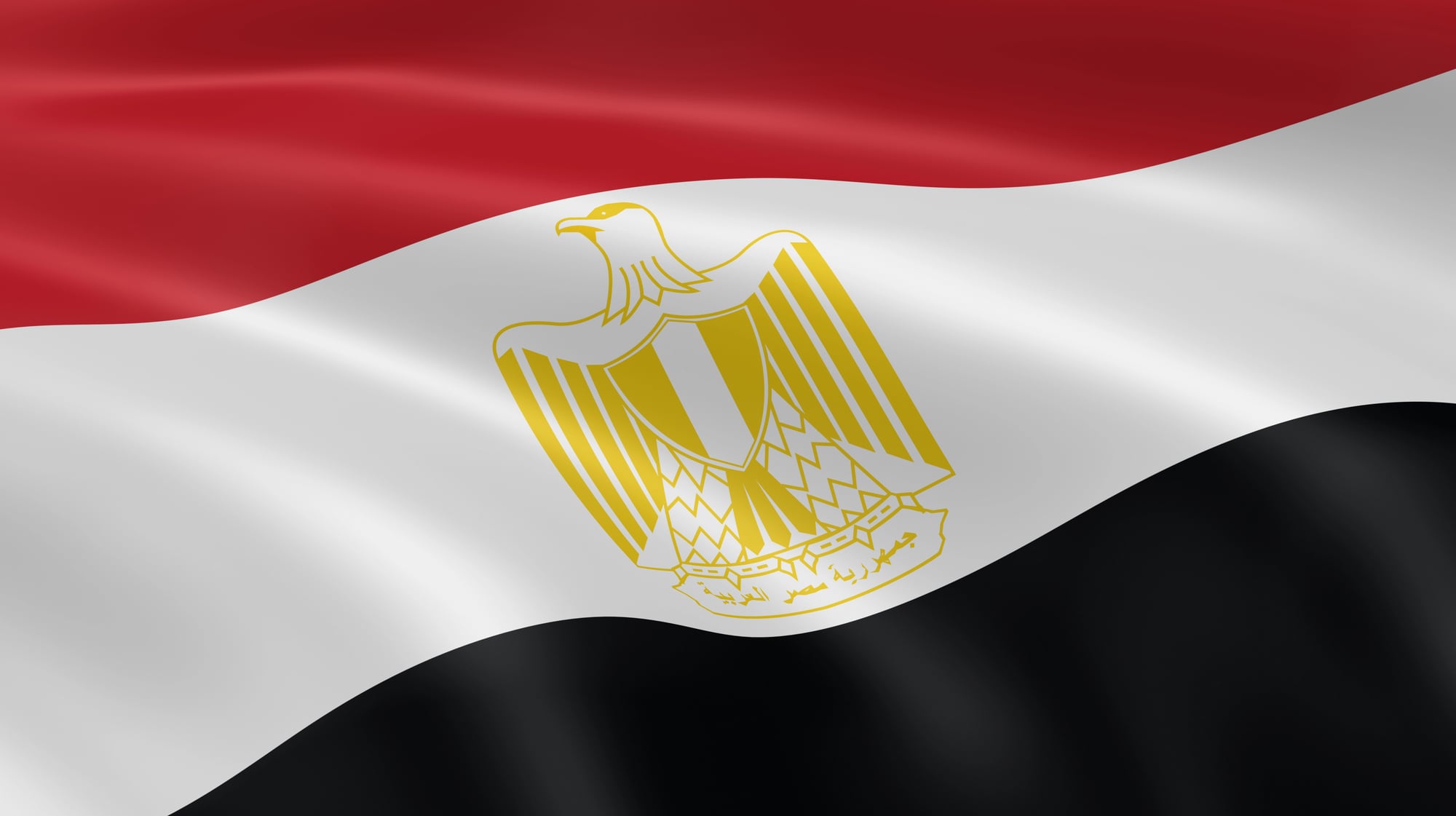
Egypt changed its national anthem four times in response to shifting political circumstances following independence. Each change corresponded to a significant regime shift.
The anthem used under King Farouk gave way to one reflecting Nasser’s republic and Pan-Arab nationalism after the 1952 revolution. Subsequent anthems reflected different articulations of Egyptian national identity — the relationship to Arab unity, to Islam, and to Egyptian civilization — that changed with each change in government.
Egypt’s anthem history is a compressed version of the country’s twentieth-century political history, compressed into approximately four hundred years’ worth of political change squeezed into about seventy years.
Nepal: Replaced the World’s Oldest Continuously Used Anthem
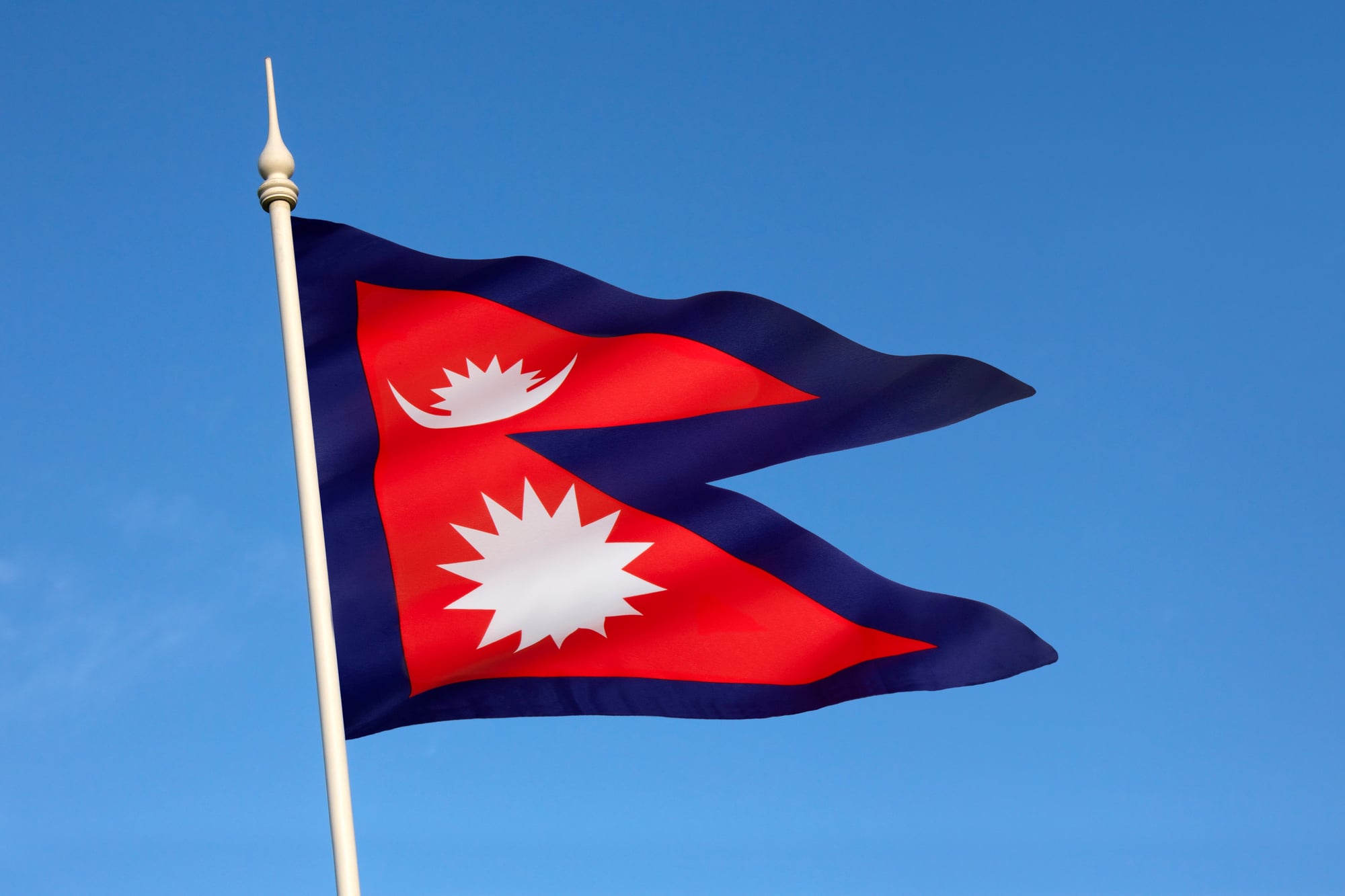
Nepal’s “Rastriya Gaan,” used until 2007, was considered the world’s oldest national anthem in continuous use — a distinction it held simply by virtue of having never been replaced since its adoption in the nineteenth century. In 2007, Nepal abolished its monarchy after centuries of royal rule and needed a new anthem that reflected the new republic.
A national competition produced “Sayaun Thunga Phulka” — “Made of Hundreds of Flowers” — which replaced “Rastriya Gaan” entirely. It was one of the relatively rare cases where an anthem was changed not because of revolution or foreign occupation but because the form of government itself changed peacefully and the existing anthem was too specifically monarchical to survive the transition.
Rwanda: Changed Deliberately to Facilitate Healing
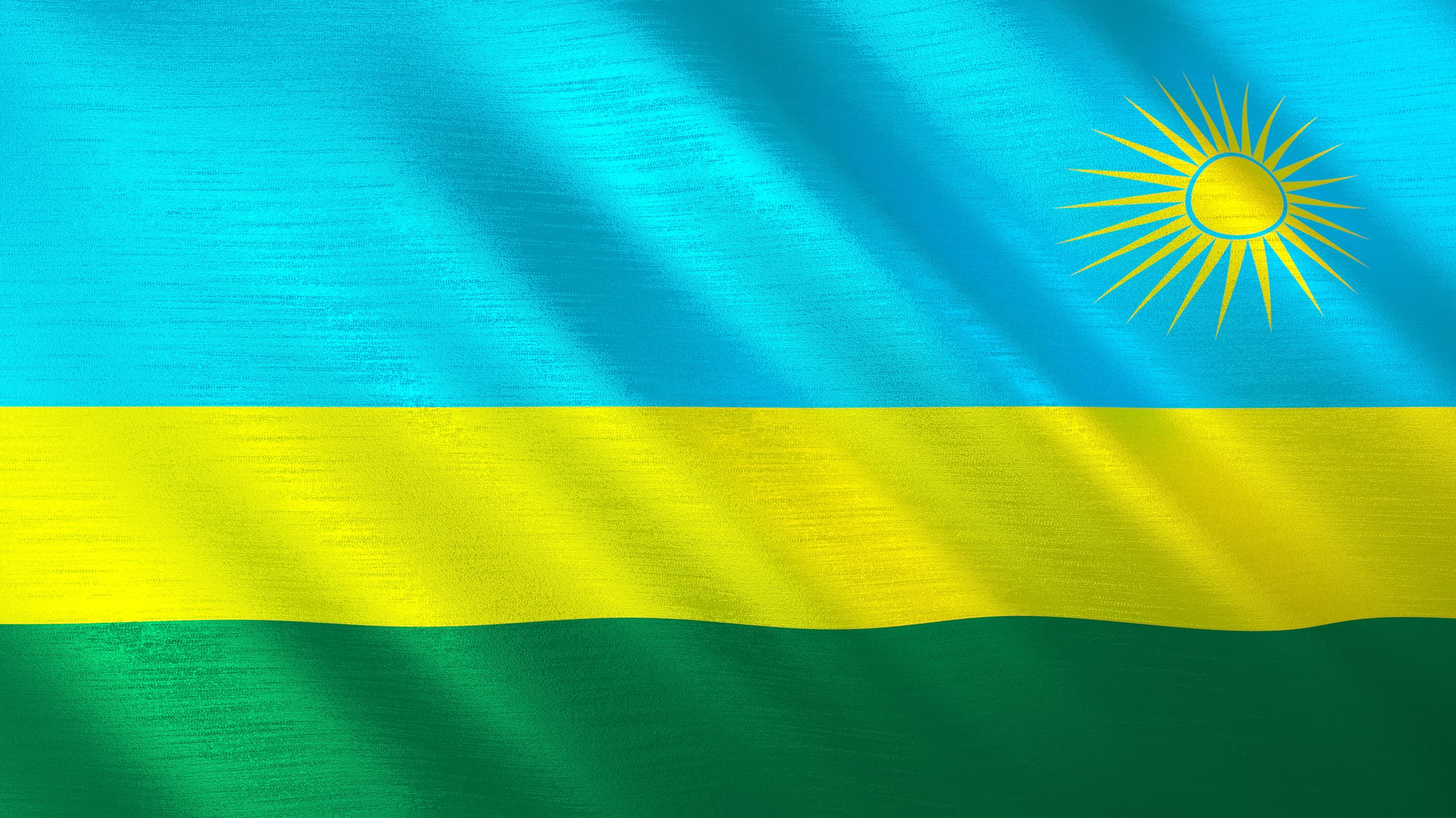
Following the 1994 genocide in which approximately eight hundred thousand people were killed in roughly one hundred days, Rwanda faced the task of rebuilding national identity from near-total destruction of social trust. The previous national anthem, “Rwanda Rwacu” (“Our Rwanda”), was associated with the government responsible for the genocide and with the ethnic divisions that produced it.
In 2001, Rwanda adopted a new anthem titled “Rwanda Nziza” (“Beautiful Rwanda”), specifically designed to promote healing and collective national identity rather than ethnic or political affiliation. It was not a small symbolic gesture — Rwanda’s post-genocide government treated every symbol of national identity as part of the reconstruction of the country itself, and the anthem was one of the first to go.
Libya: Reverted to a Pre-Gaddafi Anthem
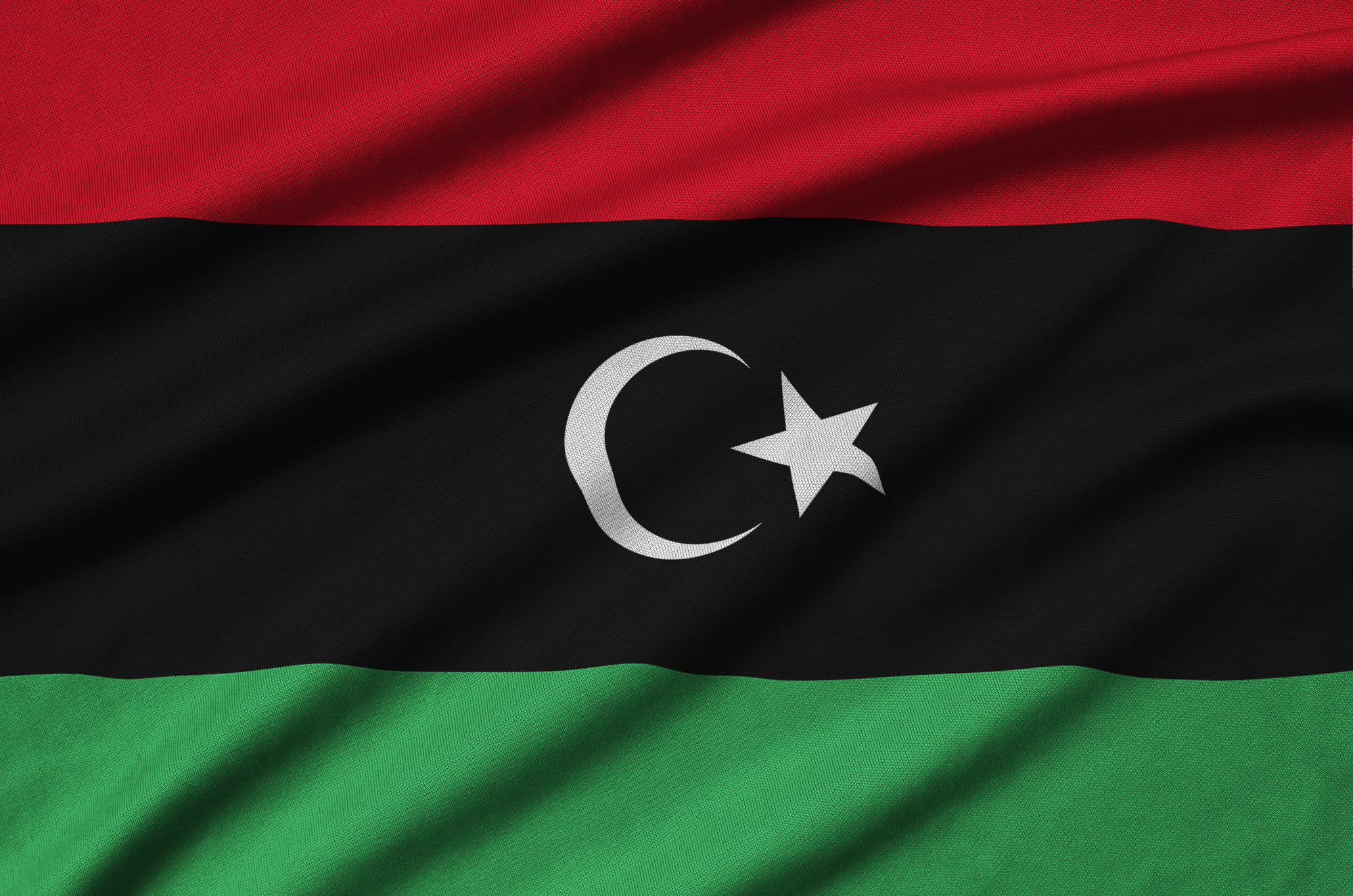
When Muammar Gaddafi came to power in 1969, Libya adopted an anthem associated with his revolution. For over forty years, “Allahu Akbar” served as the national anthem, its lyrics praising Gaddafi’s goals.
When the Arab Spring brought down Gaddafi’s regime in 2011, Libya did not write a new anthem. Instead, it reverted to “Libya, Libya, Libya,” the anthem used during the Senussi monarchy period before Gaddafi’s coup.
The choice to reach backward for an anthem rather than forward was a deliberate statement about how the post-Gaddafi government wanted to frame the meaning of his fall.
Austria: The Same Melody as Germany — For a While
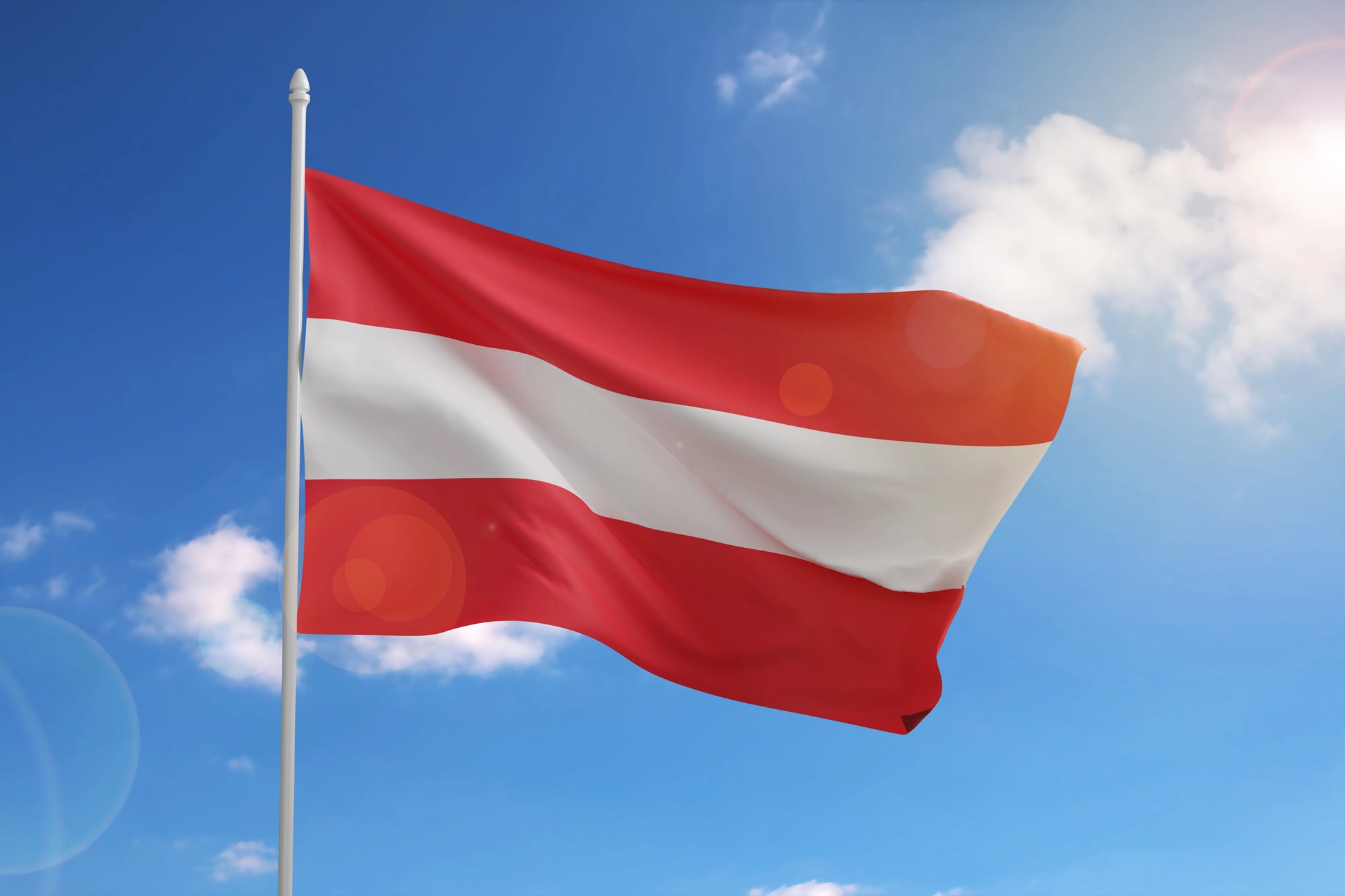
Austria and Germany shared the same melody for their national anthems until after World War II. Both had used Haydn’s “Emperor’s Hymn,” written in 1797 — which is also the tune of “Glorious Things of Thee Are Spoken” in English hymnody.
After World War II, when both countries were reconstituting their national identities under Allied supervision, Austria moved to a different melody. Germany retained the Haydn tune with different lyrics.
The two countries had shared the same tune for the better part of 150 years before the association with the Third Reich made the shared heritage complicated.
The United States: “The Star-Spangled Banner” Was Not the National Anthem for 117 Years

The United States did not officially designate “The Star-Spangled Banner” as its national anthem until 1931, 117 years after the song was written. During the intervening period, multiple songs were used at different occasions, including “My Country, ‘Tis of Thee” (which uses the same melody as the British “God Save the King,” creating a notable awkwardness at international events) and “Hail, Columbia,” which was used as the de facto presidential anthem.
“The Star-Spangled Banner” was played at military events from the mid-nineteenth century onward, but its official status as the national anthem was a product of congressional legislation in 1931 that was passed only after decades of lobbying by various civic organizations.
France: “La Marseillaise” Was Banned by Its Own Government
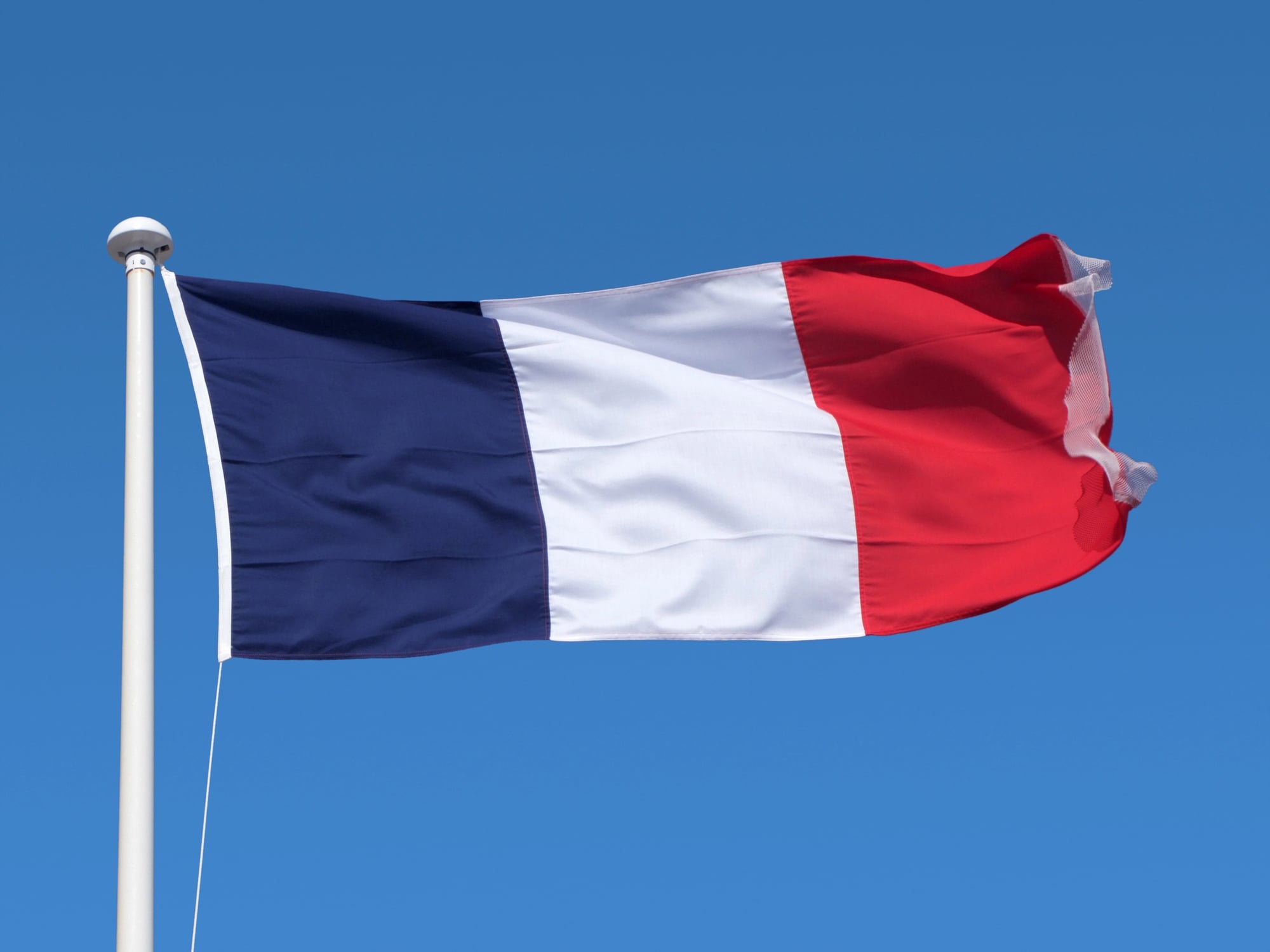
“La Marseillaise,” now the French national anthem, has a turbulent relationship with French governments. Written in 1792 during the Revolutionary Wars, it was adopted as the national anthem in 1795, then banned during the Napoleonic period, then restored under the Third Republic.
Napoleon disliked its revolutionary associations. The song was periodically suppressed by monarchist and imperial governments who found its call to arms against tyranny uncomfortable when the government in question was doing the suppressing.
France’s current adoption of “La Marseillaise” as its permanent anthem dates effectively to the Third Republic, making it not nearly as permanent a national institution as it sounds.
Canada: A Last-Minute Change After 136 Years
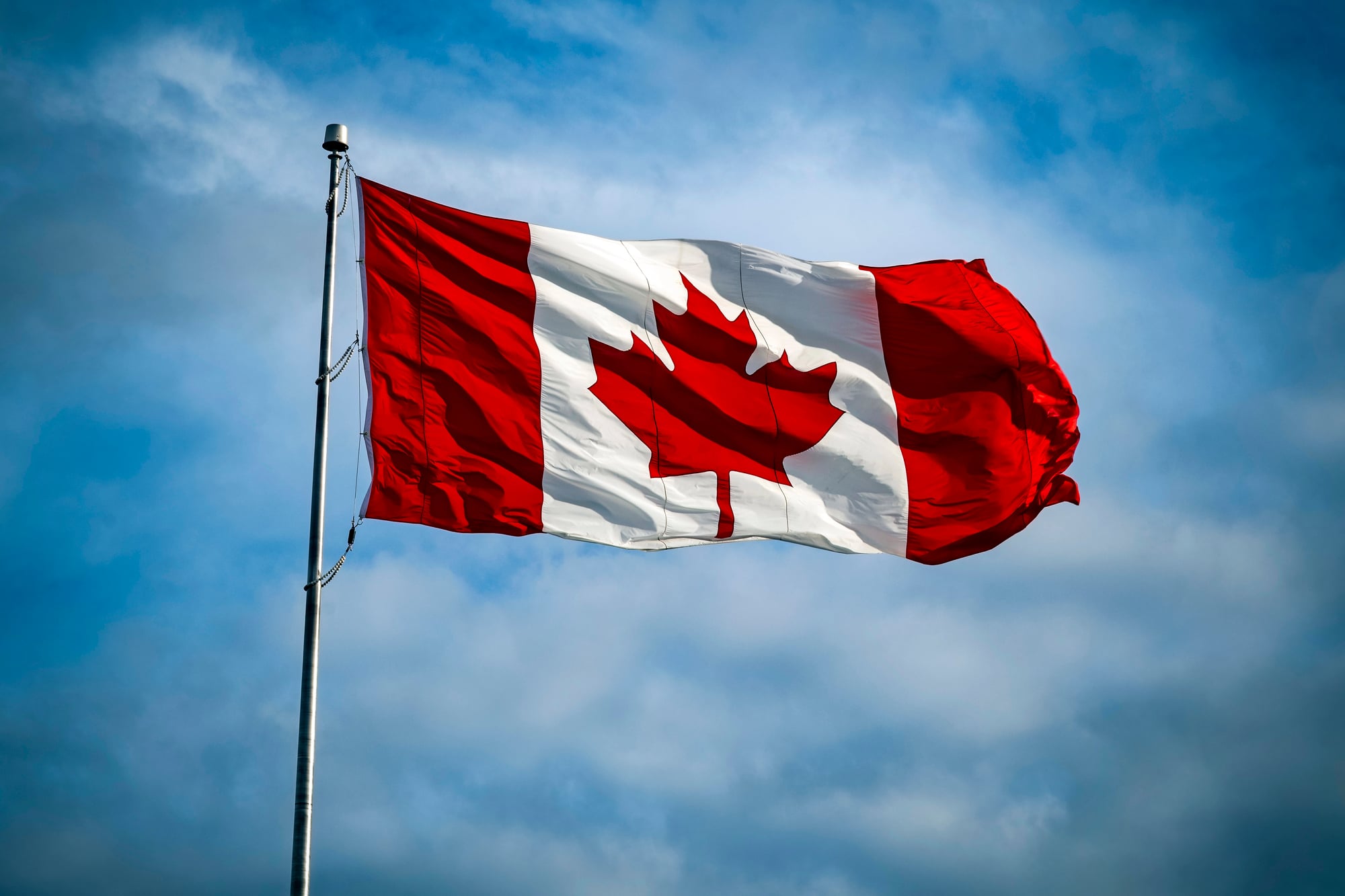
Canada made a small but symbolically notable change to “O Canada” in 2018, altering the phrase “in all thy sons command” to “in all of us command” — making the anthem explicitly gender-neutral after 136 years of use. The change had been debated for decades, proposed multiple times in parliament, and failed on multiple occasions before finally passing.
Conservative opposition argued the change disrupted a beloved tradition. Supporters noted that the original French-language anthem, written in 1880, had never contained the gendered phrase to begin with — it was added only in the English adaptation.
The argument about whose anthem it was, and what it should say, had been running longer than most Canadians realized.
Italy: A Temporary Anthem That Stayed for Eighty Years
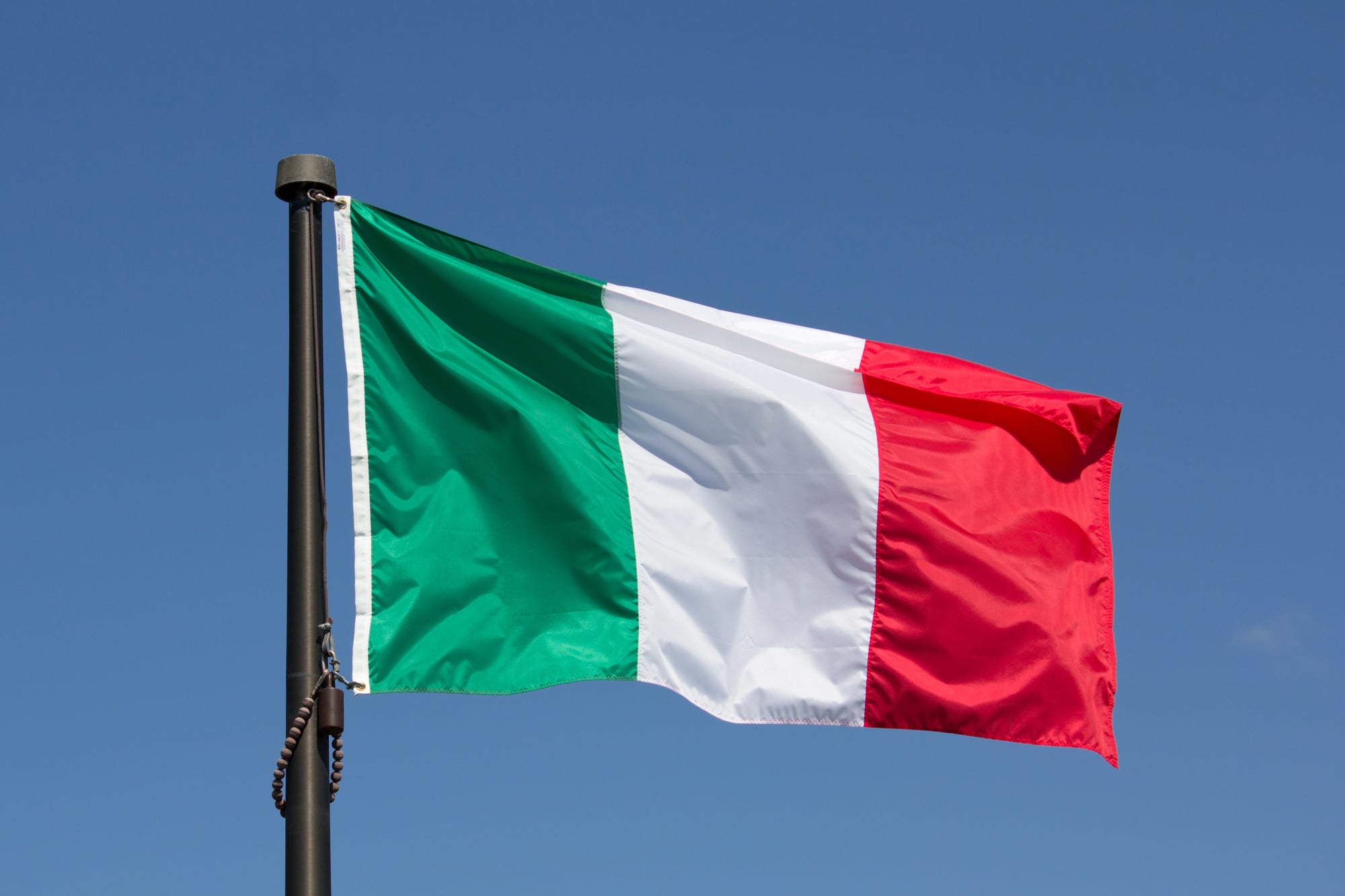
The Italian national anthem, “Il Canto degli Italiani” (“The Song of Italians”), was written in 1847 during the Risorgimento, the movement for Italian unification, and was not officially designated as the national anthem of Italy until 2017 — seventeen decades after it was written. During the Kingdom of Italy, the official royal anthem was used instead.
The Risorgimento anthem was restored by the Italian Republic in 1946 on a provisional basis. It remained provisional for the next seventy-one years until Parliament finally made it official in 2017.
Italy is possibly the only major country to have used a song as its unofficial national anthem for decades before someone got around to making it official, and even that was primarily because nobody had formally addressed the question.
What Anthems Actually Say
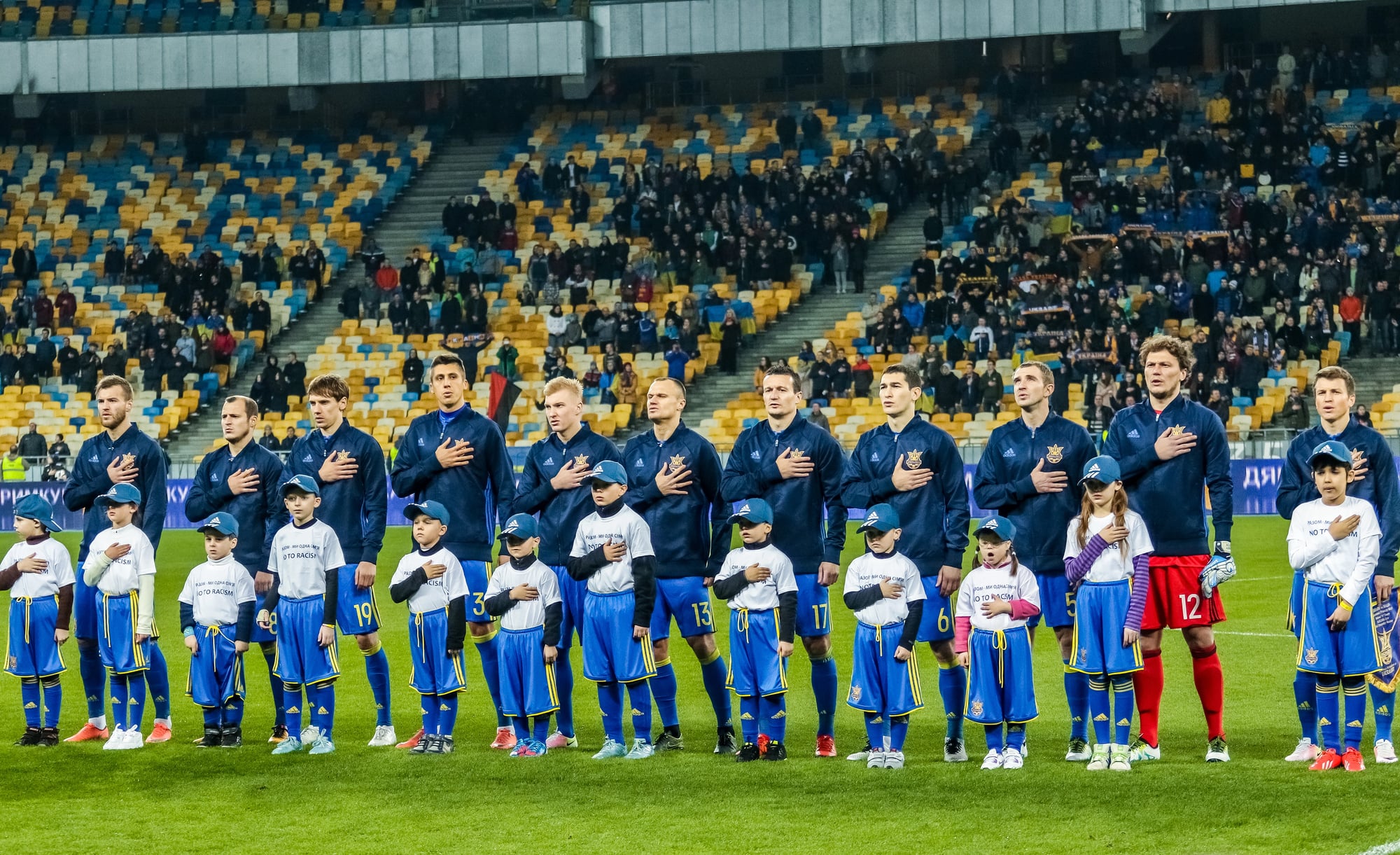
The history of national anthem changes is, in compact form, the history of how governments try to manage national identity at moments of crisis, transition, and reconstruction. Anthems are changed after revolutions and after reconciliations, after the collapse of regimes and after the careful, deliberate work of building something in their place.
They are changed when the lyrics become politically inconvenient, when a tune becomes too associated with something a new government wants to distance itself from, or when a country needs a symbol that includes more people than the previous symbol managed to address.
They are not, despite their ceremonial permanence, permanent. Russia has cycled through the same melody under four different sets of politics.
Germany officially uses one third of its anthem and expects everyone to forget the other two. South Africa sings in five languages because no single language could do the job.
What sounds like a country’s voice turns out, on close inspection, to be whatever the current government decided was the most useful version of that voice — and governments, as much as they deny it, are always the ones making that decision.
More from Go2Tutors!

- The Romanov Crown Jewels and Their Tragic Fate
- 13 Historical Mysteries That Science Still Can’t Solve
- Famous Hoaxes That Fooled the World for Years
- 15 Child Stars with Tragic Adult Lives
- 16 Famous Jewelry Pieces in History
Like Go2Tutors’s content? Follow us on MSN.