How the First K2 Summit Pushed the Limits of Human Endurance
K2 does not look like the second-highest mountain in the world should look. It is not the gentle white dome of Everest seen from a distance but a brutal, pyramid-shaped mass of rock and ice rising from the Karakoram in what is now northern Pakistan — steeper, meaner, and far less forgiving of mistakes than the mountain that gets more headlines.
When the Italian expedition of 1954 set out to climb it, K2 had already killed six people across multiple attempts and turned back some of the strongest teams in the world. The question was not whether it could be climbed.
The question was whether the particular combination of altitude, weather, technical difficulty, and sheer physical punishment it demanded would allow any human body to function long enough to reach the top and get back down alive.
A Mountain That Had Already Said No
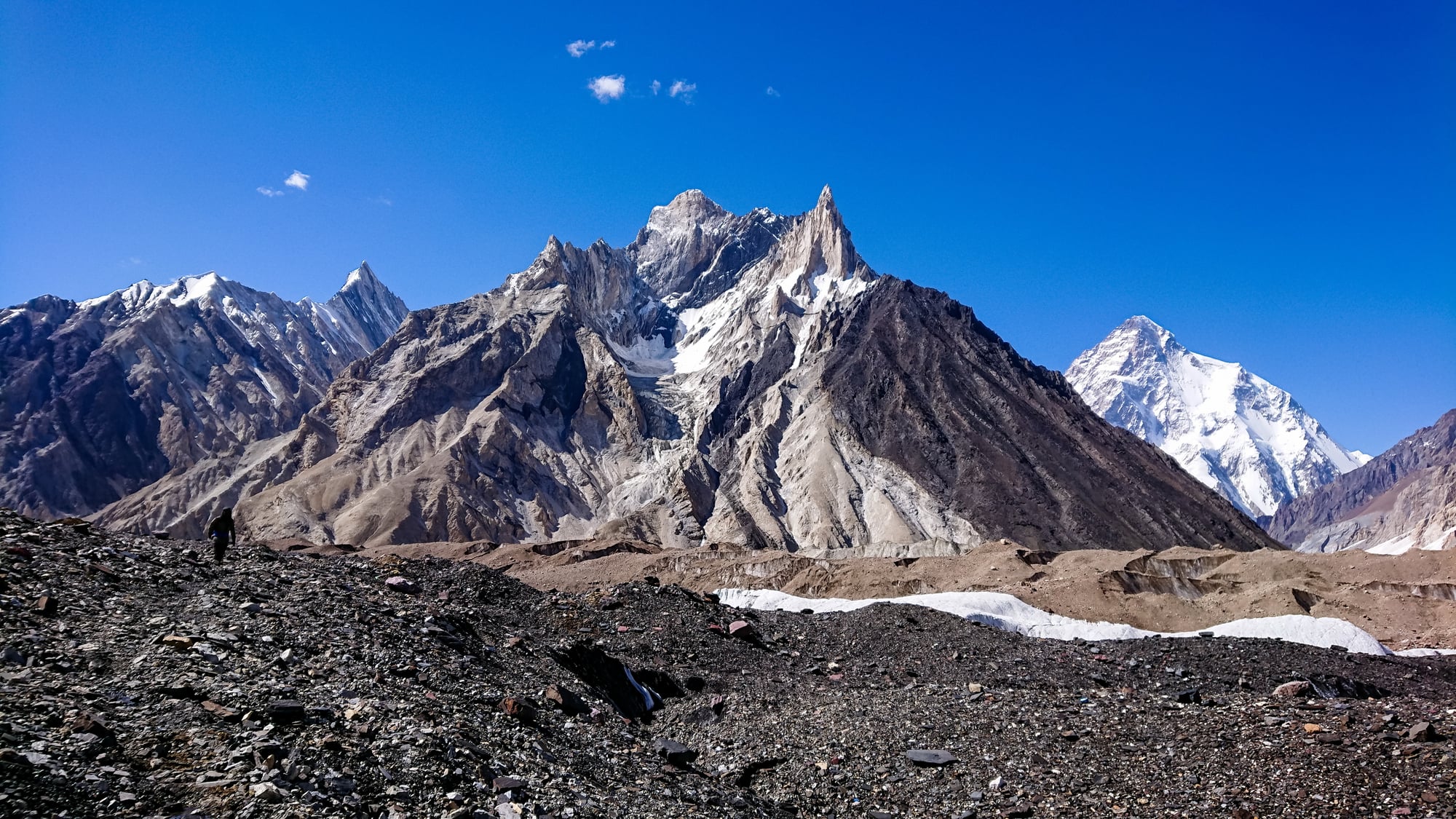
By 1954, K2 had been attempted seriously by the Americans in 1938, 1939, and 1953, with the 1953 expedition led by Charlie Houston coming closest before a storm pinned the team and the death of Art Gilkey during the evacuation forced them off the mountain. Each expedition had contributed to a clearer picture of the route — the Abruzzi Spur on the southeast ridge — but none had been able to string together the weather, the physical condition, and the logistical support needed to get two people to the top at 8,611 meters.
Ardito Desio and the Italian Plan
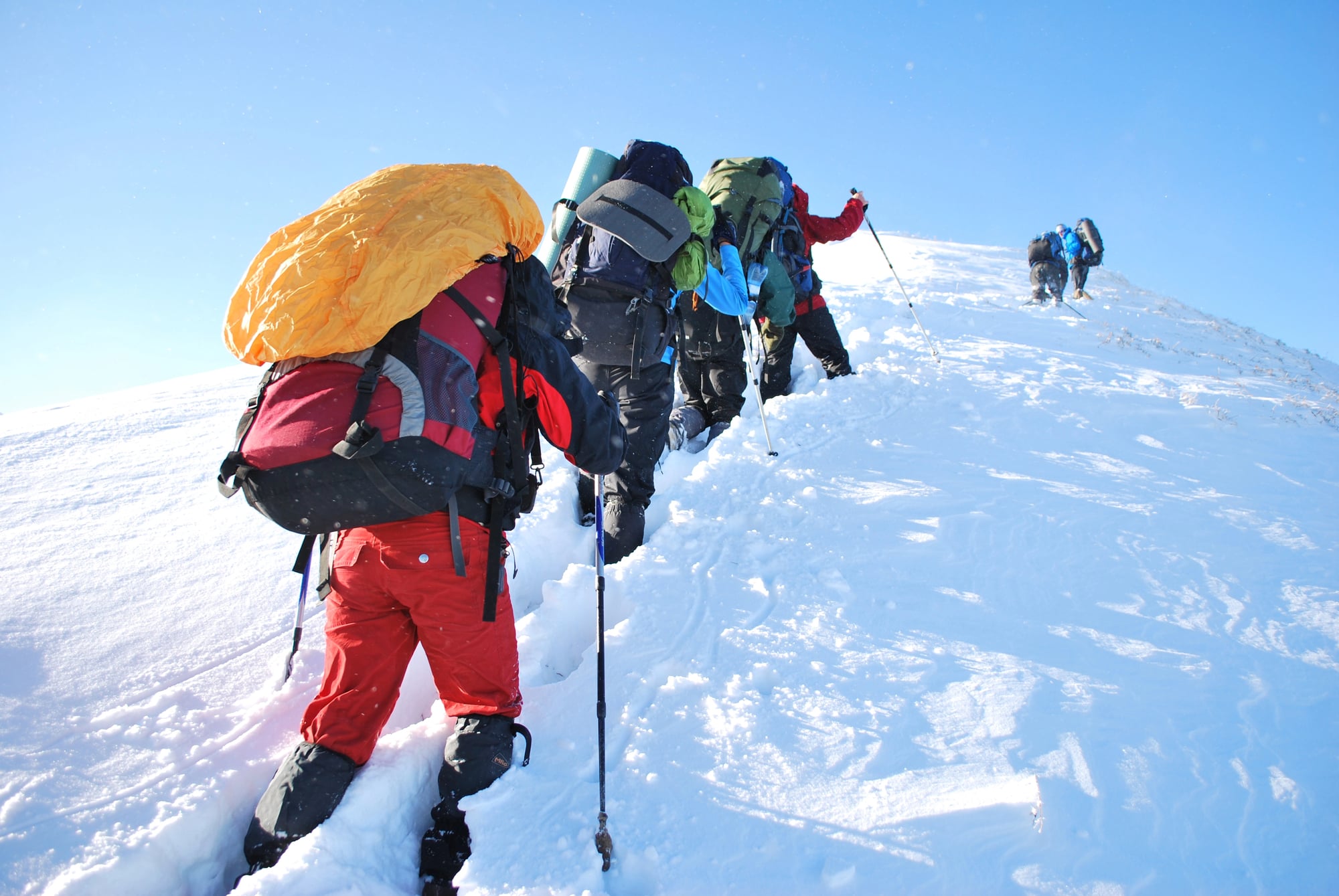
The 1954 Italian expedition was led by geologist Ardito Desio, a man whose organizational approach was so authoritarian that his team called him “il Ducetto” — little Mussolini — behind his back. Desio selected 11 elite Italian alpinists through rigorous testing and brought Hunza high-altitude porters equivalent to the Sherpas who had supported Himalayan expeditions.
His motivational messages to the team veered toward the operatic, including written orders reminding climbers that the eyes of Italy and of their race were watching. He also did not bring Riccardo Cassin, widely considered Italy’s best alpinist at the time, reportedly because Desio did not want the spotlight shared.
Whatever the team thought of the leadership style, the logistics were solid.
Mario Puchoz and the Cost of Altitude Before the Summit
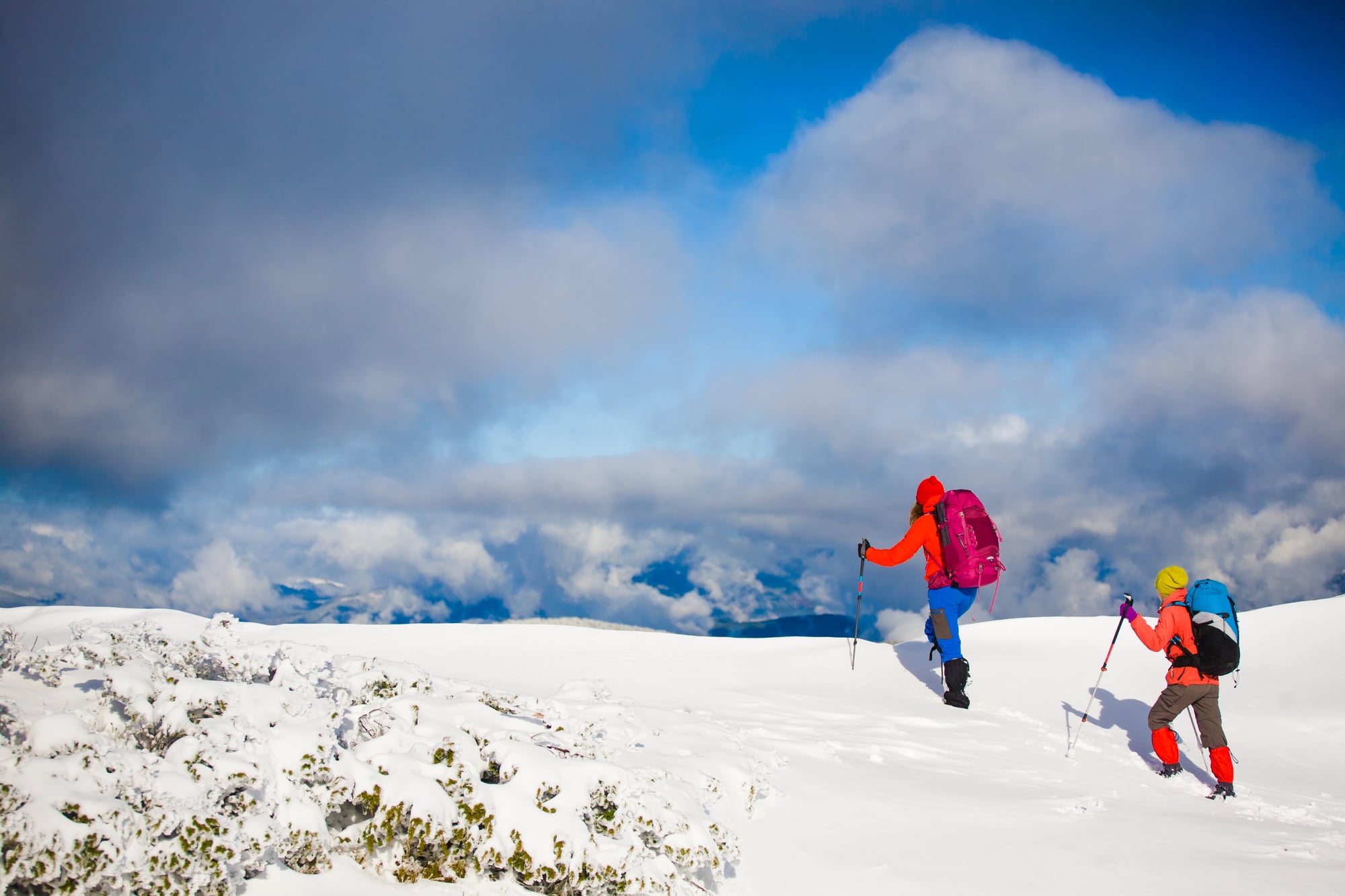
The expedition’s first death came before anyone reached the upper mountain. Mario Puchoz, one of the team’s strongest climbers, developed pneumonia at Camp II and died despite the team’s efforts to treat him.
His death was a reminder that the human body’s response to altitude does not wait for the technical difficulties to begin. It also removed one of the summit candidates early, narrowing the selection for who would make the final push.
The Weeks of Bad Weather
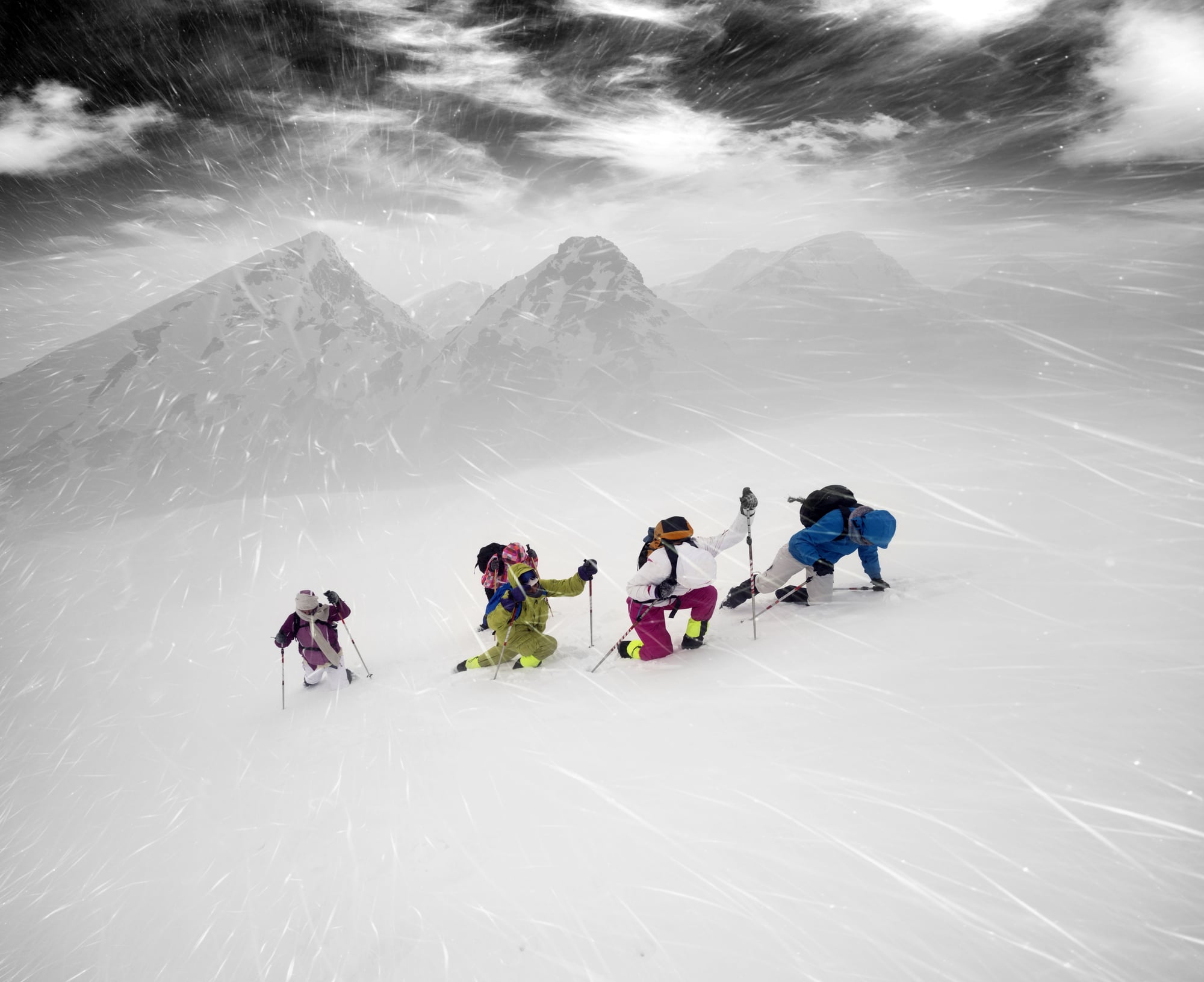
From late June to mid-July 1954, storms repeatedly drove the team down from their high camps and destroyed progress that had taken weeks to establish. The Karakoram’s weather is famously unpredictable in ways that Himalayan peaks, while no gentler, at least follow recognizable seasonal patterns.
K2 in summer offers windows between storms, but those windows are shorter and less reliable than anything on Everest. The team rotated climbers up and down through the camps to maintain fitness and acclimatization, spending nearly two months on the mountain before the conditions aligned.
The Selection of Compagnoni and Lacedelli
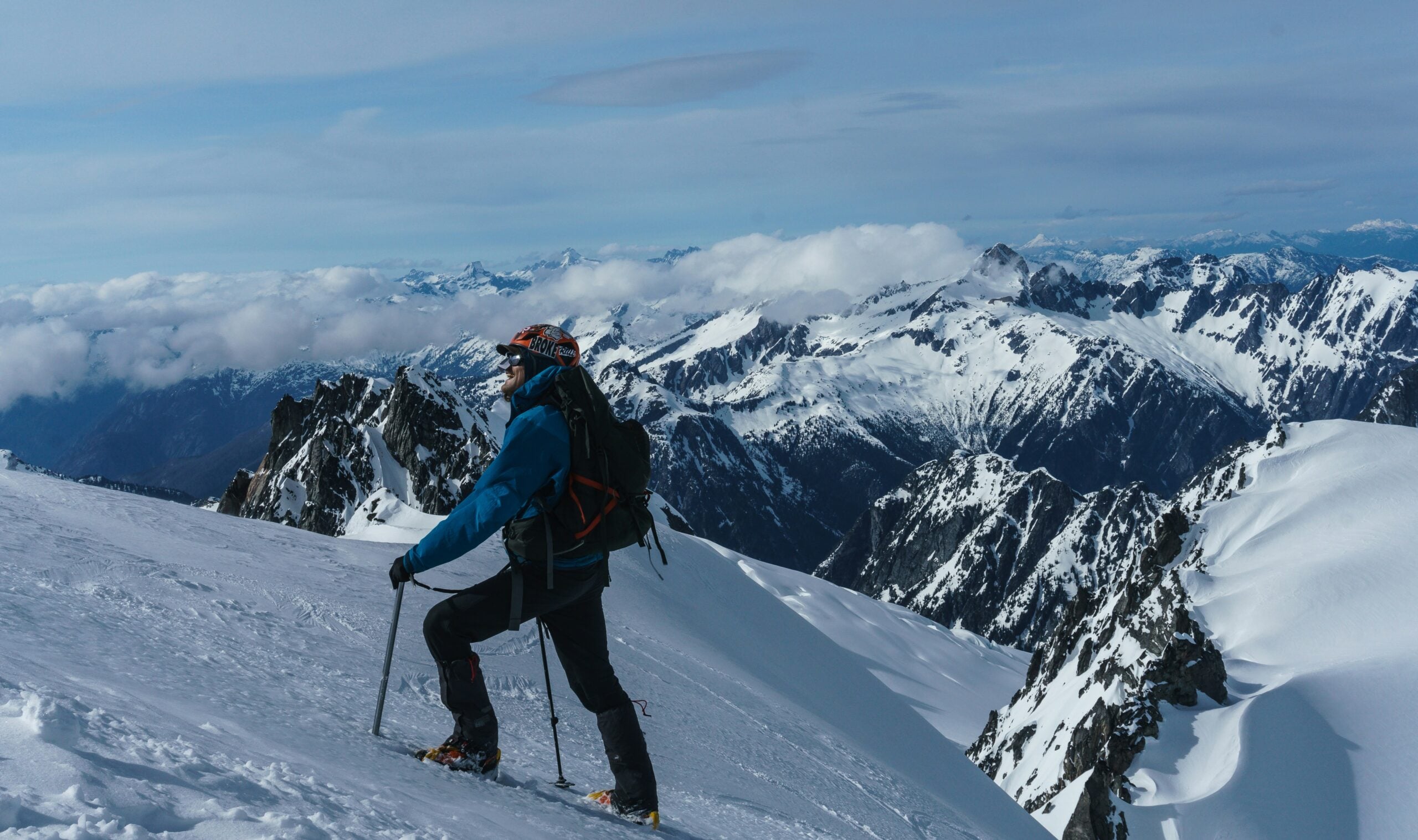
Achille Compagnoni, at 39, was the oldest climber on the team and one of the most experienced. Lino Lacedelli, at 28, was considered one of the strongest technical climbers in the Dolomites, where he had trained on routes that most European climbers would not consider attempting.
Their selection as the summit pair reflected both physical capability and a calculated gamble on which two bodies would hold up best on the final push. Both men were carrying approximately 19 kilograms each, including oxygen apparatus.
Walter Bonatti’s Night on the Shoulder
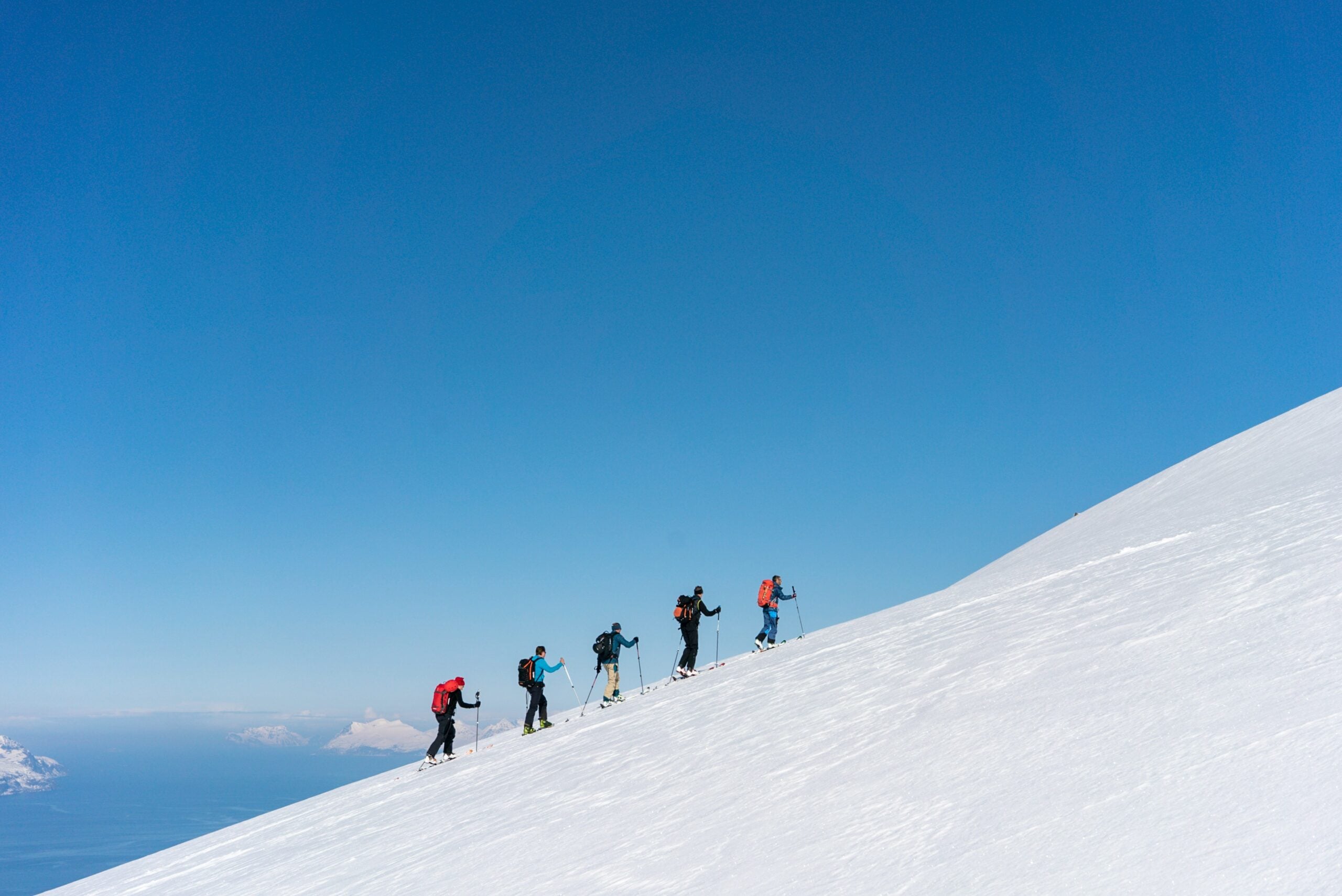
The most controversial element of the first ascent happened the night before the summit. Walter Bonatti, then 24 and already one of Italy’s most gifted alpinists, was tasked with carrying oxygen cylinders up to Camp IX along with Hunza porter Amir Mehdi.
Compagnoni had established the final camp higher than the agreed position — accounts differ on whether this was deliberate — and when Bonatti and Mehdi reached the expected location in darkness, there was no tent. They were forced to bivouac in the open at 8,100 meters without a tent, sleeping bag, or adequate protection against temperatures that dropped well below -30°C.
Mehdi lost several toes to frostbite. Bonatti survived what should not have been survivable.
In the morning, he left the oxygen for Compagnoni and Lacedelli and descended.
The Summit Push Itself
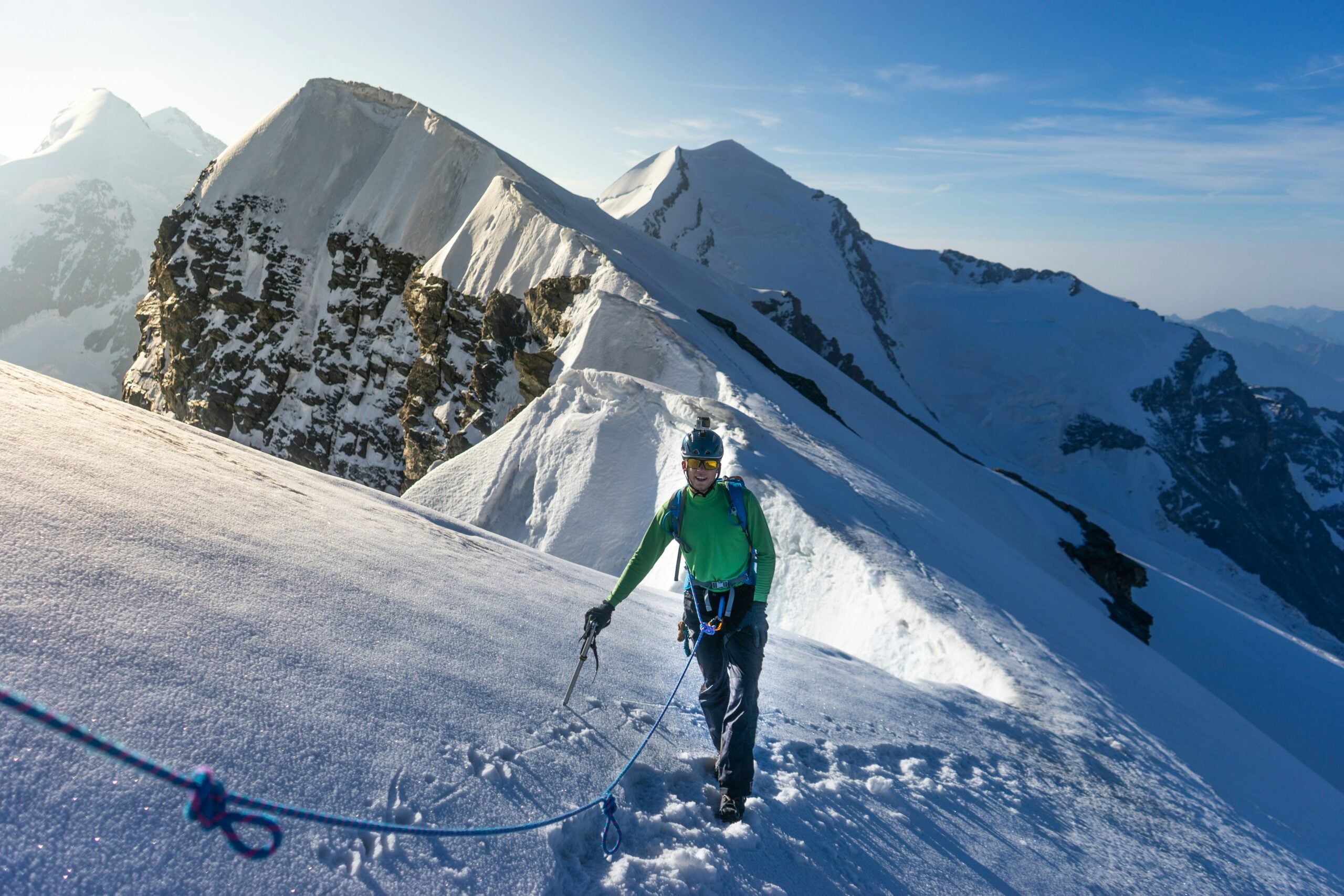
Compagnoni and Lacedelli left Camp IX at dawn on July 31, 1954. The route to the summit from 8,100 meters involves steep ice slopes and a final headwall of around 400 meters that offers no rest and no shelter.
They were using supplemental oxygen — Lacedelli later revealed that their oxygen ran out some distance below the summit and they continued without it for the final section, a claim that was disputed for decades and only partially resolved by subsequent investigation. Whether the oxygen lasted or not, the physical reality of climbing nearly 500 vertical meters above 8,100 meters, carrying heavy loads, after weeks on the mountain, with no safety net, is the same.
Reaching the Summit at 6 p.m.
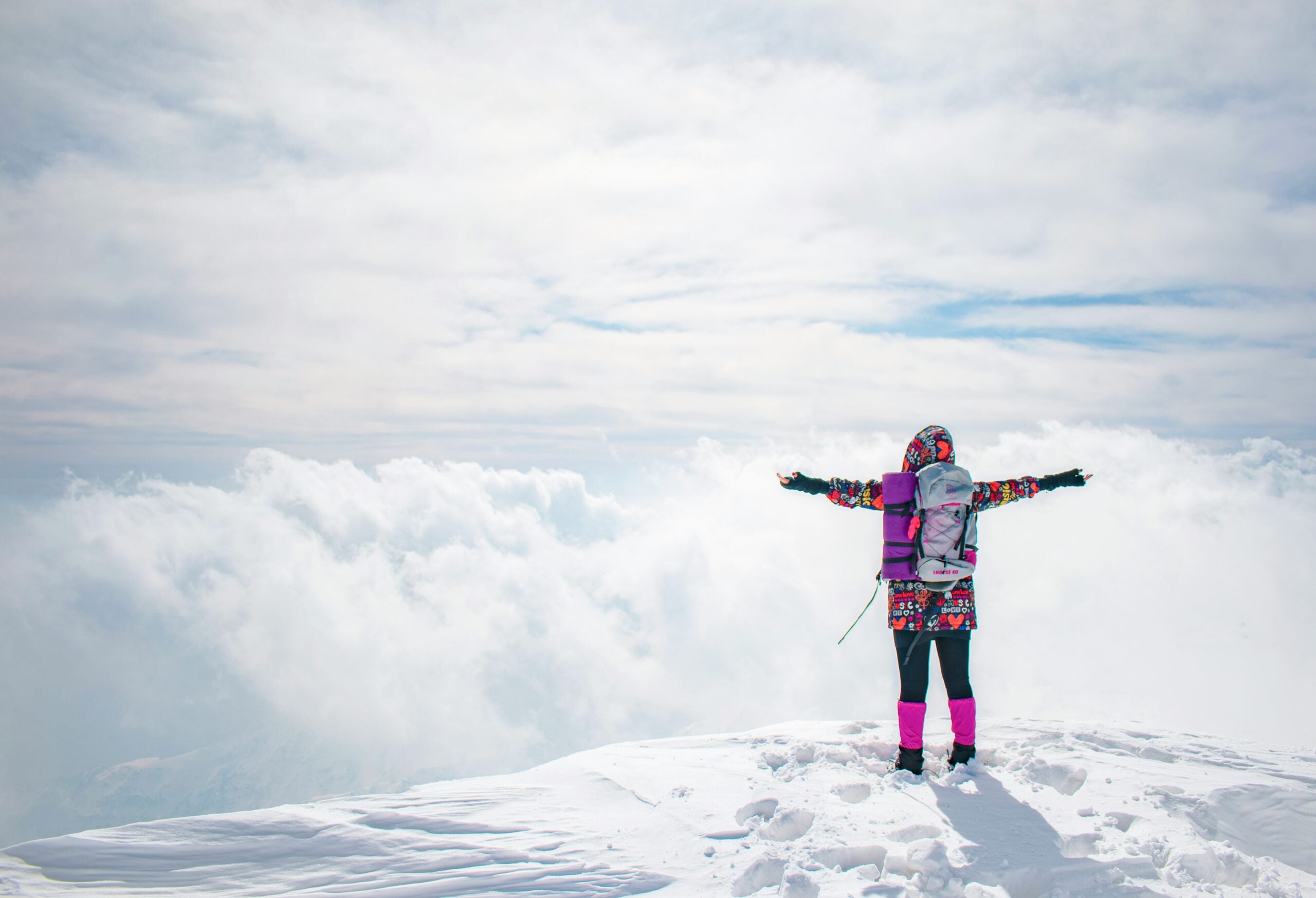
They reached the summit of K2 at approximately 6 p.m. on July 31, 1954. The timing was dangerously late — sunset comes early in the Karakoram and descending a technical route in darkness at that altitude, exhausted, with frostbite beginning to claim fingers and toes, is among the most dangerous things a climber can do.
The photographs they took on the summit — ice axes raised, the vast Karakoram spread below them — have become iconic. What they could not show was how far gone physically both men were at that moment.
The Descent in Darkness
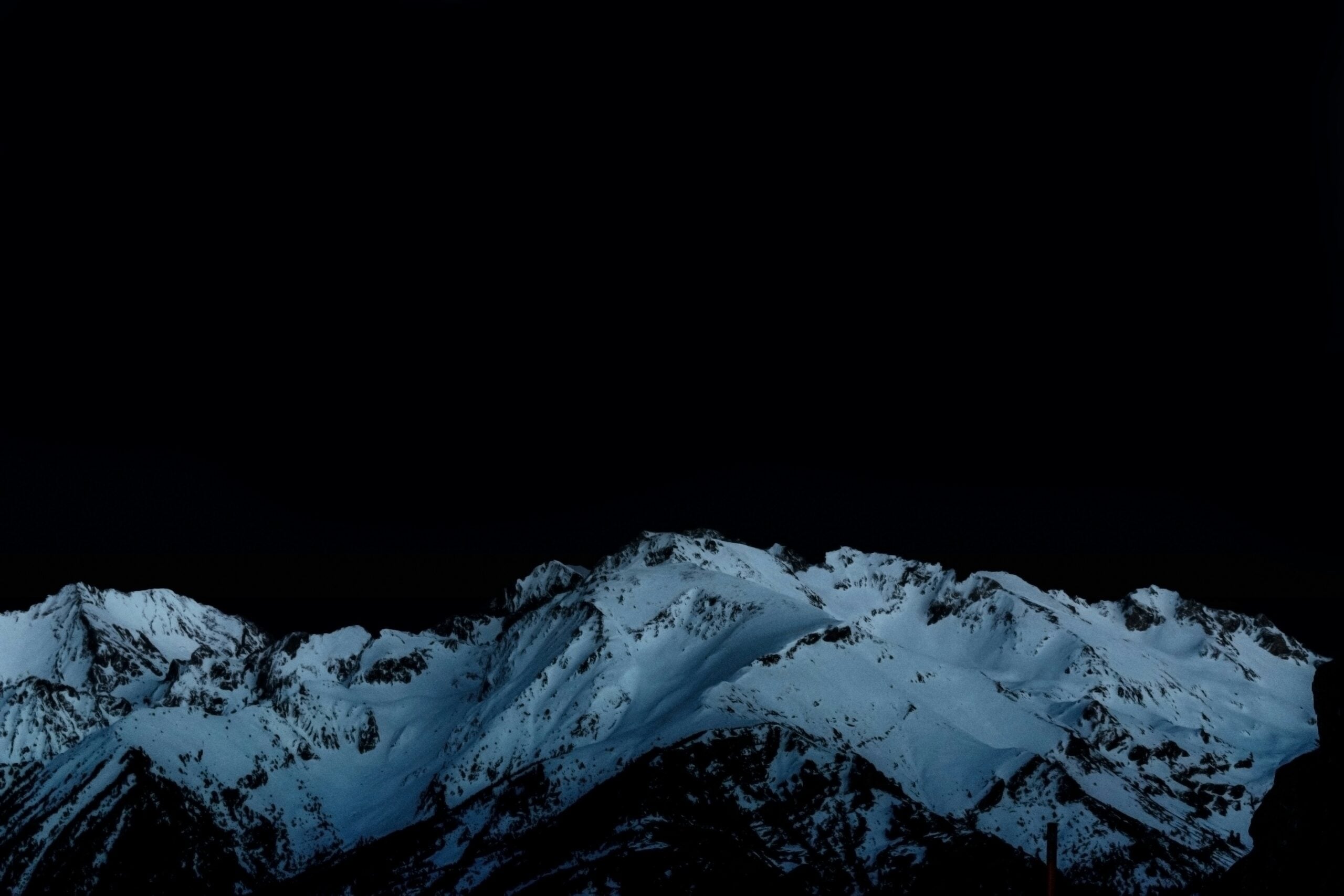
The descent took the remainder of the day and into the night. Both Compagnoni and Lacedelli suffered frostbite injuries during the return to Camp IX.
The fact that they got back at all, in darkness, on a technical route, with depleted oxygen and exhausted bodies, is a testament to the particular quality of physical reserve that elite alpinists of that era carried — not because they were superhuman, but because they had trained their bodies and minds to continue functioning in conditions that would stop most people entirely.
Lacedelli lost sensation in his feet. Compagnoni’s hands were severely damaged.
Both recovered enough function to descend further in the days that followed.
The Physical Demands Nobody Had Fully Documented Before
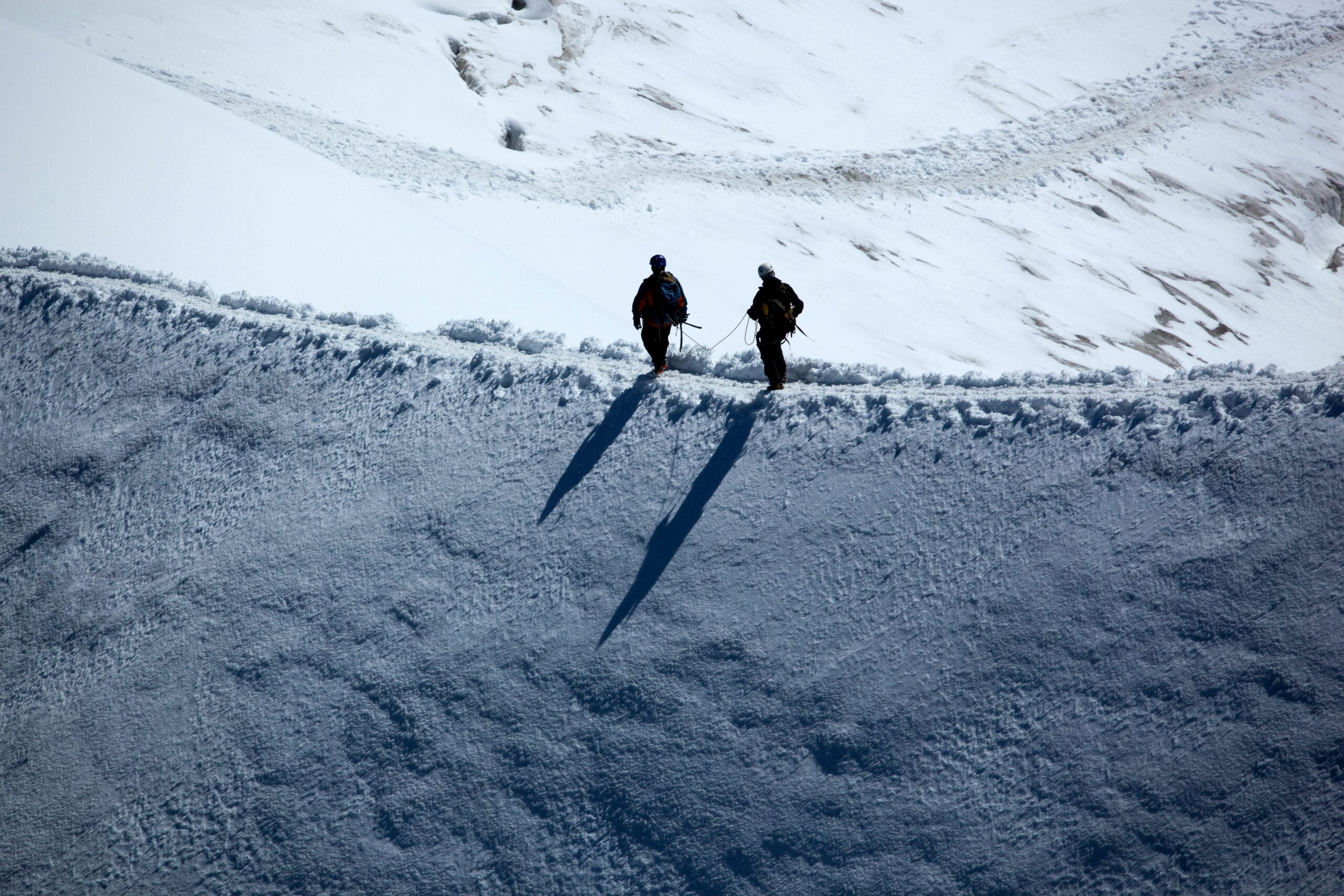
What the 1954 K2 expedition confirmed — and documented with unprecedented detail — was the progressive physiological degradation that occurs when human beings spend extended time above 8,000 meters. Appetite disappears almost entirely.
Sleep becomes fragmented and non-restorative despite exhaustion. Cognitive function deteriorates in ways the climbers themselves cannot always detect.
The body draws down fat reserves and then muscle. Circulation withdraws from the extremities to protect core temperature.
Every system that normally runs automatically begins to require conscious management. Compagnoni and Lacedelli demonstrated that a human body could endure this and still perform at the level required to climb one of the world’s most technically demanding mountains.
The Controversy That Followed
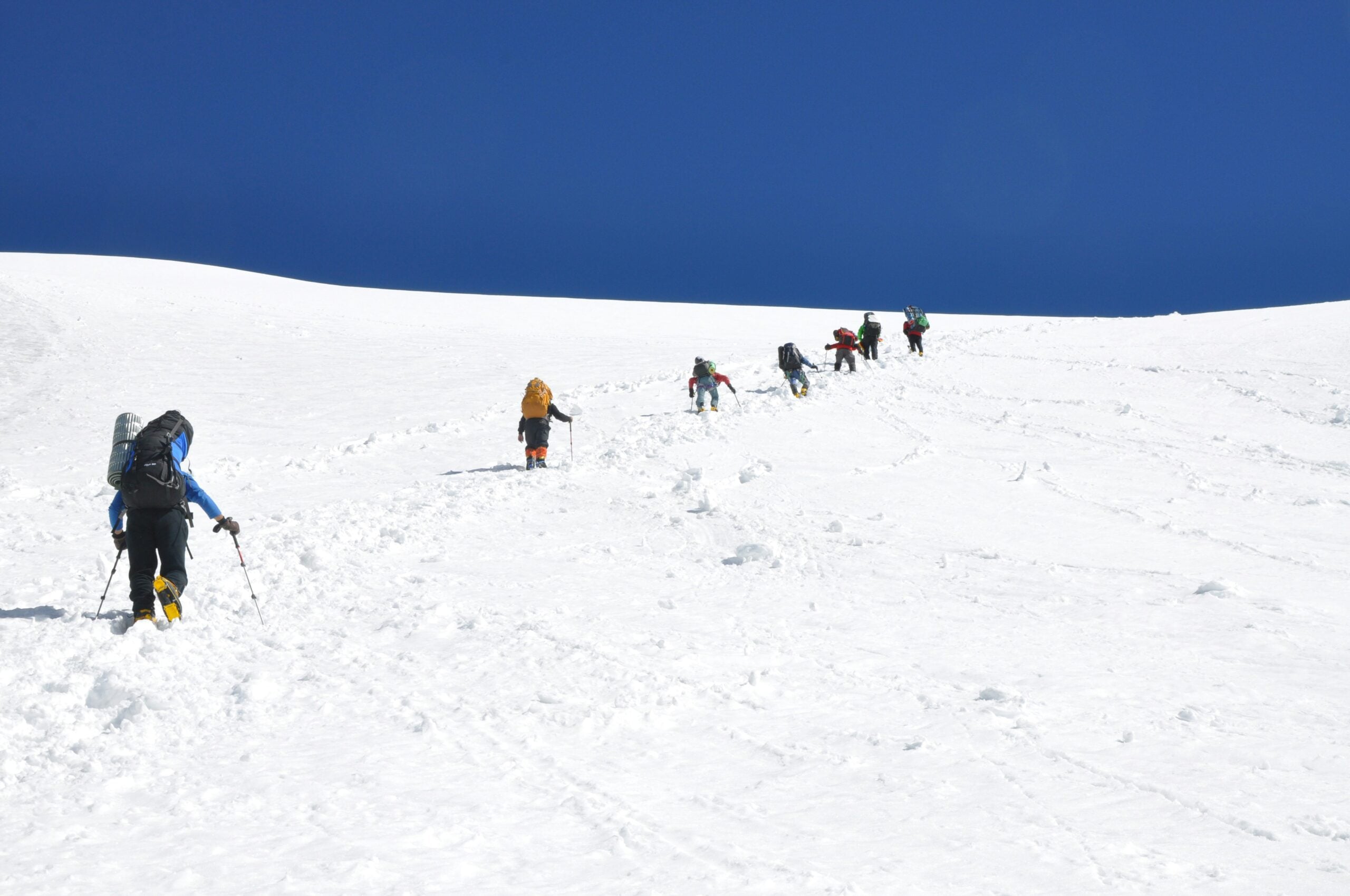
The first ascent of K2 was celebrated across Italy as a national triumph, but the controversy around Bonatti and Mehdi’s forced bivouac and the oxygen dispute simmered for five decades. Bonatti spent much of his life seeking formal acknowledgment that the official account, written by Desio, was inaccurate and unfair to both him and Mehdi.
The Club Alpino Italiano eventually commissioned an independent investigation, whose 2004 findings largely vindicated Bonatti’s account. The episode introduced into the broader mountaineering conversation a question that remains live today: what duty of care does a summit team owe to the support climbers who make their success possible?
What It Established About Human Limits
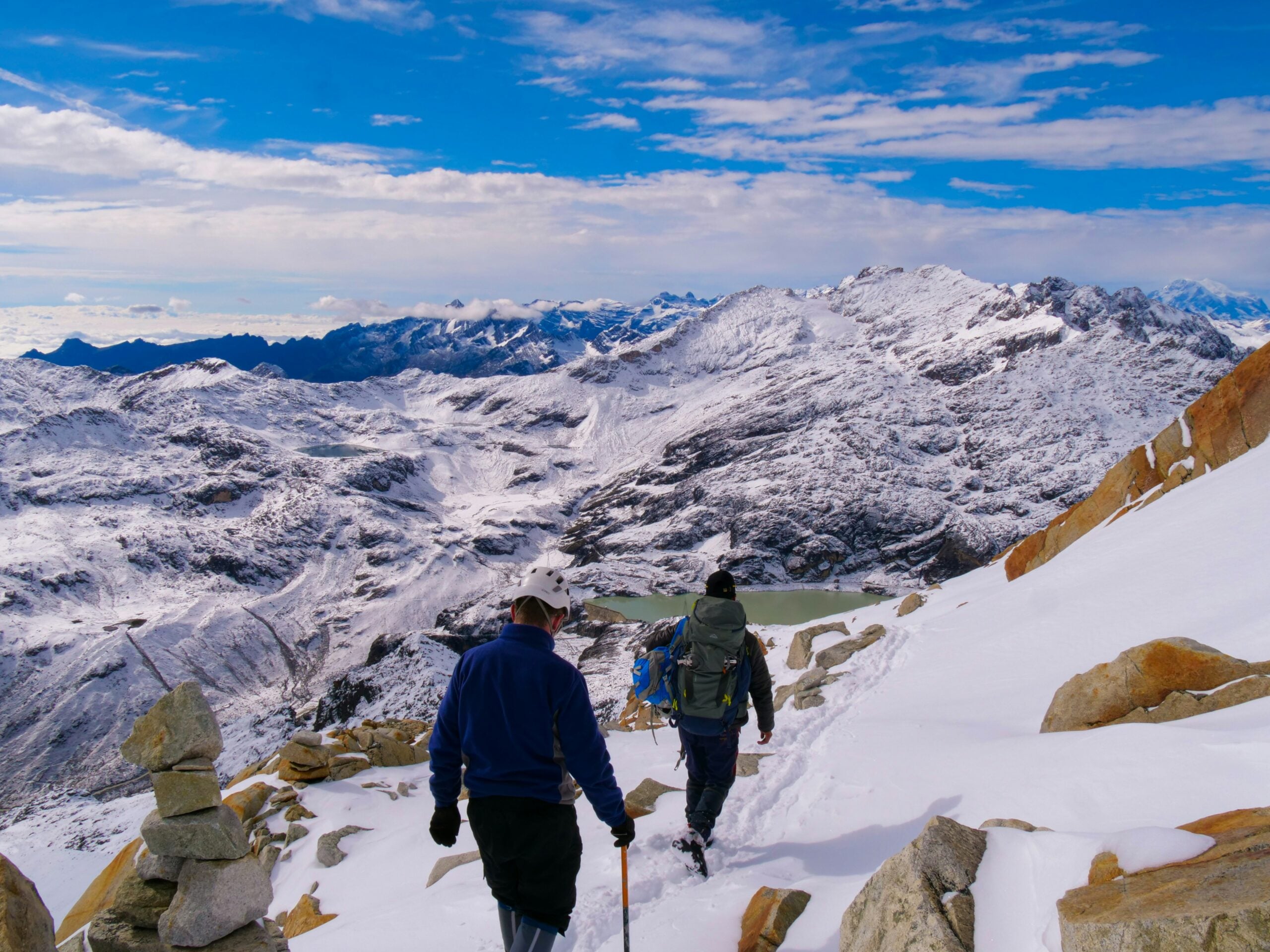
The first K2 summit did not establish the outer boundary of what was physically possible at high altitude — Messner and Habeler’s oxygenless Everest in 1978 pushed that boundary further. What it established was that the combination of extreme altitude, sustained effort over multiple weeks, technical difficulty, and the particular psychological pressure of being on a mountain that had already killed everyone who came before was not a guaranteed formula for failure.
The Abruzzi Spur was not climbed again until 1977. The mountain treated everyone who came to it with complete impartiality — the first ascent was not proof that K2 had been tamed.
It was proof that on one day, in one weather window, two very strong people held their bodies together long enough to stand on top of it and get back down.
The Karakoram’s Particular Punishment
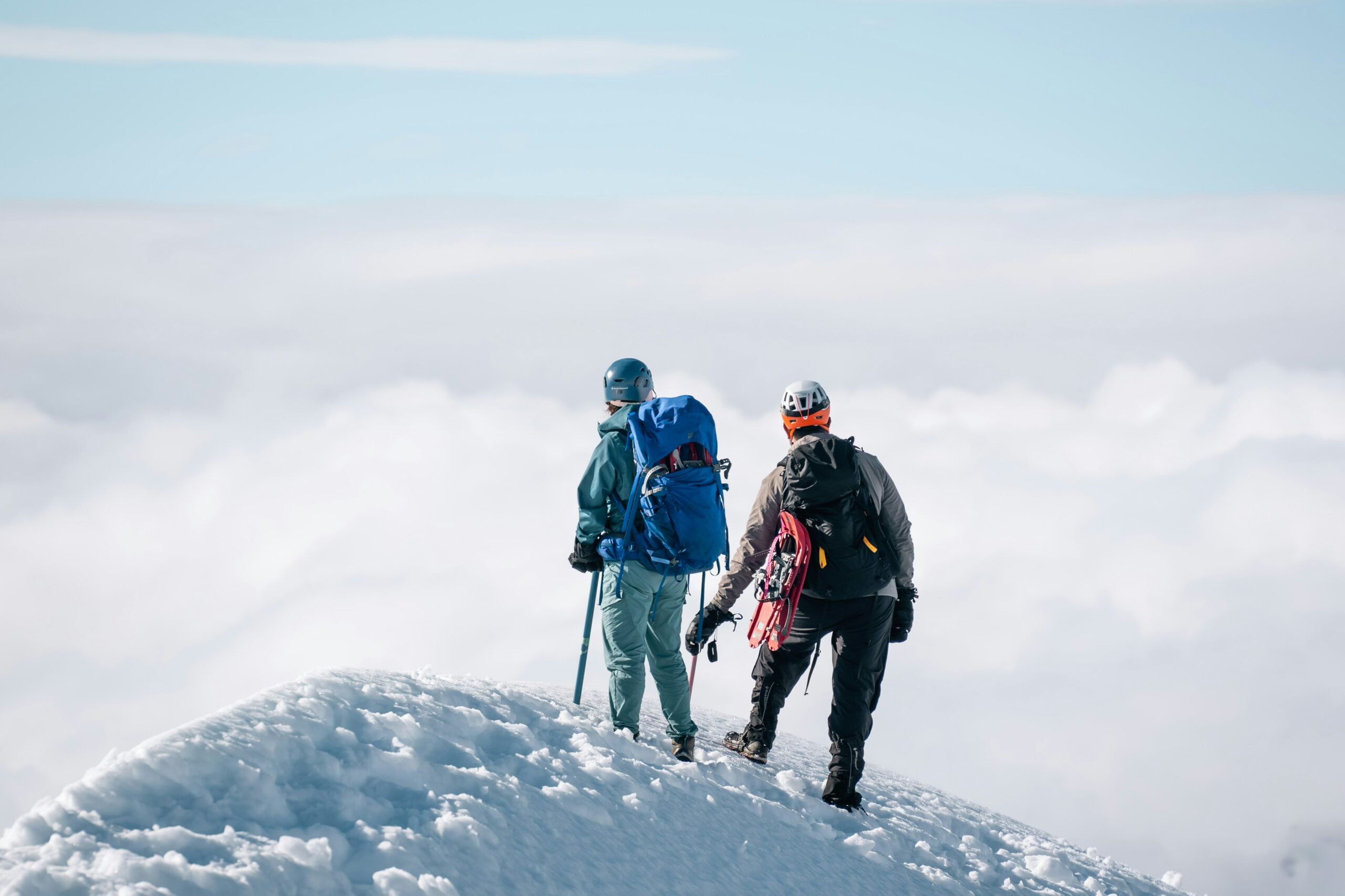
K2 is harder than Everest in ways that statistics only partially capture. The approach from base camp to the summit involves sustained technical climbing on rock, ice, and mixed terrain at every stage — there is no equivalent of Everest’s lower mountain, where a moderately fit person can make progress through sheer determination.
The weather is less predictable and the summit windows shorter. There is essentially no rescue capability above Camp II.
And unlike Everest, where the commercial guiding infrastructure has made the standard route relatively well-maintained, K2 still requires each expedition to find its own way through its technical sections. The 1954 team established that a human body could meet those demands.
Every team that has attempted K2 since has been trying to meet the same standard.
A Summit That Rewrote Expectations
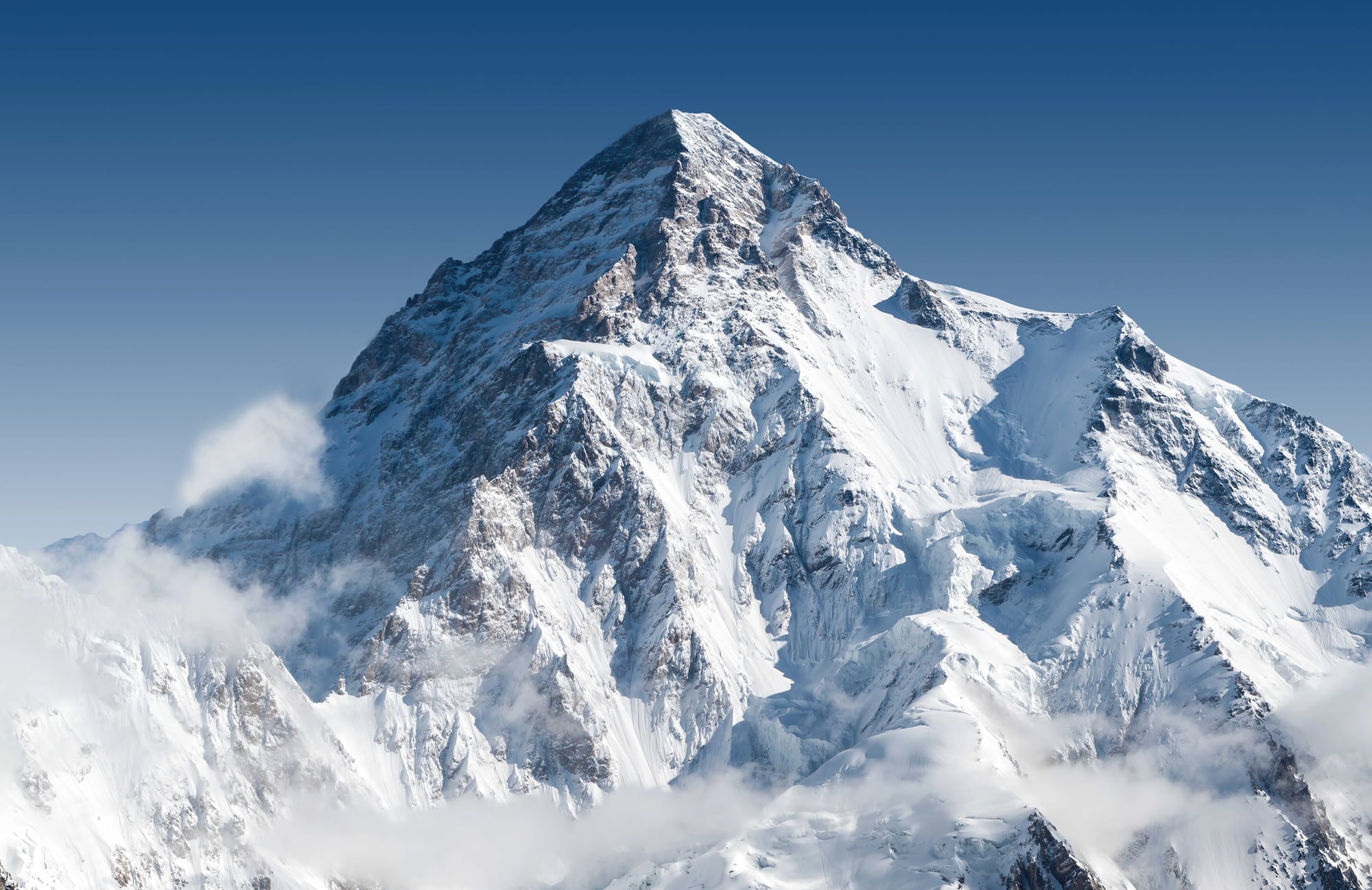
The first ascent of K2 mattered beyond Italy and beyond mountaineering. It came one year after Everest had been climbed, and it answered the question of whether the success on Everest was a one-off or whether a new era of high-altitude achievement had genuinely begun.
It demonstrated that oxygen could be carried to the highest points on earth and used effectively, that the human body could acclimatize to pressures that physiology said it should not tolerate, and that the combination of rigorous preparation and sustained physical endurance could overcome mountains that had defeated every previous attempt.
The limits it pushed were not just physical. They were the limits of what anyone believed was worth trying.
More from Go2Tutors!

- The Romanov Crown Jewels and Their Tragic Fate
- 13 Historical Mysteries That Science Still Can’t Solve
- Famous Hoaxes That Fooled the World for Years
- 15 Child Stars with Tragic Adult Lives
- 16 Famous Jewelry Pieces in History
Like Go2Tutors’s content? Follow us on MSN.