TV Theme Songs That Anyone Over Thirty Can Still Sing by Heart
There is a particular kind of memory that lives in the throat rather than the mind. You hear the first two notes and your mouth already knows what comes next, even if you have not thought about the show in fifteen years.
TV theme songs from the pre-streaming era were designed to do exactly this — they played in full at the start of every episode, week after week, and embedded themselves into a generation’s muscle memory with a thoroughness that no algorithm-optimized playlist could replicate. Nobody decided to memorize these songs.
They just happened, the way anything does when you hear it enough times at a moment in life when everything feels permanent.
Here are the ones that still come back the moment someone hums the opening bar.
“Where Everybody Knows Your Name” — Cheers (1982)
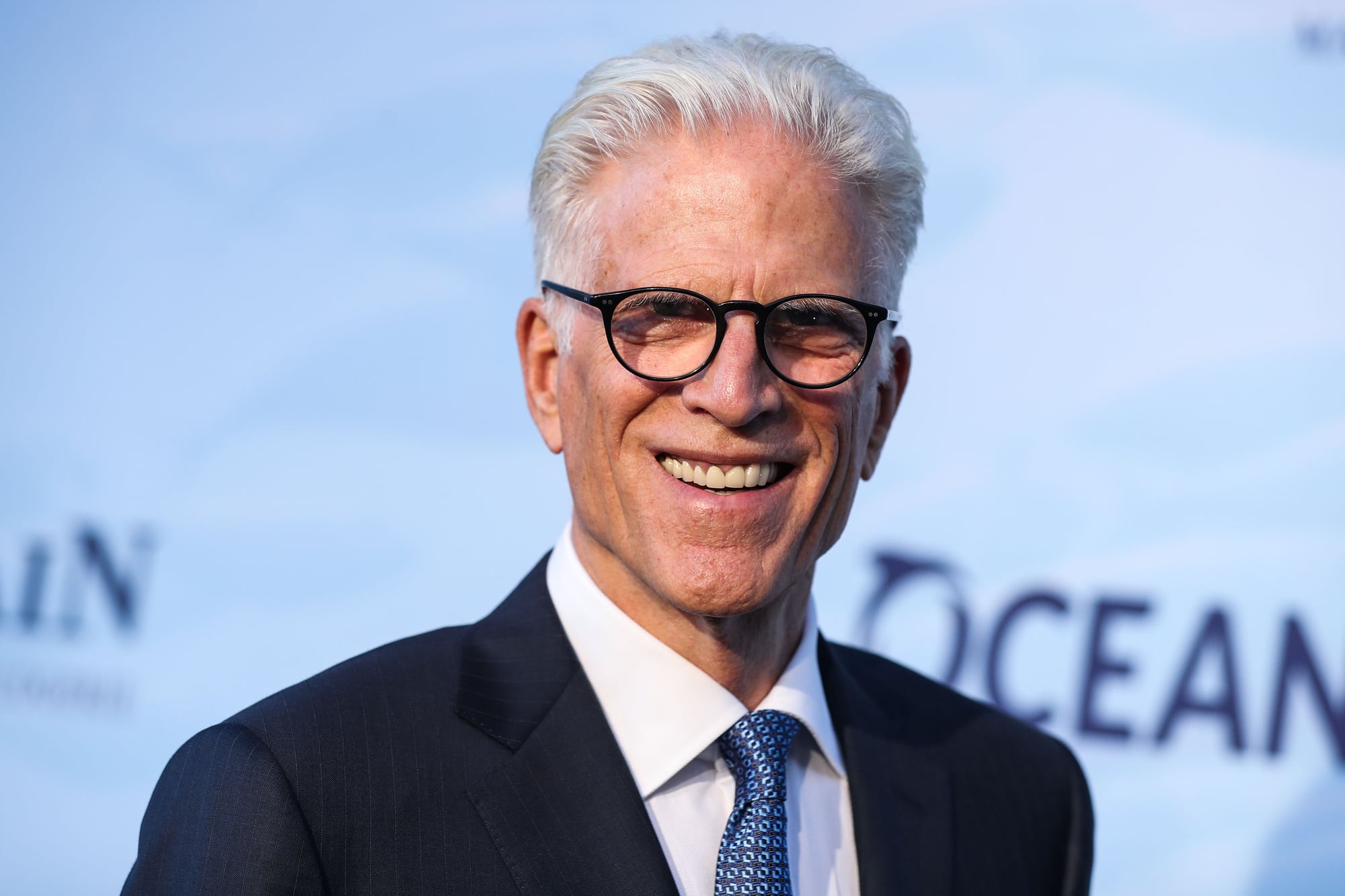
Written by Gary Portnoy and Judy Hart Angelo, the Cheers theme is the song most consistently voted the greatest TV theme of all time, and the argument is hard to counter. It opens with a piano figure and Portnoy’s warm, slightly weary voice describing the feeling of needing somewhere to go where you are known and not judged.
The chorus does not so much arrive as settle in, the way a person does into a familiar barstool. It received an Emmy nomination in 1983 for Outstanding Achievement in Music and Lyrics, which understates its achievement.
Other theme songs on this list are catchier. The Cheers theme is better.
“The Ballad of Gilligan’s Isle” — Gilligan’s Island (1964)
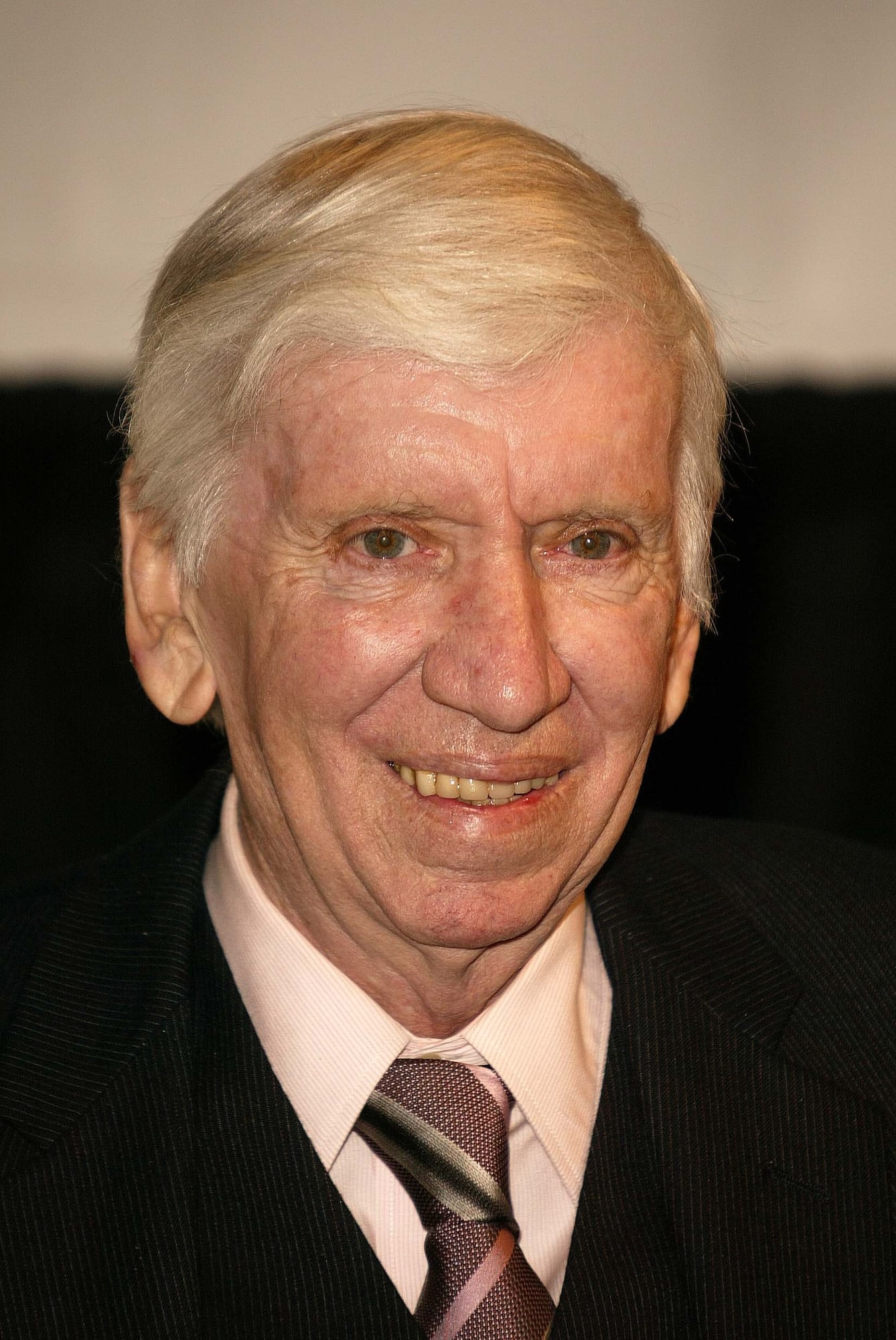
A show that ran for three seasons in the 1960s should not still be audible in the heads of people born thirty years after it ended, and yet here we are. The theme, written by Sherwood Schwartz and George Wyle, tells the entire premise of the show in two minutes — a three-hour boat tour, a storm, seven castaways stuck on an uncharted island — in the format of a sea shanty.
In the original version, the show’s secondary characters were referred to collectively as “the rest,” a slight corrected by the second season under pressure from the cast. In a 2013 fan vote, it beat out the Cheers theme for the title of greatest TV theme of all time.
“I’ll Be There for You” — Friends (1994)
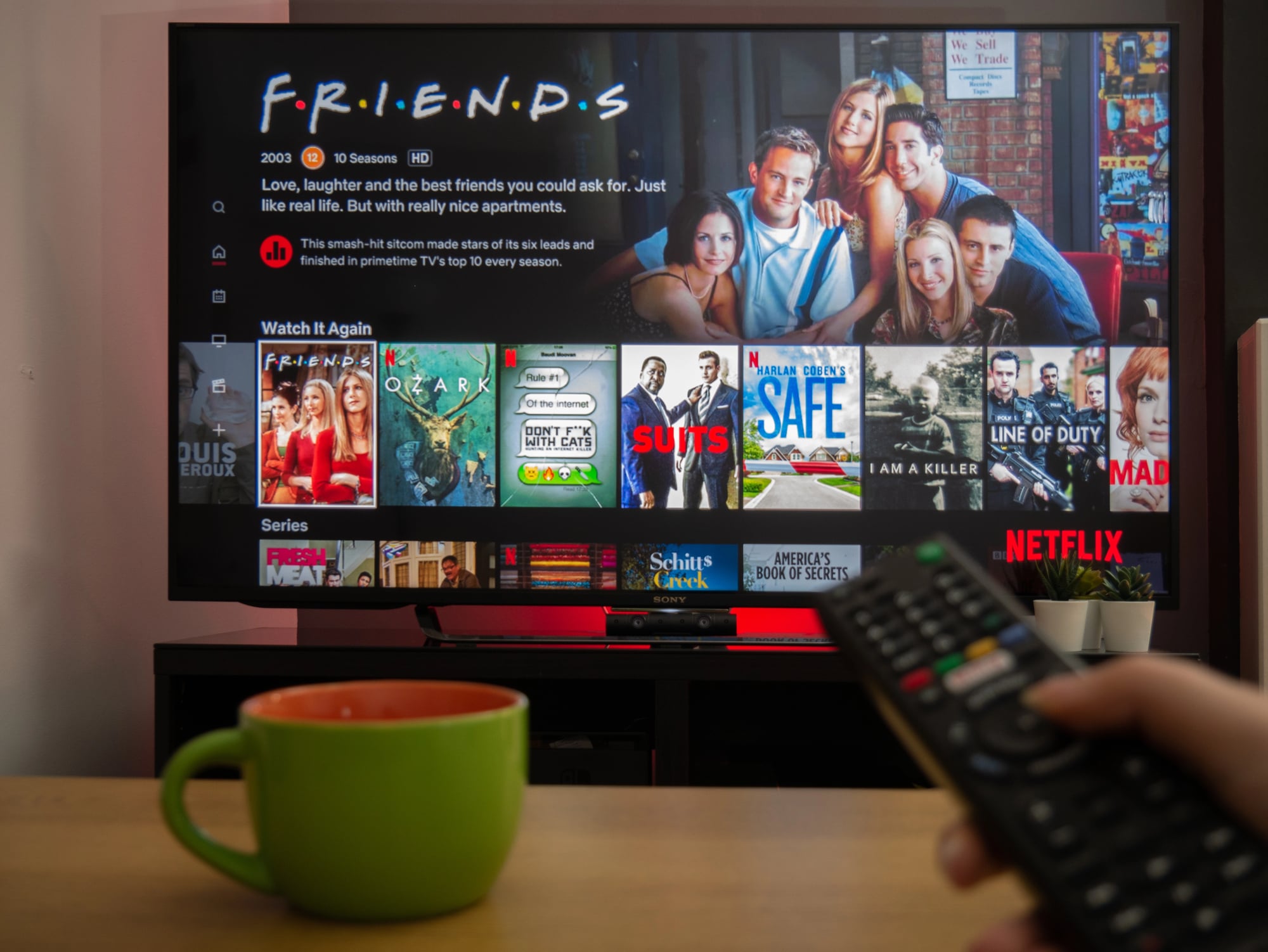
Performed by The Rembrandts and written by the show’s creators along with songwriter Allee Willis, the Friends theme hit the Billboard Hot 100 after its release, which was unusual for a television theme song. The clapping — four beats at specific moments in the song, matching the famous fountain choreography — became something audiences did involuntarily in living rooms and bars, not just while watching the opening credits.
Most people who know this song could not tell you most of the verse lyrics; what they know is the chorus, which arrives with the reliability of something you have heard every single week for a decade.
“Yo Home to Bel-Air” — The Fresh Prince of Bel-Air (1990)
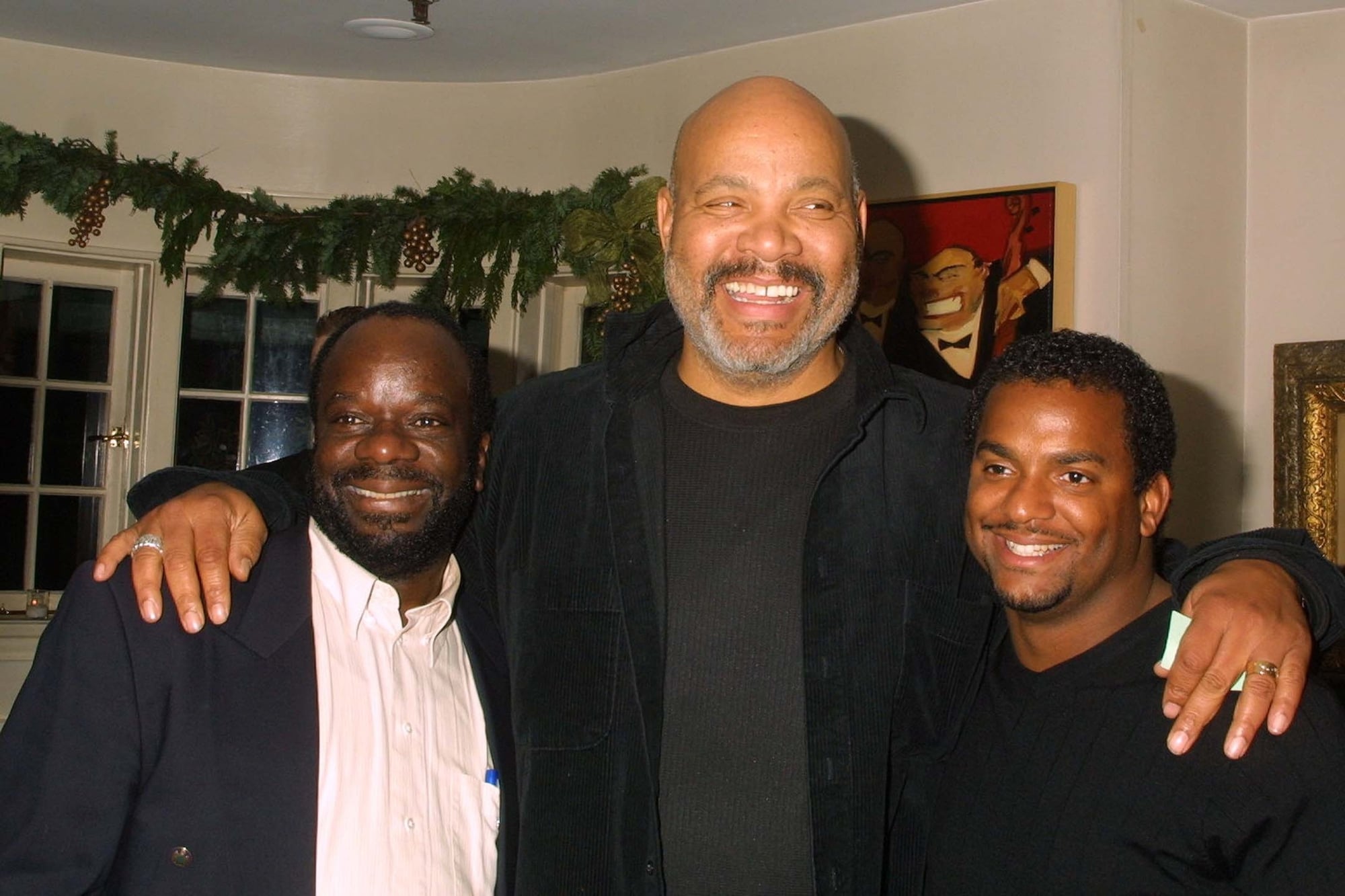
Will Smith wrote the rap himself, and it is a genuinely good piece of writing: a complete story, efficient characterization, specific detail (“shooting some basketball outside of the school” places the narrator precisely), and a rhythm that makes each verse propel you toward the next one. DJ Jazzy Jeff produced the track.
The show’s television context meant the full version rarely aired; the standard opening was a condensed version. People who grew up watching Fresh Prince know multiple verses of a song they only ever heard in edited form.
That is the definition of something that got into your head.
“Thank You for Being a Friend” — The Golden Girls (1985)
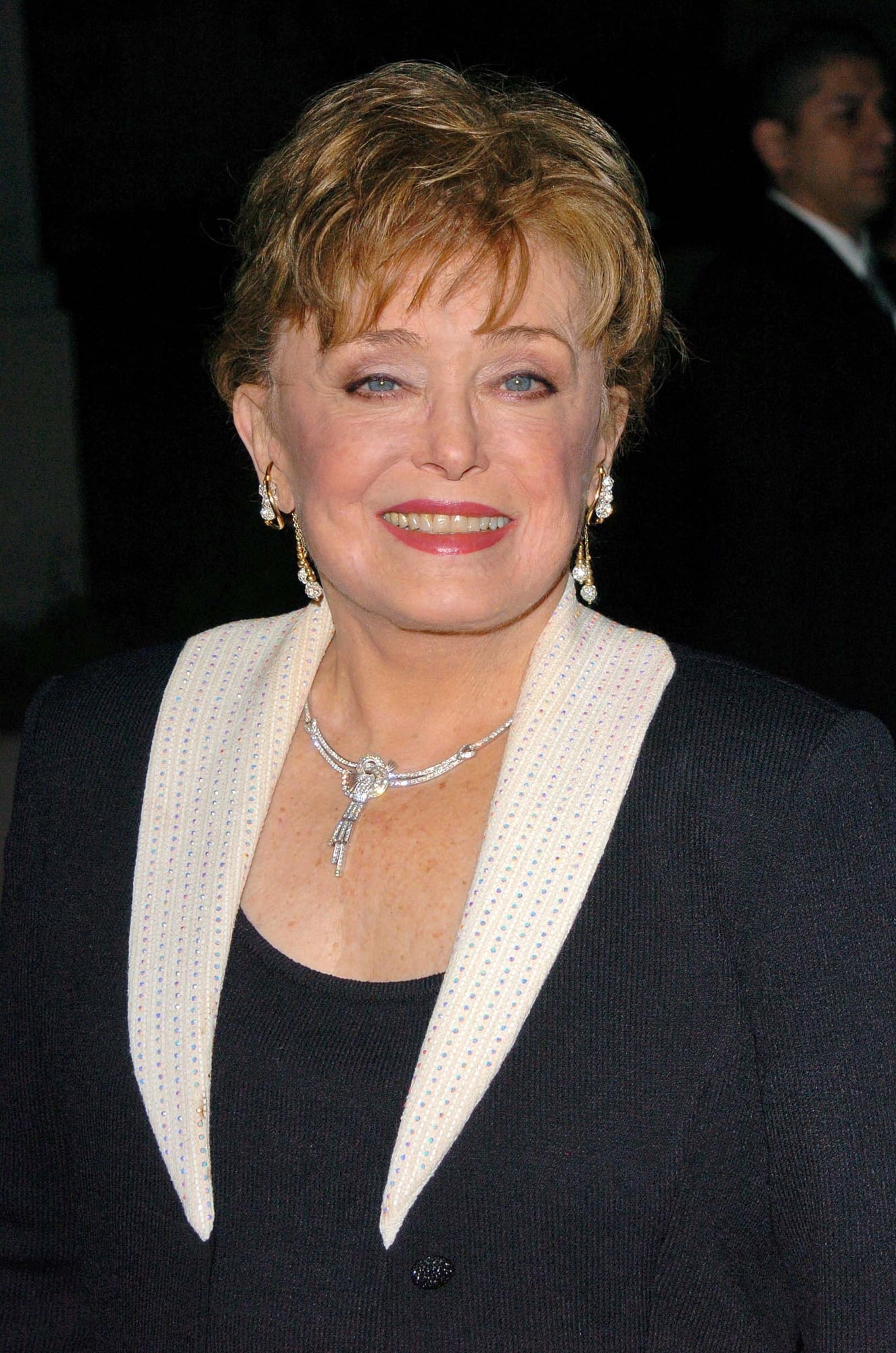
Originally written by Andrew Gold in 1978 and performed for the show by Cindy Fee, the theme was already a completed pop song before it became a TV opening. It describes a loyal friendship with a directness that the show itself matched — four women in Miami, talking to each other honestly.
The theme’s opening piano chord and the slightly formal delivery of “Thank you for being a friend” have become one of the more reliable triggers for a specific kind of middle-aged nostalgia that crosses demographics in ways that are hard to explain and easy to observe.
“Movin’ On Up” — The Jeffersons (1975)
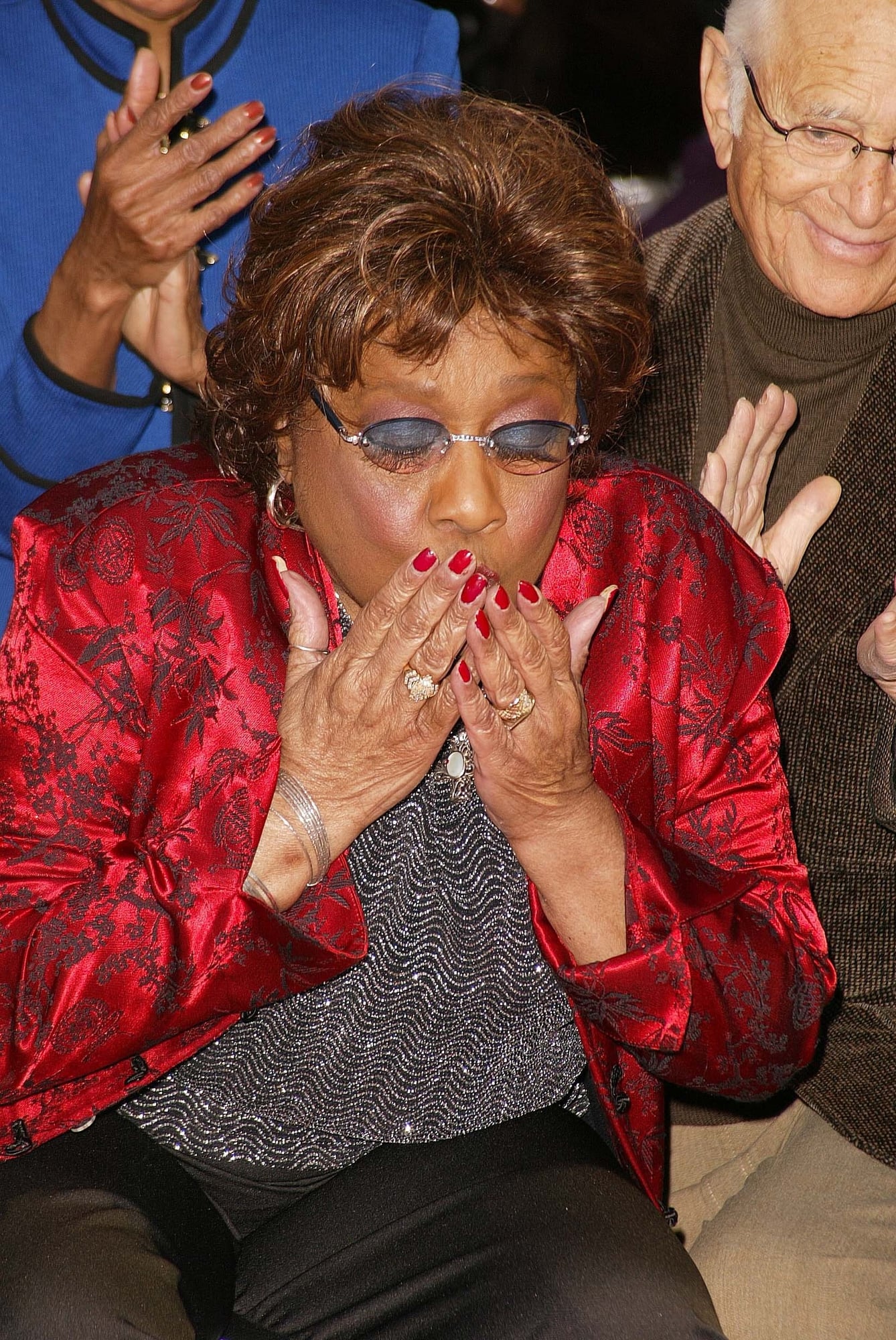
Ja’net DuBois wrote and performed a theme that functions as a complete gospel-influenced anthem, not just a television title card. The song describes economic and social ascent with unambiguous pleasure — moving on up to the East Side, a deluxe apartment in the sky — and the performance treats that pleasure as something that has been earned.
For a 1970s network sitcom to open with that kind of unqualified joy was unusual. The song’s staying power comes partly from the melody and partly from the fact that what it is describing — getting somewhere better than where you started — is a feeling that does not age.
“Happy Days” — Happy Days (1974)
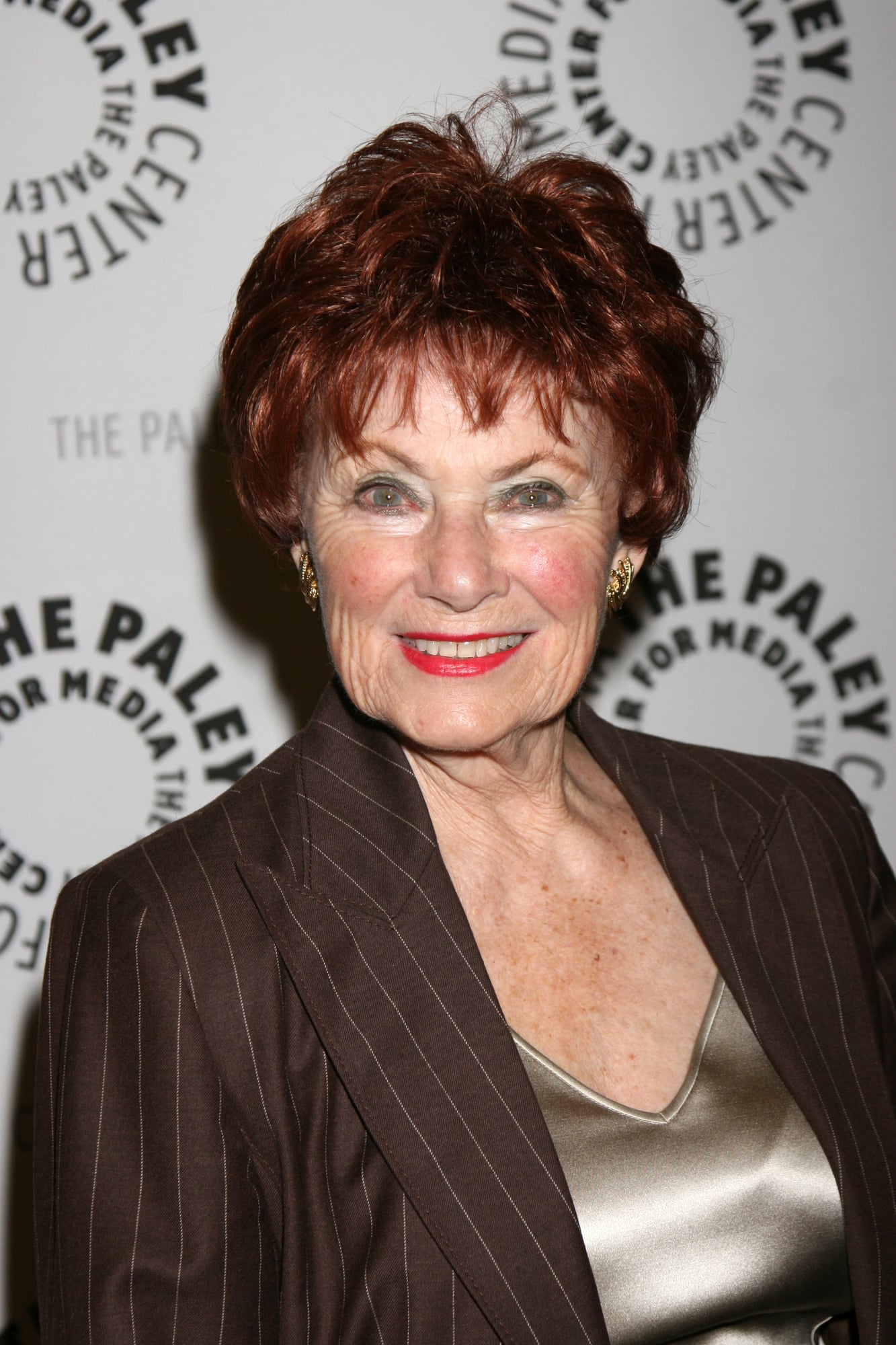
Performed by Pratt & McClain, the Happy Days theme was a straightforward celebration of the 1950s as the show’s writers imagined them, wrapped in a doo-wop structure. It is the kind of song that works as a kind of communal chant at the right moment — the “Sunday, Monday, happy days” refrain does not require individual performance so much as group participation.
The Fonz association is inseparable from the song at this point, which is either a bonus or a limitation depending on your relationship to the character.
“Makin’ Our Dreams Come True” — Laverne & Shirley (1976)
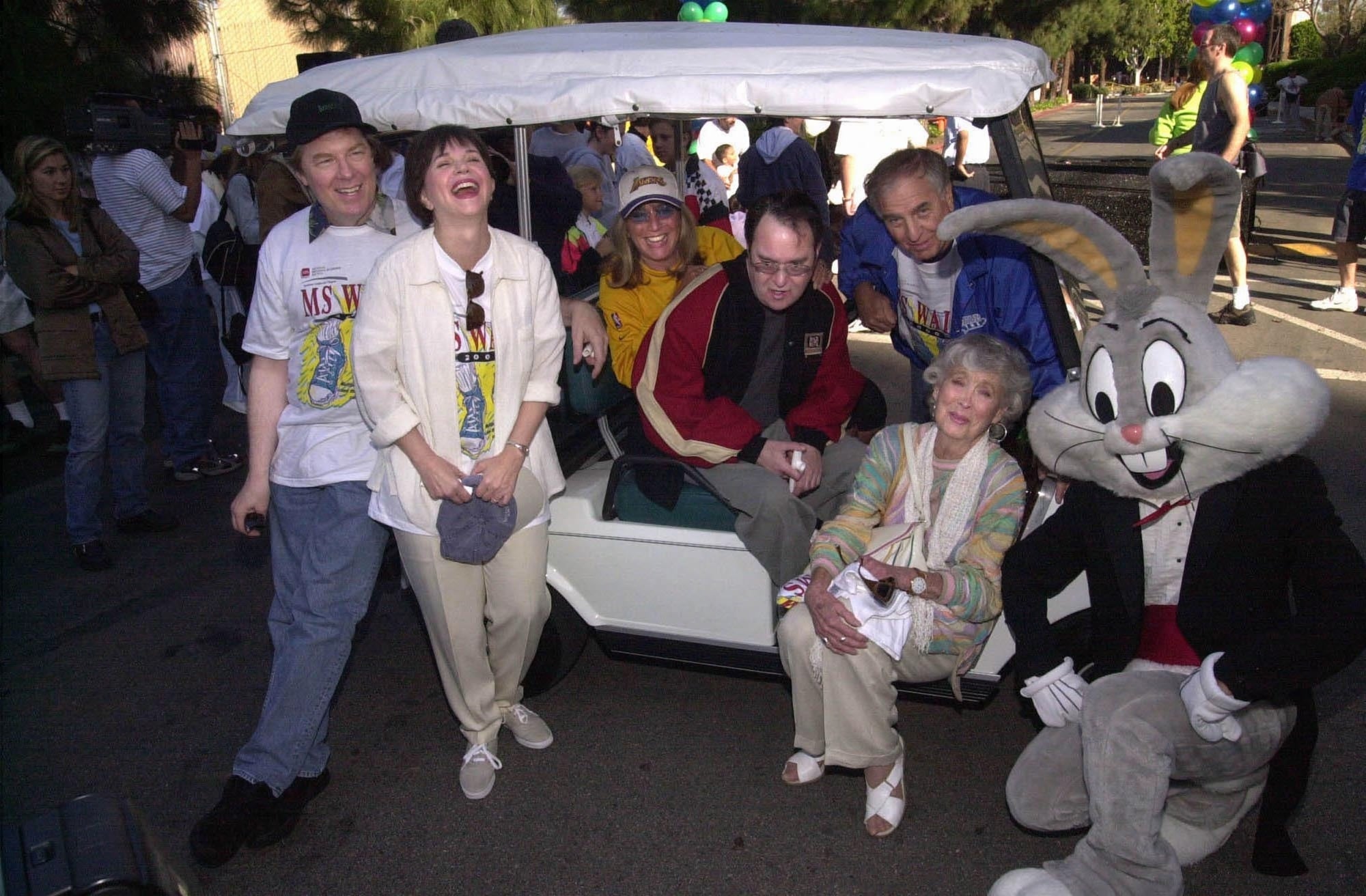
The theme for Laverne & Shirley, written by Charles Fox and Norman Gimbel and performed by Cyndi Greco, was a straight optimism engine: two women working in a Milwaukee bottling plant, working hard, going to the same places, meeting the same faces, making their dreams come true. The opening “schlemiel, schlimazel, hasenpfeffer incorporated” chant — a Yiddish formula for bad luck followed by gibberish — functions as a kind of verbal handshake that audiences of a certain age can still produce on request, which is not something the show’s writers could have predicted.
“Come and Listen” — The Beverly Hillbillies (1962)
The Ballad of Jed Clampett, performed by Flatt and Scruggs as a bluegrass number, told the story of an Ozark family striking oil and moving to Beverly Hills before the first episode even aired. The banjo opening is one of the most recognizable instrument passages in American TV history, and the storytelling format of the song — something happened, here’s what it was — was copied by several subsequent shows trying to replicate what the Beverly Hillbillies had done with its theme as an orientation device.
Audiences could recite the family’s backstory before they had seen a single scene.
“The Brady Bunch” — The Brady Bunch (1969)
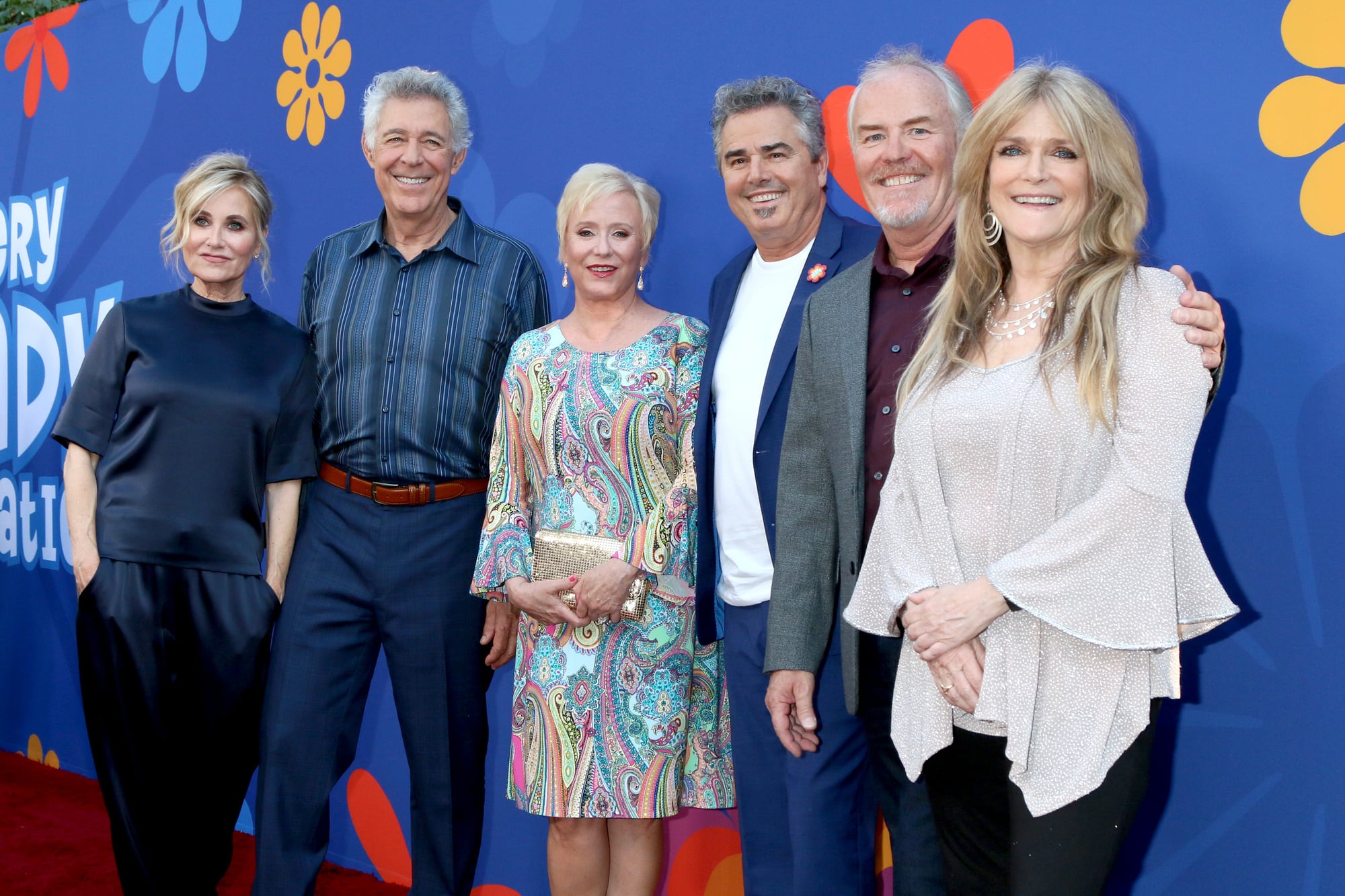
Written by Frank De Vol and Sherwood Schwartz and structured around the three-by-three grid of family portraits that opened every episode, the Brady Bunch theme is an exercise in premise delivery so efficient it became its own parody of efficient premise delivery. The song exists to tell you who the characters are and how they relate to each other.
It succeeds so thoroughly at this that the format itself became iconic, spawning the phrase “a very Brady” anything as shorthand for something family-friendly and earnestly structured.
“The Addams Family” (1964)
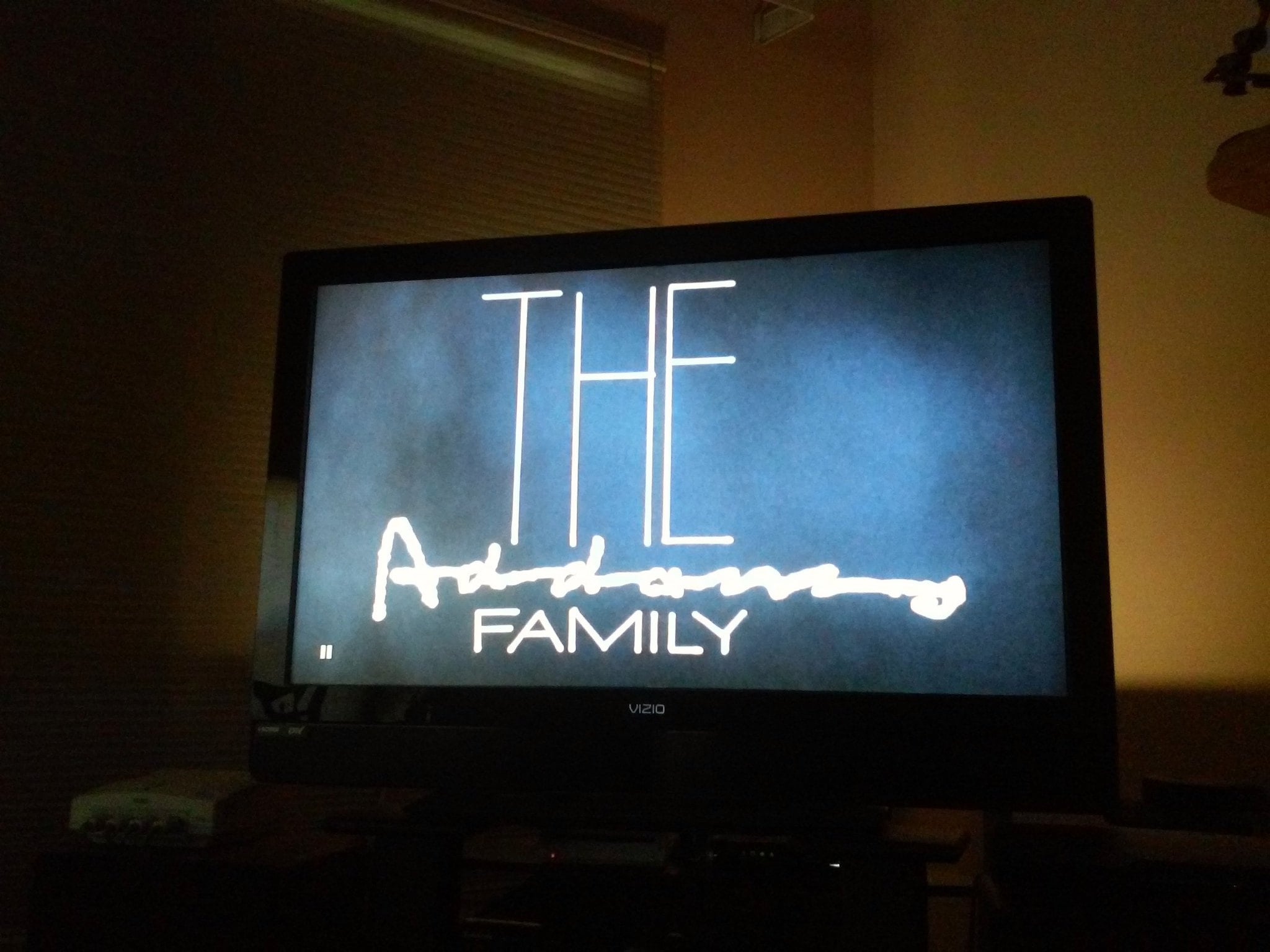
Vic Mizzy wrote the Addams Family theme as a harpsichord-driven march with finger snaps — two of them, in exactly the right place — and the result is a piece of music that announces its own weirdness in its first four seconds. The snap pattern is the thing people remember.
They do it involuntarily when the melody starts. The show itself ran for two seasons from 1964 to 1966; the theme has outlasted it by decades.
“The Flintstones” (1960)
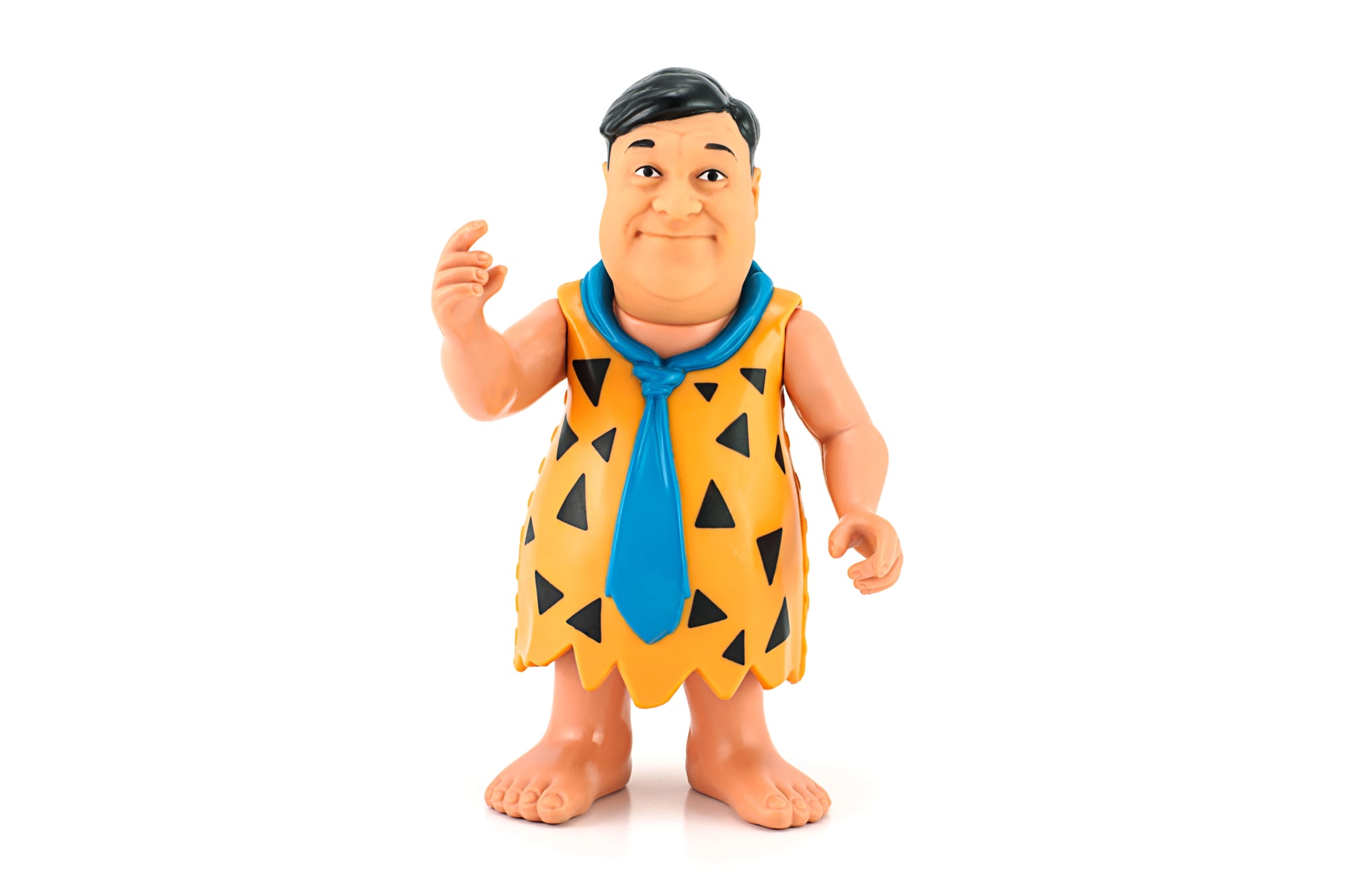
Written by Hoyt Curtin, the Flintstones theme opens with a phrase — “Flintstones, meet the Flintstones, they’re the modern Stone Age family” — that does exactly what the Beverly Hillbillies theme does but faster and with cartoon percussion. The yabba-dabba-doo line arrives at the end of the verse and functions as a vocal release point that children specifically seem to aim toward.
Flintstone Vitamins, which have been available since 1968, have probably helped keep this theme in circulation far longer than the show alone would have managed.
The Andy Griffith Show Whistle (1960)
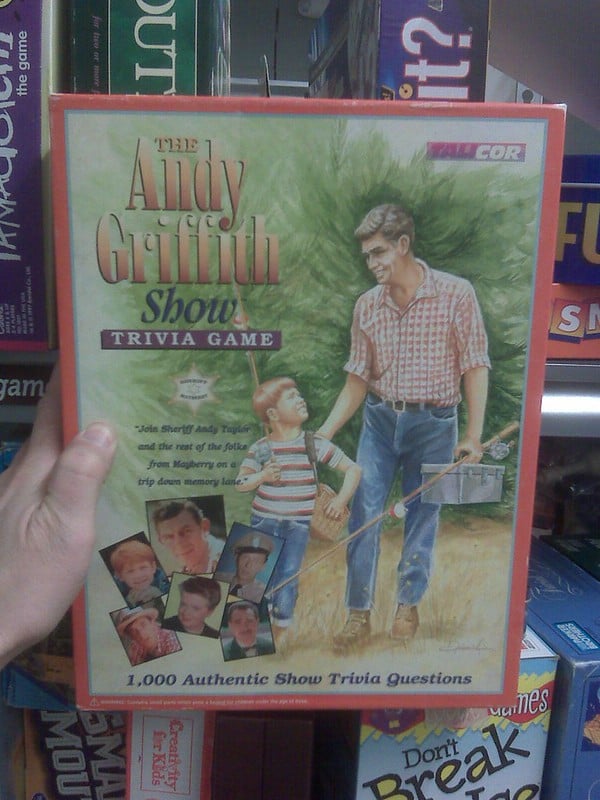
This is the only theme on this list that is primarily a whistle. Earle Hagen wrote the melody, Andy Griffith performed the whistling in the opening credits, and the result is the kind of deceptively simple tune that lodges in the head because it sounds exactly like something a person might actually whistle walking down the street.
There are no lyrics to remember. People whistle it anyway.
“Believe It or Not” — The Greatest American Hero (1981)
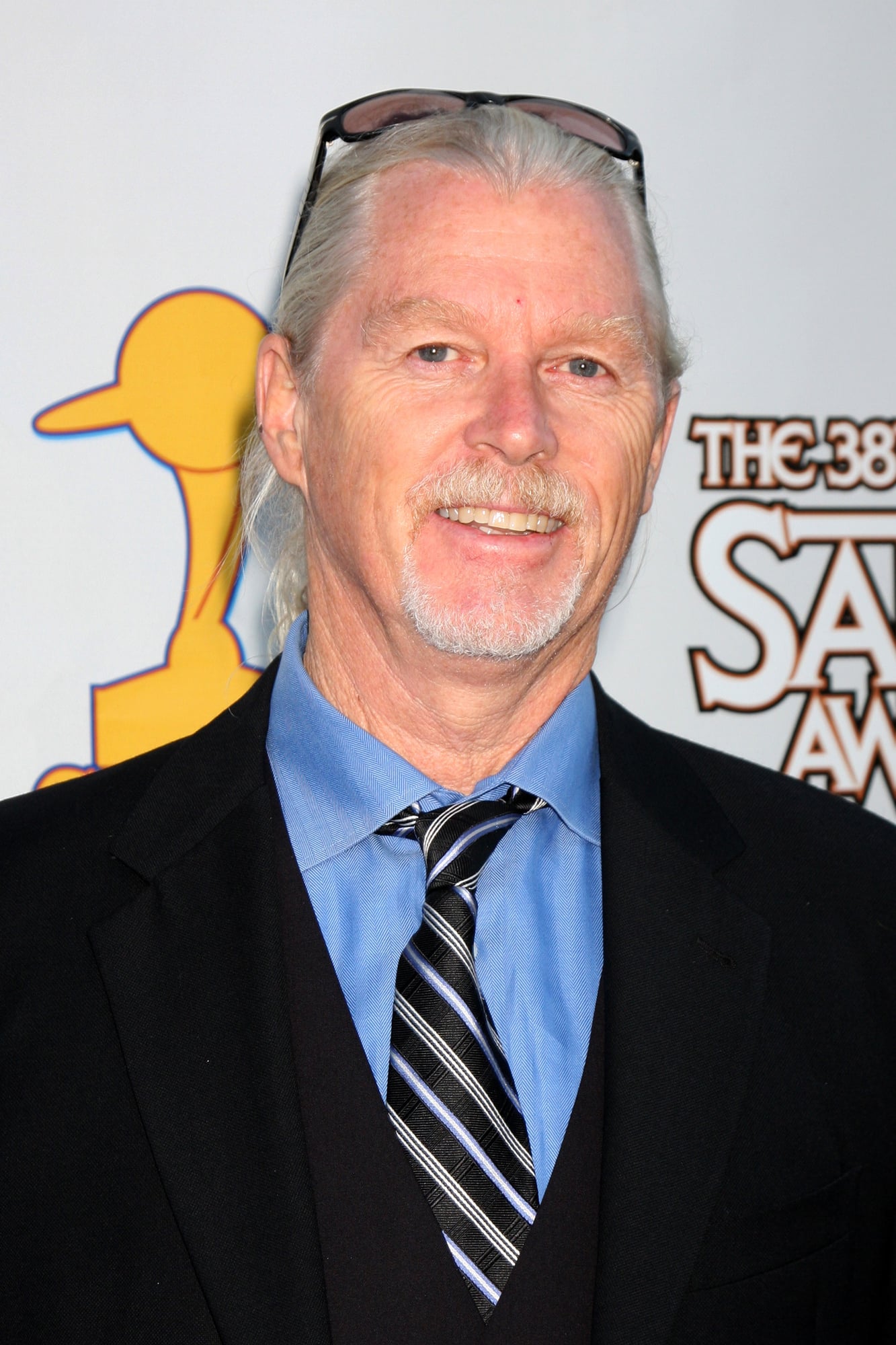
Sung by Joey Scarbury and written by Mike Post and Stephen Geyer, the theme was a chart hit in 1981, reaching number two on the Billboard Hot 100. The show it accompanied was a mid-level success; the theme massively outperformed it.
The hook — “believe it or not, I’m walking on air, I never thought I could feel so free” — is the kind of melody that parks itself in a specific emotional register associated with early 1980s optimism and stays there.
“The Facts of Life” (1979)
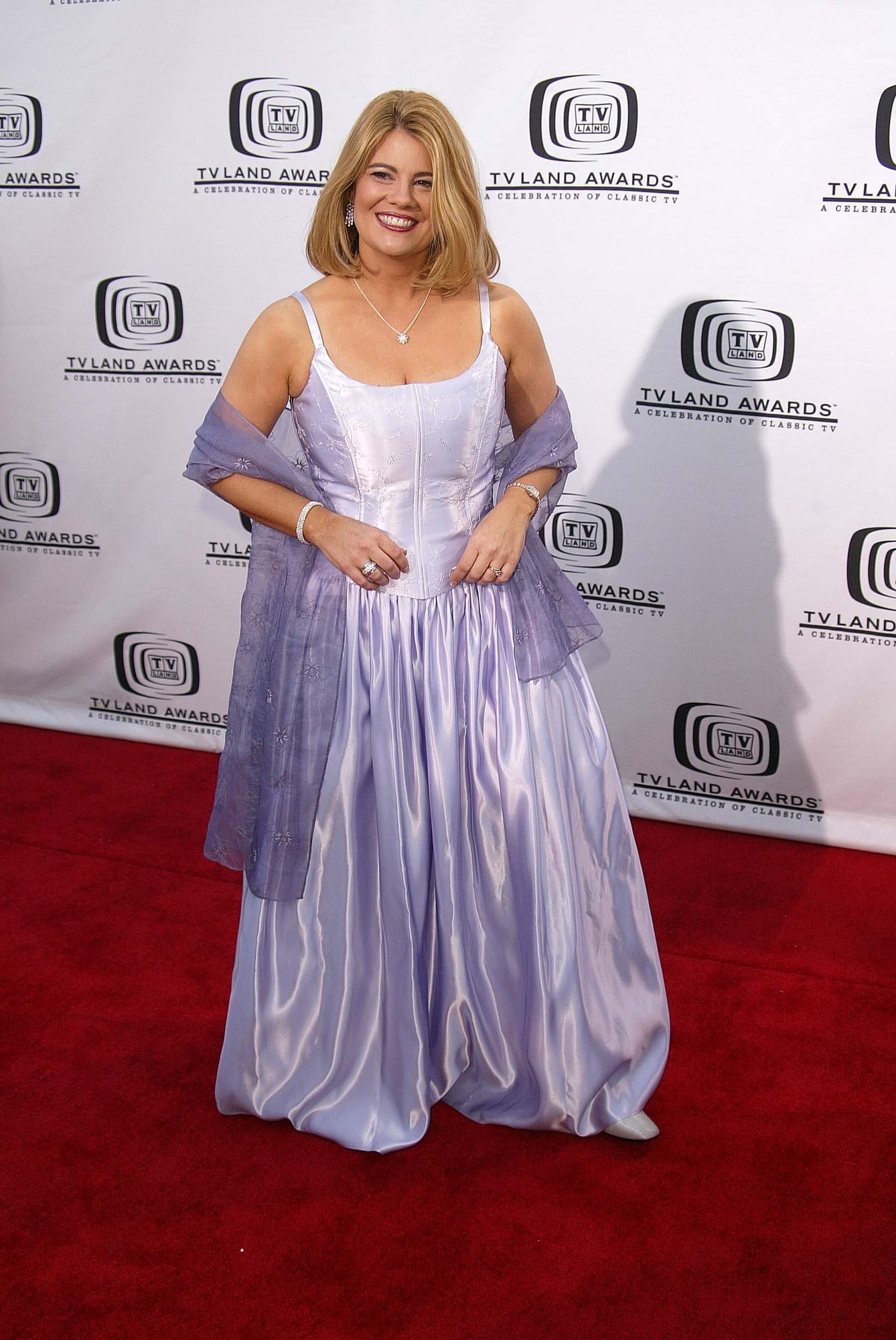
Written and produced by Alan Thicke, Gloria Loring, and Al Burton, the Facts of Life theme took a relatively unusual approach in that it treated its premise with a kind of affectionate seriousness — “you take the good, you take the bad, you take them both and there you have the facts of life.” The theme became embedded not just in viewers’ memories but in broader culture as a shorthand for acknowledging complicated truths.
It is regularly quoted outside of any television context by people who could not name a single character from the show.
“Come on Get Happy” — The Partridge Family (1970)
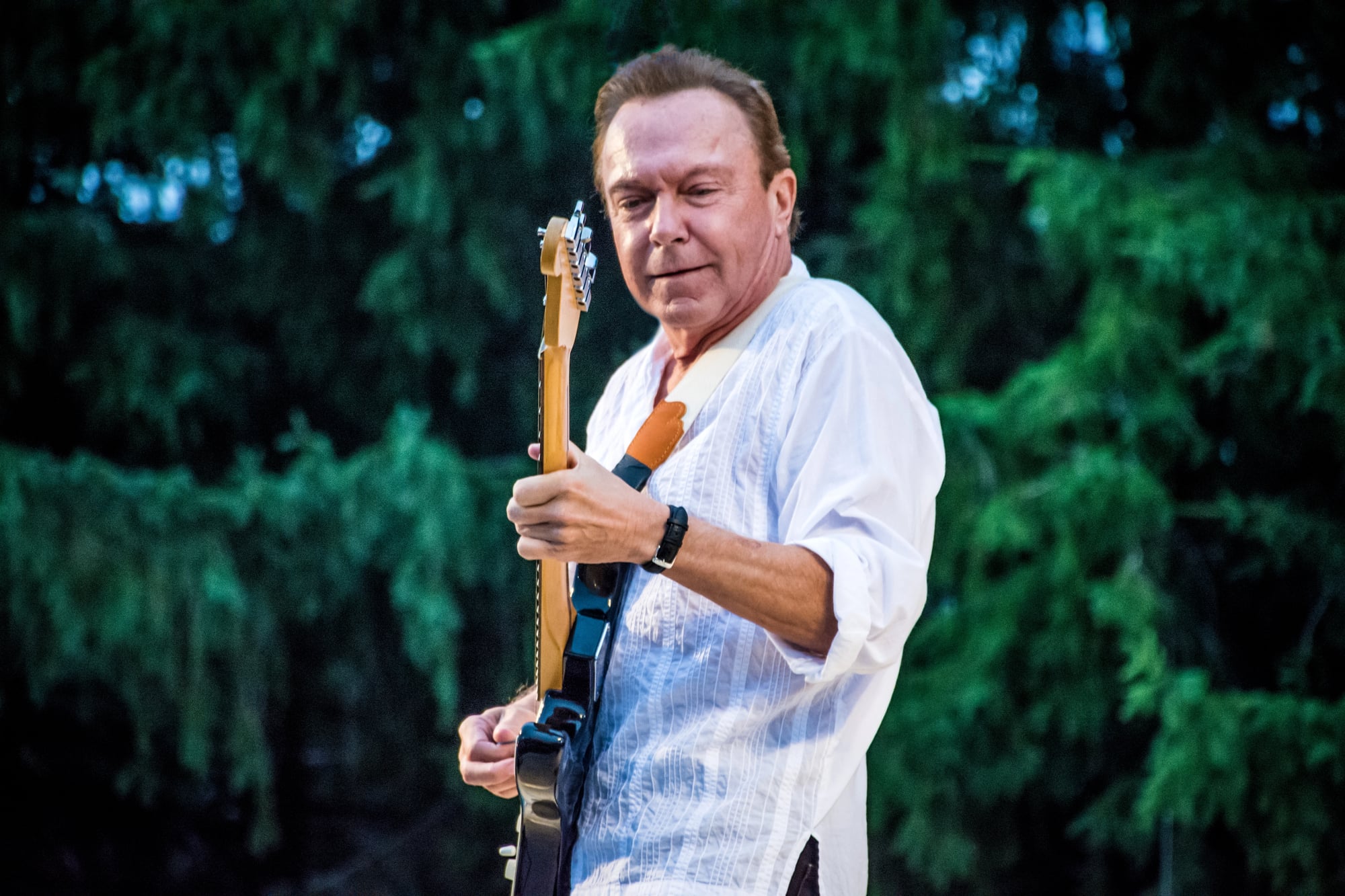
The Partridge Family was a show about a musical family, which gave its theme song an in-world logic that most other themes lacked — the characters were supposed to be performing it. “Come on Get Happy,” performed by the cast, was upbeat in the specific early-1970s way that manages to sound both sincere and slightly frenetic.
David Cassidy’s voice was the most prominent element, and his fame expanded far beyond the show largely on the strength of the music.
Doctor Who (1963)
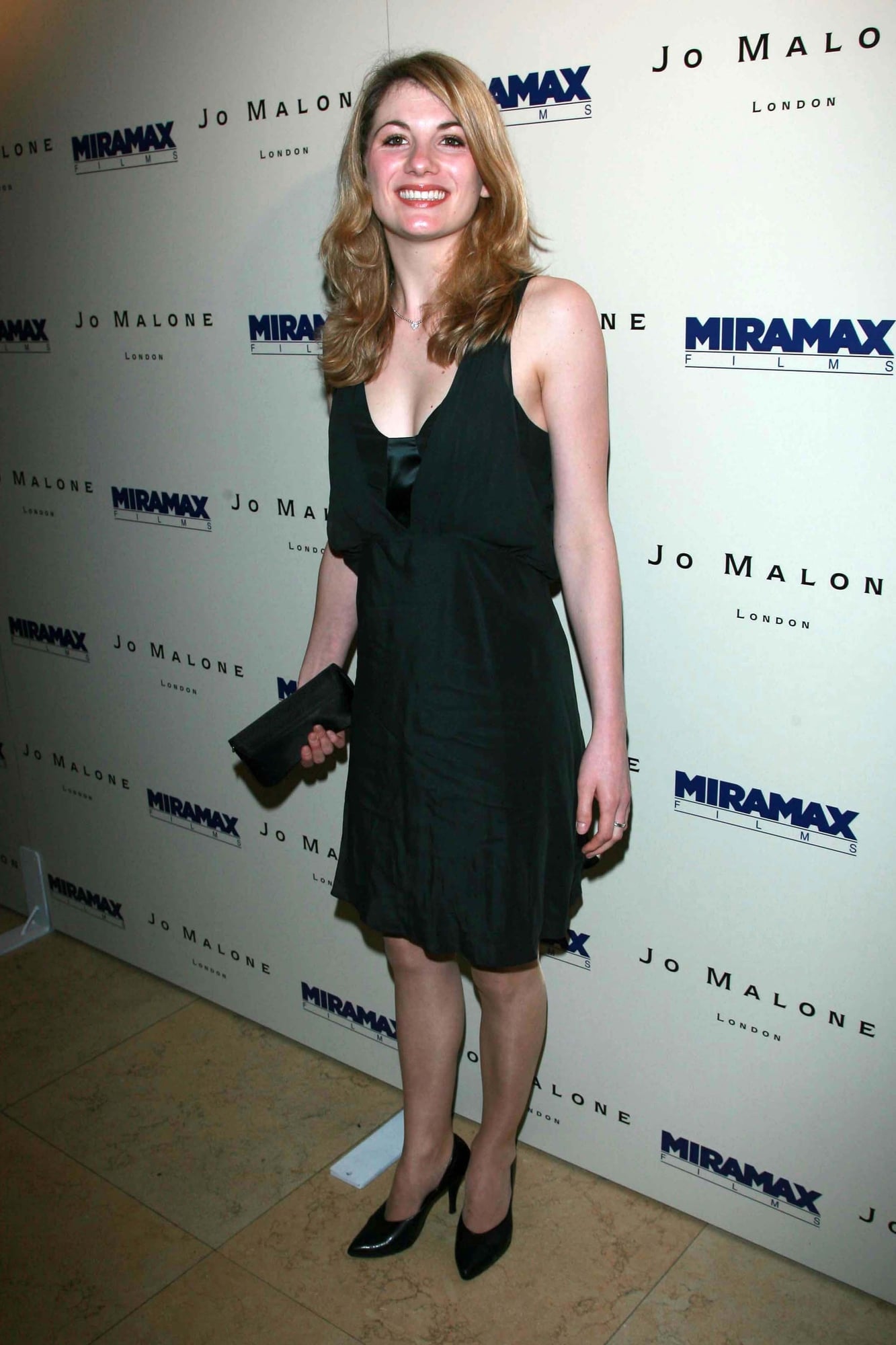
The Doctor Who theme, created by Ron Grainer and realized by BBC Radiophonic Workshop composer Delia Derbyshire, was one of the first electronic music pieces created for a major television production. Derbyshire created it in 1963 using handmade tape loops and oscillators before synthesizers were available, and the result is a melody that has been updated multiple times across sixty years of the show without ever fully departing from what Derbyshire built.
The opening howl of theremin-adjacent sound is recognizable before the melody has properly started.
“WKRP in Cincinnati” (1978)
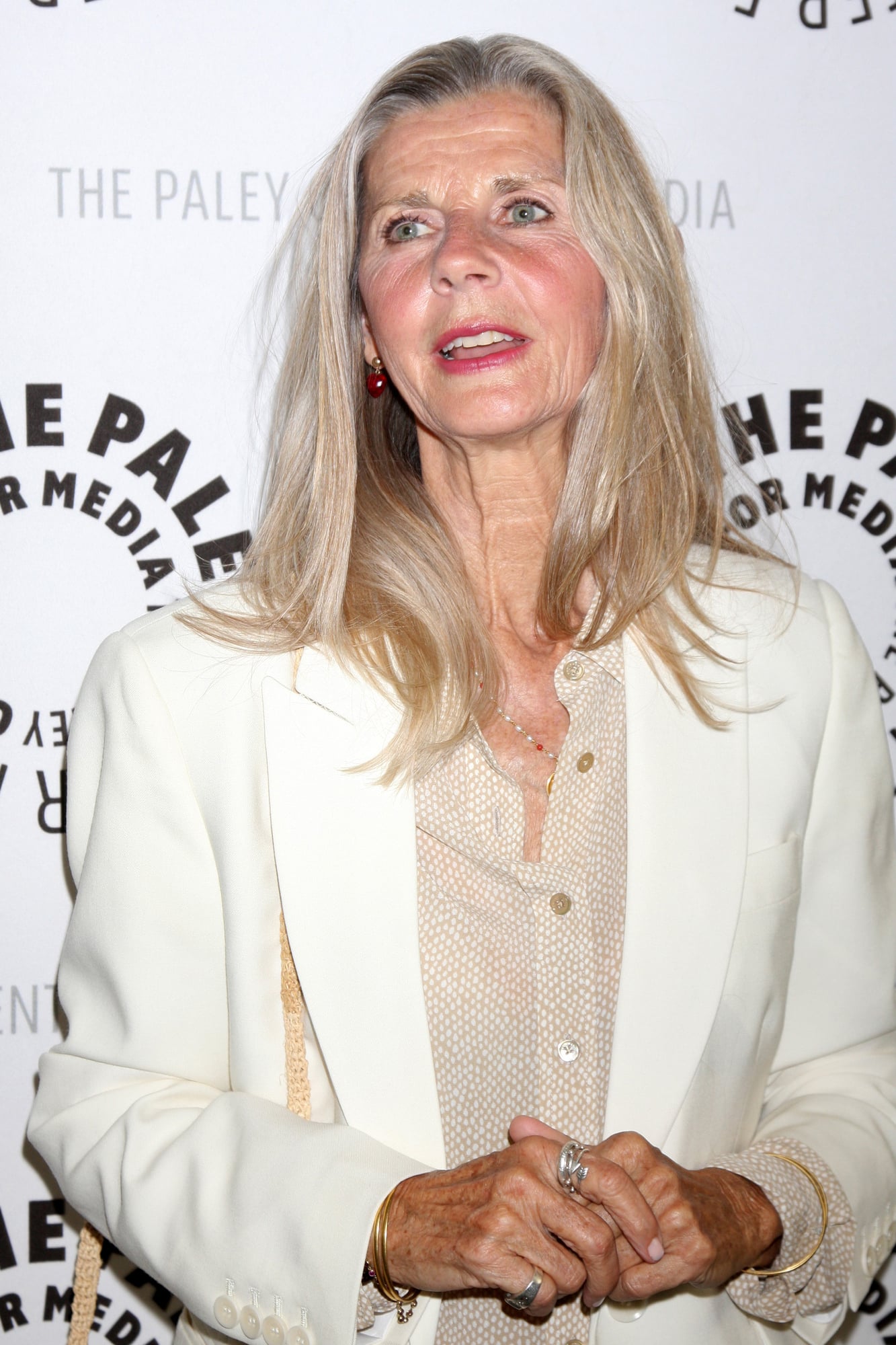
Written and performed by Steve Carlisle, the WKRP theme is a light rock number that most people who watched the show can still reproduce about 70% of. The remaining 30% consists of mumbled approximations of verse lyrics that were always slightly too fast to catch.
The chorus — “baby, if you’ve ever wondered, wondered whatever became of me, I’m living on the air in Cincinnati, Cincinnati, WKRP” — is the part everyone knows. The verses are the part that every viewer privately suspected they were mishearing.
“Miami Vice Theme” — Miami Vice (1984)
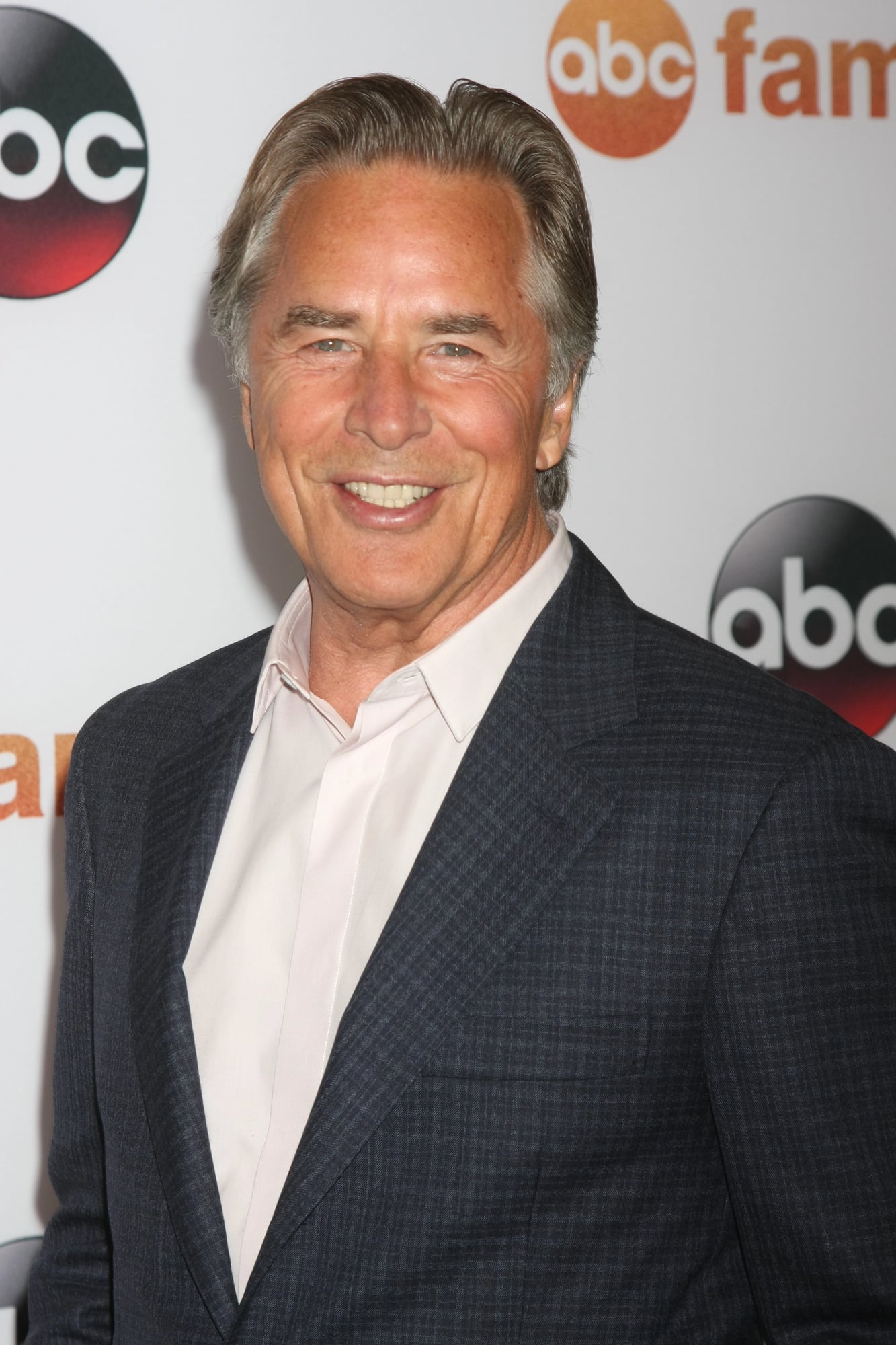
Jan Hammer’s synthesizer-driven instrumental theme for Miami Vice was itself a top 40 hit in 1985, reaching number one on the Billboard Hot 100. It is a piece of music that sounds exactly like a decade, which is either a strength or a limitation depending on your relationship to the 1980s.
People who watched Miami Vice in the 1980s can reconstruct the opening credits sequence beat for beat from memory because the music encoded it there with the force of weekly repetition.
“Sesame Street” (1969)
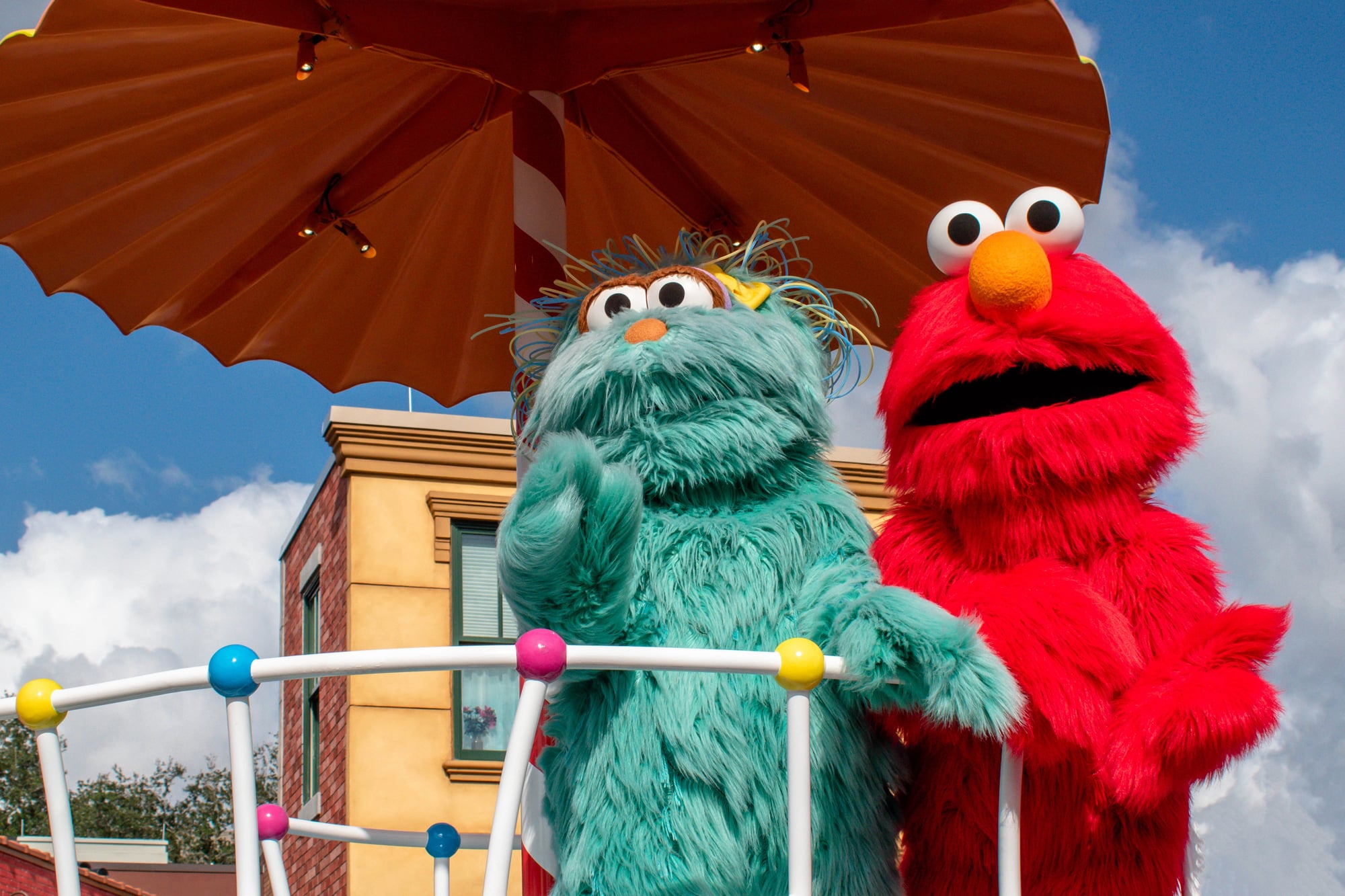
Written by Joe Raposo, the Sesame Street theme has been teaching children where to go when the air is sweet since 1969, and it has not changed enough in that time to confuse anyone who heard it as a child. The instruction to “tell me how to get, how to get to Sesame Street” has been issued weekly for over fifty years.
Nobody has ever satisfactorily answered it, which is either a philosophical observation or a failure of navigation assistance.
The What Never Really Stops Playing

The curious thing about all of these themes is that they stop being about the shows fairly quickly. The Cheers theme was never really about Cheers after a certain point — it became about the feeling of being in a particular moment in life when you watched Cheers.
The Fresh Prince rap is not about Will Smith’s fictional move to Bel-Air; it is about the specific year you memorized it and why you remember it now when you cannot remember things you tried to learn last month.
What these songs hold is not TV nostalgia. They hold time.
Each one is a small, efficient machine for returning you to a specific living room, a specific couch, a specific version of whoever you were before the years you have since accumulated. That is a lot to ask of a one-minute piece of music, and most of them deliver it anyway, reliably, every single time.
More from Go2Tutors!

- The Romanov Crown Jewels and Their Tragic Fate
- 13 Historical Mysteries That Science Still Can’t Solve
- Famous Hoaxes That Fooled the World for Years
- 15 Child Stars with Tragic Adult Lives
- 16 Famous Jewelry Pieces in History
Like Go2Tutors’s content? Follow us on MSN.