Most Expensive Ingredients in the World
Luxury has a price, and nowhere is that more apparent than in the world of haute cuisine.
Some ingredients command prices so astronomical they make your mortgage payment look reasonable.
We’re talking about foods that cost more per ounce than gold, items harvested under such specific conditions that their scarcity alone justifies eye-watering price tags.
These aren’t just expensive because of clever marketing.
Each one carries a story of extreme rarity, labor-intensive production, or both.
From fungi that grow only in specific Italian forests to spices requiring tens of thousands of flowers for a single pound, these ingredients represent the pinnacle of culinary exclusivity.
Let’s explore what makes these foods so precious and whether they’re worth the investment.
White Truffles

Often called the diamonds of the kitchen, white truffles reign as one of the most expensive ingredients on earth.
Top-quality Alba white truffles can reach $3,500 to $4,000 per pound, with a single ounce costing over $250.
These pale, knobby fungi grow exclusively in specific regions—primarily Italy’s Piedmont area around Alba, with occasional finds in parts of Croatia and Slovenia.
White truffles cannot be cultivated.
They grow wild underground, forming symbiotic relationships with the roots of certain oak, hazel, and poplar trees.
Their season runs only from September through December, creating a narrow window for harvest.
Trained dogs—and historically, pigs—sniff them out in forests, a process that can take days with no guarantee of success.
The flavor is intense and impossible to replicate: earthy, musky, with hints of garlic and a complexity that changes with every bite.
Chefs shave them paper-thin over simple dishes like pasta, risotto, or scrambled eggs, where the truffle becomes the star.
The scarcity, the brief season, and the impossibility of farming them all contribute to prices that make even wealthy diners pause before ordering.
Saffron

Dubbed red gold, saffron holds the title of most expensive spice in the world by weight.
Prices range from $6 to $20 per gram, with premium Spanish coupe grade commanding top dollar.
The math behind the cost is staggering: it takes approximately 70,000 crocus flowers to produce a single pound of dried saffron threads—or roughly 150,000 flowers for a kilogram.
Each saffron crocus flower produces only three tiny crimson stigmas, and each must be hand-picked using tweezers during a brief harvest window in autumn.
Workers must process the flowers immediately after picking, carefully extracting and drying the delicate threads.
The entire operation demands about 40 hours of labor per pound of finished product.
Iran produces roughly 90 percent of the world’s saffron, followed by Spain and India.
The spice adds a distinctive floral, honey-like flavor with subtle bitterness to dishes like paella, risotto, and Persian rice.
A little goes remarkably far—a pinch can flavor an entire pot—which helps justify the cost.
Even so, buying enough saffron for regular cooking represents a genuine investment.
Almas Caviar

If you thought saffron was expensive, consider Almas caviar, which can cost around $25,000 per kilogram.
This pale, pearl-white caviar comes from rare albino beluga sturgeons, most famously sourced from the Caspian Sea near Iran.
The fish themselves are extraordinarily rare, and only mature females—those over 60 to 100 years old—produce eggs with the desired characteristics.
The taste is reportedly rich, creamy, and buttery with nutty undertones and a hint of brine.
Connoisseurs recommend serving it at room temperature, ideally on a spoon held in the palm to appreciate the texture as the pearls burst.
Traditional preparations involve blinis, crème fraîche, and champagne, keeping accompaniments minimal to let the caviar shine.
Regular beluga caviar, while less rare than Almas, still commands around $20,000 to $24,000 per kilogram.
The beluga sturgeon doesn’t begin producing roe until roughly 21 years old, and overfishing pushed the species to endangered status.
The United States banned wild beluga caviar imports in 2005, though sustainable aquafarms in various regions now raise beluga sturgeon under controlled conditions.
The combination of extreme scarcity, decades-long maturation, and strict regulations ensures caviar remains firmly in luxury territory.
Kobe Beef

Authentic Kobe beef stands apart from all other beef, commanding prices between $200 and $500 per pound—or up to $50 per ounce at high-end restaurants.
In Japan, it starts at approximately $300 per pound.
The catch?
Real Kobe beef must come from Tajima-strain Japanese Black cattle born, raised, and processed exclusively in Hyogo Prefecture, specifically around the city of Kobe.
Only about 3,000 cattle per year meet the rigorous certification standards, which include strict requirements for marbling, weight, and meat quality.
Each animal receives a 10-digit identification number providing complete traceability back to the farm.
The intense marbling—those white veins of fat running through ruby-red meat—comes from careful breeding and specific feeding practices over the animal’s lifetime.
The result is beef with a buttery texture that literally melts in your mouth, thanks to a higher percentage of monounsaturated fats and omega-3 fatty acids than conventional beef.
Kobe represents just 0.06 percent of beef consumption in Japan.
Exports to the United States only resumed in 2012 after a ban related to disease concerns, meaning any restaurant claiming to serve Kobe beef before that date was mislabeling their product.
Even now, fewer than 50 U.S. restaurants are certified to serve authentic Kobe beef.
Matsutake Mushrooms

Japan treasures matsutake mushrooms as one of its most prized culinary ingredients, with top specimens reaching $1,500 to $2,000 per pound in Japanese markets.
In the United States, where different species grow in the Pacific Northwest, prices range from $40 to several hundred dollars per pound depending on quality and availability.
These large, meaty mushrooms grow wild in forests, forming relationships with the roots of red pine trees.
Like truffles, they resist cultivation attempts, forcing foragers to search for them in their natural habitat during the brief fall season from September through November.
They have a distinctive spicy, earthy aroma and a firm texture that works beautifully in soups, stews, rice dishes, and even eaten raw in thin slices.
The Japanese varieties command premium prices partly due to cultural significance—matsutake have been celebrated in Japanese cuisine for over a thousand years—and partly due to declining populations as pine forests face environmental pressures.
The mushrooms that do appear fetch prices that reflect their rarity and the difficulty of finding them.
Bird’s Nest
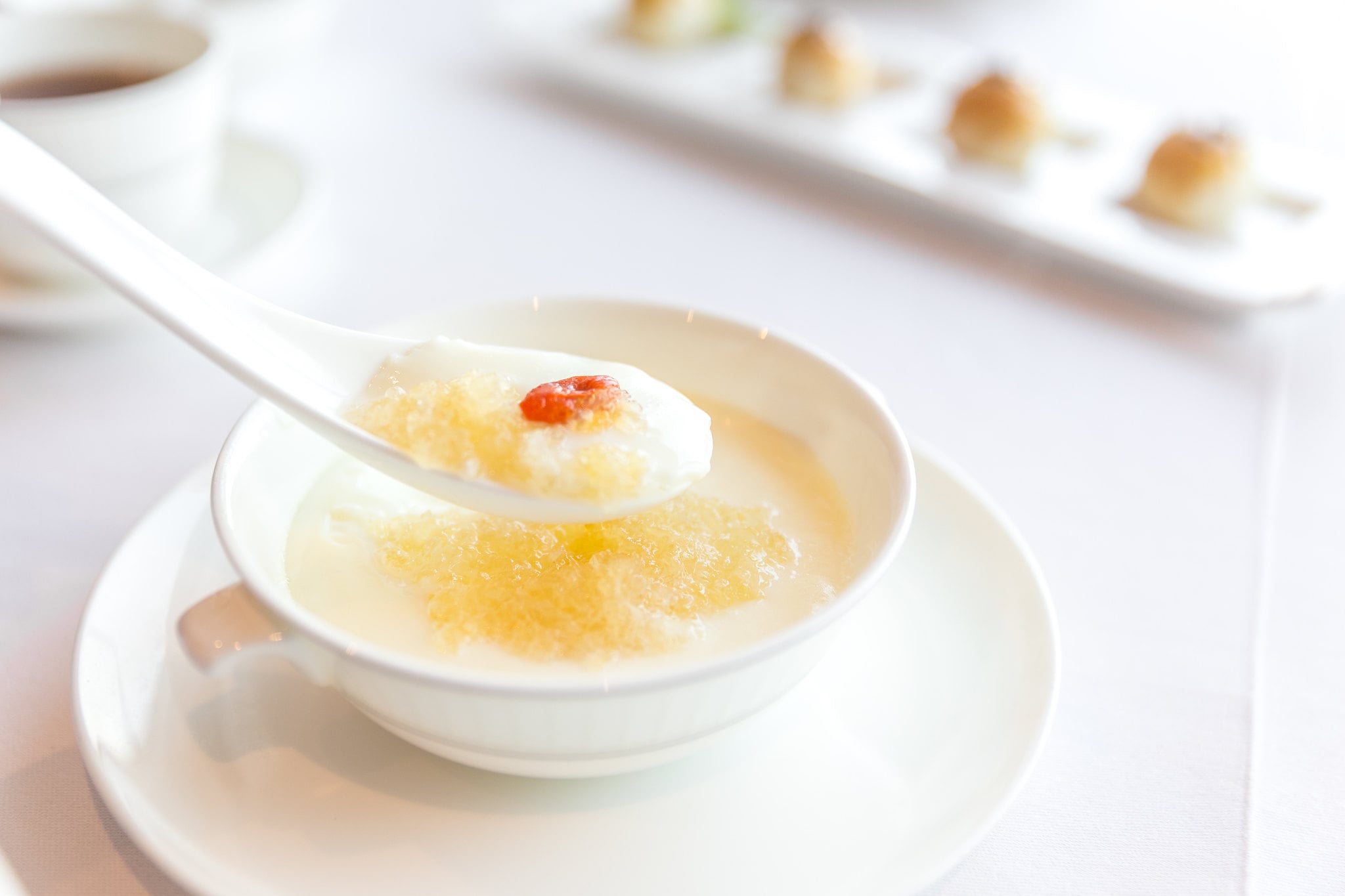
Known as the caviar of the East, edible bird’s nests vary dramatically in price depending on quality.
Standard white bird’s nests typically cost $2,000 to $4,000 per kilogram, while the rare red bird’s nests—sometimes called blood nests—can reach $8,000 to $10,000 per kilogram.
These aren’t typical bird nests made from twigs and grass.
They’re created from the hardened saliva of swiftlets, small birds found in Southeast Asia that build their nests on treacherous coastal cliffs and cave walls.
Collectors risk their lives scaling dangerous rock faces to harvest the nests, which are then cleaned, processed, and sold primarily for use in Chinese bird’s nest soup.
Traditional Chinese medicine attributes various health benefits to the nests, and they serve as status symbols in Chinese culture, particularly at weddings and important celebrations.
The texture when cooked is gelatinous and somewhat crunchy, with a mild flavor that takes on the characteristics of whatever broth it’s prepared in.
The combination of dangerous harvesting conditions, labor-intensive cleaning, cultural significance, and believed health properties keeps prices extraordinarily high, with the rarest red nests commanding premium prices.
Why Pay These Prices?
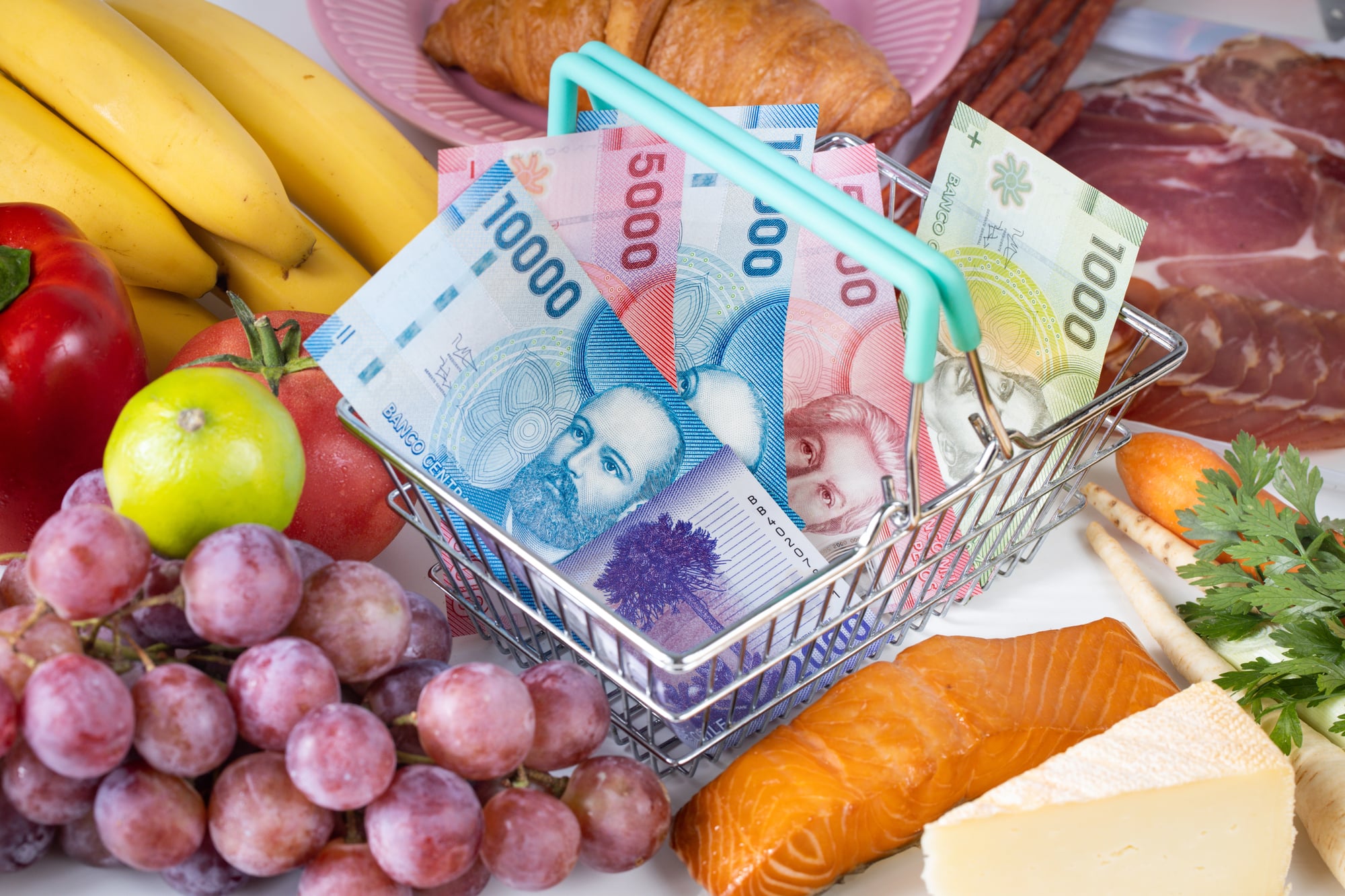
The question isn’t really whether these ingredients taste good—they do.
The question is whether they taste thousands of dollars good.
For most people, the answer involves more than flavor.
These ingredients represent experiences, stories, and access to something genuinely rare.
A shaving of white truffle over fresh pasta isn’t just dinner.
It’s participating in a tradition that stretches back centuries, tasting something that can’t be replicated or mass-produced.
Authentic Kobe beef represents generations of careful breeding and adherence to standards that prioritize quality above efficiency.
Saffron connects you to the hands that carefully picked 70,000 flowers.
Chefs and food experts consistently note that while these ingredients are expensive, they’re priced appropriately for what they are.
The labor, the scarcity, the impossibility of shortcuts—these factors create legitimate value.
A tiny amount of saffron flavors an entire dish.
A few grams of caviar creates a memorable appetizer.
The question becomes not whether they’re worth it in absolute terms, but whether they’re worth it to you for the occasion.
The Reality of Luxury Ingredients
Here’s the truth about cooking with luxury ingredients: they require respect and restraint.
These aren’t items you mask with heavy sauces or complicated preparations.
The best approach is usually the simplest—letting the ingredient’s natural characteristics shine.
White truffles get shaved over buttered pasta or soft scrambled eggs.
Saffron goes into rice dishes where its color and aroma can permeate every grain.
Caviar sits on a blini with a dollop of crème fraîche, nothing more.
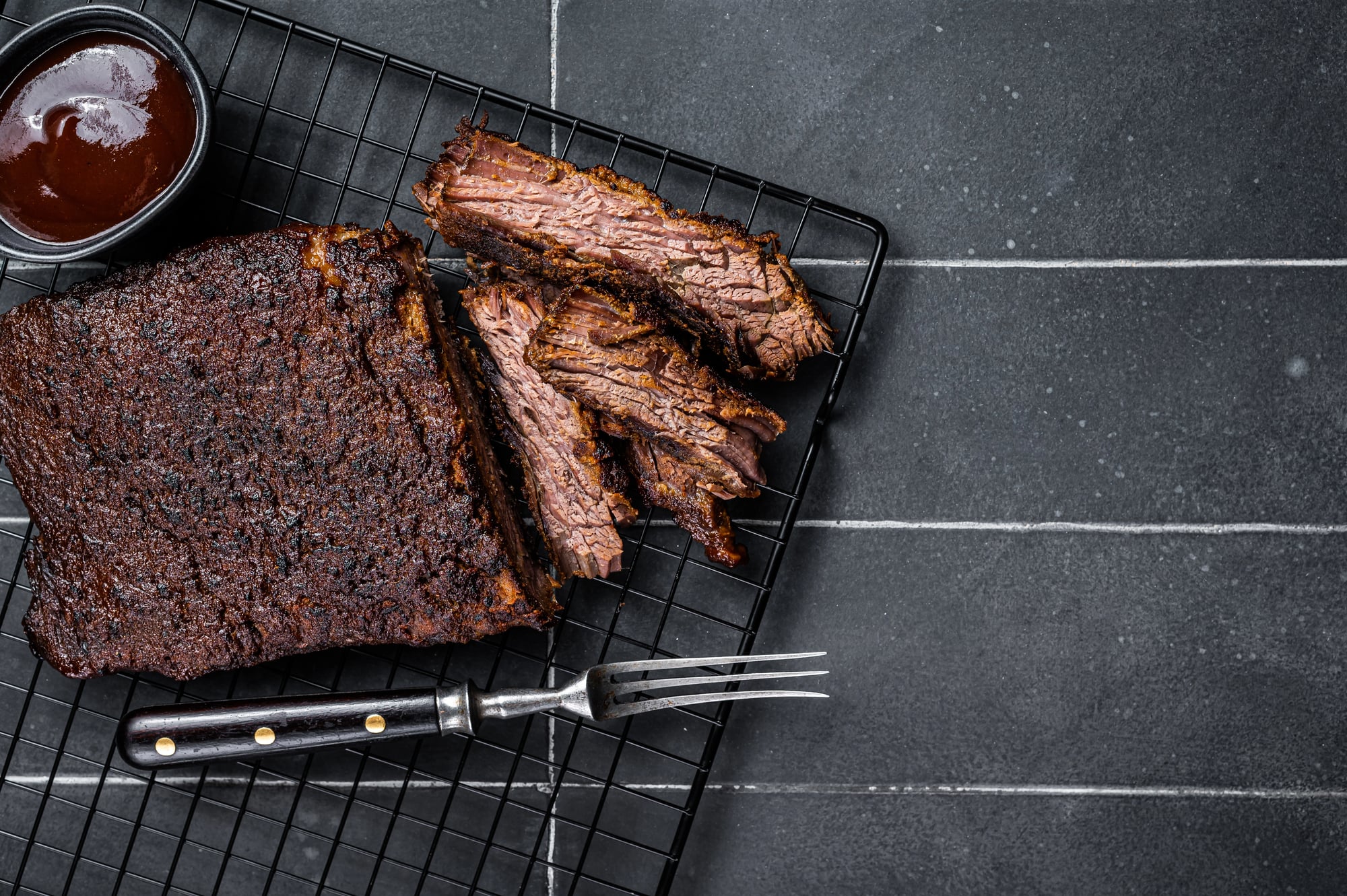
Kobe beef gets a light sear and perhaps a sprinkle of salt.
The ingredients have already done the hard work of being extraordinary.
Your job is simply not to mess them up.
For home cooks, these ingredients represent once-in-a-lifetime indulgences rather than pantry staples.
Few people keep white truffles on hand, though a small jar of quality saffron might last years with careful use.
The key is knowing when the splurge enhances the experience versus when it’s just expensive for the sake of being expensive.
These ingredients remind us that food can be more than sustenance.
It can be art, history, culture, and genuine rarity all on a single plate.
Whether that’s worth hundreds or thousands of dollars per pound depends entirely on what you value, but there’s no denying the craft, care, and circumstances that make these ingredients the most expensive in the world.
More from Go2Tutors!

- The Romanov Crown Jewels and Their Tragic Fate
- 13 Historical Mysteries That Science Still Can’t Solve
- Famous Hoaxes That Fooled the World for Years
- 15 Child Stars with Tragic Adult Lives
- 16 Famous Jewelry Pieces in History
Like Go2Tutors’s content? Follow us on MSN.



