26 Items Hiding in Attics That Homeowners Had No Idea Were Valuable
Attics accumulate things that don’t quite belong anywhere else — items too sentimental to throw away and too inconvenient to display. They sit in boxes and trunks and on old shelving, slowly forgotten.
The problem with this arrangement is that some of those items turn out to be worth considerably more than anyone assumed when they put them up there. The rule of thumb from estate sale professionals is counterintuitive: the things you’re sure are valuable usually aren’t, and the things you’d throw away without a second thought sometimes are.
Condition matters more than almost anything else, and age alone does not make something collectible.
Old Baseball Cards in Cardboard Shoeboxes
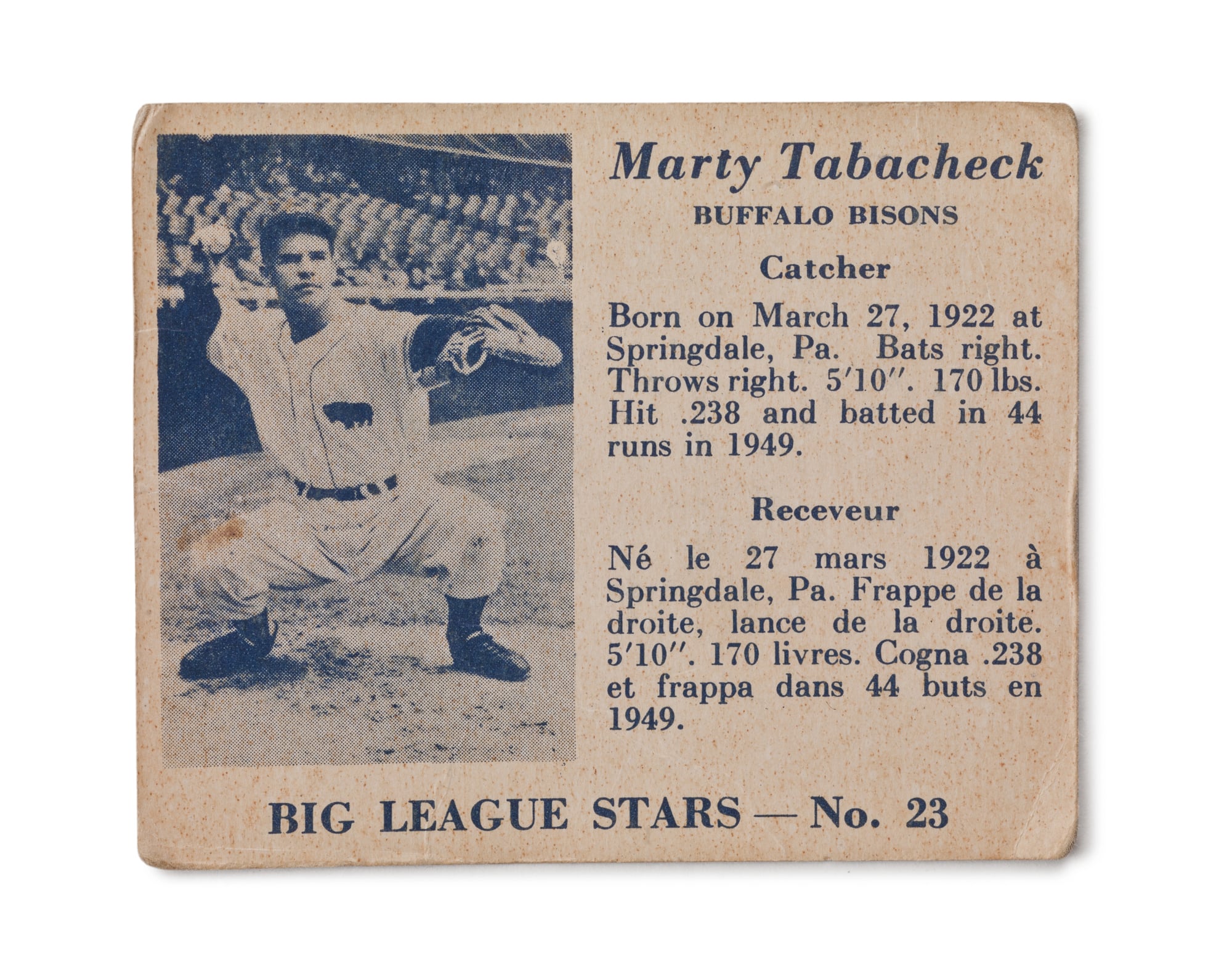
Pre-1970s baseball cards are the clearest example of value most people don’t know they have. An Ohio family discovered a collection in a grandfather’s attic — including cards featuring Ty Cobb and Honus Wagner — that ultimately sold for over $3 million through Heritage Auctions.
The most valuable individual cards are typically those in the best condition, from the early twentieth century, and featuring Hall of Fame players. A single 1952 Topps Mickey Mantle card has sold for more than $400,000.
The challenge is that most attic cards are not that pristine, but even well-circulated cards from the pre-1970 era can carry real value that owners rarely expect.
Possible Old Master Paintings Behind Furniture

In 2014, a family in Toulouse, France, found a large, dusty, water-stained canvas leaning against a wall behind old mattresses in their attic — a painting they had apparently owned for roughly 150 years without anyone paying it particular attention. Art experts later attributed it to Caravaggio, titled it “Judith Beheading Holofernes,” and estimated its value at between $120 million and $171 million.
The painting was sold privately before its scheduled auction in 2019, though its attribution remains contested among some scholars. The family had no idea what they had.
Thieves had ransacked the same attic years earlier and missed it entirely.
Original Star Wars Action Figures in Packaging

Kenner began producing Star Wars figures in 1977, and original figures with intact packaging have become among the most sought-after toy collectibles in existence. A prototype Boba Fett rocket-firing figure sold for $1.34 million in 2024.
Among the general release figures, the Yak Face — one of the last 17 figures Kenner produced before losing the Star Wars license in 1985 — regularly sells for between $700 and $900 in solid condition. Even played-with figures from the original Kenner run can fetch meaningful prices if all accessories are present and the paint is intact.
What distinguishes attic finds is that toys stored away in the original packaging, untouched, may be in the mint condition the market rewards most.
First Printing of the Declaration of Independence
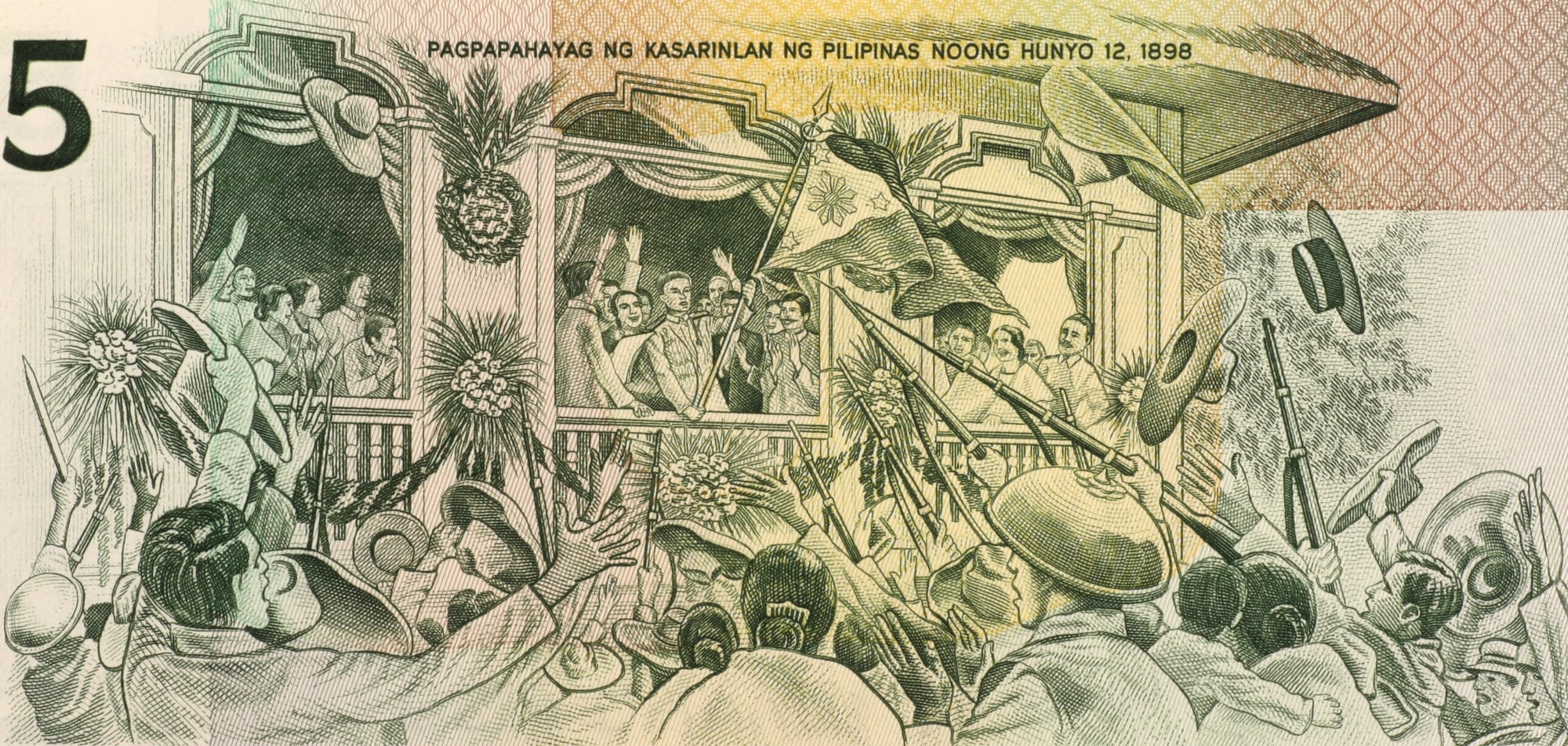
In 1989, a man bought a framed painting at an outdoor flea market in Pennsylvania for four dollars. Behind the canvas he found a document folded up — one of approximately 200 first-day printings of the Declaration of Independence made by printer John Dunlap on July 4, 1776.
The ink had been wet enough that the opening line of the Declaration had transferred in reverse to the adjacent page. The document sold in 2000 for $8.14 million through Sotheby’s, purchased by television producer Norman Lear.
The number of surviving Dunlap broadside copies at the time of the discovery was around 25.
Vintage Wristwatches
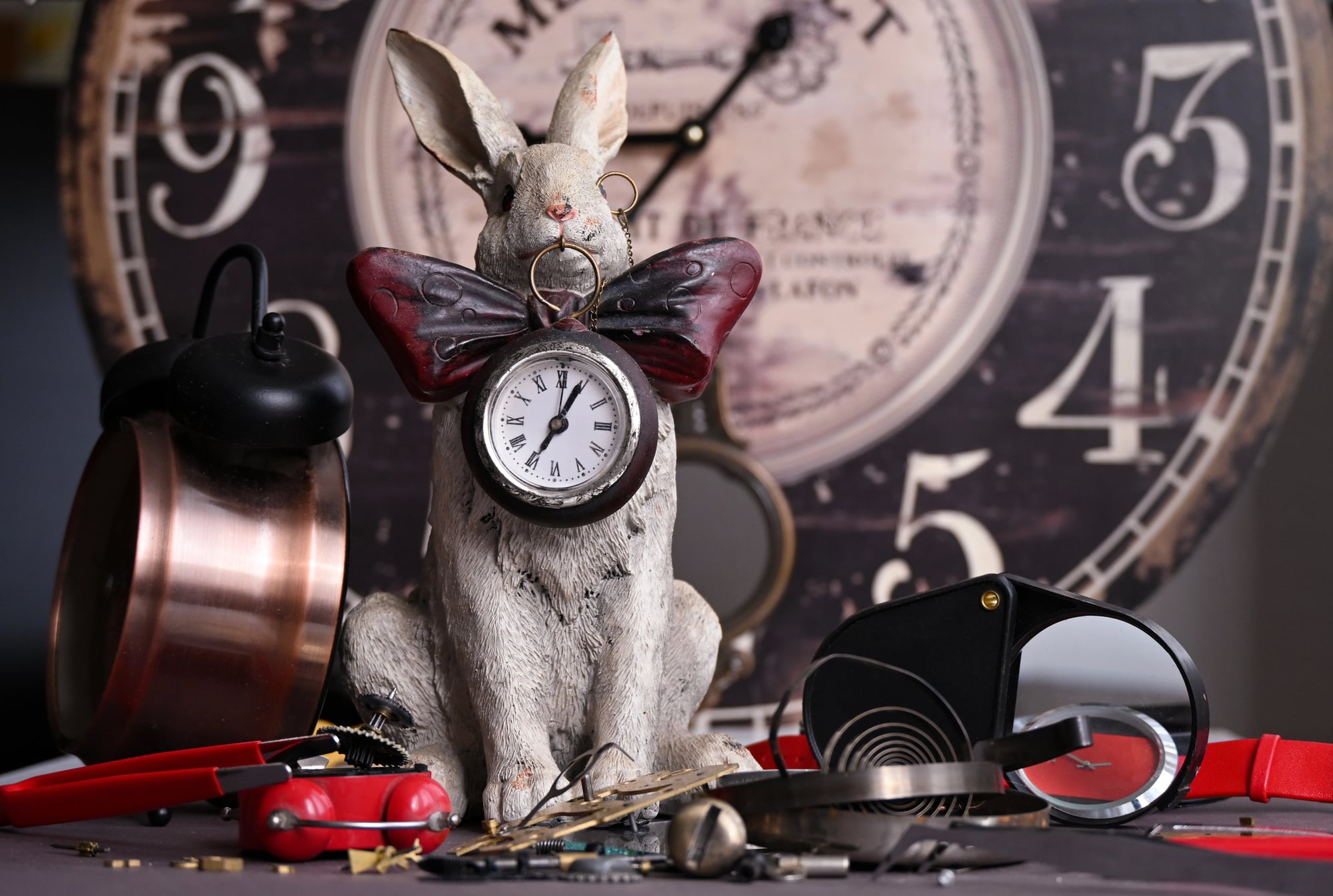
A mechanical wristwatch from the right manufacturer, in good condition, and from the right decade can be worth far more than its owner expects. Rolex, Patek Philippe, and Omega watches made between the 1950s and 1970s have appreciated substantially.
A Patek Philippe reference 2499 from the 1950s can fetch over $3 million at auction. The more common find — a grandfather’s Rolex Submariner or Datejust from the 1960s or 1970s, stored in a drawer — may sell for between $10,000 and $50,000 depending on condition and specific reference.
The challenge is that amateur polishing of watch cases or dials destroys significant value; condition in the watch market means unaltered condition.
Action Comics No. 1 (Superman’s First Appearance)

The June 1938 issue of Action Comics introduced Superman and is the most valuable comic book in existence. Three brothers found a copy in their mother’s attic in 2023 or 2024, and the issue sold for more than $9 million in 2025.
A copy in very high grade sold for $6 million in 2022. Most attic copies will not be in high grade — sixty-plus years of storage are rarely kind to newsprint — but even significantly worn copies of Action Comics No. 1 carry substantial value.
The supply is extremely limited: total surviving copies across all grades are thought to number in the low hundreds.
Chinese Imperial Stamps
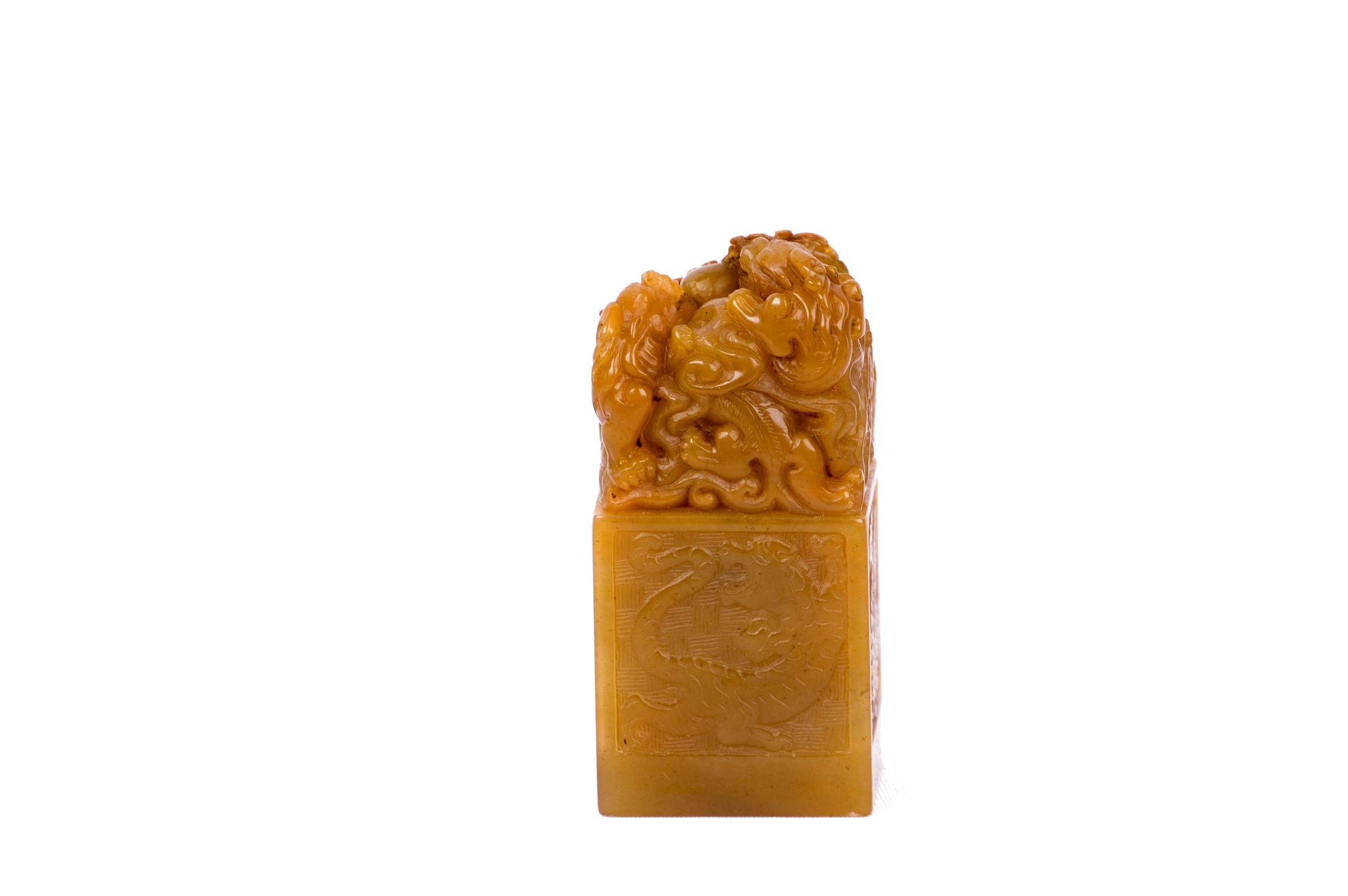
In 2015, a collection of stamps found in a British attic was consigned to auction with a pre-sale estimate of under £1,000. The collection included a block of five Candarin Imperial Dragon stamps that experts identified as among the most valuable philatelic items in existence.
Three blocks from the find ultimately sold for nearly $1 million in total. The stamps had been in the attic long enough that whoever had stored them had apparently forgotten what they were or never known.
Stamps are among the most common attic finds and almost universally dismissed as unimportant — which is precisely the condition that produces surprises.
Mid-Century Modern Furniture

Furniture designed between roughly 1945 and 1970 by architects and designers including Charles and Ray Eames, Eero Saarinen, George Nelson, and Hans Wegner is among the most actively sought-after in the current antiques market.
The Eames lounge chair and matching ottoman, introduced in 1956, can sell for between $3,000 and $10,000 depending on condition and date of manufacture. A single Eames walnut stool has sold for several thousand dollars.
The items stored in attics are often there specifically because they seem old and dated to current owners, which is precisely the period the market now prizes. Condition matters significantly — replacement parts, refinishing, and reupholstery can reduce value substantially.
Antique Silver Flatware
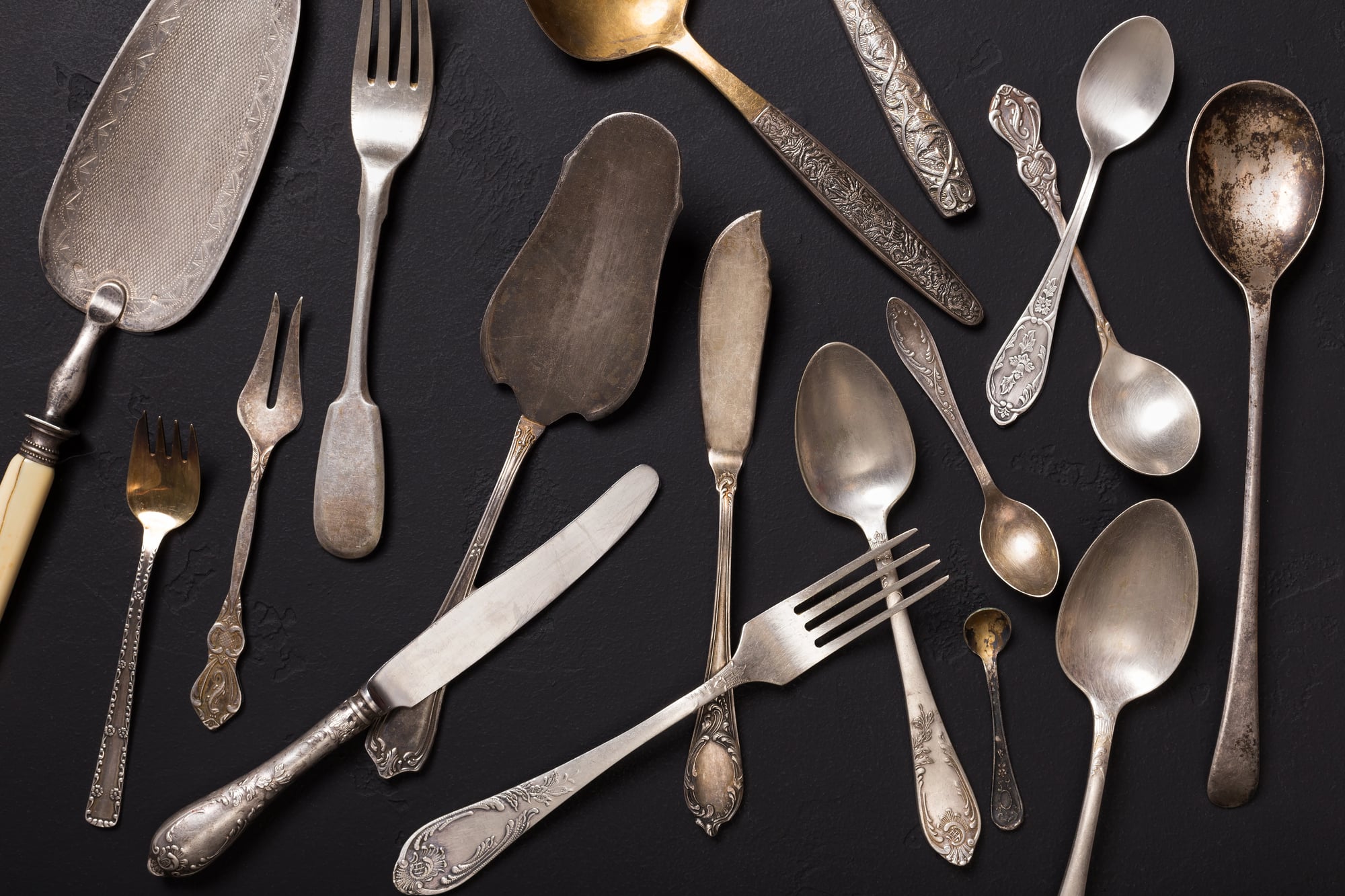
Sterling silver flatware sets are among the items most consistently underestimated in estates. Sets produced by American manufacturers including Tiffany & Co., Gorham, and Reed & Barton in the late nineteenth and early twentieth centuries can carry substantial melt value alone — roughly $20 per troy ounce as a floor — with complete sets in original fitted boxes selling considerably higher based on pattern rarity and maker.
The difficulty is that most people don’t distinguish between sterling silver (marked .925 or “Sterling”) and silver-plated base metal, which carries no precious metal value.
Vintage Musical Instruments

Acoustic guitars made by Gibson or C.F. Martin before 1970 are among the most valuable instruments in the world for their era. A Gibson L-5 from the 1920s or 1930s can sell for six figures.
Pre-war Martins in excellent condition regularly exceed $50,000. The key warning in this category is the same as in watches: any amateur restoration — refinishing the body, replacing original tuning machines, refretting with incorrect wire — can destroy a significant portion of the value.
Instruments stored in cases, unplayed and unaltered, in stable conditions, tend to fare better than those maintained by well-meaning owners.
Vintage Barbie Dolls
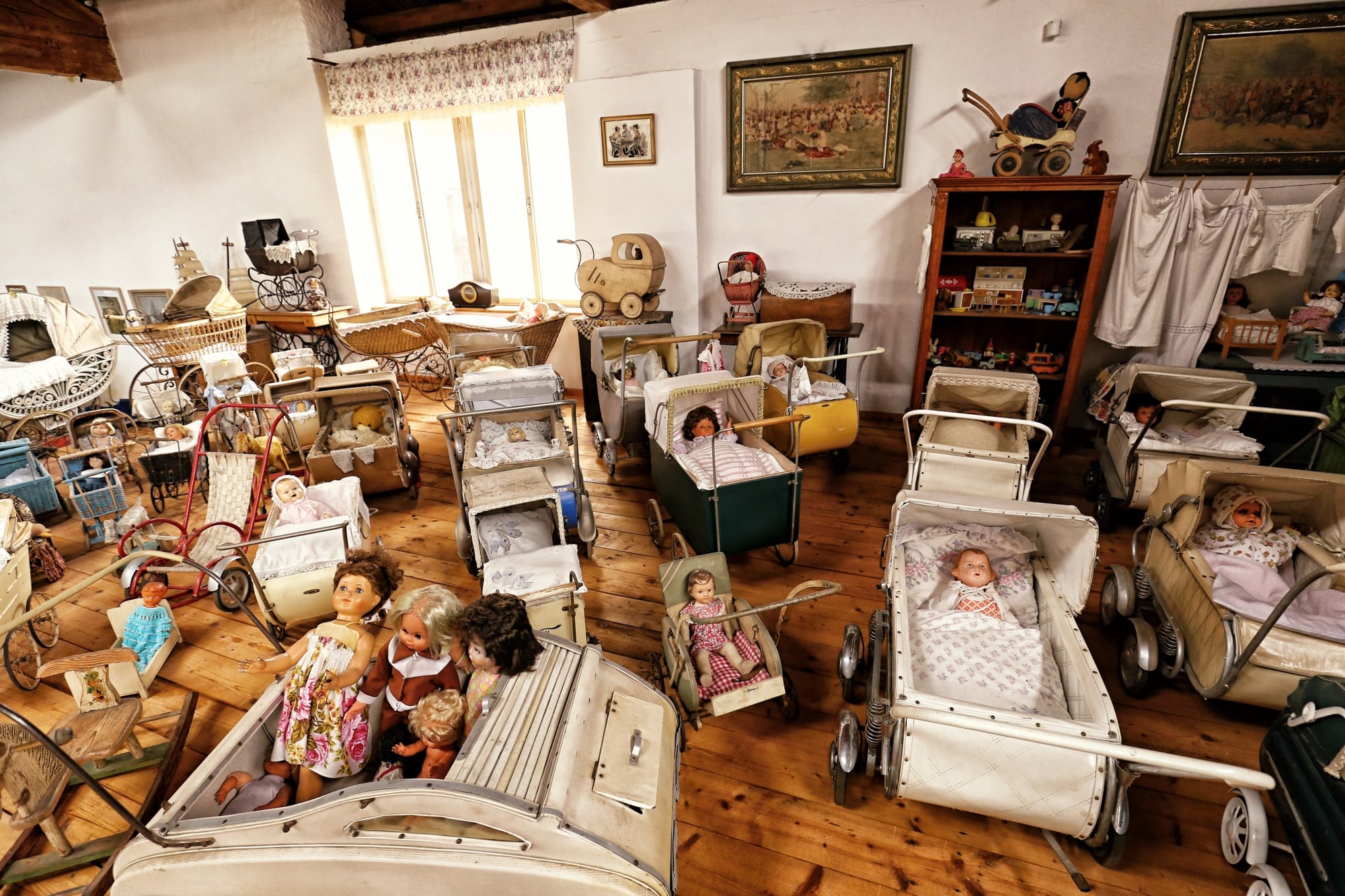
The original Barbie, produced by Mattel in 1959, in excellent condition with original accessories, regularly sells between $1,000 and $8,000 depending on grade.
The 1959 and 1960 editions are distinguished from later models by specific details including the type of plastic used for the body, the style of the eyeliner, and the particular shade of the swimsuit.
Ponytail Barbies from the first four or five years of production are the most valuable. As with all toy collectibles, the presence of original packaging multiplies value significantly.
Old Fountain Pens
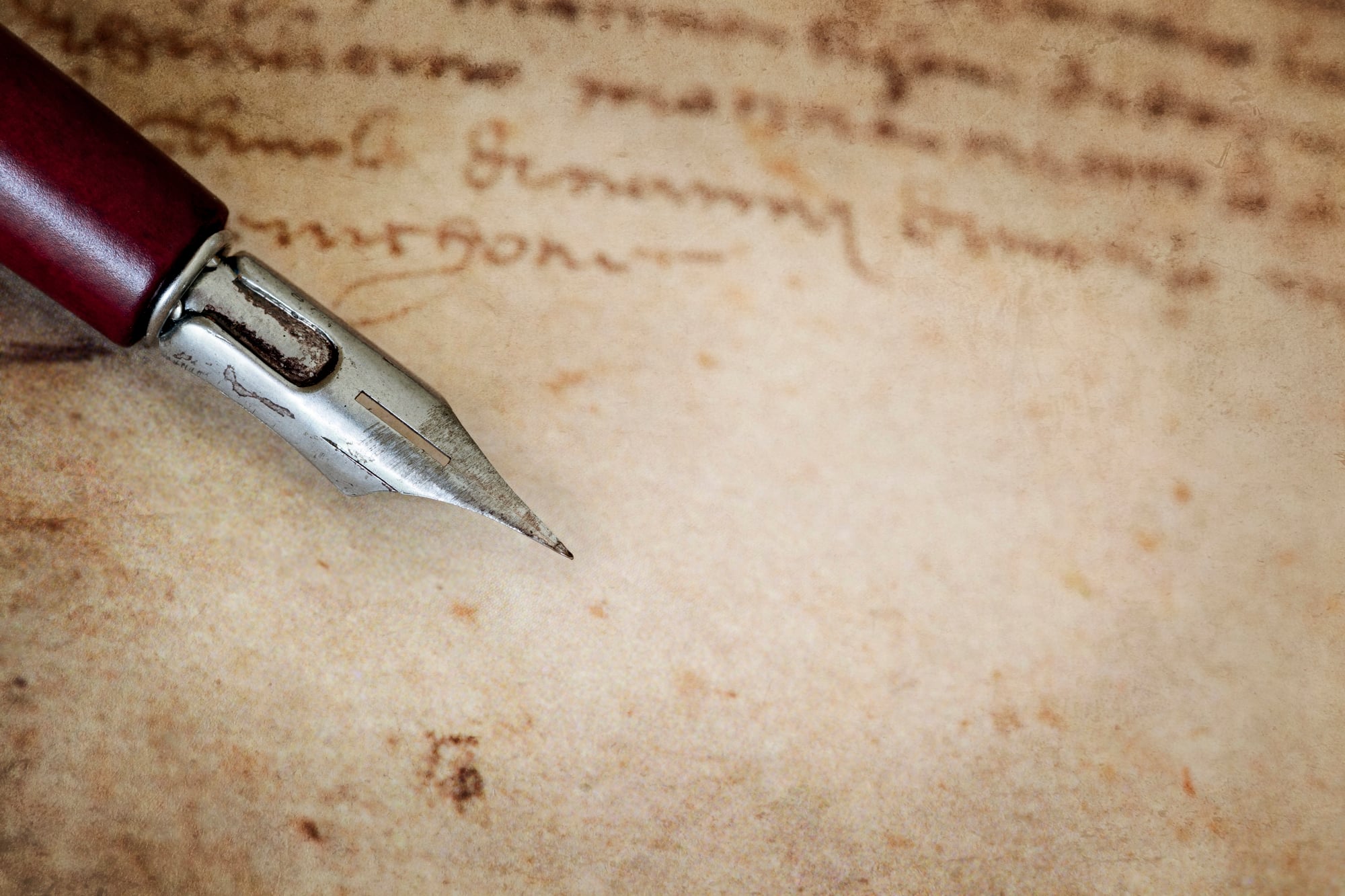
Vintage fountain pens from manufacturers including Montblanc, Parker, and Waterman have attracted a growing collector market. Montblanc’s Meisterstück 149 from the 1940s and 1950s, Parker’s Vacumatic in gold-filled from the same period, and Waterman’s Ideal from the turn of the twentieth century regularly sell for hundreds to thousands of dollars in good condition.
The most valuable are pens with unusual overlay work — gold or sterling silver filigree over the barrel — in full working order and with intact original nibs.
First-Edition Books With Dust Jackets
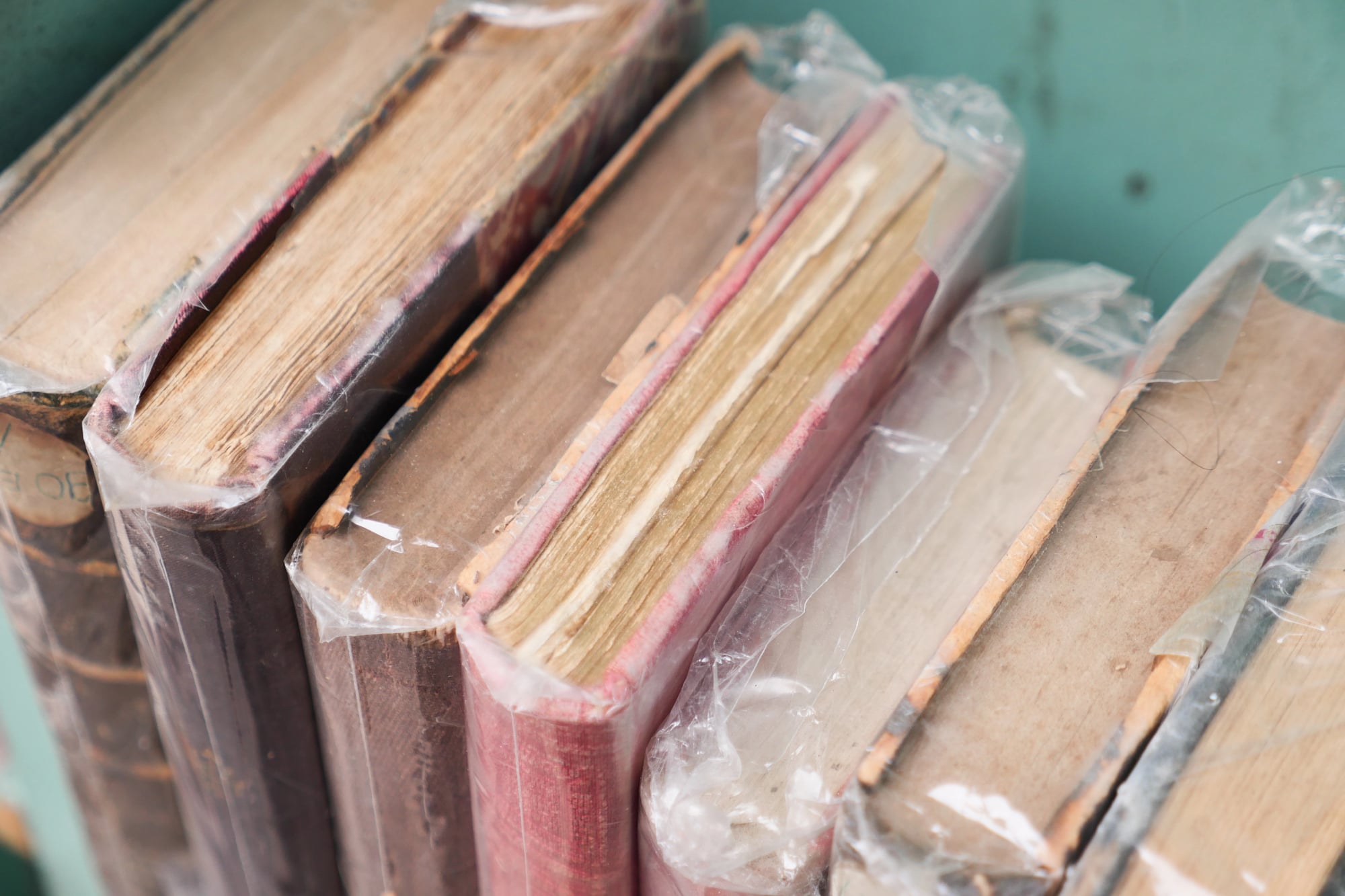
A first edition of F. Scott Fitzgerald’s The Great Gatsby in the original dust jacket is worth approximately $150,000 to $400,000 depending on condition. A first-edition Hemingway or Faulkner in jacket is similarly valuable.
The dust jacket is critical — without it, even a true first edition drops dramatically in value. What makes attic finds interesting is that early twentieth-century books were sometimes treated as objects to be preserved rather than read, stored in boxes precisely because someone thought they should be kept.
The books that were loved and read are not valuable; the ones that were treated carefully and set aside often are.
Vintage Coca-Cola Advertising

Early Coca-Cola advertising materials — tin signs, calendars, serving trays, and cardboard displays produced between roughly 1890 and 1940 — have a dedicated and competitive collector market.
A pre-1920 tin serving tray in excellent condition can sell for between $500 and $5,000. Earlier paper lithograph signs from the 1890s in high grade are rarer and carry higher prices.
The appeal is the combination of strong graphic design, recognizable branding, and genuine scarcity: most of these materials were used until they wore out.
Old Comic Books from the 1930s to 1960s
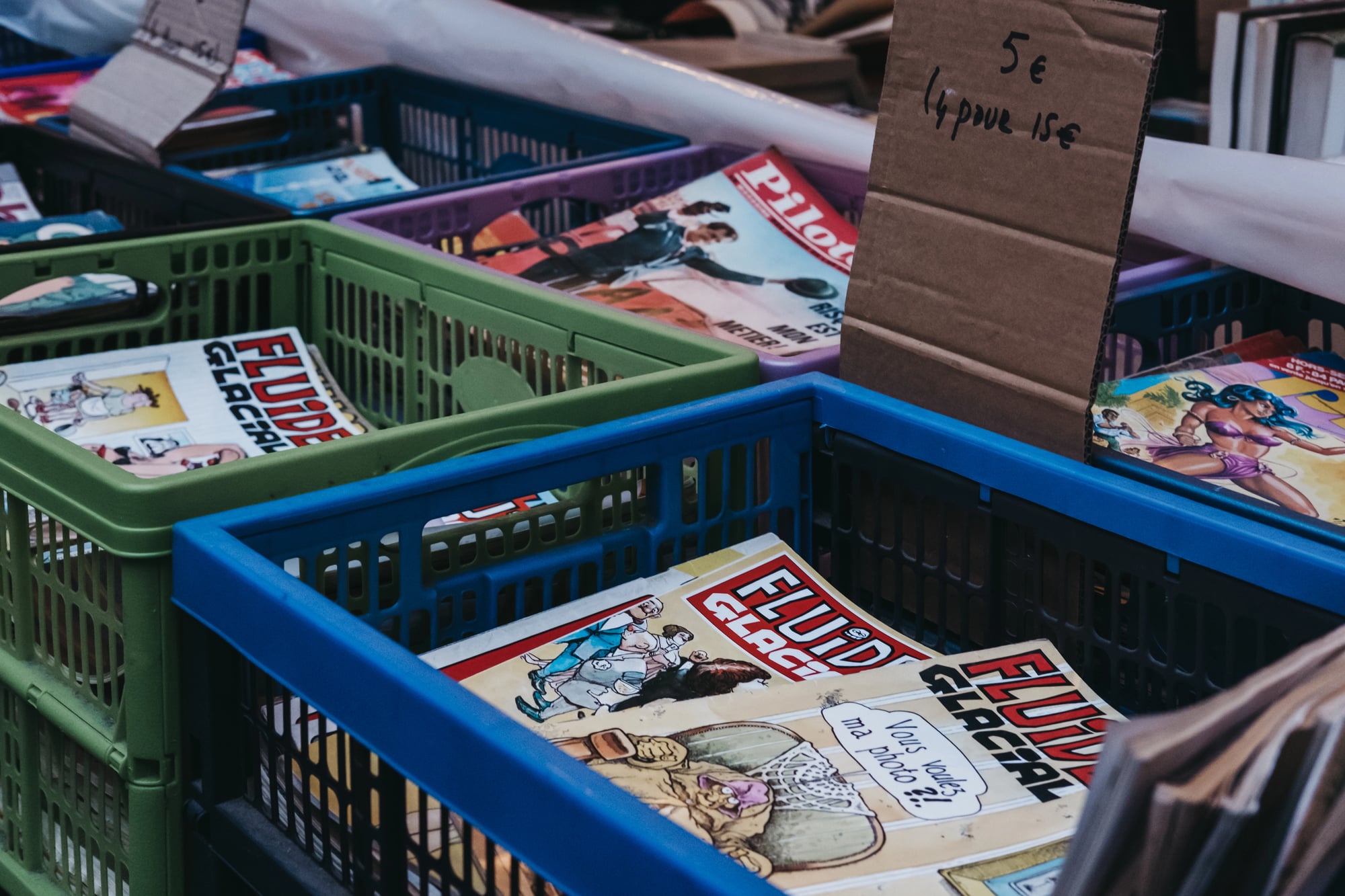
Beyond Action Comics No. 1, the Golden Age and early Silver Age of comics (roughly 1938-1965) contain numerous issues with values that surprise owners. A high-grade copy of Detective Comics No. 27, the first appearance of Batman, can sell for millions.
Marvel Mystery Comics No. 9 featuring the first Sub-Mariner versus Human Torch battle is similarly valuable in high grade. The mass of comics from this period are in low grade — read, rolled, staple-rusted — but even significant wear does not eliminate all value on the rarest issues.
Art Deco Clocks

Art Deco mantel and desk clocks from the 1920s and 1930s, particularly those with mirrored faces, geometric chrome cases, or stepped “skyscraper” profiles, are actively collected.
A 1928 Paul Frankl Art Deco Skyscraper Telechron clock in working condition has sold for over $600. Complete Art Deco clock sets — coordinated clock, candelabra, and figurines — from manufacturers like Seth Thomas, Westclox, or Telechron can exceed $1,500 for fine examples.
As with most clocks, working condition and original dials matter considerably.
Rare Coins in Inherited Collections
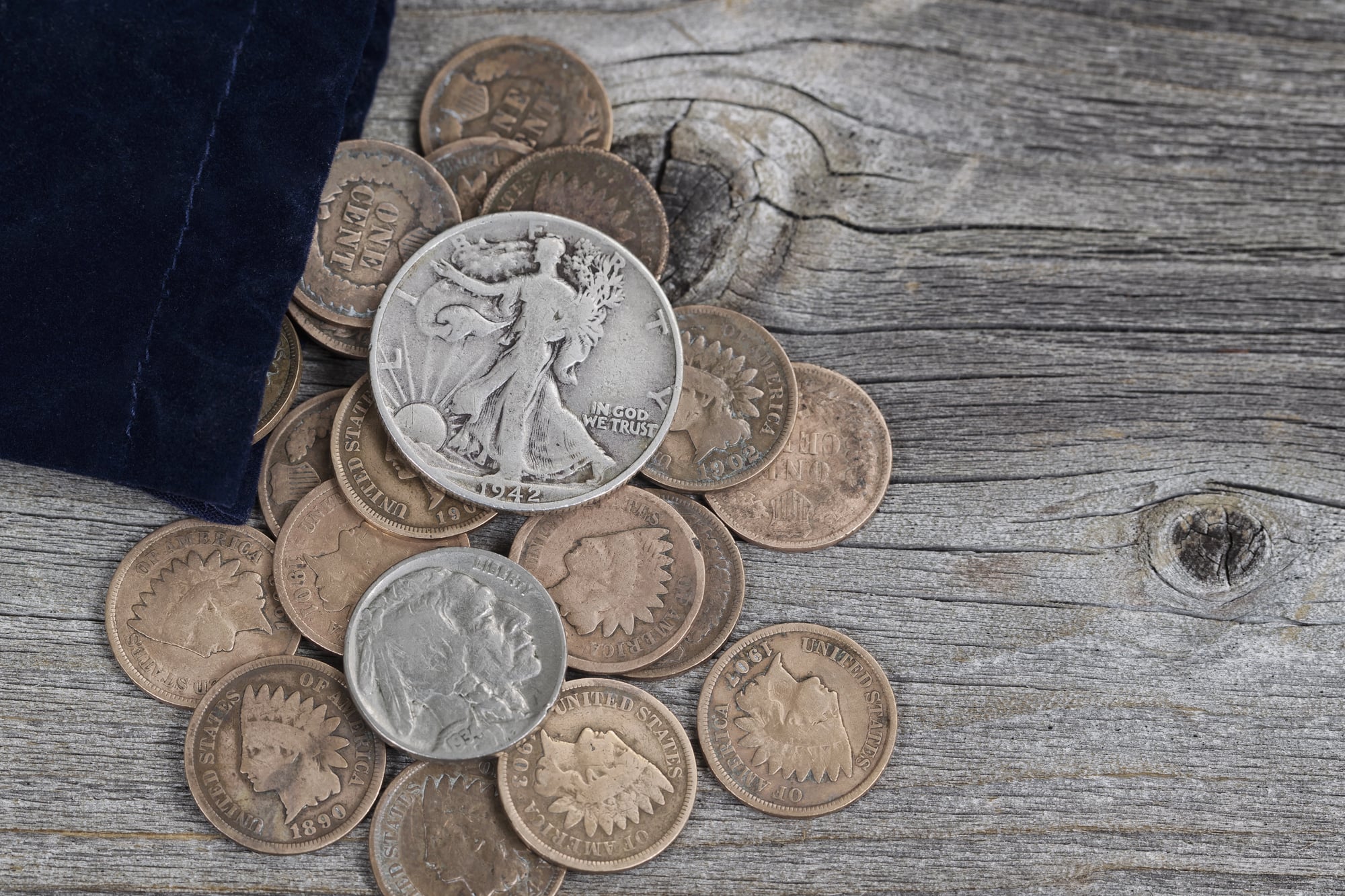
The value gap between common coins and genuinely rare ones in coin collecting is larger than most people expect. A 1909-S VDB Lincoln penny — one of the earliest and rarest Lincoln cents — in fine condition can sell for between $700 and $2,000.
An 1804 Draped Bust silver dollar is one of the rarest American coins, with examples selling at auction for over a million dollars. The more common attic find is a collection that contains mostly common dates worth face value or modest premiums but harbors one or two genuinely scarce coins that make the entire box worth appraising rather than selling by weight.
Vintage Lego Sets
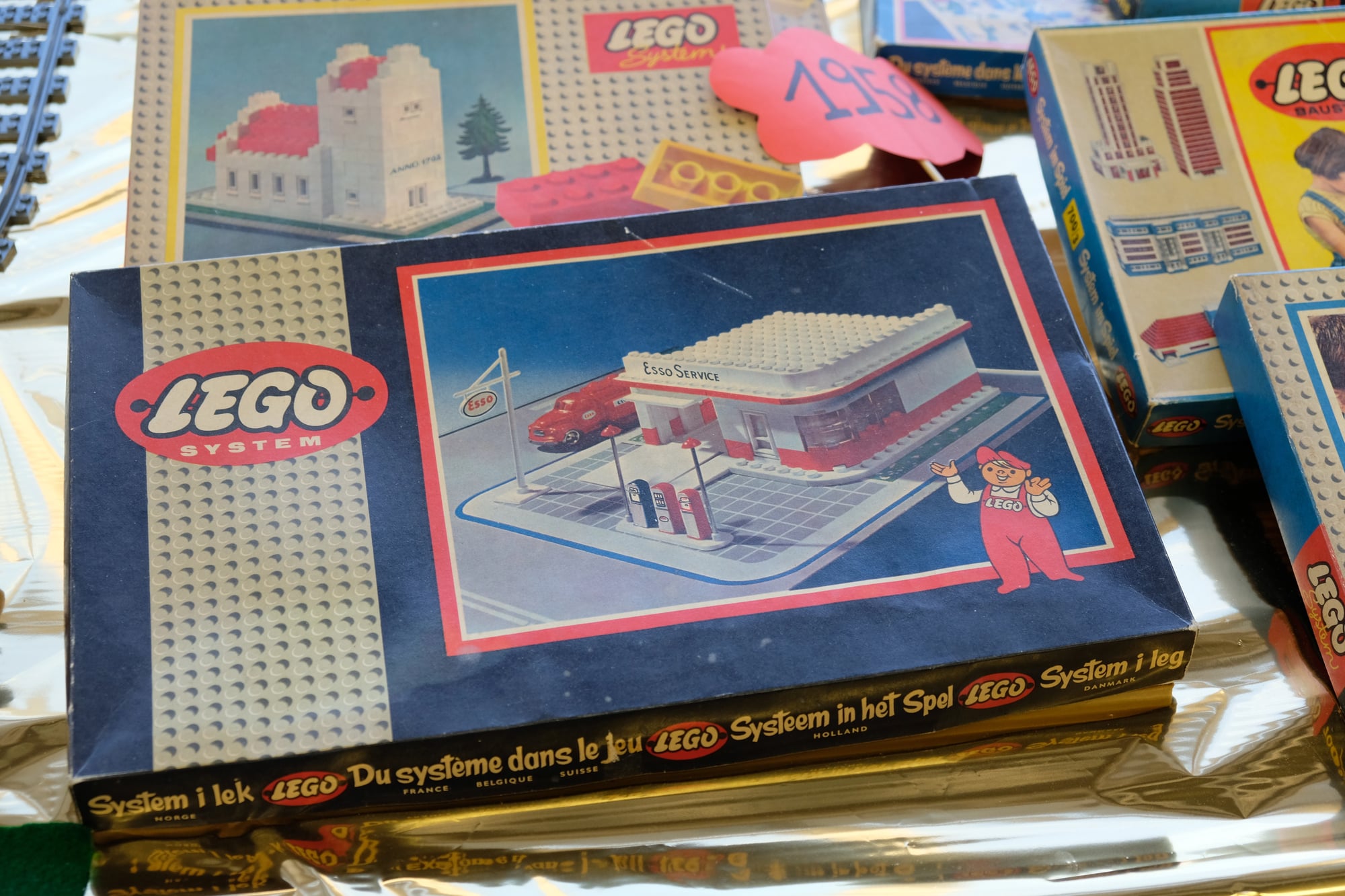
Early Lego sets produced in the 1970s and early 1980s, particularly large Space and Castle theme sets in original boxes with all parts, have appreciated significantly.
A sealed Lego Millennium Falcon set from 2007 currently sells for around $10,000, a figure several times its original retail price. More broadly, any large complete Lego set with original box and instructions from before 1990 is worth checking against current values before donating or discarding.
Signed First Editions
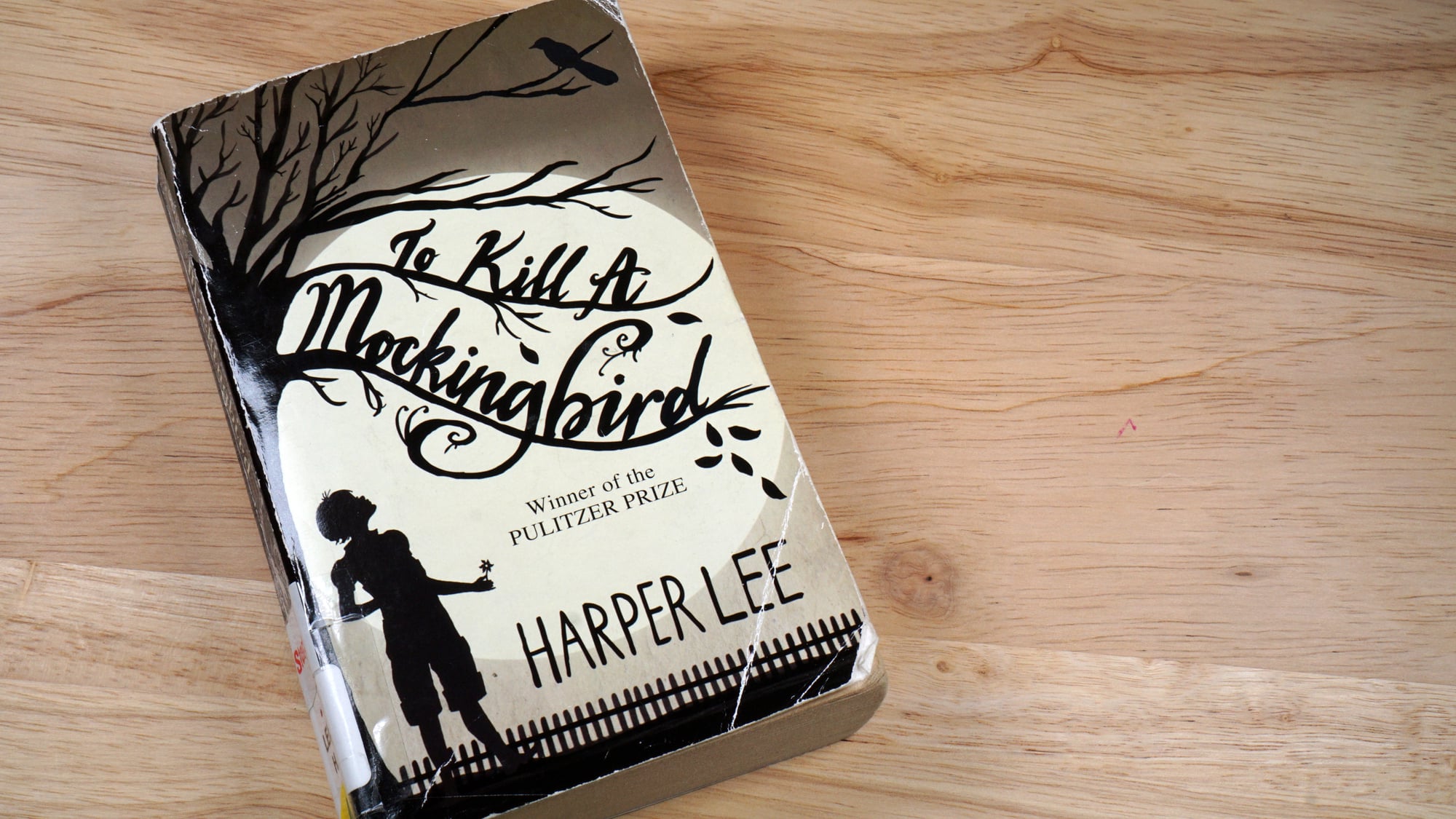
A signed first edition of Harper Lee’s To Kill a Mockingbird is worth between $15,000 and $25,000. A signed copy of J.D. Salinger’s The Catcher in the Rye is similarly valuable.
What distinguishes a genuinely signed copy from a mere inscription is whether the signature is accompanied only by the author’s name, with no additional dedication. Signed-only copies command more than those dedicated to named individuals, which are effectively personalized and carry no transferable appeal.
Victorian and Edwardian Jewelry
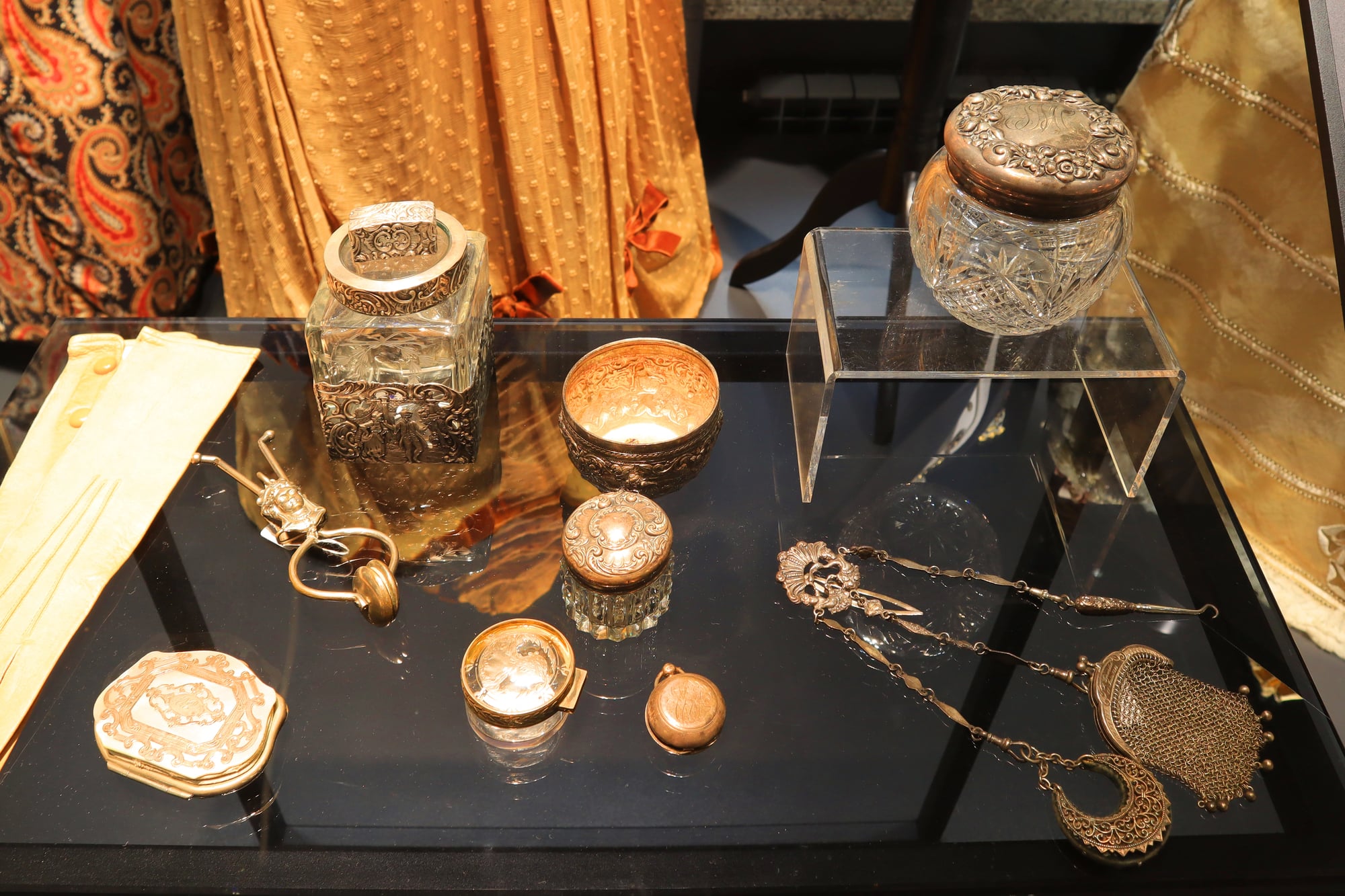
Jewelry from the Victorian (1837–1901) and Edwardian (1901–1910) periods is actively collected and can carry values that surprise heirs. Victorian mourning jewelry — pieces incorporating jet, onyx, or human hair, produced following the death of Prince Albert — is currently in strong demand.
Gold lockets set with seed pearls and half-pearls from the 1880s and 1890s are collected for both the goldsmithing and the sentiment. Any piece incorporating diamonds in original settings from before 1920 should be appraised rather than sold to a gold buyer who will value it only for metal content.
Political Campaign Buttons and Ephemera
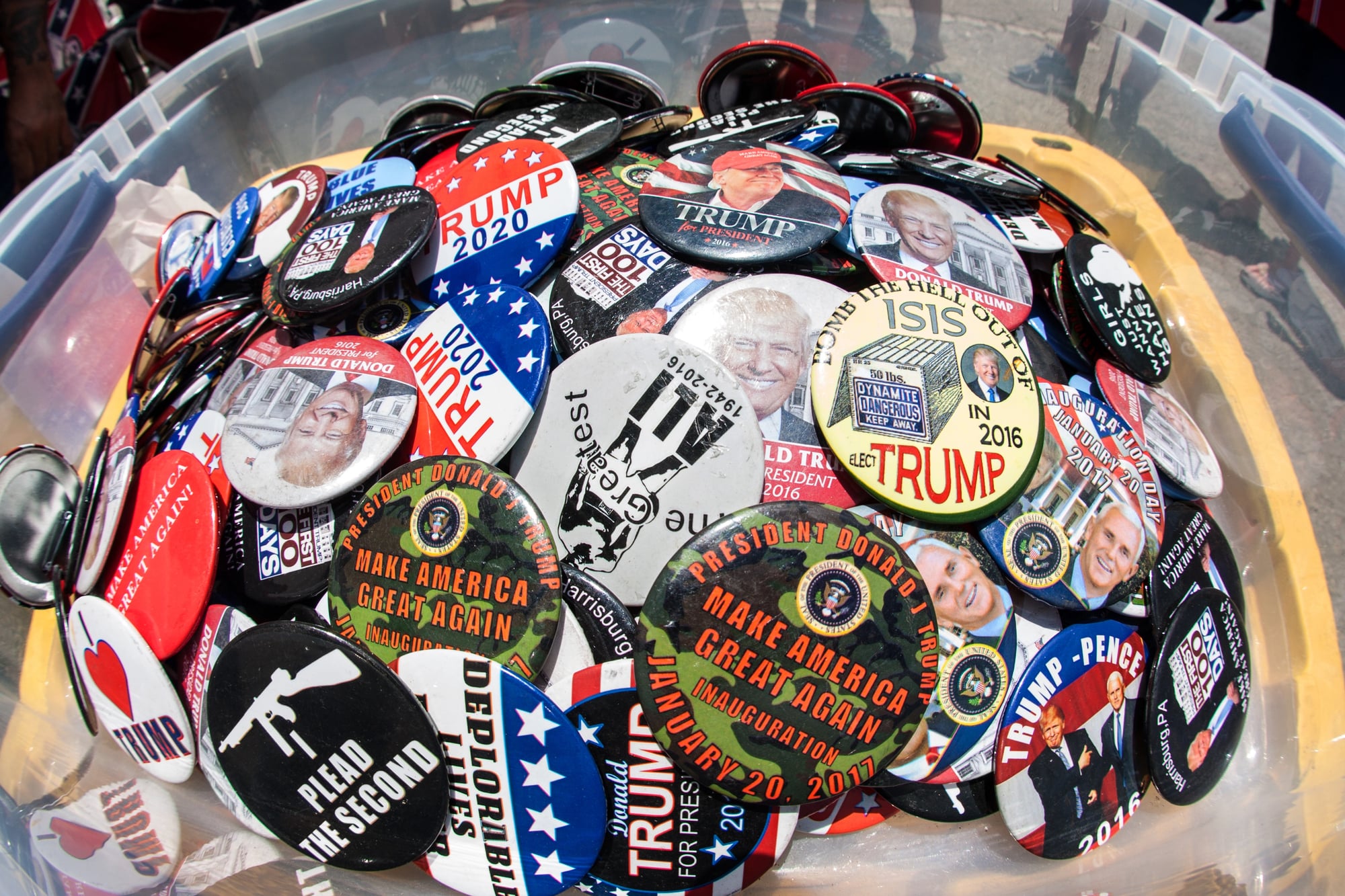
Rare presidential campaign buttons from the late nineteenth and early twentieth centuries are among the most specialized but consistently surprising attic finds.
A celluloid campaign button for Theodore Roosevelt from 1904, or a rare jugate button pairing Bryan and Kern from 1908, can sell for hundreds to thousands of dollars depending on rarity and condition. Buttons featuring losing candidates in obscure configurations, particularly those from before 1920, are consistently undervalued by heirs who assume political memorabilia has sentimental but not monetary worth.
Vintage Pyrex Cookware

Certain patterns of Pyrex produced in limited runs during the 1950s and 1960s have become highly collectible. The “Lucky in Love” pattern — pink clovers and turquoise hearts — produced for a single year in 1959 can sell for over $4,000 for a complete set in excellent condition.
The “Atomic Eye” pattern and several other limited editions carry premiums that far exceed what anyone who stored this cookware decades ago would have anticipated. Chip-free condition is essential, as even minor chips significantly reduce value.
Antique Maps
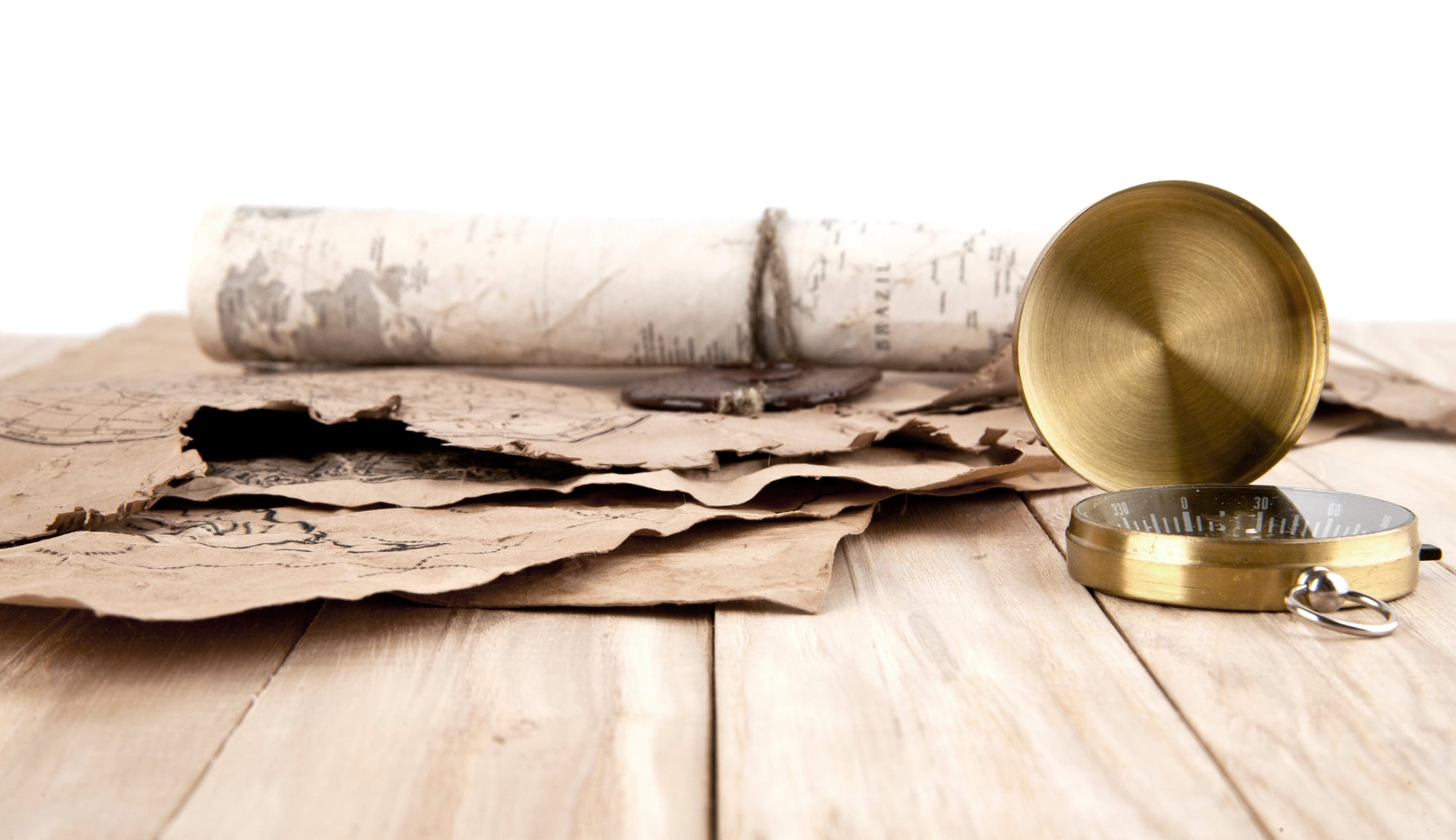
Pre-1800 printed maps of significant regions can carry substantial value depending on rarity, cartographer, and condition. A seventeenth-century map of North America from a major atlas can sell for between $1,000 and $20,000 or more.
The most valuable are often regional maps with significant cartographic errors that were corrected in subsequent editions — earlier errors make them identifiable as first or early states of a plate. Amateur framing, particularly with acidic mat board, can cause permanent damage to map condition.
Wind-Up Tin Toys
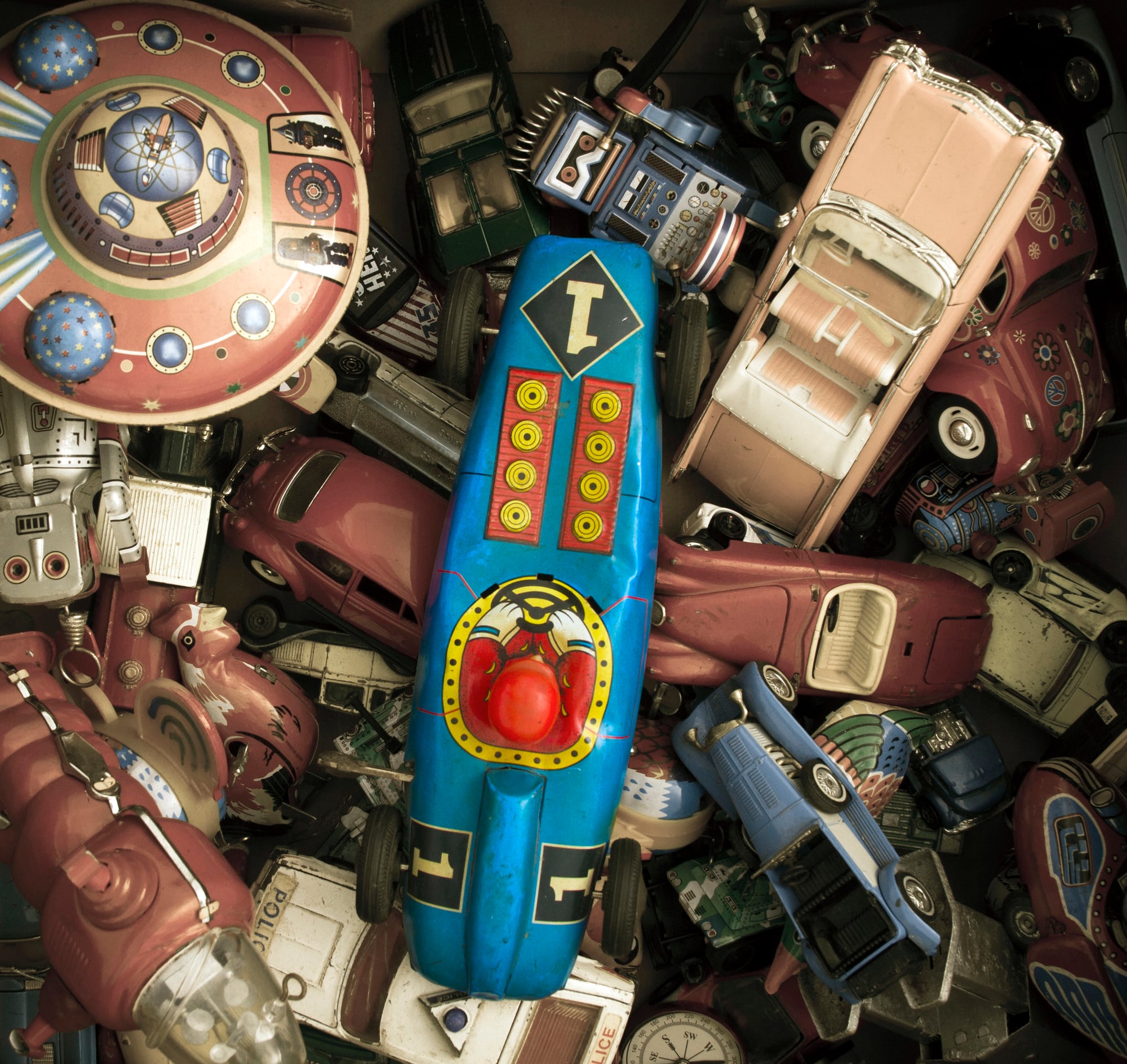
Pre-war tin lithograph wind-up toys from German and Japanese manufacturers, produced roughly between 1890 and 1940, are among the most actively collected mechanical toys.
A complex tin lithograph carousel from the 1900s in working order with original paint intact can sell for several thousand dollars. Japanese tin toys from the 1950s and early 1960s — particularly large-scale lithograph robots and space toys — have their own dedicated market, with some examples selling for tens of thousands of dollars in mint condition.
The challenge is that restoration — repainting, replacing springs, touch-ups — is usually detectable and reduces value.
Vintage Stereoview Collections
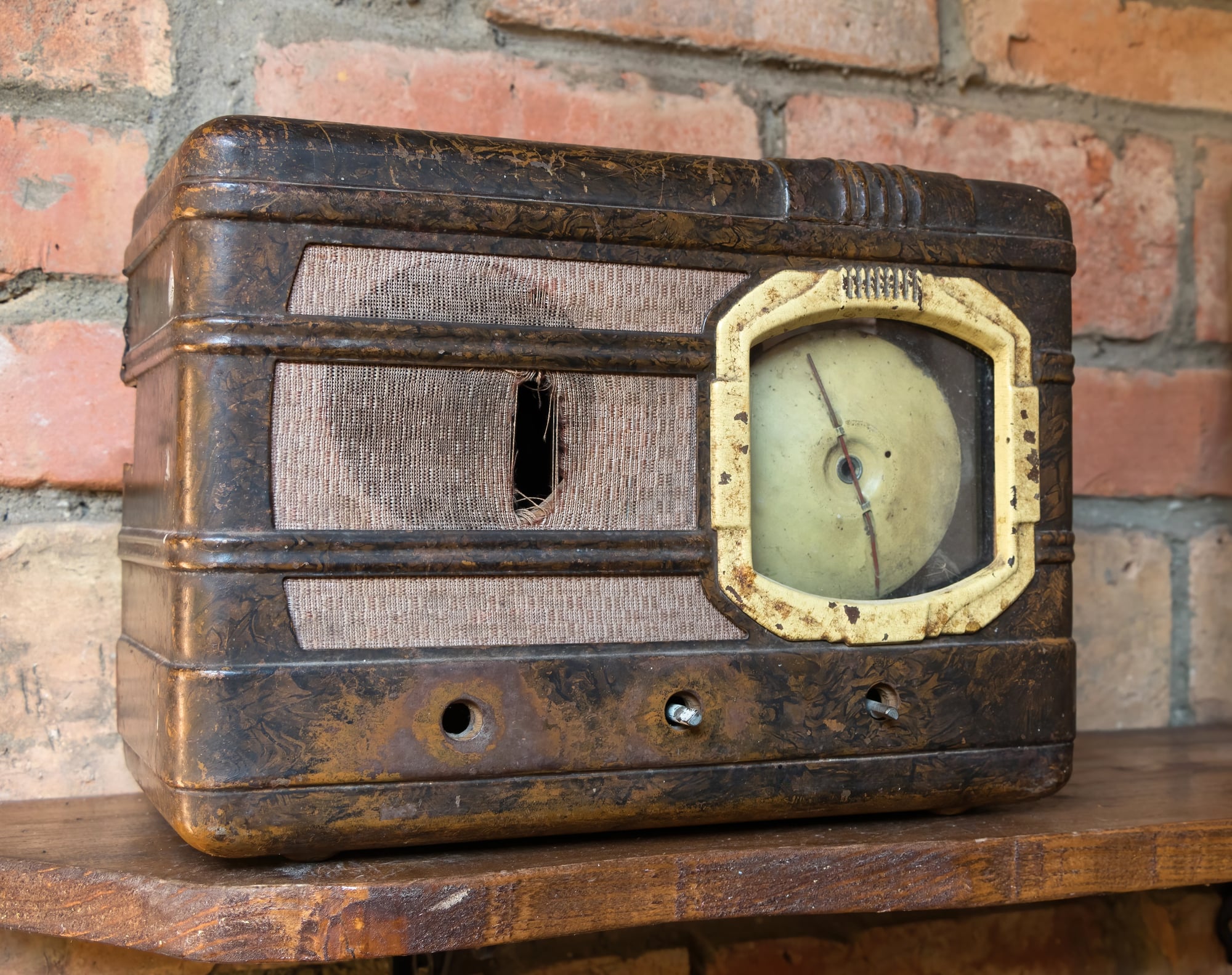
Stereoscopic photograph cards — produced from the 1850s through the early 1930s and viewed through a stereoscope to create a three-dimensional effect — are underappreciated as collectibles.
Standard mass-produced cards of tourist attractions are worth very little. But cards depicting early photographs of American indigenous peoples, Civil War subjects, early industrial subjects, and rare geographic regions can sell for hundreds of dollars each.
The specific subject matter and publisher are what determine value in this category, not the age or format itself.
The Unremarkable Cardboard Box
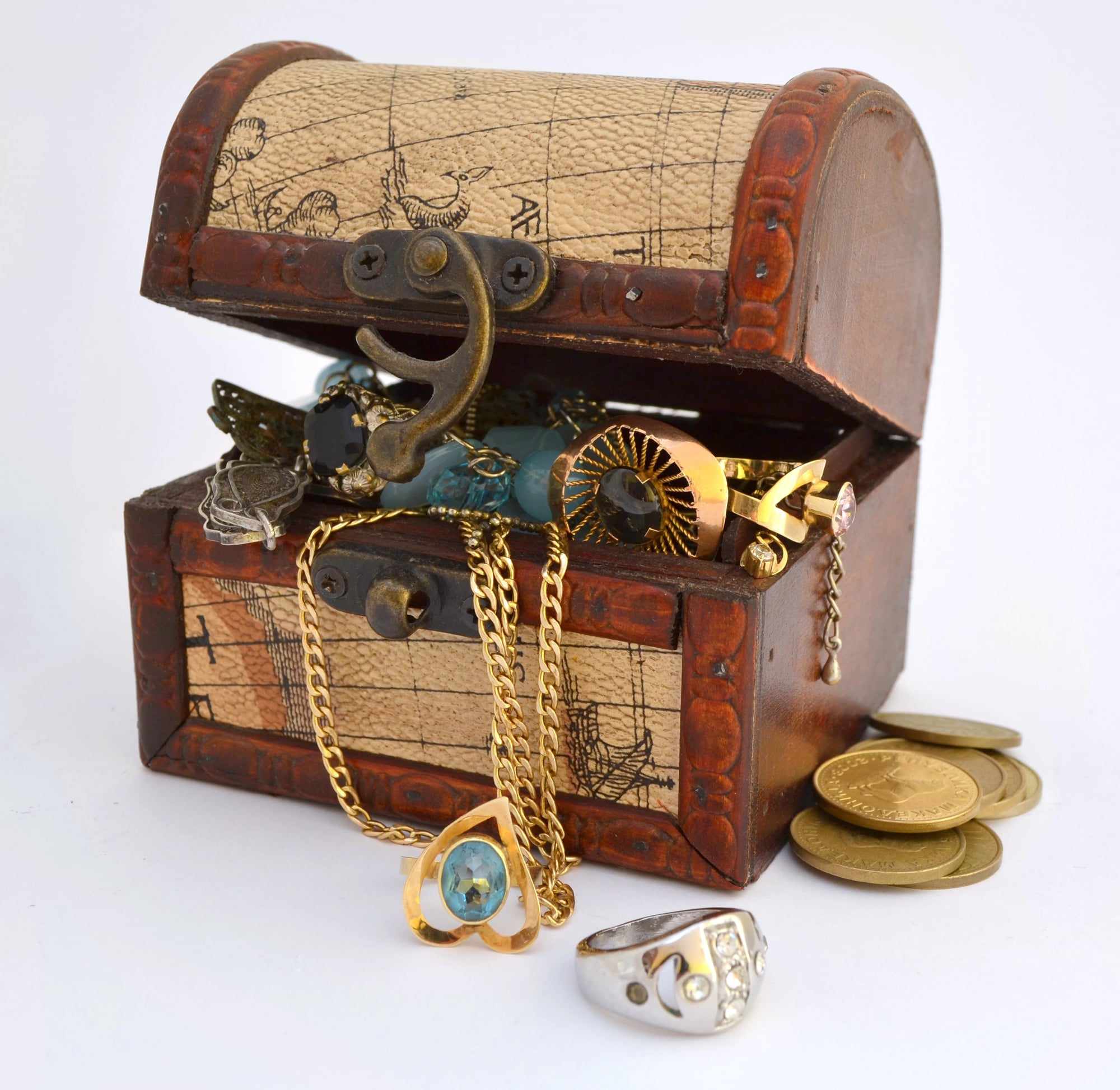
The most common attic discovery that surprises owners is not a single spectacular item but a box of apparently miscellaneous objects — old letters, a pocket watch, a cig tin with coins, several items of old jewelry, and some postcards — that an estate appraiser works through item by item and finds values scattered through the collection.
Each object individually might be modest. The pocket watch might be worth $200.
A coin might be worth $400. A letter signed by someone historically significant might be worth more than everything else combined.
The box looks like household detritus. It is not.
What Attics Actually Are

An attic is effectively a time capsule of the tastes and priorities of whoever occupied the house before you. Objects go up there when they’ve lost their immediate utility but haven’t yet been discarded — a transitional state that can last decades.
The things that tend to gain value are precisely the things that were briefly produced in limited quantities during a specific period, in formats that were heavily used rather than carefully preserved, meaning survivorship in excellent condition is genuinely rare.
The toy, the comic, the card, the coin that someone set aside untouched happens to occupy the intersection of scarcity and demand that produces price.
The consistent advice from estate professionals is simple: before clearing out an inherited attic, spend an afternoon with boxes open rather than sealed. The assessment has no cost, and the alternative — discarding something valuable because it didn’t announce itself — cannot be undone.
More from Go2Tutors!

- The Romanov Crown Jewels and Their Tragic Fate
- 13 Historical Mysteries That Science Still Can’t Solve
- Famous Hoaxes That Fooled the World for Years
- 15 Child Stars with Tragic Adult Lives
- 16 Famous Jewelry Pieces in History
Like Go2Tutors’s content? Follow us on MSN.