Playground Equipment That Disappeared and the Reasons Nobody Fought to Keep It
Modern playgrounds look dramatically different from those of previous generations, stripped of equipment that once provided both joy and regular injuries. The disappearance of certain playground staples resulted not from nostalgia-driven conspiracy but from liability concerns, changing child safety standards, and evolving playground philosophy.
Equipment removal was often quiet and uncontested because no organized constituency advocated for dangerous machines disguised as childhood entertainment.
Seesaws: The Injury Machine

Seesaws disappeared from most public playgrounds due to their remarkable injury rate and unpredictability. Children of dramatically different weights created imbalances where the heavier child could suddenly drop, launching the lighter child into the air or violently slamming their friend downward.
The equipment required perfect cooperation between users, and any breach of that cooperation resulted in injury. Most playgrounds removed seesaws by the 1990s as liability became the primary design criterion.
Merry-Go-Rounds: The Spinning Hazard
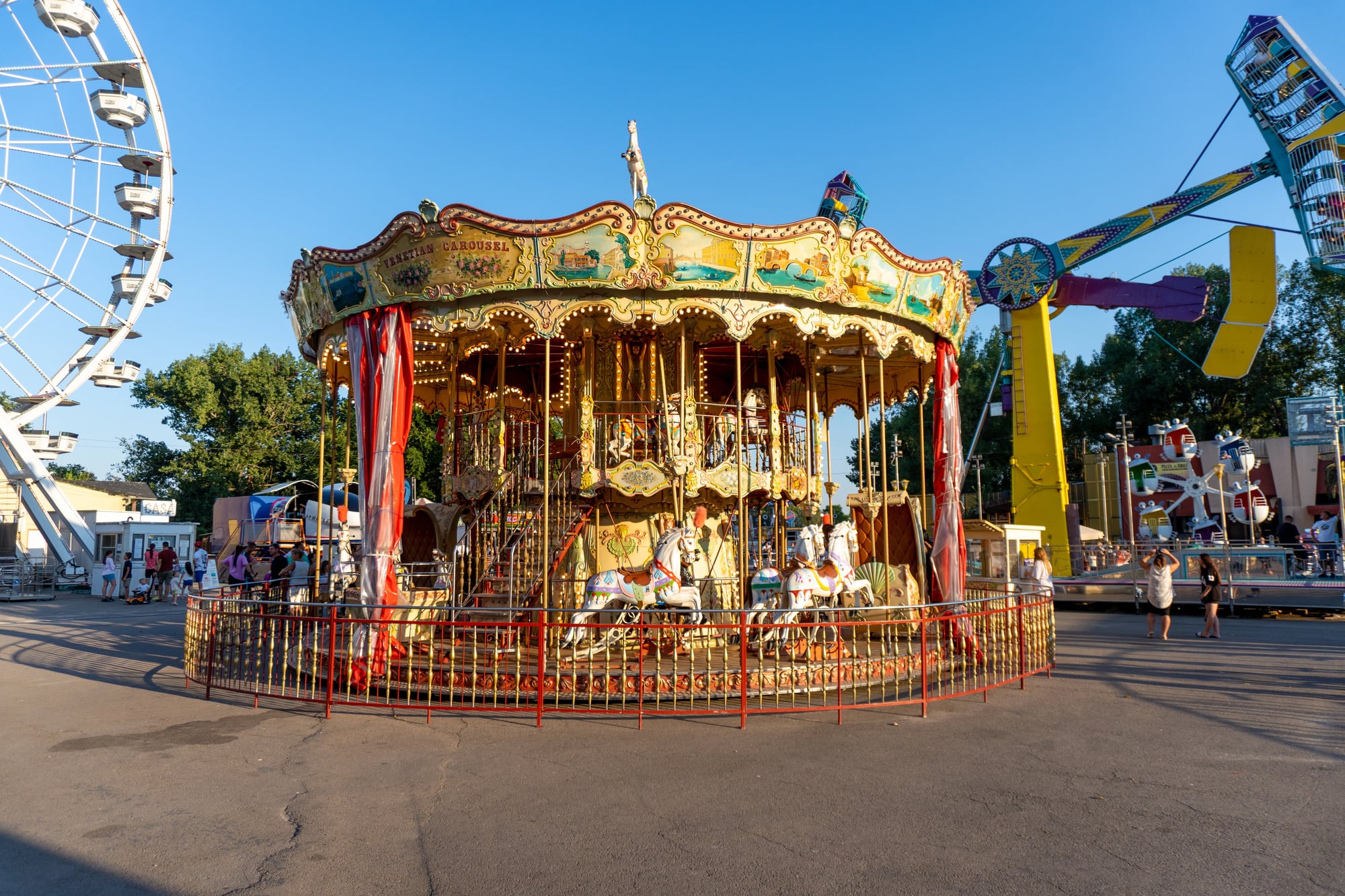
Large metal merry-go-rounds could spin dangerously fast when pushed by multiple children simultaneously, creating centrifugal forces that ejected riders without warning. Children falling from spinning merry-go-rounds suffered head injuries, broken limbs, and occasionally more severe trauma.
The equipment’s malleability—capable of spinning at various speeds based on user input—meant no baseline safety existed.
Jungle Gyms: The Climbing Concussion Maker
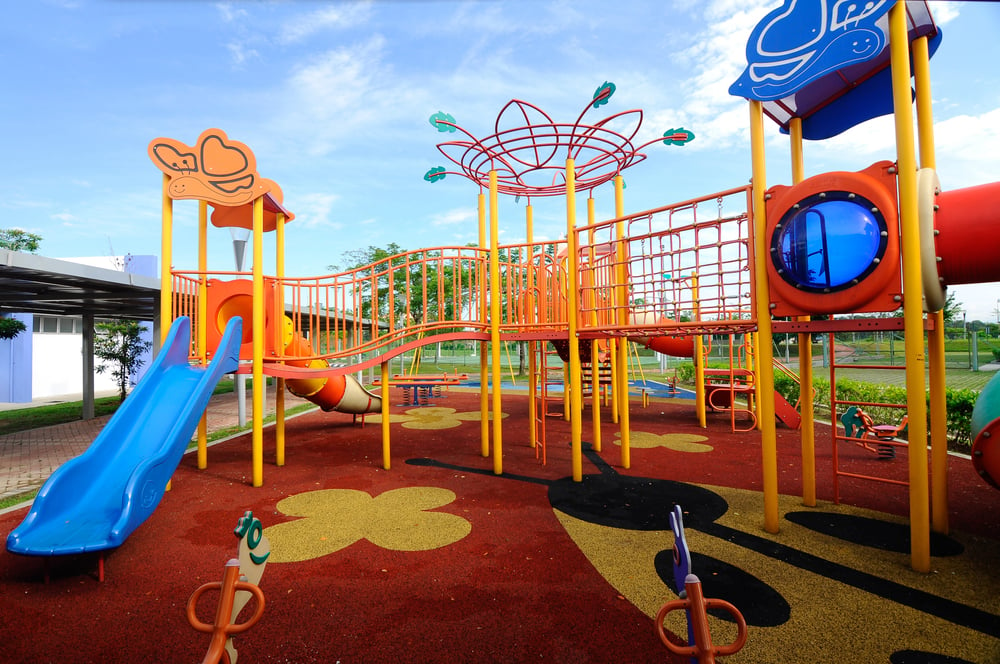
Tall, complex jungle gyms allowed children to climb 12 to 15 feet above bare ground or minimal padding, creating substantial injury risks. Children climbing under peer pressure often reached heights beyond their actual skill level, leading to falls onto asphalt or grass.
The equipment’s appeal—allowing children to genuinely test physical boundaries—also created injury hazards that modern safety standards found unacceptable.
Swings With Metal Chains
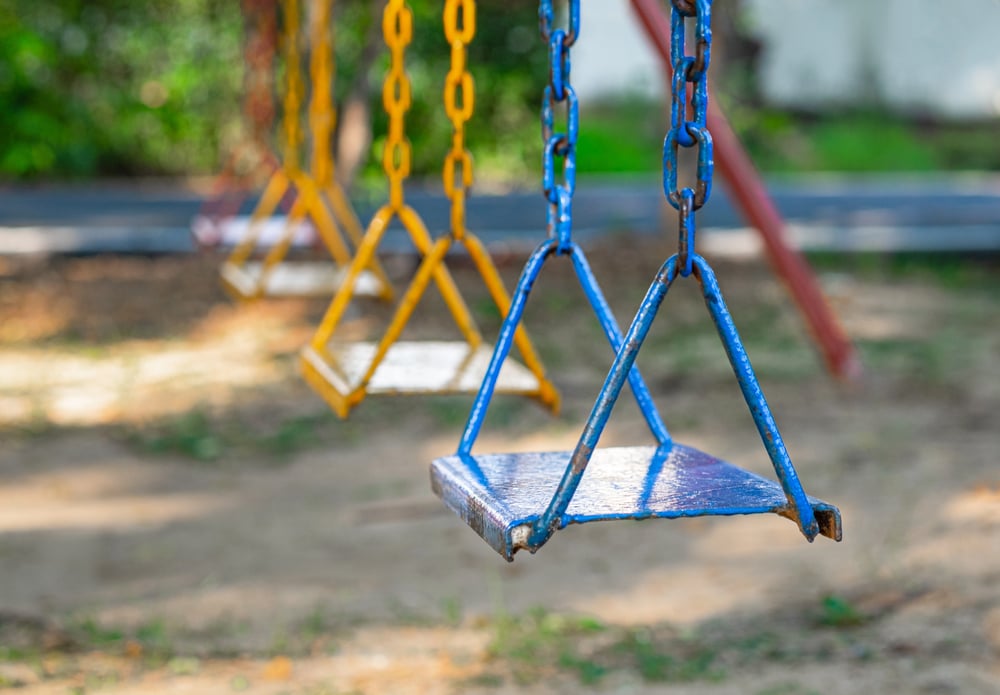
Old-style swings featured heavy metal chains that could pinch fingers, create sharp edges, and store momentum that made collision injuries particularly severe. Metal chains conducted temperature extremes, making them painful to touch in summer heat or winter cold.
Modern swings replaced metal chains with flexible materials, eliminating pinch hazards and improving temperature tolerance.
High-Riser Slides
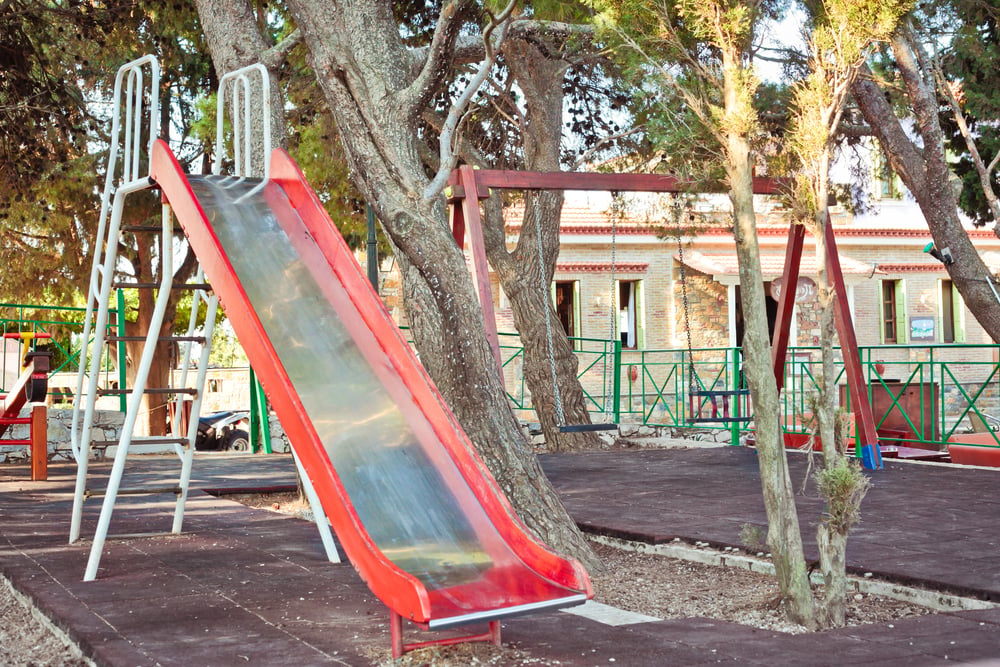
Slides reaching 15 to 20 feet required climbs through towering metal structures followed by slides down steep angles with minimal friction. Children reached dangerous speeds by the slide’s bottom, sometimes overshooting landing areas entirely.
Summer heat made metal slides nearly too hot to touch, adding burn injury risk to impact hazards.
Flying Foxes and Zip Lines
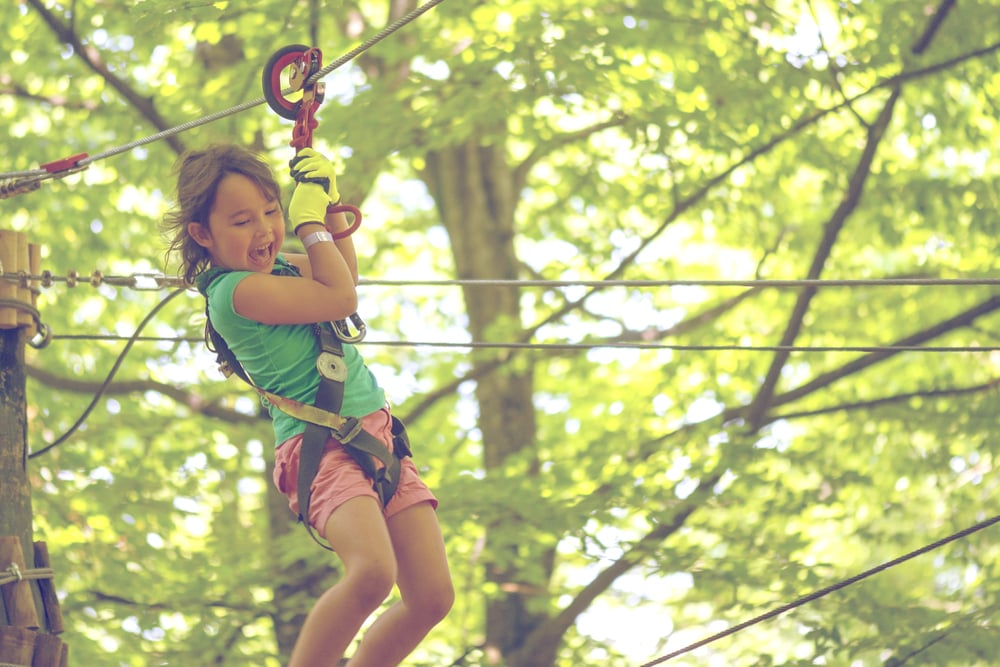
Playground zip lines allowed children to launch themselves across open spaces with inadequate deceleration systems, landing with impact forces causing injuries. Equipment required active participation in the landing, and children lacked coordination to brake effectively.
The equipment was particularly dangerous for younger children who lacked strength to control descent speed.
Concrete Pipes
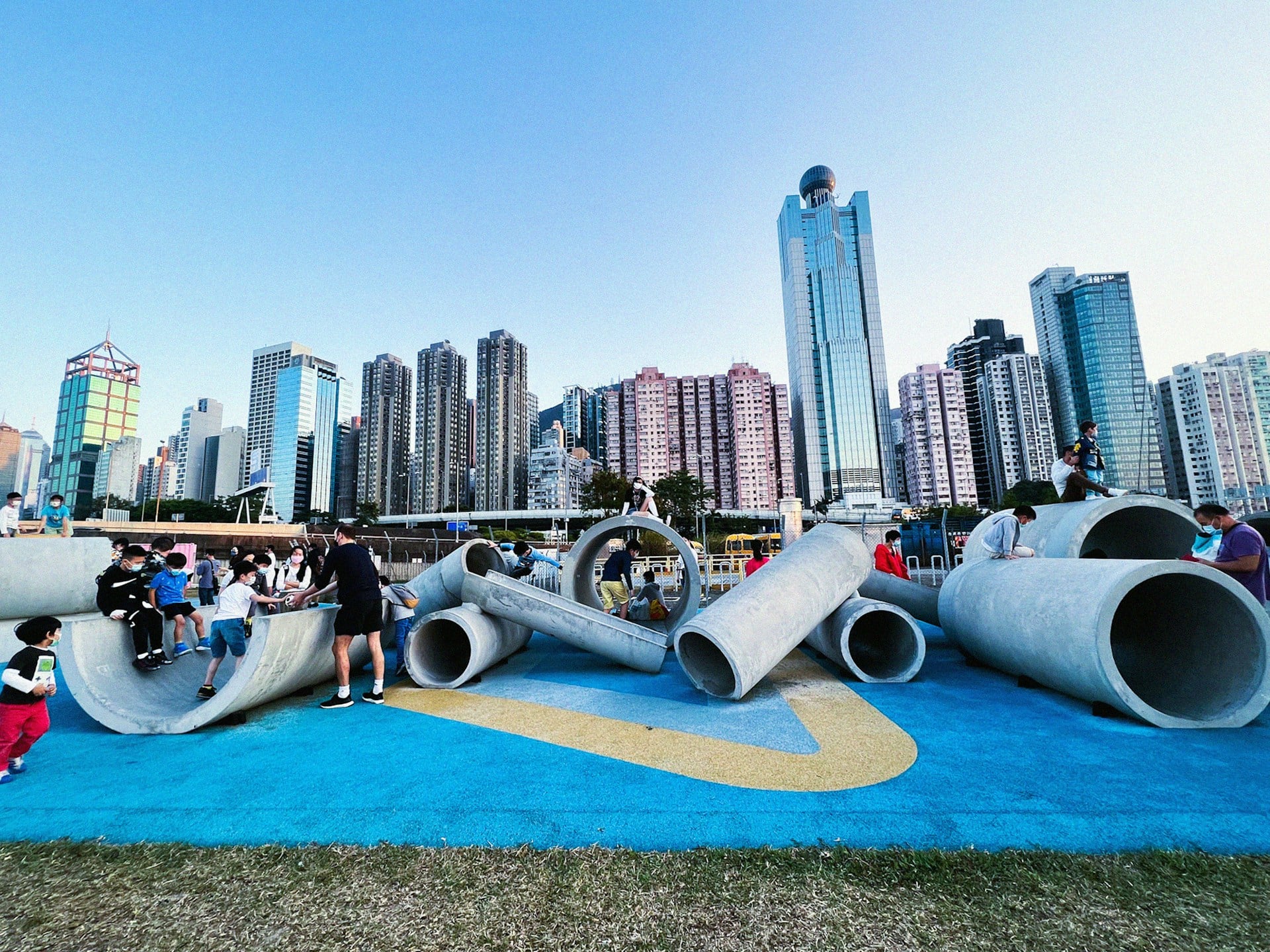
Large concrete pipes were recycled into playground climbers, but their solid construction offered no give during falls. Children could climb through the pipes or over them, creating entrapment hazards and fall scenarios.
The equipment’s industrial aesthetic was part of its appeal, but utilitarian origins made safety features nonexistent.
Metal Spring Riders
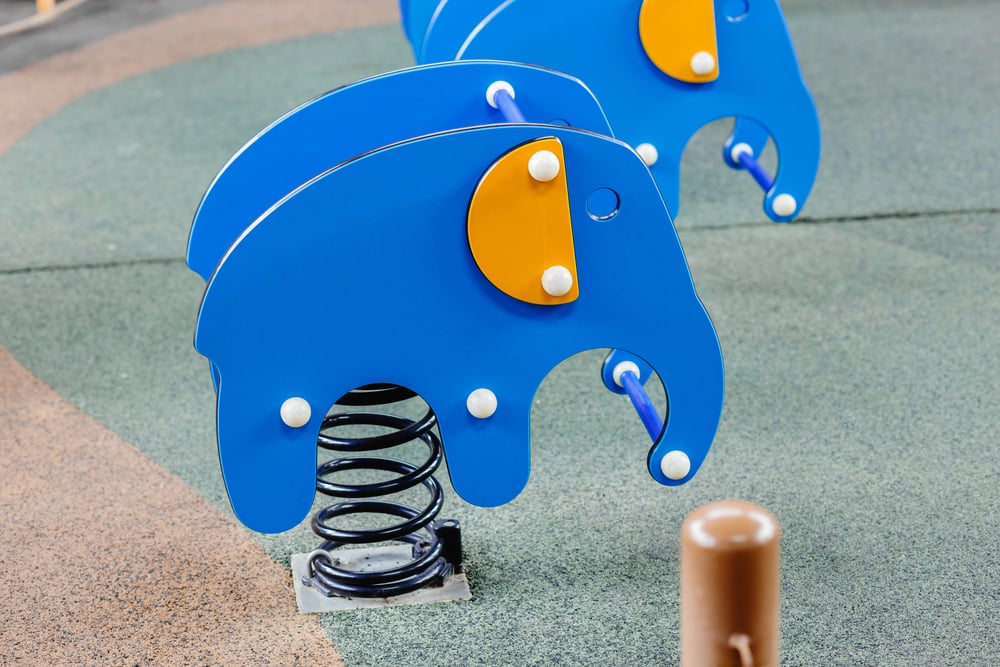
Spring-loaded animals and vehicles allowed rocking motions that could create pinch points and cause falls backward when springs failed. The equipment wore unevenly with age, creating unpredictable movement patterns.
Spring failure could happen without warning, sometimes launching riders unexpectedly onto surrounding equipment or ground.
Tall Swing Sets
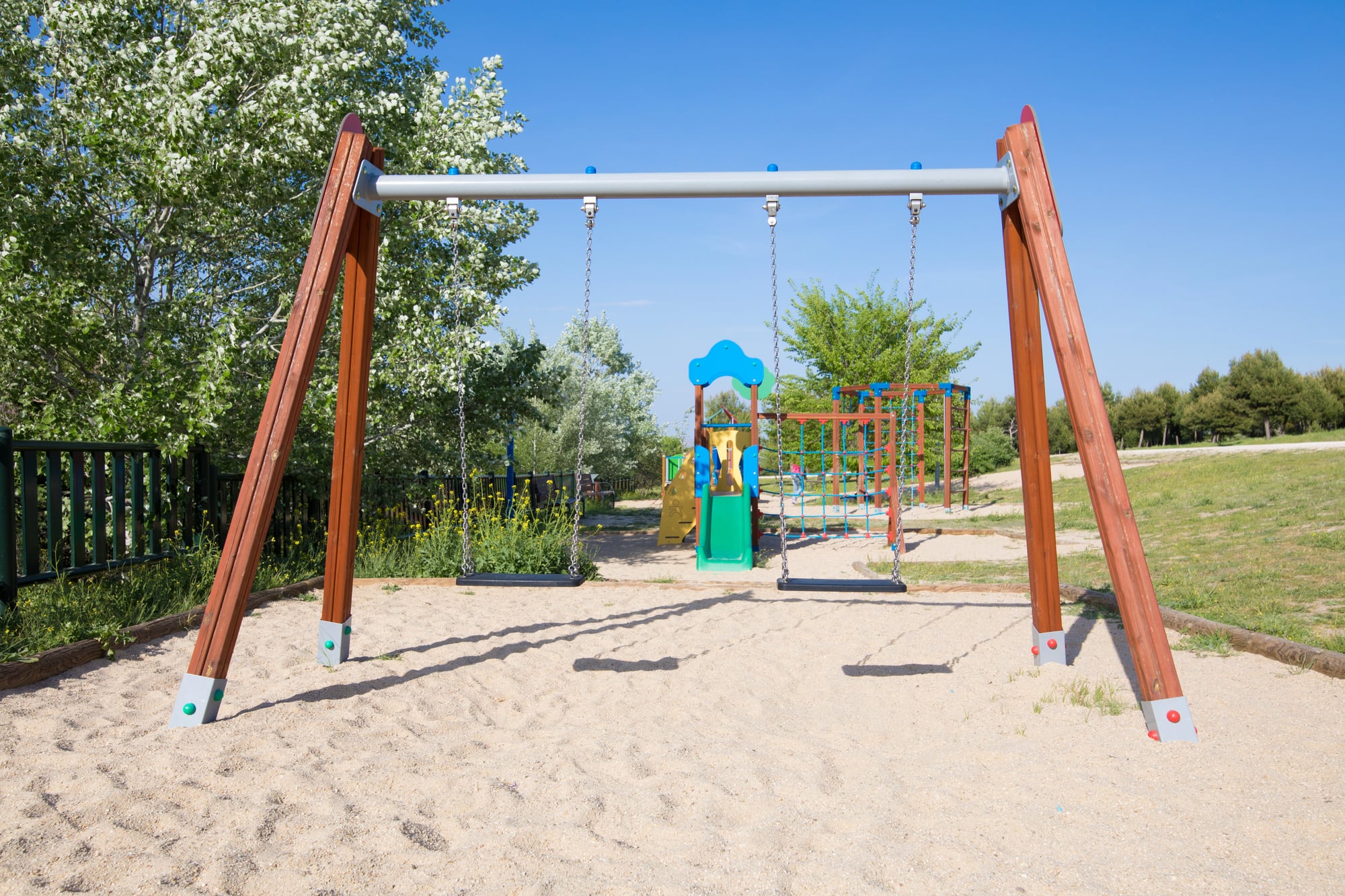
Vintage swing sets featured very high anchor points, allowing swings to rise nearly horizontally and creating jump-off scenarios where children deliberately launched from swings at peak altitude. The equipment’s height meant peak-jump distances were substantial, creating injury risks children found irresistible despite obvious danger.
Modern swing sets deliberately limit height and chain length to prevent excessive rise.
Teeter-Totter Variants
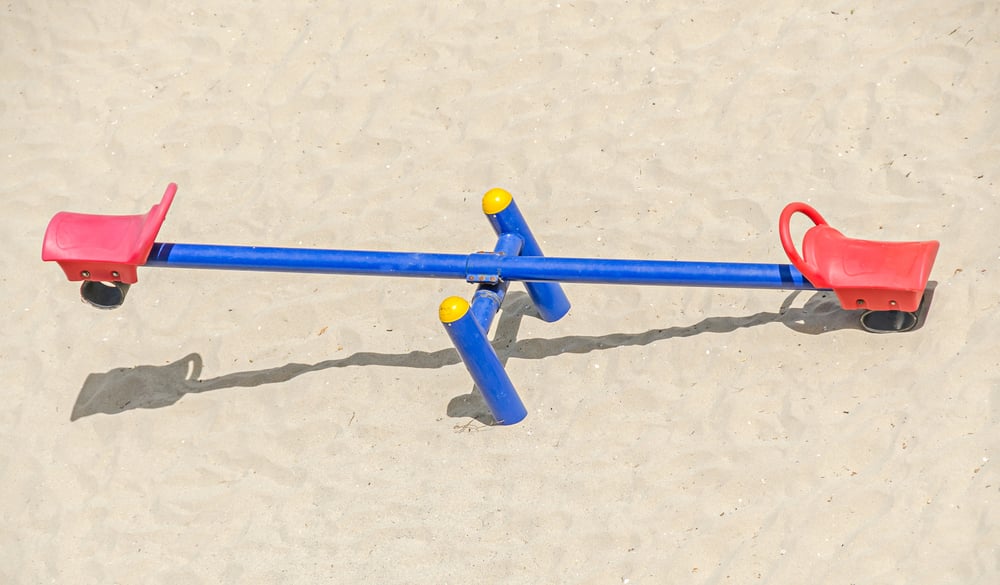
Teeter-totters with handles on one end created imbalanced weight scenarios and encouraged dangerous behaviors. Some designs featured foot pedals that children could lose control of mid-movement.
The equipment’s mechanical simplicity contradicted its potential for injury, making blame assignment unclear when accidents occurred.
Train Sets and Multi-Level Equipment
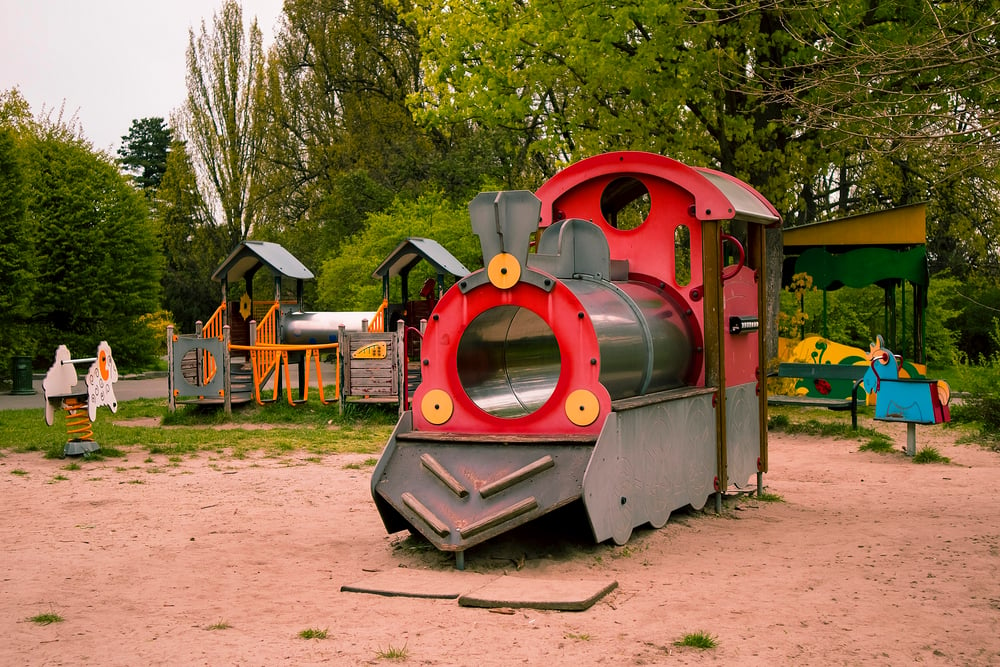
Outdoor train play equipment featured climbing, sliding, and jumping opportunities across multiple levels with minimal fall protection. The labyrinthine design meant children could become trapped or disoriented, and multiple access points made supervision difficult.
The equipment’s appeal—allowing children to climb high and make transitions between platforms—directly conflicted with safety standards.
Barrel Tunnels and Crawl Tubes
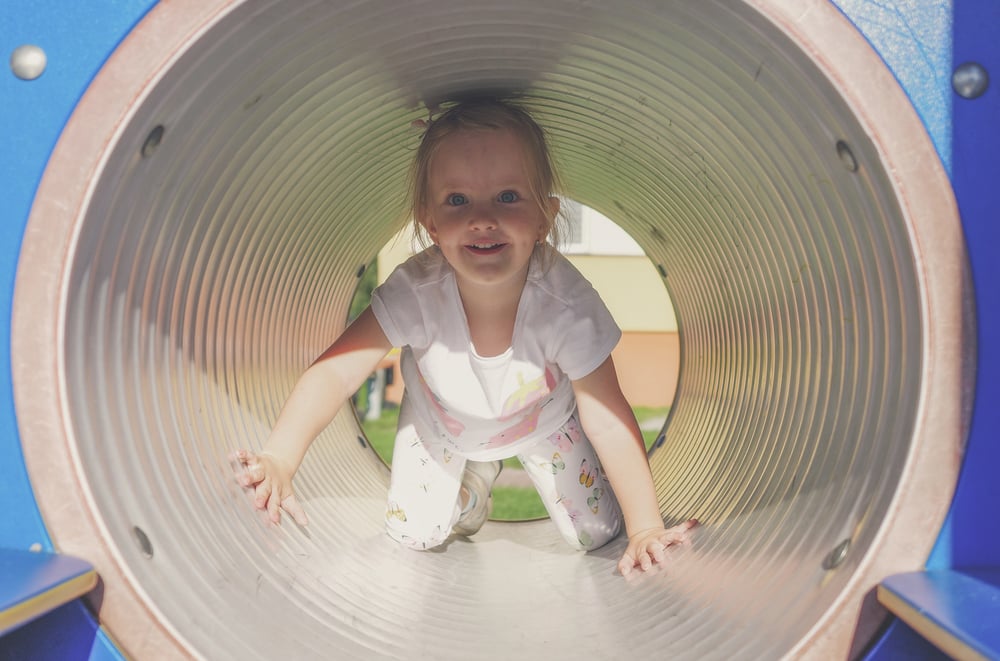
Large cylindrical metal tunnels allowed climbing over and through, but the metal could heat up dangerously and create entrapment scenarios if a child became stuck. Very young children could get lost in the tunnels, and the curved surfaces created confusion about spatial orientation.
Supervision was nearly impossible for adults to maintain while children navigated tunnel systems.
Heavy Spinning Equipment
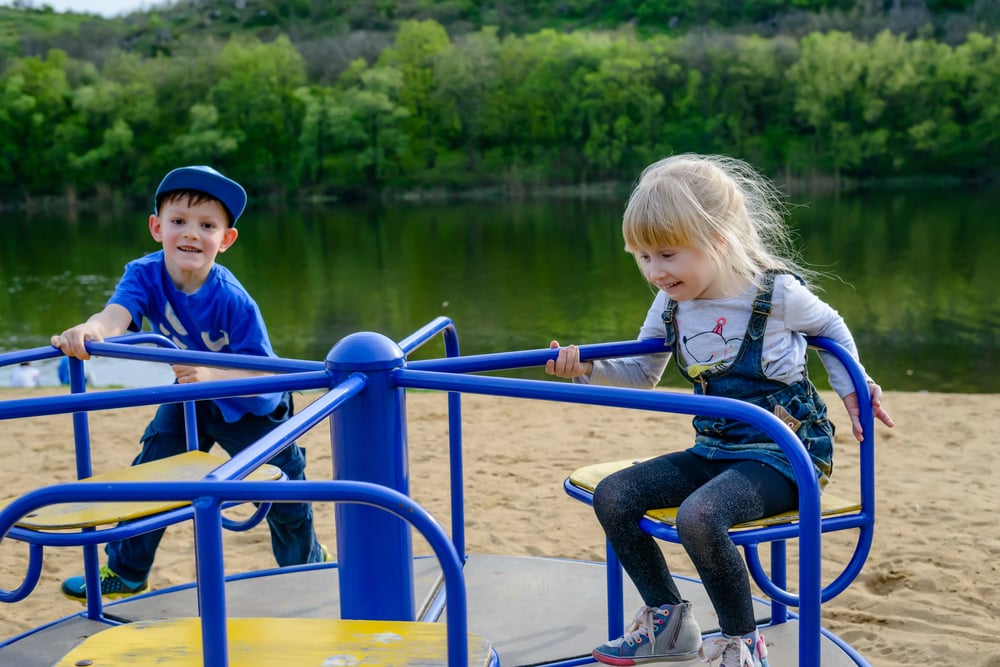
Tilt-a-whirl-style equipment for playgrounds spun children rapidly while tilting sideways, creating disorientation and ejection scenarios. The equipment’s appeal was precisely its ability to create thrilling, uncontrolled motion—the opposite of modern safety priorities.
No mechanism existed to prevent children from jumping off mid-spin.
Balance Beams
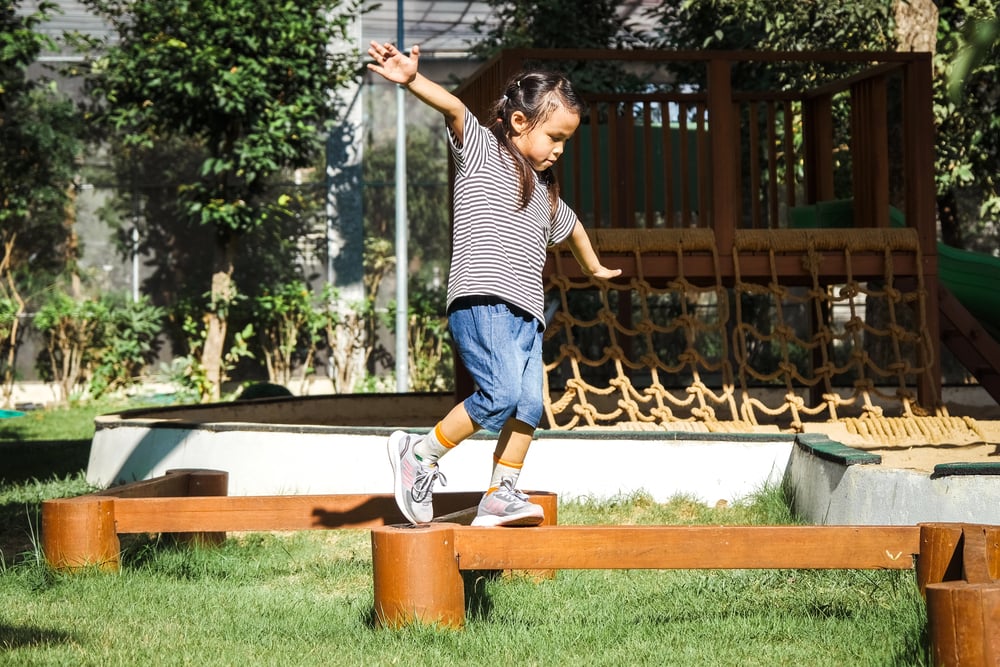
Narrow balance beams mounted 4 to 6 feet high required precise footing and exposed children to fall risk from heights exceeding safe landing distances. The equipment tested balance and coordination but offered no concessions to skill development—failure meant falling from height.
Modern playgrounds eliminated high beams in favor of low, ground-level balance options.
Monkey Bars With Large Gaps
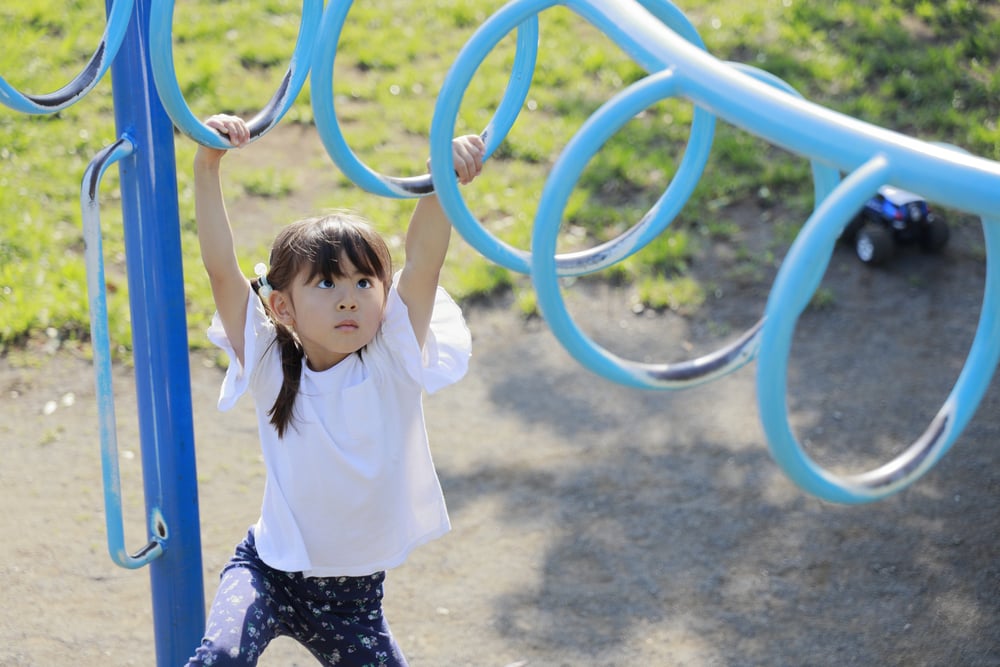
Original monkey bars featured large spacing between rungs and substantial height above ground, requiring upper body strength many children lacked. Children unable to span the gaps would fall, while those attempting progression beyond their ability fell from peak heights.
The equipment was genuinely challenging in ways modern playgrounds deliberately avoid.
Horizontal Ladders
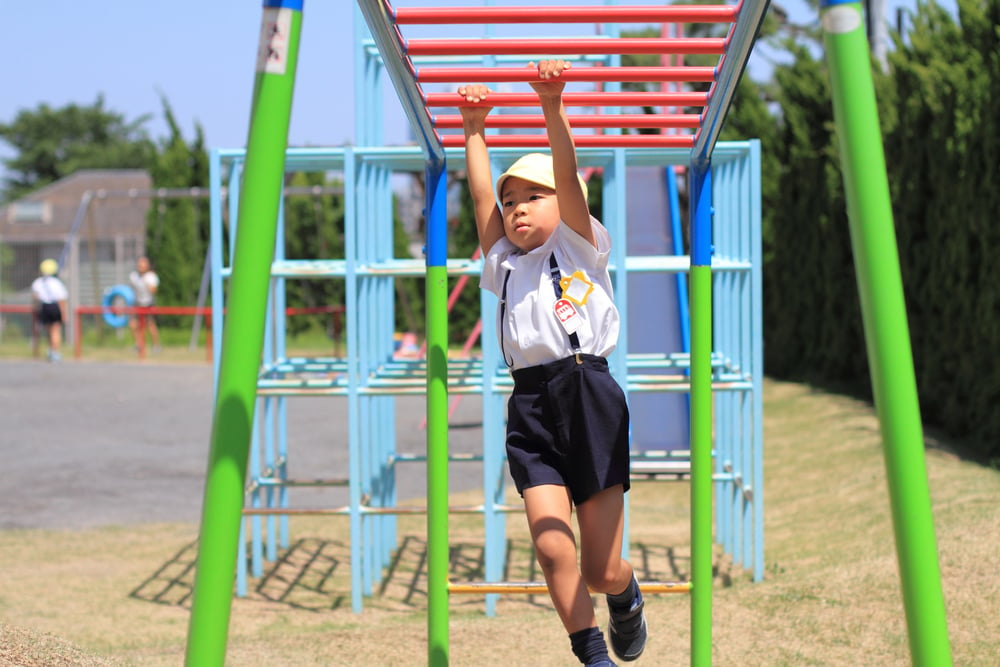
Metal ladder structures required children to brachiate across using arm strength alone, with fingers exposed to pinch points at joint connections. Children too weak to complete traversal fell mid-way, and the equipment’s high-difficulty nature created pressure to attempt skills beyond capability.
The equipment provided satisfaction for successful completion but injury risk for failure.
Towers With Long Slides
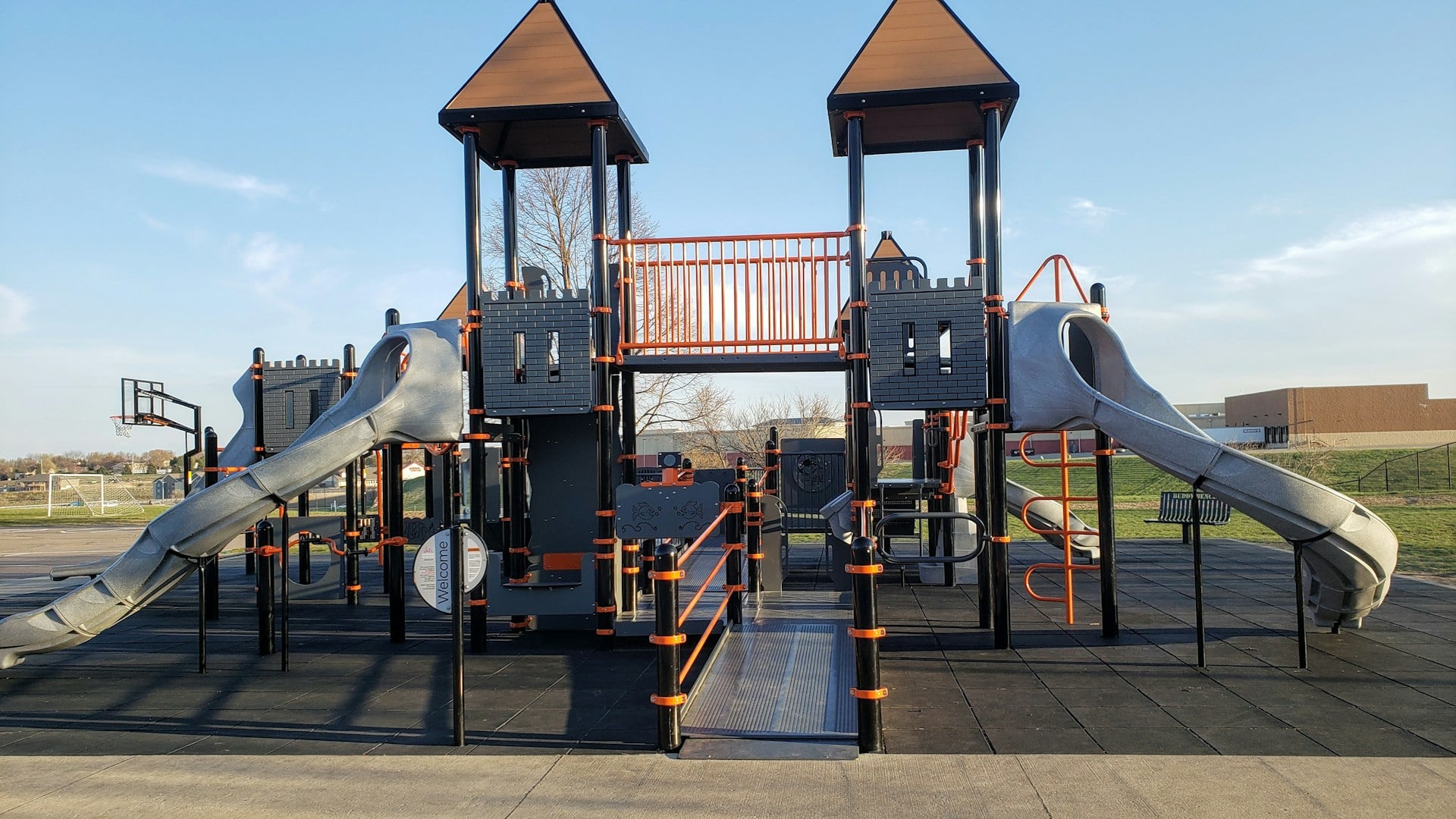
Tall towers topped with extremely long, steep slides created height-and-speed combinations that ejected children at dangerous velocities. The slides provided minimal friction and severe angle, making speed control impossible.
The equipment was particularly dangerous for younger or smaller children unable to manage the impact force.
Metal Crawl Tunnels
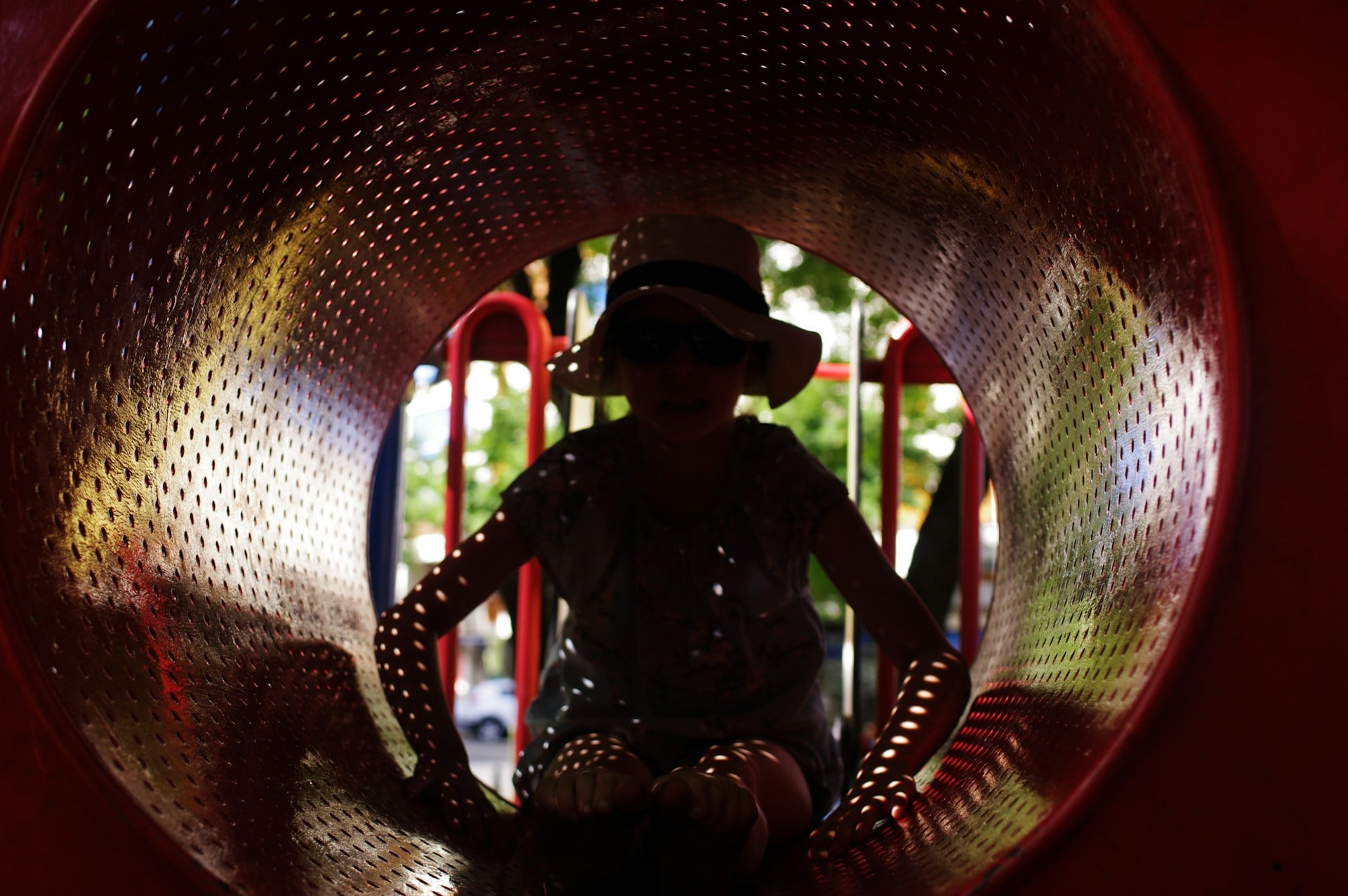
Low, narrow tunnels allowed crawling but could trap claustrophobic children and create entanglement hazards if children’s clothing caught on rough edges. Supervision inside tunnels was impossible, and the confined space meant rescue would be difficult if injury occurred.
The equipment’s claustrophobic nature created anxiety for many children.
Tall Climbing Domes
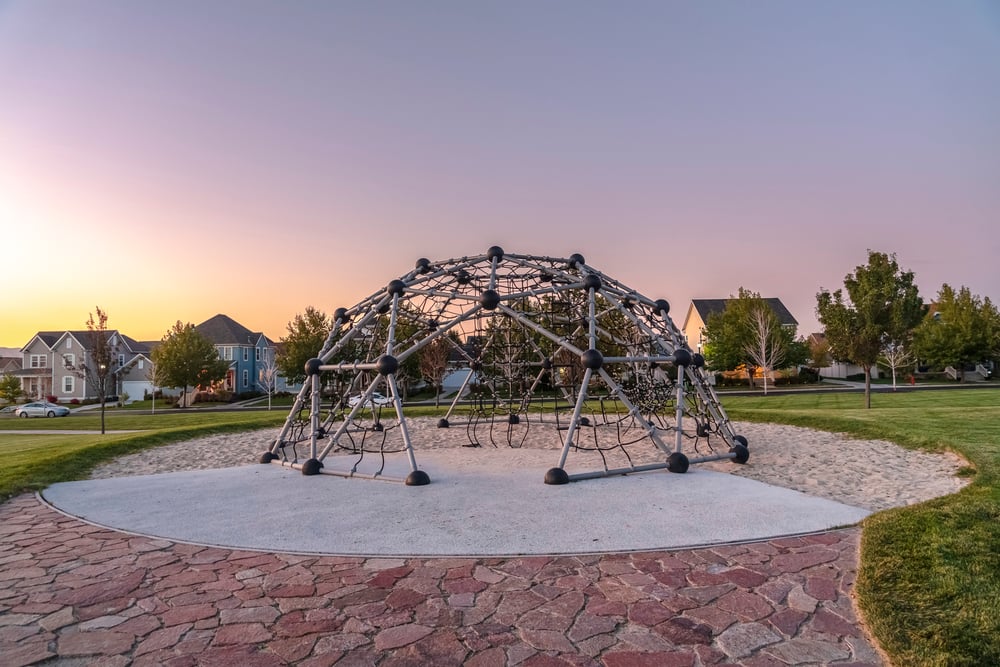
Geodesic domes and climbing structures reaching 15 to 20 feet high were dangerous due to height and grip difficulty at the top levels. Weather and age would make metal slippery, and the structures offered inadequate safety rails despite height.
Many communities removed these after fall injuries, including fatalities in some cases.
Rope Climbing Structures
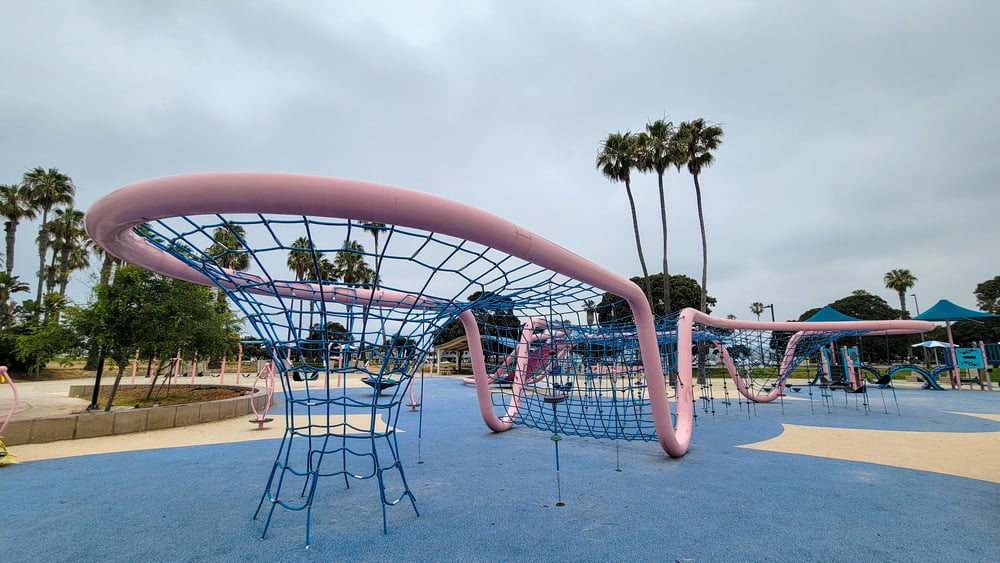
Ropes and chains suspended for climbing created pinch hazards for hands and created scenarios where children could become tangled. The structures required substantial hand strength and body awareness, creating failure scenarios at height.
Deteriorating ropes presented hazards that weren’t immediately obvious.
Log Walks and Narrow Rails

Balance equipment using narrower, uneven surfaces required careful footing and created fall scenarios from heights that had previously been considered acceptable risk. Modern attitudes toward playground risk have eliminated these intermediate-height hazards.
The equipment’s appeal—challenging children’s balance—directly conflicted with safety minimization goals.
Metal Arch Climbers

Inverted V-shaped climbing structures required reaching overhead to grip bars while supporting body weight with legs, creating arm fatigue scenarios mid-climb. Falling while reaching overhead meant landing on back or head rather than feet.
The equipment punished fatigue with increasingly severe injury risk.
Two-Person Swings
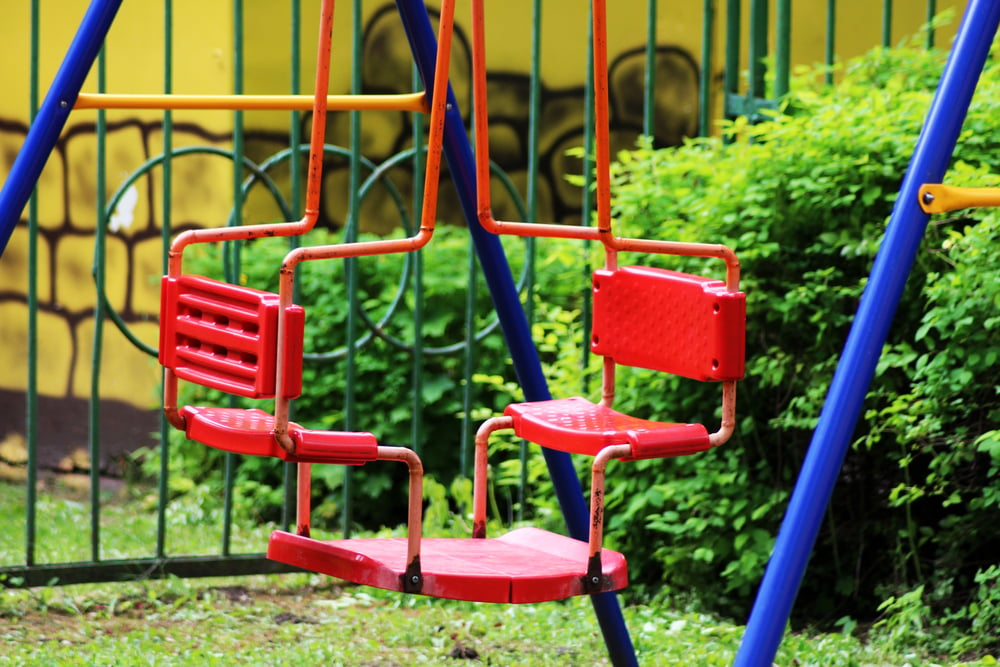
Facing-each-other swings allowed riders to coordinate movements but created collision scenarios if coordination failed. One rider’s fall could involve the other rider in the accident.
The equipment assumed maintained cooperation that children often abandoned mid-swing.
Heavy Wooden Structures
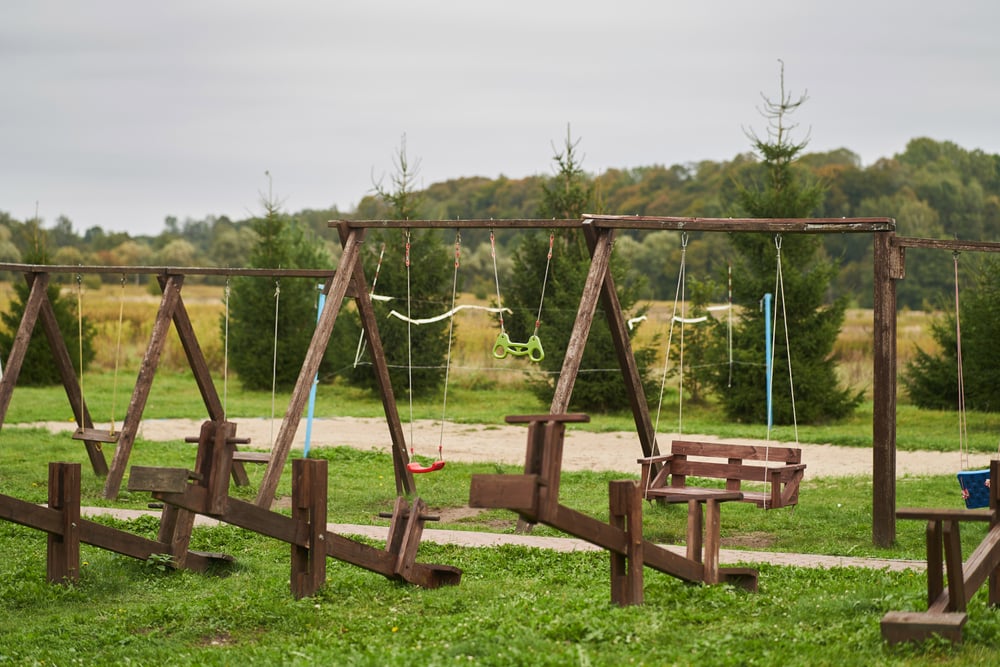
Treated lumber playground structures from the 1980s-1990s contained arsenic and other toxic chemicals to prevent rot. As knowledge of these toxins increased, the structures became liability issues beyond just physical injury.
Communities removed these despite investment, facing both injury and chemical poisoning concerns.
Suspension Equipment
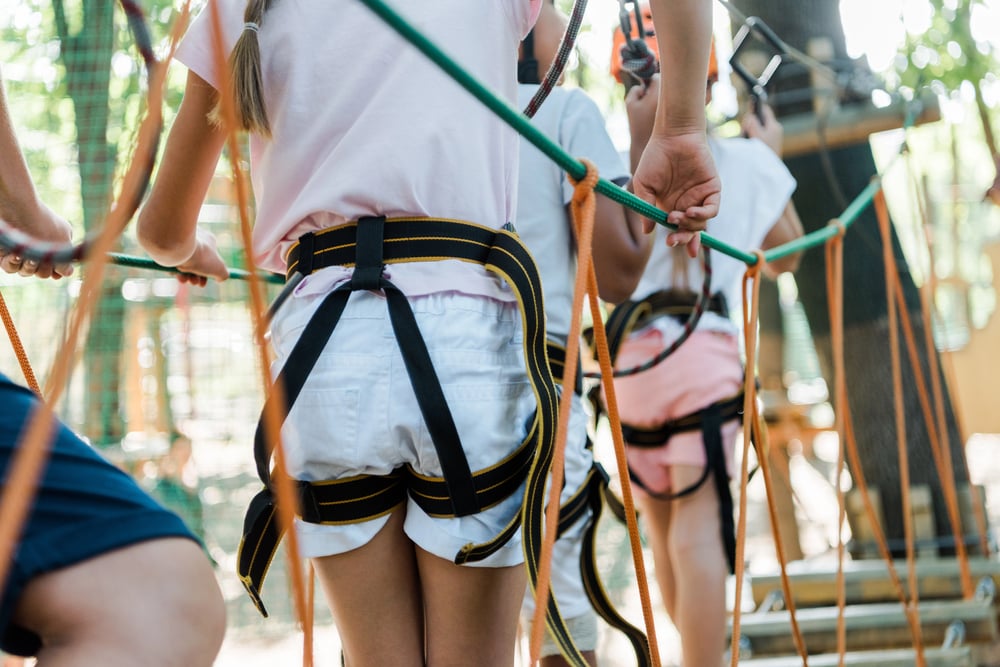
Playground equipment suspended by ropes or chains created dynamic movement that could eject children unpredictably. The equipment’s motion was partially dependent on other users, making it impossible to guarantee safe operation.
The unpredictability was part of the appeal but violated modern predictability safety standards.
Bridge Structures at Height
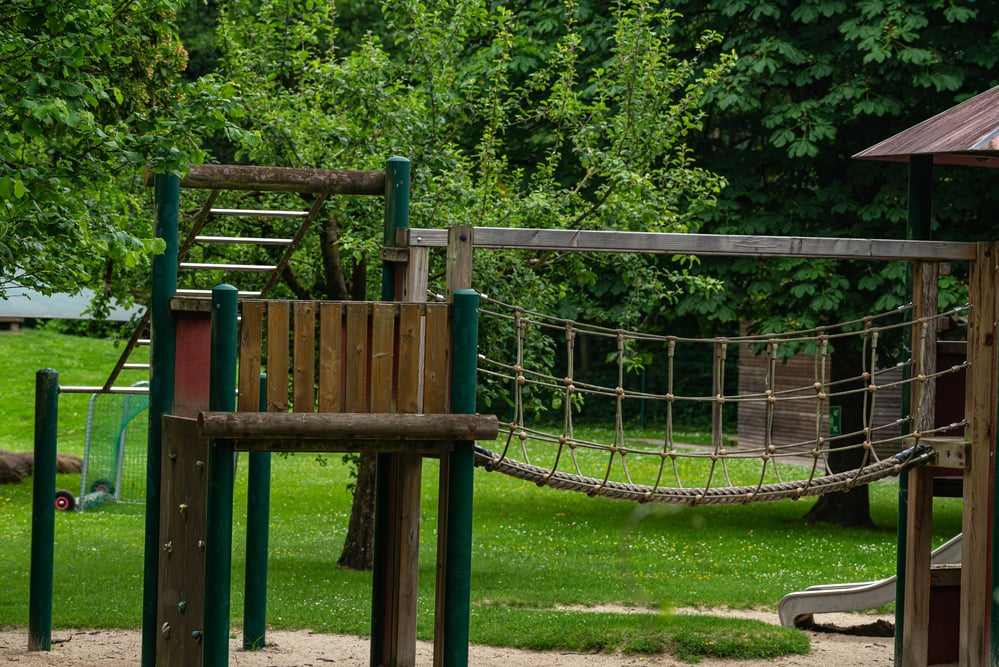
Bridges connecting platforms created pathways at substantial height with minimal railings, requiring children to maintain balance while transitioning between structures. Falling from bridge height exceeded safe landing distance.
The equipment connected elements in ways that created fall hazards throughout traversal.
Rocking Equipment
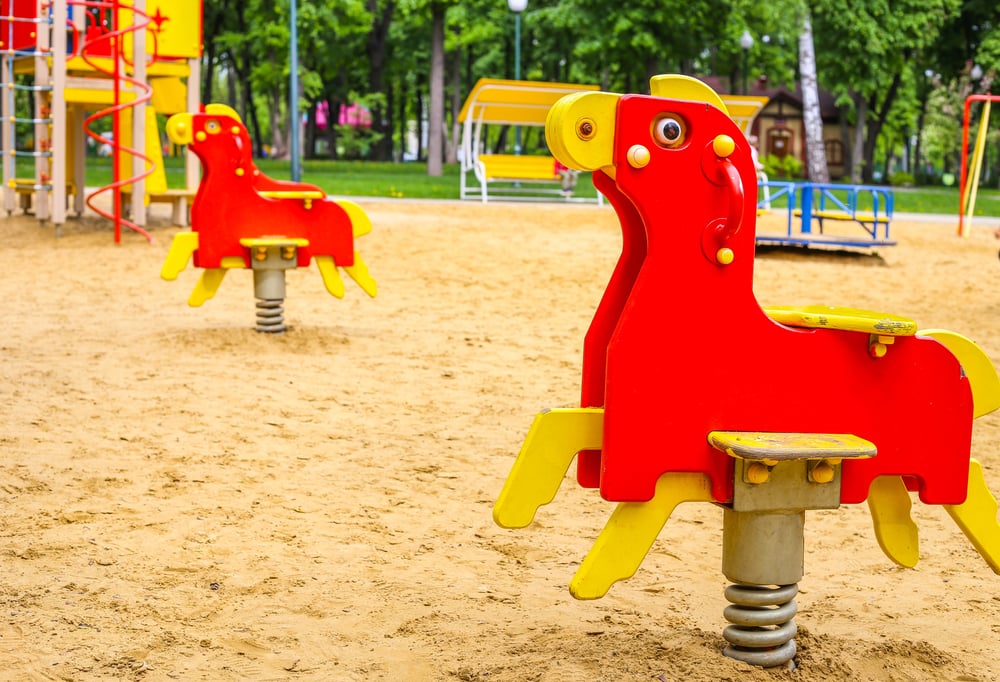
Heavy rocking animals or logs could rock fast enough to eject riders, especially when multiple users rocked in coordination. The equipment’s motion meant momentum could be accumulated to dangerous levels.
Supervision required preventing excessive rock speed, creating difficult enforcement for playground monitors.
Why Nobody Fought to Keep Dangerous Equipment
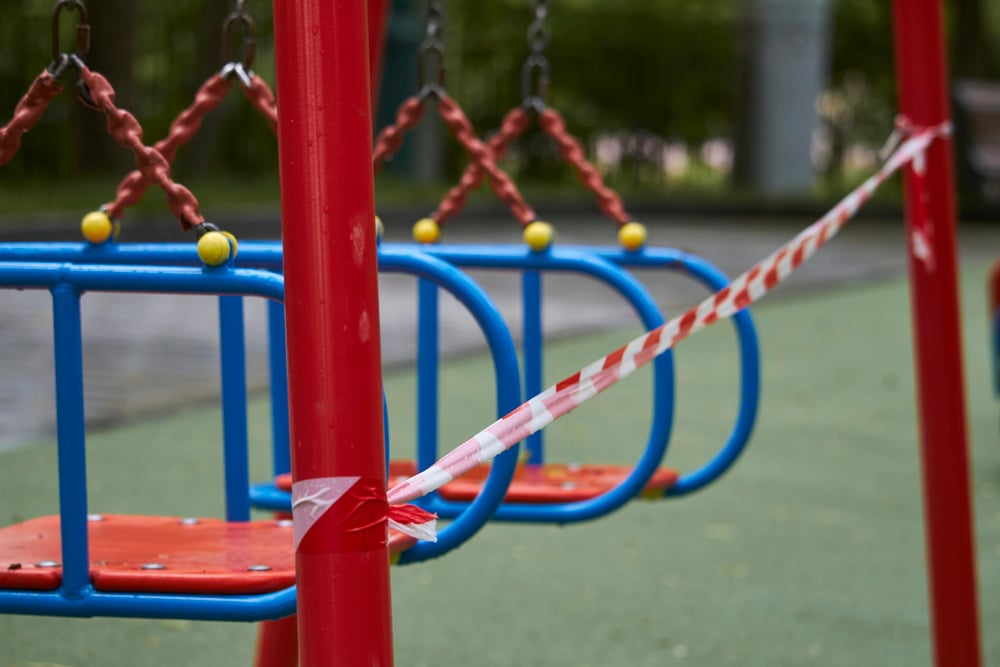
The absence of organized resistance to equipment removal reflected understanding that the equipment was genuinely dangerous. Parents who had experienced injuries or watched their children get hurt didn’t advocate for restoration.
Insurance costs and liability concerns made equipment removal financially rational for municipalities and schools. The shift reflected genuine evolution in safety standards and reduced acceptance of childhood injury as necessary.
The Safety Philosophy Change
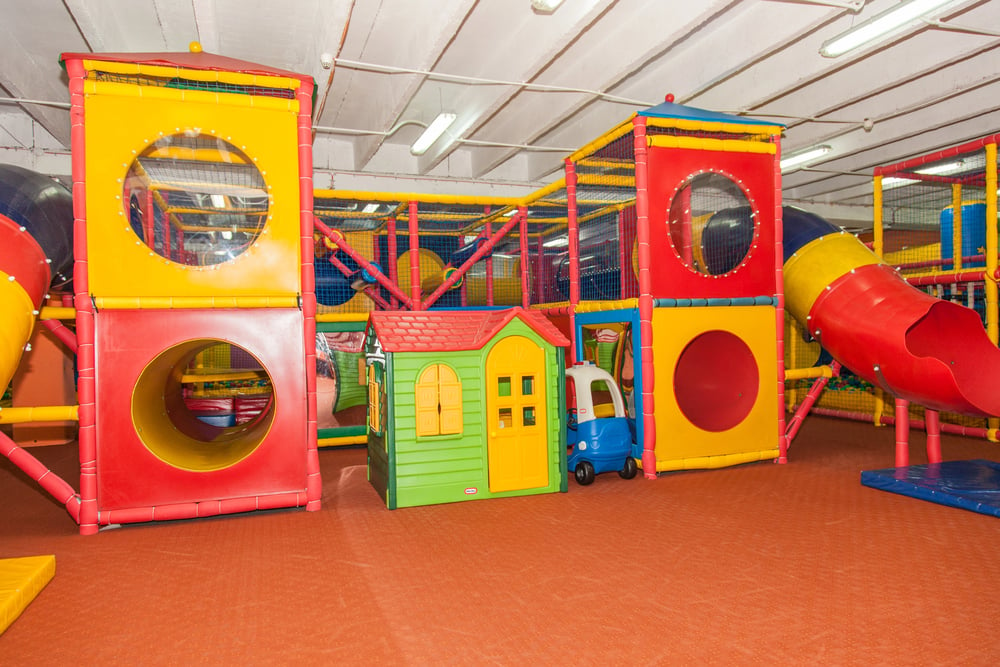
Modern playground design reflects philosophy that risks should be minimized through equipment selection rather than trusting children to self-regulate behavior. Equipment is softer, lower, and closer to ground, creating injury scenarios parents and administrators find acceptable.
This represents genuine shift in how society balances childhood challenge against injury prevention, with injury prevention decisively winning.
More from Go2Tutors!

- The Romanov Crown Jewels and Their Tragic Fate
- 13 Historical Mysteries That Science Still Can’t Solve
- Famous Hoaxes That Fooled the World for Years
- 15 Child Stars with Tragic Adult Lives
- 16 Famous Jewelry Pieces in History
Like Go2Tutors’s content? Follow us on MSN.



