28 Recipes Grandmothers Made From Scratch That Nobody Bothers With Now
The recipes grandmother prepared were expressions of thrift, necessity, and cultural tradition—turning basic ingredients into meals that sustained families through seasons and economic uncertainty. These recipes have largely disappeared not because they tasted bad, but because modern food systems made them unnecessary and modern life made their preparation impractical.
Many required hours of work for single meals, something contemporary families find impossible to justify.
Rendered Lard Preparation
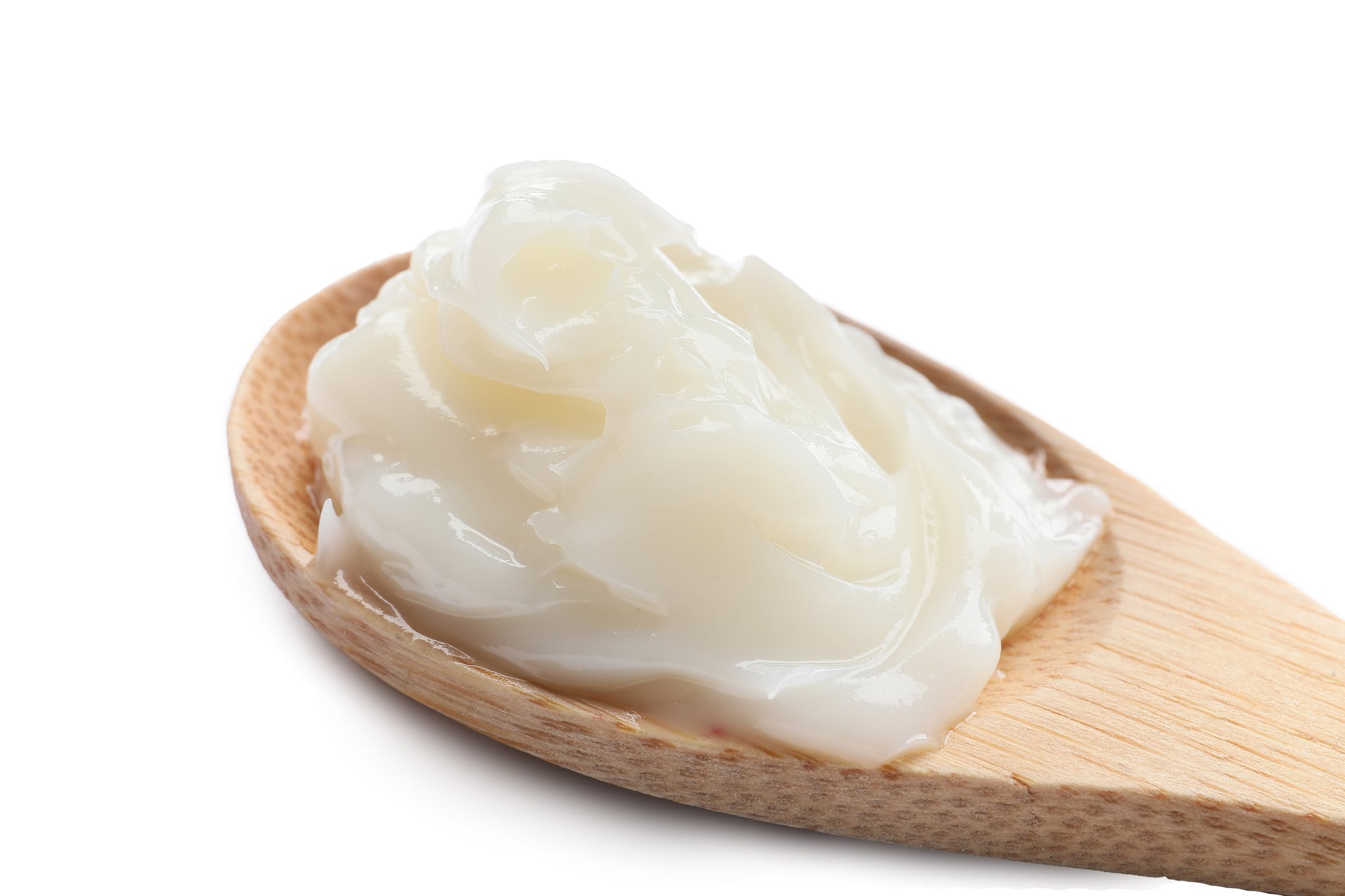
Making cooking lard by slowly heating pork fat required hours of tending and rendering, producing fat that would keep throughout winter without refrigeration. This process created both cooking fat and cracklings as byproduct.
Modern families use vegetable oil and shortening instead, finding the time investment and mess unreasonable despite superior flavor properties lard offered to pastries and fried foods.
Homemade Bread Daily
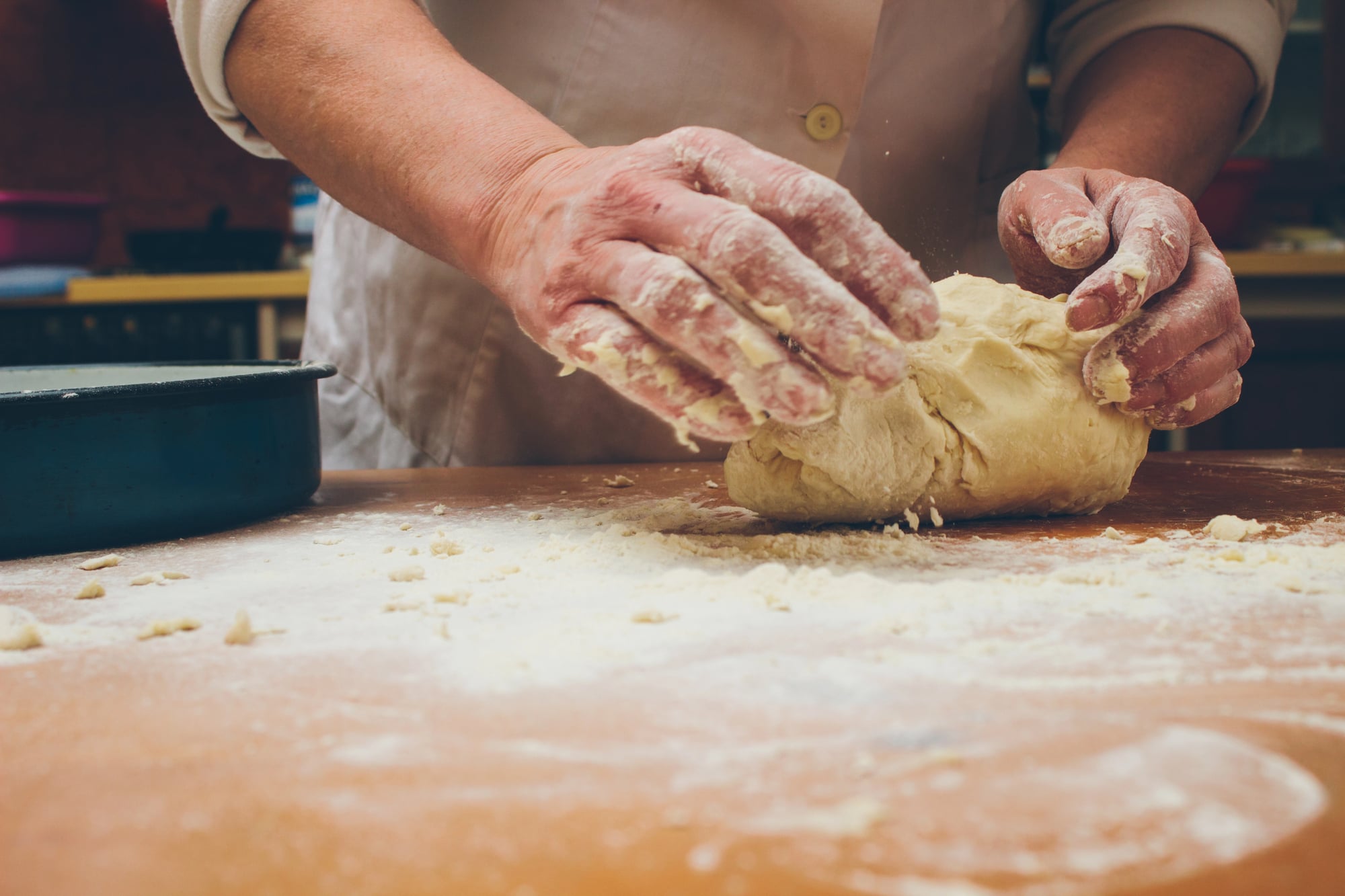
Before commercial bakeries and sliced bread, families baked bread multiple times weekly, with rising and kneading comprising hours of daily work. The smell of fresh bread motivated the work, but the time investment meant breadmaking competed with other household responsibilities.
Today’s families buy bread or bake occasionally as hobby rather than necessity.
Bone Broth Reduction
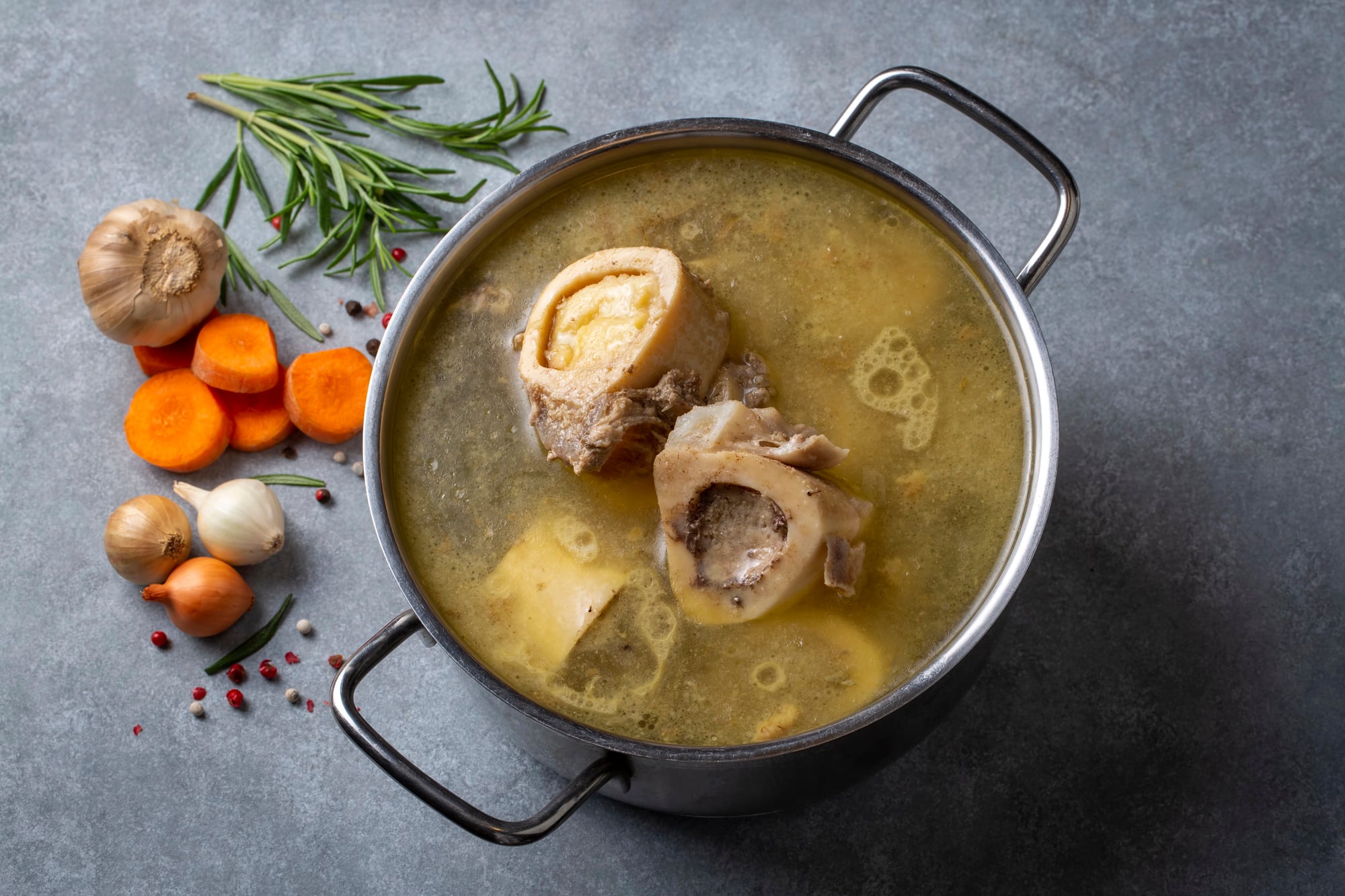
Creating rich, flavorful broth required simmering bones for 12 to 24 hours, extracting collagen and minerals into liquid base for soups. The slow cooking created depth of flavor impossible to replicate quickly.
Modern cooking often skips this foundational step, using shortcuts that produce adequate but unremarkable results.
Rendered Chicken Fat
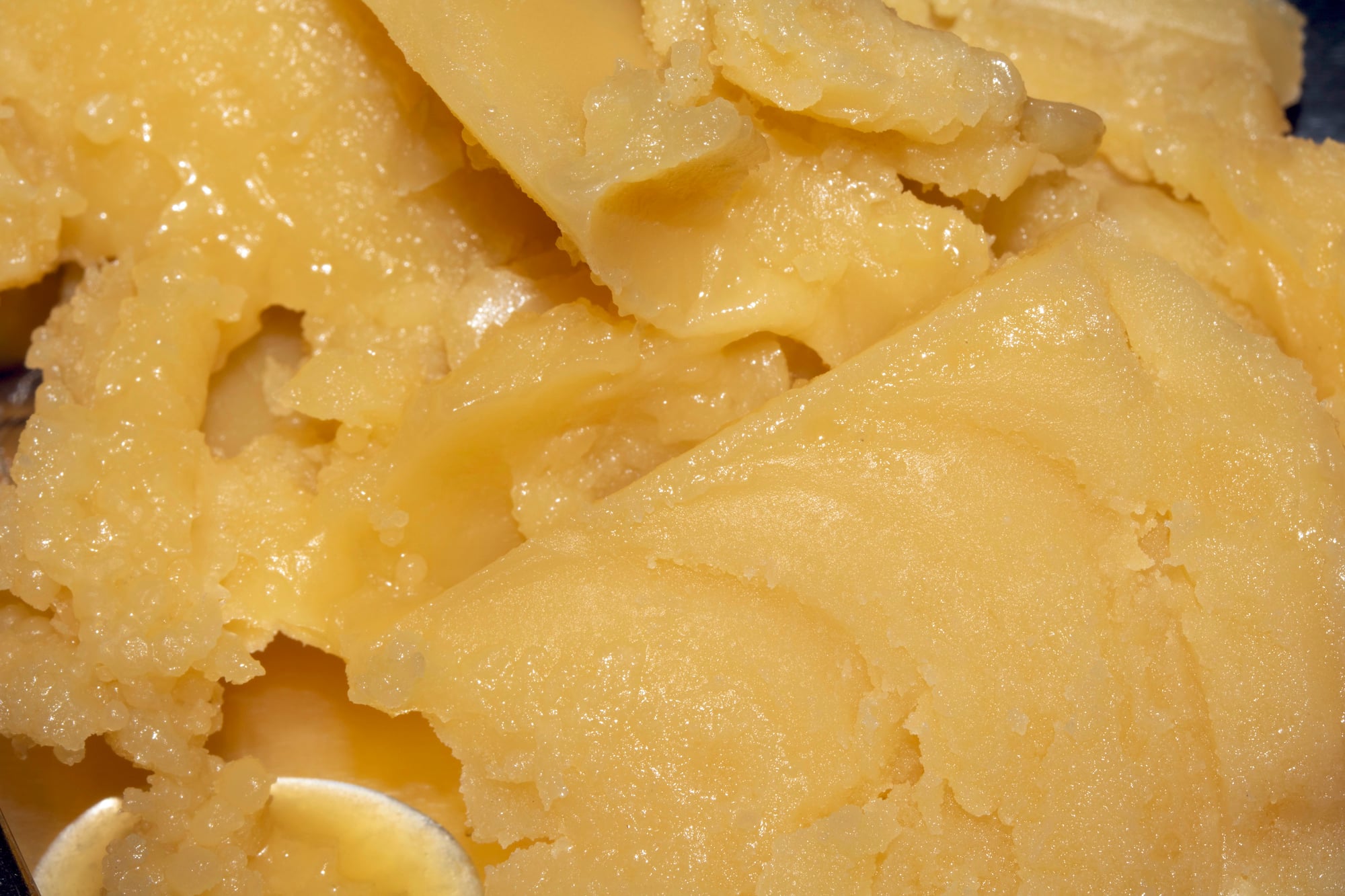
Making schmaltz (chicken fat) involved careful rendering of poultry fat, creating cooking medium and flavorful byproduct. The fat kept without refrigeration and added richness to dishes rendered without it.
Contemporary kitchens use neutral oils instead, losing flavor complexity schmaltz provided.
Homemade Pasta Production
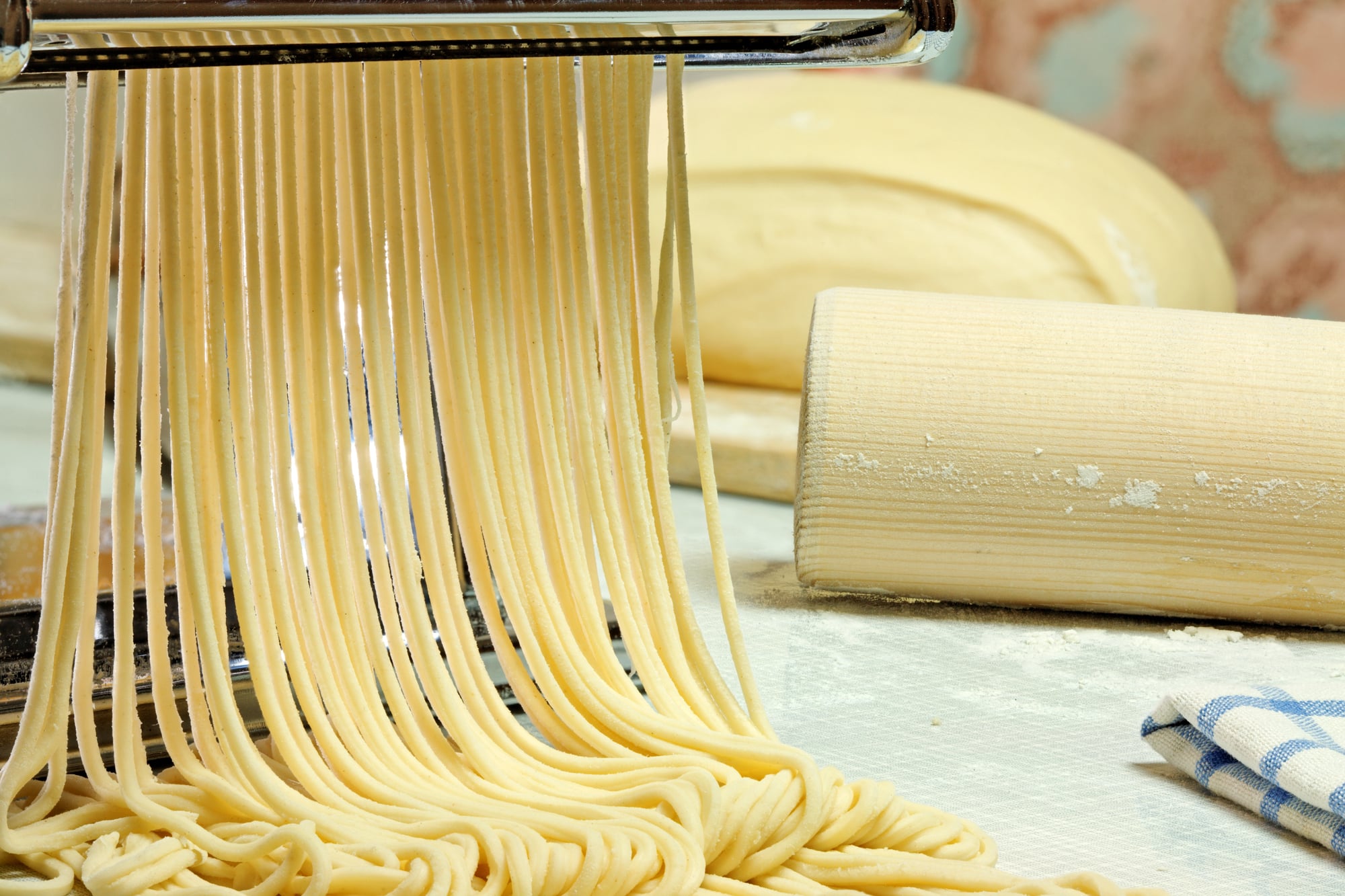
Rolling and cutting fresh pasta from egg and flour by hand or with simple machines consumed substantial time but produced superior texture and flavor. Dried pasta was available but expensive, making fresh pasta economically rational for daily meals.
Today’s convenience of dried pasta eliminated motivation for fresh pasta production except as special occasion activity.
Fermented Vegetables Preservation
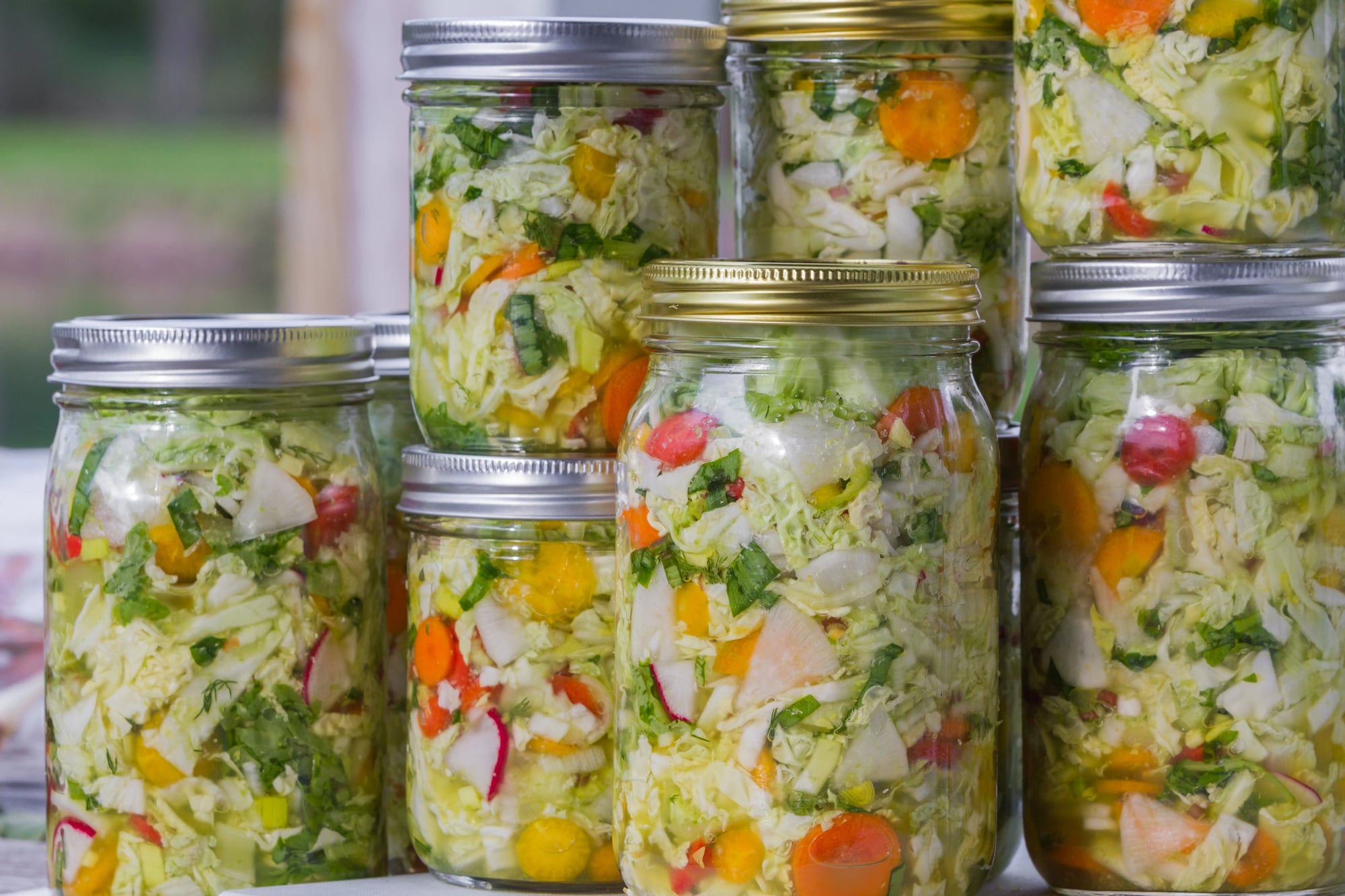
Creating sauerkraut, kimchi, and other fermented vegetables required time for fermentation but produced shelf-stable vegetables lasting months. This preservation method predated refrigeration and reduced waste of seasonal abundance.
Modern refrigeration eliminated need for fermentation, reducing consumption of fermented foods despite their nutritional benefits.
Meat Stock From Scraps
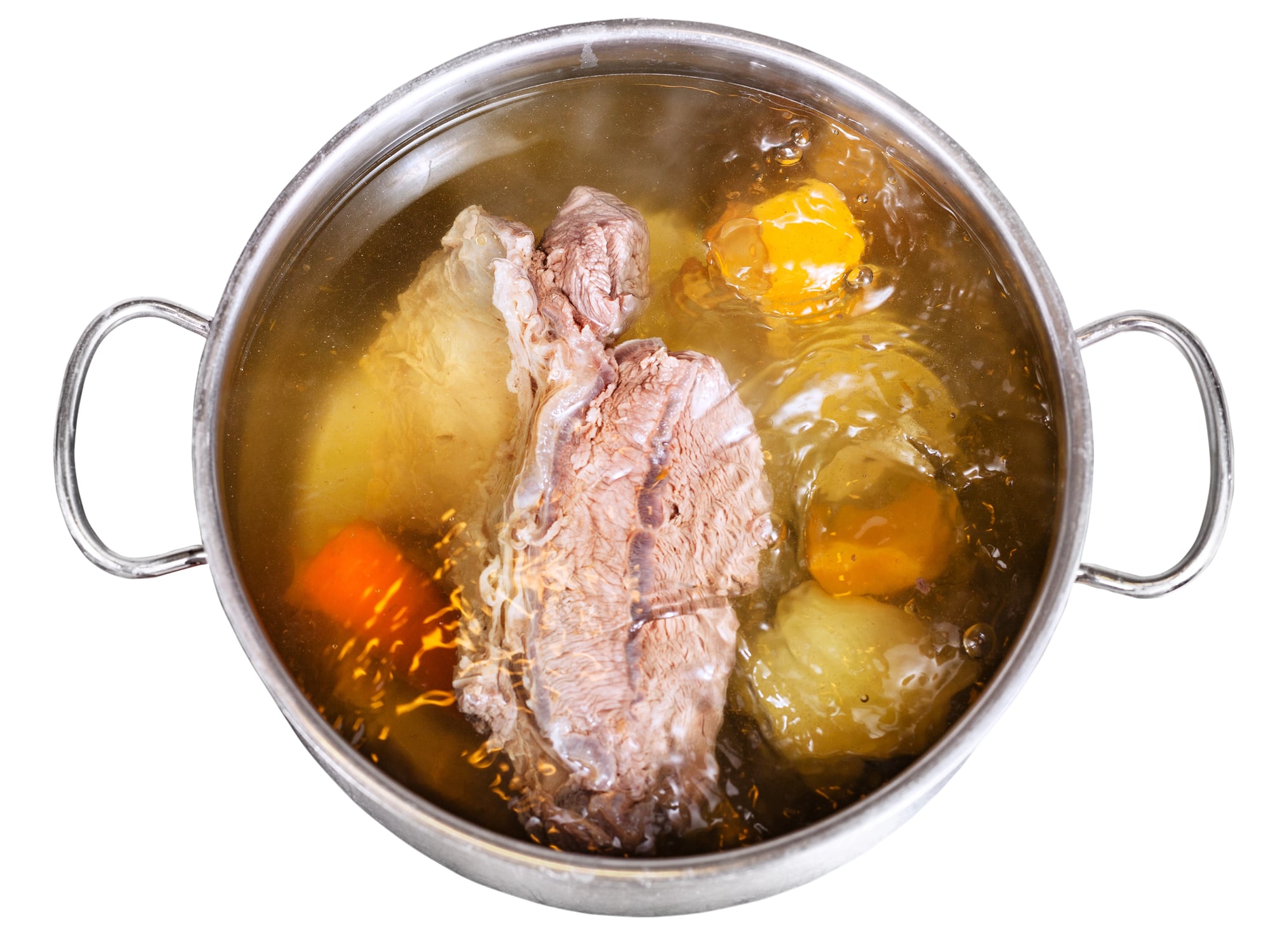
Cooking down meat bones, vegetable scraps, and water created flavorful stock from materials otherwise discarded. The process required patience and constant heat, filling kitchens with the smell of cooking.
Bouillon cubes and commercial stock eliminated incentive for time-consuming home production.
Sourdough Starter Maintenance
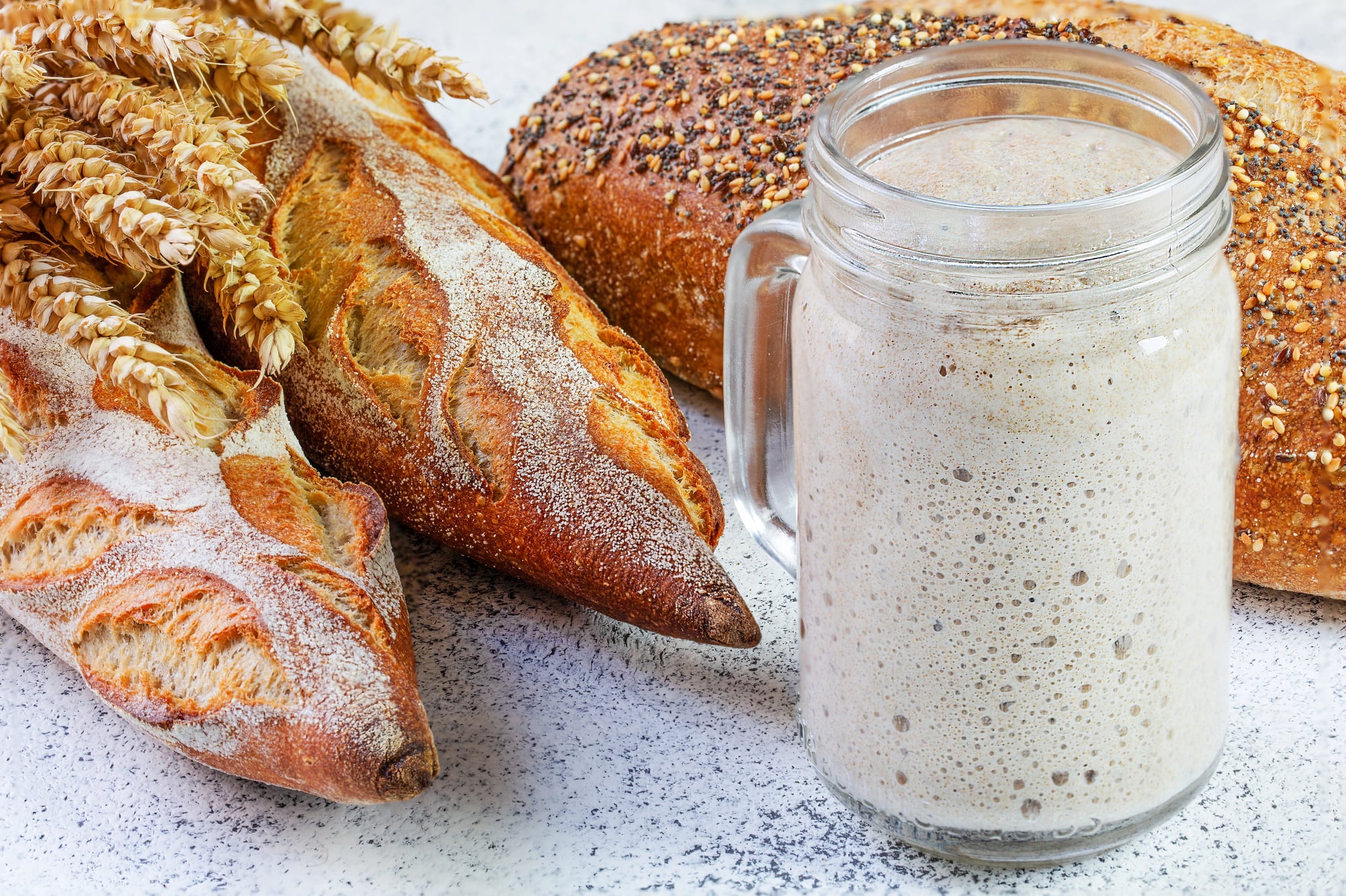
Maintaining active sourdough starter required regular feeding and attention, with the culture becoming family heirloom passed between generations. Commercial yeast eliminated dependency on starter maintenance.
The relationship between baker and starter, involving care and attention, disappeared with commercial yeast adoption.
Hand-Churned Butter
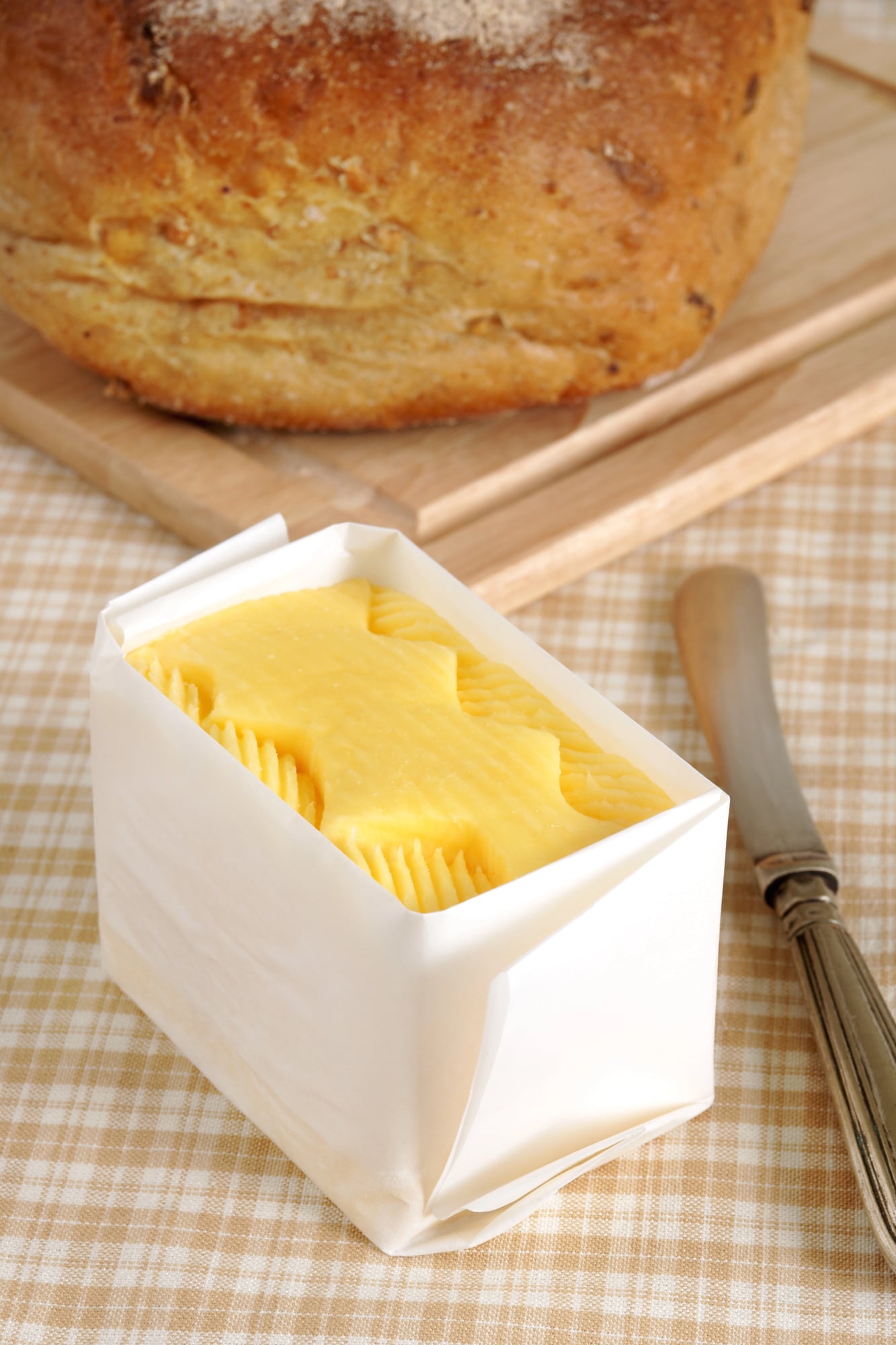
Creating butter by churning cream required sustained physical effort but produced superior butter unavailable in stores. The process engaged children in food production and created cream byproduct used for cooking.
Purchased butter eliminated the labor while providing consistent product, even if inferior in flavor.
Rendered Tallow Candles

Using beef fat to make candles required patience and careful temperature control but provided lighting and heat source. The smell was occasionally unpleasant but indicated functional product.
Wax and paraffin candles eliminated the need for tallow candles despite their functional value.
Fruit Preserve Canning
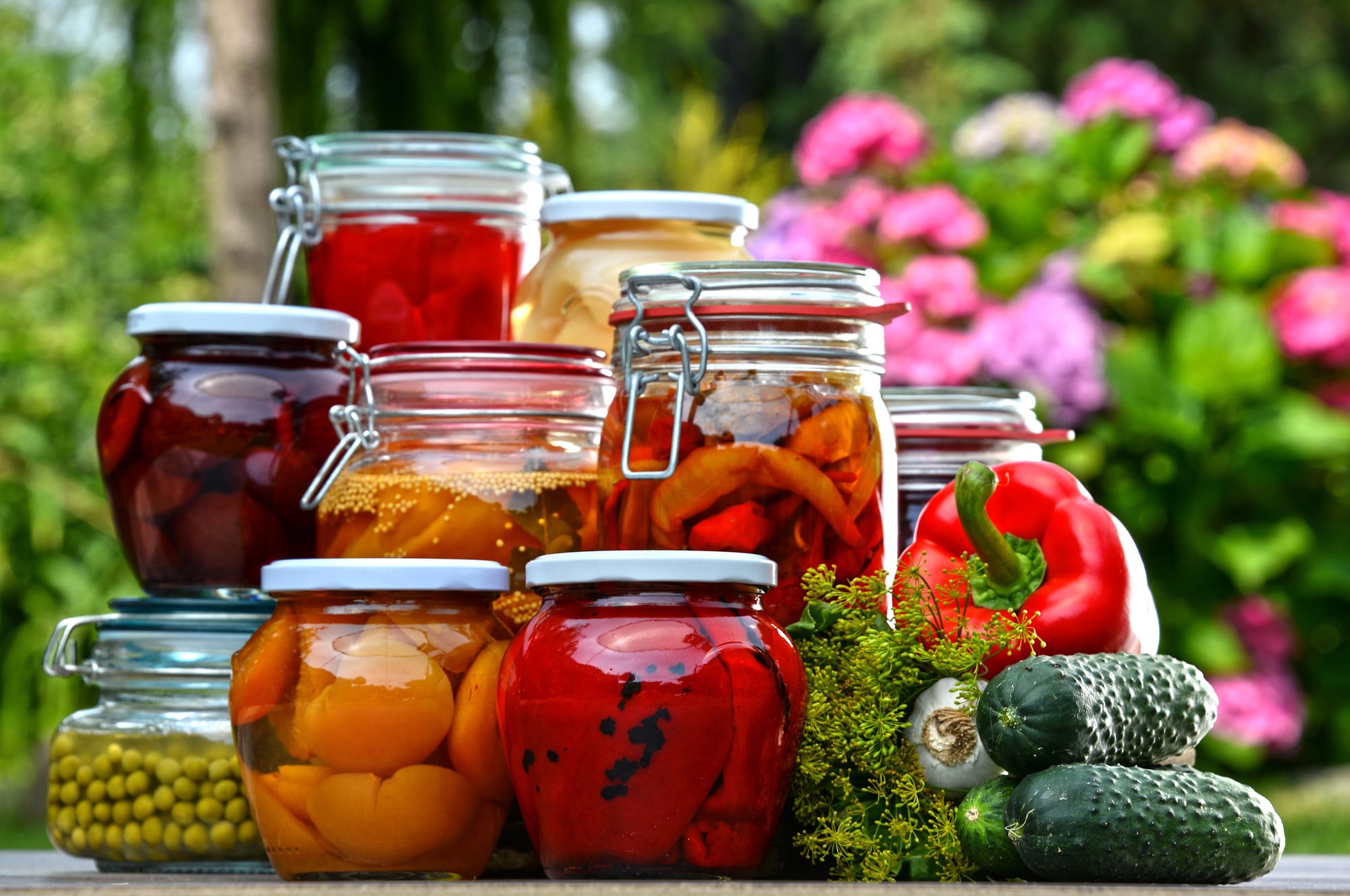
Summer abundance of berries and stone fruits required immediate preservation through cooking with sugar and canning in sterilized jars. The full-day process meant using peak-season fruit throughout winter.
Modern transportation made seasonal restriction on produce largely irrelevant, eliminating canning necessity.
Rendered Animal Bones for Gelatin
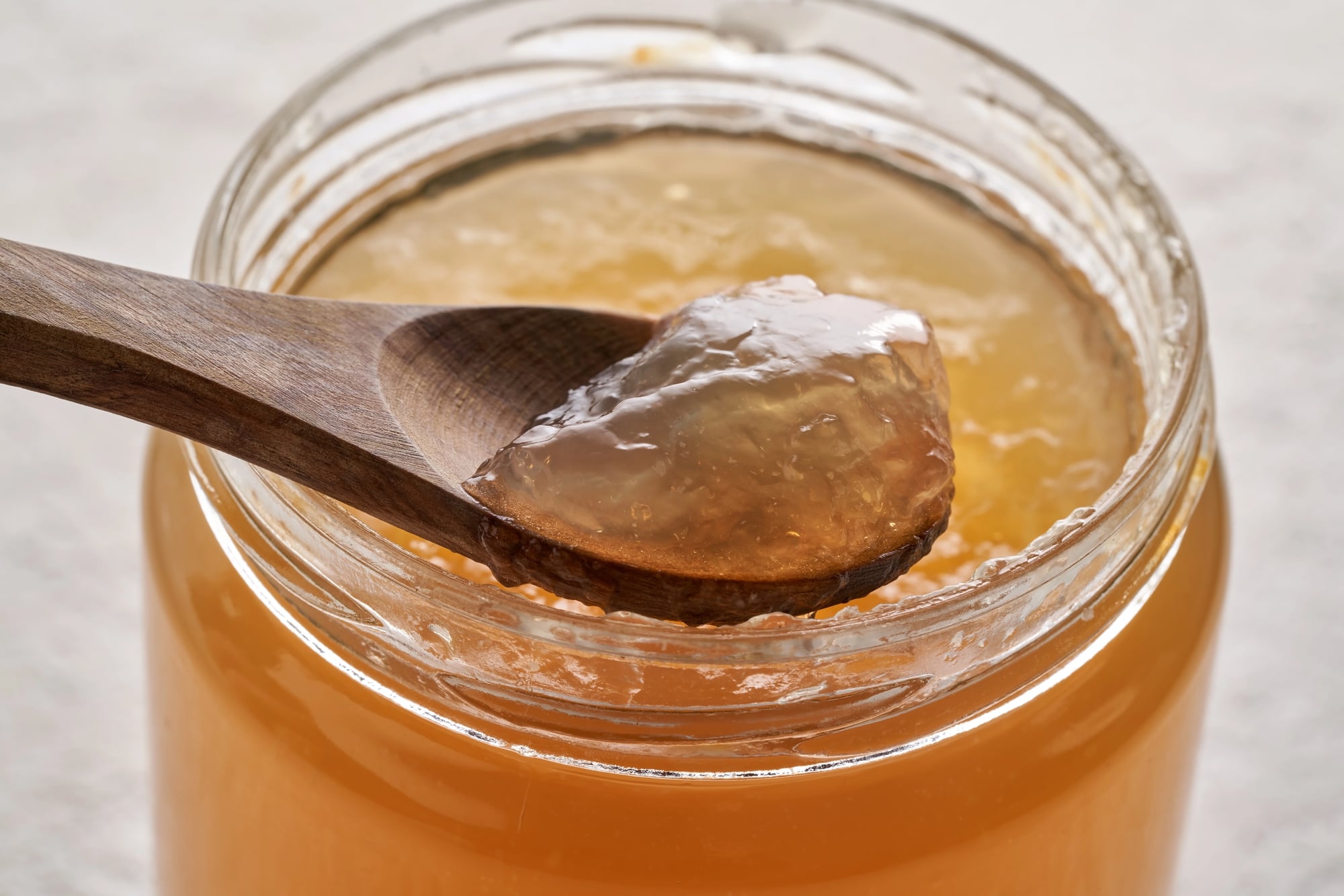
Slow-simmering bones and connective tissue created natural gelatin for aspics and gelatin dishes. The clear, barely flavored gelatin required hours of slow cooking and careful straining.
Commercial gelatin packets eliminated hours of work despite inferior flavor and gelatin characteristics.
Molasses Cake Preparation
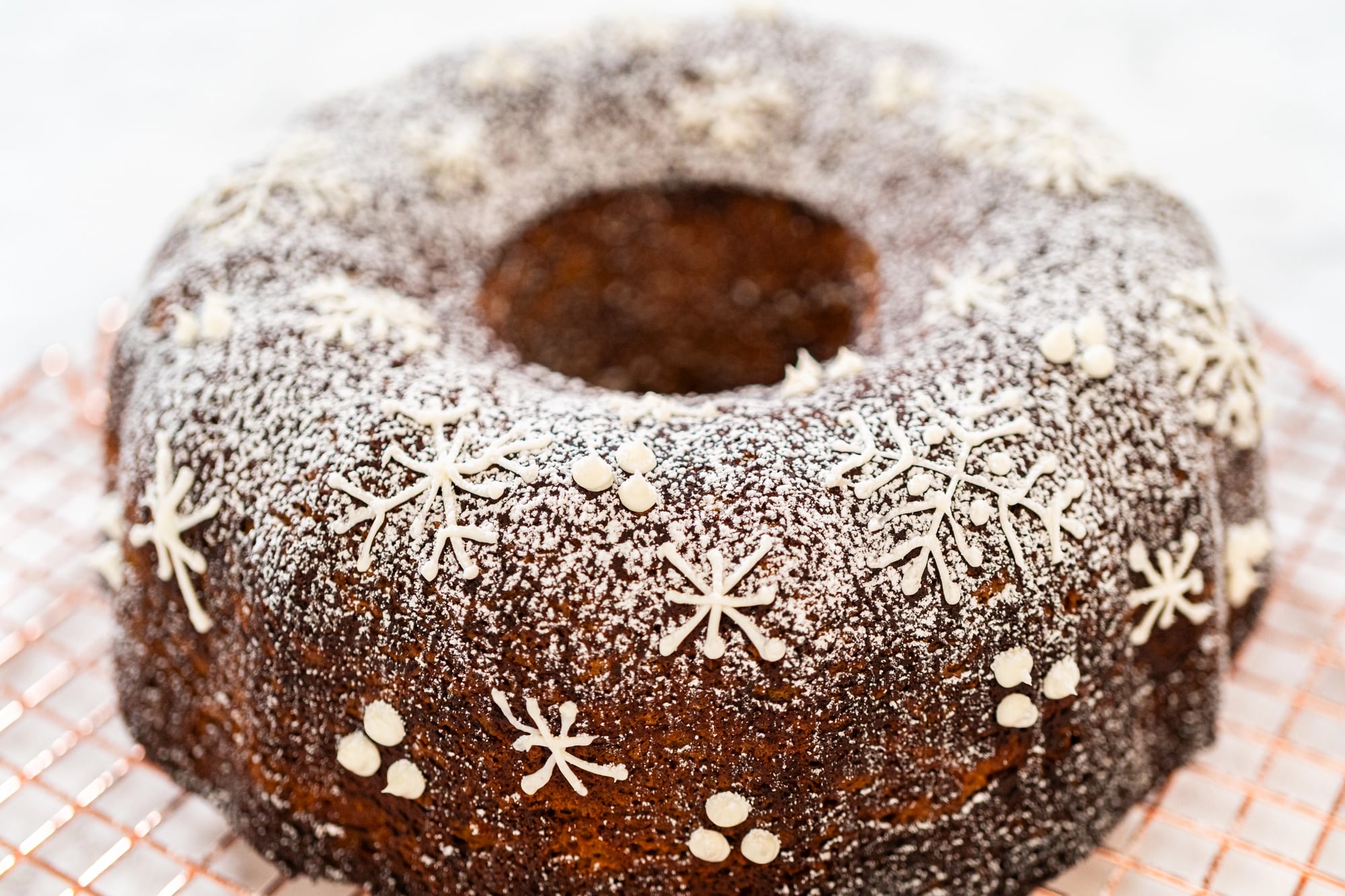
Traditional molasses cakes required molasses shipped from distant sugar-producing regions, making them special-occasion treats. The spiced cakes stored well and developed flavor complexity over days.
Commercial baking mixes eliminated need for hand-measuring and created consistent results faster than traditional recipes.
Custard Preparation From Scratch
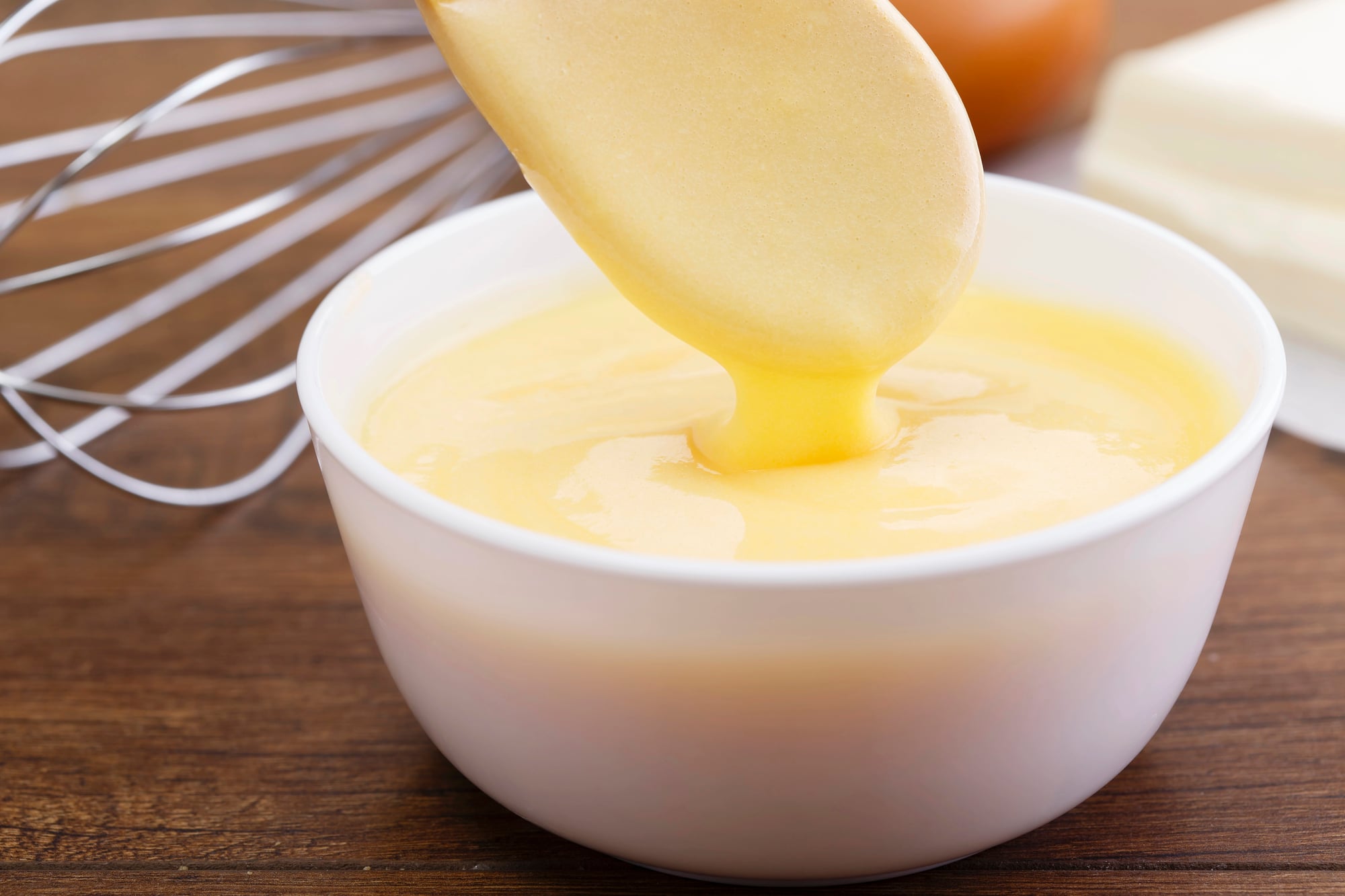
Creating custard sauce required careful egg heating to prevent scrambling, producing silky sauce of surpassing delicacy. The technique required attention and understanding of heat management.
Instant pudding mixes eliminated the technique while producing adequate but inferior results.
Handmade Sausage Casings
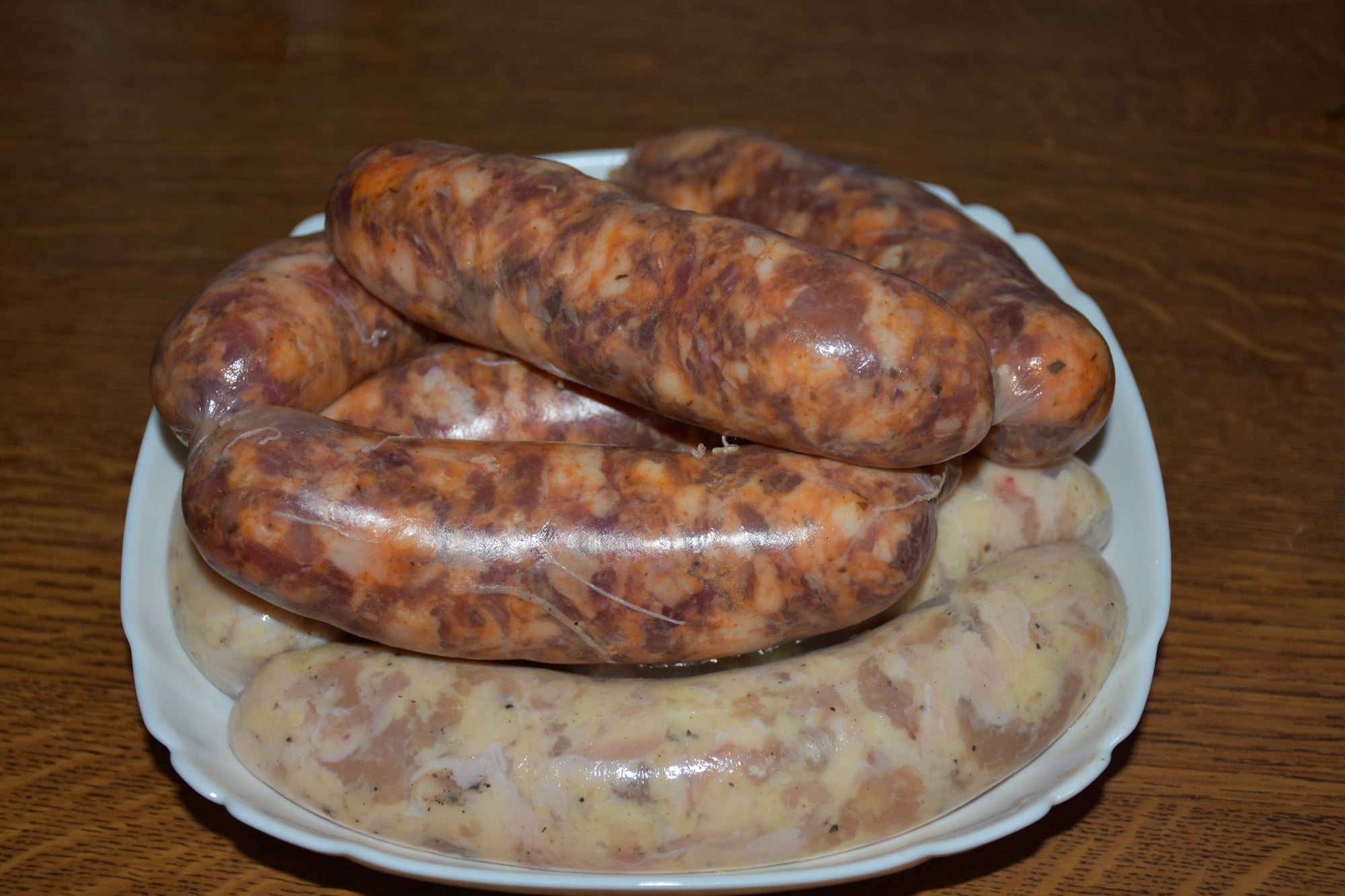
Filling cleaned animal intestines with seasoned meat mixture created fresh sausage unavailable commercially. The process was labor-intensive and required skill to avoid bursting casings during cooking.
Modern pre-made sausages eliminated both the labor and the superior flavor of fresh links.
Rendered Beef Fat Cooking
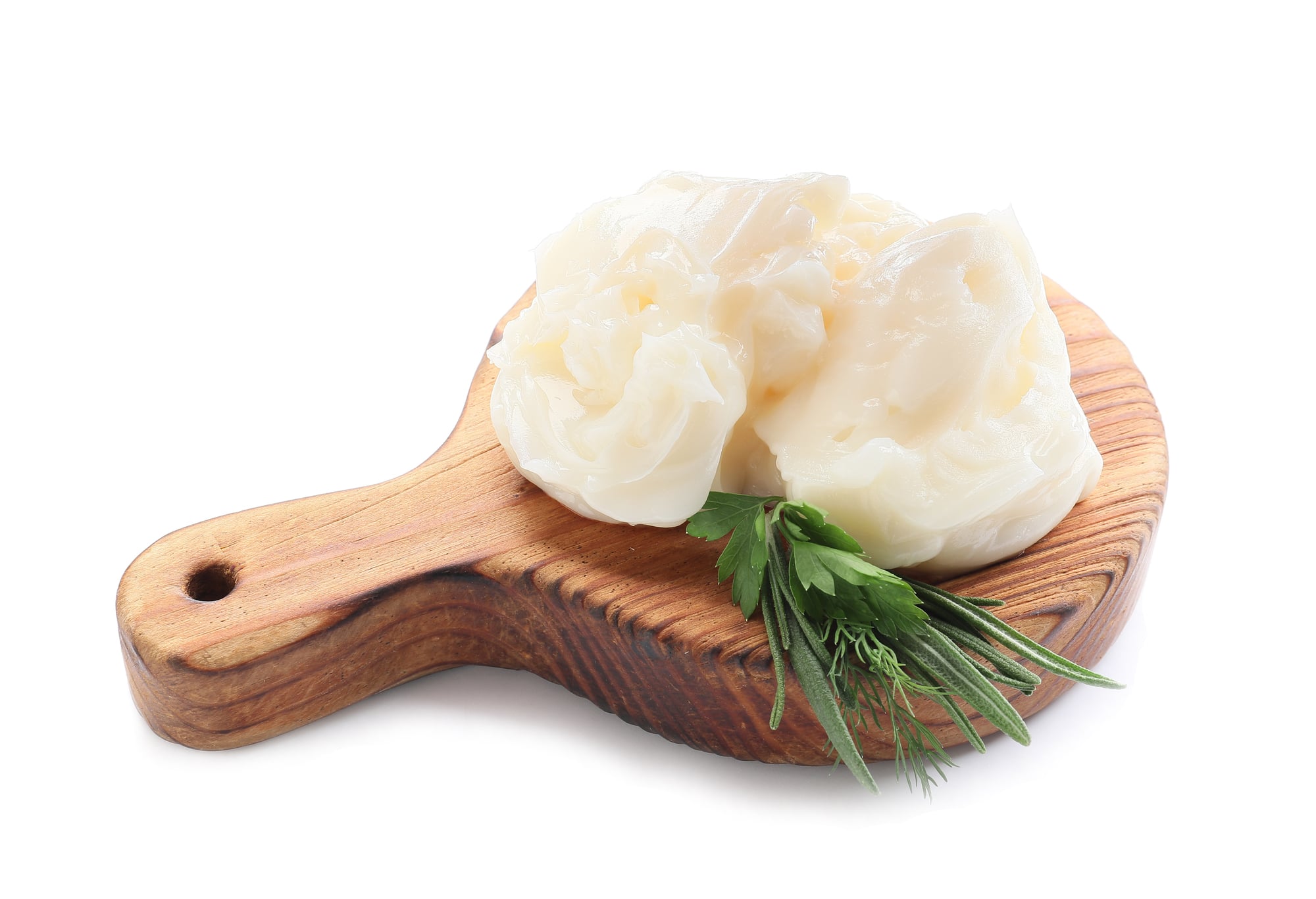
Using suet and rendered beef fat created cooking medium superior to modern vegetable oils for particular applications. The rendering process produced usable fat from materials otherwise discarded.
Modern cooking eliminated suet use due to health concerns and convenience of neutral oils.
Pork Pie Preparation
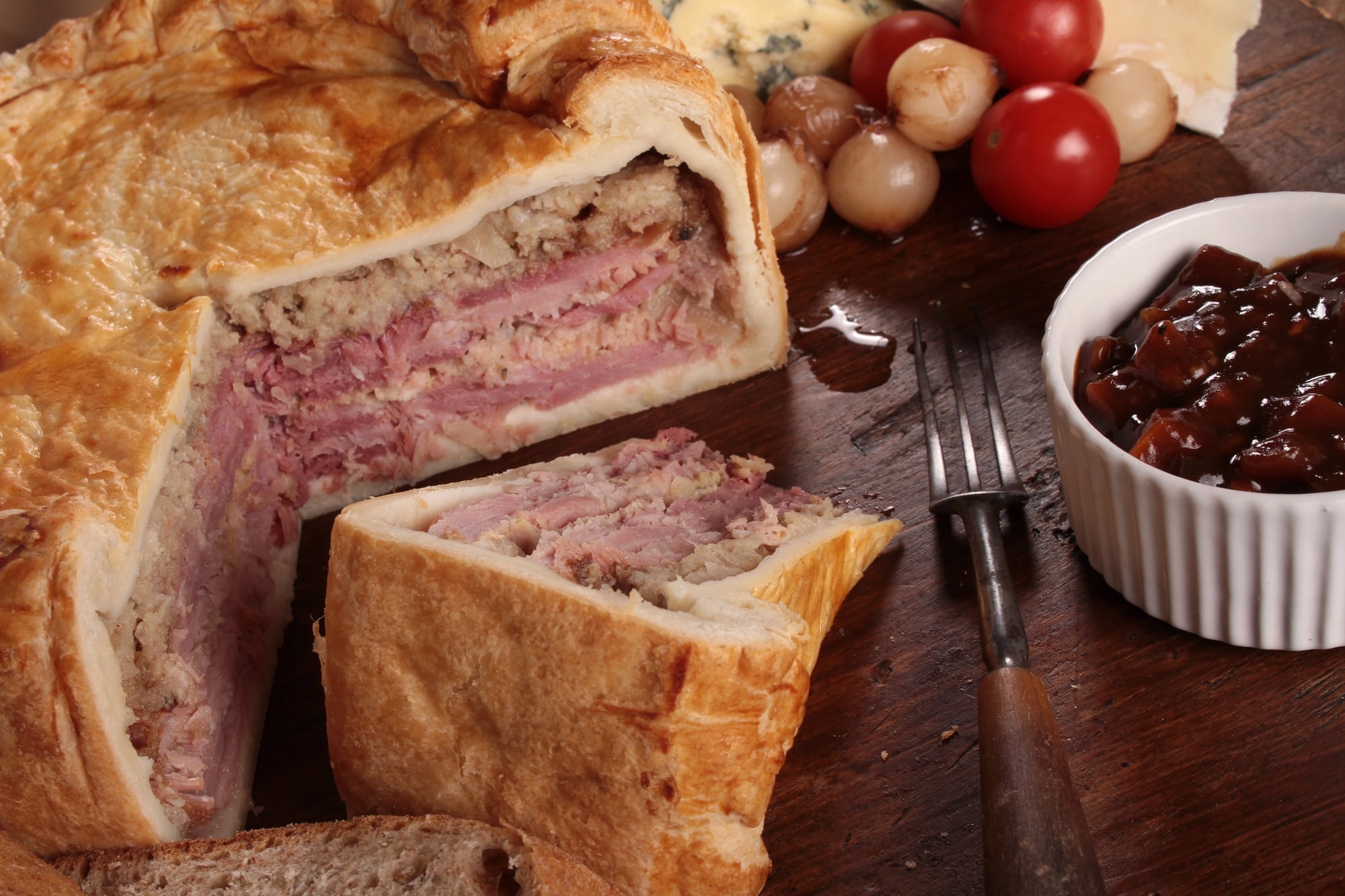
Building aspic-based pork pies required layering meat and gelatin, creating classic dishes that took full days to prepare and set. The complex preparation and precise technique meant failure happened regularly.
Modern refrigeration eliminated need for aspic preservation while making the preparation seem unnecessarily complex.
Water Crust Pastry Tenderization

Making pastry for savory pies required hot water treatment of flour to create texture impossible with standard pastry. The technique was specific and produced distinct results worth the effort.
Modern pastry techniques and pie availability eliminated need for hand-made savory pies.
Rendered Duck Confit Preparation
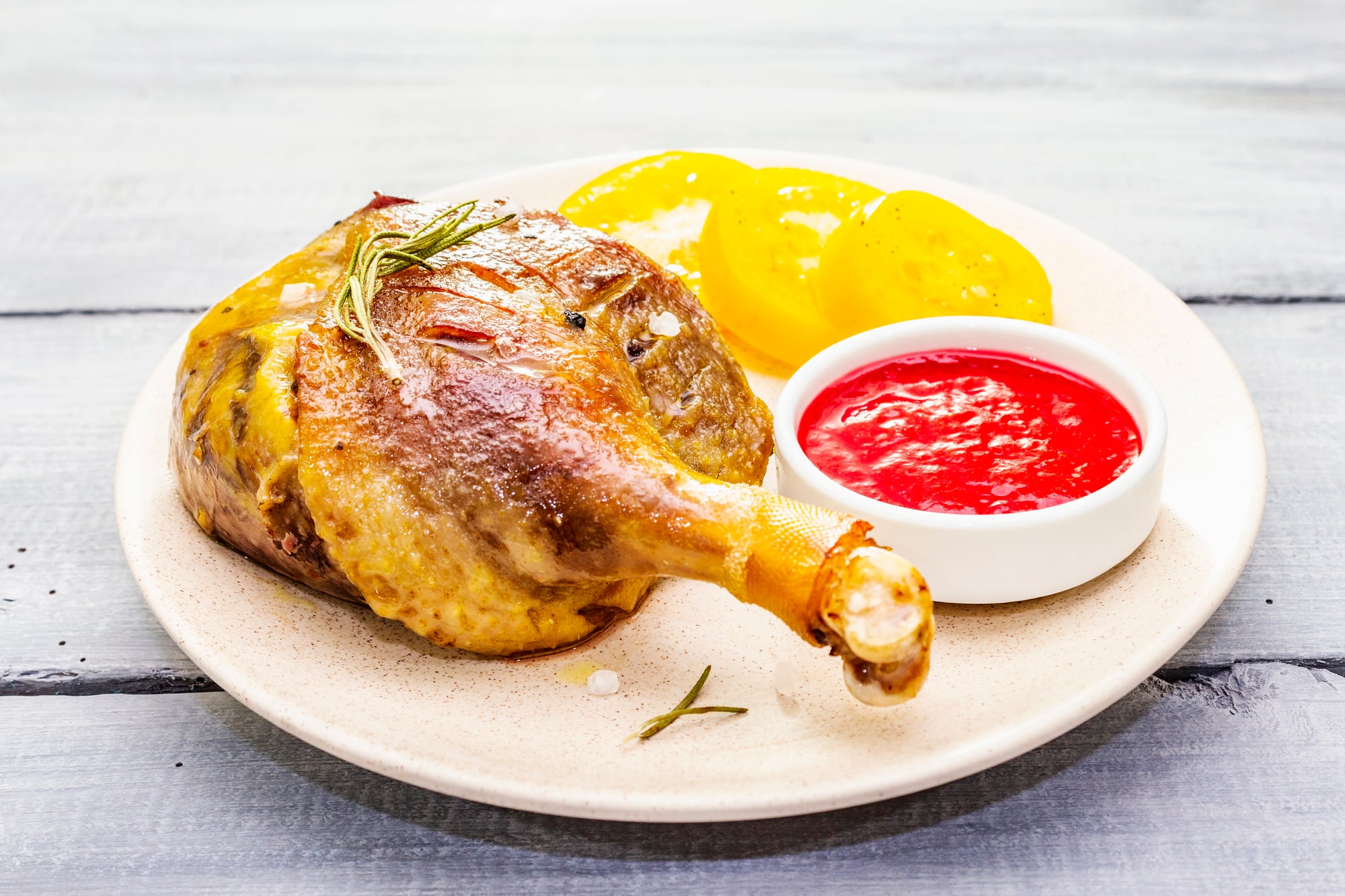
Cooking duck preserved in its own rendered fat required days of preparation but produced meat lasting months without refrigeration. The rich, flavorful result was exceptional, and the preservation method was practical before refrigeration.
Modern availability of duck and refrigeration eliminated the need despite the superior product.
Blanched and Skinned Tomato Sauce
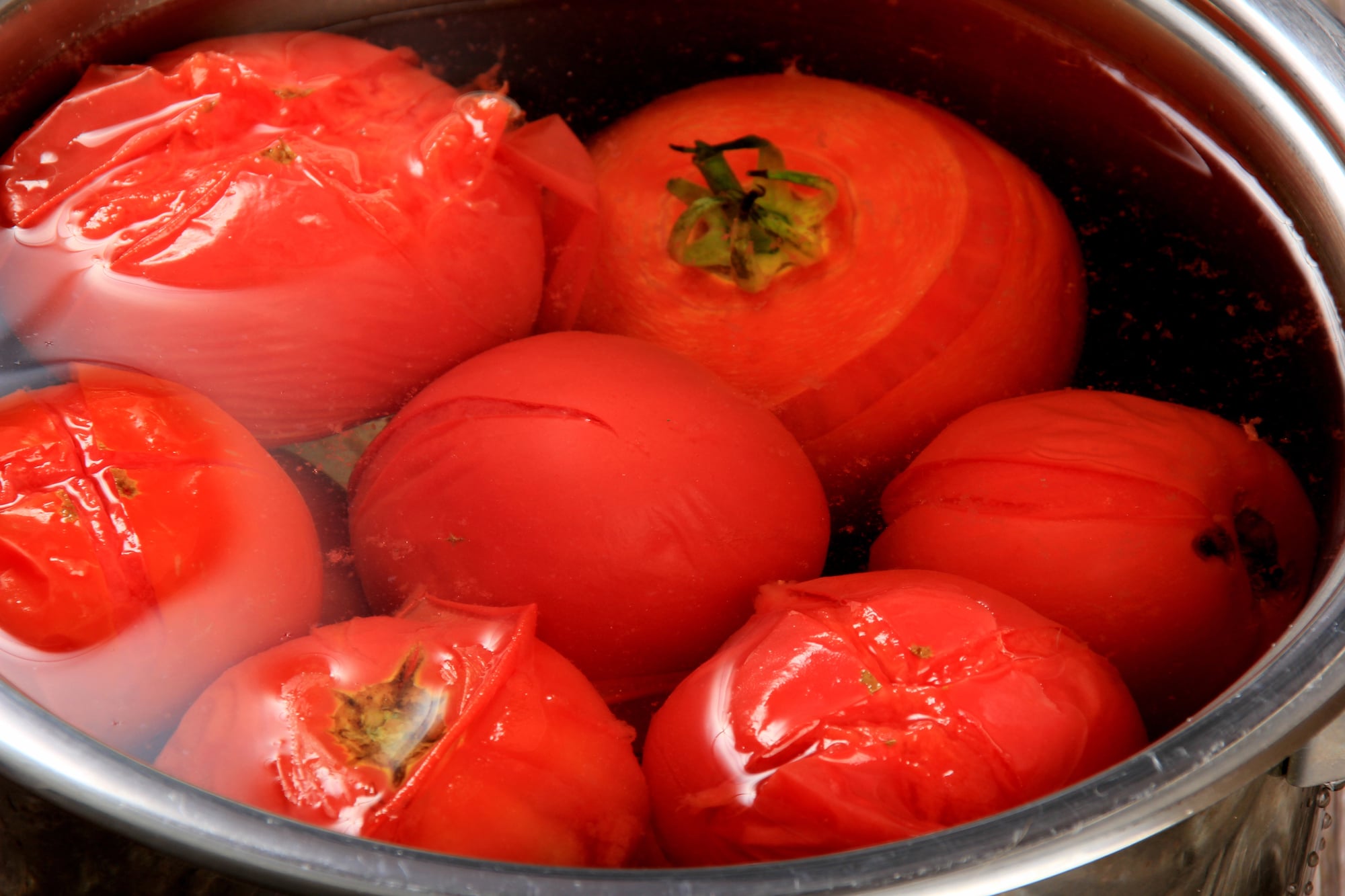
Preparing tomato sauce from fresh tomatoes required blanching, skinning, and removing seeds before long cooking. Canned tomatoes eliminated the labor while producing consistent results.
The superior flavor of fresh sauce prepared this way no longer justifies the hour-long preparation.
Hand-Made Vinegar Production
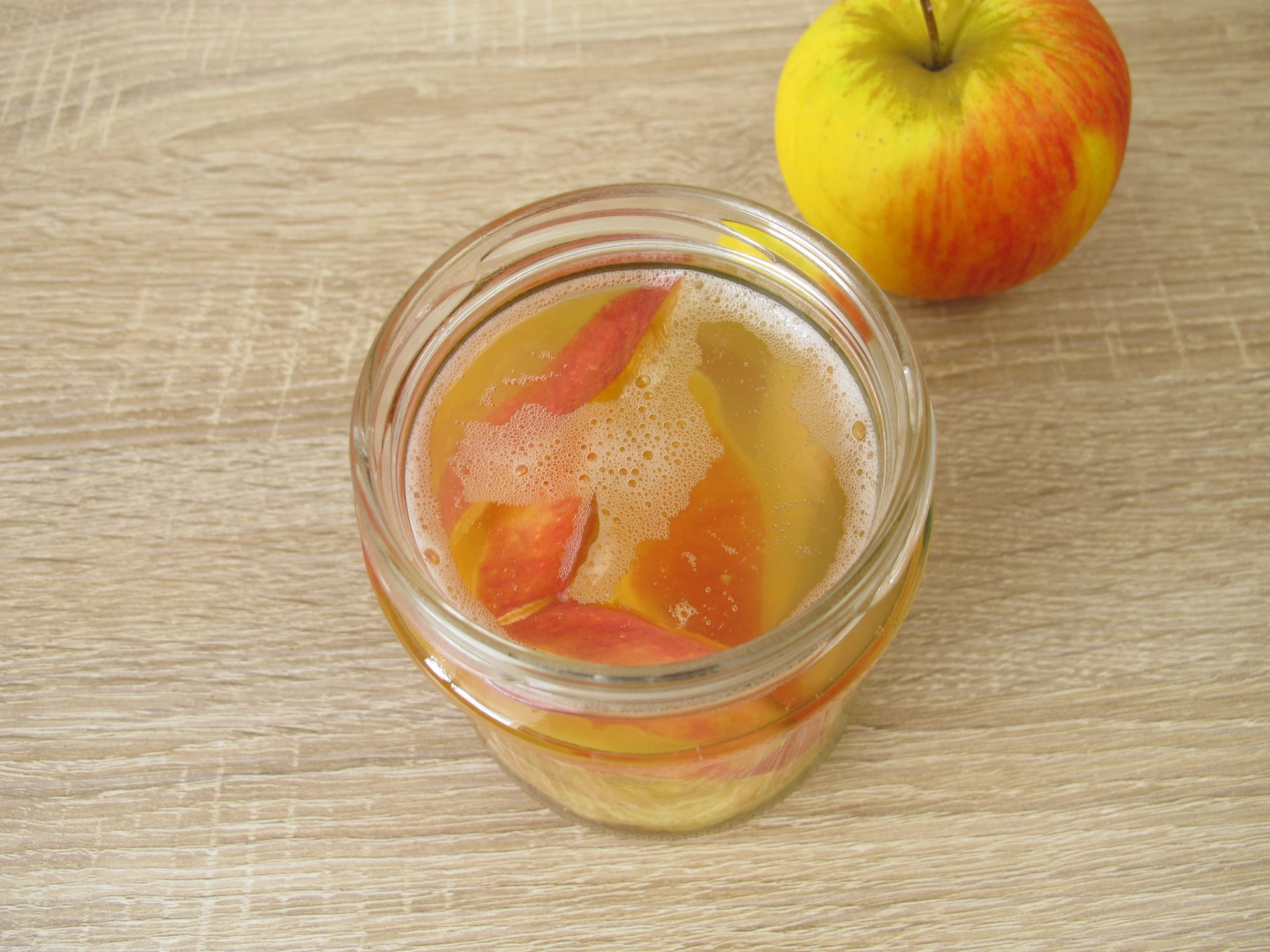
Creating vinegar through slow fermentation of fruit juice required months of careful maintenance. The resulting vinegar had unique flavor characteristics unavailable commercially.
Commercial vinegar production eliminated incentive for home production despite the superior results.
Clarified Butter Preparation
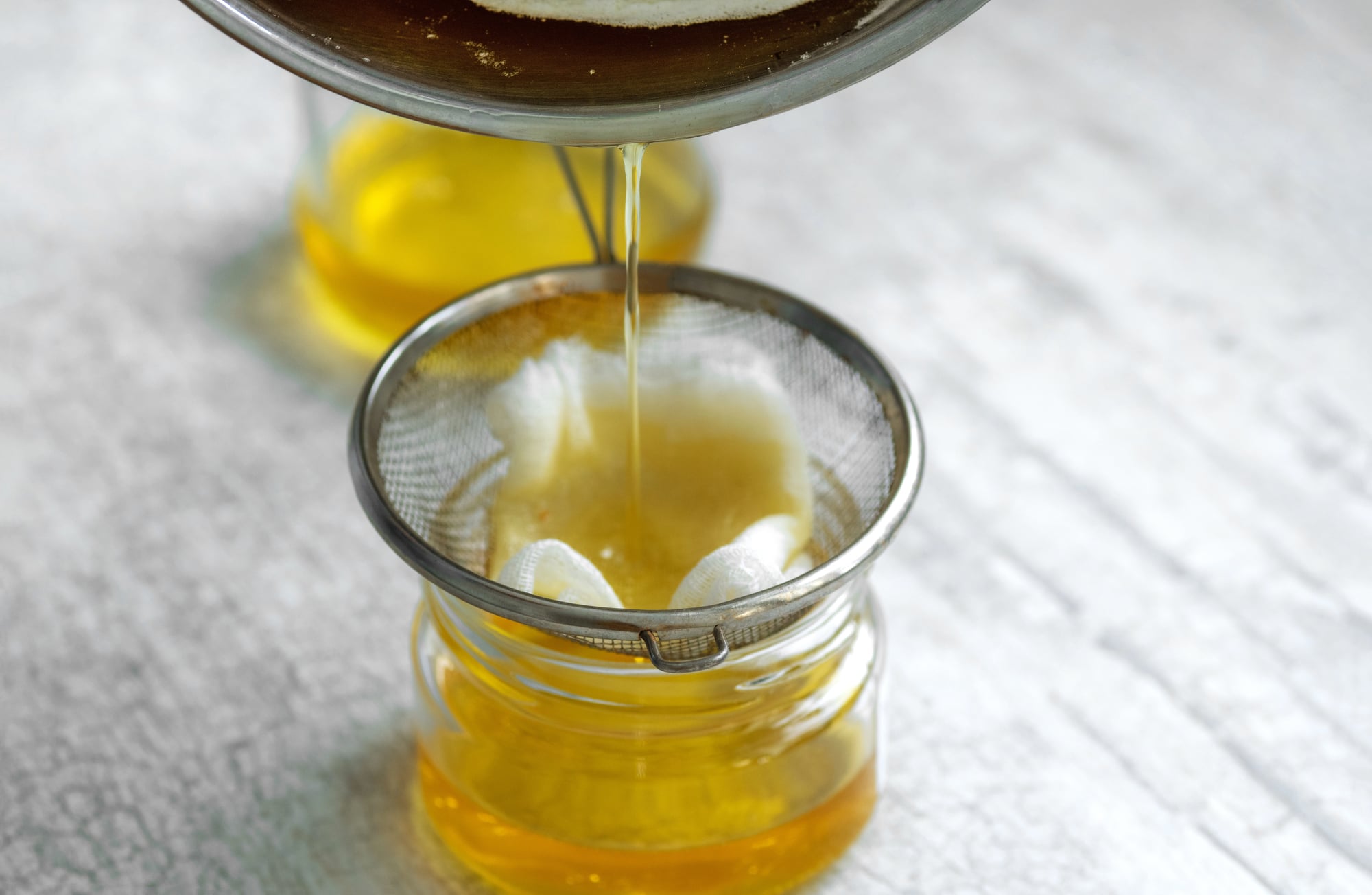
Slowly melting butter and straining out milk solids created pure butterfat valuable for high-heat cooking. The gentle process required attention and produced substance superior to regular butter for specific applications.
Modern oils eliminated need for clarified butter clarification despite its usefulness.
Rendered Fish Stock
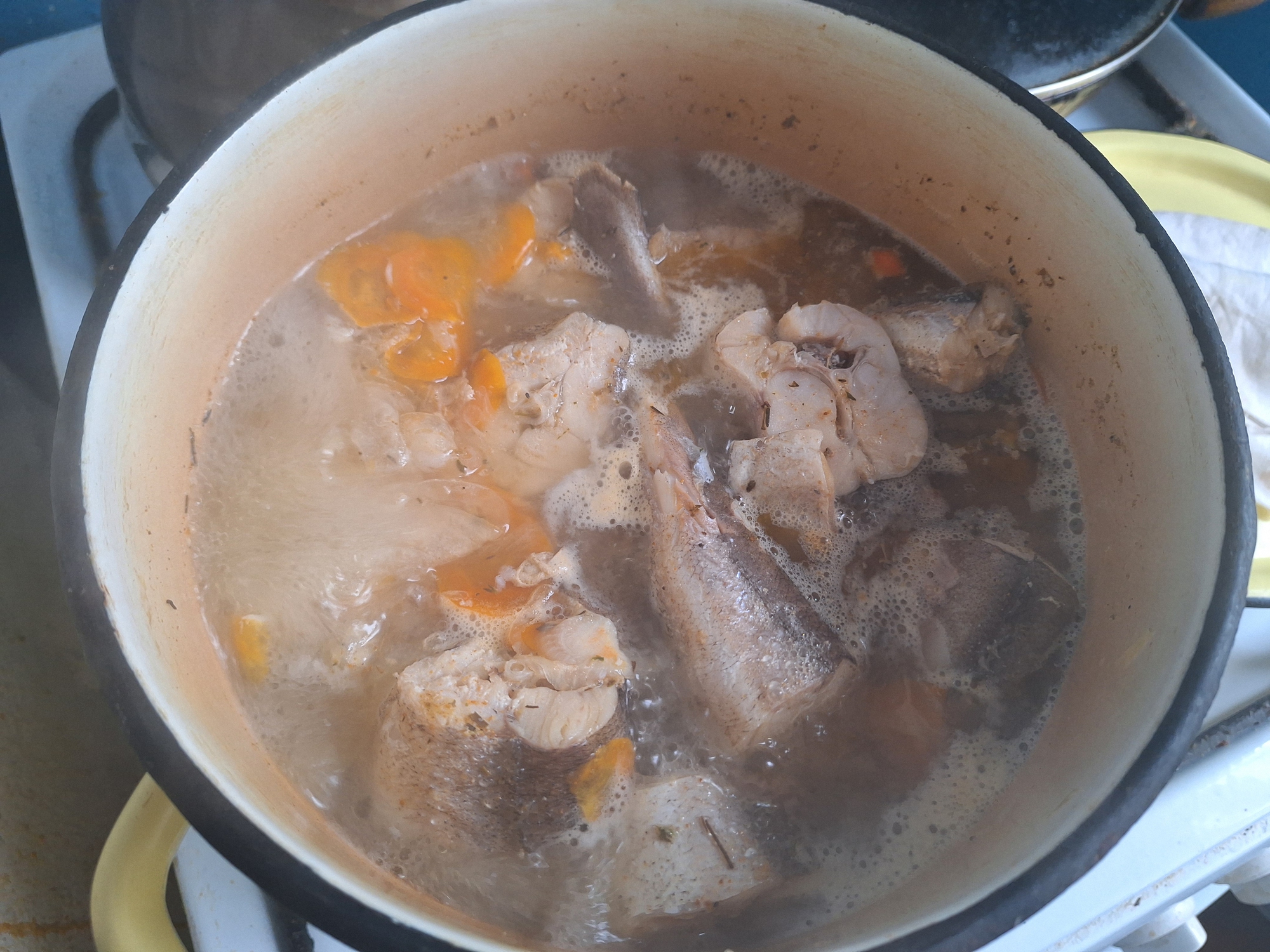
Creating stock from fish bones and heads required care to avoid bitter flavors but produced unmatched depth for seafood soups. Commercially frozen stock eliminated need for the careful process.
Home cooks now accept adequate commercial products rather than perfecting the technique.
Aspic Clarification
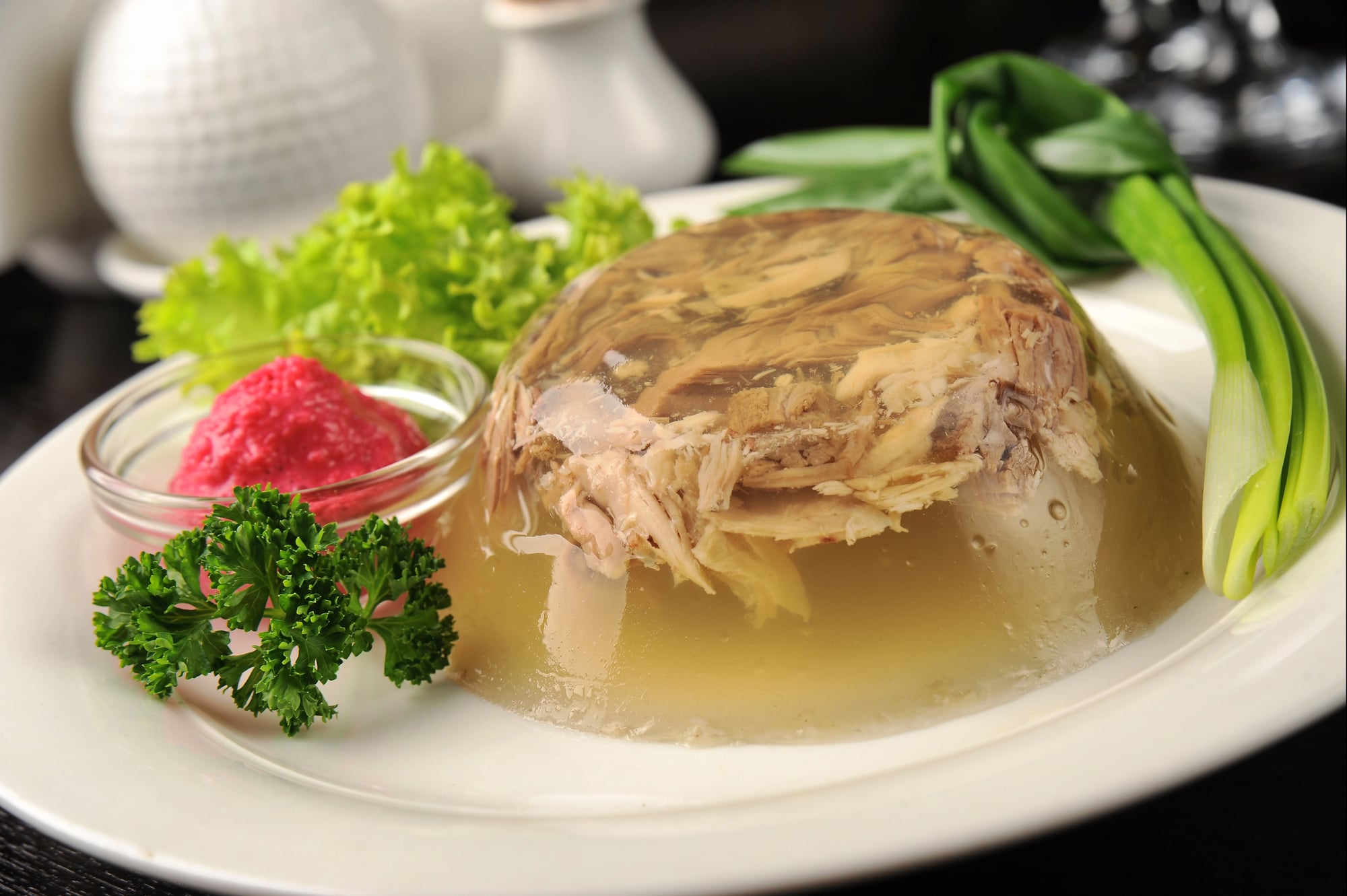
Creating clear aspic for meat dishes required filtering stock through egg whites and careful straining. The resulting clear, flavorful aspic elevated prepared dishes.
Modern refrigeration and gelatin packets eliminated the technique’s necessity despite its elegant results.
Rendered Pork Intestines
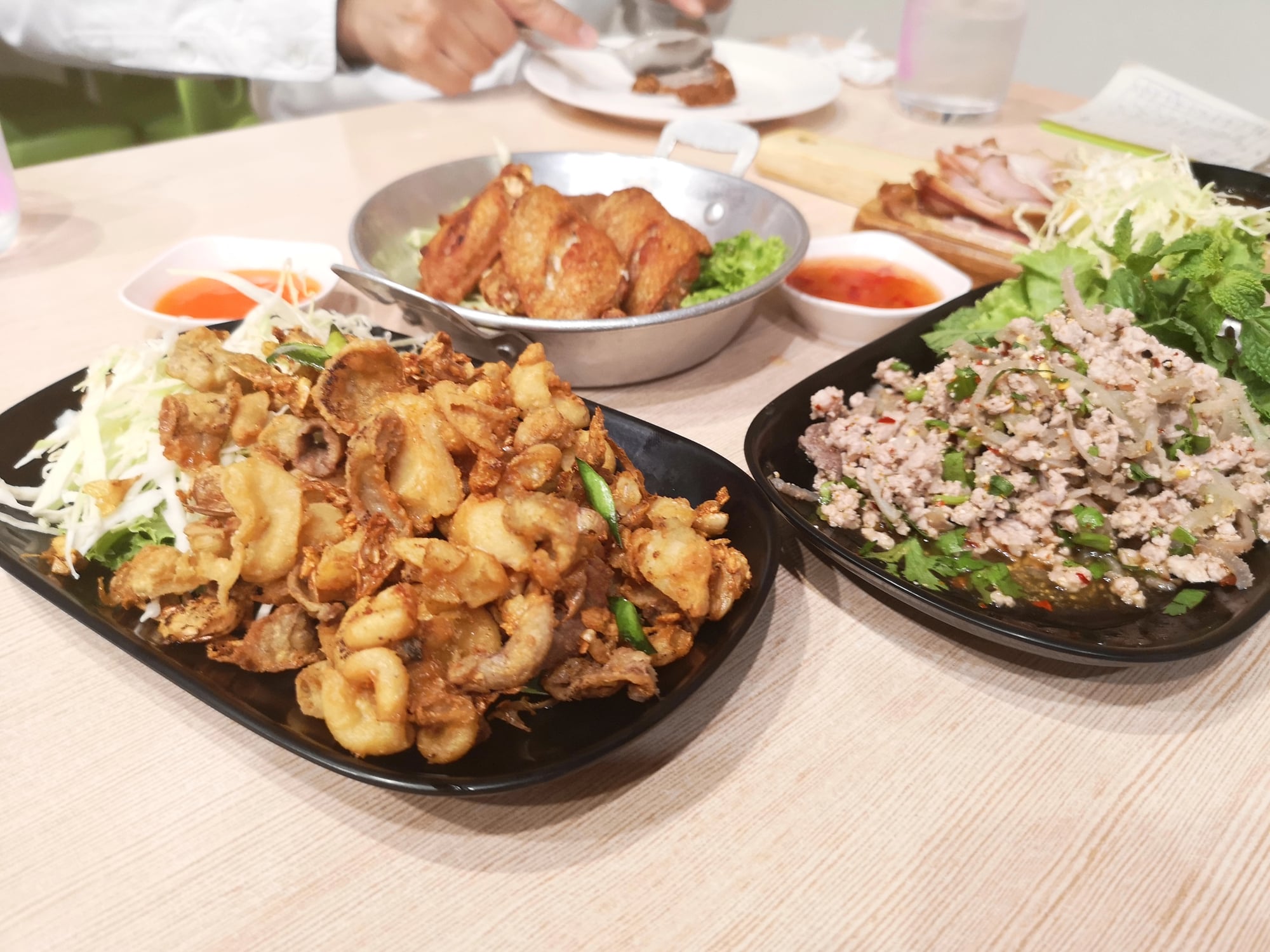
Converting pork intestines into usable casings or cooking fat required processing that connected people to whole animal utilization. The process converted waste into useful products.
Modern disconnect from meat production eliminated both the practice and the understanding of whole-animal value.
Slow-Cooked Soup Stock
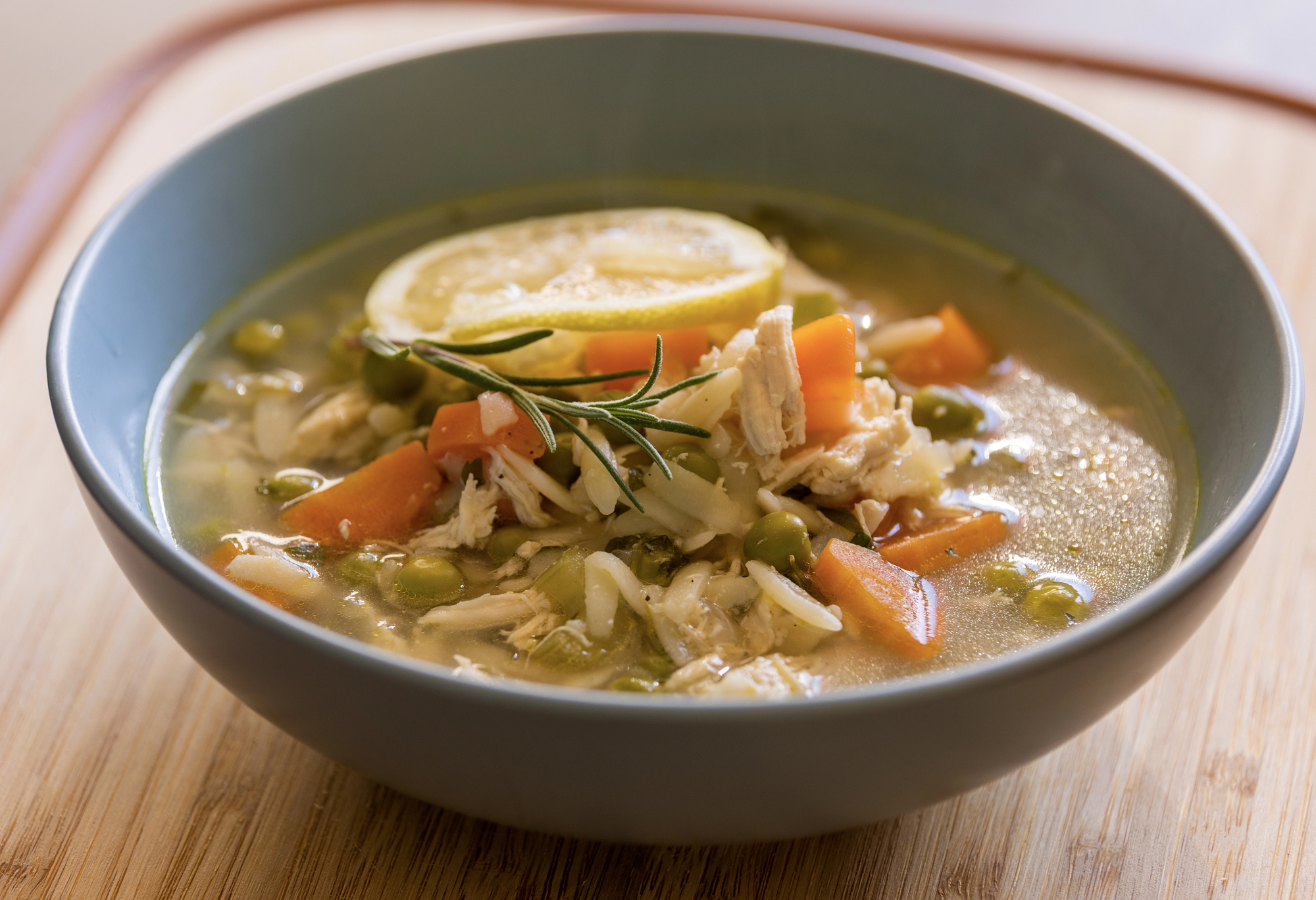
Creating soup from bones, vegetable scraps, and water by overnight simmering produced liquid base for hundreds of dishes. The practice created kitchen efficiency as nothing was wasted.
Modern cooking skips the foundational work, creating soup from shortcuts that produce adequate results.
Preserved Eggs in Brine
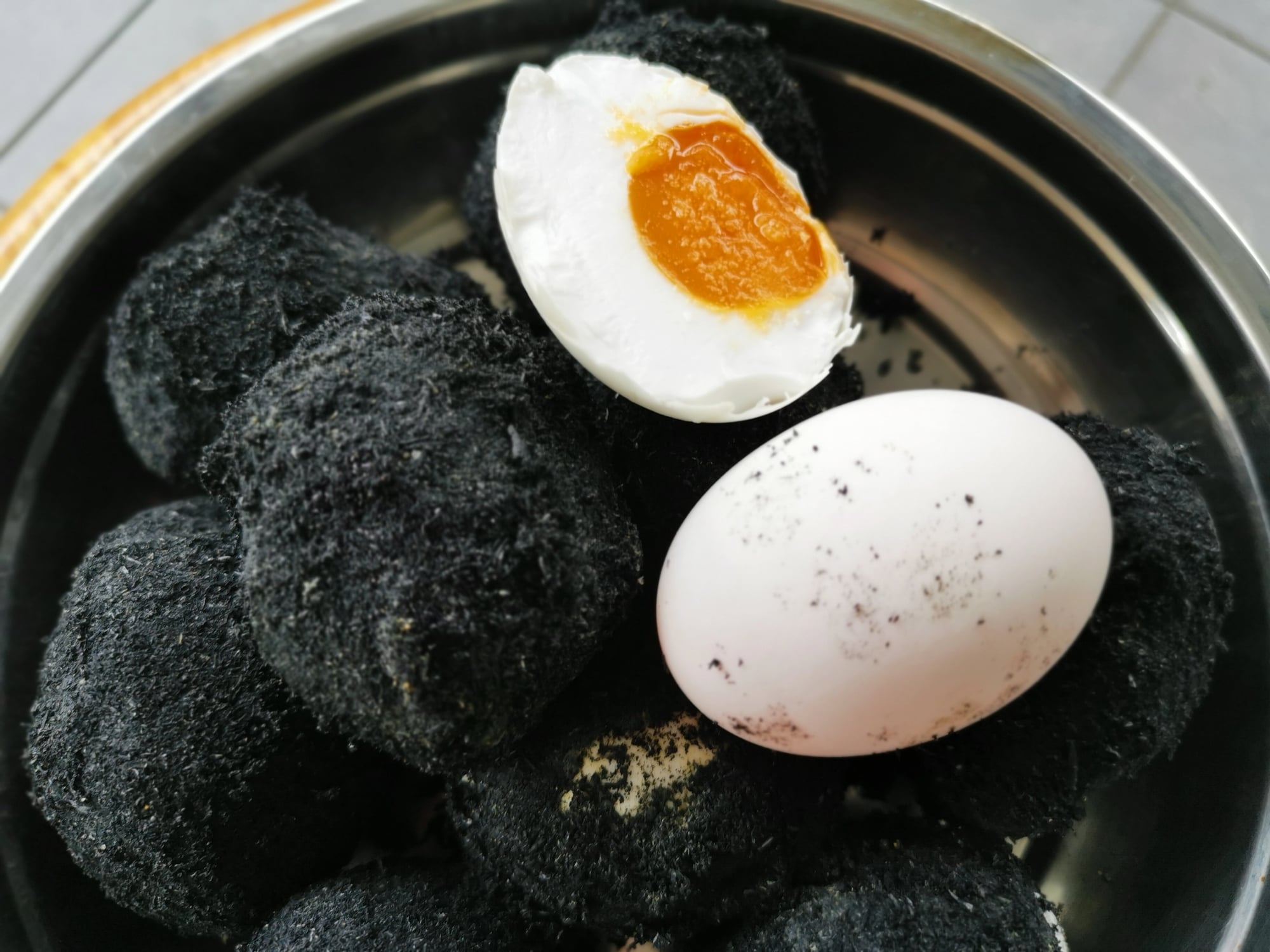
Storing fresh eggs in brine allowed year-round egg availability before modern refrigeration. The ancient technique was practical preservation method essential for survival.
Refrigeration eliminated the need despite preserved eggs’ unique texture and flavor.
Hand-Shredded Dried Beef
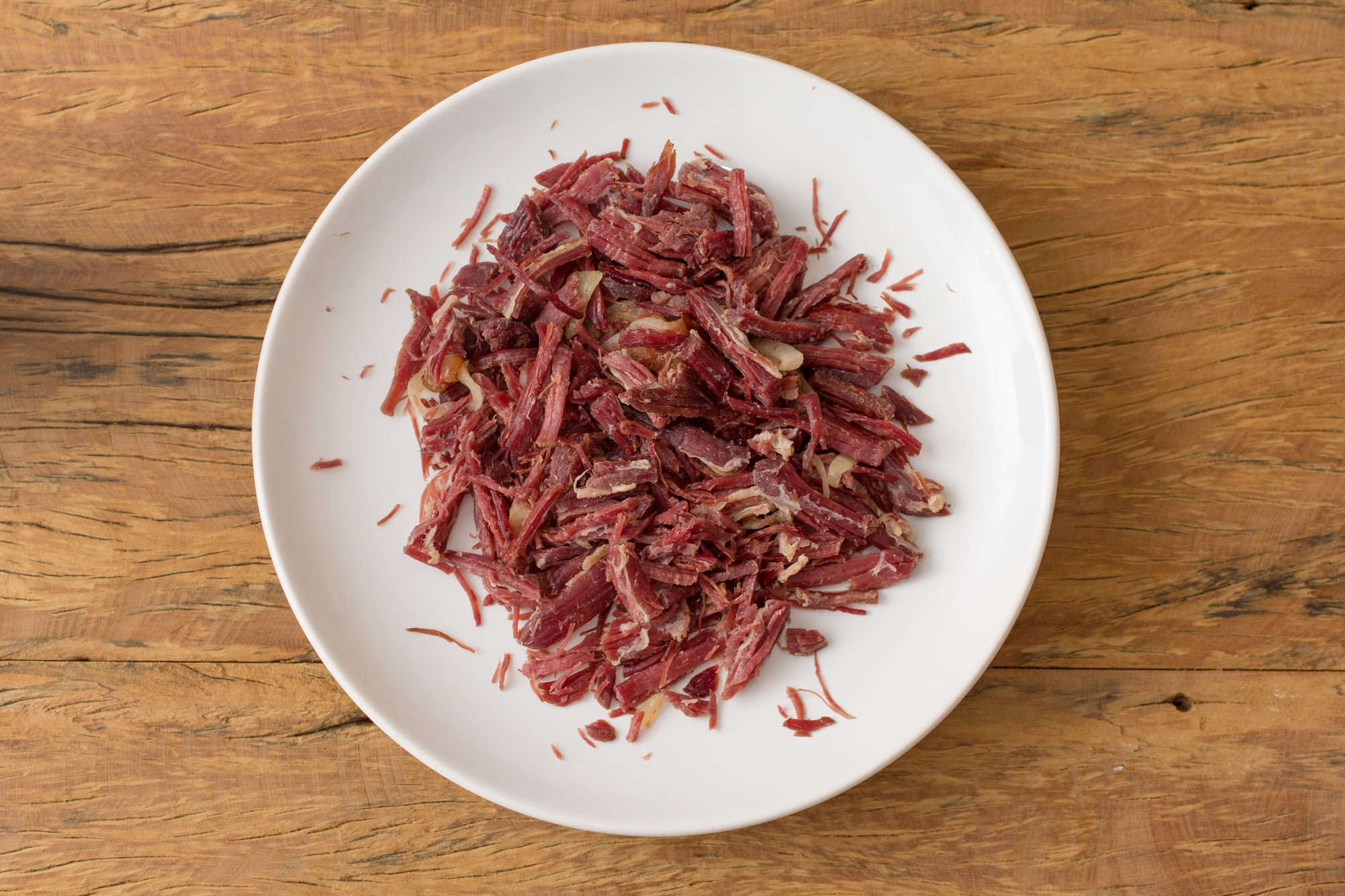
Drying thin beef slices created shelf-stable protein available for quick cooking or eating raw. The product required careful preparation to prevent spoilage.
Modern refrigeration eliminated preservation necessity while pre-packaged jerky provided easier alternative.
Reduction-Based Sauce Preparation
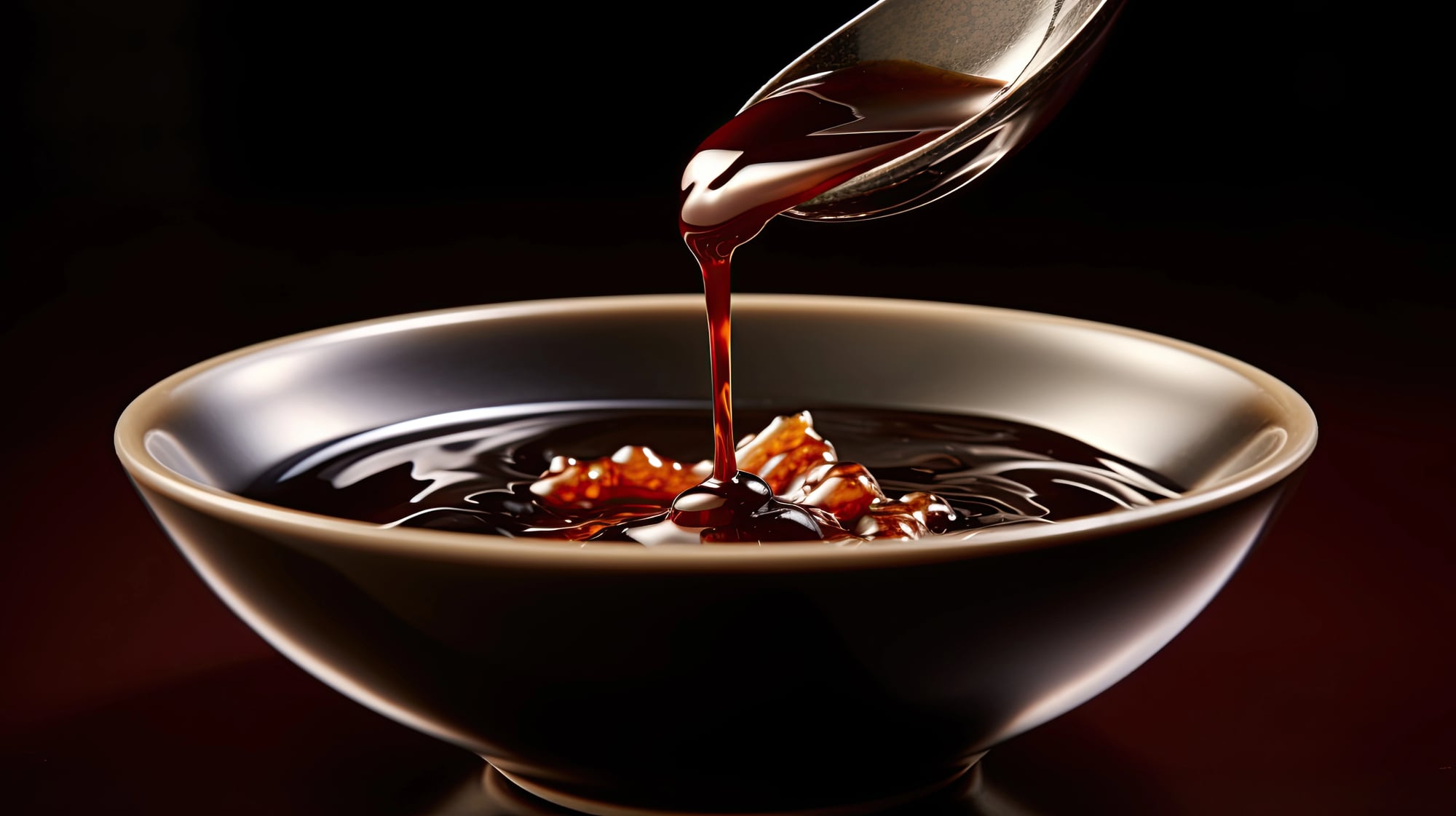
Creating rich sauces through reduction of meat drippings or stock required patience and precise heat management. The resulting sauces had depth impossible to replicate quickly.
Modern cooks use shortcuts that produce adequate gravy rather than exceptional reduction-based sauces.
More from Go2Tutors!

- The Romanov Crown Jewels and Their Tragic Fate
- 13 Historical Mysteries That Science Still Can’t Solve
- Famous Hoaxes That Fooled the World for Years
- 15 Child Stars with Tragic Adult Lives
- 16 Famous Jewelry Pieces in History
Like Go2Tutors’s content? Follow us on MSN.