Video Game Consoles That Flopped Hard
The video game industry has seen some incredible success stories over the decades, with consoles that defined entire generations of gaming. But for every PlayStation or Nintendo Switch that dominated the market, there were dozens of ambitious machines that crashed and burned spectacularly.
These weren’t just minor setbacks—they were financial disasters that cost companies millions, ended promising careers, and left gamers wondering what went wrong. Let’s look at some of the biggest console failures that prove even the smartest companies can get it terribly wrong.
Virtual Boy

Nintendo released this bizarre red-and-black headset in 1995, betting that gamers wanted to strap a clunky device to their faces for immersive 3D gaming. The Virtual Boy gave players headaches, neck pain, and eye strain after just 15 minutes of use.
It displayed everything in red monochrome, which looked like a bad science experiment rather than the future of gaming. Nintendo pulled it from shelves after less than a year, selling only 770,000 units in the U.S.
The company rarely acknowledges this embarrassment even existed.
Philips CD-i
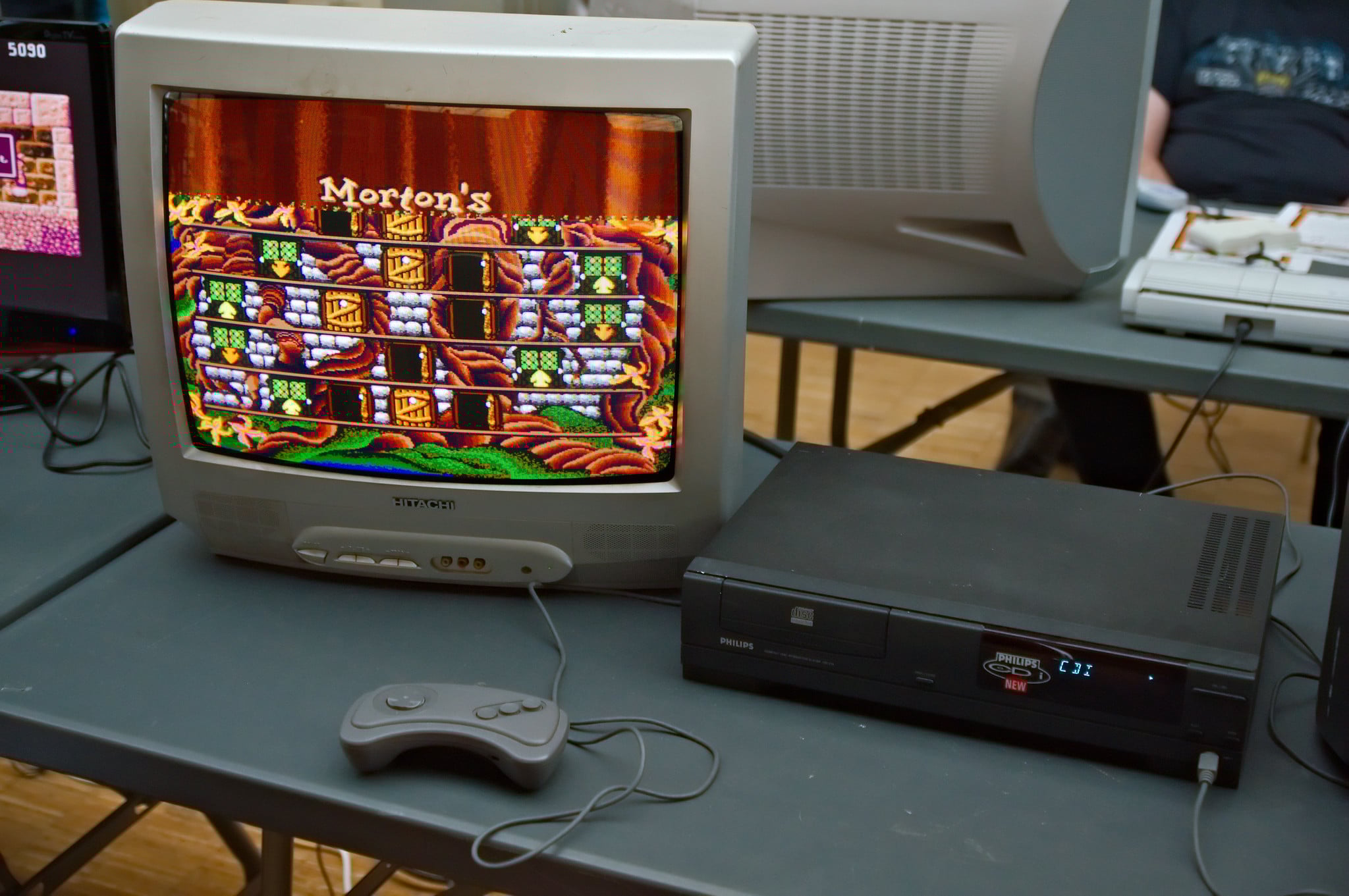
Philips thought they could break into gaming with this multimedia console in 1991, pricing it at a wallet-crushing $700. The system had a controller that felt like holding a TV remote, making actual gameplay feel awkward and unresponsive.
Philips somehow convinced Nintendo to let them make Zelda and Mario games for the platform, resulting in some of the worst entries in both franchises. The CD-i became famous for hilariously bad cutscenes and gameplay that made players question if anyone at Philips had actually played a video game before.
It limped along until 1998, losing an estimated $1 billion for the company.
Atari Jaguar

Atari marketed this 1993 console as the first 64-bit gaming system, plastering the number everywhere as if bits alone sold consoles. The reality was a confusing controller with a numeric keypad that had more buttons than a phone, and games that looked barely better than 16-bit competitors.
Third-party developers avoided the Jaguar because it was notoriously difficult to program, leaving Atari scrambling to fill release schedules. The system sold fewer than 250,000 units before Atari abandoned the hardware business entirely.
Alien vs. Predator was the only decent game on the entire platform.
Nokia N-Gage
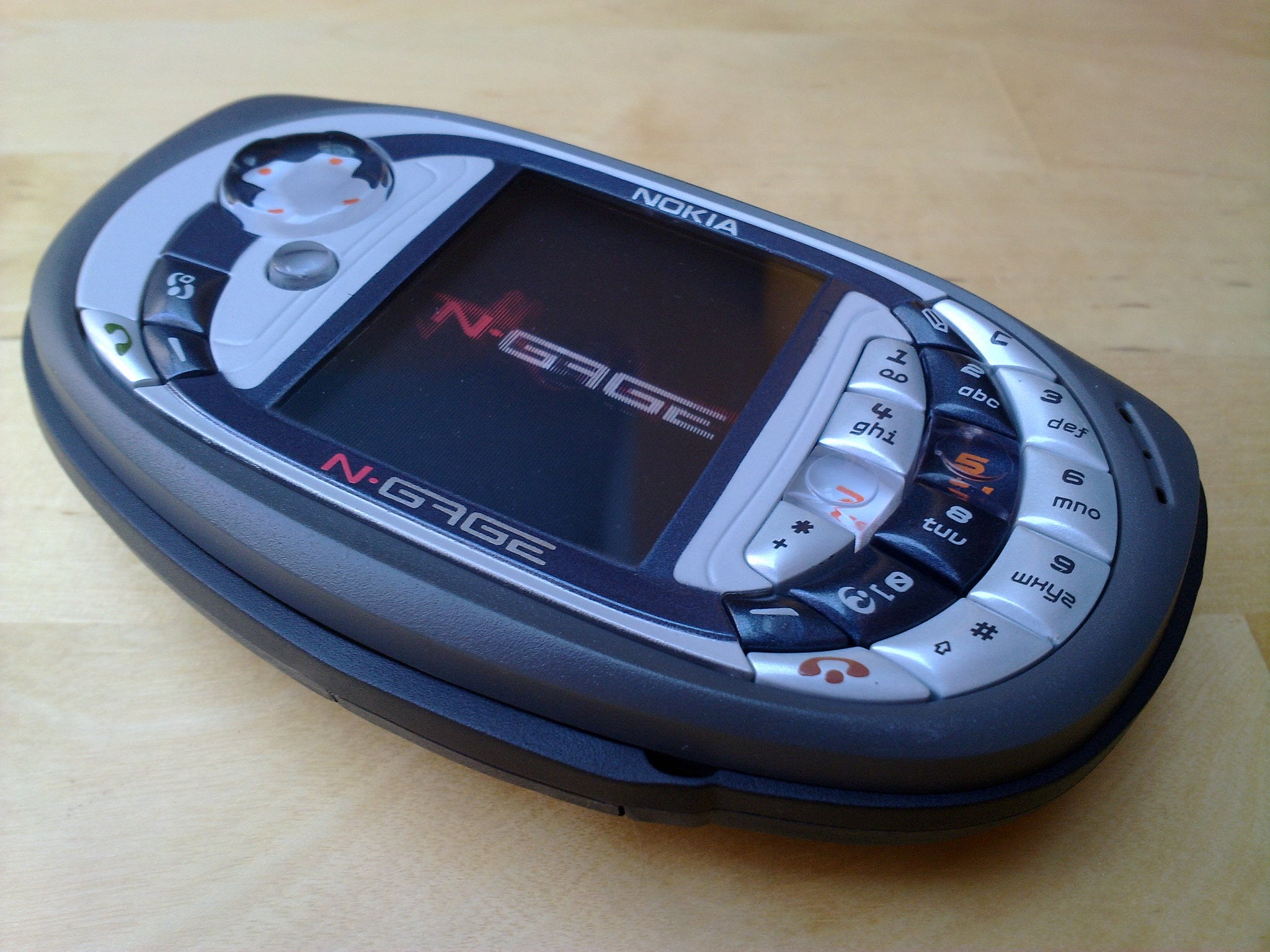
Nokia tried to combine a cell phone and gaming console into one device in 2003, creating something that did both jobs poorly. Players had to hold the N-Gage sideways like a taco to make phone calls, earning it the nickname ‘taco phone’ across the internet.
The screen was tiny, the game selection was weak, and the design looked like a rejected prop from a bad sci-fi movie. Changing games required removing the battery and your SIM card, turning a simple task into an annoying process.
Nokia shipped only 3 million units worldwide before admitting defeat and discontinuing it in 2005.
Sega Dreamcast
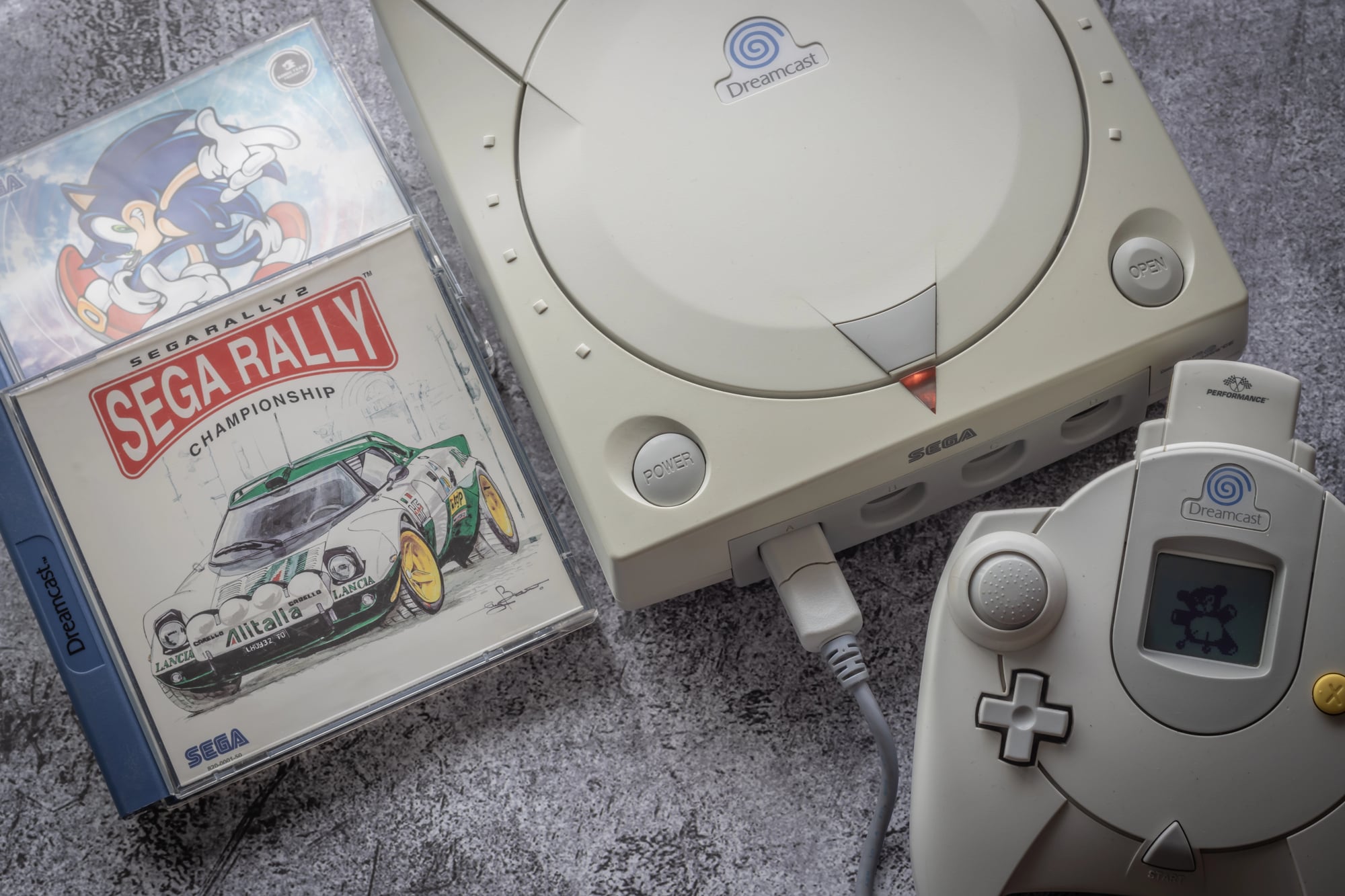
The Dreamcast arrived in 1999 with genuinely impressive graphics, innovative online play, and a solid game library that included classics like Sonic Adventure and Shenmue. Sega had burned too many bridges with the Sega CD, 32X, and Saturn failures, making retailers and consumers skeptical about investing in another Sega console.
PlayStation 2’s announcement sucked all the air out of the room, promising DVD playback and backwards compatibility that Dreamcast couldn’t match. Despite selling 9.13 million units, Sega lost hundreds of millions and exited the hardware business in 2001.
The Dreamcast remains beloved by fans who recognize it as a great console that arrived at the worst possible time.
Apple Bandai Pippin
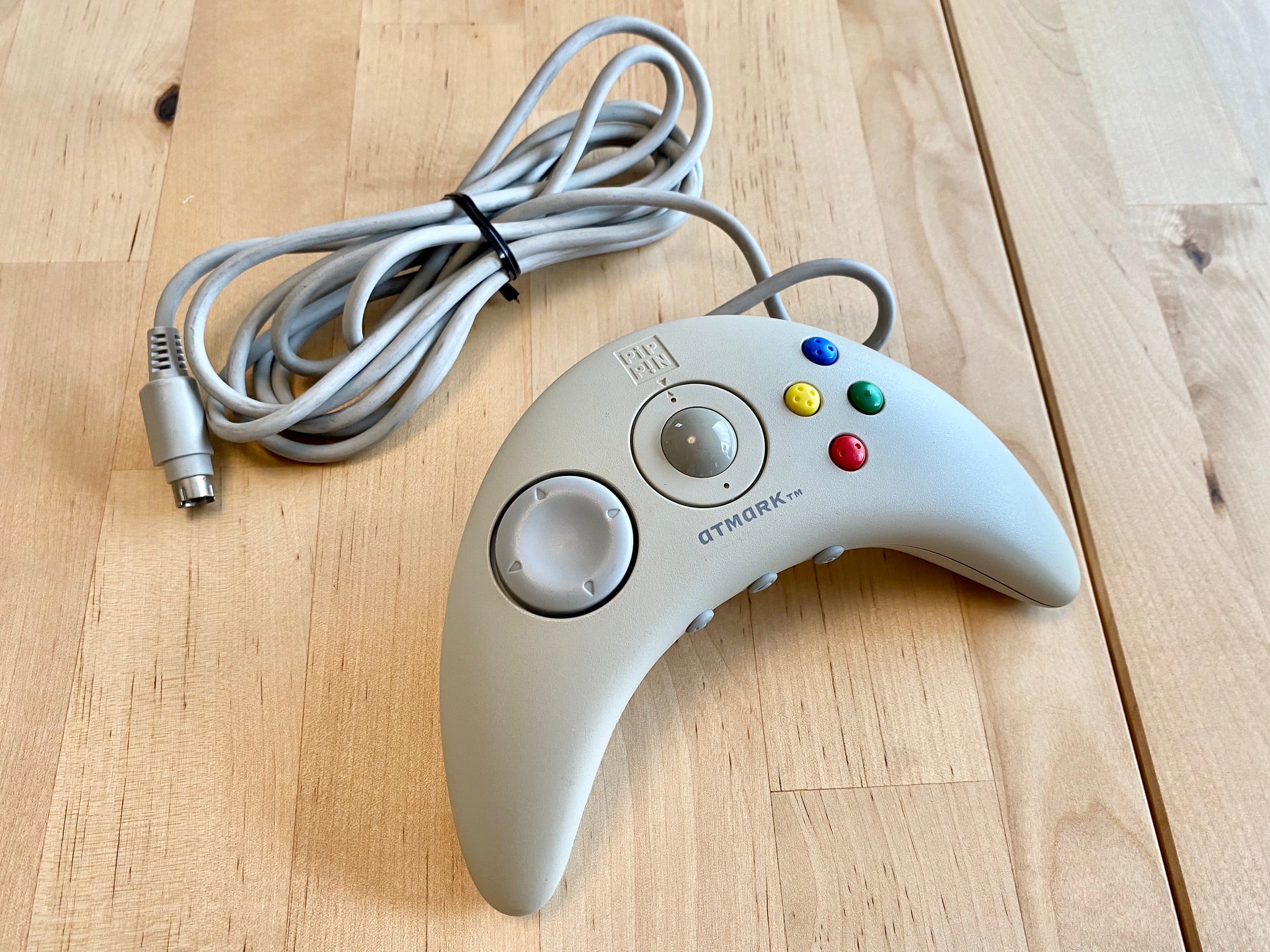
Apple entered gaming in 1996 with this overpriced, underpowered machine that cost $600 and played almost no games worth owning. The Pippin was essentially a stripped-down Macintosh computer marketed as a gaming console, confusing everyone about what it actually was.
Bandai handled manufacturing and distribution, but even their expertise couldn’t save a product nobody wanted. Apple and Bandai sold only 42,000 units worldwide, making it one of the biggest commercial failures in gaming history.
Steve Jobs later returned to Apple and quickly killed the program, pretending it never happened.
3DO Interactive Multiplayer

Trip Hawkins, founder of Electronic Arts, launched the 3DO in 1993 with the insane price tag of $700 during a recession. The console had impressive technology for its time, but asking families to spend that much when a Super Nintendo cost $200 was a business downfall.
Multiple companies manufactured 3DO consoles under license, creating quality control issues and consumer confusion about which version to buy. The game library included some decent titles, but not nearly enough to justify the astronomical price.
The 3DO sold only 2 million units before the company abandoned hardware and refocused on software development.
Gizmondo
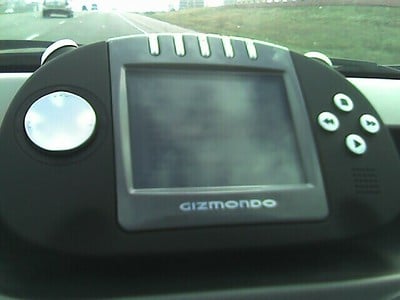
This 2005 handheld console came from a Swedish company with executives who had criminal records and a suspicious business model. The Gizmondo featured GPS tracking, a camera, and MP3 playback, but the actual gaming experience was terrible with a weak library and poor performance.
The company spent money like drunken sailors on marketing, including a $250,000 sponsorship deal with a soccer team nobody in America had heard of. One executive famously crashed a rare Ferrari Enzo in Malibu while allegedly drunk, bringing unwanted attention to the company’s shady finances.
Gizmondo sold fewer than 25,000 units and collapsed in 2006 amid fraud investigations.
Ouya
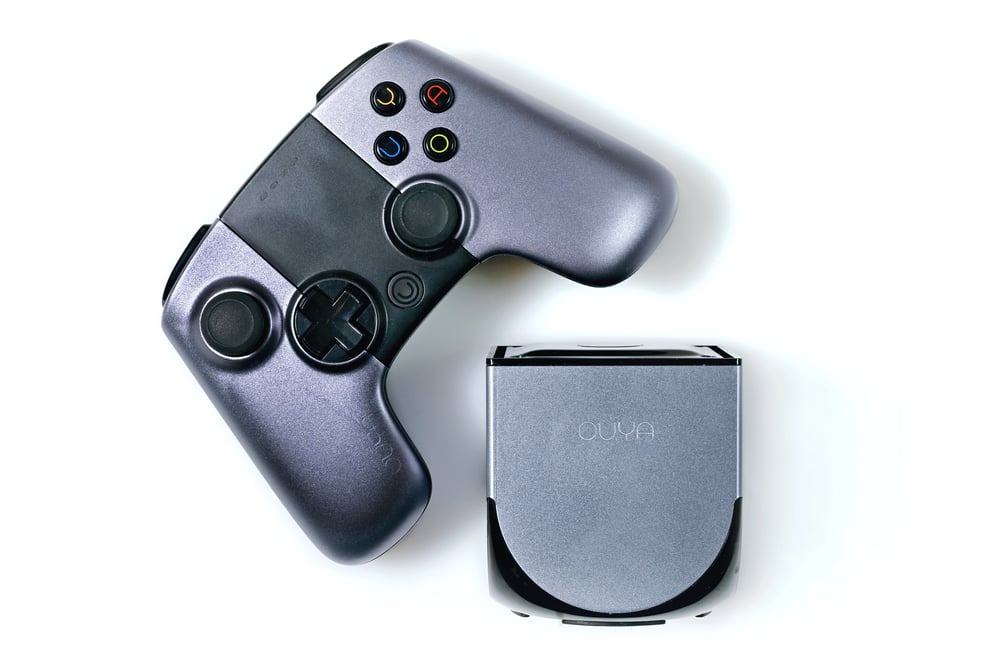
This Android-based console raised $8.6 million on Kickstarter in 2012, promising affordable gaming and easy development for indie creators. The tiny box looked cute, but the controller felt cheap, the interface was clunky, and the game selection was filled with mobile ports nobody wanted on their TV.
Ouya’s open-source approach meant piracy ran rampant, scaring away developers who saw their games stolen within days of release. The console failed to find an audience beyond the initial Kickstarter backers who felt obligated to support it.
Razer bought the company in 2015 for a fraction of what investors had pumped into it.
Sega Saturn

Sega surprise-launched the Saturn in May 1995, four months earlier than announced, which sounds clever until you realize retailers weren’t ready and had no inventory. The console cost $400, which was $100 more than PlayStation, and had a complicated dual-processor architecture that made game development a nightmare.
Major retailers like Walmart and Best Buy were furious about being left out of the surprise launch and refused to stock the system. Sega of America and Sega of Japan fought constantly about strategy, leading to mixed messages and poor decisions.
The Saturn sold only 9.26 million units worldwide, setting up Sega’s eventual exit from console manufacturing.
Atari 5200
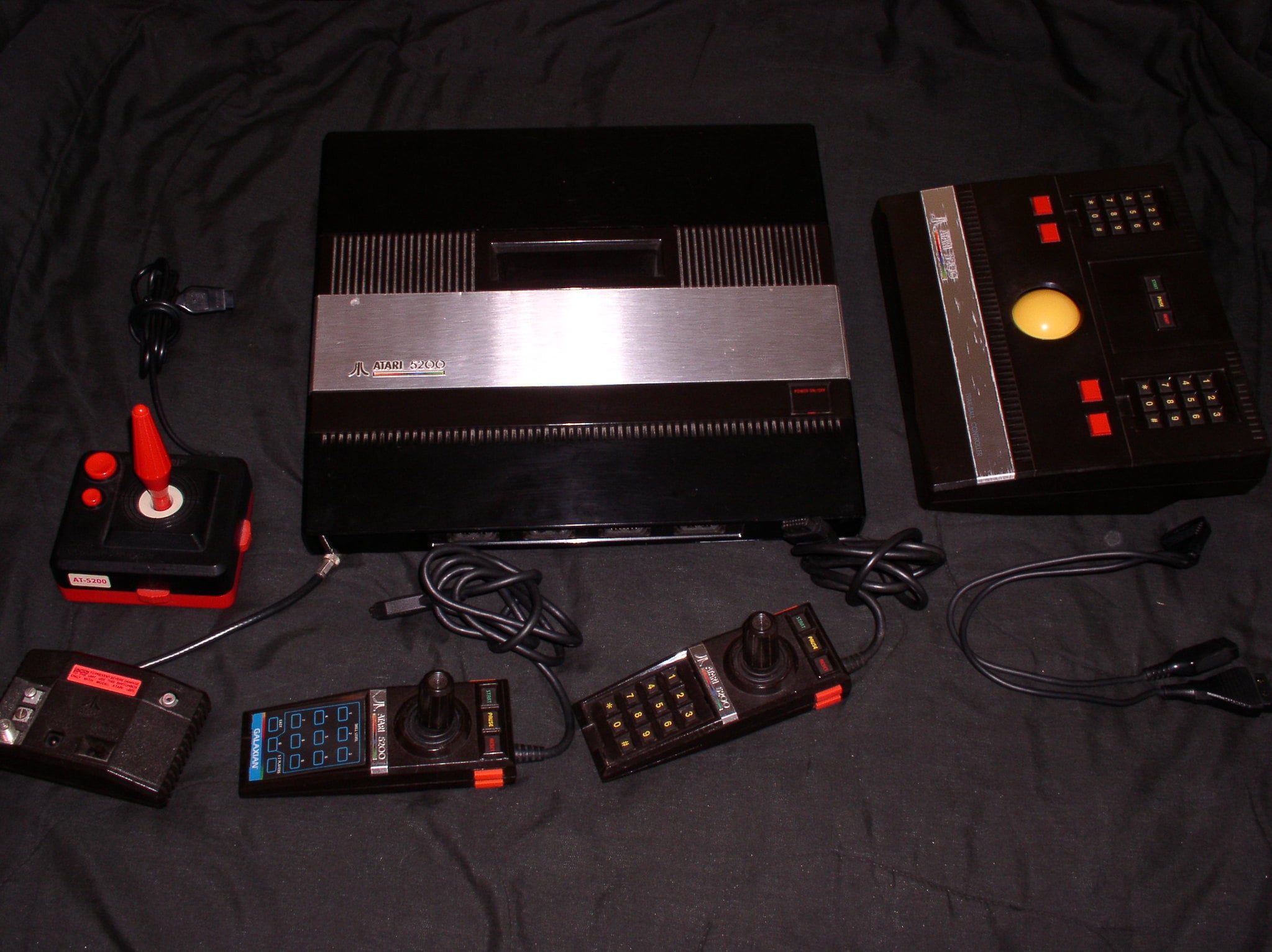
Atari released this follow-up to the massively successful 2600 in 1982, somehow making nearly every design choice wrong. The controllers were non-centering joysticks that broke constantly, turning every gaming session into a frustrating fight with unresponsive controls.
The 5200 wasn’t backwards compatible with the enormous 2600 game library, forcing customers to keep both systems or abandon their collections. Games looked only marginally better than 2600 titles, failing to justify the upgrade for most consumers.
The 5200 sold only 1 million units before Atari discontinued it in 1984, right as the entire gaming industry collapsed.
Commodore 64 Games System

Commodore took their successful C64 computer in 1990, removed the keyboard and computing functions, and released it as a game console that nobody asked for. The system launched when 16-bit consoles were dominating the market, making the 8-bit C64GS look ancient and underpowered.
Only a handful of games were specifically released for the console, and most players already owned them on the regular C64 computer. The UK was the only market where it launched, and even British gamers ignored it completely.
Commodore sold fewer than 20,000 units before quietly discontinuing it within a year.
LaserActive
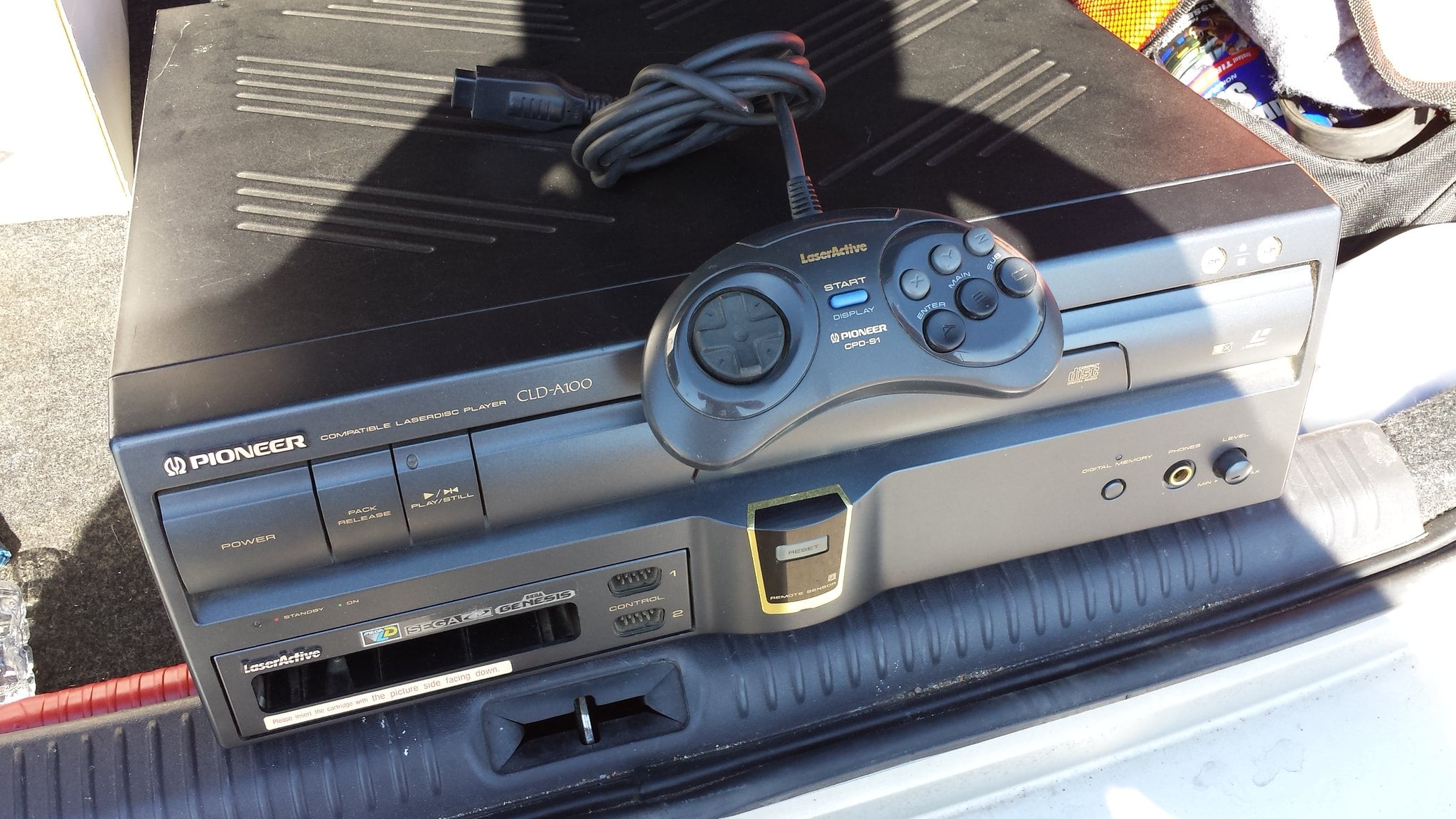
Pioneer released this multimedia monster in 1993 with a starting price of $970, targeting consumers who wanted a combination LaserDisc player and game console. The base unit did almost nothing by itself, requiring expensive add-on modules to actually play games from different systems.
Full-motion video games on LaserDisc were supposed to be revolutionary, but they were actually boring, non-interactive movies with occasional button prompts. The entire package could cost over $1,200 when fully loaded, which was completely insane for the era.
Pioneer sold only 10,000 units in North America before abandoning the project and pretending it never existed.
Tiger Game.com

Tiger Electronics, known for cheap LCD handheld games, tried to compete with Nintendo’s Game Boy in 1997 with this touchscreen disaster. The screen was blurry, the processing power was weak, and the touchscreen functionality was implemented so poorly that most games ignored it entirely.
Game.com cartridges were bulky and ugly, and the game library was filled with poor ports of popular titles that played terribly. Tiger marketed it heavily during the holiday season, convincing parents it was a cheaper alternative to Game Boy, resulting in disappointed kids everywhere.
The company released a Game.com 2 in 1999 that sold even worse before Tiger gave up on the handheld market.
Vectrex
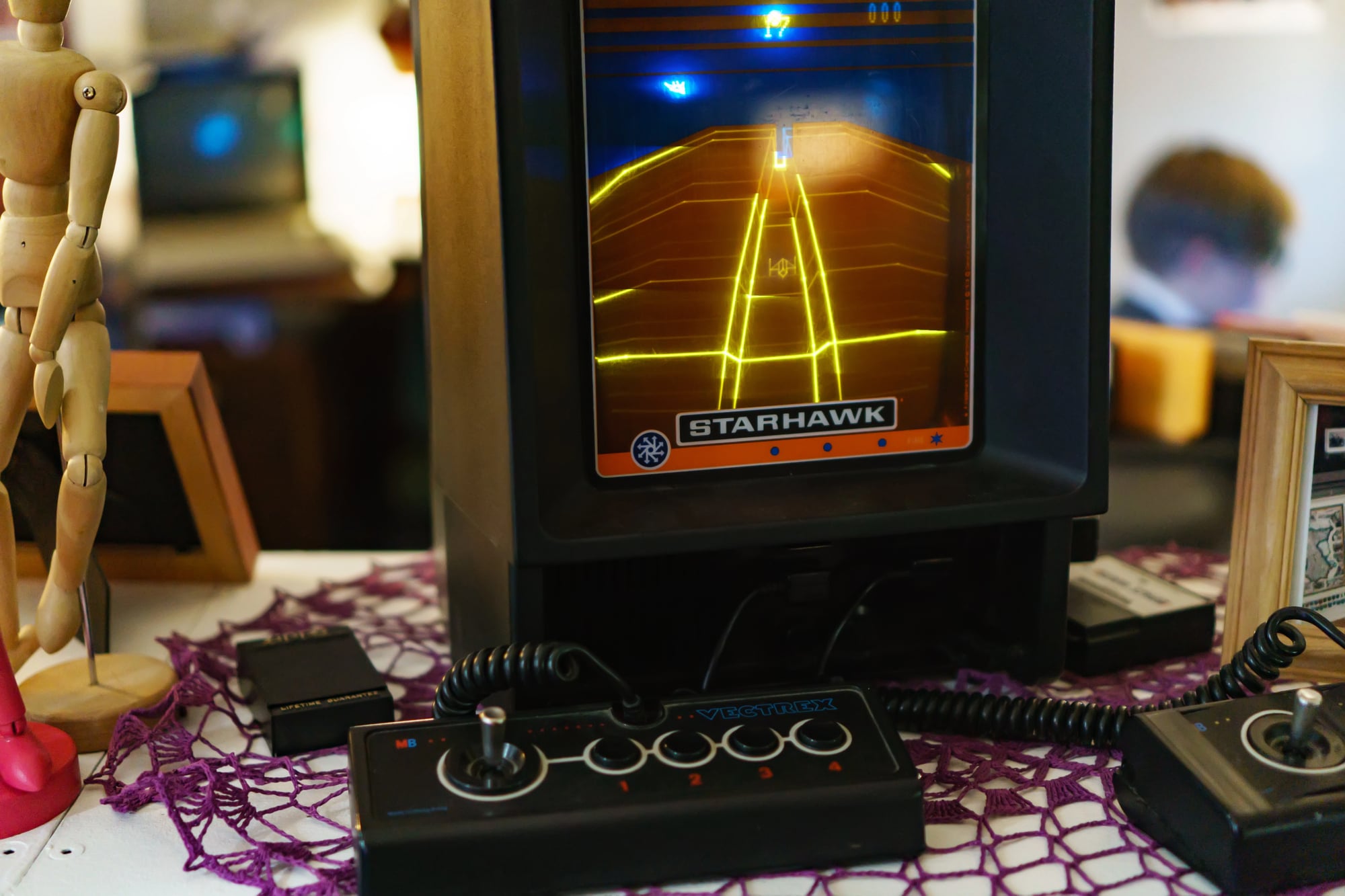
This 1982 console came with its own built-in vector monitor, creating crisp line-based graphics that looked completely different from other systems. General Consumer Electronics released it right before the video game crash of 1983, timing that doomed even decent products.
The Vectrex was actually well-designed with good games, but it cost $200 during a market collapse that killed consumer confidence in gaming. Milton Bradley bought the company and tried to keep it alive, but nobody was buying game consoles in 1984.
Only 1 million units sold before production ended, making the Vectrex a cult favorite that almost nobody actually owned.
Mattel HyperScan
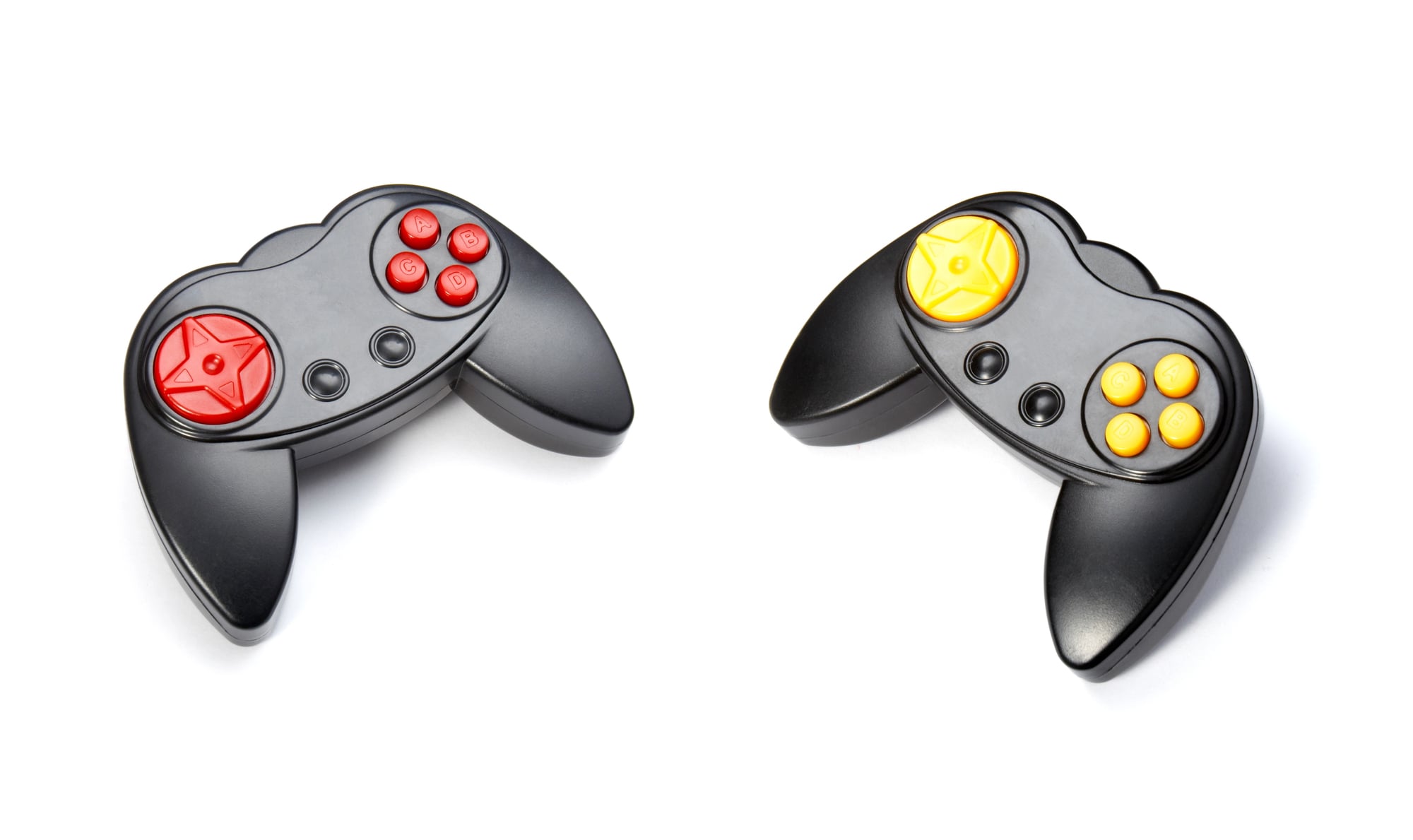
Mattel released this terrible console in 2006, targeting kids with a gimmick involving RFID trading cards that unlocked content in games. The graphics looked worse than PlayStation 1 games from a decade earlier, and the card-scanning feature barely worked, frustrating kids who couldn’t unlock their content.
The game library consisted of only five games, all of which were poorly designed and boring after 20 minutes. Mattel marketed it exclusively at young children who quickly lost interest and went back to their Game Boys and PlayStation 2s.
The HyperScan disappeared from stores within a year, becoming a cautionary tale about gimmicks over substance.
XavixPORT

Out of nowhere, a gadget arrived from Japan – SSD Company Limited’s brainchild hitting stores in 2006, though made back in 2004. Wireless remotes mimicked actual gear: pretend bats, fake rackets, plastic clubs dangled from players’ hands.
Instead of excitement, boredom crept in fast; actions looped, levels repeated, joy fizzled out quickly. Real pick-up games outdoors felt more thrilling than what this box provided.
Graphics looked muddy, controls dragged behind every move, painfully slow. A handful of titles existed – that’s it, nothing else ever came.
Then, the Wii showed up that very year, doing nearly the same thing only much better. Suddenly, nobody remembered the name XavixPORT.
Nuon

Back in 2000, VM Labs built a DVD player that could run games too, letting firms such as Samsung and Toshiba use the design. Priced way above standard models, these Nuon devices asked buyers to spend big on a machine offering only eight games – hardly enough to grab attention.
Those few titles felt more like experiments or brain teasers, nothing exciting or new compared to what consoles already offered. Stores didn’t know where to place them, often pretending the game part wasn’t even there.
By 2003, silence took over when VM Labs stopped pushing something people never reached for.
Nowhere else showed quite how broken things had become after those missteps took hold across the field

One by one, huge crashes left marks on how games get made now. When flashiness crashed hard, firms saw fun gameplay mattered more than shiny parts.
Price fights showed value wins trust faster than power specs alone. Broken promises to coders turned into tighter partnerships later.
From dead machines rose clearer messages to players about what was real. What counts most is shifting toward joy in playing, not just owning.
Each hit machine alive right now carries traces of old missteps studied closely. Someone once paused, checked the graveyards of gadgets, then chose another path.
More from Go2Tutors!

- The Romanov Crown Jewels and Their Tragic Fate
- 13 Historical Mysteries That Science Still Can’t Solve
- Famous Hoaxes That Fooled the World for Years
- 15 Child Stars with Tragic Adult Lives
- 16 Famous Jewelry Pieces in History
Like Go2Tutors’s content? Follow us on MSN.



