Thrift Store Paintings That Turned Out to Be Originals
Thrift store paintings typically sit on walls for one reason: they don’t match anything the previous owner wanted to keep. They’re wrong colors, wrong sizes, wrong subjects—the furniture moved to a new house, the wallpaper changed, and the painting got donated.
What thrift store shoppers rarely consider is that dismissal itself is precisely why real artwork ends up in bins priced at $5 or $10. The paintings no one wants are sometimes the paintings museums have been searching for decades.
The Jackson Pollock Bought as a Joke
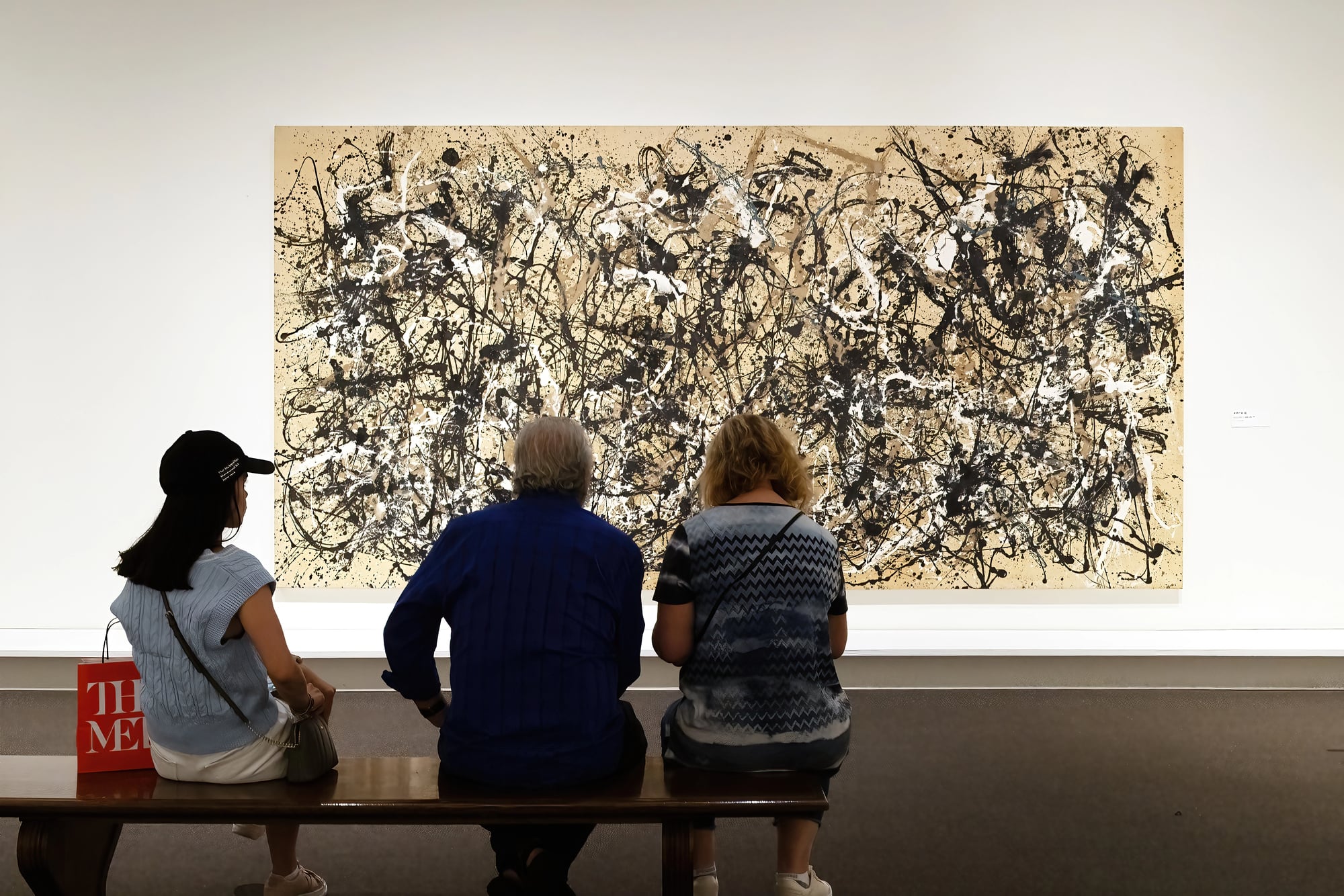
Teri Horton walked into a California thrift store in 1992 intending to buy a gag gift—a large canvas covered in red, white, black, and yellow paint splatters seemed deliberately ugly enough to amuse her depressed friend. She paid $5.
The friend found it hilarious but had no room for it in her mobile home. When Horton tried to resell the painting at a garage sale, an art teacher mentioned she should get it checked.
Forensic specialists found a fingerprint from Jackson Pollock on the canvas and traced the paint to his studio. Horton has spent decades fighting museums and experts who dismiss her claim, but the evidence holds: she’s been offered $9 million, though she insists it’s worth $50 million.
The $4 Painting Hiding a Rare Declaration of Independence
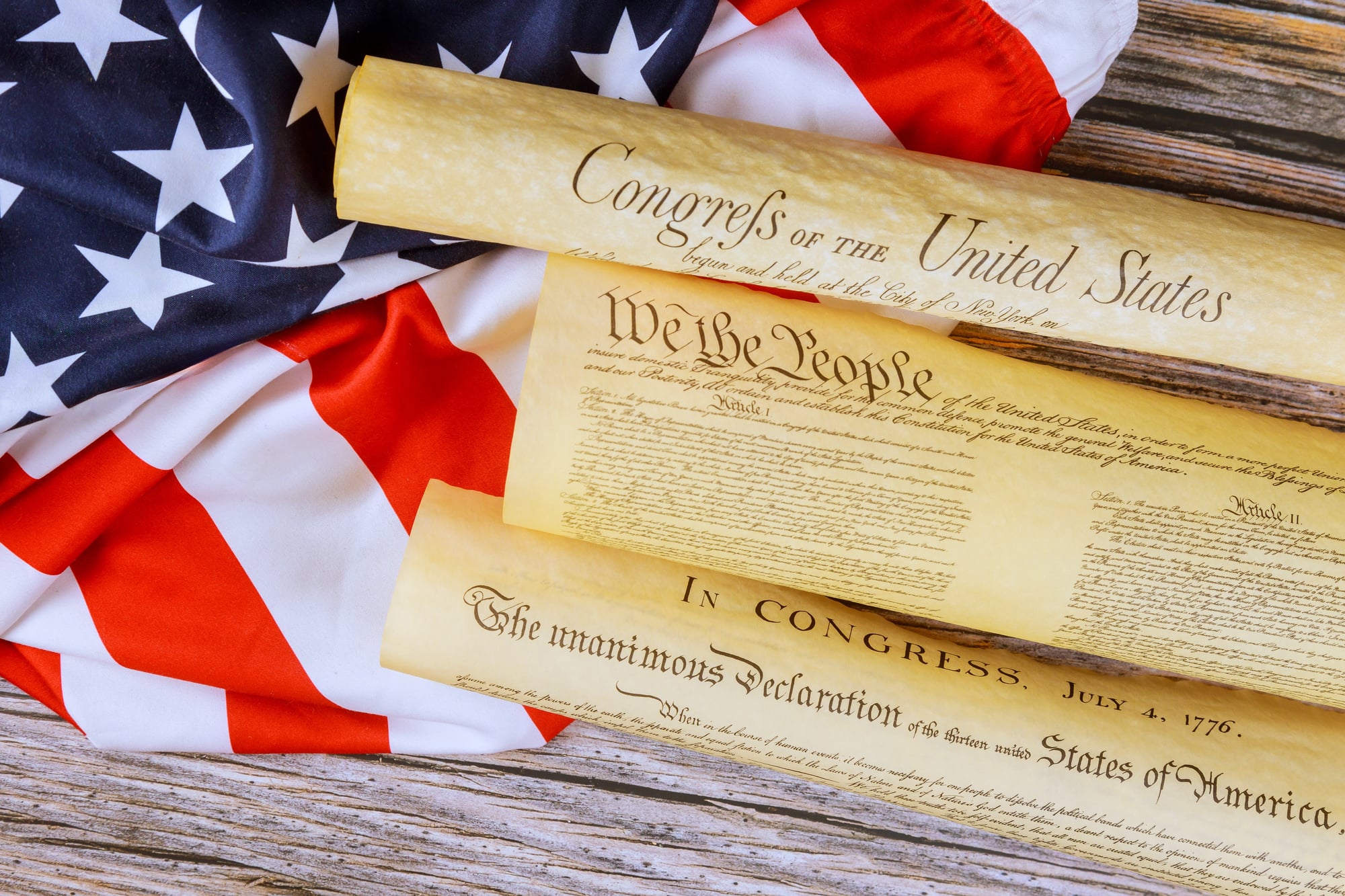
A Pennsylvania shopper paid $4 for a torn oil painting at an Adamstown flea market in 1989. She noticed something strange folded inside the backing: a printed document that turned out to be one of only 24 surviving first-printing copies of the Declaration of Independence.
The document alone sold for $2.42 million in 1991, then resold in 2000 for $8.14 million. The painting, which had protected this historic document for more than a century, was discarded by the previous owner as worthless.
The Newell Convers Wyeth Painting for $4
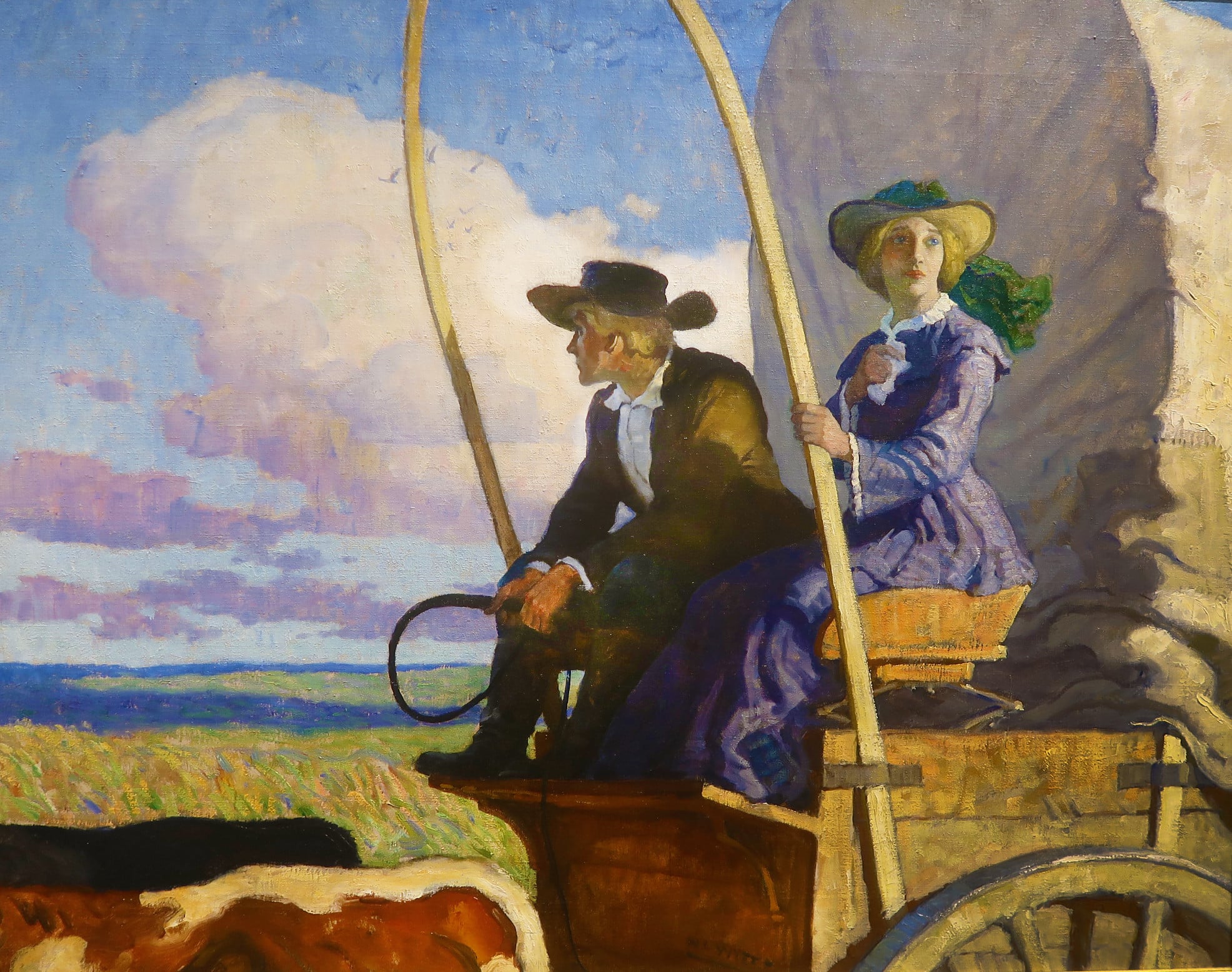
A New Hampshire woman bought an oil painting at a thrift store for exactly $4. She thought the landscape showed promise but nothing remarkable.
When she shared the work on social media, art experts recognized the style and brushwork as characteristic of Newell Convers Wyeth, an early twentieth-century American painter. The painting, once buried in storage and donated without documentation, returned to circulation and appraised for substantially more than the original investment.
The Martin Johnson Heade Hidden Behind Wallpaper

A Massachusetts family treated a dark landscape painting as functional rather than valuable—they used it to plug an opening in their wall. The painting showed promise but they’d never had it appraised.
Eventually, art specialists identified the work as “Magnolias on Gold Velvet Cloth” by Martin Johnson Heade, a major nineteenth-century American artist. The Museum of Fine Arts in Houston acquired it for a reported $1.25 million in 1999.
Three Watercolors Stacked in a Cardboard Box

A flea market shopper discovered three framed watercolors stacked face-down in a cardboard box priced to move quickly. The vendor was practically giving them away.
The buyer paid $12 for all three works. After proper cleaning and authentication, one of the pieces sold at auction for $8,400 alone, making that single purchase yield a forty-fold return.
The other two watercolors also appraised for significant value once cleaned and properly attributed.
The Salvador Dalí Woodblock Print
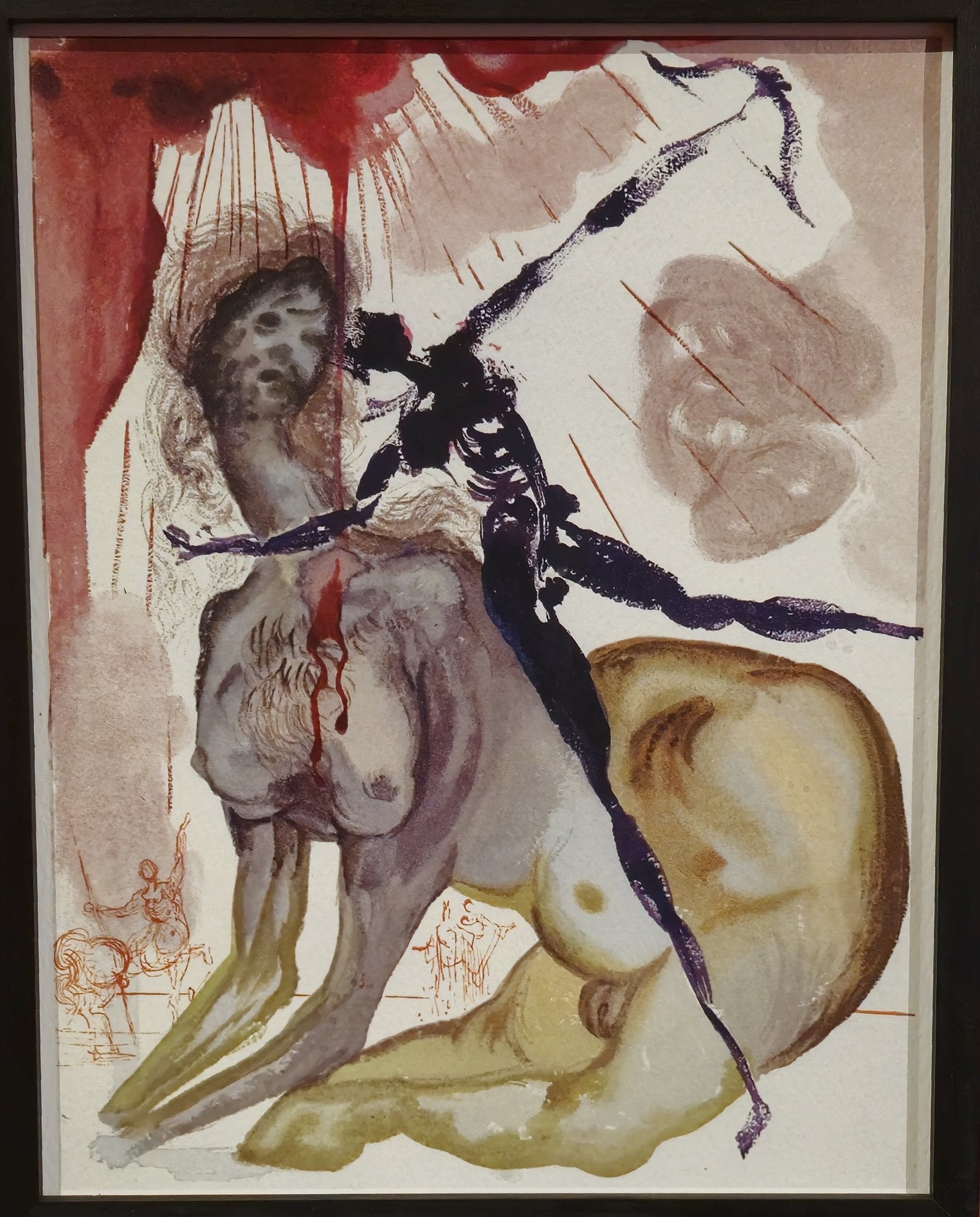
Wendy Hawkins, volunteering at the Hotline Pink Thrift Shop in Kitty Hawk, North Carolina, was struck by an ethereal image while sorting donations. She took it to a local gallery for examination.
Specialists identified the work as a woodblock print based on watercolors Salvador Dalí created to illustrate Dante’s Divine Comedy. The artist’s authentic signature confirmed the attribution, pushing the appraised value to $1,200.
The proceeds went toward the thrift shop’s mission supporting domestic violence victims.
The Renoir Painting Found by a Bargain-Hunting Mechanic

An out-of-work mechanic in France kept himself busy buying and selling cheap artworks online. One day he purchased an oil painting for €700 (roughly $760).
His eleven-year-old son spotted a signature on the canvas: A. Renoir, 1864. The painting was not in Renoir’s recognizable Impressionist style, but research confirmed the work existed in museum records and had been documented as lost for decades.
The painting’s reappearance justified authentication by specialists who verified its authenticity through pigment analysis and historical documentation.
The Painting Concealed Inside a Flea Market Sofa
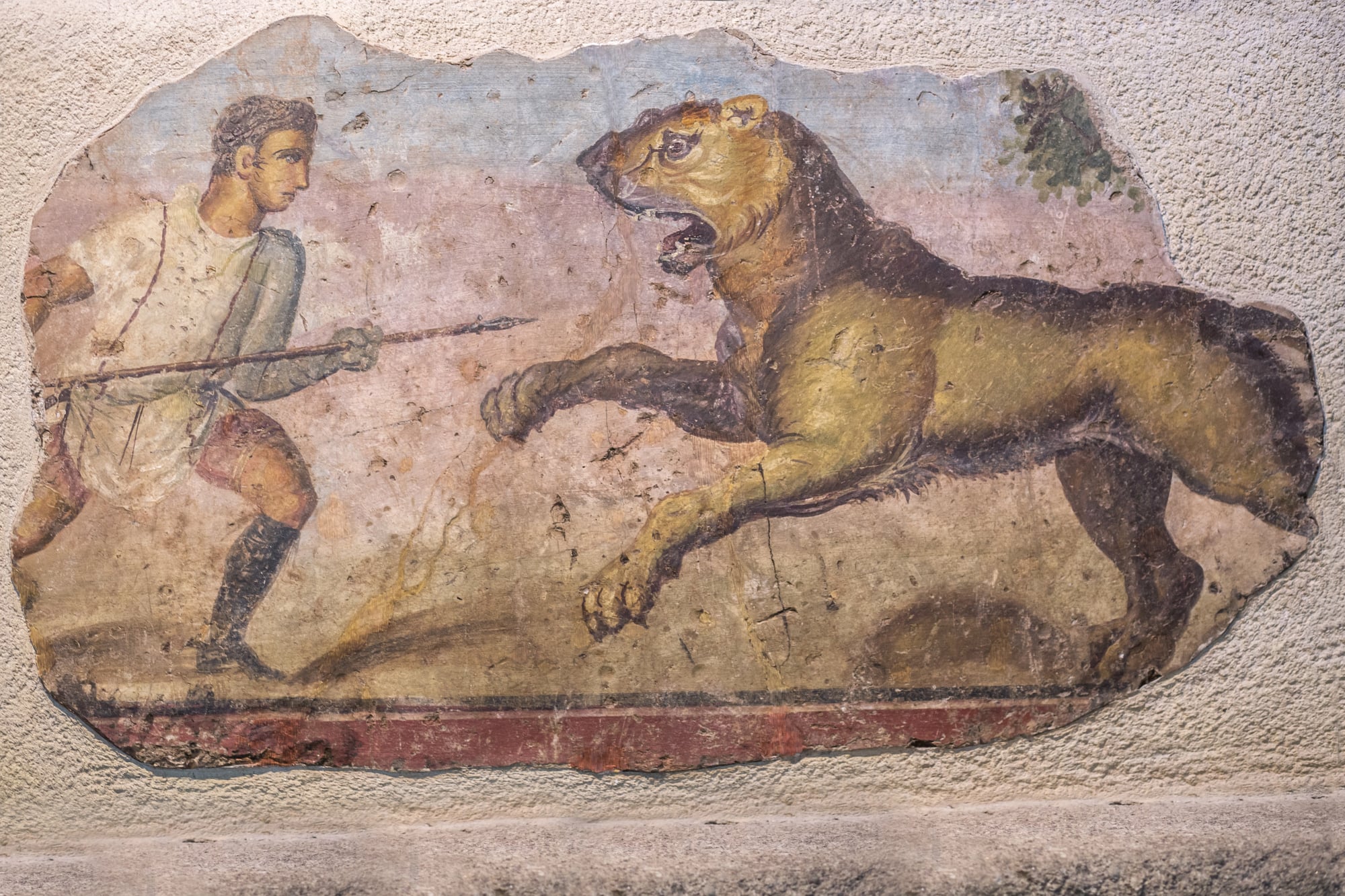
A German student bought a pullout sofa at a Berlin flea market for €215 ($215). She used the couch as seating without examining it closely.
When she finally unfolded the bed mechanism months later, she discovered a small oil painting hidden inside the frame—approximately 10 by 15 inches. The work, titled “Preparation to Escape to Egypt,” was attributed to an unknown artist working close to Venetian painter Carlo Saraceni between 1605 and 1620.
The painting sold at a Hamburg art auction for €25,000 ($27,630), making the concealed treasure worth more than one hundred times the sofa’s purchase price.
The Framed Print Hiding a Rare Movie Poster

Art dealer Laura Stouffer enjoyed browsing secondhand stores, a habit that paid off when she visited a thrift shop in Summerville, South Carolina, in 2007. She found a framed print of a mid-1800s painting and bought it because she liked the image.
Back home, examining it more closely, she discovered something unexpected lurking between the print and its cardboard backing: an original theatrical movie poster from “All Quiet on the Western Front,” the 1930 Academy Award winner. The poster alone estimated at approximately $20,000, representing a discovery she’d nearly overlooked.
The Oil Paintings Intended to Be Painted Over

Beth Feeback, a struggling artist from North Carolina, hunted for cheap canvases at her local thrift store in 2012, specifically seeking paintings she could paint over and repurpose. She purchased two oil paintings for $9.99 total, intending to use the canvas space.
Before painting over them, something prompted her to investigate the existing work. The paintings turned out to be legitimate original works with artistic merit, causing her to reconsider destroying them and instead restore and preserve them.
The Portfolio of Original Sketches Behind Old Textbooks

A shopper at a thrift store noticed a leather portfolio wedged behind some old textbooks on a shelf. The portfolio contained original sketches by a mid-century designer.
Once properly authenticated and documented, the sketches appraised for thousands of dollars. The previous owner had apparently stored the portfolio so thoroughly that it was overlooked during estate liquidation and donated with other household items.
The Oil Paintings Hiding Behind Poor Presentation

Many thrift store paintings lack frames, display dust and water damage, carry vague attributions, or suffer from poor presentation. Underneath this neglect, legitimate artwork sometimes waits to be recognized.
Collectors who study art history, visit galleries regularly, and understand how to evaluate brushwork and composition under layers of grime develop the eye to spot quality. The secondhand art market floods with underpriced pieces precisely because most people don’t know what they’re looking at, creating opportunity for those who do.
Why Thrift Store Paintings Become Treasures
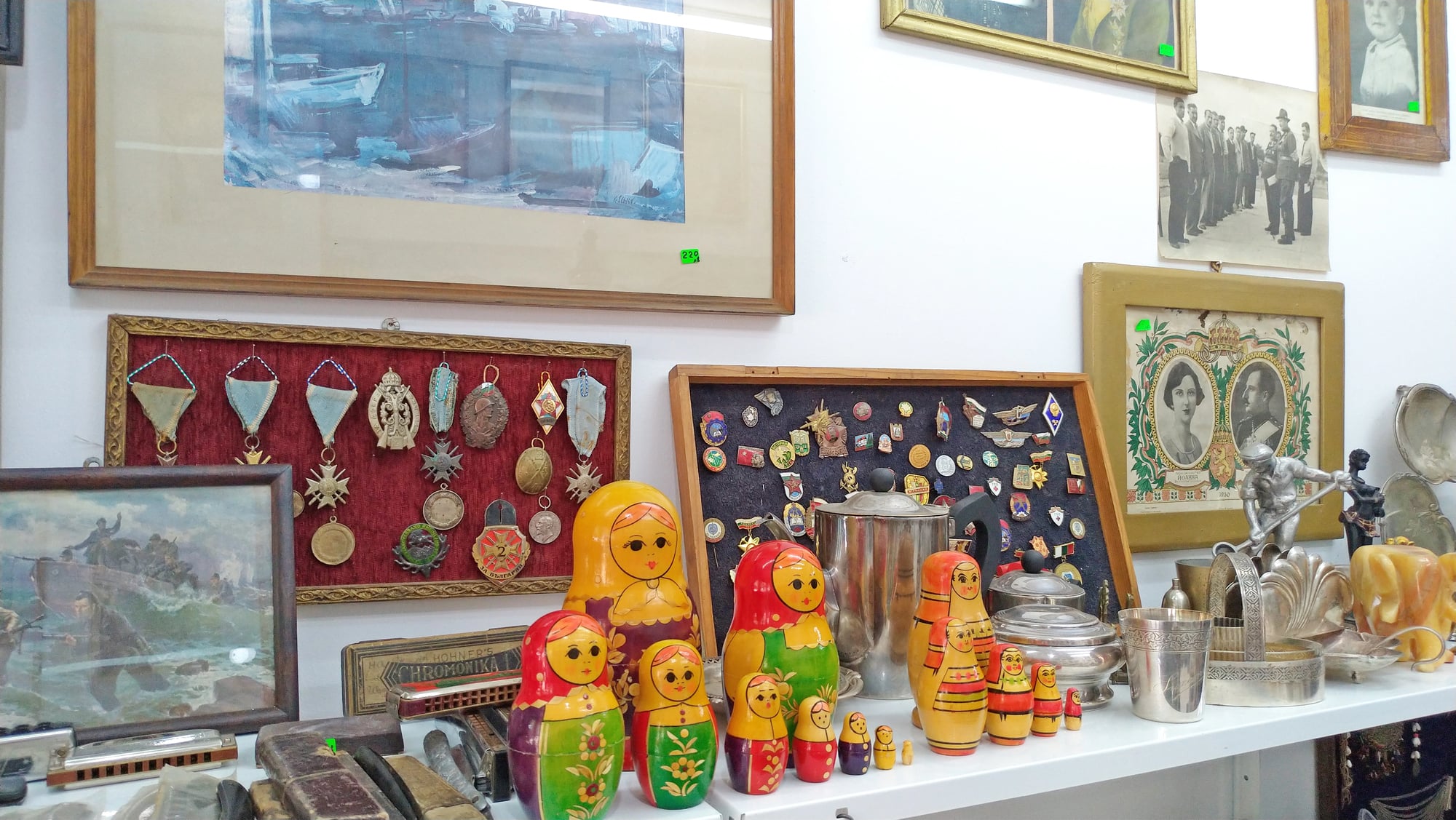
Value in these paintings doesn’t emerge from luck—it emerges from knowledge. The seller dismisses the work because they don’t recognize it.
The thrift shop prices it without expertise. The informed buyer arrives with enough art knowledge to see what others overlooked.
Museums lose track of artwork, previous owners misidentify masterpieces, and damage obscures authorship. A painting valued at $1 million can sit in a thrift store for weeks because no one walking past knows what they’re looking at.
That gap between actual value and perceived value is where these discoveries live.
More from Go2Tutors!

- The Romanov Crown Jewels and Their Tragic Fate
- 13 Historical Mysteries That Science Still Can’t Solve
- Famous Hoaxes That Fooled the World for Years
- 15 Child Stars with Tragic Adult Lives
- 16 Famous Jewelry Pieces in History
Like Go2Tutors’s content? Follow us on MSN.