25 Department Store Experiences from the ’70s That Kids Actually Looked Forward To
Before shopping became a solitary transaction conducted through screens, department stores represented entire ecosystems of entertainment where kids genuinely wanted to spend time alongside their parents. The 1970s department store visit was an expedition requiring time management and strategic planning—multiple floors to explore, specific destinations to hit, and experiences that had nothing to do with commerce but everything to do with the novelty of the space itself.
The architecture of department stores in that era was deliberately designed to encourage exploration; their size was ostentatiously grand, and their function extended far beyond merely selling merchandise. Kids looked forward to these visits not because they wanted to shop but because the department store was a destination offering experiences unavailable anywhere else in their weekly routine.
These weren’t mall shopping centers with narrow corridors and identical storefronts; they were vast retail palaces with their own logic and geography that kids had to learn and navigate. The department store visit was an adventure with a shopping component, not a shopping trip that happened to be an adventure.
The Escalator Experience
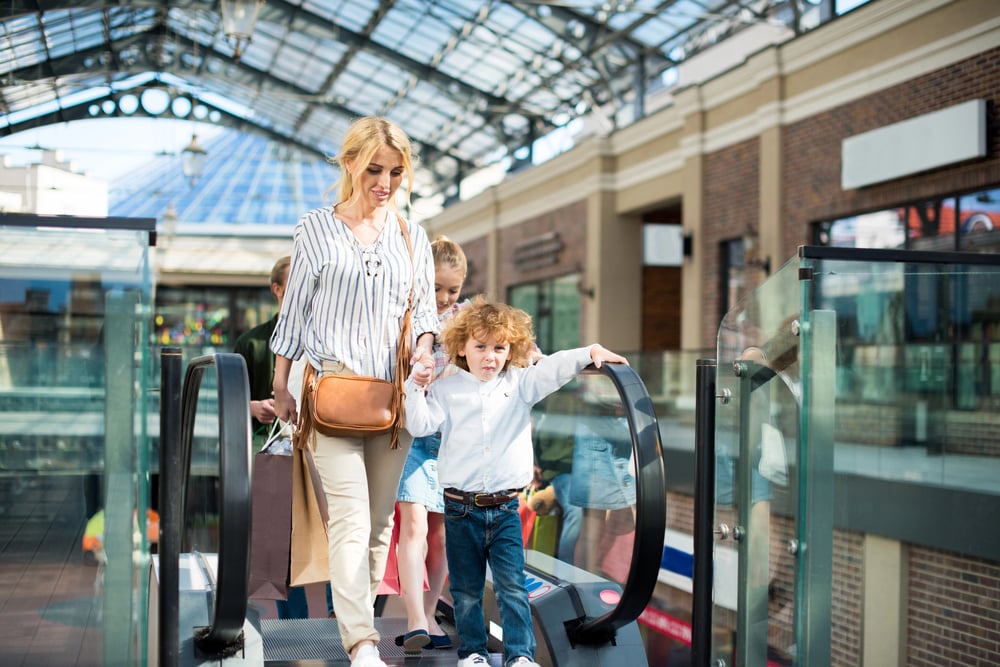
Riding an escalator was an event for kids, particularly the double-decker versions that required transferring from one to the other. The mechanical precision, the height, and the sense of being transported created minor thrills that department store architecture deliberately emphasized.
The Perfume Counter as Olfactory Exploration
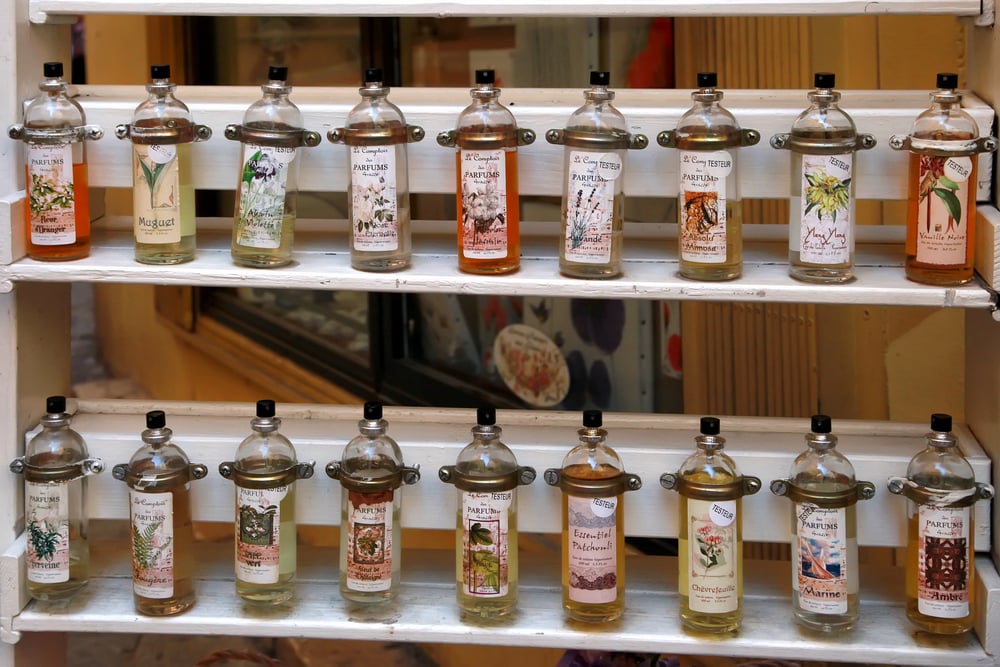
The cosmetics and perfume departments released competing scent clouds that overwhelmed senses in ways nothing else in childhood did. Kids would ask parents to let them sample scents, creating a fragrant journey through international-sounding perfume names.
Toy Department Exploration
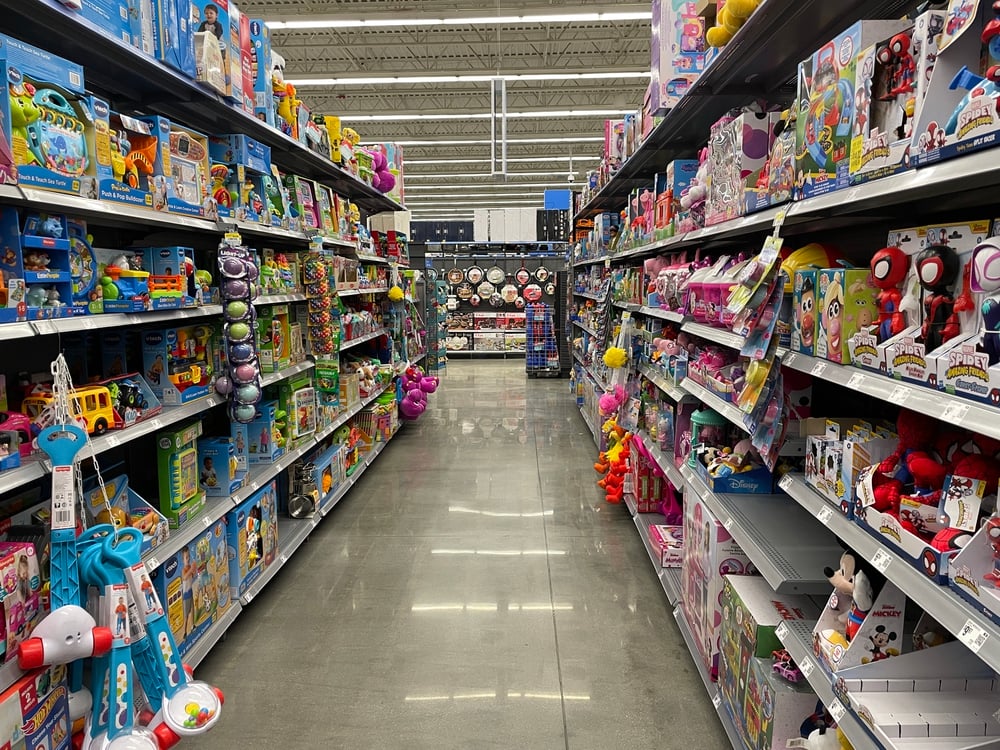
The dedicated toy floor at department stores was often bigger than standalone toy shops, with displays designed to maximize product visibility and playing opportunity. Kids knew they could spend hours examining every toy without immediate purchase pressure.
Clothing Try-On Room as Private Domain
Department store try-on rooms represented rare private spaces where kids were allowed to wait for parents, often with closed curtains and mirrors creating small, isolated chambers that felt like secret hideaways.
The Jewelry Counter as Treasure Vault
Display cases of jewelry with bright lights and countless small items created visual spectacle that captivated children far more than the diamonds themselves.
Shoe Department Fitting Areas
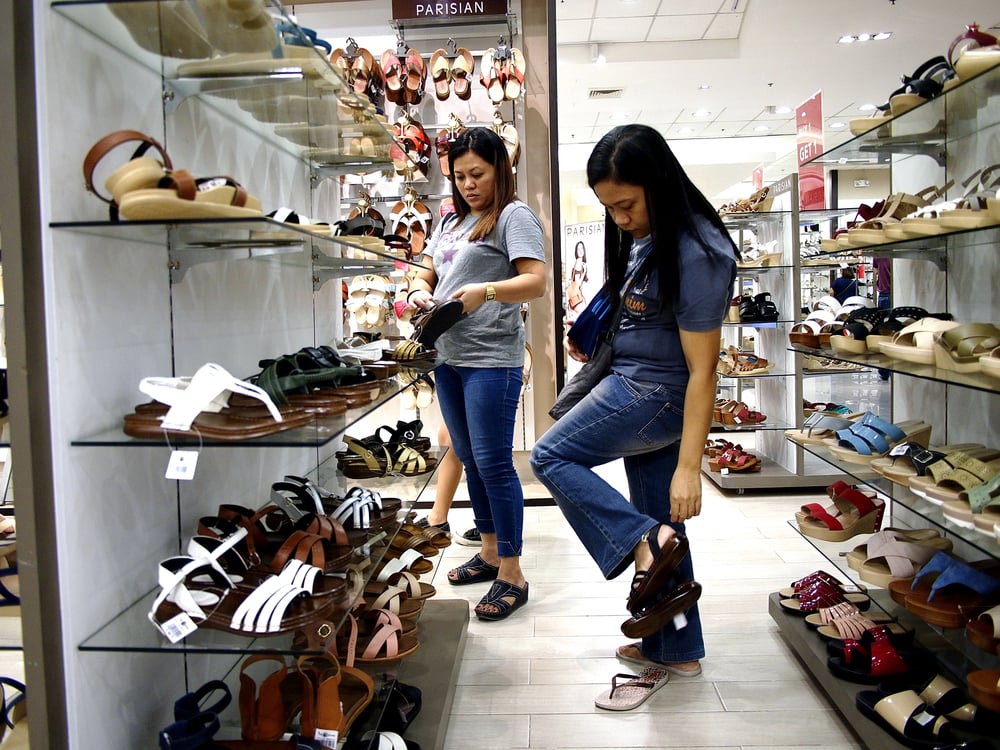
The complex system of shoeboxes stacked in backrooms and the mechanical shoe-fitting apparatus represented specialized infrastructure kids rarely encountered elsewhere.
The Store Directory and Navigation Challenge
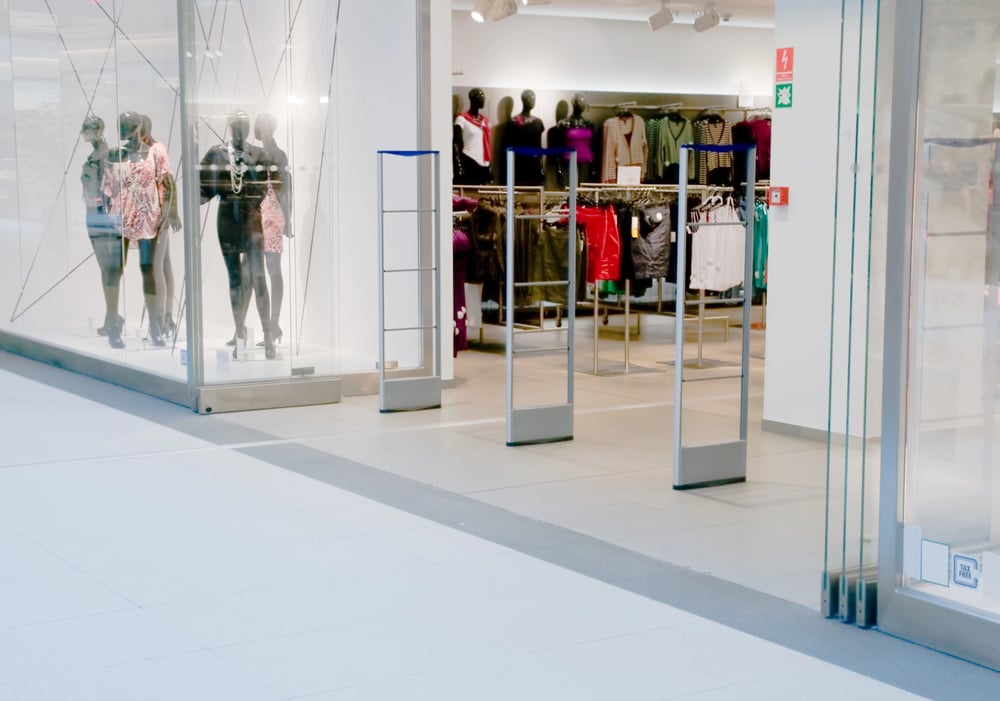
The massive directory at the store entrance listing every department and floor became a navigational puzzle that older kids would study to determine optimal shopping routes.
Restaurant or Lunch Counter Dining
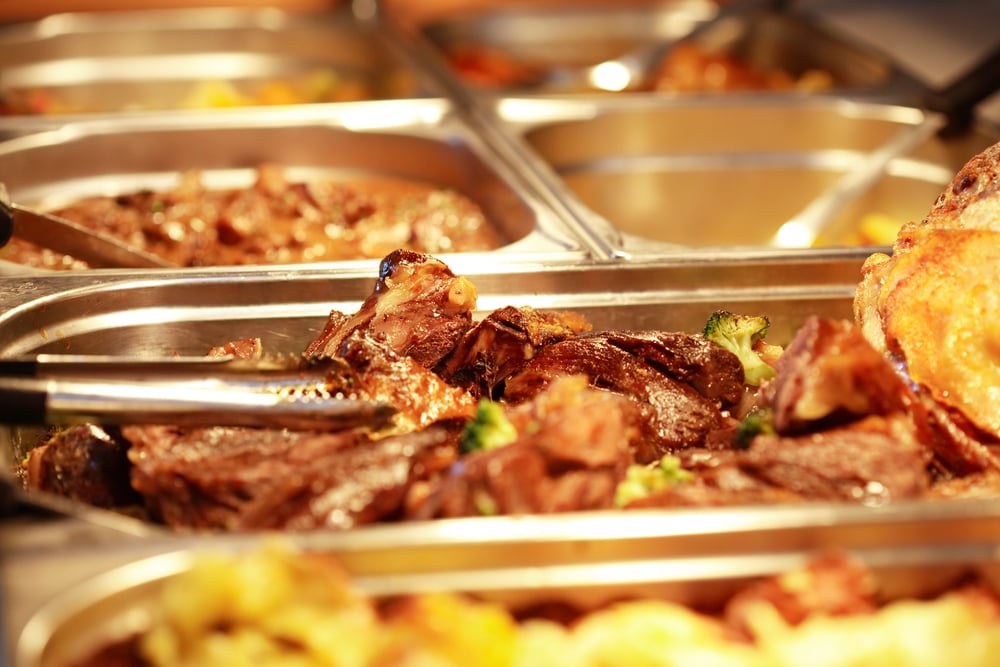
Many major department stores included sit-down restaurants or lunch counters serving full meals, creating the experience of dining out without leaving the store—a special occasion within the special occasion.
The Bathroom as Unexpected Luxury
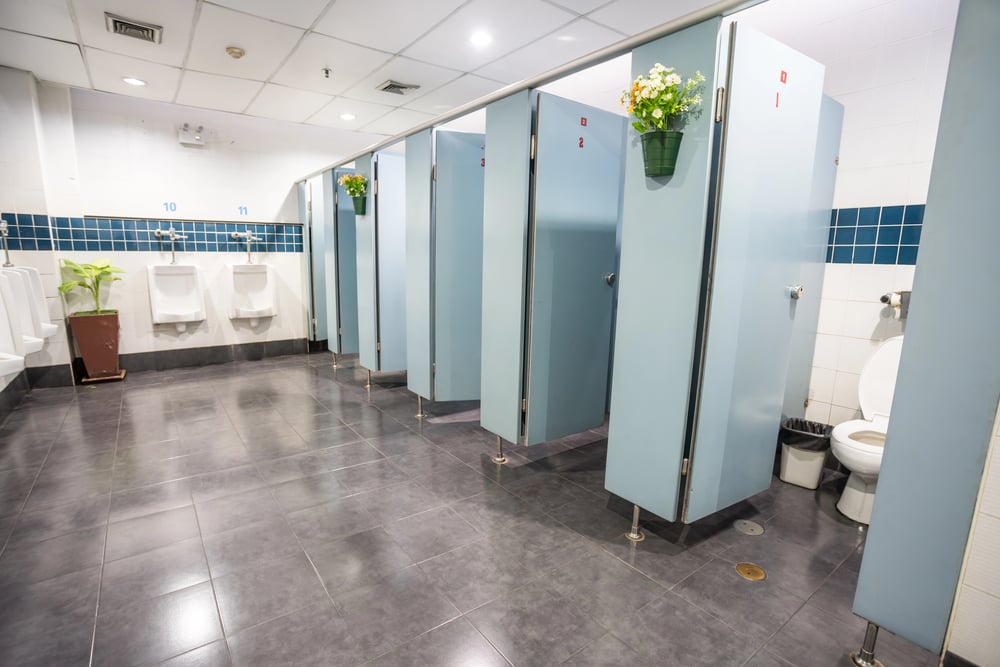
Department store bathrooms were often more luxurious than home bathrooms, with attendants, multiple stalls, and better soap dispensers creating an imbalanced sense of temporary affluence.
Seasonal Decoration Displays
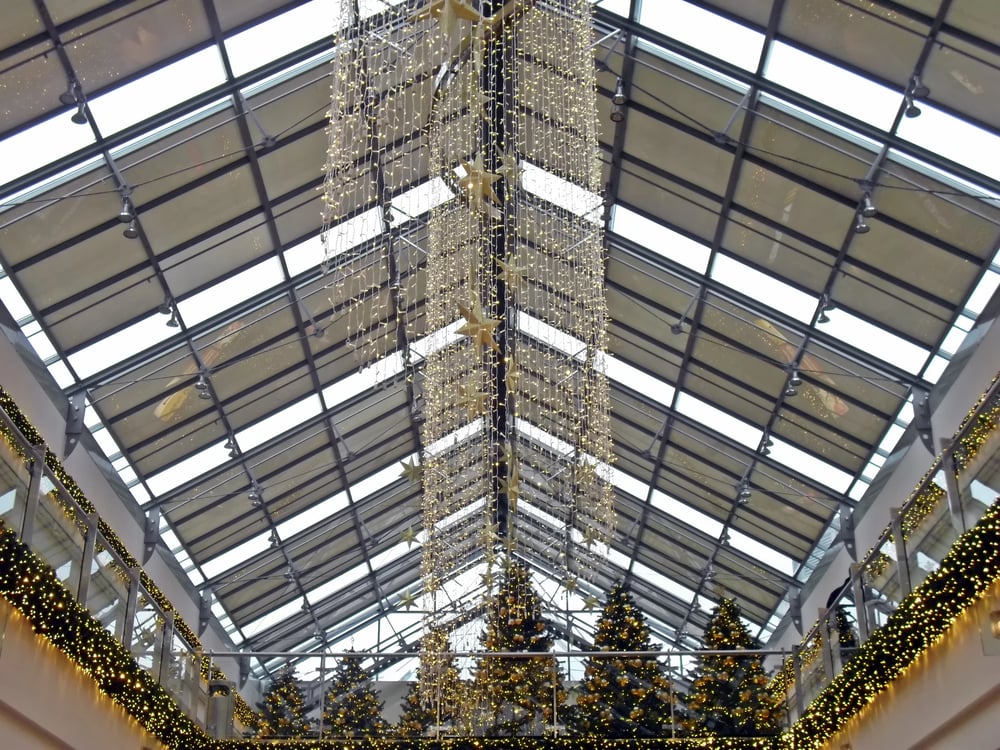
During holidays, department stores would construct elaborate window displays and interior decorations far more impressive than most home decorating schemes.
The Sewing and Fabric Sections
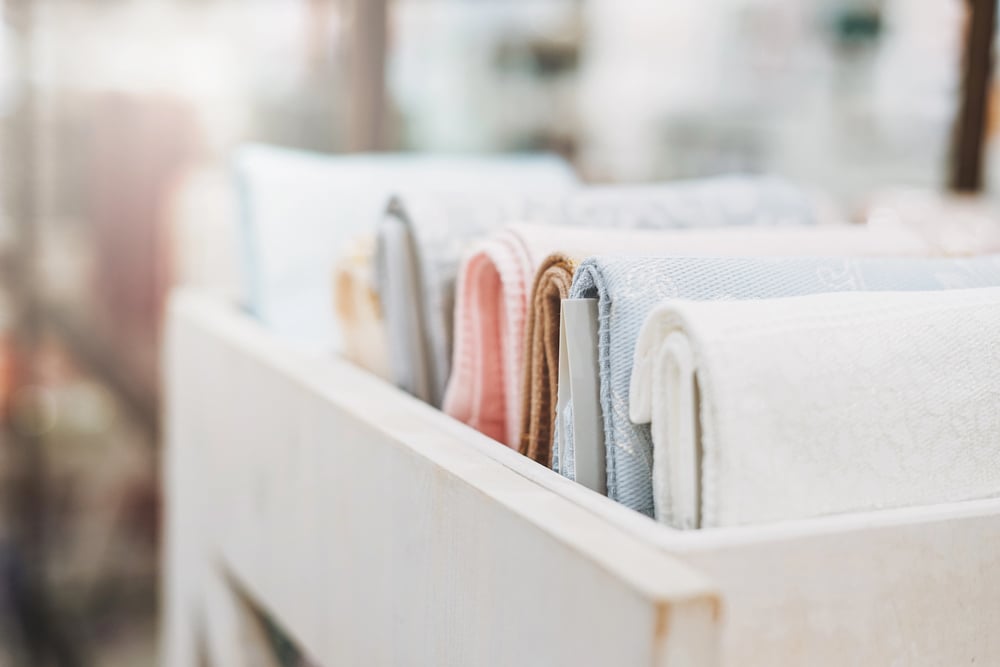
For kids with crafty parents, the sewing department offered endless visual stimulus—thread colors, patterns, and textures that department stores displayed more extensively than anywhere else available.
Furniture Display Rooms
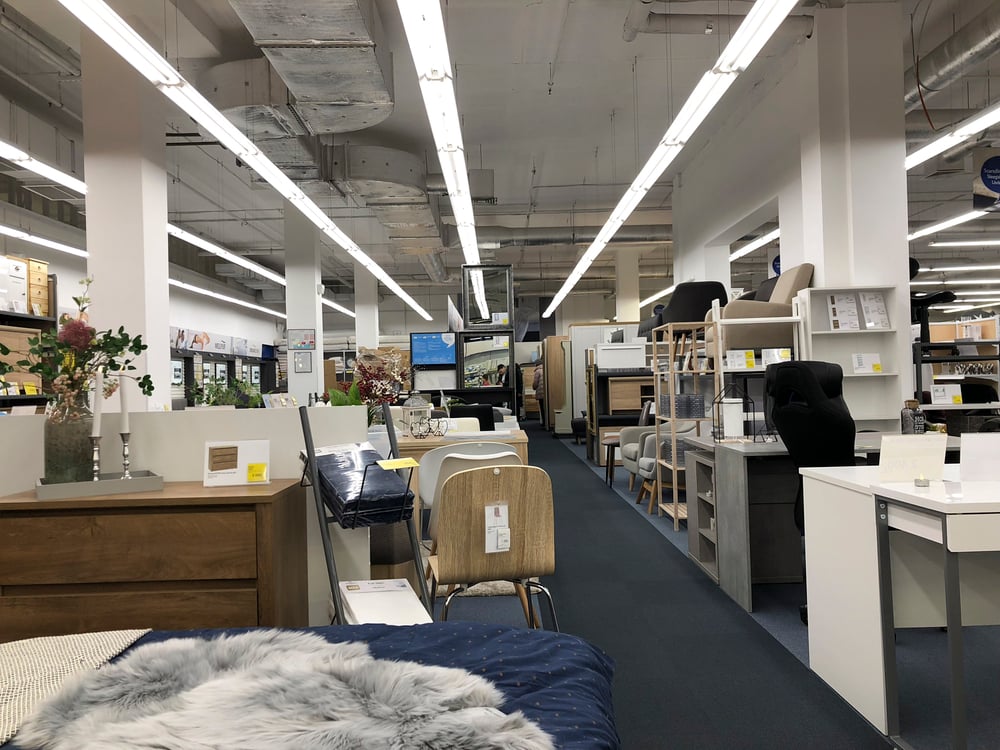
Fully decorated bedroom and living room displays created imagined futures for kids, constructed spaces that were simultaneously utterly artificial and weirdly aspirational.
The Cosmetics Makeover Opportunity
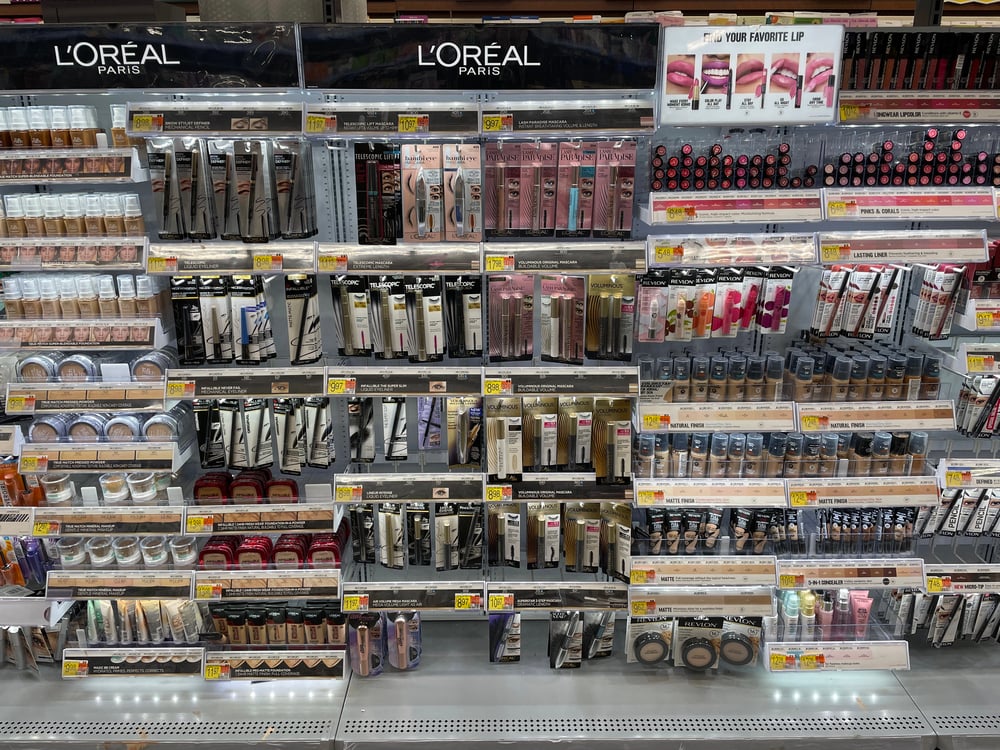
Some department store beauty counters offered free makeovers or consultations that kids could observe or occasionally experience, watching the transformation of color application.
Stationery Department Exploration
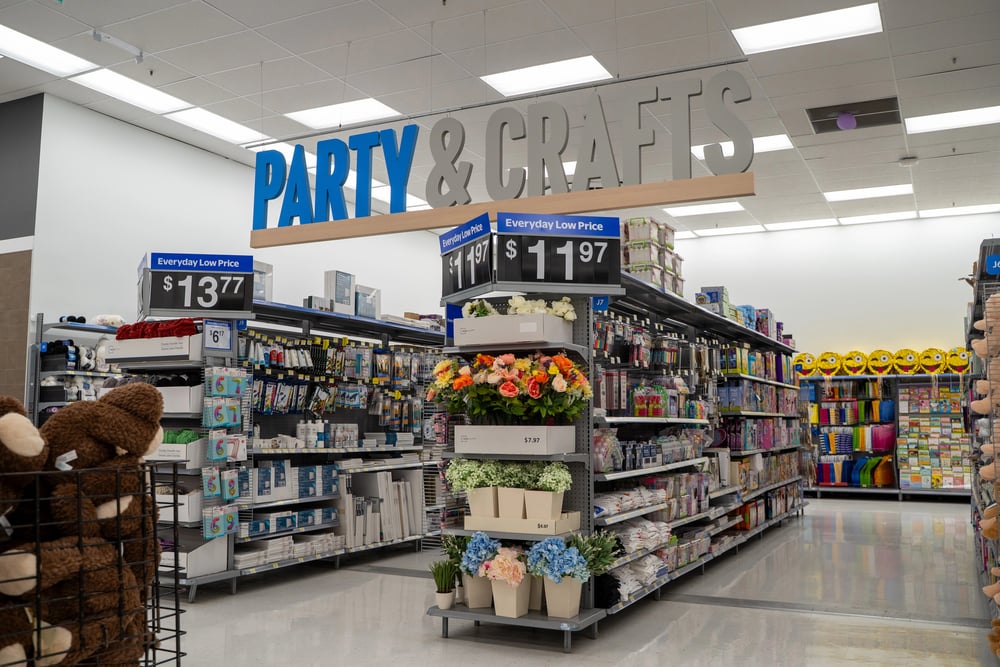
The array of notebooks, pens, and paper products in department store stationery sections was far more extensive than discount retailers, with premium options and foreign brands.
The Housewares Department as Gadget Display
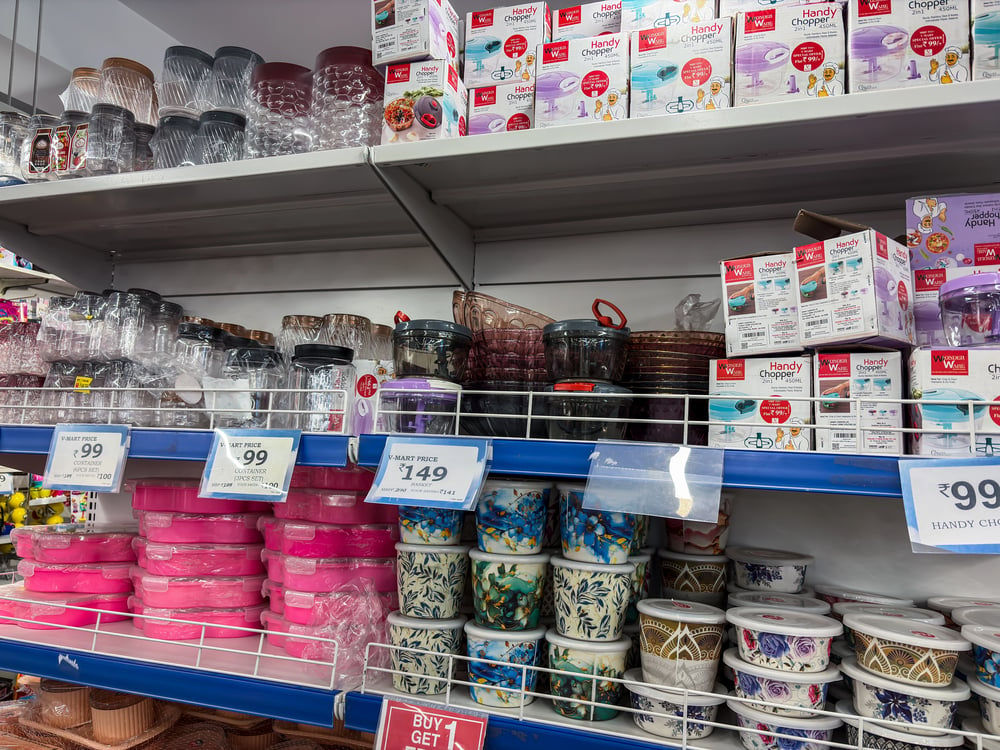
Kitchen gadgets and appliances represented technological advancement that kids could observe in working condition through demonstrations or simply by observation.
Book Section Discovery
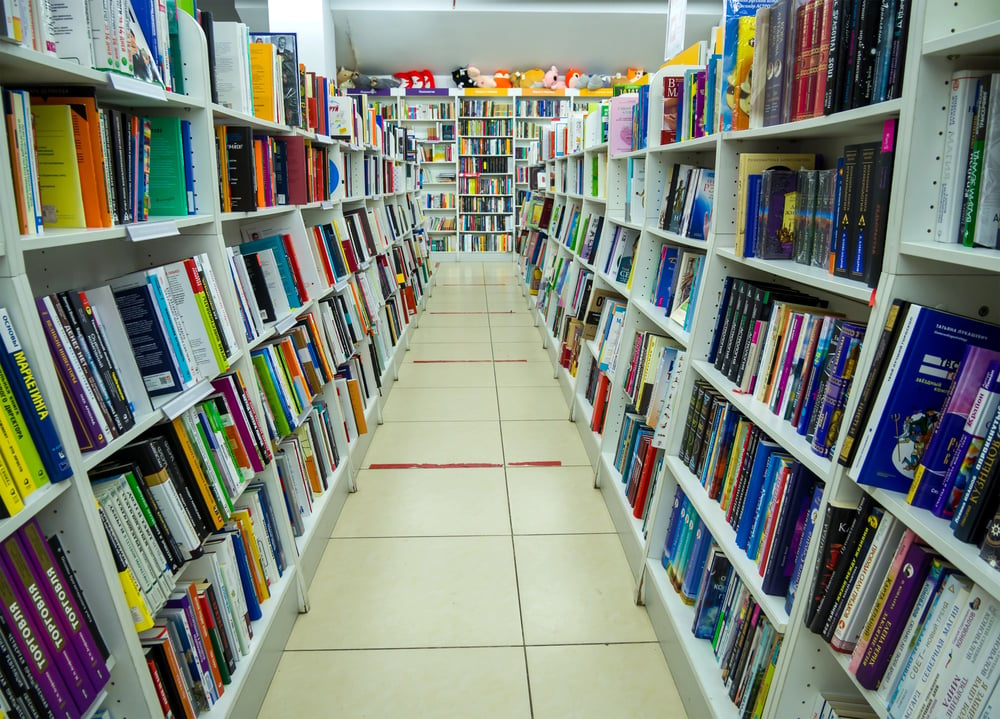
Department store book sections offered curated selections with in-store reading areas where kids could browse extensively without checkout pressure.
The Piano or Music Section Audition
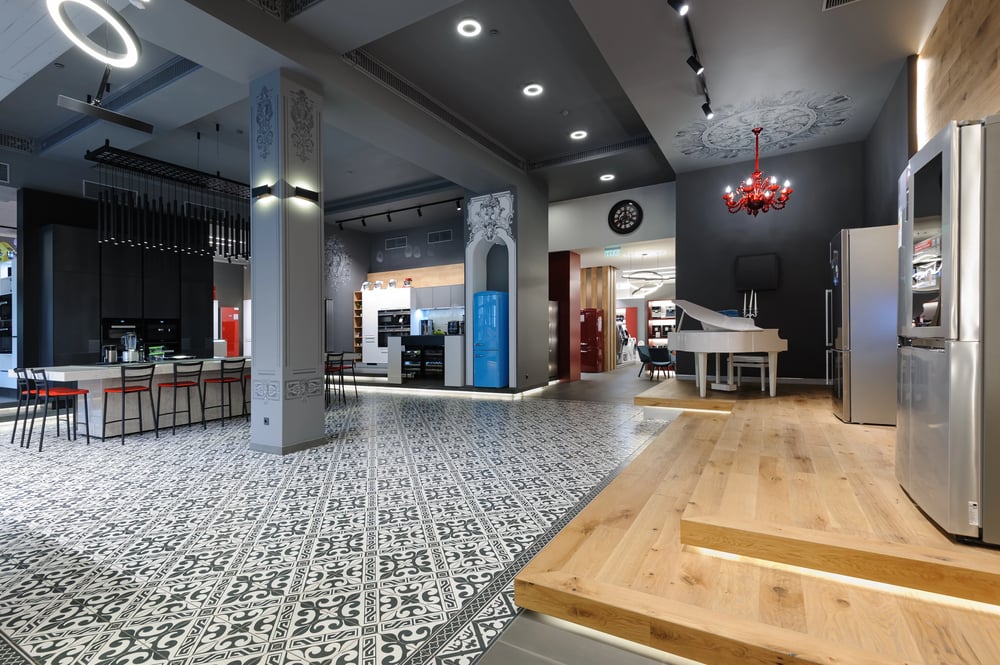
Some department stores had pianos or musical instruments available for demonstration, allowing kids to hear quality instruments they’d never otherwise encounter.
Brand Store Boutiques Within the Store
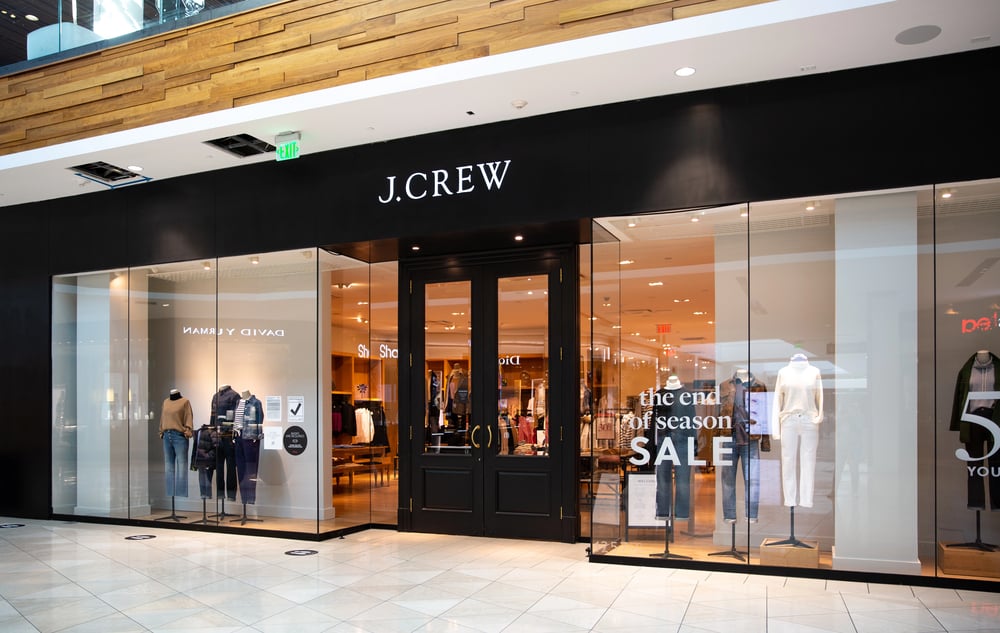
Dedicated sections for specific brands like Levi’s, Van Heusen, or jewelry lines created mini-store experiences within the larger store ecosystem.
The Coat and Hat Department Fitting Experience
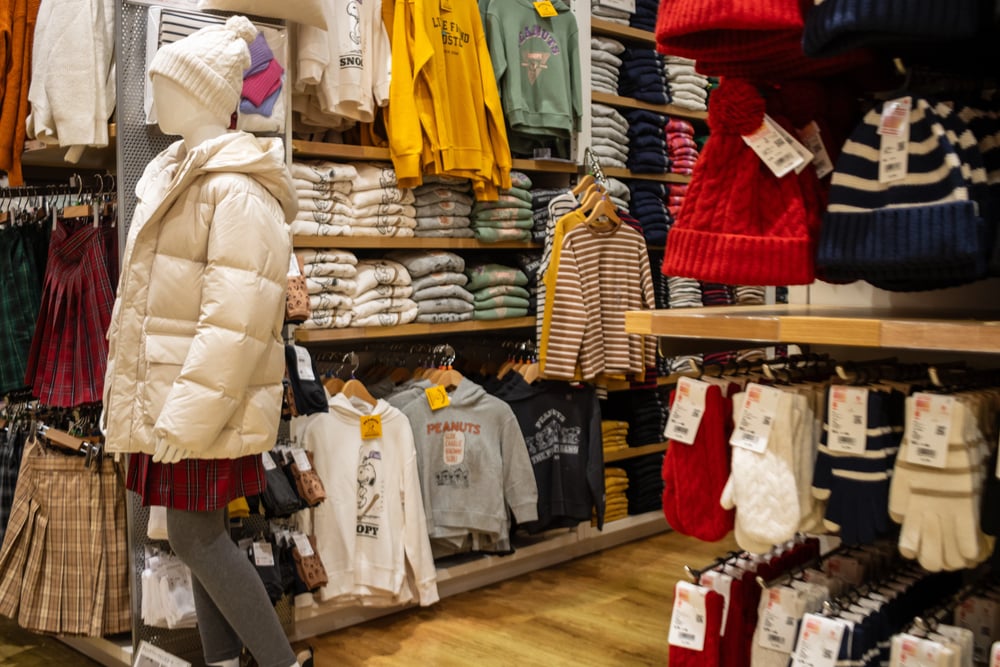
Winter department store trips included trying on coats, hats, and gloves in dedicated sections with extensive mirror setups, creating extended try-on rituals.
Window Displays as Free Entertainment
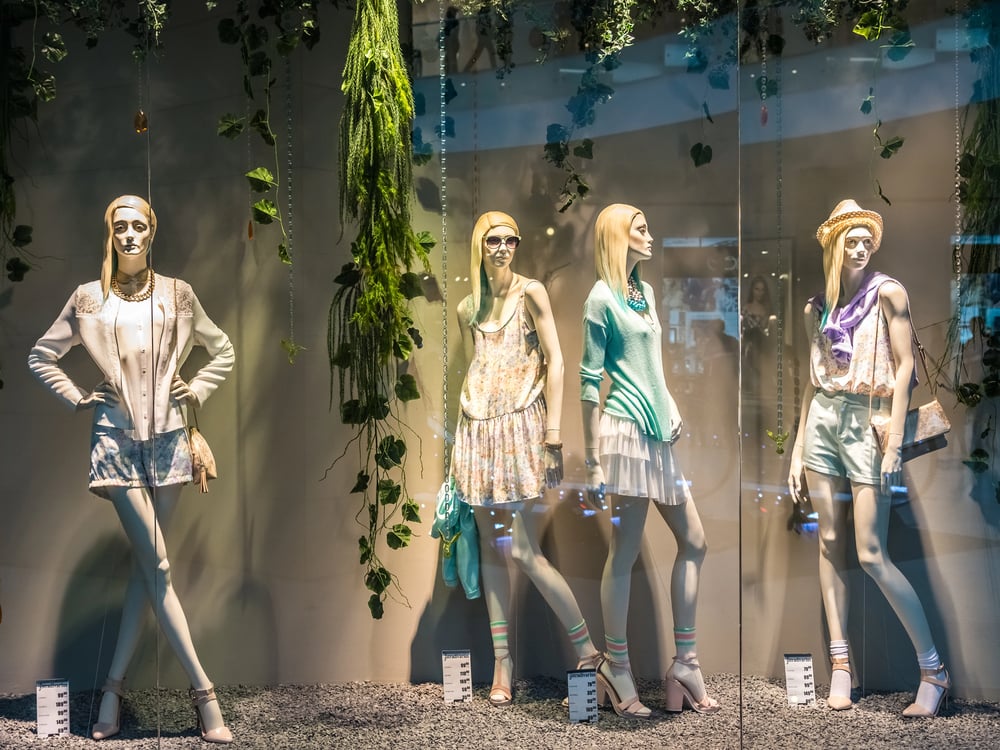
The elaborate window displays at department store exteriors served as free visual entertainment, drawing crowds regardless of shopping intention.
The Bargain Basement Discovery
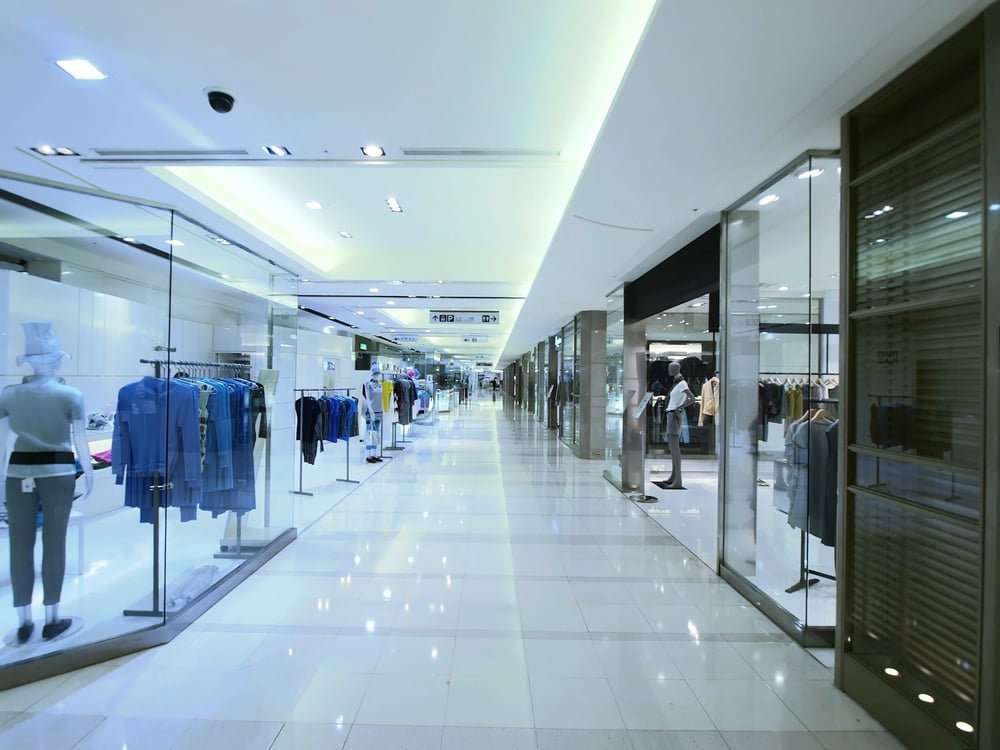
Many department stores had basement discount sections where merchandise was crammed into tight spaces, creating treasure-hunt shopping experiences for bargain-hunting parents.
The Dressing Room Line as Social Event
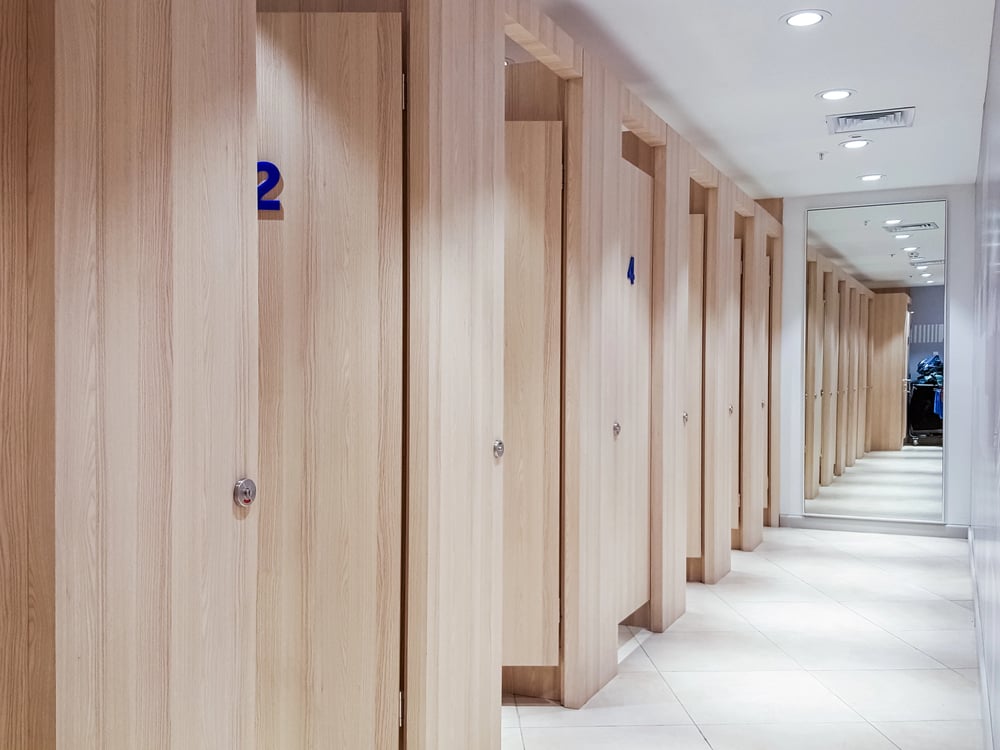
The queues and waiting areas outside dressing rooms created social spaces where kids learned patience while parents shopped.
Personal Shopping Service Observation
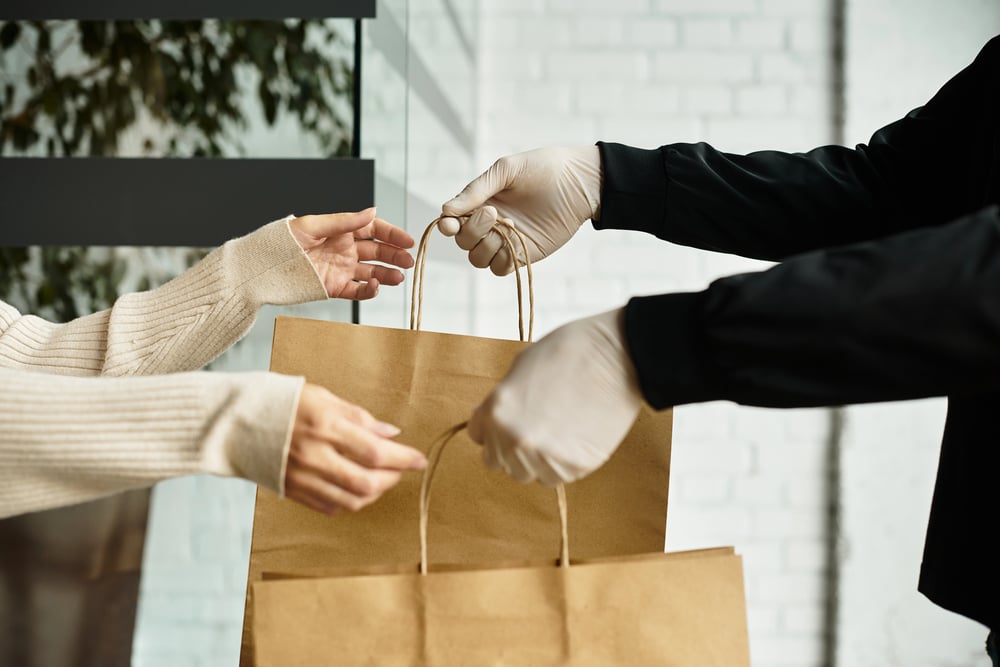
Some stores had personal shoppers or style consultants visible on the floor, offering glimpses of shopping as a specialized service profession.
Department Store Catalogs as Reference Material
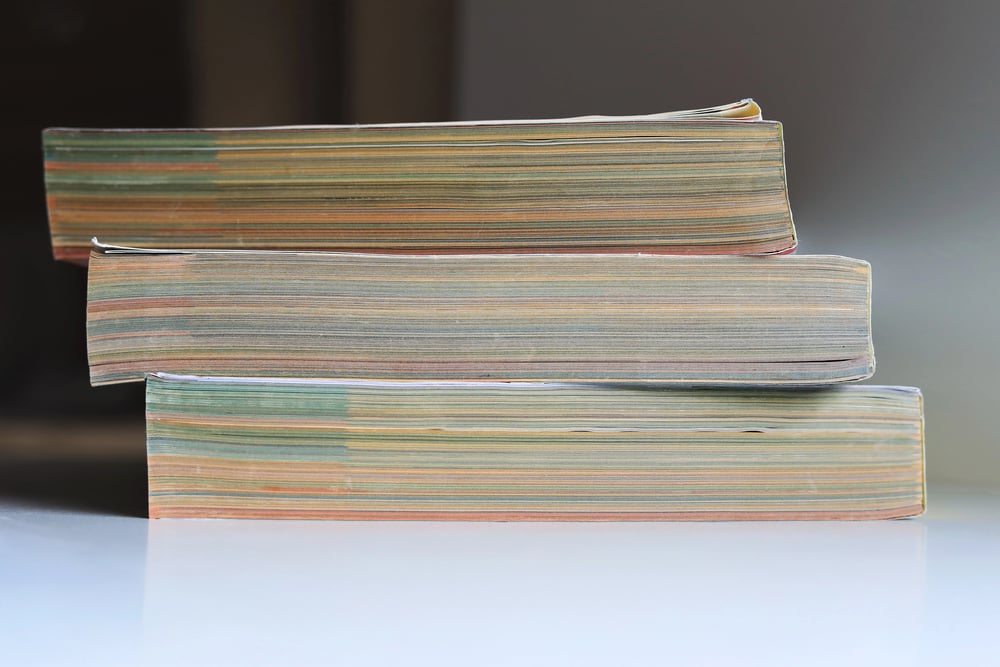
The massive catalogs that department stores produced became reference materials kids would study at home, planning future shopping trips.
The Credit Card Display and Checkout Desk
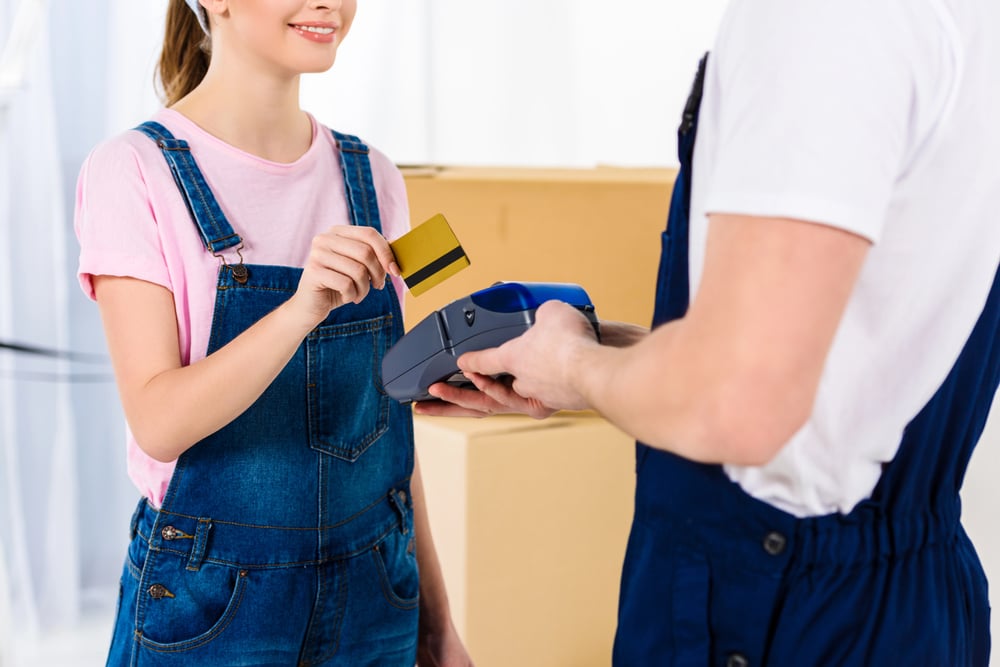
The ritual of watching parents use credit cards and checkbooks at checkout represented visible adult financial transactions rarely seen elsewhere.
The Nostalgia of a Vanishing Institution
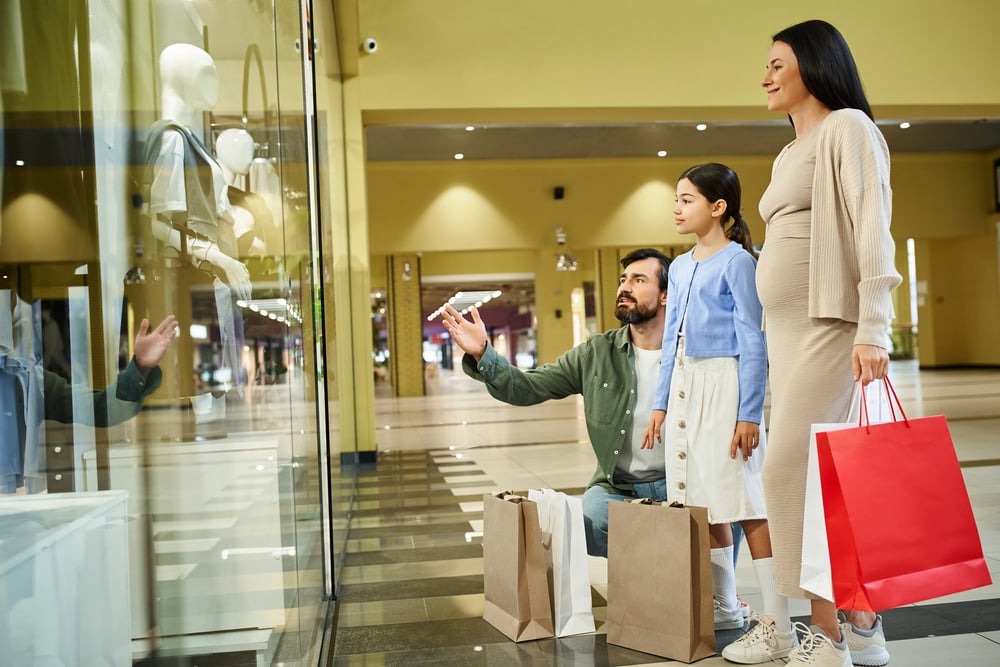
By the 1980s, many department stores would begin closing or reducing operations, making the 1970s department store experience increasingly irretrievable. What had seemed permanent and unchanging—vast, multi-floor retail palaces that dominated downtown shopping districts—would become historical artifacts.
Kids who had anticipated these visits with genuine enthusiasm would eventually live through their closing, nostalgic for architectural spaces and retail experiences that had become economically obsolete.
More from Go2Tutors!

- The Romanov Crown Jewels and Their Tragic Fate
- 13 Historical Mysteries That Science Still Can’t Solve
- Famous Hoaxes That Fooled the World for Years
- 15 Child Stars with Tragic Adult Lives
- 16 Famous Jewelry Pieces in History
Like Go2Tutors’s content? Follow us on MSN.