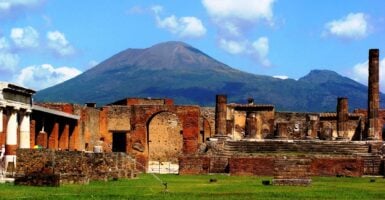
28 Statues and Monuments Taken Down and the Controversies Behind Them
The removal of public statues accelerated sharply in 2020 following George Floyd’s murder, but the reckoning with monuments extends far beyond Confederate generals. Cities worldwide have grappled with questions about which historical figures deserve public honor and what values communities want reflected in their public spaces.
Some removals came through official government action, others through direct action by protesters. In every case, the removal sparked debate about history, memory, and whose legacy deserves commemoration.
Robert E. Lee, Richmond, Virginia, 2021
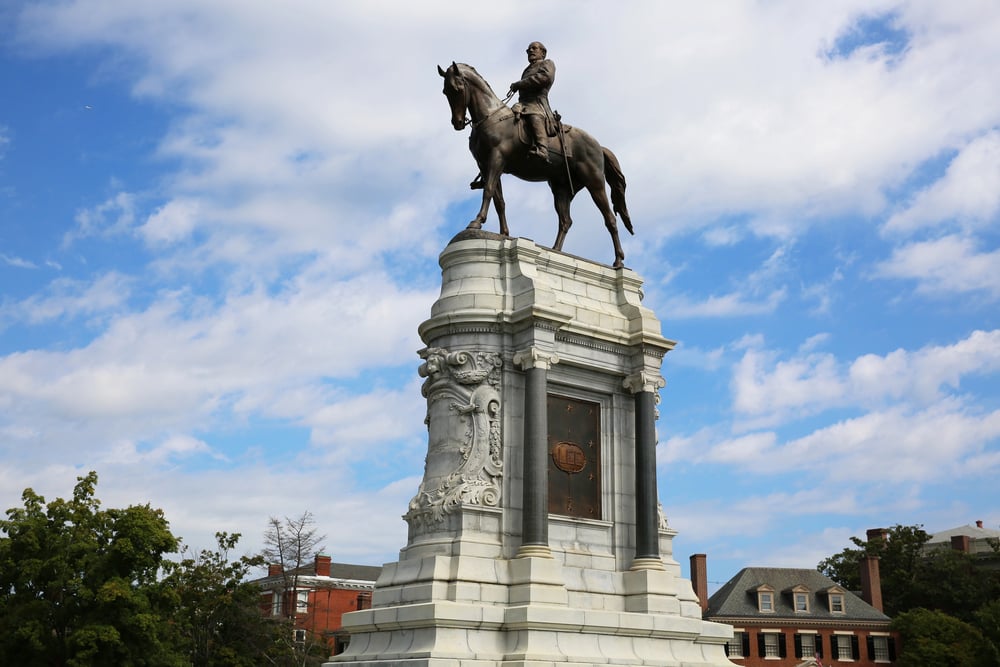
Virginia’s largest monument to the Confederacy was removed by official order after legal battles. Governor Ralph Northam directed the removal, and the statue was melted down as part of “Swords Into Plowshares,” a project to transform the bronze into new public art.
Supporters called it necessary reckoning; opponents argued it erased history and disrespected Southern heritage.
Jefferson Davis, Richmond, Virginia, 2020
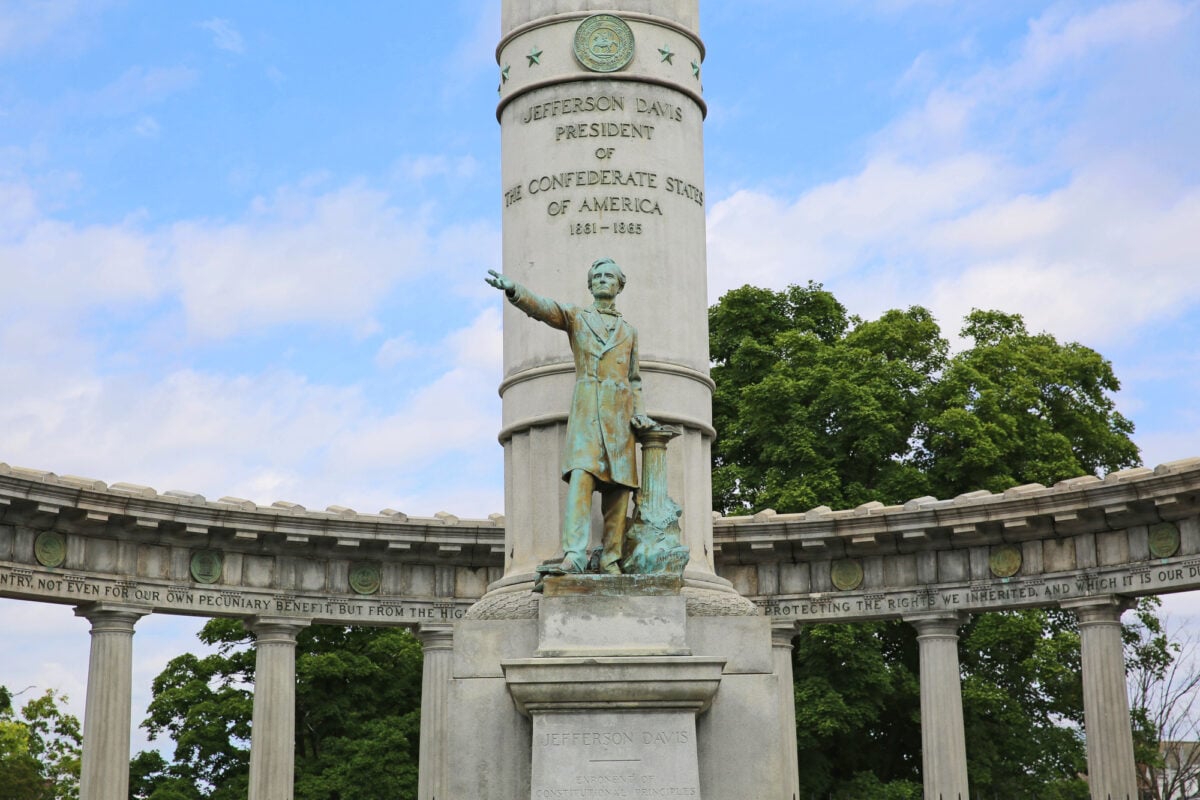
Protesters tore down the statue of the Confederate President on June 10, 2020, without waiting for official action. The removal sparked debate about whether citizens had the right to remove statues without government approval, and whether waiting for official channels was necessary when symbols felt actively harmful.
J.E.B. Stuart, Richmond, Virginia, 2020
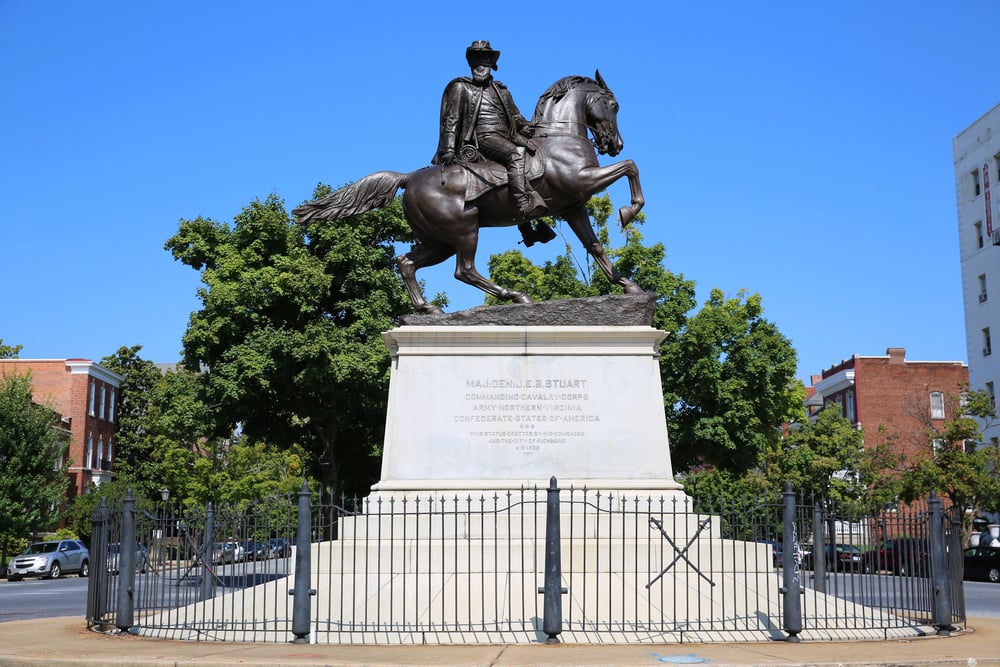
Mayor Levar Stoney ordered the removal of the Confederate cavalry general’s statue as part of a broader effort to reshape Monument Avenue. Supporters viewed it as removing a white supremacy symbol; opponents saw it as erasing military history and dishonoring the South’s past.
Stonewall Jackson, Richmond, Virginia, 2020
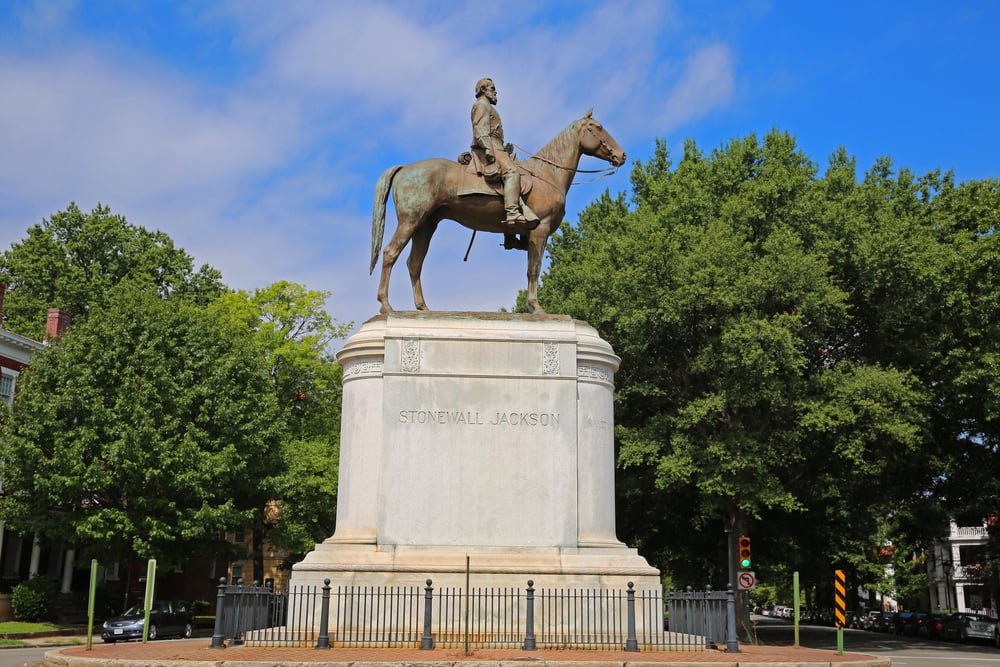
Richmond removed Jackson’s statue alongside Lee, Stuart, and other Confederate figures in a systematic attempt to redefine the city’s public identity. The removals were completed within weeks of George Floyd’s death, making Richmond the first major Southern city to take comprehensive action.
Matthew Fontaine Maury, Richmond, Virginia, 2020
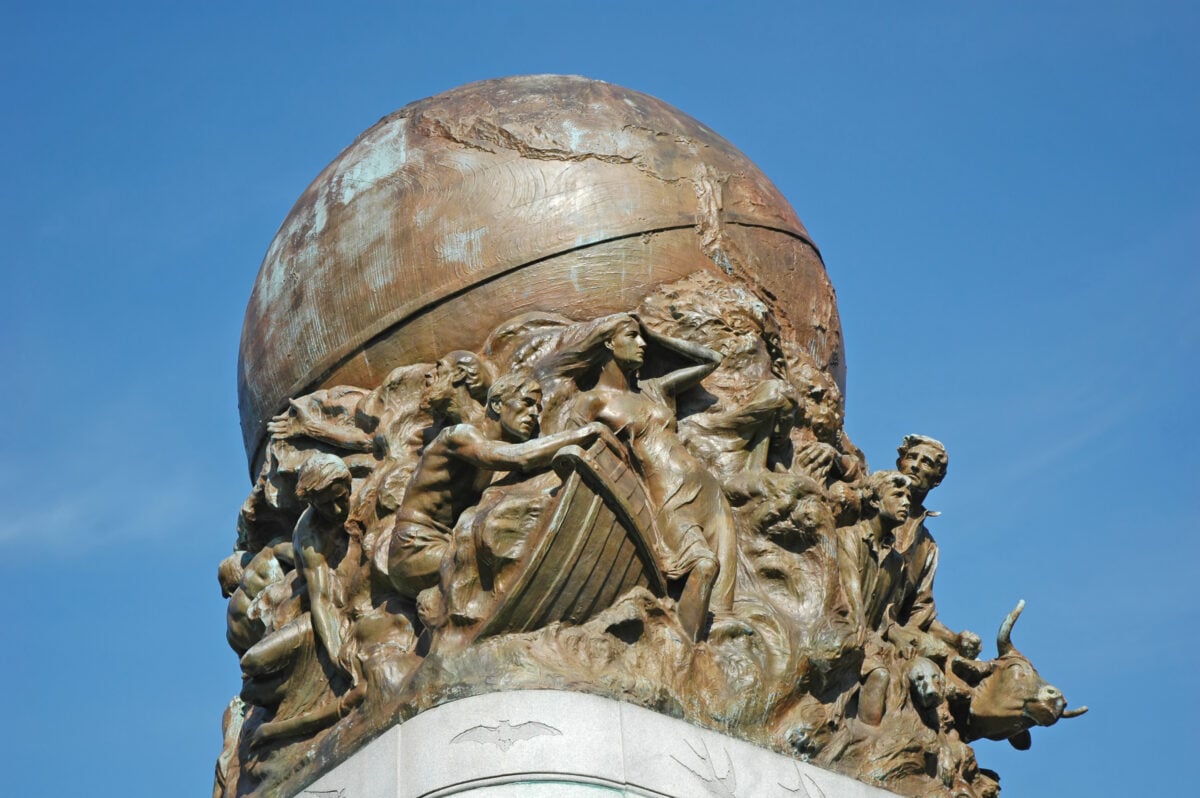
Despite Maury’s contributions to oceanography and science, his public statue in Richmond was removed because of his role as a Confederate officer. The removal illustrated how even accomplished historical figures could not escape reassessment based on their participation in enslavement and secession.
Edward Colston, Bristol, England, 2020
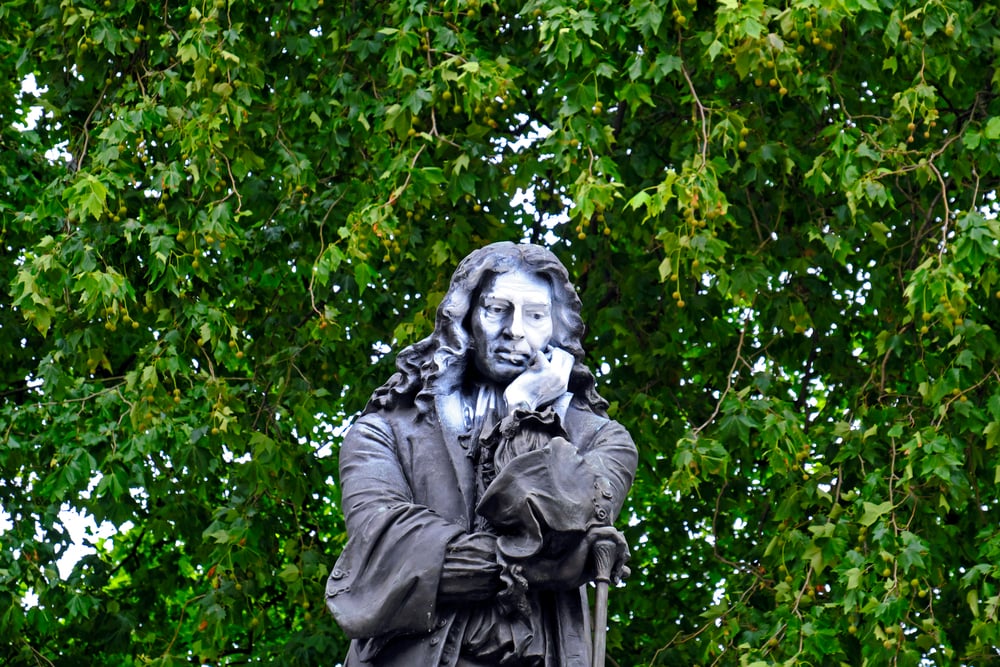
Protesters threw the statue of the 17th-century slave trader into Bristol Harbor on June 7, 2020. Colston’s company had transported over 100,000 enslaved Africans, with at least 20,000 dying during passage. His statue, which had stood for 123 years, became the symbol of the removal movement in Britain.
Cecil Rhodes, Oxford University, 2020
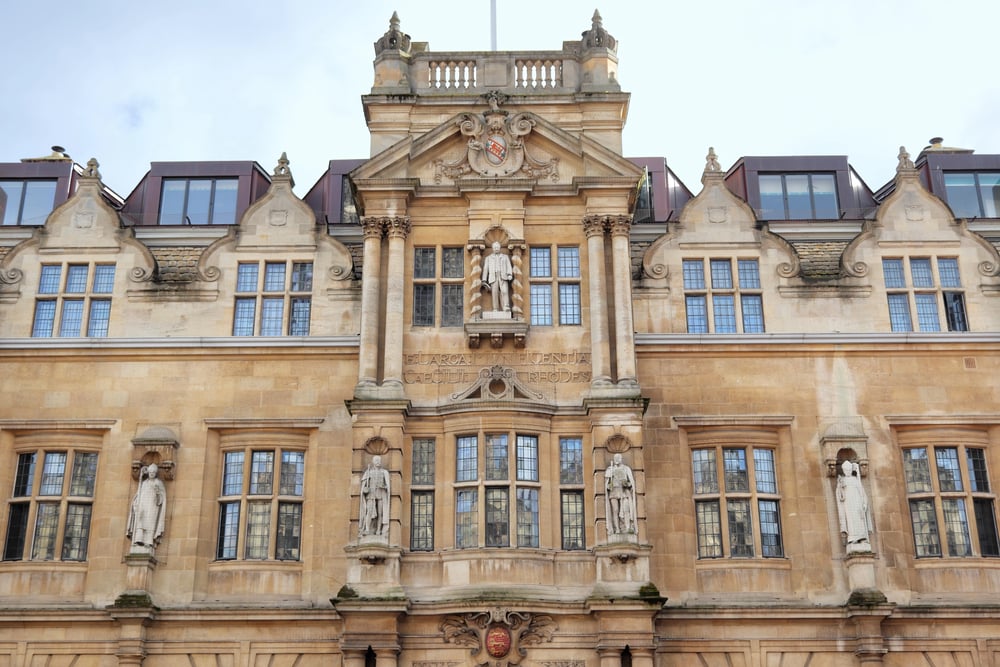
Following Colston’s removal, Oxford University voted to remove Rhodes from Oriel College after years of campaigning. The controversy centered on Rhodes’s role in colonialism and mineral wealth extraction from Africa, even as supporters noted his complex philanthropic legacy.
Christopher Columbus, Richmond, Virginia, 2020
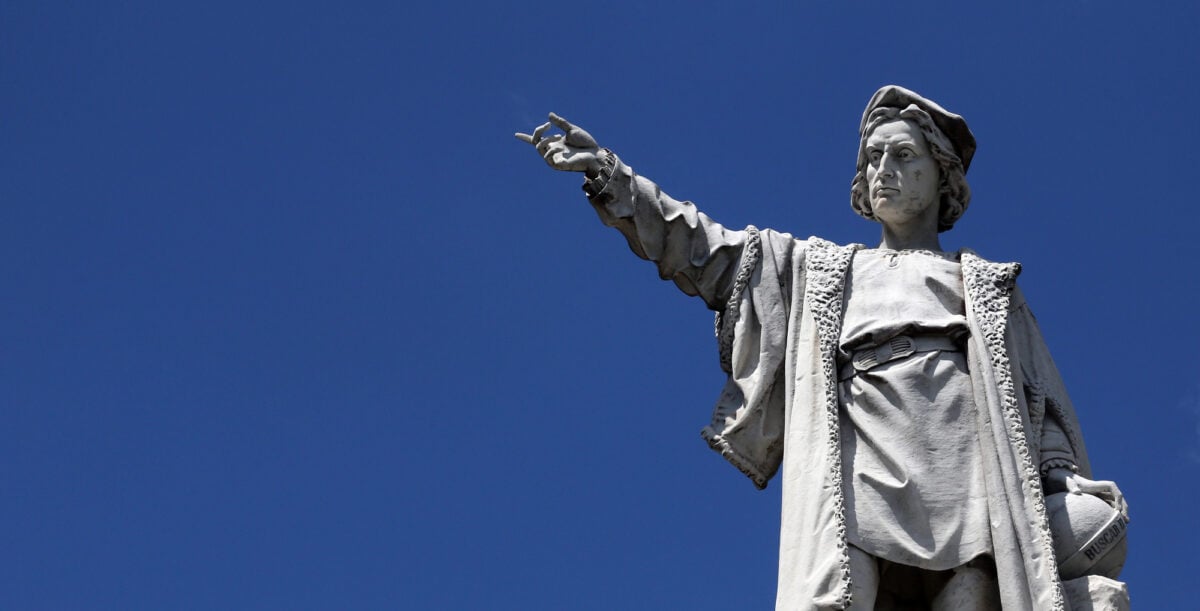
Protesters toppled the Columbus statue in Richmond on June 2, 2020, set it on fire, and threw it into a lake. A cardboard sign left behind read “Columbus Represents Genocide.”
Similar Columbus statues fell in multiple cities as his legacy was reexamined for its role in displacement of indigenous peoples.
Theodore Roosevelt, New York City, 2020
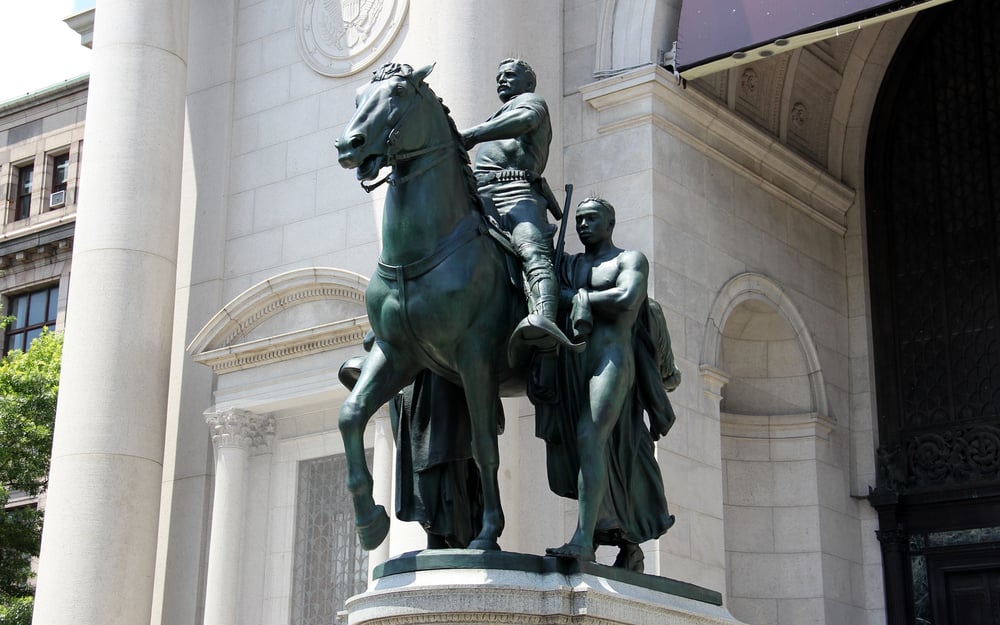
The American Museum of Natural History removed Roosevelt’s equestrian statue from its front steps after years of protest. The statue, which depicted Roosevelt riding between a Native American and an African man, was seen as emblematic of white supremacy and colonial hierarchies.
Leopold II, Antwerp, Belgium, 2020
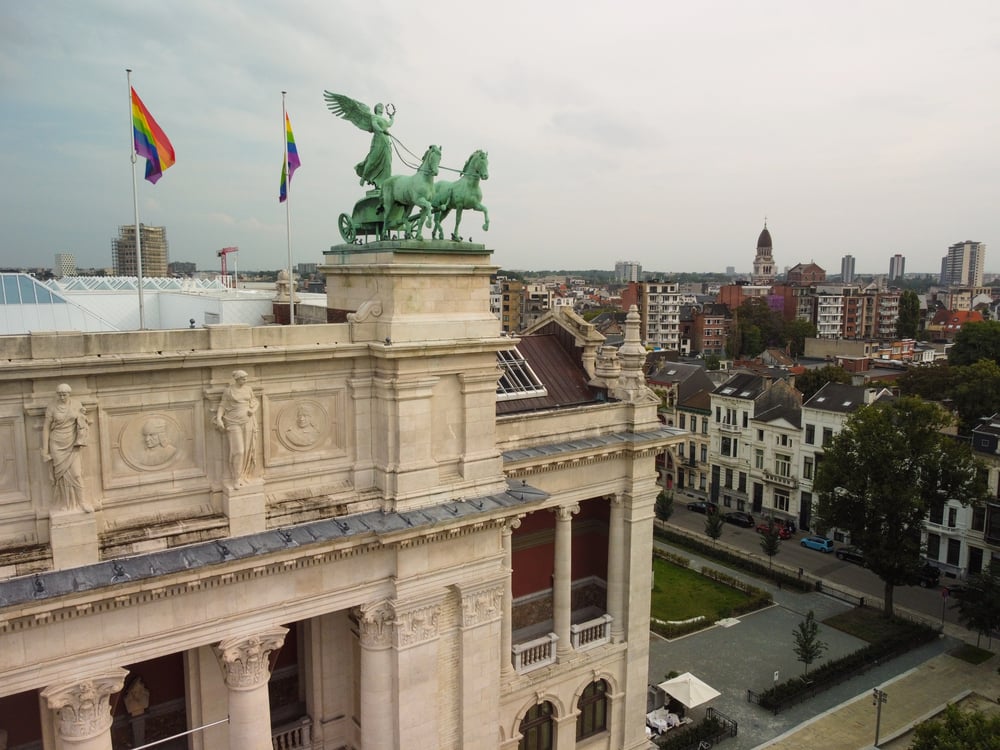
Belgian authorities removed the statue of King Leopold II after Black Lives Matter protests. Leopold’s colonial rule in the Congo was linked to the deaths of millions of Africans.
The statue’s removal reflected broader European reckoning with colonialism.
General Robert E. Lee, Charlottesville, Virginia, 2021
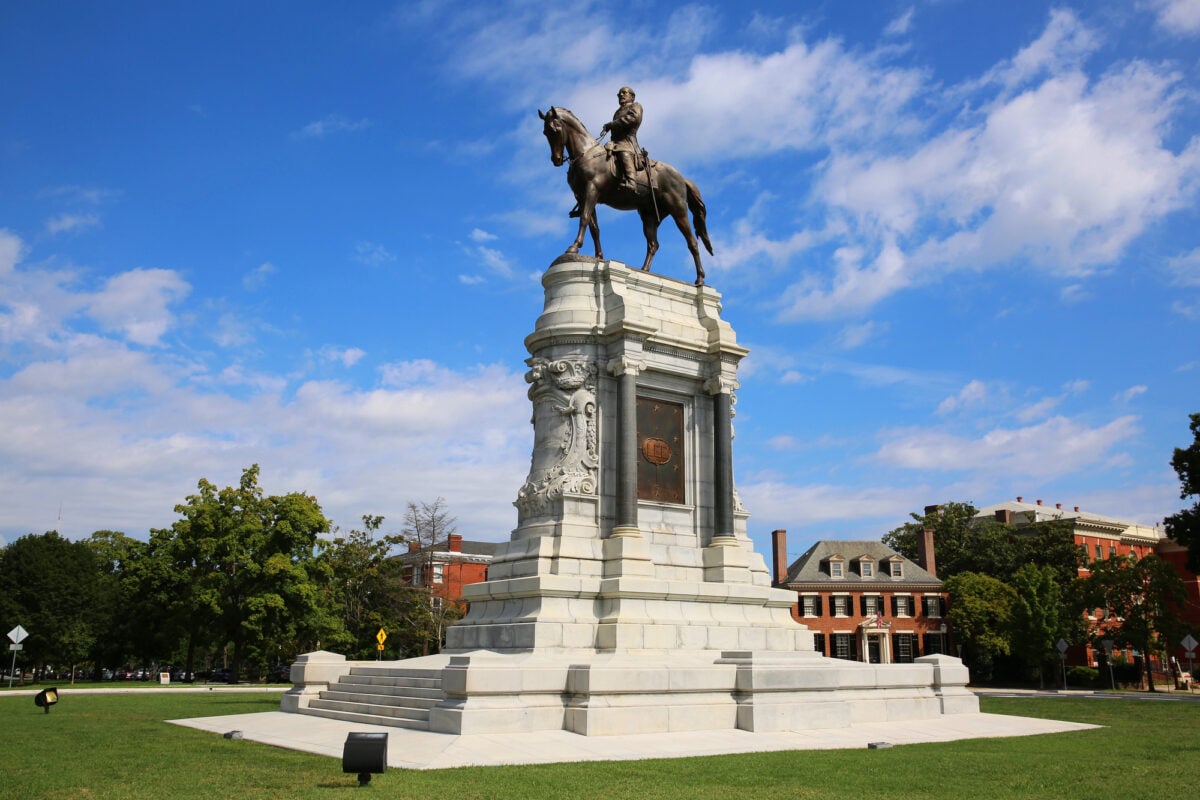
The six-story bronze statue was dismantled and given to an organization that promised to melt it down for reuse. The removal required legal challenges and took nearly two years of processing, demonstrating how institutional removals often took longer than spontaneous demolitions.
Christopher Columbus, Multiple U.S. Cities, 2020
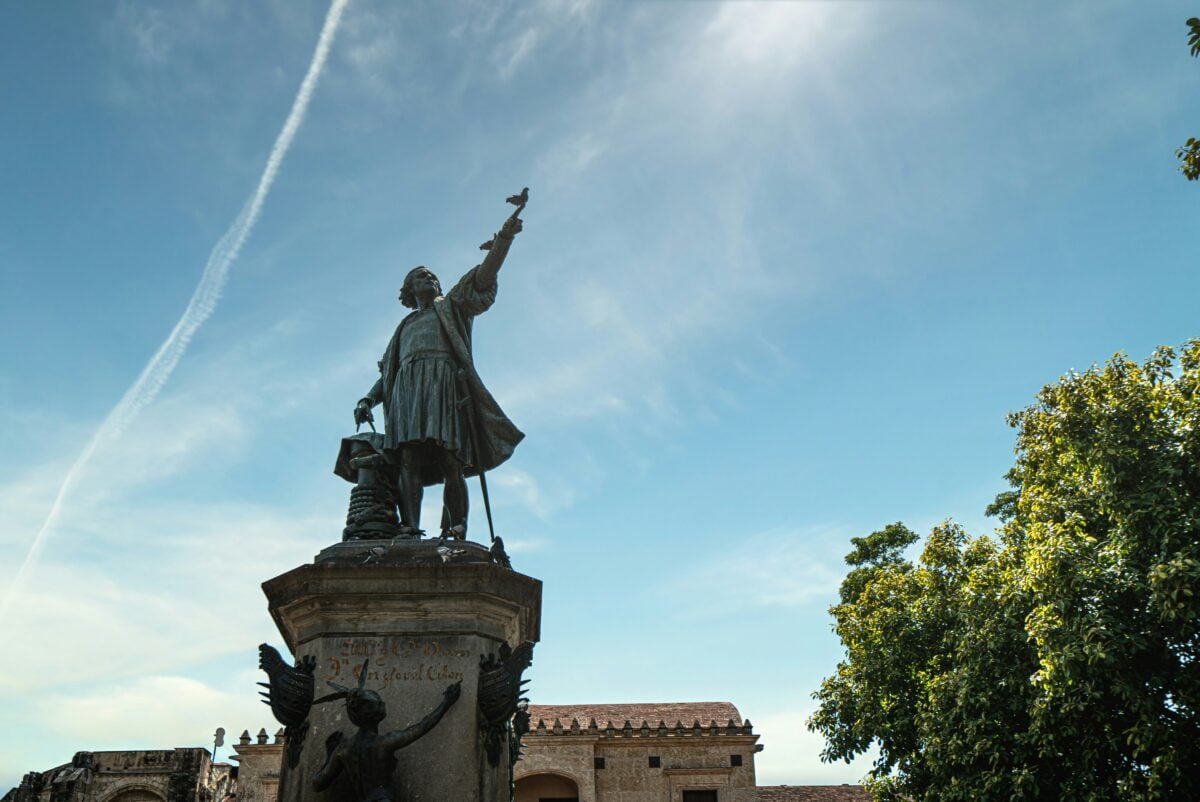
Beyond Richmond, Columbus statues fell in Boston, Denver, and other cities. Protest groups specifically targeted Columbus monuments as symbols of genocide and colonialism.
George Washington, D.C., 2020
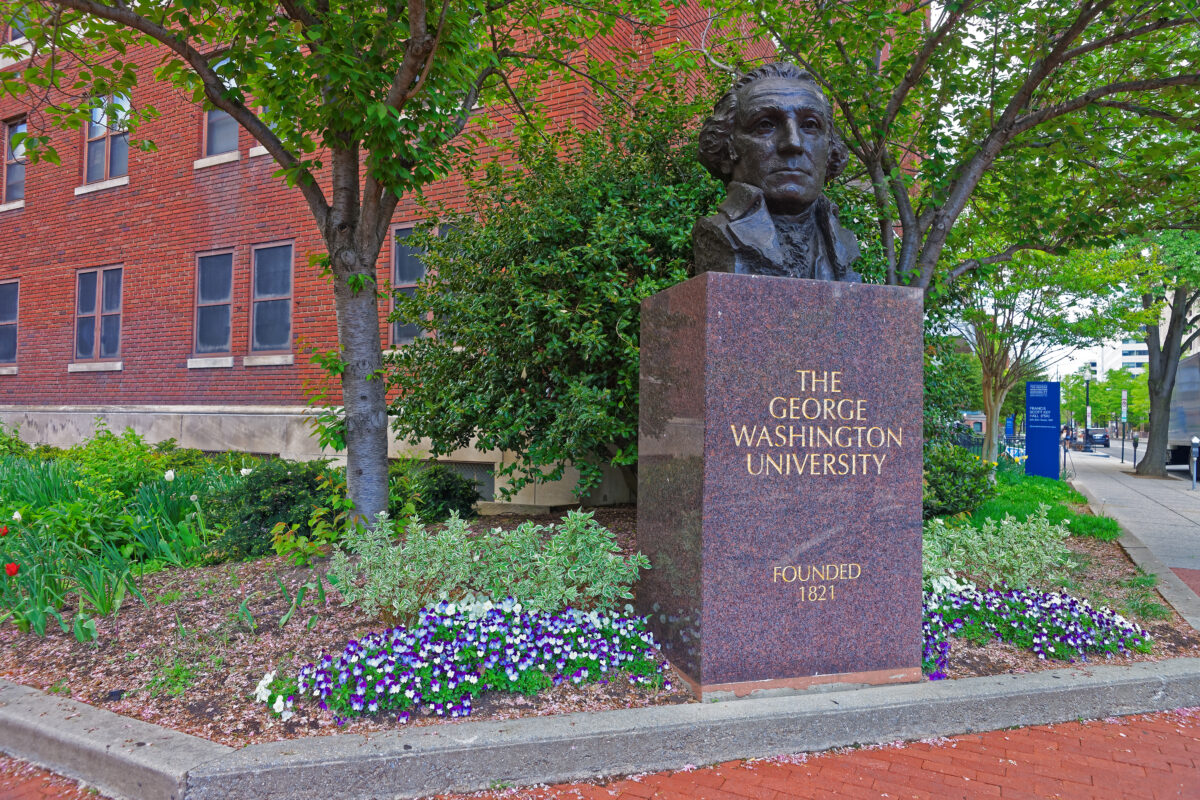
The statue was defaced during 2020 protests, leading to its temporary boarding up for protection. The incident sparked controversy over whether anti-colonial figures should be in the crosshairs of removal efforts.
John A. Macdonald, Canada, 2021
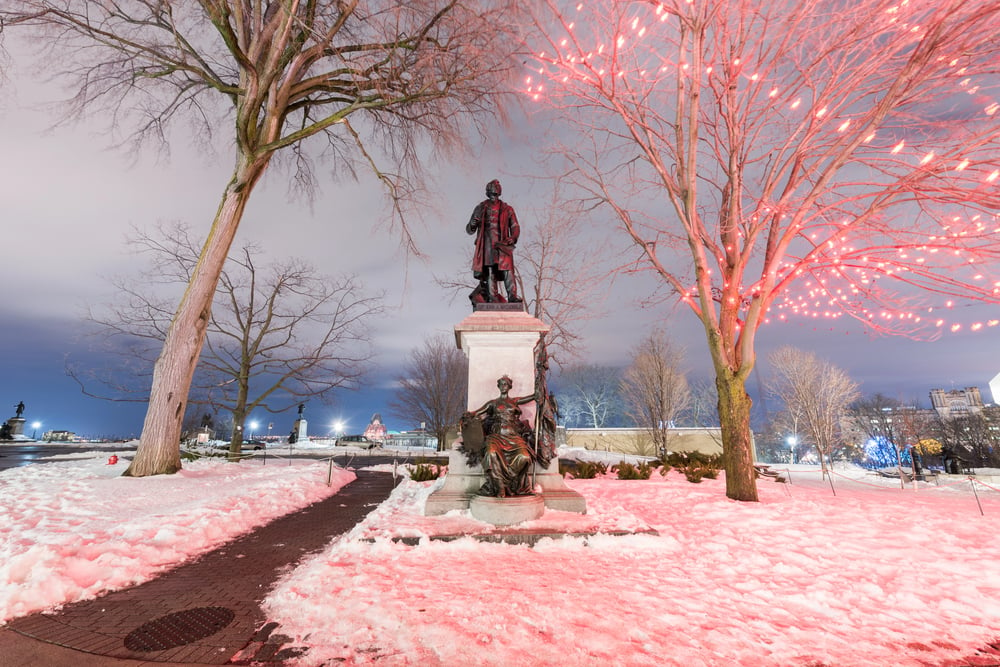
Canada removed statues of its first Prime Minister, particularly from Montreal and Toronto. Macdonald’s role in the residential school system and treatment of First Nations peoples became the focus of removal campaigns.
Junípero Serra, California, 2020
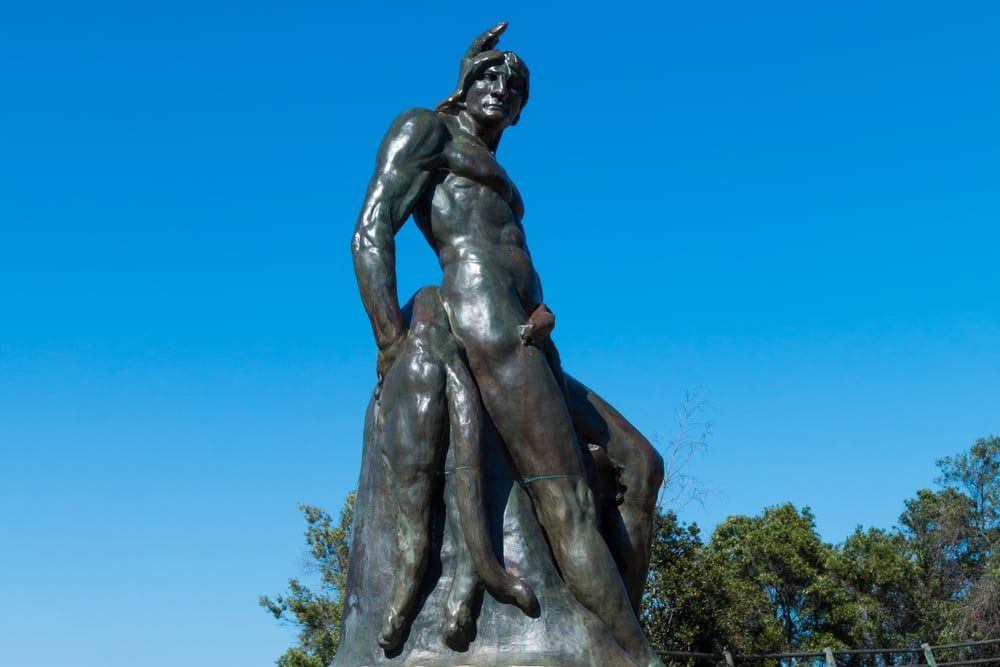
Multiple California communities removed statues of the Spanish missionary, viewed by Native Americans as a symbol of colonial violence and forced religious conversion. Serra’s role in establishing missions that enslaved and displaced indigenous peoples became the focus of campaigns for removal.
Jean-Baptiste Colbert, France, 2020
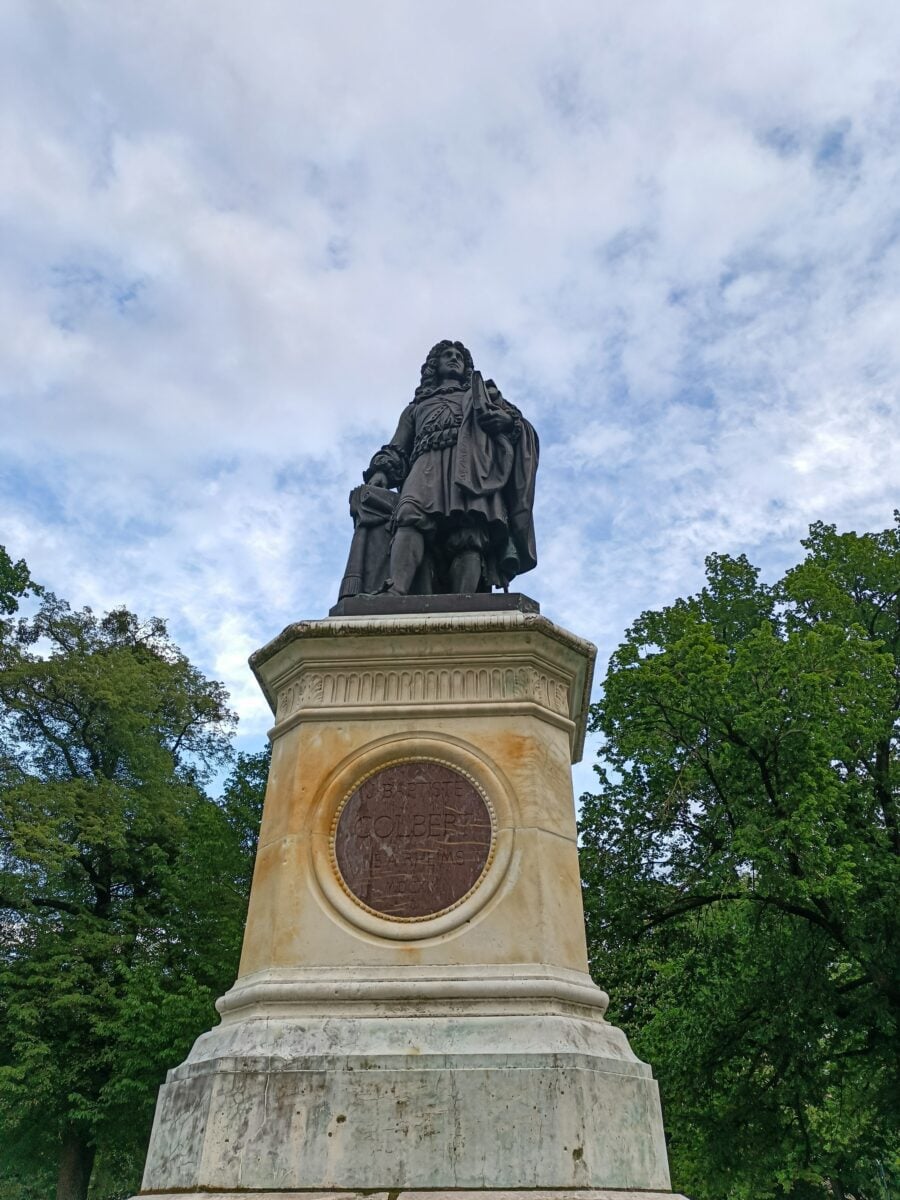
The statue of Louis XIV’s finance minister was targeted during 2020 protests because Colbert authored the Code Noir, which legalized slavery in French colonies. The removal forced France to confront its complicity in slavery and colonialism.
Thomas Jefferson, Multiple Locations, 2020
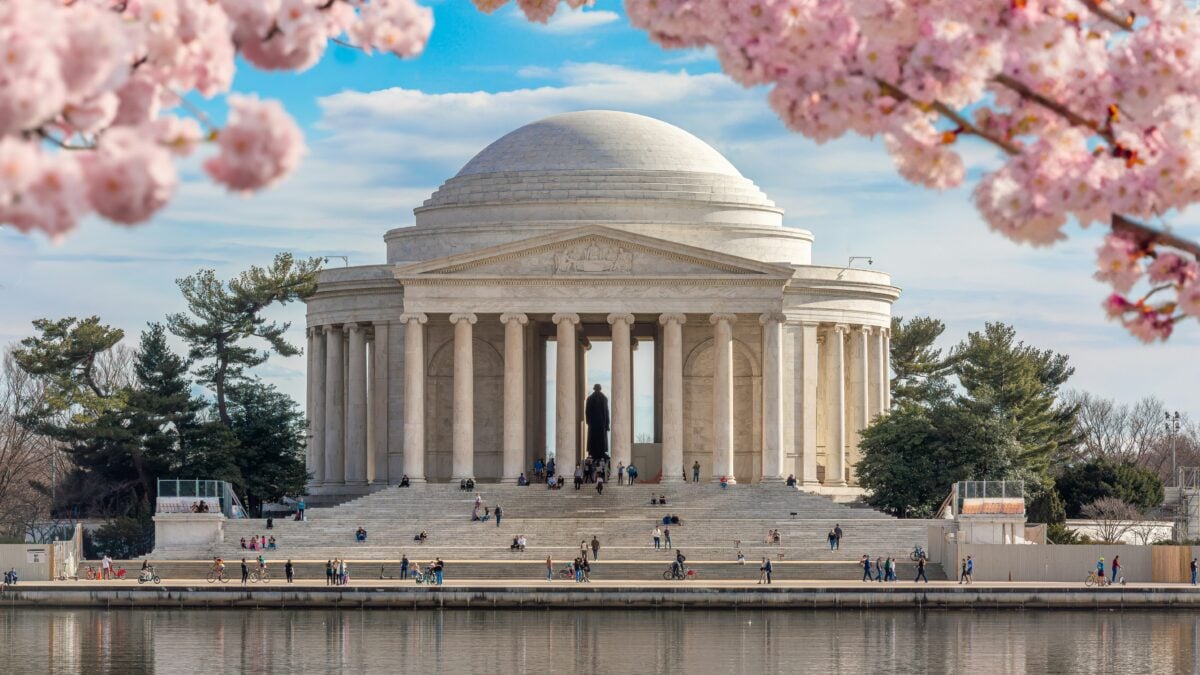
Several cities removed Jefferson statues or debated removal, citing his status as an enslaver despite his authorship of the Declaration of Independence. His complicated legacy became emblematic of the challenge of assessing historical figures with mixed records.
Andrew Jackson, Multiple Locations, 2020-2021
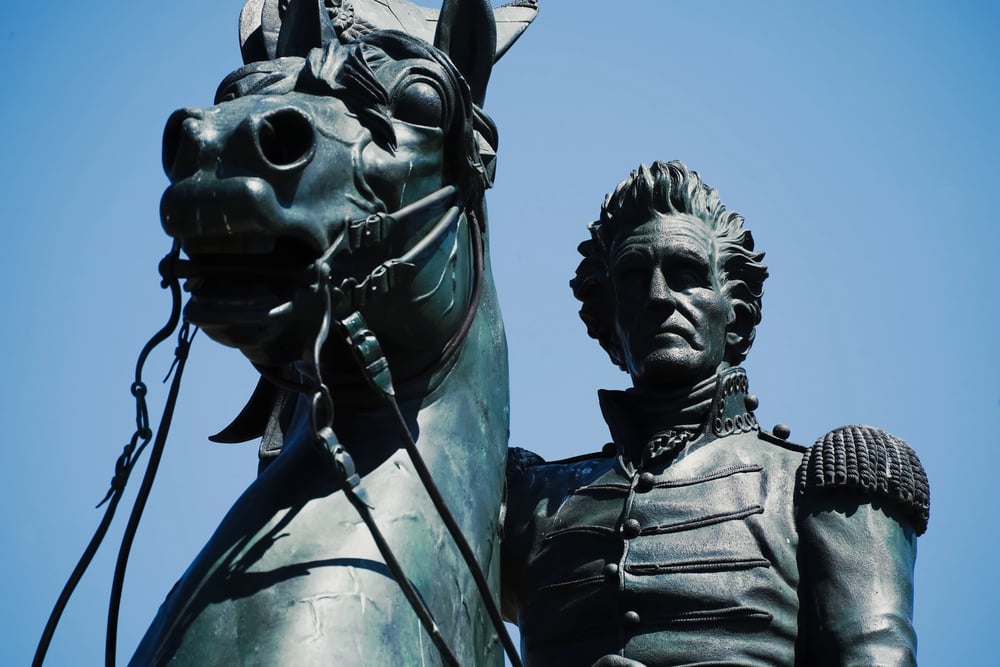
Protesters and city officials targeted Jackson statues for his role in the Indian Removal Act and treatment of Native Americans, leading to removal or vandalism in several jurisdictions.
King George III, Toppled Historically, 1776 and Again 2020
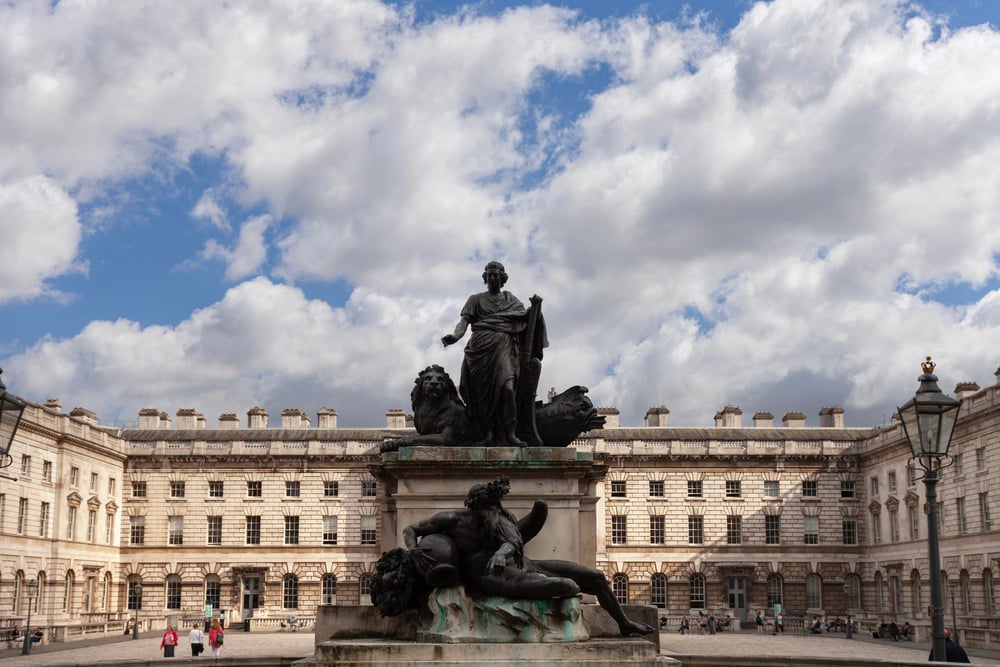
The historical toppling of George III’s statue in New York in 1776 became a parallel that 2020 protesters invoked, arguing that removing statues of figures deemed oppressive was an American tradition.
Ulysses S. Grant, Multiple Locations, 2020
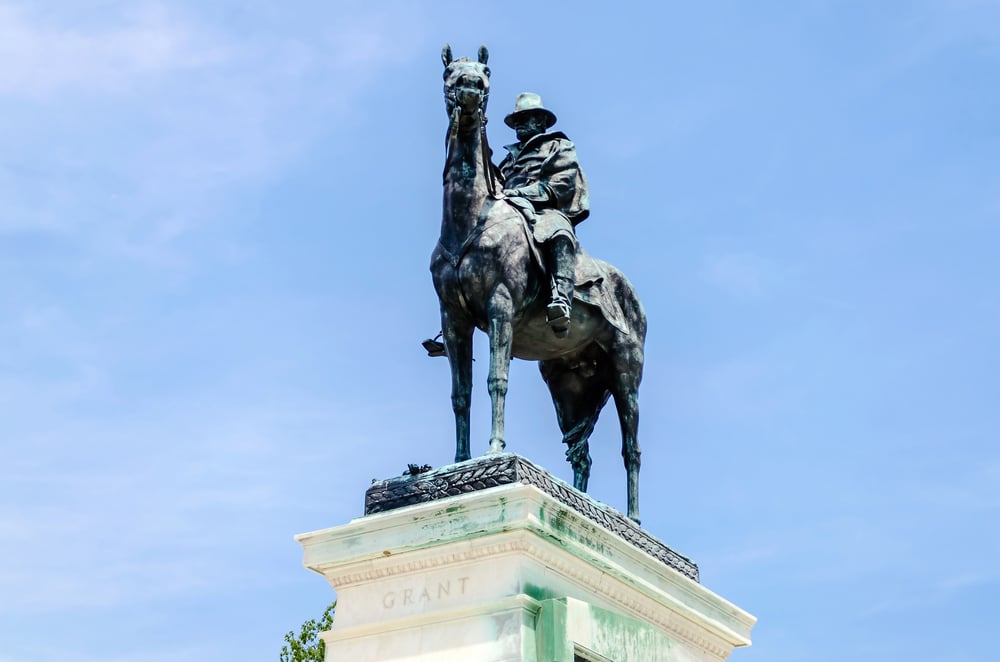
Some groups targeted Grant’s statues despite his role in the Union victory, citing his later political controversies and perceived failures as president. The removals illustrated how comprehensive the reassessment of monuments became.
Benjamin Franklin, Philadelphia, 2020
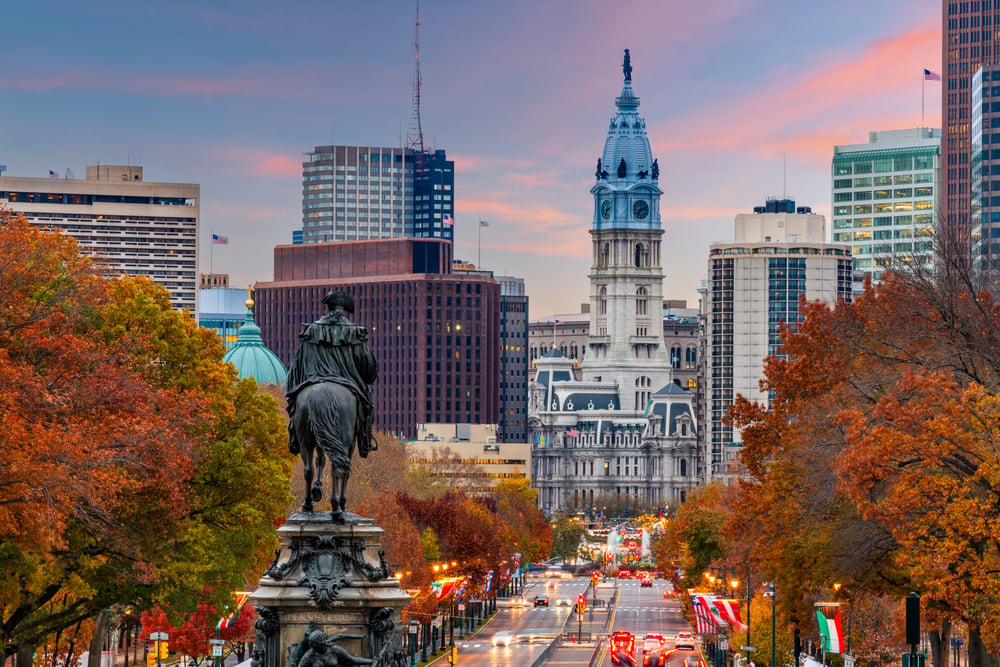
Activists called for removal of Franklin’s statue due to his ownership of enslaved people, though the city did not officially remove it. Plaques were added to contextualize his role in slavery.
P.G.T. Beauregard, New Orleans, 2018
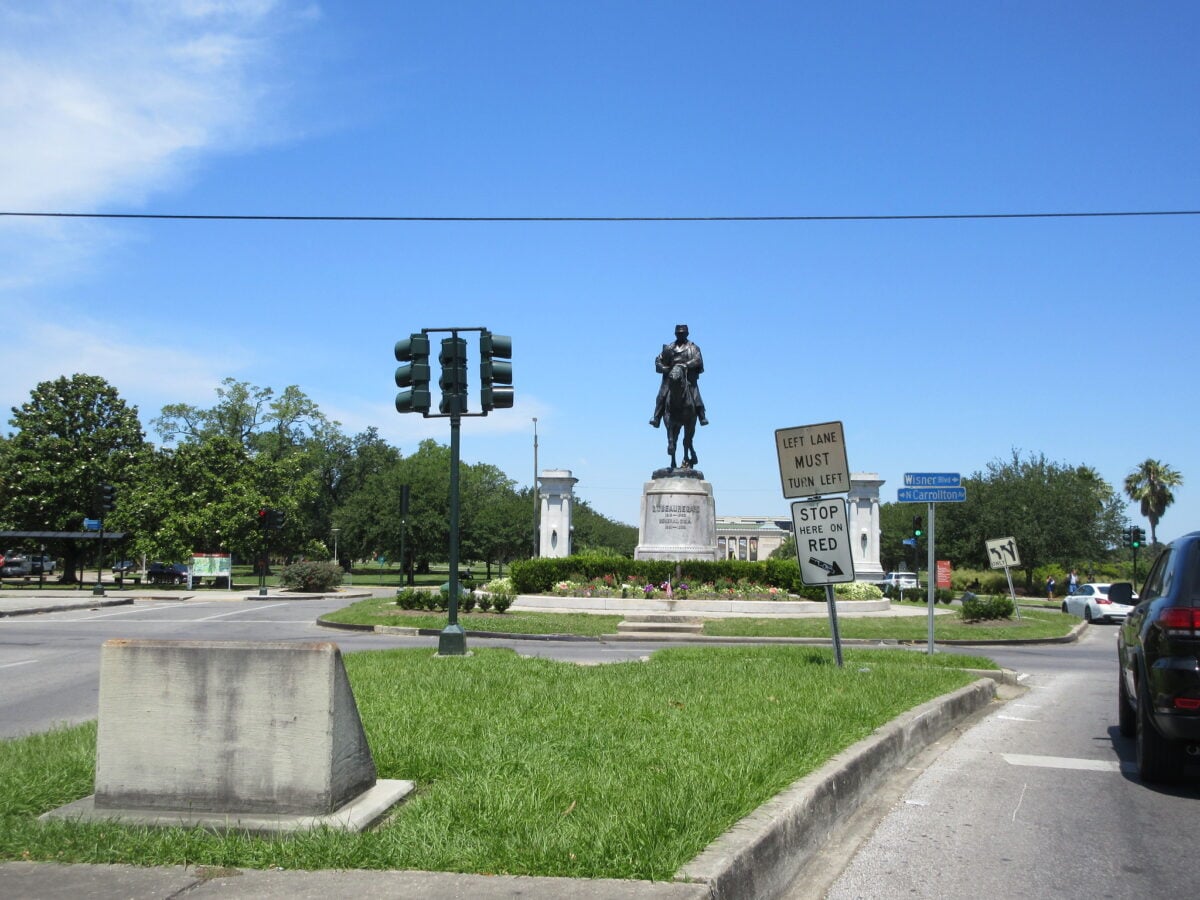
Though removed before the 2020 protests, the Confederate general’s statue removal established a precedent that New Orleans followed with multiple subsequent removals.
Raphael Semmes, Mobile, Alabama, 2020
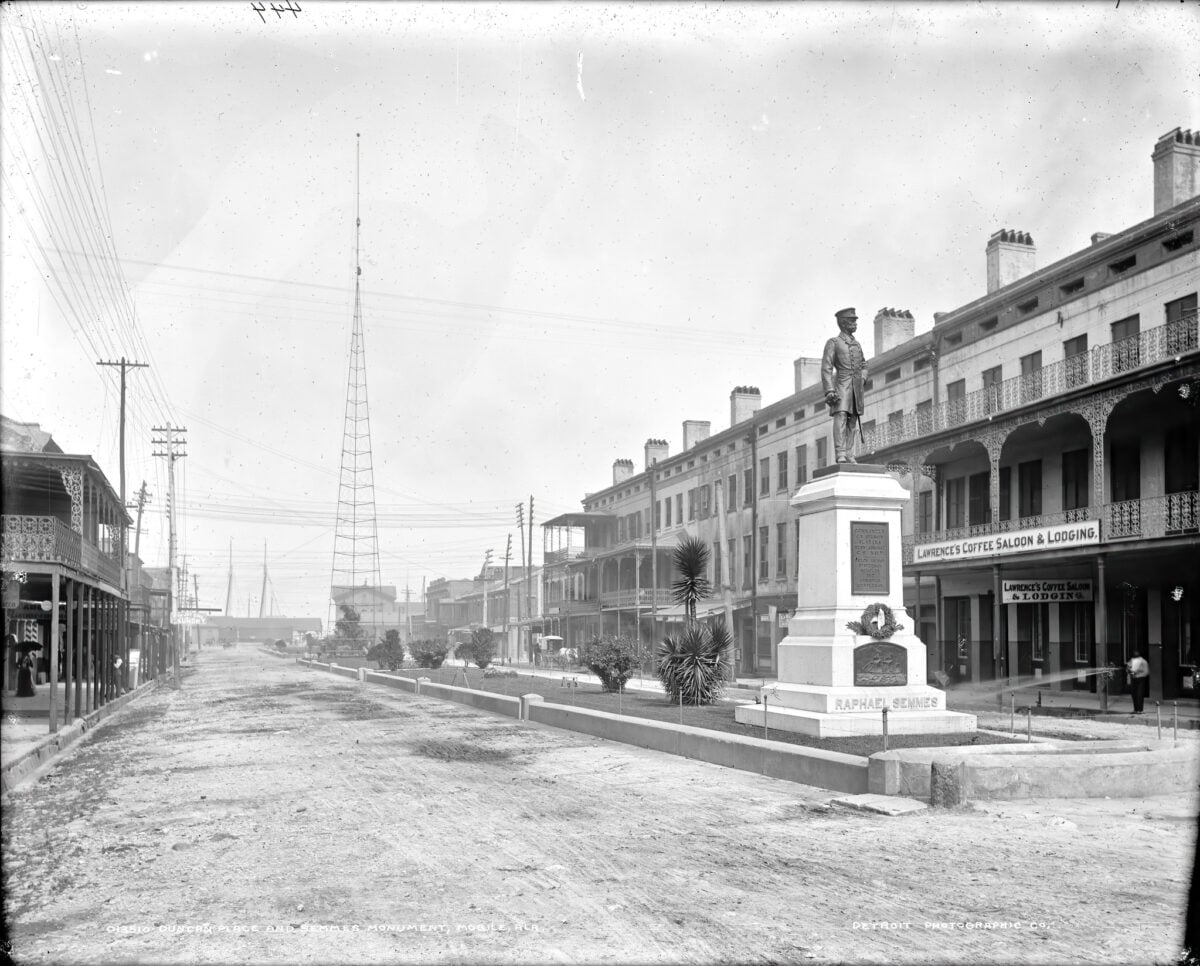
The Confederate admiral’s statue was removed as Southern cities systematically addressed their monument collections in response to 2020 protests.
Henry Lewis Davis, Memphis, Tennessee, 2017
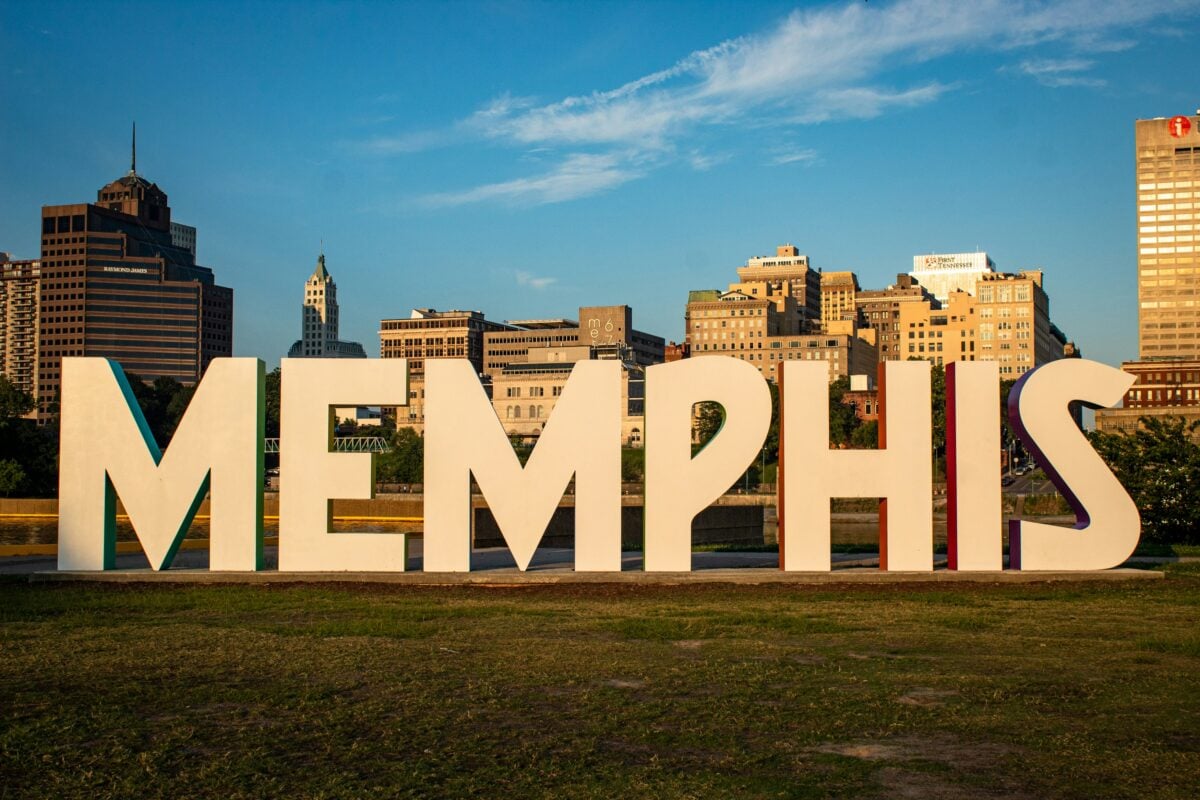
The senator and wealthy enslavers statue was removed after community vote, with Black residents voting overwhelmingly for removal while white residents largely opposed it, illustrating racial divides over monument removal.
Nathan Bedford Forrest, Memphis, Tennessee, 2021
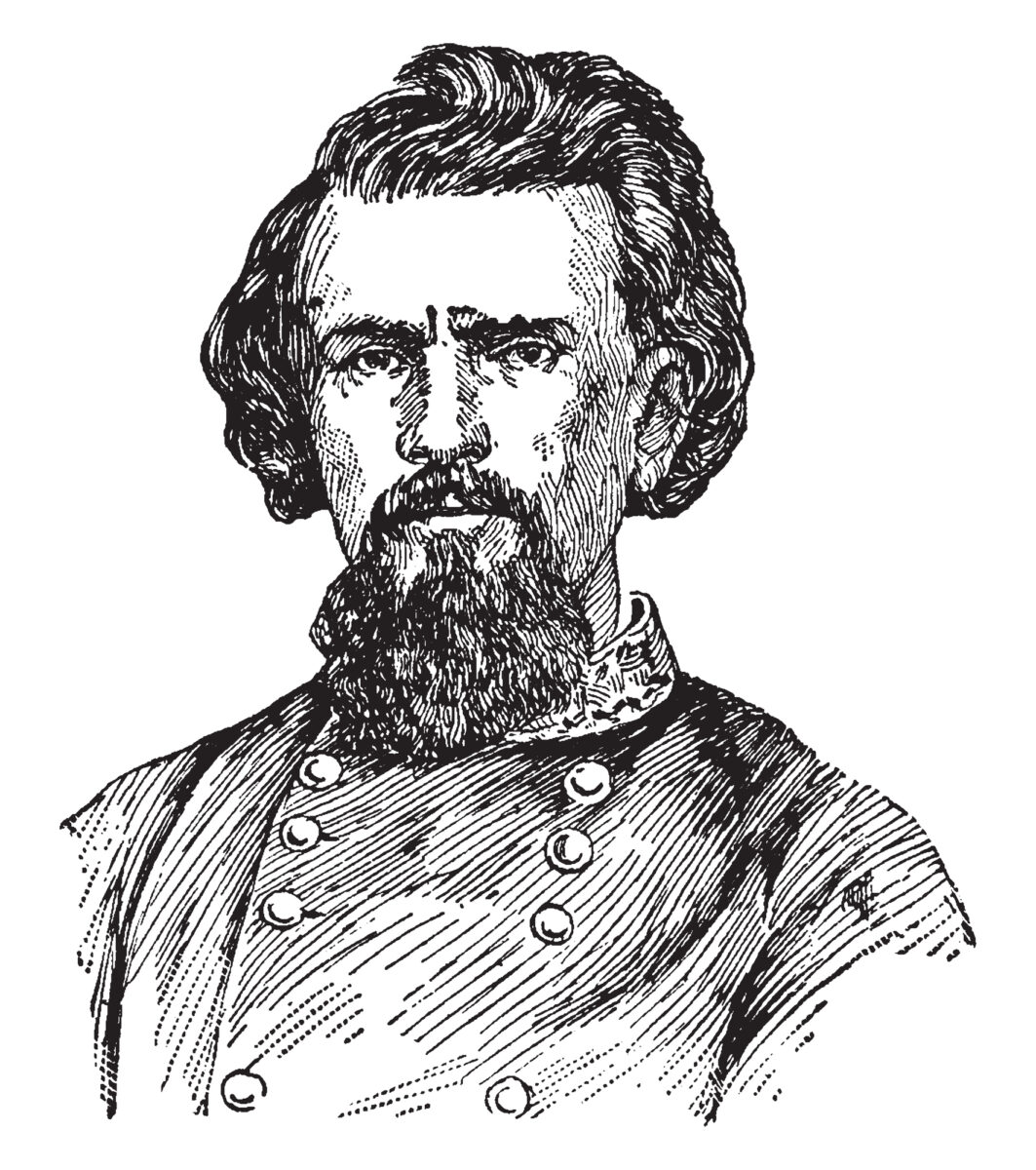
Nashville and Memphis moved forward with removing statues of the Civil War general and KKK leader after years of community pressure, demonstrating how KKK associations made removal more straightforward politically.
William Forrest Ruffin, Charleston, South Carolina, 2020
Confederate-linked monuments were systematically removed across Charleston as the city addressed its slavery and Civil War history.
Slave Auction Block, Numerous Locations, 2020
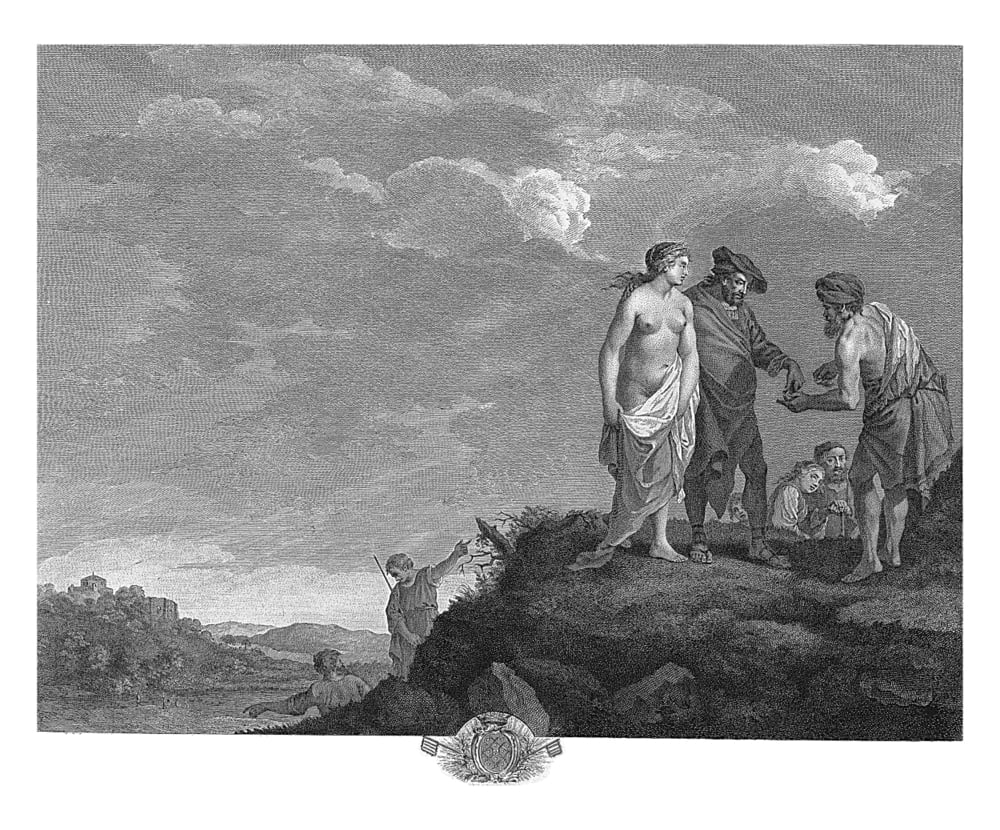
Several cities removed or contextualized actual slave auction blocks and similar structures used in slavery commerce, treating historical evidence of the slave trade differently than statues of individuals.
Legacy of Removals, Ongoing, 2020-2026
By 2026, over 600 Confederate symbols had been removed across the United States, with additional removals continuing internationally. The scale of removal demonstrated both generational shifts in values and ongoing contention about how to reckon with historical complicity in slavery, colonialism, and genocide.
Some jurisdictions placed removed statues in museums with contextual information; others melted them down. A few communities removed statues only to face pressure from resurgent political movements to restore them, creating ongoing cycles of placement and displacement.
More from Go2Tutors!

- The Romanov Crown Jewels and Their Tragic Fate
- 13 Historical Mysteries That Science Still Can’t Solve
- Famous Hoaxes That Fooled the World for Years
- 15 Child Stars with Tragic Adult Lives
- 16 Famous Jewelry Pieces in History
Like Go2Tutors’s content? Follow us on MSN.