Why Certain Paint Colors Were Once Considered So Dangerous They Were Outlawed
Before modern chemistry understood toxicity, painters mixed mercury, arsenic, and lead into colors that were stunning yet deadly. Workers who applied these paints developed tremors, madness, and early death.
Their conditions went unnamed, their illnesses attributed to moral weakness or personal vice rather than poison. Only when enough people suffered enough obviously did society realize these beautiful colors killed anyone who worked with them regularly.
Many nations eventually banned the most dangerous pigments, though some persist in museums as warnings.
Mercury Compounds in Vermillion

Vermillion red came from cinnabar, ground ore containing mercury. The pigment was prized for its brilliance, used in illuminated manuscripts, paintings, and decorative art.
Painters inhaling dust from grinding vermillion developed mercury poisoning—tremors, dental decay, mood disturbances, and eventually neurological destruction. Many master painters creating red-hued masterpieces were slowly poisoned by the medium they worked with daily.
Arsenic Dyes

Scheele’s Green, discovered in 1775, provided a vivid green color. The pigment was essentially arsenite compounds mixed with copper.
It was used on wallpapers, textiles, and paints. Workers handling the pigment developed arsenic poisoning, and homes decorated with these materials exposed residents to chronic low-level arsenic exposure.
The green was so effective and beautiful that its dangers weren’t fully acknowledged until the late 1800s.
Lead-Based Paints

White lead was the standard white pigment in oil paints for centuries. Mixing it into other colors was standard practice for professional painters and home decorators.
Lead poisoning caused neurological damage, particularly in children whose developing brains absorbed it readily. Despite growing evidence of danger, lead paint remained legal in America until 1978, and is still used in some countries.
Chromium Yellows and Oranges
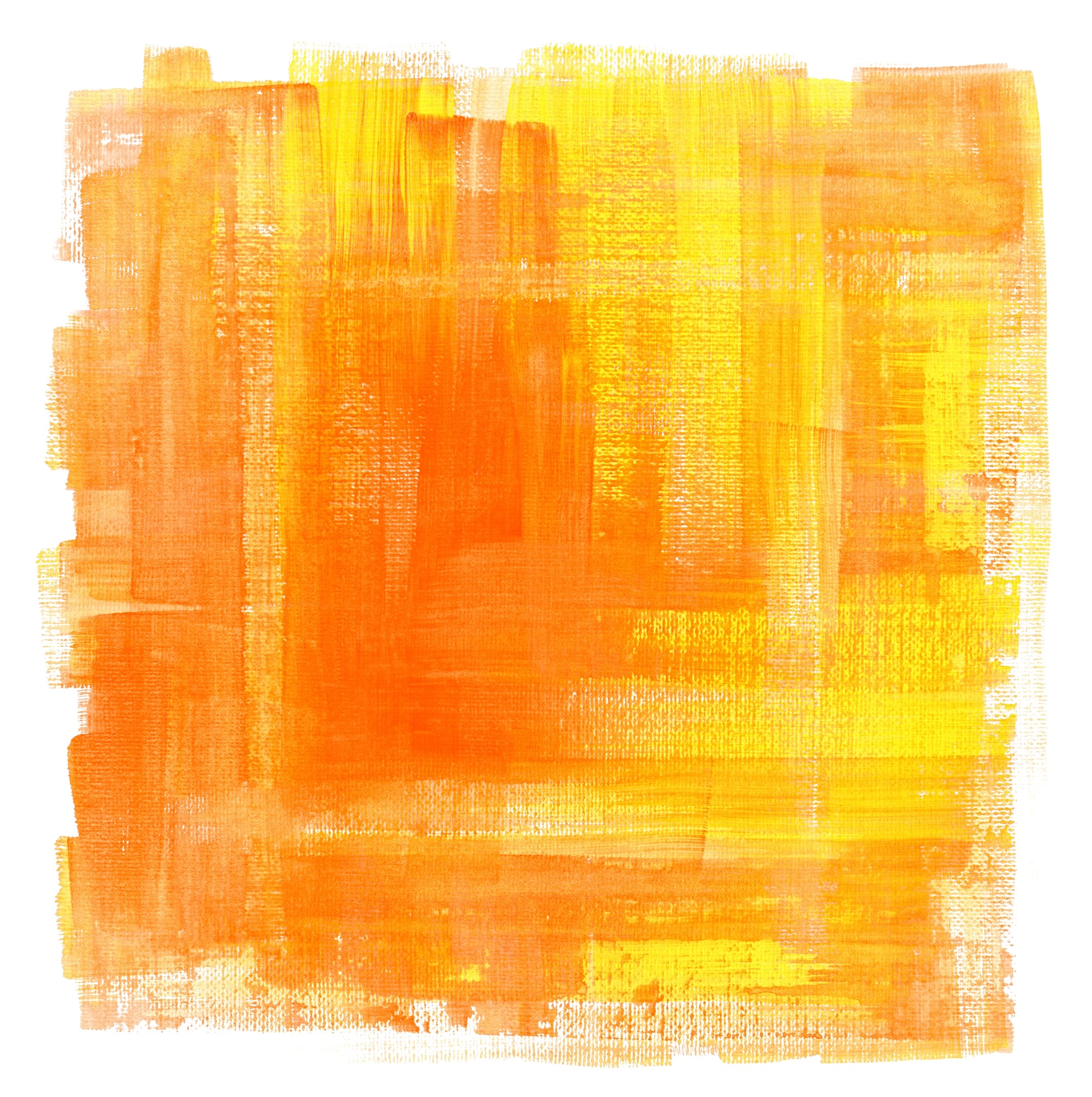
Chromium yellow, developed in the early 1800s, provided vivid yellows and oranges. Van Gogh used it extensively.
The pigment is now known to contain hexavalent chromium, a known carcinogen. Health effects weren’t recognized until decades after the color’s introduction, though the danger is now well-established.
Cadmium Yellows
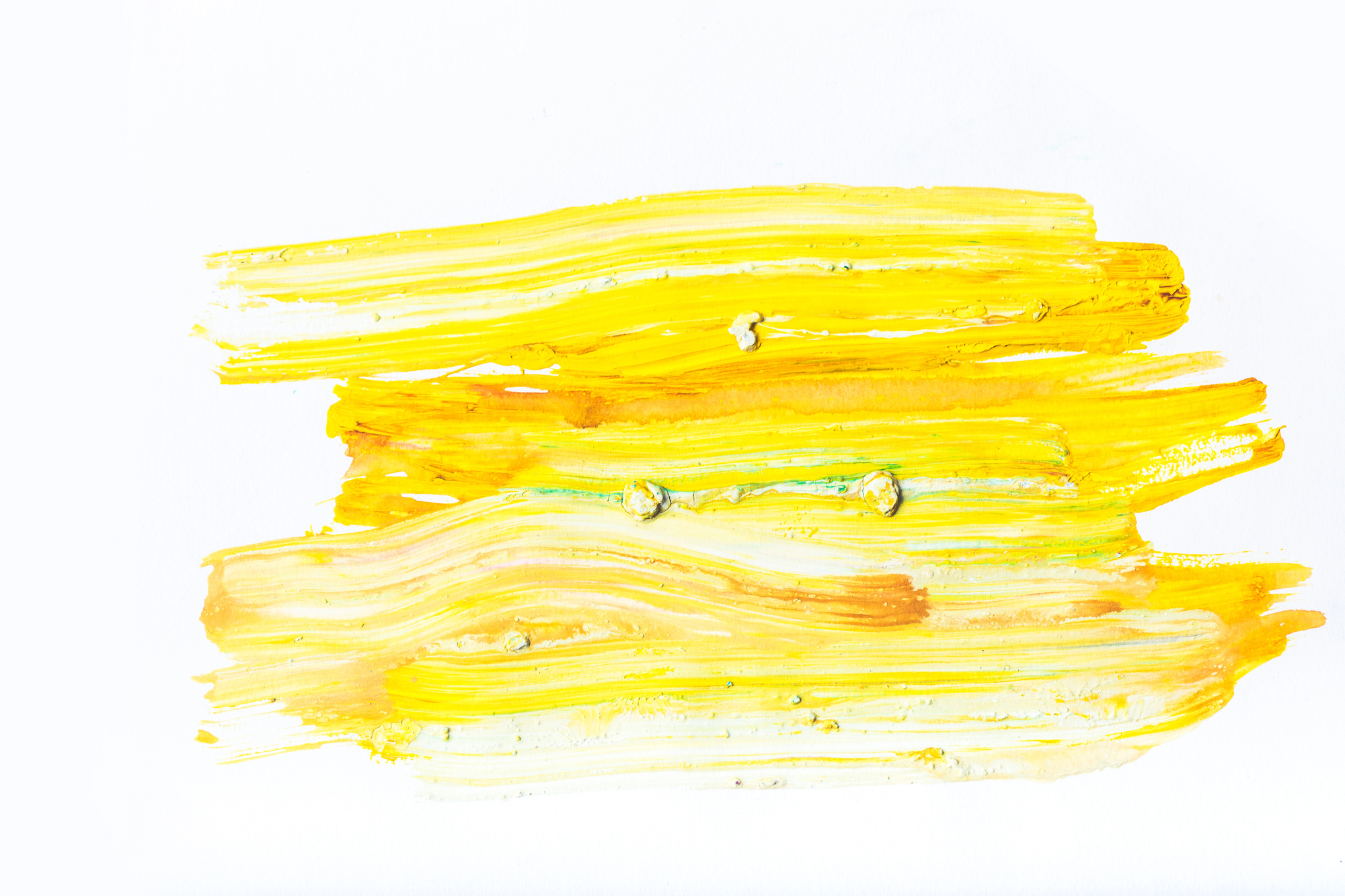
Like chromium yellows, cadmium pigments provided vivid yellows and reds. Cadmium is a neurotoxin and carcinogen.
Artists working with these pigments without protection absorbed toxic doses. The pigments are now restricted in many countries but remain in use in some contexts despite known health risks.
Radioactive Paints

Radium was used in luminescent paints to make clock faces and instrument dials glow in the dark. Factory workers, particularly young women, hand-painted these items, often licking their brush tips to maintain a fine point.
Radium poisoning caused bone cancer and radiation poisoning. The practice wasn’t stopped until the dangers became undeniable and dozens of workers had died.
Lead Oxide in Glazes

Potters and ceramic artists used lead oxide in glazes to create brilliant glazes. The lead leached into food and water served in vessels glazed with these materials.
Chronic lead poisoning from contaminated food was endemic in pottery communities. Many traditional pottery techniques are now recognized as dangerous, though some continue in regions without strict regulation.
White Lead in Cosmetics

Lead carbonate was common in makeup and face powders, used to achieve fashionable pale skin. Women applying these cosmetics daily absorbed lead through skin and from particles they inhaled.
The practice caused chronic lead poisoning, though this wasn’t recognized as the source of symptoms like anemia and nerve damage.
Plumbum Acetate in Hair Dyes

Lead compounds were used in hair dyes to darken gray hair. Regular users developed lead poisoning, though the source went unrecognized because lead accumulates slowly.
Some traditional hair dye formulas in certain regions continue using lead compounds.
Copper Sulfate in Agricultural Paints

Copper sulfate used in agricultural fungicides and paints caused severe poisoning in workers mixing and applying these materials. Chronic exposure caused kidney damage, nervous system effects, and gastrointestinal illness.
Modern regulations restrict copper sulfate but it remains in use in agriculture.
Paris Green

Another arsenite compound, Paris Green was used as a pigment and as an insecticide. Its green color made it attractive for paints and dyes.
Arsenic poisoning from handling the pigment was common but poorly understood. The compound is now banned in many countries.
The Madness of Hatters
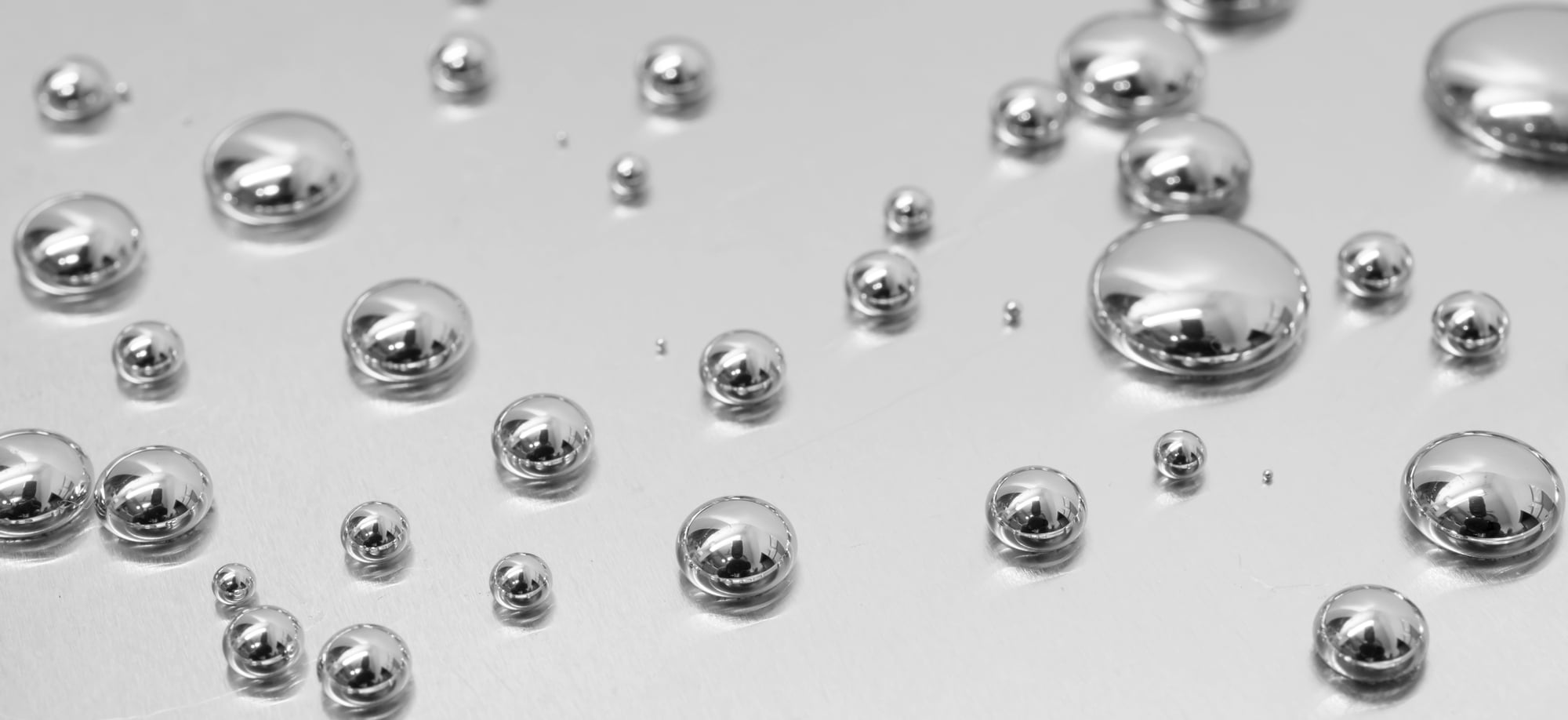
Mercuric nitrate was used in hat-making to prepare fur. Workers absorbed mercury regularly, developing tremors, psychological disturbances, and mood changes.
The profession developed a recognized occupational disease called “mad hatter disease.” Only in the twentieth century did regulations finally restrict mercury use in hat-making.
Chrome Green

A mix of lead chromate and Prussian blue, chrome green was bright and durable but contained both lead and cyanide compounds. Its toxicity wasn’t fully recognized until workers handling it developed multiple poisoning symptoms simultaneously.
Cerulean Blue
While cerulean blue itself is relatively benign, some formulations contained cobalt and arsenic. The toxicity varied by formulation, but chronic exposure caused respiratory disease and neurological damage in workers and artists.
Yellow Ultramarine
Some yellow formulations contained sulfur compounds that produced toxic fumes when heated or mixed with other materials. Painters working with yellow paints in poorly ventilated spaces absorbed these fumes chronically.
The Regulatory Response
Different nations responded at different times. Britain began restricting the most dangerous pigments in the mid-1800s.
America was slower, with lead paint remaining legal until environmental regulations forced removal. France and Germany developed more protective regulations earlier than English-speaking nations.
Modern regulations in developed countries restrict arsenic, mercury, lead, cadmium, and chromium pigments, though enforcement varies.
Legacy in Museums

Museums display historical paintings made with now-banned pigments. These artworks remain dangerous to handle without protection—the pigments haven’t lost toxicity with age.
Conservators working with these pieces wear protective equipment, and some museums limit access to severely toxic items. The paintings themselves are historical record of both artistic brilliance and industrial poisoning.
Continuing Use in Developing Nations

Some developing nations continue using banned pigments because they’re cheaper and produce superior colors. Workers in these regions experience occupational poisoning similar to what painters experienced centuries ago.
International agreements attempt to restrict this practice, but enforcement remains weak.
The Human Cost

Hundreds of painters, decorators, and artists died or suffered severe disability from pigment poisoning before regulations eliminated the most dangerous colors. Many creative geniuses lost mental capacity or mobility to conditions now easily preventable through pigment selection.
This human cost represents the price of beauty before safety regulations existed.
Modern Alternatives

Contemporary non-toxic pigments provide similar colors without poison. Artists and industries have moved to safer alternatives, though some purists argue they produce slightly inferior results.
The ready availability of safe alternatives makes continued use of dangerous pigments indefensible—yet some craftspeople continue using them anyway, either from tradition or ignorance of the health risks.
The Lesson

The paint color bans represent a rare intersection where industrial practice directly harmed workers enough that regulation became necessary. Yet similar patterns repeat in other industries—toxic substances used because they work well, with worker poisoning tolerated as an acceptable cost of production.
The historical paint bans offer a model for recognizing toxic practices early rather than waiting for hundreds of dead workers to justify regulation.
More from Go2Tutors!

- The Romanov Crown Jewels and Their Tragic Fate
- 13 Historical Mysteries That Science Still Can’t Solve
- Famous Hoaxes That Fooled the World for Years
- 15 Child Stars with Tragic Adult Lives
- 16 Famous Jewelry Pieces in History
Like Go2Tutors’s content? Follow us on MSN.