How to Tell If a Piece of Jewelry is Genuinely Valuable Without Paying for an Appraisal
A professional jewelry appraisal costs $50 to $150 per piece, which adds up quickly when you’re sorting through inherited jewelry or a box of pieces accumulated over decades. Before paying for appraisals, you can narrow the valuable pieces from the costume pieces with methods you can perform at home using tools that cost almost nothing.
A magnifying glass, a magnet, and basic knowledge about hallmarks can often tell you whether a piece is worth appraising at all. The question isn’t always whether something is valuable—it’s whether it’s valuable enough to justify professional evaluation.
Learn to separate the genuinely precious from the decorative, and you’ll know exactly which pieces deserve a professional opinion.
Look for Hallmarks and Metal Stamps
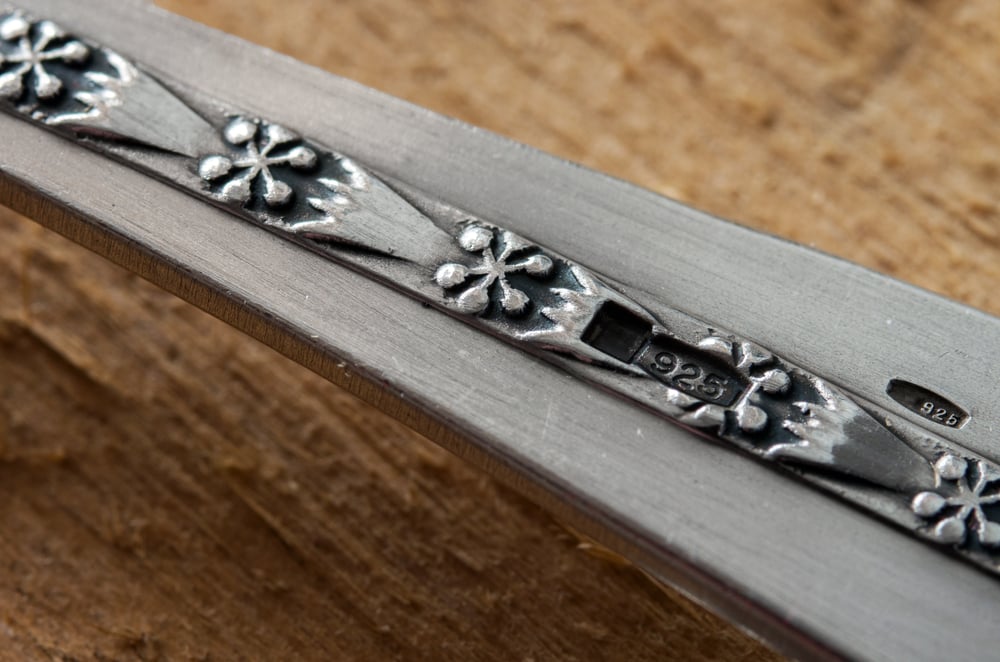
Real precious metal jewelry is stamped with purity marks. Gold is marked with karat numbers: “10K,” “14K,” “18K,” or “24K.” Sterling silver carries a “925” stamp.
Platinum jewelry displays “PLAT” or “PT.” These stamps are usually inside the band of a ring, on the clasp of a necklace, or on a small metal tag attached to the jewelry.
Use a magnifying glass to find and read the mark clearly. If a mark exists, the piece is almost certainly not costume jewelry.
If no mark exists on something you believe is gold or silver, that’s a strong indicator it’s plated or fake.
Understand the Difference Between Solid and Plated
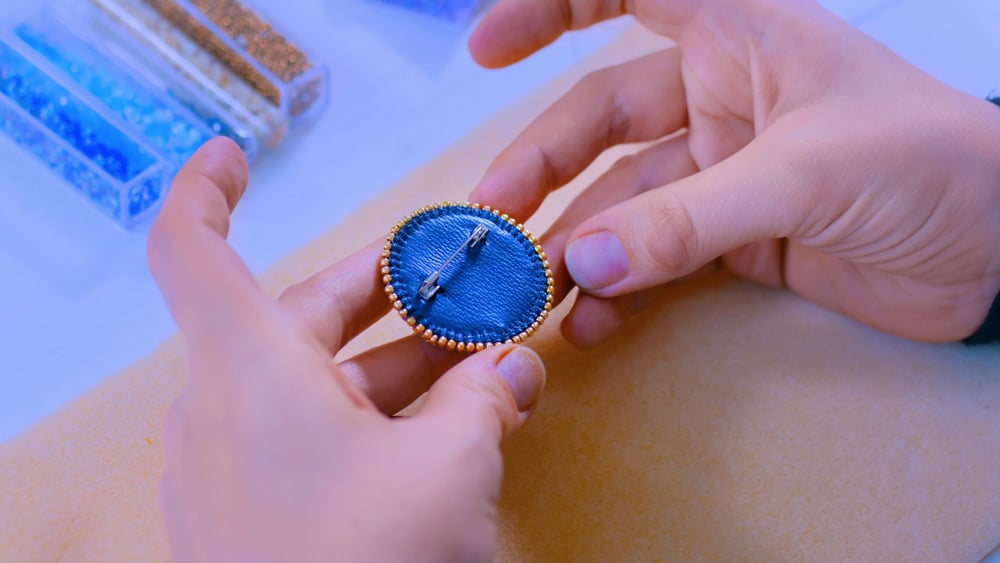
The difference between “14K” and “14K GP” is the difference between a piece worth $200 and a piece worth $5. “GP” stands for “gold plated,” meaning a thin layer of gold is bonded to base metal underneath.
Gold plated jewelry has almost no precious metal value. “GF” stands for “gold filled” and indicates a thicker layer, which has some value but far less than solid gold. Only solid markings without abbreviations indicate the piece contains that percentage of gold throughout.
Check the stamp carefully—the difference is subtle but profound for value.
Test with a Magnet
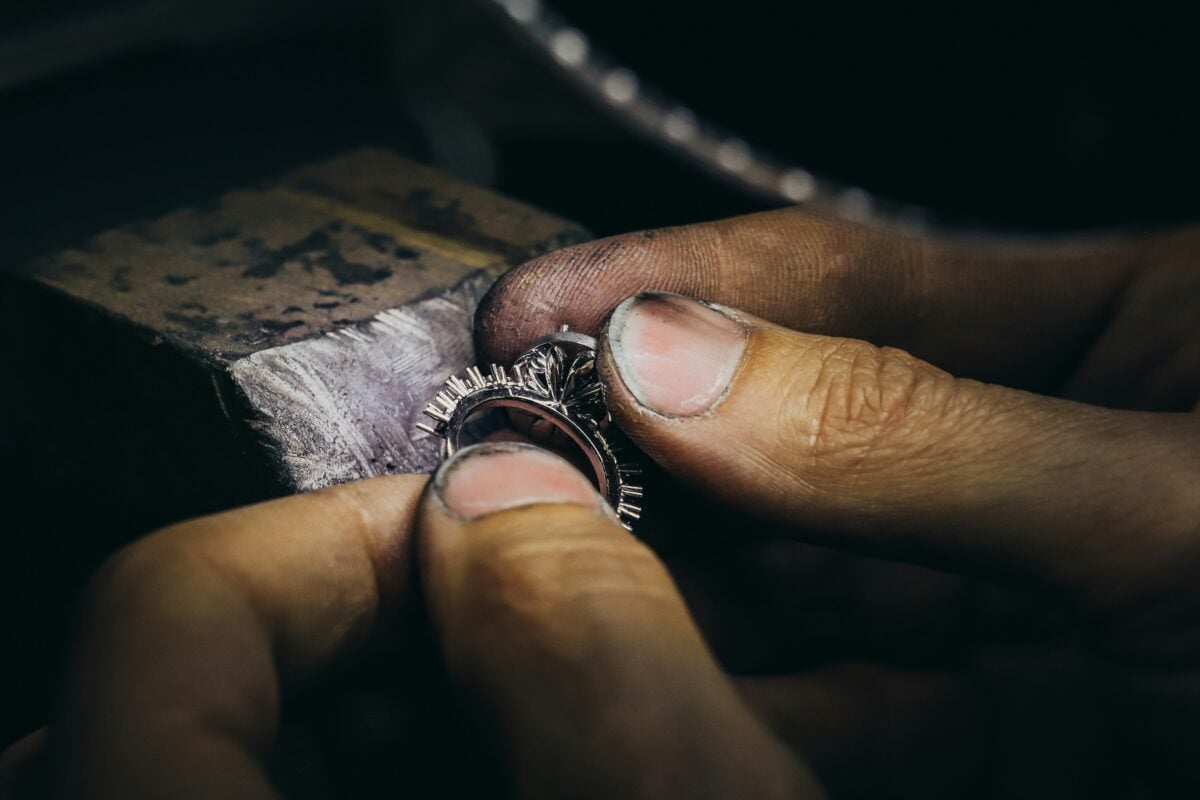
Real gold and real silver are not magnetic. Take a refrigerator magnet and hold it close to the piece without touching it.
If the piece moves toward the magnet or sticks, it contains ferrous metals and is not solid gold or silver. This is a quick, free test that eliminates a huge category of fake or plated jewelry.
Some vintage jewelry may contain small amounts of magnetic metals in components like clasps or hinges, so a mild reaction doesn’t automatically mean it’s fake—but strong magnetic attraction means it’s not precious metal.
Research Maker’s Marks and Designer Names
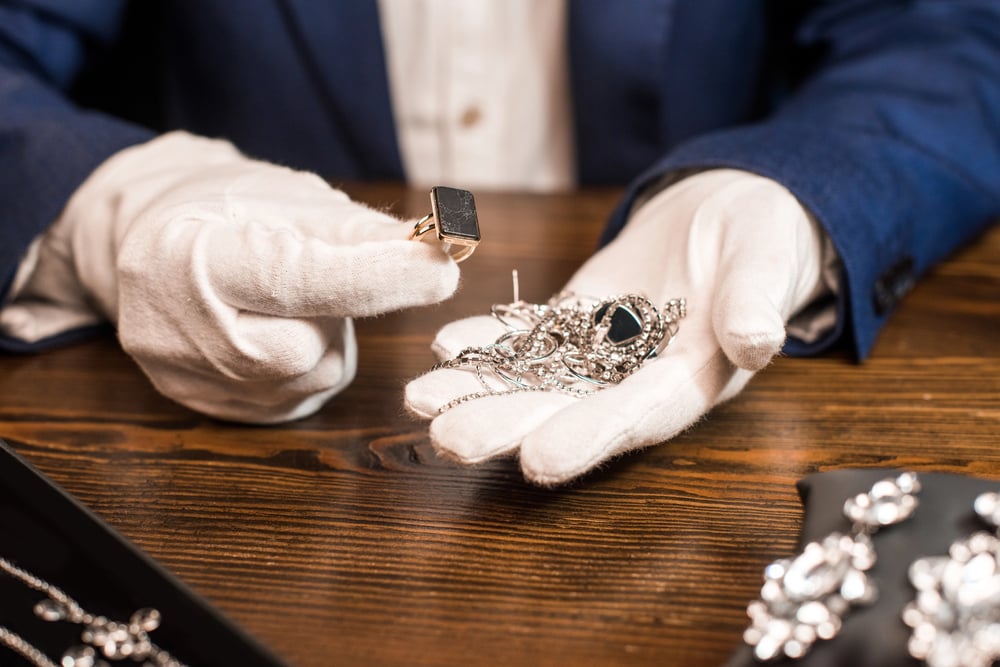
Designer jewelry carries significant premium value. Hallmarks from Tiffany & Co., Cartier, and Bulgari add hundreds to thousands of dollars to a piece’s value. Look for maker’s marks near the metal purity stamps.
These are often initials, logos, or full names. If you find a recognizable designer name, search online for similar pieces to understand the value range.
Even unmarked pieces from recognizable eras—like Art Deco or Victorian—can command higher prices if the craftsmanship is evident. Designer jewelry is worth researching before dismissing.
Check for Gemstones and Understand Their Basics
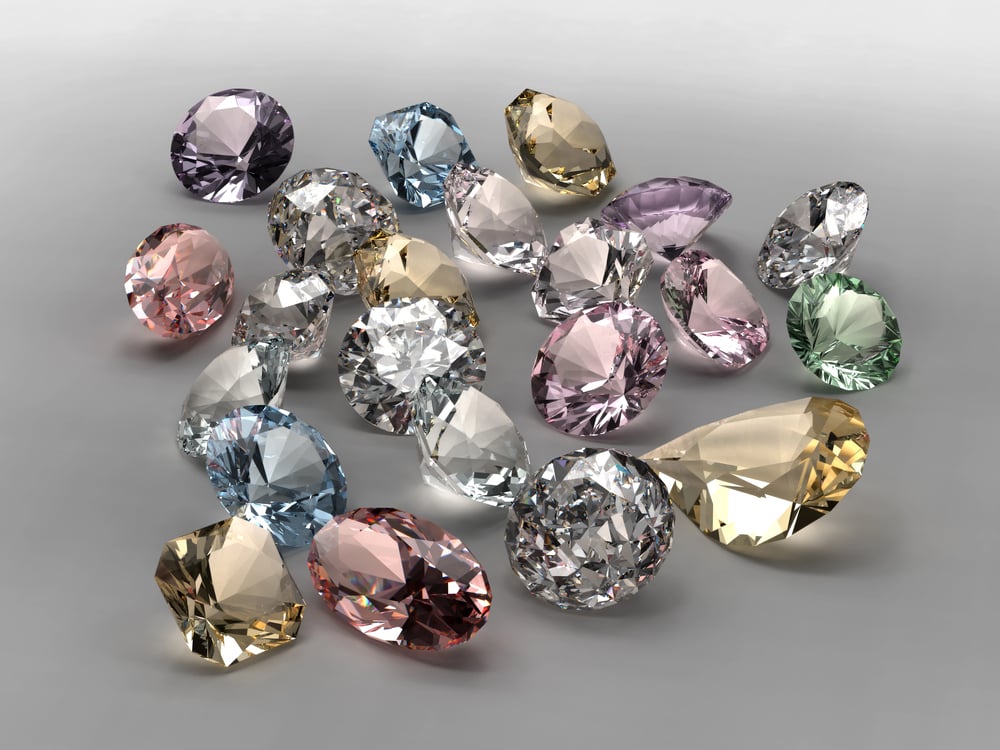
Real diamonds, rubies, sapphires, and emeralds have significant value. Costume jewelry typically uses glass, crystal, or synthetic stones.
Look at the stone under magnification. Real gemstones show internal characteristics, cloudiness, or imperfections that glass does not.
Real diamonds are extremely hard—scratching the surface with a fingernail is impossible. Cut glass can be scratched.
Natural gemstones show color variation under different light. Synthetic stones are perfectly uniform.
These observations don’t determine exact value, but they separate the genuinely precious from the decorative.
Apply the Acid Test (With Caution)
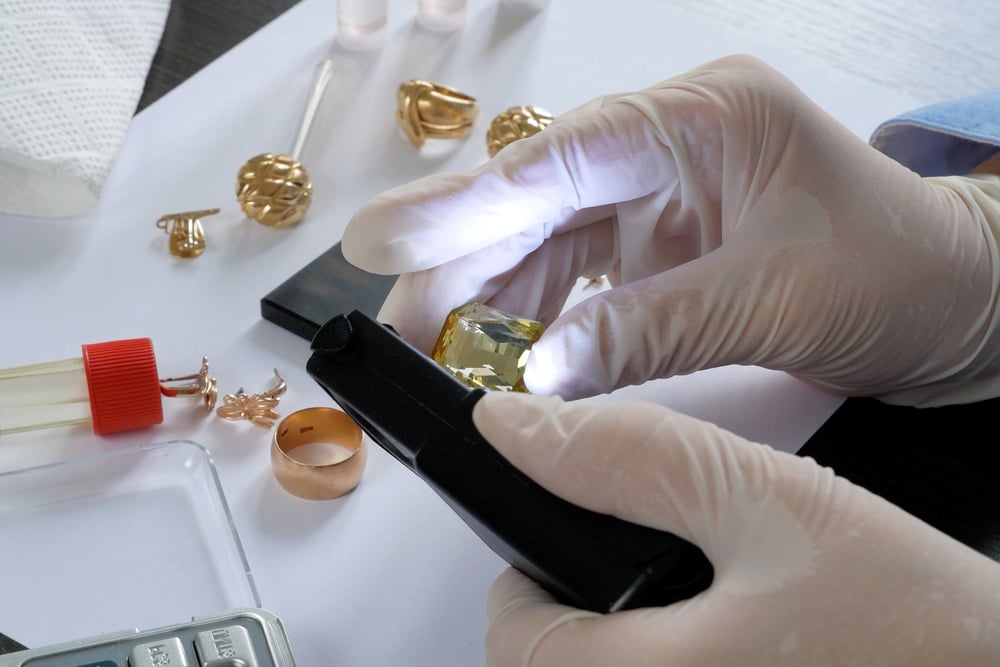
Real gold, silver, and platinum don’t react to nitric acid. If you have access to nitric acid and are comfortable using it, this is a reliable test.
Scratch the jewelry’s surface lightly with a file, apply a tiny amount of nitric acid to the scratch, and observe. Real gold shows no reaction.
Gold-plated jewelry or base metals turn green. Avoid this test if you’re not confident handling the chemical, but if you have access, it provides definitive results for distinguishing real from plated metals.
Calculate Metal Value Based on Spot Prices
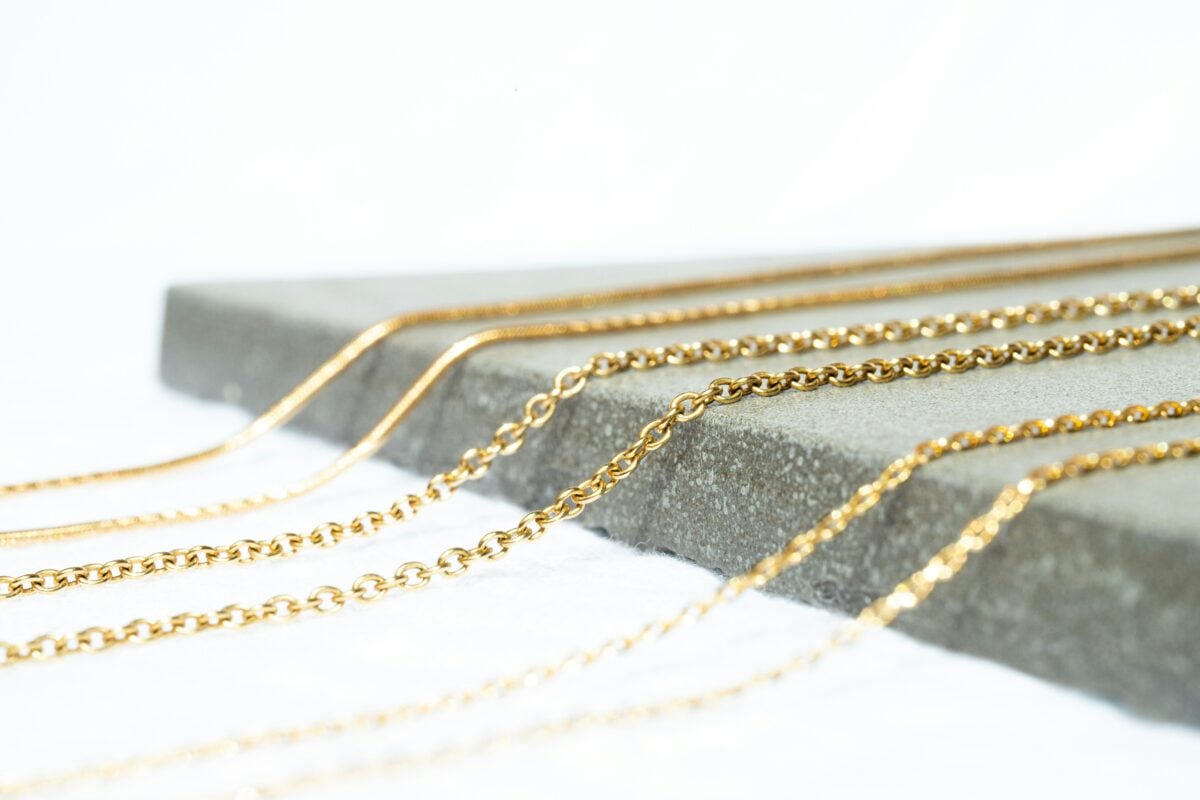
Once you’ve confirmed a piece is solid gold, silver, or platinum, you can calculate its minimum value based on current metal prices. An ounce of gold today is worth approximately $2,000 (prices fluctuate).
A 14K gold ring weighing 3 grams is approximately 1.75 grams of pure gold, worth roughly $140 in metal value alone. Silver today trades around $25 per ounce, so a 925 silver necklace weighing 30 grams contains about 28 grams of pure silver, worth roughly $20.
This floor value tells you the piece is worth at least that much, regardless of condition or style. Costume jewelry has no precious metal value.
Look for Clarity and Craftsmanship Quality
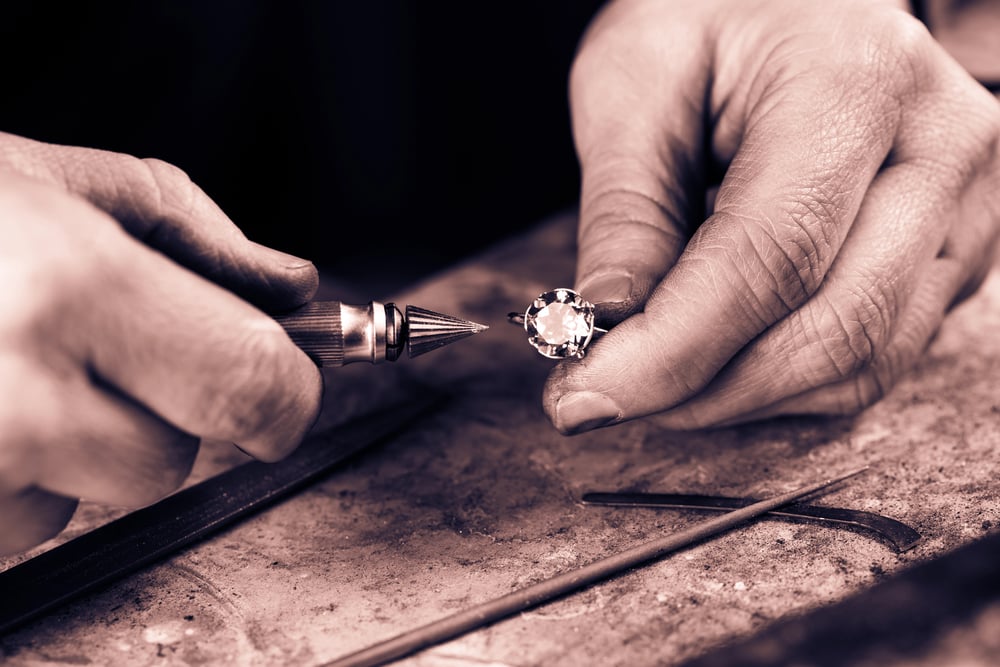
Valuable jewelry from respected makers shows quality handiwork. Look at the setting of any gemstones—are the prongs evenly spaced and secure? Examine solder joints and edges—are they clean, or are there rough spots and gaps?
Quality jewelry has smooth edges, precise settings, and secure stones. Poor craftsmanship doesn’t always indicate low value, but exceptional craftsmanship frequently indicates a piece worth investigating further.
Older jewelry made by hand shows different characteristics than modern factory-made pieces.
Research Your Style’s Era and Popularity

Jewelry design follows trends. Art Deco pieces (1920s-1930s) with geometric shapes command higher prices from collectors.
Victorian jewelry (1837-1901) with intricate filigree work is highly sought after. Mid-century modern pieces from the 1950s and 1960s have strong collector followings.
If you can identify the era of your jewelry by design elements, you can research that style’s current value. An ornate brooch might look old-fashioned today, but if it’s a collectible vintage style, it could be worth $100 to $500.
Period and style matter significantly to value.
Check Weight and Density
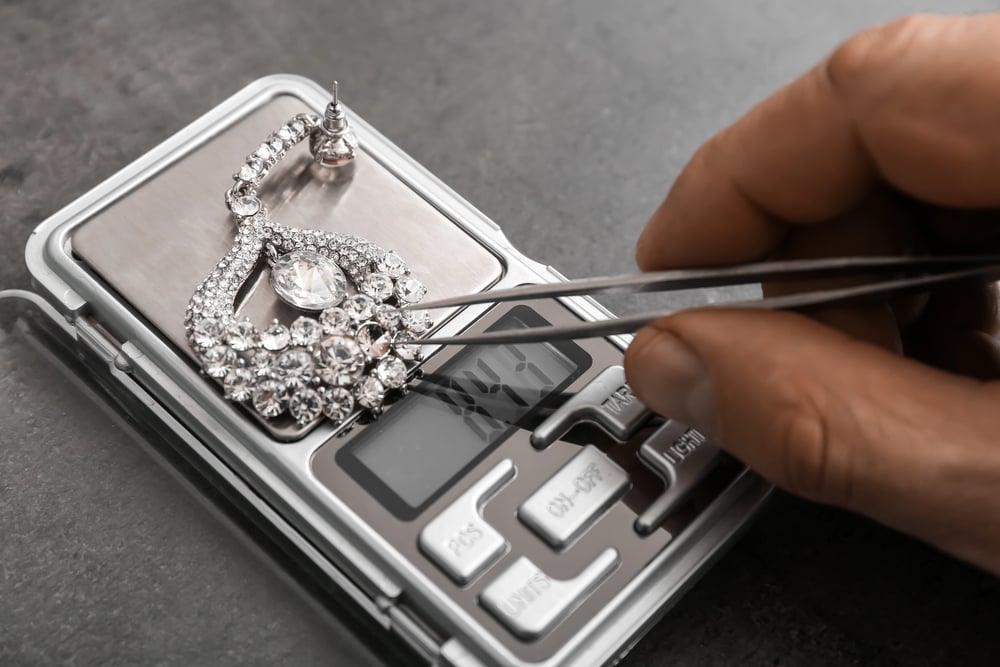
Gold, platinum, and silver are dense metals—they feel surprisingly heavy for their size. A ring that looks small but feels heavy is likely precious metal.
Jewelry made from base metals or glass feels light in comparison. Compare the weight of your piece to pieces you know are costume jewelry.
Real gold wedding bands have unexpected heft. Lightweight pieces that look like they should be metal are probably plated or fake.
This isn’t a definitive test, but combined with other indicators, weight provides useful information.
Examine Wear Patterns and Patina
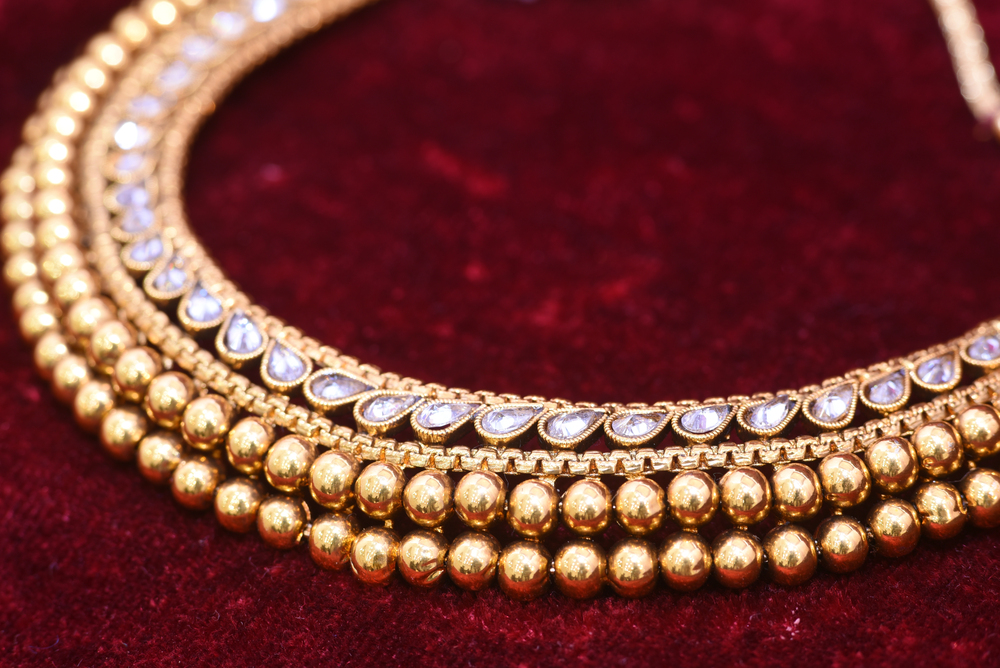
Genuine gold, silver, and platinum show predictable wear patterns. Gold wears and scratches but retains color.
Silver tarnishes but becomes more lustrous with polishing. Plating wears through to show base metal underneath.
If a “gold” ring shows copper or brass underneath at edges or contact points, it’s plated. If silver shows no tarnish despite age, it’s likely plated or fake.
Natural wear patterns on precious metals tell a story of age and use. Fake materials show inconsistent wear that looks artificial or uniform.
Search Online Hallmark Databases

Once you’ve identified metal stamps, photograph them clearly and search free hallmark databases online. These databases are organized by country and era, making it possible to decode small symbols or letters.
You might discover your piece was made by a prestigious company you’d never heard of, which adds significant value. A small star symbol or eagle’s head might identify a piece as French 18K gold.
These databases connect you to maker information and approximate age without paying for appraisal. A few minutes online often provides surprising information.
Look for Provenance and Documentation
Any paperwork, receipts, or certificates that came with your jewelry dramatically increases its value and makes professional appraisal worthwhile. Original Tiffany boxes, certificates of authenticity, or insurance paperwork prove origin and add collector appeal.
Even handwritten notes about where a piece was purchased or who gave it can add sentimental value that justifies professional appraisal. If jewelry comes with documentation, keep that material safe—it multiplies the piece’s value.
Compare to Recent Sales Online
Auction sites and vintage jewelry retailers often show sold prices for similar pieces. Photograph your jewelry clearly and search for comparable items.
If you find several pieces exactly like yours that sold for $300 to $500 in the past few months, your piece is likely in that range. If similar pieces haven’t sold in years or are listed but not selling, the piece may have lower practical value.
Current market prices for similar pieces provide realistic value estimates without appraisal.
Knowing When to Get Professional Appraisal
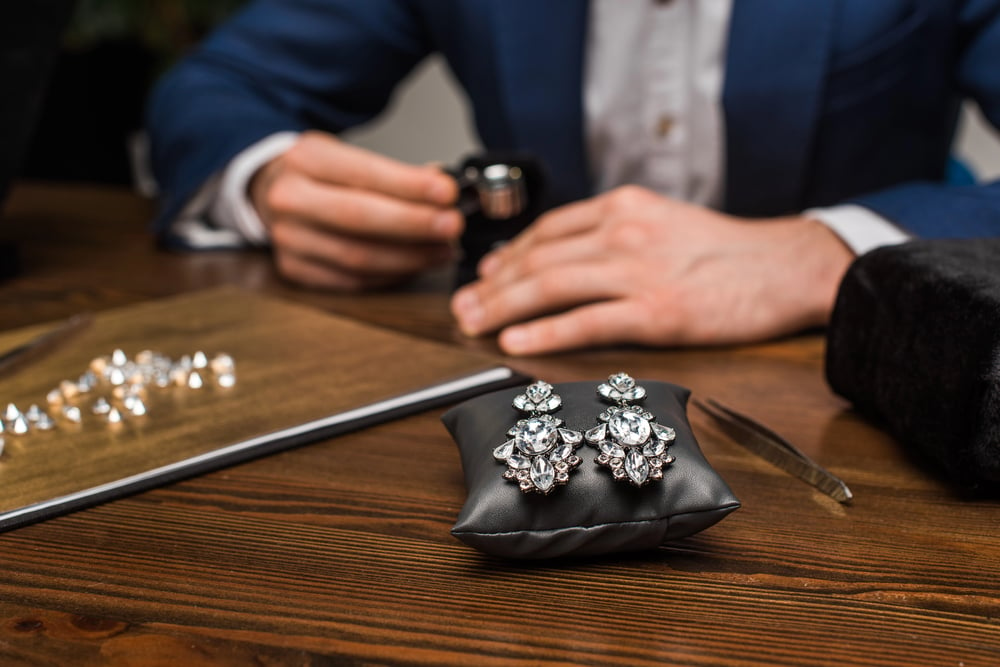
Once your self-evaluation suggests a piece is solid precious metal with designer marks, gemstones, or significant age and craftsmanship, professional appraisal becomes worthwhile. If you’ve narrowed a collection down to three or four genuinely valuable pieces rather than thirty pieces that might be valuable, you’ve saved money on unnecessary appraisals while identifying the pieces that matter.
Use free identification methods to separate the clear costume jewelry from the candidates worth professional evaluation, then invest in appraisal for those pieces alone.
More from Go2Tutors!

- The Romanov Crown Jewels and Their Tragic Fate
- 13 Historical Mysteries That Science Still Can’t Solve
- Famous Hoaxes That Fooled the World for Years
- 15 Child Stars with Tragic Adult Lives
- 16 Famous Jewelry Pieces in History
Like Go2Tutors’s content? Follow us on MSN.