Photos Of Ordinary Food That Are Toxic to Pets
Pet owners often share bits of their meals with furry friends without realizing some common foods can cause serious harm. What seems like a harmless treat from the dinner table might actually send a dog or cat to the emergency vet.
Understanding which everyday foods pose dangers helps keep beloved companions safe and healthy. Here are some surprisingly common items that should never make it into a pet’s bowl.
Grapes And Raisins
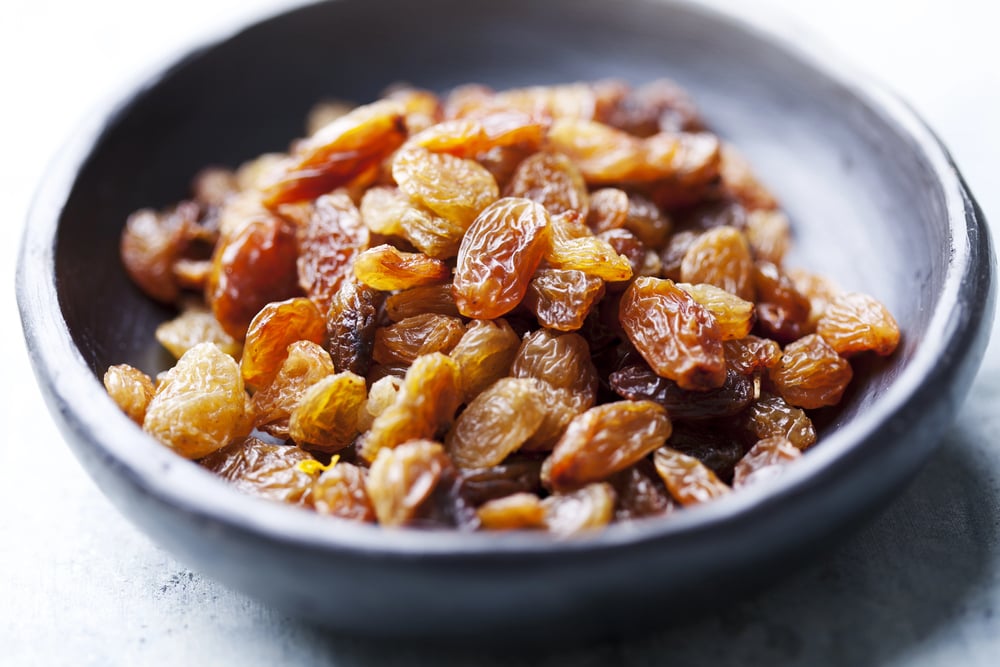
These sweet snacks might seem harmless, but they can cause sudden kidney failure in dogs. Even a small amount can make a dog seriously ill within hours.
Scientists still don’t fully understand what component in grapes causes the toxicity, but the effects are well-documented and can be fatal. Some dogs seem more sensitive than others, but it’s never worth the risk.
Chocolate
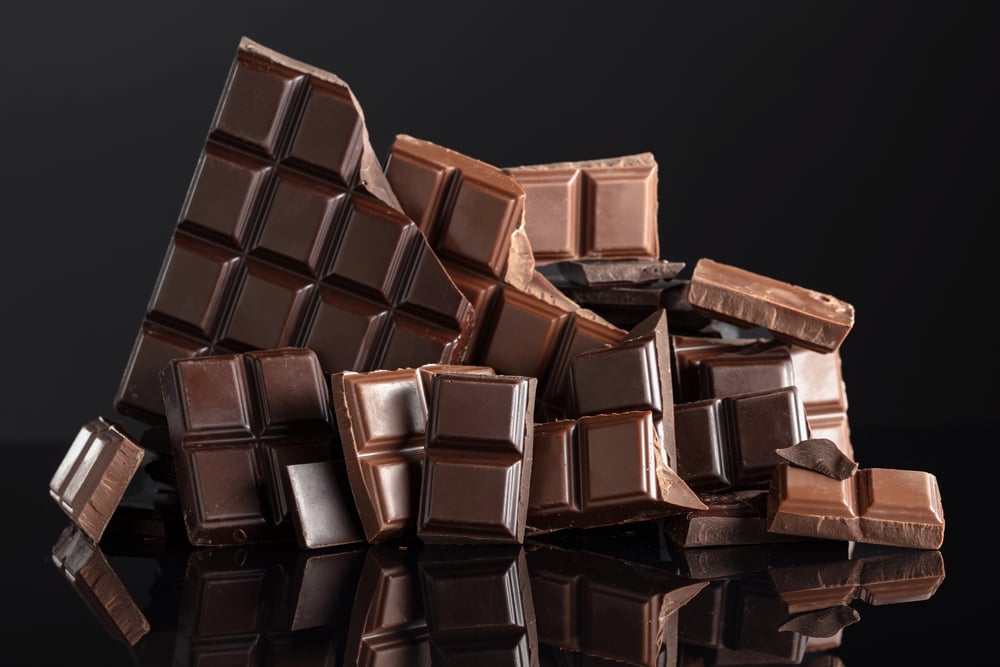
Everyone knows chocolate is bad for dogs, but many don’t realize just how dangerous it actually is. The darker the chocolate, the more toxic it becomes because of higher levels of theobromine, a compound dogs can’t process like humans do.
A Labrador who eats a whole bar of dark chocolate could experience seizures, irregular heartbeat, or worse. Even small amounts can cause vomiting and restlessness.
Onions In Any Form
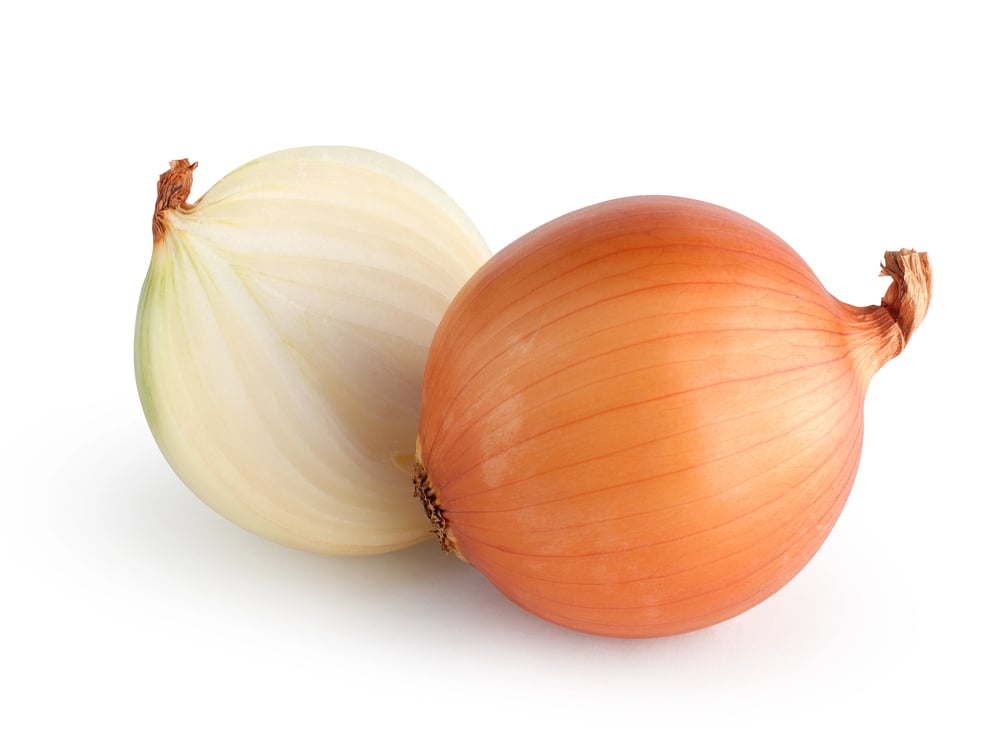
Raw, cooked, powdered, or dried onions all contain compounds that destroy red blood cells in dogs and cats. This applies to all members of the onion family, including garlic, leeks, and chives.
The damage happens gradually, so symptoms might not show up for several days after a pet eats something with onions in it. Baby food often contains onion powder, making it a sneaky danger for pet owners trying to feed sick animals.
Xylitol Sweetener

This artificial sweetener shows up in sugar-free gum, candy, peanut butter, and even some medications. Dogs who consume xylitol experience a rapid drop in blood sugar that can lead to liver failure.
Just a few pieces of gum containing xylitol can be deadly for a small dog. Always check ingredient labels on peanut butter before giving it to pets, since more brands are using this sweetener.
Avocado
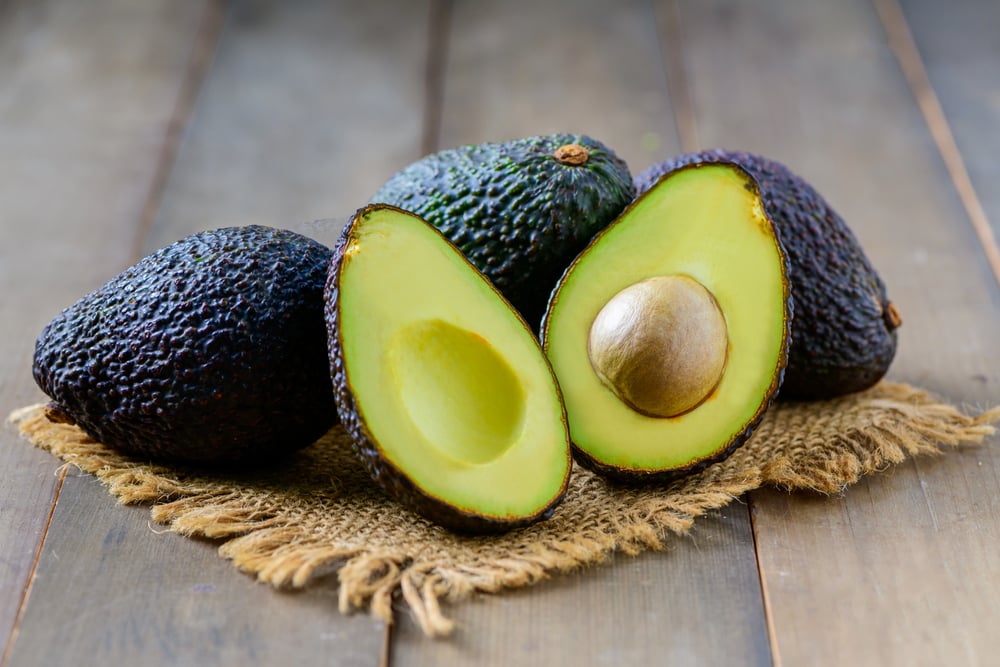
The creamy green fruit contains persin, a fungicidal toxin that’s harmless to humans but dangerous to many animals. Birds and rabbits are especially vulnerable, but dogs and cats can also get sick from eating avocado.
The pit poses an additional choking hazard. Symptoms include vomiting, diarrhea, and difficulty breathing in more severe cases.
Macadamia Nuts
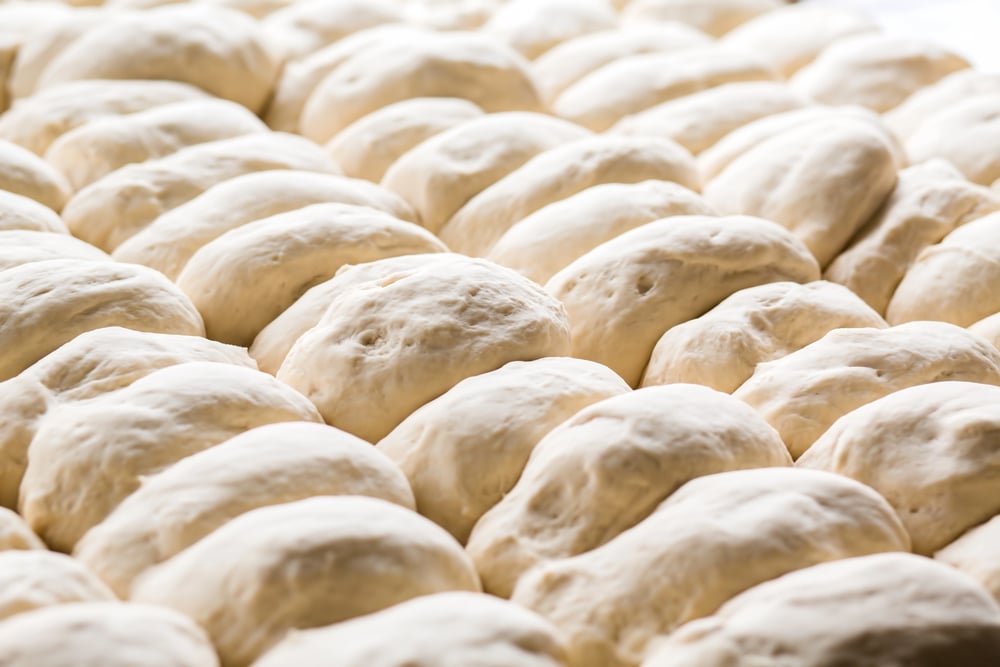
These fancy nuts can cause weakness, vomiting, tremors, and hyperthermia in dogs. The toxic mechanism isn’t completely understood yet, but the effects are real and frightening for owners to witness.
A medium-sized dog can show symptoms after eating just six macadamia nuts. Recovery usually happens within 48 hours, but the experience is unpleasant and potentially dangerous.
Raw Bread Dough
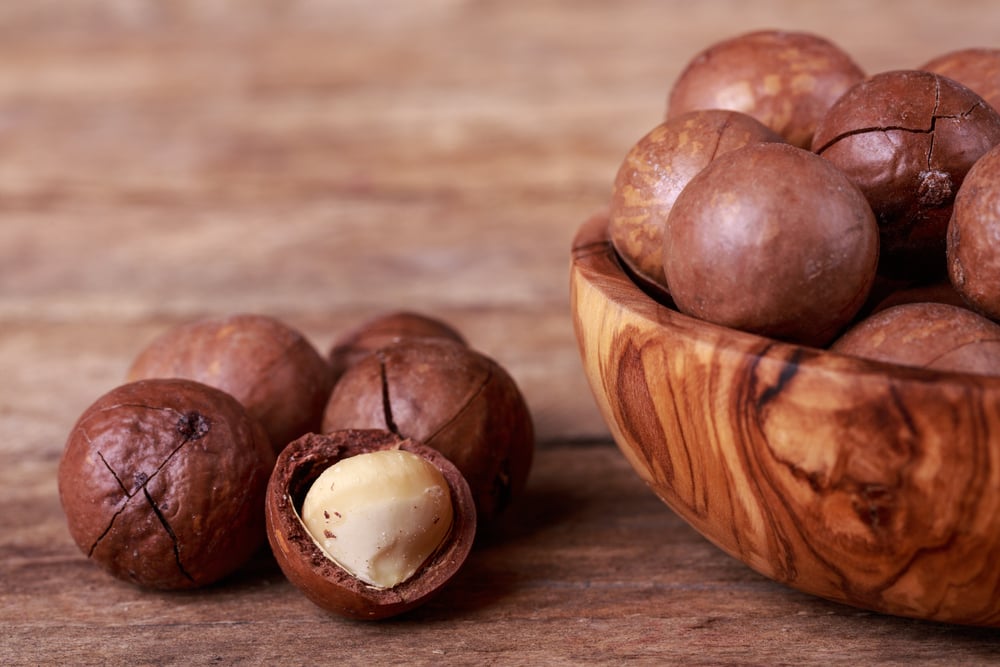
When a dog eats unbaked dough, it continues rising in the warm, moist environment of the stomach. This expansion can cause bloating, pain, and potentially dangerous stomach twisting.
The fermenting yeast also produces alcohol, which gets absorbed into the bloodstream and causes alcohol poisoning. Even a small amount of raw dough requires immediate veterinary attention.
Alcohol In Any Beverage
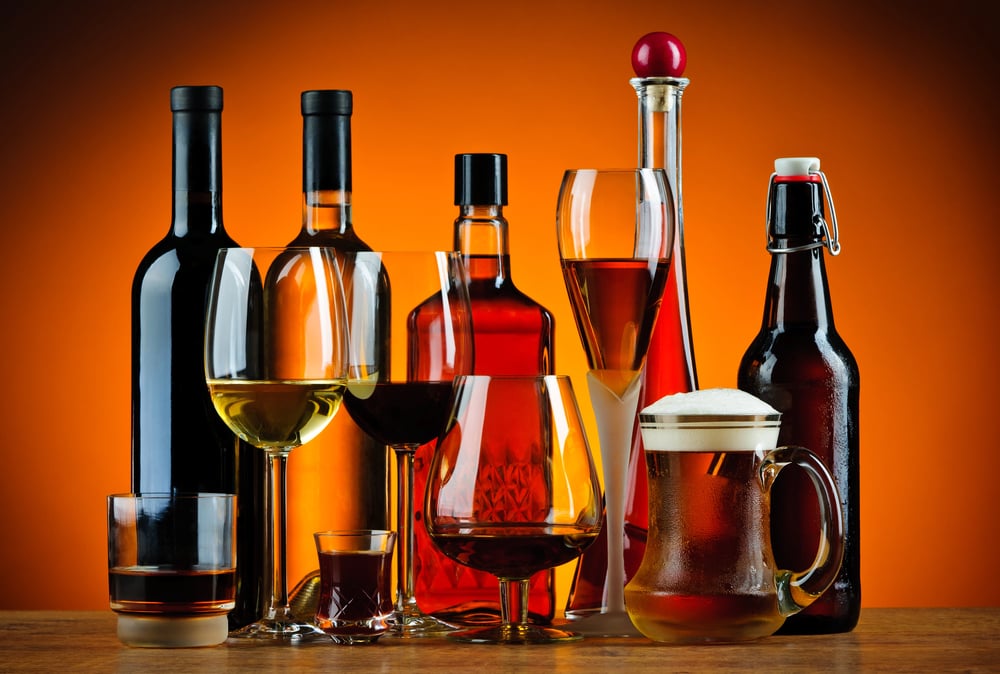
Dogs and cats are much more sensitive to alcohol than people are. Even small amounts from a spilled drink can cause vomiting, disorientation, and breathing problems.
Hops used in beer are particularly toxic and can cause a dangerous spike in body temperature. Pets have died from lapping up mixed drinks left unattended at parties.
Caffeine From Coffee Or Tea

Coffee, tea, energy drinks, and caffeine pills all pose serious risks to pets. Caffeine affects pets much more intensely than it affects humans.
Within hours of consuming caffeine, dogs might experience rapid breathing, heart palpitations, muscle tremors, and seizures. There’s no antidote for caffeine poisoning, so prevention is absolutely essential.
Cooked Bones
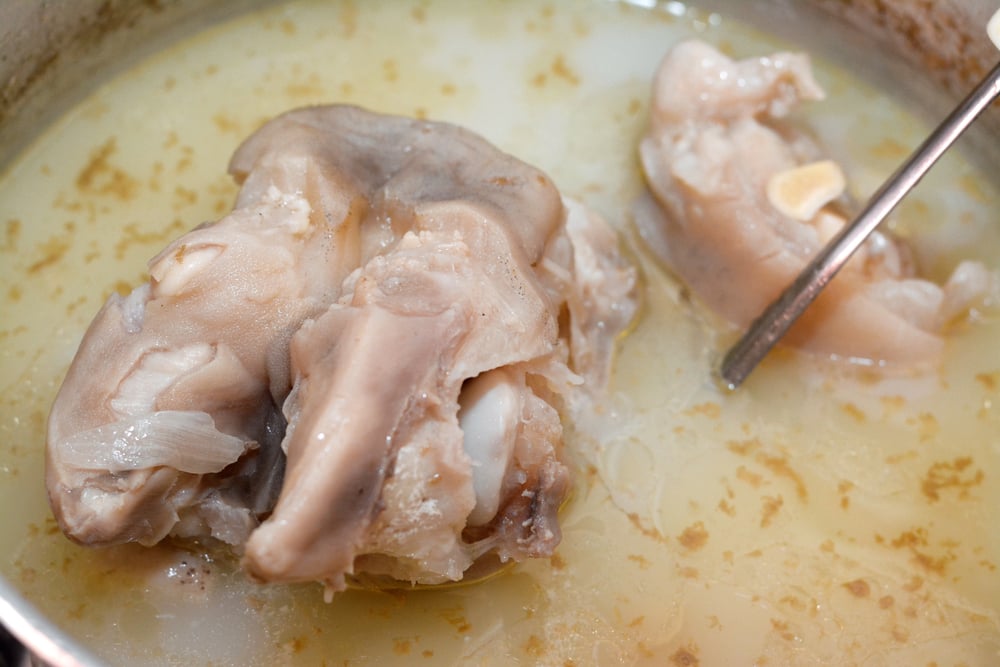
While raw bones might be okay for some pets under supervision, cooked bones become brittle and splinter easily. These sharp fragments can pierce the digestive tract or cause choking.
Chicken bones are especially dangerous because they break into needle-like shards. The smell of roasted meat makes these irresistible to dogs, so they need to stay in the trash can with a secure lid.
Apple Seeds
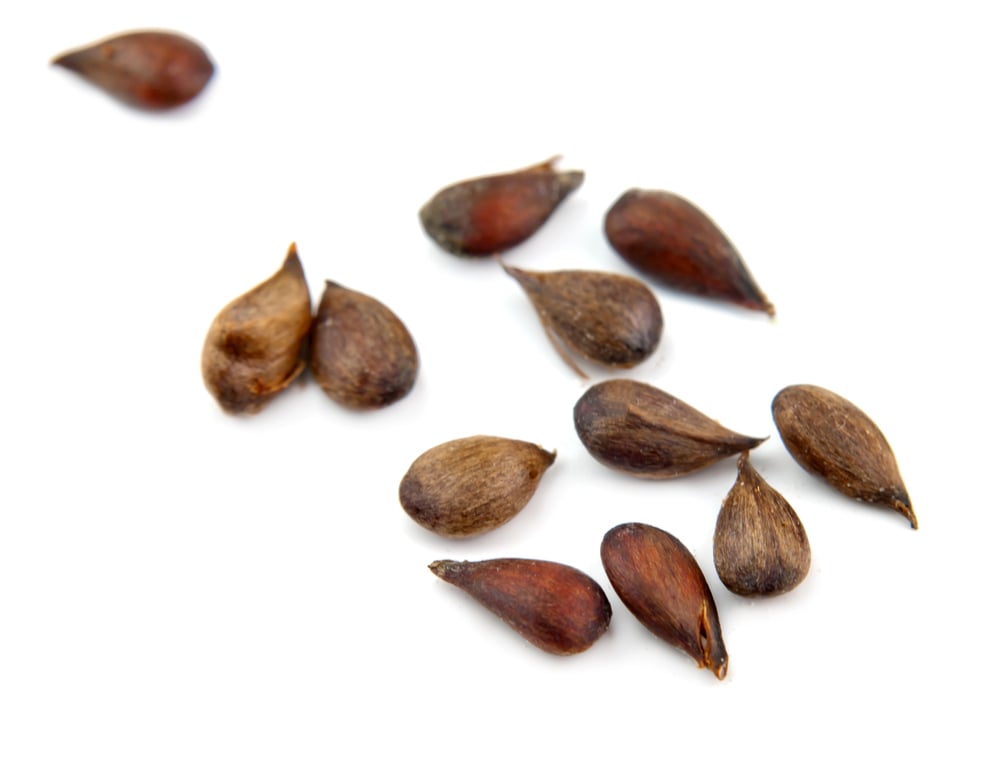
The flesh of apples is fine for dogs to eat, but the seeds contain cyanide compounds. A dog would need to eat quite a few seeds to get seriously ill, but why take chances?
The same goes for cherry pits, peach pits, and apricot pits. Always core apples before sharing slices with a dog, and keep whole fruits out of reach.
Nutmeg Spice
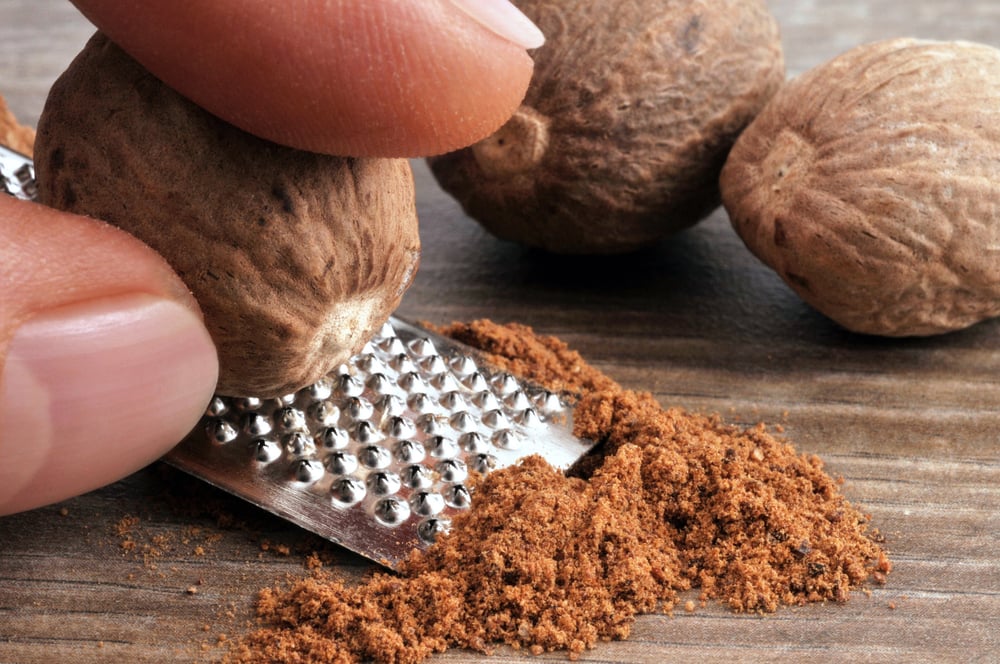
This common baking spice contains myristicin, which causes hallucinations, increased heart rate, and seizures in dogs. The amount in a single cookie probably won’t cause problems, but a dog who gets into the spice rack and eats pure nutmeg is in real danger.
Symptoms can last for 48 hours and include disorientation and abdominal pain.
Raw Eggs

Folks sometimes give pets raw food, yet uncooked eggs carry Salmonella – this bugs hits animals like it does humans. Starting halfway down, raw egg whites have a substance blocking biotin uptake, which might spark dull fur or irritated skin later on.
Though certain owners stick to raw meals, studies show clear downsides. Instead of rolling dice, try soft scrambled or fully cooked eggs once in a while – they’re far kinder on your buddy’s gut.
Salty Snacks
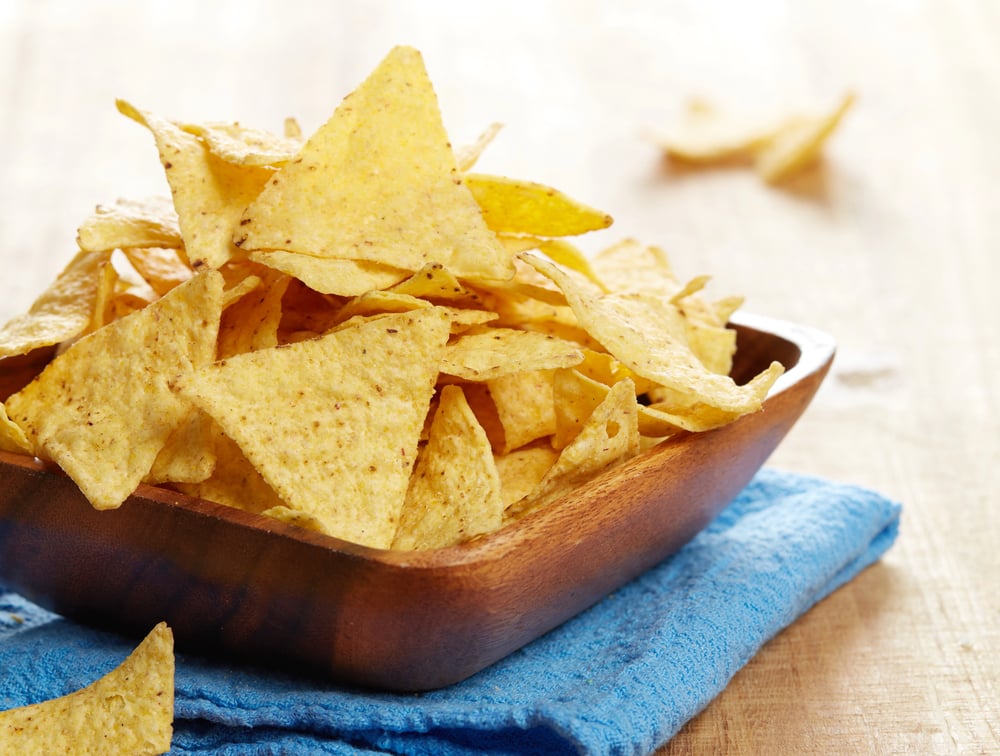
Thirst that won’t quit? Too much salt could be why your pet keeps drinking – and peeing – nonstop. Movie snacks like chips or pretzels may look harmless, yet they carry real danger for furry friends.
Watch for shaking, sickness, or loose bowels; these often show up when salt levels go too high. Heart issues make things worse – animals already struggling can crash fast.
Popcorn soaked in salt isn’t a treat, it’s a risk hiding in plain sight.
Dairy Products
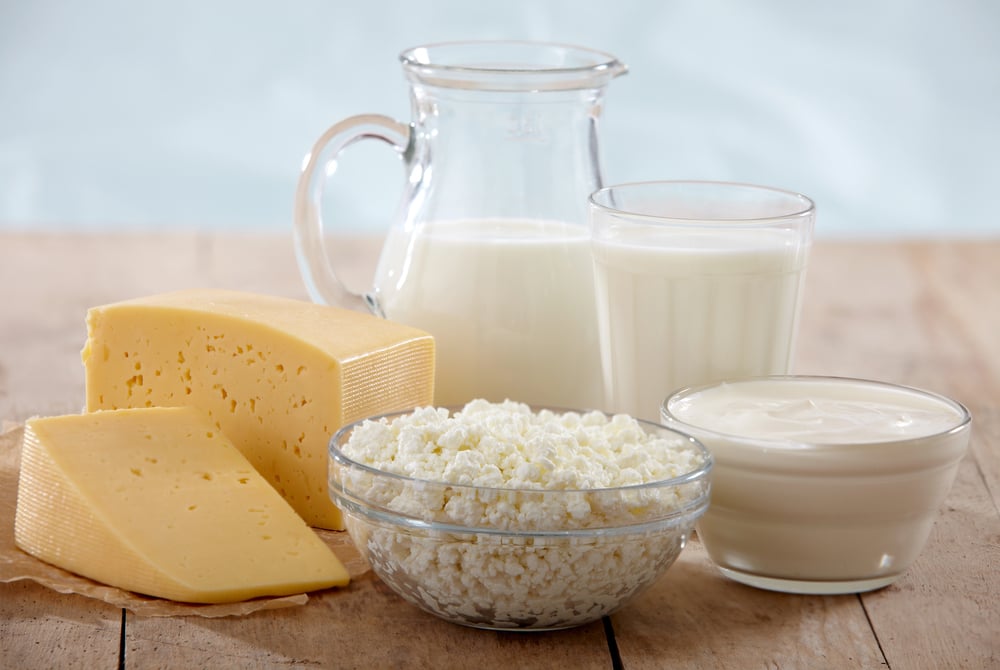
Folks often forget that grown-up dogs and cats struggle with milk sugar since their bodies quit making the right digestion helper. When these animals get ice cream, cheese, or a splash of milk, tummy troubles usually follow – sometimes messy ones.
A few lucky pets handle tiny bits of cheese just fine, though it packs plenty of fat along with extra energy. If a pet truly craves something creamy, there are special treats made without lactose floating around.
When Accidents Happen

One wrong bite could spell trouble, yet spotting risky foods only solves part of the puzzle. Clever animals driven by hunger demand steady attention every single day.
Lids on garbage bins must resist paws, kitchen surfaces ought to hold nothing within reach, while visitors often forget not to offer scraps. When a pet swallows poison, moments stretch into lifetimes – having a veterinarian’s contact nearby shifts outcomes more than luck ever could.
Staying ahead beats reacting once harm unfolds.
More from Go2Tutors!

- The Romanov Crown Jewels and Their Tragic Fate
- 13 Historical Mysteries That Science Still Can’t Solve
- Famous Hoaxes That Fooled the World for Years
- 15 Child Stars with Tragic Adult Lives
- 16 Famous Jewelry Pieces in History
Like Go2Tutors’s content? Follow us on MSN.