Backyard Games That Kept Entire Neighborhoods Outside Until Dark
Before organized youth sports consumed every daylight hour and structured schedules determined childhood activity, backyards and neighborhood streets hosted entirely unsupervised games that required nothing more than rough agreement about rules and sufficient participants to make the activity interesting. These games existed in a kind of legal gray area—they required no official equipment beyond improvised substitutes, no referee beyond peer consensus, and no defined endpoint other than approaching darkness and parental calls to come inside.
What made these games culturally significant was their complete absence of commercialization and their reliance on neighborhood social hierarchies to function. The best player didn’t necessarily have the fanciest equipment; they had judgment about how to handle social dynamics within the game structure.
Kickball

This informal baseball variant using a rubber orb didn’t require a diamond, professional equipment, or even agreement about strike zones. The game worked with any number of participants and could continue indefinitely or end whenever someone got bored.
Stickball

Street-based baseball using a broom handle or stick and an orb—sometimes a tennis orb, sometimes an actual baseball—required nothing but a street with minimal traffic and enough wall space to use as a foul line.
Wiffleball
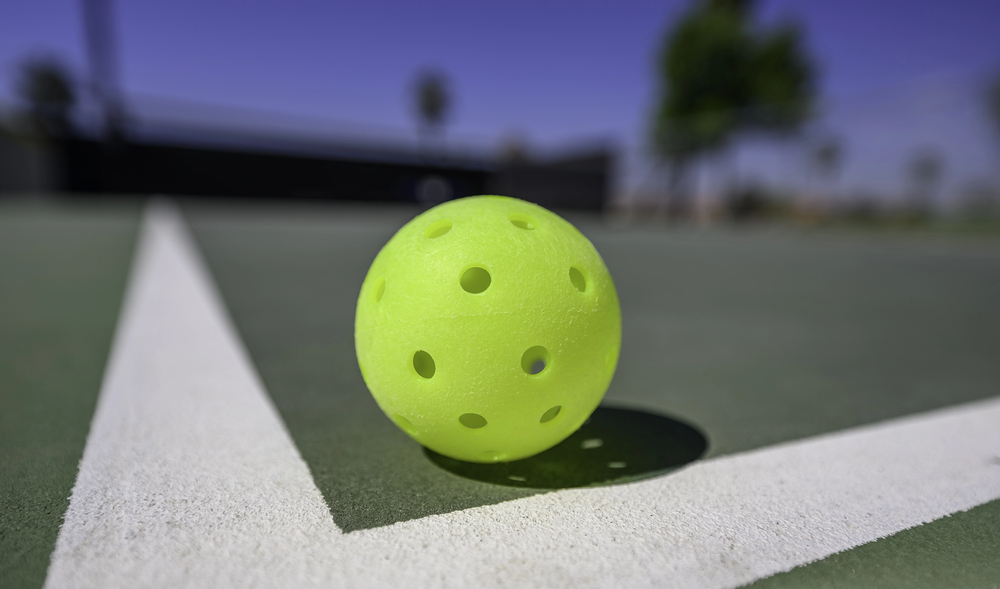
The perforated plastic orb was cheap enough that kids could afford their own, and the game worked in smaller spaces than baseball, making it practical for residential areas.
Home Run Derby

Neighborhood kids would spend hours hitting orbs and keeping count of home runs in variations of baseball that eliminated the tedium of actual base-running.
Ghost in the Graveyard

This hide-and-seek variant with tag elements relied on neighborhood darkness to become genuinely scary, with abandoned yards and creepy locations providing atmospheric elements.
Capture the Flag

This large-group territorial game required neighborhoods with multiple adjoining yards and enough trust that property owners would tolerate flag placement and cross-yard running.
King of the Hill

Using any elevated structure—a dirt pile, low roof, or ramp—kids would attempt to be the last one standing through physical competition that resembled combat.
Red Rover

This line-based game involved running full speed to break through joined hands of opposing players, resulting in inevitable minor injuries that were somehow considered acceptable.
Dodgeball
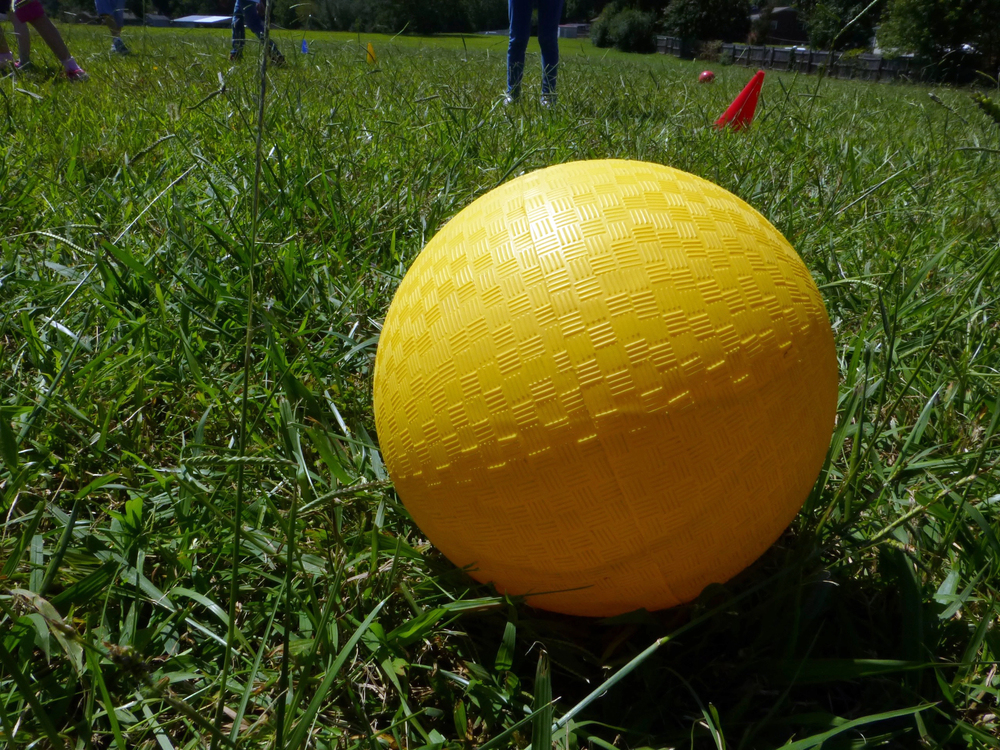
Variants of this basic throwing game appeared throughout neighborhoods without any equipment beyond a rubber orb and a sufficient number of participants to make dodging necessary.
Four Square

This handball-variant required only an orb and chalk to mark a square grid, and could continue indefinitely with players rotating in and out based on complex social rules.
Seven Up

This tag-variant allowed “safe” zones distributed throughout the neighborhood, creating complex negotiation about which trees or structures qualified as safe.
Poison Tag

This extreme tag variant where the infected person couldn’t touch the ground created complex obstacle course gameplay across neighborhood terrain.
Telephone

This information-passing game worked with any number of participants and was played during downtime between more active games.
Marco Polo

Though typically a swimming pool game, neighborhood variations occurred in water environments or even adapted to land-based tag.
Cowboys and Indians

This role-playing game with invented rules was played across entire neighborhoods, with kids developing elaborate backstories and territorial conflicts.
Cops and Robbers

The urban equivalent of Cowboys and Indians involved hidden “hideouts” distributed across neighborhood yards.
Army Men

This scaled-down warfare game used action figures in elaborate tactical scenarios constructed across yards and garden spaces.
Mudball Wars
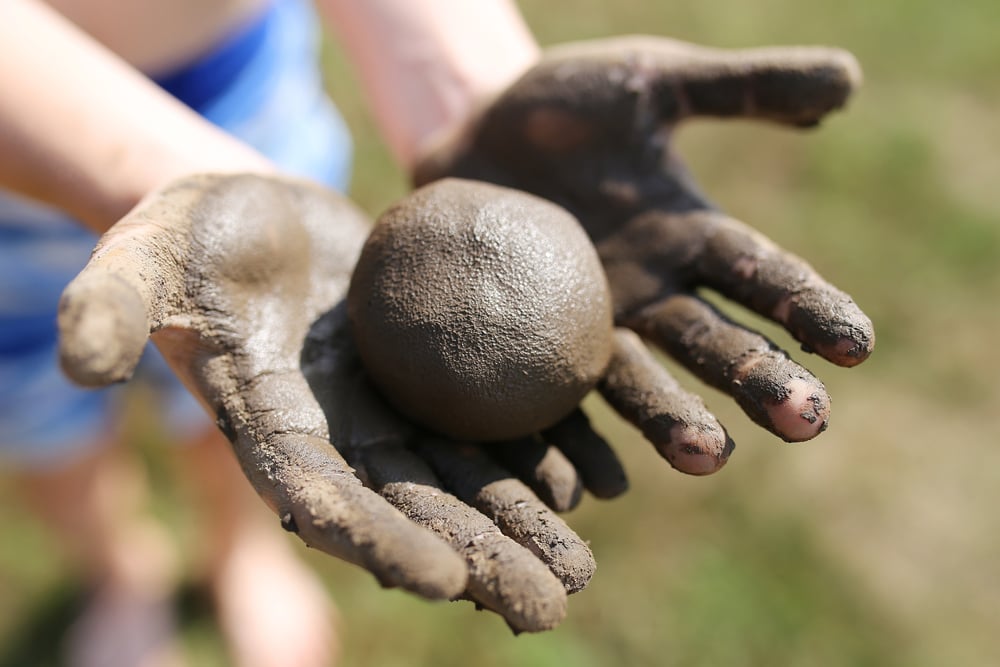
During muddy seasons, kids would manufacture projectiles and engage in unstructured combat scenarios.
Dirt Clod Fights
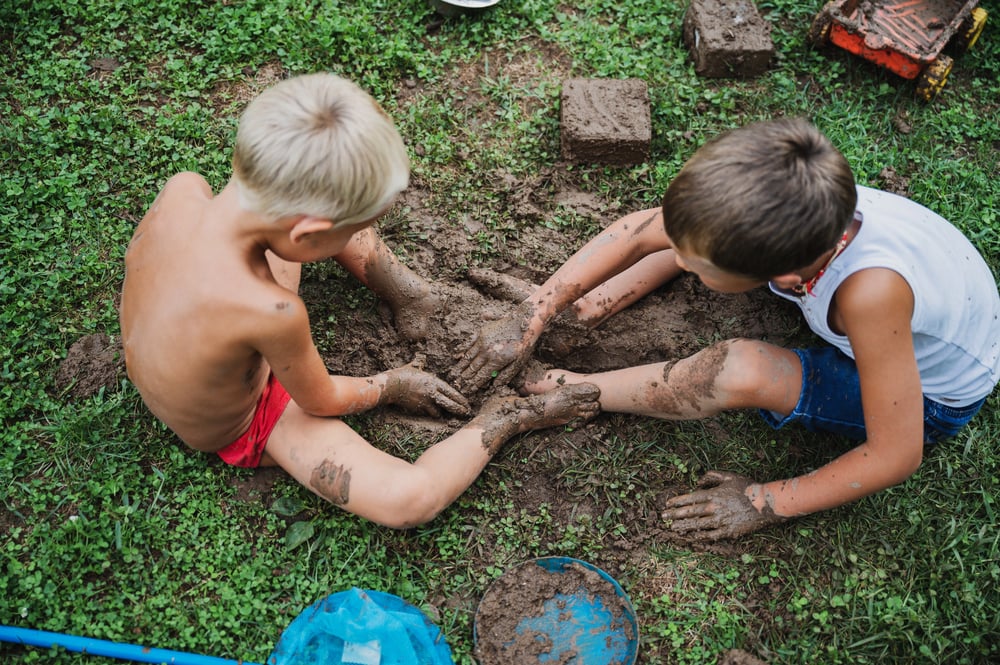
Similar to mudball wars but with naturally occurring earth-based projectiles from dry ground.
Whip

This circle-based speed game involved a running partner attempting to avoid a “whip” formation created by other participants.
Double Dutch

Jump rope in double-rope configuration created opportunities for skill development and complex rhyme patterns.
Hopscotch

This simple chalk-based game was nearly invisible to adults but occupied significant playground and street space throughout childhoods.
Marbles Tournaments

Neighborhood kids would play complex tournaments for keeps, with actual stakes creating genuine competition.
Jacks

This hand-coordination game worked anywhere with a flat surface, requiring only jacks and an orb.
Pencil Spinning

During school transitions to summer break, pencil-based games would emerge in neighborhoods as kids killed time.
Hula Hoop Duration Challenges
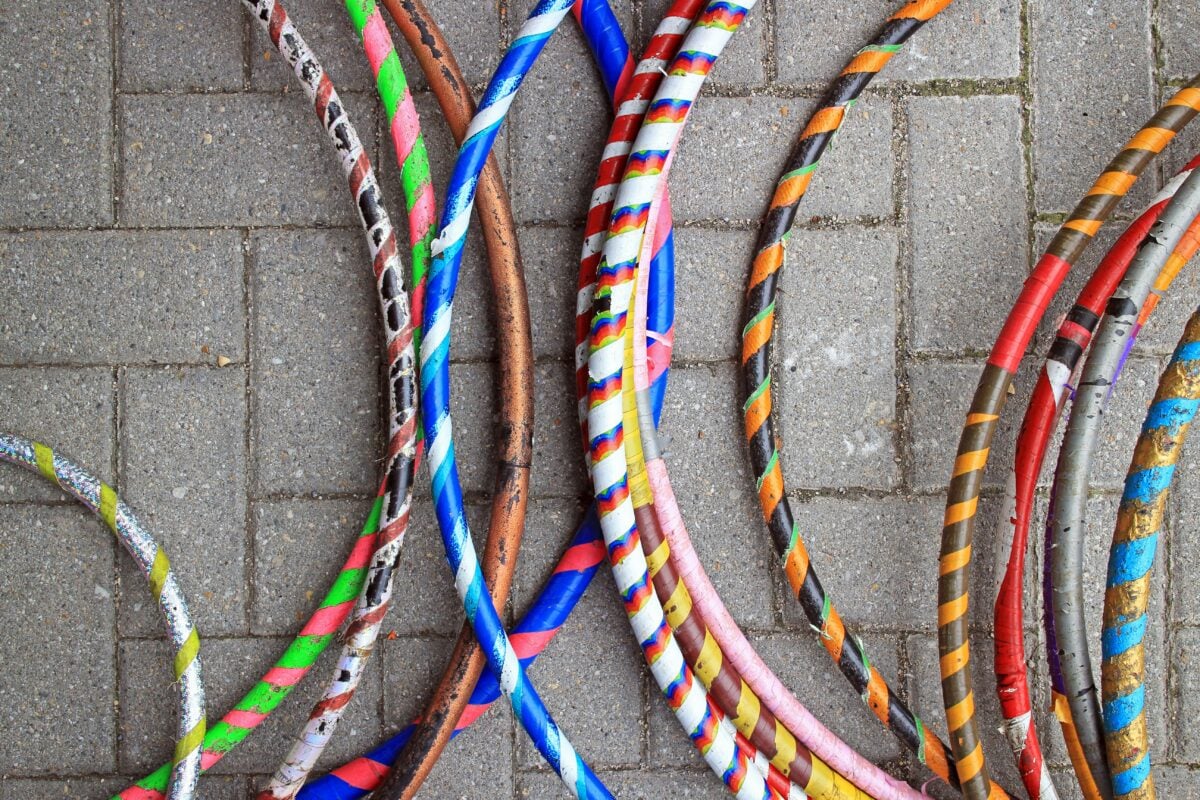
Informal competitions would emerge spontaneously to see who could maintain hula hoop rotation longest.
Jump Rope Competitions

Solo or group jumping challenges would appear temporarily then disappear based on momentary group interest.
Whittling
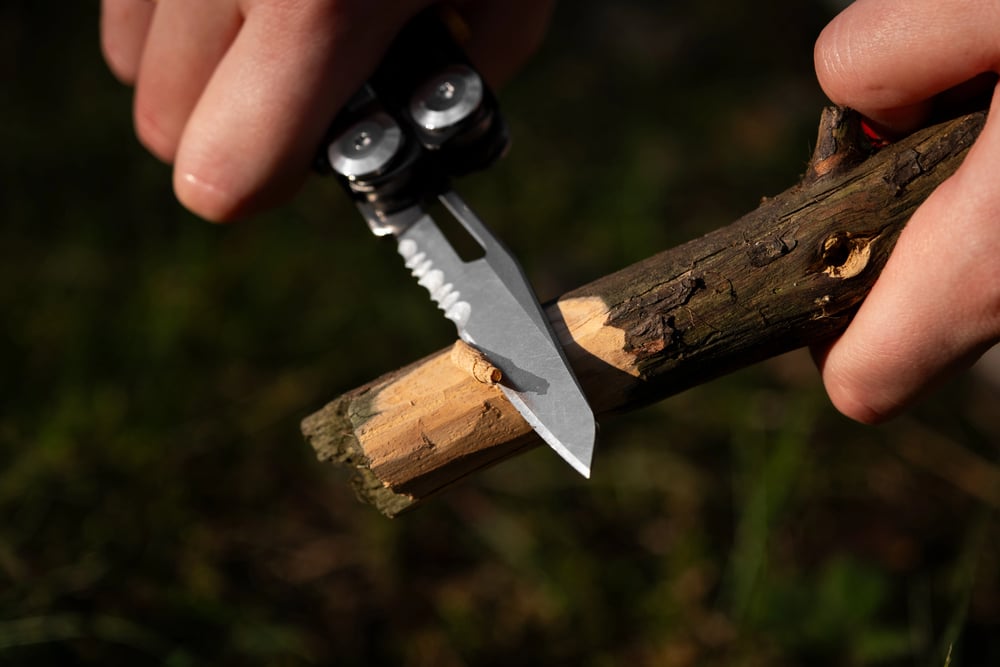
Though not technically a “game,” the practice of carving wood with knives occupied significant outdoor time for some neighborhoods.
Tree Climbing Hierarchies

Climbing increasingly dangerous trees created informal competitions based on bravery and athletic ability, with clearly established danger boundaries that were consistently violated.
The Disappearance of Neighborhood Play

By the 2000s, organized youth sports, structured camps, and parental liability concerns would gradually eliminate the space where these games had thrived. What had required nothing but neighborhood consensus and unstructured time would become impossible through a combination of litigation fears, structured schedules, and assumption that unorganized play was somehow insufficient.
The games that had kept entire neighborhoods outside until parents called them in disappeared not because they were inadequate but because the infrastructure of childhood had transformed from unstructured peer-directed activity to heavily supervised, age-segregated, equipment-intensive organized sport where liability insurance was required and parent participation was mandatory.
More from Go2Tutors!