25 Urban Legends That Turned Out to Have a Kernel of Truth Behind Them
The best urban legends contain just enough truth to feel plausible, wrapped inside layers of exaggeration and folklore that transform mundane events into nightmares. What makes them stick isn’t what actually happened—it’s what could happen if circumstances were twisted slightly differently.
Behind some of our most enduring stories lurk real events, real people, and real locations that became the scaffolding for something far stranger than the facts ever were. The trick is that a single incident, when repeated and retold enough times, germinates into something that bears only a passing resemblance to the original event.
A boy and his doll. A teenager in an alligator sewer.
A cryptid sighting that couldn’t quite be explained. Each started with something tangible and became something legendary.
The Bunny Man Was Real—Virginia, 1970

The legend of a man in a white suit with rabbit ears terrorizing Virginia couples in 1970 sounded like campfire fiction, but court records and witness statements confirm the basics. In October 1970, residents of Fairfax County reported seeing a figure dressed exactly as the legend described, sometimes hurling a hatchet at vehicles.
He was never caught, and his identity remains unclear, though the incidents stopped after a few weeks, leaving behind only panic and unanswered questions.
The Atari Landfill Burial Actually Happened—And Was Excavated in 2014

The story that Atari buried unsold copies of its notoriously bad E.T. game in a New Mexico landfill in 1983 seemed like gaming folklore, but it was real. In 2014, archaeologists and collectors dug up over 1,300 cartridges from a landfill near Alamogordo, proving the legend wasn’t exaggeration—just undeniably strange business decisions made visible.
The Hookman Legend Echoes Real Crimes

While no single “hookman with a prosthetic who hunts couples” existed, the urban legend drew loose inspiration from several real incidents of men attacking couples in parked cars. In the 1940s and 1950s, these attacks actually occurred in various parts of the country, though not by any identifiable figure with a hook.
The legend absorbed these scattered crimes into a single archetypal bogeyman.
Robert the Doll Exists and Was Used as a Basis for Chucky
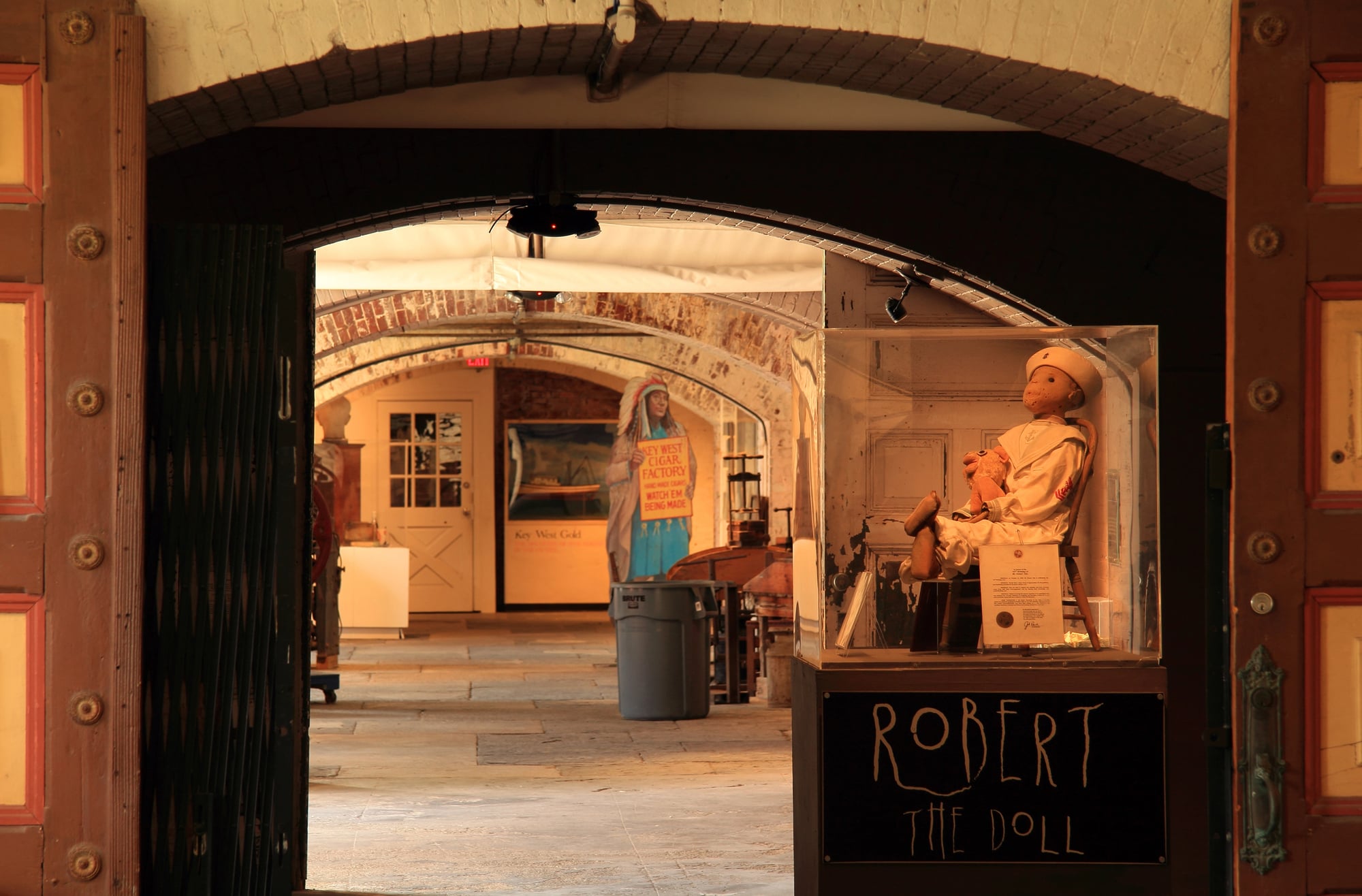
Robert Eugene Otto’s relationship with a life-sized doll bearing his name happened exactly as locals remember: the boy carried it everywhere, named it after himself, and family members heard him whispering to it—and something answering back. The Steiff doll (made in Germany around 1904) now resides in the Fort East Martello Museum in Key West, and the supernatural elements surrounding it are folklore built on an undeniably peculiar childhood fixation.
Ray Robinson’s Electrocution Inspired the Charlie No-Face Legend

The legend of “Charlie No-Face,” a disfigured phantom stalking Pennsylvania highways, had a documented source. In 1919, a boy named Ray Robinson was electrocuted by a trolley wire, which melted away most of his facial features.
He spent decades living in the area, and locals eventually wove his real disfigurement into a creature story far more sinister than the actual tragedy.
Someone Really Did Steal a Military Jet for a Joyride

In 1986, Lance Corporal William Scott made newspaper headlines by stealing an F/A-18 Hornet from El Toro Marine Corps Air Station and taking it on an unauthorized flight. The incident seemed too absurd to be real—a junior enlisted Marine actually flying off in a fighter jet and nearly crashing in downtown Los Angeles before ejecting near an elementary school.
Halloween Candy Tampering Occurred—But Rarely

The widespread panic about poisoned or razor-blade-laden Halloween candy was built on at least one verified incident. In 2000, Minneapolis resident James Joseph Smith placed needles inside Snicker bars, injuring one child.
Though poisonings remain vanishingly rare given the millions of children trick-or-treating annually, the legend had genuine foundation in that single case and a handful of others.
A Sheriff Actually Returned an Adult VHS by Accident

The story of a Kansas law enforcement officer inadvertently returning an intimate videotape of himself and his wife to a video rental store genuinely happened in Council Grove, Kansas, though the details vary depending on the telling. The humiliation was real, and it became the kind of small-town legend that never dies.
Sewer Alligators Were Spotted—Once, in 1935

The urban myth of New York’s sewer system crawling with alligators has one genuinely documented incident: in February 1935, East Harlem teenagers shoveling snow into a storm drain spotted an eight-foot alligator and hauled it out of the sewer. The Times reported it, and the legend was born—though no colonies of albino sewer gators were ever found despite decades of claims.
People Actually Do Hide in Car Backseats

The urban legend about someone lurking in a stranger’s car before attempting an attack has several verified incidents. In 2013, a man was discovered hiding in a woman’s car at an Indiana gas station.
In 2016, another incident in Canada involved someone found concealed in a vehicle. The scenario felt too specific to ignore, and real cases proved it does happen.
Snakes and Rats Do Surface Through Toilets

The nightmare of finding a snake or rat emerging from a toilet seat is rare but documented. Plumbers and pest control services report occasional genuine incidents of reptiles and rodents traveling through pipes and appearing in bathrooms.
The frequency doesn’t match the legends’ prevalence, but these events do actually occur, lending credibility to a universal fear.
The Virginia Bunnyman Bridge Incident Had Verified Police Reports

In 1904, in what became known as the Bunnyman Bridge incident, police records documented attacks attributed to a man in a rabbit costume or mask in Clifton, Virginia. The specifics remain murky, but the incident was real enough to be recorded in historical archives, making it one of the few verifiable cases of the “bunnyman” archetype.
Polybius the Arcade Game Had Real Elements of Truth

The legend of a mysterious 1980s arcade game called Polybius that altered players’ minds was fiction, but it was built on real components: the early 1980s arcade scene in Portland was vibrant, arcade cabinets with experimental designs did exist, and strange games with minimal documentation were part of underground gaming culture.
The Flatwoods Monster Was Seen by Multiple Credible Witnesses

In 1952, residents of Flatwoods, West Virginia—including the local sheriff’s deputy—reported seeing a 10-foot-tall creature with a metallic face and glowing eyes. The sightings happened, were recorded by local authorities, and appeared in newspapers.
Though likely a misidentified barn owl or natural phenomenon, the original event was documented and genuinely mysterious.
The Dover Demon Sighting Involved Teenage Witnesses in 1977

In Dover, Massachusetts, in April 1977, multiple teenagers reported seeing an alien-like creature described as hairless with a large head, glowing eyes, and wrinkled gray skin. The sightings occurred on consecutive nights, were reported to police, and appeared in newspapers.
Whether the creature was real or a case of suggestibility and teenage imagination, the reports themselves were genuine.
Phantom Hitchhiker Legends Were Inspired by Real Fatal Car Accidents

The folklore surrounding phantom hitchhikers—spirits of accident victims appearing on roadsides—drew from actual dangerous stretches of highway where fatal crashes frequently occurred. Drivers’ reports of seeing figures who vanished from their cars sometimes preceded learning of accidents on those exact roads.
The Black Eyed Children Encounters Have Consistent Modern Reporting

While the Black Eyed Children phenomenon is almost certainly folklore, the reported encounters are consistent enough and widespread enough that researchers have documented dozens of similar stories from different witnesses who claim to have never heard of the legend before their experience. The consistency suggests either a real phenomenon or a remarkably synchronized misidentification.
Creepypasta’s Slenderman Was Invented Deliberately but Inspired Real Harm

Slenderman originated as a deliberately fictional creation by Eric Knudsen on the Something Awful forums in June 2009, but the figure inspired real violence: two girls in Wisconsin stabbed a classmate in 2014, claiming the Slenderman character compelled them. The fiction became deadly in practice, proving folklore can cross from imagination into action.
Dinosaur Fossils Inspired Dragon Legends in Multiple Cultures
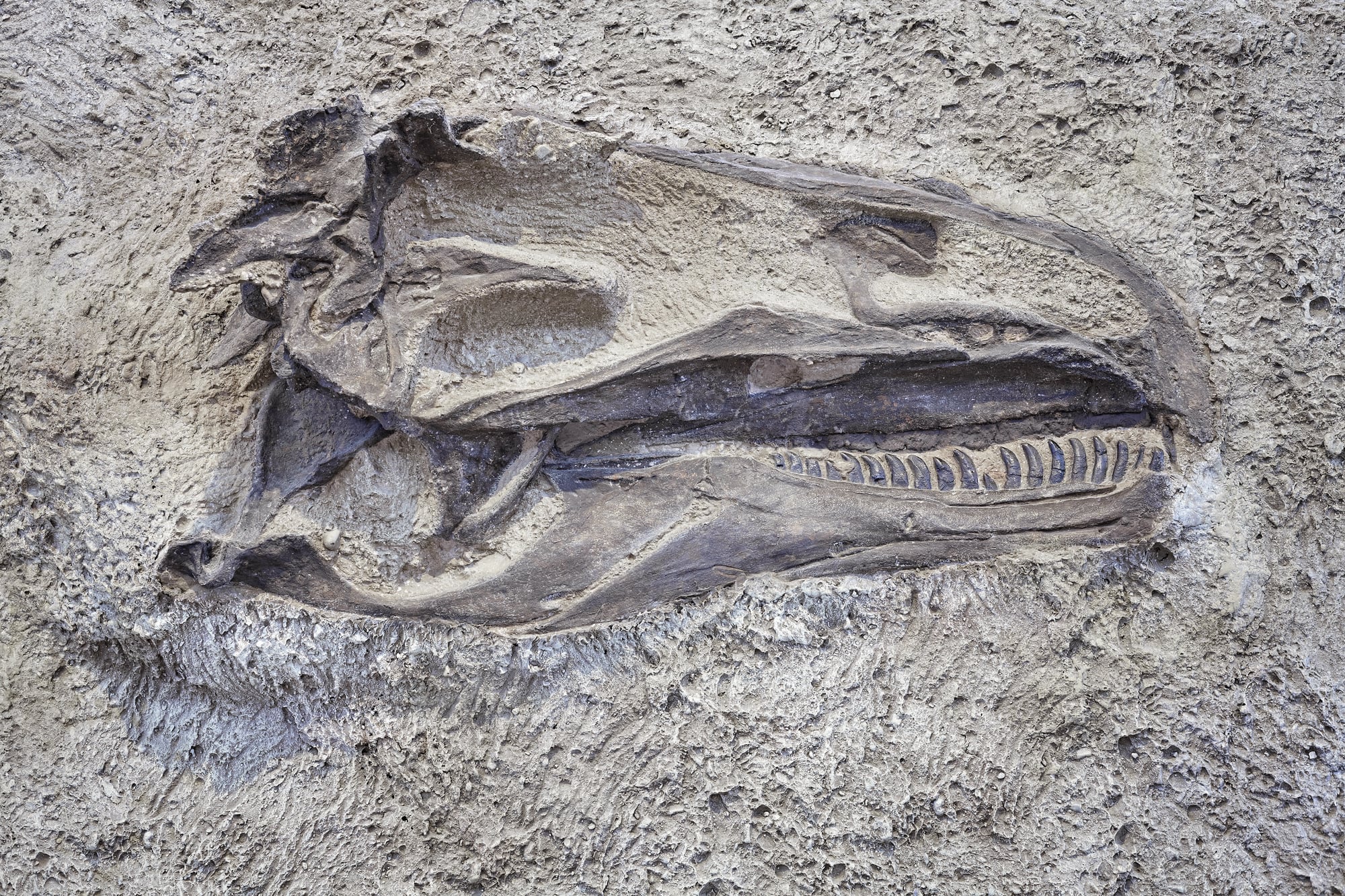
Archaeological evidence suggests that ancient peoples discovering dinosaur bones—which they couldn’t explain—incorporated the skeletal remains into dragon mythology across cultures from China to Europe. The bones were real; the dragons that people’s imaginations built around them became legend.
Mass Hysteria Events Happened Exactly as Remembered

Documented cases like the dancing plague of 1518 in Strasbourg, where crowds spontaneously danced until they collapsed from exhaustion, actually occurred with witnesses and records. Mass psychogenic illness and shared delusions have created incidents that blur the line between real event and collective hallucination.
Spontaneous Human Combustion Cases Have No Scientific Support but Real Deaths Were Misidentified

While spontaneous human combustion doesn’t occur, historical cases where bodies were discovered partially burned led to the legend’s invention. The deaths had ordinary causes (fires, cooking accidents), but lack of autopsy knowledge in past centuries left questions that folklore filled.
The Crying Boy Paintings Actually Existed and Fires Surrounded Them

Urban legends in the 1980s claimed reproductions of a famous sad-faced boy portrait would cause house fires, and the paintings mysteriously survived. The paintings were real (produced by Italian artist Bruno Amadio), and several owners did report house fires—coincidence building into legend.
The Killer Clown Wave of 2016 Had Documented Incidents

While most 2016 clown sightings were hoaxes or people in costumes, a few incidents involved actual criminal behavior—one man in North Carolina attacked a woman while dressed as a clown. The legend grew from sporadic real incidents combined with viral panic.
Vanishing Hitchhikers Sometimes Left Behind Physical Evidence

Though most phantom hitchhiker stories are folklore, a handful of historical cases involved drivers who picked up passengers, gave them their coats, and later found those coats draped over graves. Whether real coincidences or embellished stories, some versions included enough detail to suggest kernel-of-truth origins.
The Men in Black Were Inspired by Real Folklore and Misidentified Visitors

Before the films, UFO folklore included stories of mysterious men in dark suits visiting witnesses—accounts that were real and were documented by researchers like Jacques Vallée. The origins were likely misidentified government officials or the power of suggestion, but the witnesses genuinely reported these encounters.
Urban Legends Reveal What We Fear Most
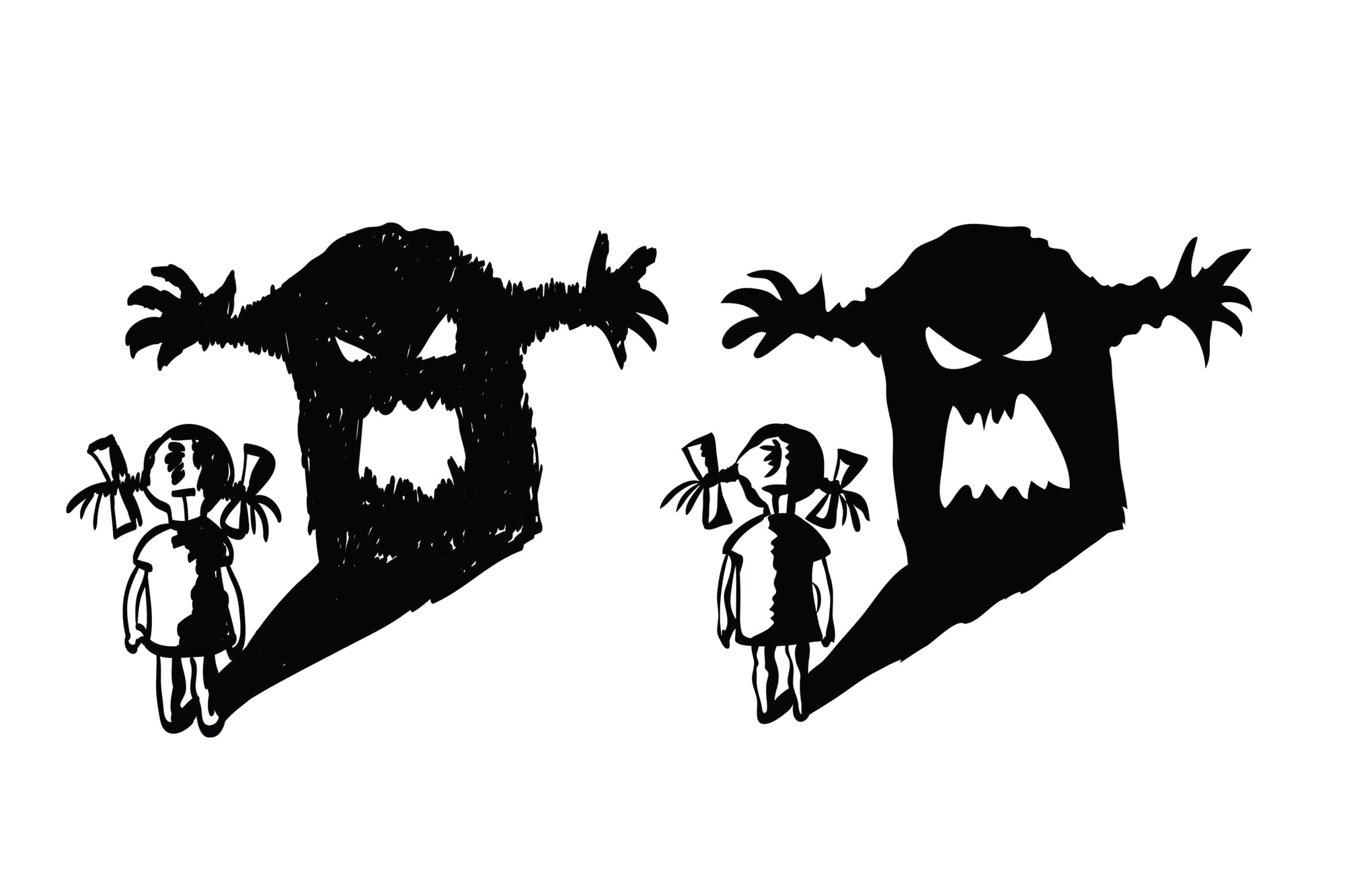
The gap between the original incident and the legend that blooms around it measures something real: collective anxiety. A single alligator becomes a sewer colony; a doll becomes haunted; a cryptid sighting becomes a documented phenomenon.
The kernel of truth serves as permission for the legend to live, even as it transforms into something far stranger than facts could ever sustain. What remains true is that these stories persist not because they’re outright lies, but because they contain just enough verifiable grain of reality to feel impossible to dismiss.
The real events anchored them; the collective imagination elaborated them.
More from Go2Tutors!

- The Romanov Crown Jewels and Their Tragic Fate
- 13 Historical Mysteries That Science Still Can’t Solve
- Famous Hoaxes That Fooled the World for Years
- 15 Child Stars with Tragic Adult Lives
- 16 Famous Jewelry Pieces in History
Like Go2Tutors’s content? Follow us on MSN.