27 Animal Species Brought Back From the Brink of Extinction
The history of conservation is rarely optimistic, but there are moments when human intervention and sustained commitment reverse what seemed inevitable decline. These animals were hunted to near-zero, poisoned by industry, or stripped of habitat until only handfuls remained alive.
Yet through captive breeding, legal protection, reintroduction efforts, and sometimes nothing more than the decision to stop killing them, entire species returned from the edge of oblivion. Their recoveries represent not just biological victories but proof that extinction, when it hasn’t already happened, remains preventable.
What follows is neither a complete accounting nor an exhaustive ranking, but a survey of 27 species that demonstrate the range of what recovery looks like. Some bounce back dramatically within a decade.
Others require generations of careful management. A few are still vulnerable despite progress.
All share one truth: when people decided a species was worth saving, they found a way.
Arabian Oryx
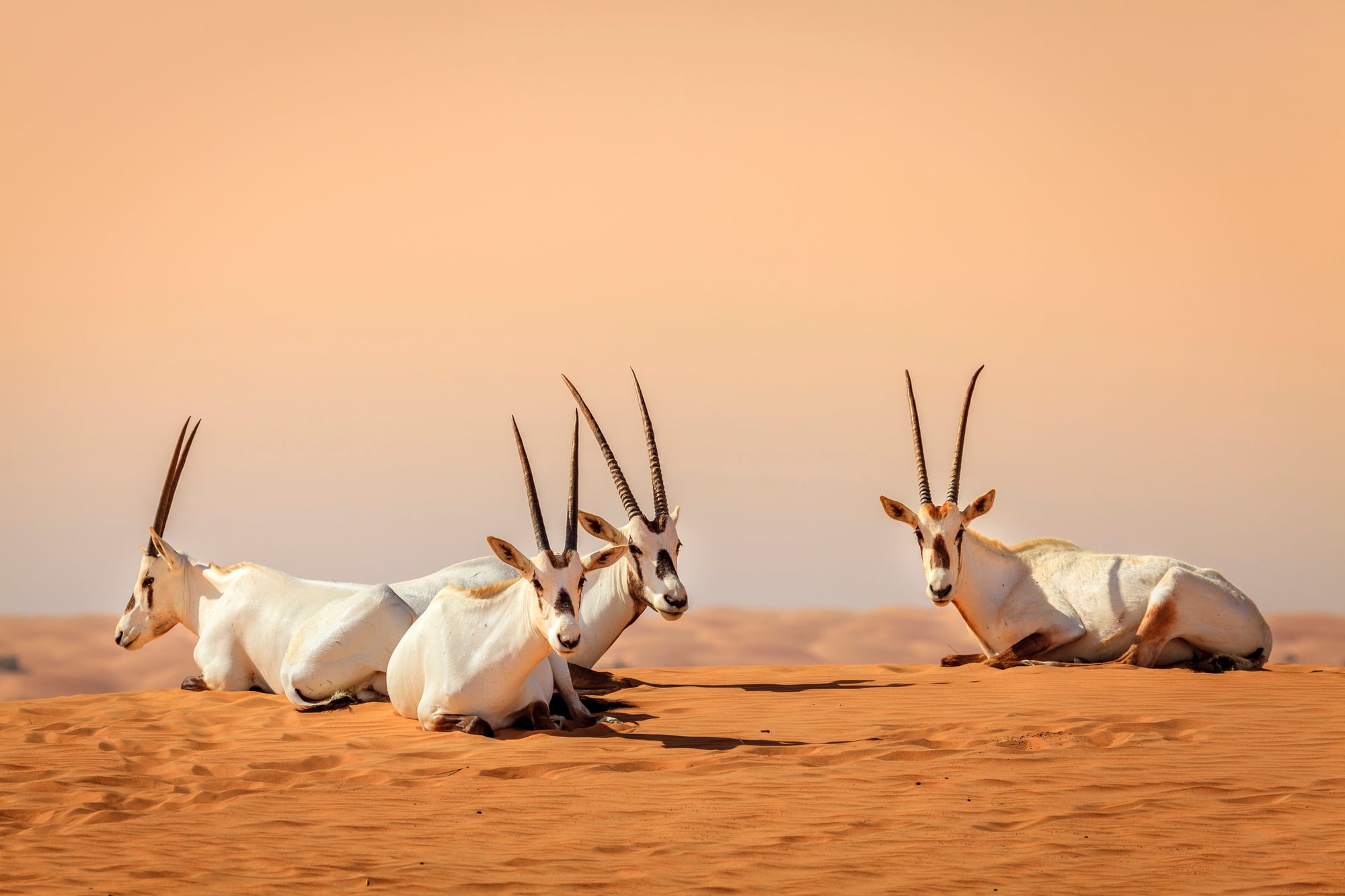
The Arabian oryx became the first animal to be brought back from extinction in the wild, earning the distinction not through environmental luck but through a coordinated international effort called Operation Oryx. Hunted to extinction by 1972 with only a handful of animals surviving in zoos and private collections, nine oryx were transferred to Phoenix Zoo in Arizona and bred so successfully that their descendants now number over 1,000 in protected reserves across Oman, Saudi Arabia, Jordan, and the United Arab Emirates.
The species was downlisted from endangered to vulnerable by 2011, the first mammal ever to go from “extinct in the wild” to recovered status on the IUCN Red List.
California Condor
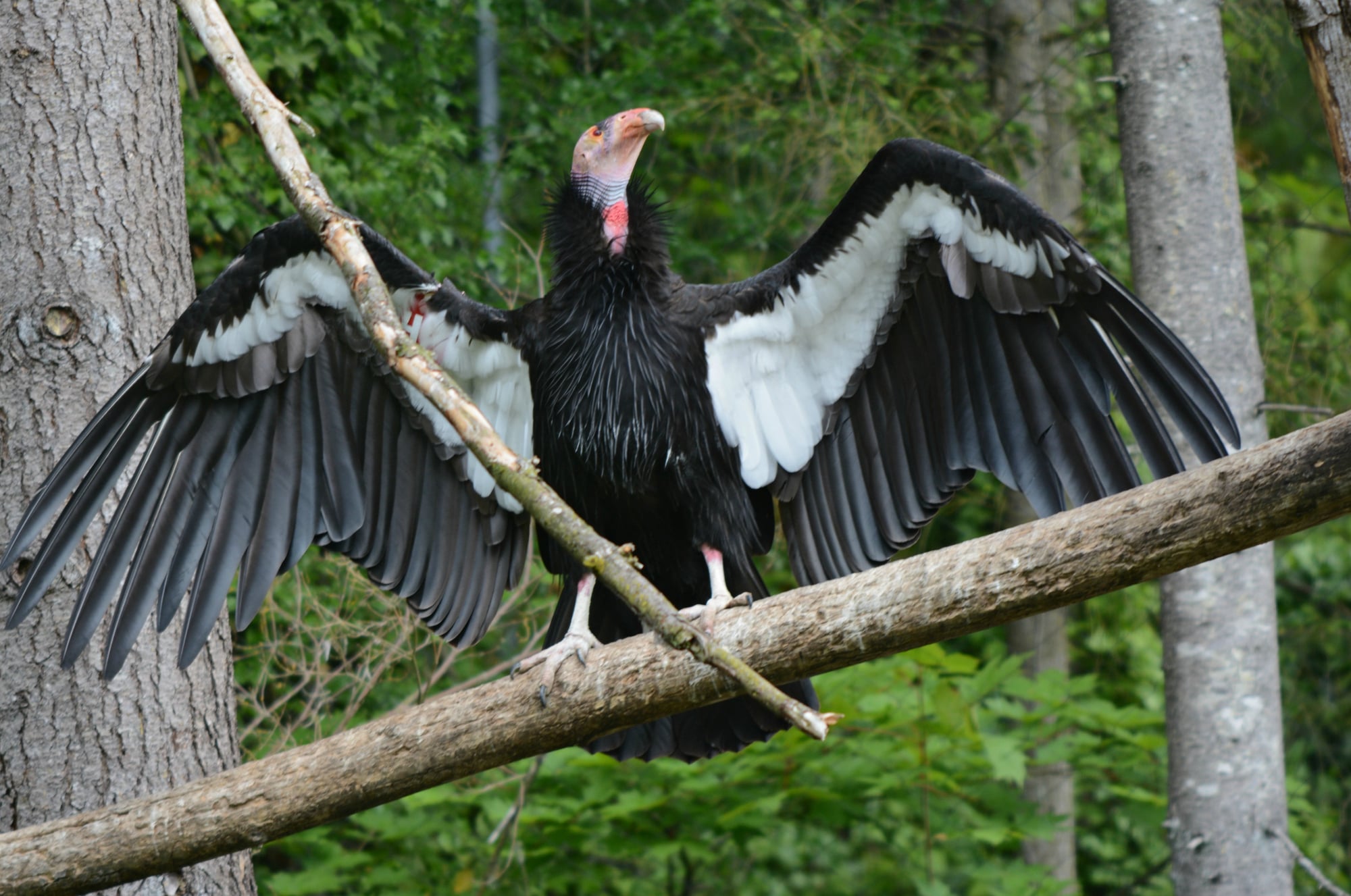
By 1987, only 27 California condors remained alive, prompting wildlife officials to capture the last wild bird and bring all remaining individuals into a captive breeding program. The species hit its lowest point that year at just 22 individuals, but breeding efforts at the San Diego Zoo and the Los Angeles Zoo have since produced hundreds of chicks.
Today over 500 California condors fly over the southwestern United States, making the program one of the most intensive species recovery efforts ever undertaken, though the birds remain critically endangered and require ongoing management to prevent lead poisoning and other threats.
Black-Footed Ferret
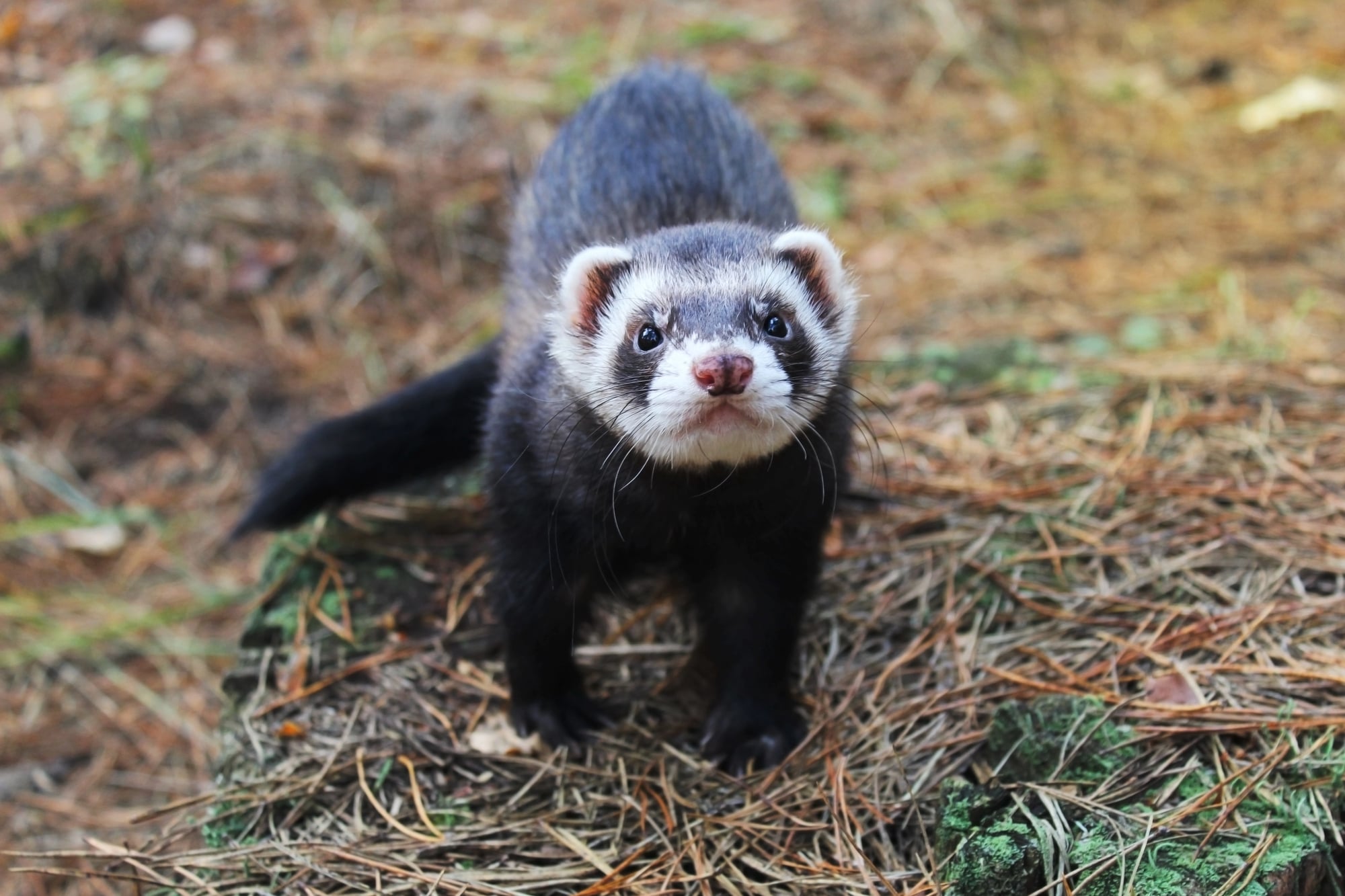
Declared extinct in 1979, the black-footed ferret was rediscovered in 1981 when a Wyoming ranch dog named Shep brought one home to his owner, leading biologists to a small colony of 24 individuals. All living black-footed ferrets today descend from an even smaller founding population of just 18 animals that were captured for breeding.
Captive breeding centers have produced thousands of offspring, with over 4,000 ferrets released across reintroduction sites in Wyoming, Montana, South Dakota, and other western states, bringing the wild population to approximately 300-400 individuals.
Sea Otter
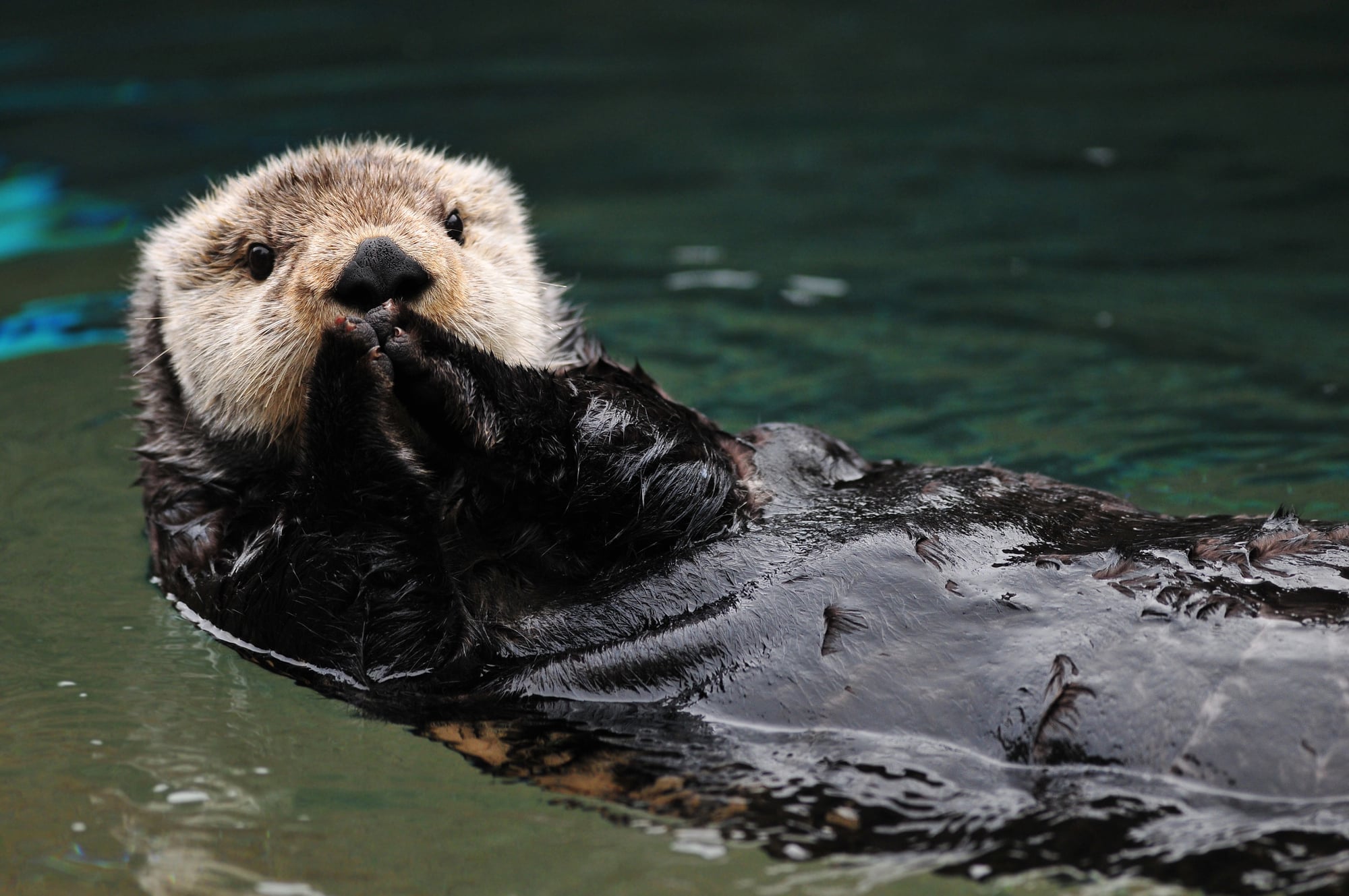
Once numbering between 150,000 and 300,000 across the North Pacific, sea otters were hunted nearly to extinction for their luxurious fur during the maritime fur trade. By 1911, fewer than 2,000 remained, scattered in isolated pockets of Alaska, California, and Russia.
International protection and a 1911 fur seal treaty halted the killing, and populations have rebounded to over 100,000 individuals, though they still occupy only about three-quarters of their historic range. The recovery has had profound ecological effects, as sea otters eating sea urchins has restored kelp forests that provide habitat for numerous marine species.
Giant Panda

China’s iconic giant panda faced a steep decline, with the population plummeting from thousands to around 1,000 individuals by the 1970s due to habitat loss and poaching. An intensive captive breeding program, combined with habitat protection and translocation efforts, reversed the decline so dramatically that by 2016 the species was downlisted from endangered to vulnerable status.
Today there are approximately 1,800 wild pandas living in protected reserves across central China, with hundreds more in zoos and breeding facilities worldwide, making the panda one of conservation’s most celebrated successes.
Mountain Gorilla
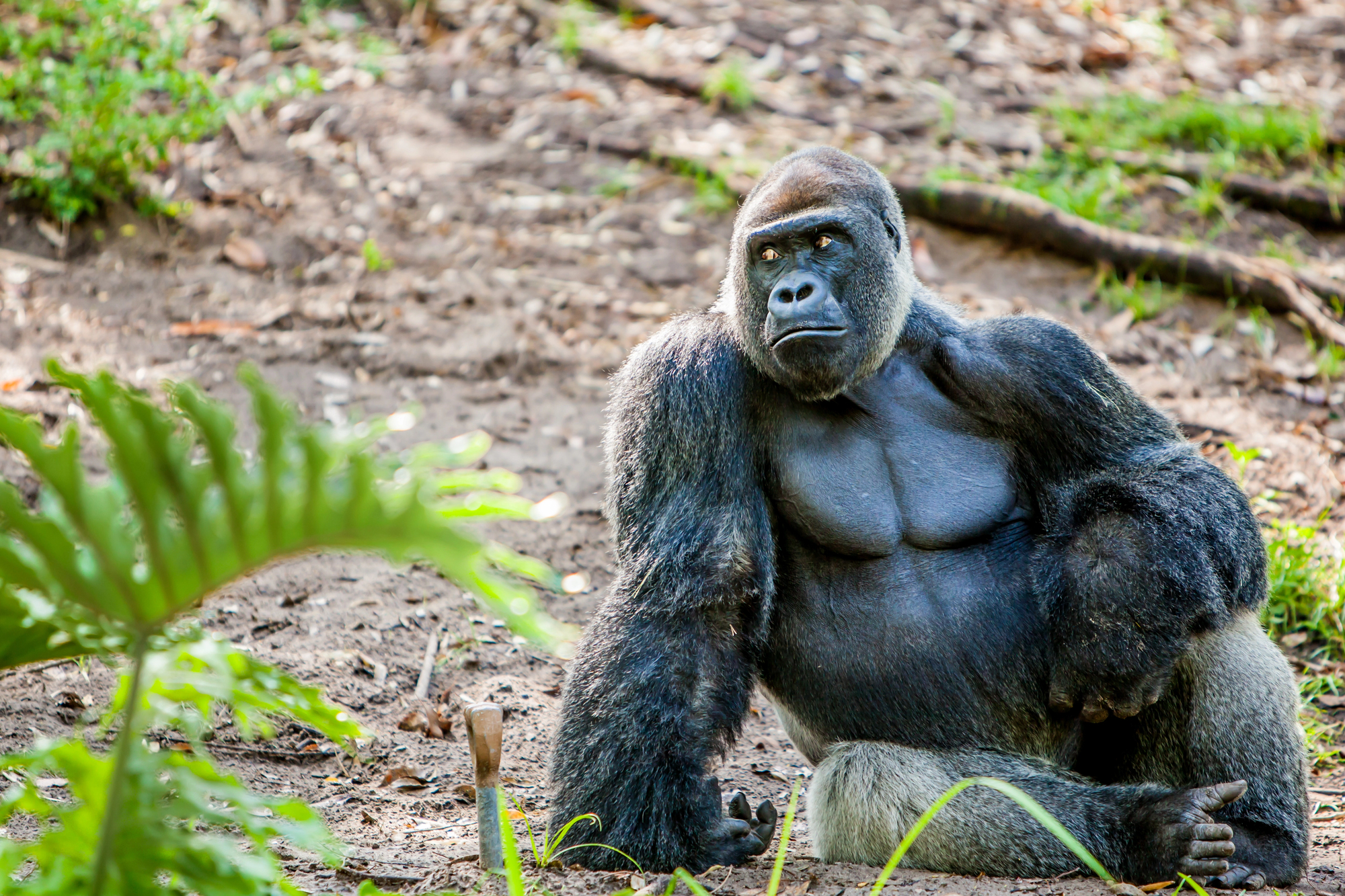
A subspecies of the eastern gorilla, mountain gorillas clung to just 680 individuals in 1989 as their forest habitats were cleared for logging and agriculture while civil conflict ravaged Central Africa. Conservation efforts centered on eco-tourism, which generated income for local communities while creating economic incentives to protect gorilla populations.
The eastern lowland gorilla is the larger of the two subspecies but remains more endangered, with populations in Rwanda, Uganda, and the Democratic Republic of the Congo now exceeding 1,000 individuals, demonstrating how wildlife tourism can drive real conservation results.
Przewalski’s Horse
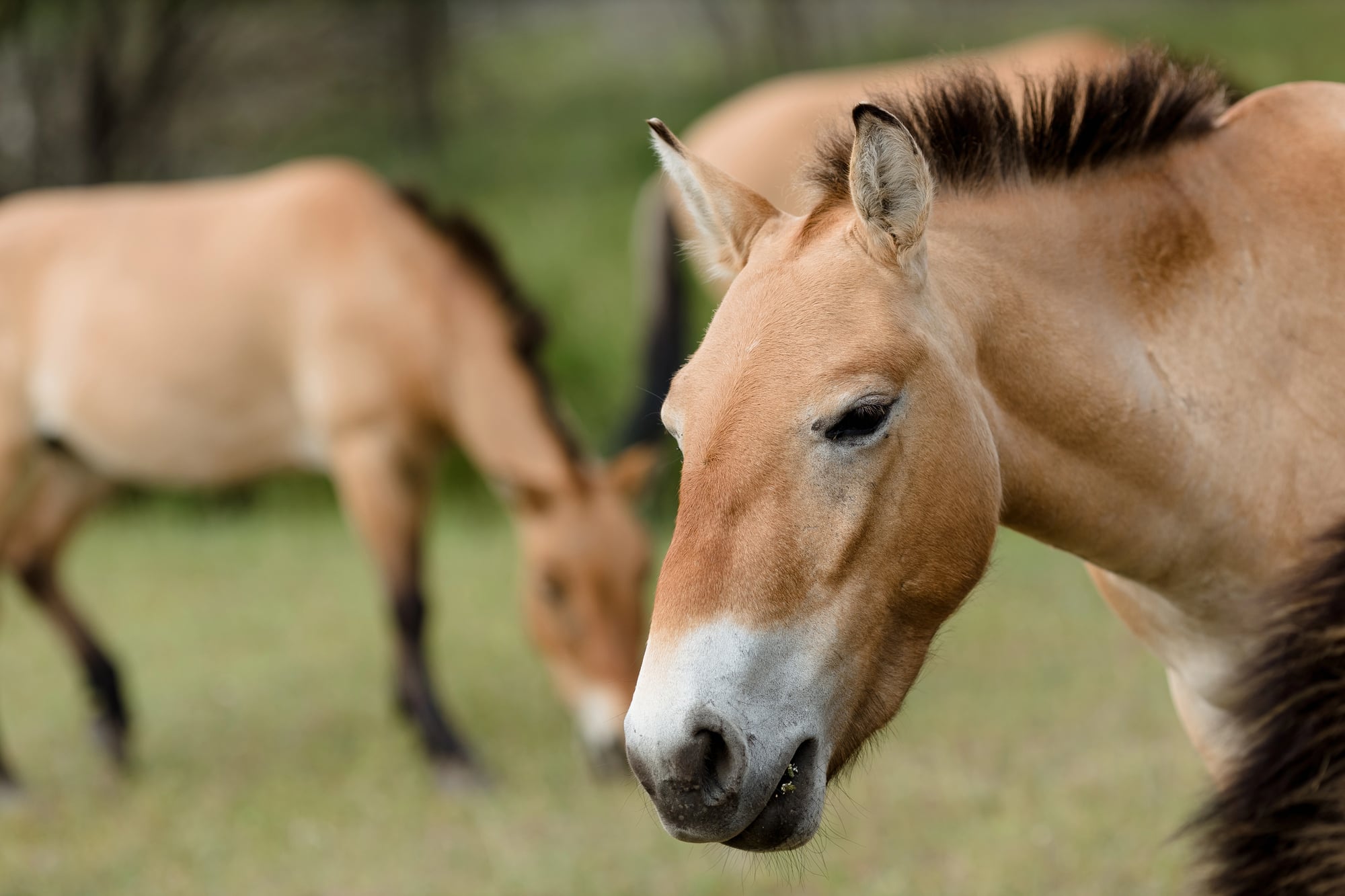
Extinct in the wild by the late 1960s, Przewalski’s horse survived only in zoos, where a captive breeding program began with animals from Berlin and Prague. The species was reintroduced to protected reserves in Mongolia and China starting in the 1990s, and today approximately 3,000 Przewalski’s horses exist worldwide, with about half living in the wild.
Because all living horses are descended from just 12 founders, conservationists are using genetic analysis and even cloning technology to restore genetic diversity to ensure the species’ long-term survival.
Hawaiian Monk Seal
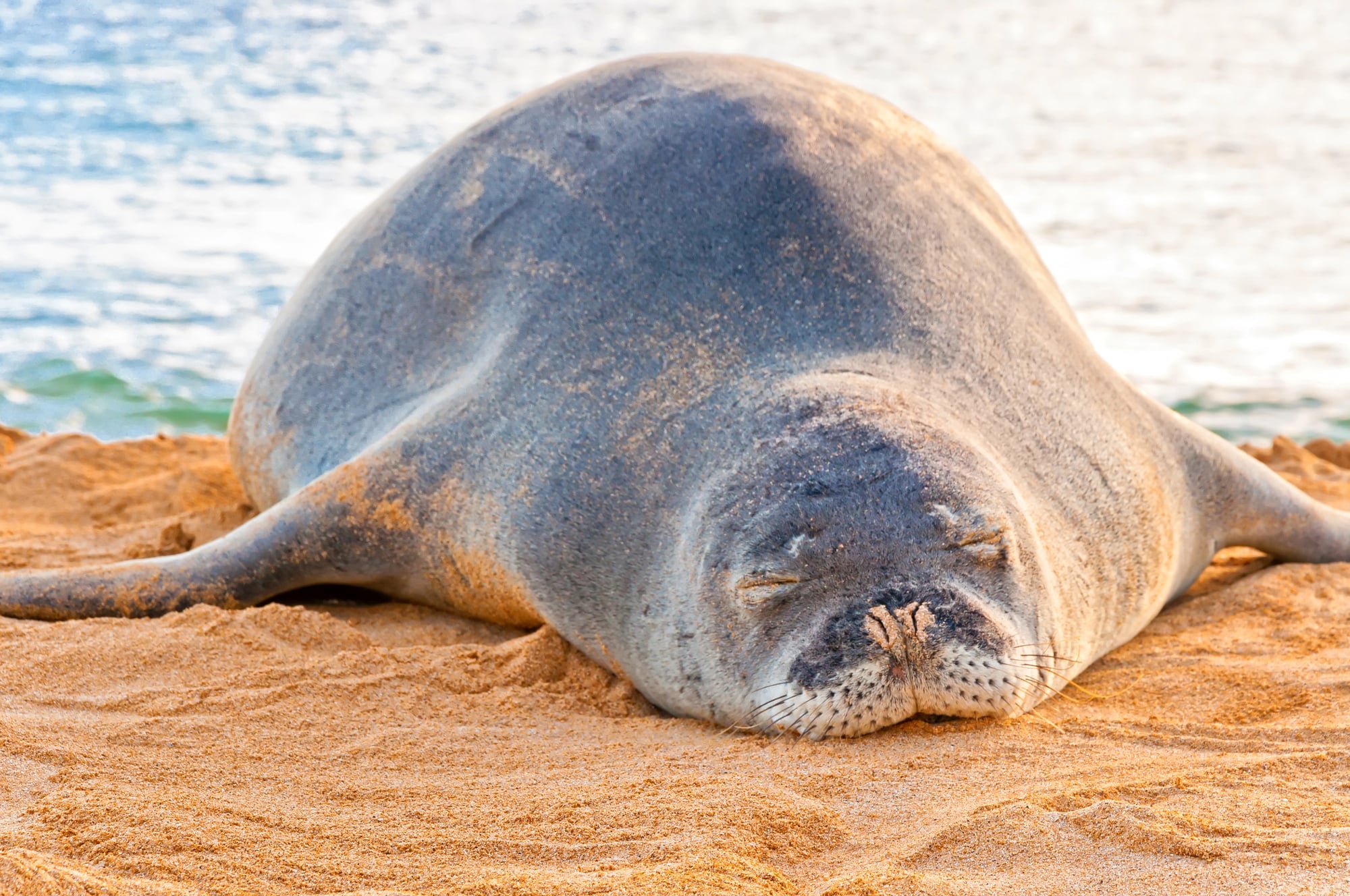
The Hawaiian monk seal population dropped below 1,000 individuals by the 1970s due to overhunting and habitat encroachment throughout the Hawaiian Islands. NOAA and state wildlife agencies implemented recovery efforts focused on threat mitigation and habitat protection, with marine sanctuaries and cleanup programs reducing entanglement and hunting pressures.
The population has grown to roughly 1,400 individuals, though the species remains endangered and vulnerable to environmental changes, disease, and climate-related impacts on their food sources and breeding grounds.
Kakapo Parrot
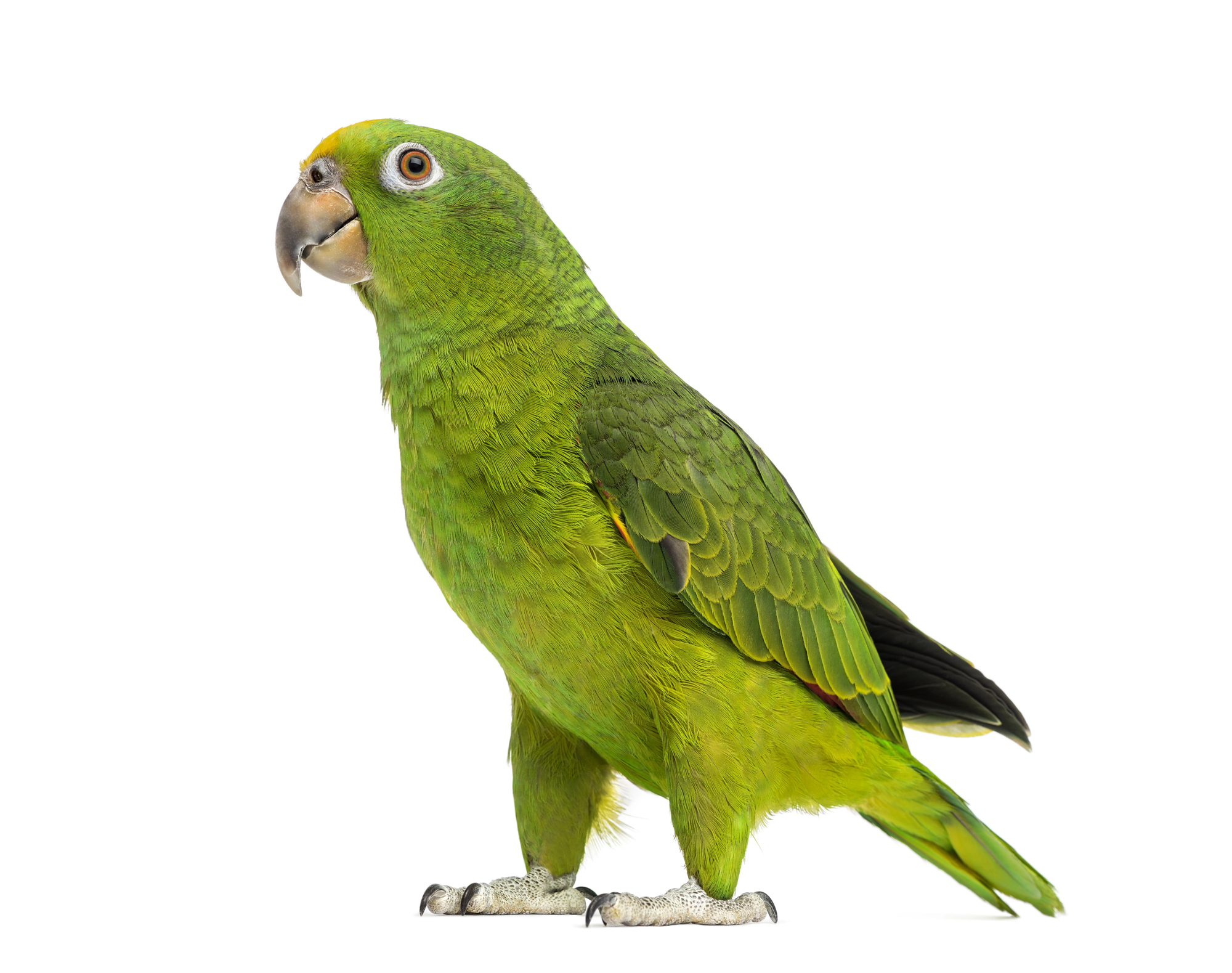
New Zealand’s kakapo, a large flightless nocturnal parrot, declined to fewer than 50 individuals due to introduced predators that devastated ground-nesting birds. Conservation teams relocated surviving kakapo to rat-free islands and implemented intensive management, including hand-feeding chicks with supplemental nutrition.
The population has grown to around 250 birds, with radio trackers and careful genetic management ensuring that each individual’s survival is monitored and every breeding opportunity is maximized.
Blue Whale
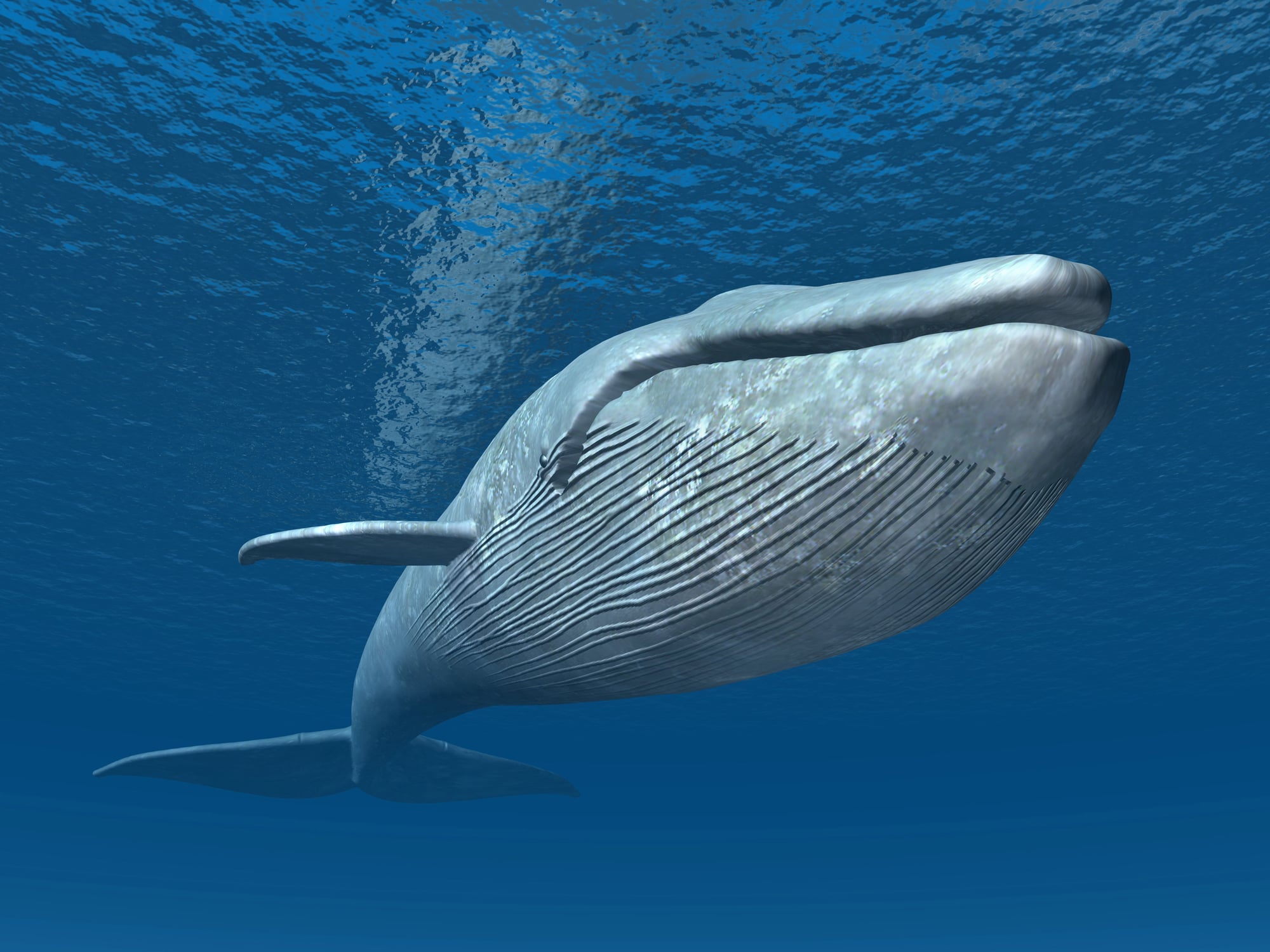
The largest animal ever to exist was hunted to the brink by industrial whaling, with populations collapsing from potentially hundreds of thousands to just a few thousand by the mid-20th century. An international moratorium on commercial whaling in 1966, strengthened by subsequent treaties, allowed populations to recover slowly to somewhere between 10,000 and 25,000 individuals today.
Acoustic monitoring of whale songs across the oceans now tracks their recovery, though climate change and ship strikes continue to pose new threats to these ocean giants.
Humpback Whale
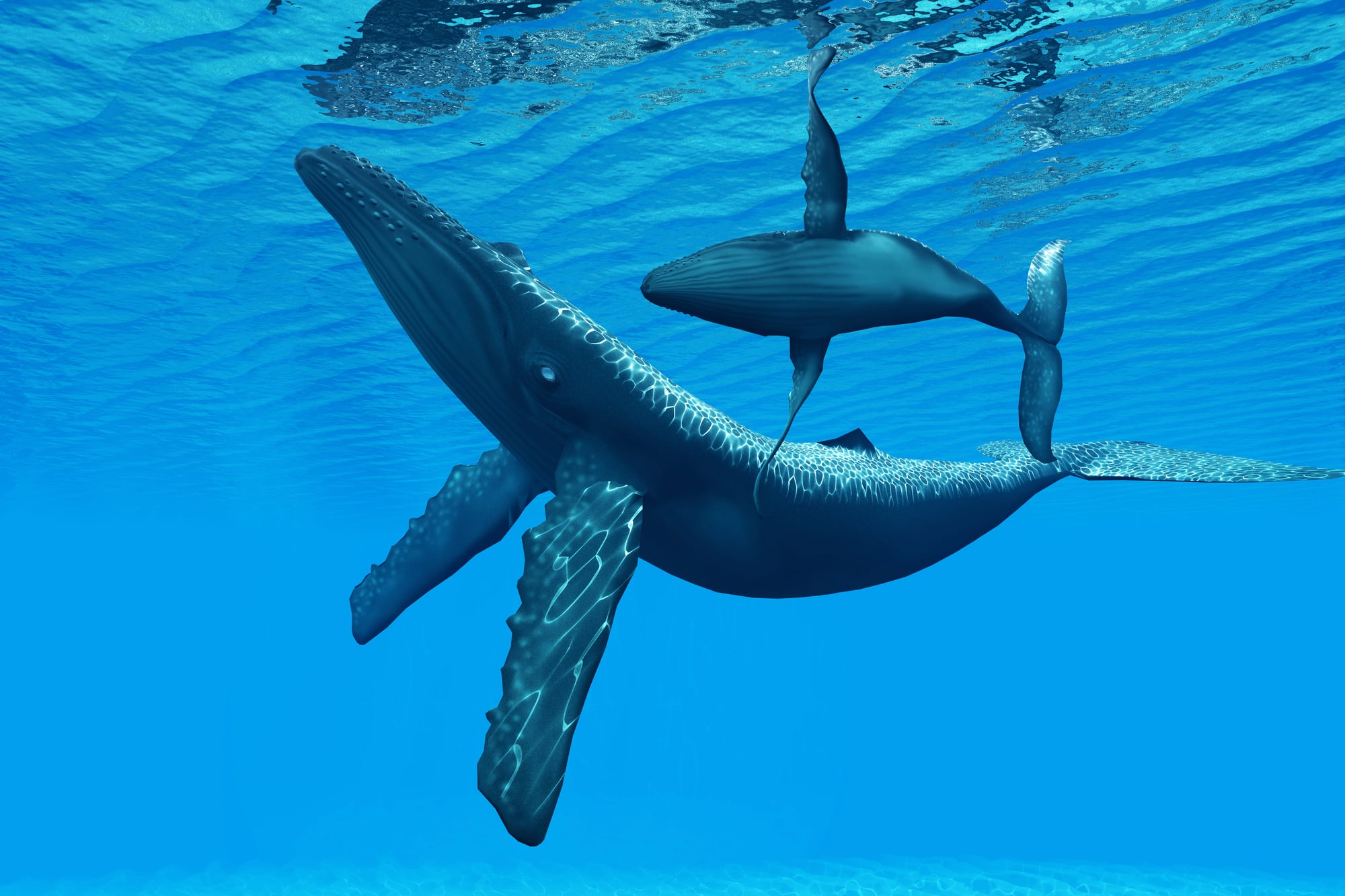
Once numbering around 125,000, humpback whales were so heavily hunted that their population crashed to roughly 5,000 by the 1960s, representing one of the most dramatic declines of any marine species. The international ban on commercial whaling has allowed populations to rebound spectacularly, with humpback numbers now exceeding 30,000.
In 2024, eastern Australian humpback whales actually surpassed pre-whaling population levels for the first time in recorded history, a milestone once considered biologically impossible and representing one of conservation’s most remarkable achievements.
Red Wolf
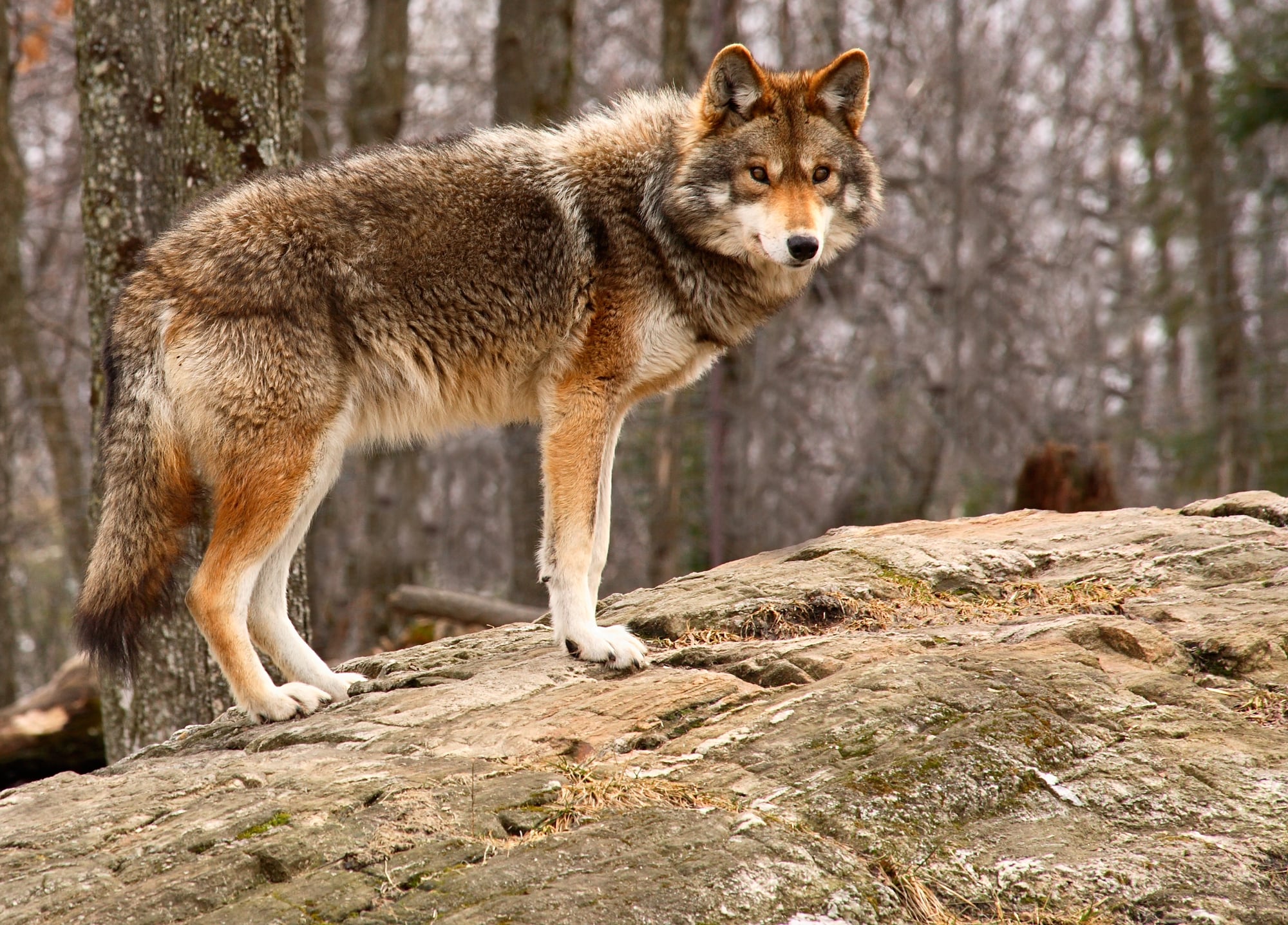
Native only to the southeastern United States, the red wolf represents the most endangered canid in the world and has lost more of its historical territory than any other large carnivore, including snow leopards and tigers. Extinct in the wild by 1980, a captive breeding program beginning in 1987 marked the first time large carnivores were reintroduced to a landscape.
Today approximately 100-200 red wolves roam the Albemarle Peninsula of North Carolina, though the population remains unstable and controversial due to conflicts with landowners.
Iberian Lynx
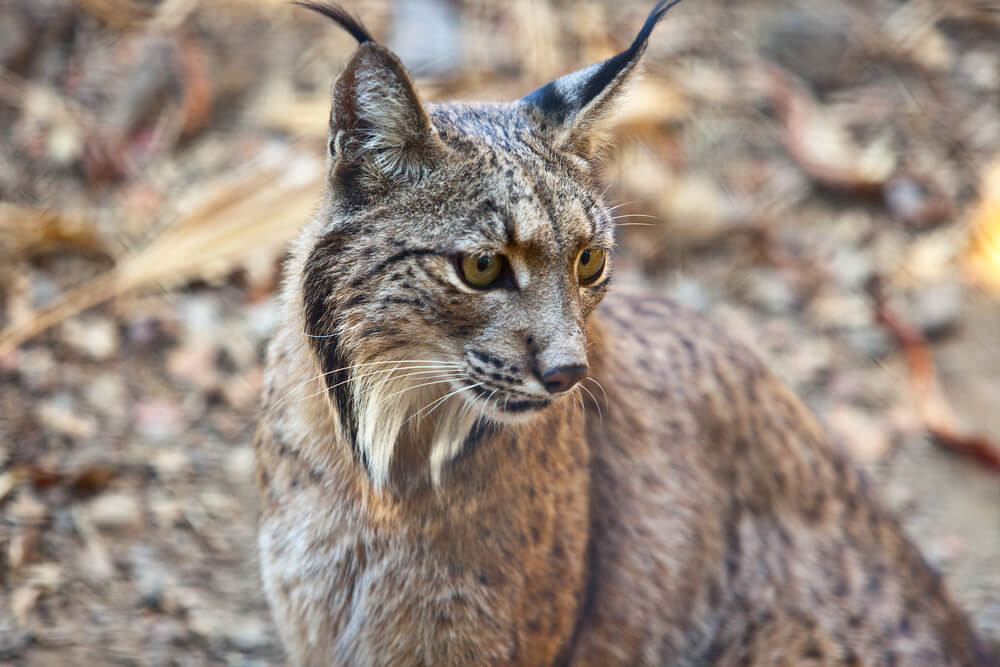
Once the world’s most endangered wild cat, the Iberian lynx numbered fewer than 100 individuals in 2002, with populations confined to two isolated breeding areas in southern Spain. An intensive conservation program combining captive breeding, habitat restoration, prey species management, and wildlife corridor creation triggered an exponential recovery.
By 2024, the population exceeded 2,000 individuals across Spain and Portugal, earning the lynx an official downlisting from endangered to vulnerable and being hailed as the greatest recovery of a cat species ever achieved.
Southern White Rhinoceros
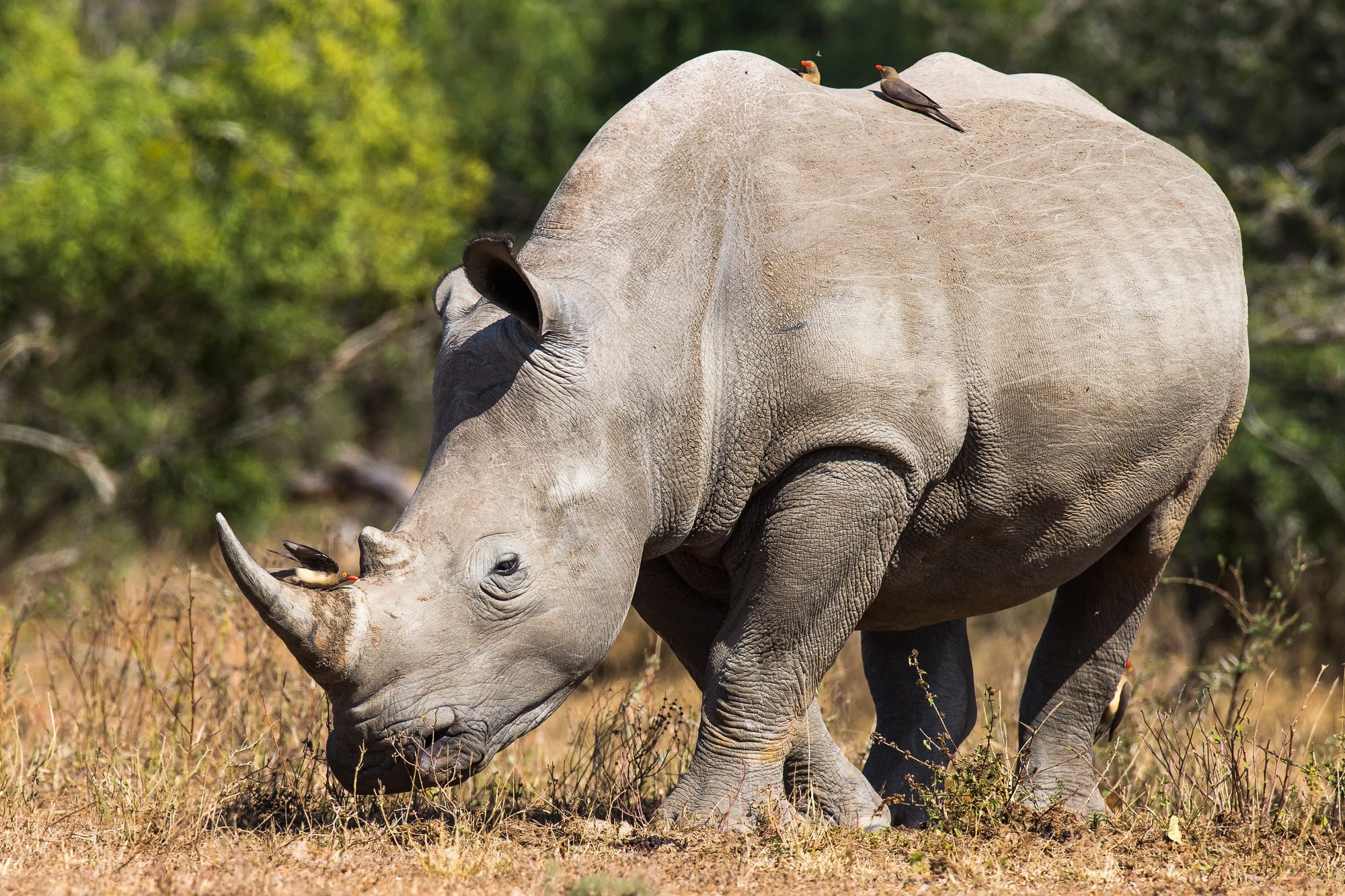
Once numbering over 250,000 across southern Africa, white rhinos were hunted to near extinction by 1895, when only 20-50 individuals remained in what is now Hluhluwe-iMfolozi Park in South Africa. Legal protection and captive breeding programs allowed populations to rebound dramatically, and by the late 20th century there were approximately 18,000 southern white rhinos living in protected reserves and private land across South Africa.
The species remains vulnerable to poaching, but the recovery demonstrates how protected areas and anti-poaching patrols can reverse even catastrophic population declines.
American Alligator
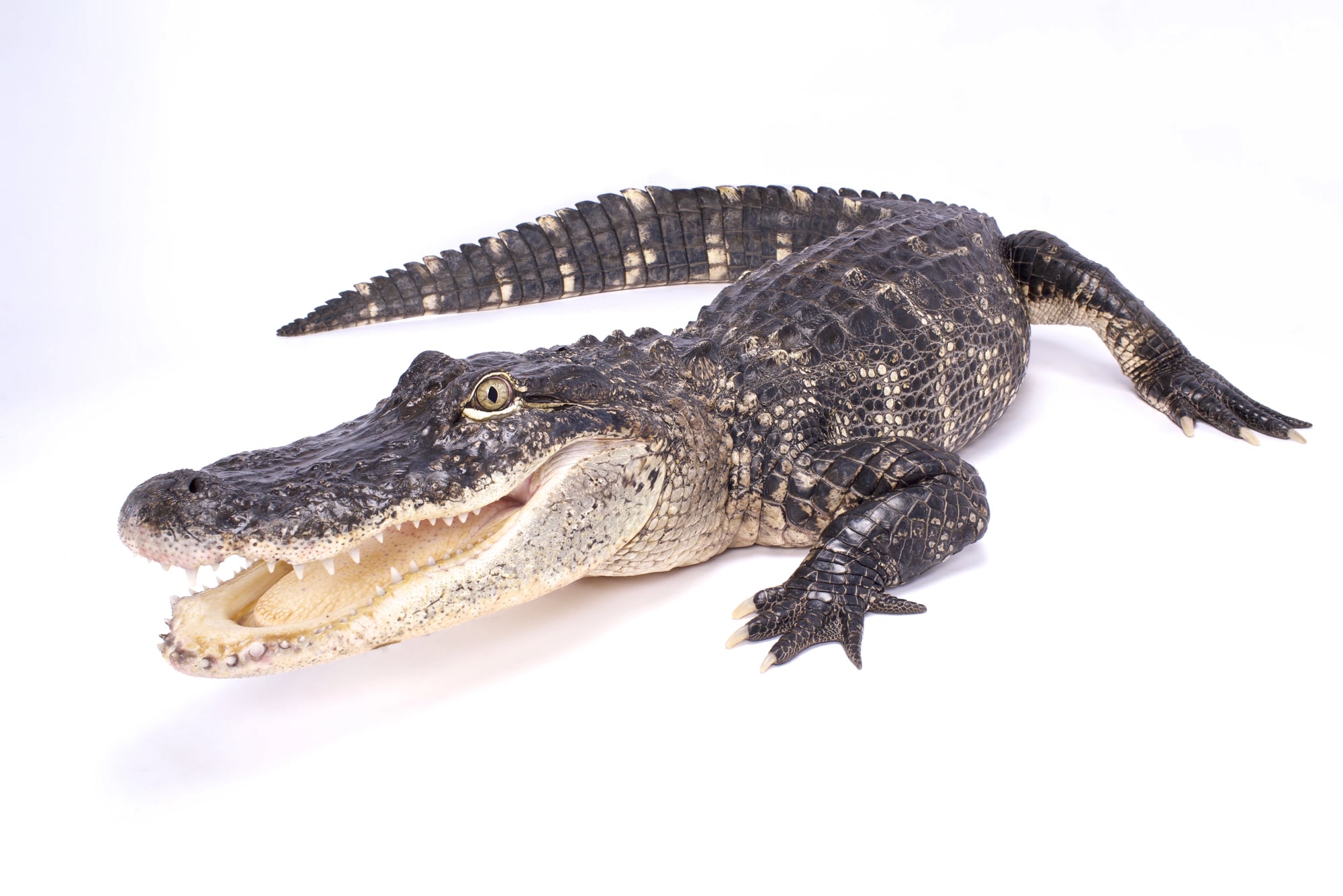
Once hunted nearly to extinction for its hide and meat, with populations in southeastern wetlands plummeting to dangerously low levels by the 1950s, the American alligator received federal protection in 1967. The species was removed from the endangered species list in 1987 after only two decades of protection, making it one of the most rapidly recovering endangered species.
Today there are an estimated 5 million American alligators thriving in the southeastern United States, and a multi-million dollar sustainable hunting industry has developed while maintaining healthy populations.
European Bison
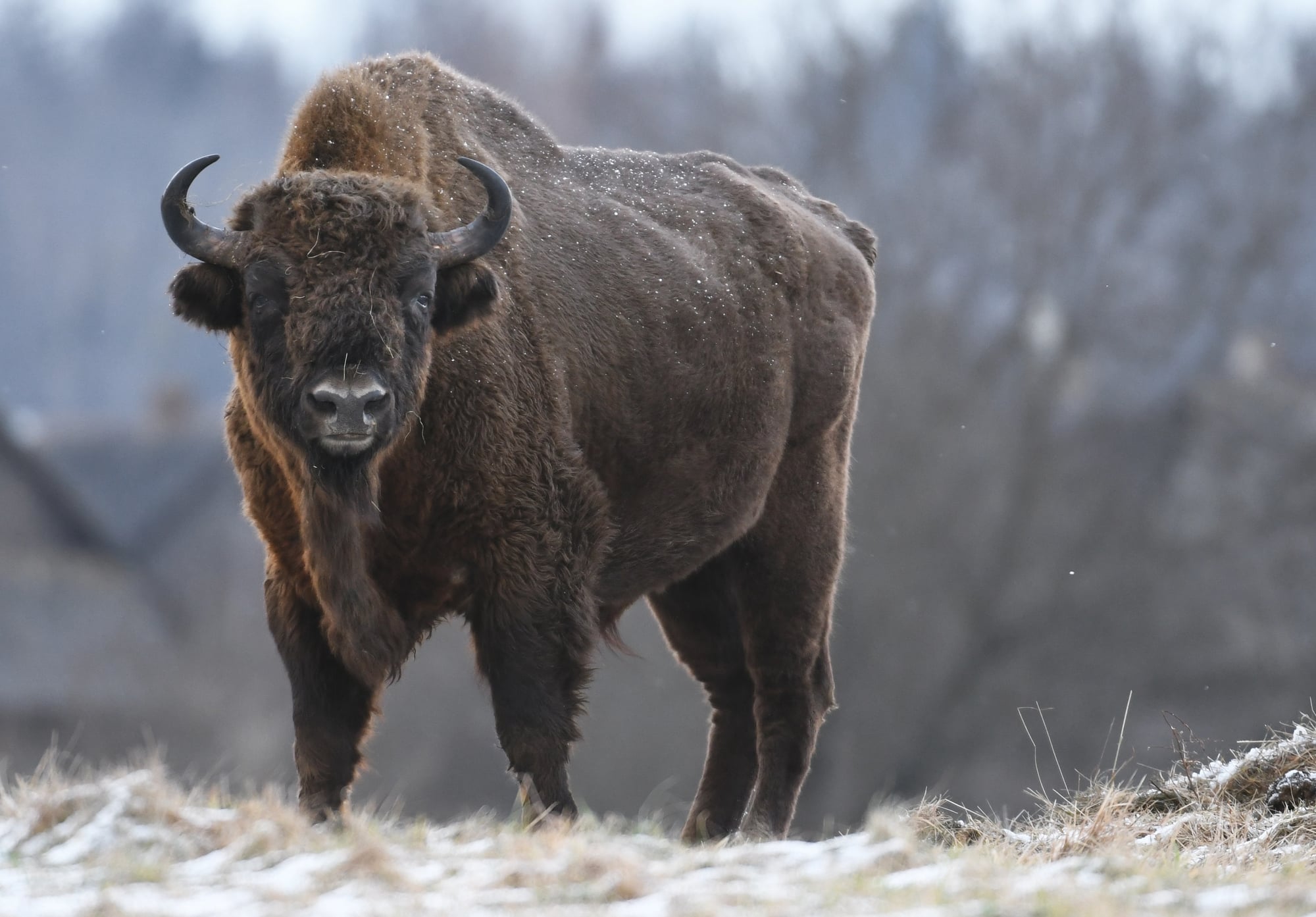
Europe’s largest land animal was hunted to extinction in the wild by 1927, with only 54 individuals surviving in zoos and captive collections. These 54 bison descended from just 12 founder animals, yet a carefully managed captive breeding and reintroduction program has rebuilt a wild population.
Today approximately 7,000 European bison roam protected areas across Central and Eastern Europe, particularly in Poland, Belarus, and Romania, with the species downlisted from endangered to near threatened status by 2020 as reintroductions continue.
Milu Deer
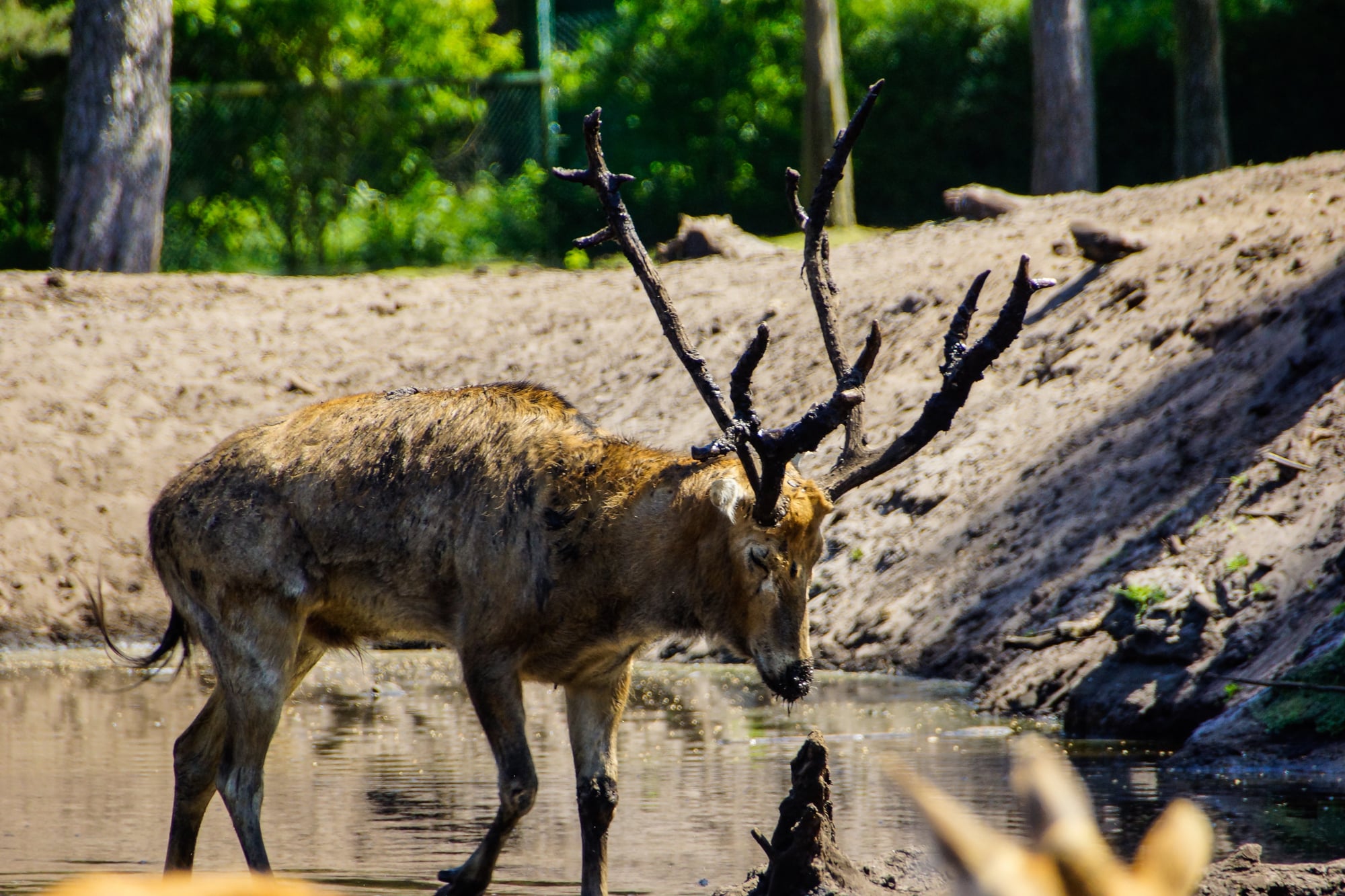
Also known as Père David’s deer, the milu was hunted to extinction in its native China by the early 20th century, surviving only in European zoos after an 11th Duke of Bedford acquired the remaining 18 individuals from various collections. All modern milu descend from this tiny herd, which was managed at Woburn Abbey in England before reintroductions began to China in the mid-1980s.
Today several thousand milu exist in captive breeding facilities and reintroduction populations across China, demonstrating how a species can recover despite an extreme genetic bottleneck.
Scimitar-Horned Oryx
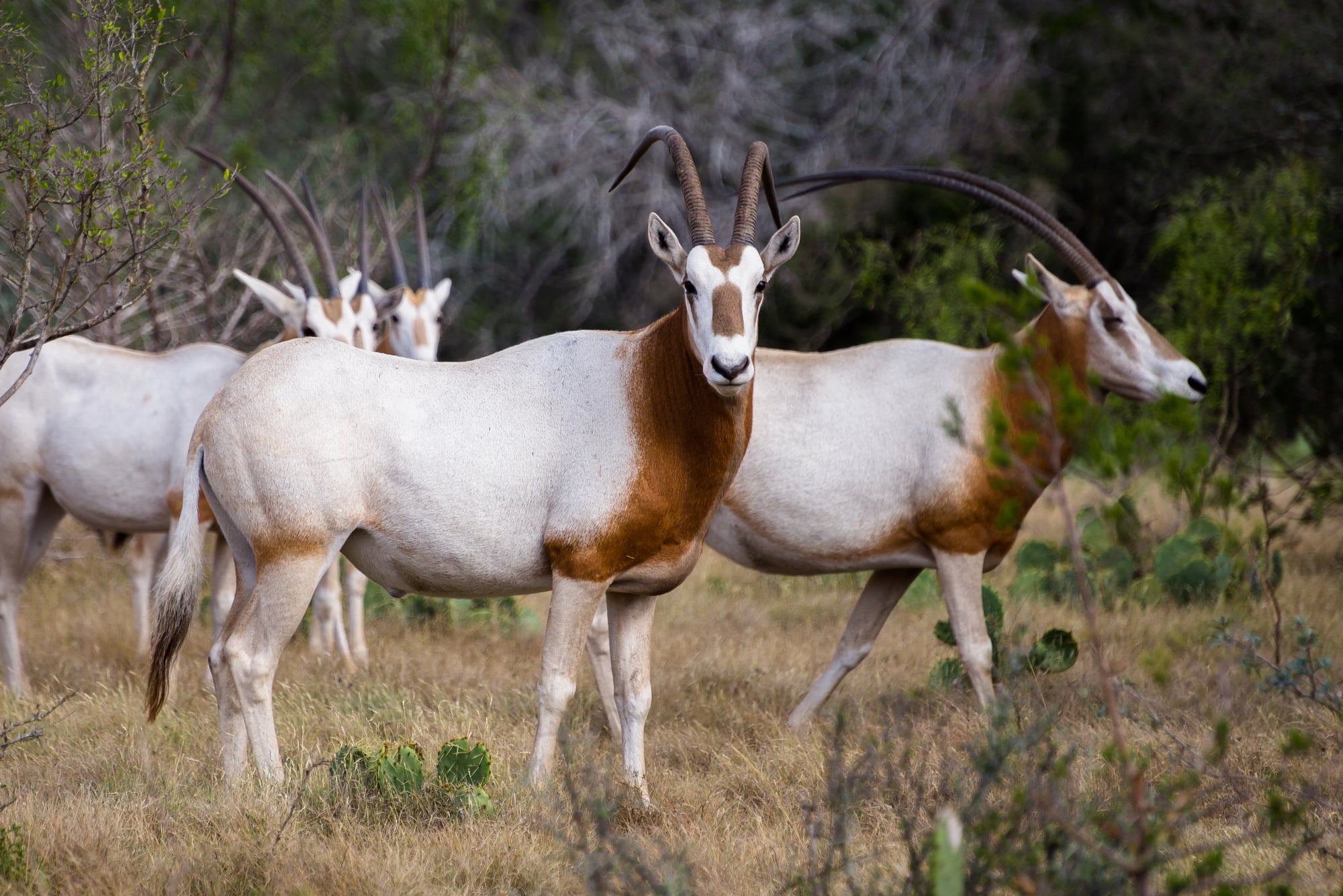
The scimitar-horned oryx, also called the Sahara oryx, was declared extinct in the wild in 2000 after overhunting eliminated wild populations across North Africa. A collaborative reintroduction program led by the Environment Agency of Abu Dhabi, working with Chad’s government and international zoo partners, has established a self-sustaining population in Chad’s Ouadi Rimé-Ouadi Achim Faunal Reserve.
In 2023, the species was downlisted from extinct in the wild to endangered, with over 600 individuals now thriving in protected habitat, making it the first species from the global extinct in the wild initiative to achieve downlisting.
Gray Wolf
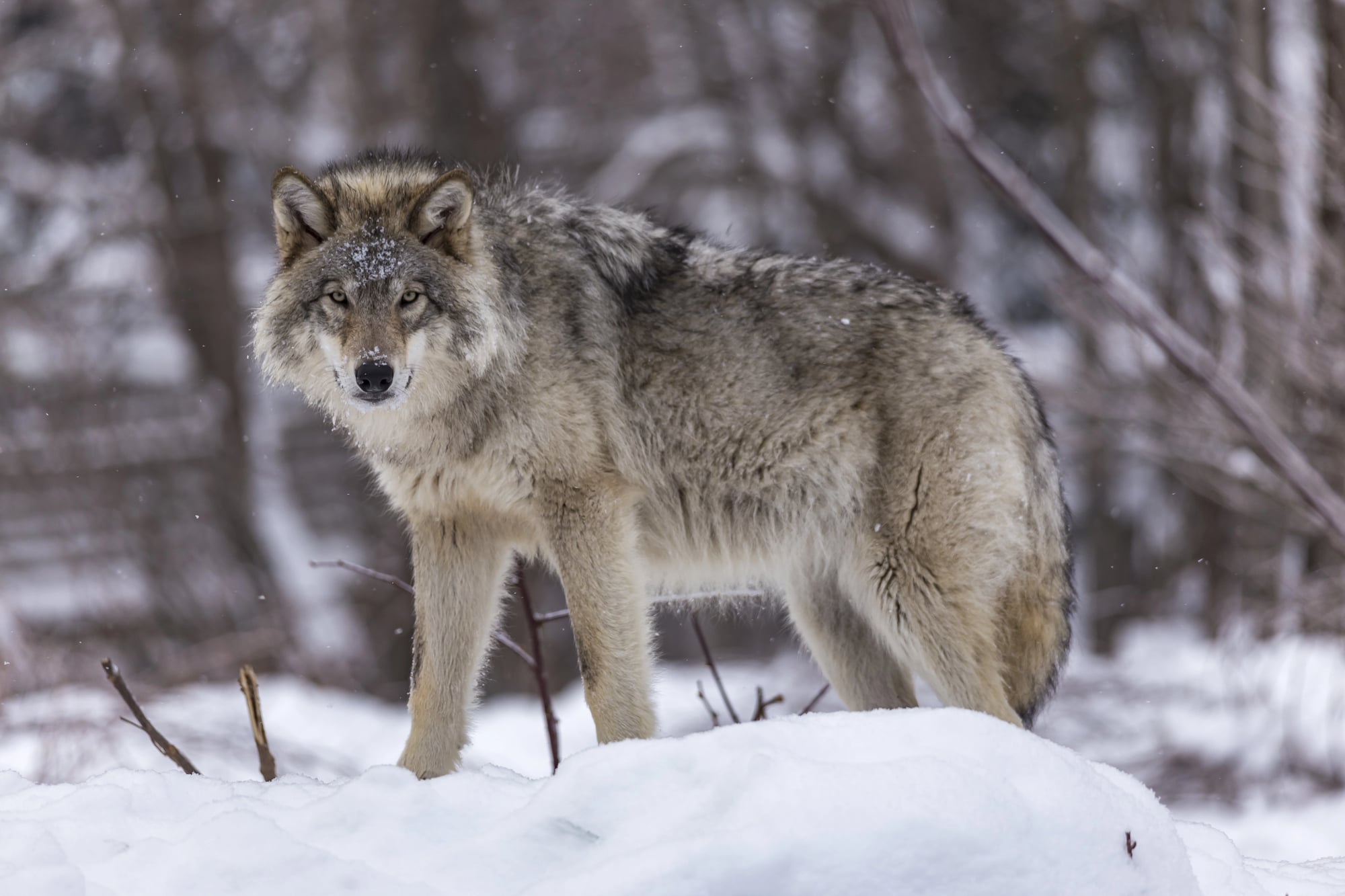
Nearly eradicated from the lower 48 United States by the 1930s, gray wolves were listed as endangered in 1974, and two decades later reintroduction efforts began in Yellowstone National Park and central Idaho. In 1995 and 1996, wolves captured in Canada were released into these regions, and the population has grown to approximately 500 individuals across the Greater Yellowstone Ecosystem, with additional populations in the northern Rocky Mountains.
Wolves were delisted from endangered species protection in some states as populations recovered, though the decision remains politically contentious and has been subject to multiple legal challenges.
Bald Eagle
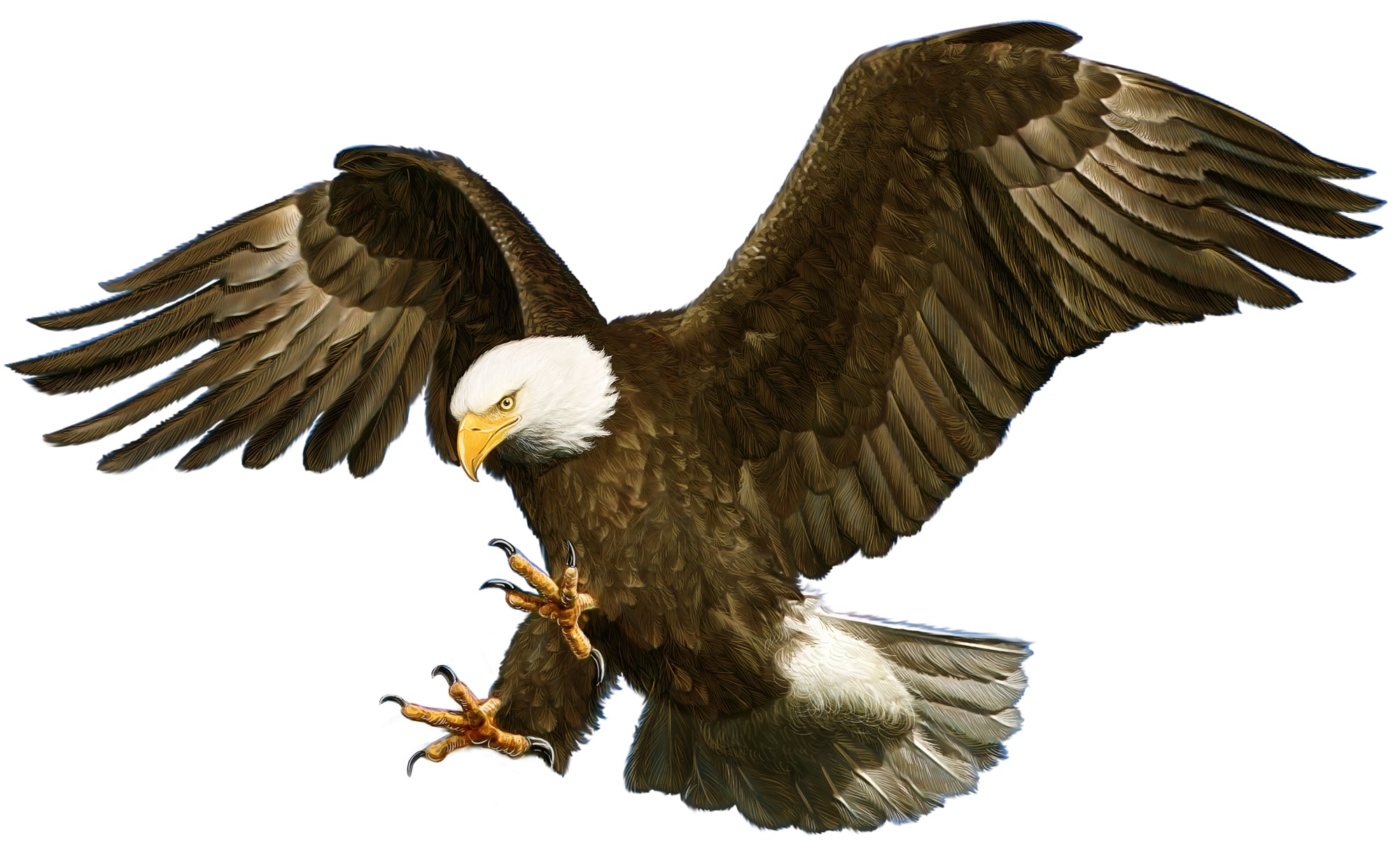
Hunted and poisoned by the pesticide DDT, which thinned eggshells and caused nest failures, bald eagles declined from several hundred thousand to just a few hundred breeding pairs by the 1960s. The 1972 ban on DDT and protection under the Endangered Species Act allowed populations to rebound dramatically, with over 10,000 nesting pairs existing today throughout North America.
The bald eagle was delisted in 2007, and its recovery serves as the flagship success story of the Endangered Species Act, appearing on everything from currency to state seals as a symbol of American conservation.
Peregrine Falcon
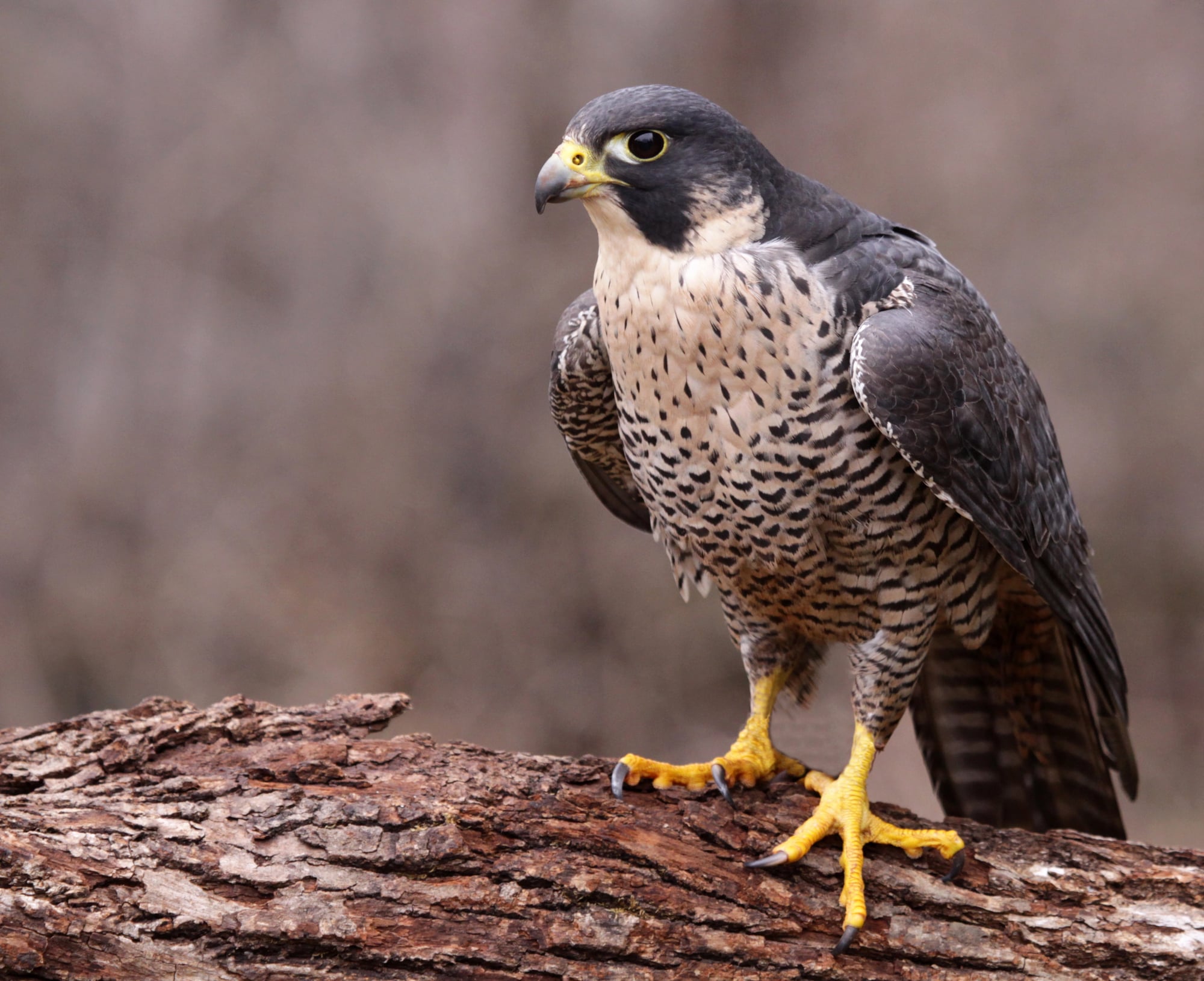
The peregrine falcon was similarly devastated by DDT, with populations declining by 80-90 percent across North America as the pesticide weakened eggshells and caused widespread nest failures. The species was listed as endangered in 1970 when the population reached an all-time low of 324 nesting pairs, yet captive breeding programs beginning in the 1970s released thousands of birds for reintroduction.
By 1999, peregrines had recovered enough to be delisted, with populations now exceeding 6,000 birds across North America and representing a triumph of international cooperation and scientific innovation in species recovery.
Addax
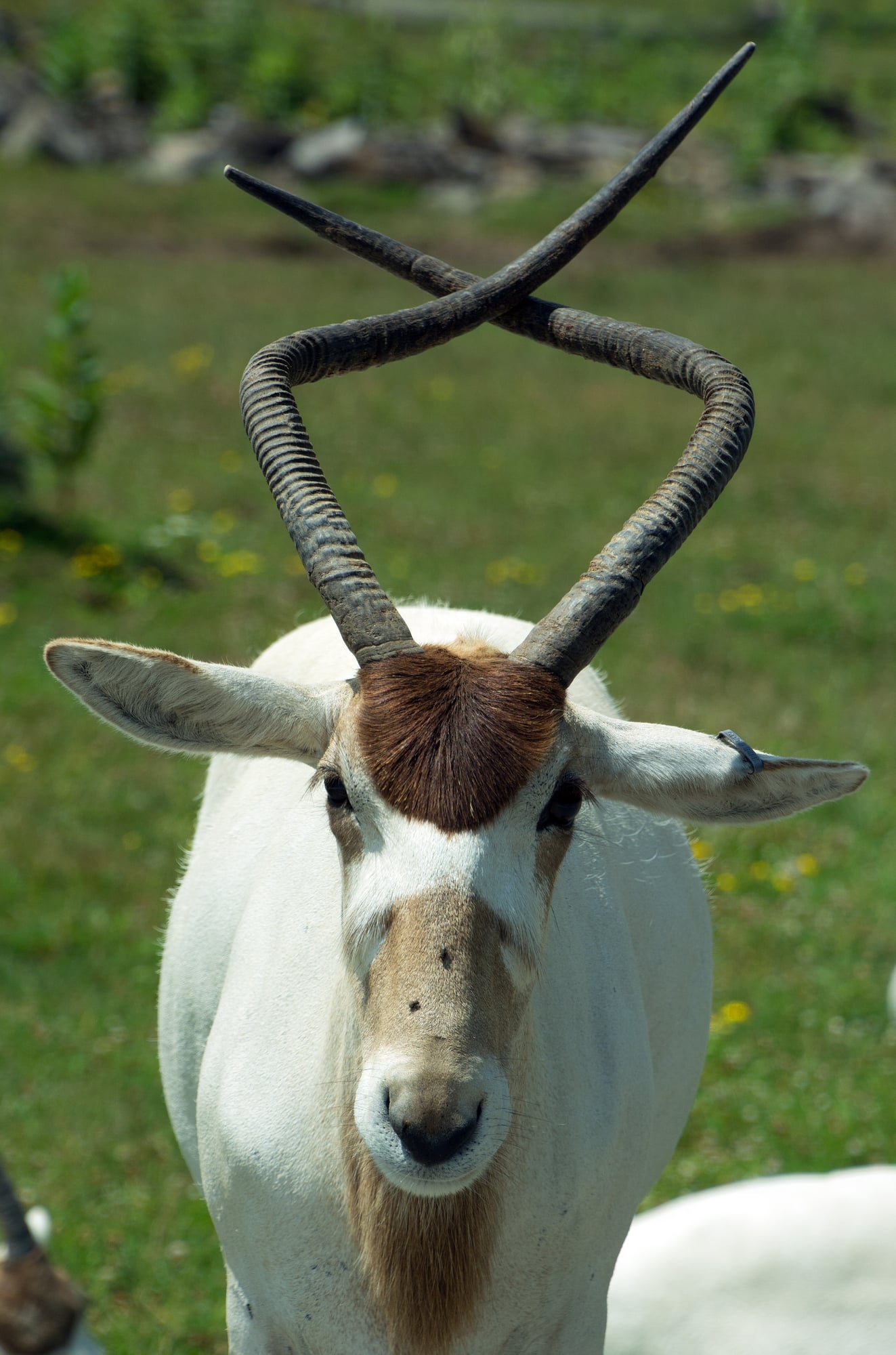
One of the most desert-adapted antelopes on Earth, the addax has been hunted nearly to extinction, with fewer than 100 individuals remaining in the wild across remote areas of Niger and Chad. Several hundred addax survive in zoos and on private ranches, and reintroduction programs are now underway in protected areas across North Africa including Chad, Niger, and Morocco.
The addax is being reintroduced within the same reserve that houses the recovering scimitar-horned oryx population, allowing conservation infrastructure to benefit multiple critically endangered Saharan species simultaneously.
Brown Pelican
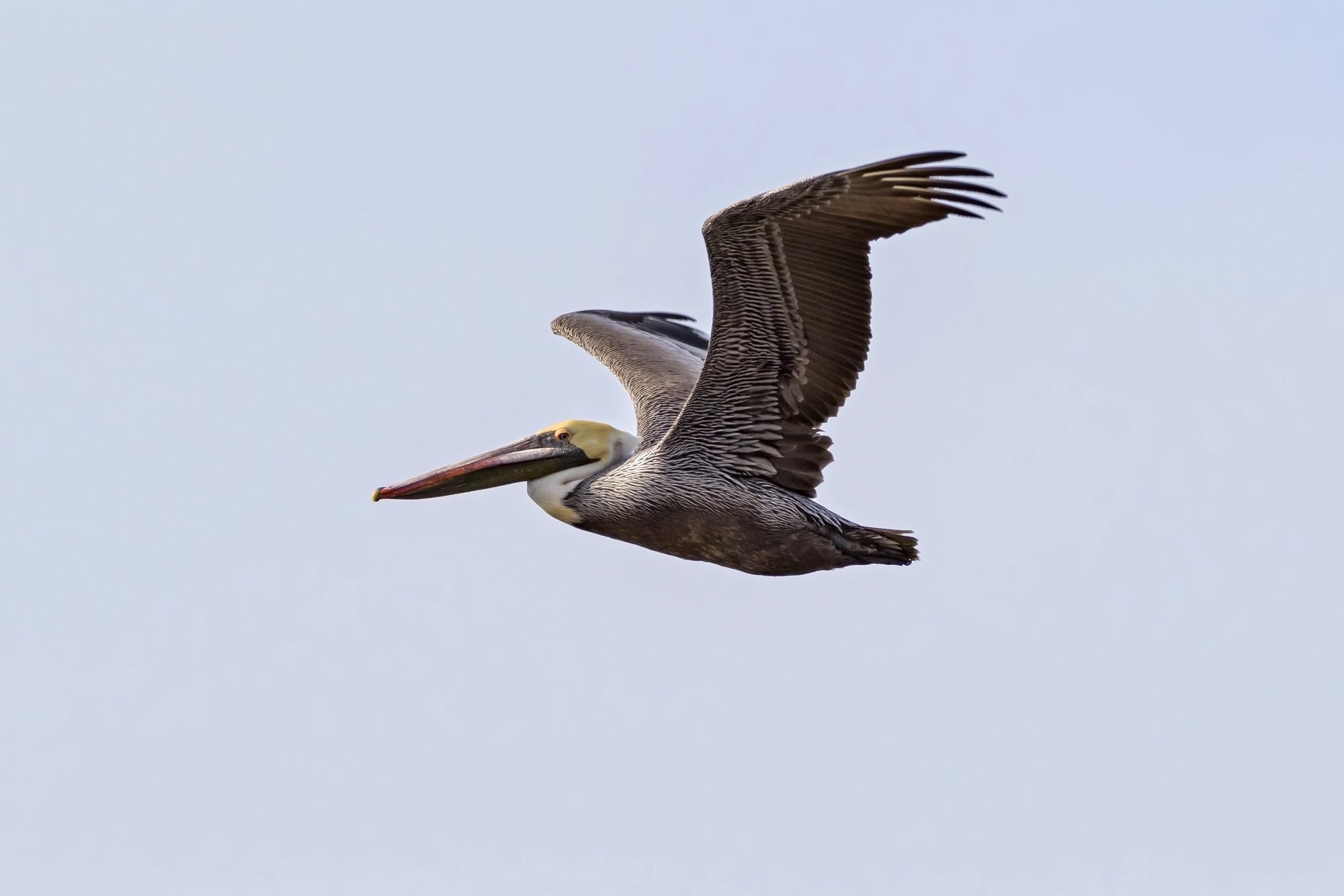
Hunted for its feathers and devastated by DDT, which caused eggshell thinning and reproductive failure, the brown pelican declined to fewer than 10,000 individuals by the 1960s. Federal protection and the 1972 DDT ban allowed populations to recover, with captive breeding and reintroduction programs in Louisiana and other coastal states supplementing natural recovery.
By 2009, over 650,000 brown pelicans were thriving along the Atlantic, Gulf, and Pacific coasts, making it one of the few species to be completely removed from the federal endangered species list.
Arabian Gazelle
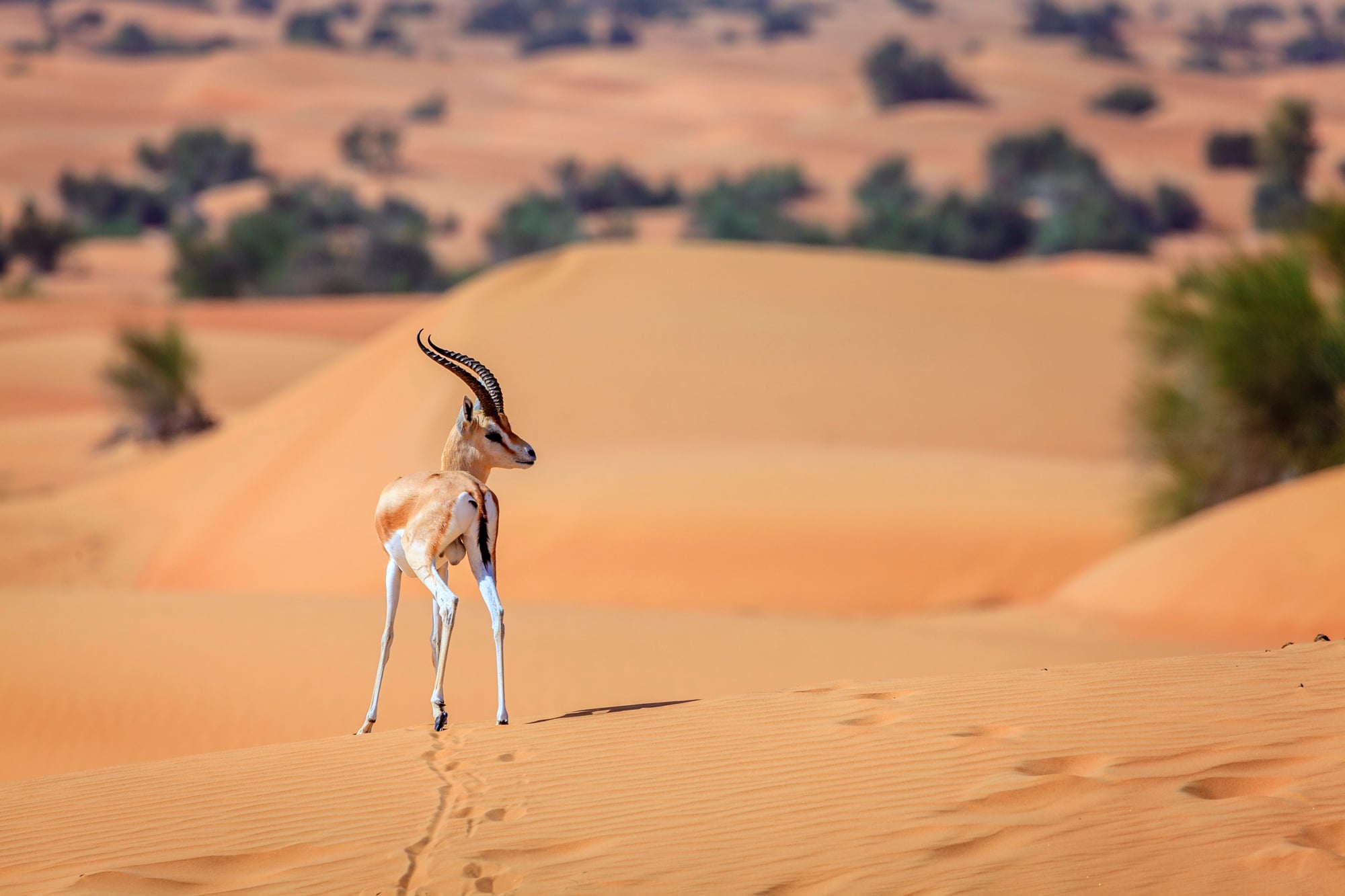
The Arabian gazelle, also called the sand gazelle in some contexts, was hunted to near extinction across the Arabian Peninsula due to excessive hunting and competition with livestock. Captive breeding and reintroduction programs led by Saudi wildlife authorities and international partners have established new populations in protected reserves.
Breeding centers manage four key threatened species including Arabian and sand gazelles, with successful reintroductions demonstrating how large-scale habitat restoration can support recovering populations in harsh desert environments.
Dama Gazelle
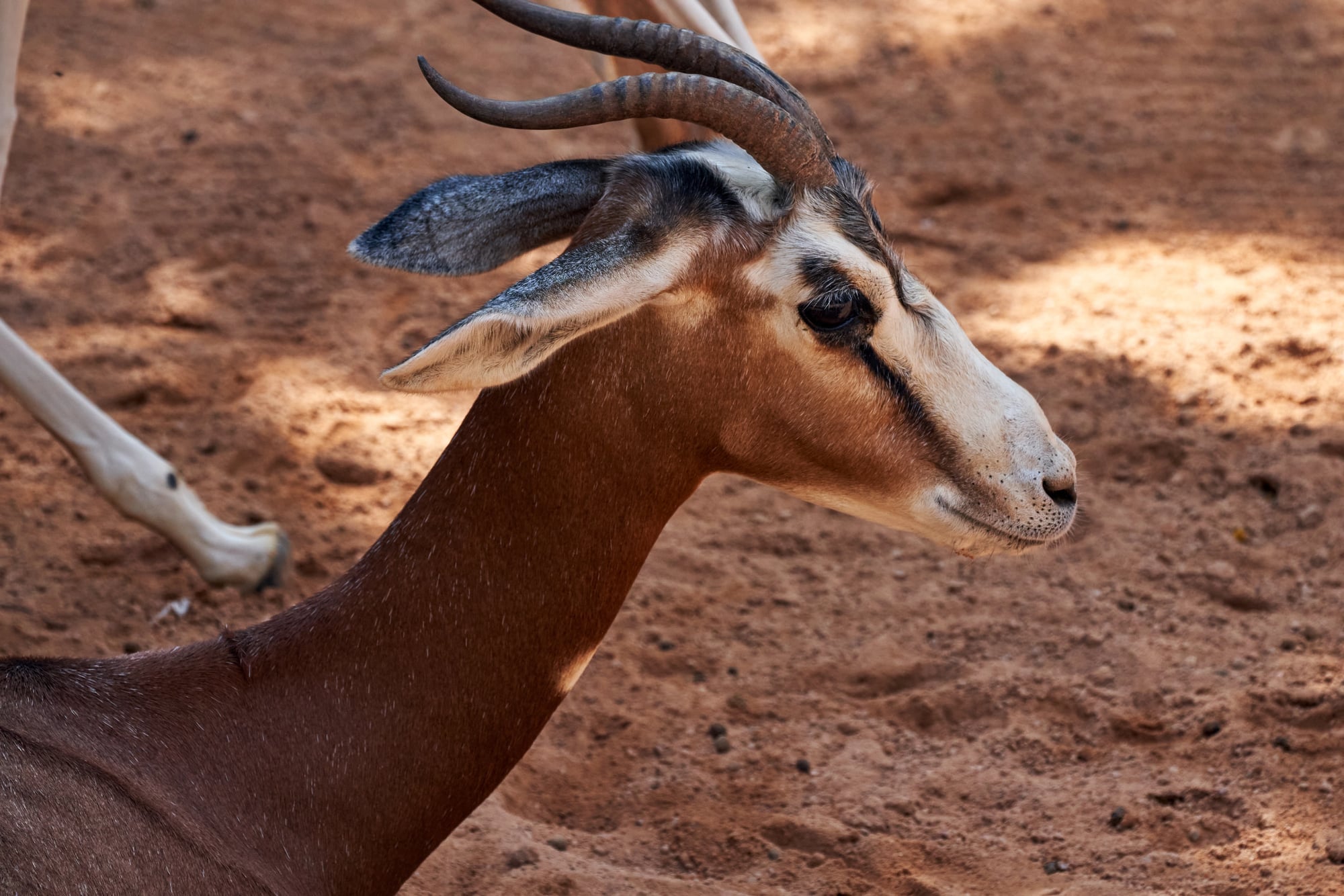
Once widespread across North Africa, the dama gazelle has declined to just a handful of individuals in the wild, with estimates suggesting fewer than 100 remain across their former Saharan range. A small population that was thought to be extinct in the wild in western Chad was discovered and captured for a captive breeding program, and individuals are being reintroduced into protected reserves in Chad and other nations.
The dama gazelle breeding and reintroduction effort is part of the broader Sahara Conservation initiative that coordinates recovery for multiple species sharing similar habitats and threats.
Whooping Crane
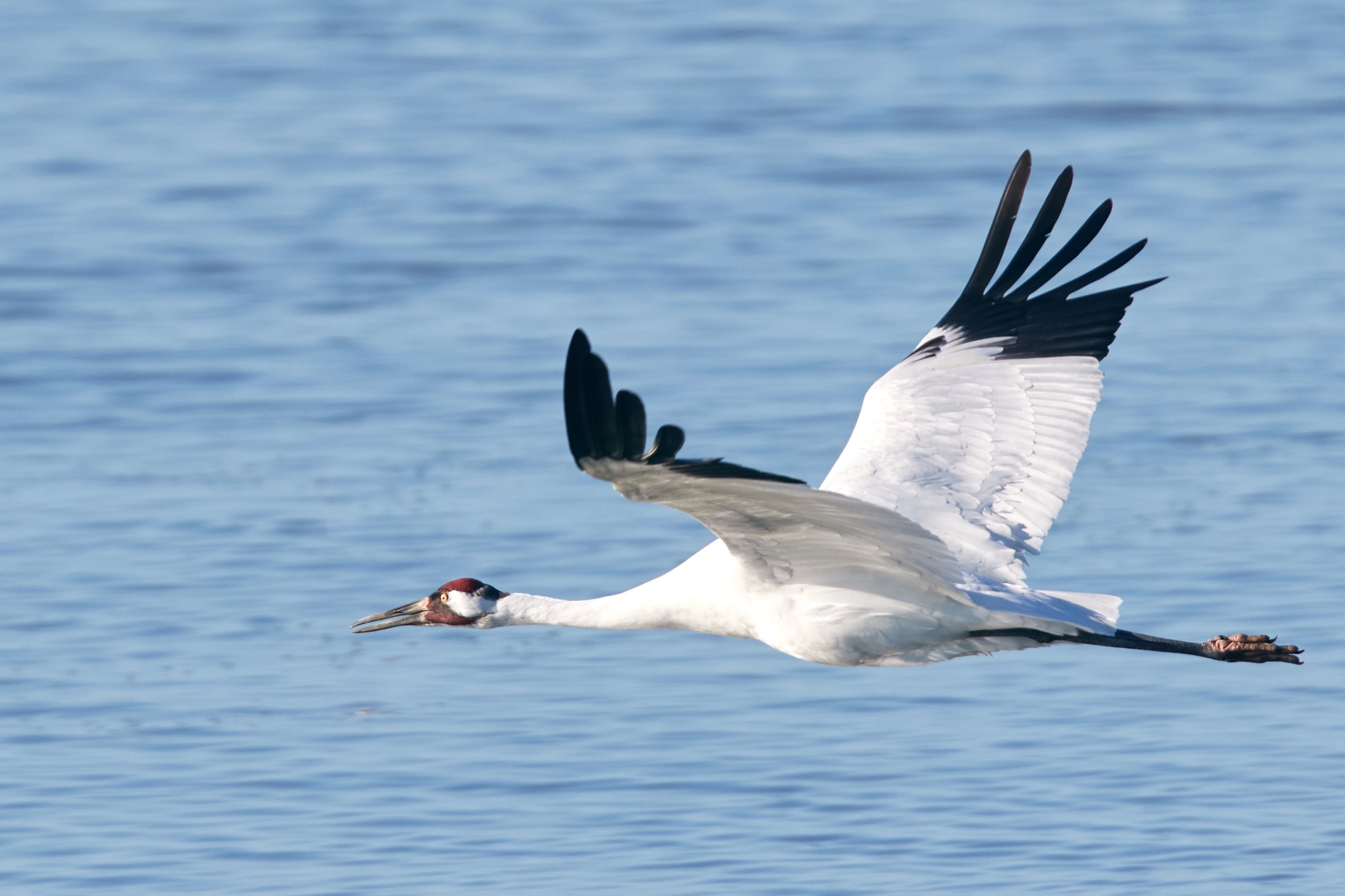
Once numbering in the thousands, whooping cranes were reduced to just 21 birds in 1941, making them one of the rarest birds in North America. A long-term captive breeding program beginning in 1966 at the Patuxent Wildlife Research Center and other institutions has produced hundreds of birds for reintroduction.
Today approximately 557 birds exist in the wild migratory population that breeds in northern Canada and winters in Texas, with additional reintroduced populations in Wisconsin, Florida, and Louisiana representing ongoing efforts to establish multiple self-sustaining populations.
Golden Lion Tamarin
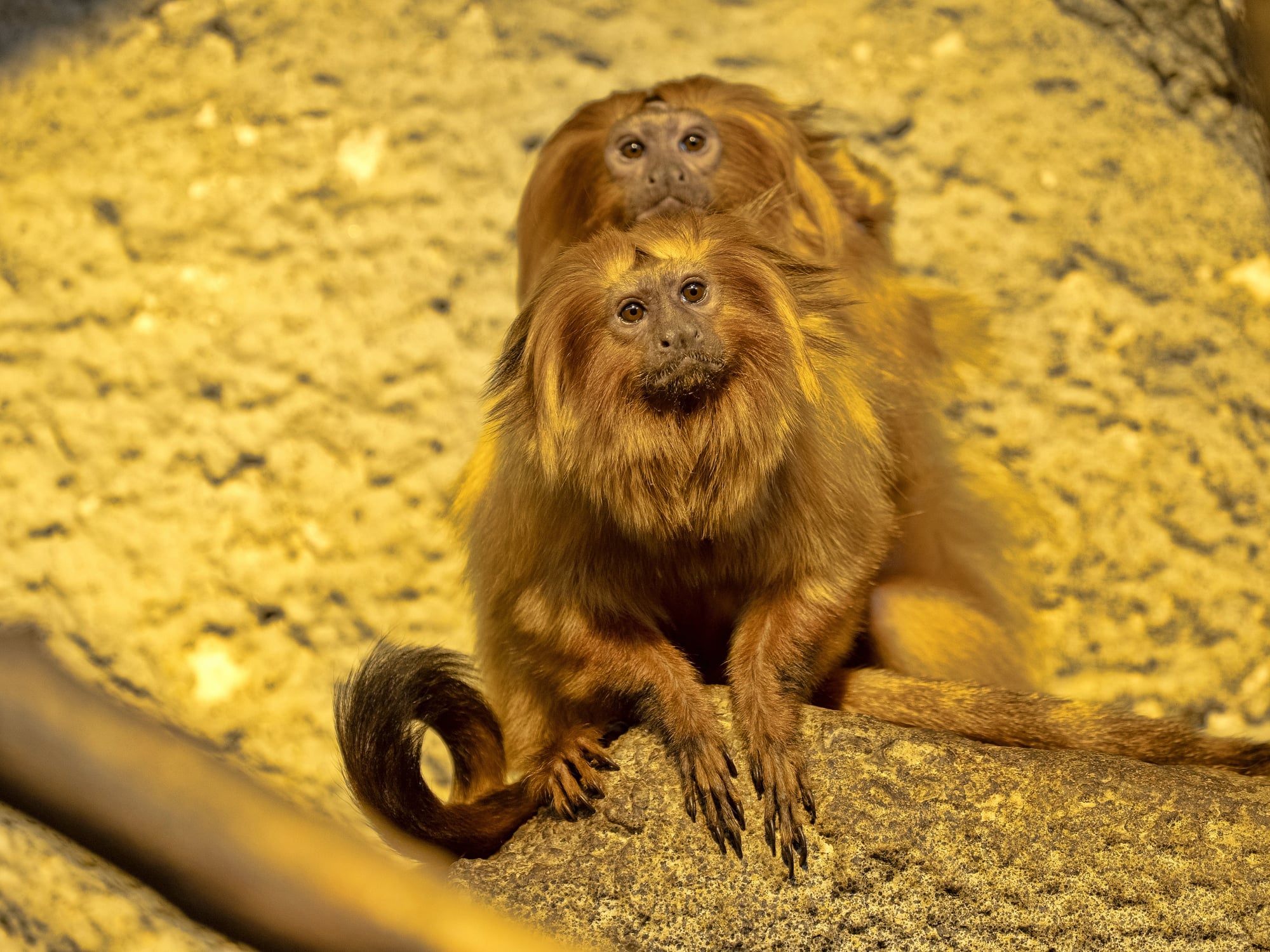
The golden lion tamarin of Brazil declined to fewer than 200 individuals in the wild due to rainforest habitat loss, becoming one of the world’s most endangered primates. An international captive breeding program and habitat protection efforts have rebuilt wild populations to several thousand individuals distributed across forest reserves in southeastern Brazil.
The species represents a model for integrating captive breeding with habitat restoration, as reintroduced tamarins require both the animals from breeding programs and the protected forests to survive and thrive.
From Brink to Future

These 27 species exist today because humans made different choices than previous generations of hunters, exploiters, and industrialists. Some recoveries happened quickly, within a generation.
Others will require monitoring and management for centuries. Several remain fragile, still dependent on active conservation, still vulnerable to new threats that humans may create or climate may impose.
But they are here. They breed.
They move through their restored habitats. They did not disappear.
That may seem like a modest achievement, but it represents something far larger: proof that deliberate, sustained effort can reverse extinction when it matters enough to try. For these 27 species, it mattered.
The question now is whether that commitment will extend to the thousands of other species whose extinction is still preventable, still within human control.
More from Go2Tutors!

- The Romanov Crown Jewels and Their Tragic Fate
- 13 Historical Mysteries That Science Still Can’t Solve
- Famous Hoaxes That Fooled the World for Years
- 15 Child Stars with Tragic Adult Lives
- 16 Famous Jewelry Pieces in History
Like Go2Tutors’s content? Follow us on MSN.