29 Drive-In Theaters from the ’60s That Entire Towns Organized Their Weekends Around
By the early 1960s, approximately 5,000 drive-in theaters dotted the American landscape, transforming Friday and Saturday nights into communal events that families planned their entire weeks around. These open-air cinemas were more than just places to watch movies—they were social institutions where teenagers discovered independence, parents found affordable entertainment, and small towns developed their own unique automotive culture.
What made them so embedded in the fabric of 1960s life was the combination of accessibility, affordability, and a freedom that traditional indoor theaters simply couldn’t offer.
The drive-in wasn’t just about the film itself. The experience included double and triple features, roadside concessions that rivaled full restaurants, playgrounds for children, and the simple luxury of watching movies from your own car without anyone telling you to be quiet.
By the mid-1960s, these venues had become so central to social life that an entire generation would base their weekends—and their dating lives—around what was showing at the local drive-in.
Johnny All-Weather Drive-In, Copiague, New York
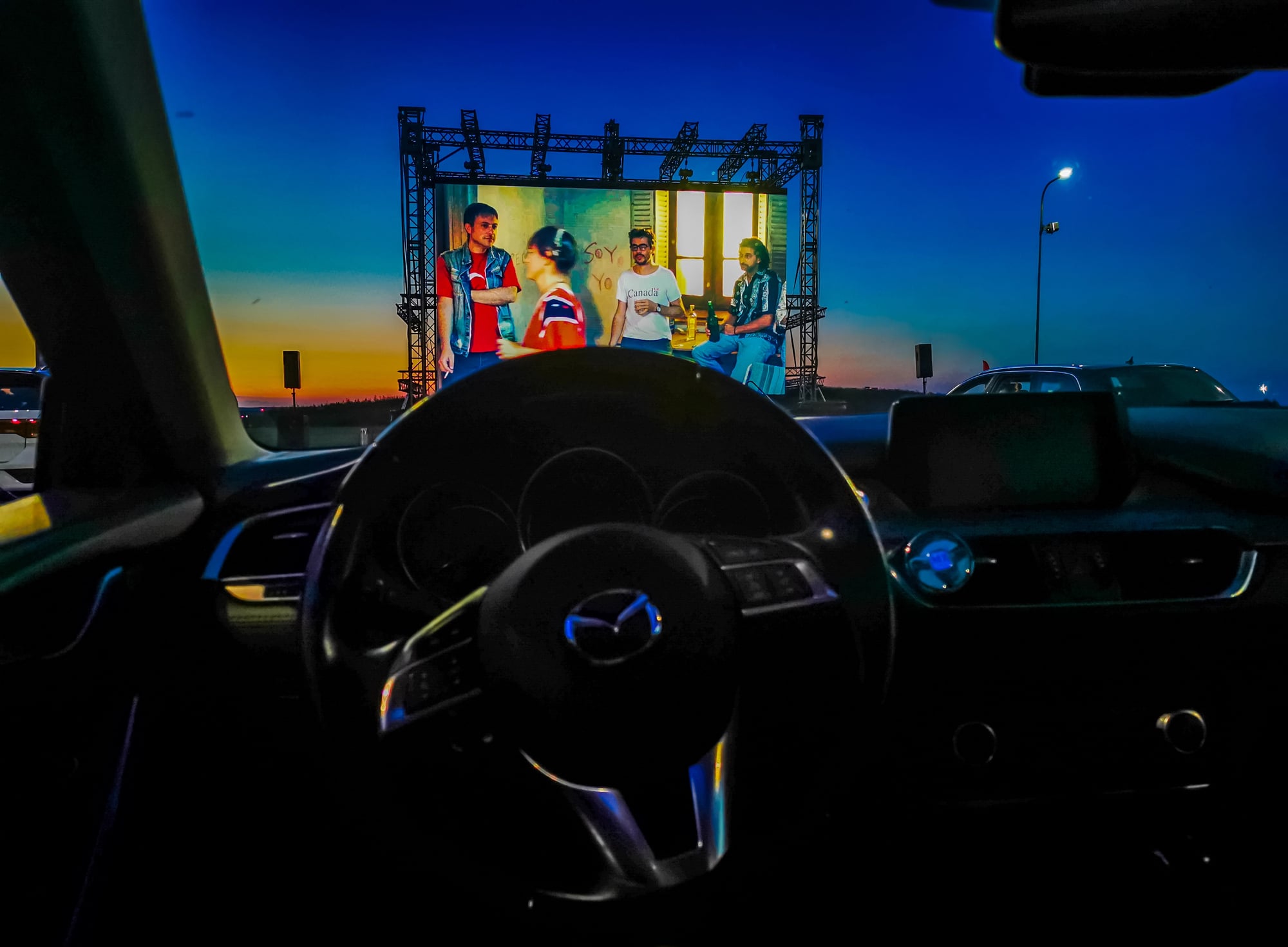
Opened in 1957 but thriving throughout the 1960s, this 28-acre Long Island landmark could accommodate 2,500 cars in its outdoor lot alone, with an additional 1,200-seat indoor theater running simultaneously. It featured an onboard tally-ho train that carried visitors around the massive property, a full-service cafeteria, playgrounds, and an amusement park.
The facility cost approximately one million dollars to build and represented the cutting edge of family entertainment technology, offering all-weather viewing when actual weather threatened to cancel outdoor plans.
Drive-In Fly-In Theatre, Asbury Park, New Jersey
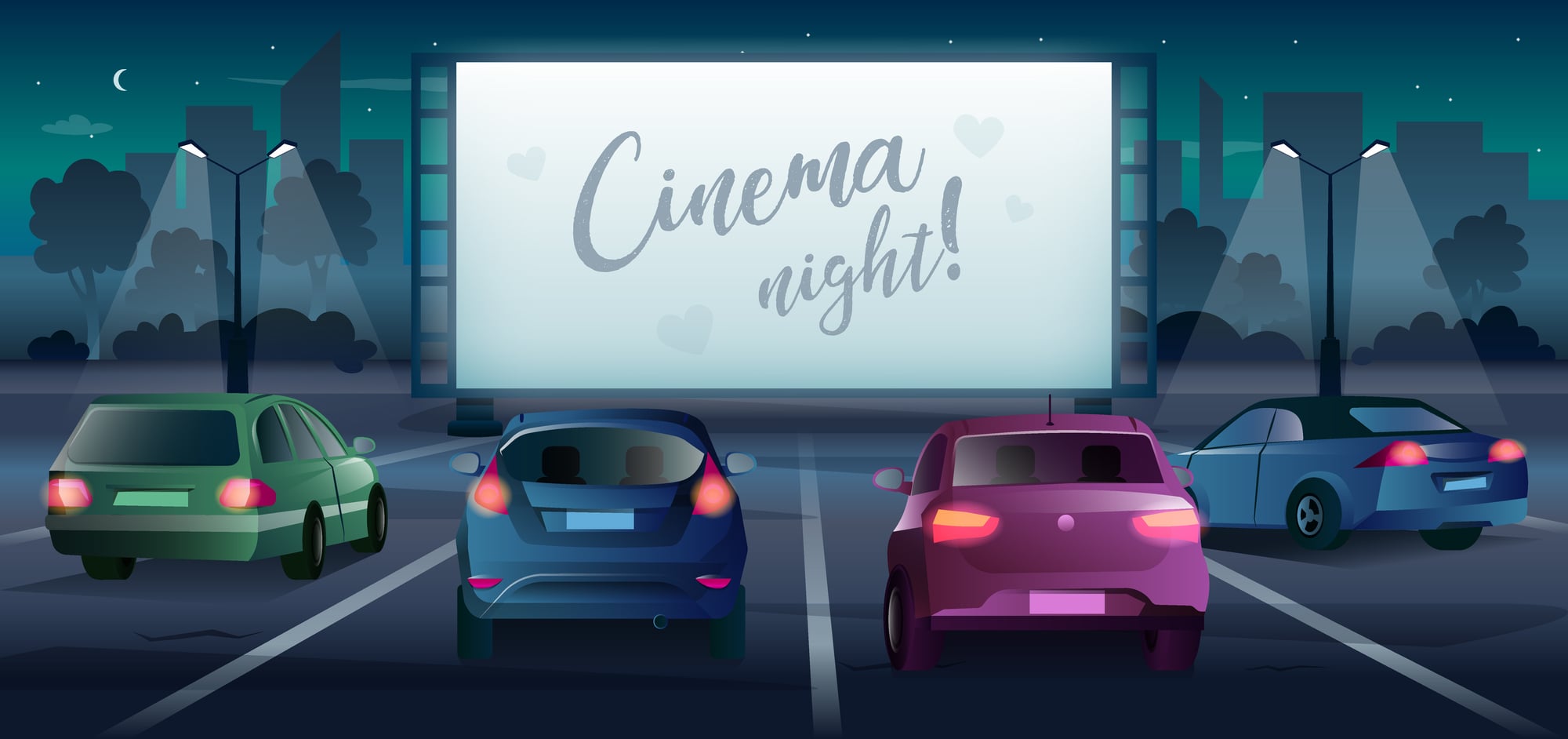
Operating from 1948 through the mid-1960s, this venue uniquely accommodated both automobiles and small aircraft. The theater had parking for 500 cars and an adjacent airfield where private plane owners could land and taxi their aircraft to the back rows, allowing pilots to watch movies without leaving their planes.
It remains one of the only known examples of a drive-in theater designed specifically for both ground and air transportation.
Mission Tiki Drive-In, Montclair, California
Established in 1956 and operating strongly through the 1960s, this venue became famous for its distinctive Polynesian aesthetic, complete with tiki hut-style ticket booths and concession stands. The theater featured a Maui statue garden that extended throughout the grounds, making it instantly recognizable from the highway and giving guests the sensation of vacationing in Hawaii while watching double features from their cars.
Bengies Drive-In Theatre, Middle River, Maryland
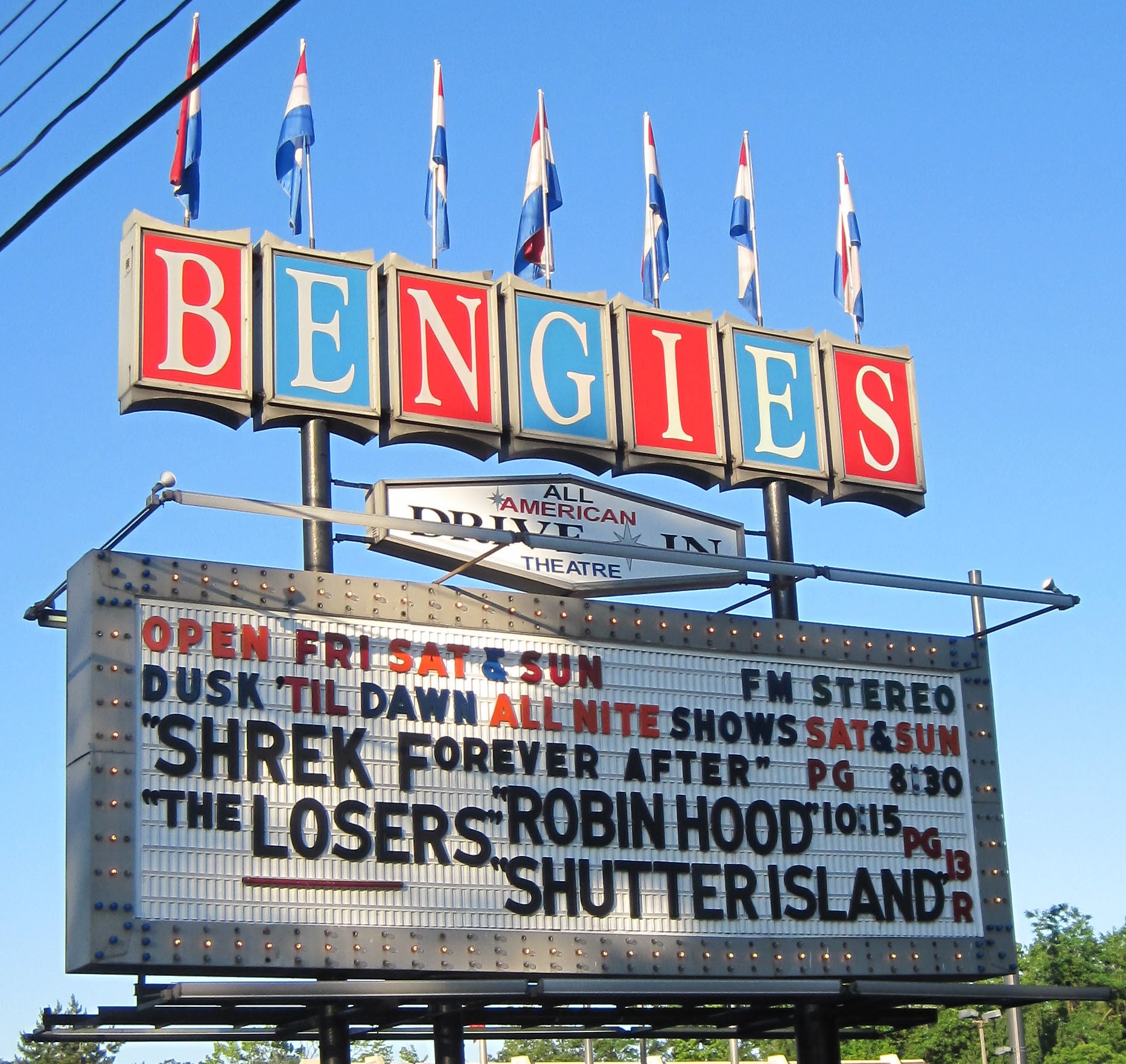
Opening in 1956 and becoming a regional institution by the 1960s, this family-oriented drive-in in the Baltimore area operated year-round, making it a destination for weekends across all seasons. It maintained programming that emphasized wholesome family entertainment and grew to become one of the oldest continuously operating drive-ins in the United States.
Moonlite Theatre, Abingdon, Virginia
This drive-in opened in 1949 and by the 1960s had become the social hub of Abingdon, where Friday night trips to the Moonlite were as automatic for teenagers as Friday night football games. The venue featured classic drive-in amenities and became so embedded in local culture that its programming schedule determined what families planned for their weekends.
Finger Lakes Drive-In, Auburn, New York
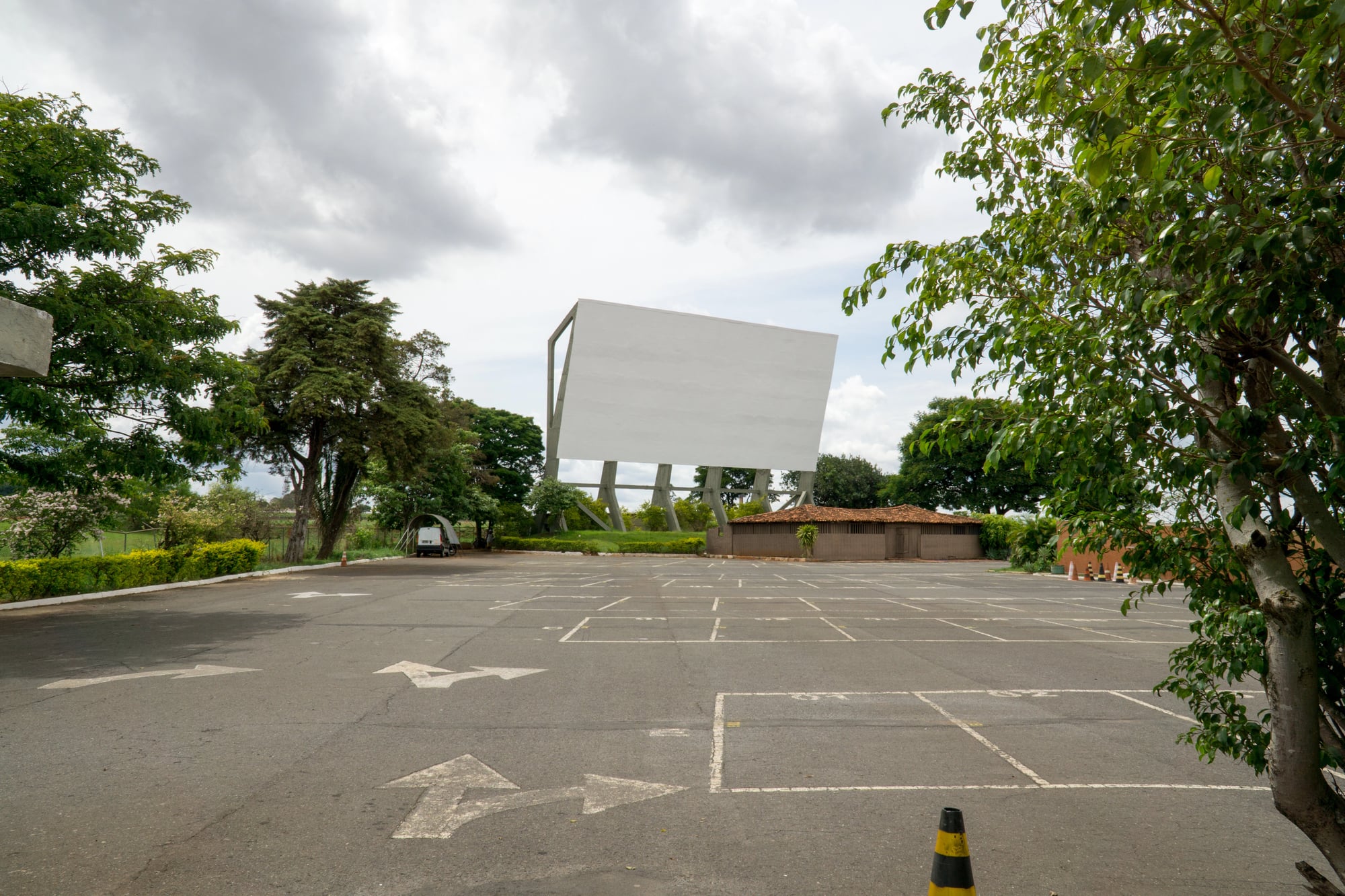
Established in 1947 and running strong through the 1960s, this drive-in featured distinctive marquee signage that became a landmark for travelers on Route 20. The theater catered to regional audiences from across central New York and became known for updating its marquee with new pop culture references, keeping it relevant to younger audiences throughout the decade.
Skyline Drive-In, Barstow, California
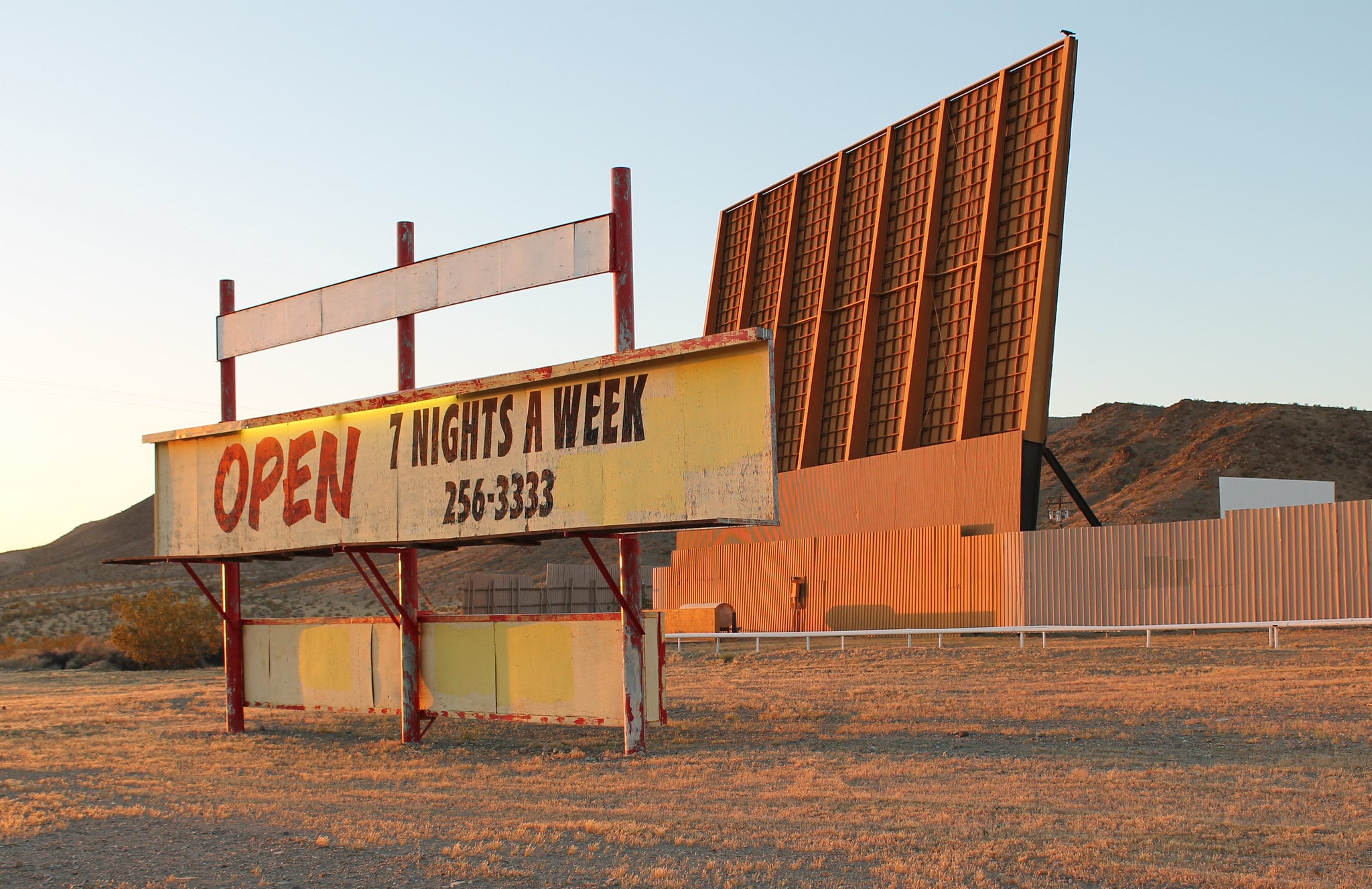
Operating continuously from the 1950s through the 1960s and beyond, this Route 66 landmark had parking on Barstow’s Main Street, which was itself a segment of the legendary highway. The Skyline became a predictable stop for cross-country travelers and a regular weekend destination for residents of the High Desert region.
Lakewood Drive-In Theatre, Lakewood, California

This Southern California venue operated prominently during the 1960s as one of many drive-ins in the Los Angeles metropolitan area. Like many California drive-ins, it catered to the car-centered culture of suburban development, making it as much a part of the weekend routine as going to the beach or the mall.
Mahoning Drive-In Theater, Lehighton, Pennsylvania
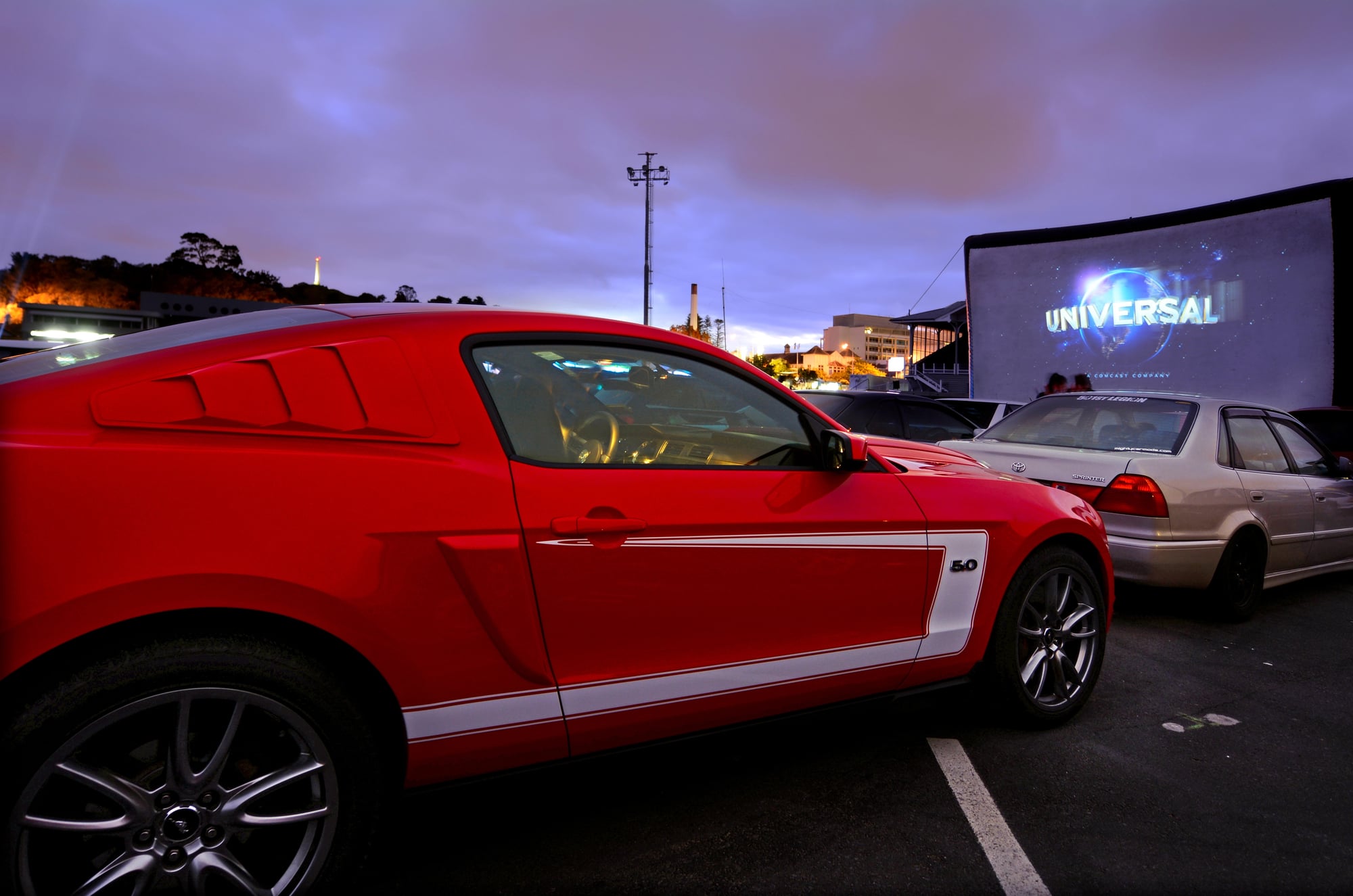
Opening in 1949 and thriving during the 1960s, this Pennsylvania venue became central to weekend social life in the Pocono Mountains region. The drive-in drew families and couples from multiple surrounding counties, making it a gathering place that defined how entire communities organized their recreational time.
Mesa Drive-In, Pueblo, Colorado

Established in 1951, this drive-in was already a regional fixture by the early 1960s, offering dramatic views of Pueblo’s industrial landscape and the surrounding plains. The theater became a staple for families in southern Colorado and northern New Mexico, anchoring the weekend entertainment plans for thousands of residents.
Mendon Twin Drive-In, Mendon, Massachusetts
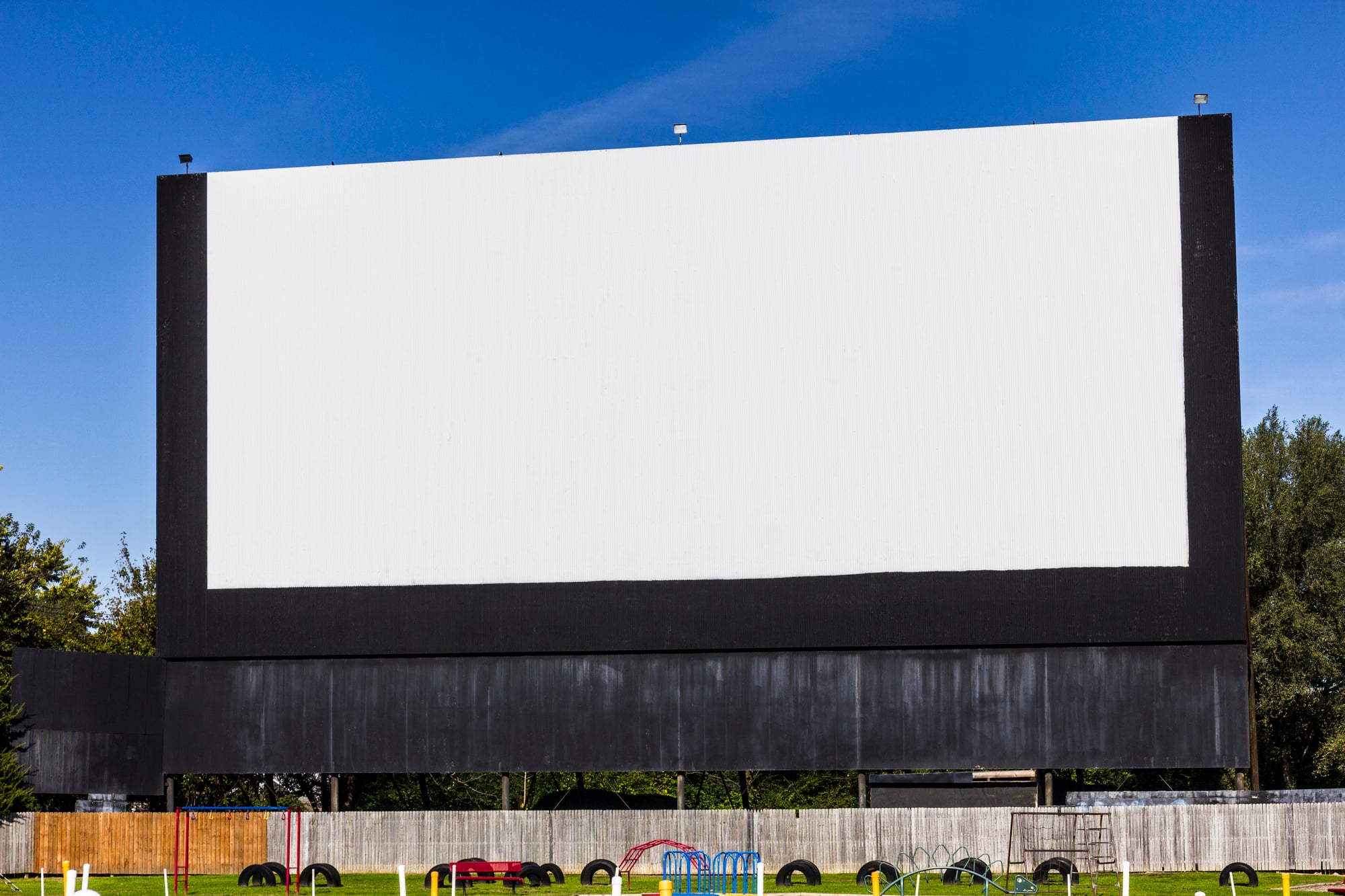
Opening in 1954, this New England venue had two screens operating by the 1960s, allowing the theater to show different films simultaneously and capture audiences who couldn’t agree on which movie to see. The dual-screen concept became increasingly popular throughout the decade as operators sought to maximize capacity and attract more diverse audiences.
Historic Route 11 Drive-In Theatre, Stephens City, Virginia
Opened in 1956 and operating throughout the 1960s, this theater became a must-stop attraction for travelers heading south on U.S. Route 11. The venue represented the integration of drive-in culture into the larger American road-trip experience, where stopping at the local drive-in became as automatic as getting gas.
Rubidoux Drive-In Theater, Riverside, California
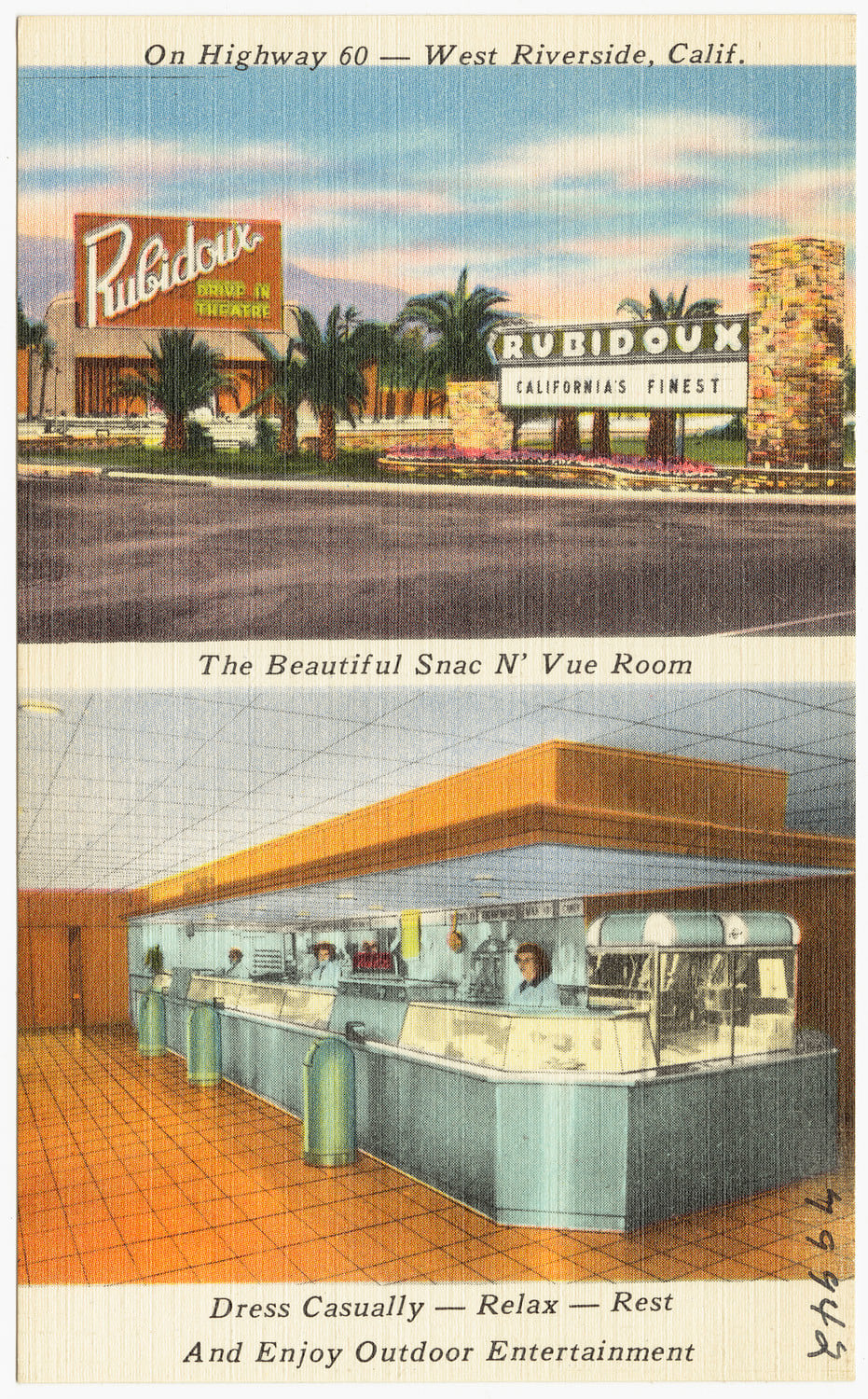
This venue maintained its original 1948 screen tower throughout the 1960s and remained a working drive-in that served the growing Riverside metropolitan area. The theater’s persistence through technological changes and the rise of multiplex cinemas made it an anchor of consistency in an increasingly changing entertainment landscape.
Hull’s Drive-In, Lexington, Virginia
Operating continuously since 1950 through the 1960s, this Blue Ridge region venue became embedded in local wedding proposals, first dates, and family traditions. Like many successful drive-ins, Hull’s survived by treating itself as a community gathering place rather than just a commercial transaction.
66 Drive-In, Carthage, Missouri
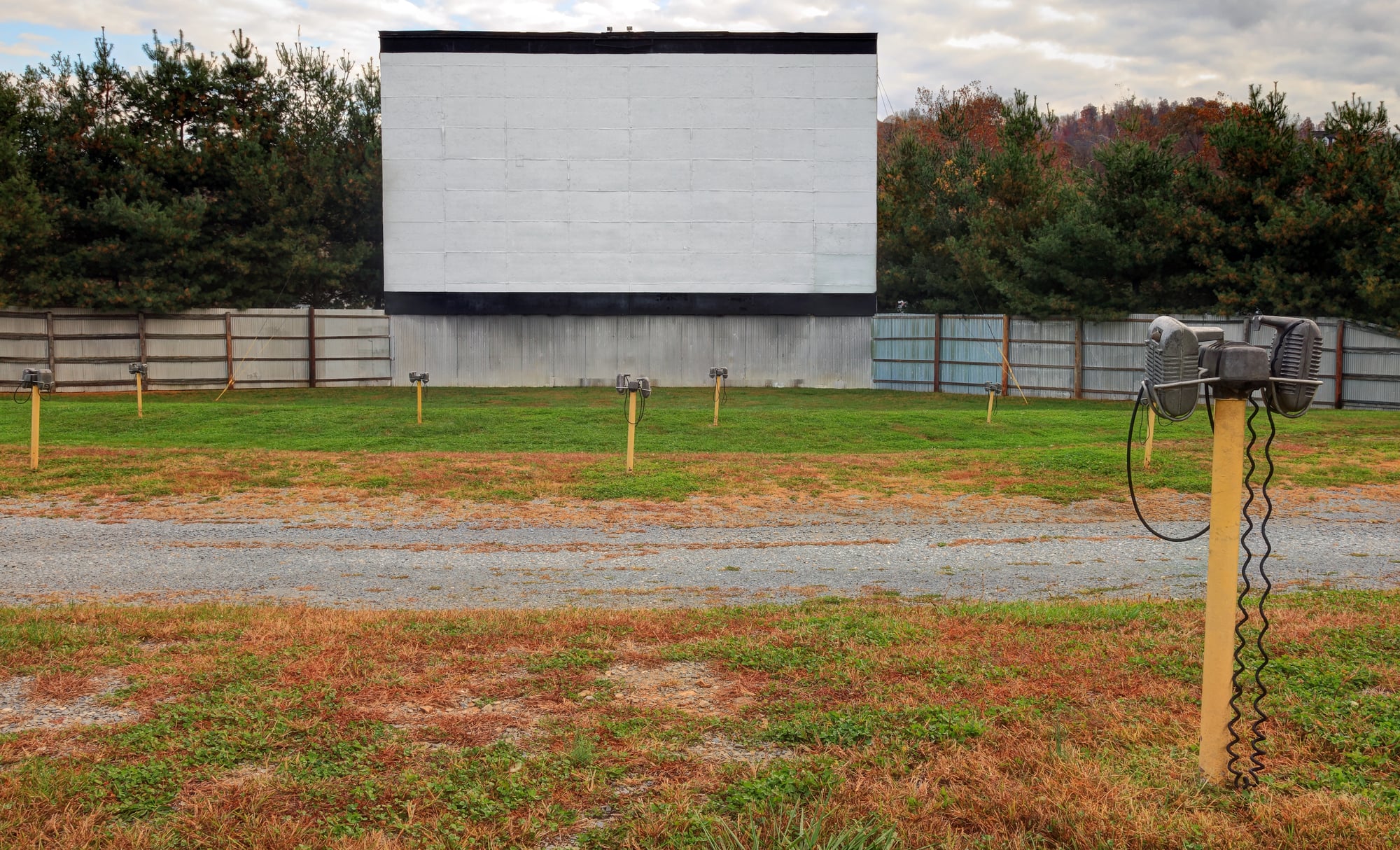
Opened in 1949 on Route 66, this drive-in became famous among cross-country travelers for its iconic signage and midway position on America’s most famous highway. The venue represented the drive-in as a travel destination itself, not merely a place to stop while passing through.
Skyline Drive-In Theater, Shelton, Washington
Opened in 1964 and featuring “Lady and the Tramp” and “Billy Budd” on its opening night, this late-decade theater still captured the excitement of drive-in culture at its peak, drawing families and couples despite the medium’s beginning decline in popularity.
Rodeo Drive-In Theater, Bremerton, Washington
Originally called Rodeo Motor Movies and built in 1949 as part of the United Drive-Ins chain, this venue claimed to be the largest outdoor theater complex north of California. Its size and scale made it a destination that drew audiences from across the Pacific Northwest.
Metro Drive-In, Denver, Colorado

This metropolitan drive-in served Denver’s expanding suburban areas throughout the 1960s, accommodating the car-centric growth pattern that defined post-war American cities. The venue offered an escape from increasingly crowded indoor cinemas while maintaining access to first-run films.
Airline Drive-In, Houston, Texas
Documented in photographs from the 1970s but established earlier in the decade, this Houston drive-in served one of Texas’s largest metropolitan areas and became a weekend fixture for families in the sprawling city’s numerous suburbs.
Cherry Bowl Drive-In Theatre, Honor, Michigan
Opening in 1953 and operating through the 1960s, this venue served the resort areas of northern Michigan, becoming a traditional stop for families vacationing in the region. The drive-in became woven into the summer vacation experience for generations of Midwest families.
Cumberland Drive-In, Newville, Pennsylvania
Established in 1952, this Cumberland Valley drive-in served rural Pennsylvania and became a Saturday night institution where multiple generations of families returned year after year. The consistency of the venue made it a reliable anchor in community social life.
Midway Drive-In, Sterling, Illinois
Opening in 1950 and thriving during the 1960s, this central Illinois venue served both rural and small-town audiences across a wide agricultural region. The drive-in represented one of the few entertainment options available in areas distant from major metropolitan centers.
Midway Drive-In, Ravenna, Ohio
Established in 1955, this Ohio venue became central to weekend entertainment in northeast Ohio, offering a gathering place for teenagers and a family outing option that became deeply embedded in local culture.
King Drive-In, Russellville, Alabama
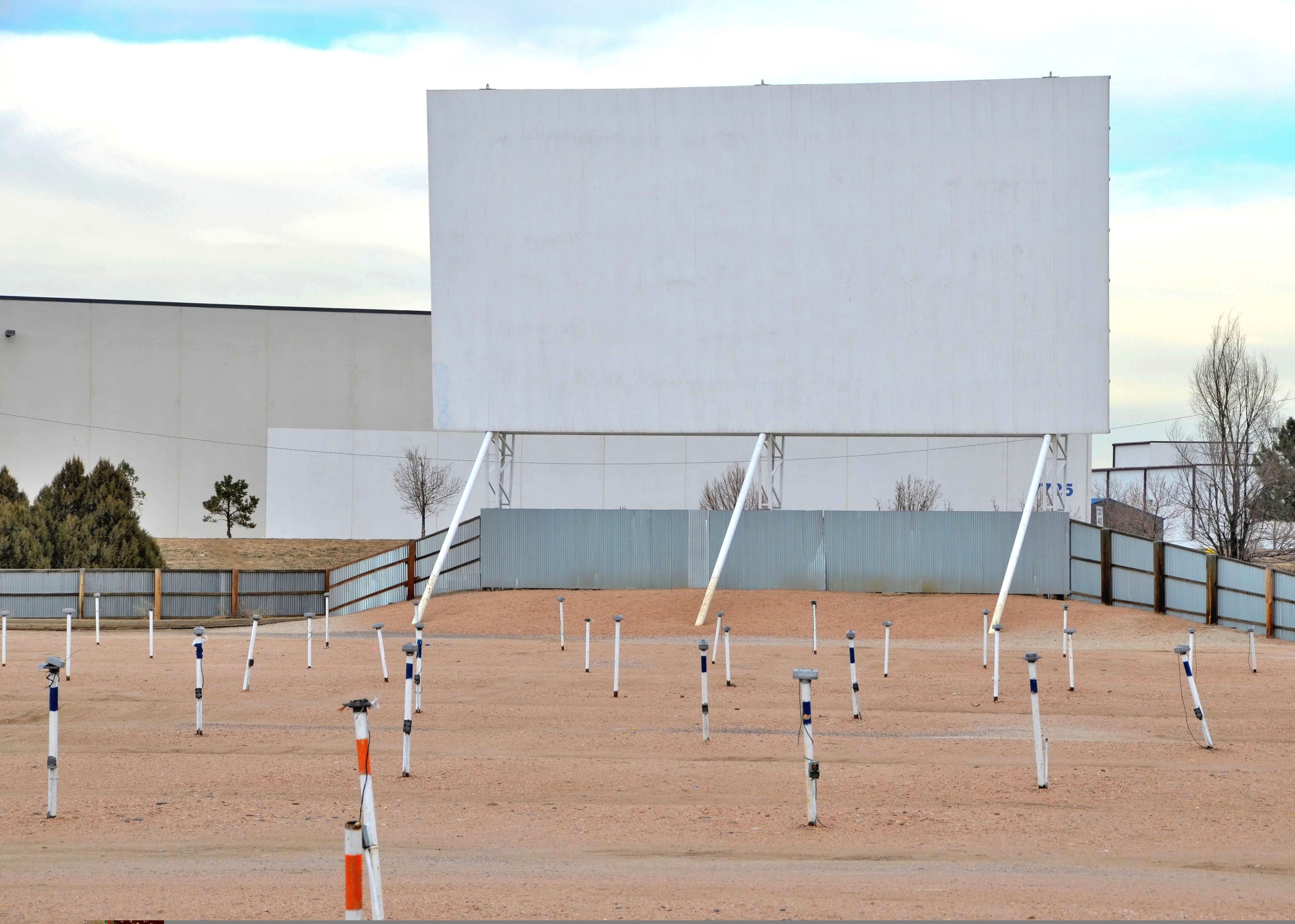
Operating since 1949, this Alabama drive-in had already become a regional institution by the 1960s, drawing audiences from across north-central Alabama. The venue represented how drive-ins served entire regions, not just the immediate towns they occupied.
Kanopolis Drive-In Theatre, Kanopolis, Kansas

Established in 1952, this western Kansas venue served rural audiences across a sparse but culturally cohesive region, becoming the primary entertainment destination for families within a large service area.
Snack-N-Vue Bar
Referenced in period advertising materials, certain drive-ins featured specially named concession stands like the Snack-N-Vue Bar, which became beloved gathering places where the concession experience rivaled the movie itself. These branded concession areas gave drive-ins individual personalities that encouraged repeat visits.
Din-A-Peek Restaurant
Similar to other ultra-modern concession operations, some upscale 1960s drive-ins featured full restaurants with names like Din-A-Peek, offering complete meals rather than simple snacks. These venues positioned themselves as destination restaurants as much as movie theaters, changing the entire economic and social model of the drive-in experience.
Fort Lauderdale Swap Shop, Fort Lauderdale, Florida
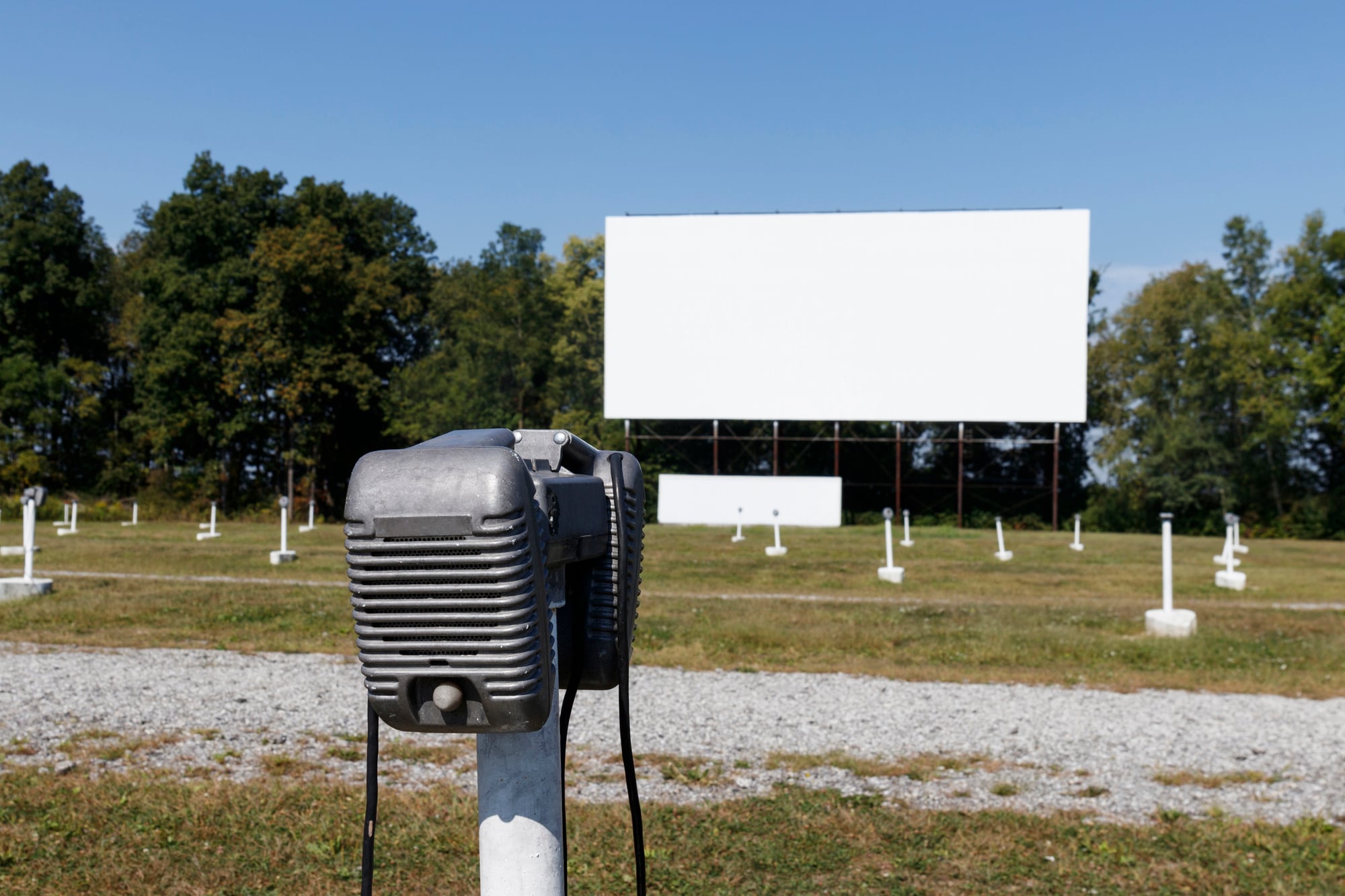
Opened in 1963 with 14 screens, this massive Florida operation represented the late-decade push toward larger, more ambitious drive-in complexes. The sheer scale demonstrated how aggressively the industry was still trying to expand even as demographic and technological shifts were beginning to undermine the drive-in’s dominance.
Valley Drive-In, Suburban Regions Nationwide
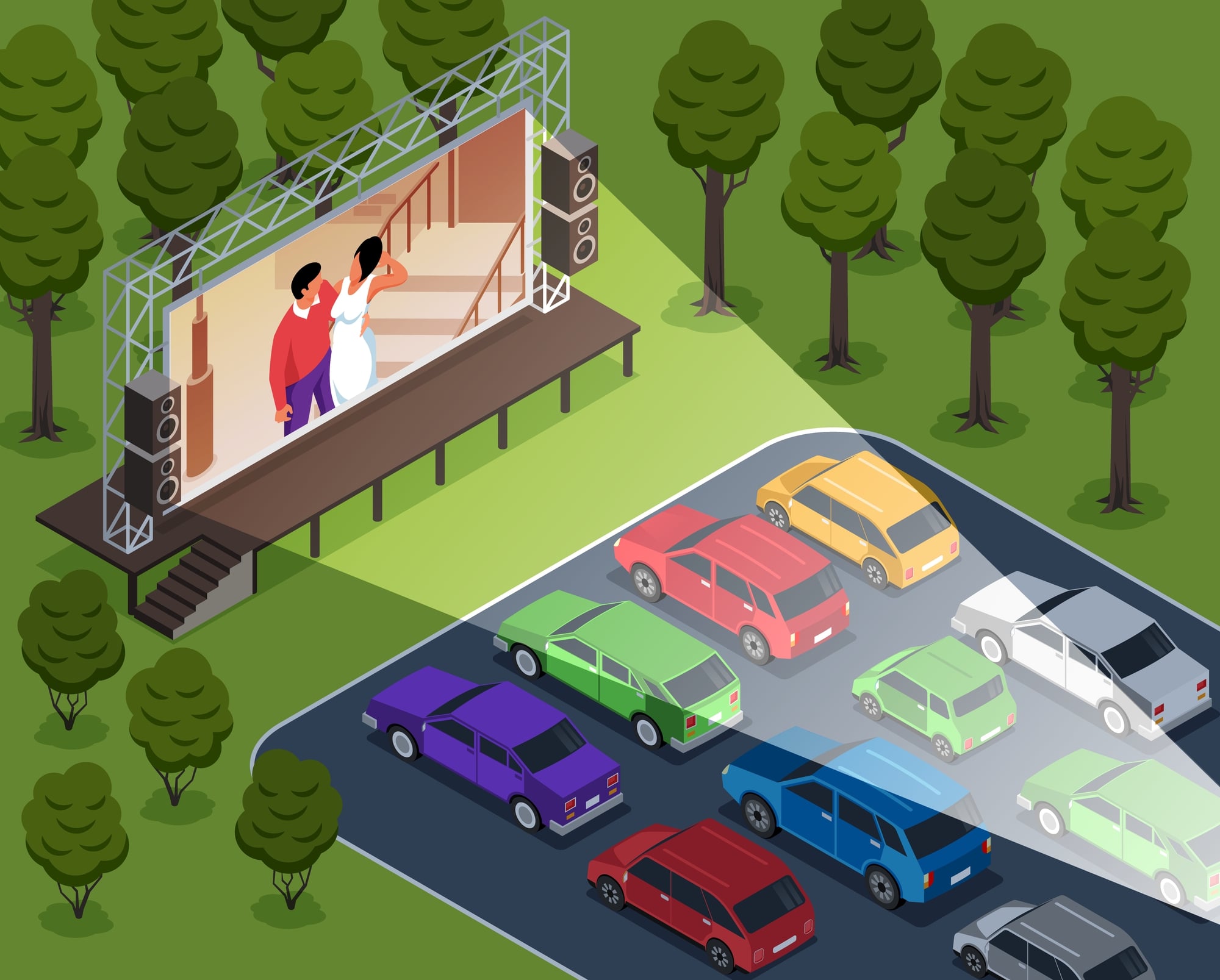
Throughout the 1960s, countless unnamed or now-forgotten drive-ins operated in suburban areas across America, each one serving as the default weekend entertainment venue for communities too small to support multiple options. These theaters, collectively, may have handled more moviegoers than the famous named locations, representing the democratization of cinema that the drive-in achieved.
Back to the Drive-In: How Complete Weekends Were Built Around 25-Cent Admissions
The reason entire towns organized their weekends around drive-ins wasn’t complicated: there were no better options. By the 1960s, families could load up the car, pay per carload rather than per person, bring their own snacks, and watch two or three movies for less than the cost of a single indoor ticket.
Parents appreciated that children could move around without disturbing strangers; teenagers appreciated the privacy and lack of adult supervision; couples appreciated the legitimate excuse to spend hours together in a car parked in a darkened lot.
What the drive-in ultimately represented was a brief window in American history when technology, economics, and culture aligned perfectly to create something genuinely communal. These weren’t solitary entertainment experiences—they were visible social events where parking lots filled with entire families, date nights, friend groups, and lone moviegoers creating an open-air cinema experience that no indoor theater could replicate.
By the 1970s, cheaper home entertainment, rising land values, and changing suburban development patterns would make most of these venues economically unsustainable. But for one perfect decade, the drive-in was everything American entertainment could be.
More from Go2Tutors!

- The Romanov Crown Jewels and Their Tragic Fate
- 13 Historical Mysteries That Science Still Can’t Solve
- Famous Hoaxes That Fooled the World for Years
- 15 Child Stars with Tragic Adult Lives
- 16 Famous Jewelry Pieces in History
Like Go2Tutors’s content? Follow us on MSN.