Most Heavily Fortified Buildings in Washington, DC
Walking through Washington, DC feels like navigating a city where paranoia and power intersect at every corner. Behind the monuments and marble facades, security operates on levels that would make other cities envious.
Some buildings announce their fortifications with concrete barriers and armed guards, while others hide their defenses behind architectural elegance. The nation’s capital doesn’t just house government — it armors it.
The White House
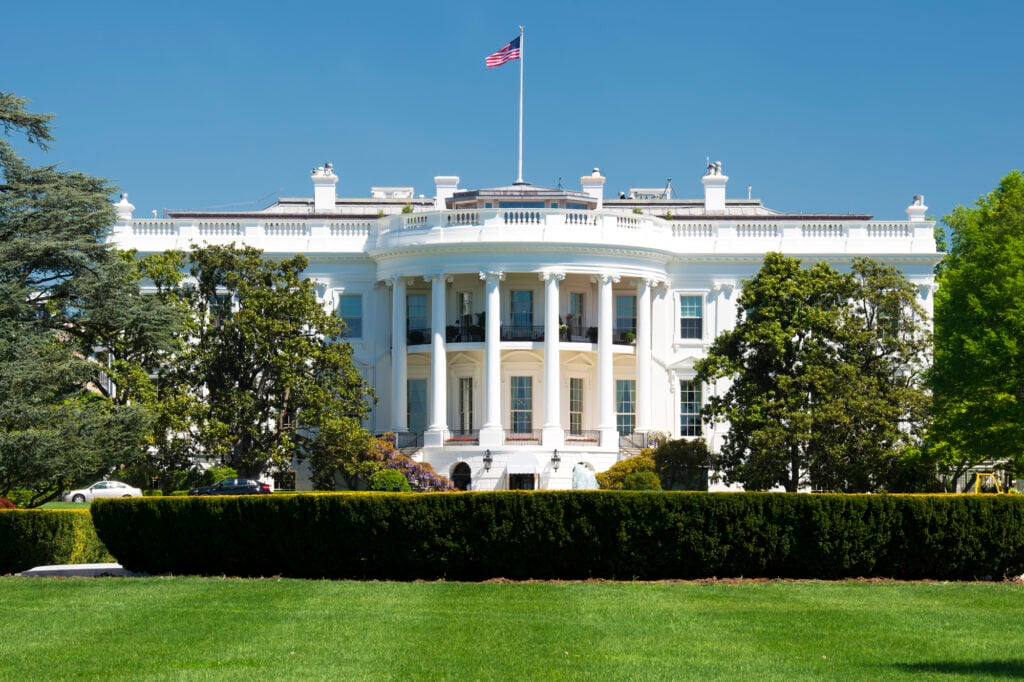
The White House doesn’t mess around. Steel barriers that can stop trucks, snipers on the roof, and a perimeter that extends farther than most people realize.
The Secret Service has turned 1600 Pennsylvania Avenue into a fortress that still has to look welcoming on television.
United States Capitol Building
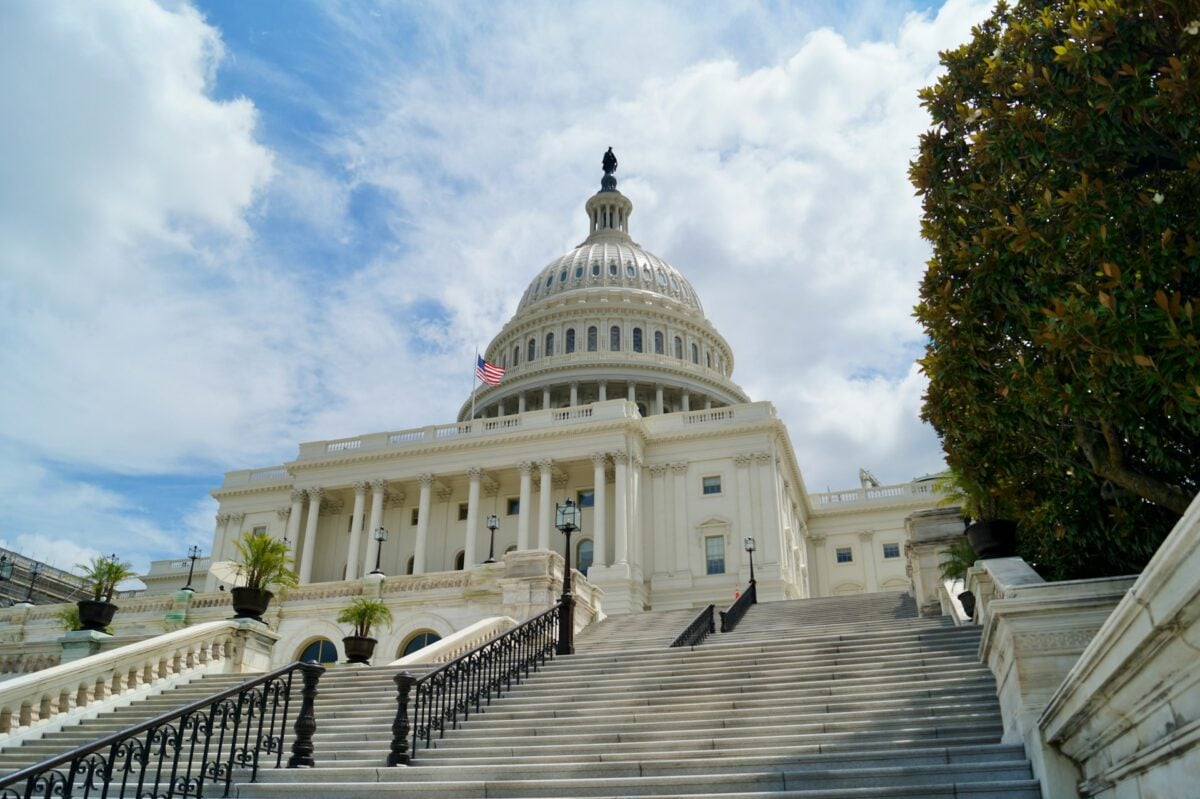
Think of the Capitol as a building that learned hard lessons, then spent billions making sure it never learns them again. The January 6th attack wasn’t just a political crisis (though it certainly was that) — it was a wake-up call that prompted security upgrades most visitors will never see, because the best fortifications are the ones that remain invisible until someone tests them.
And yet, the building still has to function as a working legislature where hundreds of people come and go daily, which creates the kind of security puzzle that keeps professionals awake at night thinking through scenarios.
The underground tunnel systems alone would impress anyone familiar with defensive architecture. But that’s just the beginning.
Pentagon

Steel and concrete wrapped around the world’s most sensitive military secrets — the Pentagon carries itself with the confidence of a building that knows exactly what it’s protecting. The structure survived a direct terrorist attack and emerged more determined than before.
Five-sided, five stories, and surrounded by enough defensive measures to make enemies reconsider their life choices.
Supreme Court Building
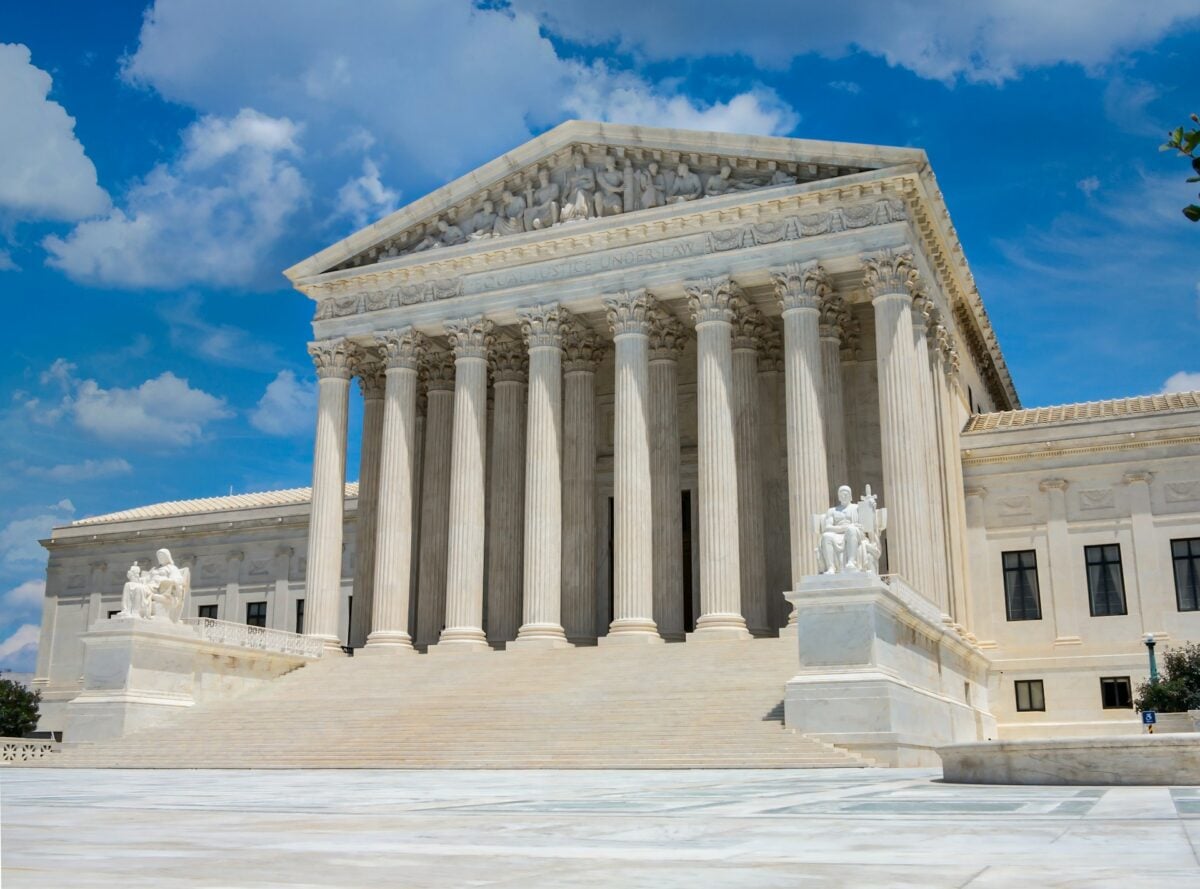
The highest court in the land sits behind defenses that reflect its role as the final word on American law. Bronze doors that weigh 13 tons in total aren’t just architectural statements — they’re barriers that could withstand serious attempts at forced entry.
The building learned from threats against justices and adjusted accordingly.
Federal Bureau of Investigation Headquarters
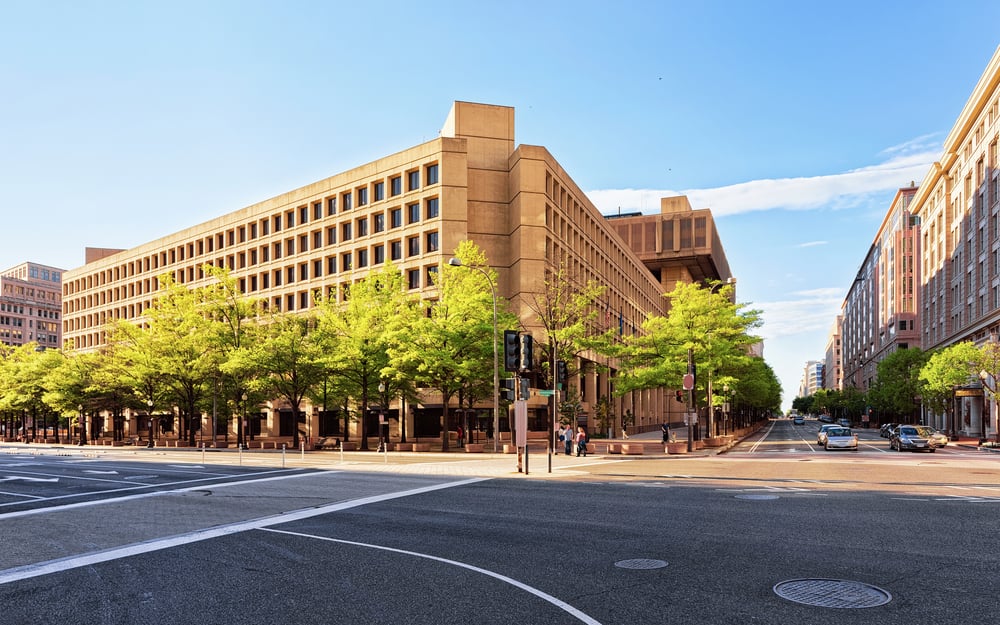
Brutalist architecture has always looked like it was designed by people who took threats seriously, and the J. Edgar Hoover Building embodies this principle so completely that it makes other government buildings look almost casual by comparison.
The concrete facade doesn’t just house federal agents (though it certainly does that) — it announces that this is where the country keeps its investigators, and anyone with business here had better come prepared to explain themselves thoroughly. So the building sits there, gray and imposing, like a filing cabinet designed by someone who expected it to survive a war.
The parking garage alone requires clearance levels that most federal employees don’t possess. The upper floors remain classified in ways that make visitors wonder what exactly happens there.
Treasury Building
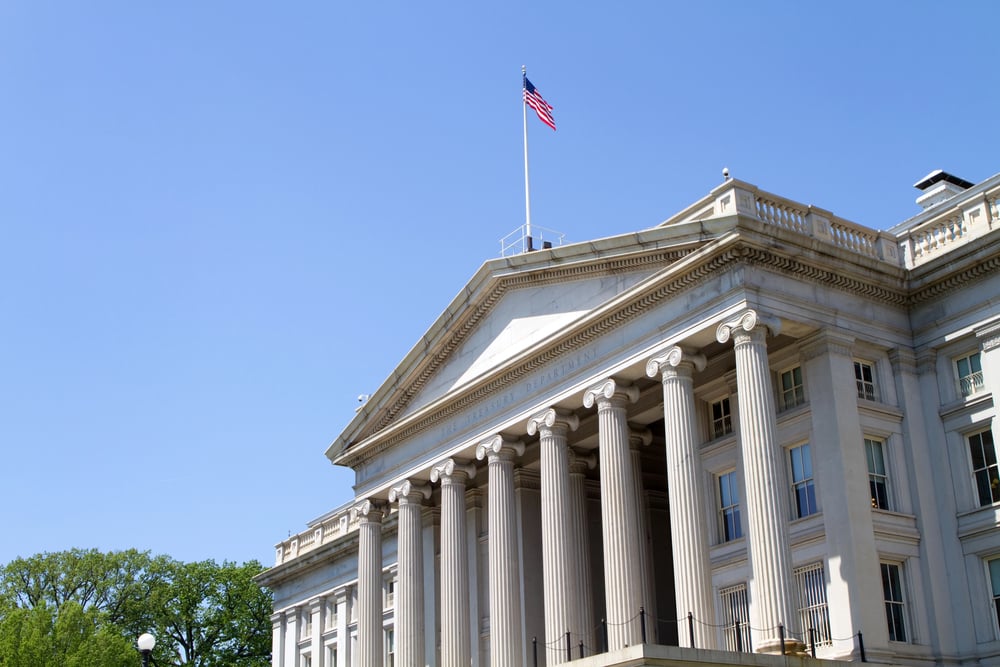
Money changes everything about security, and the Treasury Building understands this in ways that go deeper than surface-level precautions. The vaults weren’t just built to store currency — they were engineered to survive scenarios that would flatten other structures.
Like a bank that happens to influence global economics, the building protects assets that most people can only imagine in abstract terms.
Department of Defense
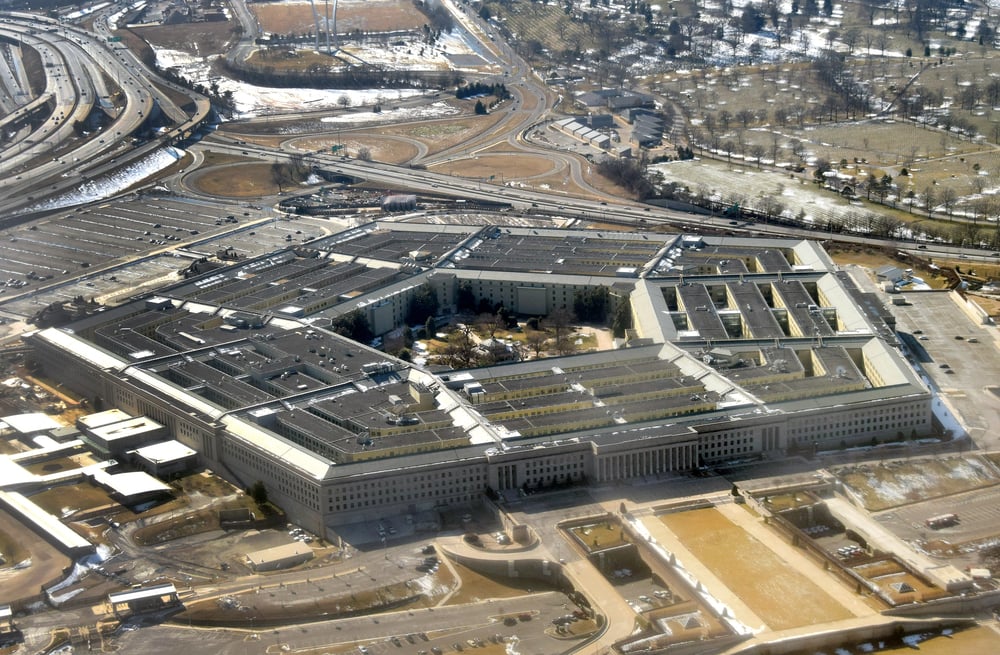
The nerve center for American military operations worldwide doesn’t advertise its defensive capabilities, which makes sense when dealing with information that could shift the balance of international power. Layers of security extend outward from the building like concentric circles, each one designed to stop different types of threats.
The architecture itself seems designed to discourage curiosity.
CIA Headquarters (Langley)

Langley exists in that strange space where everyone knows where it is, but nobody talks about what goes on there. The Central Intelligence Agency’s headquarters in Virginia (technically outside DC, but close enough to matter) operates with security protocols that make other agencies look relaxed.
Visitors need escorts, employees undergo polygraphs, and the parking lots require clearances.
The building houses America’s intelligence operations, which means it protects secrets that could embarrass allies, compromise operations, or shift diplomatic relationships. That level of responsibility demands security measures that go well beyond what most people consider necessary.
United States Mint
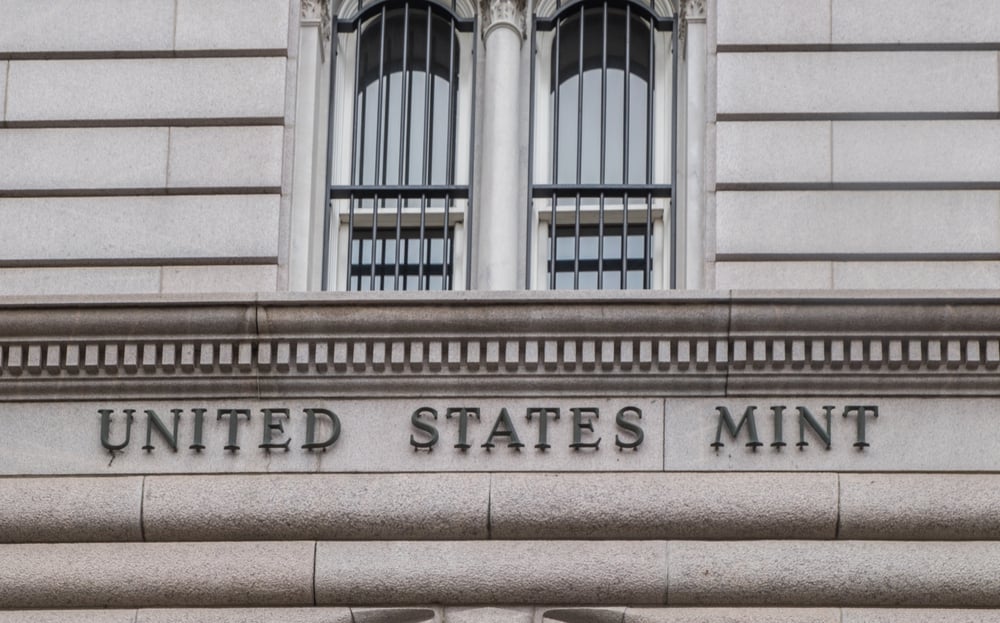
Precious metals require their own category of protection, and the Bureau of Engraving and Printing facility approaches security with the seriousness of an institution that literally makes money. Armed guards, reinforced vaults, and detection systems that monitor everything from vibrations to temperature changes.
The building doesn’t just store currency — it produces it, which creates unique vulnerabilities that require creative solutions.
Department of Homeland Security Headquarters
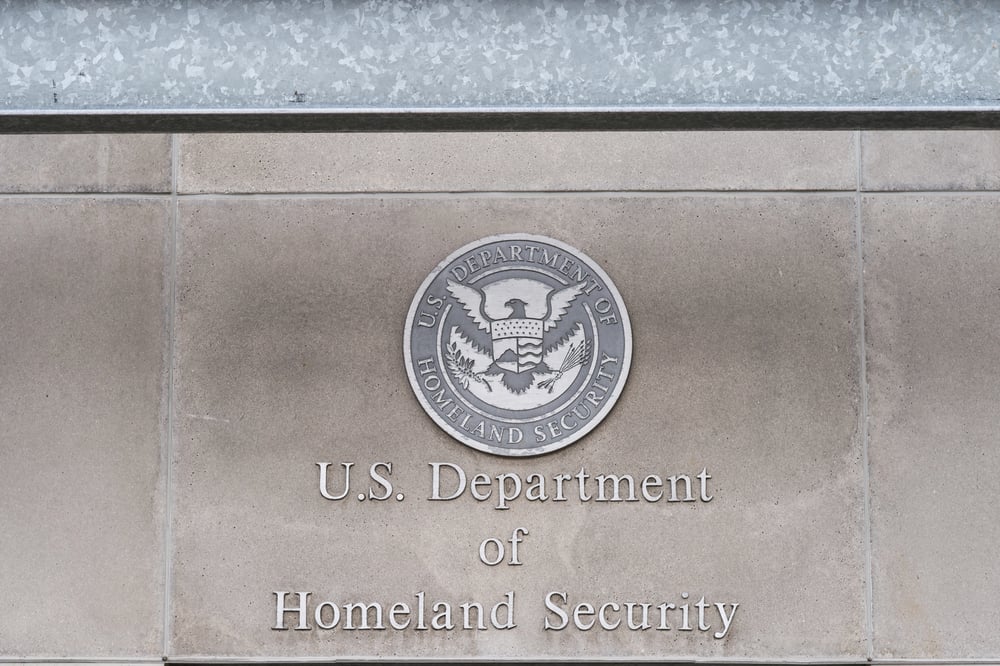
Created in response to September 11th, DHS headquarters was designed from the ground up with modern security threats in mind. The building coordinates everything from border security to cybersecurity, which means it houses information that terrorist organizations would find extremely valuable.
The fortifications reflect this reality without making the building look like a bunker.
National Security Agency Washington Office
The NSA’s presence in the DC area operates with the kind of security protocols that make other intelligence agencies look chatty by comparison. Electronic surveillance, physical barriers, and clearance requirements that turn routine meetings into elaborate security procedures.
The building protects America’s signals intelligence operations, which means it safeguards communications intercepts and cryptographic capabilities that most people can’t fully comprehend.
Federal Reserve Board Building
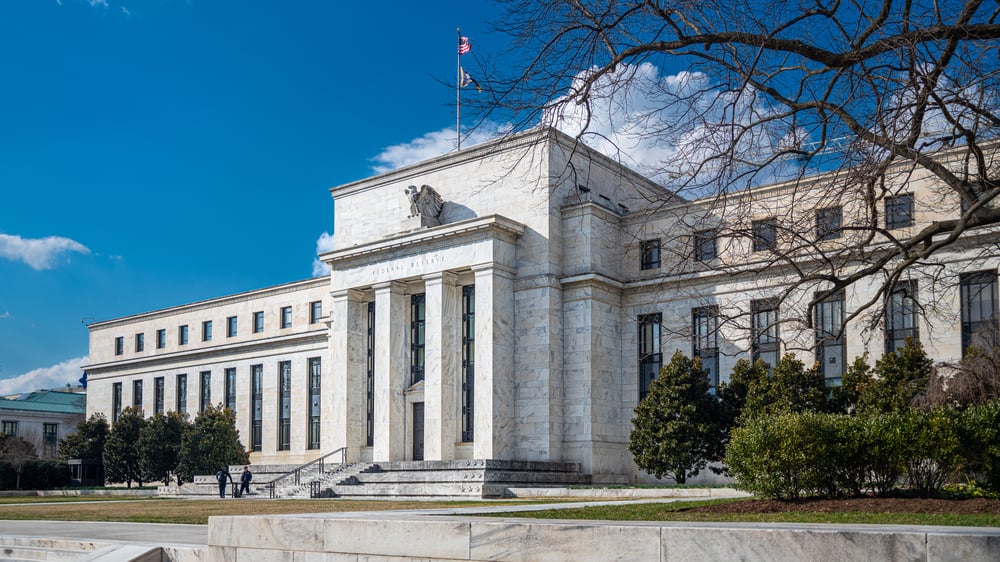
Like a bank that happens to control the American economy, the Federal Reserve building on Constitution Avenue protects decisions that influence global markets. The limestone facade hides security measures designed to protect monetary policy discussions that can move currencies and crash economies.
Meeting transcripts remain classified for years, and the building’s defenses reflect the sensitivity of the conversations happening inside.
Department of Energy Headquarters
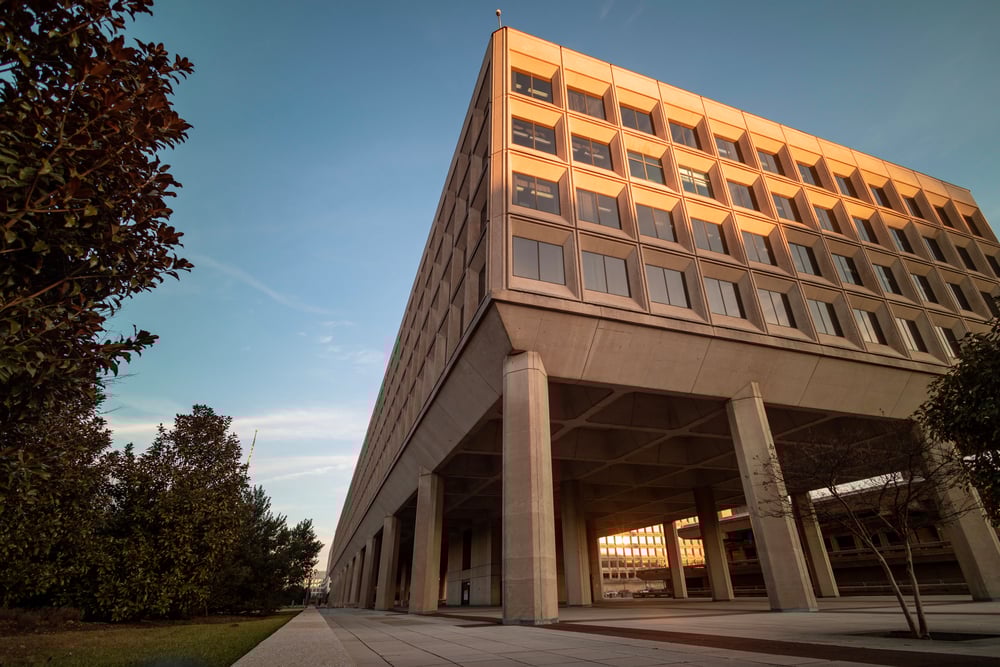
Nuclear materials and energy infrastructure create security challenges that extend far beyond traditional concerns about classified documents. The Forrestal Building houses oversight of America’s nuclear weapons program, which means it protects information that could help hostile nations build their own arsenals.
The security protocols reflect this responsibility with measures that treat every visitor as a potential threat until proven otherwise.
The Fortress Mentality

Washington, DC operates on the assumption that someone, somewhere, is always planning something. The heavily fortified buildings scattered throughout the capital reflect a city that learned to take threats seriously before they become crises.
These aren’t just government offices — they’re bunkers disguised as bureaucracies, each one protecting pieces of American power that enemies would love to compromise.
The security measures work because they remain largely invisible to casual observers, creating the illusion of accessibility while maintaining defenses that would challenge professional adversaries. That balance between openness and protection defines Washington in ways that most visitors never fully appreciate.
More from Go2Tutors!

- The Romanov Crown Jewels and Their Tragic Fate
- 13 Historical Mysteries That Science Still Can’t Solve
- Famous Hoaxes That Fooled the World for Years
- 15 Child Stars with Tragic Adult Lives
- 16 Famous Jewelry Pieces in History
Like Go2Tutors’s content? Follow us on MSN.



