17 Famous Nobel Prize Winners and Their Discoveries
The Nobel Prize represents the pinnacle of human achievement, honoring those whose discoveries have fundamentally changed how we understand and interact with our world. From groundbreaking medical treatments to revolutionary physics theories, these awards recognize work that often takes decades to fully appreciate.
What makes these laureates truly remarkable isn’t just their intellectual brilliance, but how their discoveries continue to shape our daily lives in ways we might never realize.The following individuals didn’t just make scientific breakthroughs—they rewrote the rules of what we thought was possible.
Here is a list of 17 Nobel Prize winners whose discoveries continue to impact millions of people around the world.
Marie Curie
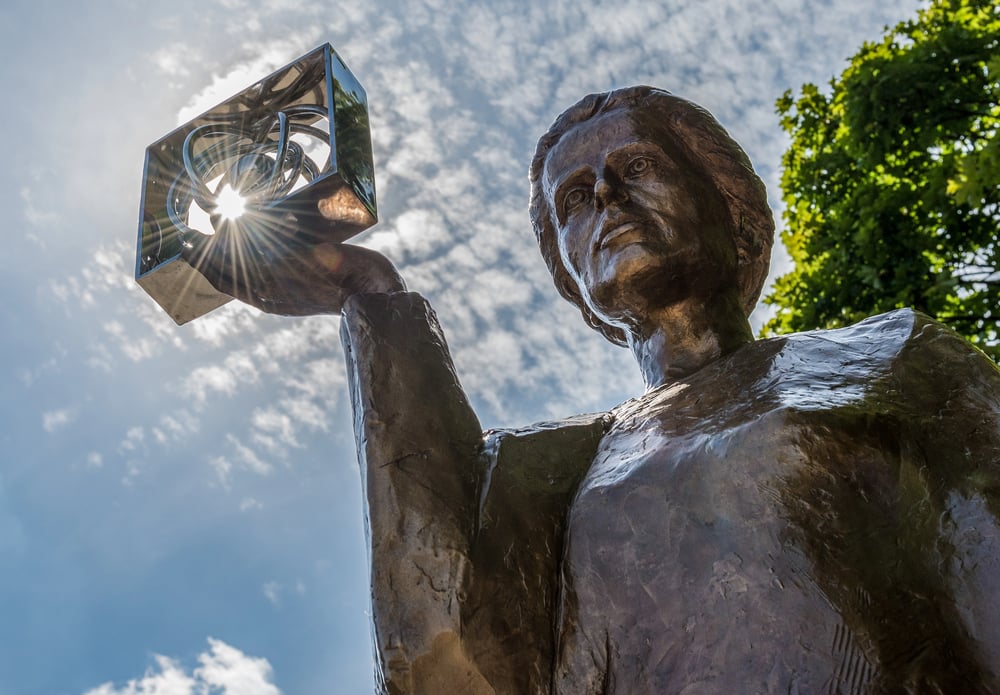
Marie Curie became the first woman to win a Nobel Prize and remains the only person to win Nobel Prizes in two different scientific fields. Her groundbreaking research on radioactivity not only coined the term itself but also laid the foundation for modern atomic physics.
Her discovery of the elements polonium and radium opened up entirely new fields of scientific inquiry, leading to everything from cancer treatments to nuclear energy.
Albert Einstein
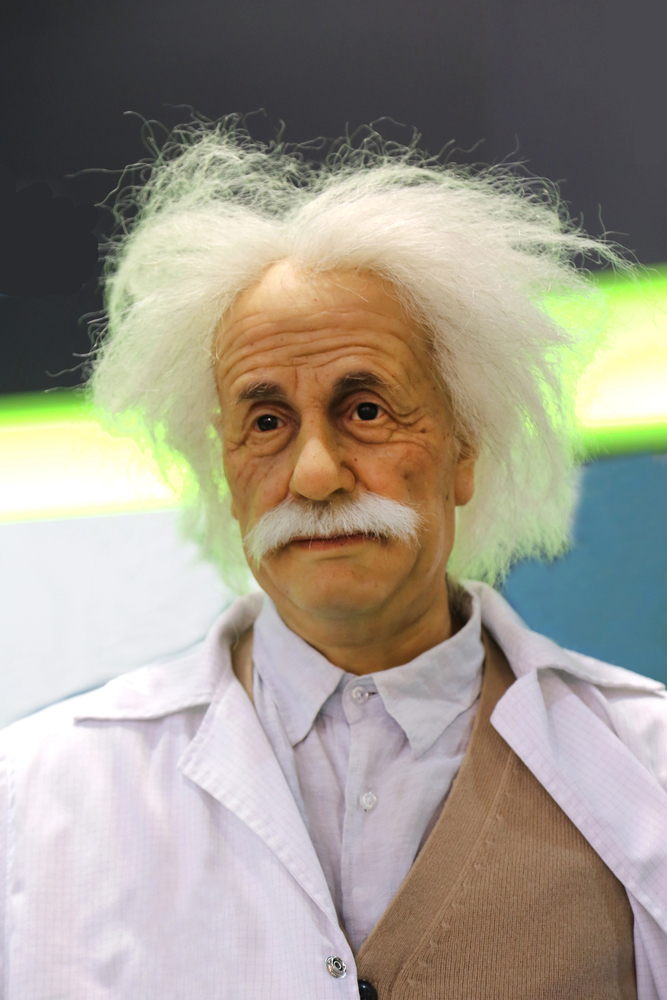
Einstein’s Nobel Prize in Physics came not for his famous theory of relativity, but for explaining the photoelectric effect. This discovery showed that light behaves like particles, not just waves, fundamentally changing our understanding of energy and matter.
His work became the cornerstone of quantum mechanics and directly led to technologies we use every day, from solar panels to digital cameras.
Alexander Fleming
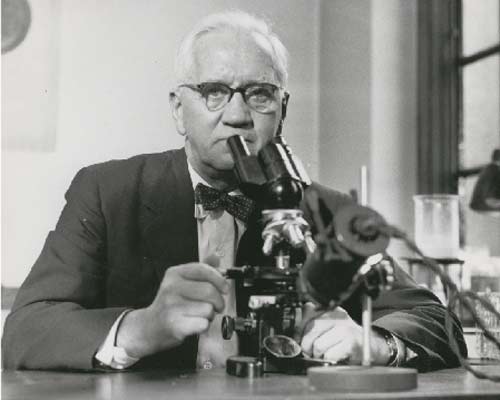
Fleming’s accidental discovery of penicillin in 1928 revolutionized medicine and saved countless millions of lives. When he noticed that a mold had contaminated one of his bacterial cultures and killed the surrounding bacteria, he could have simply discarded it.
Instead, his curiosity led to the development of the first true antibiotic, transforming infections from death sentences into minor inconveniences.
Watson, Crick, and Wilkins
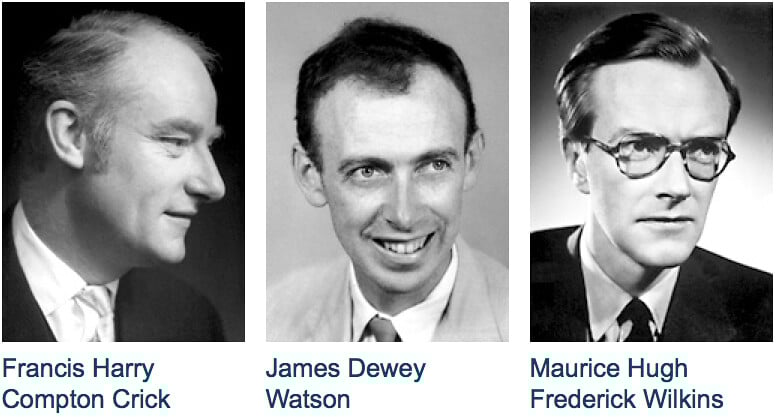
James Watson, Francis Crick, and Maurice Wilkins shared the Nobel Prize for discovering the double helix structure of DNA. Their work revealed how genetic information is stored and passed from generation to generation, essentially cracking the code of life itself.
This discovery launched the entire field of molecular biology and paved the way for everything from genetic engineering to personalized medicine.
Barbara McClintock
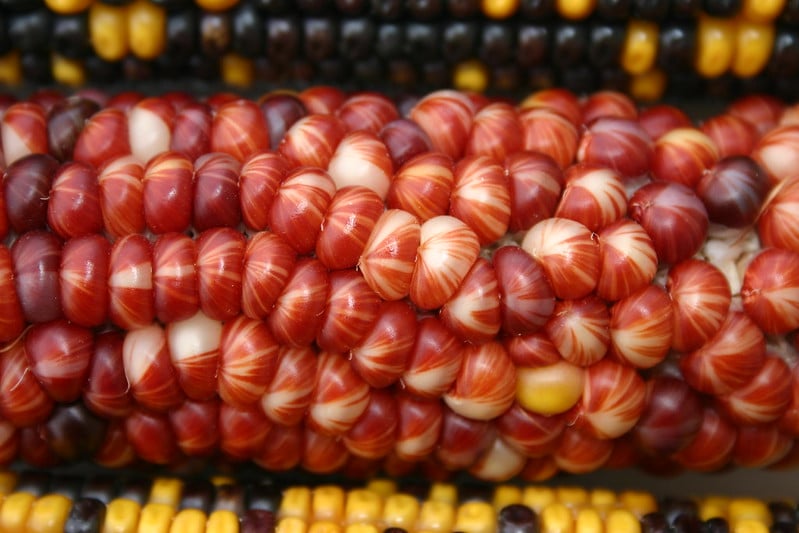
McClintock discovered genetic transposition—the ability of genes to move within chromosomes—decades before the scientific community was ready to accept her findings. Her work showed that genomes are far more dynamic and flexible than previously thought, overturning the idea that genes were fixed in place.
Today, her insights into ‘jumping genes’ help us understand everything from evolution to genetic diseases.
Martin Luther King Jr.
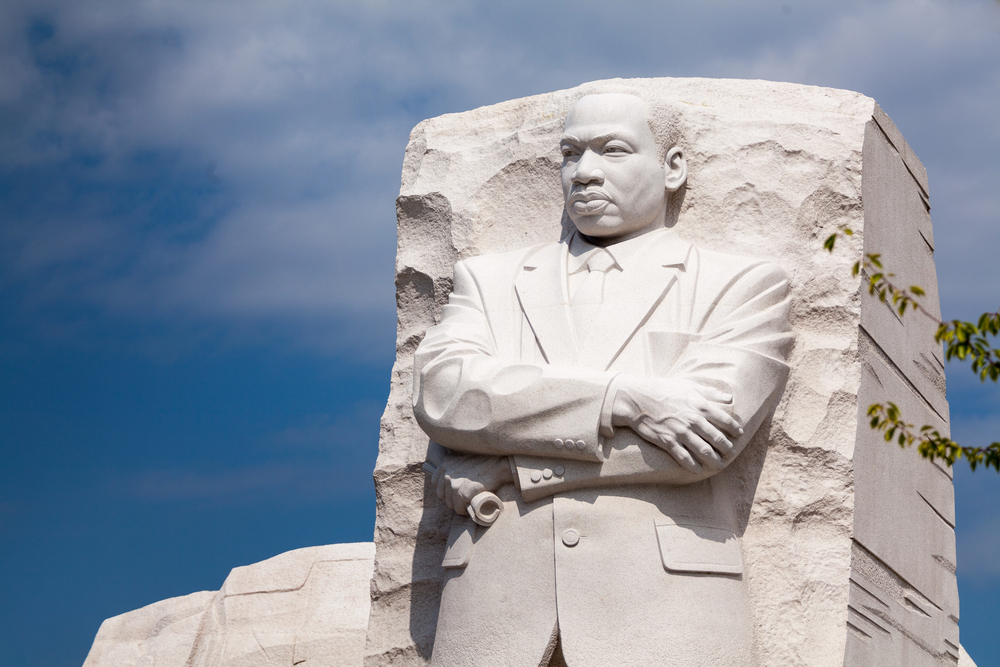
King’s Nobel Peace Prize recognized his leadership in the American civil rights movement and his commitment to nonviolent resistance. His approach proved that peaceful protest could dismantle even the most entrenched systems of oppression, inspiring similar movements worldwide.
His methods continue to influence social justice movements today, showing that moral authority can be more powerful than physical force.
Malala Yousafzai
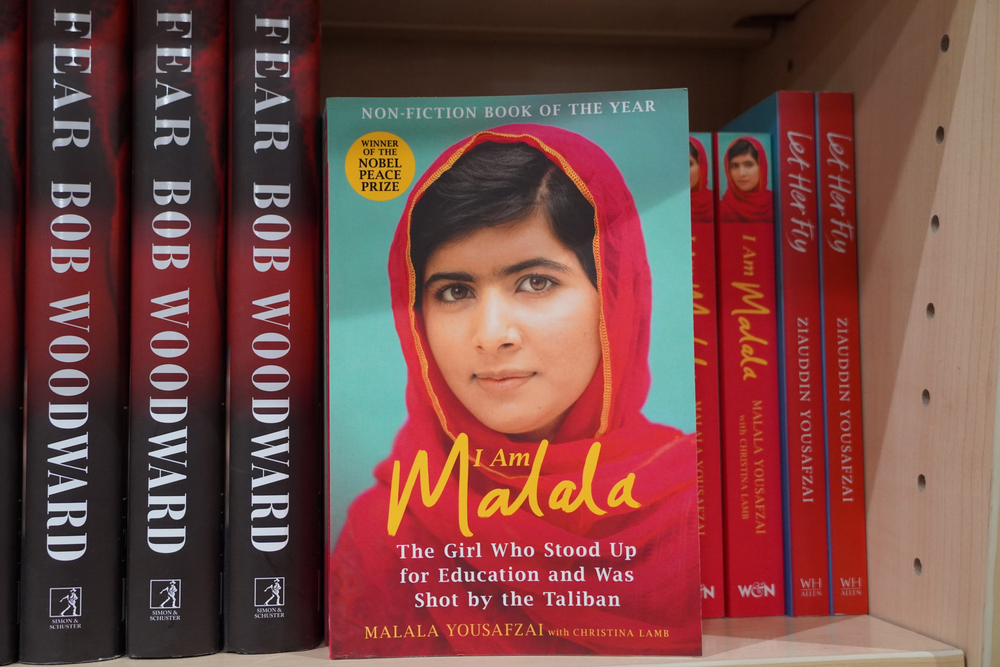
At just 17, Malala became the youngest Nobel Prize laureate for her advocacy of girls’ education rights. Her courage in speaking out against the Taliban’s ban on female education, even after surviving an assassination attempt, brought global attention to educational inequality.
Her work continues to open doors for millions of girls who might otherwise be denied the chance to learn and grow.
Dorothy Hodgkin
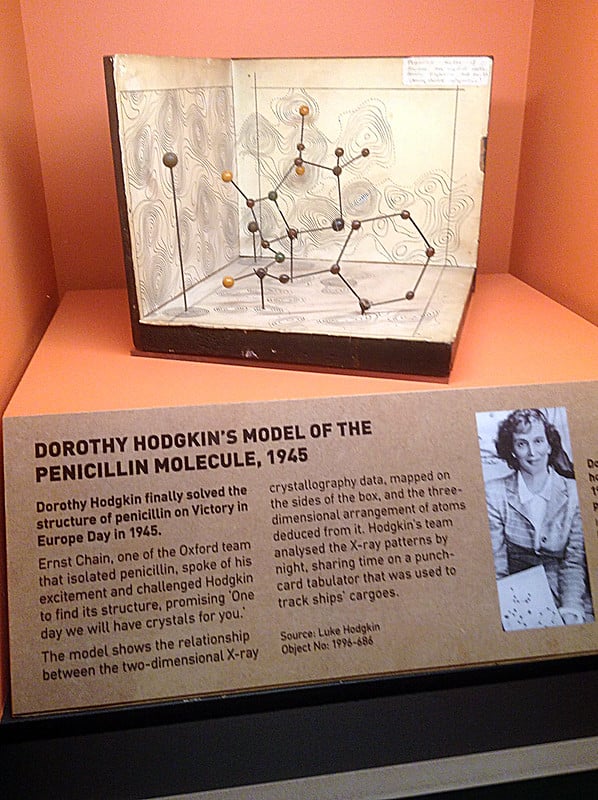
Hodgkin pioneered the use of X-ray crystallography to determine the structures of important biological molecules. Her mapping of vitamin B12’s structure took eight years of painstaking work but led to treatments for pernicious anemia that had previously been fatal.
She also solved the structure of insulin, work that became crucial for understanding and treating diabetes.
Linus Pauling
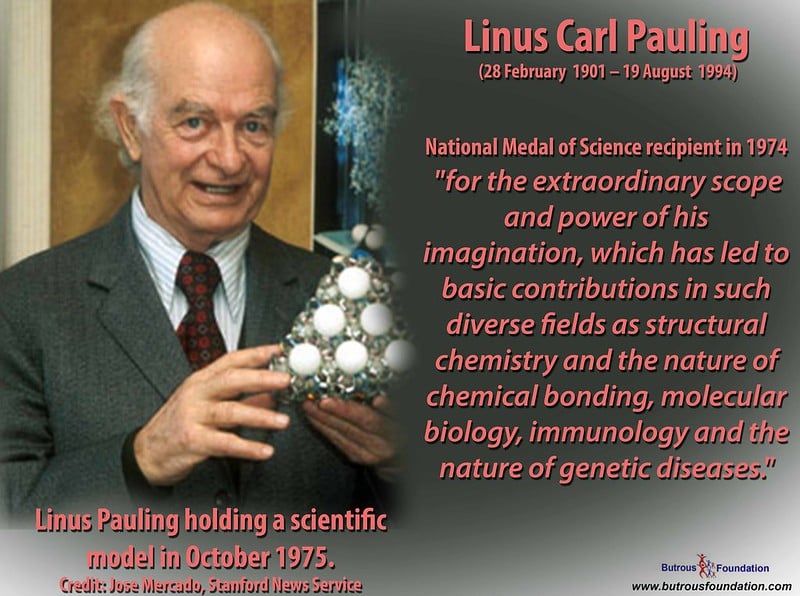
Pauling won his first Nobel Prize for describing the chemical bond, fundamentally changing how we understand molecular structure. His work explained why atoms stick together the way they do, providing the theoretical foundation for modern chemistry.
Later, he won the Peace Prize for his efforts to ban nuclear testing, making him one of only four people to win Nobel Prizes in different categories.
Nelson Mandela and F.W. de Klerk
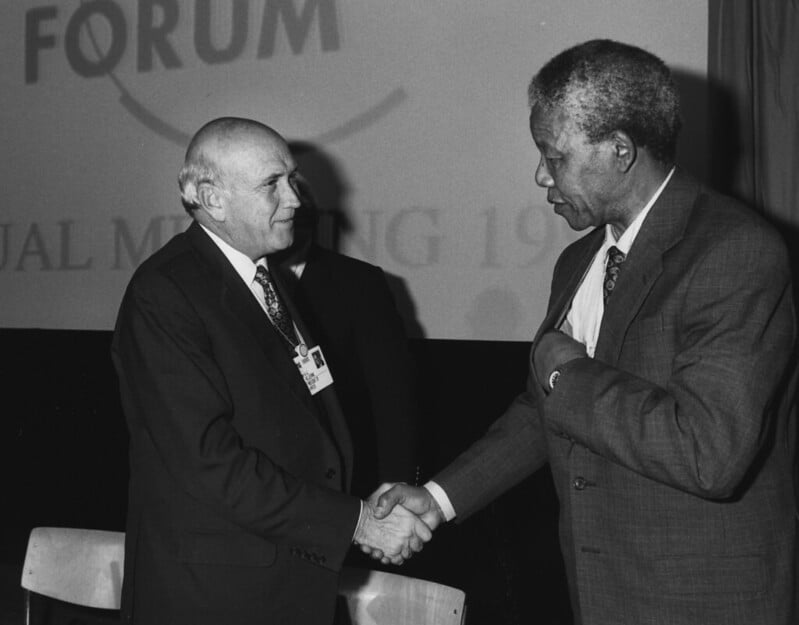
These former adversaries shared the Peace Prize for their work in peacefully dismantling South Africa’s apartheid system. Mandela’s transformation from prisoner to president, and de Klerk’s willingness to negotiate away his own power, showed the world that even the deepest divisions could be healed through dialogue.
Their example continues to inspire peaceful transitions from authoritarian rule around the globe.
Tu Youyou
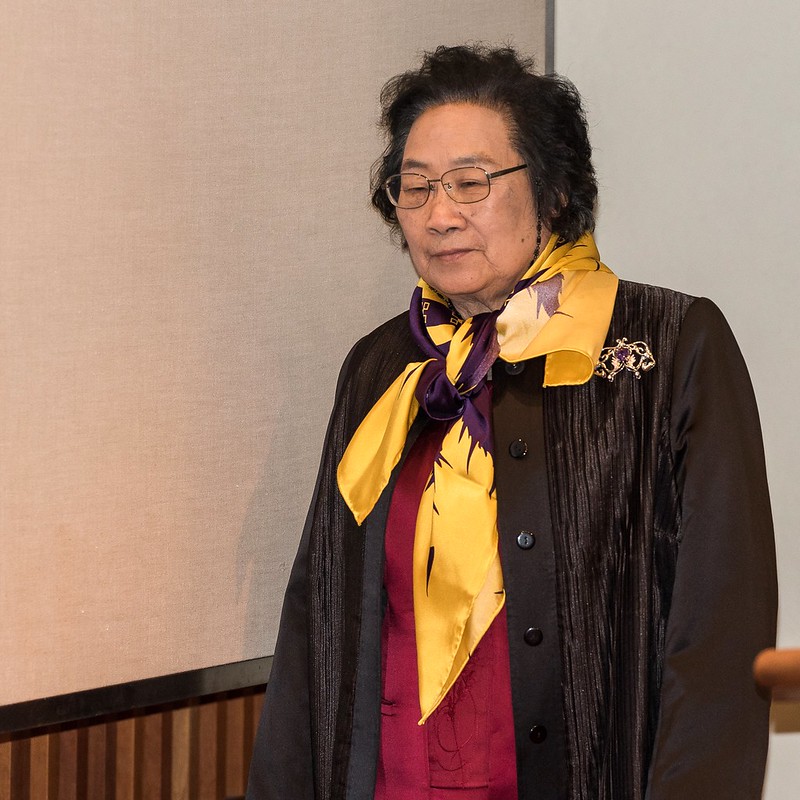
Tu’s discovery of artemisinin, derived from sweet wormwood, provided a crucial weapon against malaria. By combining traditional Chinese medicine with modern scientific methods, she developed a treatment that has saved millions of lives, particularly in developing countries.
Her work demonstrates how ancient wisdom can inform modern medicine when approached with scientific rigor.
Jennifer Doudna and Emmanuelle Charpentier
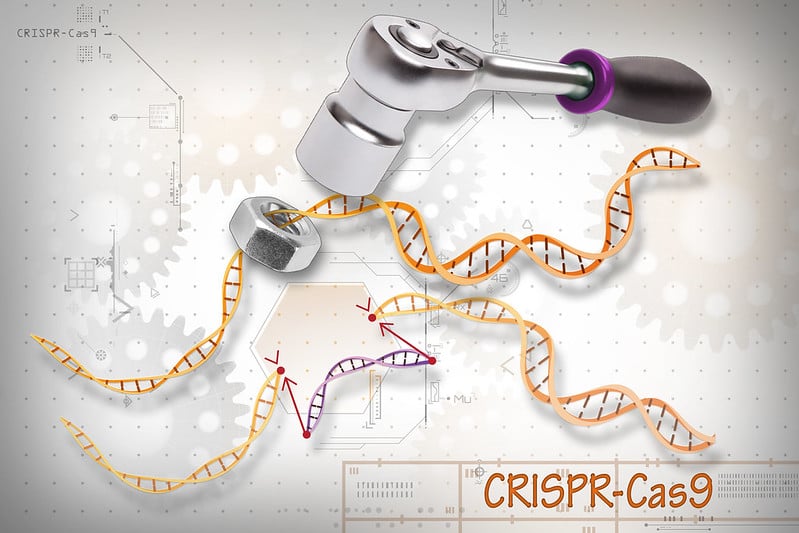
These two scientists developed CRISPR-Cas9, a revolutionary gene-editing tool that works like molecular scissors to cut and modify DNA. Their discovery has transformed biological research and opened up possibilities for treating genetic diseases that were previously considered incurable.
Think of it as a word processor for the genetic code—allowing scientists to cut, copy, and paste genetic information with unprecedented precision.
Katalin Karikó
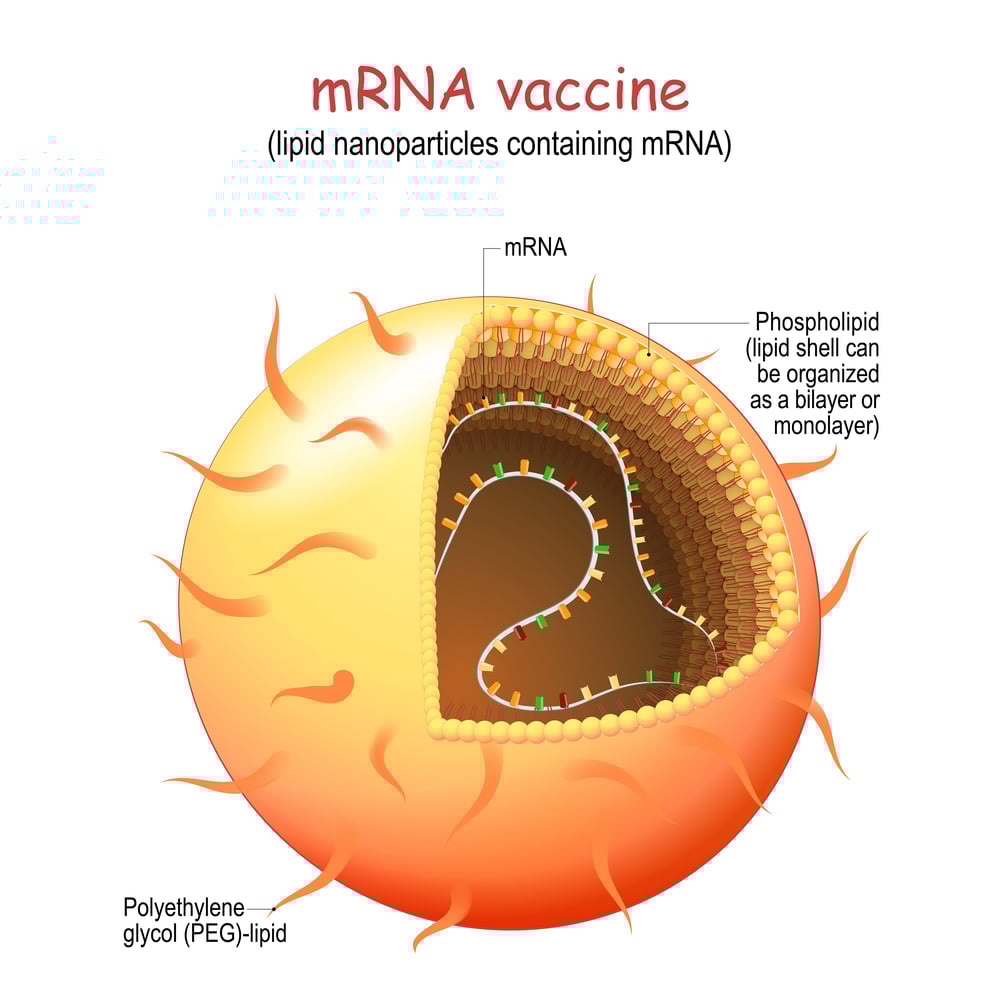
Karikó’s decades of research on messenger RNA laid the groundwork for the COVID-19 vaccines that helped end the pandemic. Despite facing skepticism and funding challenges for years, she persisted in developing methods to use mRNA to instruct cells to produce proteins.
Her work essentially taught our cells how to become medicine factories, opening up entirely new approaches to treating diseases.
John Nash
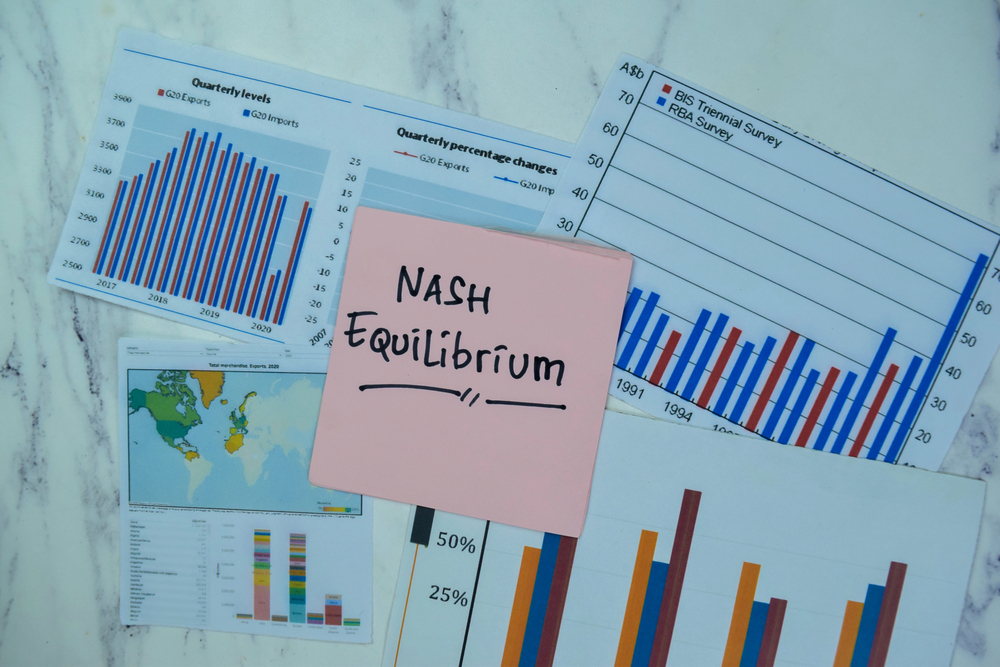
Nash’s work on game theory revolutionized economics by showing how rational decision-makers interact in competitive situations. His mathematical insights help explain everything from market behavior to international relations, providing tools for understanding complex systems where multiple parties make strategic choices.
The ‘Nash equilibrium’ concept appears in fields ranging from biology to computer science.
Wangari Maathai

Maathai founded the Green Belt Movement in Kenya, which combined environmental conservation with women’s empowerment and democratic rights. Her approach showed that environmental protection and social justice are deeply connected, not separate issues.
Through simple acts like planting trees, she demonstrated how grassroots movements can address complex problems while building community resilience.
Paul Ehrlich

Ehrlich pioneered chemotherapy by developing the first targeted treatment for immunology, coining the term ‘magic bullet’ for drugs that could attack disease without harming healthy tissue. His work established the fundamental principle that specific chemicals could target specific diseases, laying the groundwork for modern pharmaceutical development.
Every targeted cancer therapy and antibiotic owes something to his original insights.
Niels Bohr
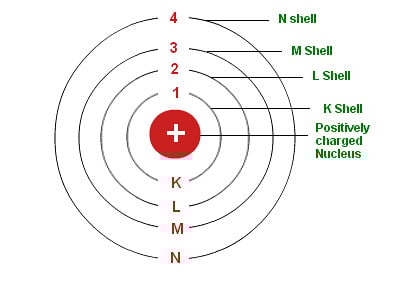
Bohr’s model of atomic structure showed how electrons orbit the nucleus in specific energy levels, helping to explain the mysterious behavior of atoms. His work bridged classical physics and the emerging field of quantum mechanics, providing a framework that scientists still use today.
Without his insights into atomic structure, we wouldn’t have technologies like lasers, MRI machines, or computer chips.
The Lasting Impact of Nobel Discoveries
These 17 individuals didn’t just make discoveries—they fundamentally altered the trajectory of human knowledge and capability. From Fleming’s accidental observation to Karikó’s persistent research on mRNA, their work shows that breakthrough discoveries often require both brilliant insight and stubborn determination.
Today, as we face new global challenges, their examples remind us that scientific curiosity and human courage remain our most powerful tools for building a better world. The next Nobel laureate might be working in a laboratory right now, making the discovery that will define the next century of human progress.
More from Go2Tutors!

- The Romanov Crown Jewels and Their Tragic Fate
- 13 Historical Mysteries That Science Still Can’t Solve
- Famous Hoaxes That Fooled the World for Years
- 15 Child Stars with Tragic Adult Lives
- 16 Famous Jewelry Pieces in History
Like Go2Tutors’s content? Follow us on MSN.



