Household Chores Kids Used to Do That Barely Exist Anymore
Children have always had chores, but the specific tasks assigned to kids have changed as technology and home infrastructure have evolved. Many of the chores that once consumed significant portions of childhood—some daily, some seasonal—have been eliminated entirely, either by machines that took over the task or by societal decisions that the work wasn’t worth the benefit.
Looking at the chores that have vanished reveals how much childhood labor once constituted essential household maintenance. The shift away from child labor, even in its domestic form, represents genuine progress toward childhood as a space for development rather than utility.
Yet something has been lost in the efficiency gain. The specific muscle memory, the sense of completion, the understanding of how households actually function—these things came from doing chores that modern children rarely encounter.
Pumping water from a well
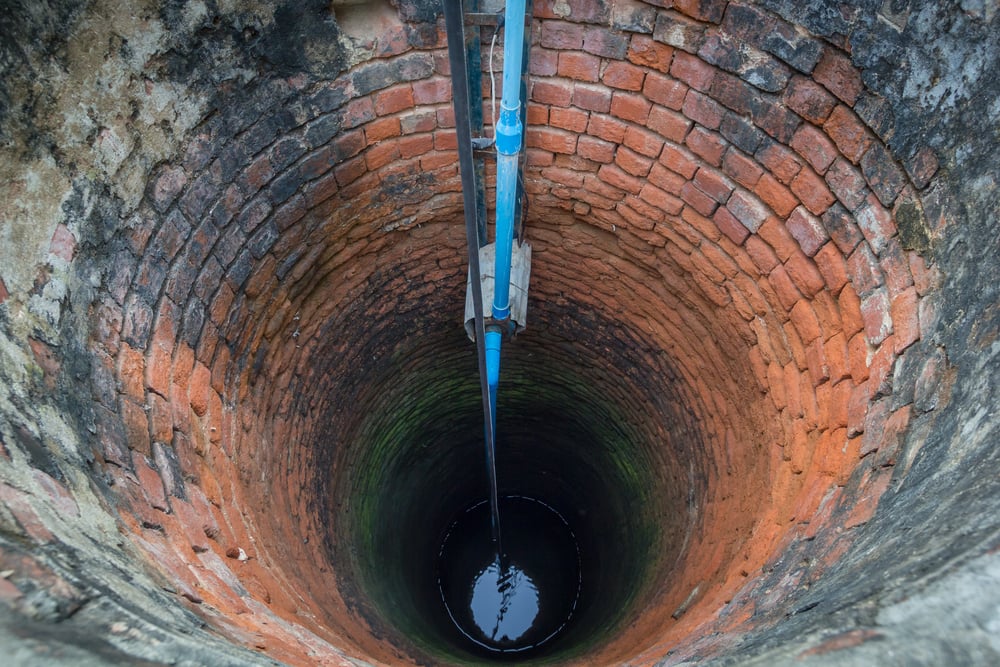
In rural areas well into the twentieth century, children pumped water from outdoor wells to fill buckets for household use. The task was physically demanding, seasonal in its intensity, and created a direct understanding of where water came from and how much effort was required to obtain it.
Churning butter
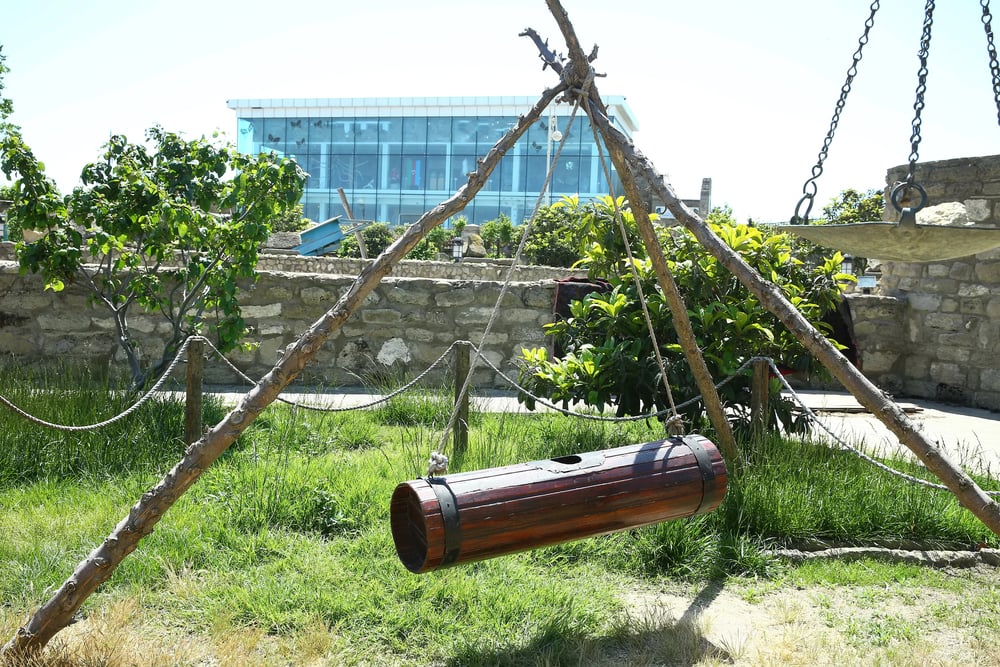
Children took turns operating hand churns to convert cream into butter, a task that required sustained physical effort and produced a visible, usable product. The chore disappeared when refrigeration and store-bought butter made home butter production unnecessary.
Splitting and stacking wood

Children chopped kindling and stacked firewood for heating and cooking, developing practical skills with tools and understanding the physical requirements of maintaining home temperature. The work was seasonal but essential, particularly in colder climates.
Hauling ash from the fireplace
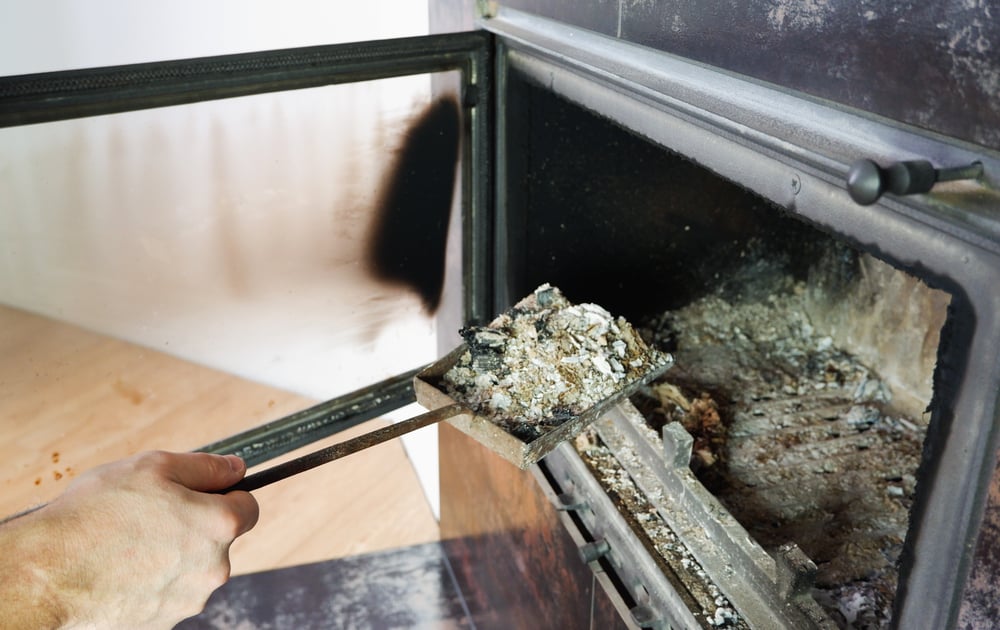
As fireplaces produced ash as waste, children removed it to ash bins, a regular task that disappeared entirely when fireplaces became optional aesthetic features rather than primary heat sources. The work was dirty and required repetition.
Bringing in ice for the icebox
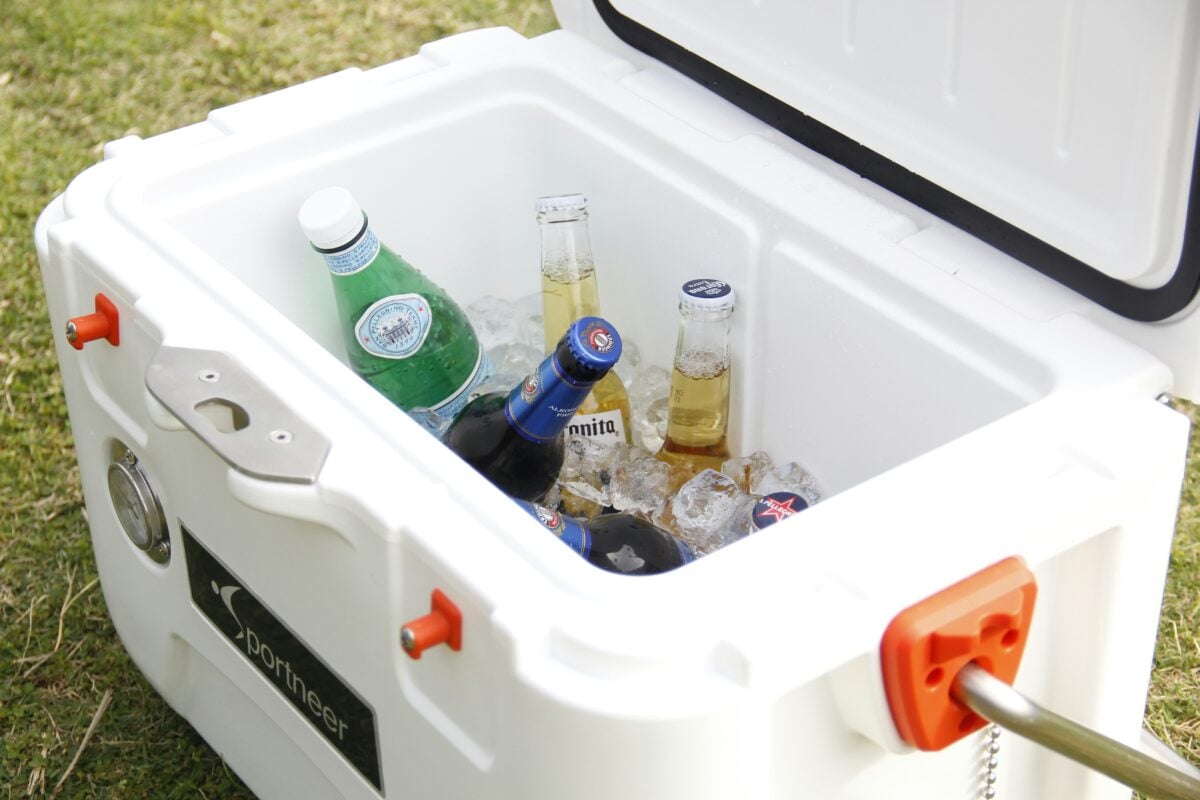
Before electric refrigeration, children hauled blocks of ice from delivery vehicles to kitchen iceboxes, a chore that required physical strength and affected food storage capacity directly. The task vanished overnight when electric refrigerators became standard.
Cleaning oil lamps

Children cleaned and filled oil lamps that lit homes before electric lighting, a detailed task that required care to avoid fire risk and understanding of how the equipment functioned. Electrification eliminated the need almost entirely.
Sorting and folding laundry by hand
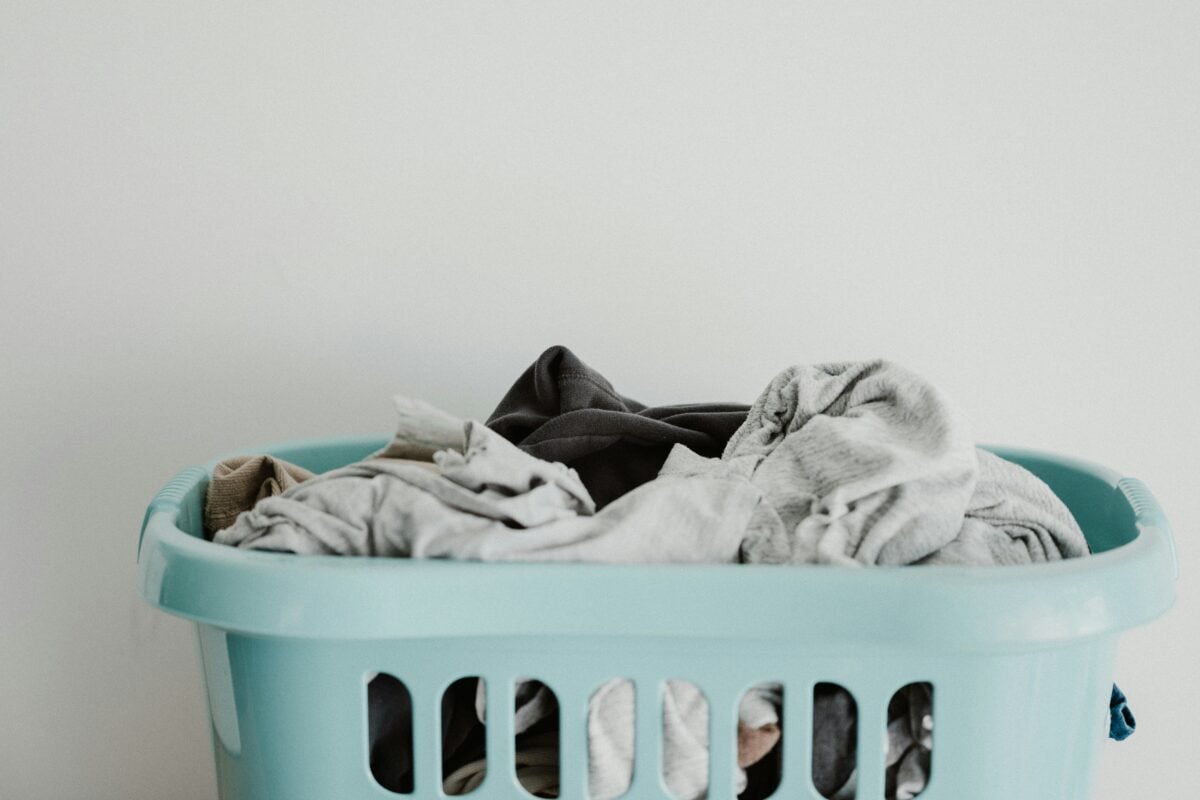
While laundry folding persists, the full scope of the chore has diminished drastically. Washing clothes by hand, wringing them out, and line-drying created tasks that occupied substantial time and required physical strength. Electric washers and dryers compressed the timeline to minutes.
Beating rugs and carpets

Children took rugs outdoors, hung them on clotheslines, and beat them with paddles or brooms to remove dust and dirt. The work was tedious but visibly productive, creating clouds of dust as evidence of progress. Vacuum cleaners eliminated both the need and the theatrical evidence of cleaning.
Scrubbing floors on hands and knees
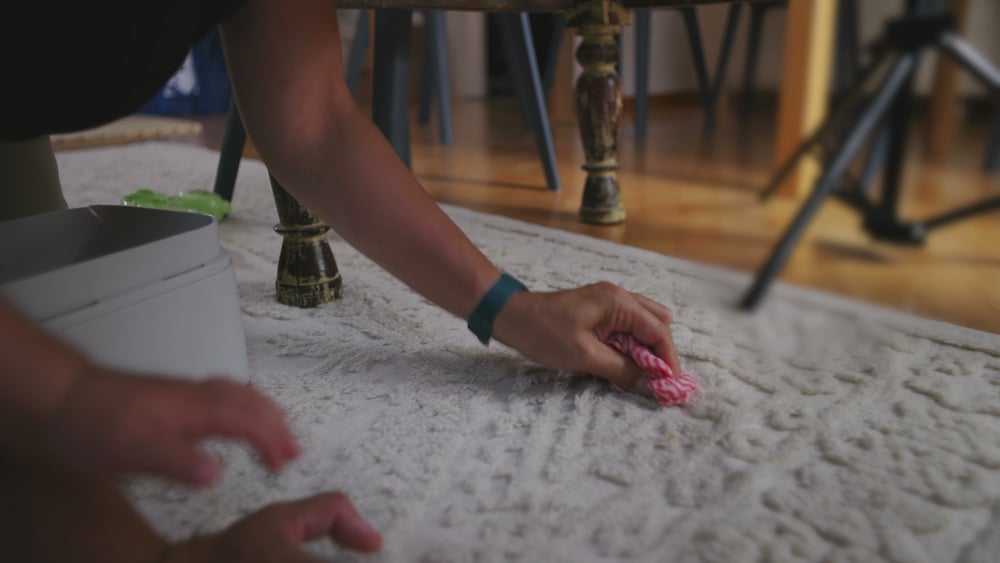
Before electric floor cleaners and industrial-strength mop solutions, children scrubbed floors using brushes, buckets of water, and elbow grease. The work was hard on the body but created a sense of completion and direct contribution to household cleanliness.
Blacking and polishing stoves and cookware

Children maintained metal stoves and cookware using blackening compounds and polish, a regular task that required attention to detail and understanding of the chemistry involved. Non-stick cookware and self-cleaning ovens eliminated the need.
Emptying chamber pots

Before indoor plumbing was standard, children were often assigned the task of emptying chamber pots and carrying waste to outside facilities. The indignity of the task was notable, making its elimination one of the clearest examples of genuine improvement.
Feeding and watering livestock and pets
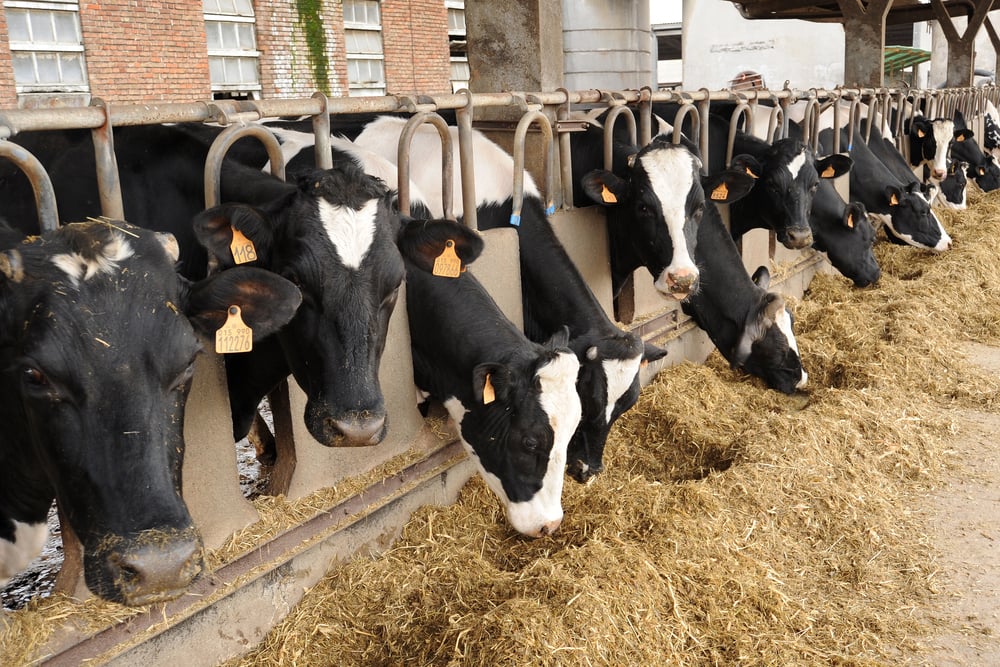
Rural children maintained constant schedules of feeding and watering animals, learning animal husbandry and understanding that living creatures had daily requirements. The work created responsibility and real consequences for neglect.
Shelling peas, beans, or corn

Children spent hours removing seeds from pods, a seasonal task that taught patience and produced actual food for household consumption. Modern vacuum-sealed and canned vegetables eliminated the need for this preparatory labor.
Making and maintaining fires
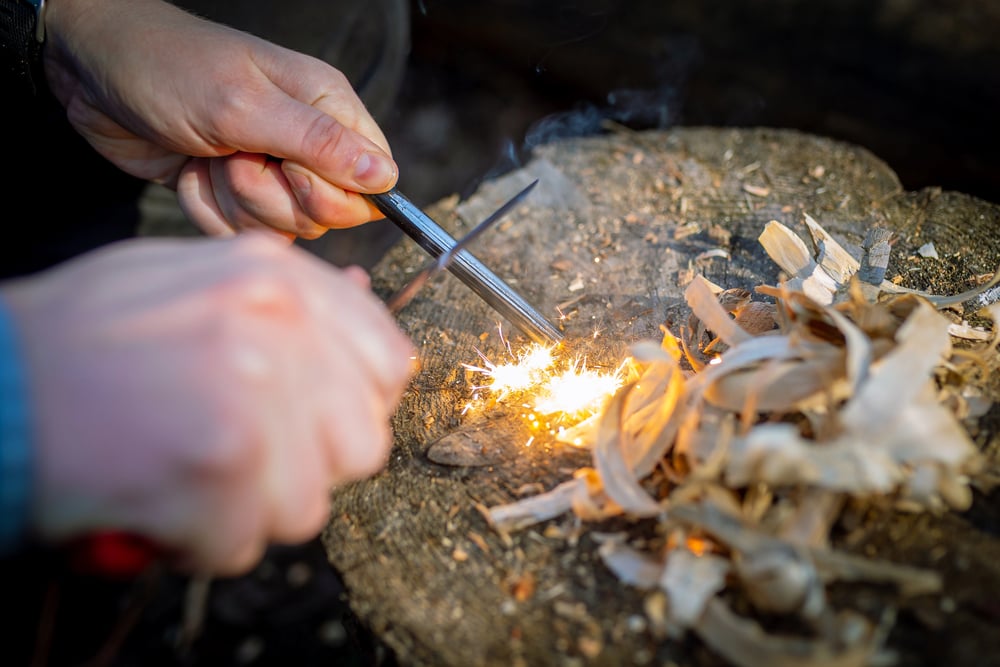
Children tended fires, adding wood at appropriate times and managing coal or wood-burning stoves. The task required attention and understanding of how heat worked and what happened if fires weren’t maintained properly.
Drawing water for household use

Before running water became standard, children drew water from wells or pumps multiple times daily for washing, cooking, and cleaning. The task was physically demanding and made water conservation a practical rather than environmental concern.
Whitewashing fences and walls

Children participated in painting or whitewashing exterior surfaces, both as maintenance and as preparation for particular seasons or events. The work was seasonal but regular, requiring coordination and producing visible results.
Cleaning the outhouse or managing waste
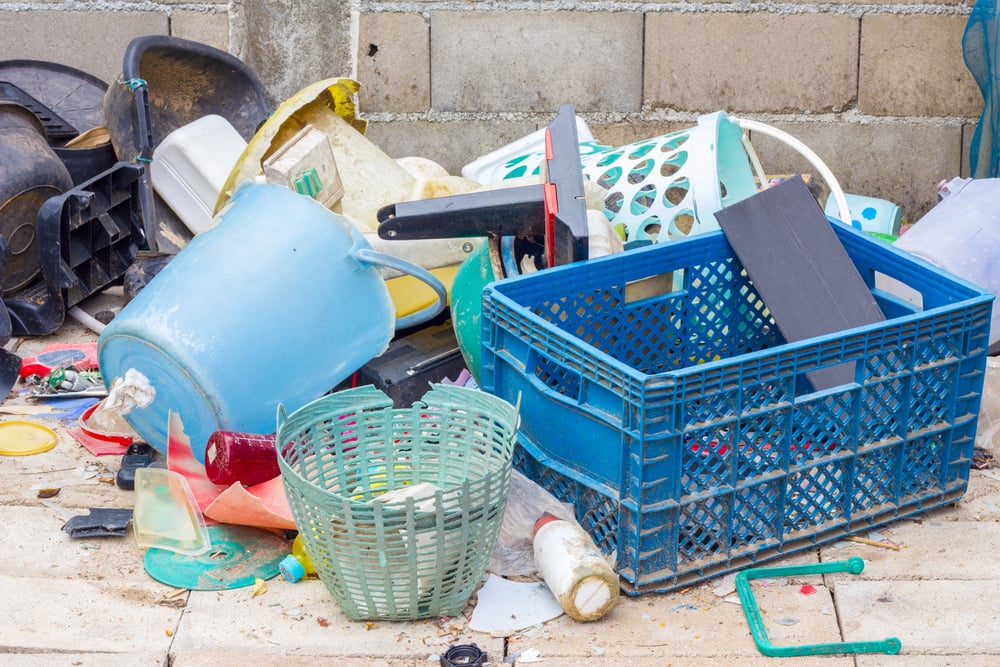
Rural and many working-class children were responsible for maintaining outdoor toilet facilities, a job that was unpleasant but absolutely necessary. Modern plumbing eliminated the need entirely.
Preparing kindling from larger wood
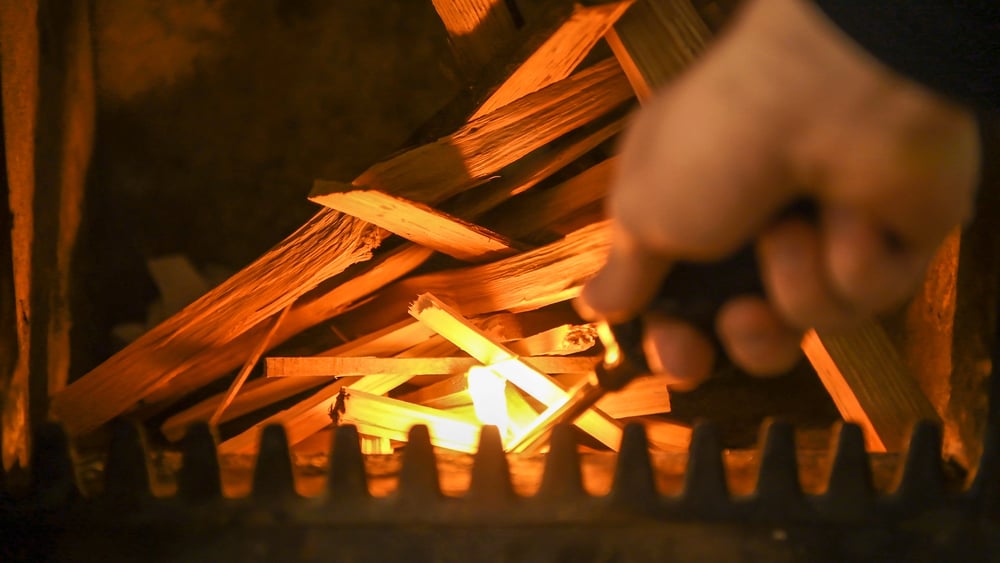
Children broke kindling to appropriate sizes for starting fires, an ongoing task that required work with tools and contributed visibly to household function. The task disappeared with central heating.
Washing dishes without mechanical help
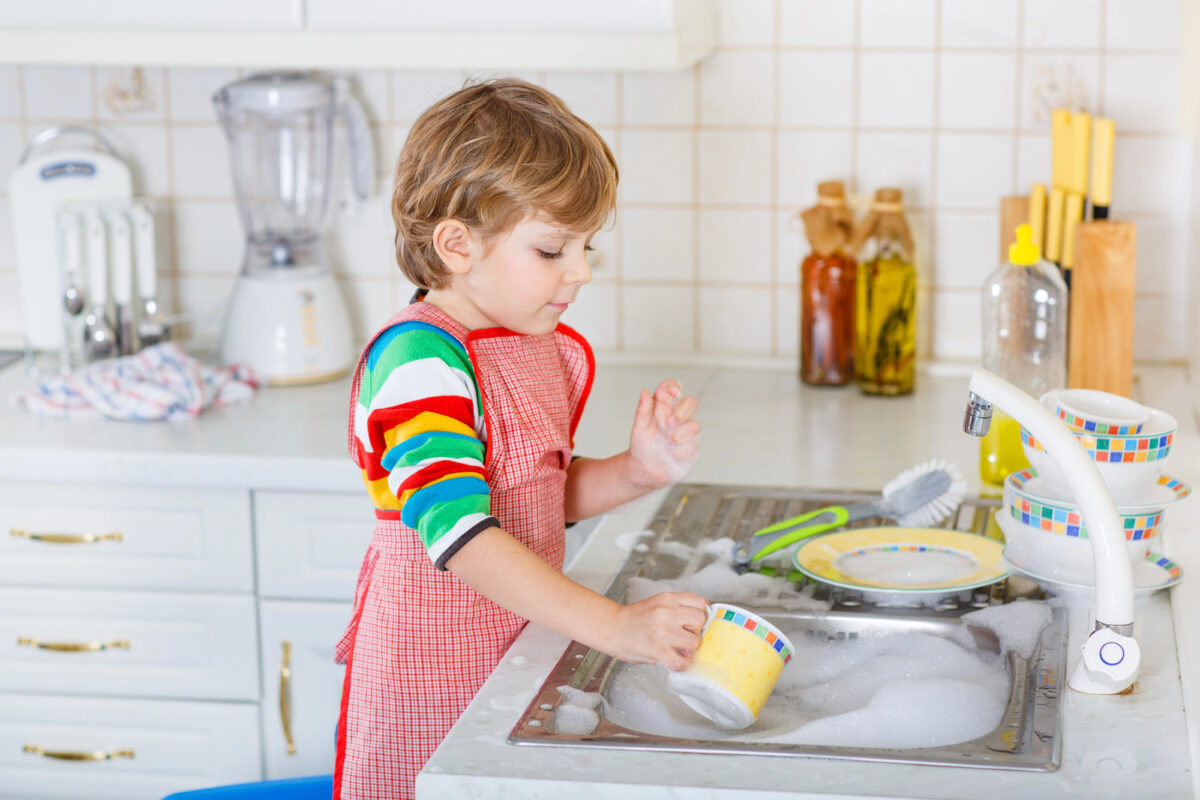
While dish washing hasn’t entirely disappeared, the version that required hours of hand-scrubbing, rinsing, and drying by multiple family members has largely been replaced by dishwashers. The chore once consumed substantial daily time.
Tending and maintaining gardens for food
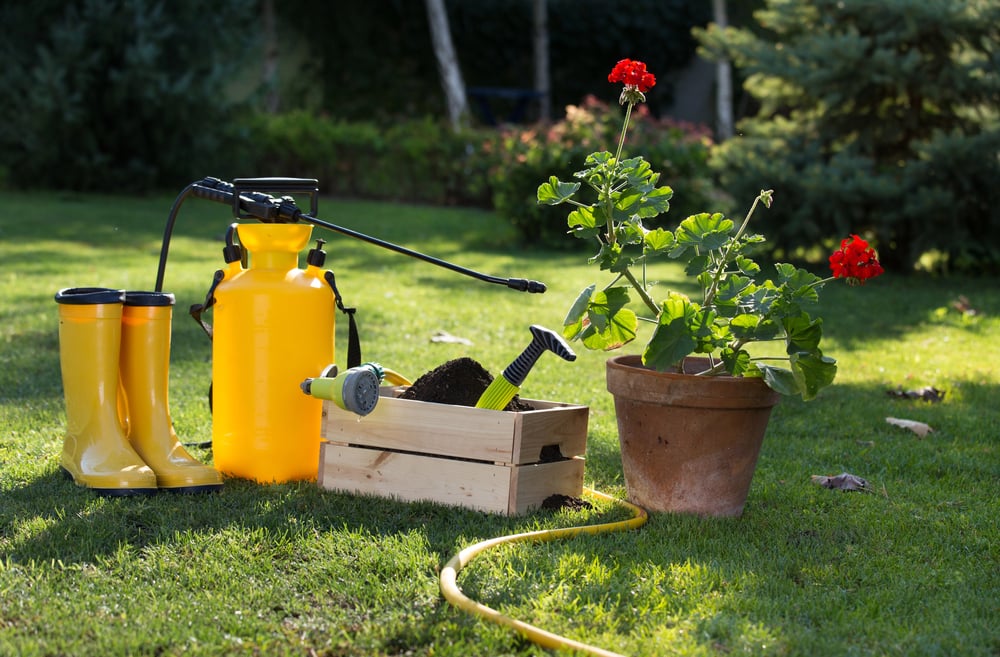
Beyond simple vegetable gardening, children maintained kitchen gardens that provided actual meals and required continuous weeding, watering, and pest management. While gardening persists as hobby, it has lost its functional necessity in most households.
Picking and processing fruit and vegetables seasonally

When food preservation was necessary for survival, children spent weeks picking berries, shucking corn, or preparing vegetables for canning. The seasonal intensity of this work has largely disappeared.
Carrying items between family members or neighbors

Before electronic communication, children ran messages between family members in different parts of the house or even to neighbors. The task required minimal effort but was frequent and created a role of connection.
Ironing clothes and linens
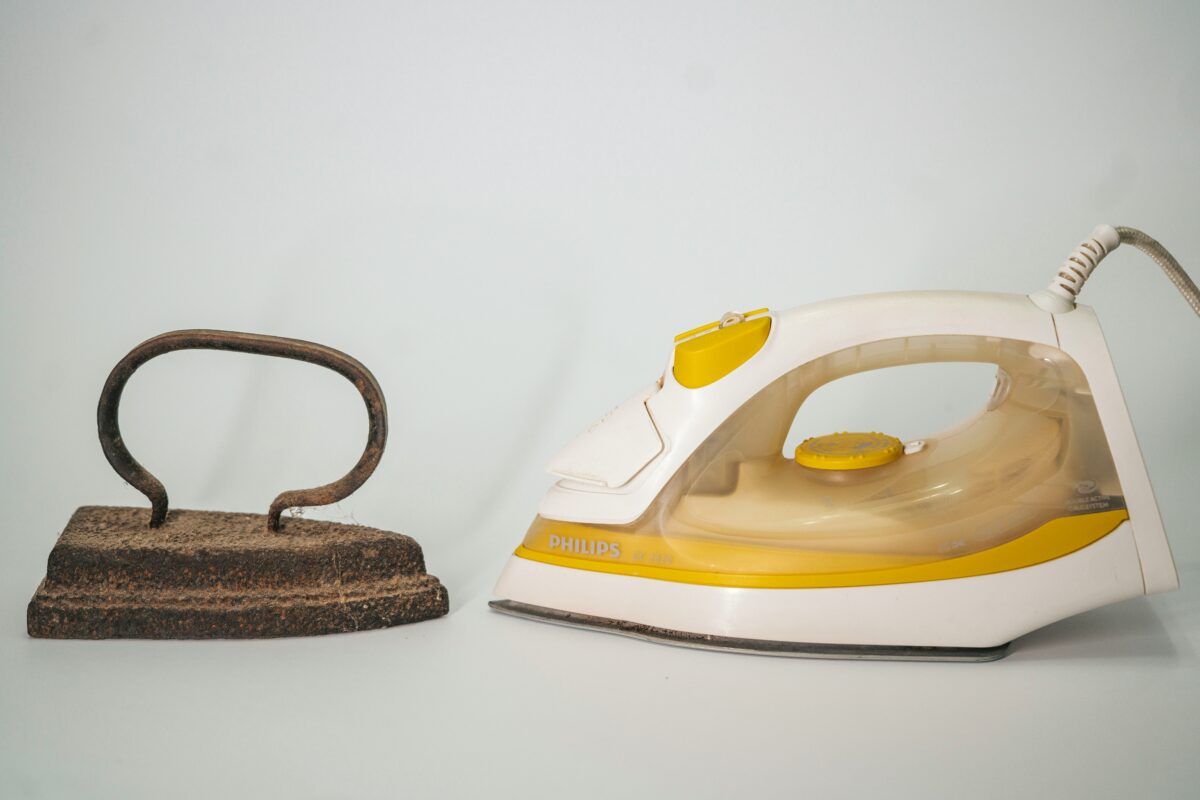
While ironing persists, the volume of the work has diminished as fabrics require less ironing and casual dress codes have become more acceptable. Historically, ironing large quantities of fabric occupied substantial time, particularly before electric irons.
Loss of Competence Through Labor’s Elimination

The chores that disappeared didn’t just vanish into inefficiency—they were replaced by technologies that do the work faster and more completely. No rational person would argue for a return to hauling water or hand-churning butter.
Yet something about childhood changed when children stopped doing work that directly maintained their households. The replacement of labor with convenience meant that children grew up with less visceral understanding of how electricity works, where food comes from, what effort goes into a clean house, or how much work casual comfort requires.
The chores were often resented, but they also built competence, taught patience, and created a concrete sense of contribution that modern children often lack.
More from Go2Tutors!

- The Romanov Crown Jewels and Their Tragic Fate
- 13 Historical Mysteries That Science Still Can’t Solve
- Famous Hoaxes That Fooled the World for Years
- 15 Child Stars with Tragic Adult Lives
- 16 Famous Jewelry Pieces in History
Like Go2Tutors’s content? Follow us on MSN.



