28 Countries That Completely Rebranded Themselves in the Last 50 Years
There’s something quietly dramatic about a country deciding it needs a new name, a new flag, or an entirely new story to tell the world. It happens more often than most people realize — sometimes after a revolution, sometimes after decades of suppression finally cracking open, sometimes after a political calculation that a fresh identity might erase an uncomfortable past.
The rebranding of a nation isn’t like a company updating its logo. The stakes are existential: language, memory, international recognition, and the daily lives of millions of people who suddenly wake up in a country with a different name than it had the night before.
What follows are 28 countries that went through exactly that kind of upheaval — some quietly, some spectacularly — in the last half century.
Zimbabwe
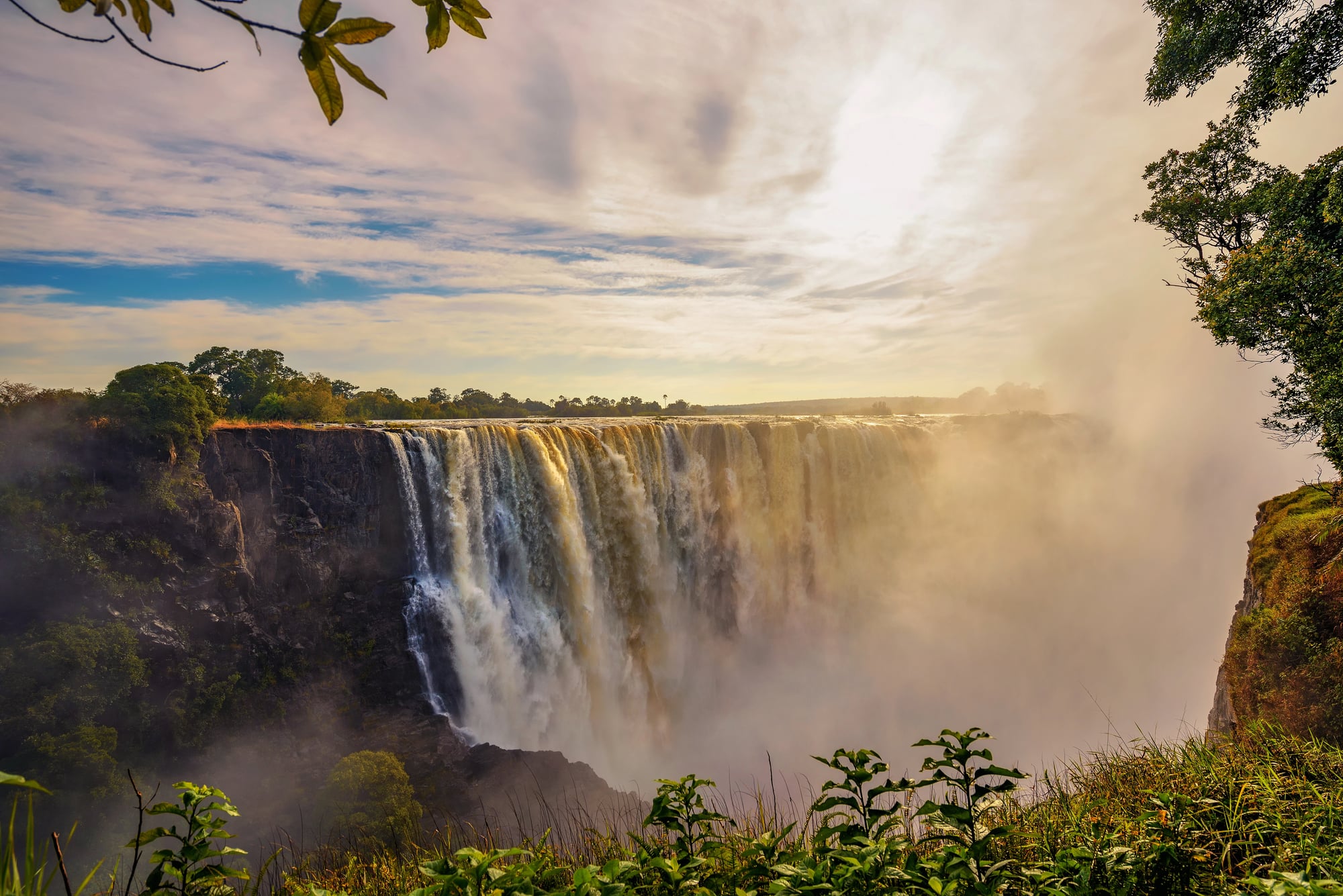
Rhodesia died on April 18, 1980, and Zimbabwe was born in its place. The old name carried the full weight of white minority rule, and the new one — drawn from the ancient stone city of Great Zimbabwe — was a deliberate act of reclamation.
The flag changed, the anthem changed, the story changed.
Cambodia
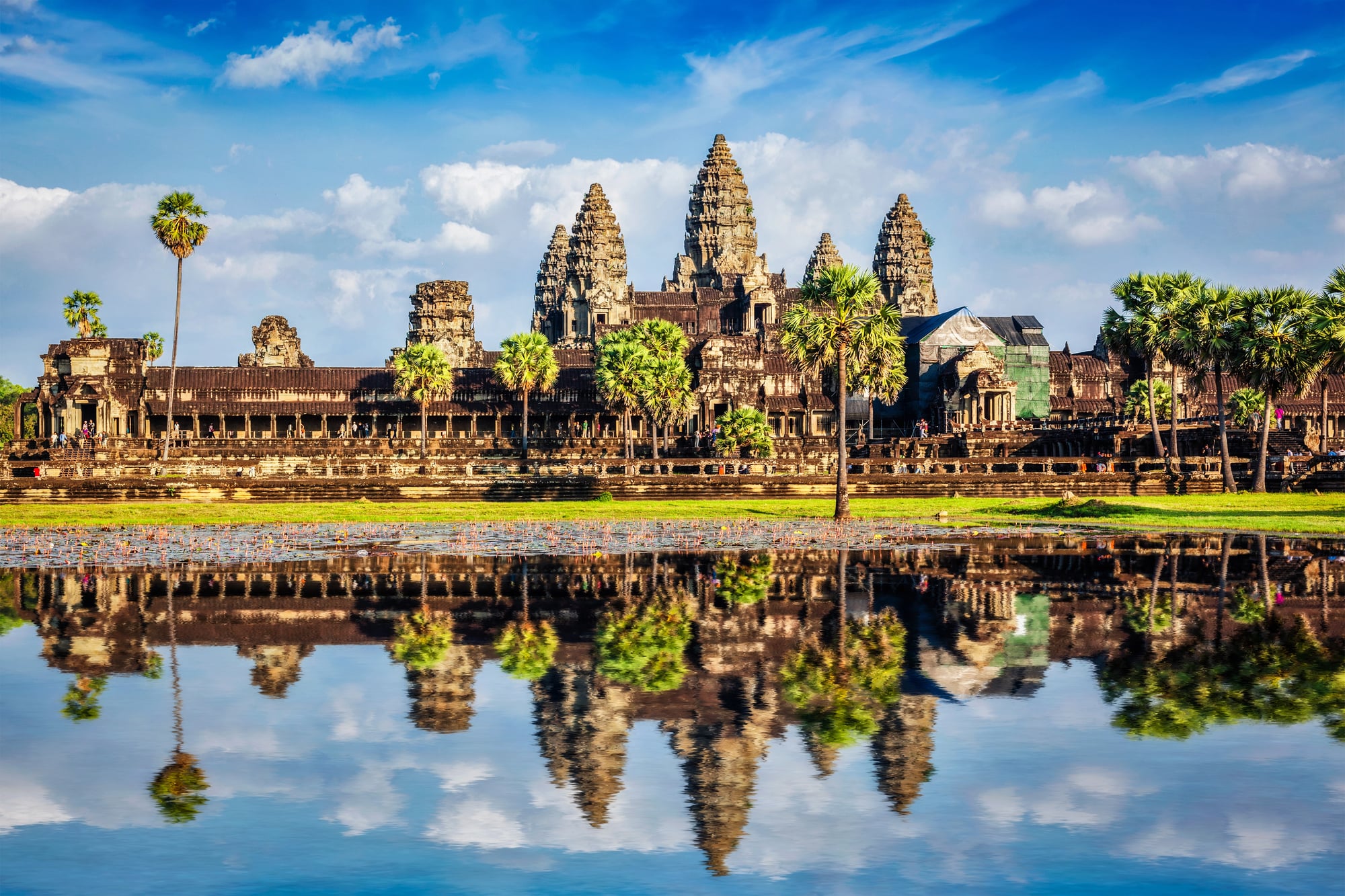
Cambodia’s identity in the late 20th century was rewritten in blood, and then rewritten again on paper. The country cycled through Khmer Republic, then Kampuchea under the Khmer Rouge, then the People’s Republic of Kampuchea, before returning to the Kingdom of Cambodia in 1993 — each name representing not just a political shift but a body count attached to it.
So the name “Cambodia” itself carries a kind of stubborn resilience: it survived everything that tried to replace it.
Belize
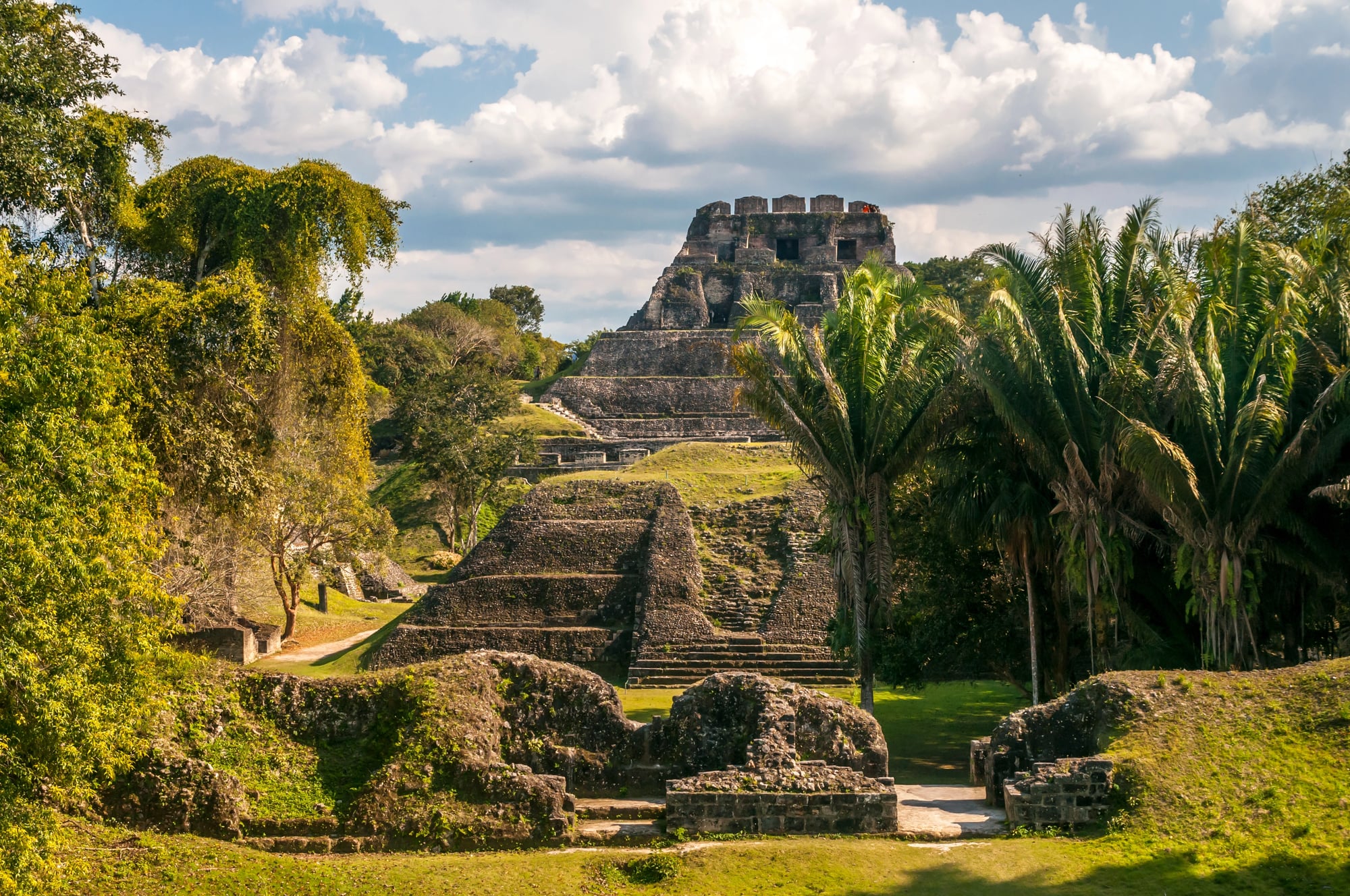
Belize used to be British Honduras, a name that announced its colonial status with the bluntness of a property deed. It became Belize in 1973, six years before full independence actually arrived in 1981 — which is a somewhat unusual order of operations, choosing the name before completing the exit.
The new name came from the Belize River, and it sounded, finally, like somewhere rather than someone’s possession.
Burkina Faso
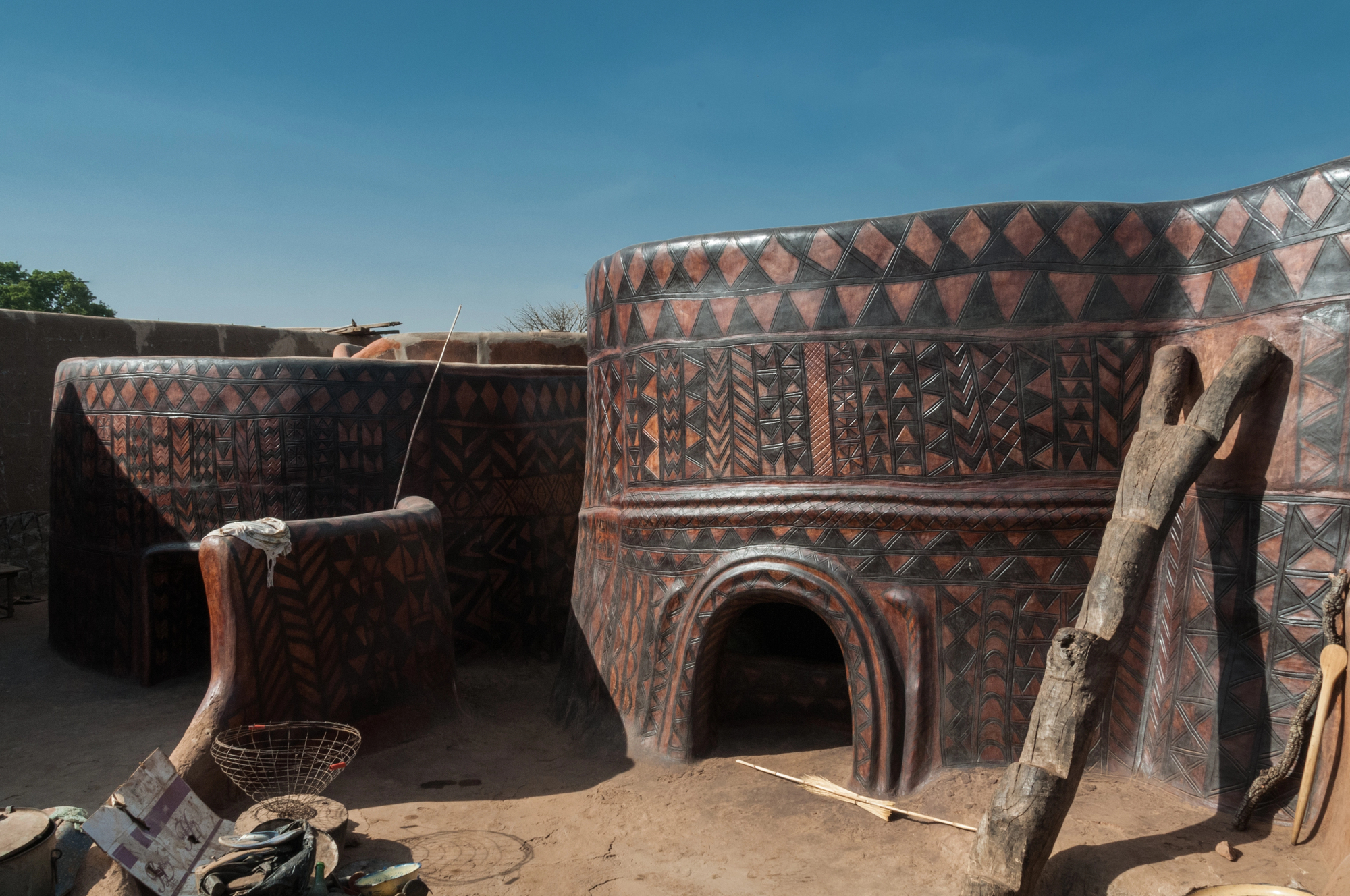
Upper Volta is one of the least imaginative colonial names ever assigned to a place, which is saying something in a field with genuinely stiff competition. Thomas Sankara renamed it Burkina Faso in 1984 — meaning roughly “Land of Incorruptible People” in a combination of Mooré and Dioula — a name that announced an entire political philosophy rather than just a geographic feature.
To be fair, almost any name would have been an upgrade.
Iran
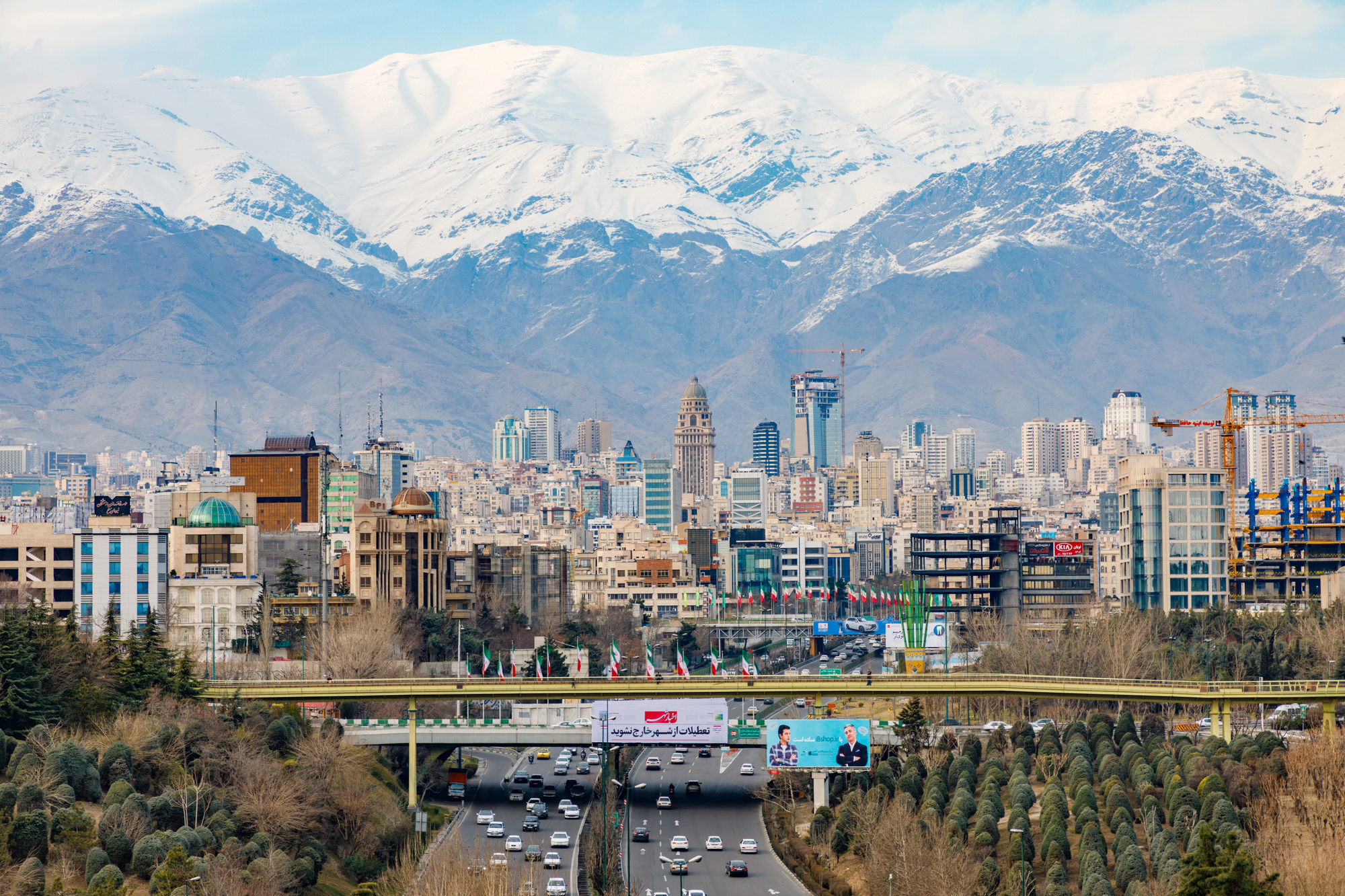
The country was always called Iran by its own people — Persia was the name Europeans used, derived from the ancient province of Pars, and it stuck for centuries in Western usage the way foreign nicknames sometimes stubbornly do. In 1935, Reza Shah formally requested that foreign governments use Iran instead, and after the 1979 Islamic Revolution, the country became the Islamic Republic of Iran: a complete ideological rebrand carried out with a theocratic urgency that Reza Shah probably didn’t anticipate when he first made the request.
Sri Lanka
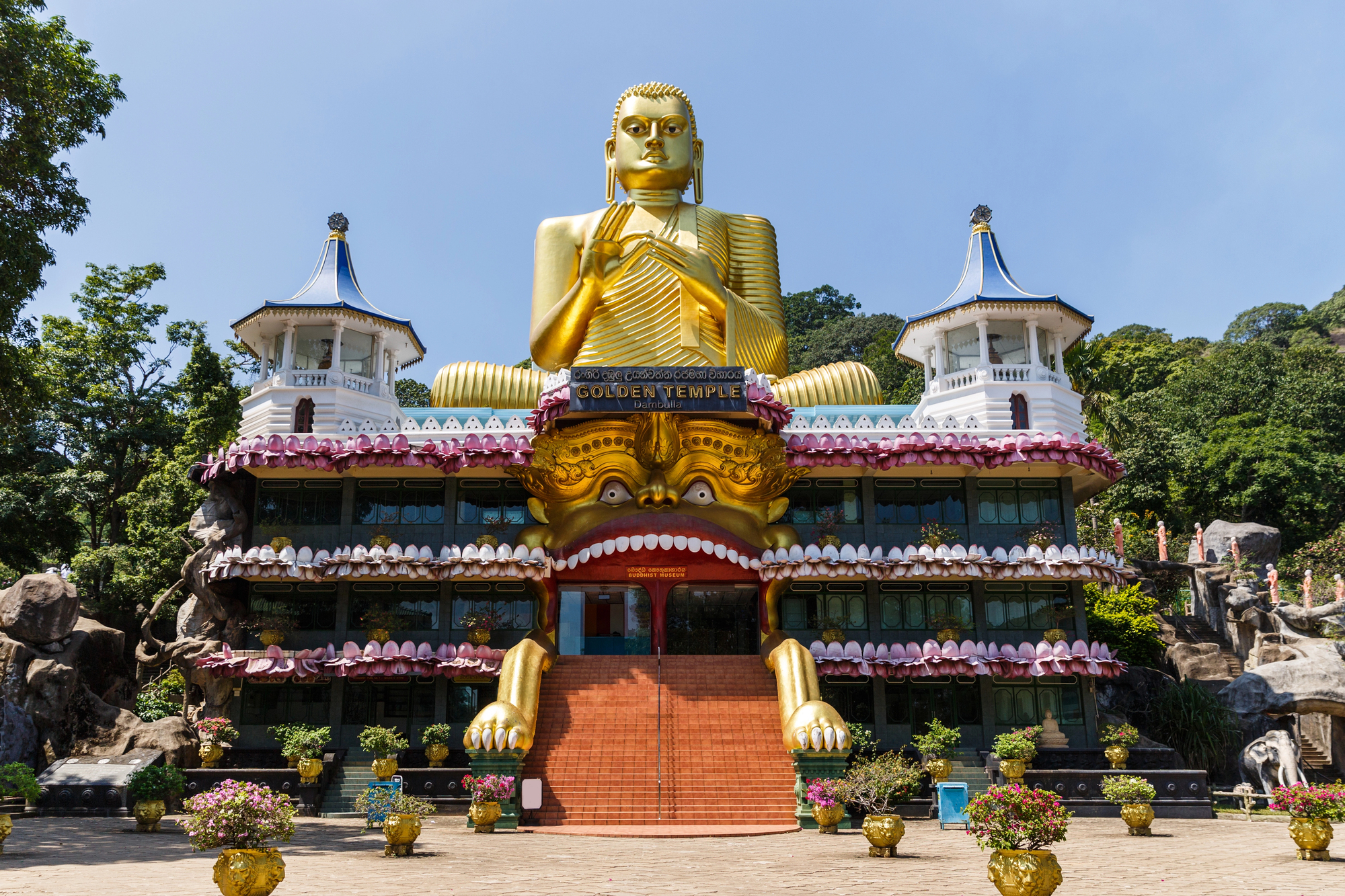
Ceylon sounds like a tea brand, and that was precisely the problem — the name carried the entire colonial commercial apparatus of British rule embedded in it, like a watermark you couldn’t wash out. Sri Lanka reclaimed its ancient Sinhalese name in 1972, becoming a republic in the same stroke, which meant a new constitution, a new flag arrangement, and a new national identity trying to assert itself over an island with deep, unresolved ethnic tensions that the name change did nothing to resolve.
Myanmar
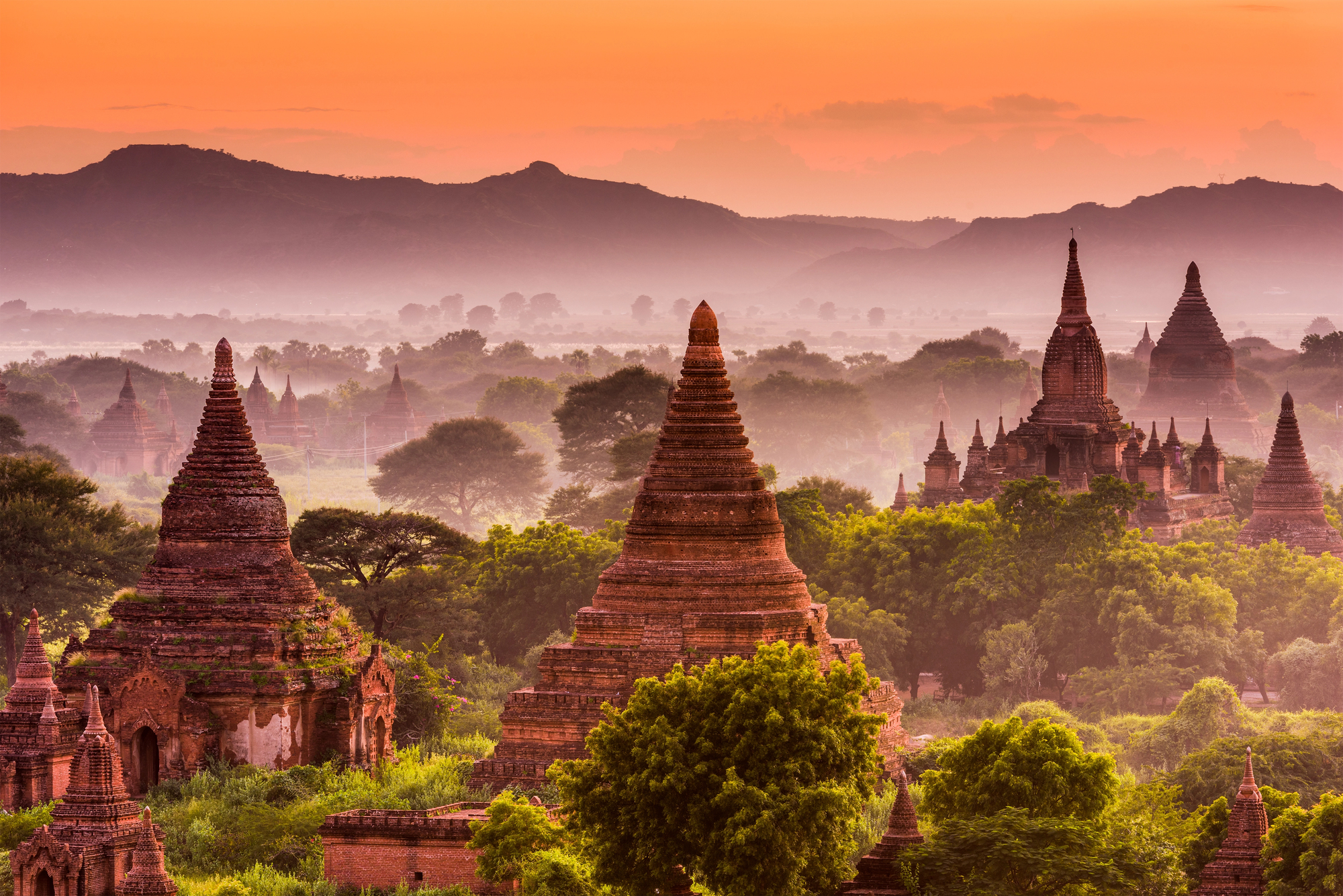
Burma became Myanmar in 1989, and the change arrived under circumstances that poisoned it from the start — announced by a military junta shortly after it violently suppressed a pro-democracy uprising. The United States and the United Kingdom refused to recognize the new name for years, continuing to say “Burma” as a form of political dissent, which made international correspondence genuinely complicated.
The name itself derives from Bamar, the dominant ethnic group, but critics noted that using it erased the country’s multiethnic identity as efficiently as any decree.
Benin
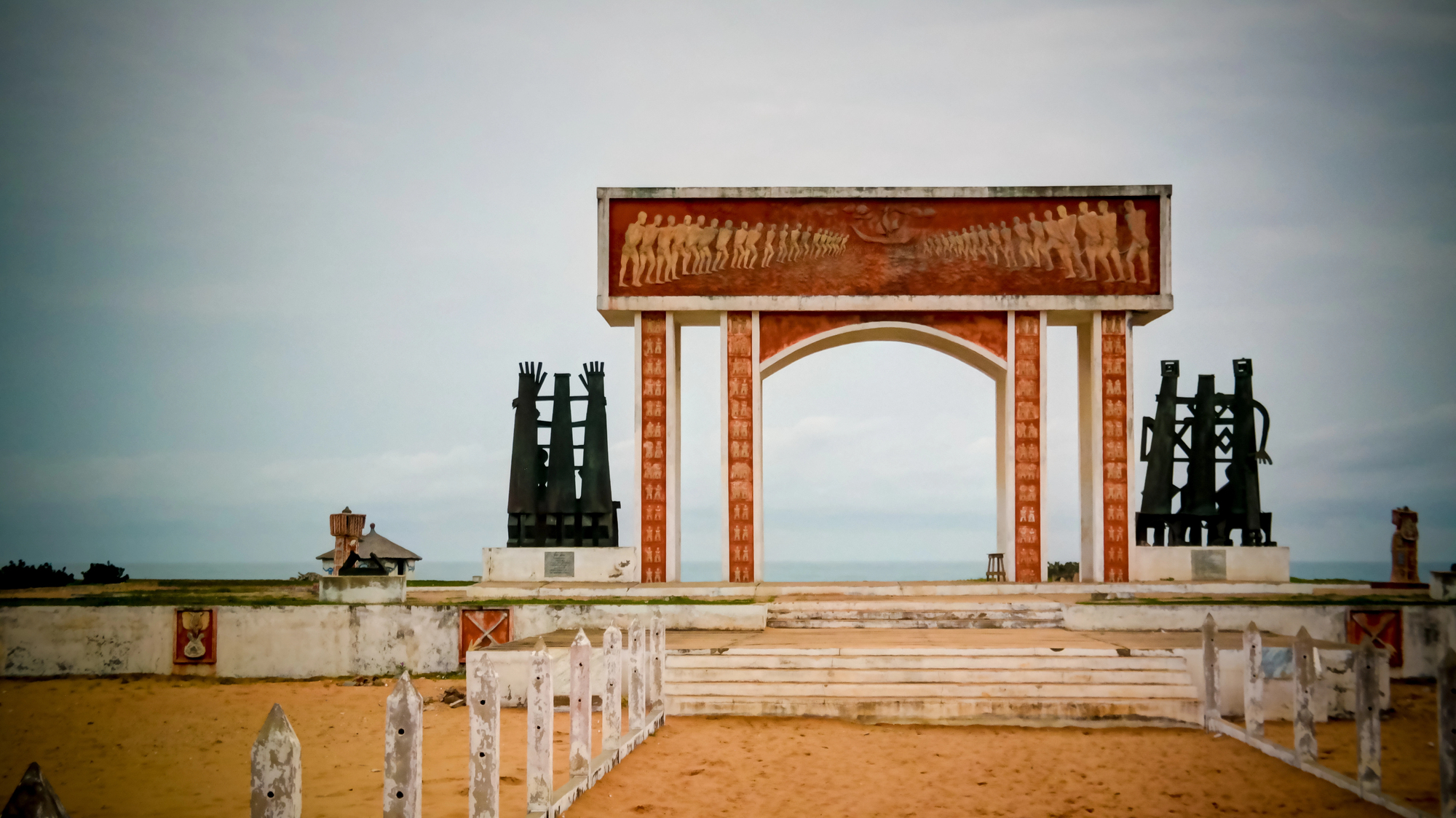
Benin went through a dramatic identity shift in 1975 when President Mathieu Kérékou renamed the former Dahomey to the People’s Republic of Benin — borrowing the name from the Bight of Benin rather than from the ancient Benin Kingdom, which is geographically located in what is now Nigeria, a fact that creates mild historical confusion to this day. The renaming was part of a Marxist-Leninist political repositioning that didn’t outlast the Cold War, and after 1990, the country dropped the “People’s Republic” portion but kept Benin, which turned out to be the more durable choice.
Czech Republic / Czechia
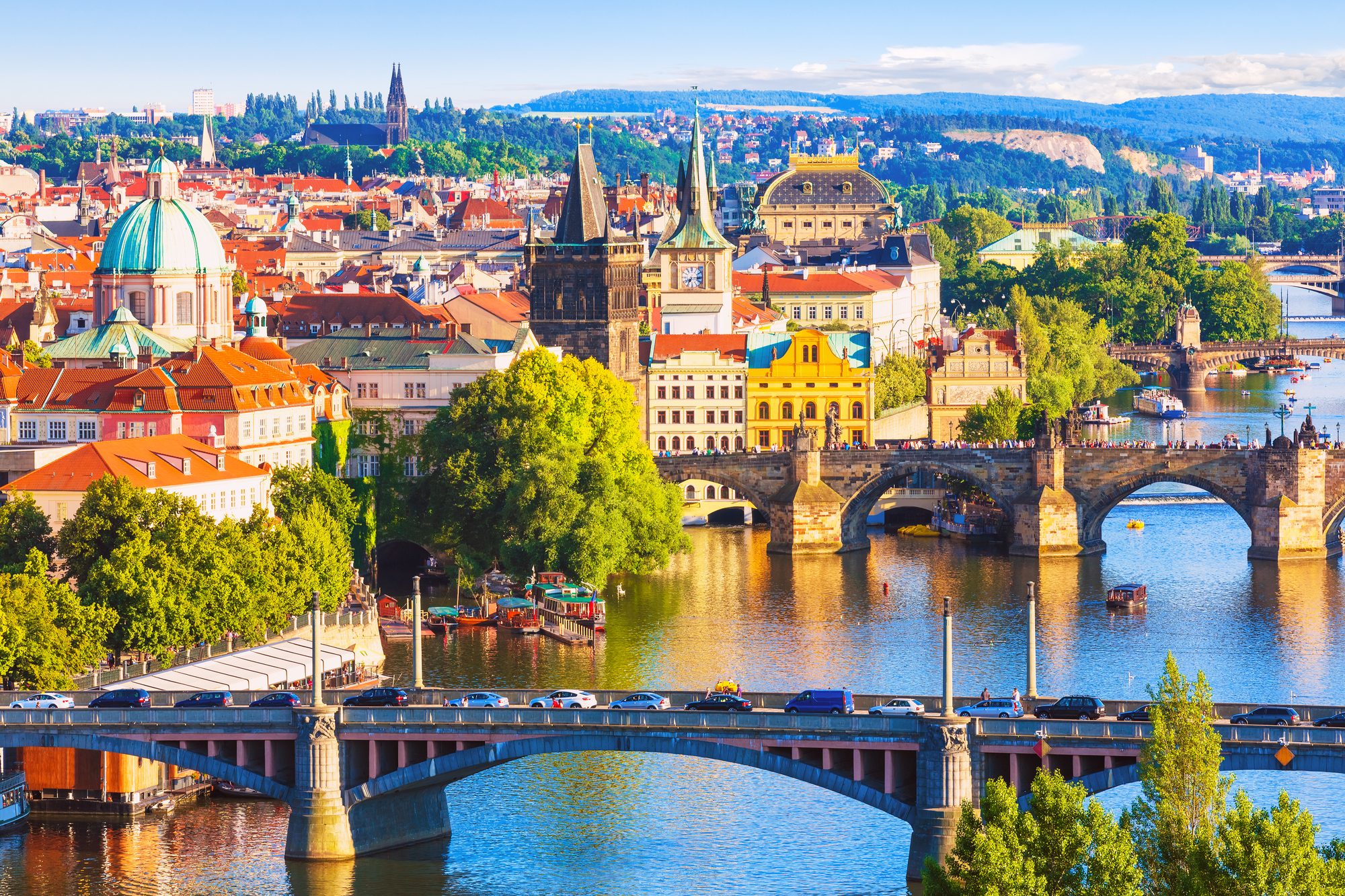
The Czech Republic formally adopted the short-form name Czechia in 2016 — a change that had been quietly lobbying for recognition for years, the way a perfectly reasonable idea sometimes waits in line longer than it should. The full name “Czech Republic” was always a mouthful that didn’t lend itself to jerseys, diplomatic shorthand, or casual conversation, and Czechia solved that with a single word.
Not everyone took to it immediately, but names have a way of settling in whether people agree to them or not.
North Macedonia
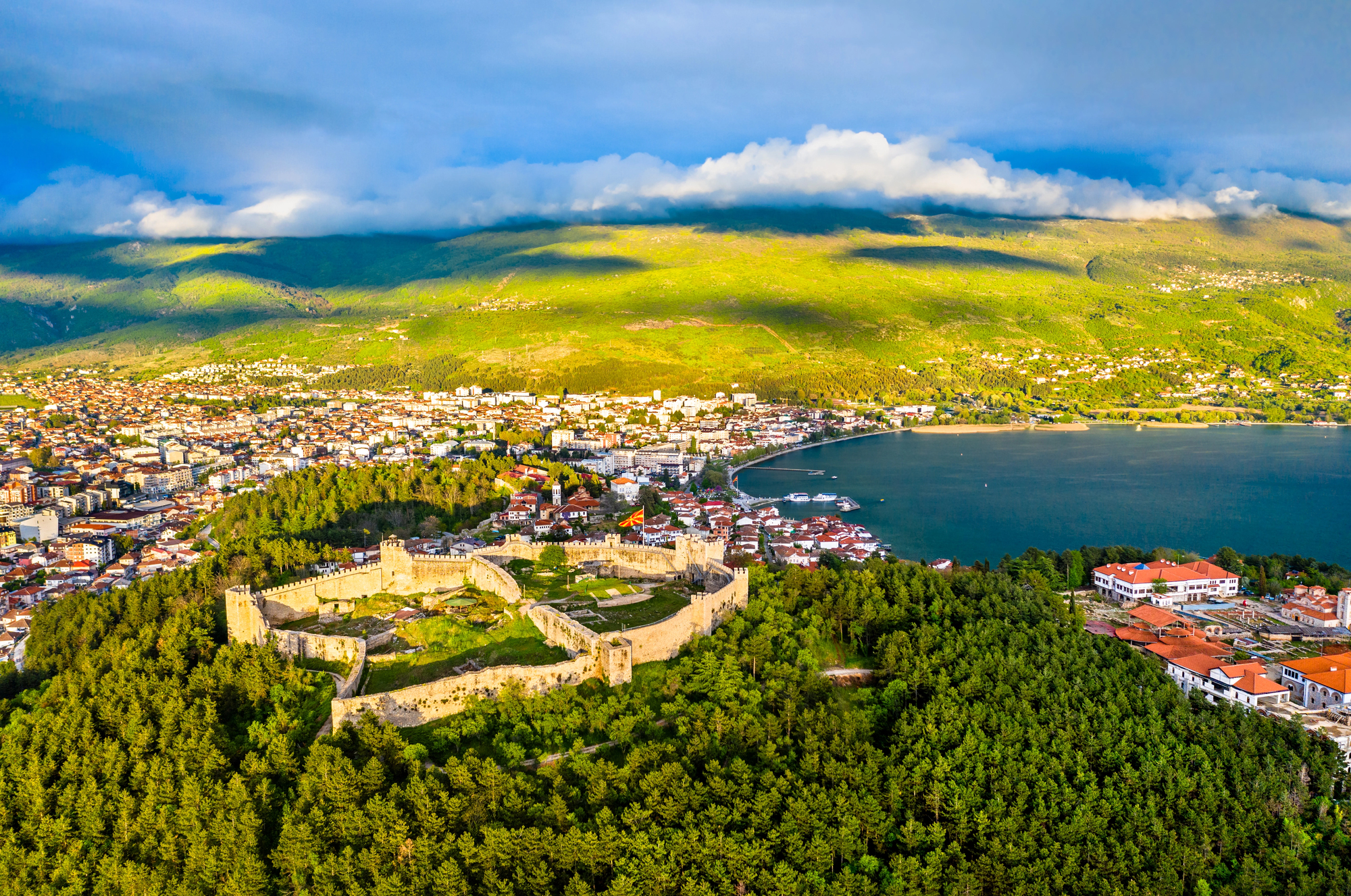
Macedonia spent 27 years in a naming dispute with Greece that would seem almost absurd if it hadn’t blocked the country from joining NATO and the EU for nearly three decades. Greece objected to the name Macedonia because it overlapped with its own northern region of the same name, and the two countries finally reached the Prespa Agreement in 2018 — resulting in “North Macedonia” as a compromise that pleased almost nobody completely and allowed everybody to move forward.
It’s a name born of diplomatic exhaustion rather than national pride, which is its own kind of honesty.
Namibia
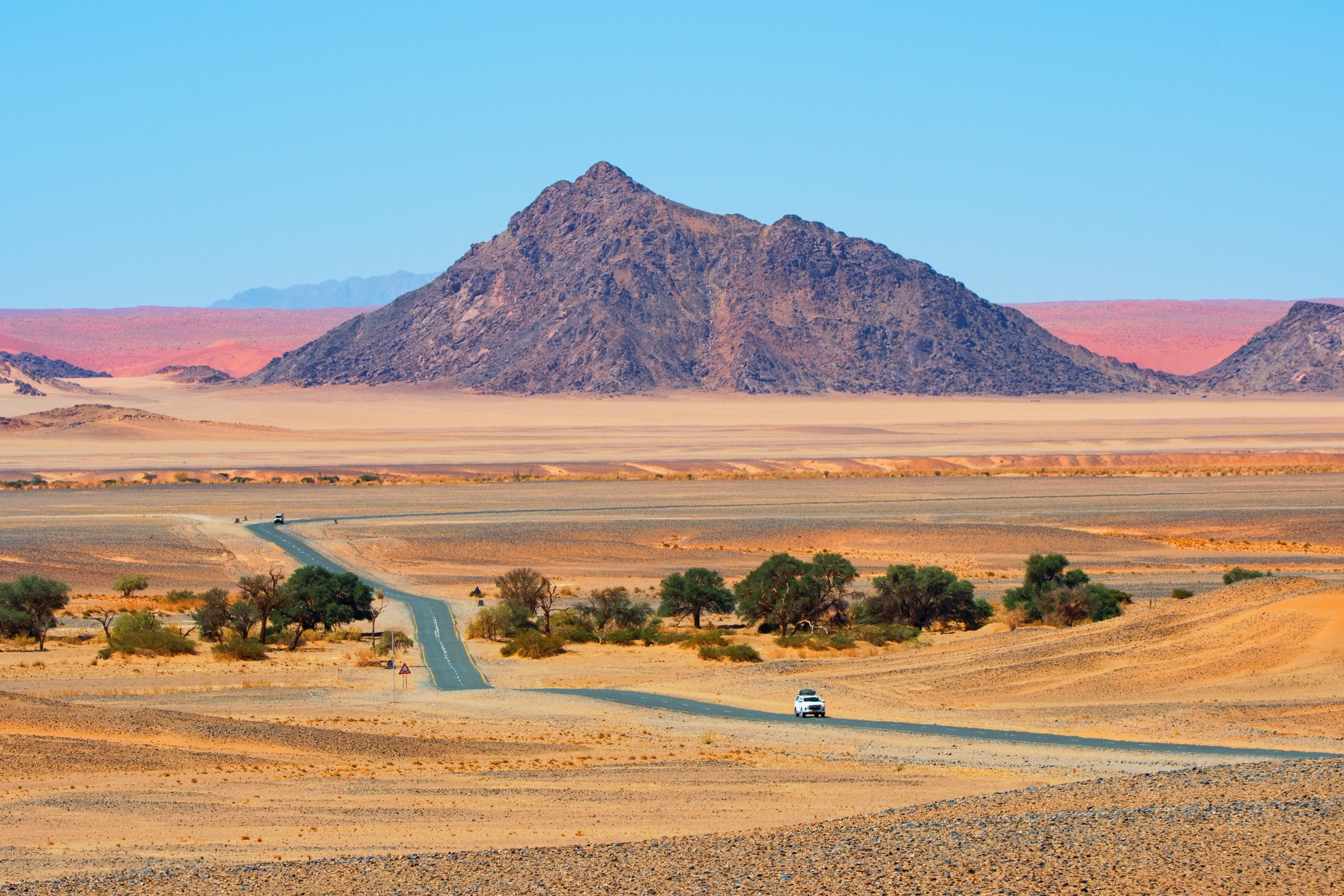
South West Africa was the name that reflected exactly what it was: a colonial territory, administered by South Africa under a League of Nations mandate that long outlasted any legitimate justification for it. Namibia declared independence in 1990 and took its name from the Namib Desert — one of the oldest deserts on earth, stretching along the Atlantic coast for roughly 1,200 miles — and the choice felt geographically rooted in a way that “South West Africa” never was.
Slovakia
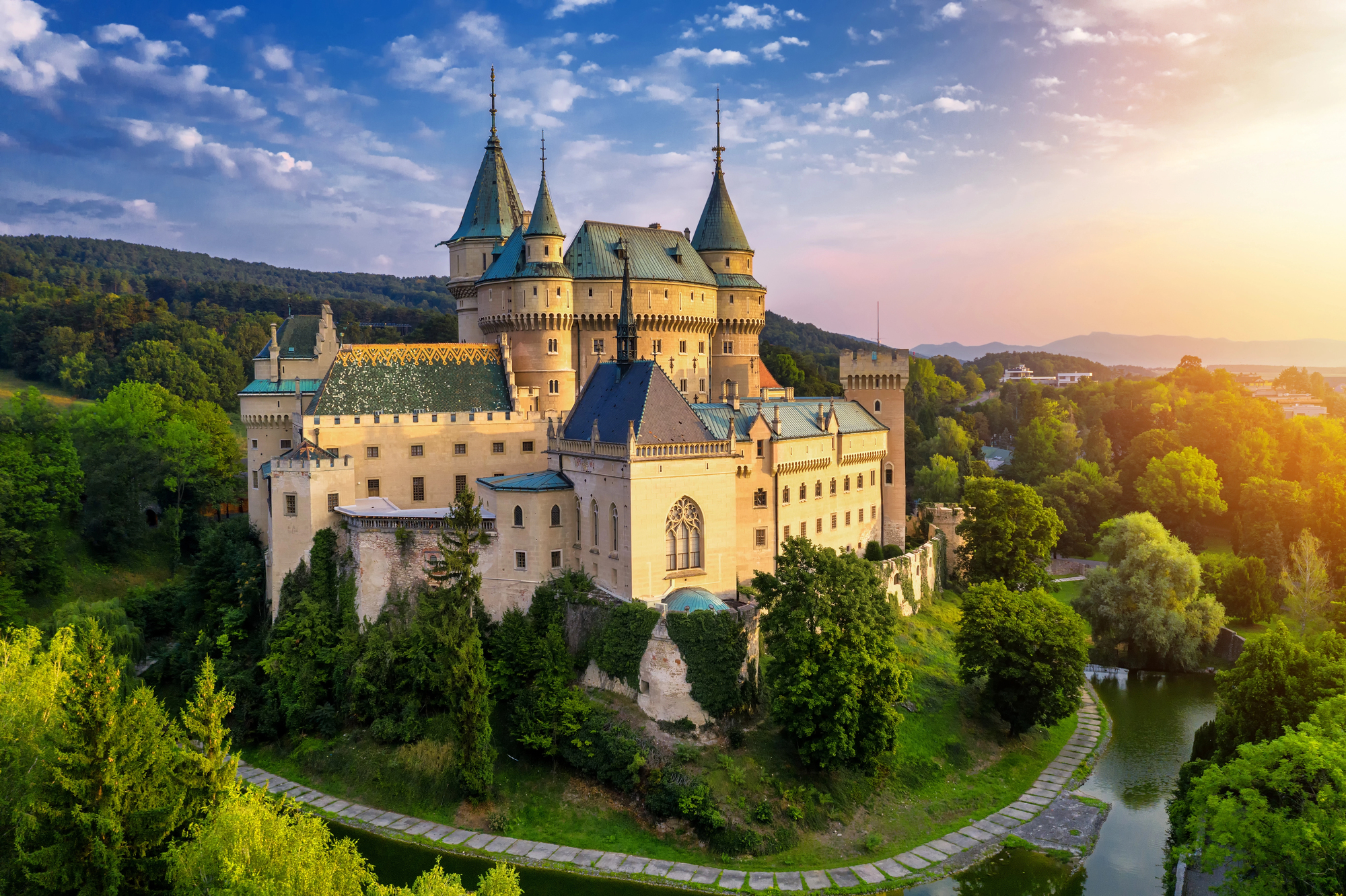
Czechoslovakia split peacefully on January 1, 1993 — the “Velvet Divorce,” named with the same instinct for understatement that gave the preceding revolution its name. Slovakia emerged as a fully independent nation for the first time in modern history, distinct from its western neighbor not just in name but in language, political temperament, and the particular stubbornness of a people who had long felt subordinate inside a shared state.
The rebranding here wasn’t hostile; it was simply overdue.
Eritrea
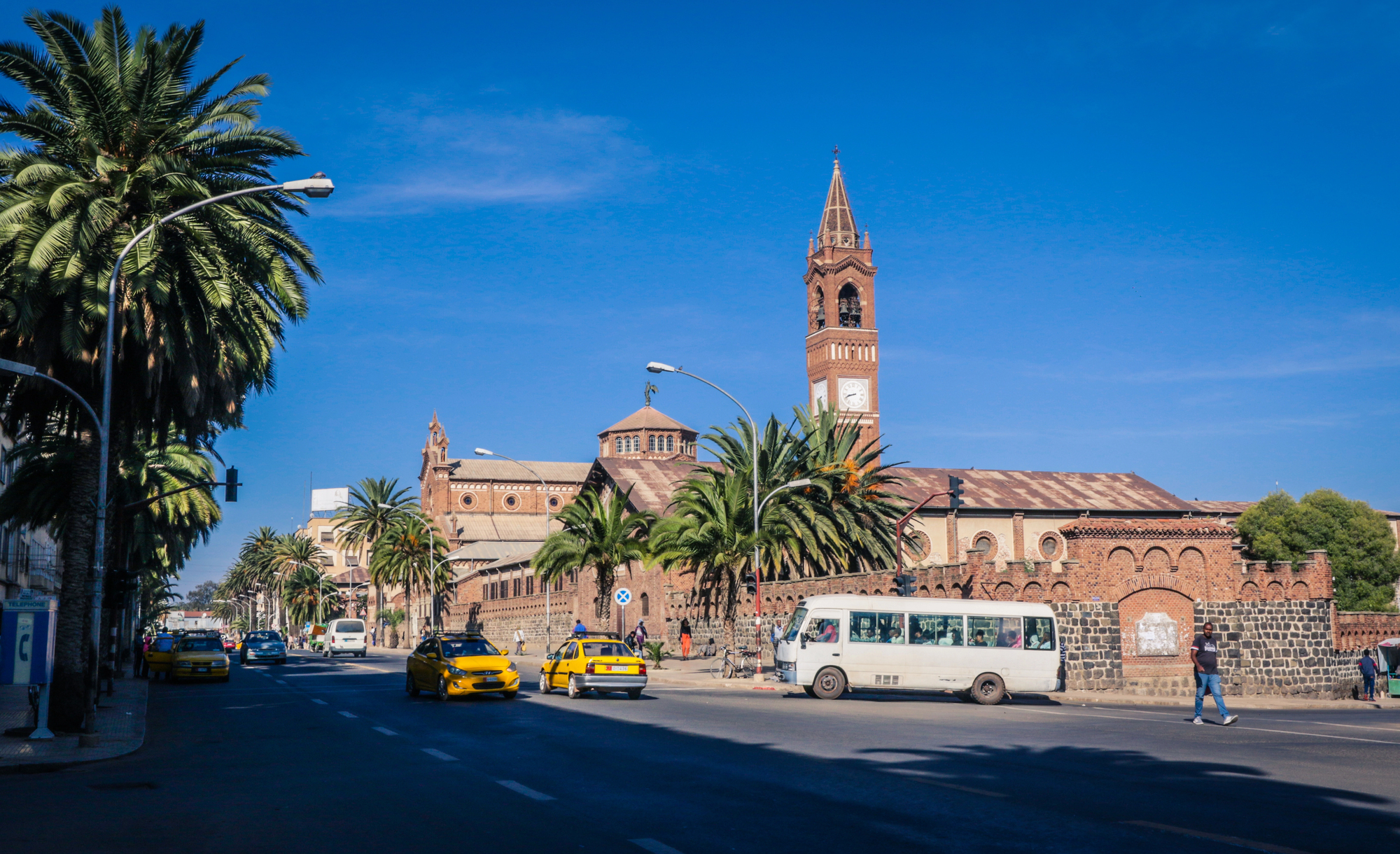
Eritrea existed as a federated territory within Ethiopia before Haile Selassie abolished the arrangement in 1962 and annexed it outright — a decision that triggered a 30-year independence war that finally ended in 1991, with formal independence recognized in 1993. The name Eritrea comes from the ancient Greek name for the Red Sea, Erythra Thalassa, and the country spent so long fighting for the right to use it that independence itself felt like a second birth rather than a first.
Thirty years is a long time to wait for your own name.
East Timor / Timor-Leste
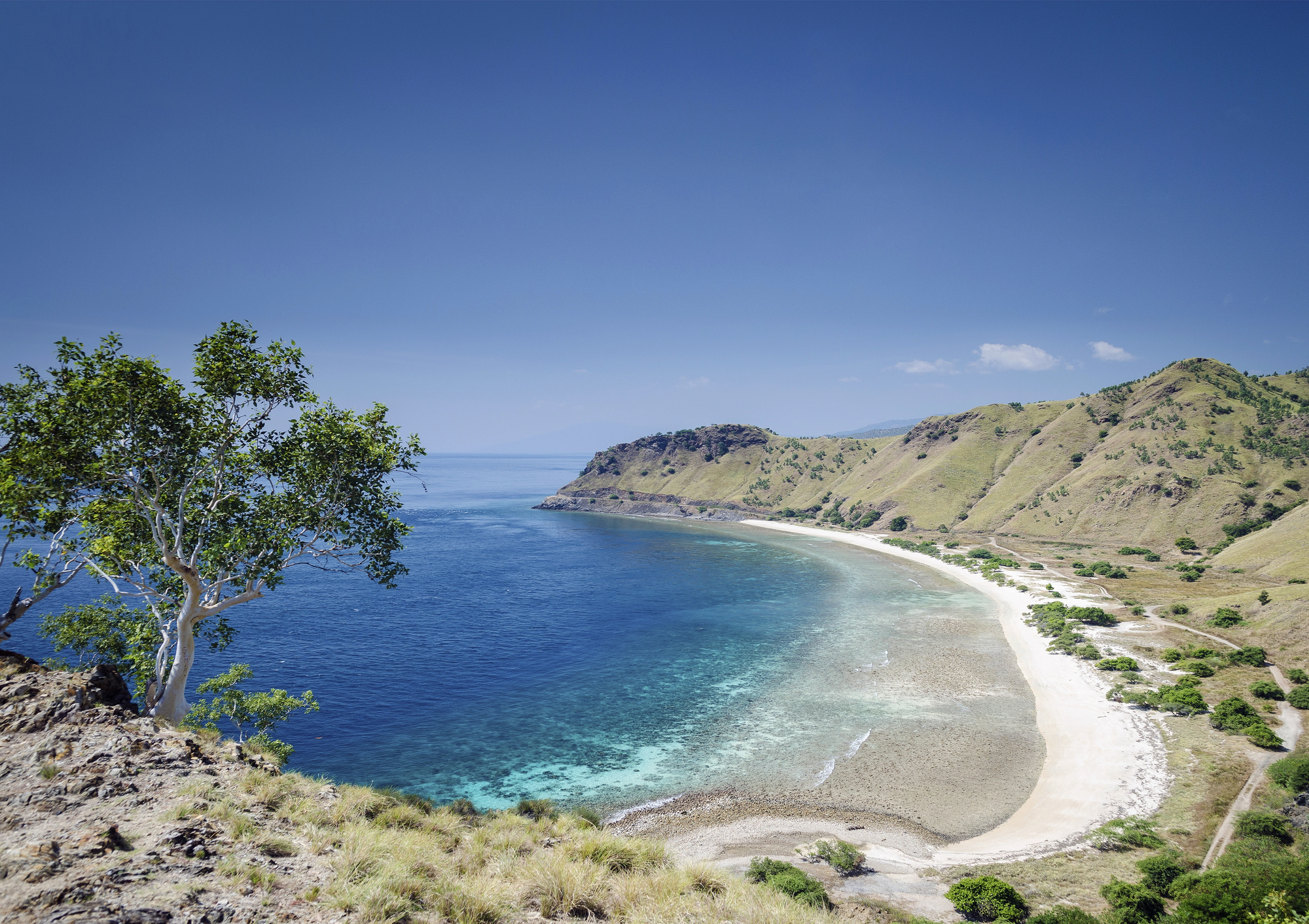
The country declared independence from Portugal in 1975 and was invaded by Indonesia nine days later, beginning a 24-year occupation that the outside world largely watched in silence. When it finally achieved independence in 2002, it chose Timor-Leste — using the Portuguese word for “east” rather than the English one — which positioned the new country’s identity firmly in its Lusophone history rather than the Indonesian one that had tried to overwrite it.
The name is a small act of defiance rendered permanent.
Belarus
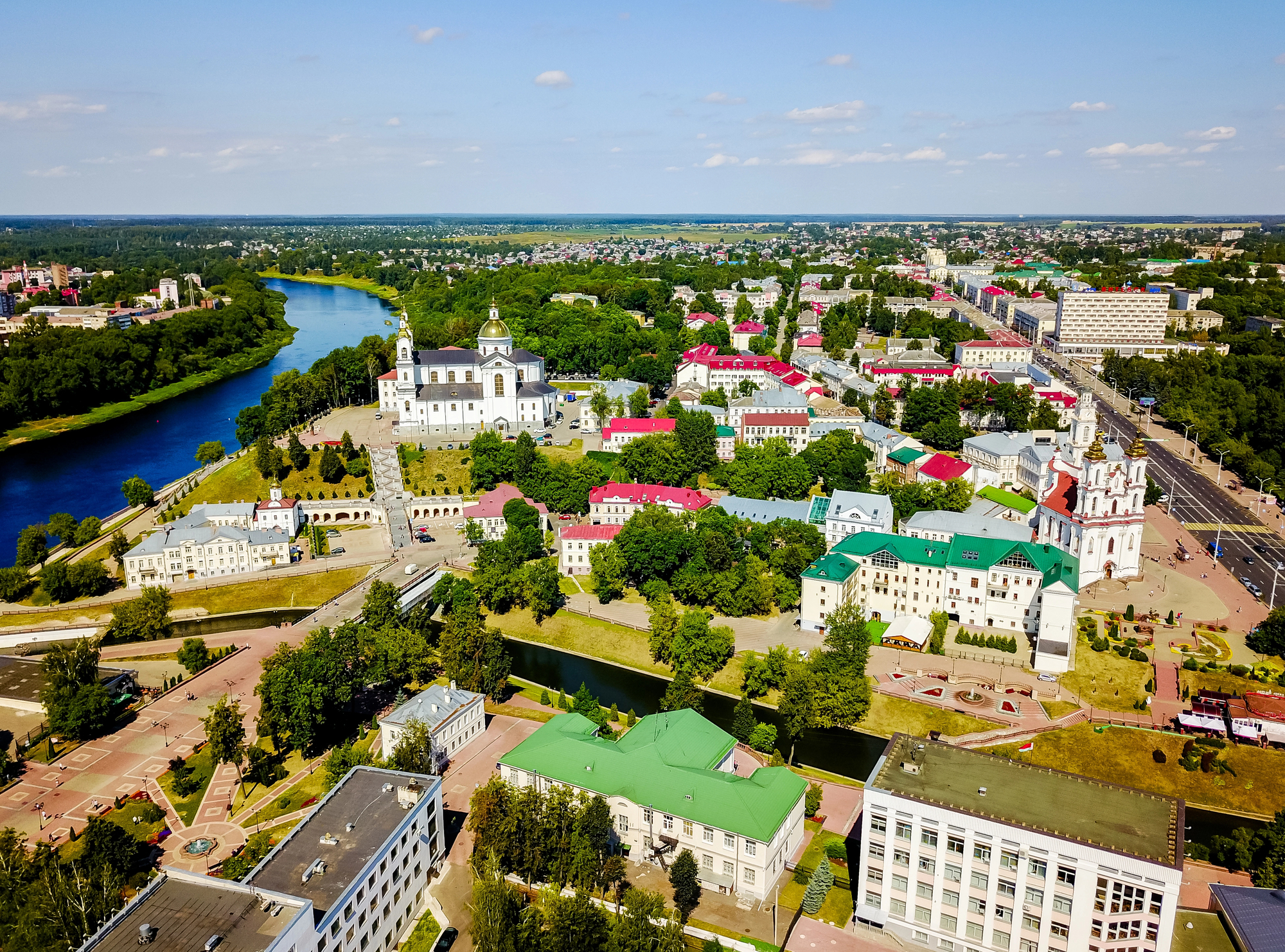
The Byelorussian Soviet Socialist Republic became the Republic of Belarus in 1991 when the Soviet Union collapsed, and the country has been navigating the distance between those two identities ever since — or more accurately, struggling to decide how far it actually wants to travel from one to the other. The name Belarus means “White Russia,” and under Alexander Lukashenko, the country has clung to Soviet-era aesthetics, collective farms, and the KGB name for its security service, which gives the rebrand a distinctly incomplete quality.
Kazakhstan
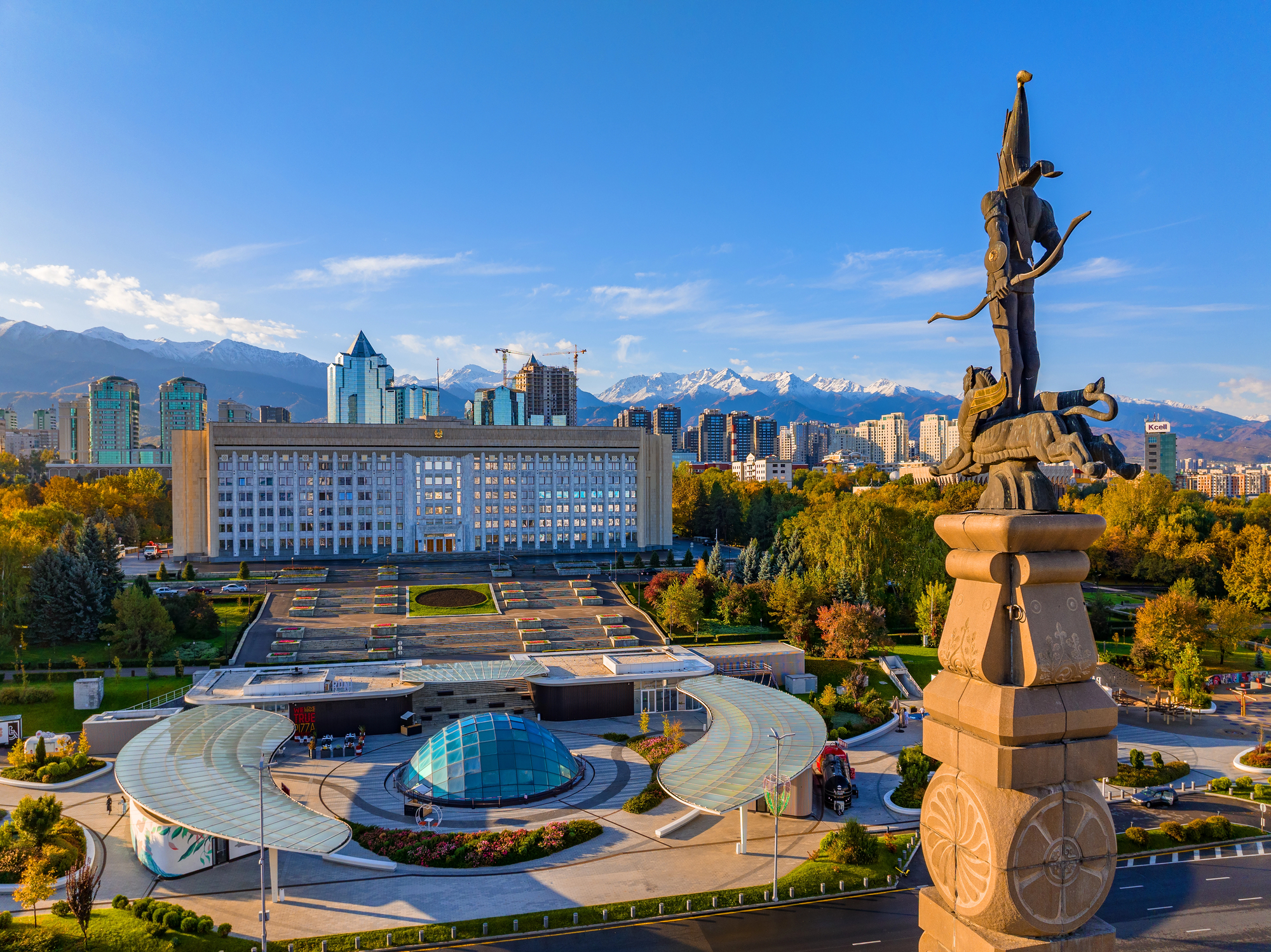
Kazakhstan declared independence from the Soviet Union in December 1991, and in 2019, the capital city itself was renamed — from Astana to Nur-Sultan, honoring departing longtime president Nursultan Nazarbayev, in a move that felt less like a rebrand and more like an inscription. In 2022, the city was renamed back to Astana, which completed a short but pointed national argument about whether a capital city should be named after a living politician.
Turns out: probably not.
Eswatini
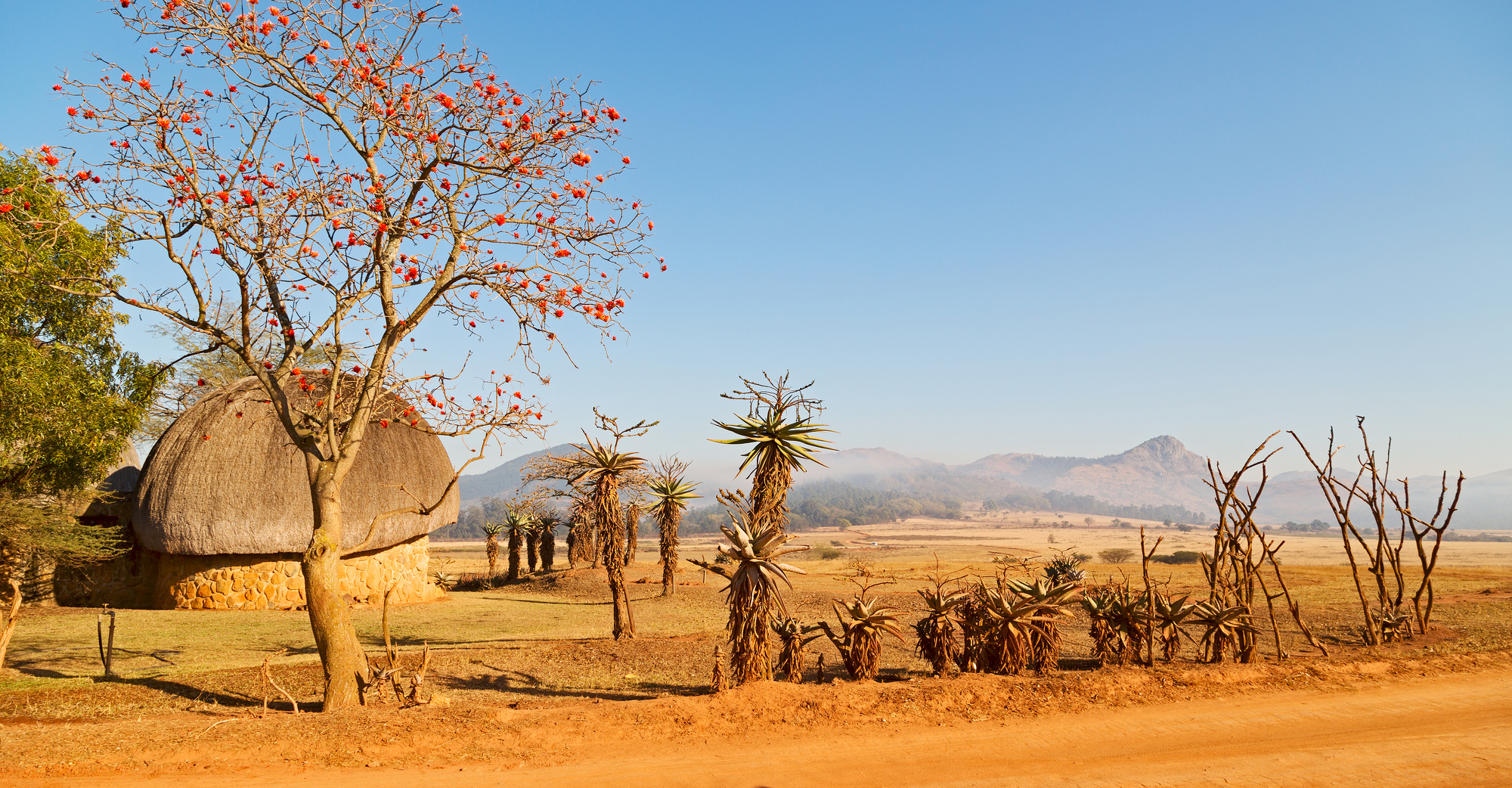
Swaziland became Eswatini in 2018, announced by King Mswati III on the country’s 50th independence anniversary, because — in his words — he was tired of people confusing Swaziland with Switzerland. That is either the most pragmatic reason a country has ever been renamed or the most autocratic casual dismissal of formal process, depending on your perspective.
Eswatini means “Land of the Swazis” in Swazi, which is at minimum a more honest description than its predecessor.
Germany
Germany’s rebrand was less about its name and more about its total reinvention — West Germany spent decades deliberately constructing a new national identity from the rubble of the Third Reich, a process that involved economic policy, constitutional architecture, and a cultural reckoning with the past that other nations have rarely attempted with the same systematic commitment. Reunification in 1990 folded East Germany into this rebuilt identity, presenting the world with a single Germany that insisted, through its Basic Law and its public memory culture, on being something categorically different from what came before.
Whether a country can fully rebrand its own history is an open question; Germany made the most serious attempt at it.
South Sudan
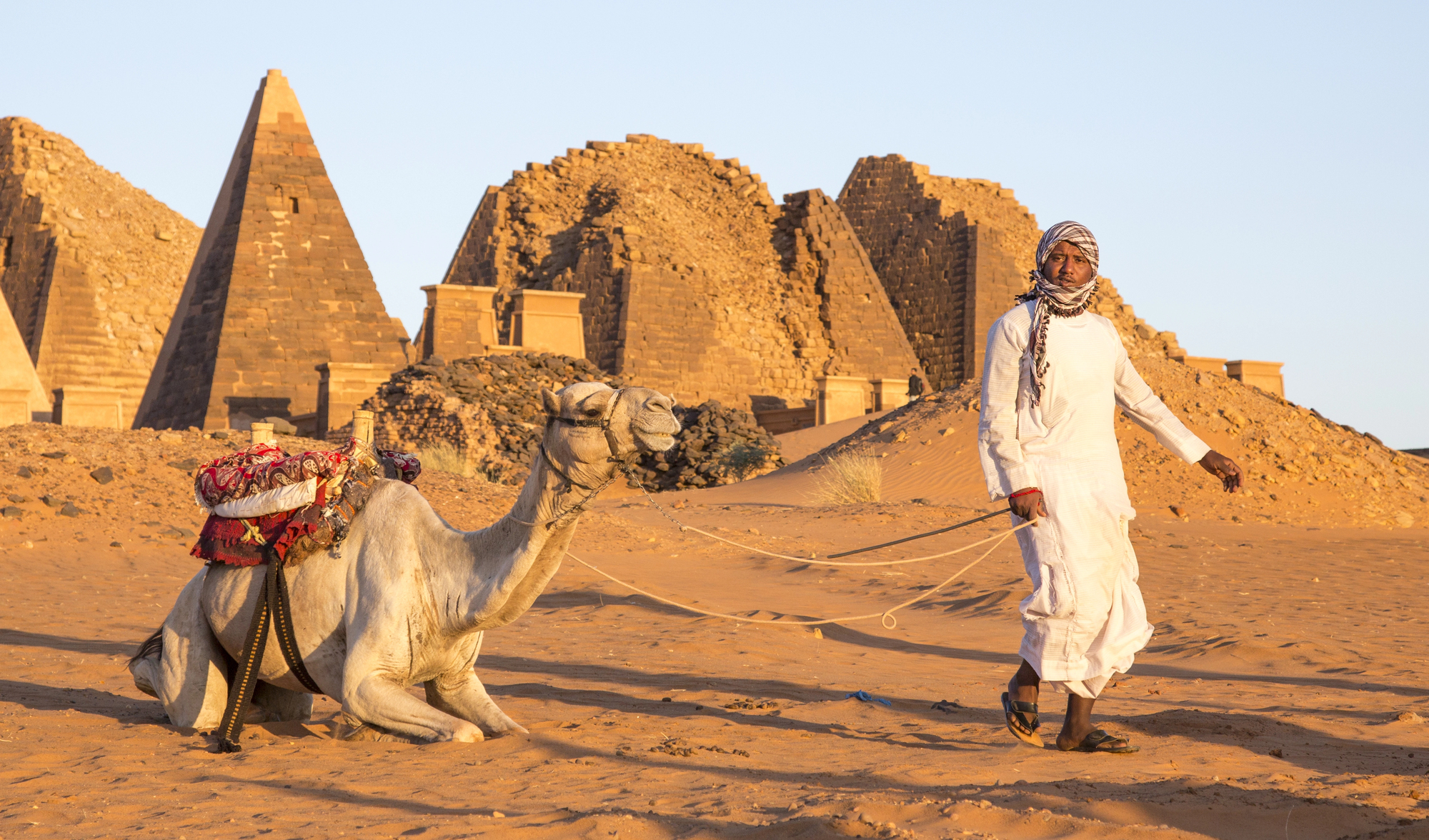
South Sudan became the world’s newest recognized country in 2011, splitting from Sudan after a 2005 peace agreement ended decades of civil war in which an estimated two million people died. The name was straightforward — descriptive, geographic — but the act of claiming it was anything but simple, representing the aspirations of dozens of ethnic groups who had in common the experience of marginalization and little else.
The country’s subsequent civil war, beginning in 2013, complicated the rebranding considerably.
Russia
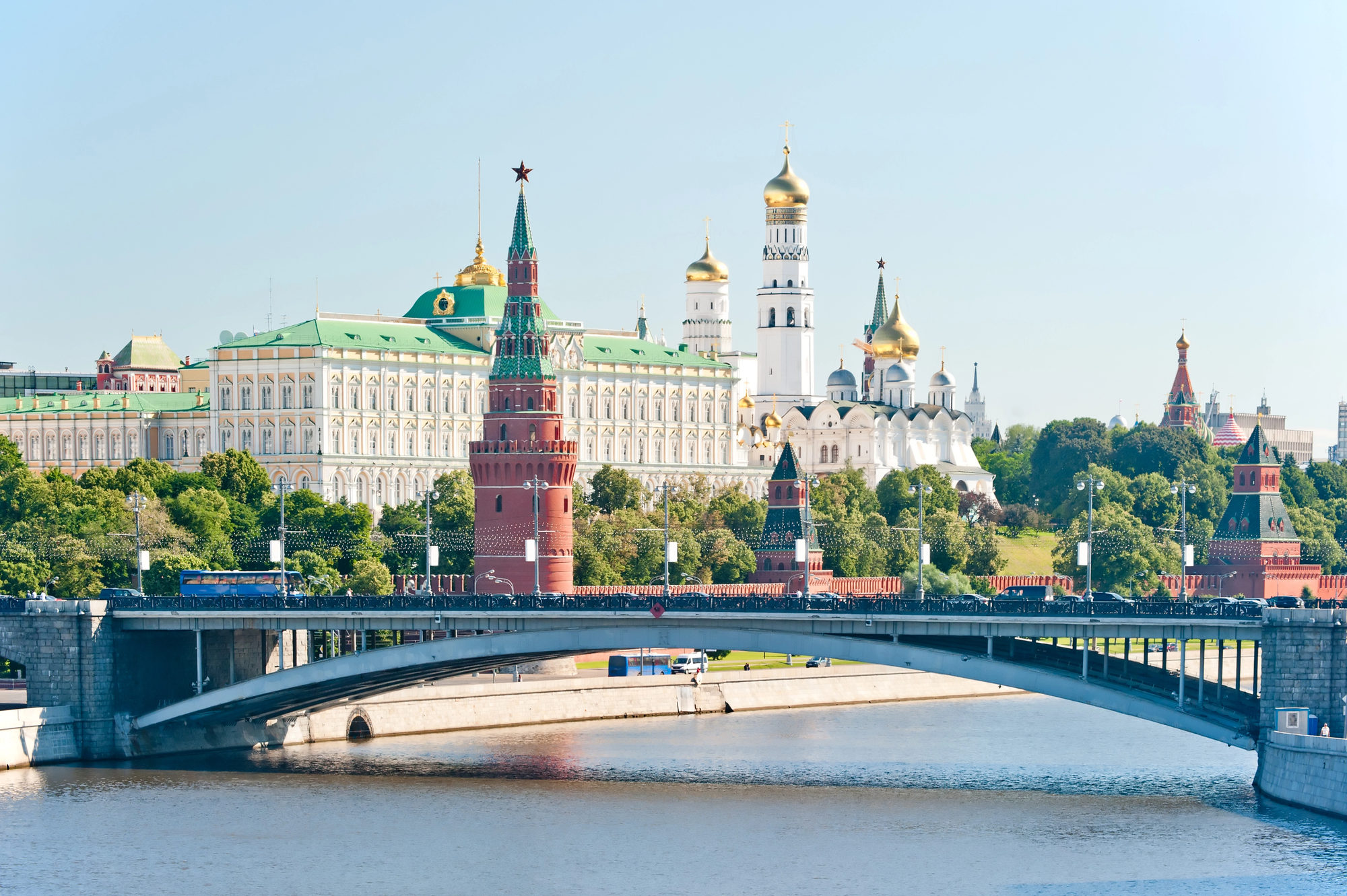
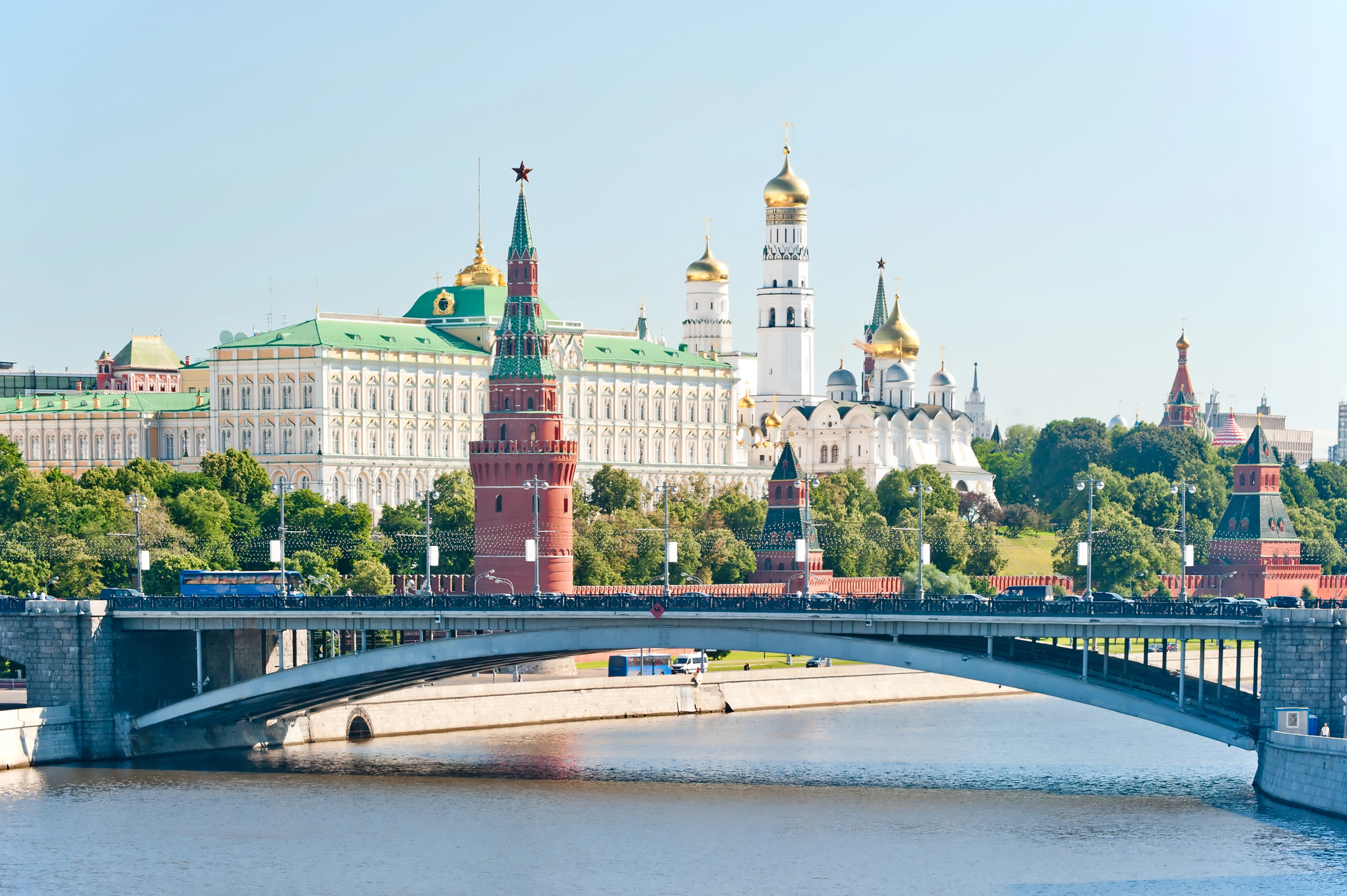
The Soviet Union dissolved in December 1991, and Russia — the Russian Federation — emerged as its primary successor state, inheriting the permanent Security Council seat, the nuclear arsenal, and the approximate geography of the Soviet core. The rebrand was supposed to announce a democratic future, and for a decade or so it gesturally did, before the country spent the following two decades retreating from most of those gestures.
Turns out inheriting a seat at the table is easier than inheriting the political culture that was supposed to come with it.
ansition to democracy — La Transición — was one of the 20th century’s more remarkable political negotiations. Rather than a rupture, it was a managed transformation: the old Francoist institutions essentially voting themselves out of existence, the Communist Party legalized, regional autonomy granted to Catalonia and the Basque Country, and a new constitution ratified in 1978 with broad popular support.
The country didn’t change its name, but the Spain that exists now is so constitutionally and culturally distinct from the Spain of 1974 that the continuity of the word is almost misleading.
Ethiopia
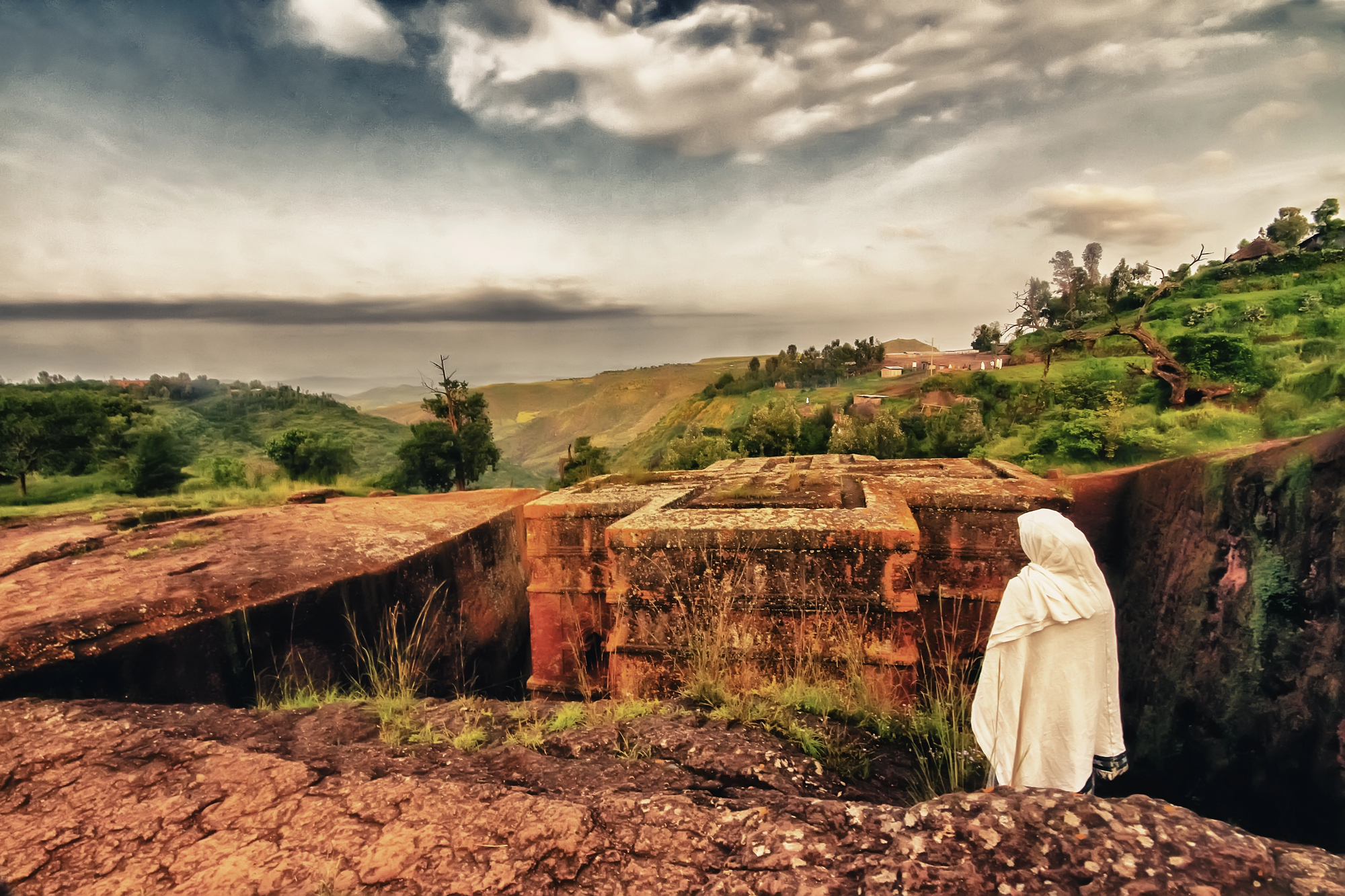
Ethiopia abolished its monarchy in 1974 when the Derg military junta deposed Haile Selassie, shifting from an ancient imperial identity — one of the oldest continuous monarchies on earth — to a Marxist military state, and then after 1991 to a federal democratic republic that attempted to reorganize the country along ethnic lines. Each shift tried to narrate a different Ethiopia: the ancient, the revolutionary, the multicultural.
The one constant is that Ethiopia has remained one of the few African countries never colonized by a European power, and that fact has been central to every version of the national story regardless of who was telling it.
Vietnam
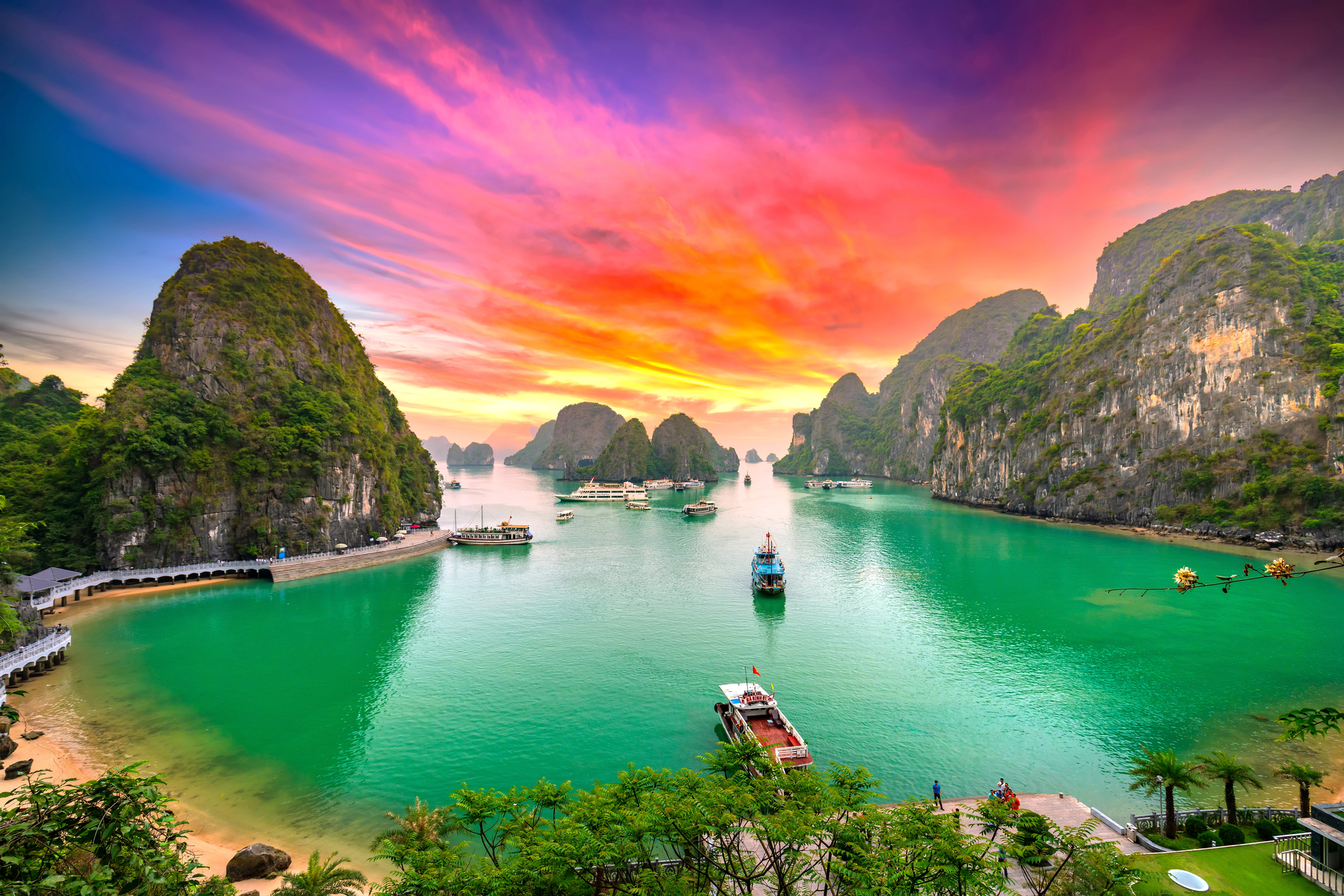
Vietnam reunified in 1976 after the end of the war, combining North and South Vietnam into the Socialist Republic of Vietnam — a unification that arrived for millions of people as defeat, relocation, or re-education rather than liberation, depending entirely on which side of the previous divide they’d been standing on. The country’s subsequent rebrand has been economic as much as political: the Doi Moi reforms of 1986 opened Vietnam to market forces while the Communist Party retained political control, producing a state that is ideologically communist and practically entrepreneurial, which is a combination that doesn’t fit neatly into most available frameworks.
Hanoi and Ho Chi Minh City — the renamed Saigon — coexist as two cities that still carry different worlds inside them.
South Africa
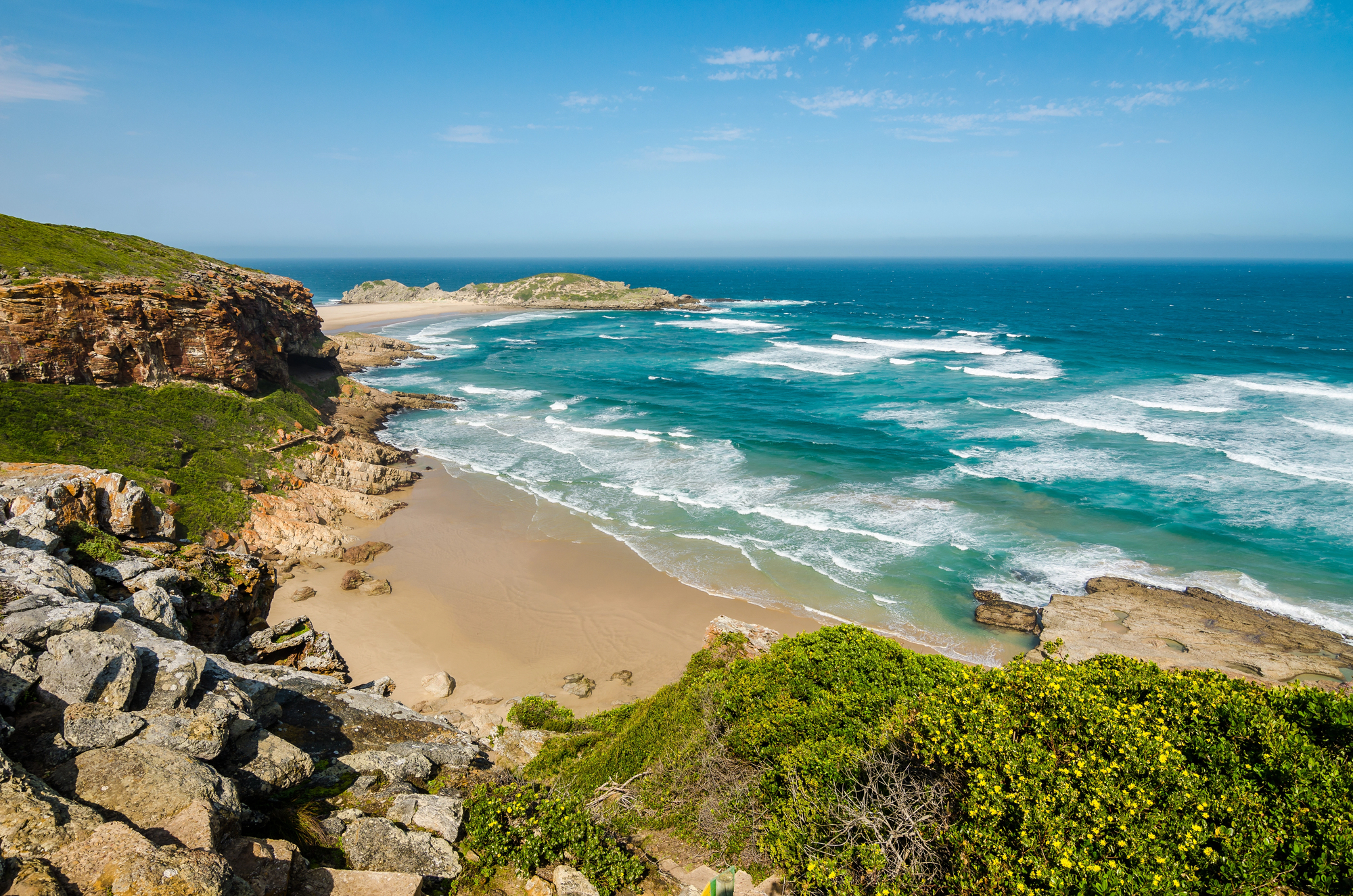
South Africa’s rebrand in 1994 was witnessed by the entire world, which is rare. The end of apartheid, the first democratic elections, Nelson Mandela’s presidency — these weren’t just political events, they were a kind of global moral referendum on whether transformation at that scale was actually possible.
The country kept its name but changed everything beneath it: the constitution, the flag, the anthem, the symbolic architecture of public life. What it inherited along with freedom was an economic inequality so deeply structural that three decades of democracy have moved it only marginally — a reminder that rebranding a nation’s identity and rebranding its material conditions are two entirely different projects, proceeding at entirely different speeds.
When Names Become Futures
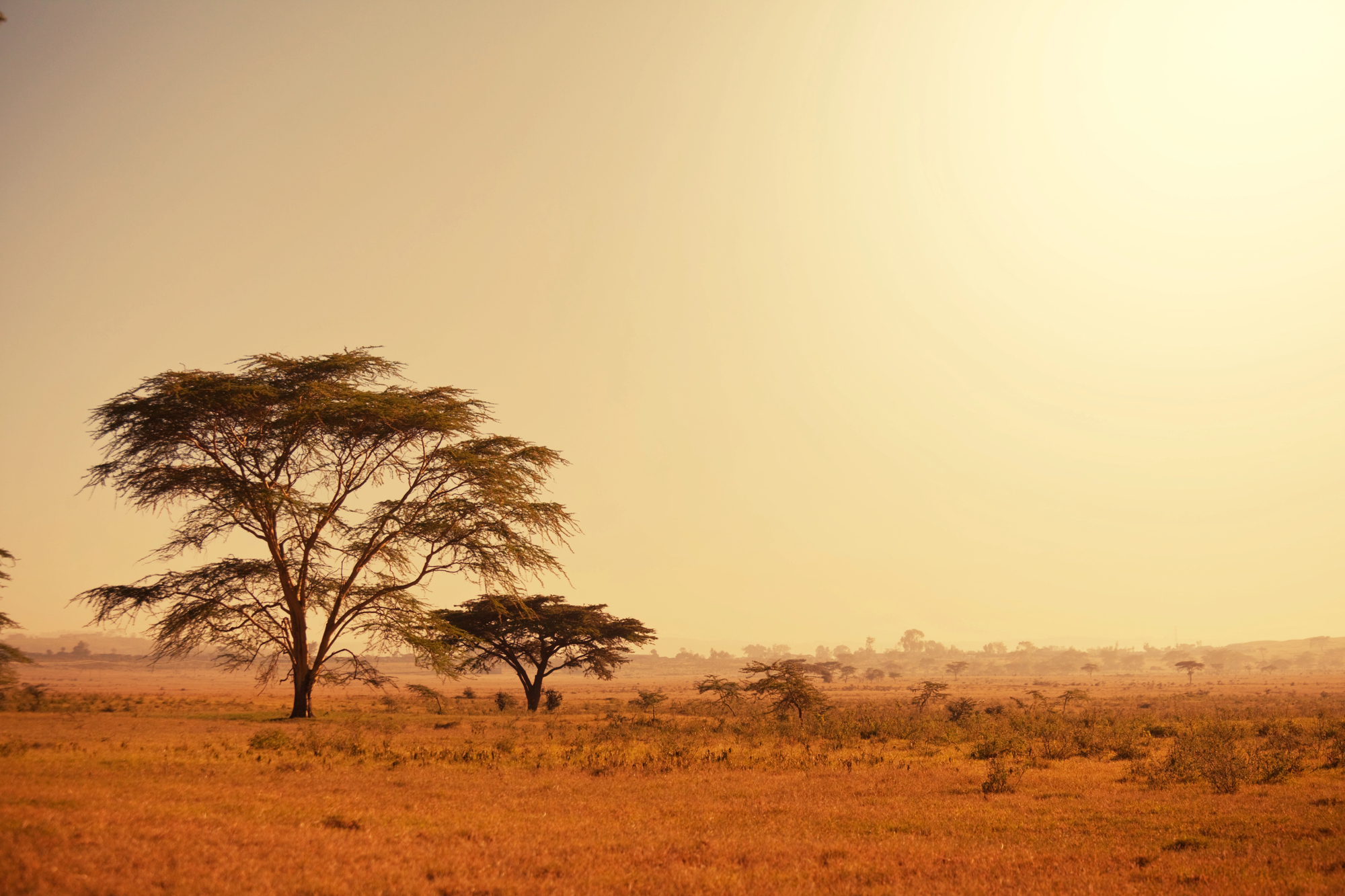
The countries on this list didn’t just change their names — they changed the story they were telling about themselves, and stories have consequences. A name on a map is also a claim: about history, about belonging, about who gets to define the place going forward.
Some of these rebrands worked with remarkable completeness. Others are still in progress, carrying the tension between the new name and the old reality in the same way a fresh coat of paint sits over a wall that hasn’t been fully repaired underneath.
What’s striking, looking across all 28, is how rarely the renaming was the hard part. The hard part was always everything that had to come after it — the building, the reconciling, the slow, unfinished work of becoming what the new name implied.
More from Go2Tutors!

- The Romanov Crown Jewels and Their Tragic Fate
- 13 Historical Mysteries That Science Still Can’t Solve
- Famous Hoaxes That Fooled the World for Years
- 15 Child Stars with Tragic Adult Lives
- 16 Famous Jewelry Pieces in History
Like Go2Tutors’s content? Follow us on MSN.