29 Photographs From Wartime That Governments Tried to Keep the Public From Seeing
Governments have always understood that photographs carry power words cannot match. A single image can shift public opinion more effectively than a thousand written reports.
During wartime, military and political leaders have systematically suppressed photographs that contradicted official narratives, showed the true cost of conflict, or revealed moral failures within their own ranks. The following photographs represent categories of images that were hidden, delayed, or heavily redacted.
American Casualties, Early WWII
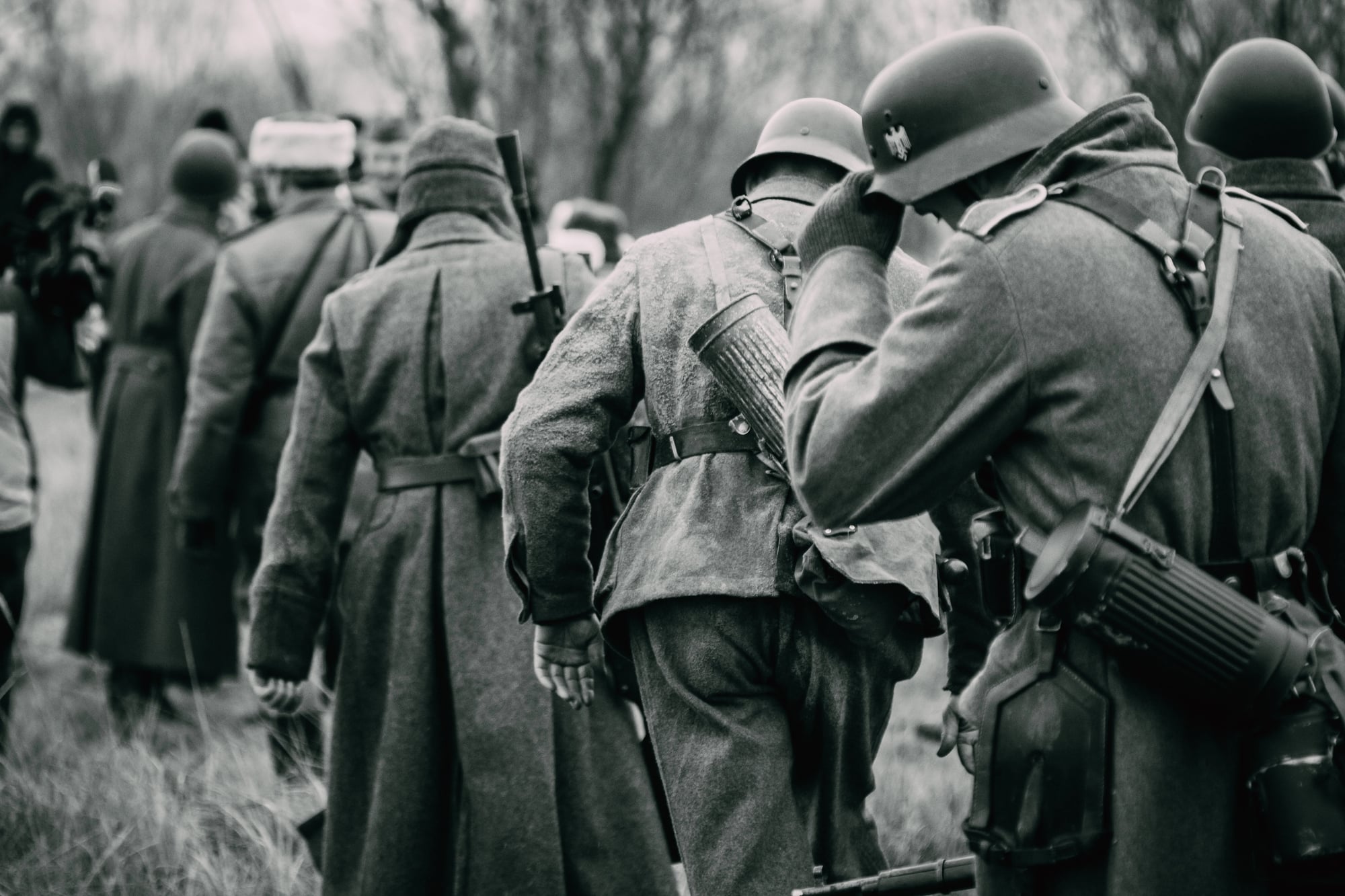
The Pentagon created a secret file known as the “Chamber of Horrors” containing photographs of dead and mutilated American soldiers from the first two years of World War II. Not a single image of American casualties was released to the public during this period.
Wounded Soldiers With Disfiguring Injuries
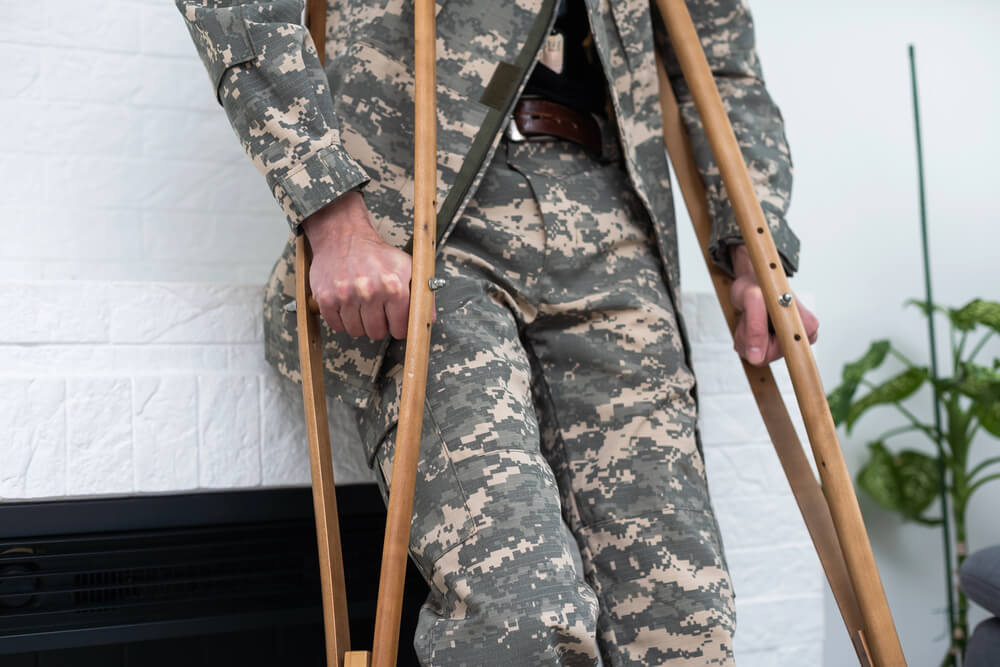
Photographs showing American soldiers with severe facial injuries, amputations, or emotional distress were systematically withheld from newspapers throughout World War II, lest they alarm the home front about war’s brutality.
Racial Conflict at American Military Bases
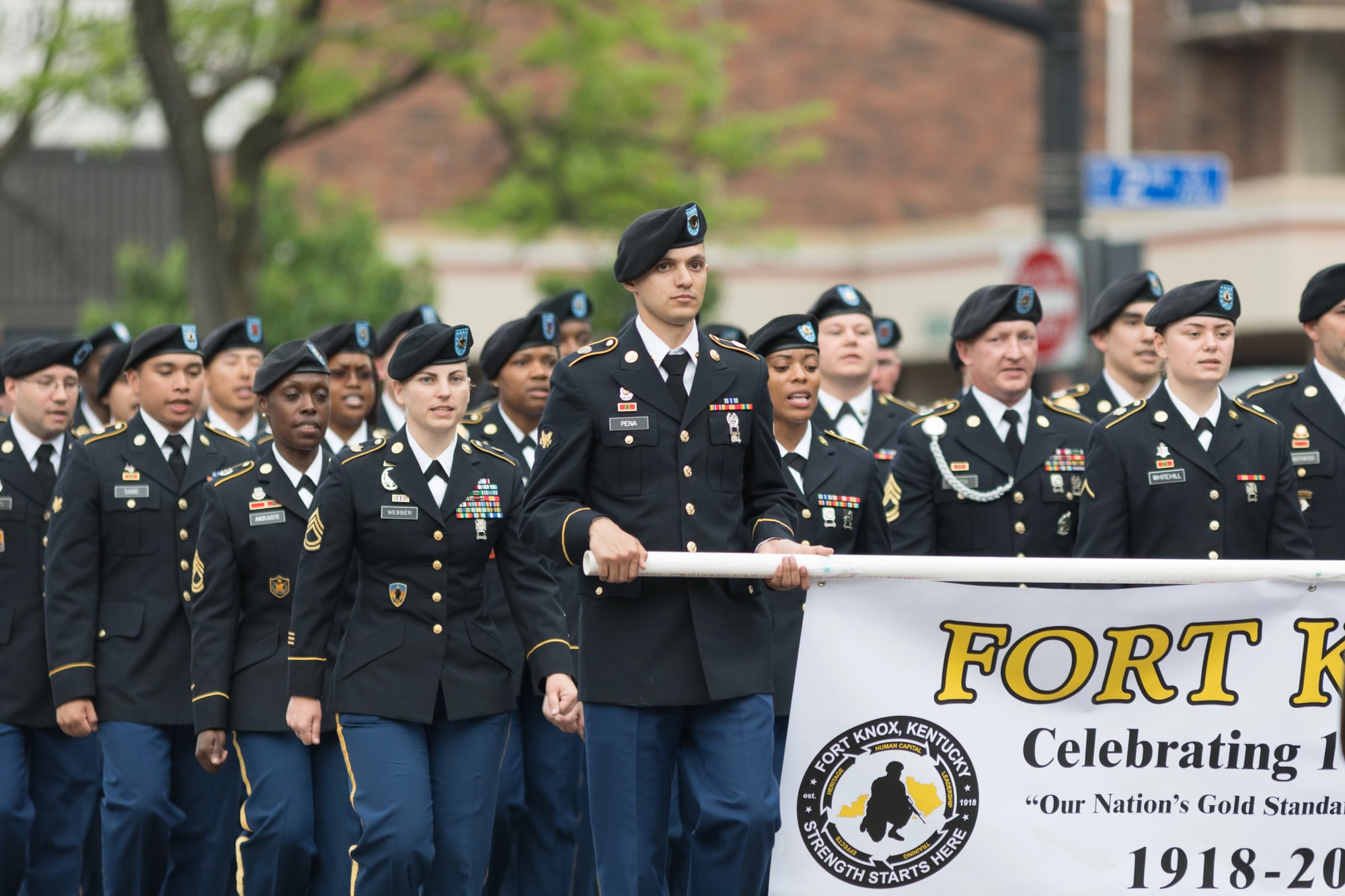
Images documenting physical confrontations between white and Black servicemen were suppressed, as military leadership feared they would undermine the narrative of American unity and racial harmony in the war effort.
African-American Combat Participation
Photographs documenting Black troops in active combat roles were suppressed on multiple occasions, as white commanding officers wanted to obscure the reality that African-Americans were fighting the nation’s wars despite facing segregation.
Troops With Civilians
Military censors banned photographs showing American soldiers in intimate contact with local women or engaging in activities deemed immoral by home front standards.
Dead Enemy Soldiers in Non-Combat Circumstances
Photographs of deceased enemy soldiers killed in surrender, starvation, or disease rather than honorable combat were withheld because they contradicted the narrative of glorious battle.
Destruction of American Infrastructure and Homes
Even photographs of bombed-out American factories, damaged homes, or destroyed civilian neighborhoods were released with extreme caution during World War II.
Atrocities Against Prisoners of War
Photographs showing American soldiers mistreating or executing Japanese prisoners of war were systematically suppressed throughout the war and for decades afterward.
Allied Soldiers Looting and Pillaging
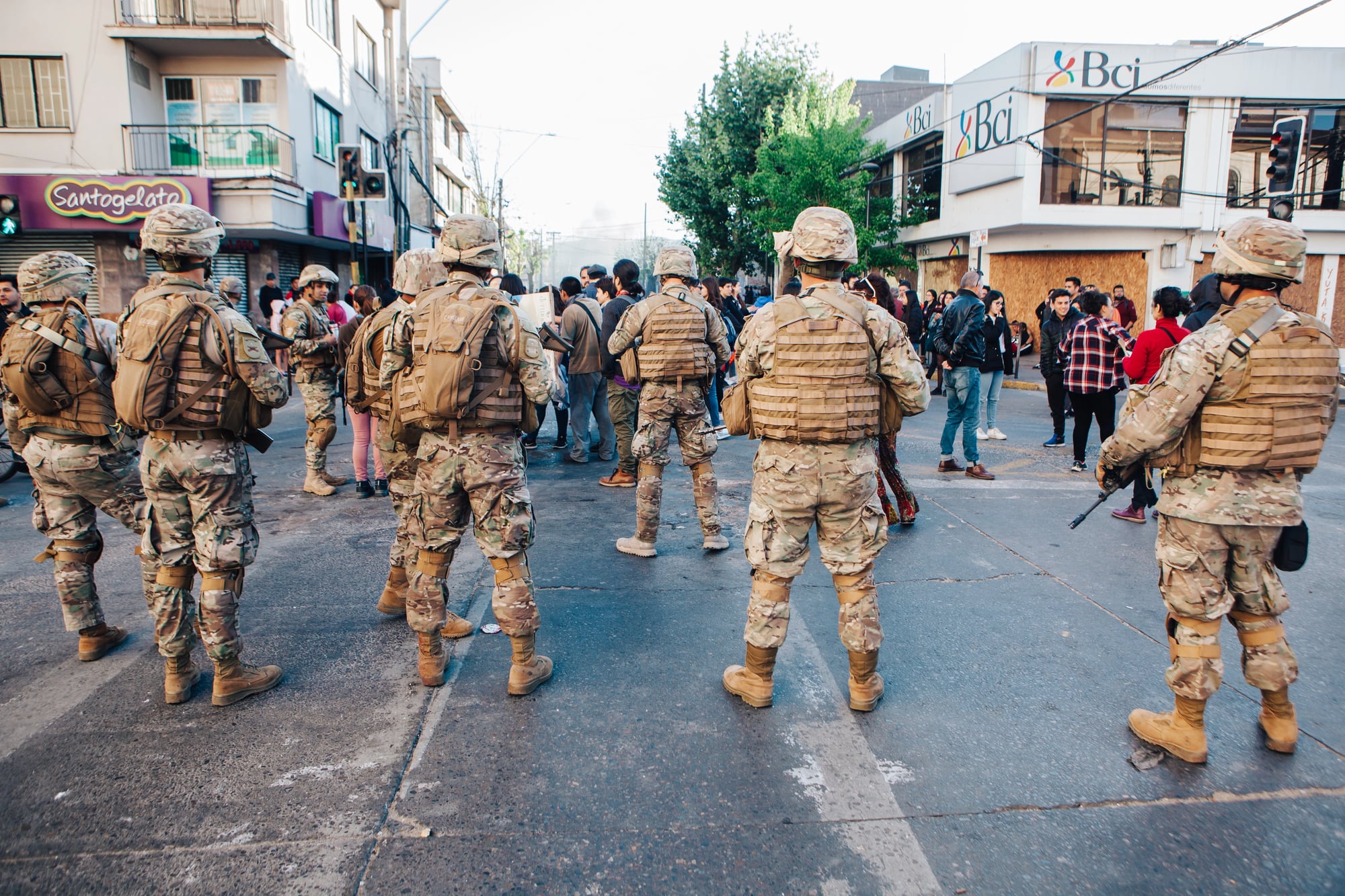
Images of American and British troops stealing from civilians, destroying property unnecessarily, or engaging in destruction not militarily justified were kept from public view.
Disease and Filth in Military Hospitals
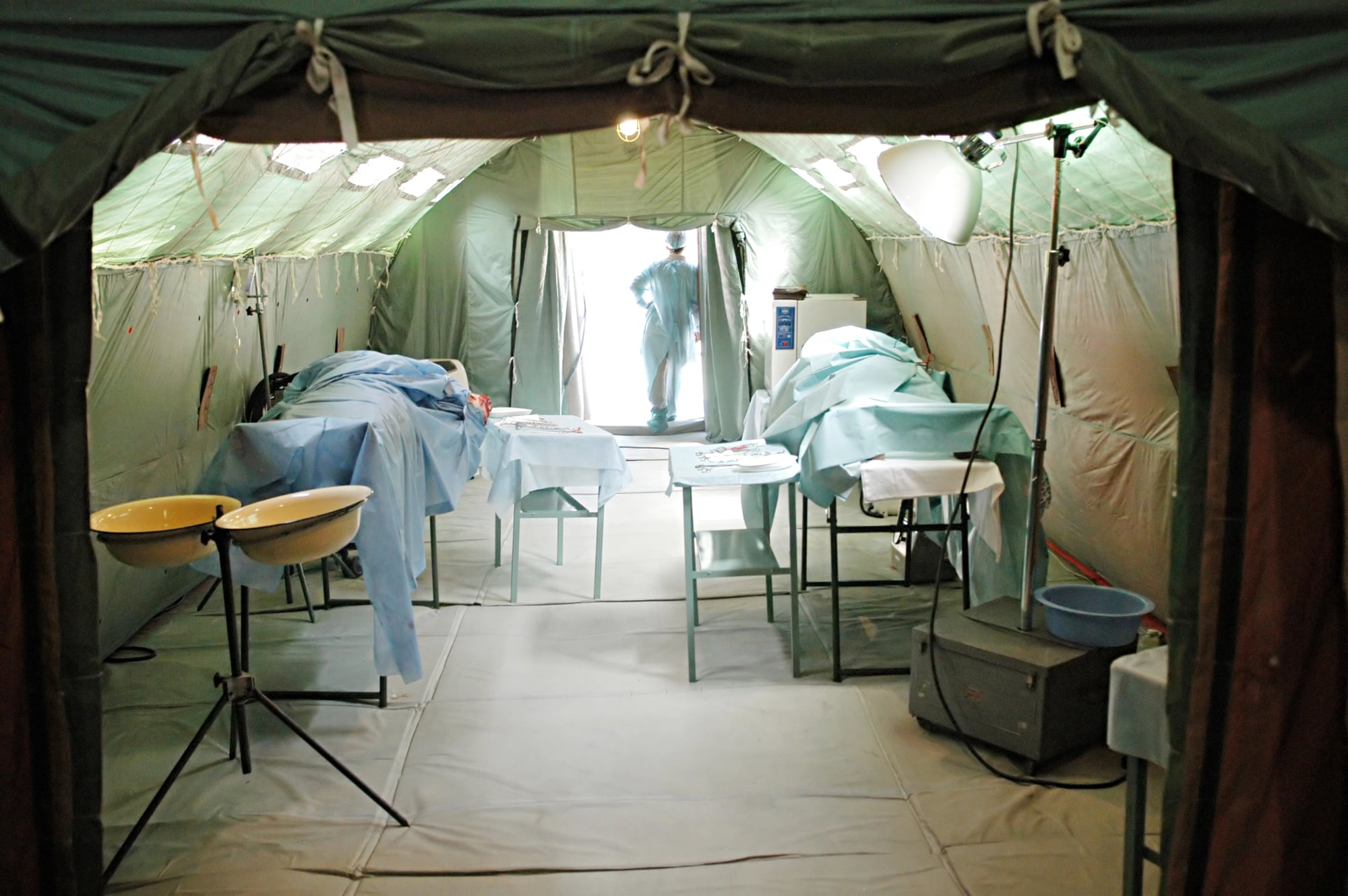
Photographs showing the sanitary conditions in field hospitals, disease ravaging troops, or preventable medical disasters were suppressed to maintain confidence in the military medical system.
My Lai Massacre Photographs
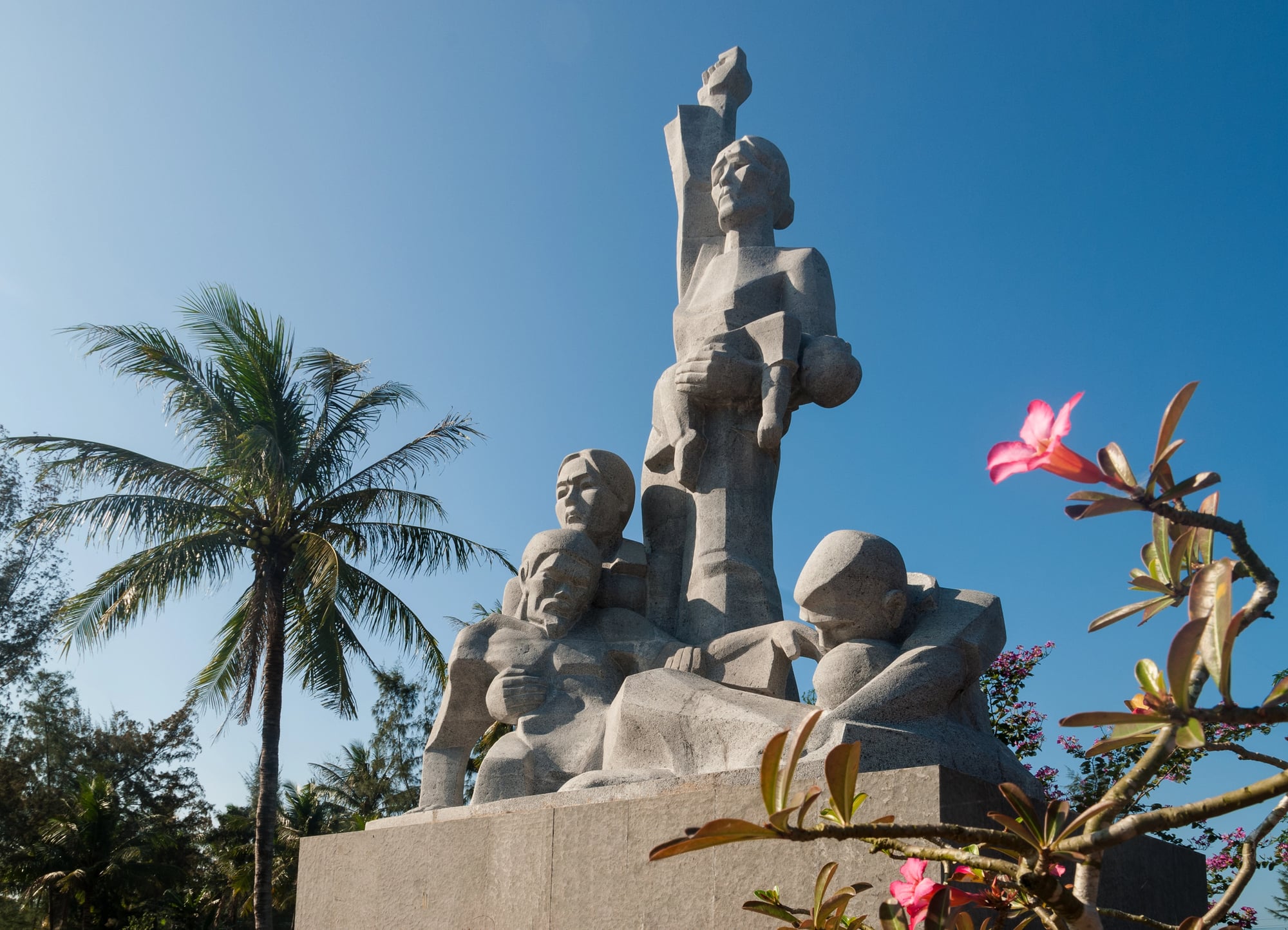
Army photographer Ronald Haeberle captured images of the March 1968 massacre of Vietnamese civilians by U.S. troops. The military kept his photographs from the public; only his personal camera images, which he owned, eventually reached the press and proved instrumental in the court martial that followed.
Napalm Burns on Civilian Skin
Photographs showing the specific effects of napalm on civilian bodies were initially suppressed during the Vietnam War, though eventually images like the “napalm girl” photograph shocked the American public.
Execution of Suspected Viet Cong
Photographs showing the execution-style killing of suspected Viet Cong fighters in the streets of Saigon were suppressed by military authorities but eventually published, revealing atrocities allegedly committed by American-allied South Vietnamese forces.
Search and Destroy Operations’ Civilian Cost
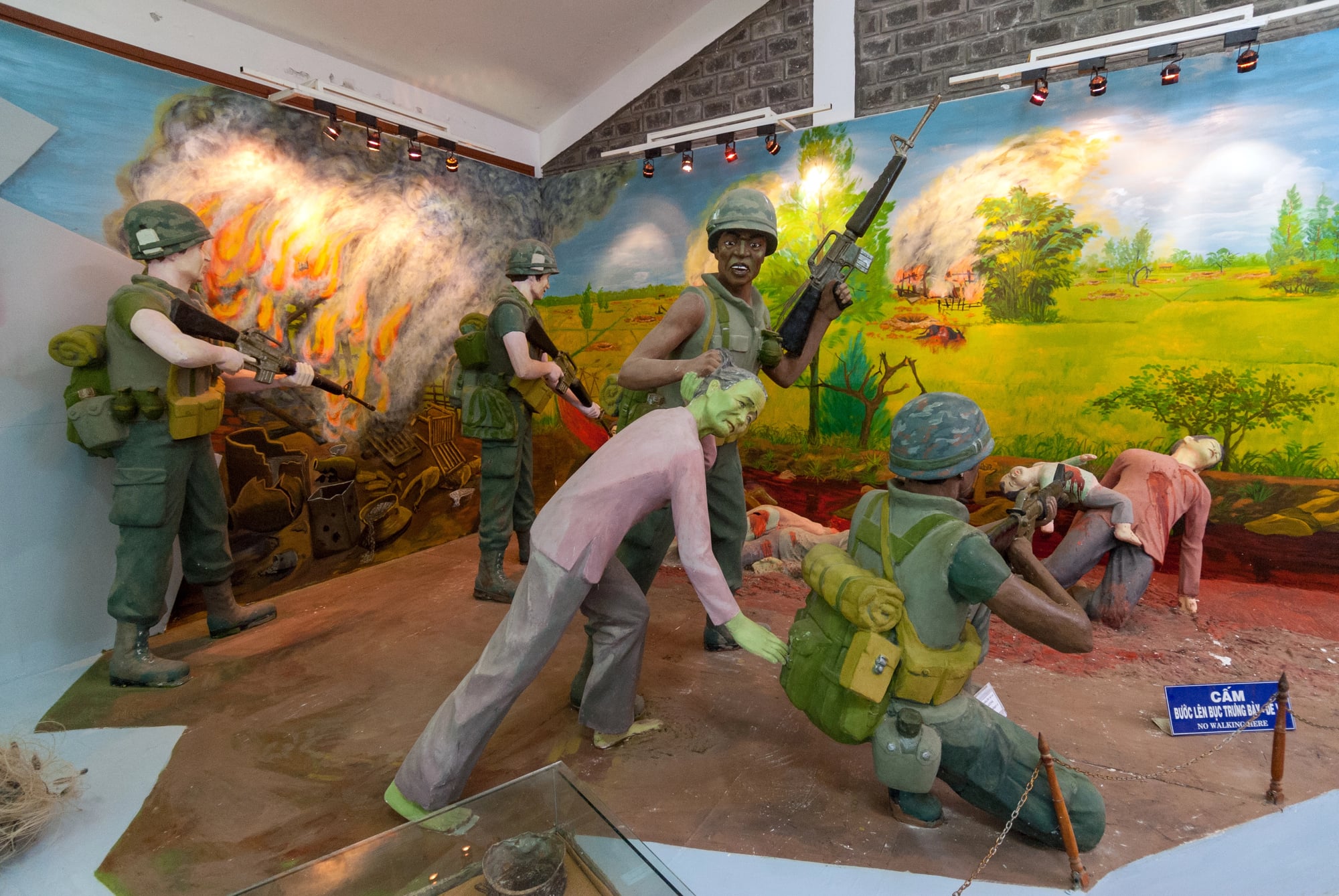
Photographs documenting the aftermath of American search-and-destroy missions that killed civilians indiscriminately were withheld from public view throughout most of the Vietnam War.
Vietnam Body Count Stacks
Photographs showing rows of Vietnam civilian bodies lined up for counting or mass burial were suppressed by military media offices.
Korean War Civilian Deaths
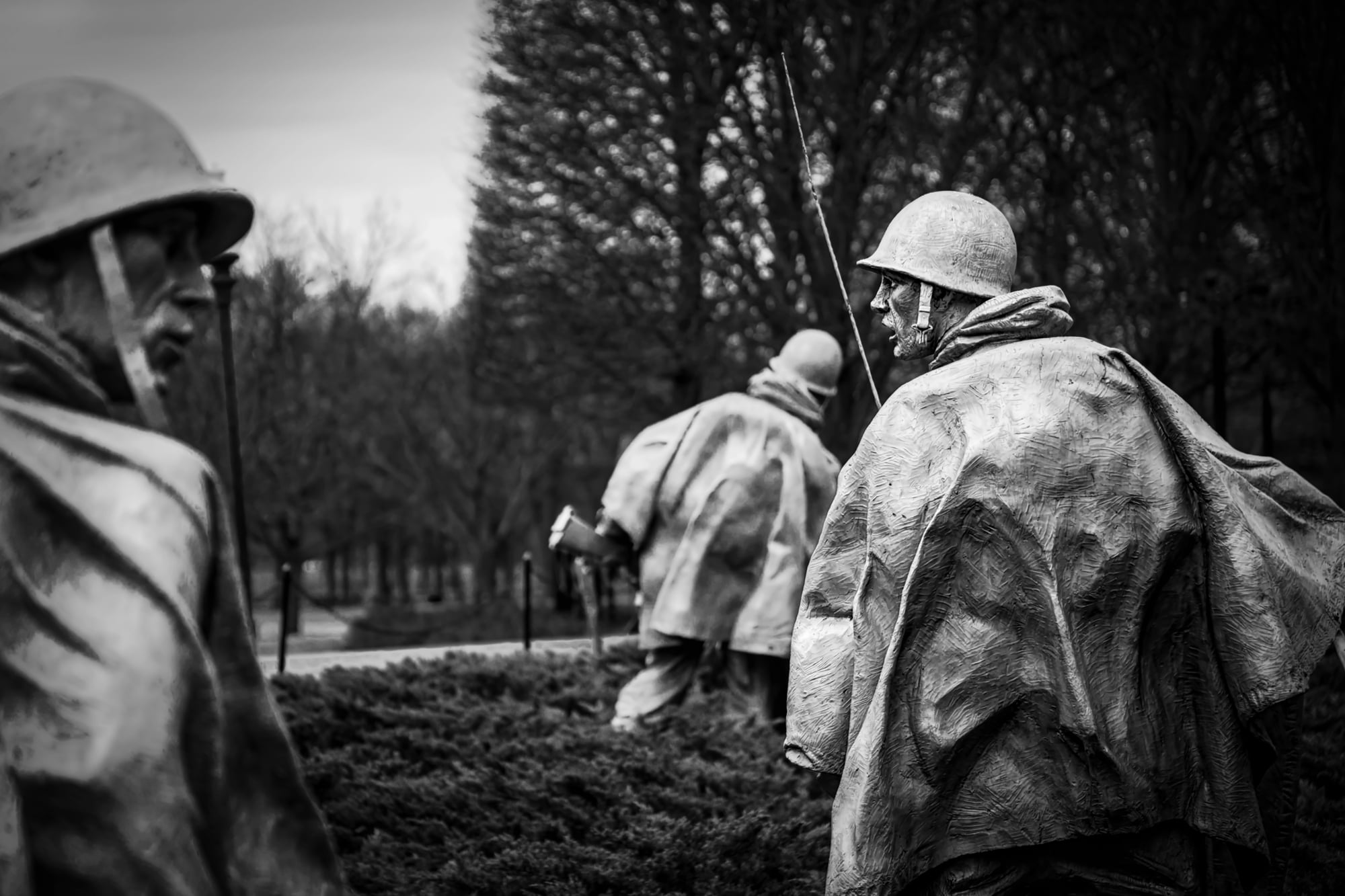
Photographs showing the civilian casualties from American bombing campaigns during the Korean War were largely kept from American newspapers, maintaining a sanitized version of the conflict.
Friendly Fire Deaths
Military authorities suppressed photographs showing Americans killed by their own troops’ fire, viewing these images as embarrassing evidence of command failure.
Surrendering Soldiers’ Deaths
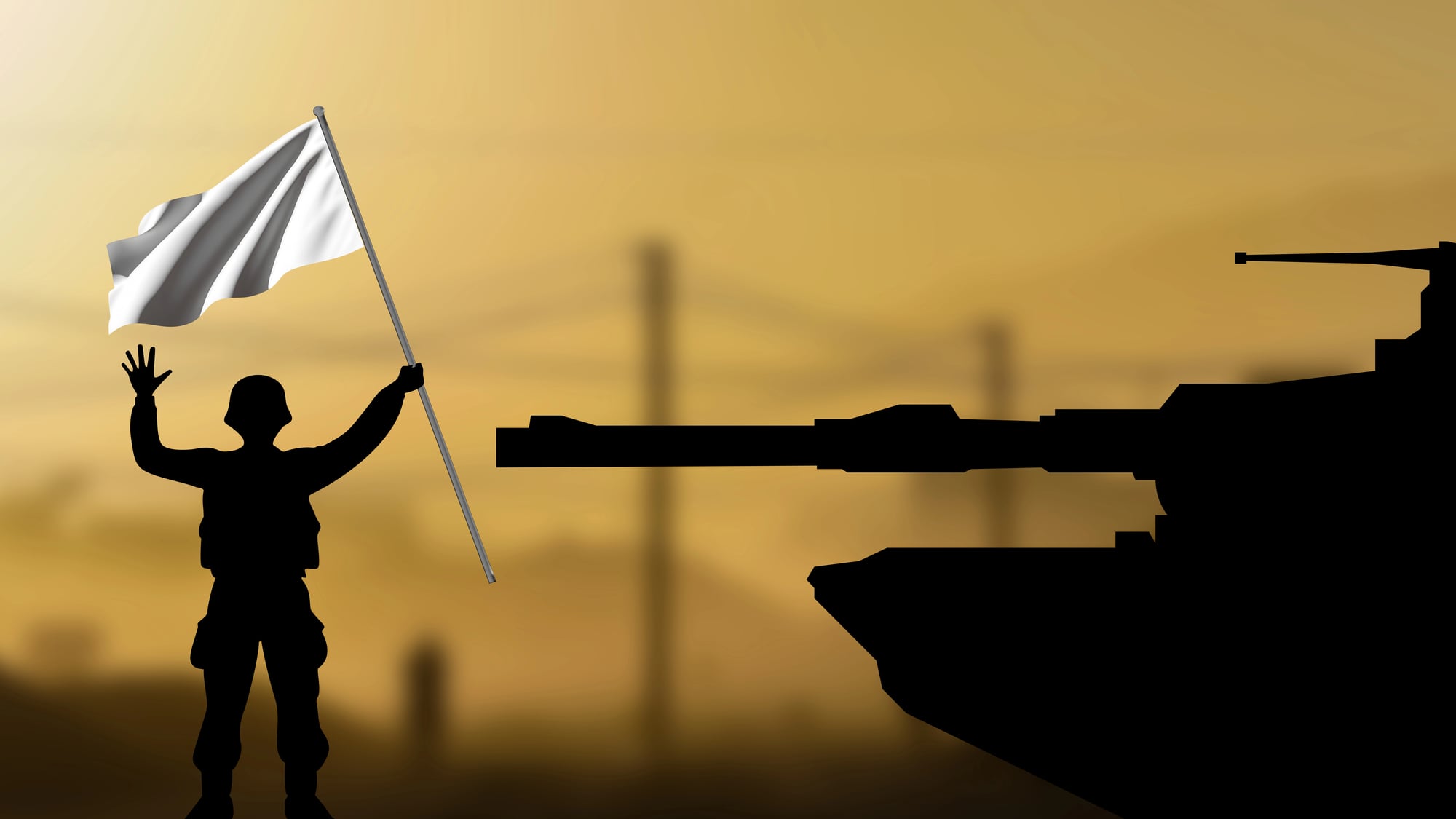
Photographs of enemy soldiers attempting to surrender but being killed anyway were consistently withheld during multiple wars.
Abu Ghraib Prison Abuse
The Pentagon attempted to suppress the Abu Ghraib photographs showing prisoners in a human pyramid formation, soldiers using leashes on unclothed detainees, and evidence of abuse. The images broke through media suppression in 2004 but many photographs remained classified; the military continued refusing release of thousands more, citing national security.
Detainee Abuse in Afghanistan
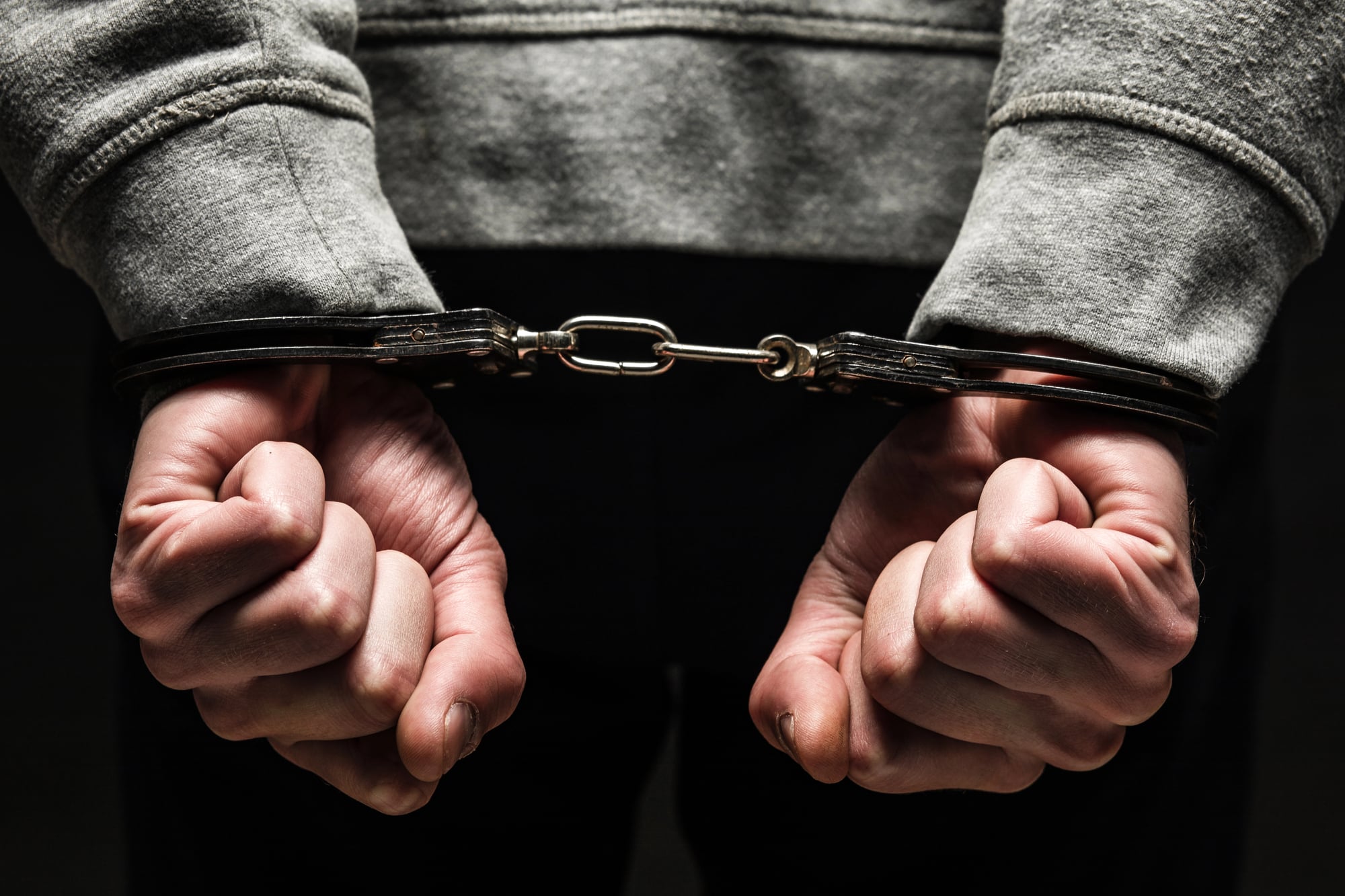
Photographs documenting prisoner abuse at American-operated detention facilities in Afghanistan were suppressed for years. The Pentagon released only 198 images after a freedom of information lawsuit, claiming it still possessed additional images it would not make public.
Waterboarding and Interrogation Sessions
Photographs and video footage documenting waterboarding sessions and other enhanced interrogation techniques were destroyed and withheld from public view, with officials claiming national security concerns.
Prison Camp Conditions
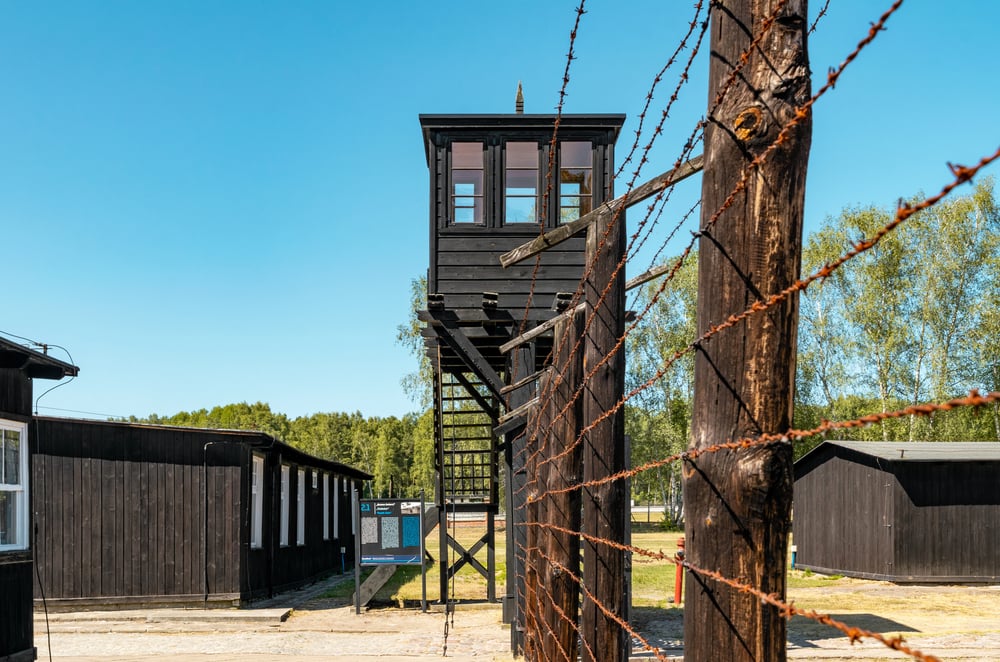
Photographs showing the overcrowded, unsanitary, or dangerous conditions in American-operated prisons in Iraq and Afghanistan were suppressed by military media operations.
Dead Civilians Caused by American Drone Strikes
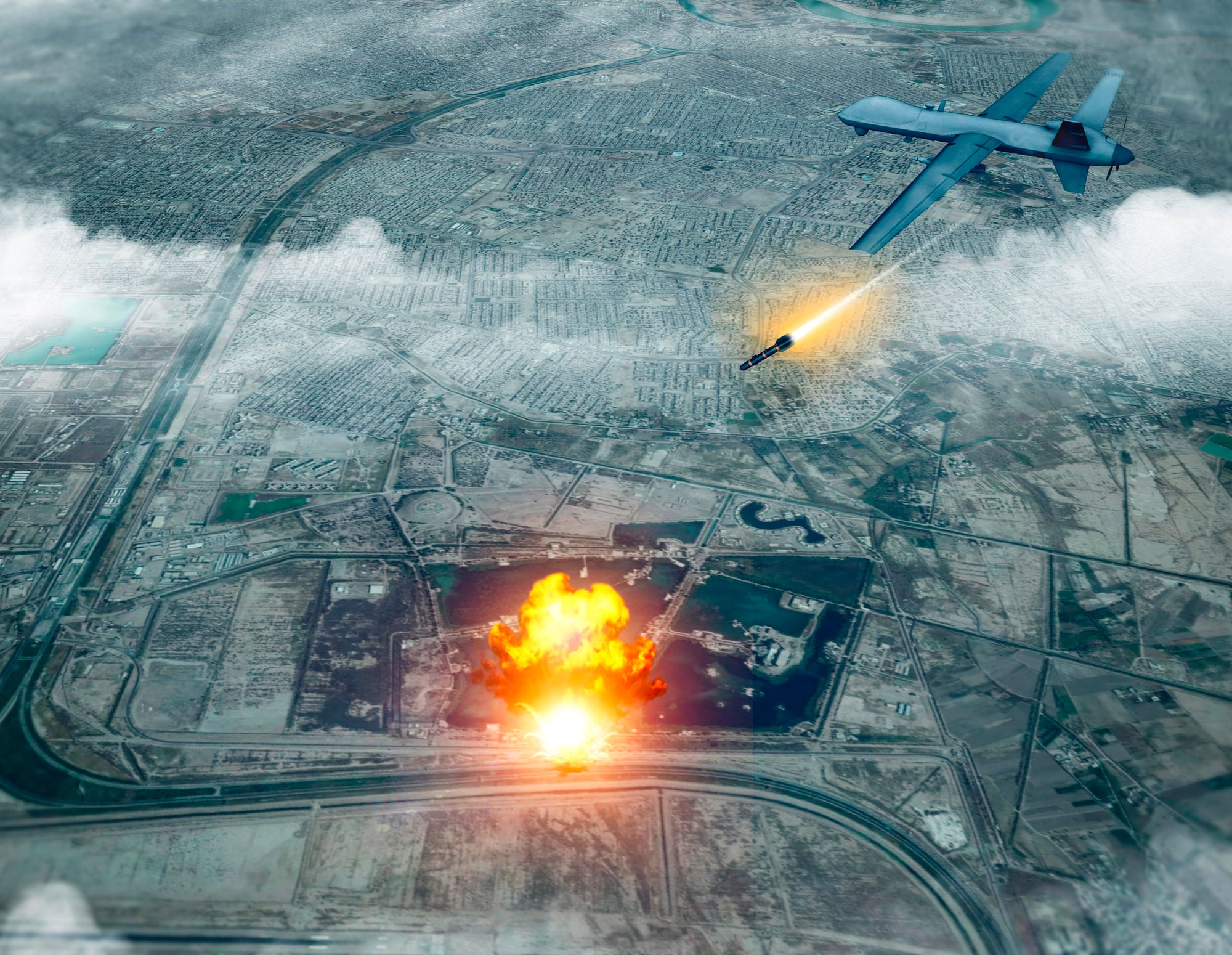
Photographs showing civilian casualties from drone strikes in Afghanistan, Pakistan, Yemen, and Somalia were withheld by the military on the grounds that revealing the human cost of the strikes would undermine public support.
Injured American Soldiers With Psychological Wounds
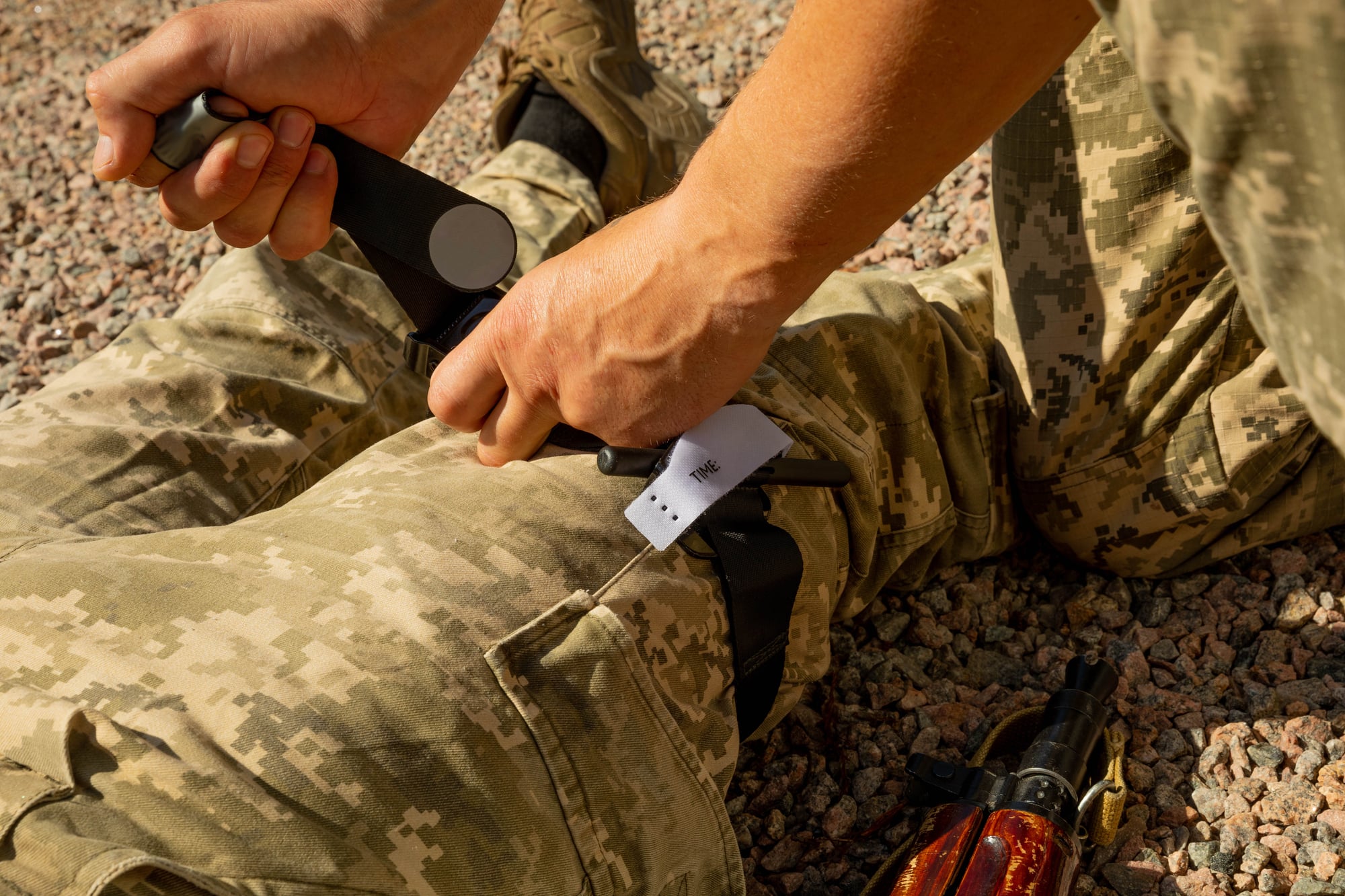
Photographs showing traumatized soldiers suffering from what was then called shell shock or battle fatigue were suppressed during World War II and later wars to avoid suggesting weakness in American fighting forces.
Prisoner Escape and Recapture
Photographs showing American prisoners of war attempting escape or being recaptured were sometimes suppressed to avoid demoralizing the American public during the Korean and Vietnam Wars.
Friendly Base Attacks
Photographs documenting attacks on American military bases that resulted in significant casualties were often suppressed or heavily redacted during the Vietnam and Iraq wars.
Chemical Weapons and Agent Orange Effects
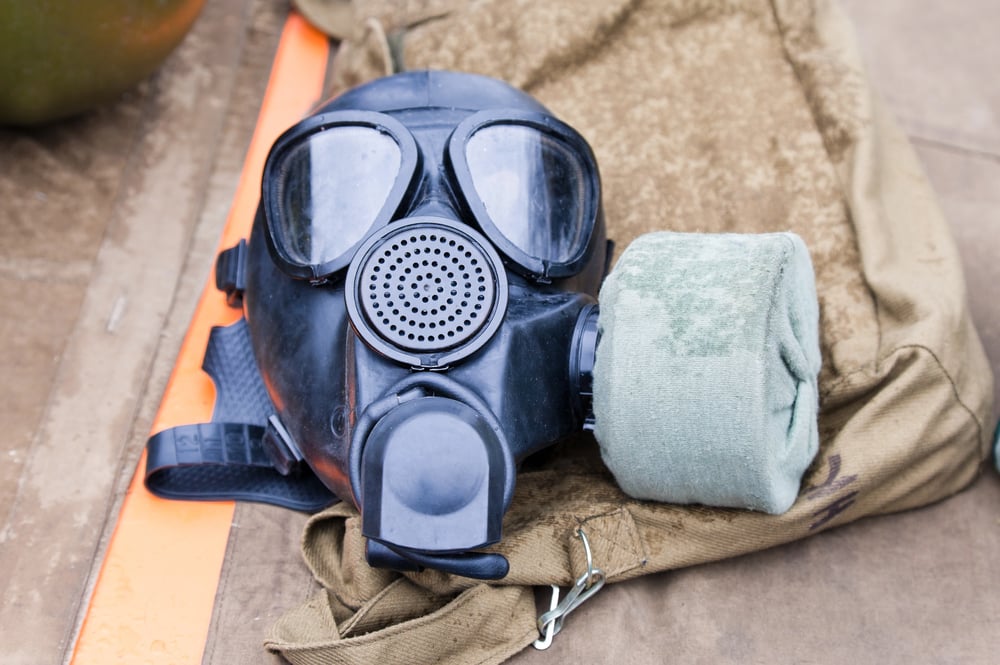
Photographs showing the long-term effects of Agent Orange on Vietnamese civilians and American soldiers were suppressed for decades, with authorities claiming the health effects were unproven.
Torture Reconstruction Photographs
Photographs showing government officials or military personnel reconstructing or demonstrating torture methods were actively withheld from public view during the post-9/11 wars.
The Suppression Pattern
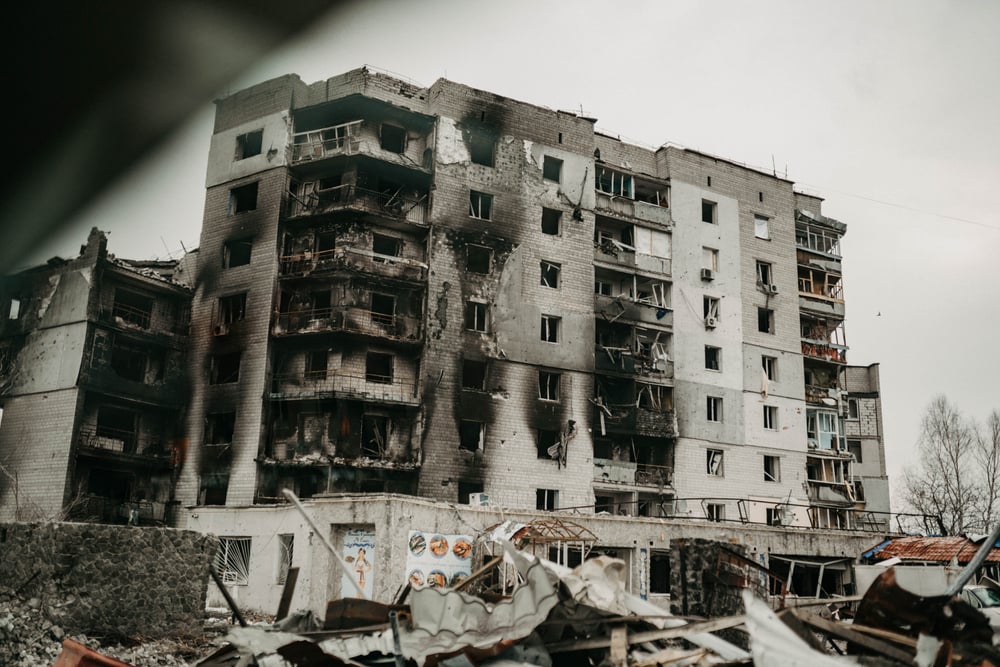
These twenty-nine categories represent the systematic erasure of visual evidence that might have changed public understanding of war’s true human cost. What governments eventually cannot suppress becomes historical evidence of their decisions.
More from Go2Tutors!

- The Romanov Crown Jewels and Their Tragic Fate
- 13 Historical Mysteries That Science Still Can’t Solve
- Famous Hoaxes That Fooled the World for Years
- 15 Child Stars with Tragic Adult Lives
- 16 Famous Jewelry Pieces in History
Like Go2Tutors’s content? Follow us on MSN.