27 Ancient Punishments So Harsh They Were Eventually Outlawed Across the World
Throughout human history, societies have devised inventive methods to punish criminals, often with a creativity matched only by the cruelty of the techniques themselves. The punishments that follow represent humanity’s darker impulses—methods designed to inflict maximum suffering while serving as public deterrents to crime.
Fortunately, most civilizations eventually recognized that some punishments became more destructive to society than the crimes they addressed, leading to international agreement that certain practices were incompatible with human dignity. The abolition of these punishments occurred gradually, often through legislative reform driven by enlightenment philosophers who questioned whether torture and execution methods actually reduced crime or simply reflected a society’s capacity for brutality.
Today, these punishments remain historical curiosities and ethical touchstones for understanding how legal systems have evolved toward proportionality and mercy.
Crucifixion
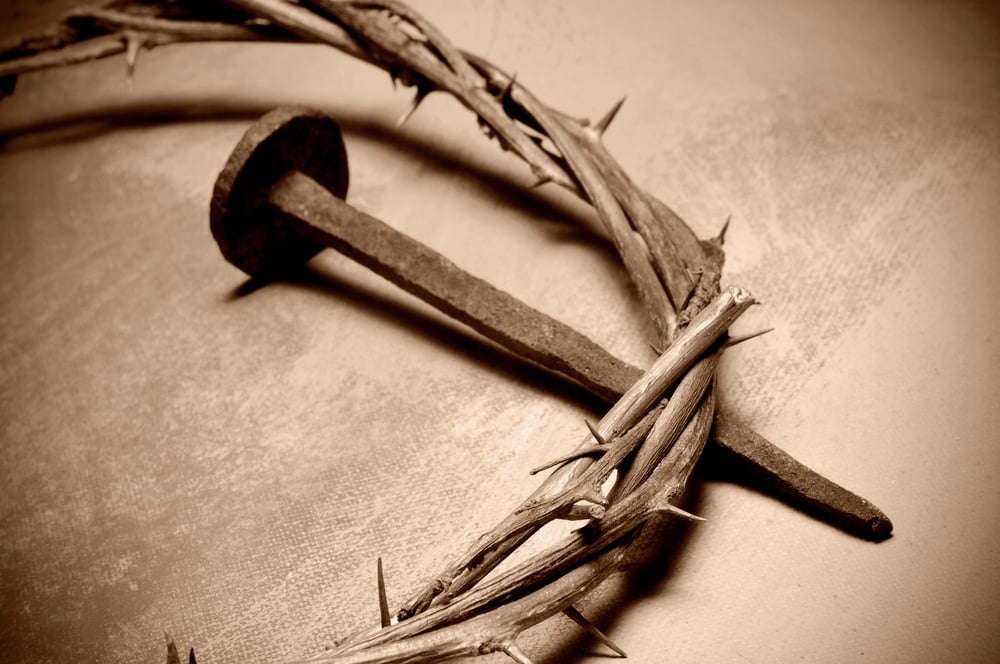
The Persians, Carthaginians, and Romans used crucifixion extensively, tying or nailing victims to wooden beams and leaving them exposed to the elements until death occurred through dehydration, organ failure, or asphyxiation. Executioners would sometimes pierce the nails through the median nerve below the wrist, causing the hands to contract in excruciating contracture.
Emperor Constantine I banned the practice in 337 AD as a token of respect for Jesus Christ, who died by this method. However, crucifixion persisted in some regions into the 20th century and remains a formal punishment in several modern countries.
Breaking Wheel
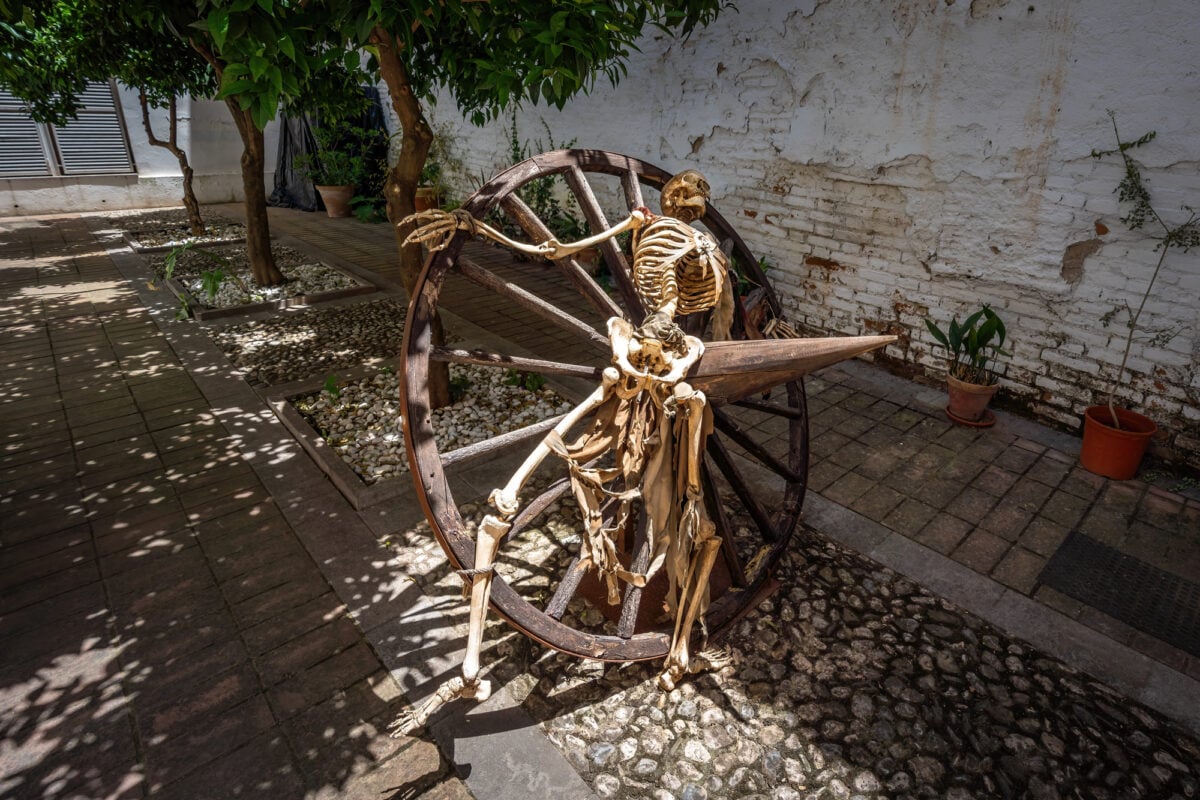
Also called the Catherine Wheel, this instrument involved fastening a condemned person to a large wooden wheel while executioners used hammers or clubs to methodically break their bones. Sometimes spikes were embedded underneath joints to increase suffering. Victims could take hours or days to die.
Bavaria abolished the practice in 1813, but it continued in Prussia until at least 1841, making it one of the last European jurisdictions to formally cease using this method.
Flaying
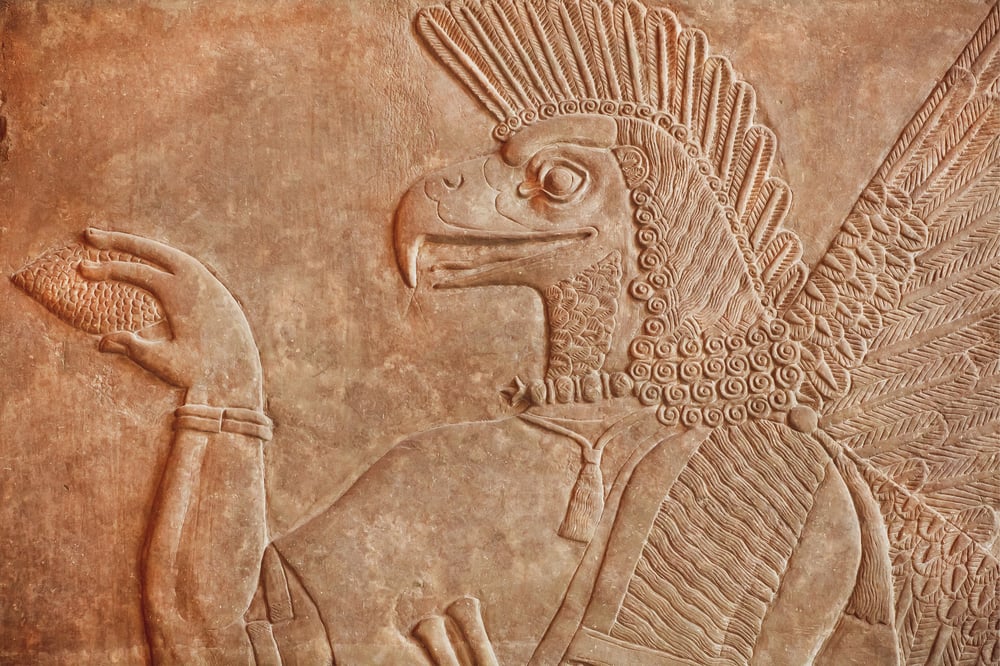
The Assyrians practiced flaying—removing the skin from a living person—as punishment for rebellion against the state. Medieval Europe rarely employed this method despite popular depictions in modern media, with only one confirmed case between the 11th and 17th centuries. King Ashurnasirpal II recorded his victory over rebellious cities by describing how he “flayed as many nobles as had rebelled against me and draped their skins upon the walls.”
The practice was designed to dehumanize victims and serve as propaganda against future resistance.
Drawing and Quartering

In England’s most graphic execution, prisoners were hanged until nearly dead, then disemboweled while still conscious, with their intestines removed and burned. Finally, their body was severed into four quarters tied to horses that were driven in different directions, literally tearing the body apart.
The practice was sometimes reversed, with horses first pulling the limbs apart before hanging and disembowelment. The last recorded victim was in 1782, and the practice was formally abolished in 1870, though it had fallen into disuse decades prior.
Boiling Alive

Several European kingdoms used boiling as execution for crimes including poisoning the king and treason. The victim would be slowly immersed in oil, water, or molten lead. King Henry VIII of England reportedly used this method.
The practice gradually fell out of favor as the 17th century progressed and was eventually abolished, though not through explicit legislation as much as general disuse and changing sensibilities about acceptable execution methods.
Impalement

Vlad III, Prince of Wallachia, gained notoriety for using impalement as his preferred execution method, driving sharpened stakes through the bodies of prisoners and leaving them displayed as a warning. The method involved penetrating victims vertically through the torso or transversely through the stomach or back, with death occurring slowly over hours or days from massive blood loss and shock.
The practice was employed from antiquity through the Middle Ages and gradually fell out of use as execution methods became more “efficient.”
Sawing in Half
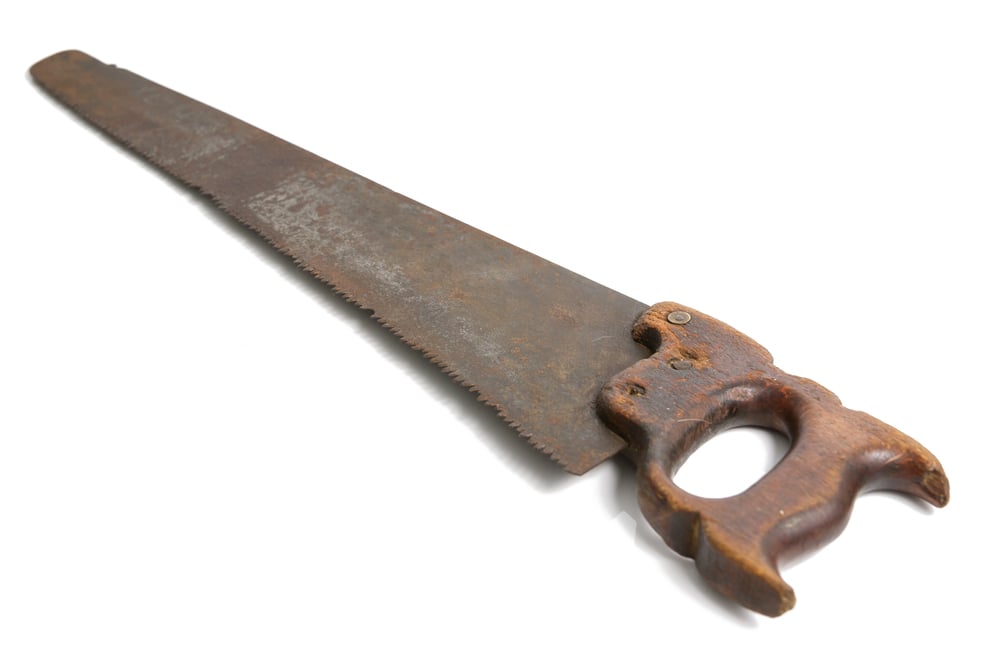
Medieval executioners practiced sawing victims vertically through the center of the body—sometimes while the victim was hanging upside down to increase blood flow to the head and prolong consciousness. The act had symbolic importance, representing the state’s power to literally divide loyalists from traitors.
The practice gradually disappeared as judicial systems moved away from spectacle-based punishment.
The Rack
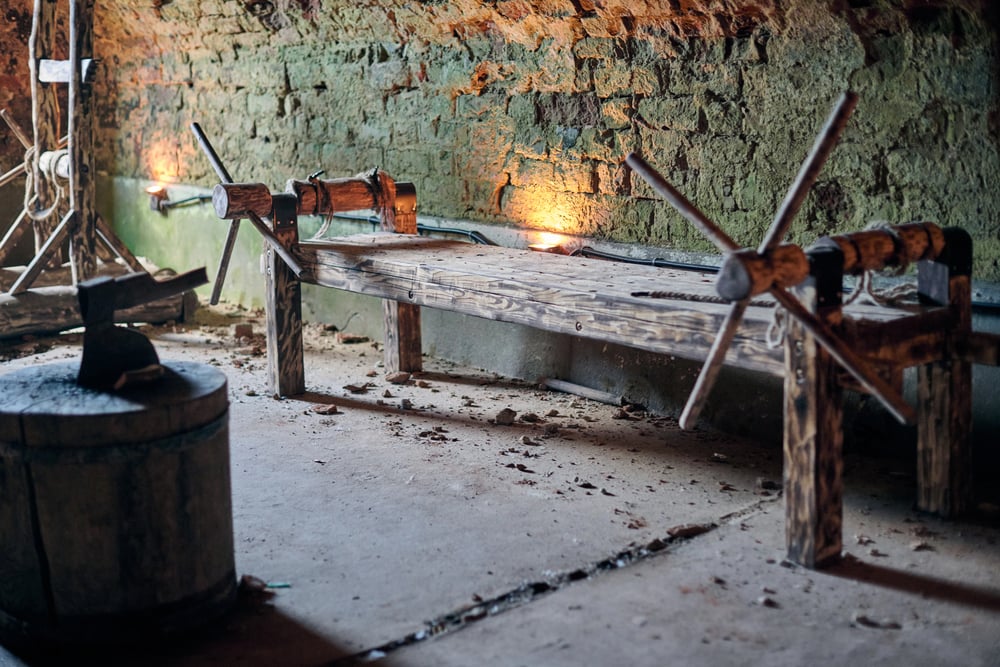
One of the most famous torture devices, the rack consisted of a wooden frame with pulleys and chains. The victim’s limbs would be attached to the device at four points and stretched in opposite directions using mechanical levers. Victims either confessed under torture or had their limbs dislocated and torn from their sockets.
The device was a staple of European torture chambers from the Middle Ages through the 18th century and was abolished as judicial torture fell out of legal practice.
Stocks and Pillory

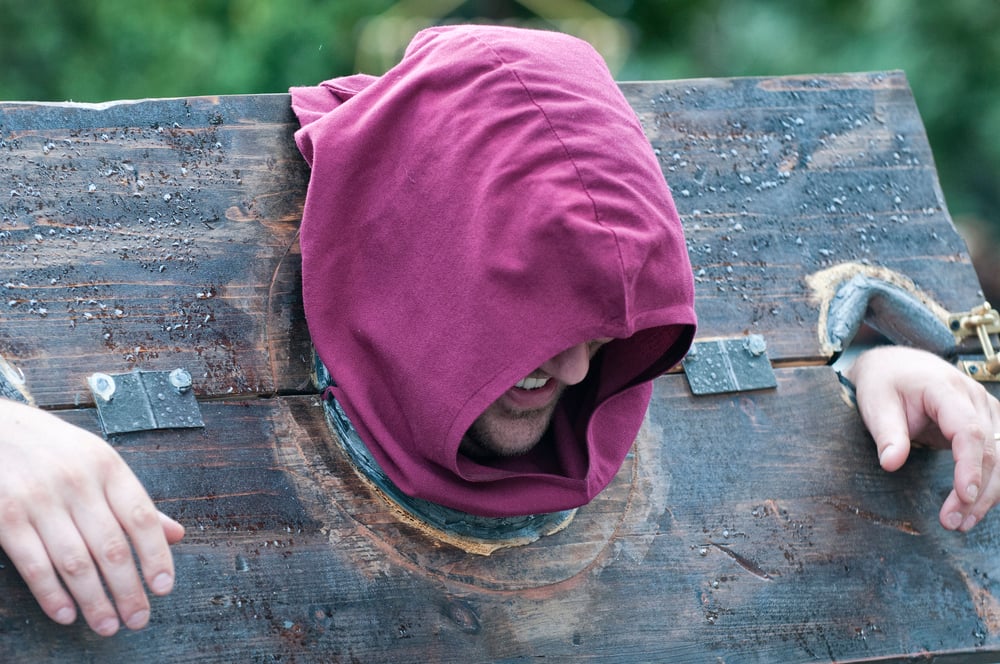
The stocks immobilized a person’s legs in a wooden frame, often in a public square, allowing passersby to mock, spit on, or physically assault the captive for hours or days. The pillory secured the head and hands in a similar public display while the victim stood exposed.
These devices were ubiquitous in medieval and early modern Europe for crimes including theft, drunkenness, and petty fraud. While less physically brutal than other punishments, they were abolished as their public shaming function became seen as counterproductive to rehabilitation.
Ear Cropping

Removing part or all of a person’s ear served multiple purposes: it was a permanent visible mark of criminality and a warning to others. Sometimes the severed ear was nailed to the pillory to compound the humiliation.
The practice was common in England and other European countries for crimes including fraud and theft. It was gradually abandoned as societies moved away from permanent bodily disfigurement as punishment.
Branding
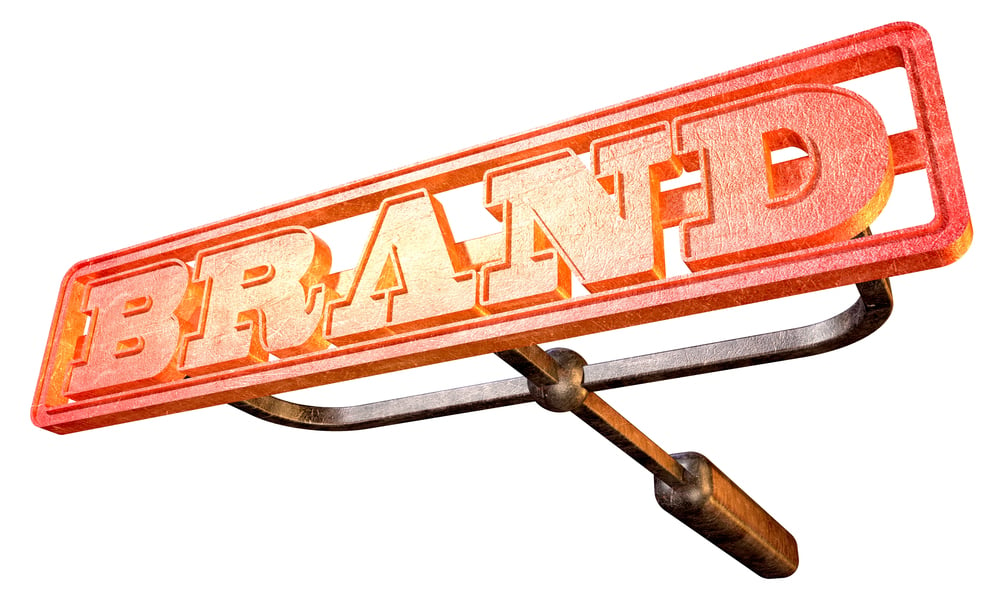
Burning a mark into a person’s flesh with a hot iron served to permanently identify them as criminals. Different crimes produced different marks; in England, murder might result in an “M” burned onto the hand or forehead.
Branding persisted into the modern era in some jurisdictions but was abolished as permanent body modification became seen as cruel and unusual punishment.
Tongue Slitting

Removing or splitting a prisoner’s tongue was used in medieval Europe as punishment for perjury, treason, and heresy. The goal was to silence the offender permanently.
The practice was particularly common when the offense involved “false speech” like lying under oath. It gradually fell out of use as enlightenment ideals rejected mutilating punishments.
Scold’s Bridle (Branks)
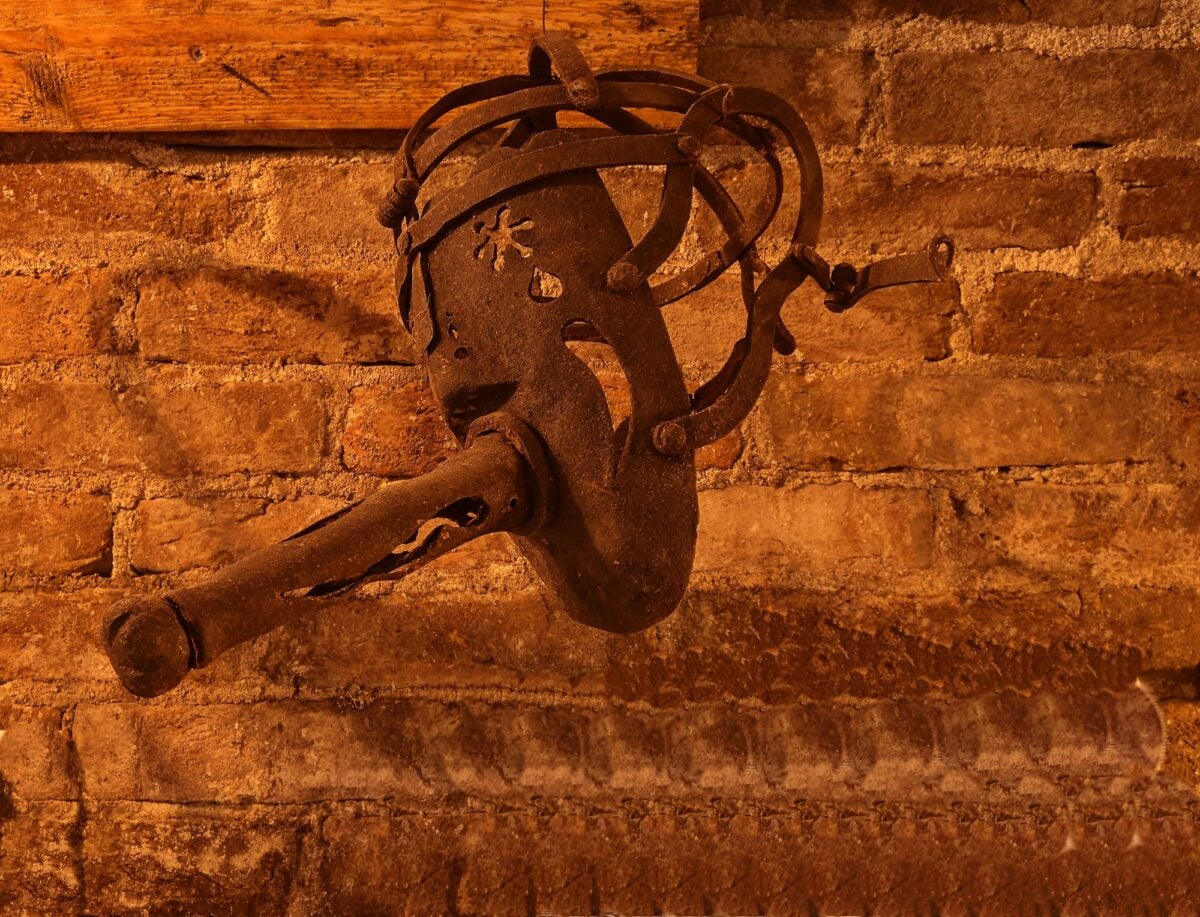
This device, also called a scold’s bridle, was placed over a woman’s head and secured with a metal framework that held her tongue down or fitted a gag in her mouth. Used primarily in England and Scotland for gossiping or speaking out against authority, it both punished and humiliated the victim in public.
The device persisted into the 18th century before being abolished as societies rejected gendered punishment and public shame-based justice.
Ducking Stool

Used primarily on women for crimes of slander or witchcraft, the ducking stool involved strapping the victim to a chair affixed to a long wooden lever and repeatedly plunging them into water. Victims could drown, and those who survived faced repeated applications.
The practice was particularly cruel given that it was often applied to the elderly and infirm. It persisted into the 19th century in some regions before being formally abolished.
The Iron Maiden
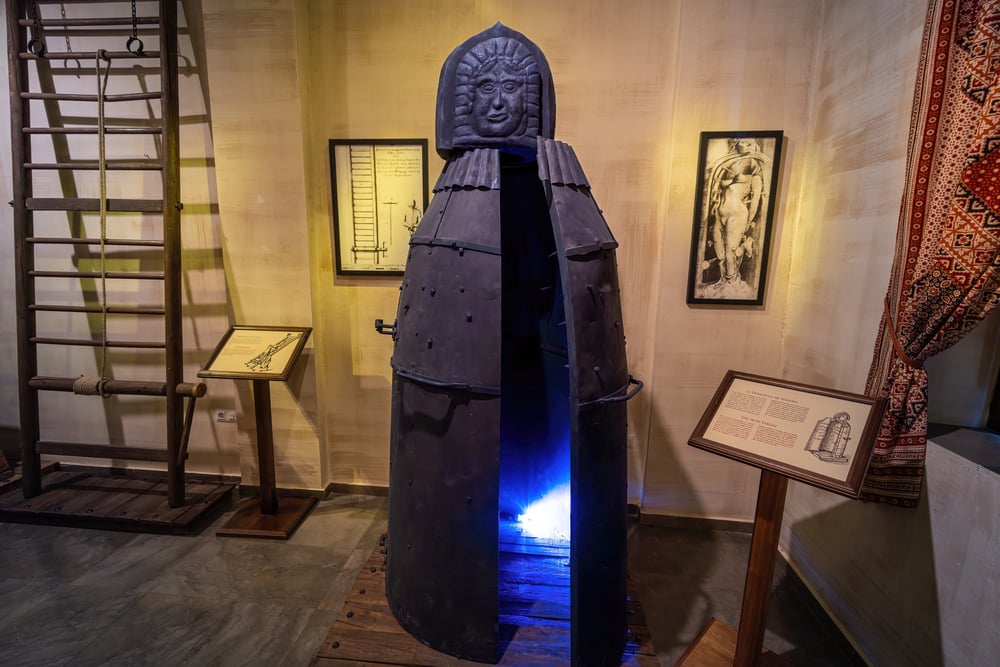
While often considered more mythological than real, there is no verified evidence that this cabinet-like device with interior spikes was actually used in medieval torture chambers. Victims would be placed inside and the door closed, driving the spikes into their body.
The device would kill slowly depending on how the victim moved inside. It represents the pinnacle of sadistic execution design and was never widely used, disappearing as torture fell out of favor.
Chest Ripper

An executioner’s device used in medieval Europe to extract the heart from a living victim, this was reserved for the worst crimes including regicide. The condemned would be strapped to a table while the executioner opened the chest cavity and removed the heart while the victim was still conscious.
Few records document this being used beyond a handful of high-profile cases.
The Spanish Boot
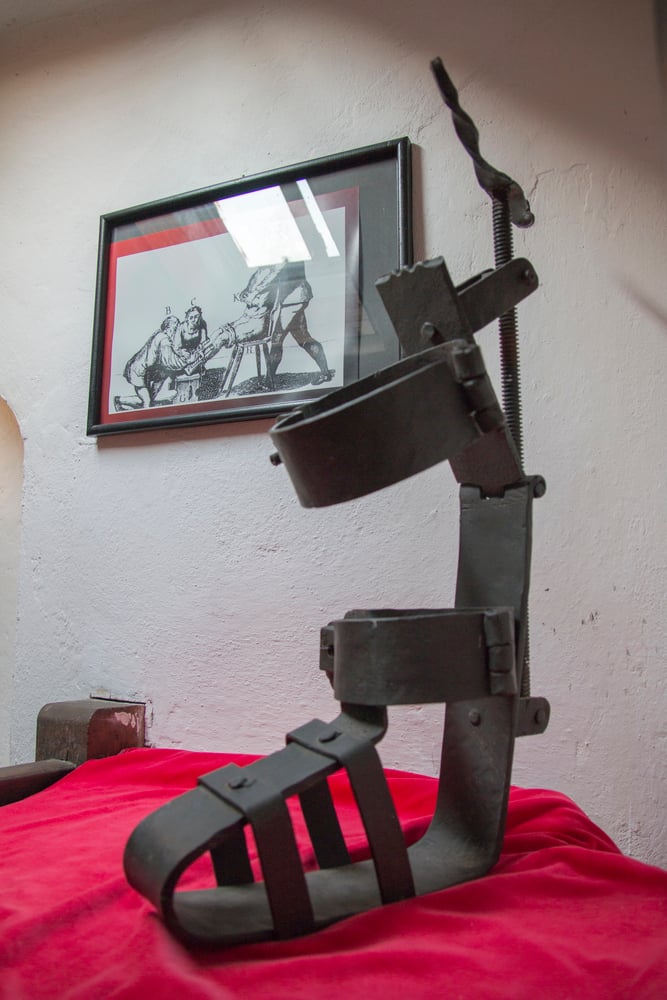
This torture device crushed the victim’s foot and lower leg through slowly tightened wooden and metal components. The victim’s bones would break progressively, and the device could be tightened to the point where blood seeped from the crushed flesh.
It was used to extract confessions and persisted into the 19th century in some Spanish territories before being abandoned.
Keelhauling

Used primarily as a maritime punishment, keelhauling involved tying a person to a rope and dragging them under the hull of a moving ship. The barnacles and sharp wood of the hull would shred the victim’s flesh and often resulted in drowning.
The practice persisted in naval forces longer than land-based executions but was eventually recognized as unconscionable and replaced with other naval discipline methods.
Cat-o’-Nine-Tails Flogging
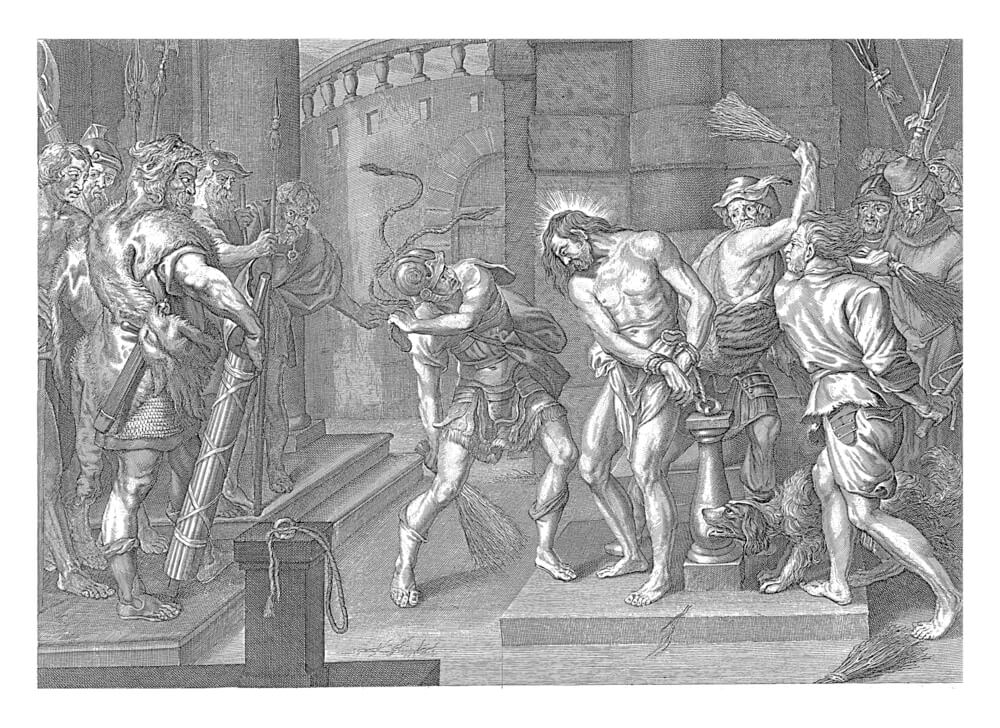
While flagellation was used across many cultures, the cat-o’-nine-tails—a whip with nine knotted tails—became particularly associated with British naval and military punishment. Sailors could receive hundreds of lashes, often resulting in death or permanent disability from infection and blood loss.
The practice was eventually abolished in military settings as understanding of human rights expanded.
Burning at the Stake

Used throughout Europe for heresy, witchcraft, and high treason, burning alive was one of the most common public executions. Victims might first be strangled to prevent their screams from alarming the crowd, or they might burn fully conscious while crowds watched.
The practice persisted longer in areas with active witch hunts and religious conflict, finally being abolished in the 18th and 19th centuries as societies rejected religious execution.
Tarring and Feathering
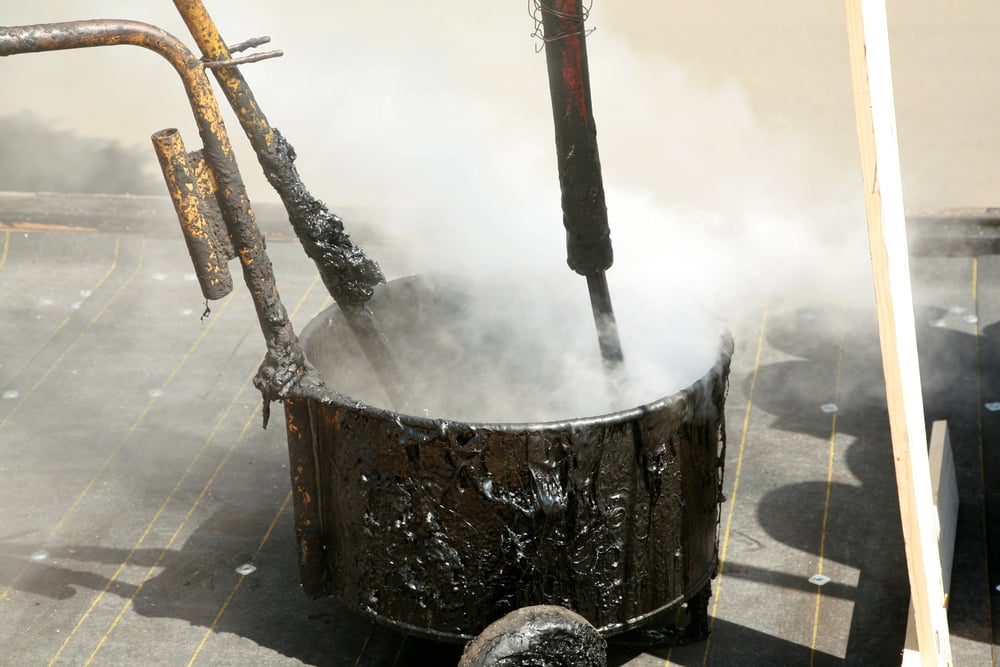
While sometimes applied to political figures in modern history, this historical punishment involved coating a victim in hot tar and covering them with feathers, often with the intention of public humiliation and mob violence rather than formal execution. It was used against tax collectors and those deemed traitors.
The practice gradually disappeared as formal execution methods replaced mob-based punishment.
Rat Torture

In a particularly grotesque method, a caged rat was placed on the victim’s exposed abdomen and the cage was heated, forcing the rat to claw and gnaw its way through the body into the victim’s organs. The method was horrifically painful and death could take hours.
Limited historical evidence suggests this was employed occasionally in medieval torture chambers, though it was never standardized practice.
Scaphism (The Boats)

Recorded as used by the Persians, this torture involved trapping a victim between two boats with their limbs secured outward. The victim would be force-fed milk and honey until they developed diarrhea, then covered in more of the mixture to attract insects.
The victim would be left in the sun to be consumed by insects while contracting infections, sometimes lasting weeks before death. The method represented the epitome of sadistic planning and was recognized as incomprehensibly cruel.
Eye Removal

Used as punishment for treason and crimes against the state in medieval Europe and Asia, eye removal involved extracting one or both eyes using various blunt and sharp instruments. The victim would be left permanently blinded and sometimes infection would spread from the eye sockets.
The practice was gradually abolished as understanding of disability and human rights evolved.
Castration
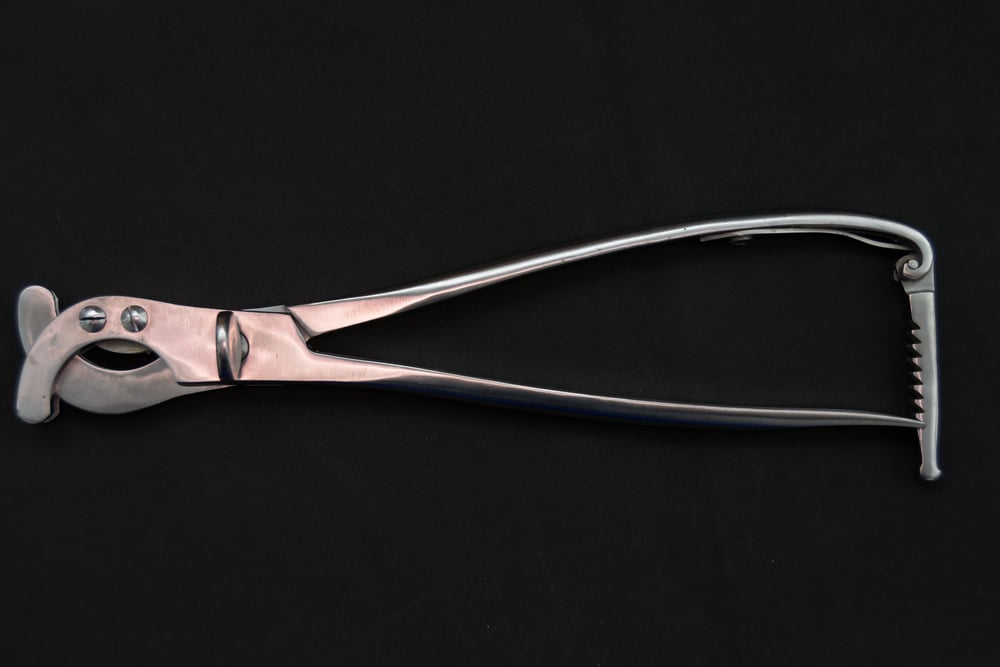
Used as punishment in various cultures for crimes and treason, castration involved surgical removal of the reproductive parts. Beyond being a punishment, it was used to disable enemy soldiers and criminal slaves.
The practice persisted into the modern era in some countries but was eventually recognized as a human rights violation and abolished.
Pressing (Peine Forte et Dure)

Used in England to force confessions, pressing involved placing heavy stones on a person’s chest over days until they either confessed or were crushed to death. The practice was technically legal in England to extract pleas from those who refused to enter a plea, which prevented trial.
It was abolished in 1772 after public outcry over its brutality.
The Judas Cradle
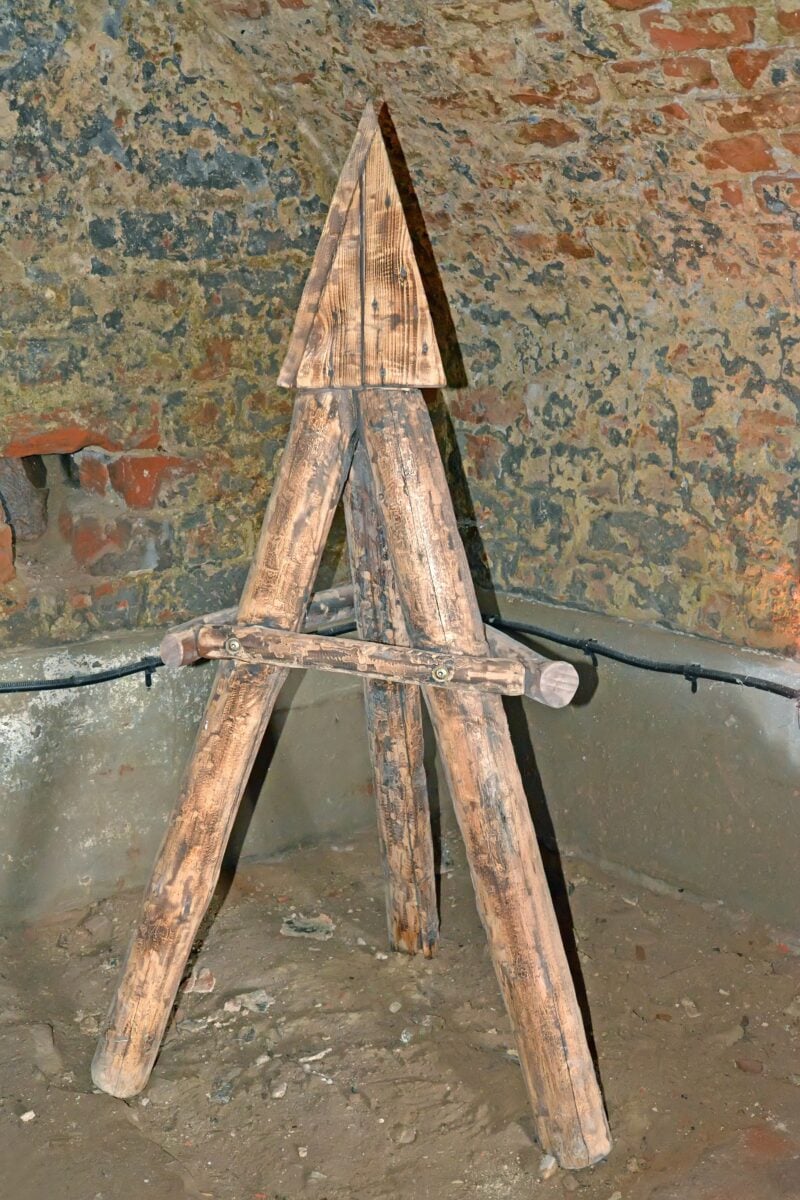
A torture device featuring a wooden pyramid that would be slowly lowered onto a victim’s exposed posterior, this medieval instrument was designed to cause maximum pain without quick death. The slow insertion of the weapon would tear internal organs and muscle.
The device appears in historical records though limited evidence confirms frequent use.
Quartering Without Execution
Distinct from drawing and quartering, this punishment involved amputating limbs one at a time while the victim remained alive, sometimes over days. Used for severe crimes including regicide, the victim would eventually die from blood loss and shock.
The practice persisted in parts of Europe until the 19th century before being formally abolished as understanding of cruel and unusual punishment evolved.
More from Go2Tutors!

- The Romanov Crown Jewels and Their Tragic Fate
- 13 Historical Mysteries That Science Still Can’t Solve
- Famous Hoaxes That Fooled the World for Years
- 15 Child Stars with Tragic Adult Lives
- 16 Famous Jewelry Pieces in History
Like Go2Tutors’s content? Follow us on MSN.