Reasons Handwriting Was Once Taught as Seriously as Math
For most of human history, the ability to write by hand wasn’t a skill. It was literacy itself.
Before printing presses, handwriting was the only way to preserve information and transmit it across distance. Once paper and ink became affordable, handwriting instruction became serious business—equivalent to mathematics as a core subject because both represented the ability to function in society.
Penmanship wasn’t about beautiful letters. It was about power, status, clarity, and the fundamental requirement of being educated.
Entire schools existed just to teach handwriting technique. Students spent hours practicing letter formation the way modern students spend time on algebra.
Nobody questioned whether it mattered because the consequences of illegible handwriting—lost communication, mistaken identities, business failures—were immediate and practical.
The shift from treating handwriting as fundamental education to treating it as optional happened almost silently. As keyboards became ubiquitous, the hand-eye-mind coordination that handwriting required seemed quaint.
What’s being lost in the transition might be more significant than most people realize.
Handwriting Was Direct Communication

Before phones and email, handwritten letters were the only way to communicate across distance. A person’s ability to write legibly determined whether their message arrived intact and comprehensible.
Illegible handwriting could lose business deals, romantic relationships, or critical information. The skill wasn’t optional—it was survival.
Penmanship Conveyed Status

A person’s handwriting announced their education level, social class, and value. Fine penmanship suggested gentility and education.
Poor handwriting suggested lack of training or lower class status. Handwriting was a visible marker of refinement.
Families invested in handwriting instruction the way modern families invest in standardized test prep.
The Mechanics of Fine Motor Control Mattered

Handwriting required coordination between fine motor control, eye-hand alignment, and cognitive planning. The hours spent practicing letter formation actually developed the neurological connections that supported other academic skills.
This benefit was understood, if not fully explained, through observation.
Legal Documents Required Legible Script

Wills, contracts, and official documents had to be handwritten. An illegible signature or contract was dangerous—it could be challenged or misread, with legal consequences.
Legible handwriting wasn’t a courtesy. It was a legal requirement for anyone conducting business.
Copying Was the Primary Study Method

Before photocopiers or computers, students learned by copying. You copied passages into notebooks.
You copied formulas. You copied important information.
The act of handwriting reinforced memory. Hours of copying was understood to improve retention and understanding.
Modern research validates that this method works.
Handwriting Demonstrated Education

Ability to write well was the primary test of education. You demonstrated knowledge by writing essays by hand, under time pressure, legibly.
How you wrote mattered as much as what you wrote. Teachers evaluated thinking through the clarity of handwritten expression.
Calligraphy Was Art and Skill
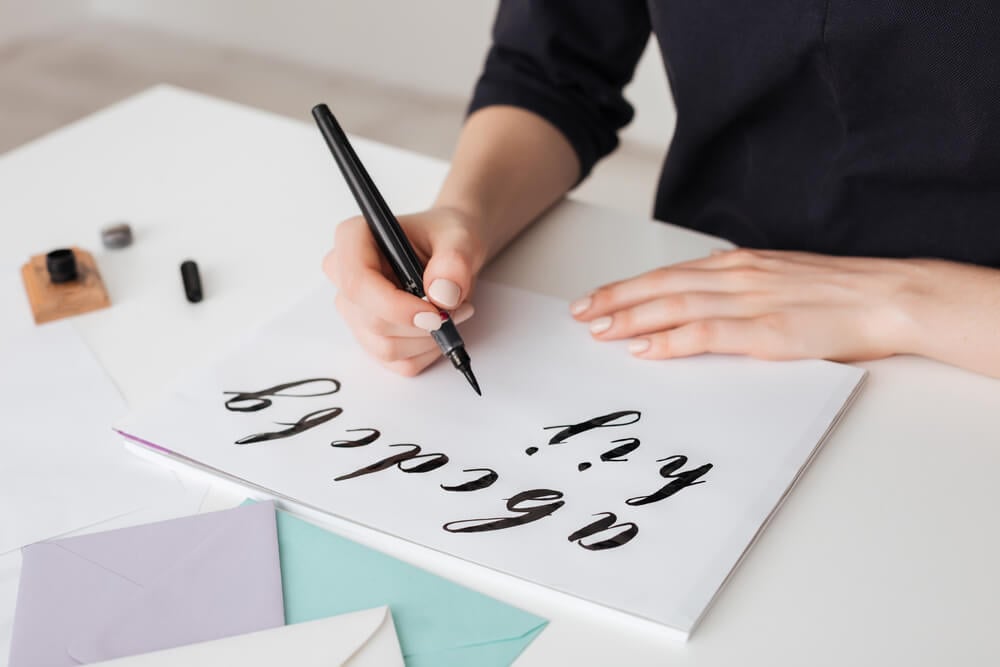
In cultures like China and throughout Europe, beautiful handwriting was considered an art form worthy of serious study. Calligraphers were respected professionals.
The aesthetic value of handwriting made instruction in technique worthy of significant time investment.
Handwriting Connected to Reading

Students learned letter shapes through formation. Understanding the shape of each letter made reading easier.
Handwriting instruction and reading instruction were interconnected. Teaching one taught the other.
The Neurological Feedback Was Essential

When you write by hand, your brain receives different sensory feedback than when you type. The motor action of forming letters creates memory pathways that typing doesn’t.
This neurological difference was observed historically, though the mechanism wasn’t understood until modern neuroscience studied it.
Speed and Accuracy Were Job Skills

Secretaries, clerks, and scribes were valued based on handwriting speed and accuracy. The faster and more accurately you could handwrite, the more valuable you were as an employee.
Handwriting instruction was vocational training.
Signature Verification Depended on Knowing Handwriting

Before digital signatures and biometric identification, verifying someone’s identity meant comparing their signature to authentic samples. Handwriting analysis was a legitimate security mechanism.
People had to know how to write consistently to maintain security.
Cursive Required Physical Fluency
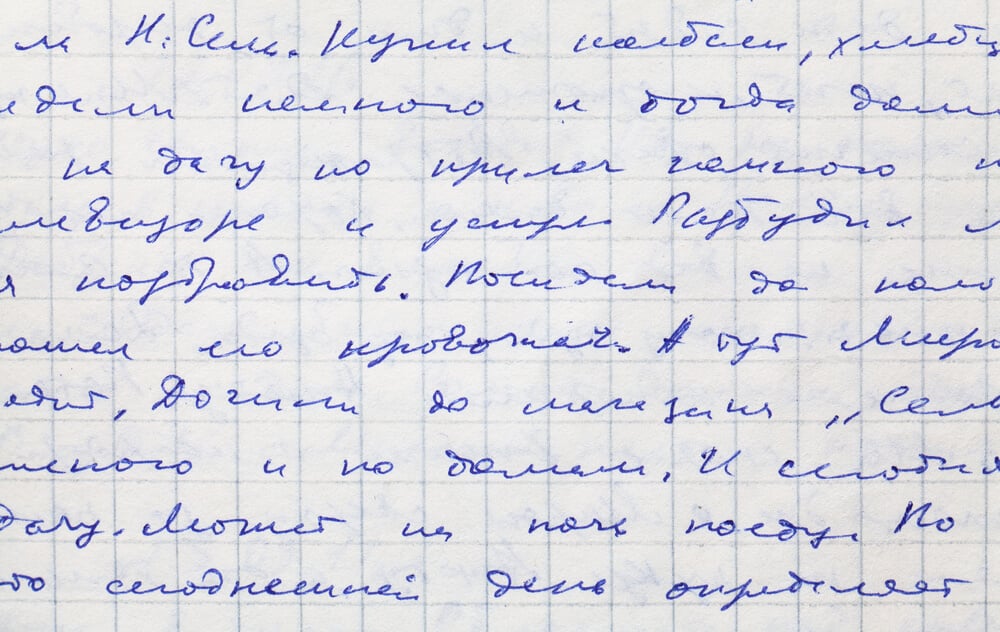
Cursive handwriting required hand-eye coordination, muscle memory, and the kind of fluid motion that typing doesn’t demand. Mastering cursive made students physically more dexterous.
The benefits extended beyond writing to other fine motor skills.
Historical Documents Were Handwritten
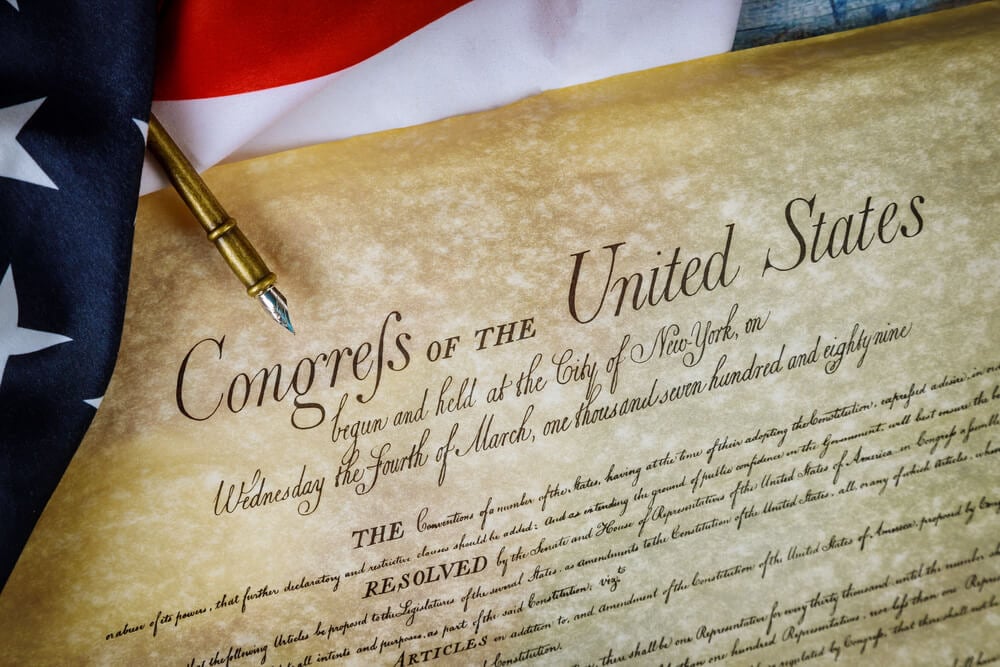
The ability to read and write cursive determined access to history. Original documents—letters, diaries, legal records—were all handwritten.
If you couldn’t read cursive, you couldn’t access your own history. Handwriting instruction was, in part, about preserving access to the past.
The Act of Writing Improved Thought

Students who wrote their ideas by hand produced better ideas and better compositions than those who used early typewriters. The slowness forced thinking.
Revision happened differently. The connection between hand, brain, and thought was understood to matter.
All Communication Was Handwritten

Until typewriters became common, all personal communication was handwritten. Business letters, romantic correspondence, thank-you notes, instructions—everything required legible handwriting.
The skill wasn’t optional for anyone who participated in society.
The Disappearance Was Neither Intentional Nor Sudden

Handwriting instruction didn’t vanish because educators decided it was unimportant. It disappeared gradually as keyboards became ubiquitous and time pressure forced schools to prioritize subjects measured by standardized tests.
What was once fundamental literacy became elective.
Some Benefits Never Fully Transfer

Modern research shows that handwriting improves memory in ways typing doesn’t, even though both produce text. Students who take notes by hand understand and retain material better than those who type.
Yet typing is faster, so typing dominates.
The Shift Revealed What We Valued

As schools reduced handwriting instruction, it became clear that most educational value was placed on output speed and comprehension measurement, not on the process of thought development. Handwriting was sacrificed for efficiency.
Handwriting Created a Durable Record

A handwritten document lasts centuries. Digital files depend on hardware and software that become obsolete.
Historically, people understood that handwritten communication was the only durable method. Speed was less important than permanence.
The Skill Took Time to Master

Handwriting mastery required years of practice. Students didn’t learn perfect penmanship by third grade—they gradually refined it through high school.
The time investment was considered essential, not wasted.
Modern Assessment Still Depends on Handwriting

Most standardized tests, professional certifications, and formal exams still require handwritten responses. Students who don’t know how to write quickly and legibly are at a disadvantage in timed assessments.
The skill never stopped mattering; it just stopped being taught.
A Skill Quietly Lost

Handwriting was taught seriously as math because reading, writing, and numeracy were the only literacy a society had. All three required years of practice and discipline.
When keyboards became ubiquitous, one form of literacy seemed to fade. What’s less clear is whether it actually became unimportant or whether we simply stopped investing time in teaching it because faster alternatives existed.
More from Go2Tutors!

- The Romanov Crown Jewels and Their Tragic Fate
- 13 Historical Mysteries That Science Still Can’t Solve
- Famous Hoaxes That Fooled the World for Years
- 15 Child Stars with Tragic Adult Lives
- 16 Famous Jewelry Pieces in History
Like Go2Tutors’s content? Follow us on MSN.