25 Summer Camp Traditions That Would Not Pass a Permission Slip Today
Summer camp once occupied a strange middle ground: far enough from home that parents couldn’t show up, close enough that missing a kid for a few hours didn’t immediately trigger a search. What happened at camp happened at camp.
Counselors made decisions on the fly, kids did things unsupervised that would now require liability waivers, and the entire enterprise operated on the assumption that a little risk built character. The traditions listed here aren’t controversial in hindsight because they were mean-spirited, but because they were dangerously casual.
Safety protocols existed, but they were suggestions. Supervision happened, but loosely. Insurance didn’t yet charge premiums based on incident projections. That era has ended.
Modern camps operate under a completely different set of rules—and most of those rules exist because someone got hurt.
Whittling Without Structured Instruction

Every camper got a pocket knife and a block of wood. Knife safety training, if it happened at all, was a five-minute conversation.
Kids sat around cabins carving without close supervision, and bandaged fingers were as common as splinters. Structured knife-safety courses and mandatory supervision didn’t become standard until the 1980s and 1990s.
Rope Swings Over Untested Water

The best part of camp involved swinging from a rope tied to a branch and flying into a lake or creek. Nobody checked the rope for fraying.
Nobody tested the water depth or searched for submerged rocks below. The same rope stayed up all summer, injuries and all.
When someone hit a rock or the rope snapped, they got pulled out, dried off, and sent back for another swing.
Night Swimming in Spotlight Darkness

After lights-out, campers would gather on the dock and swim beneath the glow of a single spotlight mounted overhead. The water below was deep and dark.
Lifeguards were minimal or absent. Kids swam in the thick Northwoods darkness, and the tradition continued well into the 1980s before most camps finally abandoned it for basic lifeguarding protocols.
Lake Dips and Morning Pranks

Some mornings started with counselors bursting into cabins, dragging sleeping campers from their beds, and throwing them into cold water—fully clothed, no warning. It was considered harmless fun and a way to build toughness.
The practice is now recognized as assault and has been abandoned at virtually every camp.
Snipe Hunts

Counselors sent groups of younger campers into the woods at night to hunt an imaginary creature called a snipe. They were given bags and flashlights and left to wander while older kids played tricks in the darkness.
Some campers got genuinely lost or scared, and nobody thought to check on them until very late. The lack of supervision eventually caught up with the tradition.
Barefoot Trail Hiking
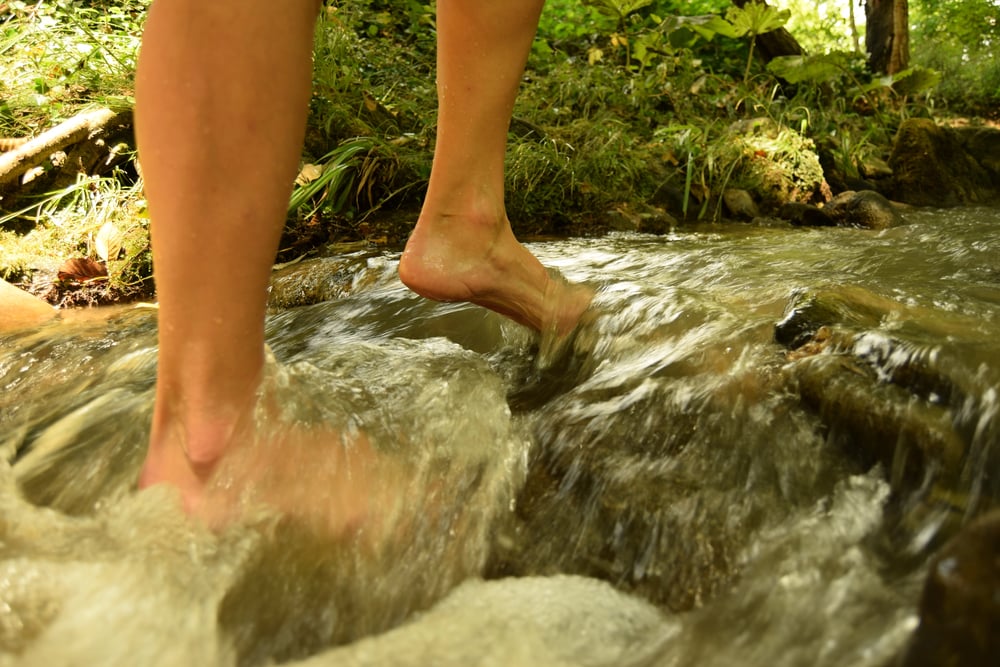
To feel the forest, campers hiked without shoes. The trails left splinters and cuts from hidden nails in fallen logs, and tetanus shots were common when summer ended.
The romantic notion of barefoot woodland exploration lost its appeal once infection rates climbed and liability costs rose.
Unsupervised Campfire Cooking
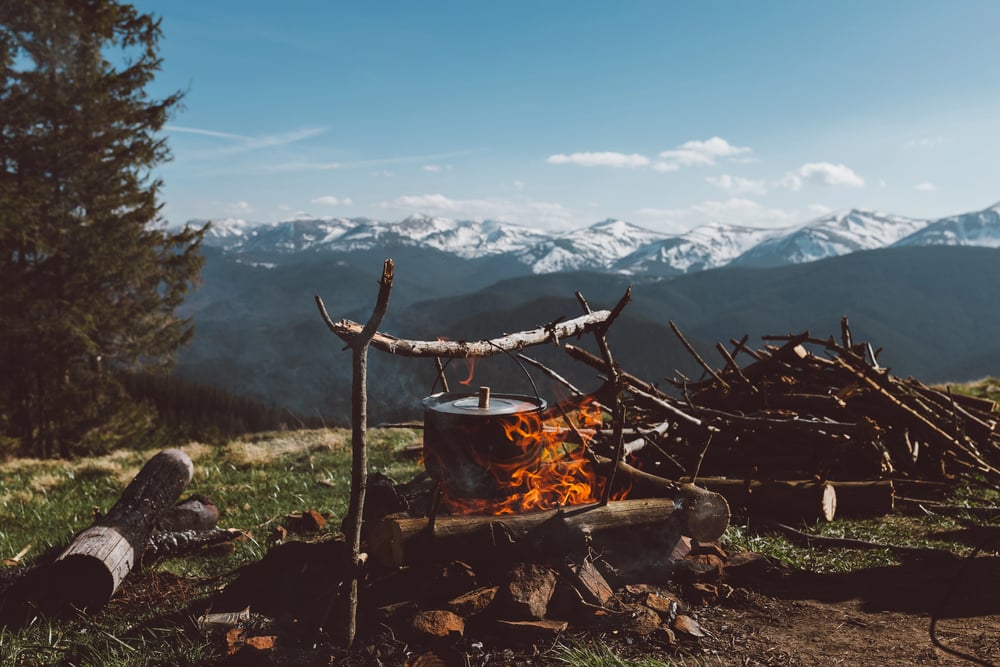
Campers cooked meals alone over open flames, flipping foil packets or roasting sticks with minimal instruction. Burns happened frequently, and meals often turned into charcoal.
Eventually, camps introduced supervision rules and fire safety plans, but for decades, burns were simply part of the experience.
No Water Breaks on Hot Days

Counselors believed pushing through discomfort built character. Water breaks were skipped during high-temperature days, and hikes continued even when kids complained of dizziness or nausea.
Heatstroke was a real risk that camps didn’t track until the 1980s, when hydration protocols and activity limits during extreme heat finally became standard.
Native American Stereotypes

Construction paper feathers and teepee crafts filled afternoons. Campers learned to mimic chants and act out “tribal” roles.
When Native groups began calling out these stereotypes in the 1980s, camps quietly dropped the activities, recognizing them as offensive and culturally ignorant.
Kissing Games and Consent-Free Activities

Games like Spin the Bottle and Honey If You Love Me were treated as innocent fun, and staff members remained silent during uncomfortable moments. Eventually, concerns about consent led most camps to drop these activities, though many persisted well into the 1990s.
Dumping Tin Cans in Lakes
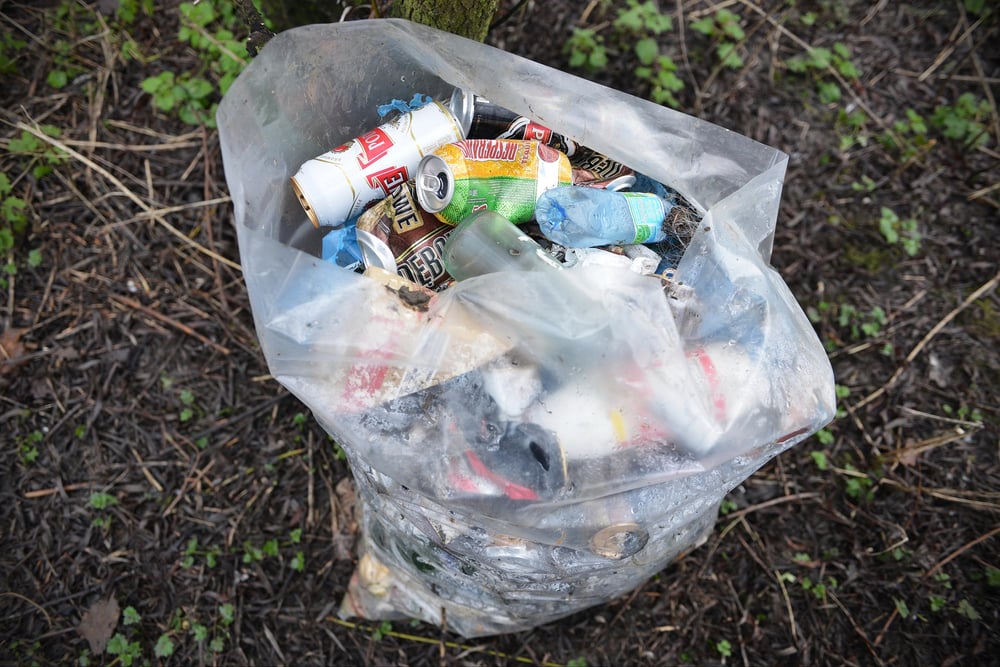
Before Leave No Trace regulations existed, campers packed food in large tin cans. As food got eaten, the empty cans were filled with rocks and thrown into the middle of lakes.
Such littering seems irresponsible now and would certainly attract ranger citations, but it was standard practice in the outdoors era before modern environmental awareness.
Minimal Supervision Ratios

Counselors managed far larger groups than modern camps allow. A single counselor might be responsible for 15-20 campers on a trail or at an activity.
Staff members made split-second decisions about risks and safety with no real oversight structure in place.
No Background Checks for Staff

Camps hired counselors with minimal vetting. The concept of background checks was nearly non-existent.
Anyone with enthusiasm and a willingness to spend a summer could become a counselor, regardless of prior issues or warning signs.
Unguarded Swimming Areas

Not all swimming happened in designated swim areas with lifeguards present. Campers waded in lakes and streams during free time with minimal supervision.
Drowning was a recognized risk but not one camps systematically tried to prevent.
Cooking with Food Safety Ignored
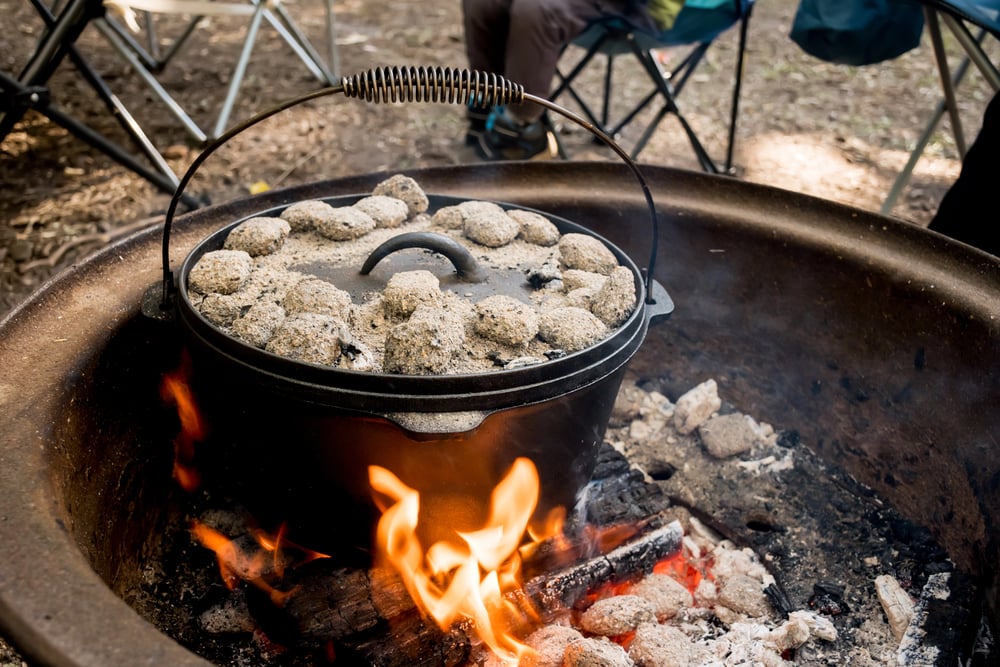
Meals cooked over fires with minimal sanitation protocol. Milk and meat weren’t properly cooled.
Cross-contamination happened regularly. Food poisoning was common, though not tracked or reported.
Modern camps follow strict food safety regulations that would have seemed excessive in earlier decades.
Extreme Activity During Extreme Heat

High-temperature days meant business-as-usual for camp. Activities didn’t get modified.
Staff didn’t recognize heat exhaustion symptoms. Campers kept hiking, playing, and working in conditions that would now trigger activity cancellations and mandatory hydration breaks.
Permissive Attitudes Toward Injury

Bumps, sprains, cuts, and mild injuries were rarely reported to parents. Staff taped up an injury, wrapped it, and sent kids back to activities.
Concussions went unrecognized. Broken bones were confirmed casually.
The permissive approach to incident reporting meant many injuries never made it home to parents.
Minimal Medical Staff On-Site

Camps operated with one or two nurses for hundreds of campers. Serious incidents required calling an ambulance to remote locations.
First aid training for regular counselors was minimal. Medicine was rationed, and trips off-site for medical attention were treated as inconveniences.
Unsupervised Long-Distance Hikes

Groups of campers disappeared into the woods for full days with minimal communication to base camp. Counselors carried no radios or check-in protocols.
If someone got injured or lost, discovery could take hours.
Camp Waste Dumped Directly

Cooking water, food scraps, and waste were poured directly on the ground or into waterways. Composting and waste management didn’t exist.
Camps left environmental footprints that would now be considered ecological disasters.
No Structured Counselor Training

Counselors received almost no formal training before working with children. They showed up, got a quick orientation, and started managing kids.
Teaching techniques, child development knowledge, and behavioral strategies were learned on the fly.
Swimming and Water Sports Without Skill Assessment

Campers of all swimming ability joined the same water activities. No one assessed whether a child could actually swim before sending them out on a kayak or into deep water.
Assumption of skill was common, and near-drowning incidents were handled quietly.
Trail Cooking Without Inspection
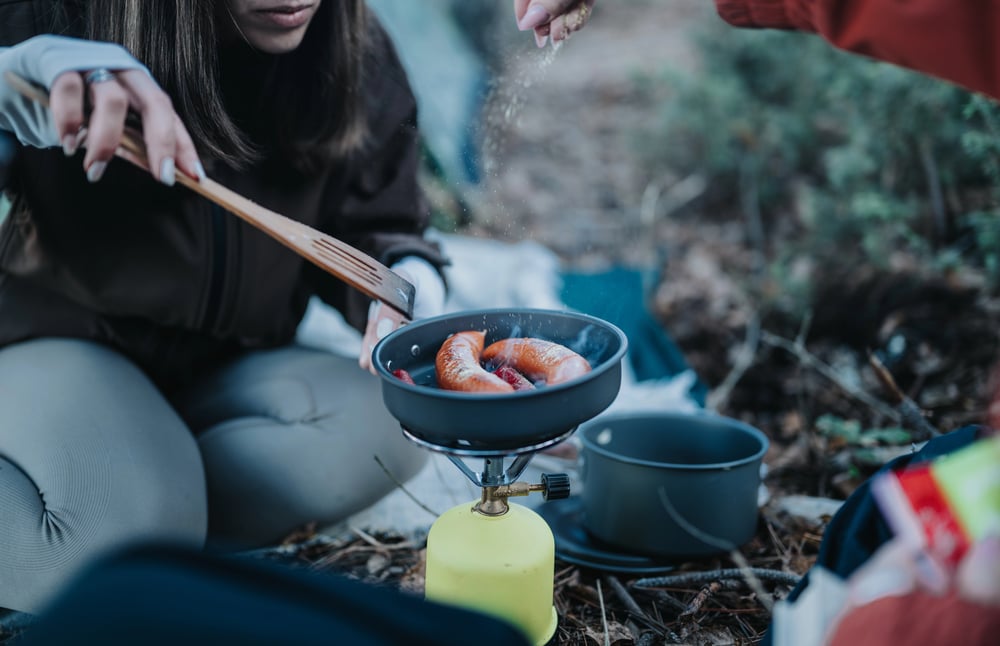
Campers prepared trail meals with minimal oversight. Meals were eaten on trails with no way to treat contamination or illness.
Stomach problems and food-borne illness were treated as normal camp experiences.
No Mental Health Support

Homesick campers received no formal support. Counselors told them to toughen up.
Campers cried in cabins with no trained staff to help. The concept of a camp psychologist or counselor trained in mental health support didn’t exist.
Campers Making High-Risk Decisions
The camp culture celebrated independence, which often meant campers decided their own activity levels, risk tolerance, and skill progression. A younger child wanted to join an advanced rock-climbing trip, and if a counselor approved it, that was enough.
No system existed to verify actual competency.
When Permission Slips Meant Nothing

Parents signed permission slips that absolved camps of liability for nearly everything. The legal language was vague.
The risks weren’t disclosed. Once a parent signed and a child arrived, the camp operated with almost complete autonomy.
That blank check doesn’t exist anymore.
The Shift Nobody Noticed Happening
The transformation from permissive to regulated camp culture didn’t happen overnight. A lawsuit here, a close call there, new regulations slowly tightening.
Camps that resisted change gradually closed or reformed. By the 2000s, the old way of doing things had become entirely unrecognizable—and unacceptable.
The traditions listed here aren’t ancient history. Many happened at camps that still operate, just with entirely different rules.
The only thing that changed was risk tolerance, supervision, and the legal liability for getting kids hurt.
More from Go2Tutors!

- The Romanov Crown Jewels and Their Tragic Fate
- 13 Historical Mysteries That Science Still Can’t Solve
- Famous Hoaxes That Fooled the World for Years
- 15 Child Stars with Tragic Adult Lives
- 16 Famous Jewelry Pieces in History
Like Go2Tutors’s content? Follow us on MSN.