Deserts That Are Surprisingly Cold
Most people picture scorching sand dunes and unrelenting sun when they think about deserts. That image makes sense for places like the Sahara, but plenty of deserts break that stereotype completely.
Some get buried in snow. Others experience temperatures that plunge well below freezing for months at a time.
The word “desert” just means the area receives very little precipitation—it says nothing about heat.
The Gobi Desert Freezes Solid
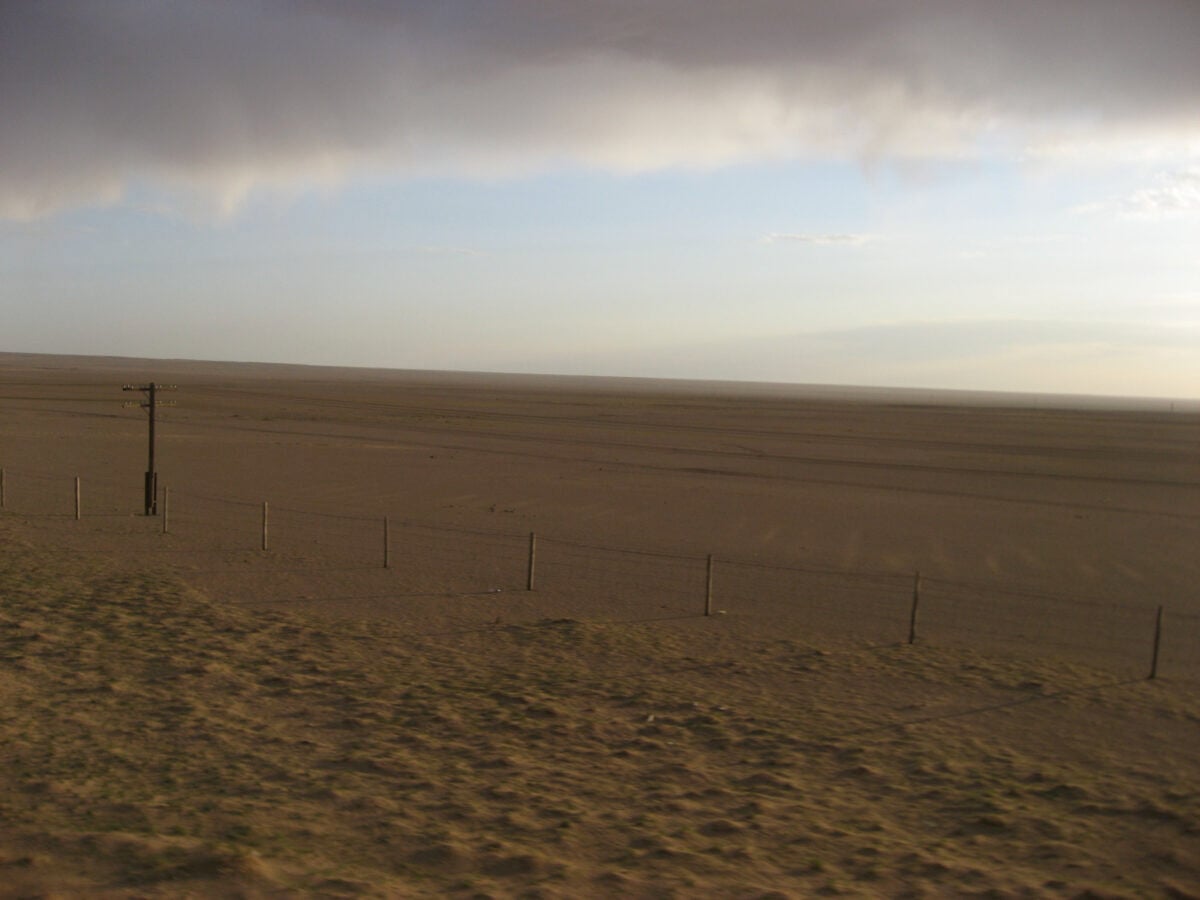
Stretching across Mongolia and northern China, the Gobi gets brutally cold. Winter temperatures drop to negative 40 degrees Fahrenheit regularly.
Snow covers the sand dunes and rocky terrain. The region sits at high elevation, far from any ocean that could moderate temperatures.
Summer brings heat, but winter dominates the calendar here. Nomadic herders bundle up in thick coats and rely on their livestock to survive these conditions.
Great Basin Desert Sees Four Seasons
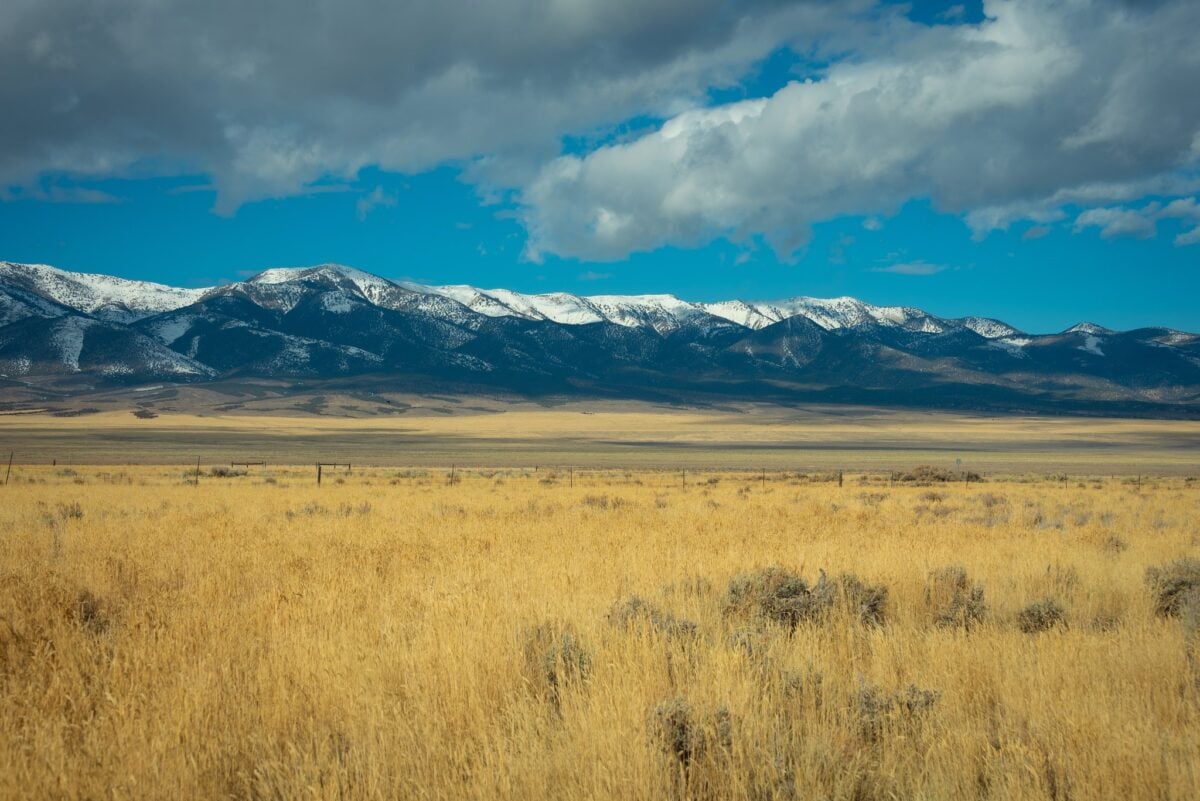
Nevada, Utah, and parts of surrounding states contain this massive desert. You can watch snow fall on sagebrush here.
Winter storms roll through regularly, dropping several feet of snow in the higher elevations. The summer brings warmth, but it’s not the kind of heat that defines stereotypical deserts.
Elevation plays a huge role—much of the Great Basin sits above 4,000 feet. The temperature swings between seasons feel dramatic.
Patagonian Desert Battles Antarctic Winds

Argentina’s Patagonian Desert extends into one of the coldest regions on the South American continent. Strong winds blow up from Antarctica year-round.
These winds keep temperatures low even during summer months. Rain barely falls because the Andes Mountains block moisture from the Pacific.
Winter here gets harsh. The landscape looks barren and windswept, with tough grasses clinging to rocky soil.
The desert stretches for hundreds of miles, creating one of the most desolate environments on Earth. Temperatures can drop below zero during winter nights.
Taklamakan Desert Experiences Extreme Cold

Located in western China, the Taklamakan sits in a basin surrounded by mountains. Winter transforms this desert into a frozen wasteland.
Temperatures fall to negative 20 degrees Fahrenheit or lower. The name roughly translates to “place of no return,” which feels appropriate when you’re stuck there during a winter storm.
Summer does bring heat, but the seasonal temperature variation spans more than 100 degrees.
Colorado Plateau Has Desert and Snow
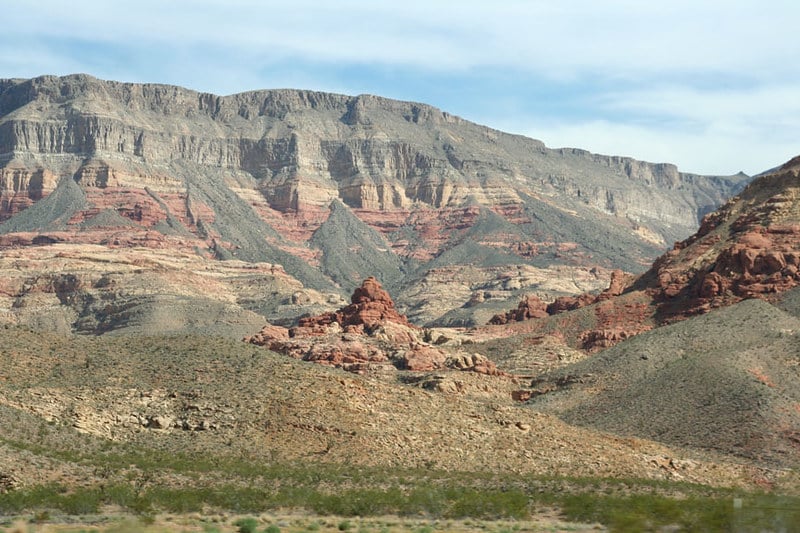
This region covers parts of Colorado, Utah, Arizona, and New Mexico. High elevation defines the landscape—most of it sits between 5,000 and 11,000 feet above sea level.
Winter brings substantial snowfall across the entire plateau. The famous red rock formations get dusted with white powder regularly.
You can visit national parks here and experience desert terrain with frigid temperatures.
Atacama Desert Gets Cold at Night
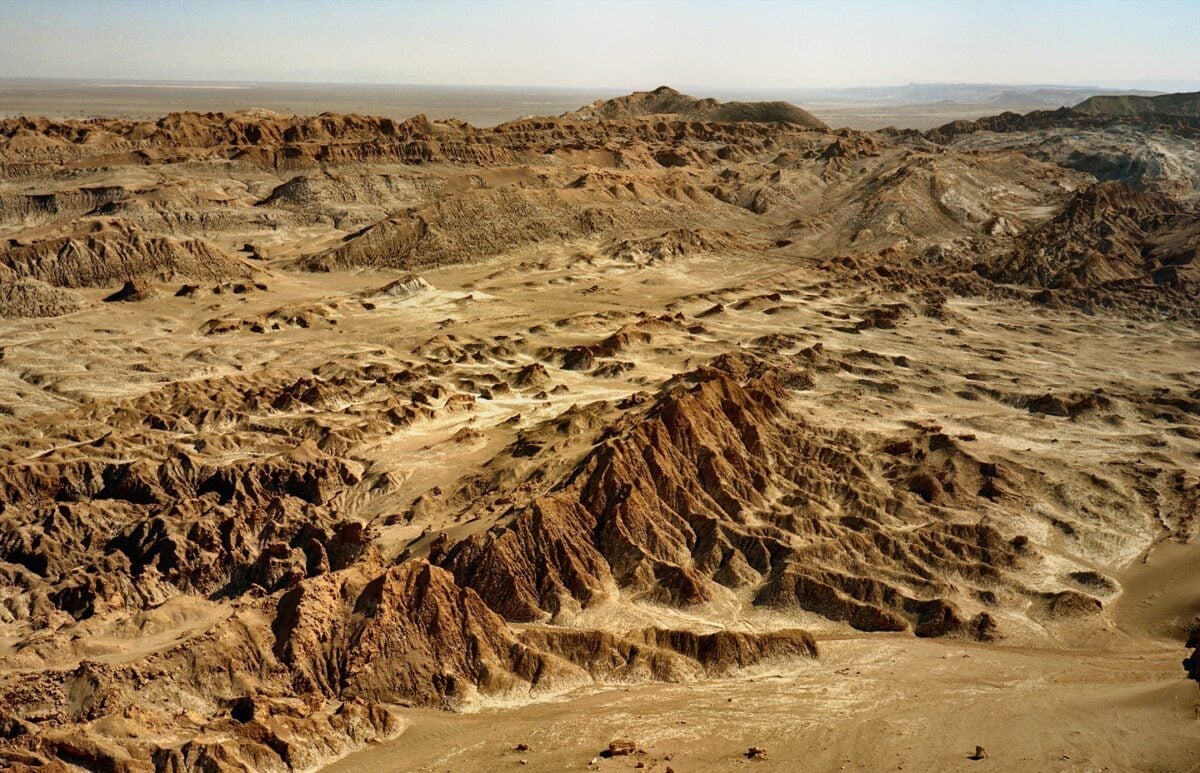
Chile’s Atacama holds the title of driest place on Earth. While days can be warm, the nights tell a different story. High elevation and dry air mean heat escapes rapidly after sunset.
Temperatures can drop to freezing or below, even during summer months. The southern portions of the Atacama get even colder.
Some areas see frost formation despite receiving almost zero rainfall.
Namib Desert Meets Cold Ocean Currents

The Namib runs along Namibia’s coast, where the cold Benguela Current flows. This ocean current keeps temperatures surprisingly low for a desert.
Morning fog rolls in from the ocean regularly. The coastal areas rarely get hot, even though they’re in Africa.
Animals and plants here have adapted to collect moisture from the fog rather than relying on rain. The temperature stays moderate year-round, but “moderate” for a desert means cooler than you’d expect.
Karakum Desert Drops Below Freezing
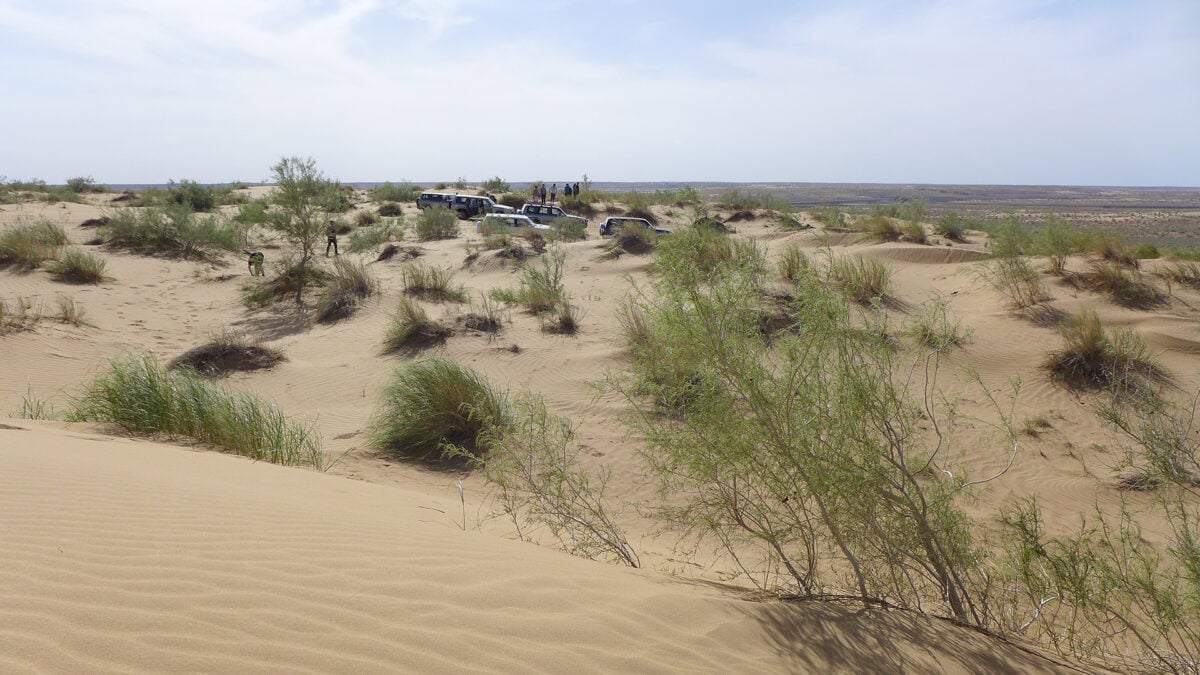
Turkmenistan’s Karakum Desert experiences harsh continental winters. The name means “black sand,” but winter turns everything white.
Temperatures fall well below freezing from December through February. The desert covers most of Turkmenistan, creating one of the largest cold desert environments in Central Asia.
Summer heat arrives eventually, but winter maintains its grip for months.
Antarctic Desert Defines Extreme Cold
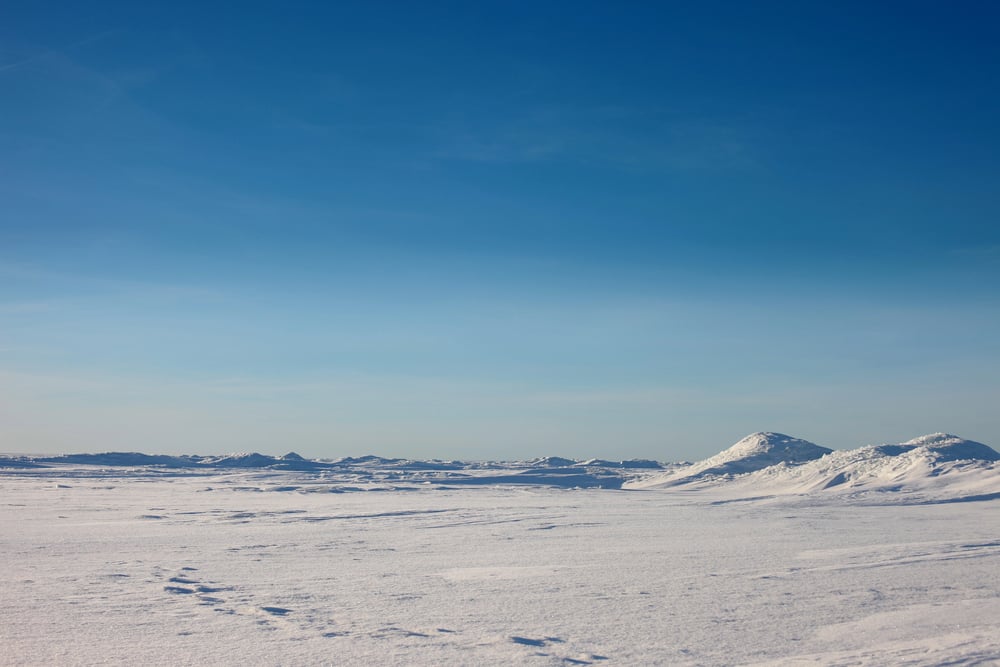
Antarctica qualifies as a desert because it receives so little precipitation. It’s also the coldest place on Earth. Temperatures in the interior drop below negative 100 degrees Fahrenheit during winter.
The entire continent is technically a desert—the world’s largest one. Ice covers the ground instead of sand, but the lack of moisture fits the desert definition perfectly.
Nothing grows here except some hardy lichens and moss in the relatively warmer coastal areas. The cold is so severe that it shapes every aspect of the environment.
Kyzylkum Desert Battles Continental Climate

Shared by Kazakhstan, Uzbekistan, and Turkmenistan, the Kyzylkum experiences the full force of Central Asian winters. Temperatures drop to negative 20 degrees Fahrenheit or lower.
The desert sits far from any ocean, which means no moderating maritime influence. Winter storms can bring snow that lingers for weeks.
Spring and fall arrive quickly, leaving little time between extreme cold and summer heat.
Iranian Plateau Deserts Stay Cold
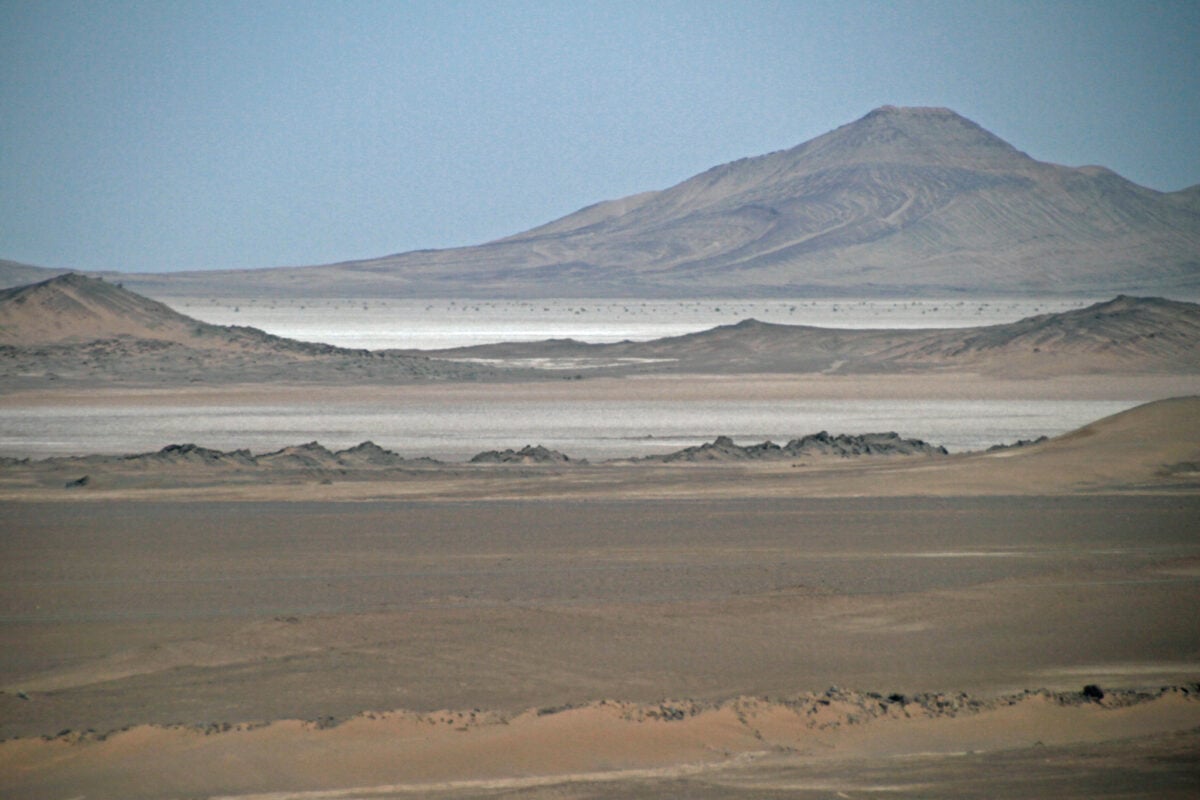
Iran contains several desert regions on its high plateau. These areas sit at elevations around 3,000 to 5,000 feet. Winter brings freezing temperatures and occasional snow.
The Dasht-e Kavir and Dasht-e Lut deserts experience these conditions regularly. Summer heats things up considerably, but winter dominates roughly half the year.
The landscape looks barren and rocky, with mountains visible in most directions.
Ladakh Desert Sits in the Himalayas

Northern India’s Ladakh area holds a dry, high-up landscape where it feels chilly nearly all year. At heights beyond 9,000 feet, this stretch touches the edge of the Himalayan range. When winter hits, temps drop as low as minus 40°F in certain spots. Though summer gives short bursts of mild weather, nighttime still turns icy.
The area gets little rain since the Himalayas stop moist monsoon winds from passing through. Scattered across the land, Buddhist monasteries house monks who’ve learned to live with tough climates.
Cold Deserts Need Different Survival Skills
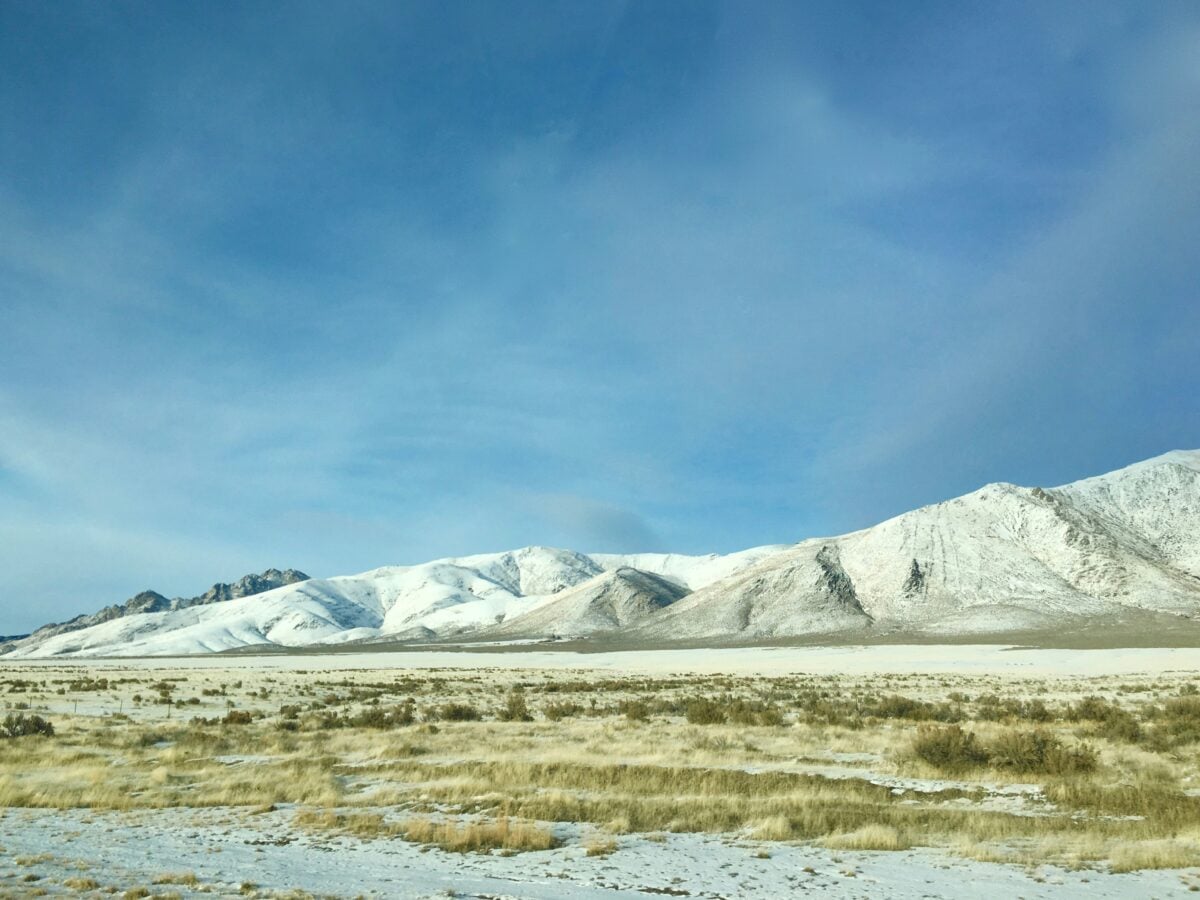
Hot deserts hit hard with scorching temps – staying hydrated is tough. Cold ones? They bring bone-chilling risks like freezing tissues or dropping body heat fast.
Life there doesn’t give up easily; critters grow dense fur, sleep through winter, or hold out without liquid water – it’s locked in ice most times. Dryness shapes both, sure – but icy zones crank up the struggle thanks to bitter cold.
The Quiet Beauty of Frozen Expanses

Cold deserts surprise you – turns out dryness isn’t tied to tropical zones alone. Being in a sandy stretch when flakes start dropping shifts how you see things.
Instead of heat, there’s silence, which makes the space seem even more remote. The chill deepens the loneliness, unlike anything in sun-scorched dunes.
Still, they keep life going – both ours and others’ – showing how flexible survival can be. Ice-blanketed dunes and frosty stone shapes form scenes most wouldn’t link to the term “desert.”
More from Go2Tutors!

- The Romanov Crown Jewels and Their Tragic Fate
- 13 Historical Mysteries That Science Still Can’t Solve
- Famous Hoaxes That Fooled the World for Years
- 15 Child Stars with Tragic Adult Lives
- 16 Famous Jewelry Pieces in History
Like Go2Tutors’s content? Follow us on MSN.



