The Hardest Languages to Speak
Learning a new language can feel like trying to solve a puzzle where someone keeps changing the pieces. Some languages throw curveballs with their grammar, others trip people up with strange sounds, and a few seem designed to make learners question every life choice that led them there.
The difficulty often depends on what language someone already speaks, but certain languages have earned a reputation for being tough no matter where someone starts from.
Here are the languages that make even dedicated learners break a sweat.
Mandarin Chinese

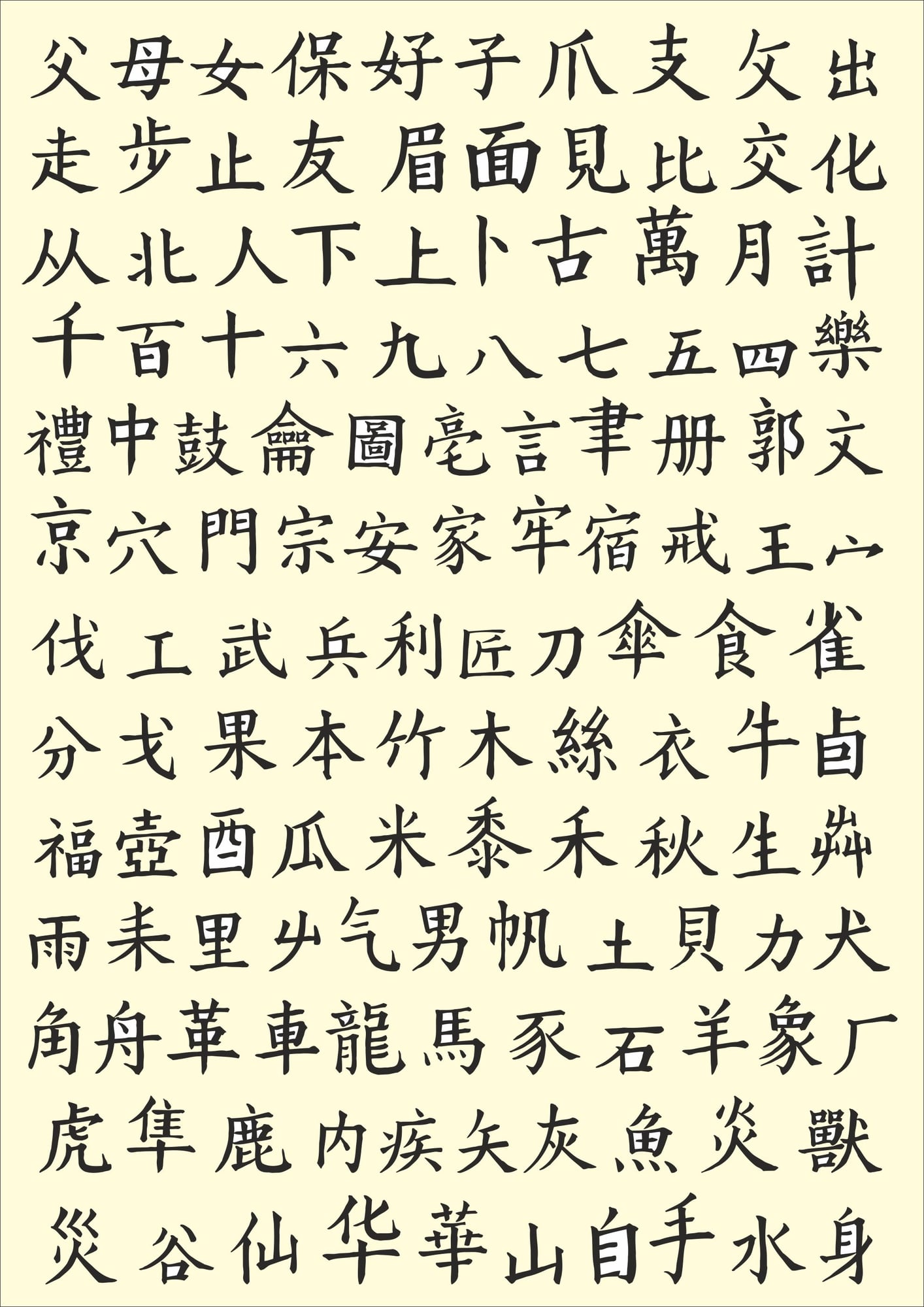
The tones in Mandarin can completely change the meaning of a word, which means getting the pitch wrong turns a simple sentence into nonsense. There are four main tones plus a neutral one, and mastering them takes serious practice.
The writing system uses thousands of characters instead of an alphabet, so learners need to memorize each one individually. A person could study for years and still encounter characters they’ve never seen before.
Arabic
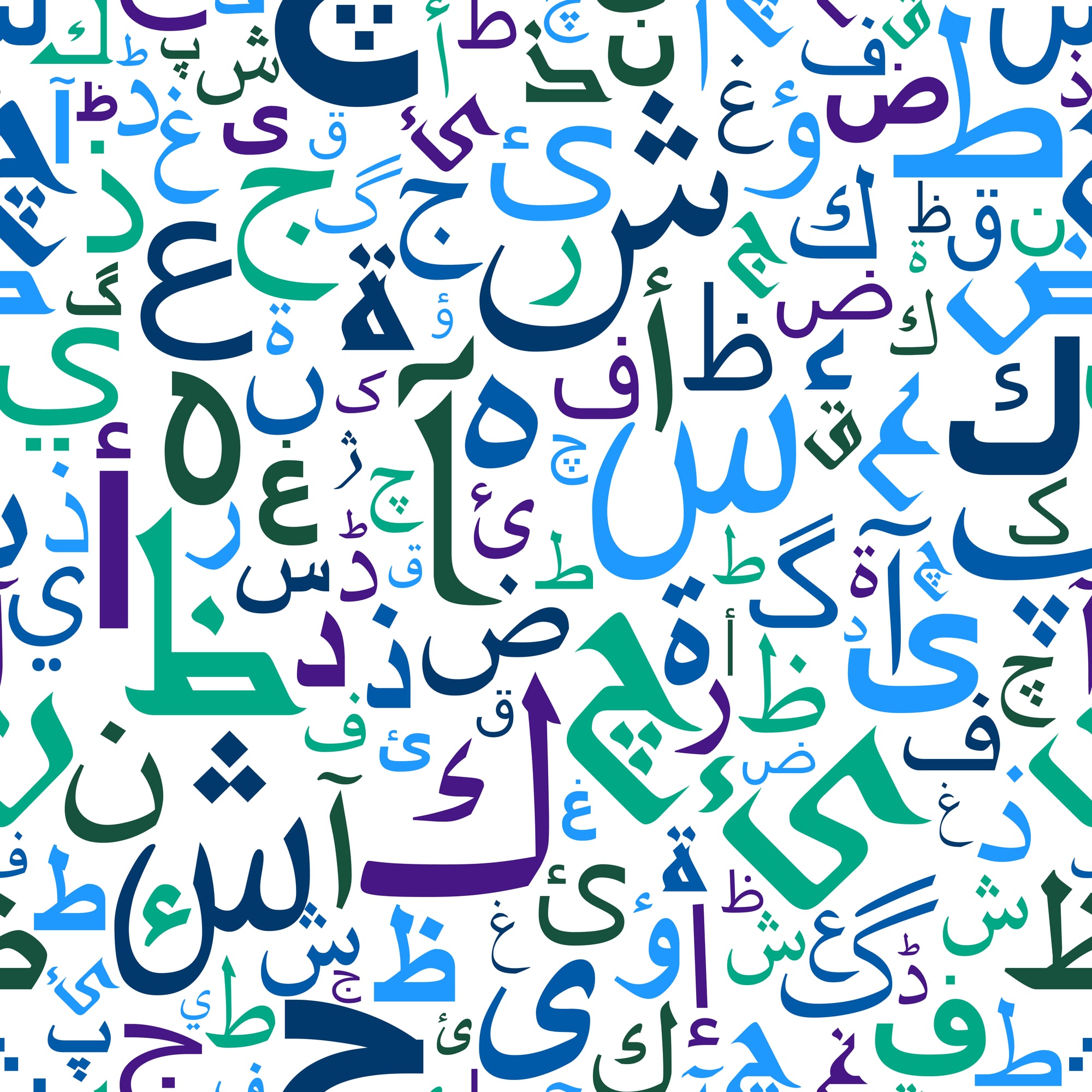
Arabic changes dramatically depending on the region, with dialects so different that speakers from Morocco and Iraq might struggle to understand each other. The formal version taught in schools, called Modern Standard Arabic, isn’t what people use in everyday conversation.
Letters change shape depending on where they appear in a word, and short vowels often aren’t written down at all. Readers have to figure out the vowels from context, which makes learning to read feel like a constant guessing game.
Japanese
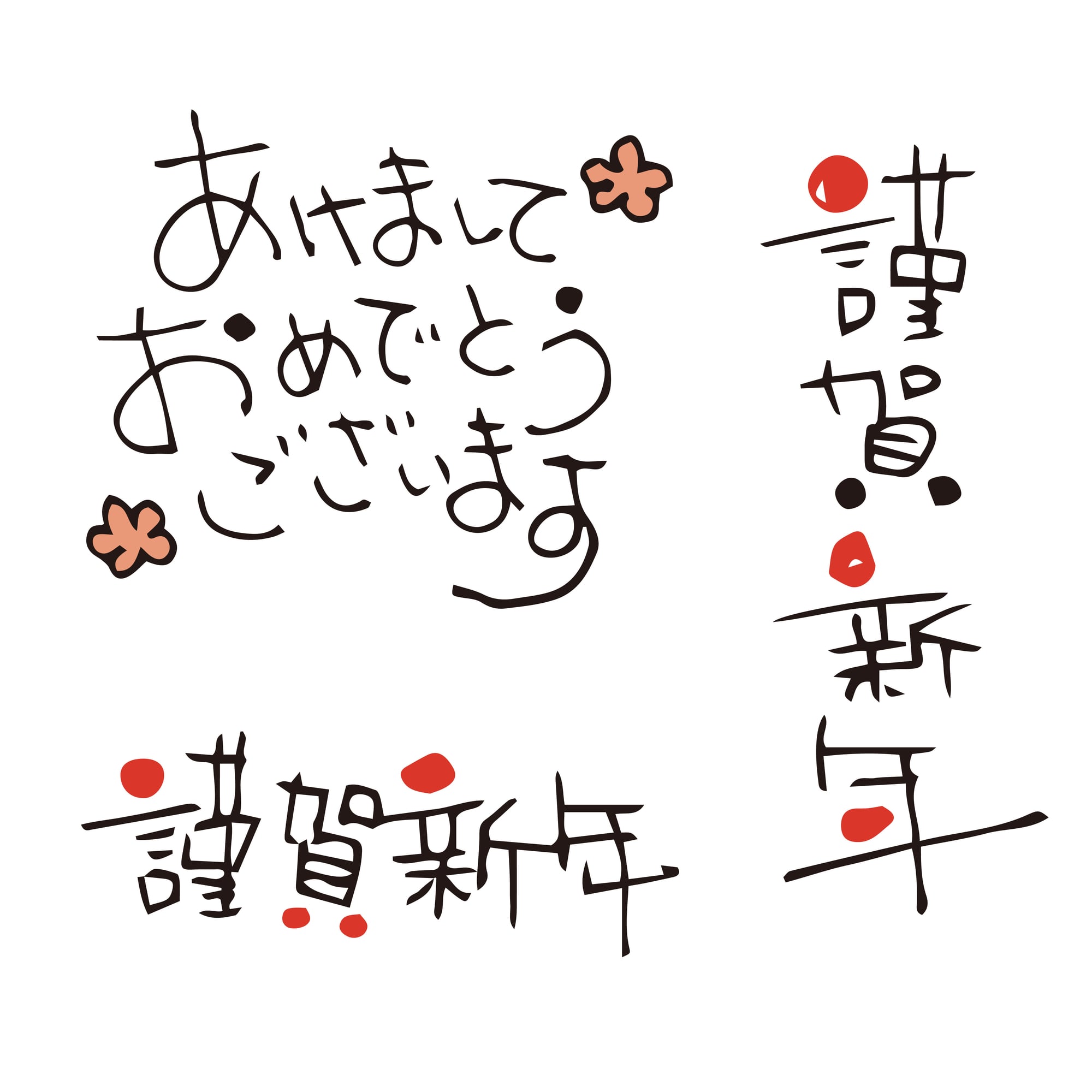
Japanese uses three different writing systems at the same time, and learners need all of them to read properly. Hiragana and katakana are syllabic systems with around 50 characters each, which seems manageable until kanji enters the picture.
Kanji borrowed thousands of characters from Chinese, and many have multiple pronunciations depending on the word they’re in. The grammar also works backward from English, with verbs coming at the end of sentences and a politeness system that changes how everything gets said.
Hungarian

The grammar in Hungarian operates on a completely different logic than most European languages. It uses something like 18 to 35 cases depending on how linguists count them, which means word endings change constantly based on their role in a sentence.
Verbs get modified with prefixes that alter their meaning in subtle ways. The vocabulary has almost no overlap with English or other familiar languages, so there are very few words that learners can recognize or guess.
Korean
Korean has a politeness system so complex that choosing the wrong verb ending can accidentally insult someone. There are different speech levels for talking to friends, strangers, bosses, or elders, and mixing them up causes real social problems.
The pronunciation includes sounds that don’t exist in English, and the difference between them can be hard for foreign ears to catch. The grammar stacks endings onto verbs to show tense, mood, politeness, and connection to other parts of the sentence all at once.
Finnish
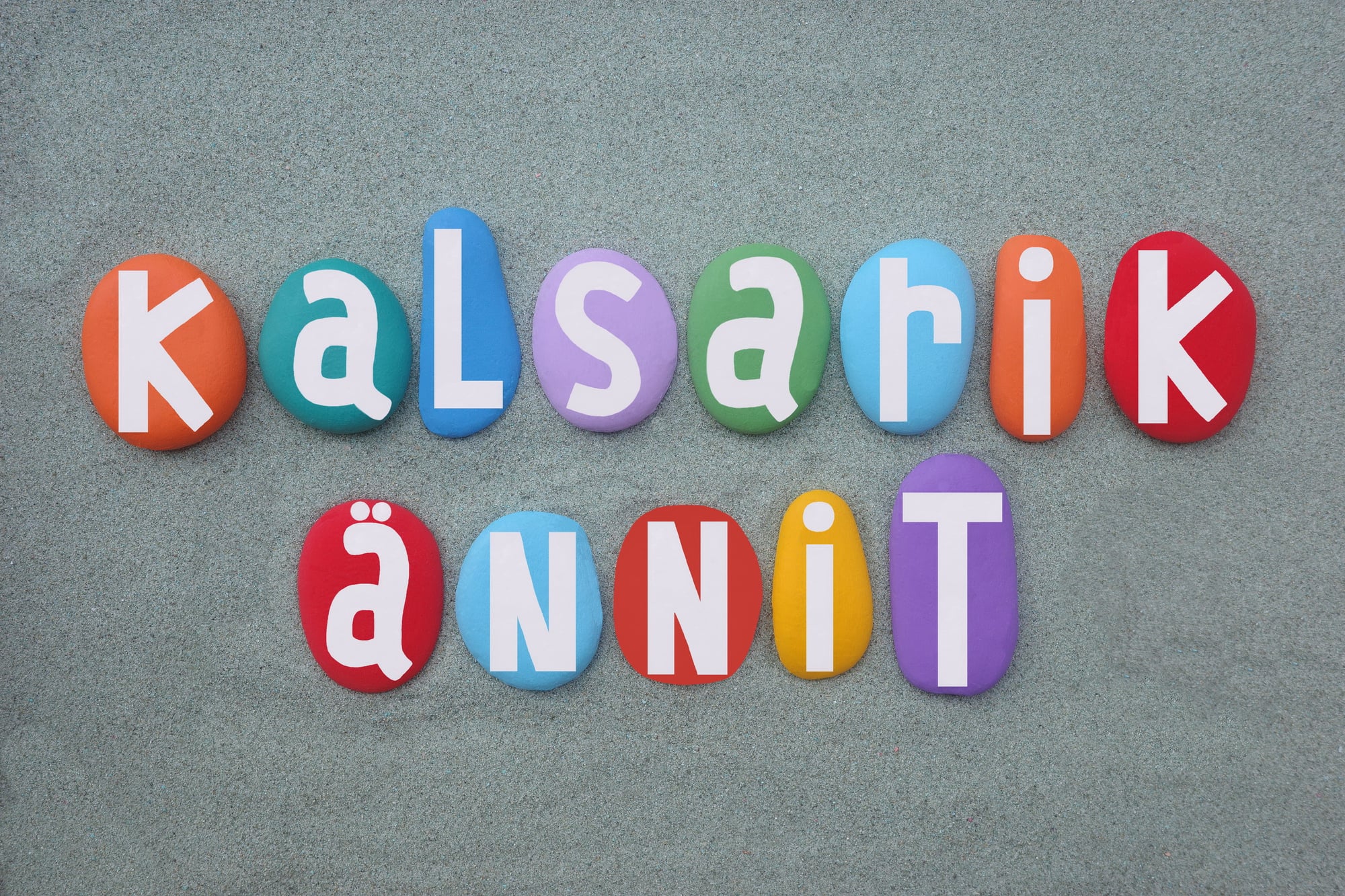
Finnish grammar treats nouns like building blocks that get modified in 15 different cases. Each case changes the ending to show location, direction, possession, or other relationships.
Verbs conjugate based on person, tense, mood, and voice, creating hundreds of possible forms for a single verb. The language also loves compound words that string multiple concepts together into one massive term that can run half a line long.
Icelandic
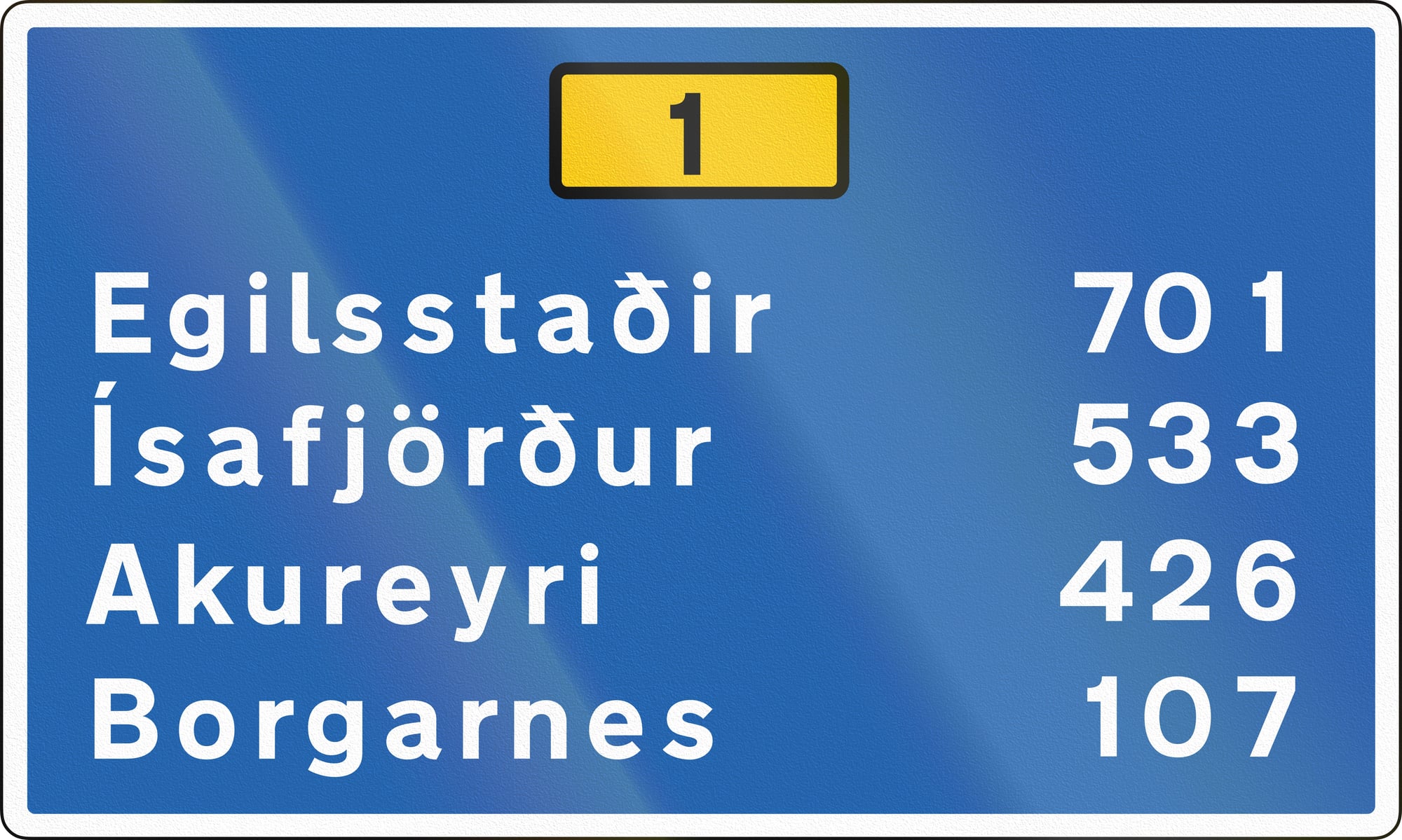
Icelandic has barely changed in a thousand years, which sounds cool until someone tries to learn it. The language preserves Old Norse grammar with four cases, three genders, and complicated declension patterns.
Verbs have strong and weak conjugations, and nouns decline differently based on their gender and role in a sentence. Modern Icelanders create new words from old roots rather than borrowing from other languages, so even tech terms sound ancient.
Georgian

The alphabet looks like beautiful abstract art, which doesn’t help when trying to read it. Georgian uses 33 letters that bear no resemblance to the Latin alphabet, so learners start from absolute zero.
The grammar includes something called polypersonal agreement, where verbs change to show information about both the subject and object at once. Consonant clusters pile up in ways that seem physically impossible to pronounce, with words that have five or six consonants in a row with no vowels between them.
Basque

Basque isn’t related to any other known language, which means there’s no familiar foundation to build from. The grammar uses an ergative-absolutive system that treats subjects differently depending on whether the verb is transitive or intransitive.
Verbs get so loaded with information that a single word can express what takes an entire sentence in English. The language builds words by adding prefixes, suffixes, and infixes in combinations that stack meanings together like linguistic Jenga.
Navajo
Navajo verbs carry an enormous amount of information in their structure, with different forms based on the shape and number of the object being discussed. The language distinguishes between picking up a round object versus a long object versus a flat object, and the verb changes accordingly.
Pronunciation includes sounds made in the back of the throat that many English speakers struggle to produce. The grammar works so differently from European languages that even basic sentences require completely rethinking how to express ideas.
Polish

The consonant clusters in Polish create combinations that look like someone fell asleep on a keyboard. Words like ‘chrząszcz’ (beetle) pack so many consonants together that pronouncing them feels like a tongue workout.
The language has seven cases that change noun endings, and three genders that affect how adjectives and verbs agree. Aspect in verbs makes speakers choose between perfective and imperfective forms, adding another layer of complexity to every sentence.
Thai

Thai uses five tones that completely change word meanings, similar to Mandarin but with its own unique patterns. The writing system has 44 consonants and 15 vowel symbols that combine in various ways, plus tone marks that float above letters.
Words run together without spaces, so readers need to know where one word ends and another begins. The formal and informal registers differ so much that learning one doesn’t automatically mean understanding the other.
Vietnamese

Vietnamese uses six tones in most dialects, giving it more tonal variation than Mandarin. Getting the tone wrong doesn’t just change the meaning slightly; it can turn a word into something completely unrelated or even offensive.
The grammar seems simple at first because verbs don’t conjugate, but the simplicity is deceptive. Classifiers get inserted between numbers and nouns, and choosing the right classifier requires memorizing categories for different types of objects.
Albanian

Albanian sits alone on its branch of the Indo-European language tree, making it unlike its neighbors. The language has kept some ancient features while developing unique quirks that don’t appear elsewhere.
Nouns decline in four cases, and the definite article attaches to the end of words as a suffix rather than appearing before them. Verbs have multiple moods including an admirative mood for expressing surprise or reported information, which doesn’t exist in most languages.
Xhosa

The click consonants in Xhosa come from neighboring Khoisan languages and sound completely foreign to most learners. There are three basic types of clicks, each produced by different tongue movements, and they can be modified further with voicing or nasalization.
The language has 15 noun classes that govern agreement throughout a sentence, so adjectives, verbs, and pronouns all change to match their noun. Tone patterns on top of the clicks add yet another layer of complexity.
Welsh

Starting a Welsh word often depends on what came just before it, thanks to shifting first letters through grammar patterns. One term may open with p at times, yet show up later starting with b or mh instead.
Sounds such as ll aren’t found in English speech and need time to master. Sentences here sometimes kick off with the verb, turning familiar English structure around completely.
Estonian
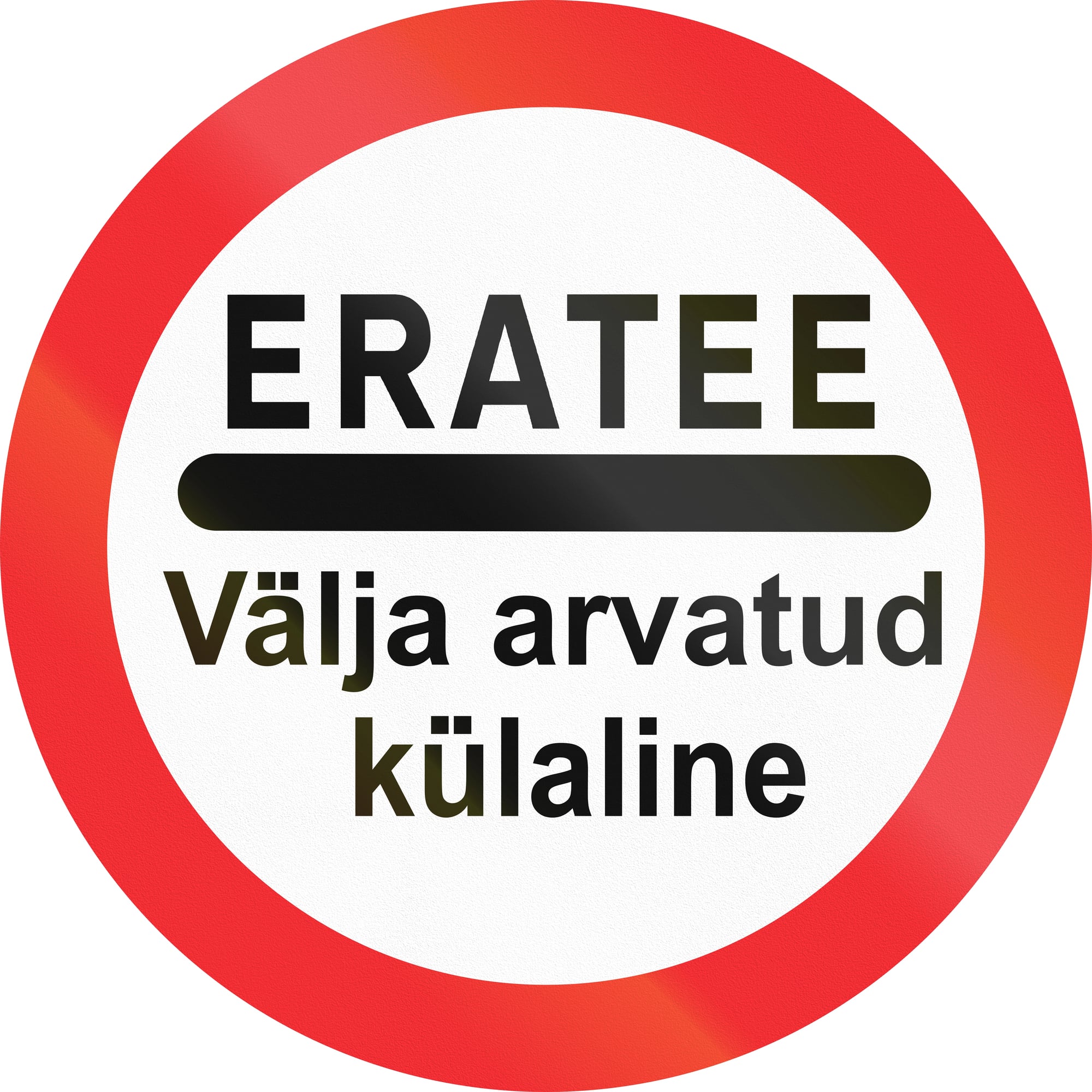
Fourteen noun forms shape how Estonian works, with timing tough to grasp at first. Moving toward differs from moving into – English skips such splits.
Sounds shift inside words depending on usage, making roots appear altered unexpectedly. Matching vowels across syllables follows set patterns, demanding extra attention while building terms.
Each feature weaves into the next without clear shortcuts.
Languages Keep Evolving

Languages now seen as tough took shape over hundreds of years, tucked away in distant places, shaped by distinct patterns of thinking. Not similarity to one’s native tongue – but difference – decides the real challenge.
Tones throw off those used to English; case systems confuse them too. Meanwhile, folks from tonal backgrounds stare at English spellings, puzzled by unpredictable verb forms.
Peering through the frame of another language means viewing life differently – even when getting there demands slow steps and steady hands.
More from Go2Tutors!

- The Romanov Crown Jewels and Their Tragic Fate
- 13 Historical Mysteries That Science Still Can’t Solve
- Famous Hoaxes That Fooled the World for Years
- 15 Child Stars with Tragic Adult Lives
- 16 Famous Jewelry Pieces in History
Like Go2Tutors’s content? Follow us on MSN.



