33 Corner Store Snacks Kids Rode Across Town to Buy
The corner store was geography that mattered. Kids knew the exact location, the proprietor’s name, which candy display occupied which shelf, and precisely how much allowance money they’d accumulated toward specific purchases.
The trip wasn’t casual—it required intention and planning. You saved nickels and pennies, made mental inventories of items held in reserve behind the counter, and debated with friends whether this was the day to spend on comic books or candy.
What made corner stores different from grocery stores wasn’t selection but social transaction. The owner knew your tastes, held items for you, and sometimes included damaged-package candies as gifts for regular customers.
These were neighborhood institutions that served as economic education, social gathering spaces, and gateways to independence. Kids made the trip alone, made purchasing decisions without adult guidance, and conducted their first business transactions at these counters.
The snacks themselves mattered less than the independence the corner store represented.
Wax Bottles
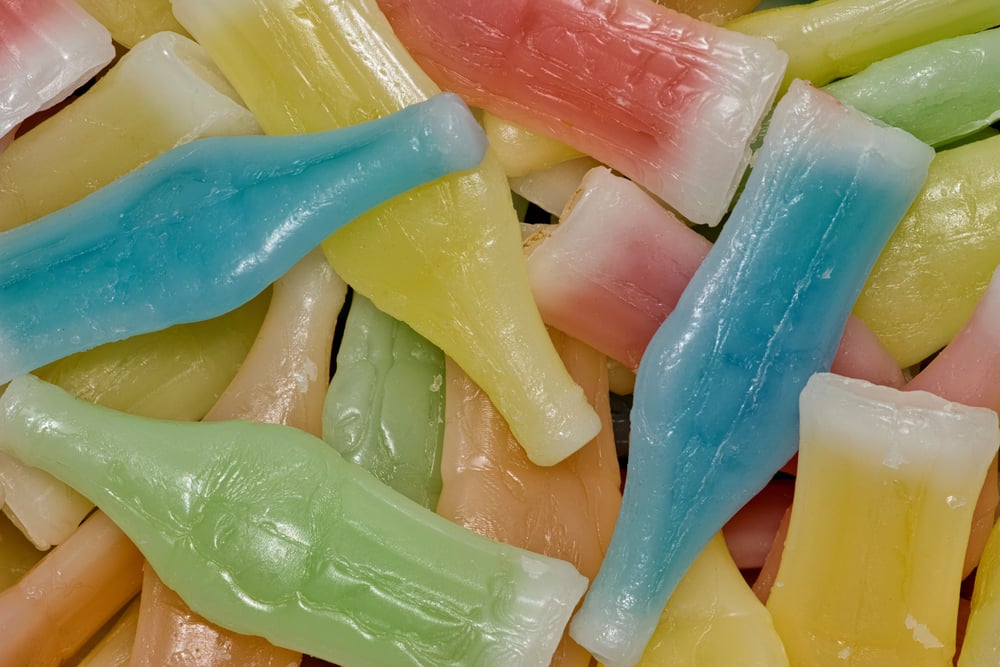
Tiny wax containers filled with colored sugar water. Kids drank the syrup, then chewed the edible wax container itself.
The item required no refrigeration, cost minimal money, and provided two distinct consumption experiences in one purchase.
Bazooka Bubble Gum
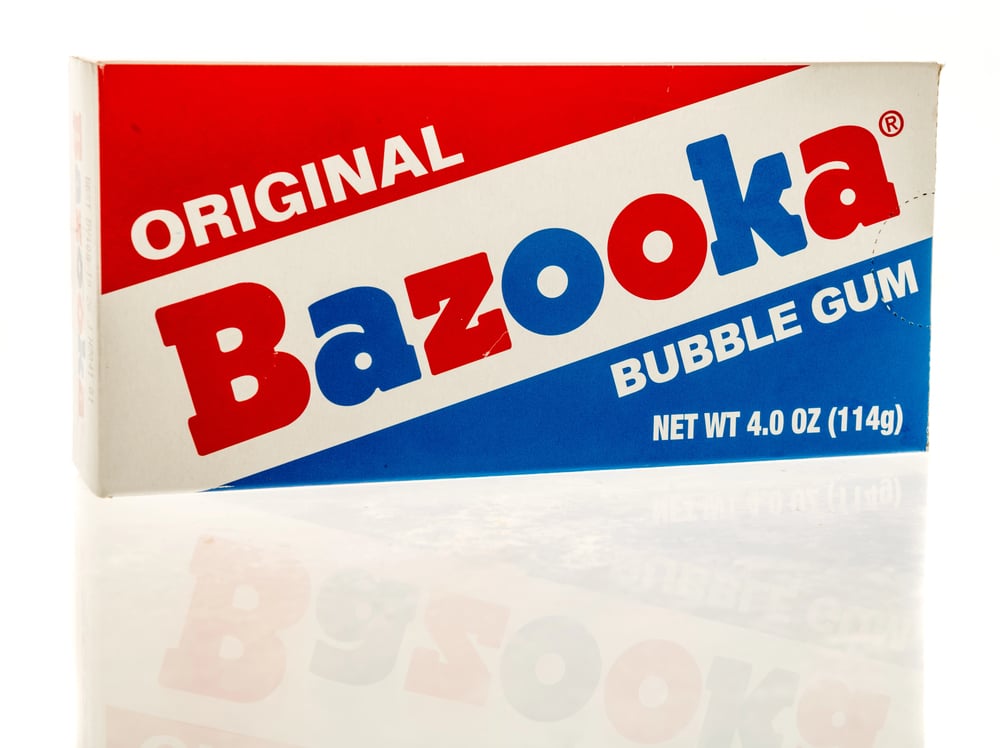
Pink bubble gum packed with tiny comic strips inside the wrapper featuring Bazooka Joe. Kids collected the comics, attempted to form jigsaw puzzles on the reverse side, and treated the included comics as genuine collectibles worth preserving.
Baseball Cards
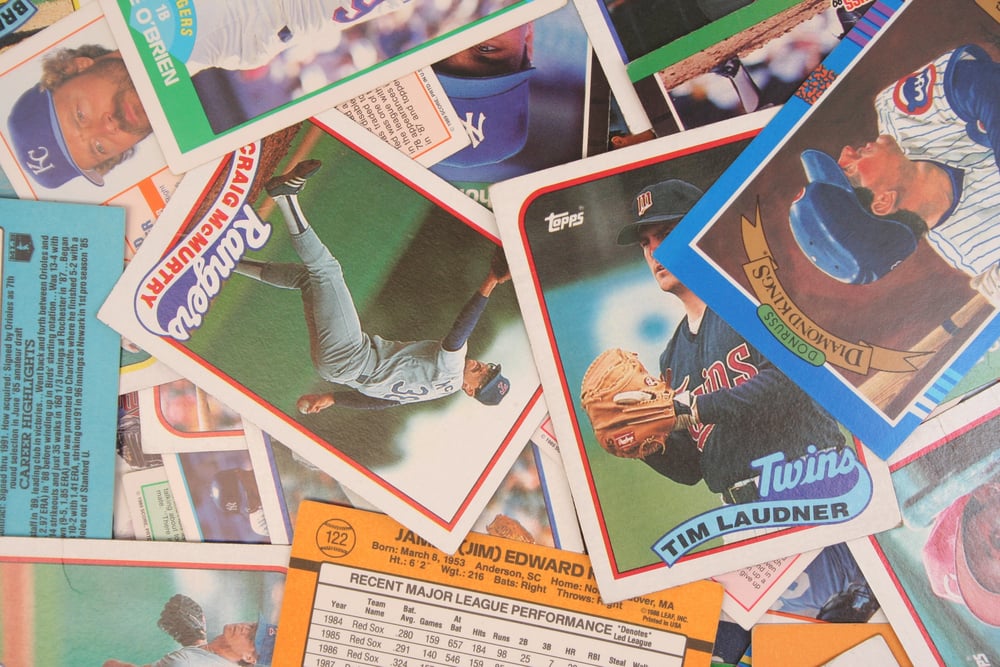
Packs containing five cards and stale bubblegum. The cards mattered more than the gum.
Kids engaged in complex trading economies built around card rarity and player value. Collecting complete sets or specific positions dominated recess conversations.
Lickee Sticks
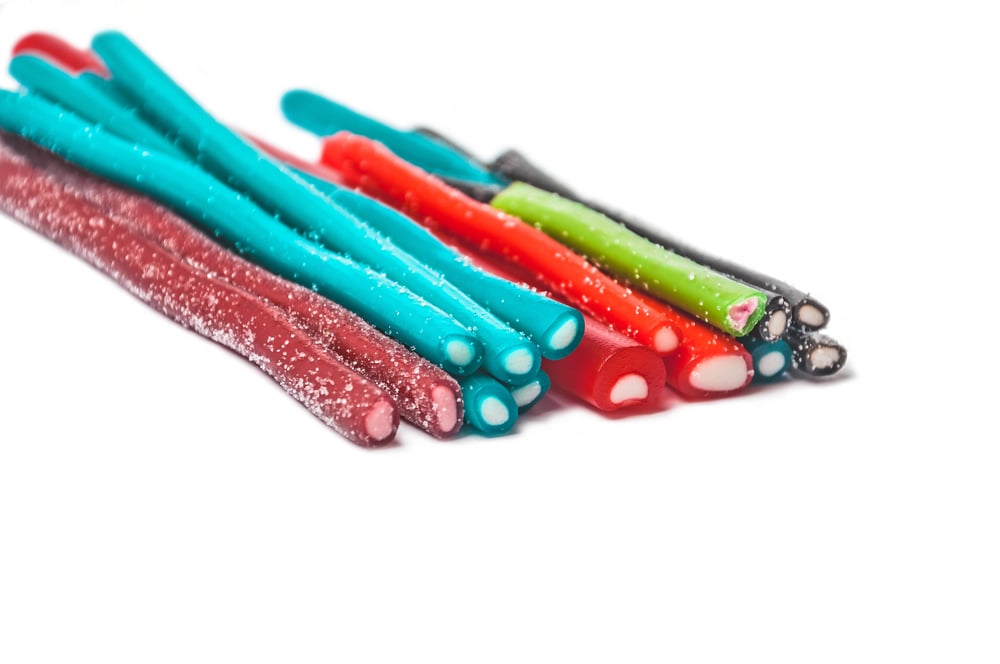
Colored, flavored sugar pressed into stick form, meant to be licked rapidly. The sticks dissolved quickly, creating a concentrated sugar rush and staining tongues bright colors visible at school the next morning.
Pixy Stix
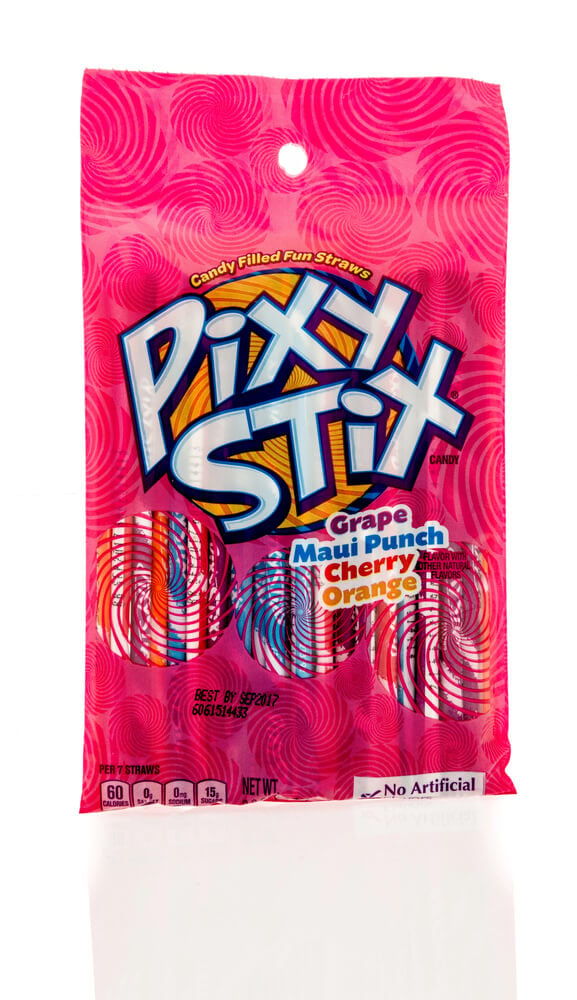
Straws filled with powdered sugar in various fruit flavors. Kids squeezed the powder directly into their mouths or onto their tongues.
Eating Pixy Stix in public was mildly scandalous because the activity resembled something forbidden and adult-like.
Bottle Caps
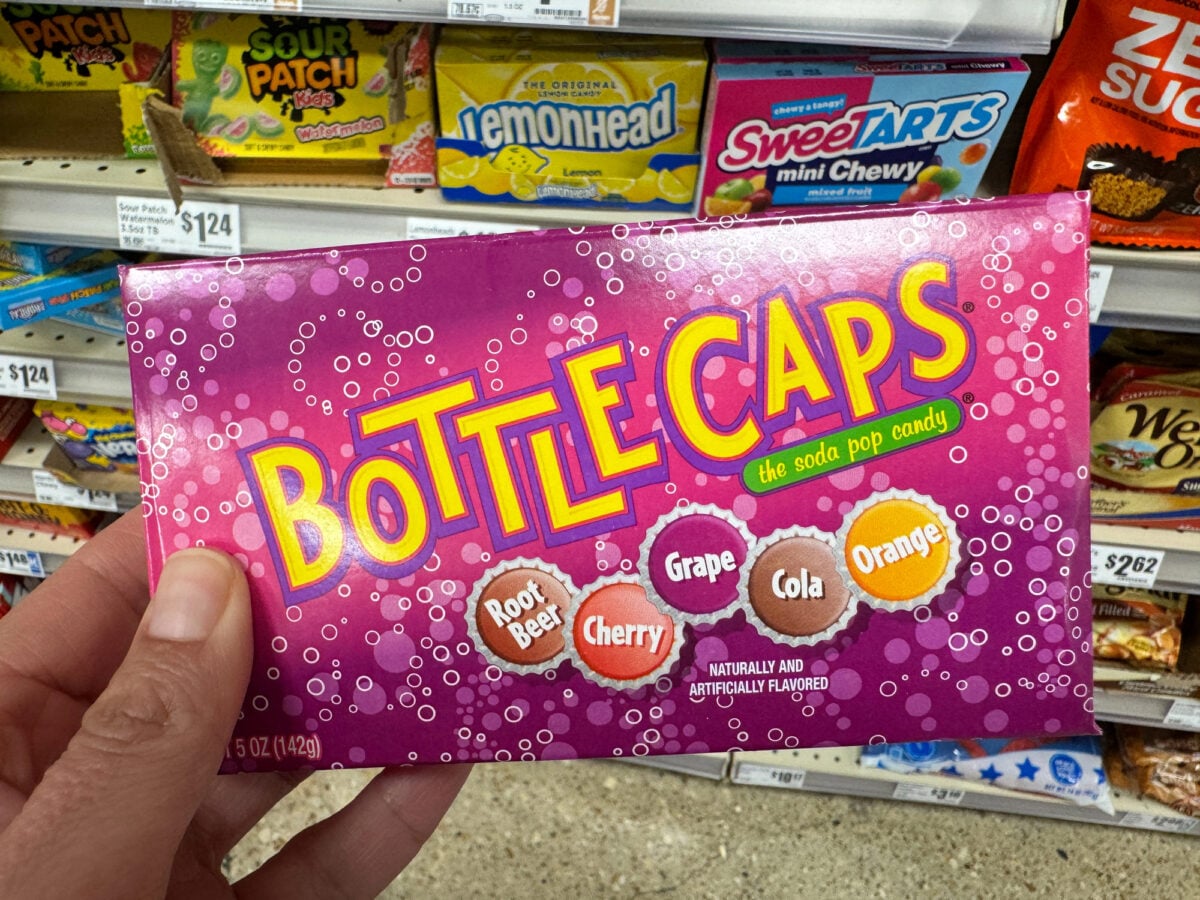
Small candy shaped like soda bottle caps in flavors like Cola, Root Beer, and Cherry. The shape made them instantly recognizable and added to the novelty beyond mere taste.
SweeTarts
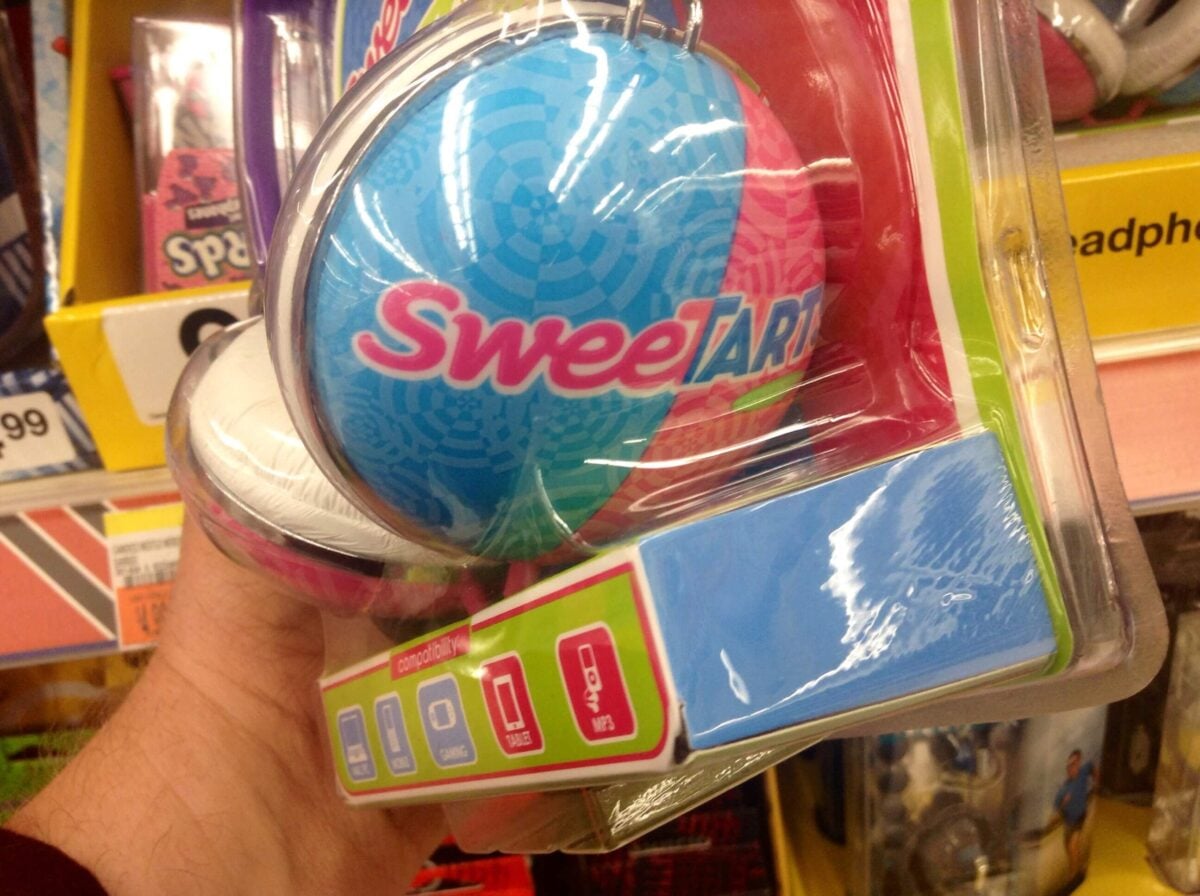
Tablet candies in sour and sweet layers. The combination of extreme sweet and extreme sour created a unique sensation.
Kids debated whether the sweet or sour layer tasted better.
Tootsie Rolls
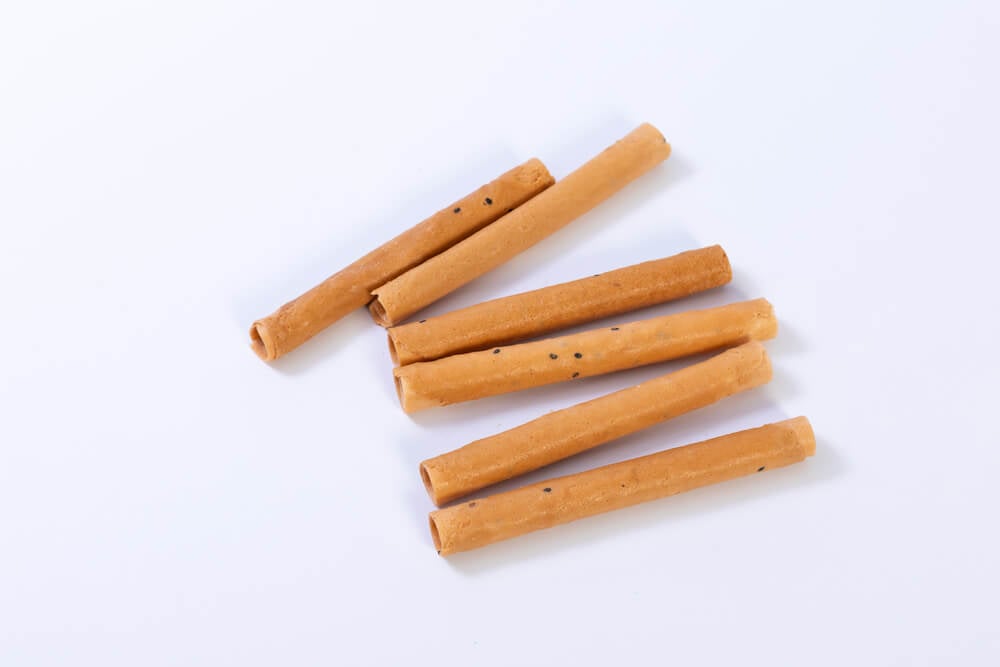
Chewy chocolate candies in individual wrappers. The small size made them affordable even on minimal allowance.
The wrapper could be saved or disposed of, and the candy left chocolate on fingers and teeth.
Now and Later
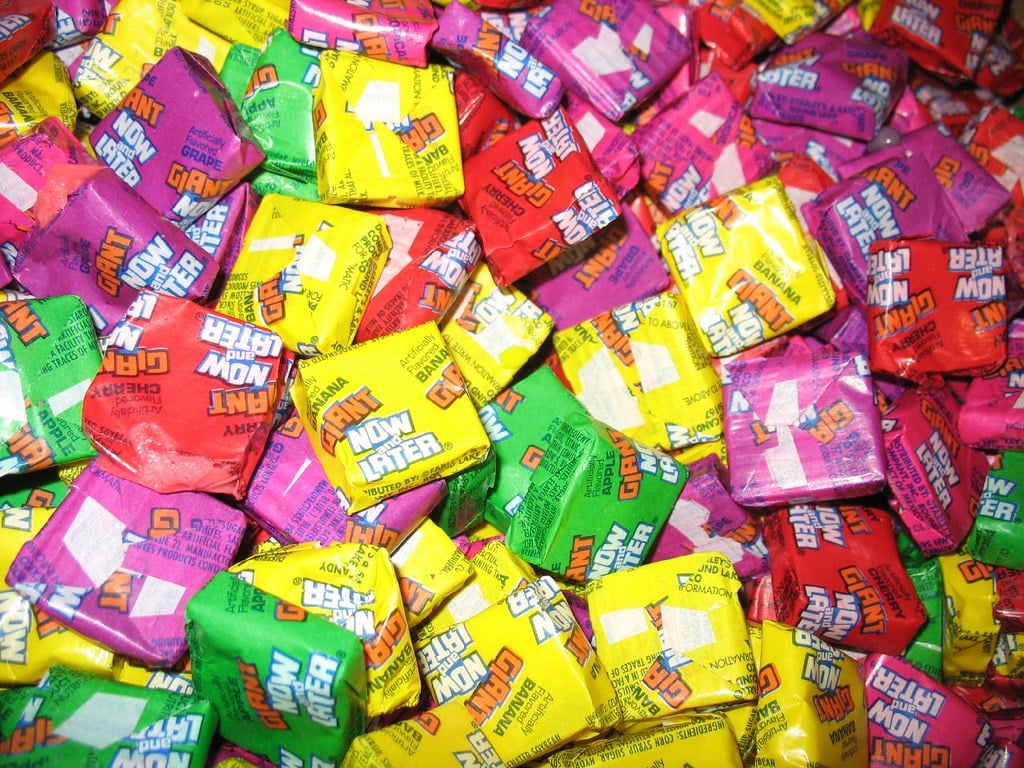
Chewy candy that required serious jaw power. The name suggested the candy was hard initially but softened with chewing, living up to its promise completely.
Candy Sticks (Colored Sugar Sticks)
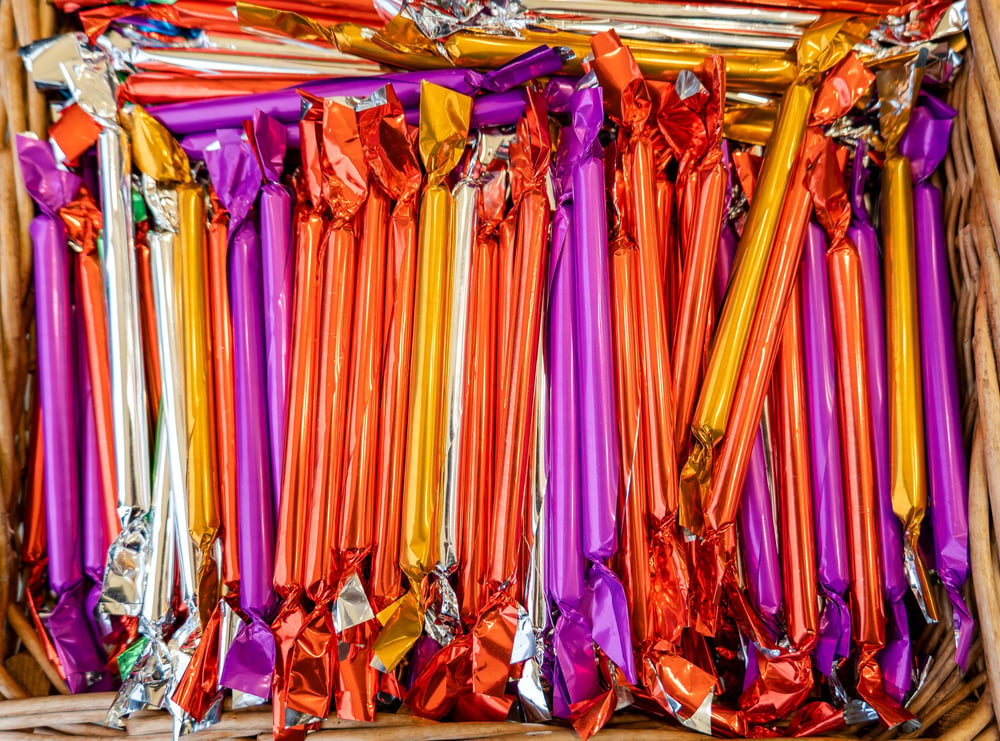
Pure sugar compressed into stick form in various colors. The simplicity was part of the appeal—the item contained nothing but sweetness and artificial color.
Pop Rocks
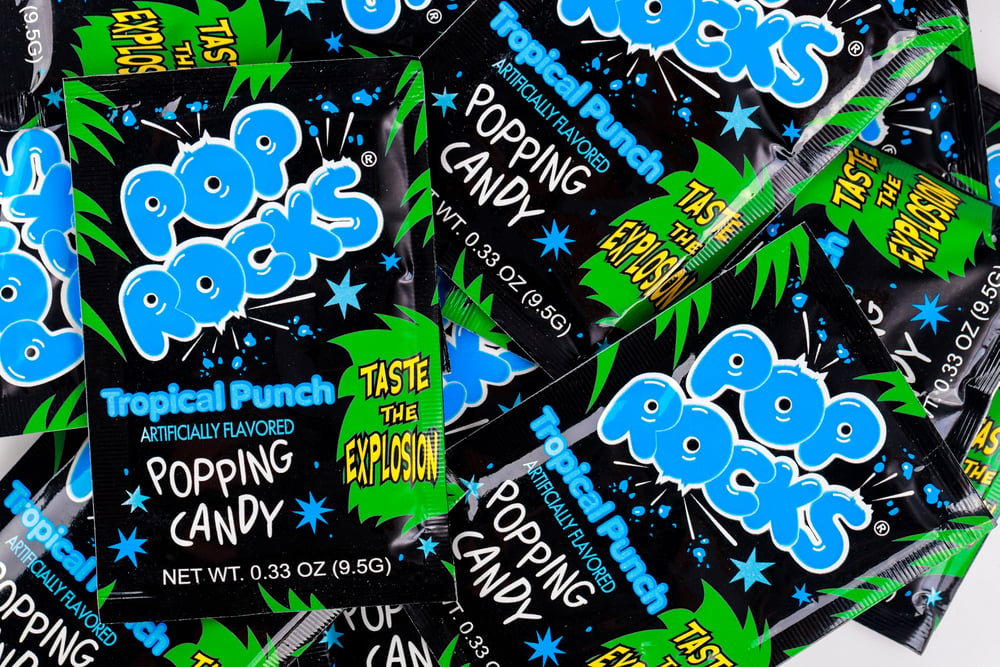
Carbonated candy that fizzed and popped in the mouth. Urban legends about the candy exploding stomachs circulated constantly but didn’t dampen enthusiasm for purchasing it.
Jaw Breakers
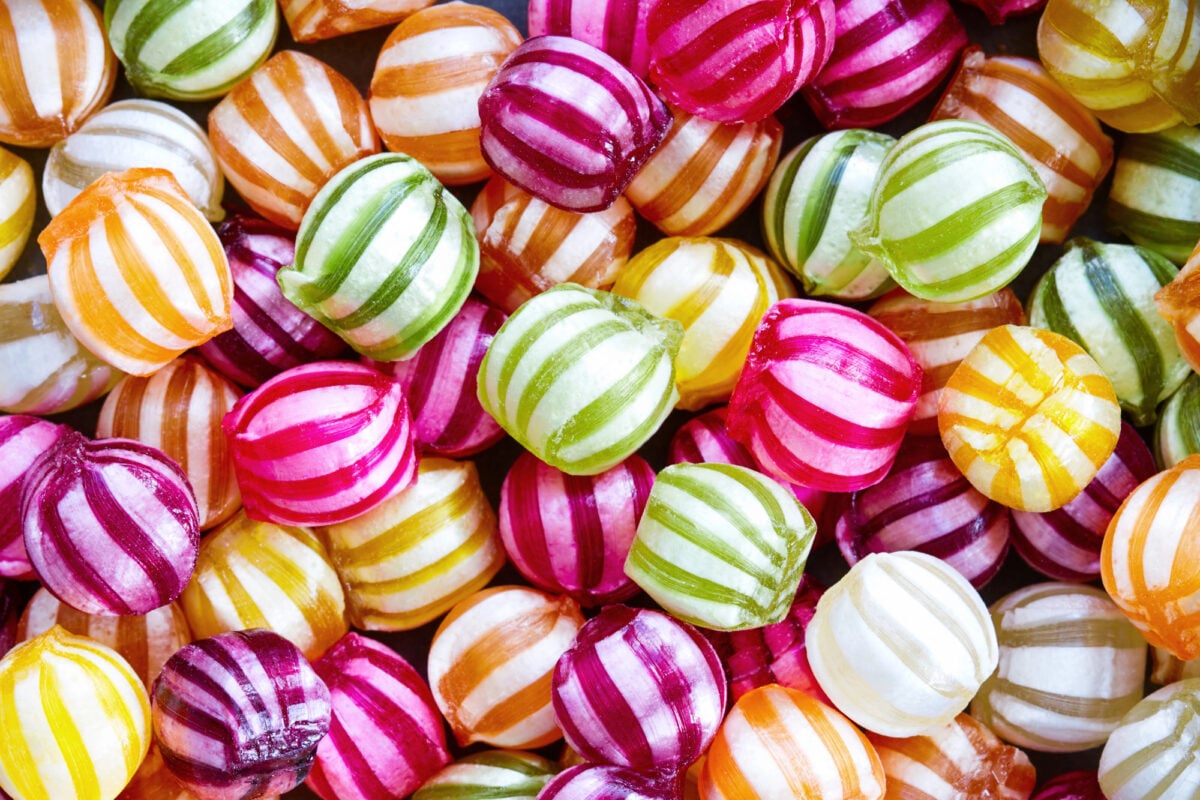
Large spheres of hard candy that couldn’t be bitten through, requiring extended licking to gradually reveal multiple colored layers. The size intimidated younger kids but impressed older ones.
Gumballs
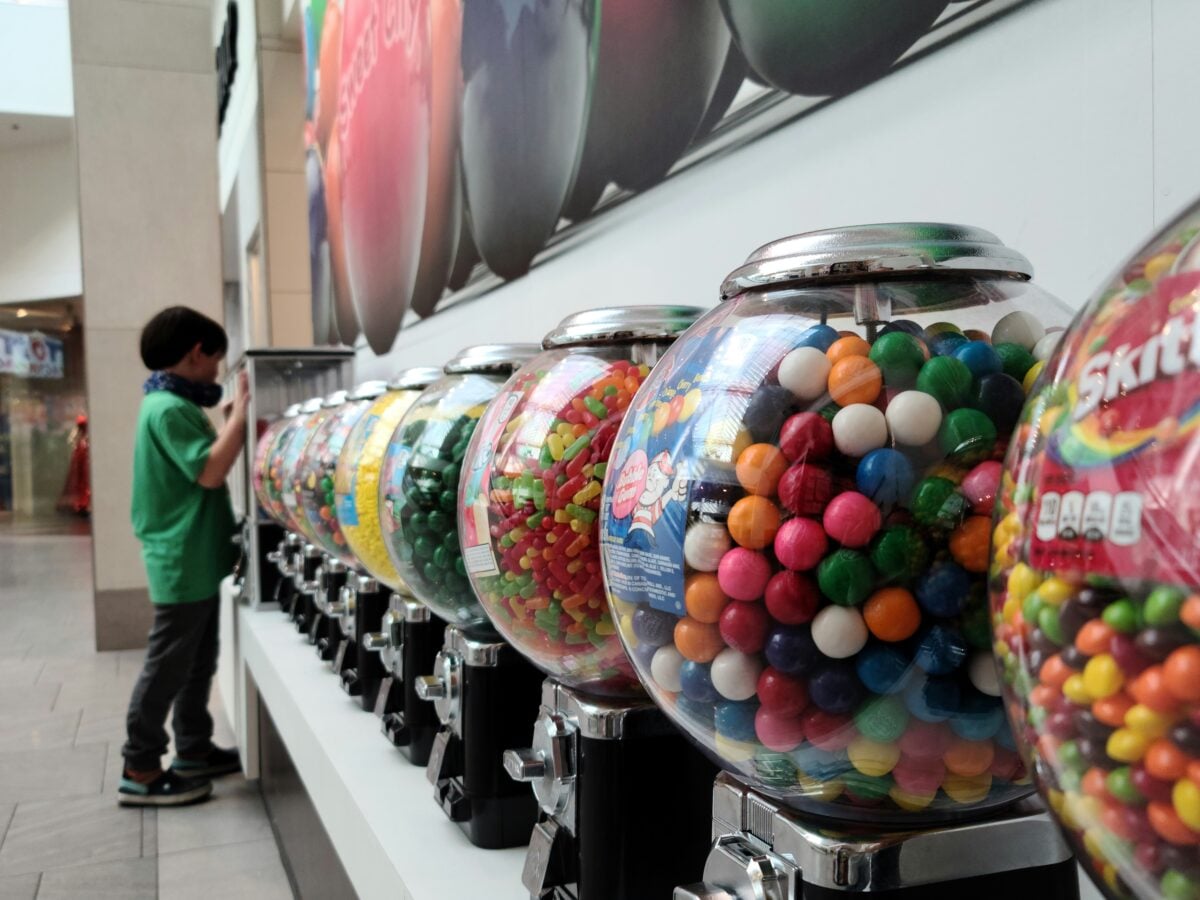
Individual pieces of bubble gum in hard candy shells. The novelty of cracking through the shell to access the gum made them more interesting than loose bubble gum.
Licorice Whips
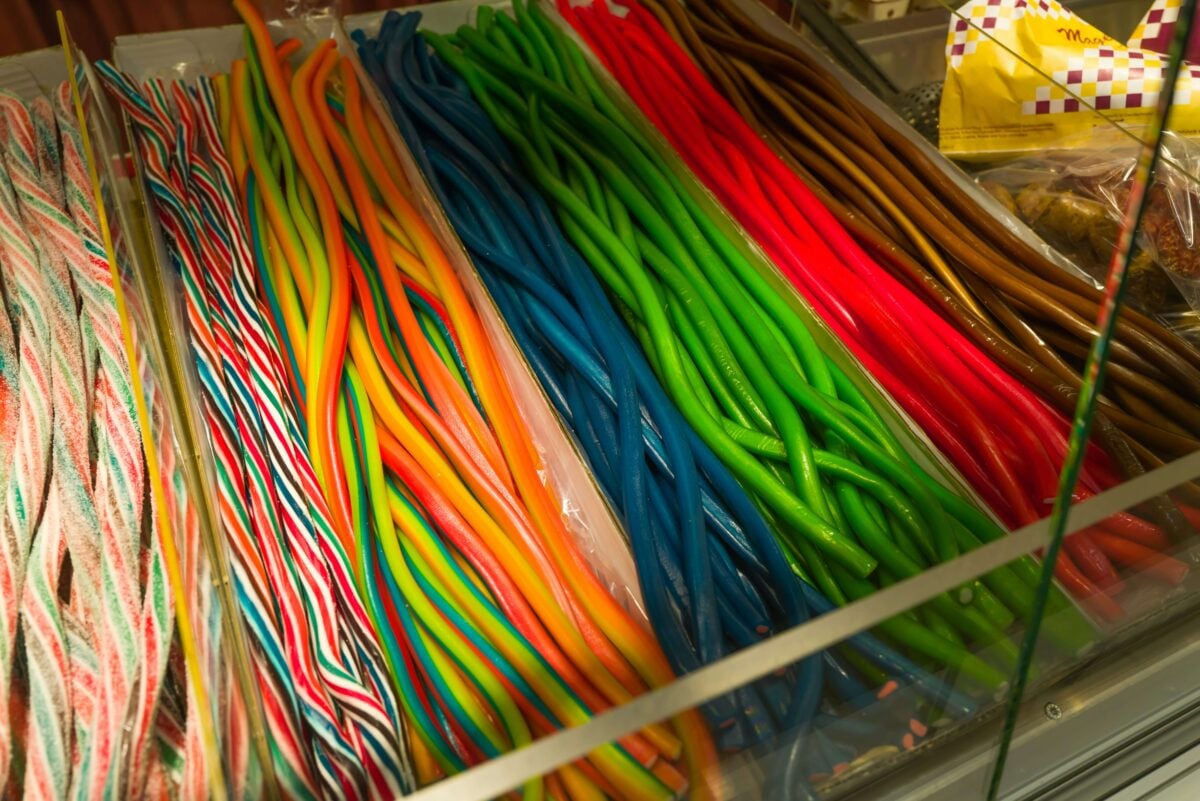
Long strands of licorice in red and black varieties. Kids used them as jump ropes, whips, or just ate them while deciding whether the texture was pleasant or rubbery.
Sour Straws
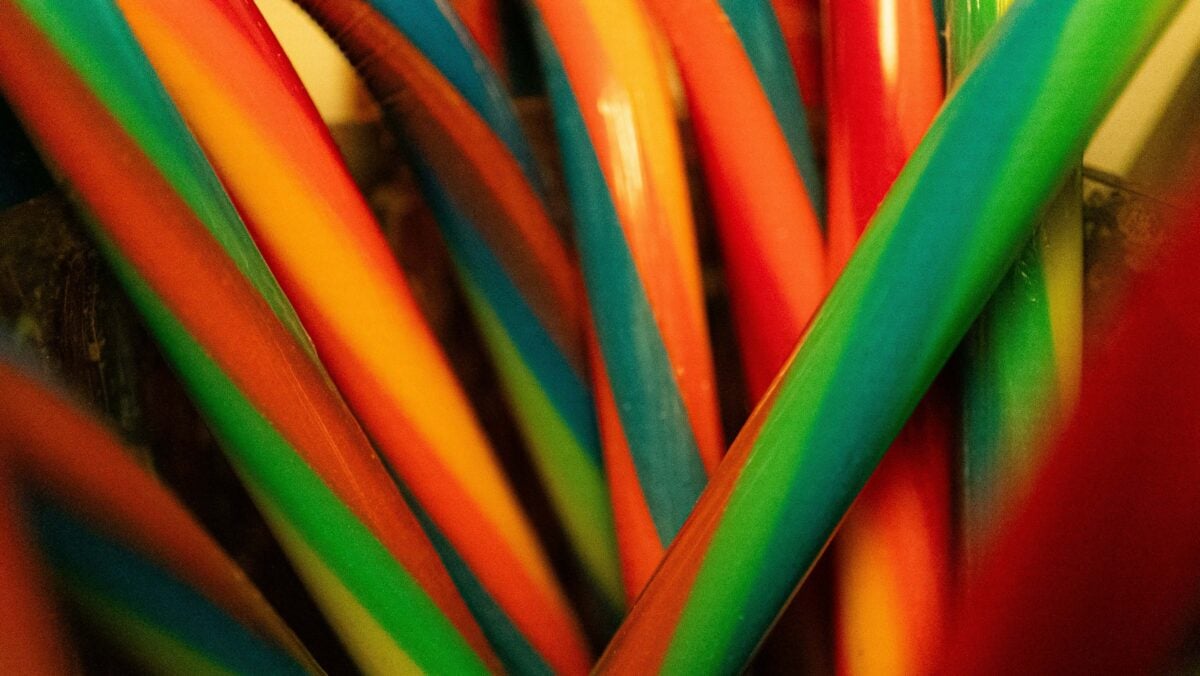
Thin licorice-like strands with sour coating that made faces contort immediately upon tasting. The intensity of sour overwhelmed most kids but they purchased them repeatedly.
Smarties
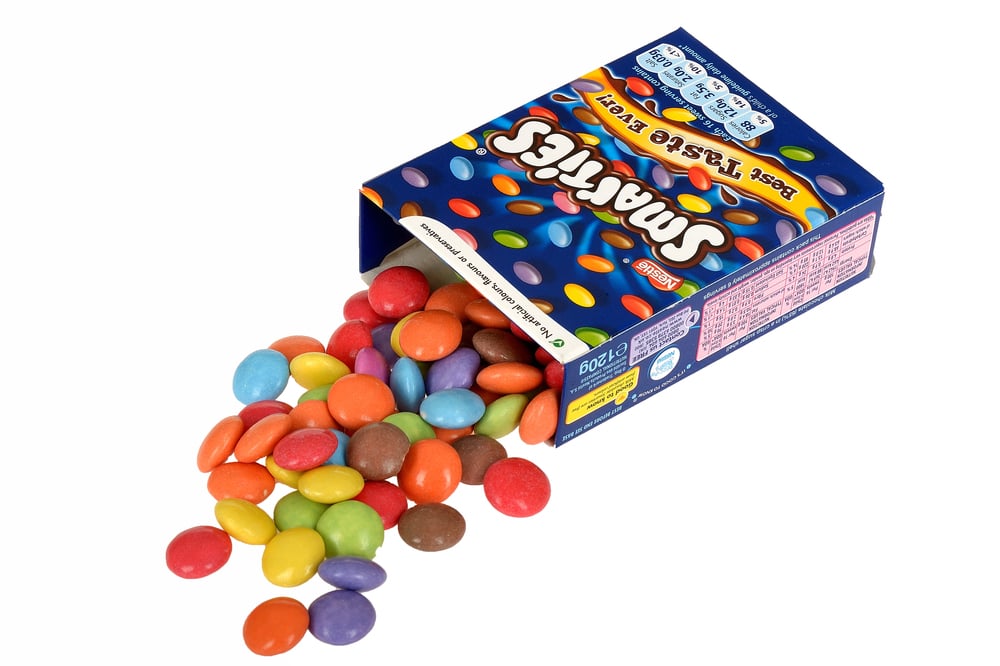
Small compressed sugar tablets in rolls, flavored with fruit and colored brightly. Kids pushed them up from the bottom to eat them, and the chalk-like texture and taste created specific memories.
Bubble Gum Tape
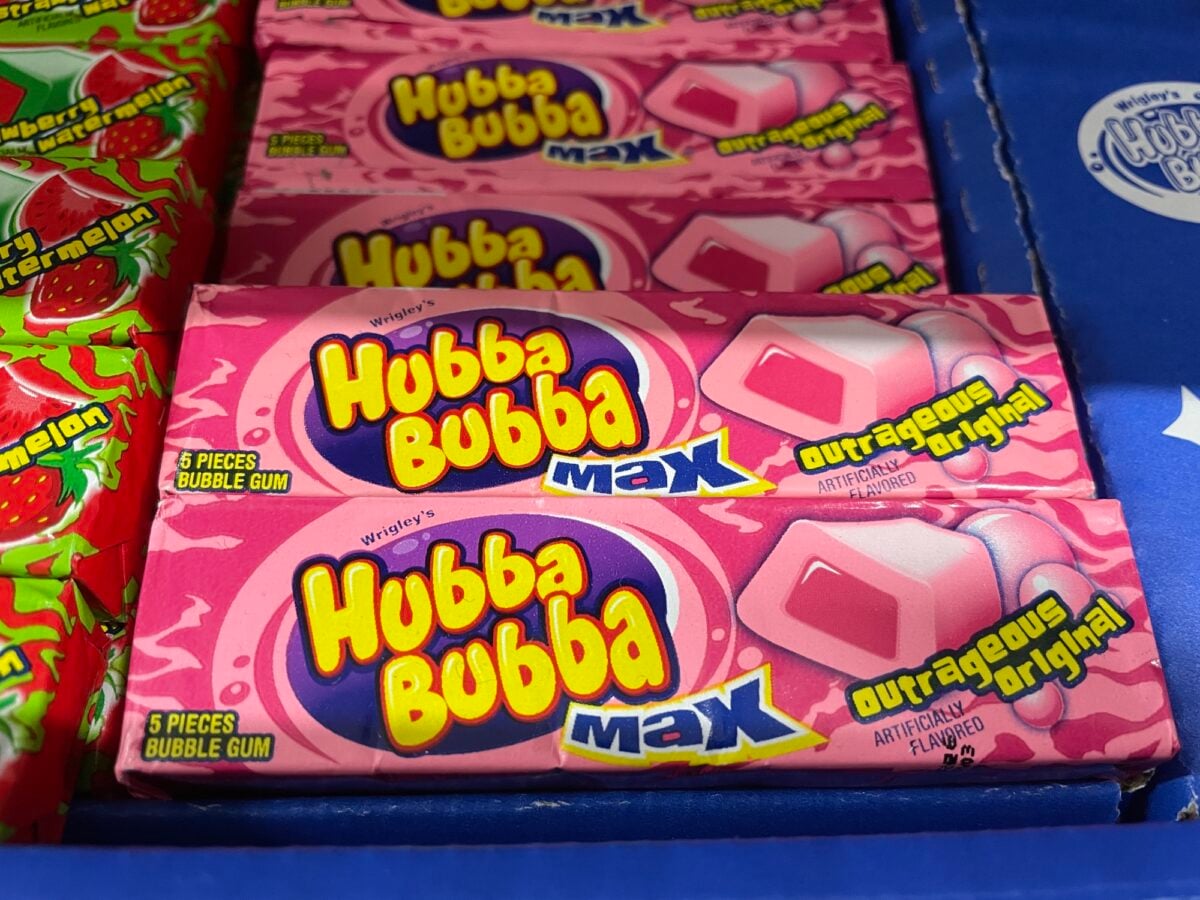
Gum in long, flat strips dispensed from a roll like actual tape. Kids would break off pieces and attempt to blow large bubbles with multiple segments connected together.
Atomic Fireballs
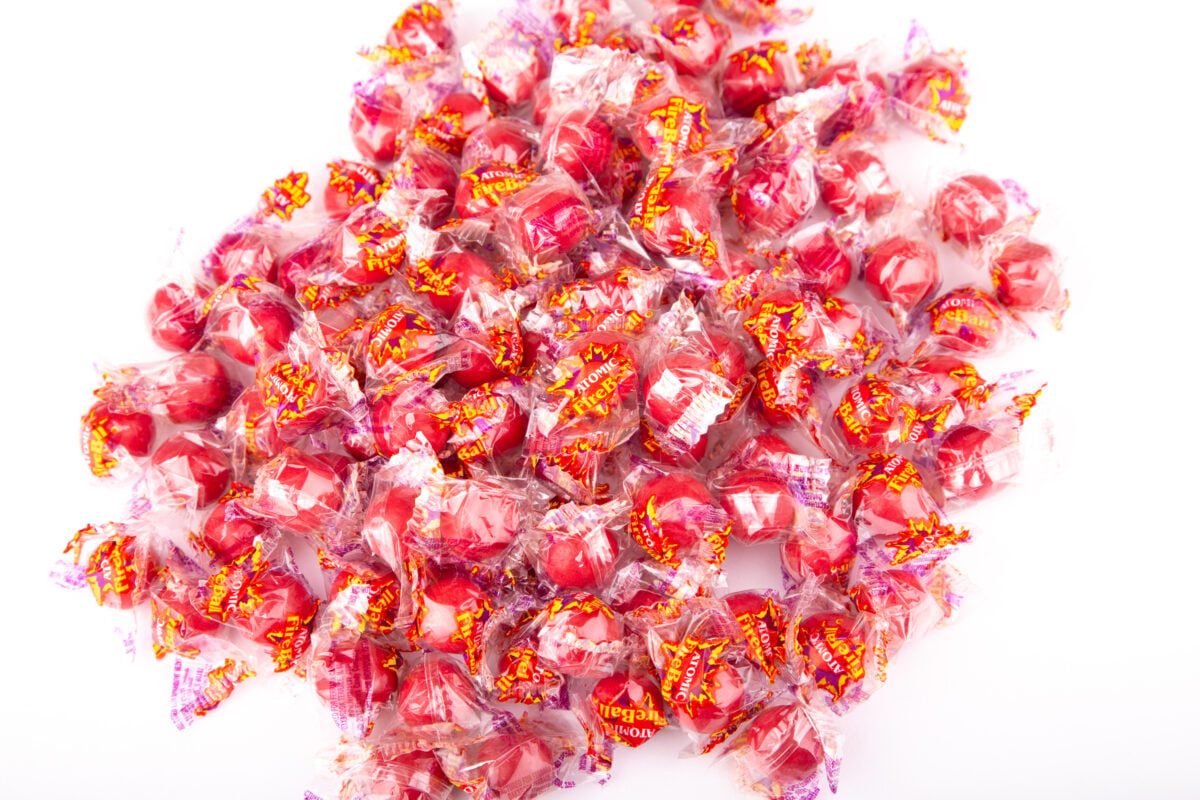
Small red candy that started sweet but quickly became intensely spicy-hot. Kids competitive-ate them to prove pain tolerance, often regretting the purchase immediately.
Lemonheads
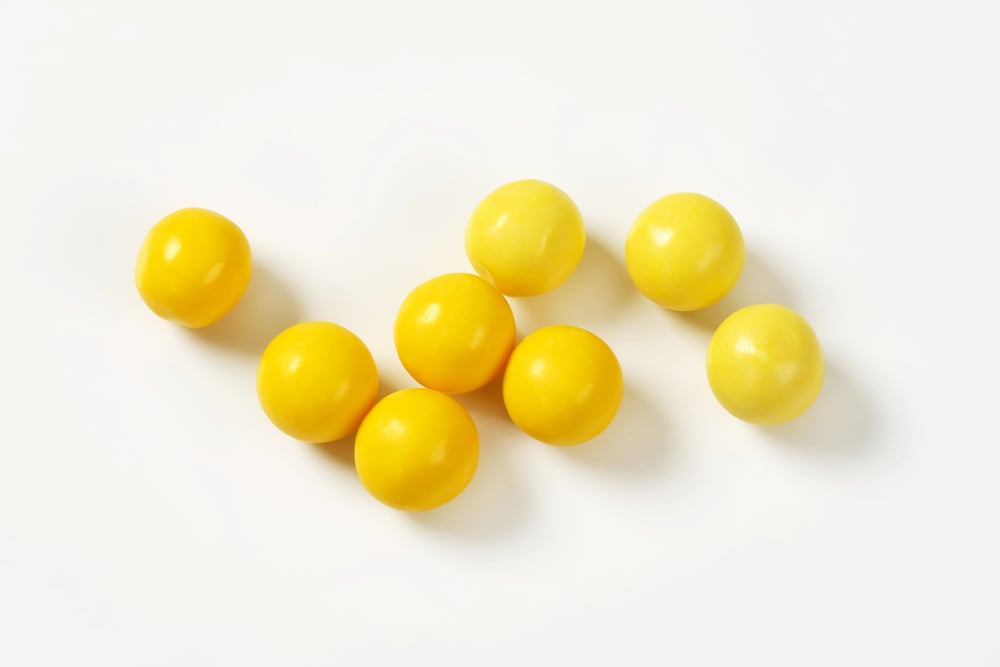
Small yellow candies that were intensely sour lemon flavored. Teeth ached after eating them, but the intense sensation drove purchasing decisions more than taste enjoyment did.
War Heads
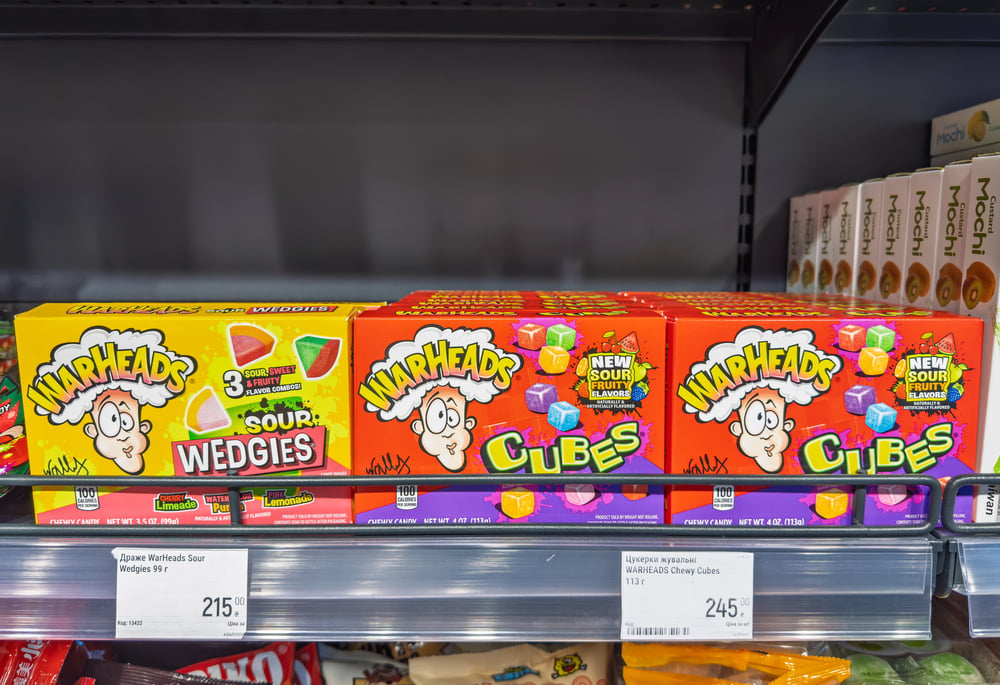
Extreme sour candies that made faces contort involuntarily. The sour coating faded to sweetness with time, rewarding those who persisted through initial discomfort.
Dum Dums Lollipops
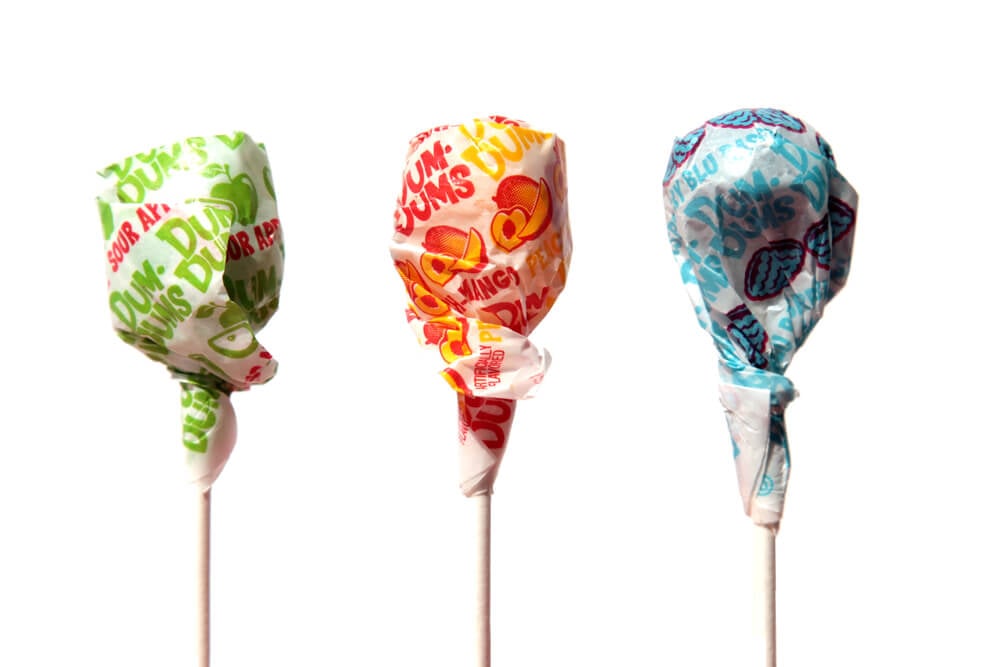
Small, flat lollipops in dozens of flavors from major manufacturers. Cheaper than most candy and offering flavor novelty made them reliable impulse purchases.
Tootsie Pops
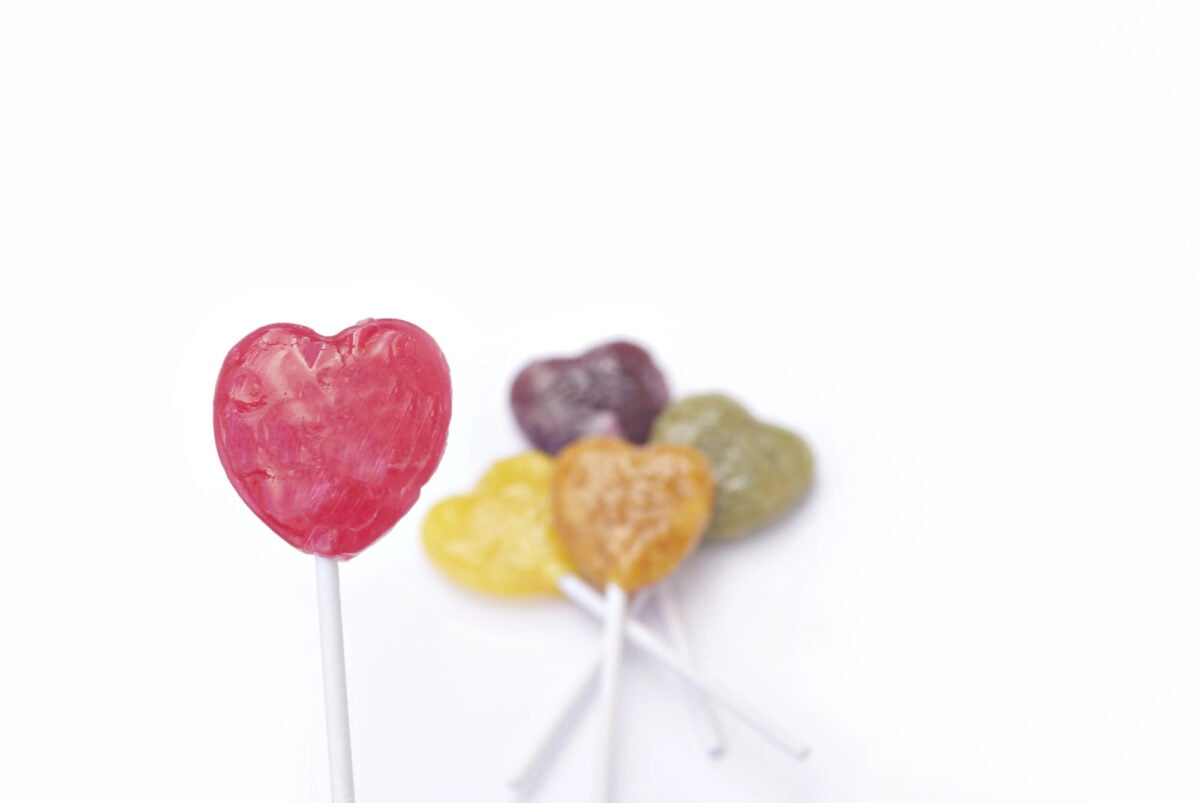
Lollipops with Tootsie Roll centers. The challenge of reaching the center without breaking a tooth added competition to eating them.
Gummy Bears
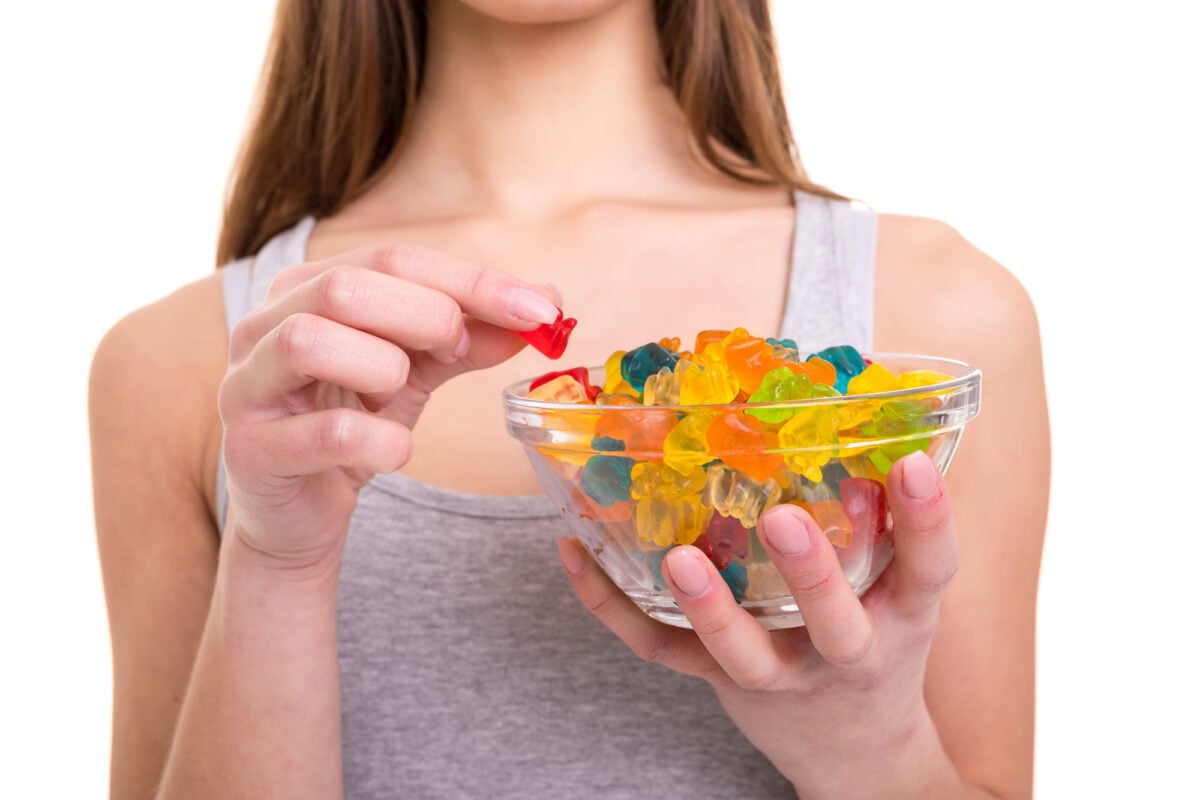
Chewy fruit-flavored gummy candy. The novelty of bite-sized bear shapes made them more interesting than amorphous gummy candies despite similar taste and texture.
Sour Gummy Worms
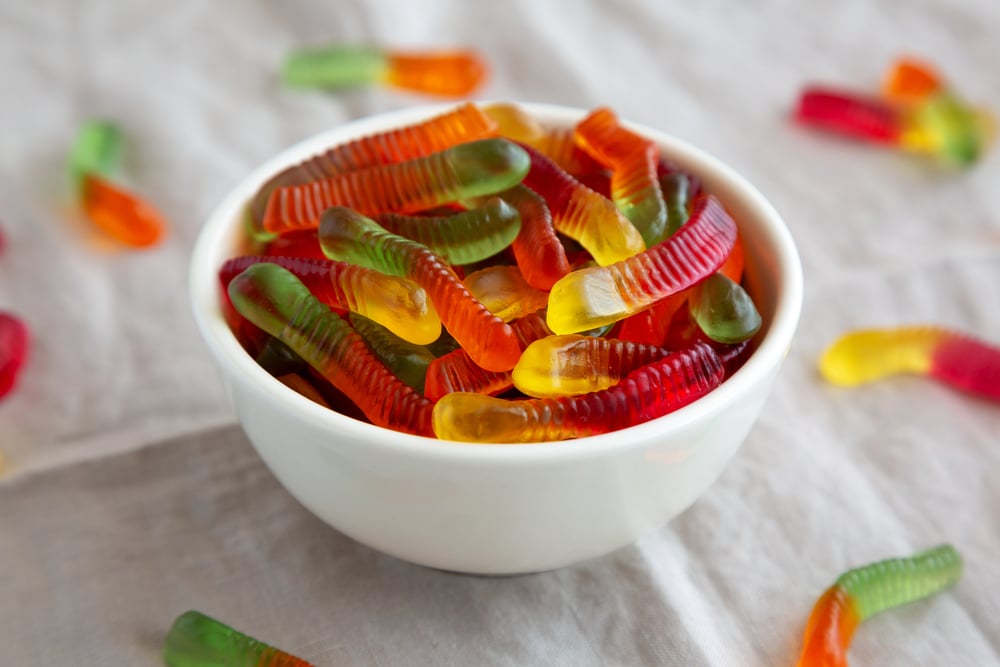
Worm-shaped gummy candies coated with sour sugar. Kids ate them from the head down or debated whether the sour coating or gummy interior tasted better.
Rock Candy
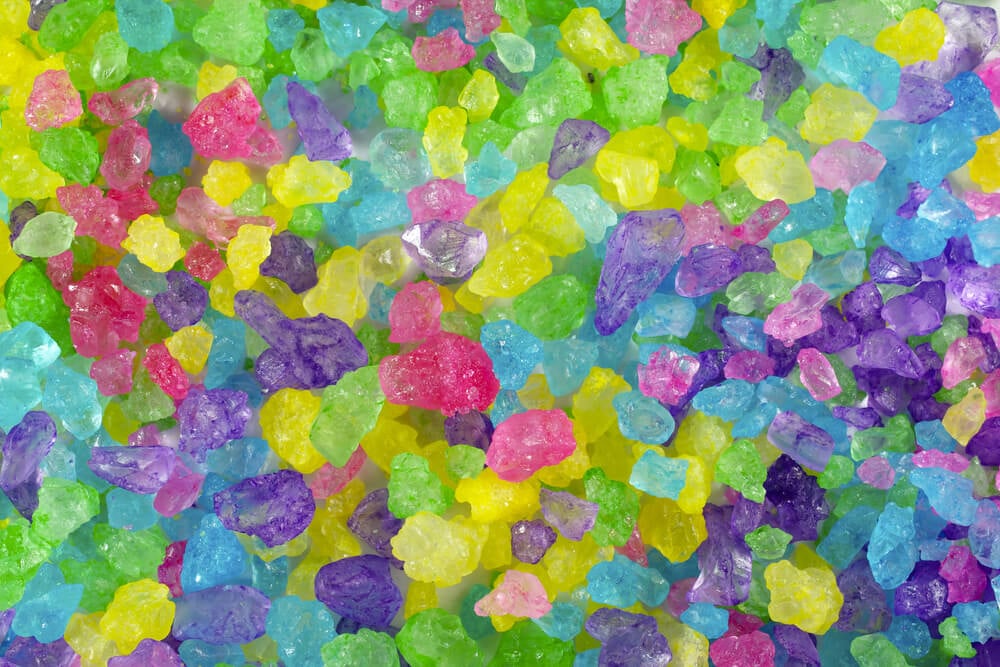
Large crystals of colored sugar on sticks. The novelty was partly textural and partly the knowledge that it was basically pure crystallized sugar being consumed directly.
Lollipops (Assorted)
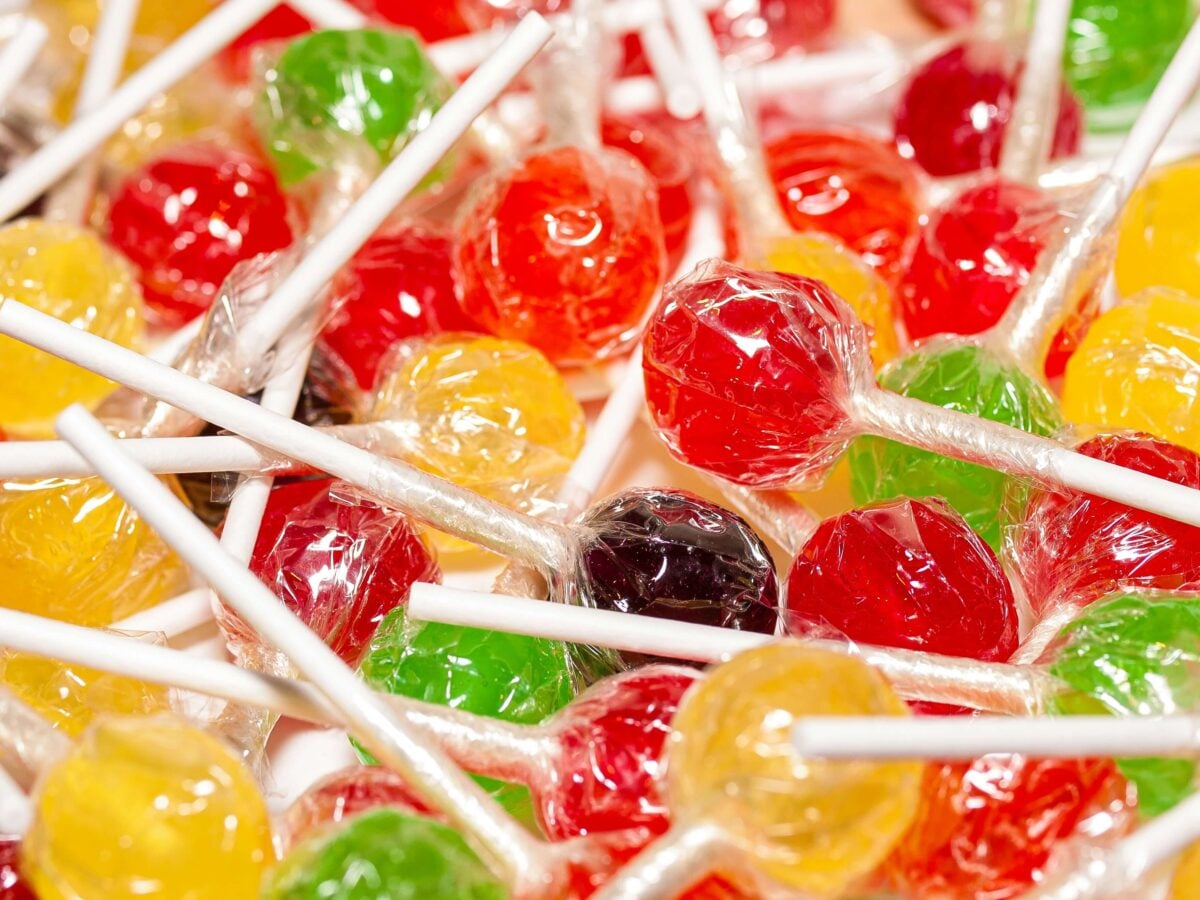
Hard candies on sticks in countless flavors and colors. The variety made repeated purchases worthwhile since every trip could yield a different flavor discovery.
Runts Candy
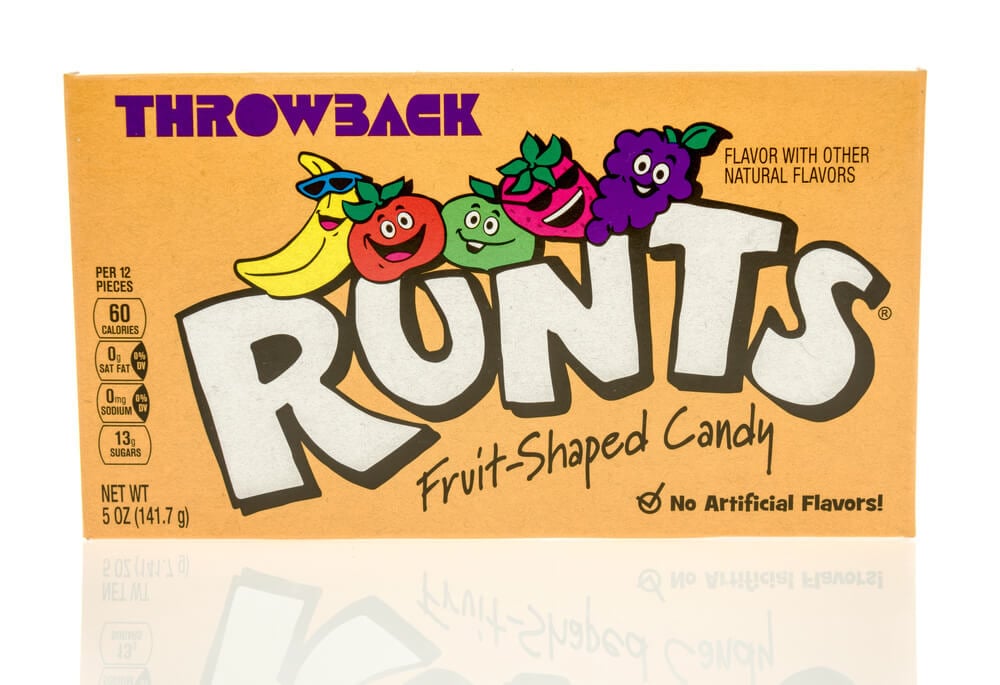
Small fruit-flavored candies in shapes resembling actual fruits. The novelty of shape competing with flavor made color and appearance selection matter as much as taste.
Nerds Candy
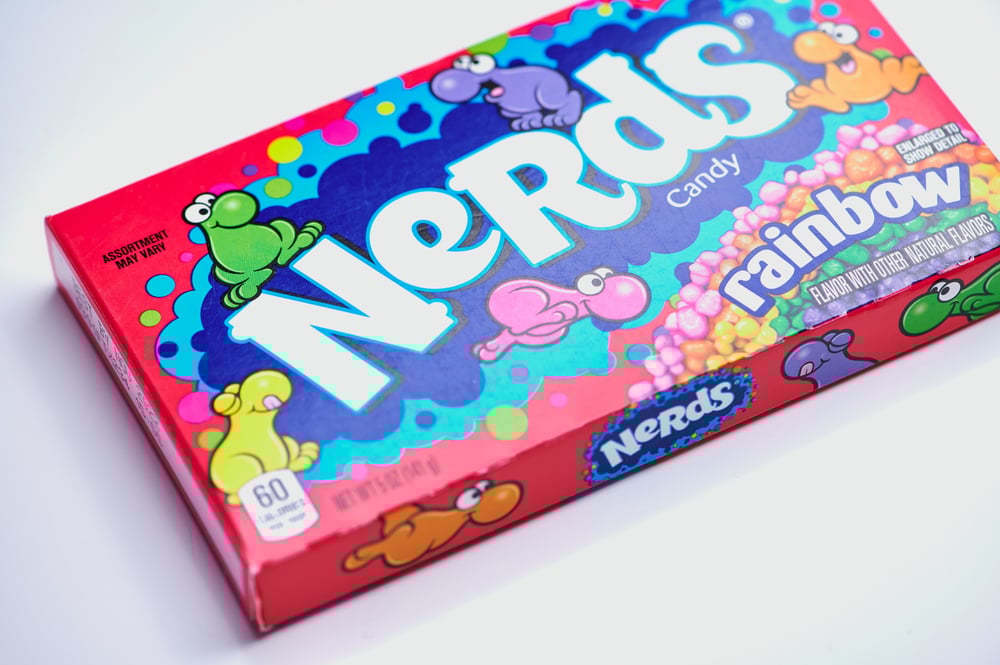
Tiny, crunchy, intensely flavored candies in dual-flavor boxes. Eating Nerds meant crunching constantly; the texture mattered as much as taste.
Dots Candy
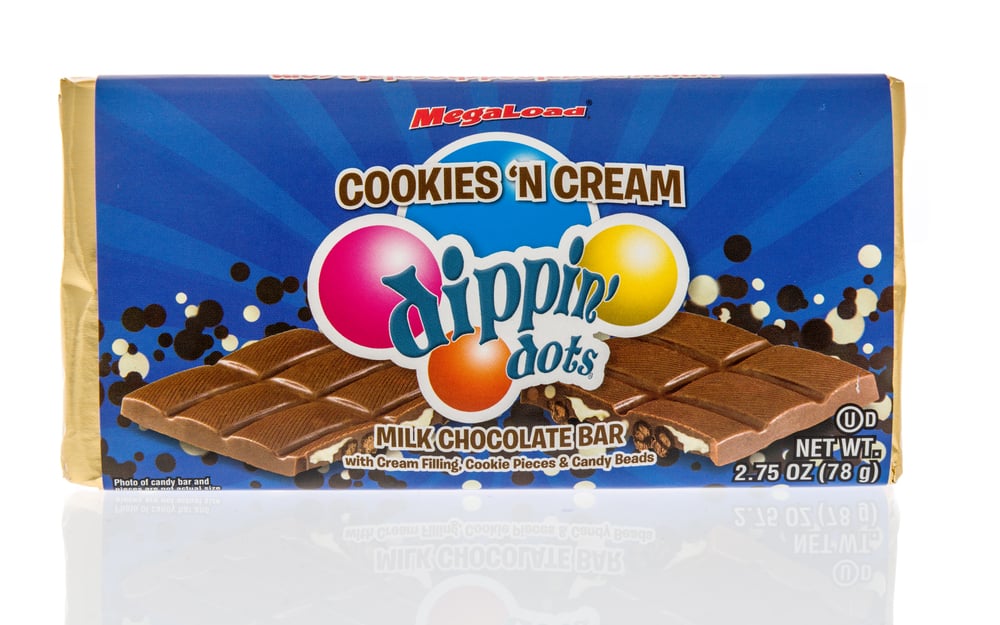
Gummy candies in dots shape on paper backing. Kids would eat rows of them or try to peel them off without tearing the paper.
Raisinets
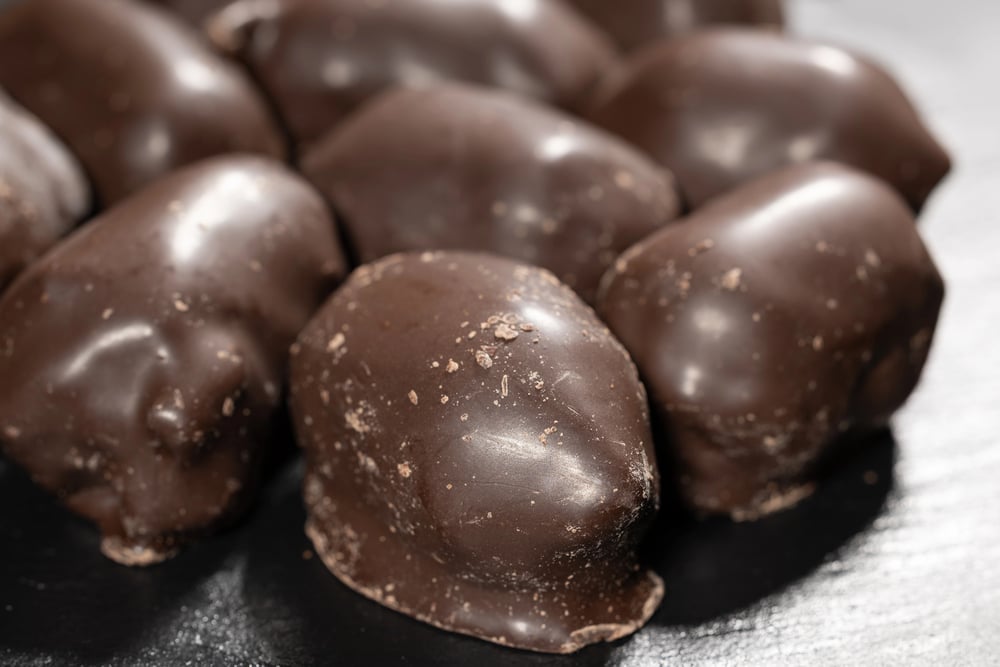
Chocolate-covered raisins. The health-conscious parents’ compromise, slightly healthier than pure candy yet positioned beside pure candy at corner store counters.
Chiclets Gum
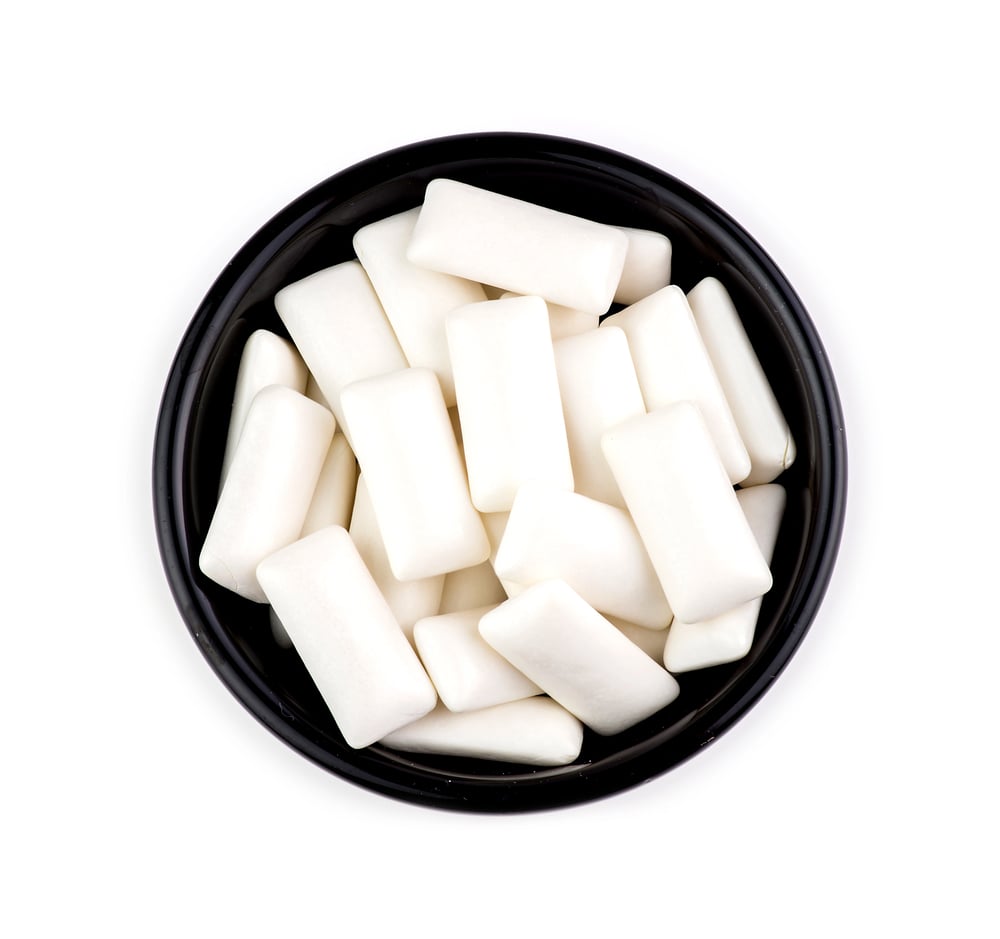
Tiny, hard gum pieces in cardboard boxes. Despite the poor flavor and hardness making them difficult to chew, the novelty packaging and tiny size made them appealing to younger kids.
Wrigley’s Gum Varieties
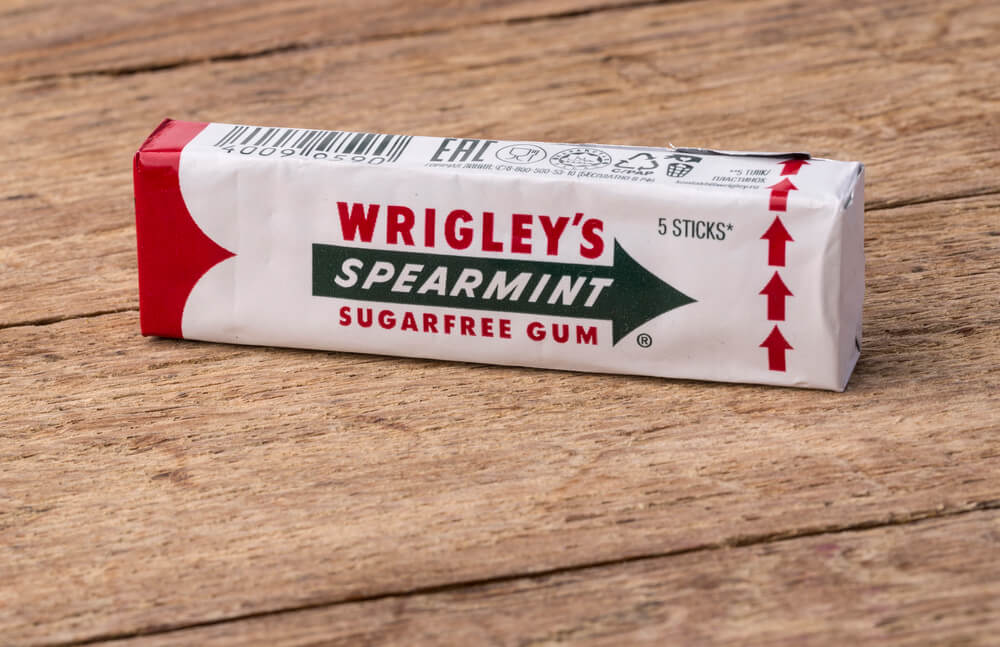
Chewing gum in flavors like Juicy Fruit and Spearmint. The standardization meant reliable quality but made them less exciting than unknown corner-store-only brands.
Sports Drink Mixes
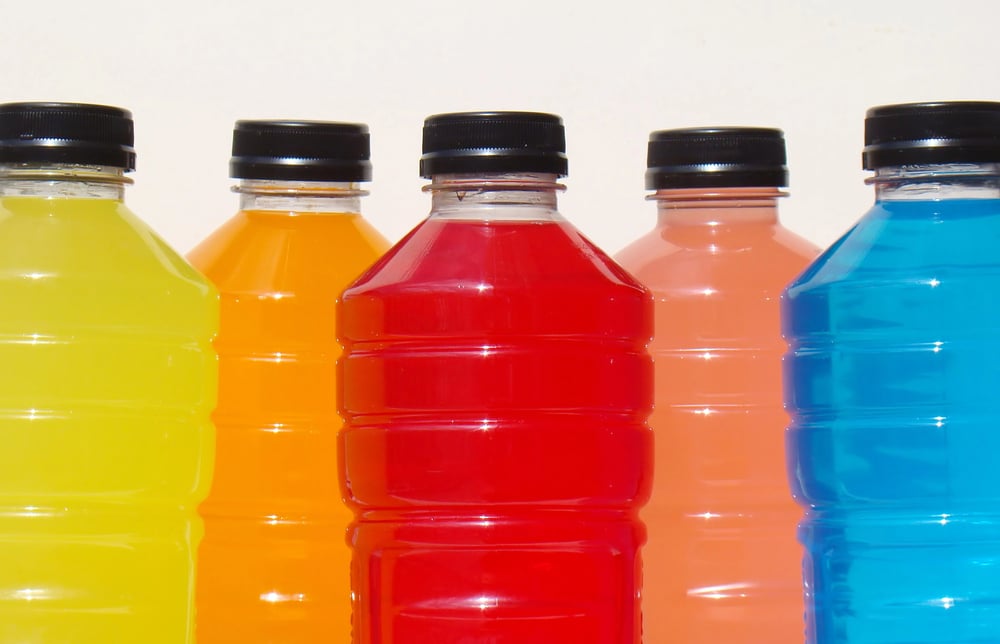
Powder packets meant to be mixed with water. The novelty of making your own drink attracted kids even though the result tasted artificial.
The Economy of Independence
These items mattered less for what they were than for what they represented—the first commerce transactions conducted without parental involvement, the first negotiations about value and worth, and the first spaces where kids operated as independent economic agents. The corner store wasn’t significant because the candy was better.
It was significant because the experience belonged entirely to the child. The owner was never a parent, never an authority figure.
The decisions made at the counter were purely personal. That autonomy evaporated when zoning regulations eliminated corner stores and big-box retail monopolized local commerce, leaving behind only the memory of independence purchased one penny candy at a time.
More from Go2Tutors!

- The Romanov Crown Jewels and Their Tragic Fate
- 13 Historical Mysteries That Science Still Can’t Solve
- Famous Hoaxes That Fooled the World for Years
- 15 Child Stars with Tragic Adult Lives
- 16 Famous Jewelry Pieces in History
Like Go2Tutors’s content? Follow us on MSN.