15 Historic Buildings Demolished That People Still Miss
Entire neighborhoods have been erased from cities to make room for parking lots, shopping centers, and office buildings that have themselves become obsolete. The buildings that replaced the demolished architecture often lasted only decades before being torn down themselves.
What survives is not the new construction but regret—the collective memory of beautiful structures that people remember and miss, even if they never saw them standing. The following 15 buildings represent losses that cities have never fully recovered from, each a reminder of what was sacrificed to urban “progress.”
Pennsylvania Station, New York, 1963
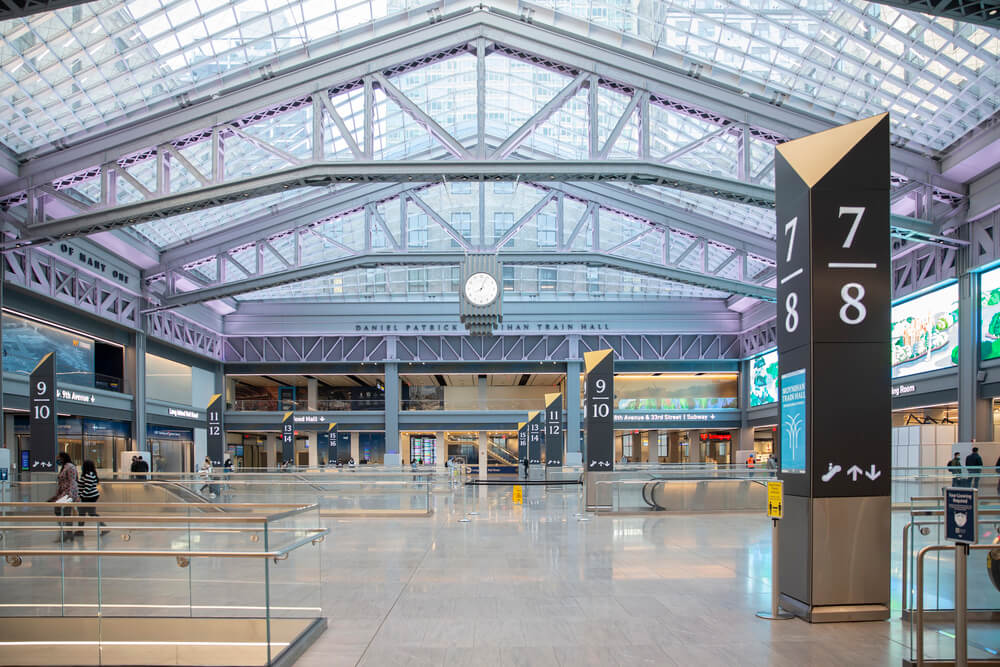
Designed by McKim, Mead & White and completed in 1910, Pennsylvania Station was a Beaux-Arts masterpiece with 84 granite Doric columns, soaring steel-vaulted ceilings, and a central waiting room that measured a block and a half long—the largest indoor public space in the city at the time. The station’s demolition in 1963 was so shocking that it catalyzed the historic preservation movement in America, prompting the creation of the Landmarks Preservation Commission.
The Beaux-Arts head house was demolished to make way for Madison Square Garden and an undistinguished office tower, leaving only the underground platforms and scattered artifacts on the mezzanine level as reminders of what once stood above.
Ebbets Field, Brooklyn, 1960
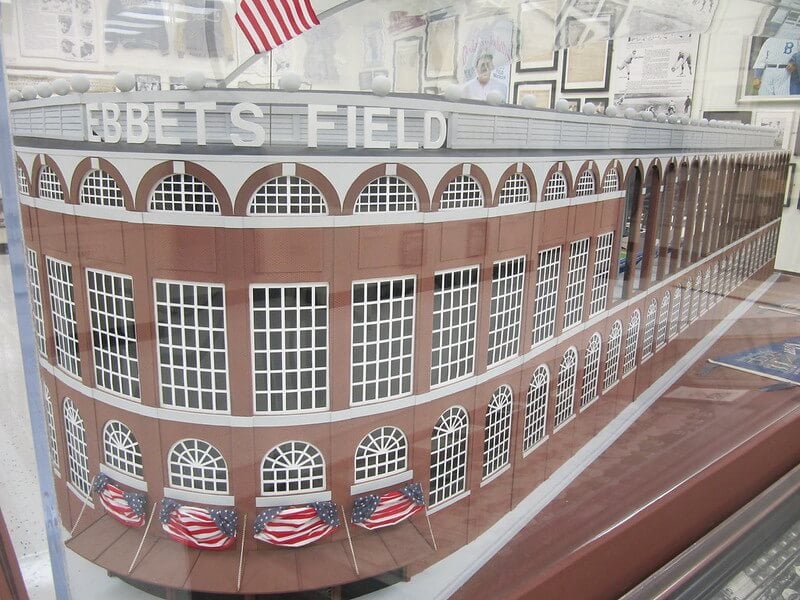
For 44 seasons beginning in 1913, Ebbets Field served as the spiritual home of the Brooklyn Dodgers, a compact ballpark built on what was once known as “Pigtown”—a garbage dump that owner Charles Ebbets had quietly purchased lot by lot. The stadium witnessed Jackie Robinson breaking baseball’s color barrier in 1947, hosted Hall of Famers who played nine World Series there, and became so iconic that when the Dodgers fled to Los Angeles in 1957, it felt as though the borough’s heart had been ripped out.
Demolition began on February 23, 1960, with a wrecking ball painted to look like a baseball, and the site was replaced by the Ebbets Field Apartments (later renamed Jackie Robinson Apartments), though a plaque shaped like home plate in the parking lot remains the only marker of where baseball history was made.
Hippodrome Theater, New York, 1939

The Hippodrome was once a grand theater with innovative architecture and enormous stage capacity, representing the era of lavish entertainment palaces that defined early-twentieth-century New York. When vaudeville declined and the theater fell out of favor, it was demolished in 1939 without serious preservation efforts, a fate that befell dozens of similarly magnificent theaters during this era.
Its replacement was undistinguished, and the loss represented the beginning of a widespread demolition trend that would transform American downtowns from architecturally distinctive to generic.
Metropolitan Opera House (Original), New York, 1966
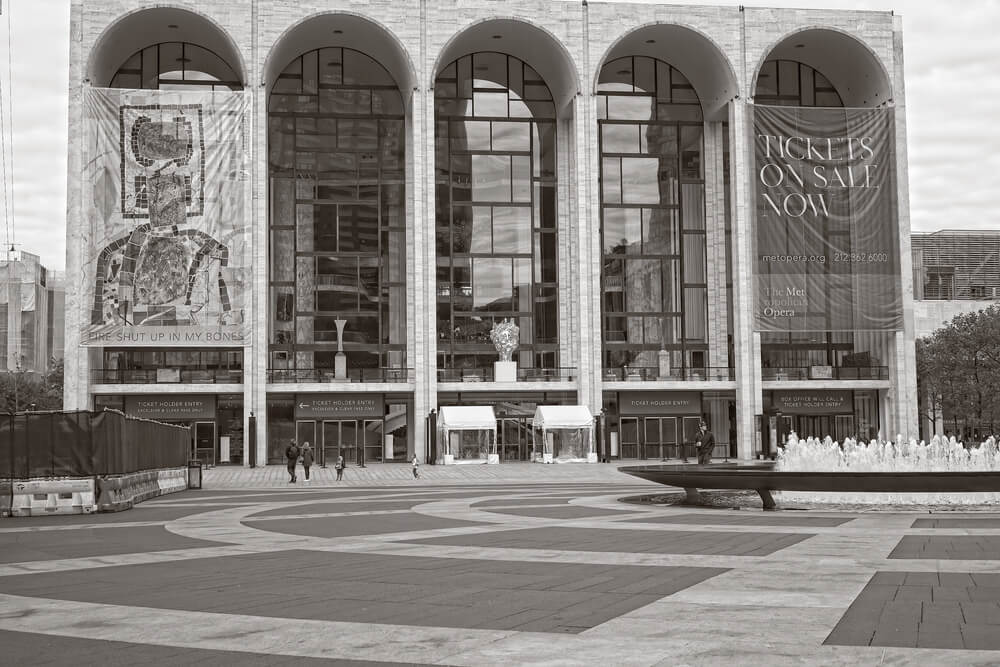
Before Lincoln Center was built, the original Metropolitan Opera House stood on Broadway at 39th Street, serving as the cultural flagship of New York’s performing arts since 1883. When the decision was made to demolish it in 1966 as part of the Lincoln Center construction project, the loss was controversial and heavily lamented, even though a replacement opera house was planned at the new complex.
The original building’s loss marked the end of an era, as the new Metropolitan Opera House, while functionally superior, lacked the ornate character and historical resonance of its predecessor.
Hotel Astor, New York, 1967
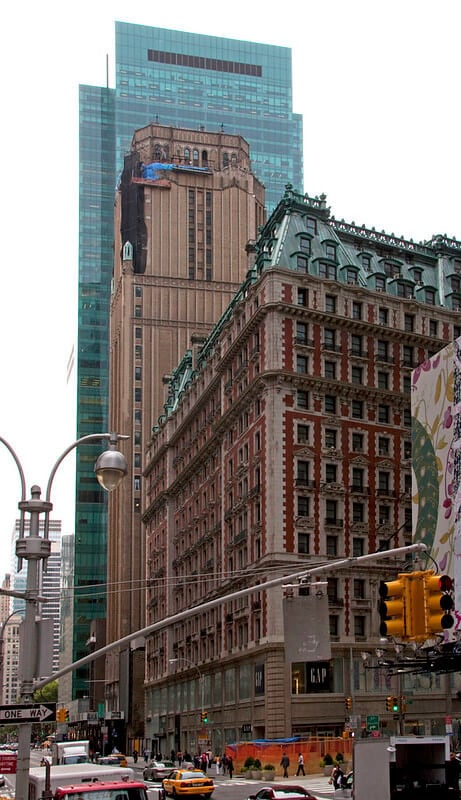
The Hotel Astor was a Beaux-Arts masterpiece that opened in 1904 and quickly became the social heart of Times Square, hosting presidents, royalty, and every major celebrity who came to New York. Its Grand Ballroom was legendary for brilliant social events and was famously called “the Times Square annex to City Hall” by Mayor James J. Walker, who celebrated his first mayoral election victory there.
The hotel was demolished in 1967 and replaced with the office tower now known as One Astor Plaza, which houses corporate offices and a theater but carries none of the glamour or cultural significance of the original structure.
Shubert Theater, Boston, 1925
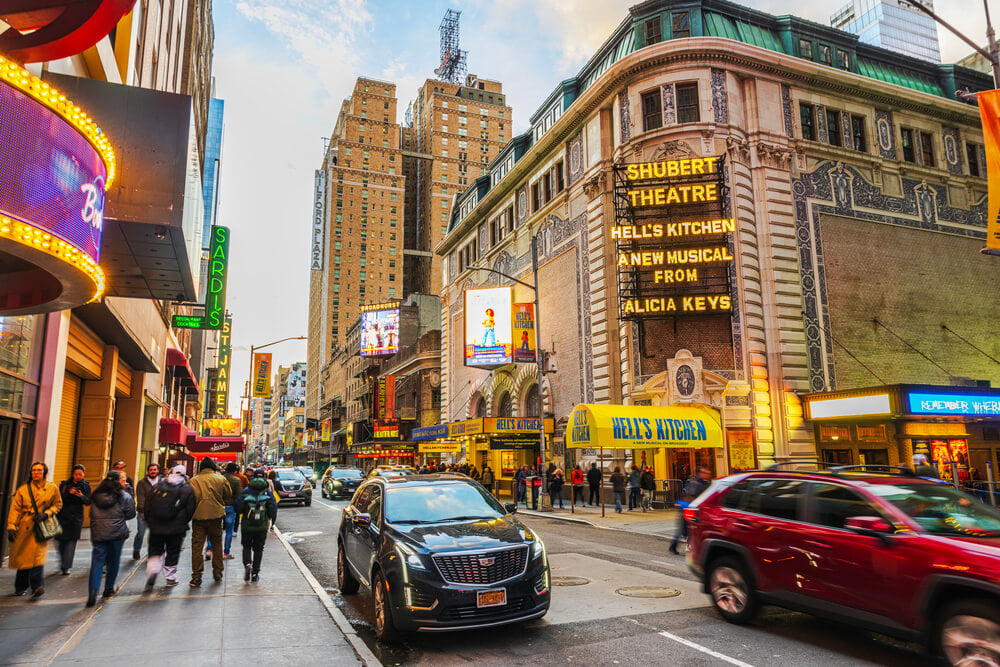
Boston’s Shubert Theater was demolished despite its significant contribution to the city’s cultural and theatrical life throughout the early twentieth century. The loss of this and many other historic theaters transformed Boston’s downtown from distinctive to ordinary, reducing the city’s architectural diversity.
The theater’s demolition represented a broader pattern across America of sacrificing grand entertainment palaces for commercial development.
Metropolitan Theater, Seattle, 1930s

Seattle’s grand Metropolitan Theater, along with many of the city’s other historic theaters, was demolished during the 1930s and 1940s as entertainment patterns changed and movie palaces fell out of favor. These losses transformed Seattle’s downtown from a distinctive architectural showcase into a landscape of generic buildings, removing structures that had defined the city’s character.
The Metropolitan and its contemporaries represented an irreplaceable era of theatrical grandeur that once made American cities visually distinctive.
Great Northern Hotel, New York, 1980s
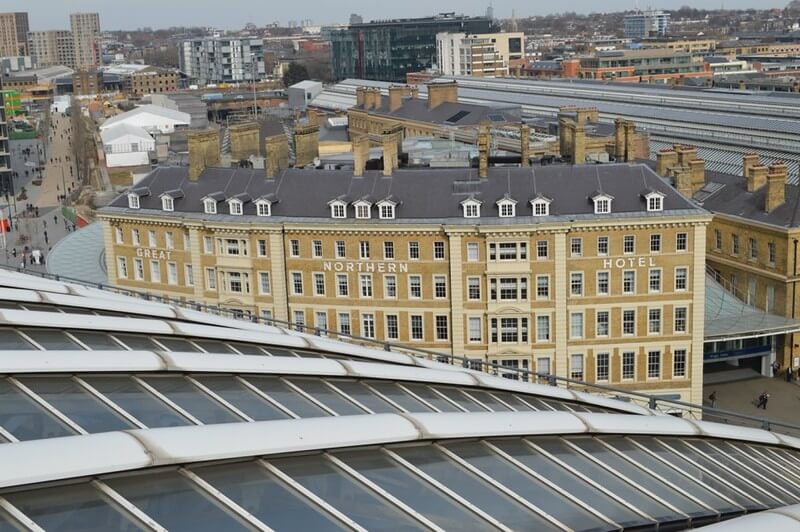
The Great Northern Hotel was a historic establishment demolished in the 1980s despite its architectural significance and its role in New York’s entertainment and hotel history. Its replacement was a nondescript office building that nobody notices or remembers, exemplifying the pattern by which culturally significant structures were replaced by forgettable modern construction.
The hotel’s loss left no visible reminder of what once occupied that valuable Manhattan real estate.
Delaware Hotel, Leadville, Colorado, 1960s
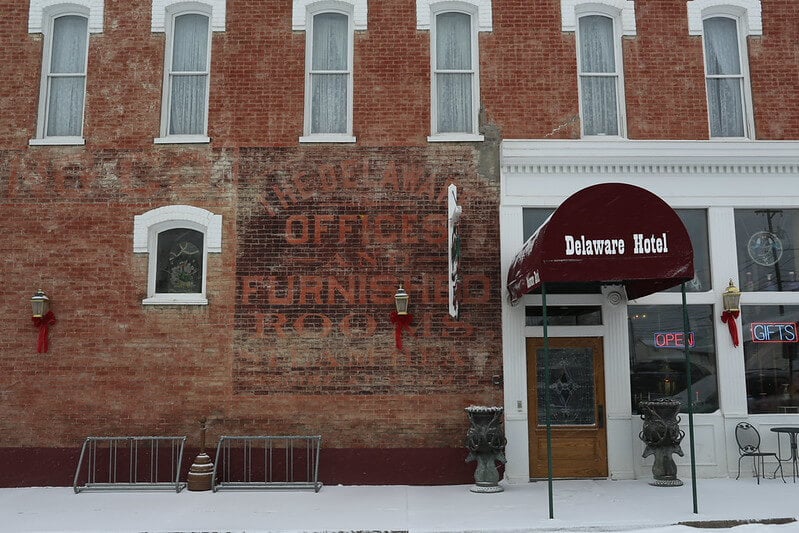
The historic Delaware Hotel was demolished in the 1960s, erasing one of Colorado’s remaining mining-era structures and a tangible connection to the state’s silver-mining boom of the nineteenth century. Its loss significantly reduced Leadville’s historic character at a time when many mining towns were already struggling economically and losing their identity.
The Delaware Hotel represented not just architecture but the physical embodiment of a vanished era in Colorado’s history.
Historic Train Stations Across America, 1960s-1970s
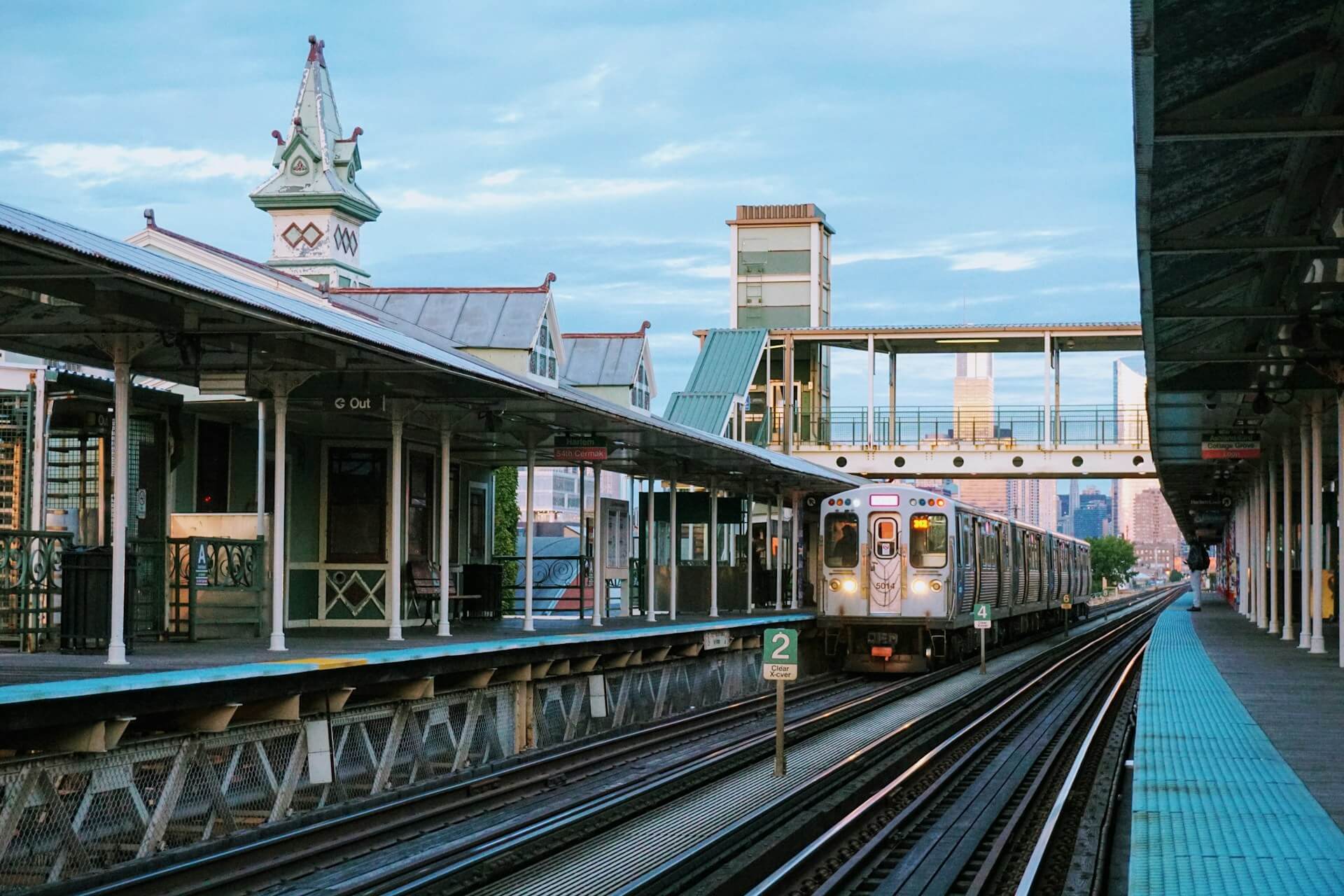
Hundreds of magnificent Beaux-Arts train stations built in the early 1900s were demolished in the 1960s and 1970s as passenger rail travel declined and railroads sought to reduce operating costs. Many of these stations were genuine architectural gems, featuring marble halls, soaring vaults, and ornate detailing that reflected the optimism of the railroad age when the stations were conceived as “temples of transportation.”
The demolitions were routine, rarely attracting preservation efforts, yet their loss fundamentally changed the character of American cities by removing distinctive landmarks that once conveyed grandeur and permanence.
Hotel DeSoto, Savannah, Demolished
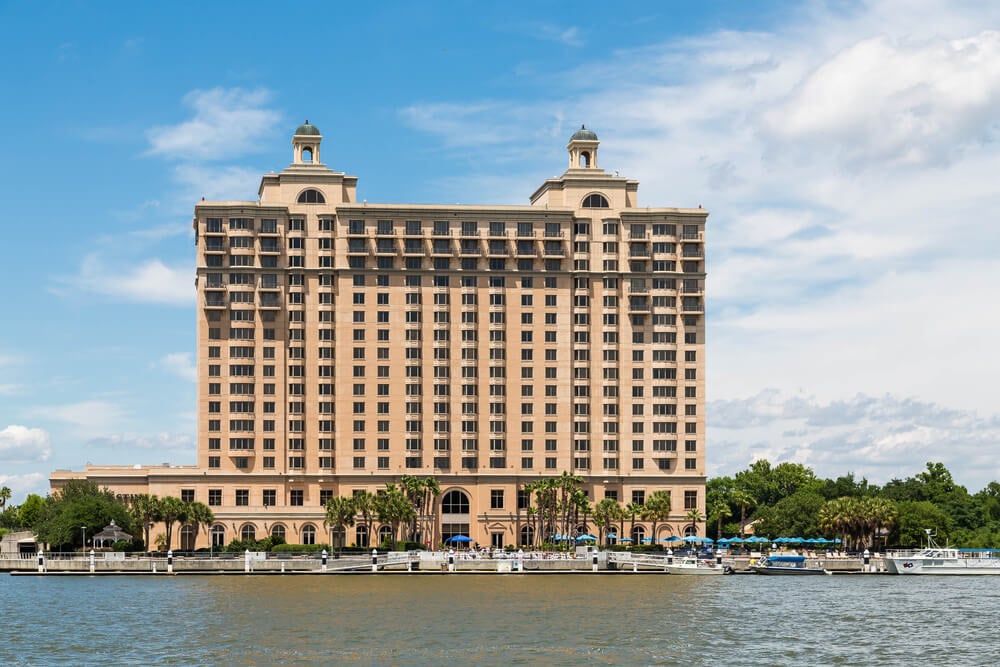
This historic Savannah hotel was demolished despite its significant architectural and historical role in the city’s development and cultural life. Its replacement was architecturally forgettable, leaving no lasting impression on the streetscape or the city’s memory.
The hotel’s loss reduced Savannah’s collection of historic hospitality landmarks and removed another thread from the city’s architectural fabric.
Dunes Hotel, Las Vegas, 1993
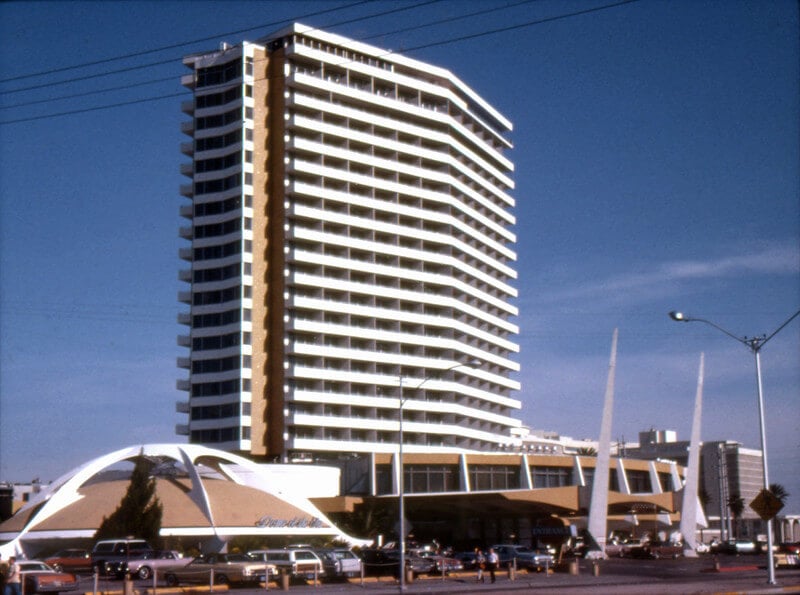
Though built in 1955, the Dunes Hotel was demolished in 1993 to make way for the Bellagio, representing the way Las Vegas treats its own history as immediately disposable. Even though the Dunes was not ancient by architectural standards, its destruction illustrated how quickly even recent structures could be deemed expendable when newer, more fashionable development beckoned.
The Bellagio eventually began to feel as dated as the Dunes had, suggesting that perpetual demolition and replacement may not serve the long-term interests of the city’s character.
Statler-Hilton, Boston, 1984
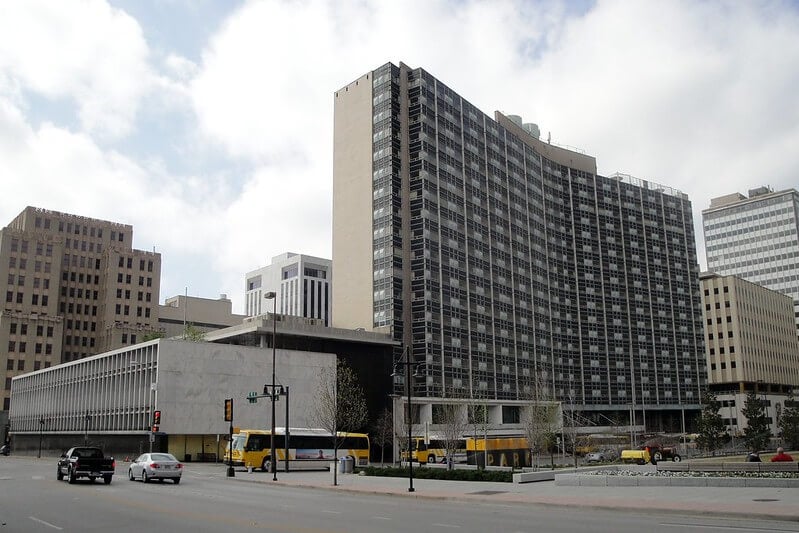
This modernist hotel designed by renowned architect I.M. Pei was demolished despite its architectural significance and its representation of sophisticated mid-century design principles. The building was replaced by a generic structure that was itself demolished within decades, wasting both the original architectural contribution and its replacement.
The Statler-Hilton’s demolition raised questions about whether dismissing even recent architecture in favor of speculative development served cities well in the long run.
Ritz Hotel, New York, 1940s
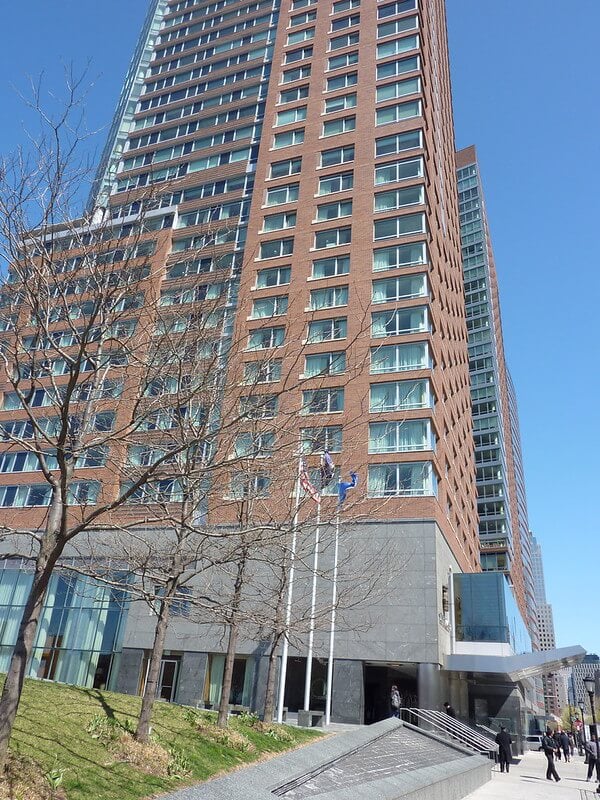
New York’s Ritz Hotel was demolished in the 1940s despite its significance to the city’s luxury hotel history and its role as a destination for the wealthy elite. Its loss removed an architectural and historical landmark associated with New York’s Gilded Age glamour and permanently erased a building that had housed some of the city’s most exclusive social gatherings.
The hotel’s destruction represented the beginning of a pattern by which Manhattan’s greatest hotels would gradually disappear.
Historic Row Houses, Baltimore, Thousands

Thousands of Baltimore’s distinctive nineteenth-century row houses have been demolished over the decades, transforming entire neighborhoods from architecturally coherent and visually distinctive blocks into homogenized landscapes. These rowhouses represented a particular building tradition that made Baltimore visually distinctive and connected residents to the city’s industrial and commercial heritage.
The cumulative loss of so many similar structures fundamentally altered the character and identity of Baltimore’s neighborhoods, erasing the physical evidence of how the city developed and was lived in by generations of residents.
Architecture Lost, Memory Remains
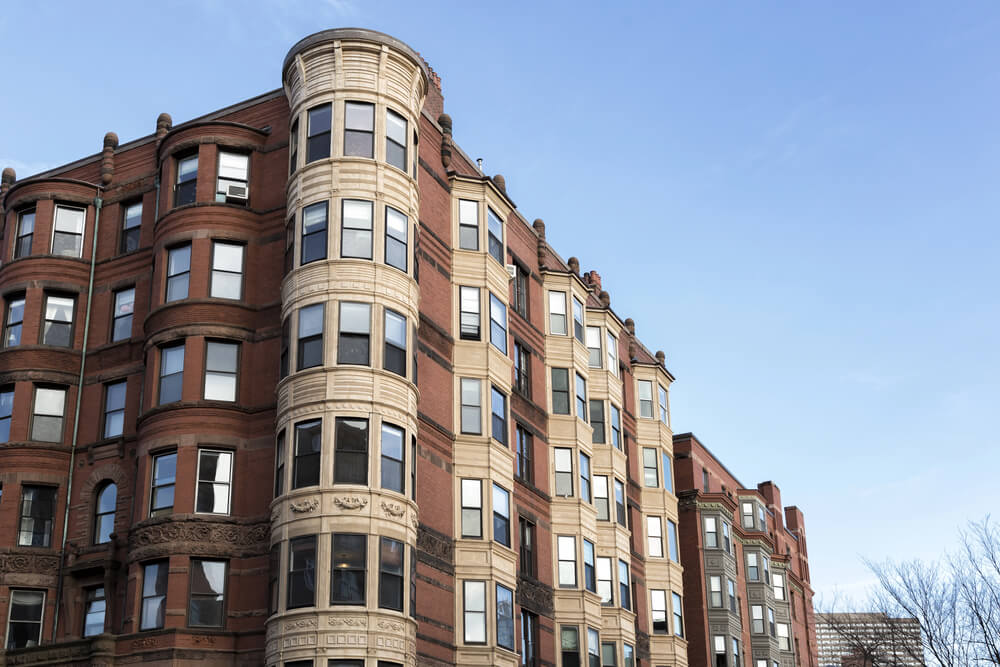
When a historic building is demolished, the structure disappears, but the loss persists in collective memory as a kind of phantom limb. Citizens remember not the buildings that replaced them, but what was sacrificed.
The replacements often prove functionally inadequate or aesthetically forgettable, becoming obsolete within decades themselves. Yet the original buildings, had they survived, would still be standing.
These demolished landmarks remind us that “progress” and “preservation” are not inevitable opposites, and that cities which respect their architectural heritage maintain not just buildings but continuity, character, and connection to their own past.
More from Go2Tutors!

- The Romanov Crown Jewels and Their Tragic Fate
- 13 Historical Mysteries That Science Still Can’t Solve
- Famous Hoaxes That Fooled the World for Years
- 15 Child Stars with Tragic Adult Lives
- 16 Famous Jewelry Pieces in History
Like Go2Tutors’s content? Follow us on MSN.