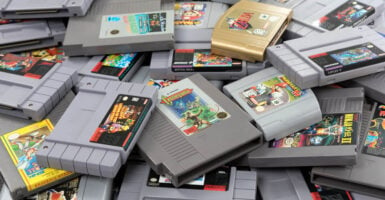
31 Candy Counter Items Corner Stores Stopped Carrying
The corner store candy counter was once a portal to childhood wonder—a glass case filled with penny candies, novelty items, and treats that no longer exist. Time and changing consumer preferences have emptied those cases.
Some products were discontinued; others remain available but as premium-priced nostalgia rather than affordable abundance. The kids of today will never know the specific joy of scanning that counter and choosing among now-vanished options.
Wax Bottles (Wax Lips)
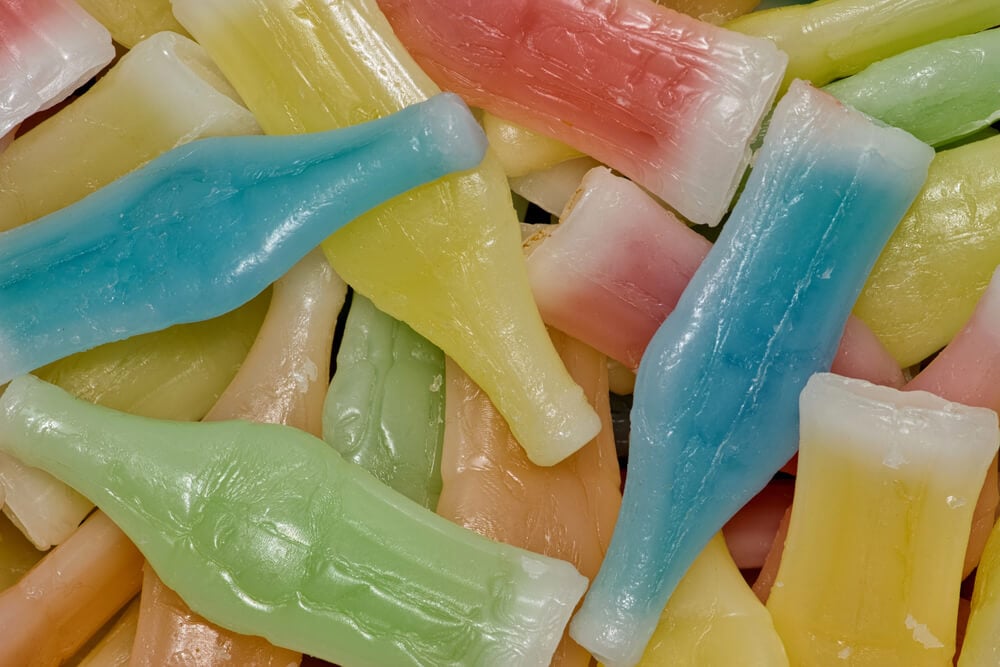
Colored wax containers filled with sugary liquid, wax bottles were more novelty than candy. Kids bit off the tops and drank the syrup, then chewed the wax.
The product’s minimal candy content made it economically impractical for modern candy retailers.
Push Pops
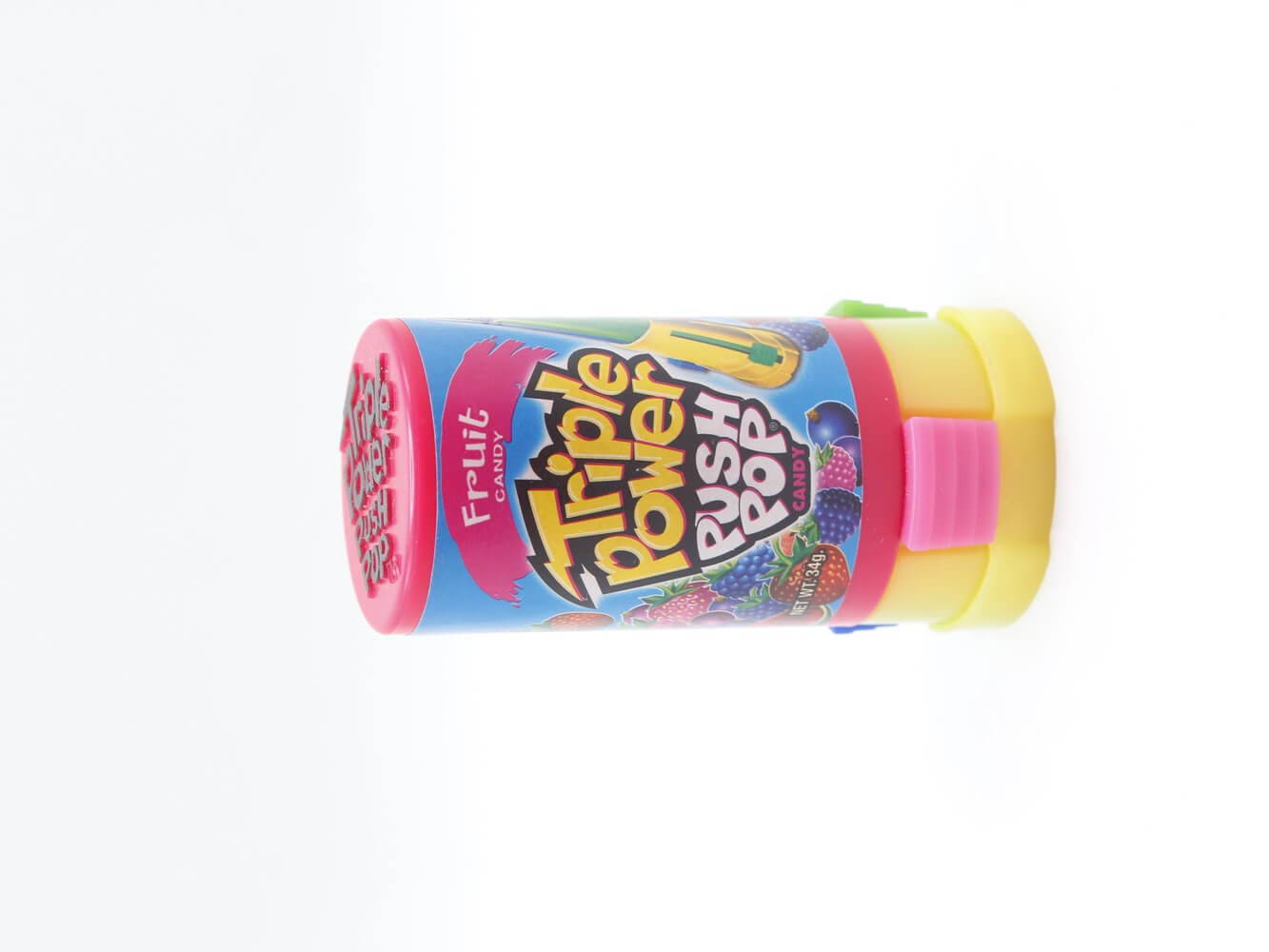
Plastic tubes that dispensed candy as you pushed the bottom were iconic 90s candy counter items. Manufacturing costs and low profit margins led to discontinuation, though they’ve seen occasional revivals.
Lik-M-Aid / Fun Dip
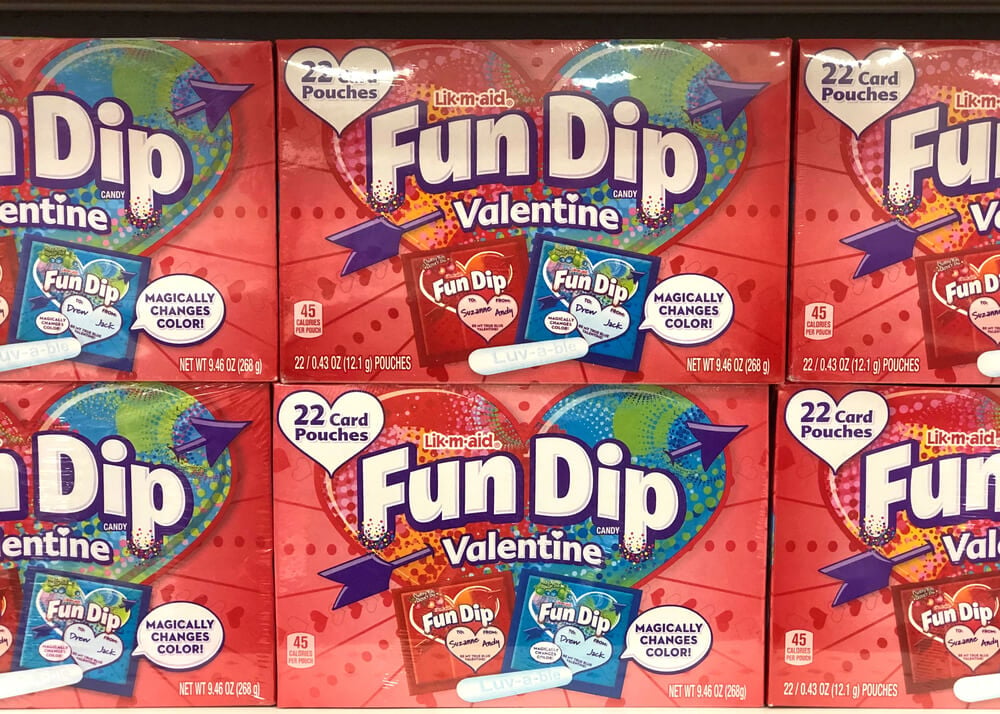
Powdered sugar in small packets with a stick for dipping were messy and beloved. Concerns about hygiene and the low price point led many stores to stop stocking them prominently.
Bottle Caps
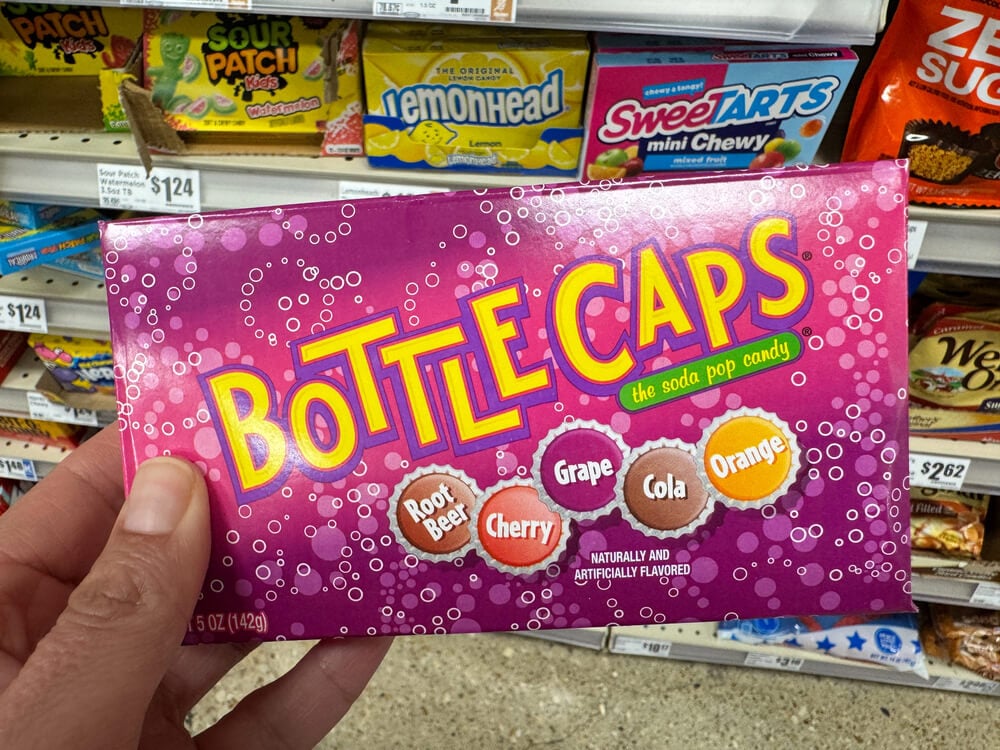
Tiny candy tablets shaped like soda bottle caps that fizzed on the tongue were ubiquitous. While still technically available, they’ve disappeared from most corner store counters.
Smarties (Compressed Sugar Tablets)
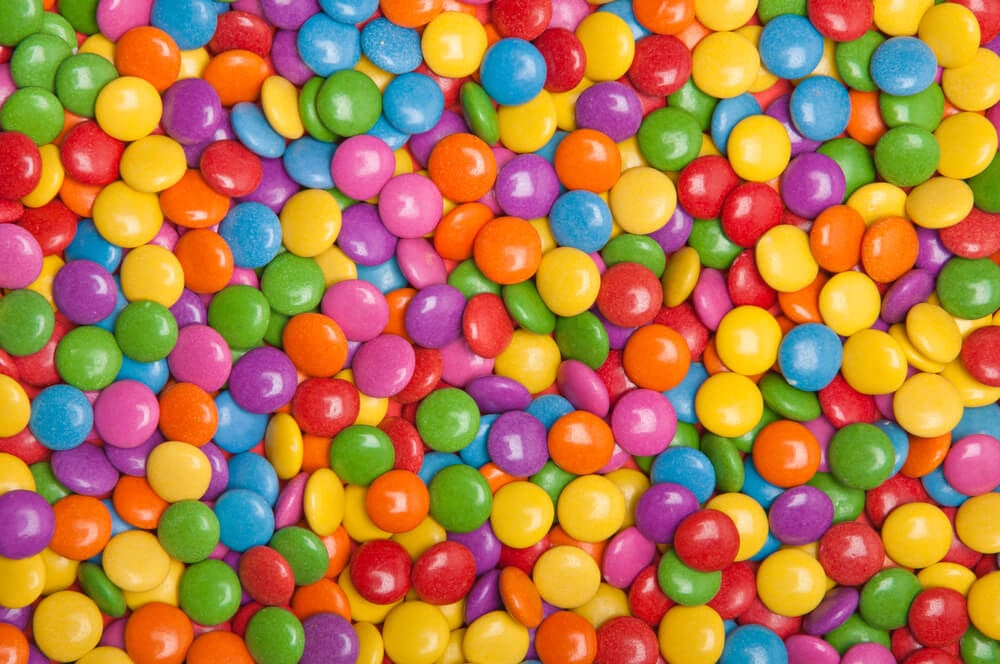
Rolls of compressed sugar tablets were inexpensive and addictive. Competition from newer candies and minimal profit margin pushed them from active retail.
Zoomers (Popping Candy)
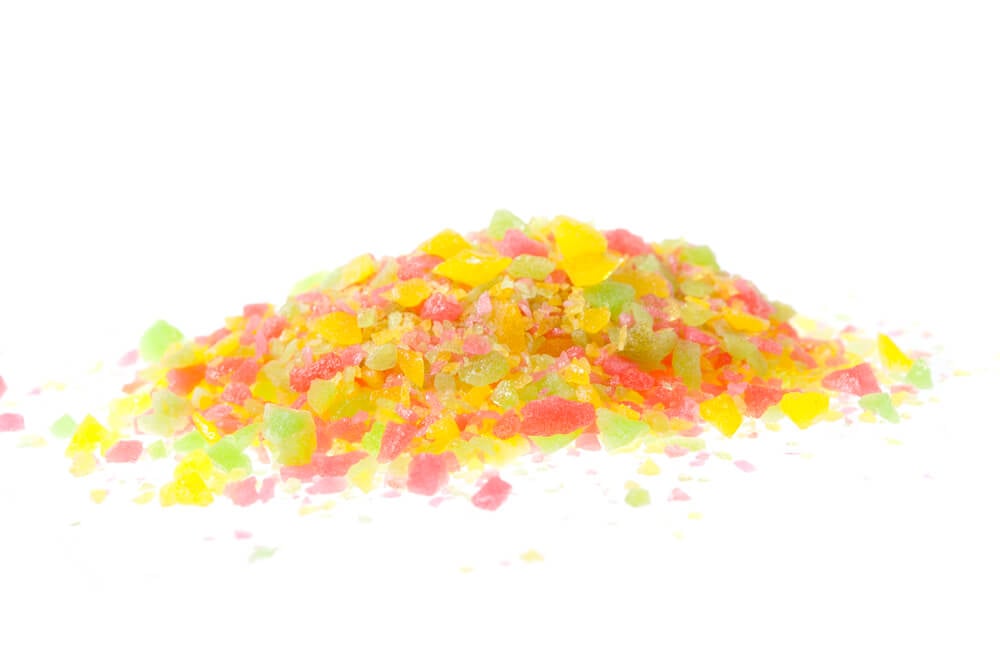
Tiny candies that popped and fizzed on the tongue created a sensation (and urban legends about mixing with soda). Safety concerns and consumer hesitation led to limited distribution.
Sweetarts
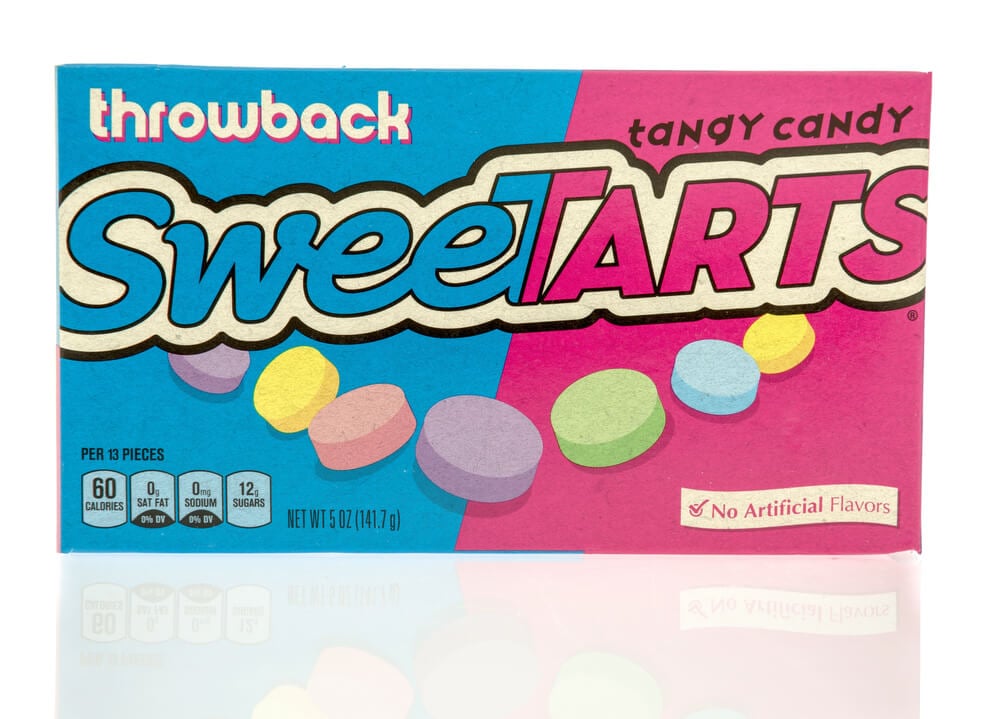
Chalky, sour, tangy discs that came in rolls were common counter items. While available in some stores, they’re far less prominent than in previous decades.
Pixy Stix
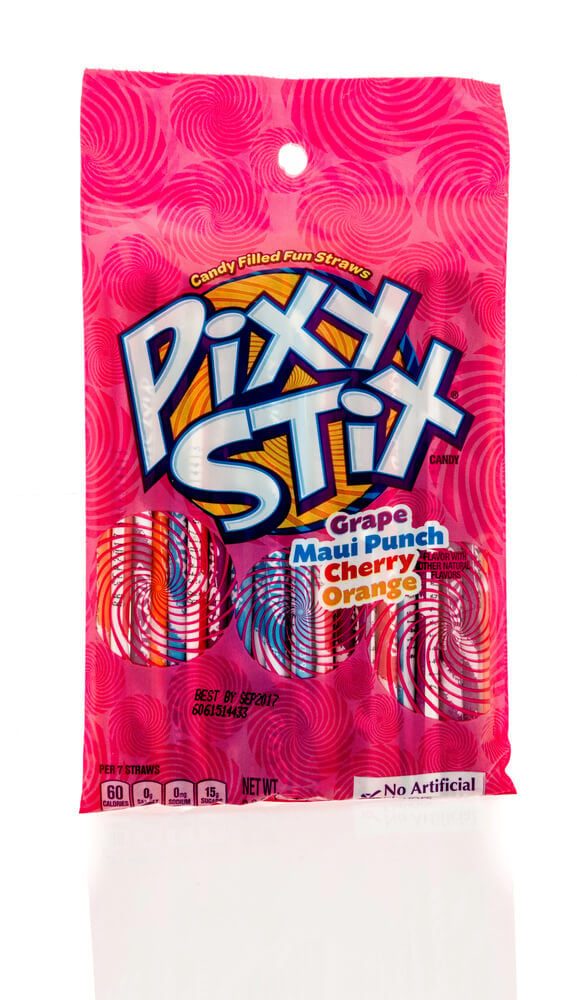
Thin straws filled with flavored sugar powder were cheap and memorable. The novelty of the packaging couldn’t sustain shelf space in modern retail.
Dum Dums
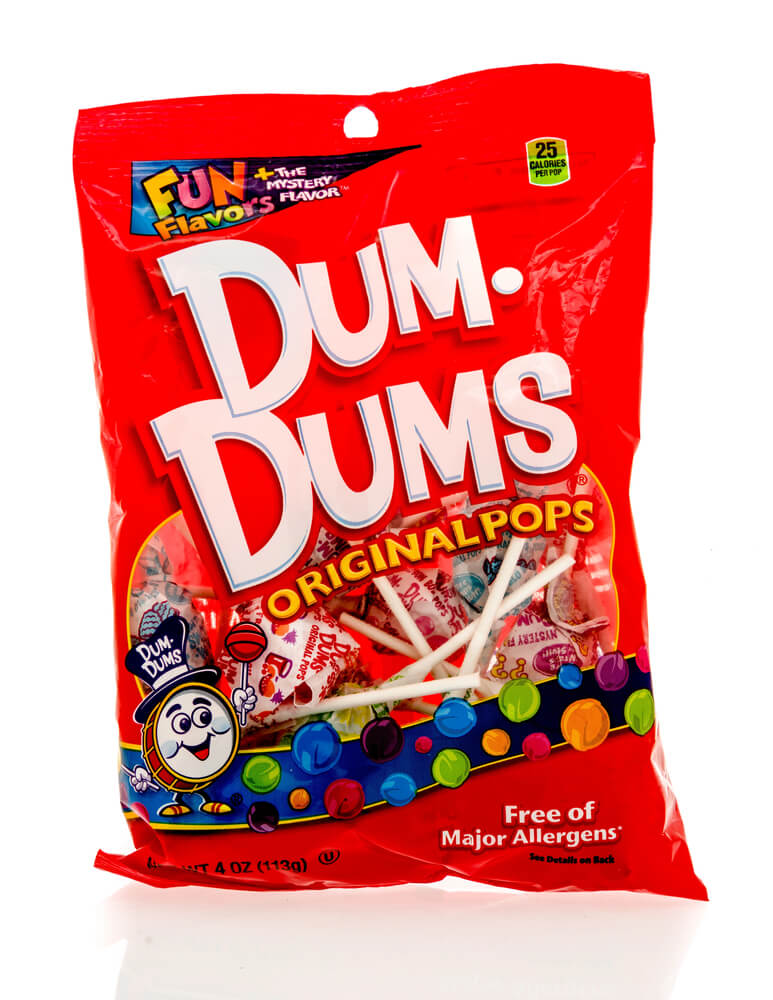
Tiny lollipops were common impulse purchases. While still produced, they’ve largely moved from candy counters to checkout registers.
Tootsie Rolls
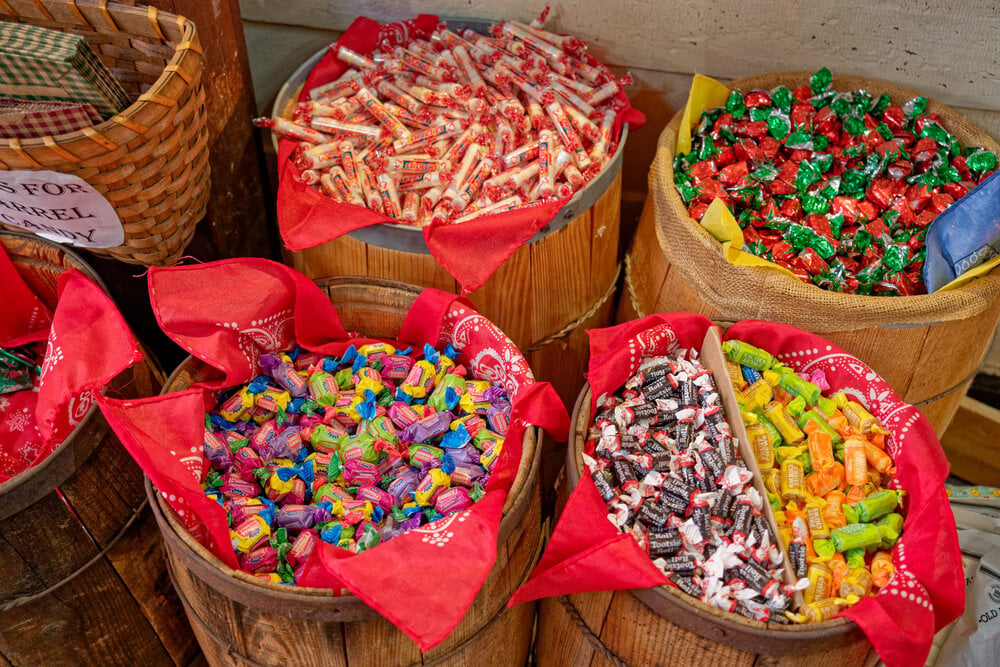
Chewy chocolate candies were staple items. Changing preferences for creamier chocolates have reduced their shelf presence.
Necco Wafers
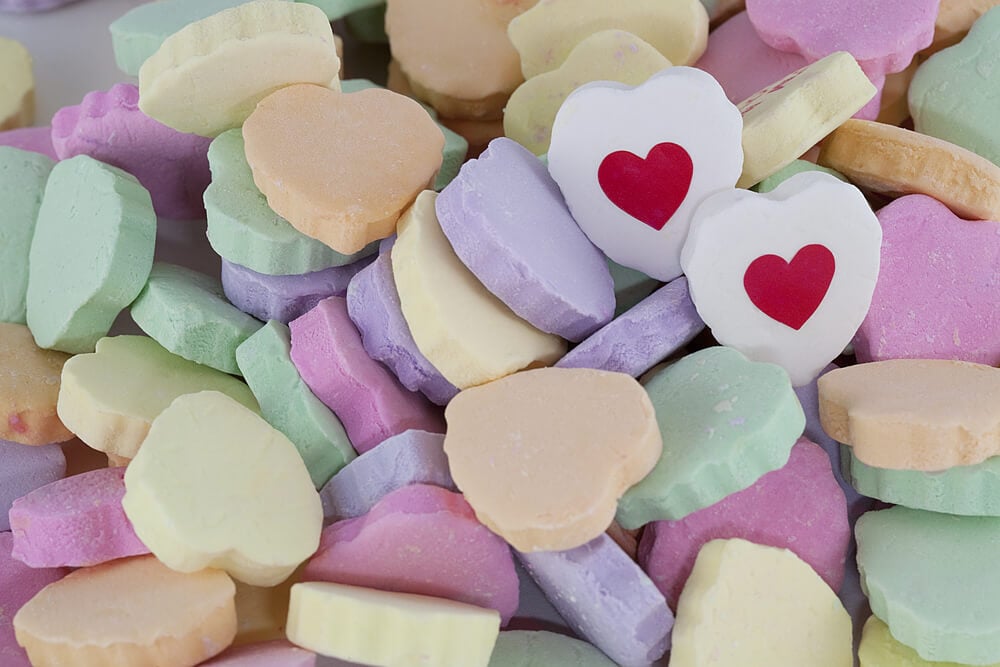
Disc candies in various flavors had loyal fans but faced declining sales. The company discontinued production in 2018, ending nearly 170 years of production.
Charleston Chew
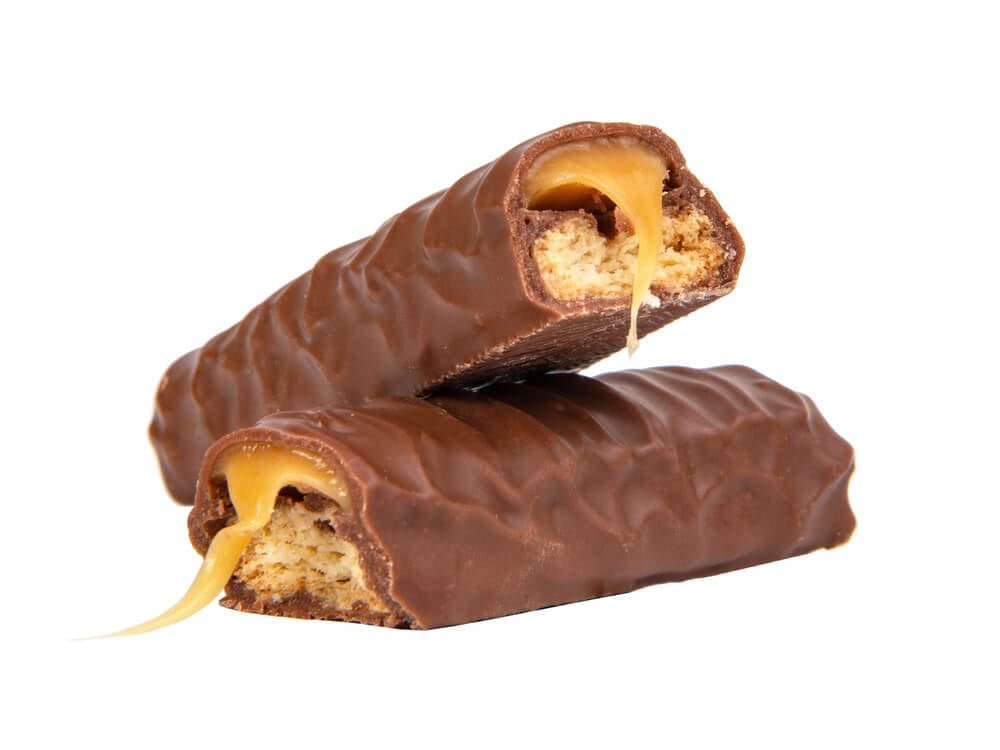
Nougat wrapped in chocolate was common but has become rare. Declining sales and manufacturing costs led to reduced availability.
Razzles
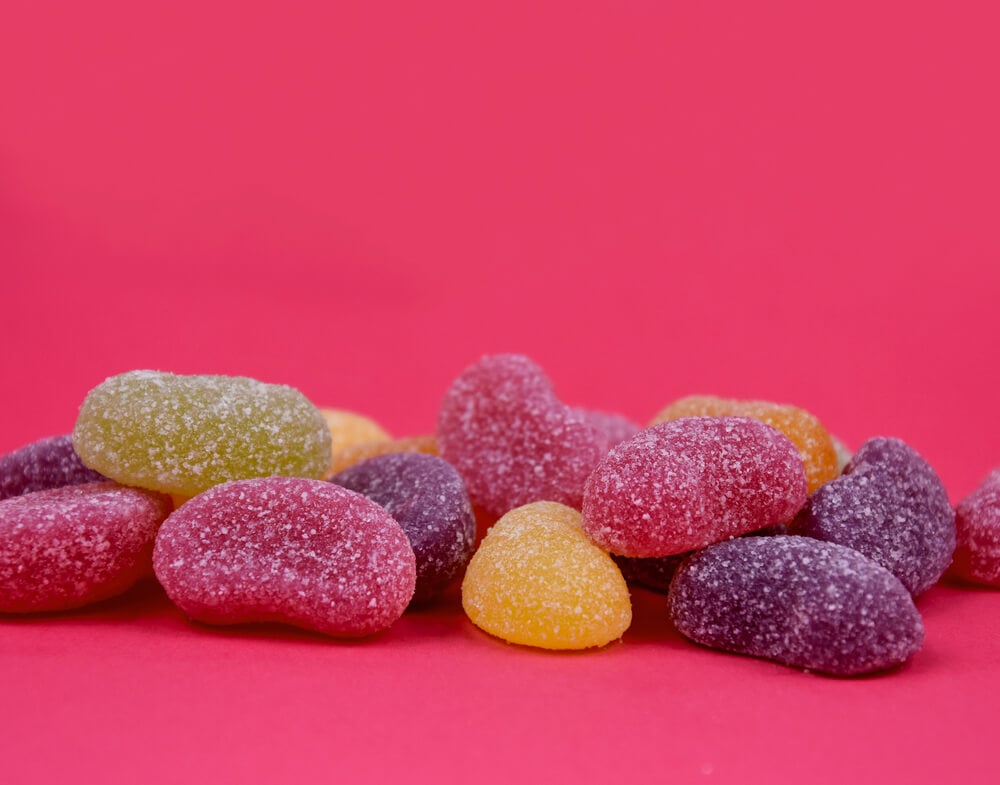
Gum that turned into candy was novelty-driven; novelty wears off, and the product faded from retail.
Bit-O-Honey
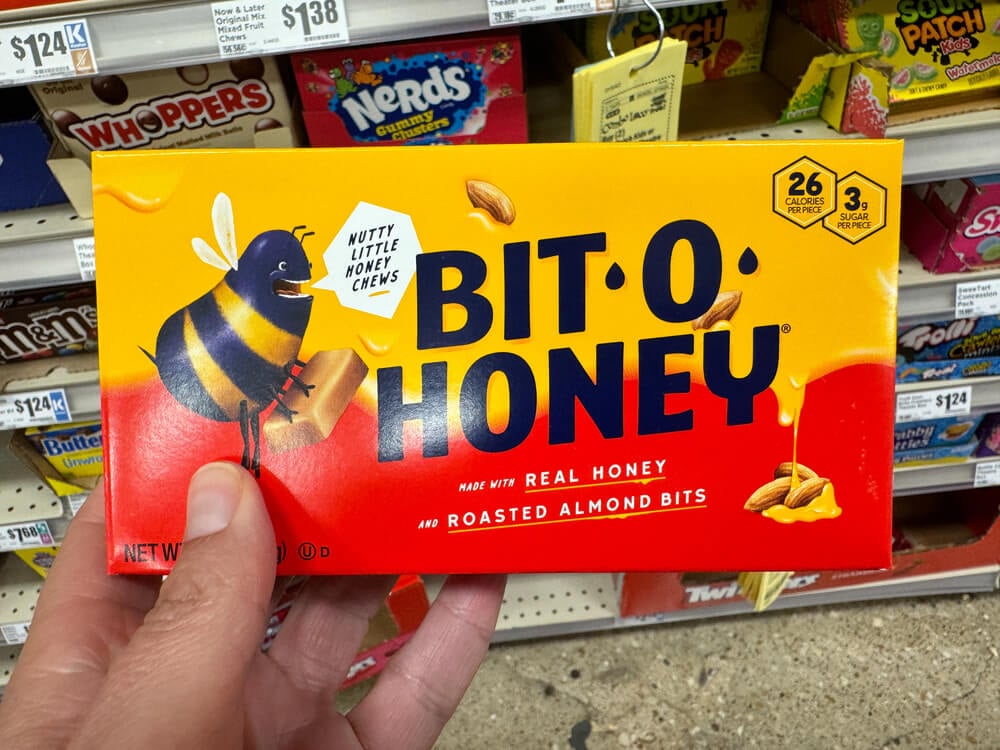
Candy with bits of honey was affordable and popular. Consolidation in candy manufacturing reduced product variety.
Whistle Pops

Lollipops that doubled as whistles were toys and candy combined. Novelty items face retail pressure when shelf space is limited.
Root Beer Barrels
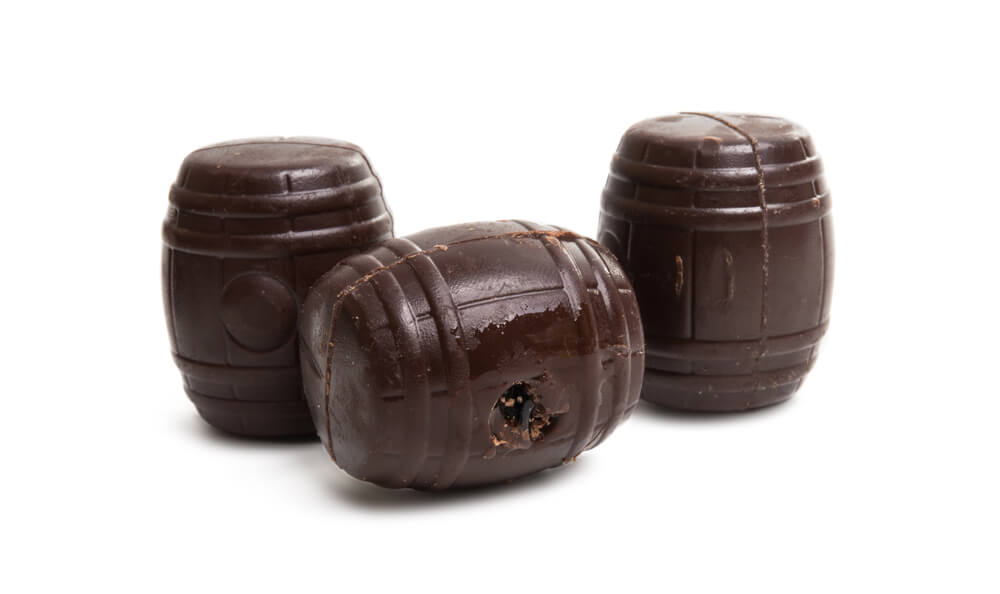
Hard candies shaped like barrels with root beer flavor were niche items. Changing candy preferences eliminated their shelf presence.
Dubble Bubble
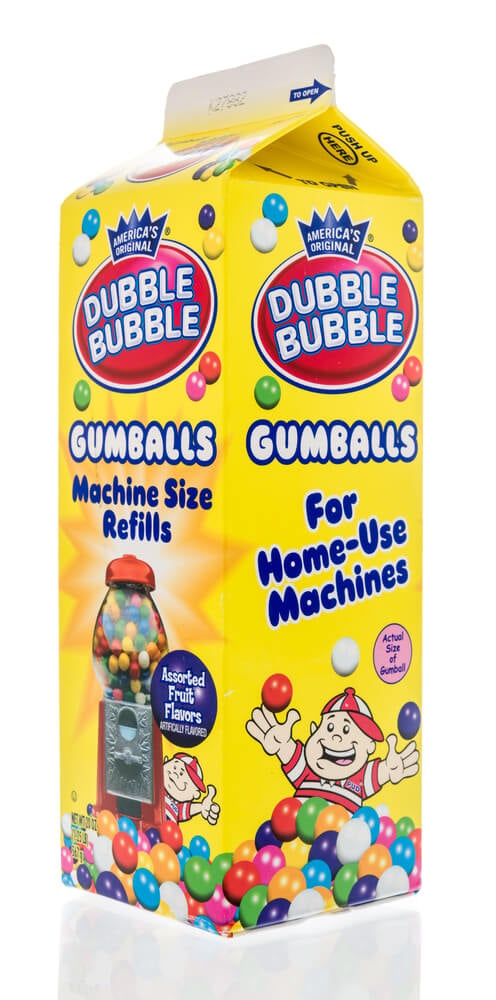
Pink bubble gum was a classic but faces competition from newer products. While available in some stores, counter presence has diminished.
Chiclets
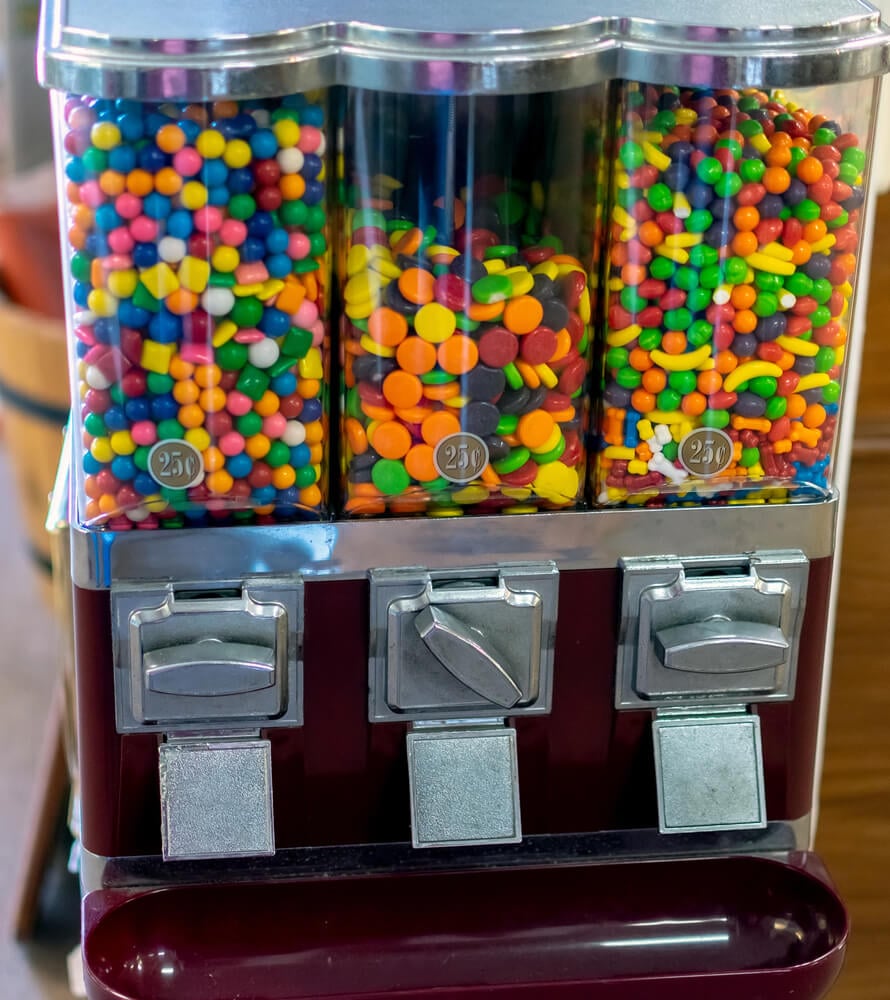
Small, hard gum pieces were ubiquitous. Declining gum consumption has pushed them from active retail.
Warheads (Early Sour Candy)
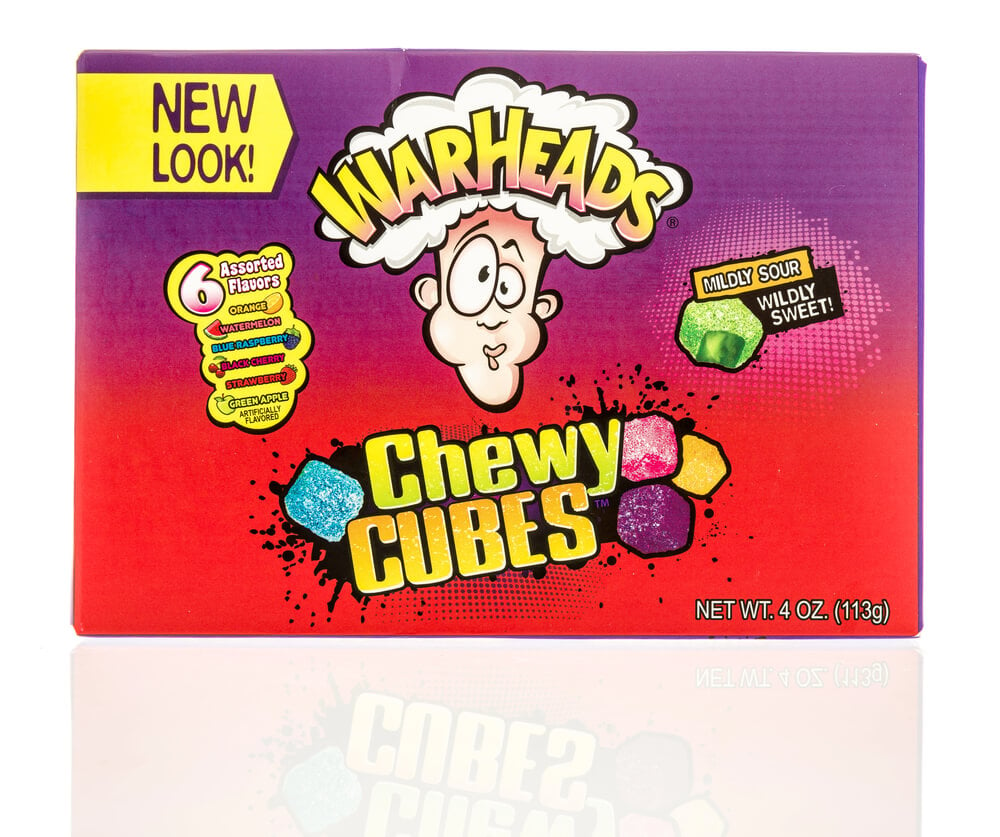
Extremely sour candies created a viral sensation in the 90s, but the novelty faded, and retail space shifted to newer sour products.
Nerds
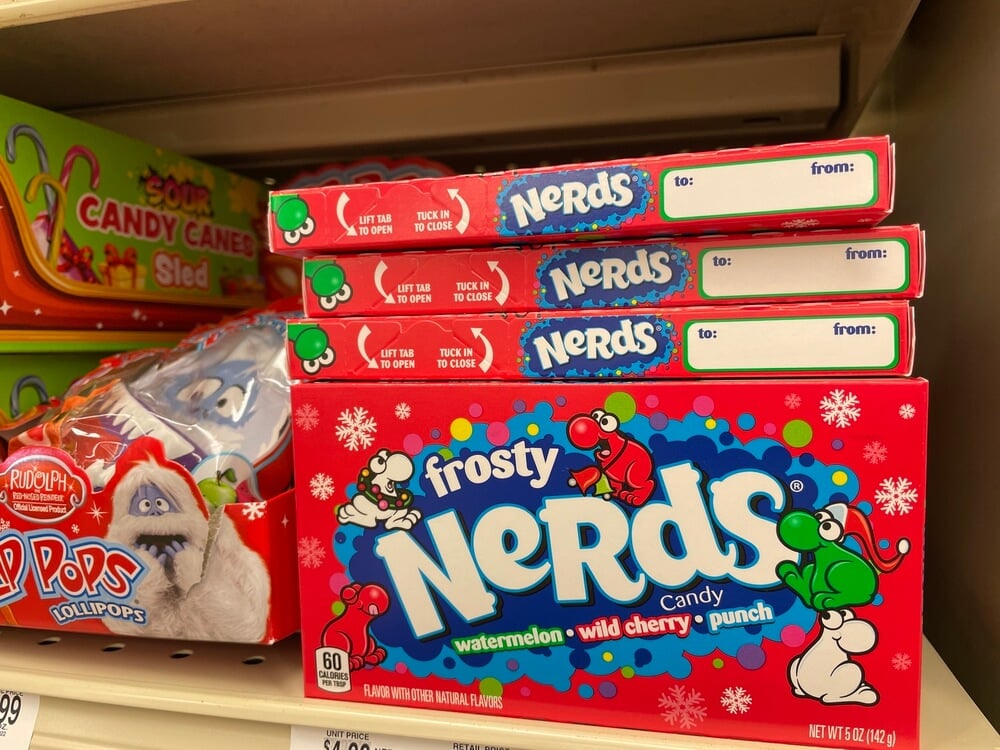
Tiny spheres of candy in multiple flavors were impulse purchases. While still available, they’ve moved from candy counters to larger retail formats.
Gobstoppers
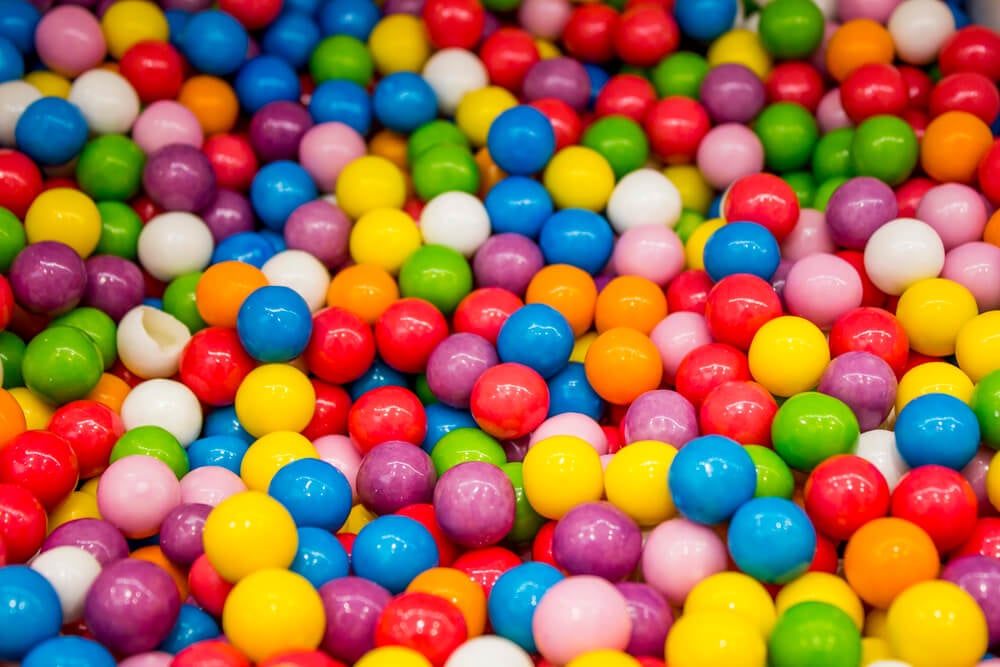
Hard candies that changed color as you sucked them were novelties. Changing flavors and declining novelty appeal pushed them to specialty stores.
Shock Tarts
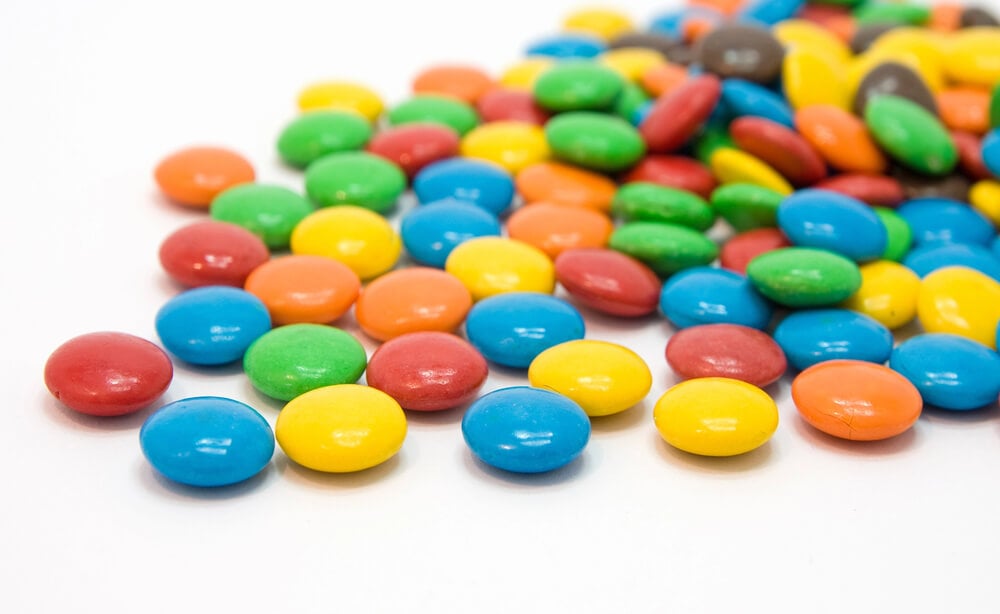
Sour candy tablets similar to Sweetarts offered a sharper sour taste. Market saturation and competition eliminated shelf space.
Astro Pops
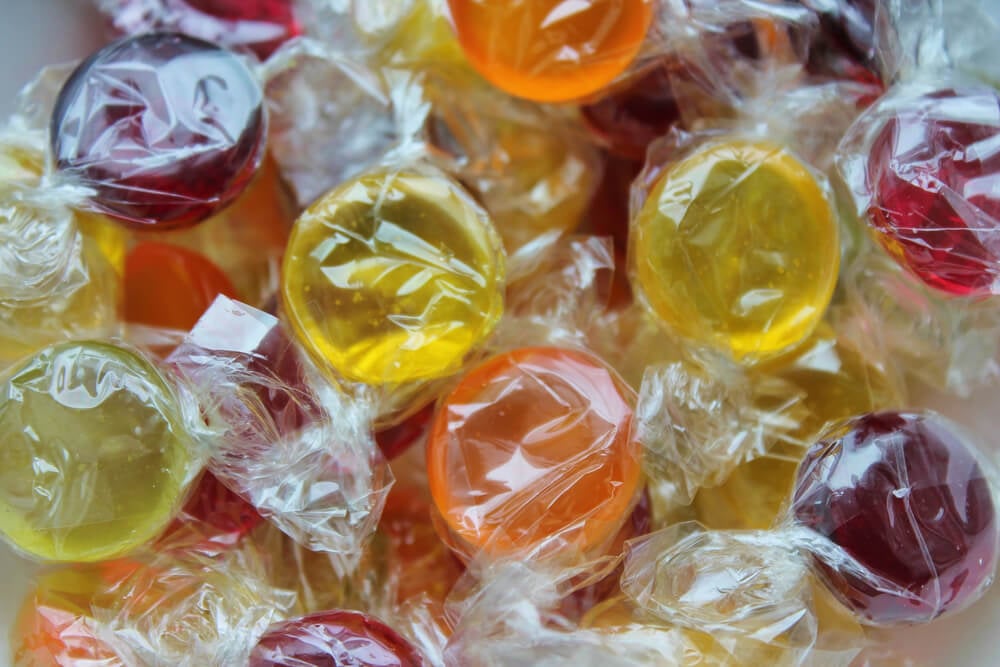
Individually wrapped hard candies in space-age packaging promised novelty. The packaging cost reduced profitability, leading to discontinuation.
Candy Corn
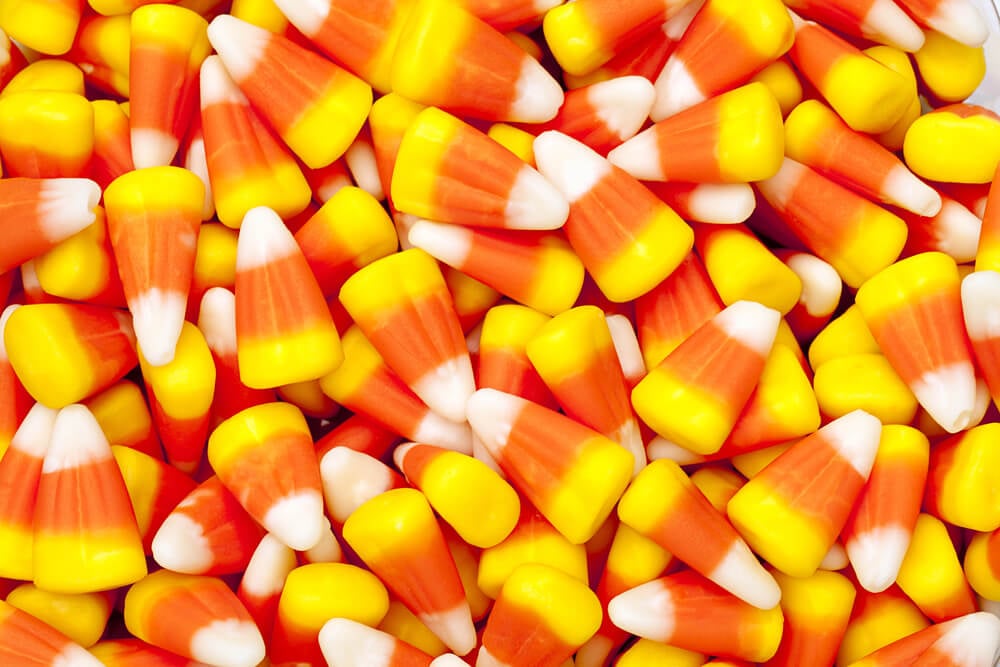
While still produced seasonally, year-round displays in corner stores have vanished. Specialty distribution has replaced general retail.
Worms (Gummy Worms)

Gummy candies shaped like worms were novelty items that lost their novelty. Modern gummy candies replaced them in retail.
Candy Necklaces

String threaded with candy beads served as both snack and toy. Hygiene concerns and manufacturing costs pushed them from retail.
Clove Gum
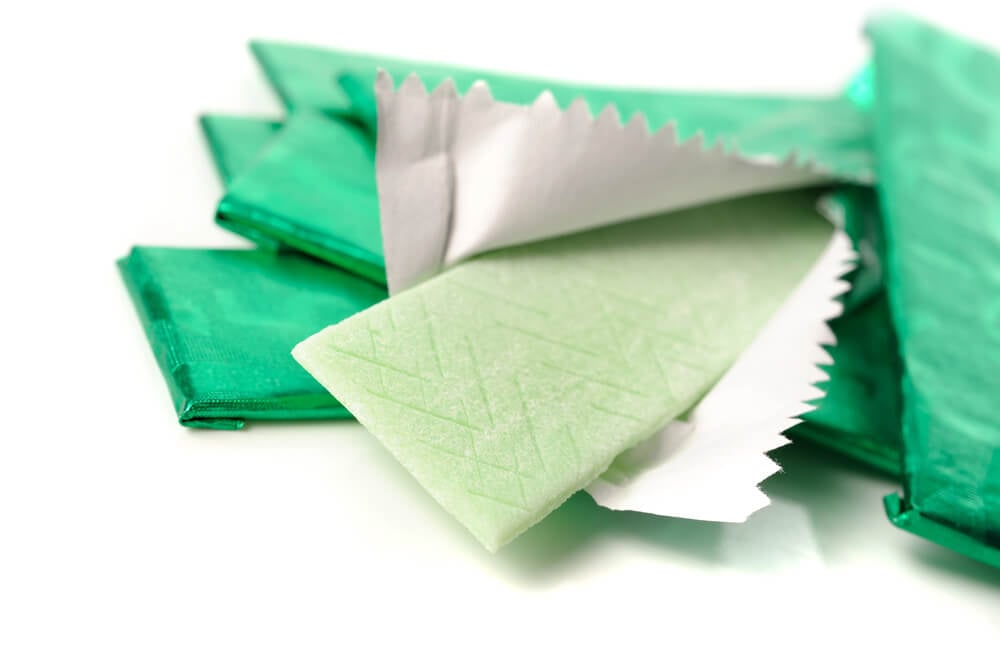
Spiced gum with a devoted following was discontinued by most producers. Niche demand couldn’t justify shelf space.
Black Jack Gum
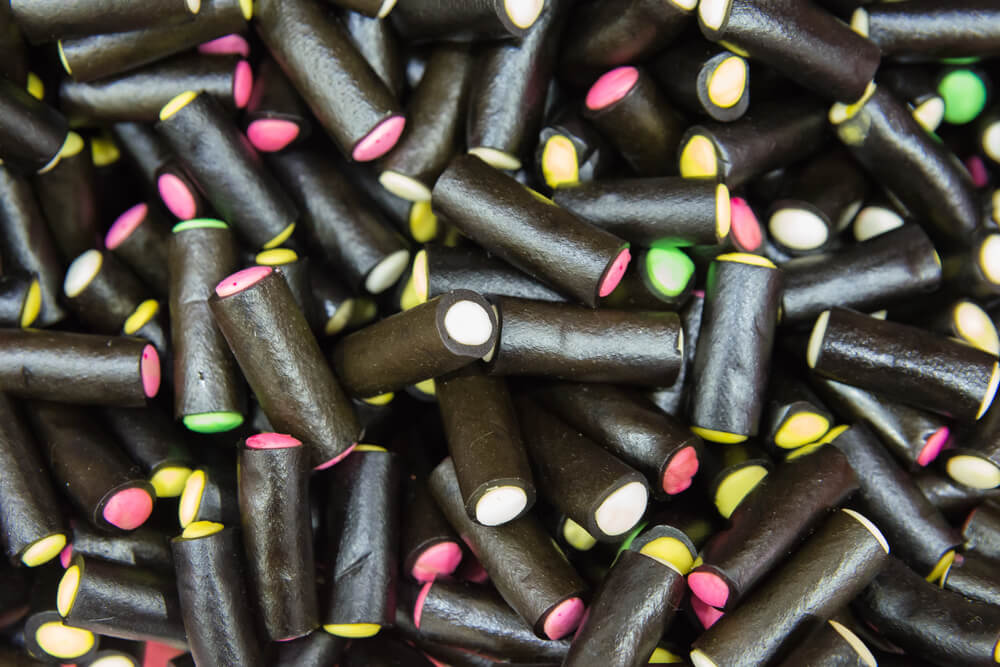
Licorice-flavored gum was common but faces declining sales. Consolidation in the gum market eliminated niche products.
Bonomo Turkish Candy
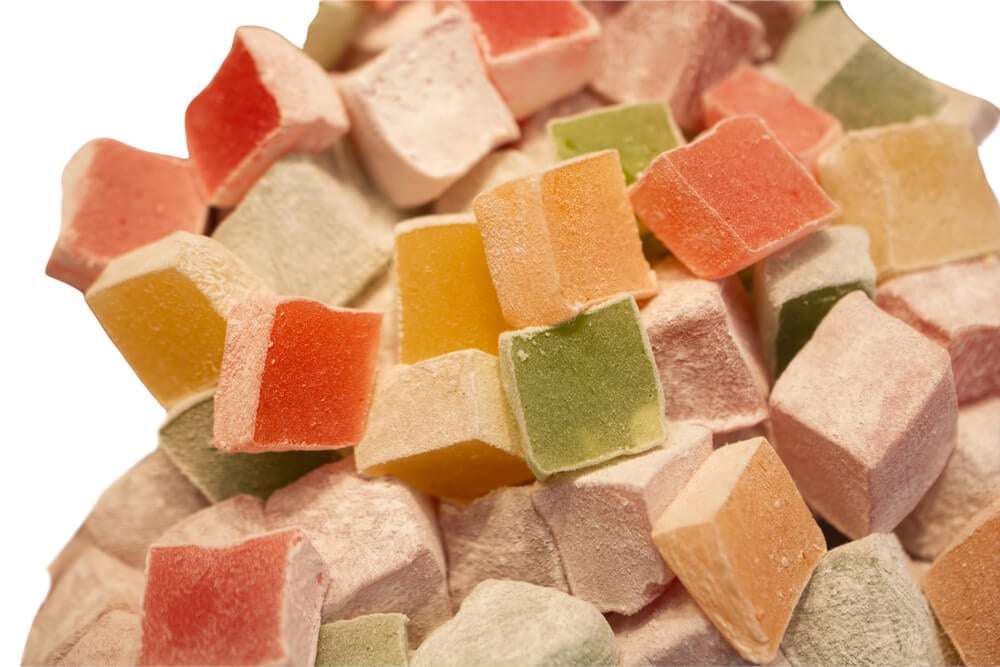
Chocolate-covered candy with comic strips printed on the wrapper was regionally distributed. Inconsistent availability led to eventual discontinuation.
Nut-Based Candies (Various)

Candies with peanuts, walnuts, and other nuts were once common. Allergy awareness and liability concerns reduced their retail presence.
Homemade or Regional Candies
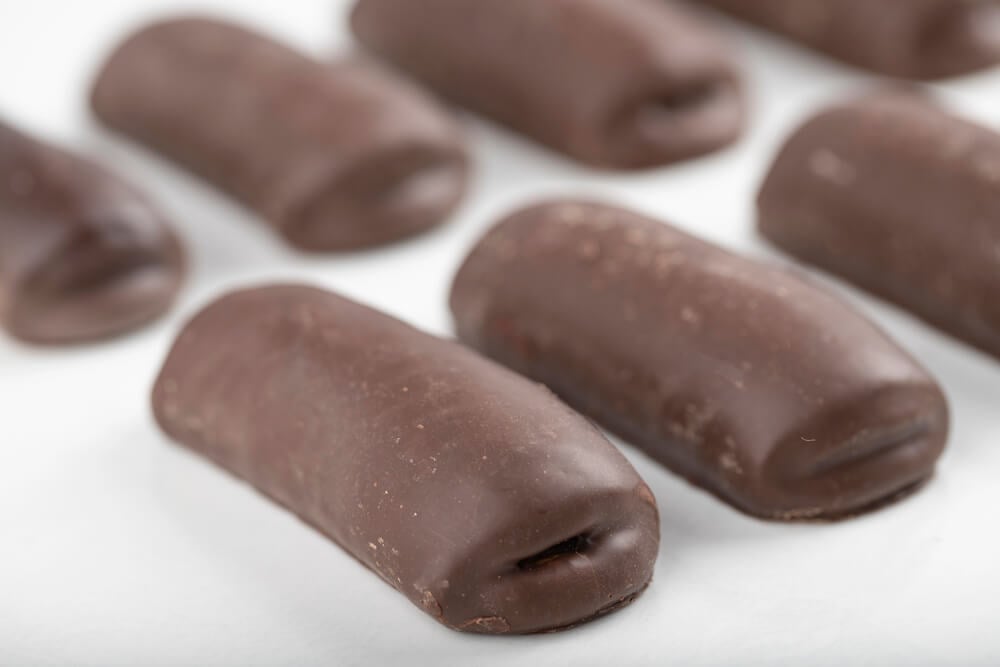
Small, locally-made candies that corner stores once stocked have largely disappeared as national brands consolidated distribution.
The Death of the Candy Counter
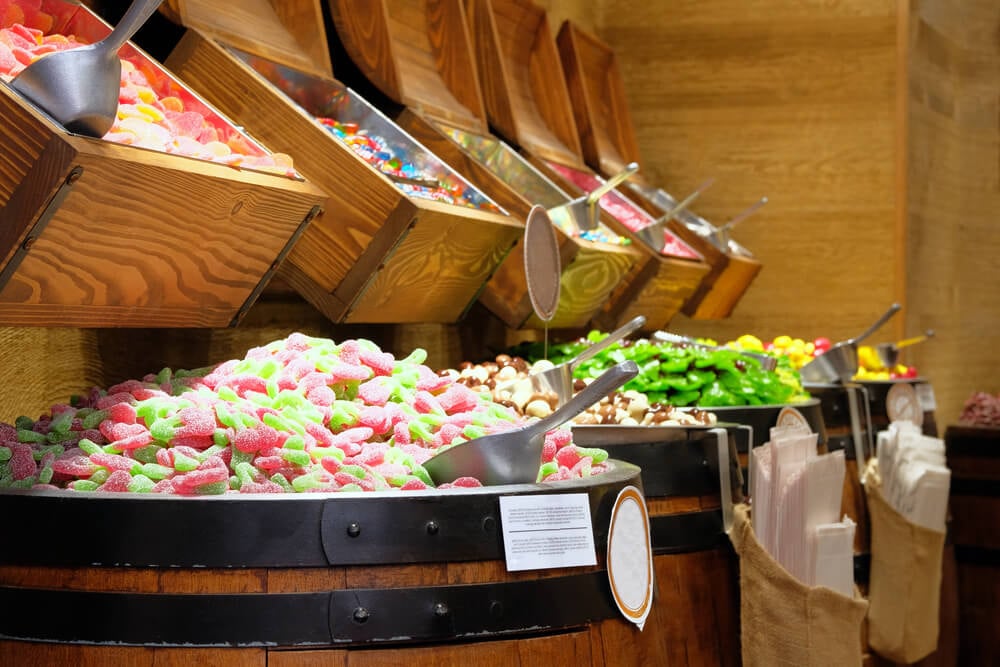
The corner store candy counter represented a specific retail moment—when customers with cash and children could access cheap novelties and impulse purchases. Modern retail consolidation, changing profit margins, and shifting consumer preferences have eliminated these spaces.
The candies themselves often weren’t exceptional; their value lay in their availability, their cheapness, and the ritual of choosing among hundreds of options. Today’s candy retailers prioritize high-margin items and brands with recognizable marketing.
The obscure, the cheap, and the novelty items have moved to specialty retailers or disappeared entirely, taking with them a specific flavor of childhood memory.
More from Go2Tutors!

- The Romanov Crown Jewels and Their Tragic Fate
- 13 Historical Mysteries That Science Still Can’t Solve
- Famous Hoaxes That Fooled the World for Years
- 15 Child Stars with Tragic Adult Lives
- 16 Famous Jewelry Pieces in History
Like Go2Tutors’s content? Follow us on MSN.