29 Kitchen Appliances From the Seventies That Still Work
The 1970s represented the final moment when manufacturers believed products should outlast their owners. Kitchen appliances built during this era were constructed with heavy-duty materials like cast iron, solid metal, and copper rather than plastic components or circuit boards.
Most 1970s appliances operated on straightforward mechanical principles that required no software updates or proprietary replacement parts. This was before planned obsolescence became standard practice.
A broken 1970s appliance could actually be repaired, often by the owner, because the components made sense. Today, appliances are engineered to fail at predictable intervals, but many 1970s machines are still running in home kitchens with minimal maintenance.
They’ve outlasted three generations of newer competitors.
Sunbeam Mixmaster
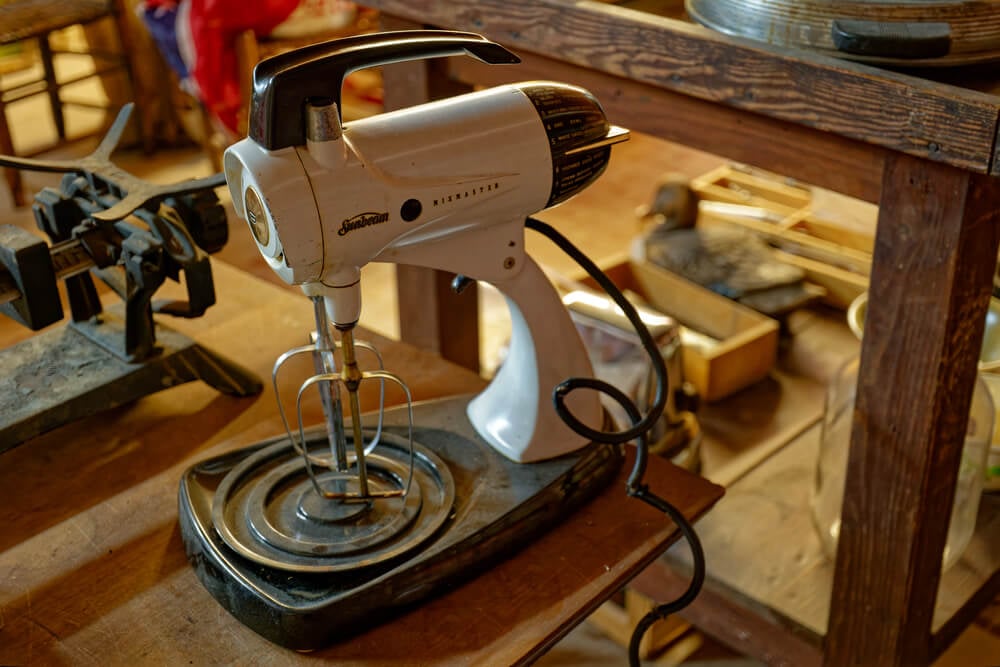
The Sunbeam Mixmaster existed before the 1970s but achieved its legendary status through consistent reliability across decades. All-metal construction with powerful motors handled heavy bread dough without flinching or overheating.
Originally designed in the 1930s, 1970s models still operate smoothly, often passed down through generations of bakers who trust them more than modern stand mixers.
Crock-Pot Slow Cooker
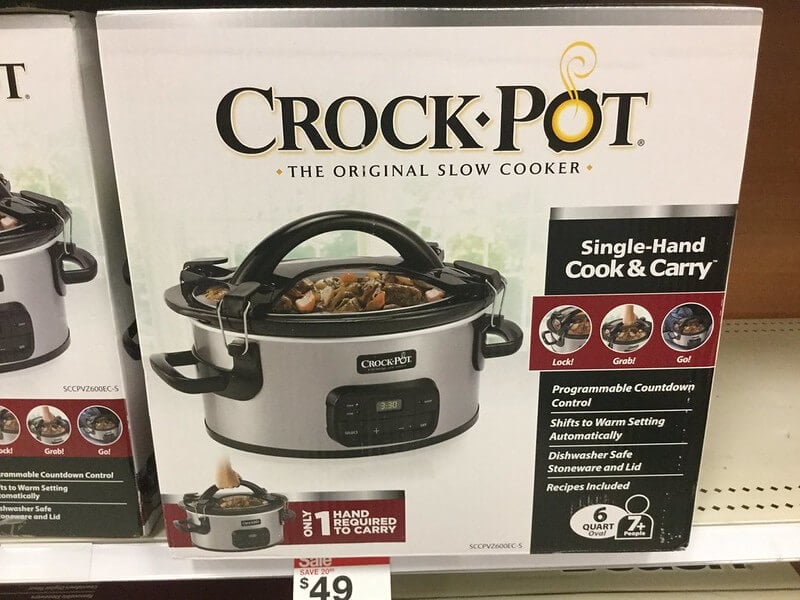
The vintage 1970s Crock-Pot operated on the “set it and forget it” principle with durable ceramic and metal components built for decades of use. Straightforward mechanical controls eliminated points of failure found in modern digital versions.
Most functional Crock-Pots from this era simply warm food consistently without timers, programming, or electronic displays.
Hamilton Beach Can Opener
Constructed entirely from heavy-duty steel, the Hamilton Beach electric can opener became a kitchen workhorse that still cuts cans in thousands of homes. The mechanical cutting wheel and gear-driven design required no batteries or complicated electronics, making repairs trivial when needed.
Many kitchen professionals still prefer vintage Hamilton Beach models over modern alternatives.
Sunbeam Coffee Maker
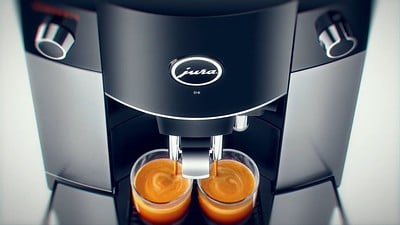
Coffee makers from this era featured simple heating elements and mechanical switches that produced a reliable cup without demanding specific water mineral content or descaling instructions. The metal construction and basic filtration system meant coffee tasted consistent and required minimal maintenance beyond occasional cleaning.
Cast Iron Skillets
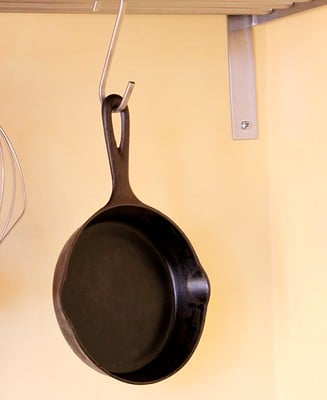
Though technically not electrical appliances, cast iron skillets manufactured in the 1970s by American foundries represent the pinnacle of cookware durability. Properly seasoned iron surfaces improved with use rather than degrading, creating cooking surfaces that enhanced rather than compromised food quality over time.
Pyrex Mixing Bowls
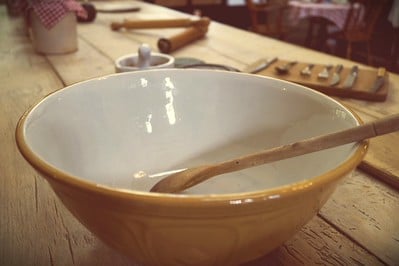
Colorful Pyrex mixing bowls and baking dishes from the 1970s remain kitchen staples in countless homes. Earlier Pyrex was manufactured with borosilicate glass formulas far tougher than modern versions, handling everyday cooking and occasional thermal shock without cracking.
These bowls proved so durable that many people inherited them from parents and grandparents.
Frigidaire Dishwasher
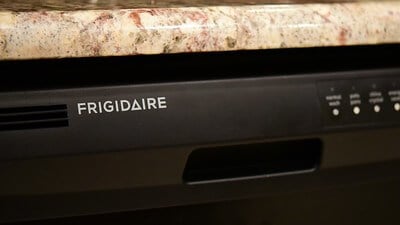
Frigidaire dishwashers from the 1970s featured heavy-duty steel construction and mechanical components that still wash dishes quietly and effectively after decades. The original simplicity and quality of materials allowed them to endure without needing replacement circuit boards or digital interfaces.
Many vintage kitchen enthusiasts specifically seek out original 1970s Frigidaire models.
Toast-R-Oven by Black & Decker
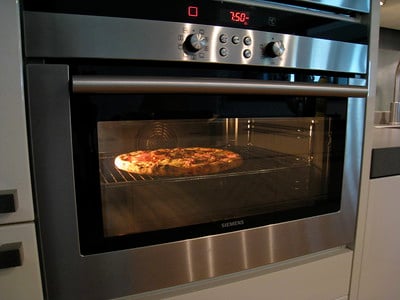
The compact Toast-R-Oven represented a genuinely novel appliance concept with rugged construction and reliable heating elements that haven’t been improved upon significantly. Many of these continue warming food and toasting bread exactly as they did fifty years ago, testament to Black & Decker’s durability standards during this era.
Whirlpool Dryer
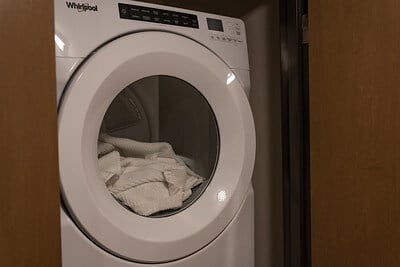
Whirlpool dryers from the 1970s remain renowned for reliability and longevity through metal body construction and mechanical components that operate without electronic sensors. These dryers continue operating in homes with only minor maintenance, far outlasting modern machines with multiple failure points in thermostats and timers.
KitchenAid Stand Mixer
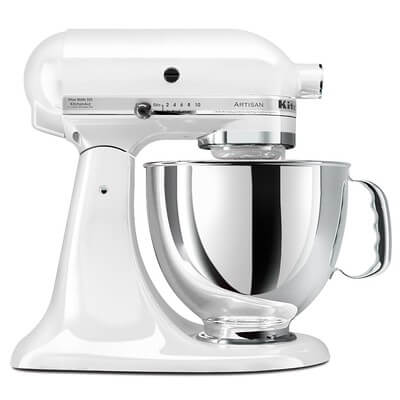
Models produced from the 1950s through 1980s featured all-metal construction with powerful motors that handled heavy bread dough without thermal overload. The distinctive tilt-head design became iconic through decades of reliable operation, often passed down through generations of bakers who consider vintage models superior to contemporary versions.
Oster Blender
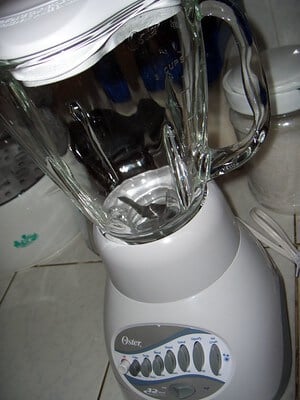
Oster blenders from the 1970s earned legendary status for lasting longer than nearly any modern equivalent. Heavy-duty motor construction and simple on-off switches made these machines nearly indestructible, with many still operating decades later at restaurants and homes that refuse to replace them.
Sunbeam Can Opener (Counter Mount)
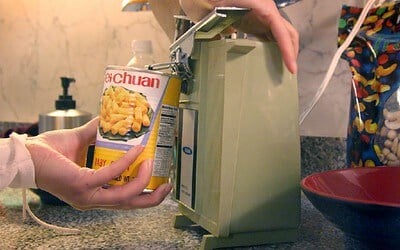
The counter-mounted electric can opener from this era featured tough construction that made replacement unnecessary once installed. Unlike modern under-cabinet models, vintage Sunbeam units were designed as permanent kitchen fixtures, reflecting consumer confidence in their permanence.
Presto Deep Fryer
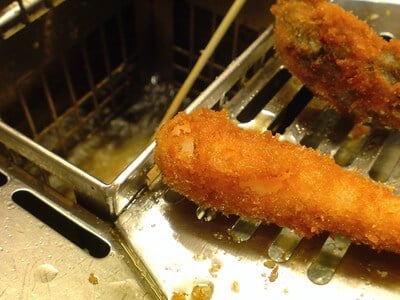
Vintage Presto deep fryers constructed from heavy-duty materials still heat oil reliably and safely with mechanical temperature controls unaffected by aging. These appliances require minimal maintenance and contain no electronic components that could fail.
GE Refrigerator
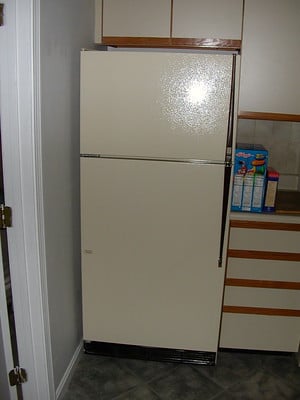
General Electric refrigerators from the 1970s operated with simple cooling systems and mechanical controls that many consumers still trust more than modern computerized models. The heavy construction and straightforward thermostat mechanisms meant major repairs were genuinely rare across decades of operation.
Stovetop Pressure Cooker
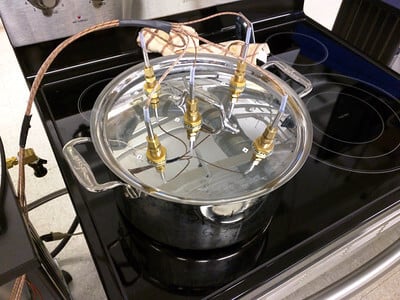
Old-fashioned all-metal pressure cookers with weight-based regulators and simple gasket systems remain remarkably durable and simple to maintain. These tools tenderize beans and tough cuts efficiently without fragile electronics, with replacement seals available inexpensively through any kitchen supply source.
Toastmaster Toaster
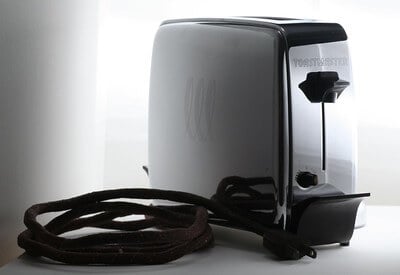
1970s toasters featured basic spring mechanisms and simple heating elements that still produce consistent toast without digital displays or electronic timers. The straightforward design meant mechanical failure was virtually impossible beyond coil burnout, which rarely occurred.
Microwave by Amana
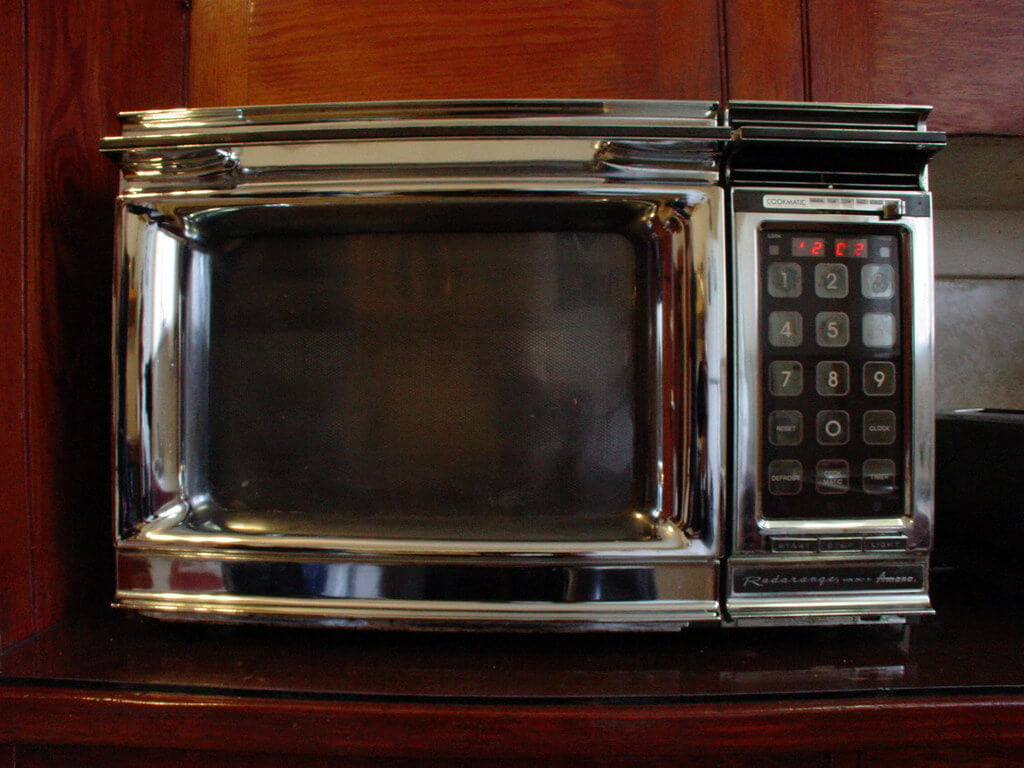
Early microwave models by Amana pioneered reliability through robust mechanical controls and durable magnetron tubes. Despite their age, many original 1970s Amana microwaves still function perfectly, though their interior capacity seems impossibly small compared to modern machines.
Corning Cookware
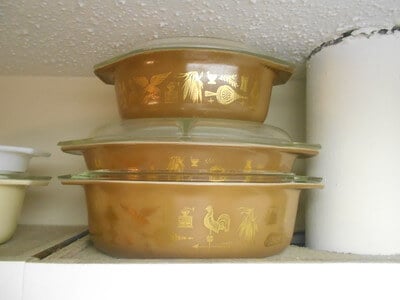
Corning cookware combined attractive glass-ceramic construction with durability that survived decades of stovetop cooking and oven use. These pots and pans heated evenly and maintained their non-reactive properties across fifty years of regular use without degradation.
Sunbeam Warming Tray
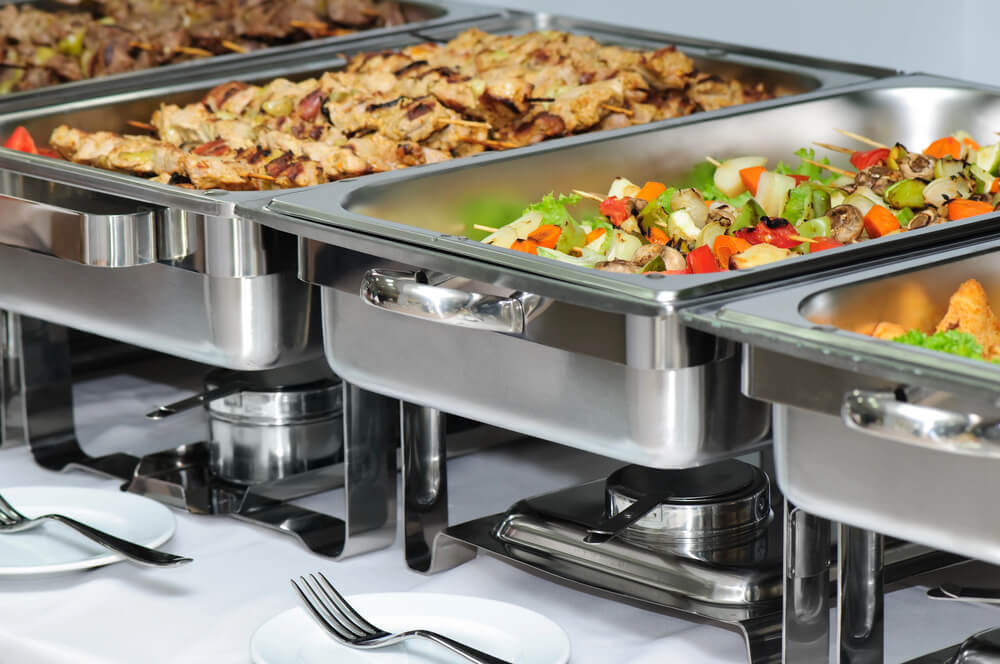
Designed to keep food warm during extended meals, warming trays from this era featured simple heating elements and sturdy metal construction that still function without electronic temperature sensors. The mechanical simplicity meant consistent performance across decades.
Waring Commercial Blender
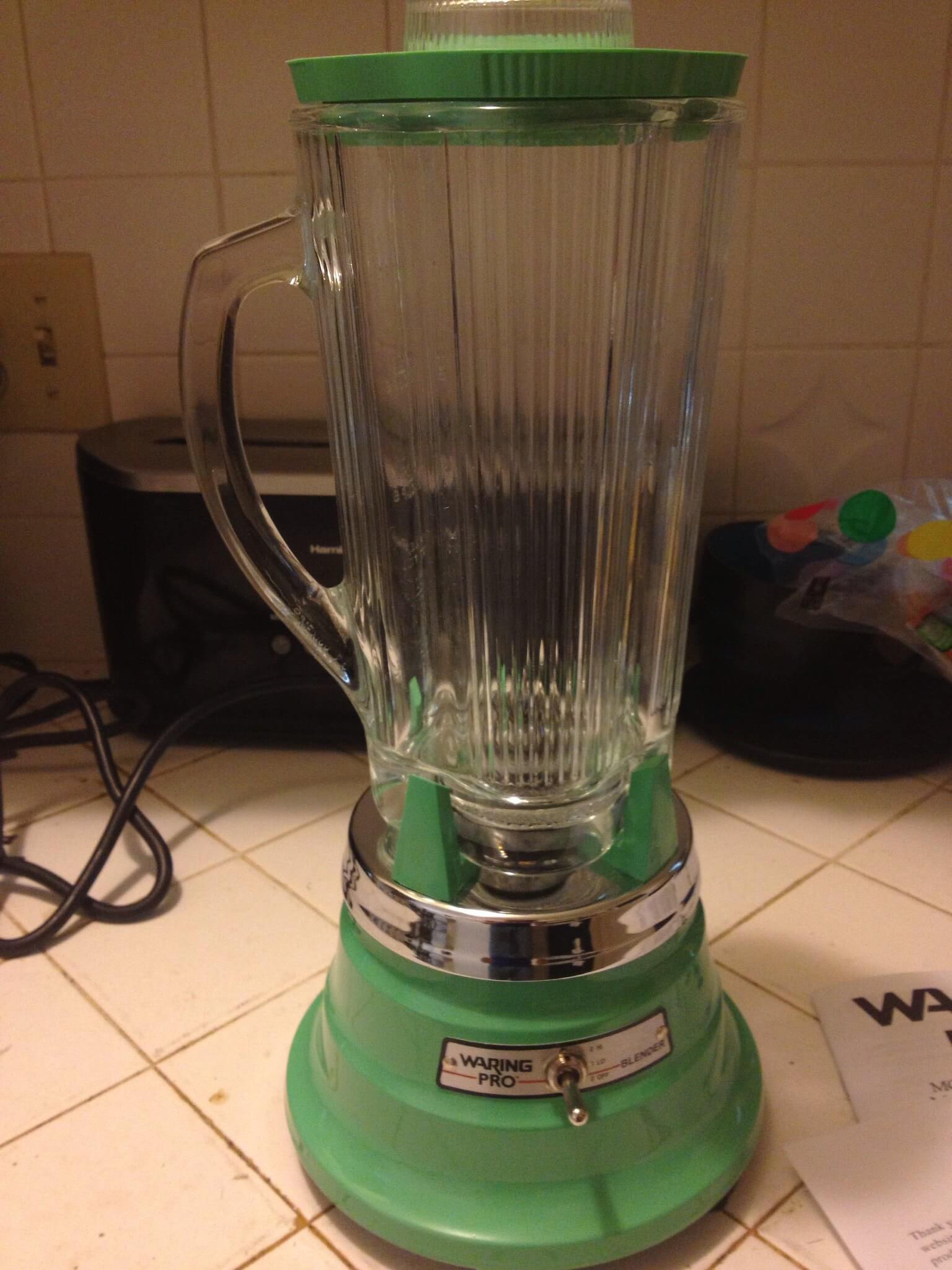
Professional-grade blenders used in restaurants became personal kitchen equipment when people recognized their durability compared to consumer models. These machines were built for institutional use and simply refused to fail, making them sought-after acquisitions.
Tupperware Food Storage
While not a traditional appliance, Tupperware containers from the 1970s represented advanced food storage technology that still protects leftovers as effectively as any modern alternative. The original formulations were significantly more durable than contemporary versions.
Lodge Cast Iron Cookware
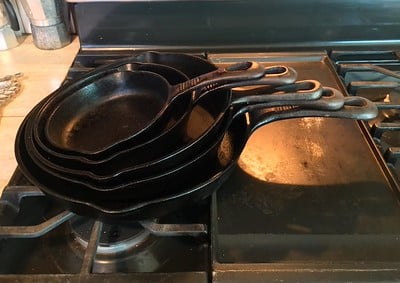
Lodge cast iron pots and pans manufactured during the 1970s represent consistent quality control across decades. These pieces required only occasional re-seasoning to maintain their superior non-stick properties compared to modern chemical coatings.
Presto Popcorn Popper
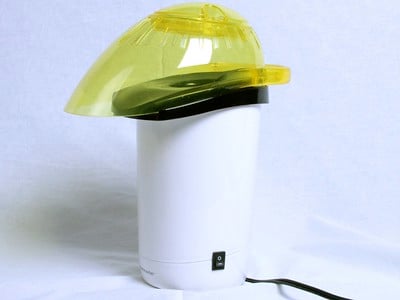
Vintage Presto popcorn machines heated kernels with simple electric heating elements and mechanical stirring mechanisms that still produce consistent popcorn without burning. The stainless steel construction resisted corrosion across fifty years of use.
Westinghouse Electric Mixer
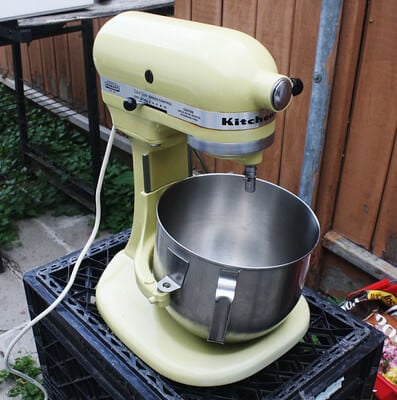
Westinghouse stand mixers from the 1970s featured all-metal construction and reliable motors that consumers still trust for serious baking. The simplified control mechanisms meant performance remained consistent across decades without component degradation.
Rival Crock-Pot (Original Model)
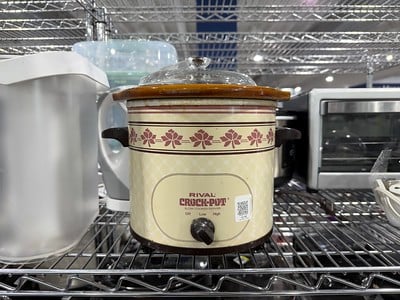
Original Rival Crock-Pot models from the 1970s operated with ceramic cooking vessels and mechanical controls that still produce consistent low-temperature cooking. The straightforward design meant thermal performance improved rather than degraded with age.
Sunbeam Automatic Skillet
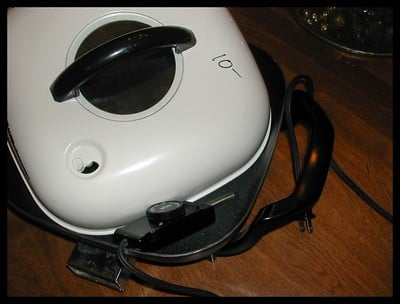
Electric skillets from this era featured robust heating elements and mechanical temperature controls that still provide consistent cooking surfaces without electronic regulation failures. Many are now preferred over modern models because thermal performance is more predictable.
Corelle Dishes
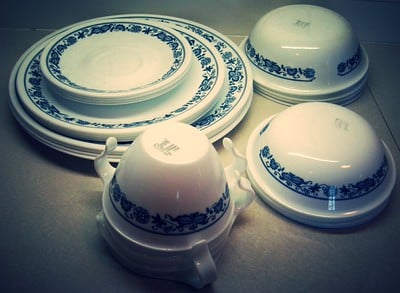
Though technically dishware rather than appliances, Corelle dishes from the 1970s represented revolutionary durability through vitrified glass-ceramic composition. These dishes survived decades of dishwasher cycles and remained chip-resistant despite regular use.
Sears Kenmore Washer
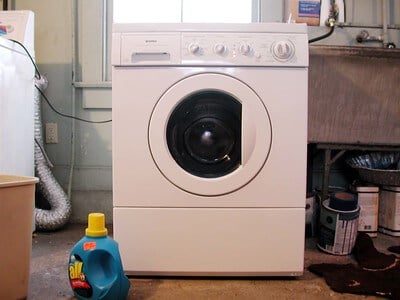
Certain Kenmore washing machine models from the 1970s operated with mechanical systems that allowed repair by virtually anyone with basic mechanical knowledge. Heavy metal construction meant bearing replacement was the only common maintenance across fifty years of laundry cycles.
Automatic Percolator by Presto
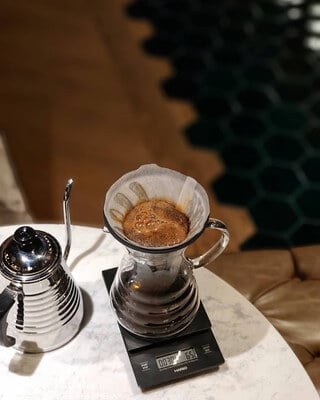
Percolators from the 1970s produced consistently excellent coffee through simple mechanical operation and durable heating elements. The brew strength and temperature remained predictable across decades, making them preferred by serious coffee drinkers over modern automatic machines.
The Universal Truth of 1970s Durability
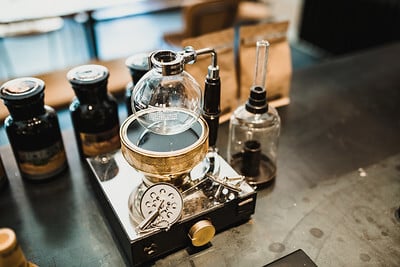
These appliances share fundamental design philosophy: straightforward mechanical operation, durable materials, repairable components, and no planned obsolescence. A broken 1970s appliance could be fixed using basic tools and replacement parts that didn’t require proprietary components.
Most importantly, manufacturers clearly expected these appliances to function for decades, building accordingly. Modern appliances are fundamentally engineered differently, with failure points deliberately designed into lifespan expectations and planned replacement cycles.
The contrast between 1970s durability and contemporary disposability reveals how thoroughly consumer culture transformed manufacturing philosophy. These surviving 1970s appliances prove that durability was absolutely achievable; manufacturers simply stopped believing consumers deserved it.
More from Go2Tutors!

- The Romanov Crown Jewels and Their Tragic Fate
- 13 Historical Mysteries That Science Still Can’t Solve
- Famous Hoaxes That Fooled the World for Years
- 15 Child Stars with Tragic Adult Lives
- 16 Famous Jewelry Pieces in History
Like Go2Tutors’s content? Follow us on MSN.