24 Things Kids Collected and Traded at School
Before smartphones filled recess, the playground operated like a stock exchange. Kids tracked down rare items, negotiated complex trades, and arranged collections with the intensity of seasoned collectors.
A single scratch-and-sniff sticker could shift social status by lunchtime. What made these collections matter was their tangibility.
You couldn’t screenshot a scratch-and-sniff sticker or screenshot a Pog; you held it, traded it, lost it, and felt the consequences. The playground economy ran on items that were cheap but not worthless, abundant but with clear hierarchies of rarity.
Scratch-and-Sniff Stickers
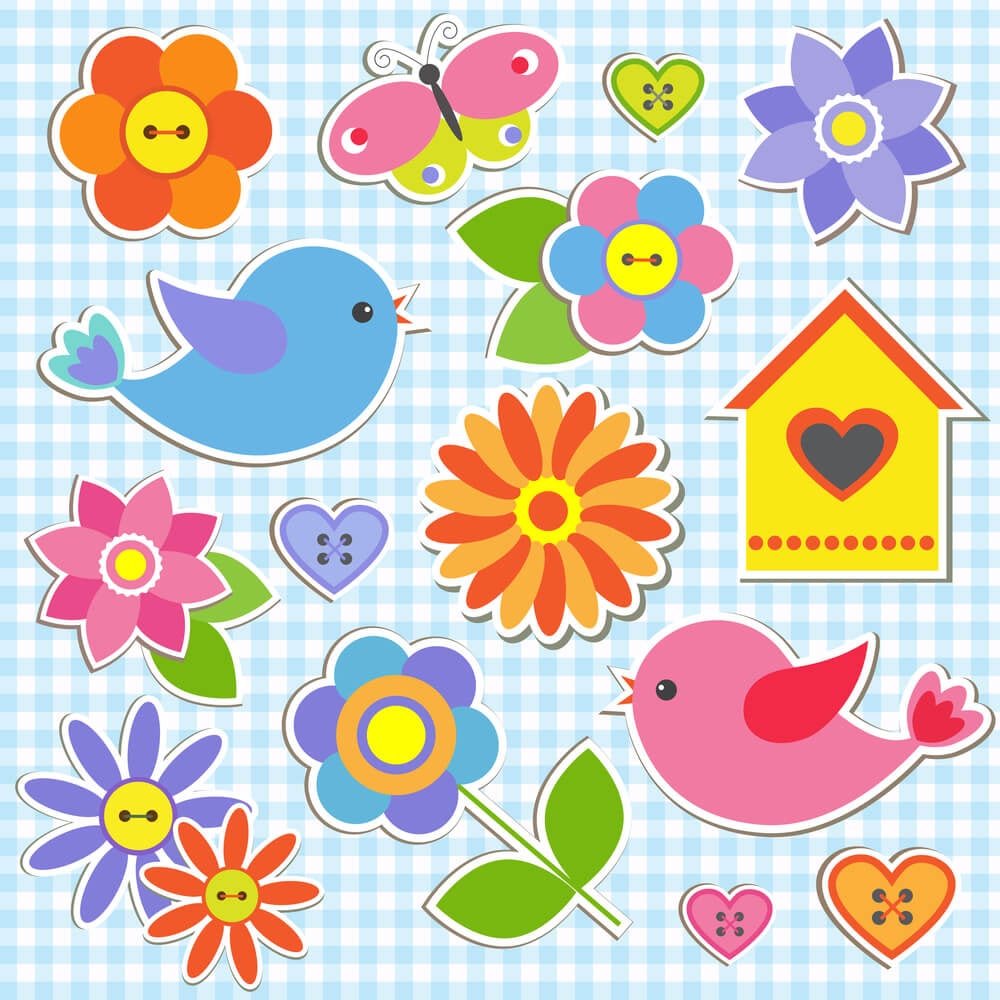
Scent accuracy was everything. Kids dismissed pizza-flavored stickers as fraudulent and debated whether grape actually existed, while reliable options like cherry and watermelon commanded respect.
Sticker albums organized collections by theme or color, and duplicate stickers became the primary currency for recess negotiations.
Garbage Pail Kids Cards
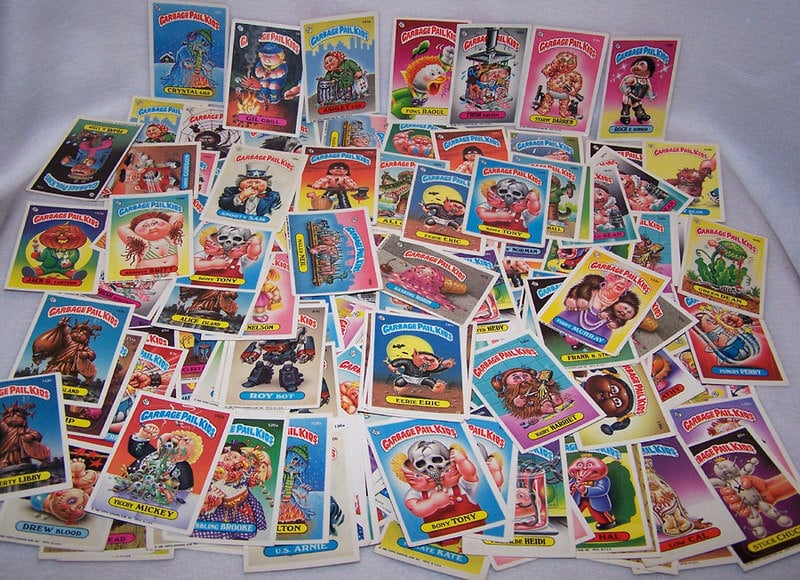
Beginning in 1985, Garbage Pail Kids cards shocked parents and thrilled children with cartoon characters featuring names designed to offend. The cards spread so rapidly that 500 boxes sold daily during peak demand, and retailers imposed purchase limits to prevent instant sellouts.
Schools banned them, but the underground trading networks simply moved to less visible corners of the playground.
Pogs
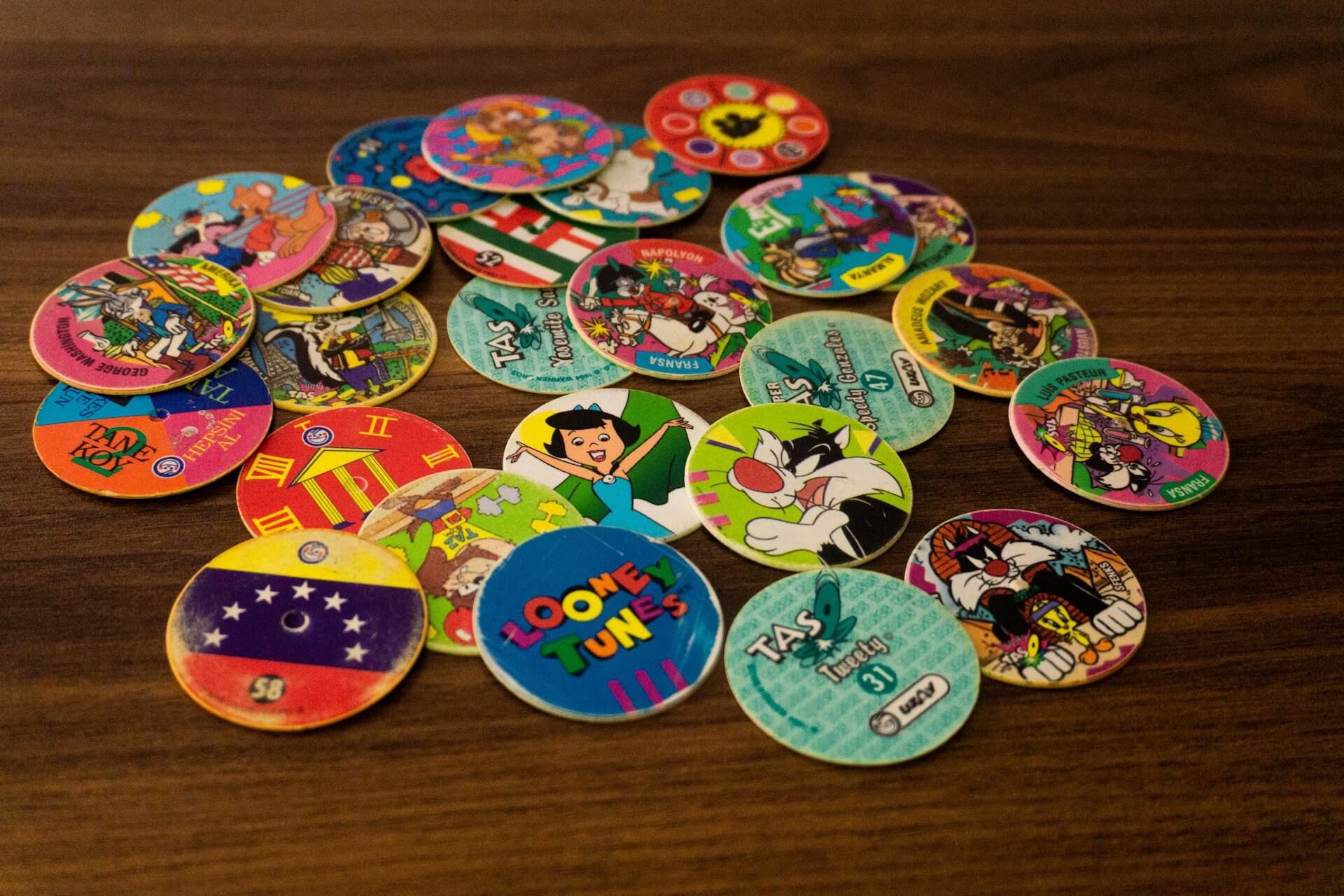
These cardboard discs were stacked like chips and played with slammers, creating an entire economy based on rarity and holographic finishes. Metal slammers became status symbols, and the holographic designs were considered legendary among serious players.
Schools eventually outlawed them as gambling tools, but the forbidden nature only intensified the underground trading that followed.
Pokémon Trading Cards
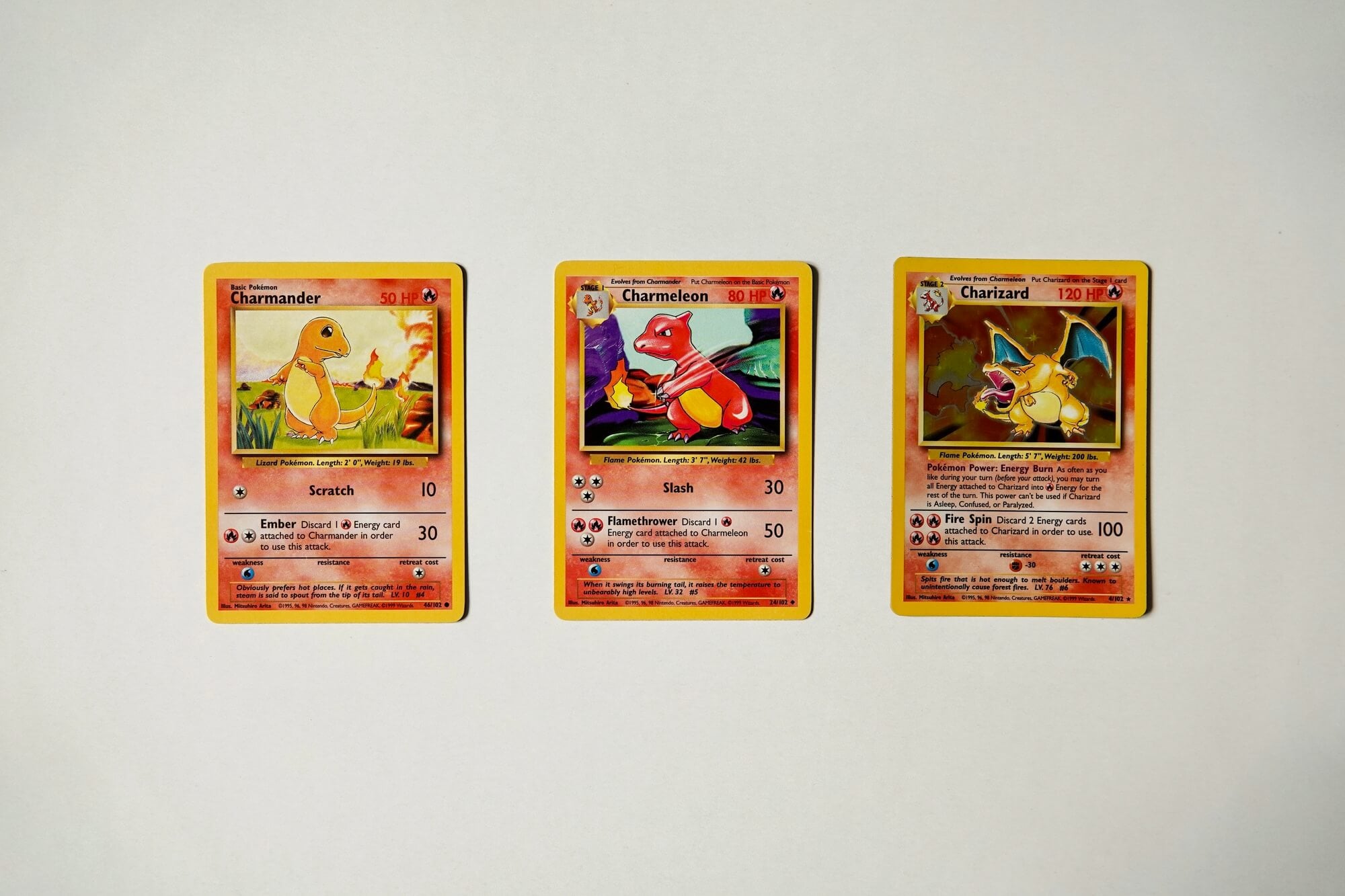
The late 1990s card boom fundamentally changed playground trading. Kids ripped open booster packs hoping to find holographic Charizard or Blastoise, cards that commanded real negotiating power.
A first-edition holographic Charizard, casually traded at recess for other cards, now sells for hundreds of thousands of dollars in pristine condition.
Scented Erasers
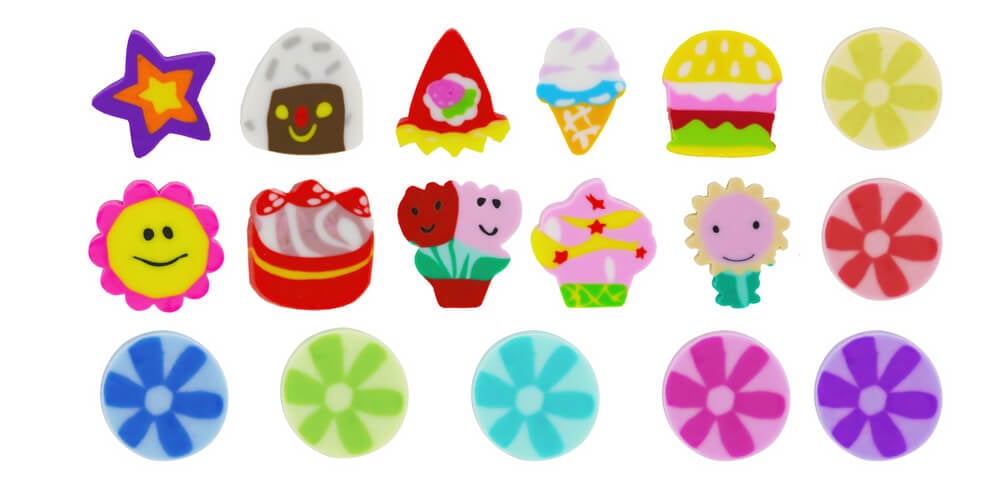
These fruit-shaped and dessert-shaped erasers were never meant for actual erasing. Kids arranged them by scent profile inside plastic pencil boxes, developing strong preferences for buttered popcorn over watermelon or green apple.
The geometric shapes were too delicate for actual use; their entire value lay in their smell and rarity.
Slap Bracelets
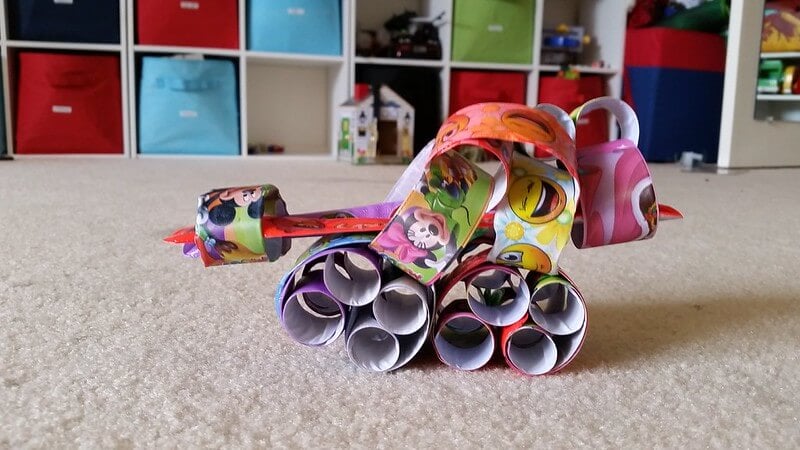
These metal-band bracelets coiled around your wrist with a satisfying slap, and every color and pattern variation became collectible. Holographic designs and character-branded versions were most coveted, while the plain metallic options served as foundation pieces for any serious collection.
Teachers eventually banned them after metal edges caused minor injuries, but the restriction only fueled demand.
Lisa Frank Merchandise
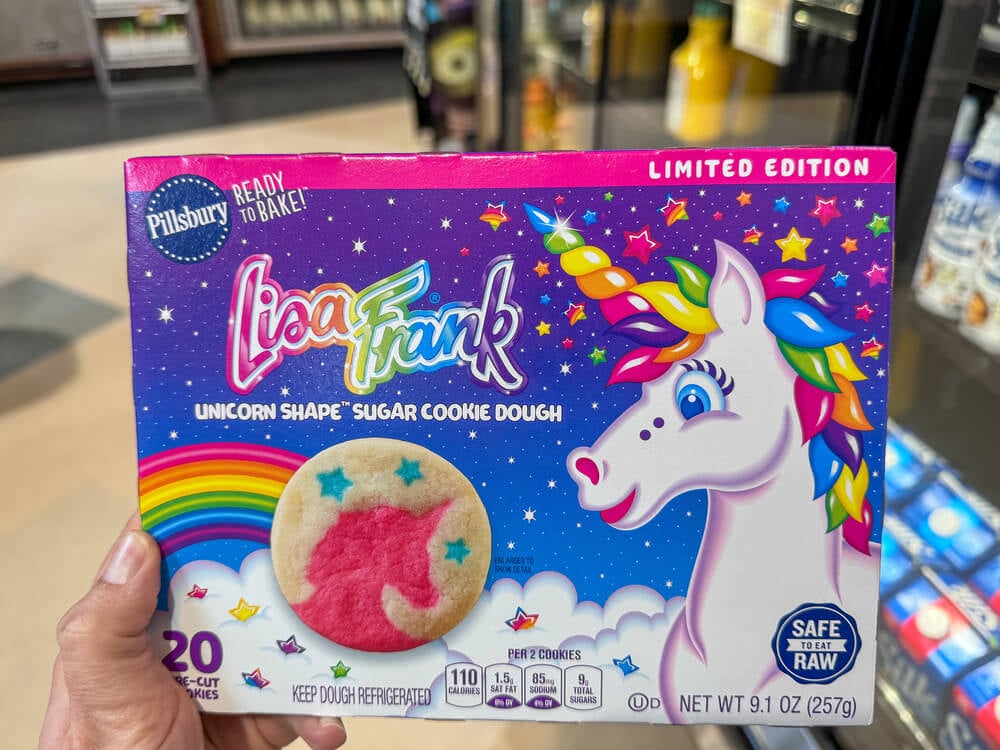
Featuring neon rainbows, psychedelic tie-dye patterns, and wide-eyed cartoon animals, Lisa Frank gear dominated middle school culture throughout the 1990s. Kids collected colored pencils, stickers, folders, and notebook covers in matching sets, treating the entire collection as a unified aesthetic statement.
The bright, chaotic designs somehow unified collectors across grade levels.
Smurfs Figurines
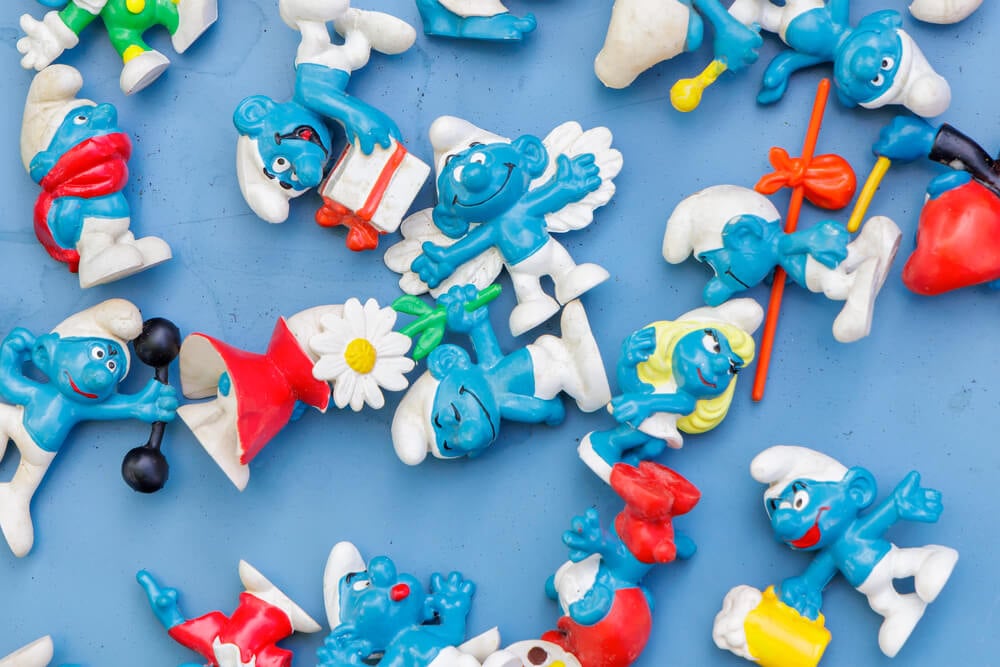
These small blue figures represented an obsession that extended far beyond their size. Kids could name dozens of Smurf characters and knew exactly which poses were missing from their collections, arranging them meticulously by height or character type.
A rare Gargamel figure was especially prized, while losing one prompted genuine playground distress.
Care Bears
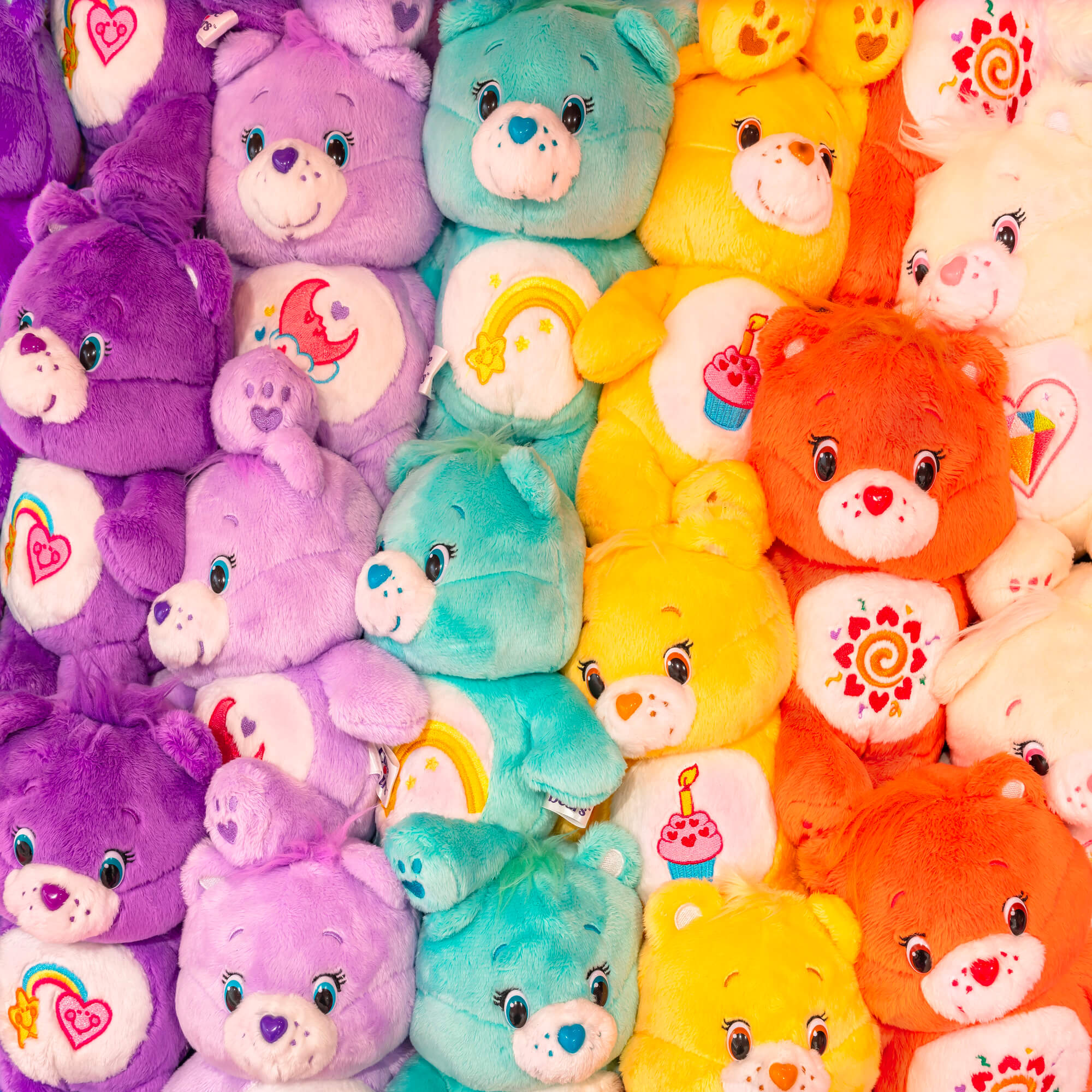
Unlike most playground collectibles, Care Bear trading was emotionally charged. Kids assigned roles and relationships to individual bears, making them impossible to part with through casual trades.
Losing a specific bear from your collection could disrupt entire play sessions, as the loss felt personal rather than purely material.
Troll Dolls
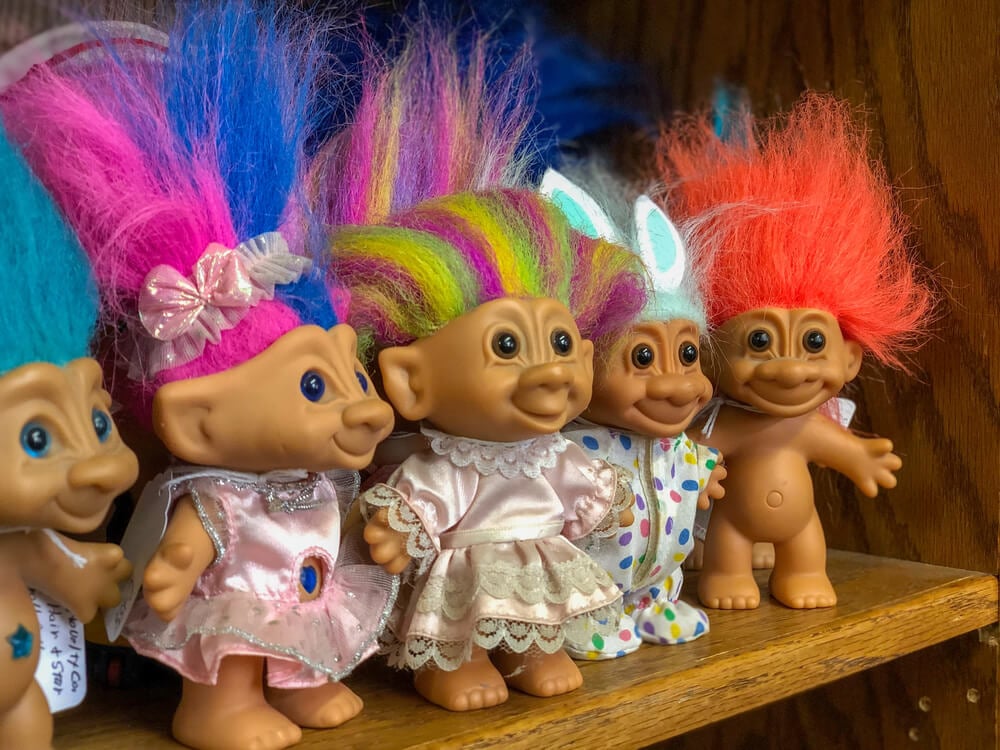
With their distinctive wild hair and tiny bodies, Troll dolls were collected by the thousands, particularly among girls. Every hair color and outfit variation mattered, and kids recognized which dolls were rare finds versus common versions.
The dolls occupied pencil cases and backpack corners, accumulating through trades and birthday gifts.
Comic Book Trading Cards
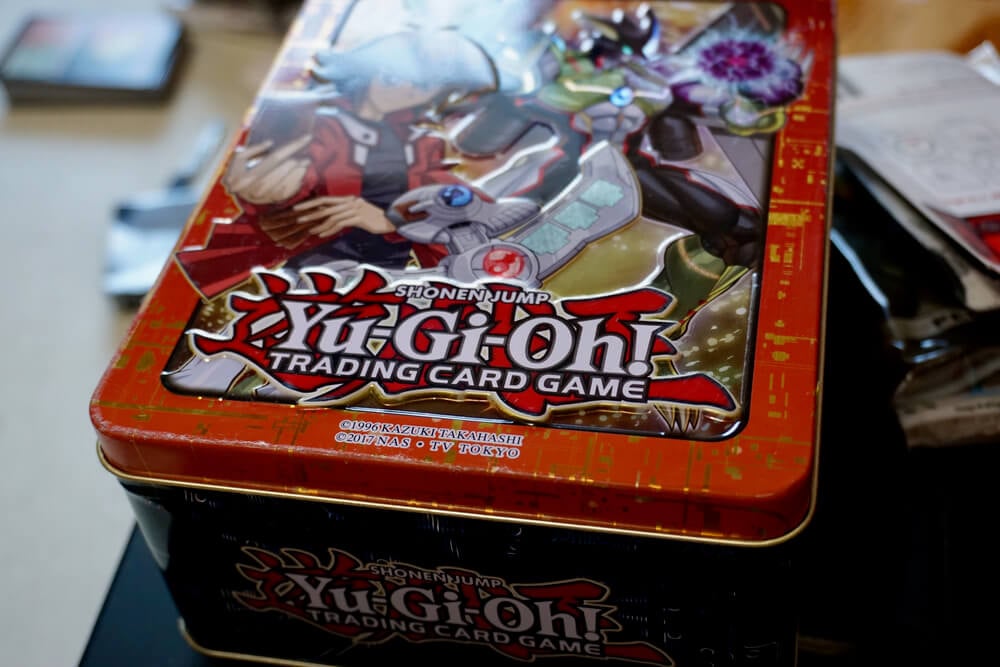
Marvel, DC, and Image Comics capitalized on the 1990s trading card explosion by producing extensive sets with statistical data and chase variants. Chromium-embossed sheets, hologram inserts, and gold foil stamps elevated card collecting beyond simple trading, pushing kids to purchase entire booster boxes.
The premium variants justified keeping unopened packs sealed in hopes of future value.
My Little Pony Figures
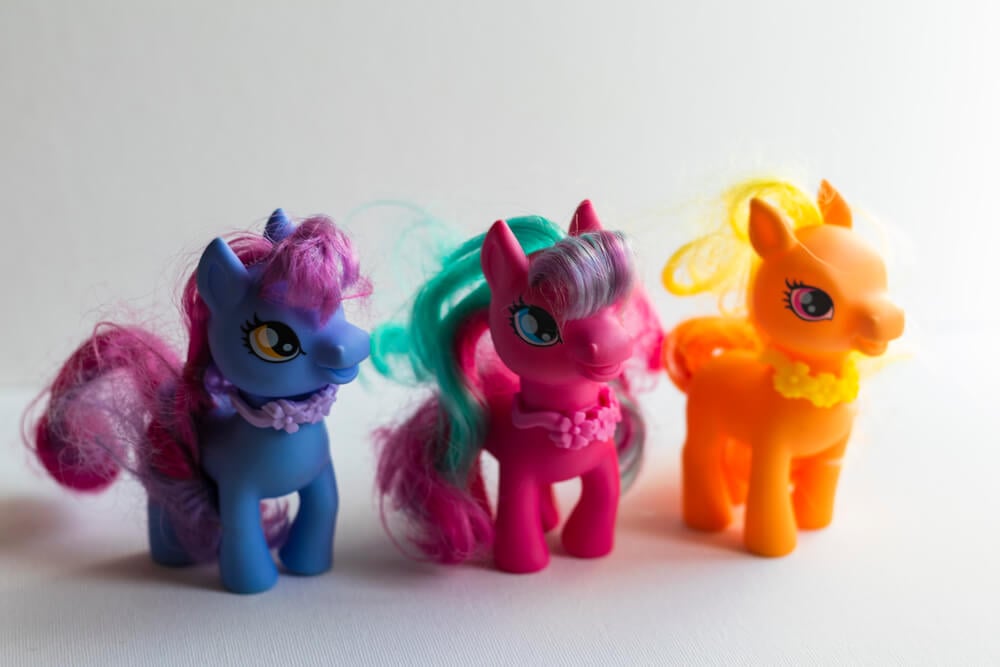
Trading ponies involved careful negotiation because kids genuinely believed their collections were already perfect. Each pony’s unique mane color and outfit made them feel like individual characters rather than interchangeable toys.
The small figures fit in pockets and were constantly available for playground showcasing.
Friendship Bracelets
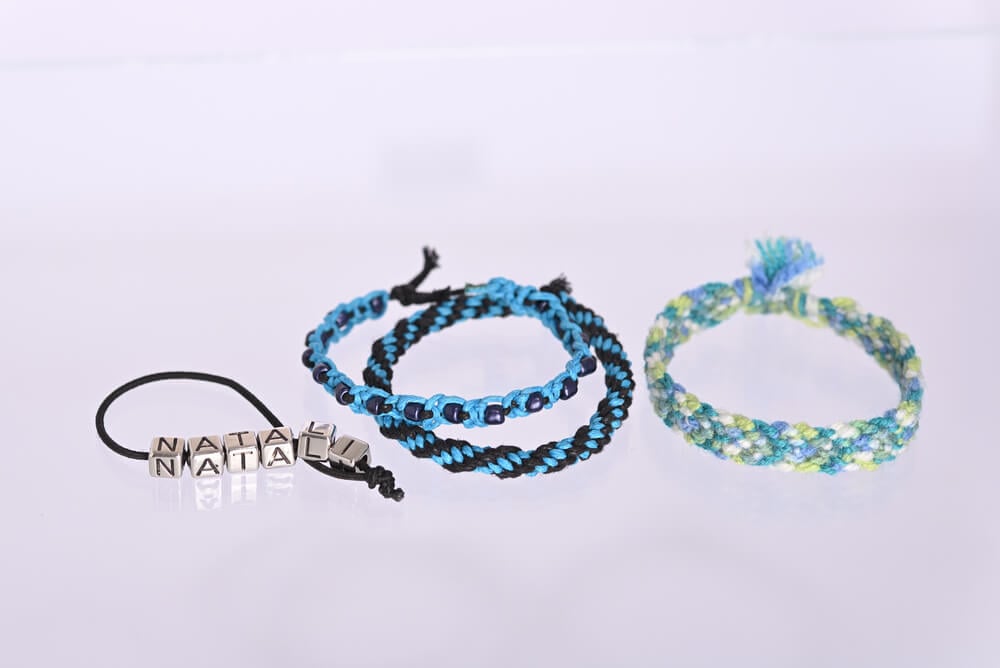
Hand-woven with embroidery floss in intricate patterns, friendship bracelets were homemade and thus impossible to mass-produce. Each bracelet became a token of genuine friendship, and the time investment in making them added emotional weight to trades.
Worn around wrists or tied to backpacks, they displayed your social connections visually.
Yo-Yos with Designer Patterns
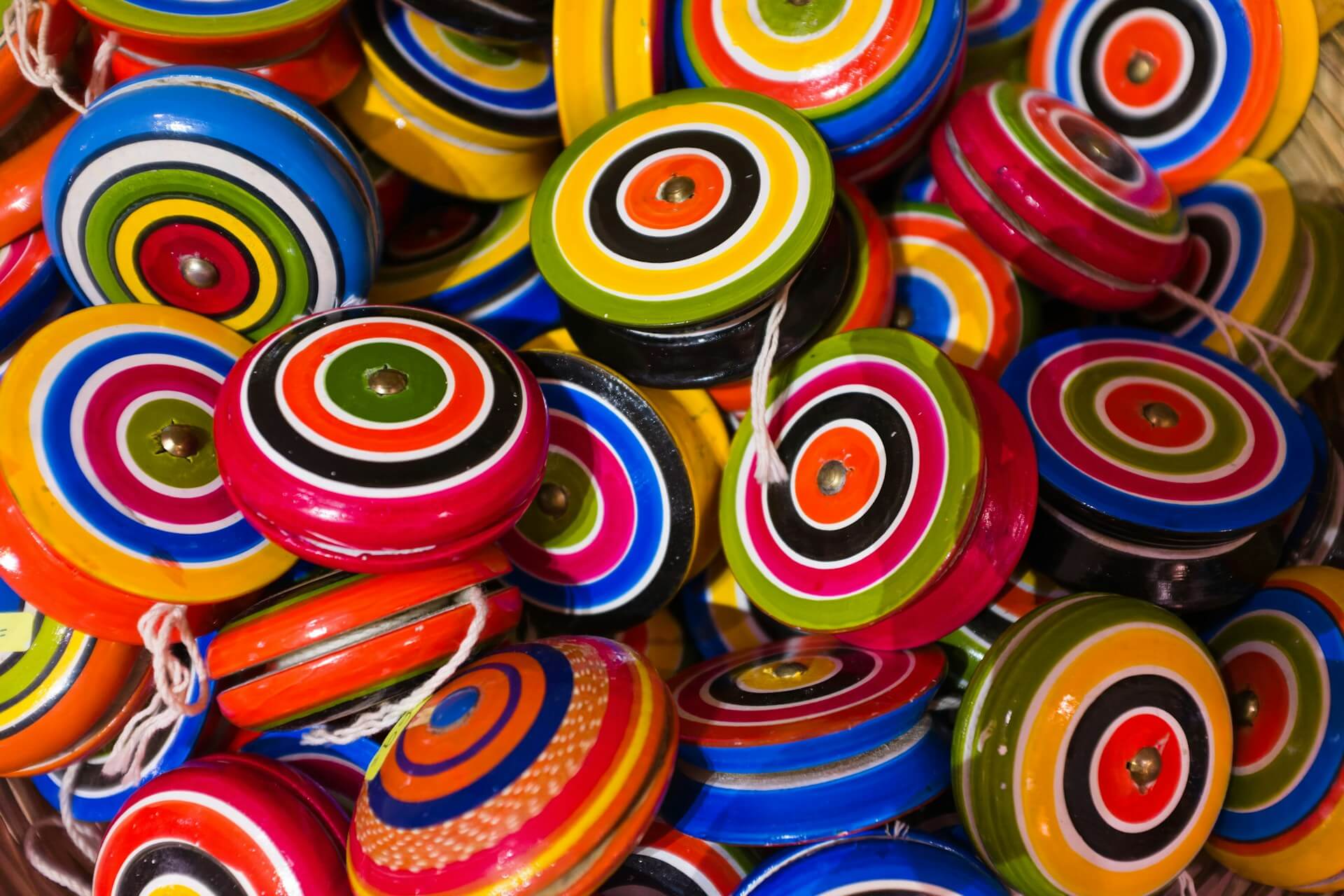
Beyond the basic red plastic yo-yos, designer versions with holographic finishes and character branding became collectible items that sat in drawers unworn. Duncan and other brands released limited editions that kids pursued not for actual play but for shelf display.
Tricks became secondary to possession.
Beanie Babies
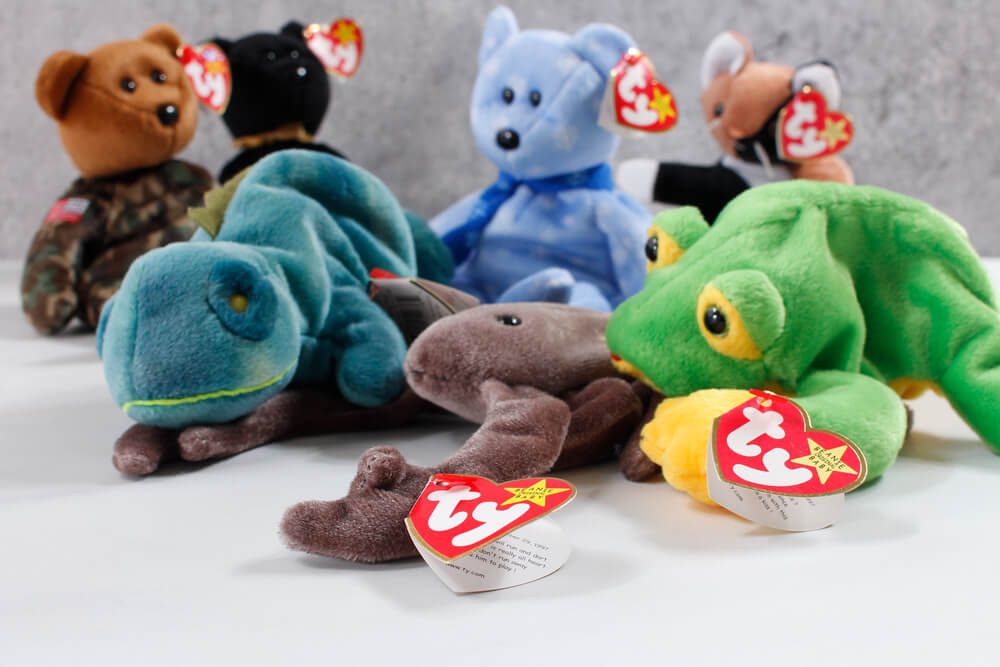
Though technically toys, Beanie Babies transformed into pure collectibles during the late 1990s. Kids researched tag generations, tracked production dates, and understood which bears (especially Princess) held genuine rarity value.
Parents began paying attention to these collections, treating them as investments rather than toys.
Baseball Cards
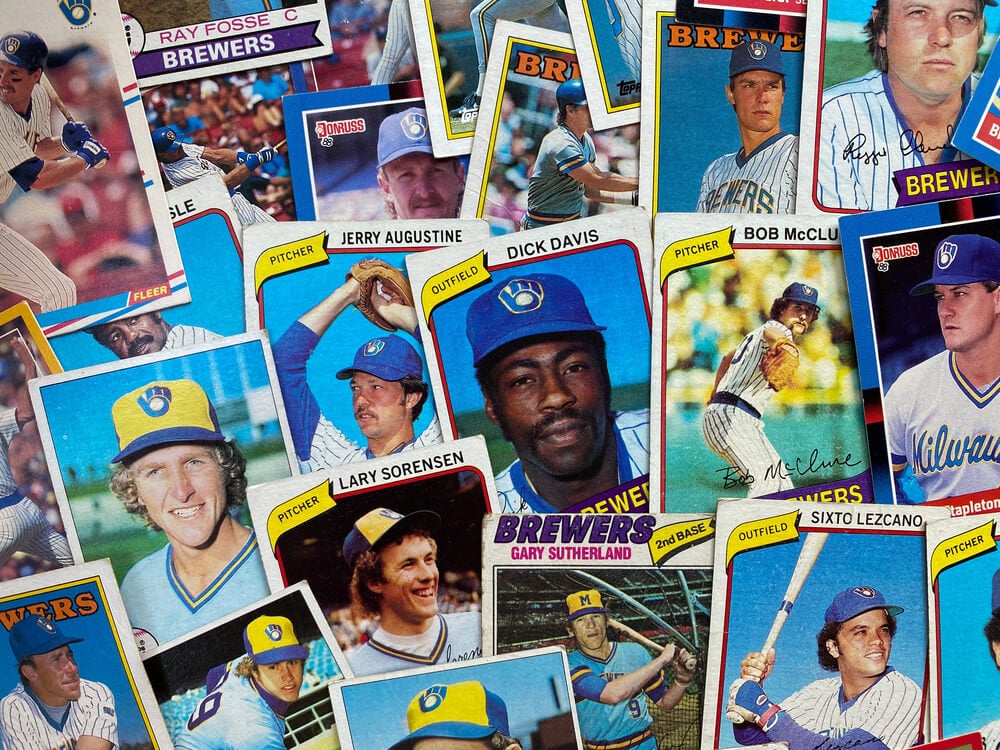
Despite the “junk wax” era of the 1980s and early 1990s, kids still collected them obsessively. They memorized statistics, tracked rookies across multiple card variations, and stuffed them into binders and shoeboxes.
Finding a legitimate rookie card or rare variant justified hours of trading and pocket money spent on booster packs.
Ziplock Bags of Erasers
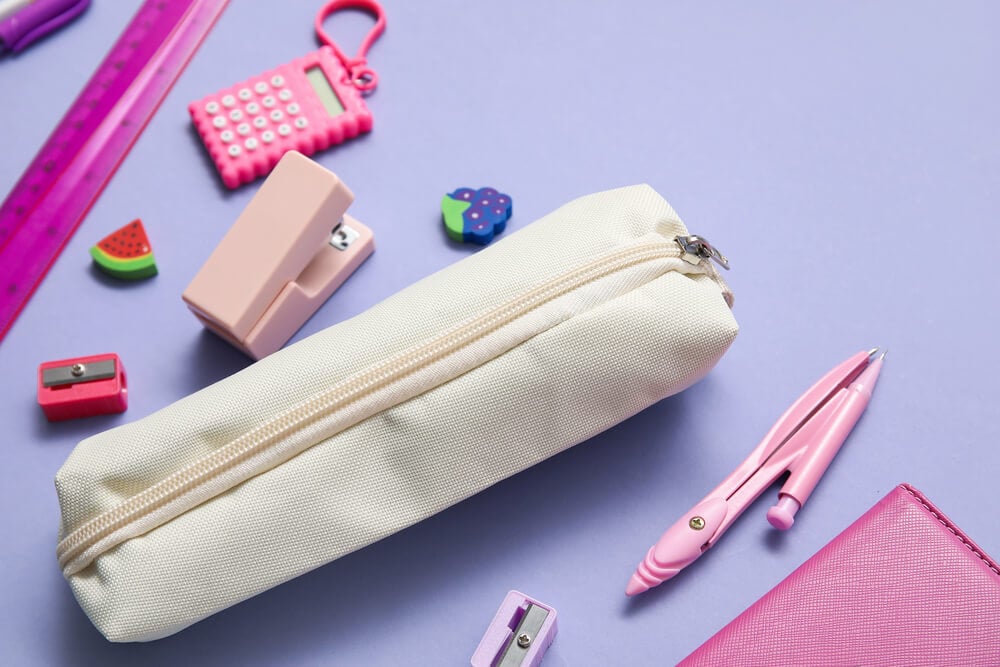
When loose erasers became too chaotic to manage, kids filled plastic bags with their collections, creating portable portfolios for playground trading. The bags themselves became organizational statements, with kids grouping erasers by scent, shape, or color intensity.
Unzipping the bag at lunch became a display ritual.
Holographic Slap Bracelets
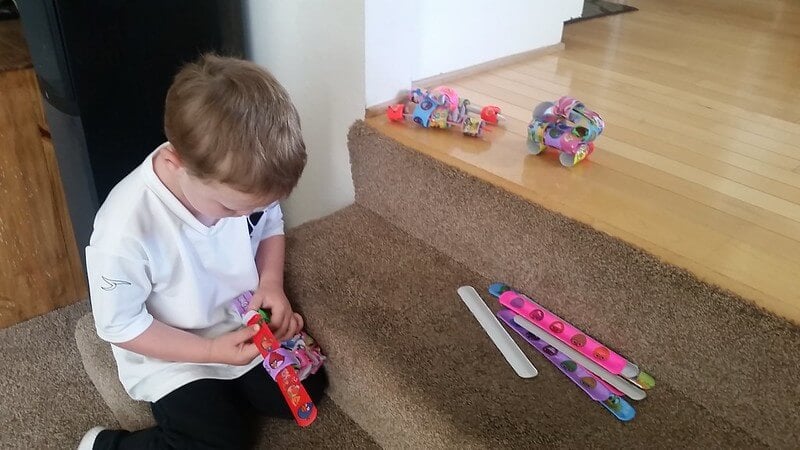
As a premium upgrade to standard slap bracelets, the holographic versions shimmered with rainbow effects that caught playground light. They commanded higher trade values and inspired more serious negotiations.
Unlike the common metallic versions, holographic bracelets disappeared into hidden desk compartments rather than being worn.
Monster Puppet Keychains
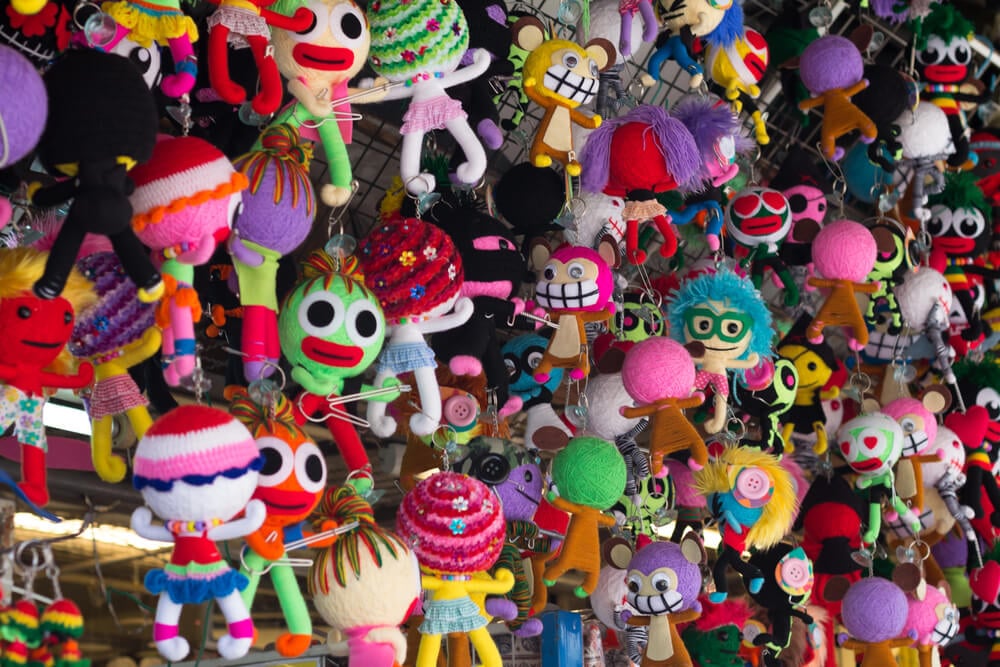
Small rubber monster puppets became inexplicably popular, traveling everywhere clipped to backpacks or backpack zippers. Kids collected different poses and colors, and while their practical function was minimal, their psychological appeal was massive.
They were weird enough to feel genuinely unique without being too expensive to replace if lost.
Push Pops
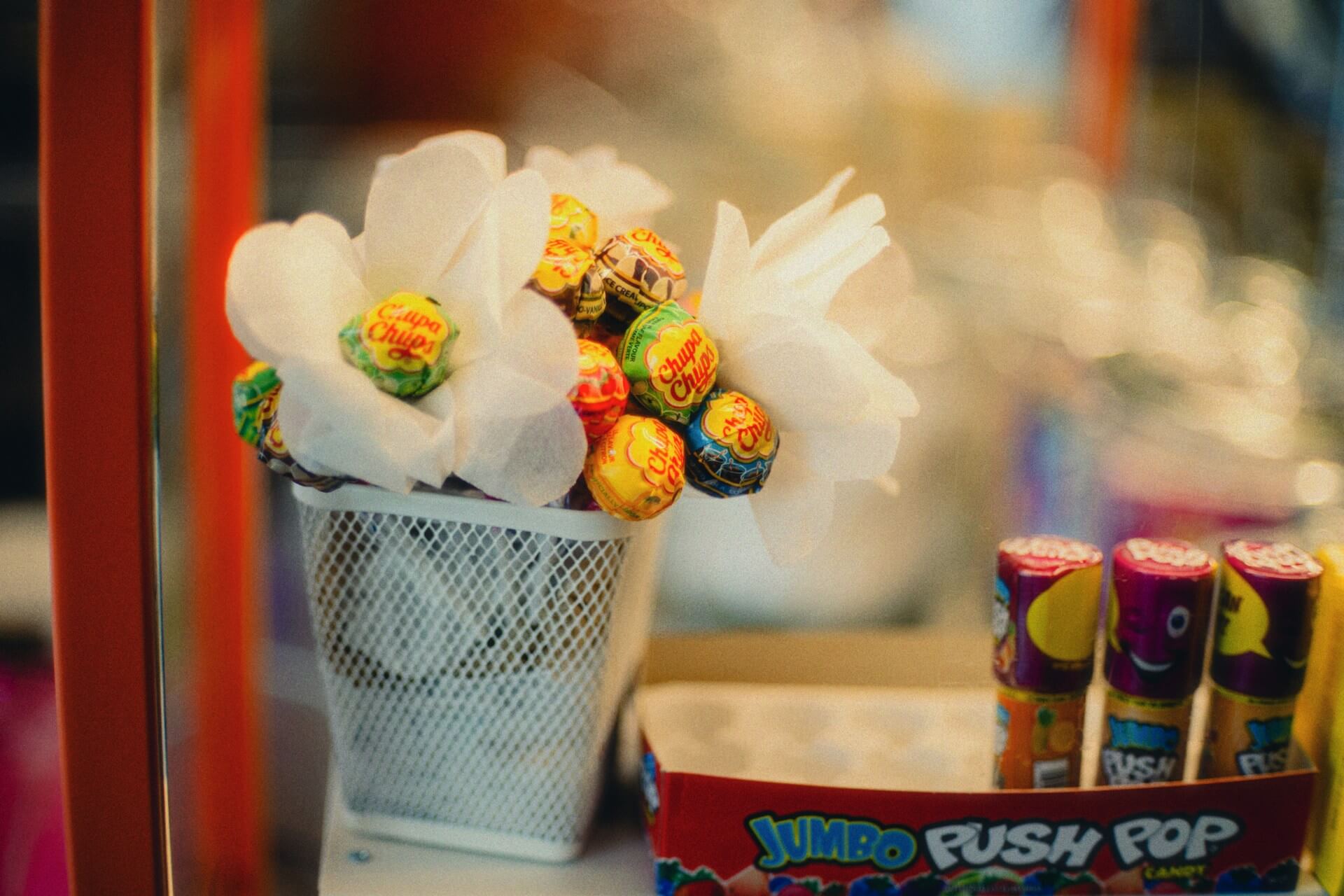
These lollipops that dispensed from the bottom via a pushable mechanism were as much about the container as the candy inside. Kids collected the plastic sleeves in different colors and patterns, keeping them even after the candy disappeared.
Some never opened their Push Pops at all, treating them as design objects rather than consumables.
Sticker Collections in Special Binders
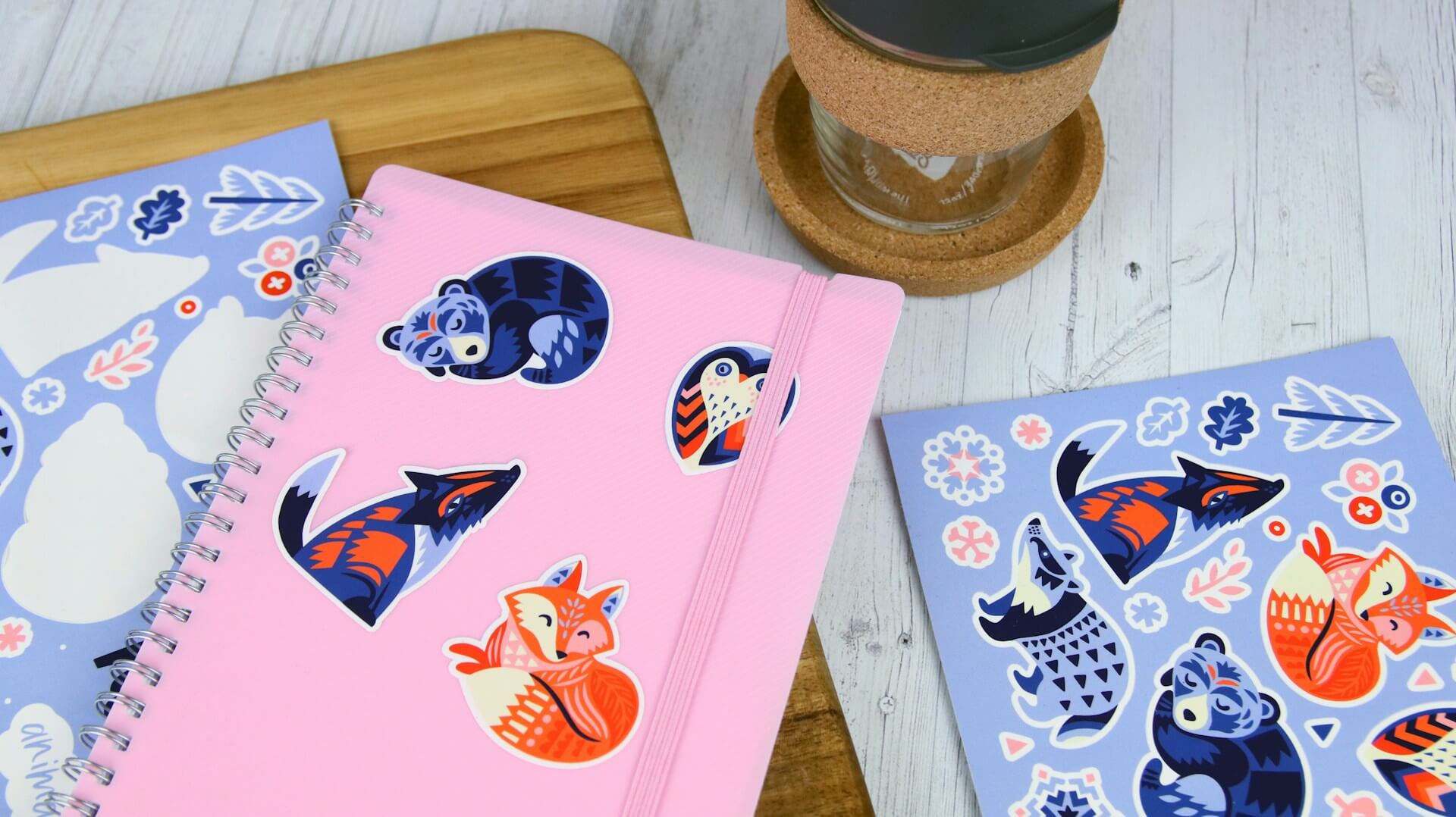
Beyond loose stickers, kids invested in dedicated binder collections with plastic sheet protectors. These binders organized stickers by theme or rarity, becoming serious display pieces that kids carried to school specifically for showing off.
The binders themselves signaled that you took your collection seriously.
Temporary Tattoos
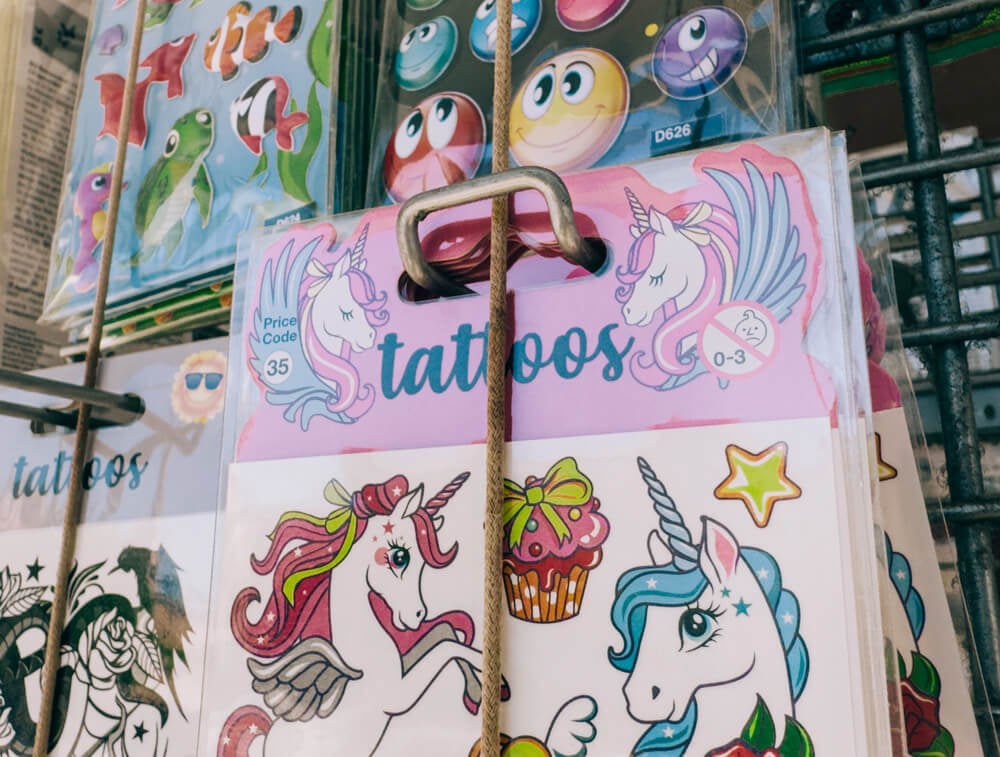
Sheets of temporary tattoos featuring cartoon characters and holographic designs were traded with the seriousness of rare cards. Kids applied them strategically to visible arm areas and compared designs at recess.
Holographic versions that shimmered with color shifts were most coveted.
Pencil Toppers with Collectible Heads
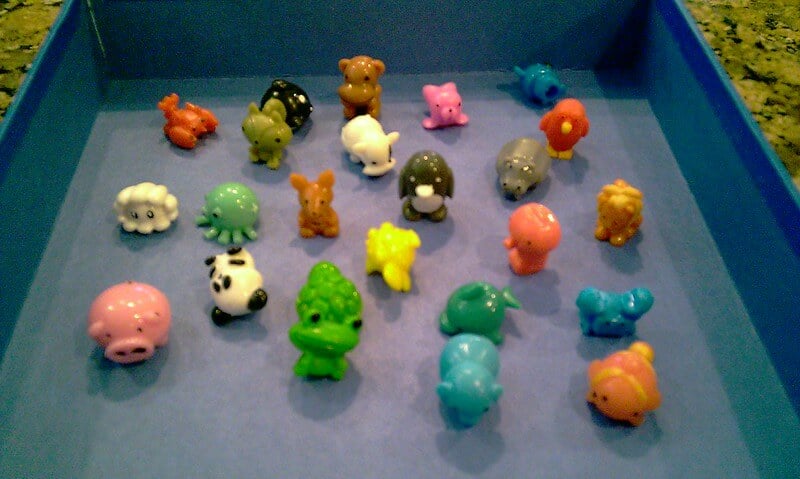
Erasable pencil toppers featuring miniature character heads transformed ordinary pencils into collectible objects. Kids traded specific character variations and displayed their pencil collections in desk holders rather than actually using them for writing.
Rare character heads and glittery finishes elevated their value.
Metallic Colored Pencils

Before standard wood pencils, metallic and holographic colored pencil sets arrived as collectible luxury items. Kids rarely sharpened them, instead preserving them in their original boxes or special pencil cases.
The metallic sheen and smooth colors became status symbols that non-collectors simply didn’t understand.
The Untraded Holy Grail
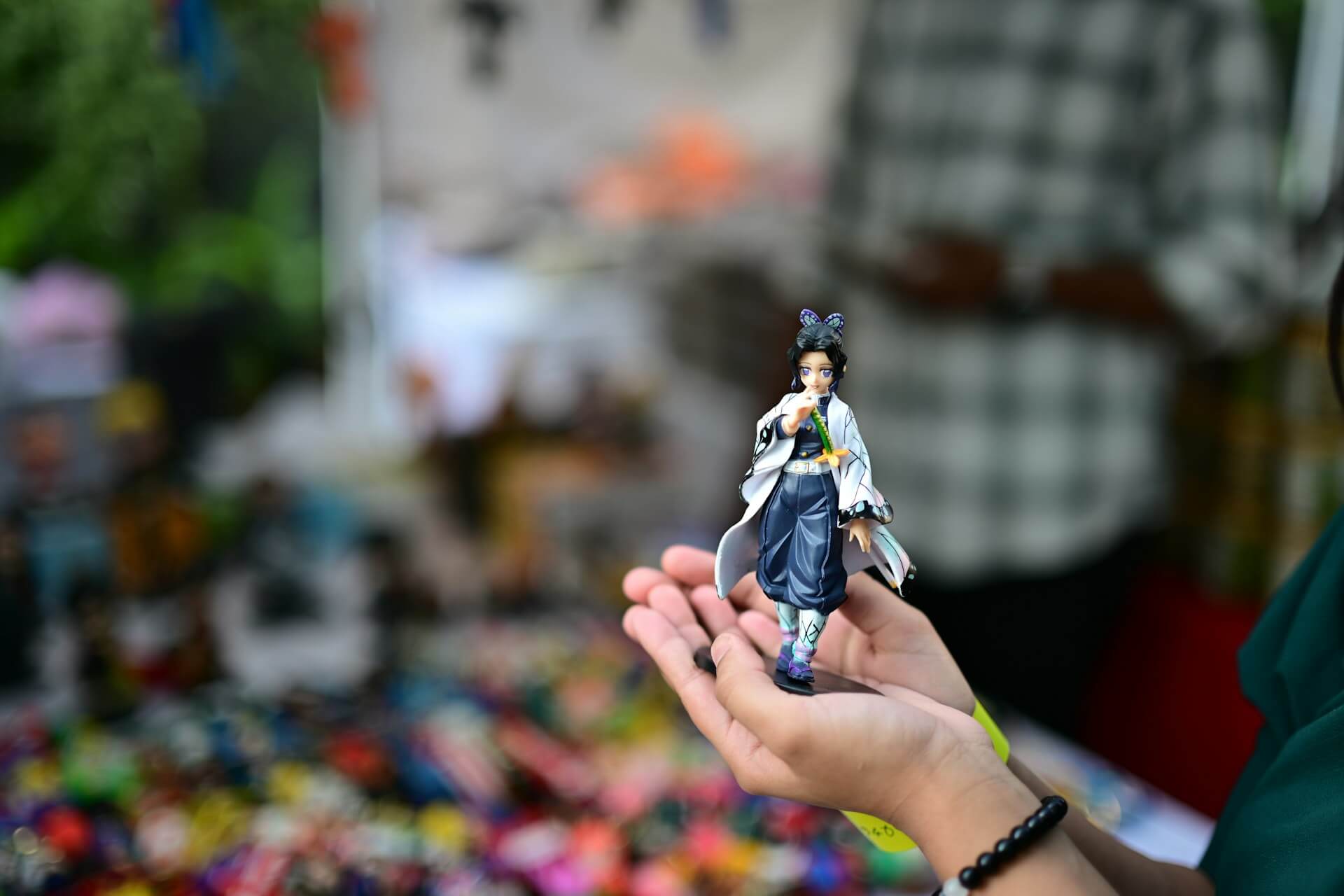
Every collection had that one item never offered in trade, the piece too rare or too personally significant to part with even under pressure. This untradable item sat in a special pocket or box, referenced in playground conversations as proof of collection legitimacy.
Possessing an untradable item elevated your collector status significantly.
Why Collections Mattered More Than the Items Themselves
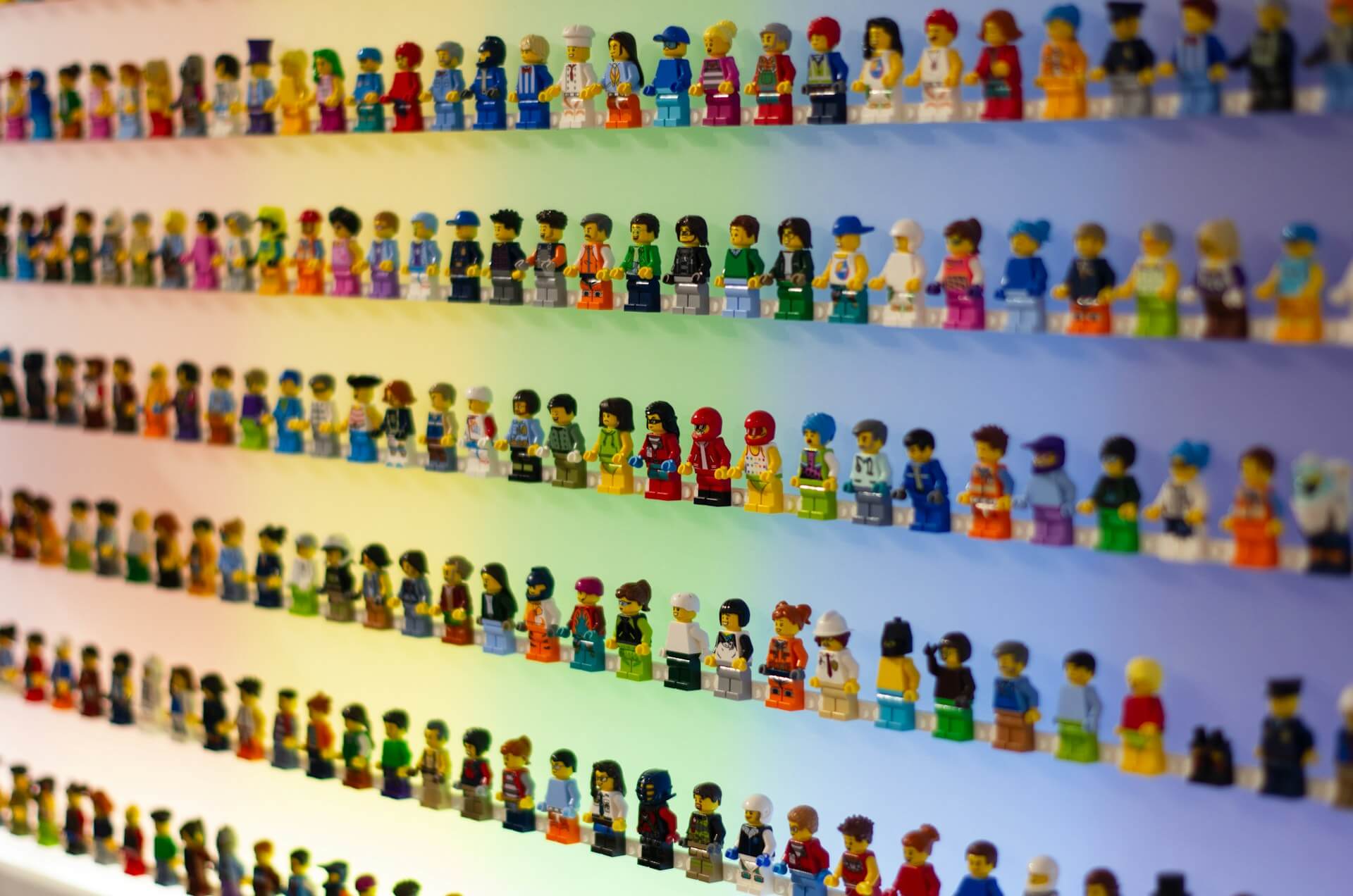
These playground economies existed because kids needed status hierarchies and had limited access to real money. A three-dollar purchase could be reorganized, traded, and leveraged into significantly more social power through negotiation and collecting strategy.
The items themselves were cheap, but owning them communicated taste, patience, and social connections. School collections also functioned as early currency systems.
Before cryptocurrency or digital wallets, kids understood exchange rates, hoarding strategies, and the difference between common and rare. The playground operated as a functioning market where negotiation skills mattered more than having the most money to spend.
More from Go2Tutors!

- The Romanov Crown Jewels and Their Tragic Fate
- 13 Historical Mysteries That Science Still Can’t Solve
- Famous Hoaxes That Fooled the World for Years
- 15 Child Stars with Tragic Adult Lives
- 16 Famous Jewelry Pieces in History
Like Go2Tutors’s content? Follow us on MSN.



