31 Optical Illusions That Explain How the Eye Works
Optical illusions reveal the gap between what we see and what’s actually there. Our eyes don’t passively record reality like cameras; they actively interpret visual information through complex neural processes.
The illusions below expose how the brain constructs perception, fills in missing details, and sometimes gets fooled by clever arrangements of light, shadow, color, and pattern. Understanding these illusions demonstrates that vision is as much a mental process as a sensory one.
The Müller-Lyer Illusion
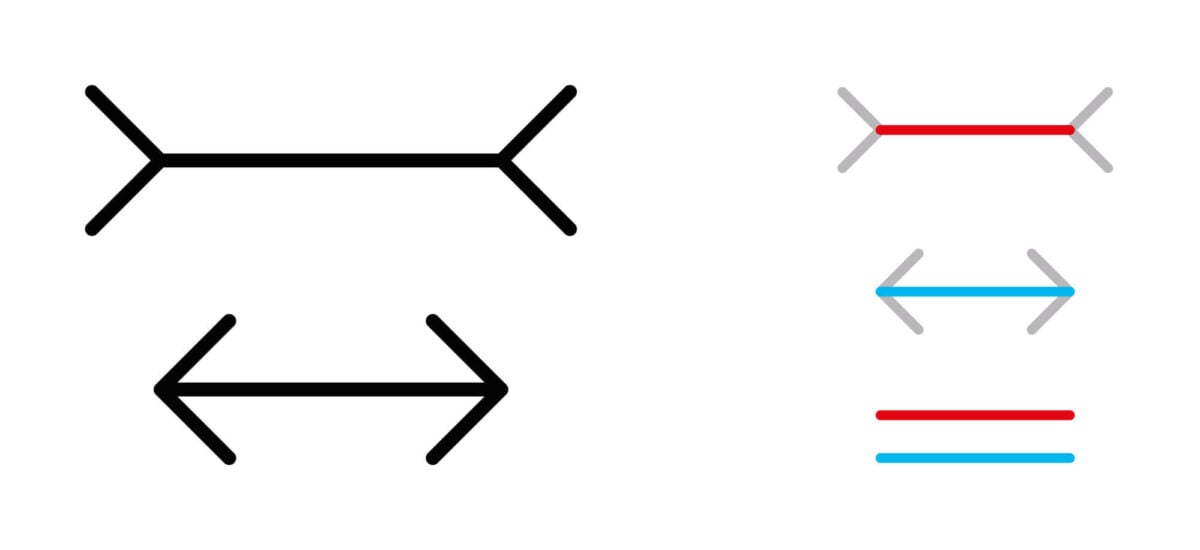
Two identical lines appear different lengths depending on arrow direction at their ends. Lines with outward-pointing arrows seem longer than those with inward arrows.
This illusion reveals how context influences perception—the brain interprets the arrows as depth cues, making one line appear farther away and therefore longer.
The Necker Cube
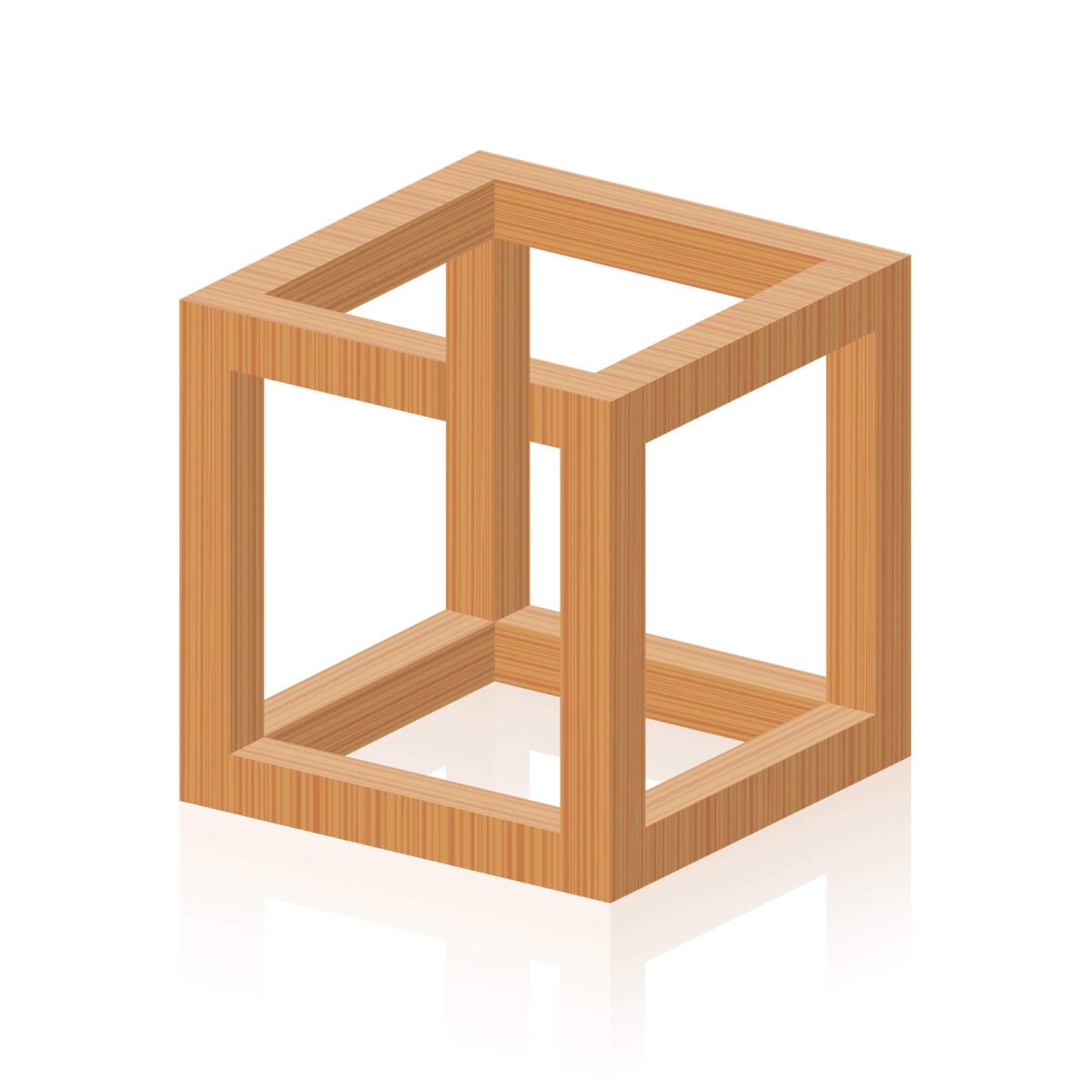
A simple wireframe cube can be perceived as three-dimensional from two different orientations. Staring at it, the cube spontaneously flips between perspectives without any change to the image itself.
This demonstrates how the brain actively generates three-dimensional interpretations from two-dimensional drawings.
Simultaneous Contrast
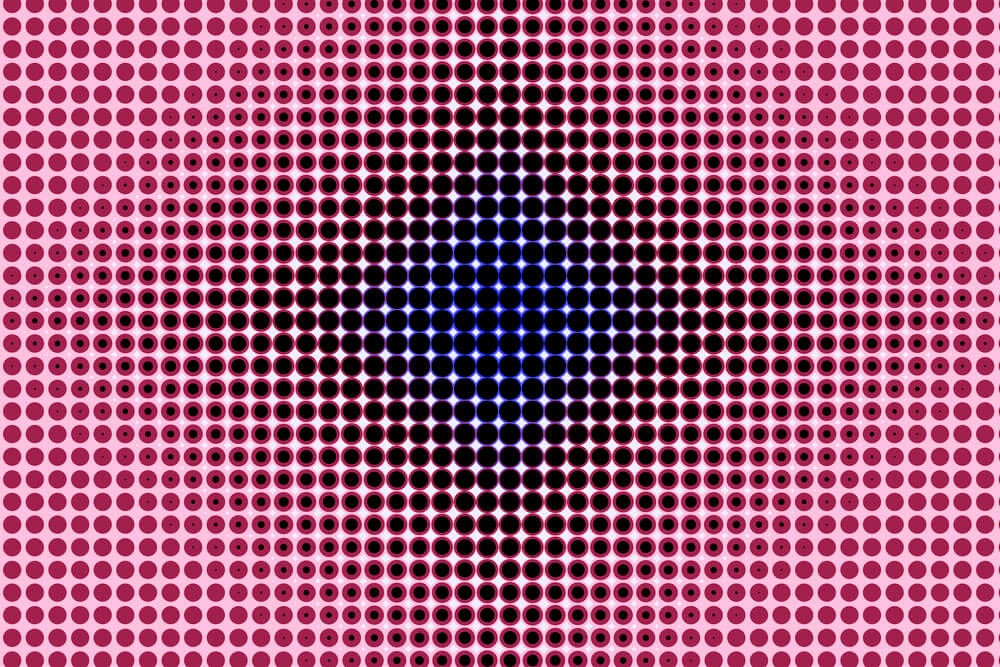
A gray square appears darker against a white background and lighter against a black background. The identical gray hasn’t changed, but the surrounding context alters how the brain perceives its brightness, revealing how relative values matter more than absolute ones in visual perception.
The Rubin Vase

This famous image shows either a white vase or two black profiles facing each other. The brain alternates between figure and ground, unable to see both interpretations simultaneously.
This demonstrates that perception requires selecting what’s foreground and what’s background.
Motion Aftereffect
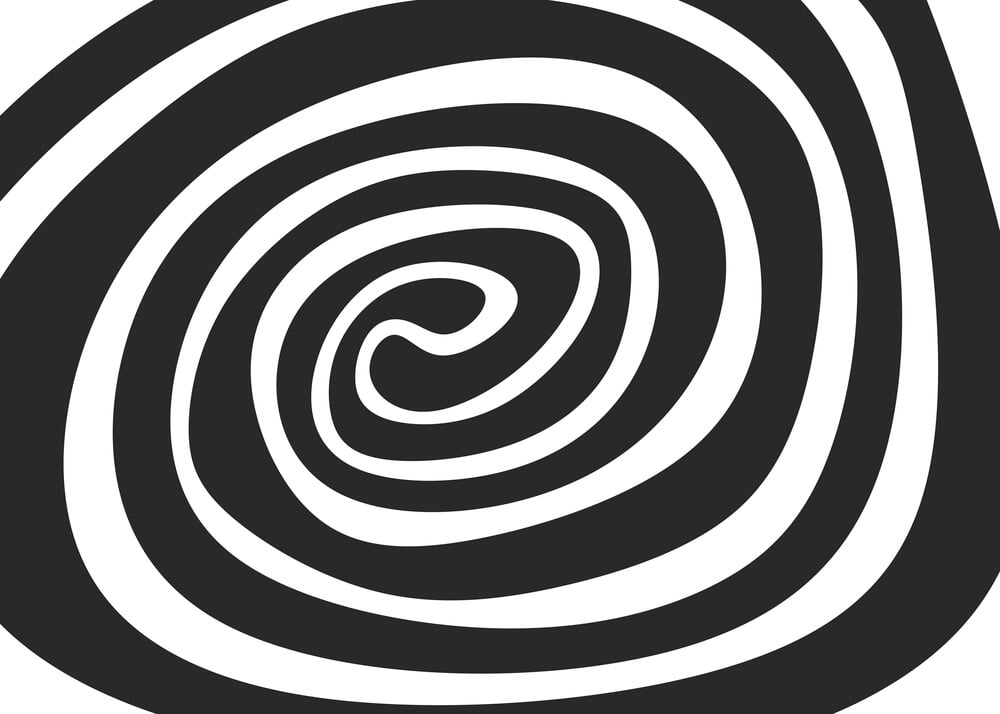
Staring at moving water or a spinning spiral, then looking at a stationary object causes it to appear moving in the opposite direction. This illusion reveals that motion perception relies on neurons that adapt to sustained stimulation, creating ghostly movement in still images.
The Spinning Dancer Illusion

A silhouette of a spinning dancer can appear to rotate clockwise or counterclockwise depending on which leg your brain interprets as extended toward you. Neither interpretation is wrong—both fit the ambiguous visual information equally well.
Impossible Objects
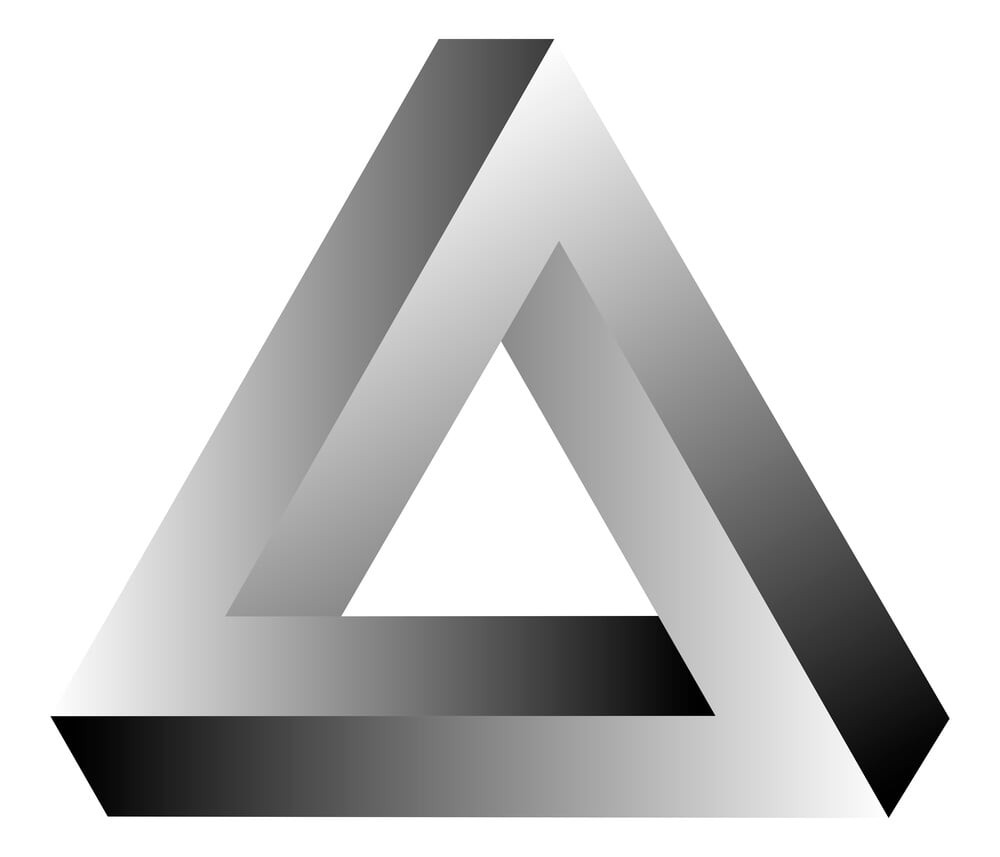
Images like the Penrose triangle show objects that violate three-dimensional logic but appear coherent in two dimensions. These images exploit the brain’s tendency to interpret flat drawings as three-dimensional objects by applying perspective rules that don’t actually exist.
Color Constancy

A piece of coal appears dark and a snowball white even under dramatically different lighting. The brain corrects for illumination, trying to identify objects based on their true colors rather than reflected light.
Changing lighting that should make coal look lighter fails because the brain maintains color consistency.
The Ponzo Illusion
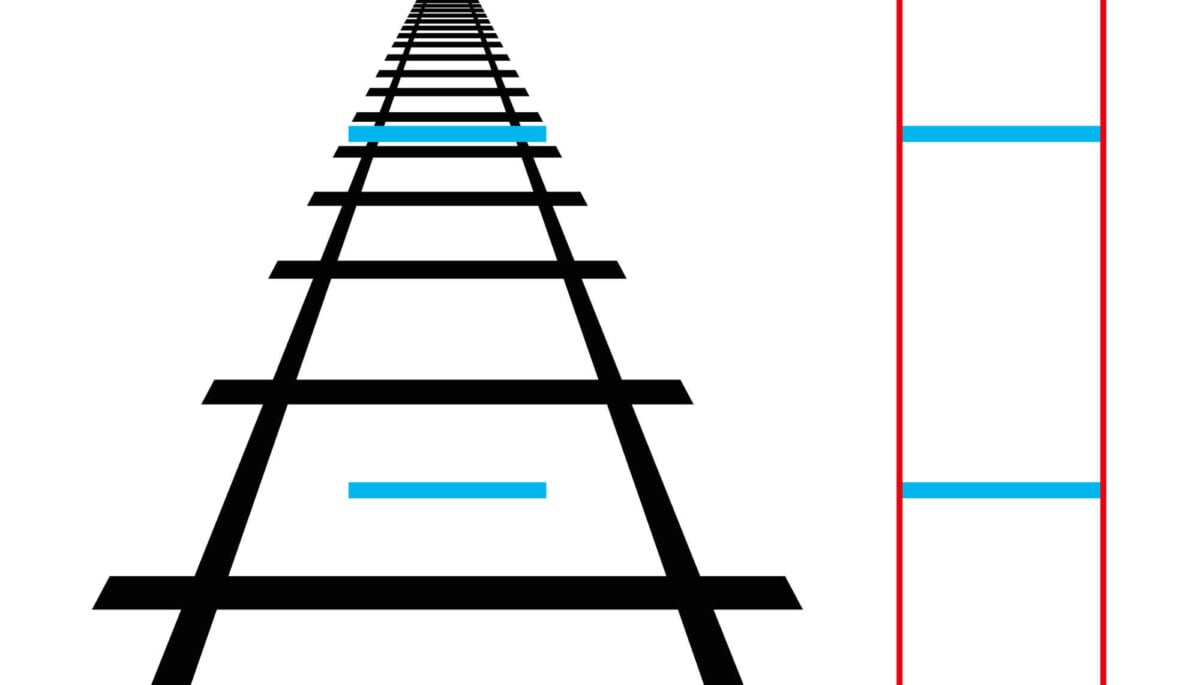
Two identical horizontal lines appear different lengths when drawn between converging lines. The converging lines create artificial perspective, making the farther line appear longer.
This shows how the brain uses perspective cues to judge size.
Figure-Ground Reversal
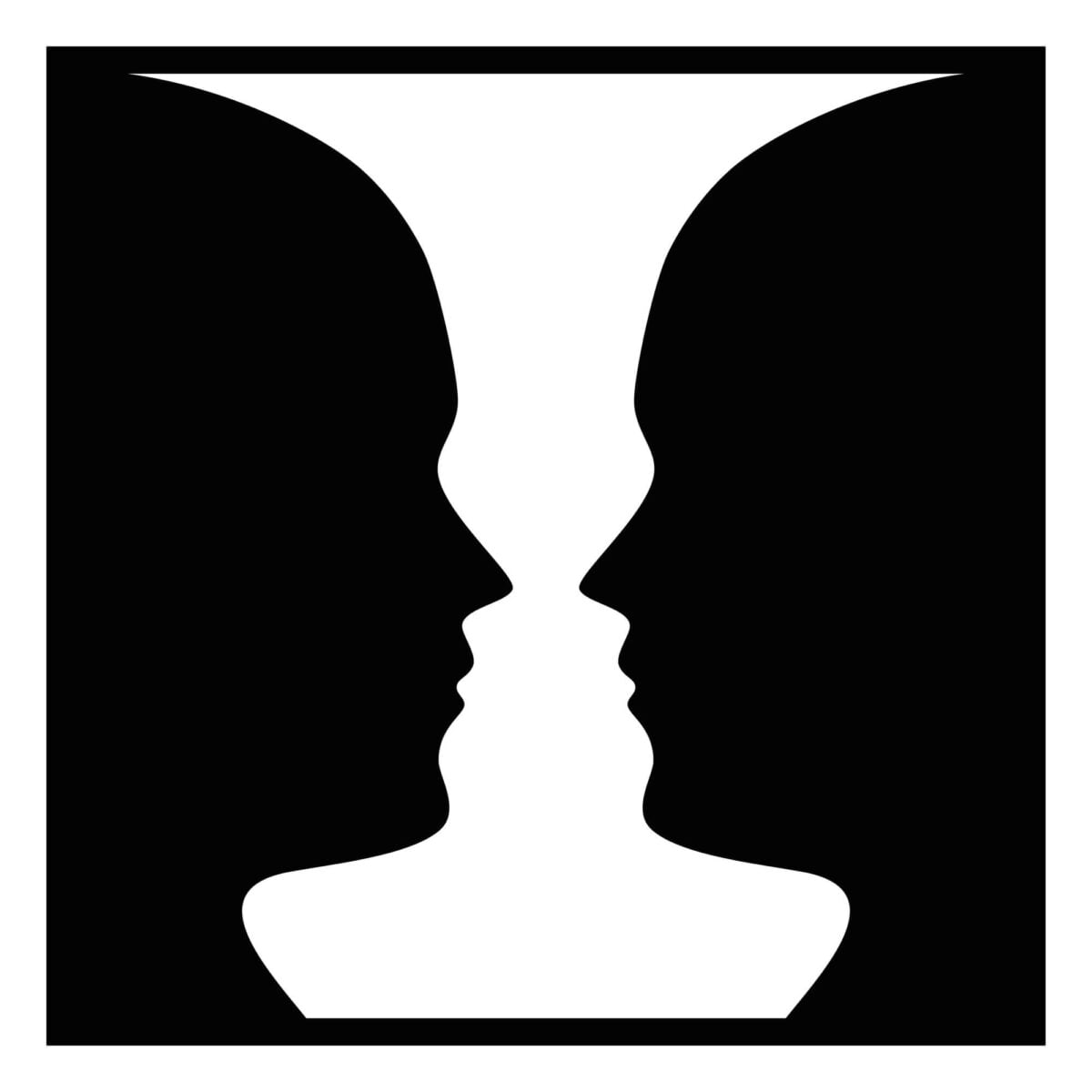
In images where foreground and background are equally prominent, the brain struggles to decide which to focus on. Famous examples include the young woman/old woman illusion, where a chin becomes a nose depending on interpretation.
The Blind Spot
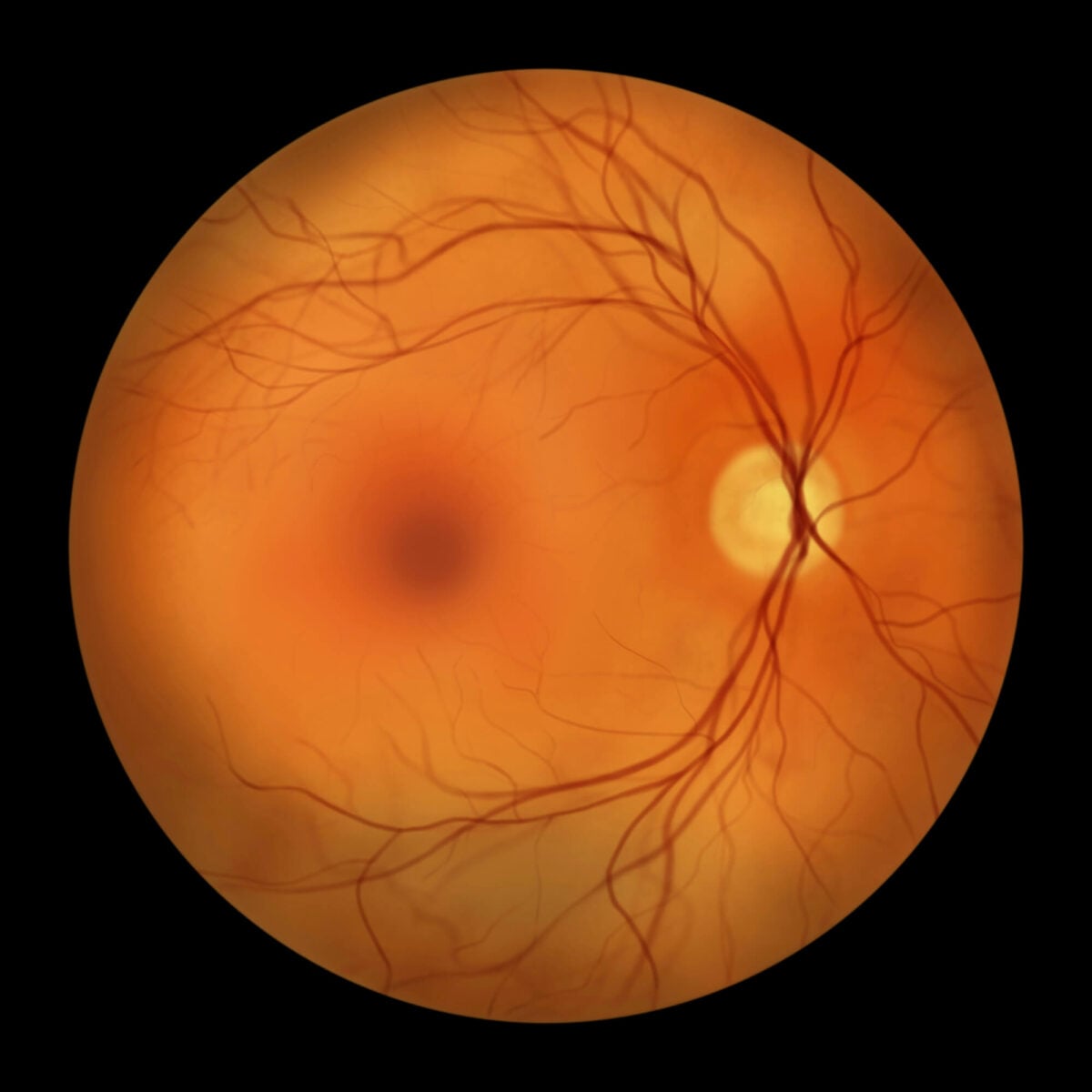
Everyone has a small area in each eye where the optic nerve enters, creating a blind spot in the visual field. Despite this gap, we perceive a complete visual scene because the brain fills in the missing information.
Closing one eye and focusing on a fixed point, then moving a small object into the blind spot makes it disappear completely.
The Café Wall Illusion
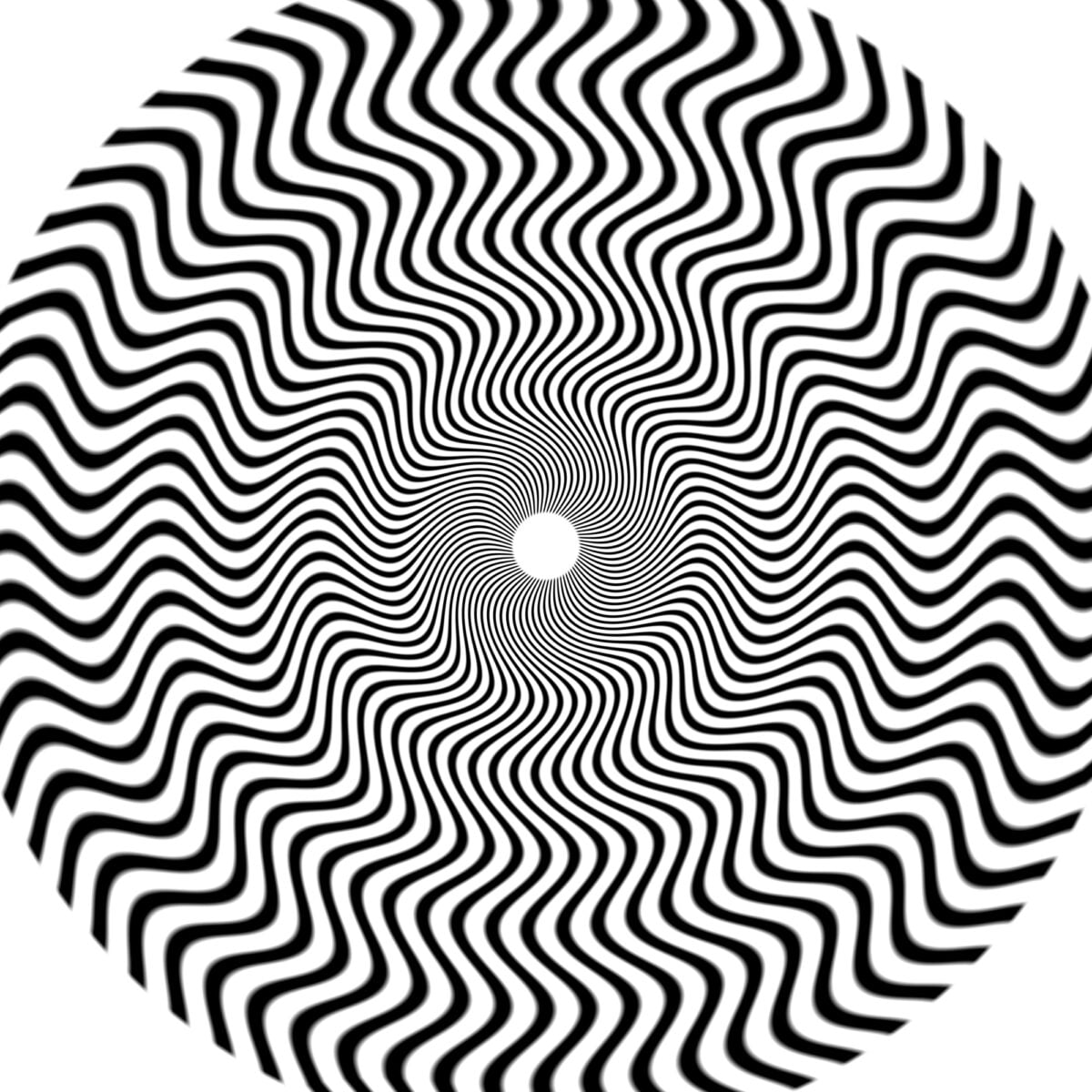
Alternating black and white squares create an impression of lines tilting in different directions. The edges between squares fool the brain into perceiving diagonal tilt where straight lines actually exist.
The illusion reveals how the brain processes edge contrast.
Kanizsa Triangle
DepositPhotos
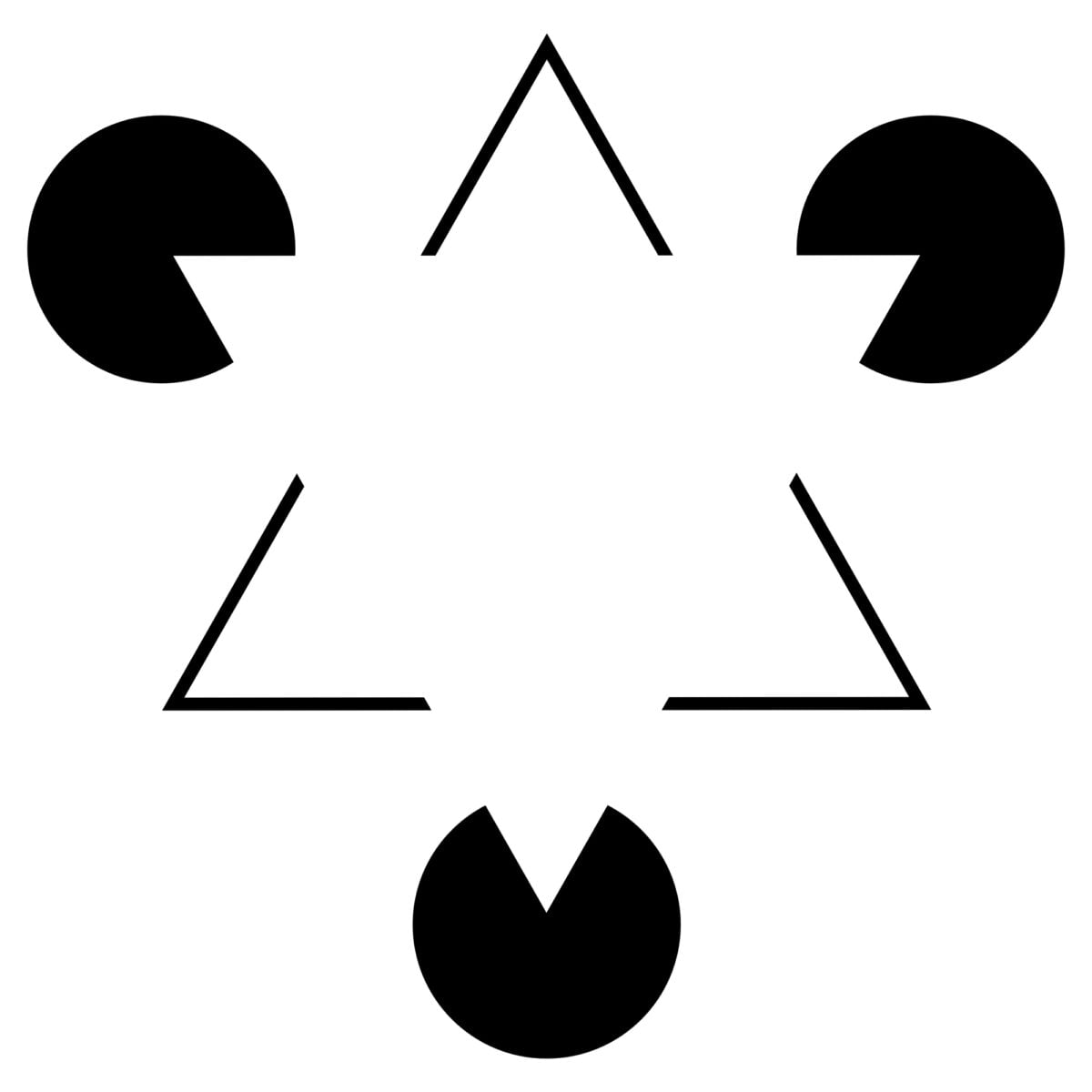
Three Pac-Man shapes arranged in a triangle create the illusion of a bright white triangle in the center, even though no actual triangle exists. The brain fills in the missing information, demonstrating that we don’t just perceive what’s there—we perceive what makes sense to expect.
The Bouba-Kiki Effect
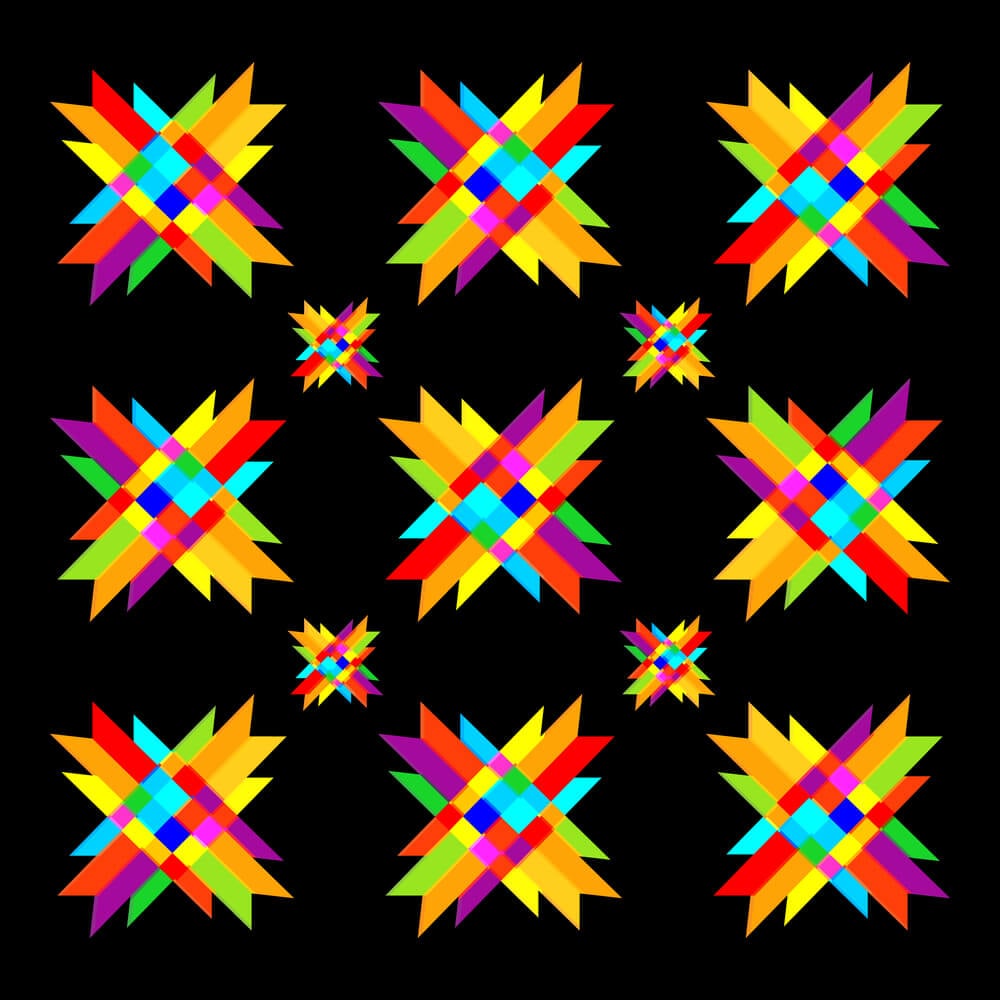
When shown a rounded shape and an angular shape, nearly everyone names the rounded one “bouba” and the angular one “kiki.” This cross-modal perception links shape to sound, revealing that the brain integrates information from multiple senses into unified perception.
Afterimages

Staring at a bright color then looking at white paper creates a ghost image in the complementary color. This happens because cone cells in the retina adapt to sustained stimulation and fatigue.
The opponent-process color system then overcompensates with the opposite color.
Zöllner Illusion
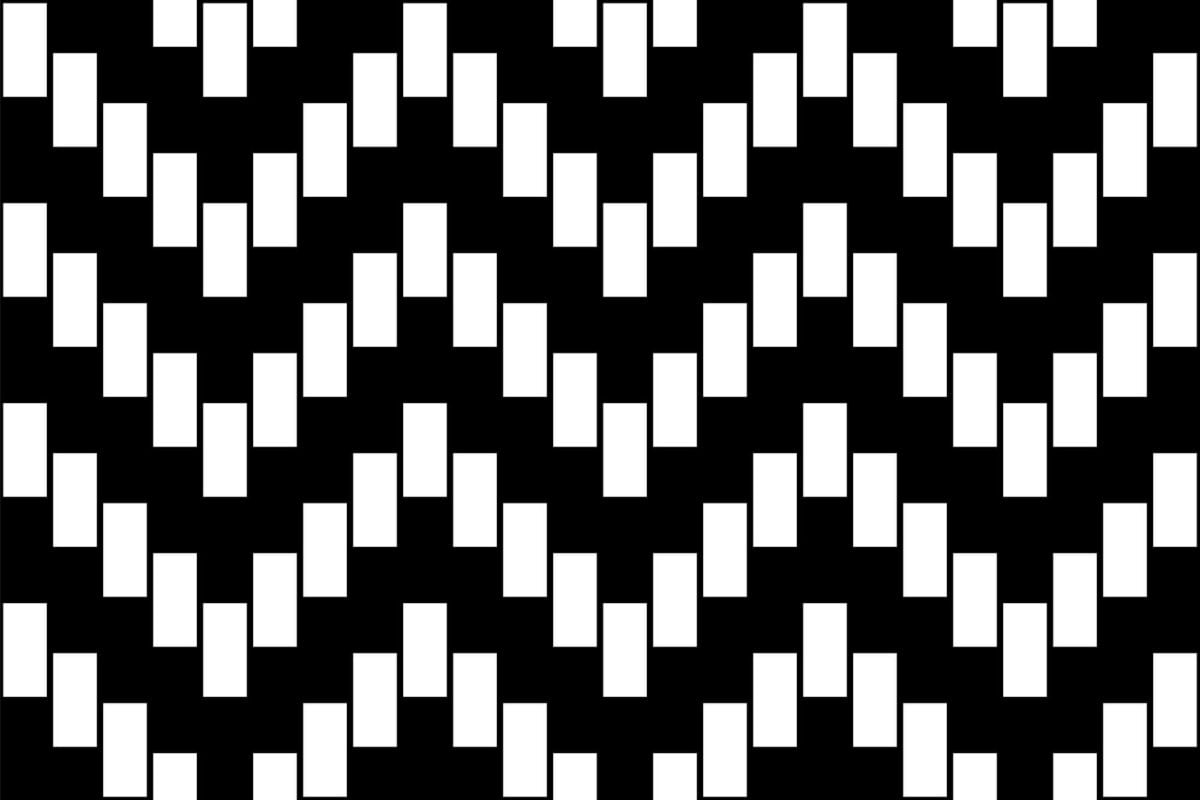
Parallel lines crossed by diagonal lines appear to converge or diverge. The brain interprets the diagonal lines as perspective cues, creating the illusion of perspective where none exists.
Small angles between elements create large effects in perceived direction.
The Checker Shadow Illusion
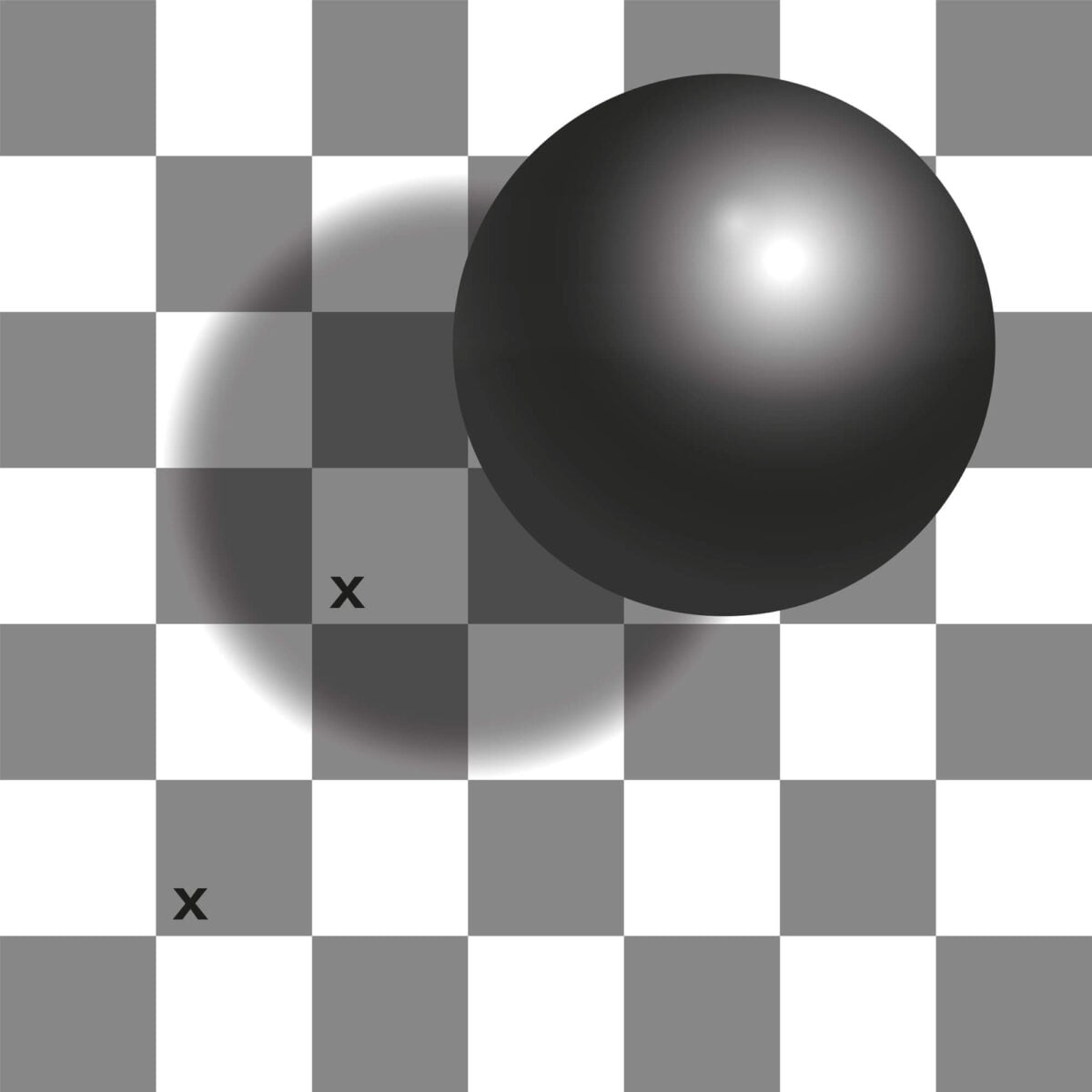
Two squares on a checkerboard—one in shadow and one in light—appear dramatically different colors, though they’re actually identical. The brain corrects for lighting conditions, inferring what the true colors must be rather than simply perceiving reflected light values.
Tower of Pisa Illusion

Photos of the Leaning Tower of Pisa appear to lean more extremely when shown side-by-side than when shown individually. The brain compares similar objects and exaggerates their differences, making the difference more noticeable than it would be in reality.
Shepard Tone
This auditory illusion has a visual equivalent where objects appear to continuously decrease in size while maintaining the same visual angle. The brain perceives impossible size change because perspective cues suggest distance increases that never actually occurs.
The Revolving Door Illusion

Animated spirals can appear to expand or contract depending on which direction they spin and where you focus. The brain integrates motion direction with perceived depth, creating contradictory size interpretations.
Ebbinghaus Illusion
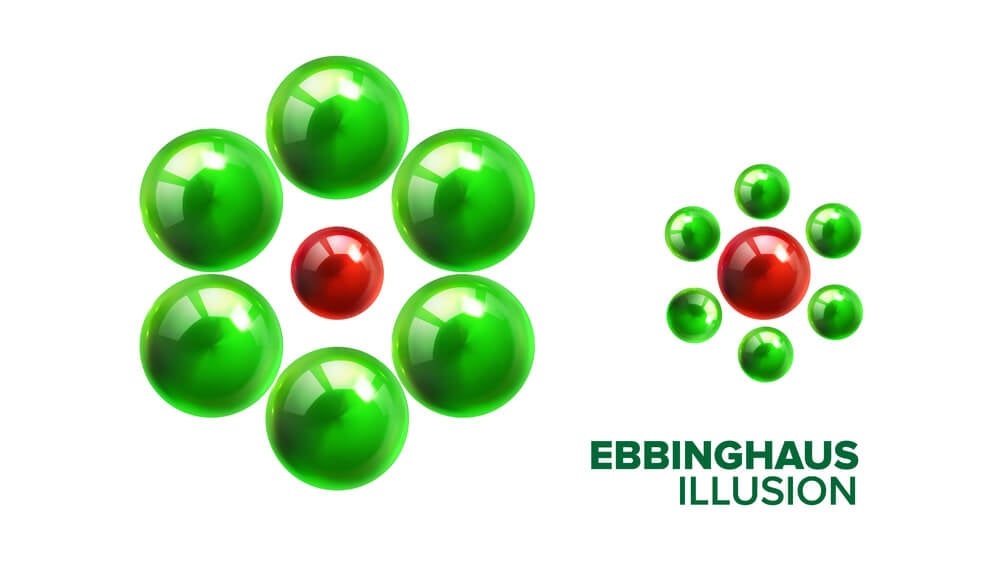
A circle surrounded by large circles appears smaller than an identical circle surrounded by small circles. Relative size comparison influences perception more than actual measurements, showing context dominates absolute values in perception.
Motion Parallax

Objects at different distances appear to move at different speeds when you move your head. The brain uses this motion difference to calculate depth.
Faster-moving objects appear closer than slower-moving ones, even if they’re actually the same distance.
Ambiguous Images
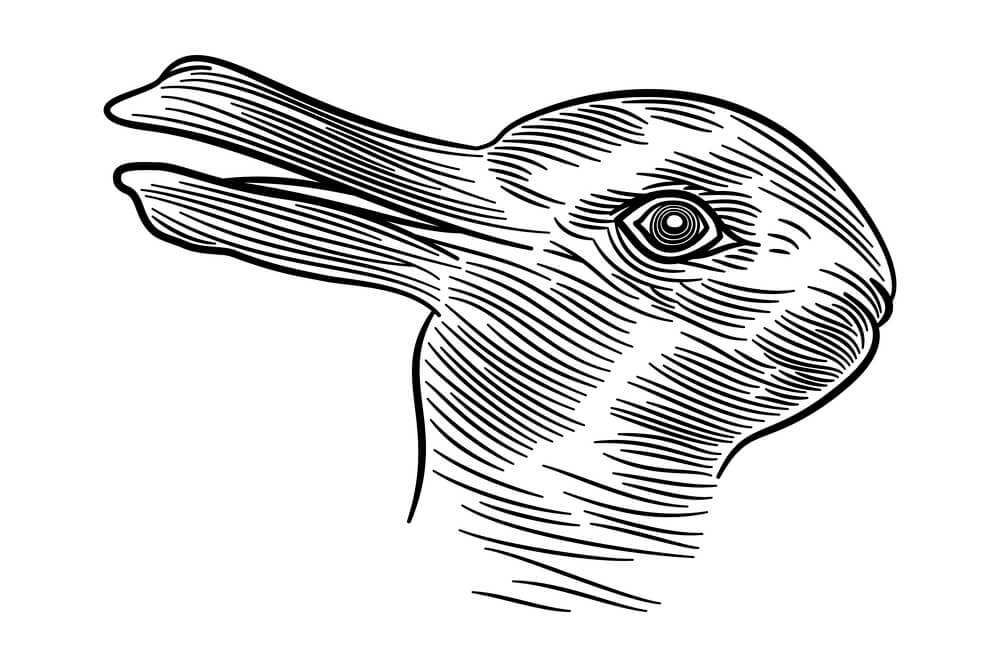
Images like the duck-rabbit or the young-woman-old-woman illusion can be interpreted two ways with no single correct answer. The brain locks into one interpretation until triggered to switch.
Both interpretations use identical visual information differently.
The Cornsweet Illusion

A gradual brightness gradient in one half-image fools the brain into perceiving sharp brightness boundaries. The brain extracts edges and contours, inferring sharp changes where gradual transitions exist.
Peripheral Vision Superiority
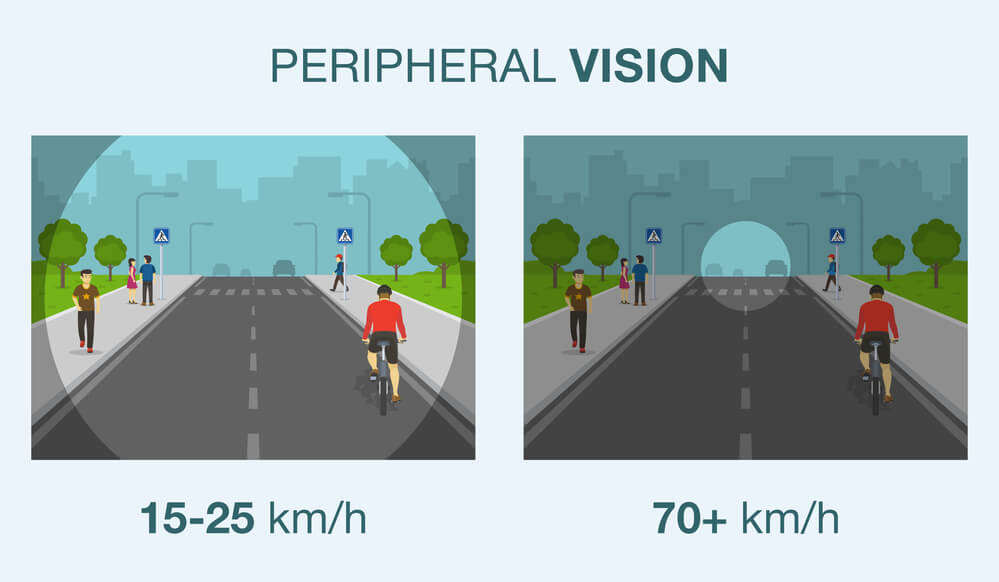
Objects detected in peripheral vision often seem to disappear or change when directly viewed. The visual system prioritizes motion and edges in peripheral vision but requires high detail for central focus, creating a paradox where looking directly makes things vanish.
Autostereograms
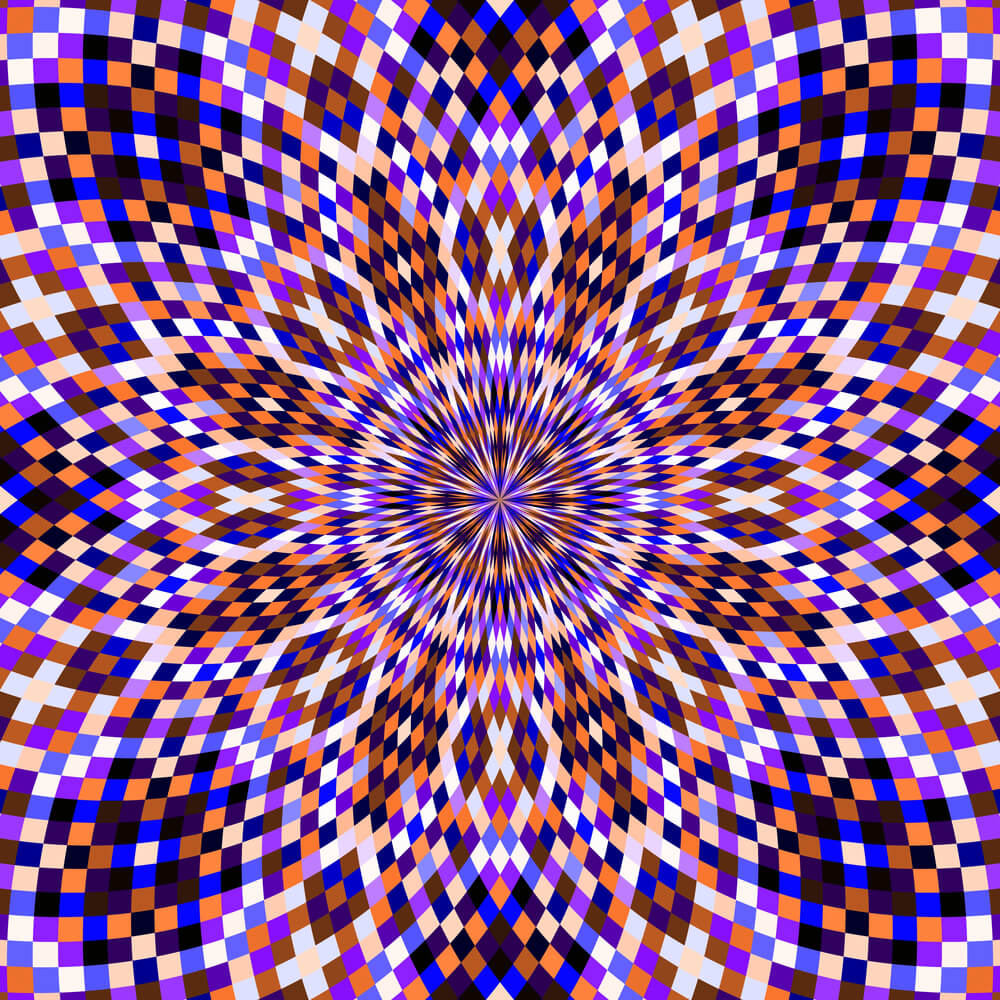
Single two-dimensional images reveal three-dimensional scenes when viewed with crossed or relaxed eyes. The brain fuses left and right eye perspectives that shouldn’t exist in a flat image, demonstrating that stereoscopic depth requires both eyes’ input.
The Troxler Effect
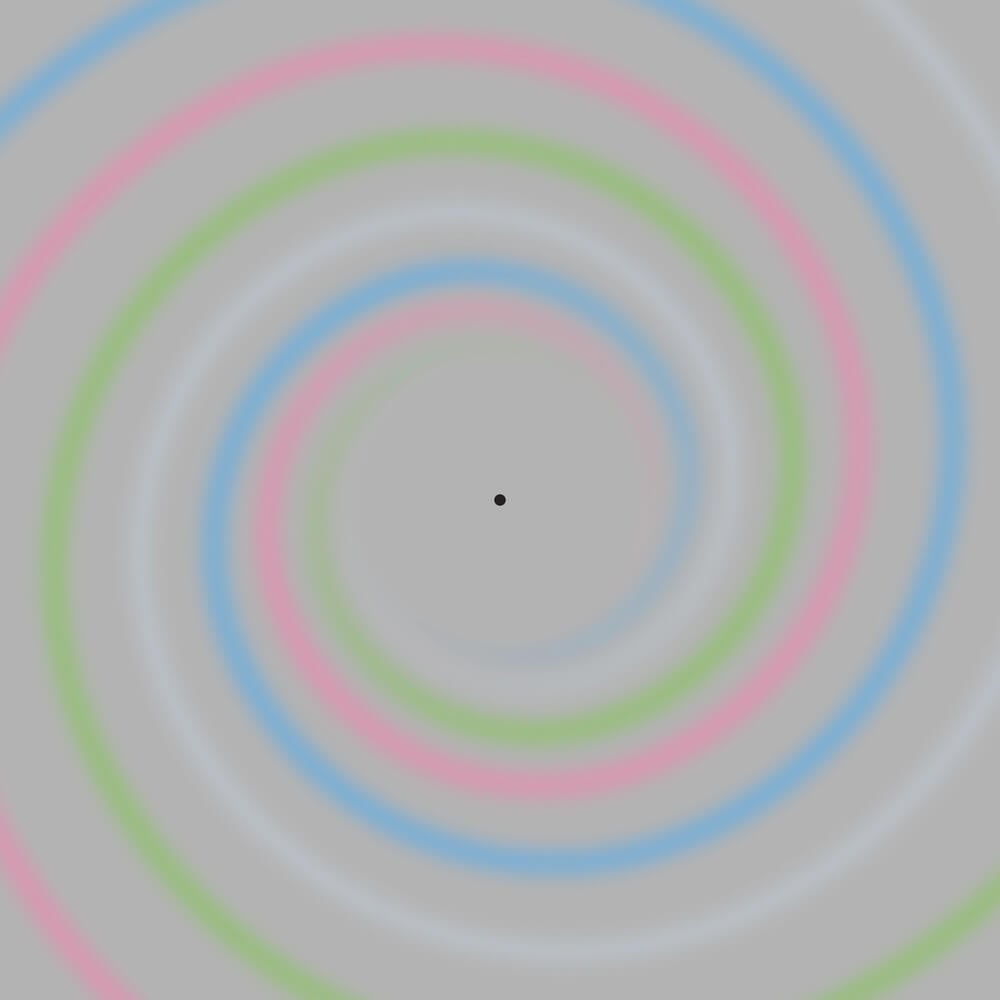
Staring at a fixed point, flickering shapes in peripheral vision gradually disappear even though they’re still present. Sustained, unchanging visual input fades from perception, showing the brain filters out constant stimulation as unimportant.
Impossible Staircases
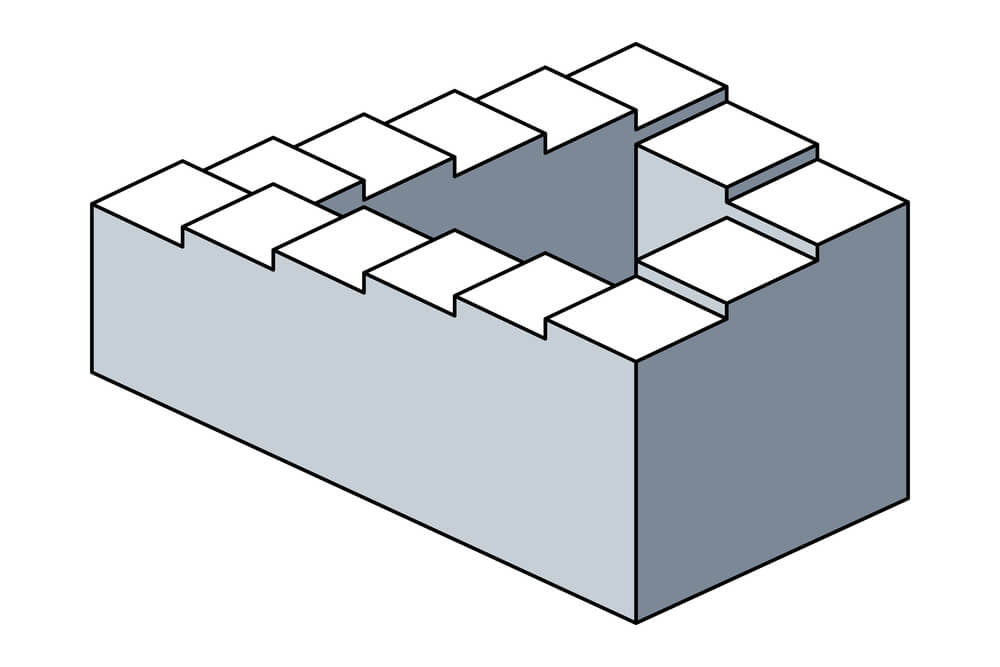
M.C. Escher-style staircases that continuously ascend or descend while returning to the starting point violate three-dimensional logic. The brain tries to interpret the flat drawing as a three-dimensional space, creating perceptual confusion.
The Fraser Spiral Illusion
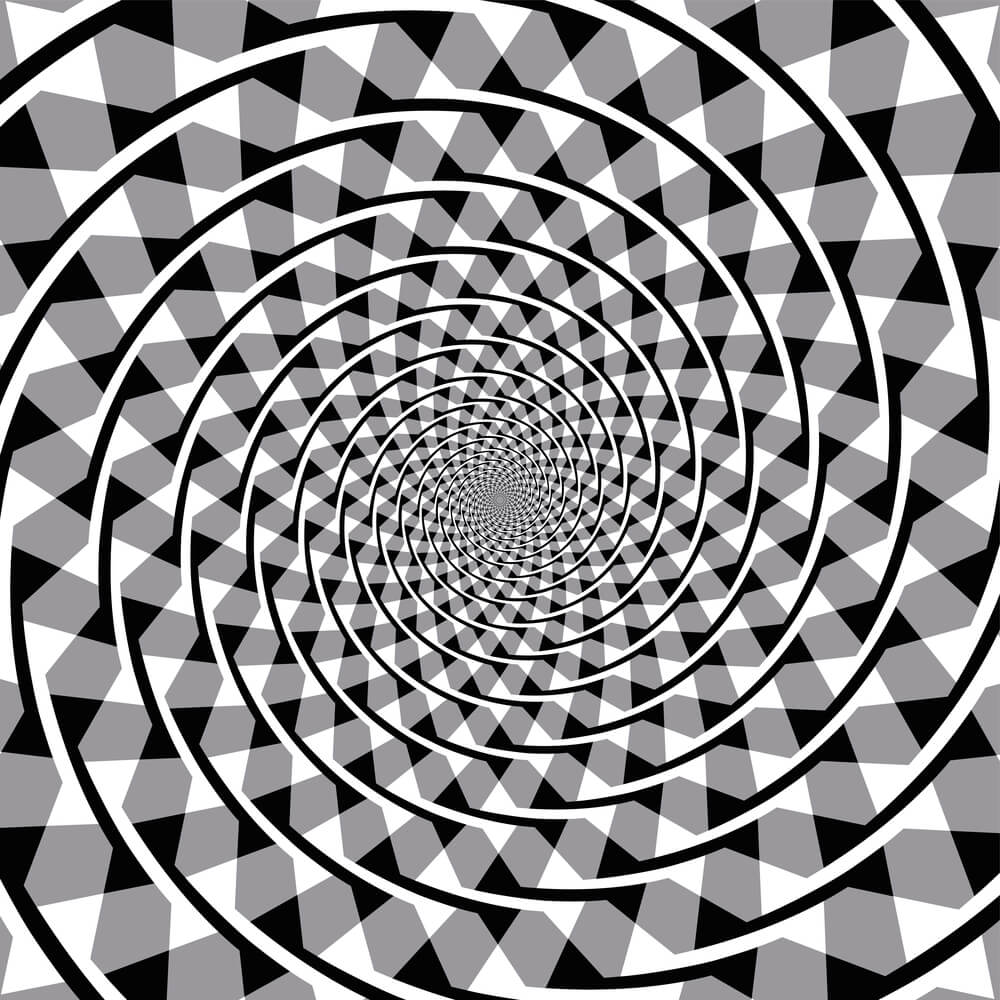
Concentric circles arranged in a spiral pattern create the illusion of a continuous spiral, though the circles are actually concentric and separate. Small details in how circles connect fool the brain into detecting a pattern that isn’t there.
Induced Movement
When a background moves slowly, stationary objects in front appear to move in the opposite direction. The brain assumes the larger background is stationary and interprets foreground objects as moving, reversing actual motion.
Akinetopsia Consequences

People with motion blindness (from damage to motion-processing brain regions) see the world as frozen snapshots. This rare condition reveals that motion is constructed by specific brain systems and isn’t simply what’s visible in sequential images.
The Gap Between Seeing and Knowing
Optical illusions prove that vision isn’t straightforward perception—it’s active interpretation. The brain constantly fills in information, applies context, and makes assumptions about what must be true given fragmentary sensory data.
These illusions aren’t failures of vision but demonstrations of how sophisticated visual processing must be to navigate a complex world. Every illusion reveals something about the assumptions your brain makes automatically, showing that sight is fundamentally creative.
More from Go2Tutors!

- The Romanov Crown Jewels and Their Tragic Fate
- 13 Historical Mysteries That Science Still Can’t Solve
- Famous Hoaxes That Fooled the World for Years
- 15 Child Stars with Tragic Adult Lives
- 16 Famous Jewelry Pieces in History
Like Go2Tutors’s content? Follow us on MSN.