28 Records Collectors Still Hunt in Attics
Most vinyl sitting in a cardboard box in someone’s attic is worth exactly what it looks like: a few dollars, if that, to a secondhand shop. A small number of specific pressings are worth dramatically more, and the difference almost always comes down to a detail an untrained eye would never think to check.
Condition determines nearly all of the value on every record here, and a scratched, warped, or water-damaged copy is worth a fraction of a clean one regardless of rarity.
The Beatles’ Original UK “Please Please Me”
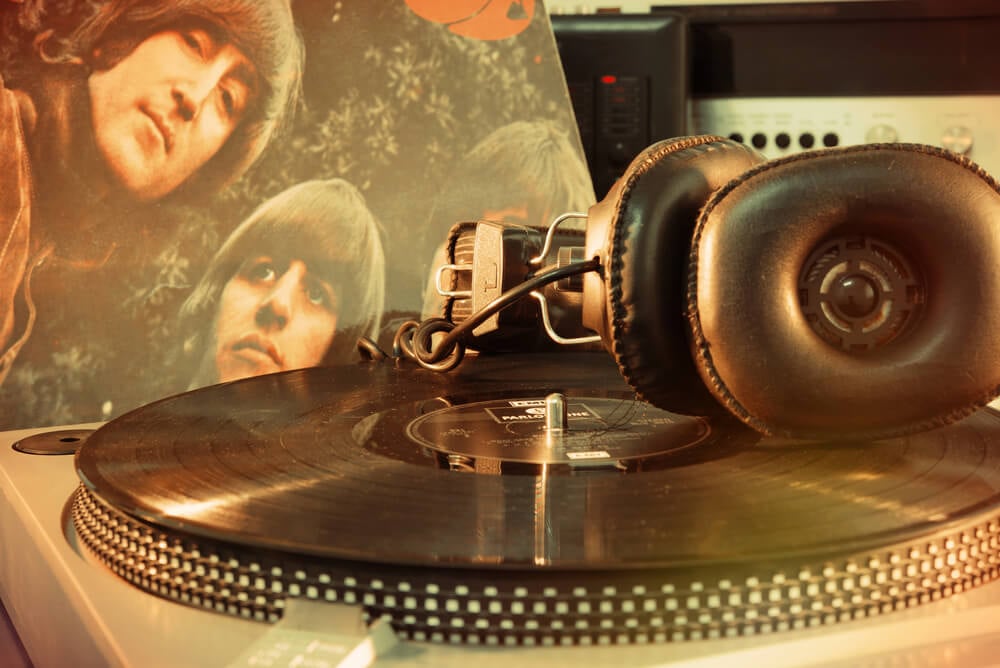
The Beatles’ debut studio album, released in the United Kingdom in March 1963 on the Parlophone label, is most valuable in its earliest pressing, identifiable by a black-and-gold label design used only briefly before Parlophone switched to a different color scheme. Collectors specifically hunt for the “Gold Preferred” label variant and other minute first-pressing markers that separate an original from later, far more common reprints.
A genuine first pressing in strong condition can sell for thousands of dollars, while a well-worn or later reissue copy is worth a small fraction of that.
The Beatles’ Unpeeled “Yesterday and Today” Butcher Cover
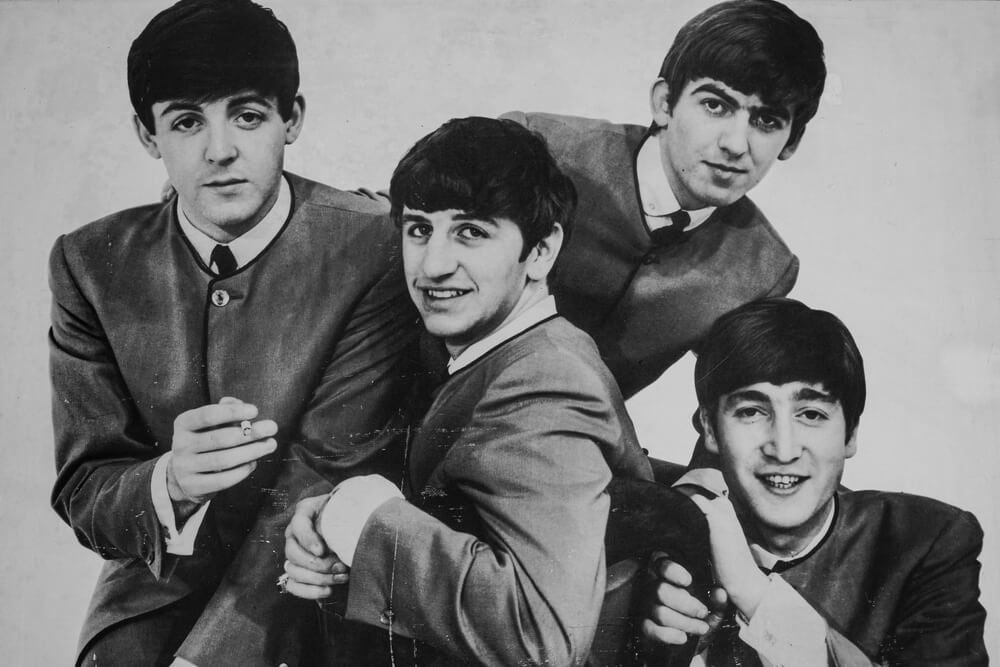
The American release of “Yesterday and Today” in 1966 originally featured a cover photograph showing the band dressed in butcher smocks surrounded by raw meat and dismembered dolls, an image Capitol Records quickly recalled after public backlash and replaced with a more conventional photograph pasted over the original. Some copies had the new cover glued directly on top of the old one rather than being fully replaced, meaning an unpeeled original underneath can sometimes still be recovered by a careful, professional steaming process.
An unpeeled first-state copy in excellent condition can be worth many times more than a peeled or replaced version, making the exact state of the cover the single most important factor in its value.
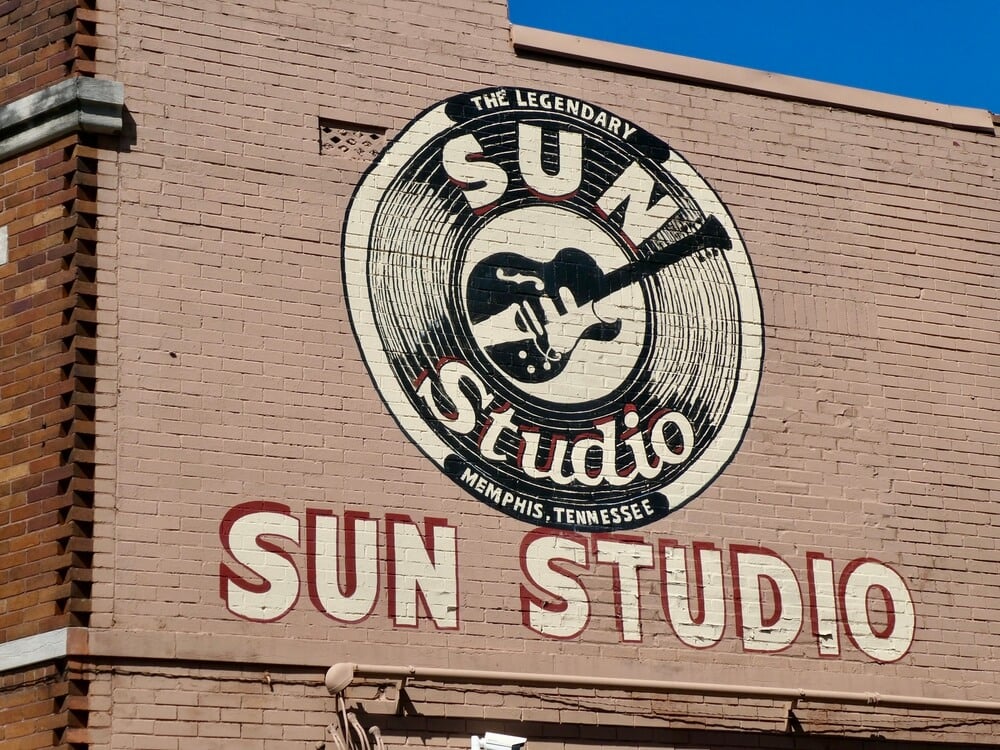
Elvis Presley’s Sun Records Debut Single
— Photo by a2gxeDepositPhotos
Elvis Presley’s first commercially released single, “That’s All Right” backed with “Blue Moon of Kentucky,” came out on the small Memphis label Sun Records in 1954, years before his RCA contract made him a national star. Original Sun 78 rpm pressings are scarce specifically because the label had limited regional distribution at the time and pressed relatively small quantities.
A genuine original in playable condition remains one of the most sought-after finds in American record collecting, with condition and label authenticity both scrutinized closely by serious buyers.
The Rolling Stones’ Original “Beggars Banquet” Cover
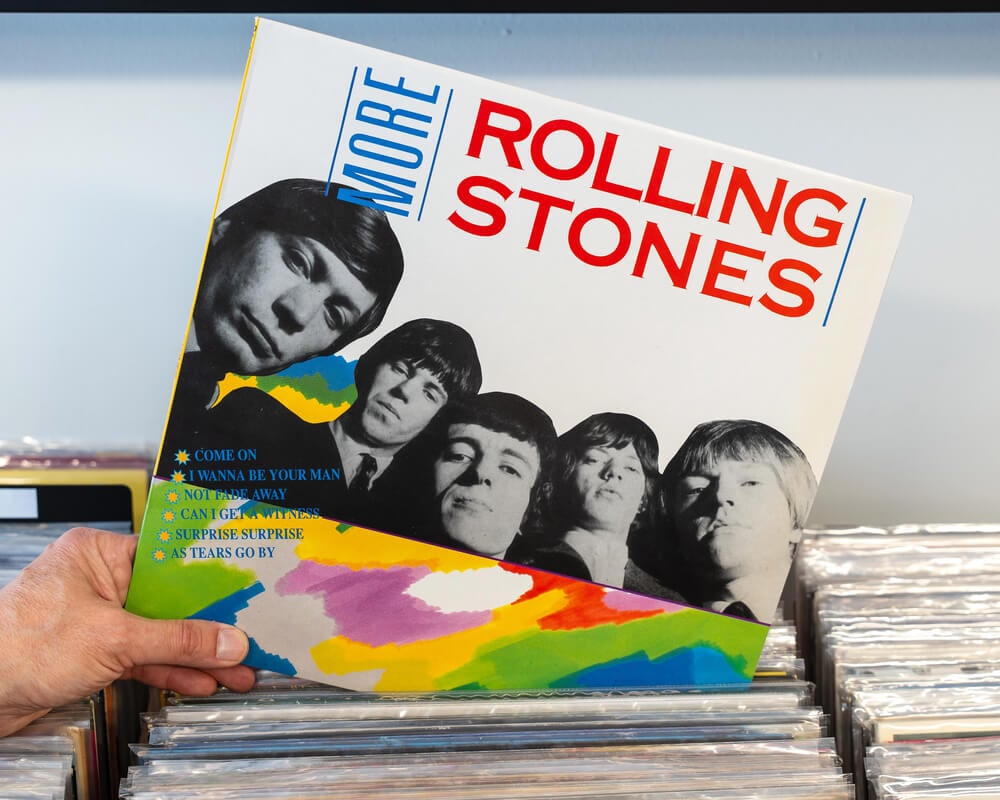
The Rolling Stones’ 1968 album was originally intended to feature a photograph of a graffiti-covered restroom wall, an image the band’s label refused to distribute widely due to its content, delaying the album’s release and forcing a substitute plain white cover for the initial pressing run. A small number of copies with the original bathroom-wall artwork did reach the public before the switch, making them significantly rarer than the eventual standard cover.
Collectors specifically look for the original cover art and early UK Decca or American London Records pressings, with prices varying enormously based on which cover variant and pressing generation a given copy represents.
Frank Sinatra’s Original 10-Inch “Songs for Young Lovers”
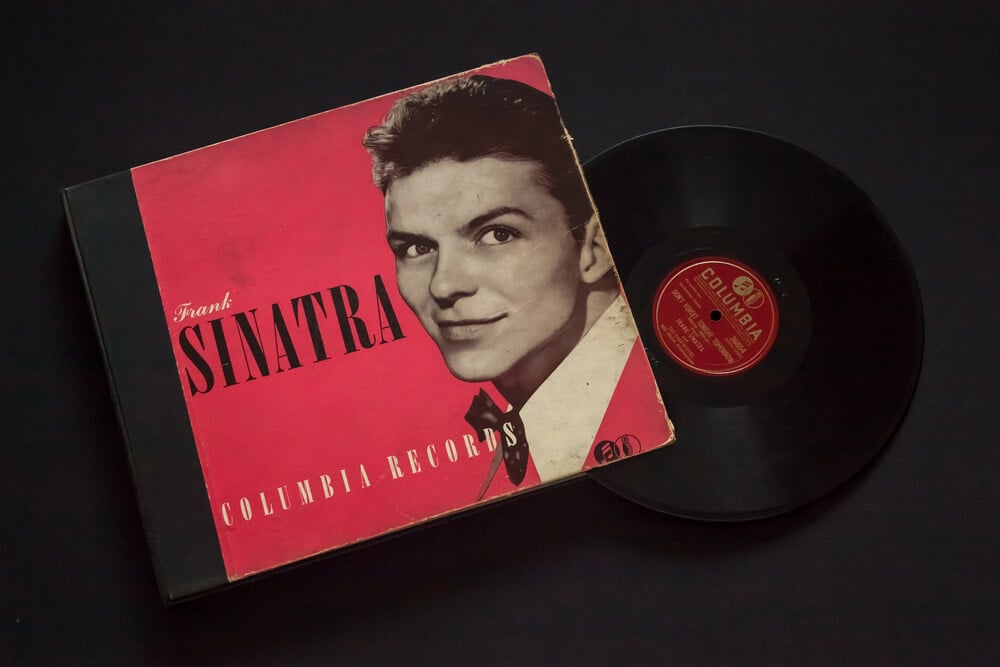
Released by Capitol Records in 1954, this early Sinatra album originally came out as a 10-inch record before the industry standardized around the 12-inch format shortly afterward, making the original 10-inch pressing a distinct and scarcer artifact from a brief transitional period in the record industry. Collectors specifically distinguish original Capitol 10-inch pressings from later 12-inch reissues that combined this album with additional tracks.
Clean original 10-inch copies command a real premium among Sinatra collectors specifically because the format itself became obsolete so quickly after release.
Robert Johnson’s Pre-War Vocalion 78s

The influential blues musician recorded a small number of songs in 1936 and 1937 for the Vocalion label, released as 78 rpm singles during a period when blues records aimed at Southern Black audiences were pressed in relatively small quantities and often played on cheap equipment until they wore out entirely. Surviving original copies in playable condition are now extraordinarily scarce, and serious collectors and blues archivists actively search estate sales and attics specifically hoping to recover an unknown original.
Even heavily worn originals can carry significant value given how few are believed to have survived at all.
Elvis Presley’s RCA Debut LP First Pressing
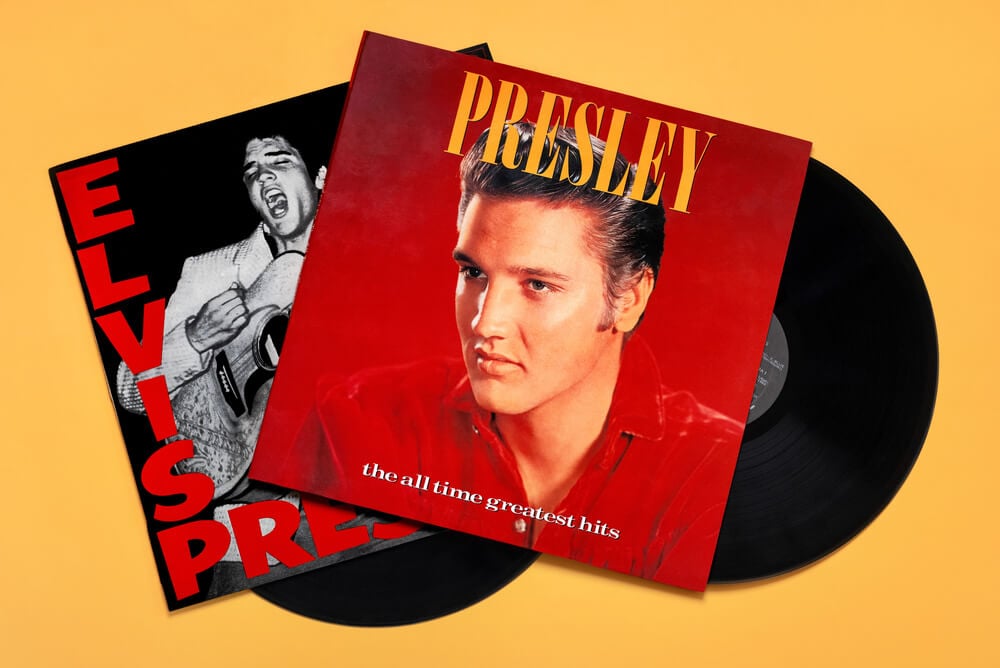
Elvis Presley’s self-titled debut album for RCA Victor, released in 1956, is most valuable in its earliest pressing, identifiable by specific label details including the type of RCA logo used and particular catalog number formatting that changed on later reprints. The album’s cover, featuring a now-iconic green and pink photograph of Presley performing, was reused and referenced by later artists, which has kept collector interest in the original consistently high for decades.
A genuine first pressing in strong condition remains one of the more consistently valuable finds among mainstream 1950s rock and roll collectibles.
Bob Dylan’s Withdrawn Original “Freewheelin'” Pressing
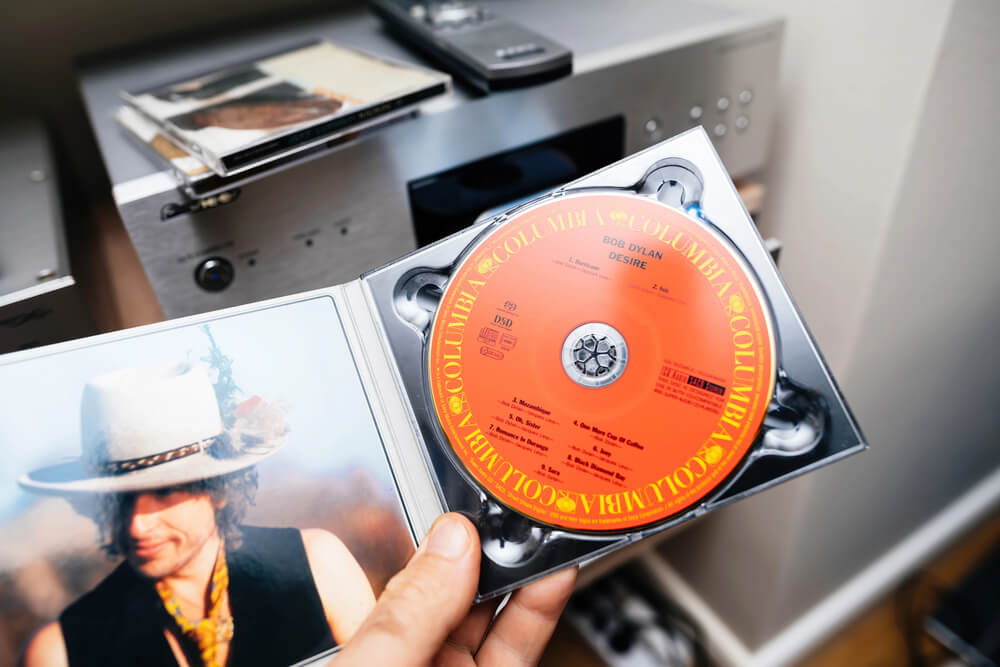
Bob Dylan’s 1963 album originally included four songs that Columbia Records withdrew and replaced shortly after the album’s initial release, due to concerns over one song’s political content and general quality control decisions about the track listing. A small number of copies with the original four-song configuration were pressed and distributed before the change took effect.
These withdrawn-version copies are considered significant finds among serious Dylan collectors specifically because the substitution happened so quickly after the album’s original release.
The Velvet Underground & Nico’s Peelable Banana Cover

Designed by Andy Warhol for the band’s 1967 debut album, the original cover featured an actual peelable sticker of a banana that revealed a pink banana image underneath when removed. Most surviving original copies have had the sticker peeled at some point over the decades, making a completely intact, unpeeled banana sticker a genuinely rare find among collectors.
The presence and condition of the sticker itself, more than any other single factor, determines whether a copy is worth a modest amount or a significant sum.
The Beatles’ Numbered “White Album”
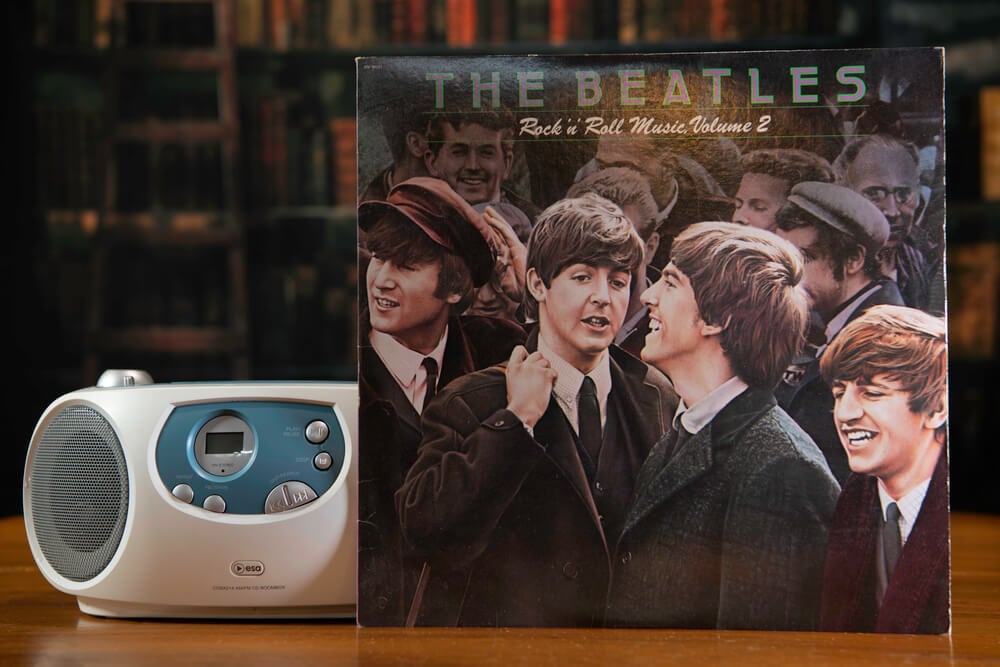
The Beatles’ 1968 self-titled double album, universally known as the White Album, featured individually numbered copies stamped directly onto the plain white cover as part of its original minimalist design. Extremely low serial numbers, particularly those in the earliest thousands or any copy verified as having been owned by someone connected to the band, carry significant additional value beyond a standard numbered copy.
Collectors specifically research a numbered copy’s provenance and stamping quality, since the numbering itself is what separates this pressing from virtually every other album released around the same time.
Prince’s Recalled “Black Album”
Prince completed this untitled album, commonly called the “Black Album” for its plain black cover, in 1987 and had copies pressed for release before abruptly pulling it from distribution just before its scheduled street date, reportedly due to his own second thoughts about its content and tone. A small number of promotional and advance copies escaped into circulation before the recall took full effect, making them significant finds among Prince collectors.
The album was eventually released officially in 1994, but the original 1987 pressings remain distinct and separately valuable artifacts from the recall itself.
Kiss’s Original “Destroyer” Pressing
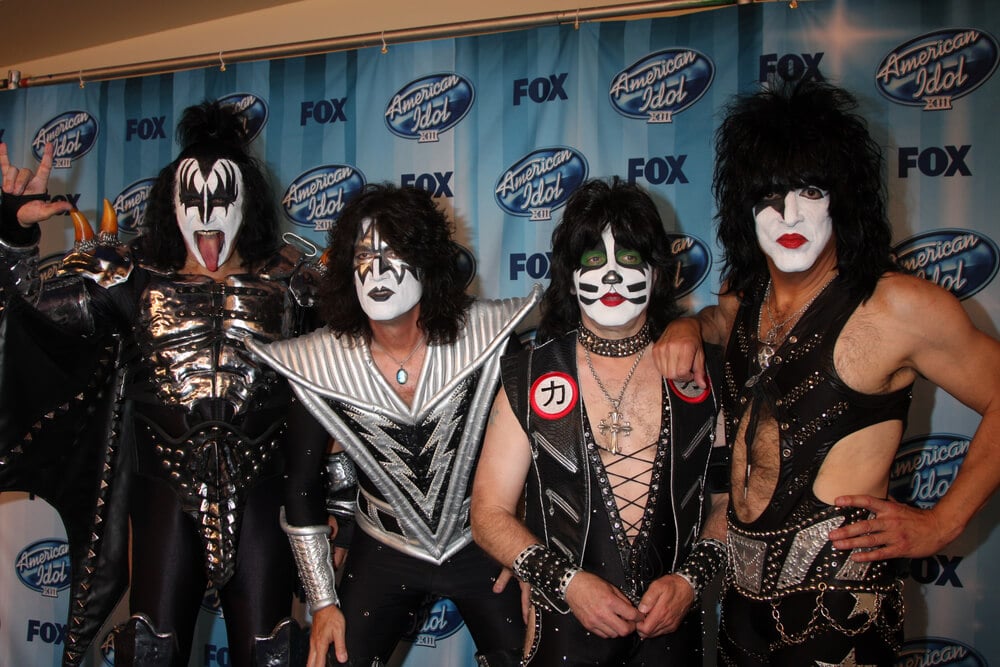
Released in 1976, Kiss’s “Destroyer” album included a poster and other inserts in its original pressing that were not consistently included in later reprints, making a complete original copy with all its accompanying materials intact more valuable than the album alone. The elaborate original cover artwork, depicting the band in a dramatic illustrated cityscape, has remained a significant piece of the album’s collector appeal since release.
Collectors specifically verify the presence of original inserts, since a stripped-down later reissue lacking those pieces sells for considerably less.
Elvis Presley’s “Good Rockin’ Tonight” Sun 78
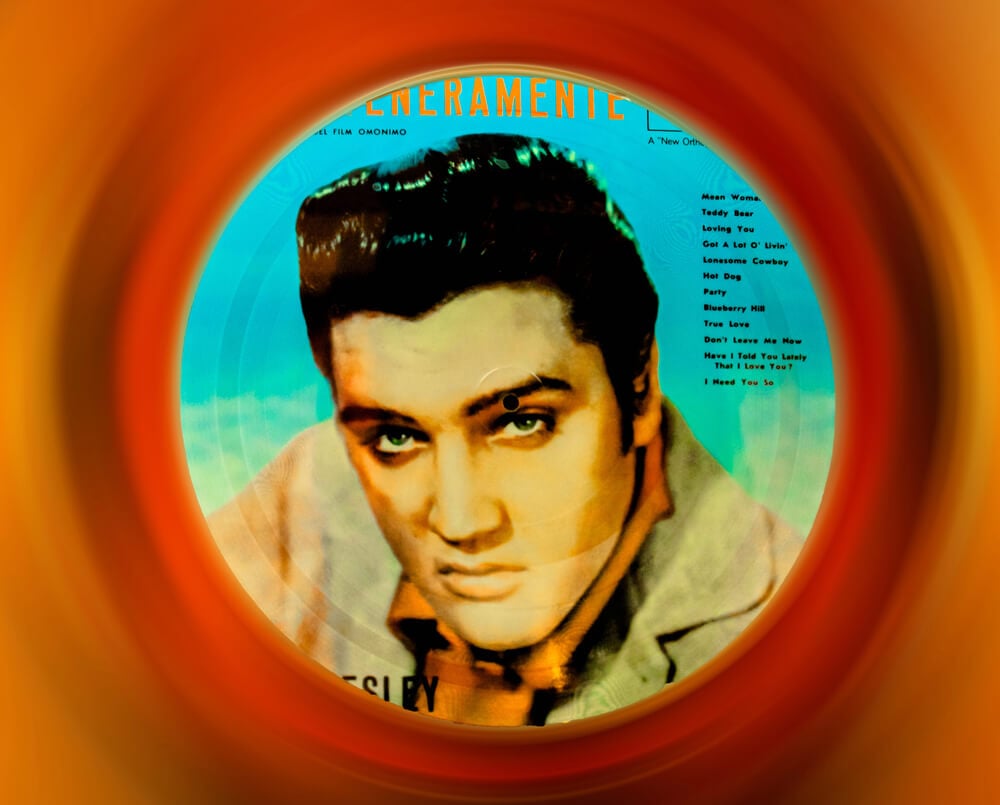
Recorded and released by Sun Records in 1954, this early Elvis Presley single is scarce for the same reasons that affect his other Sun-era releases, limited regional pressing runs and the small scale of the label at the time. Surviving original 78s are actively sought by collectors specializing in early rock and roll and rockabilly recordings.
Authentication of the original Sun label design, which changed over the years, is a key step serious buyers take before paying a premium price.
Johnny Cash’s Early Sun Records Singles
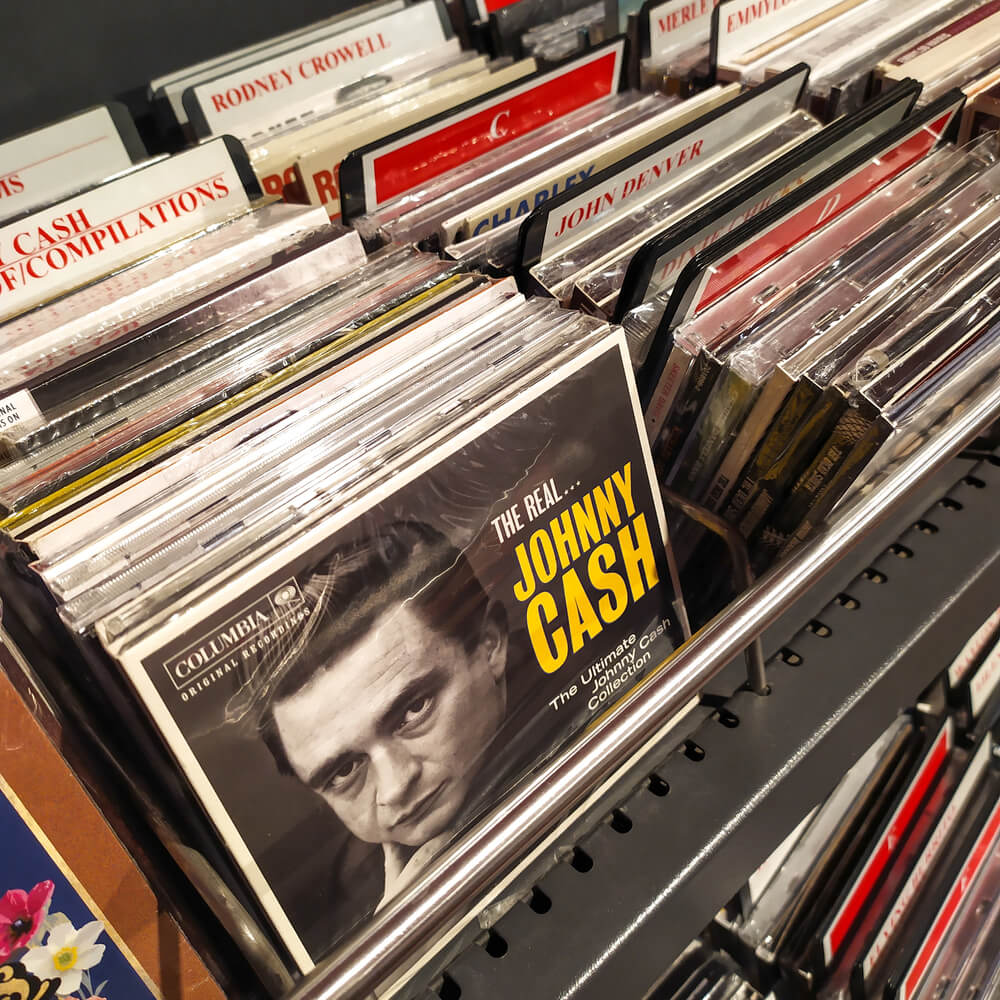
Before his long career with Columbia Records, Johnny Cash recorded a series of singles for Sun Records starting in 1955, including early hits that established his signature sound years before his broader mainstream fame. Original Sun pressings of these early singles are distinguished from later reissues by specific label design details that changed as Sun Records itself was sold and reorganized over subsequent decades.
Collectors specializing in early country and rockabilly recordings treat verified original Sun-era Cash singles as significant finds.
Buddy Holly’s Decca-Era Singles
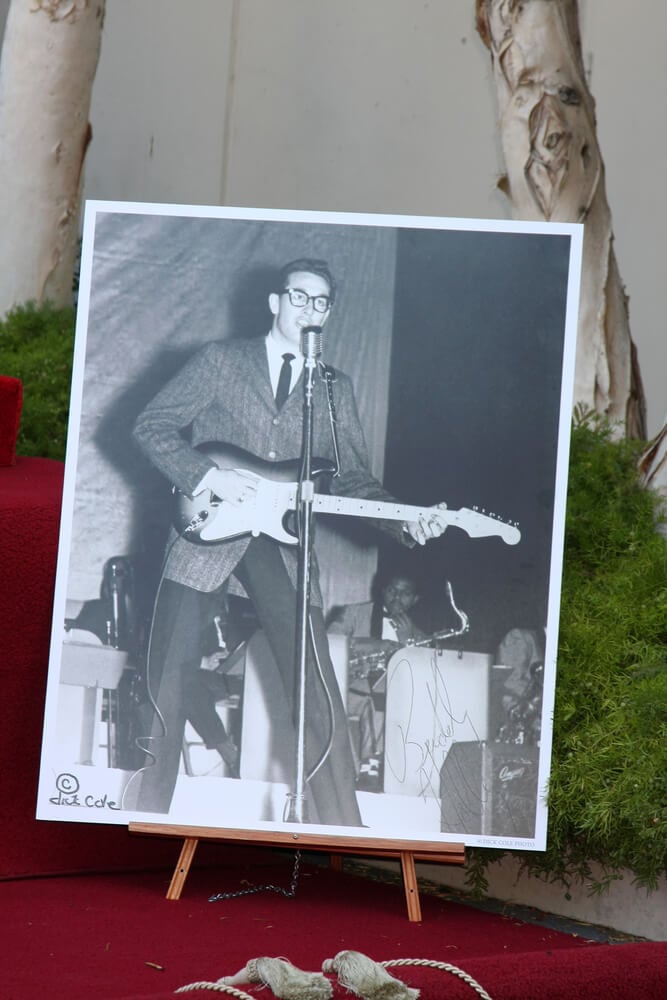
Before his brief but influential run with Coral and Brunswick Records, Buddy Holly recorded a handful of singles for Decca Records in 1956 that performed poorly commercially at the time and were later overshadowed by his more successful subsequent releases. The relatively low sales of these original Decca singles at the time of release means fewer copies survive today compared to his later, more popular records.
Collectors specifically seeking a complete picture of Holly’s short recording career treat original Decca pressings as significant, relatively scarce pieces of that history.
David Bowie’s Original “The Man Who Sold the World” Dress Cover
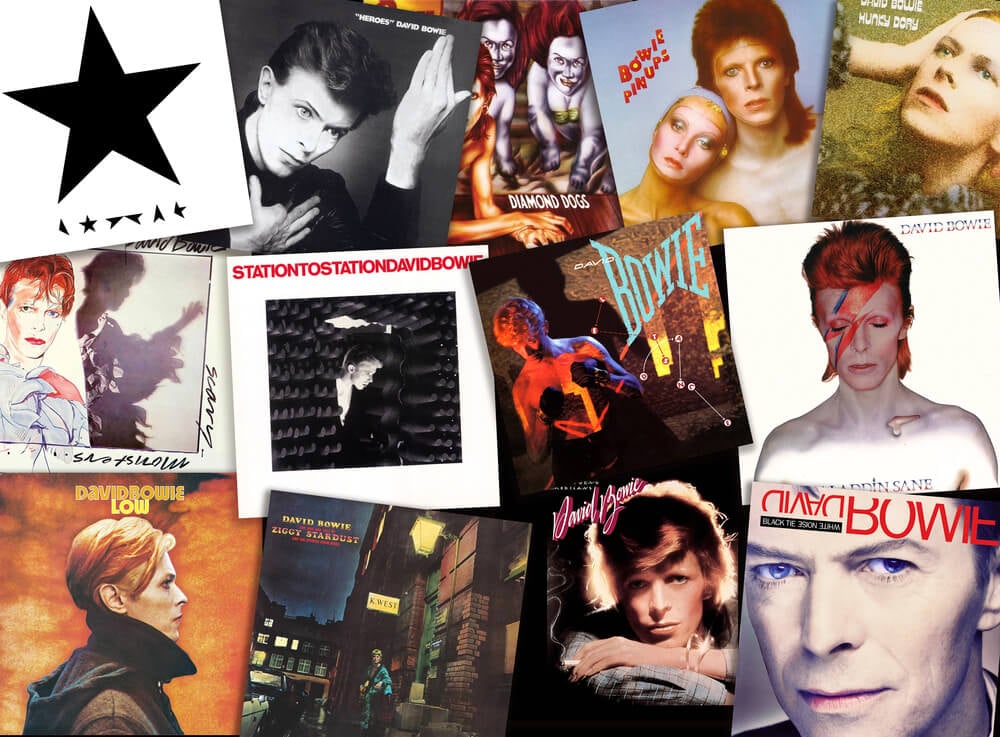
The original 1971 UK cover of David Bowie’s third studio album featured a photograph of Bowie wearing a flowing dress, an image his American label replaced with a cartoon illustration for the initial United States release due to concerns about the photograph’s reception. Original UK pressings featuring the dress cover are considered more significant collector items than the American cartoon-cover version from the same release period.
Collectors distinguish carefully between the UK and American original pressings, since the cover art difference significantly affects which version a given collector is specifically hunting for.
Michael Jackson’s Promotional Picture Discs
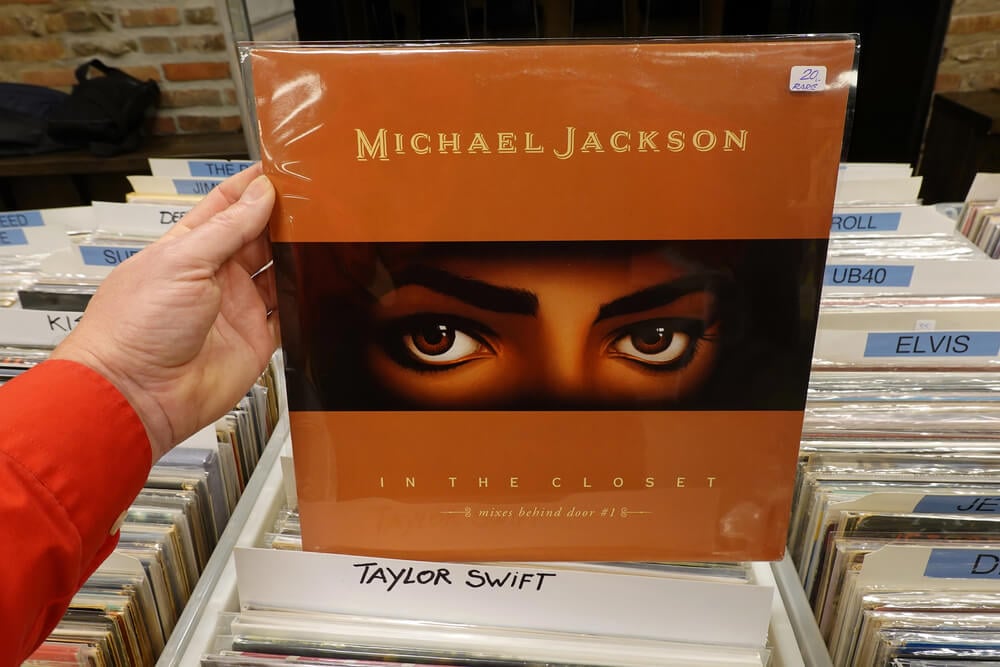
Record labels occasionally pressed limited-run picture discs, records with a printed image embedded directly into the vinyl itself rather than a standard black disc, as promotional items tied to major Michael Jackson album releases during the 1980s. These promotional pressings were typically distributed to radio stations and industry insiders rather than sold at retail, making surviving copies significantly scarcer than the standard commercial release of the same album.
Collectors specifically verify the promotional markings and picture disc format, since a standard retail copy of the same album carries only a fraction of the value.
The Original Woodstock Soundtrack Triple LP

Released in 1970 to accompany the documentary film, the original Woodstock soundtrack came as an elaborate triple LP package with a fold-out cover and extensive packaging that has proven difficult to keep intact over more than five decades. Complete original copies with all three records, the full booklet, and an undamaged fold-out cover are considerably scarcer than copies missing pieces of the original packaging.
Collectors treat the completeness of the full physical package, not just the vinyl itself, as central to the item’s overall value.
Miles Davis’s Six-Eye Label “Kind of Blue”
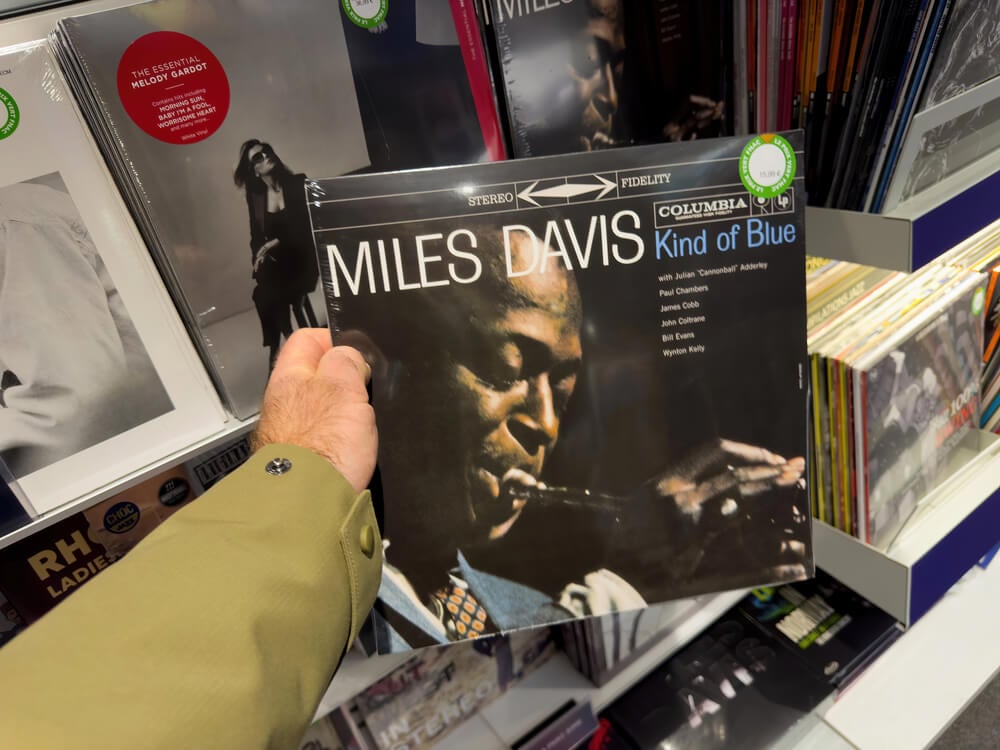
Columbia Records’ original 1959 pressing of this influential jazz album used a distinctive label design featuring six small stylized eye logos arranged around the center, a design the label used only briefly before switching to a different look. Copies bearing this original six-eye label are distinguished by serious jazz collectors from the far more common later reissues using Columbia’s subsequent label designs.
A clean original six-eye pressing remains one of the most consistently sought-after finds in jazz record collecting specifically because of how closely tied the label design is to the album’s original release window.
John Coltrane’s Deep-Groove “Blue Train”
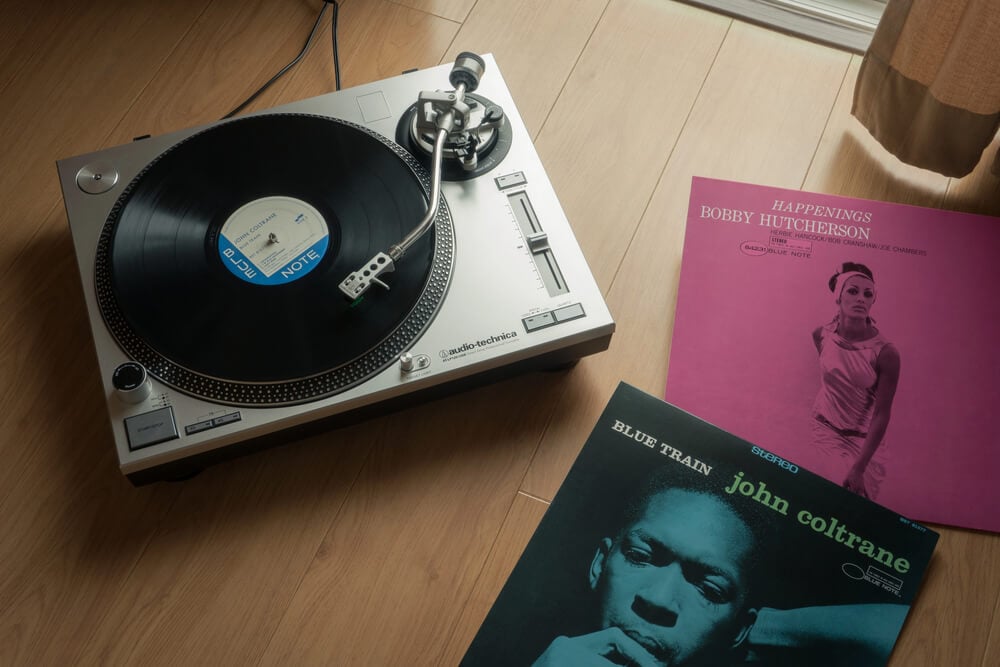
Blue Note Records’ original 1957 pressing of this John Coltrane album is identified by a physical “deep groove” ring pressed into the vinyl surface near the label, a manufacturing characteristic used only during a specific early period of Blue Note’s production before equipment changes eliminated the feature. Collectors specifically run a fingertip across the vinyl surface near the label to check for this detail before assuming a copy is a genuine early pressing.
Verified deep-groove originals in strong condition rank among the most valuable finds in postwar jazz collecting.
Patsy Cline’s Four Star Records Early Singles
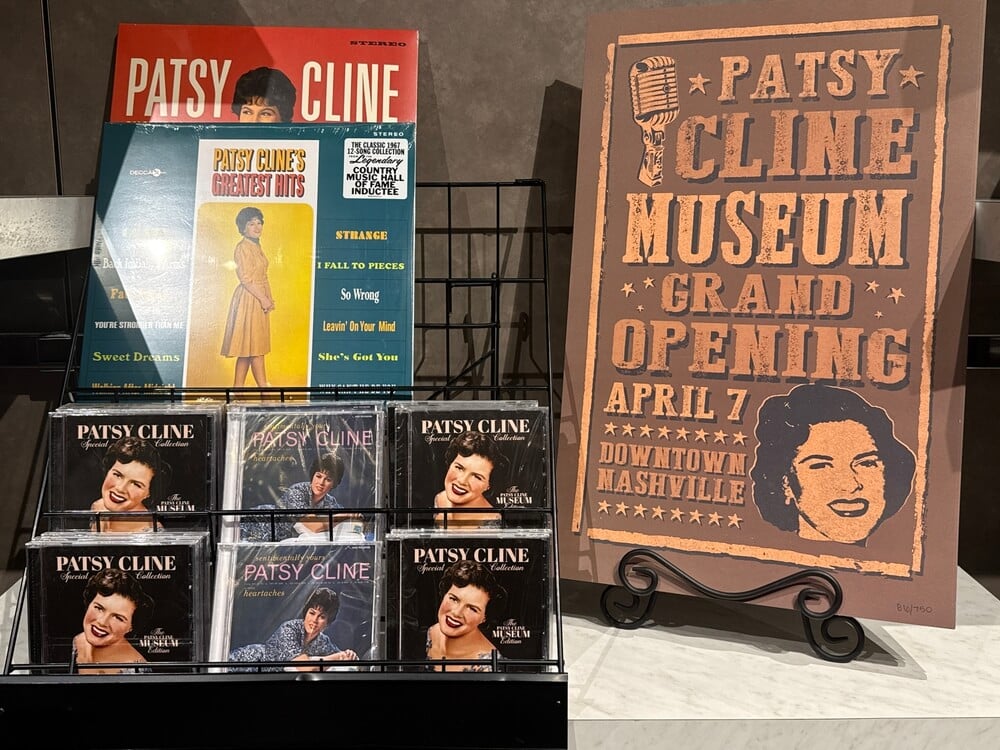
Before her later, more commercially successful recordings, Patsy Cline released a series of singles through the small Four Star Records label beginning in 1955, under a restrictive contract that limited her creative control and commercial reach at the time. These early singles sold in far smaller quantities than her later hits, making surviving original copies considerably scarcer than her better-known later work.
Collectors specializing in early country music treat verified original Four Star pressings as significant pieces of Cline’s earliest professional recording history.
Charley Patton’s Paramount 78s
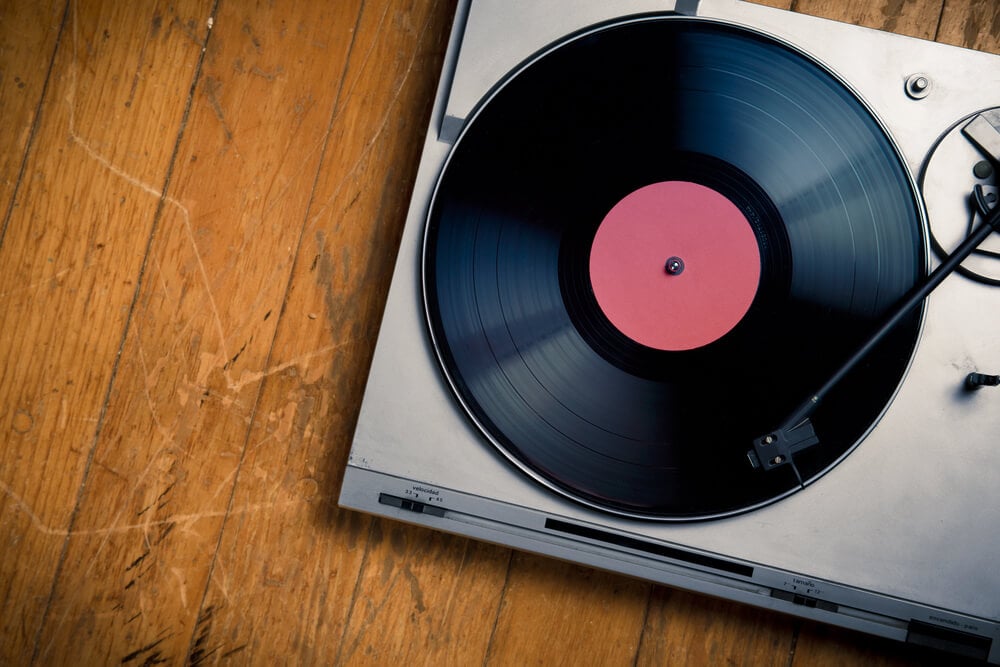
Considered one of the foundational figures of Delta blues, Charley Patton recorded for the Paramount label beginning in 1929, a period during which the company used notably low-quality pressing materials that have made many surviving copies fragile and prone to significant wear even when carefully stored. Surviving original copies are extremely rare, and dedicated blues archivists and collectors continue to actively search estate sales specifically hoping to recover previously undocumented copies.
Even a heavily worn original can carry considerable value given how few are known to survive at all.
The Kingsmen’s Original “Louie Louie” Pressing

Released in 1963 on the small regional Jerden label before being picked up for wider distribution, the Kingsmen’s version of “Louie Louie” became the subject of an FBI investigation into supposedly obscene lyrics, an inquiry that ultimately found the recording’s mumbled vocals too unintelligible to determine any specific content. The original small-label pressing, predating the record’s wider distribution deal, is distinguished by collectors from the more common later pressings that followed the song’s national success.
Original Jerden-label copies remain a specific and identifiable target for collectors focused on early 1960s garage rock.
The Grateful Dead’s Original “Europe ’72” Box Set
Released in 1972, this triple live album originally came packaged in an elaborate box set with extensive artwork and inserts documenting the band’s European tour that year, packaging considerably more elaborate than most live albums released around the same time. Original box sets with all inserts, the complete artwork, and undamaged packaging intact are considerably scarcer than the records alone, since the elaborate packaging has proven especially prone to damage over five decades of storage.
Dedicated Grateful Dead collectors specifically prioritize the completeness of the full original package over the vinyl condition alone.
Guns N’ Roses’ Original “Appetite for Destruction” Cover Art
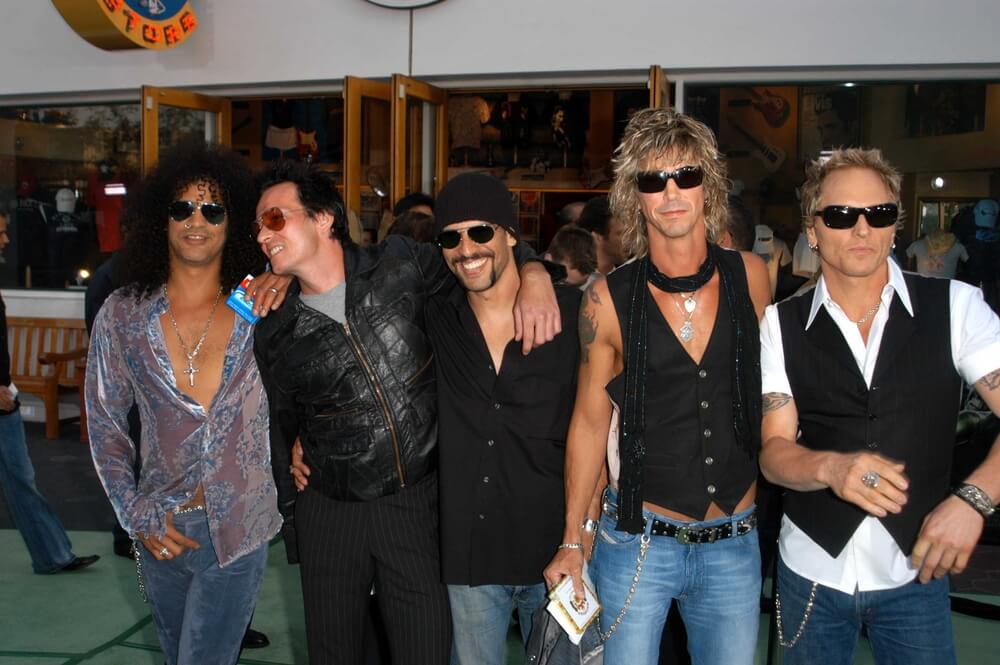
The first pressing of Guns N’ Roses’ 1987 debut album featured original cover artwork depicting a robot assailant, an image the band’s label quickly replaced with the now-familiar cross and skull design after retailers objected to the original artwork. Copies bearing the original robot cover art, pressed and briefly distributed before the switch, are significantly scarcer than the widely available replacement cover version.
Collectors specifically hunt for this narrow window of original pressings, since the standard replacement cover version that followed is common and worth comparatively little.
Nirvana’s Original Sub Pop “Bleach” Pressing
Nirvana’s 1989 debut album was originally released on the small independent Seattle label Sub Pop before the band’s later, far larger commercial success with Geffen Records. Original Sub Pop pressings, particularly early copies on colored vinyl variants the label produced in limited quantities, are distinguished by collectors from the much more common later reissues that followed the band’s breakthrough success.
A verified original Sub Pop pressing in strong condition remains one of the more significant finds among collectors focused specifically on early grunge and independent label releases.
The Beach Boys’ Original Mono “Pet Sounds”
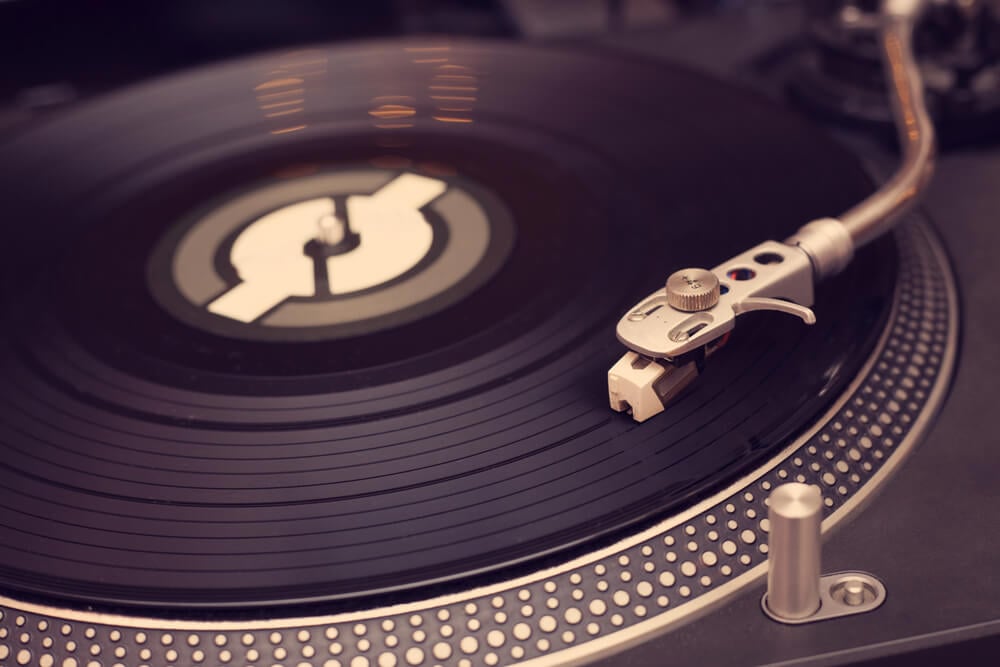
Brian Wilson mixed the Beach Boys’ 1966 album specifically for monaural playback, and many collectors and audio purists consider the original mono mix meaningfully different in balance and detail from the stereo mix that later became the more commonly available version. Original Capitol Records mono pressings are distinguished from later stereo reissues by specific label markings that changed as the format shifted.
Serious Beach Boys collectors specifically seek out the original mono pressing, treating it as capturing an intended listening experience that the more common stereo version does not fully replicate.
Led Zeppelin’s Original Turquoise Atlantic Label Pressing
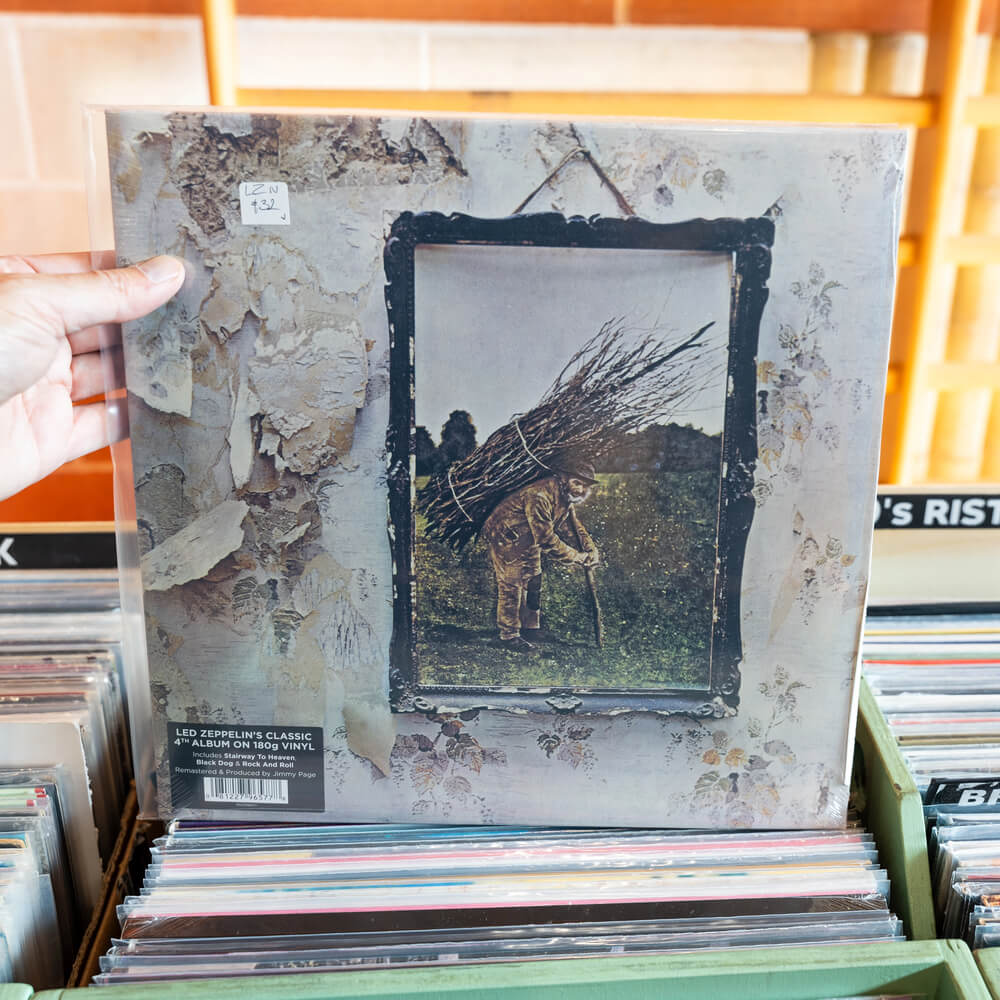
Led Zeppelin’s 1969 self-titled debut album was originally pressed by Atlantic Records using a distinctive turquoise and red label design that the company used only briefly before switching to a different color scheme on later pressings. Collectors distinguish these early turquoise-label copies from the more common later pressings using Atlantic’s standard black label design from subsequent years.
A verified original turquoise-label copy in strong condition commands a meaningful premium among collectors specifically focused on early hard rock and classic rock pressings.
Why the Attic Search Never Really Ends
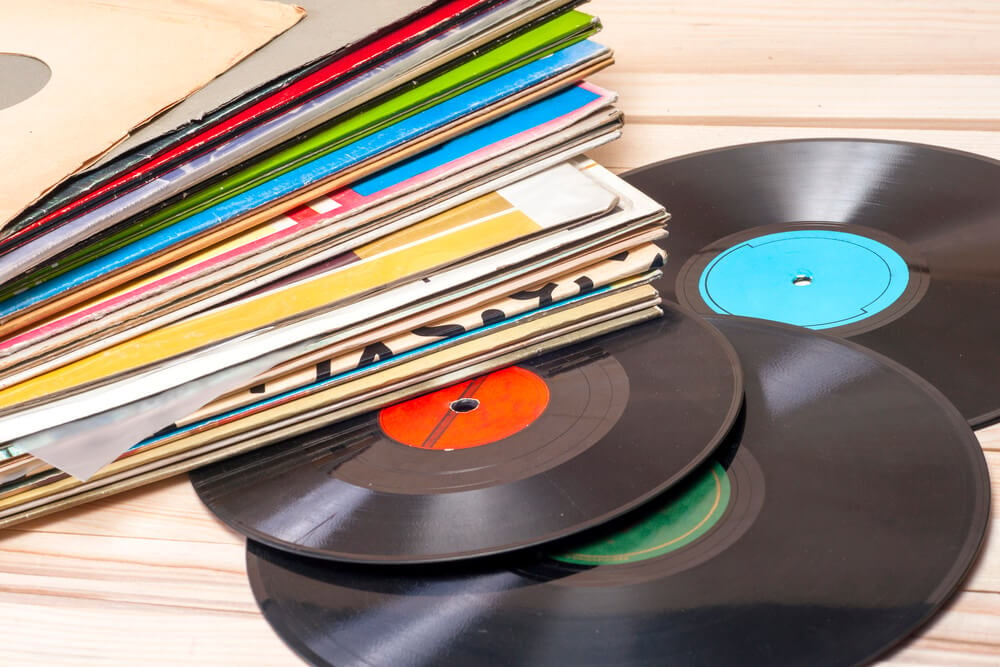
A record collector’s obsession rarely makes sense from the outside. Paying hundreds or thousands of dollars for an object that looks, to an untrained eye, almost identical to a two-dollar thrift store copy of the same album requires a specific kind of faith in small, invisible details, a label color, a groove pattern, a sticker that somebody decided not to peel.
That faith is exactly what keeps the search alive. Somewhere out there, in a box nobody has opened in thirty years, a first pressing is sitting between water-damaged Christmas albums and a stack of warped 45s, waiting for someone who actually knows what they are looking at.
The hunt continues not because these records are rare in some abstract statistical sense, but because almost nobody who owns one realizes what they actually have.
More from Go2Tutors!

- The Romanov Crown Jewels and Their Tragic Fate
- 13 Historical Mysteries That Science Still Can’t Solve
- Famous Hoaxes That Fooled the World for Years
- 15 Child Stars with Tragic Adult Lives
- 16 Famous Jewelry Pieces in History
Like Go2Tutors’s content? Follow us on MSN.