23 Radio DJs and Hosts Whose Voices Defined an Era
Radio personalities didn’t just read scripts and play records—their voices became part of the fabric of American life, recognizable to millions of listeners who felt they knew them personally. These hosts shaped tastes, launched careers, broke barriers, and created the template for broadcast entertainment that persists today.
Their reach was absolute within their markets, their influence undeniable, their connection to audiences genuine and immediate.
Jack Benny
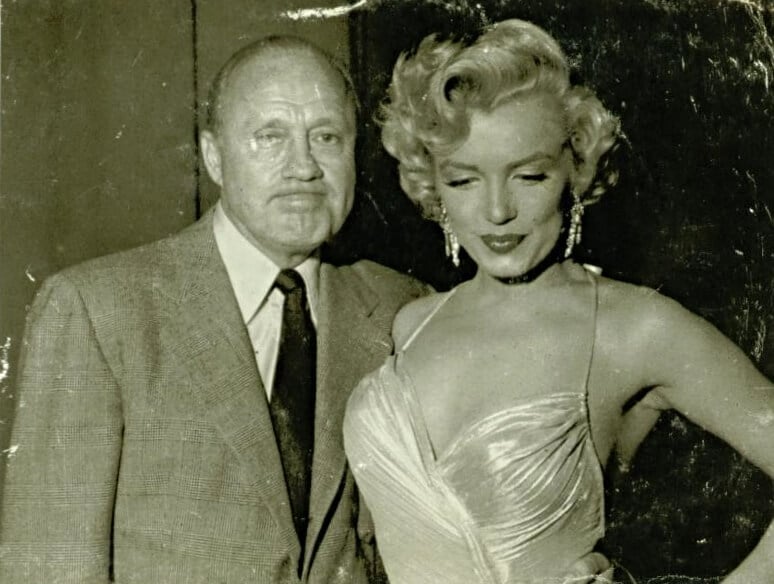
Jack Benny’s program beginning in 1932 established that a radio personality could build an entire show around character and timing rather than situation or spectacle. His deadpan delivery and famous comedic pauses made silence itself funny, proving that radio’s limitation—the inability to show faces—was actually an advantage for the right performer.
Benny’s mastery of the medium made him radio’s most influential comedian.
Fred Allen
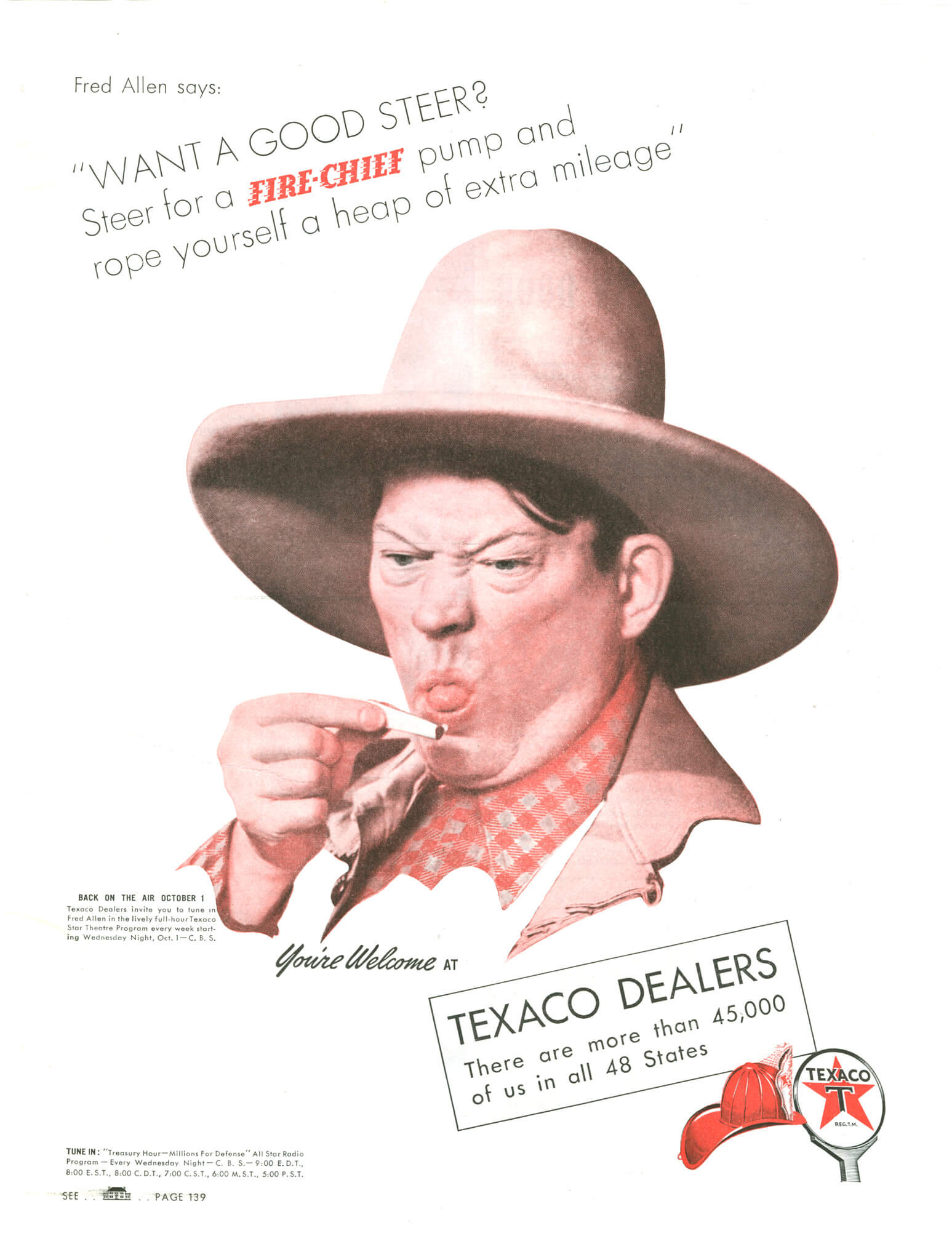
Fred Allen built his career on fast-paced verbal comedy and satirical jabs at radio itself and popular culture. His weekly program running from 1934 to 1949 featured rapid-fire jokes and his famous “alley of the characters,” a segment where he would encounter absurd personalities engaged in ridiculous enterprises.
Allen’s wit was sophisticated enough to appeal to educated audiences while remaining accessible to ordinary listeners.
Walter Winchell
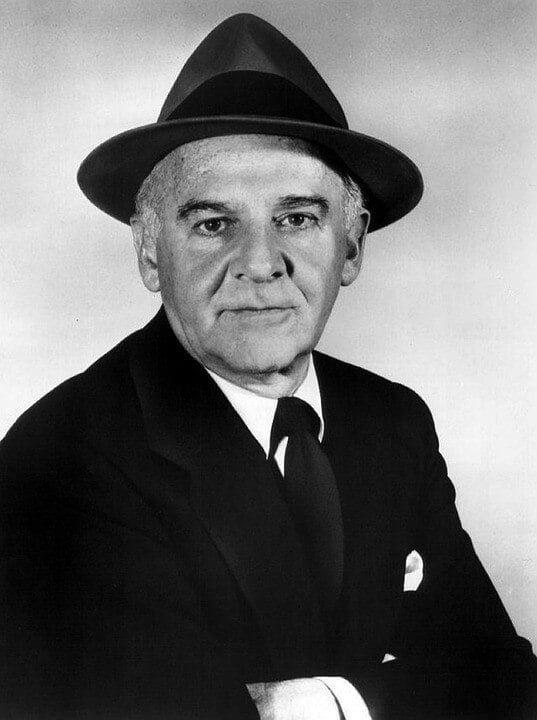
Walter Winchell pioneered celebrity journalism over radio, commanding an audience of fifty million at his peak with his staccato delivery and trademark opening: “Good evening, Mr. and Mrs. America, from border to border and coast to coast and all the ships at sea.” He clicked a telegraph key as he spoke, creating a sound that became inseparable from his presence.
Winchell’s gossip-driven reporting transformed radio news into entertainment and shaped modern journalism’s obsession with celebrity.
Lowell Thomas
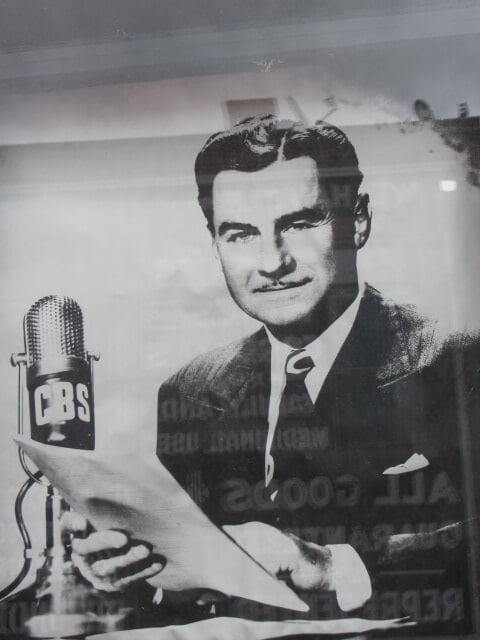
Lowell Thomas brought world authority to radio news, joining CBS in 1930 and delivering nightly broadcasts from 1930 through the 1950s and beyond. An explorer and journalist who had encountered Lawrence of Arabia, Thomas brought a sense of gravitas and experience to his news commentary.
His calm, measured delivery assured Americans that they could trust the news coming through their radios because it came from someone who had seen the world firsthand.
Kate Smith
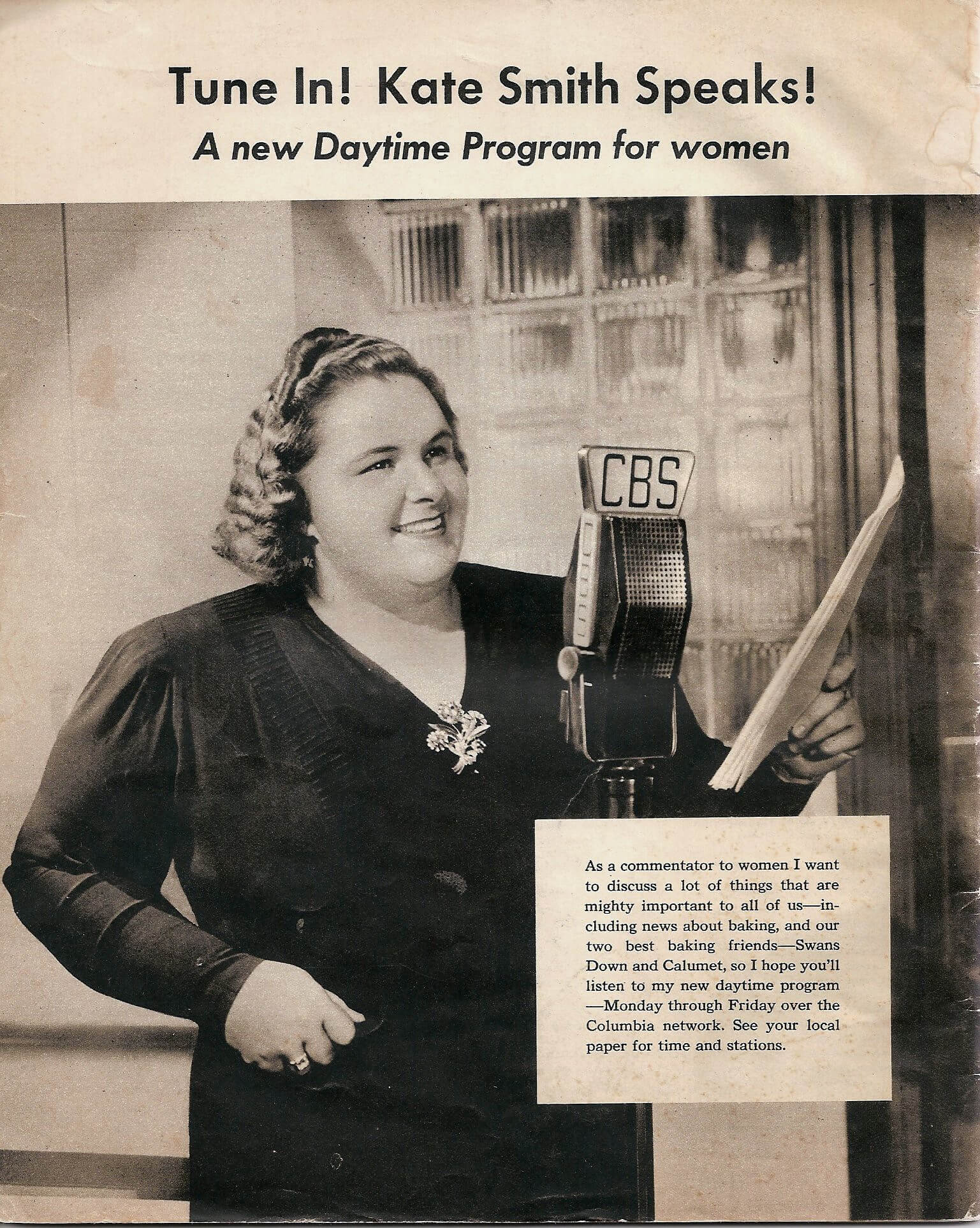
Kate Smith became “The First Lady of Radio,” the first woman to host her own radio show when Kate Smith Sings began in 1931. Her warm contralto voice and her signature song, “When the Moon Comes Over the Mountain,” made her a beloved fixture in American homes for nearly three decades.
Smith’s association with “God Bless America” connected her voice to patriotic sentiment, and she famously sold six hundred million dollars in war bonds during World War II.
Bing Crosby
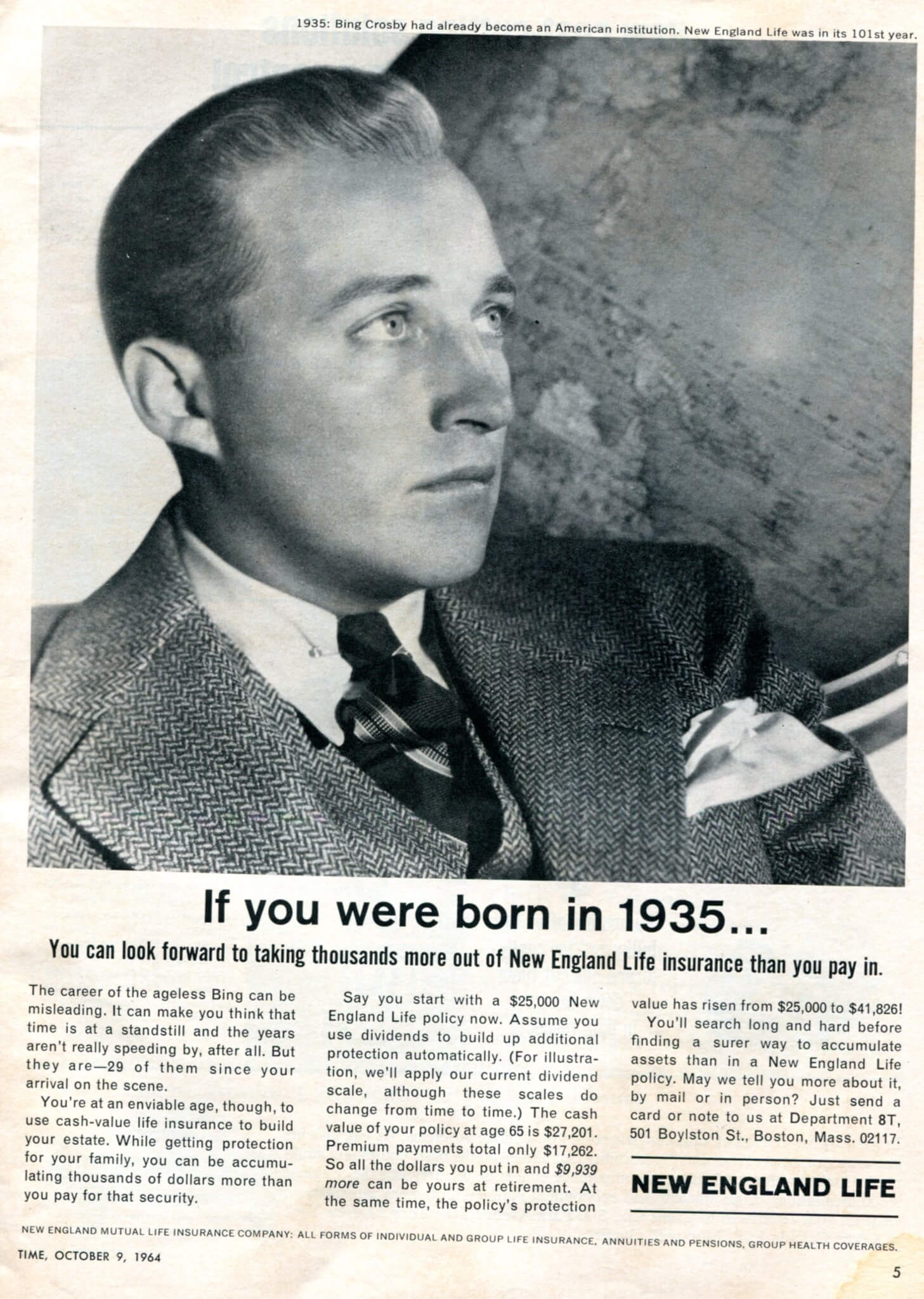
Bing Crosby’s smooth baritone made him one of radio’s most popular personalities and crossover stars who dominated both the medium and film. His Kraft Music Hall program ran for years, and his casual, intimate singing style seemed to address each listener individually.
Crosby’s radio success preceded and paralleled his film career, with radio establishing the persona that audiences came to love on screen.
Bob Hope
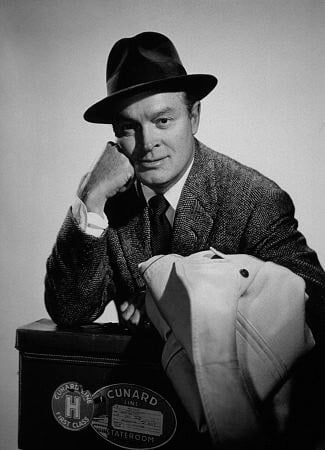
Bob Hope built a radio career through fast, clever comedy and an ability to appeal to broad audiences with topical humor and rapid-fire jokes. Beginning his radio work in 1938, Hope developed the comedic style that would sustain him through decades of television and film.
His energy translated perfectly to radio, where audience laughter and timing were everything.
Alan Freed
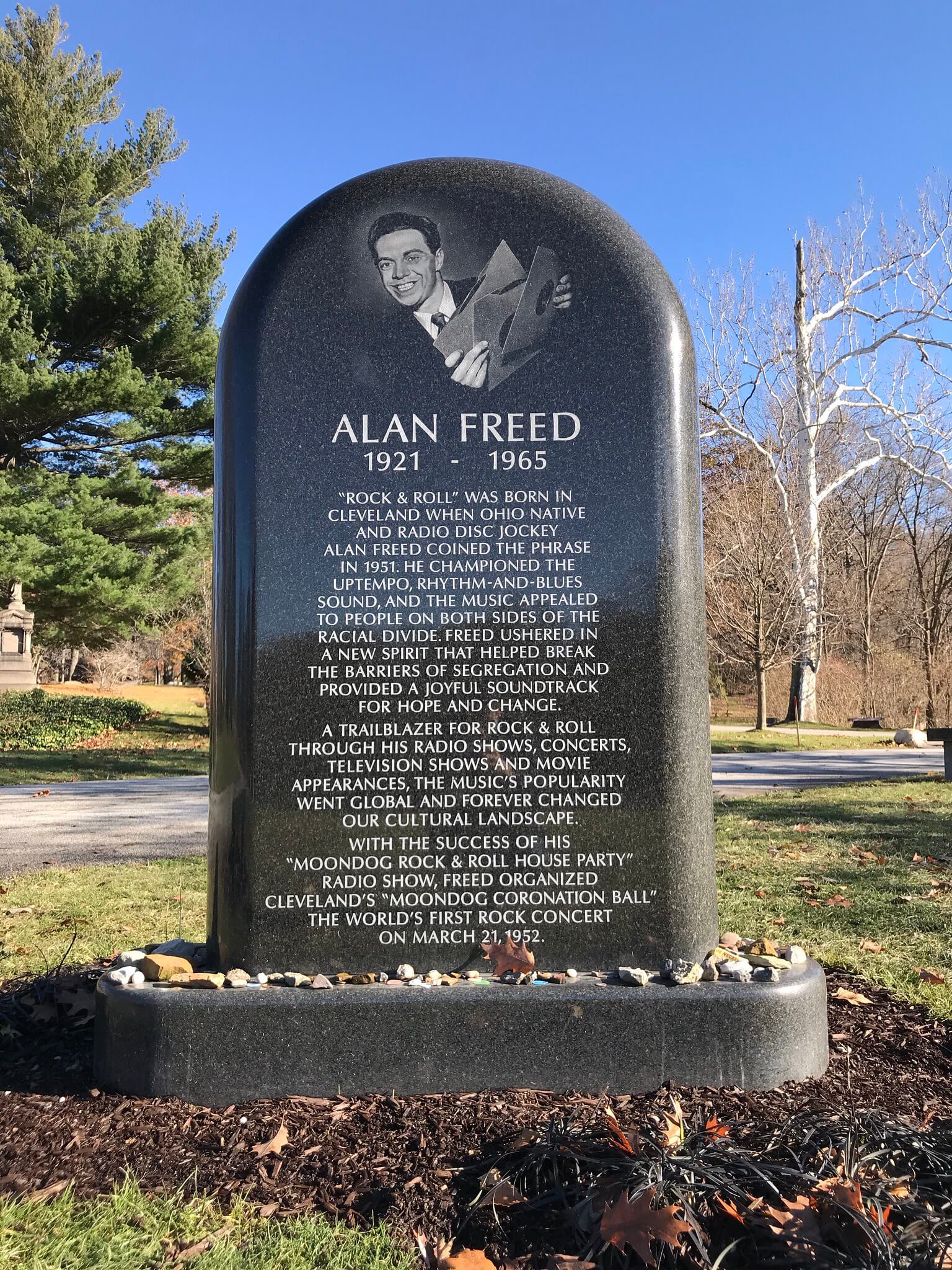
Alan Freed transformed himself from a classical music announcer in Cleveland to the disc jockey who popularized the term “rock and roll” in the early 1950s. Known as “Moon Dog,” Freed played rhythm and blues music to increasingly integrated audiences of white and black teenagers, breaking down racial barriers in music at a time when segregation remained the norm.
His live rock and roll concerts drew tens of thousands of young people to integrated shows.
Clark
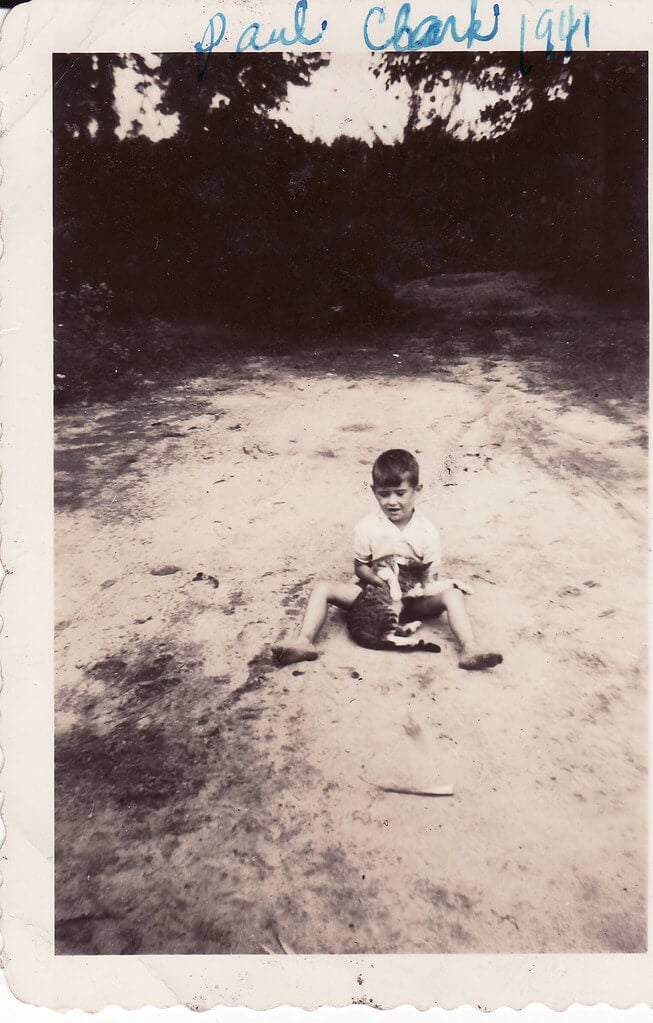
Clark became synonymous with American Bandstand on television, but his influence as a radio personality and music curator was equally significant. Younger and cleaner-cut than competitors like Alan Freed, Clark demonstrated that mainstream success was possible by avoiding the scandals that engulfed other DJs during the payola crisis.
His career proved that a broadcaster could reach both youth and adult audiences simultaneously.
Wolfman Jack
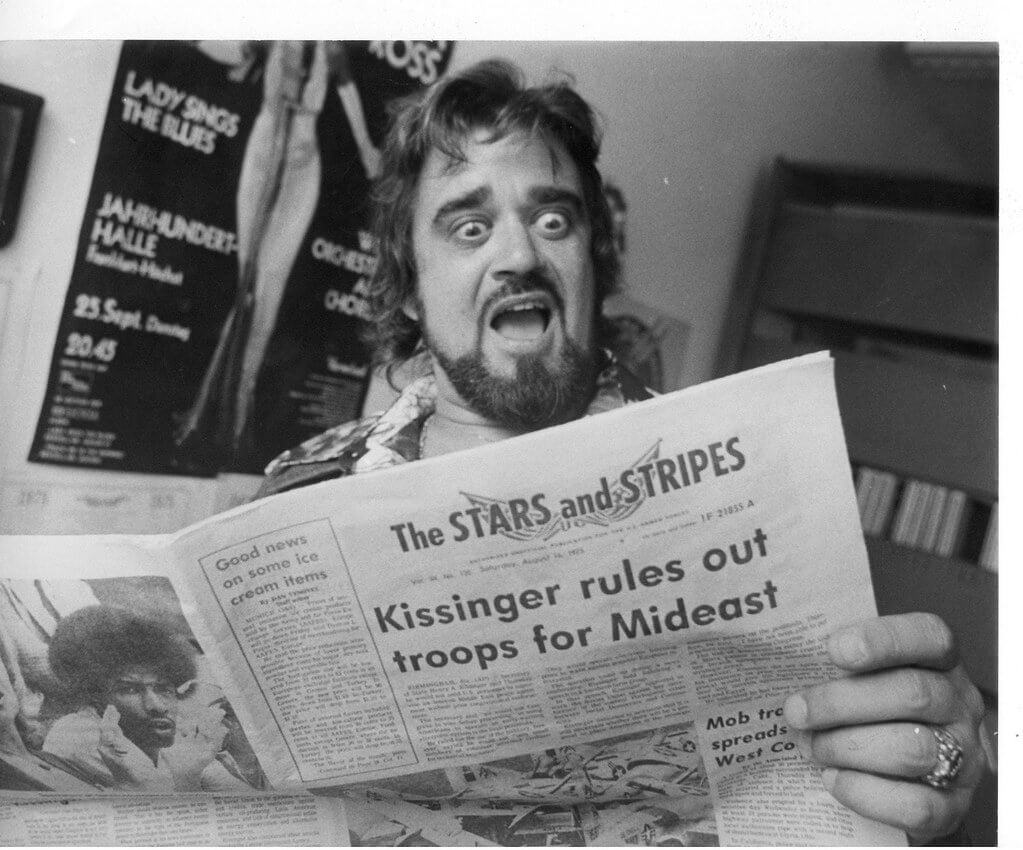
Wolfman Jack’s gravelly voice and theatrical personality made him one of the most distinctive DJs of the 1960s and 1970s. Broadcasting from border-blaster stations in Mexico, Wolfman reached millions across North America with his eclectic mix of rock and roll and his larger-than-life character.
His legend grew through his mysterious persona, and he remained influential enough to appear in films and television, bringing his radio character to the screen.
Mary Margaret McBride
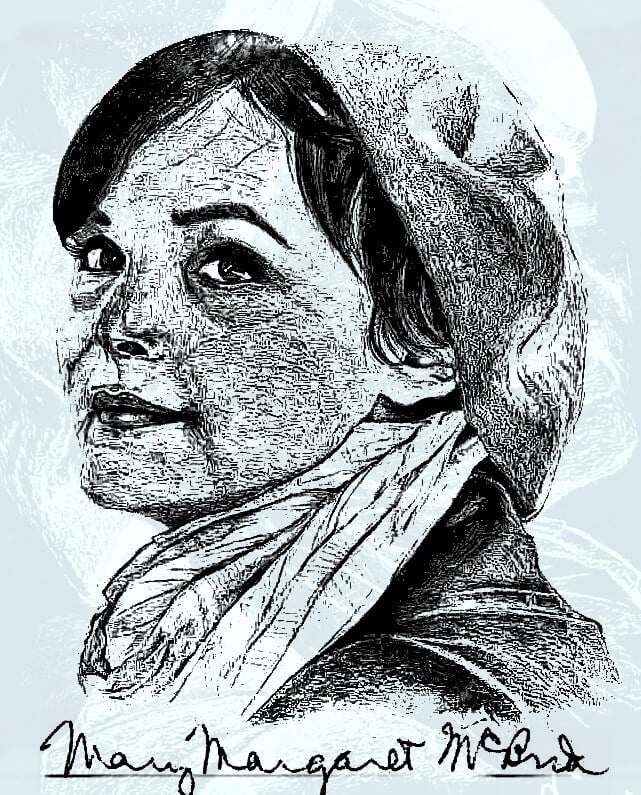
Mary Margaret McBride pioneered the interview format on radio, hosting a talk show from the 1930s through the 1950s. Her conversational style and ability to draw out guests made her a model for later talk show hosts, creating a template for intimate radio conversation that influenced hosts across decades.
McBride proved that women could command large audiences and establish themselves as authorities through conversational radio.
Jack L. Cooper

Jack L. Cooper became one of the first African American radio announcers, broadcasting on Chicago’s WCAP in the 1930s. Cooper pioneered the practice of playing gramophone records on radio, including gospel and jazz music, earning him a place as an innovator in both radio broadcasting and music promotion.
His work created opportunities for other Black radio personalities and helped establish African American presence in broadcasting.
Herb Kent
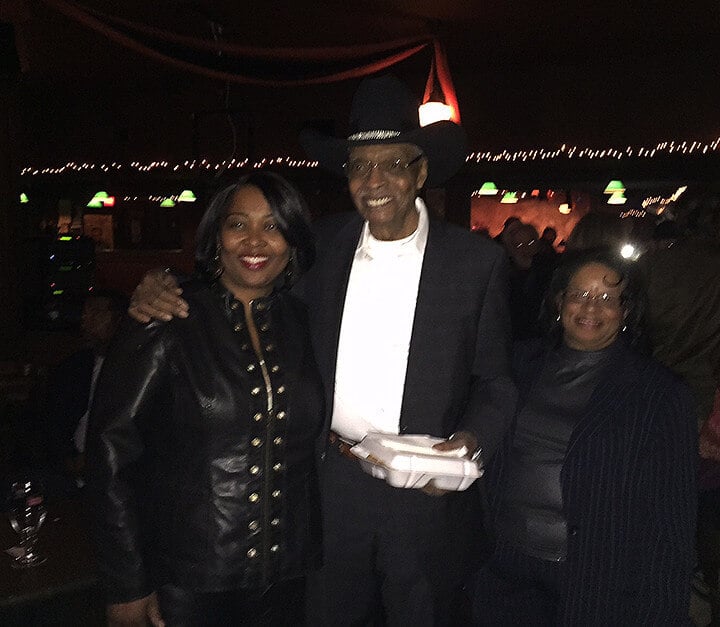
Herb Kent began his career in 1944 on Chicago’s WBEZ playing classical records, then evolved into one of Chicago’s most popular disc jockeys playing R&B and soul music. His career spanned decades, and he became known for coining the term “dusty records” or “dusties” to refer to older songs that still had appeal.
Kent’s longevity and influence made him a Chicago institution and a model for Black radio excellence.
Hal Jackson
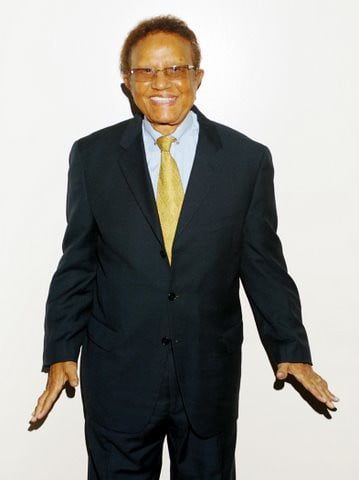
Hal Jackson became the first African American radio sportscaster in 1939 at WOOK-AM in Washington, D.C., opening doors in sports broadcasting for Black journalists. He later hosted The House That Jack Built, a program of jazz and blues that introduced listeners to musical excellence and helped establish his reputation as a tastemaker.
Jackson’s career demonstrated how radio could be a vehicle for Black professionals to gain authority and influence.
Ozzie Nelson
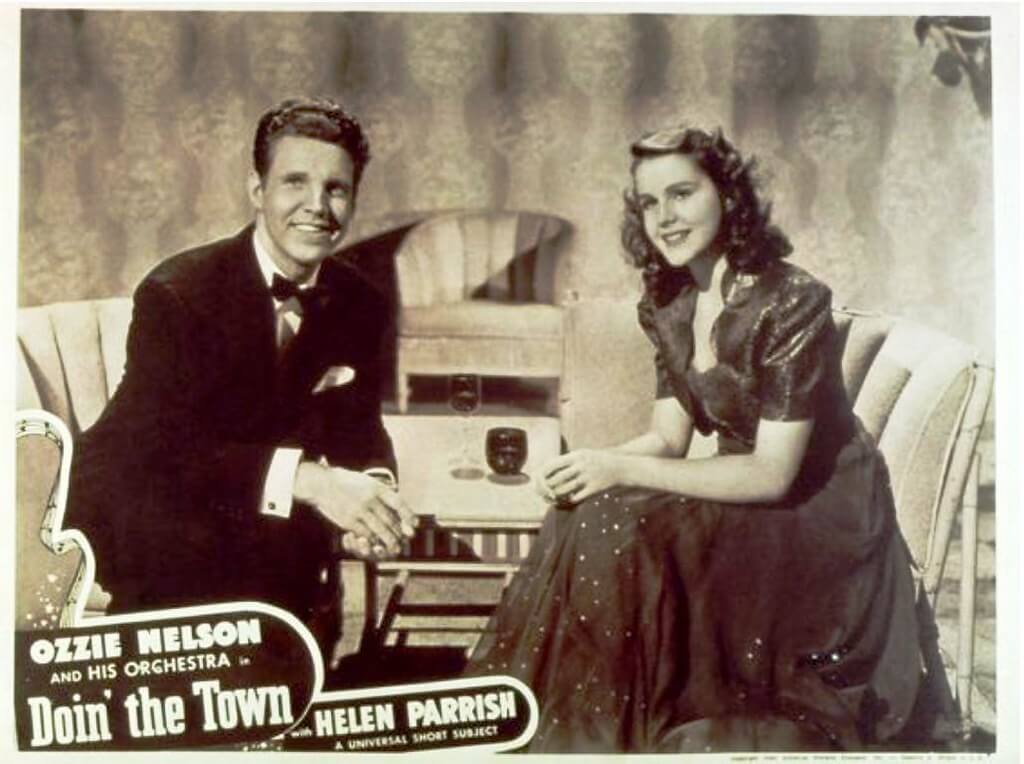
Ozzie Nelson’s bandleader popularity on radio in the 1930s transitioned seamlessly into his hugely successful television career with the sitcom The Adventures of Ozzie and Harriet, where he and his vocalist-turned-wife Harriet Hilliard became emblems of suburban American life. His transition from bandleader to radio personality to television star demonstrated how thoroughly radio had become a training ground for entertainment careers.
Rudy Vallee
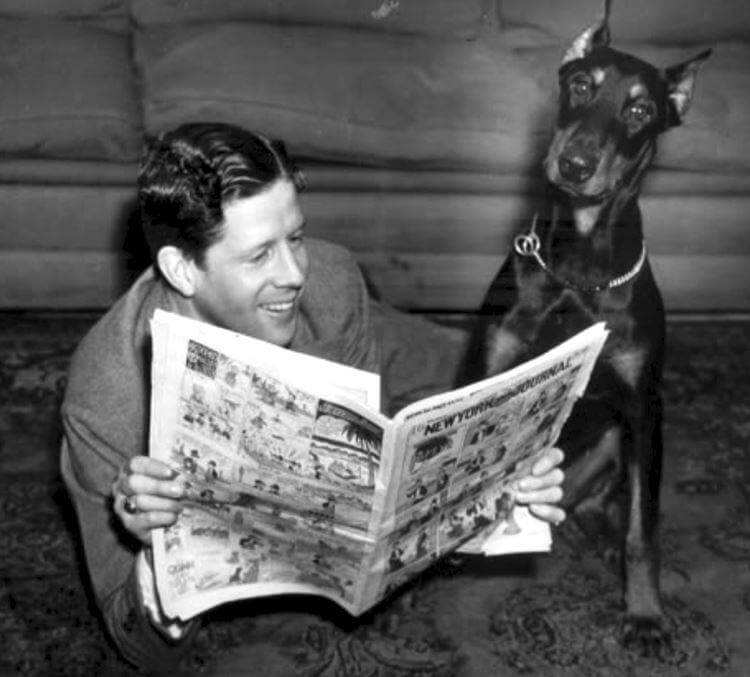
Rudy Vallee pioneered the megastar DJ before the term existed, using his crooning voice and charm to build an audience that followed him from stage to radio to screen. His Sealtest Show brought music and entertainment to millions, and his influence on younger singers who admired his style was profound.
Vallee represented the era when radio personalities could achieve genuine star status through voice alone.
Arthur Godfrey
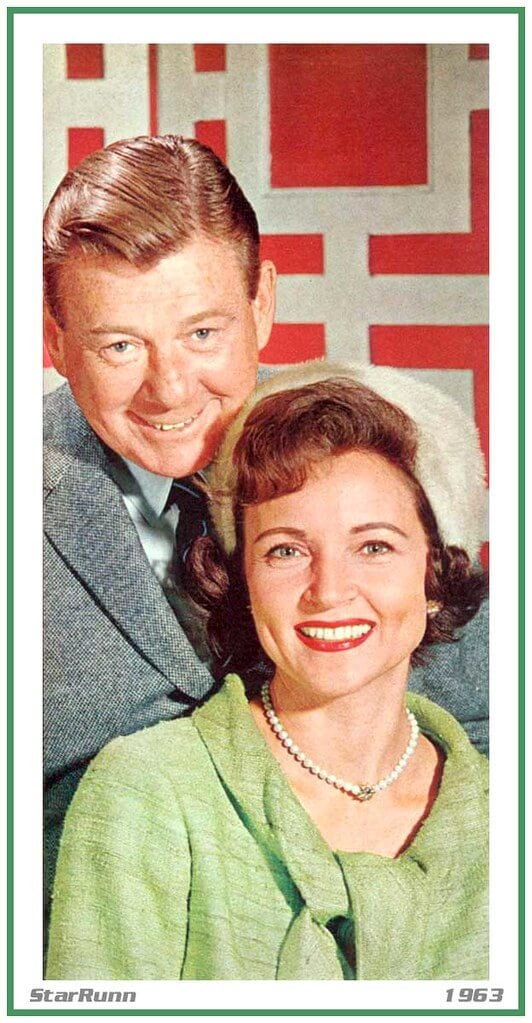
Arthur Godfrey built an extraordinary career on his affable personality and genuine connection with audiences through both radio and television. His morning radio show established him as someone Americans trusted to deliver not just entertainment but also friendship and counsel.
Godfrey’s ability to make radio feel personal and intimate influenced how later personalities approached their audiences.
Casey Kasem
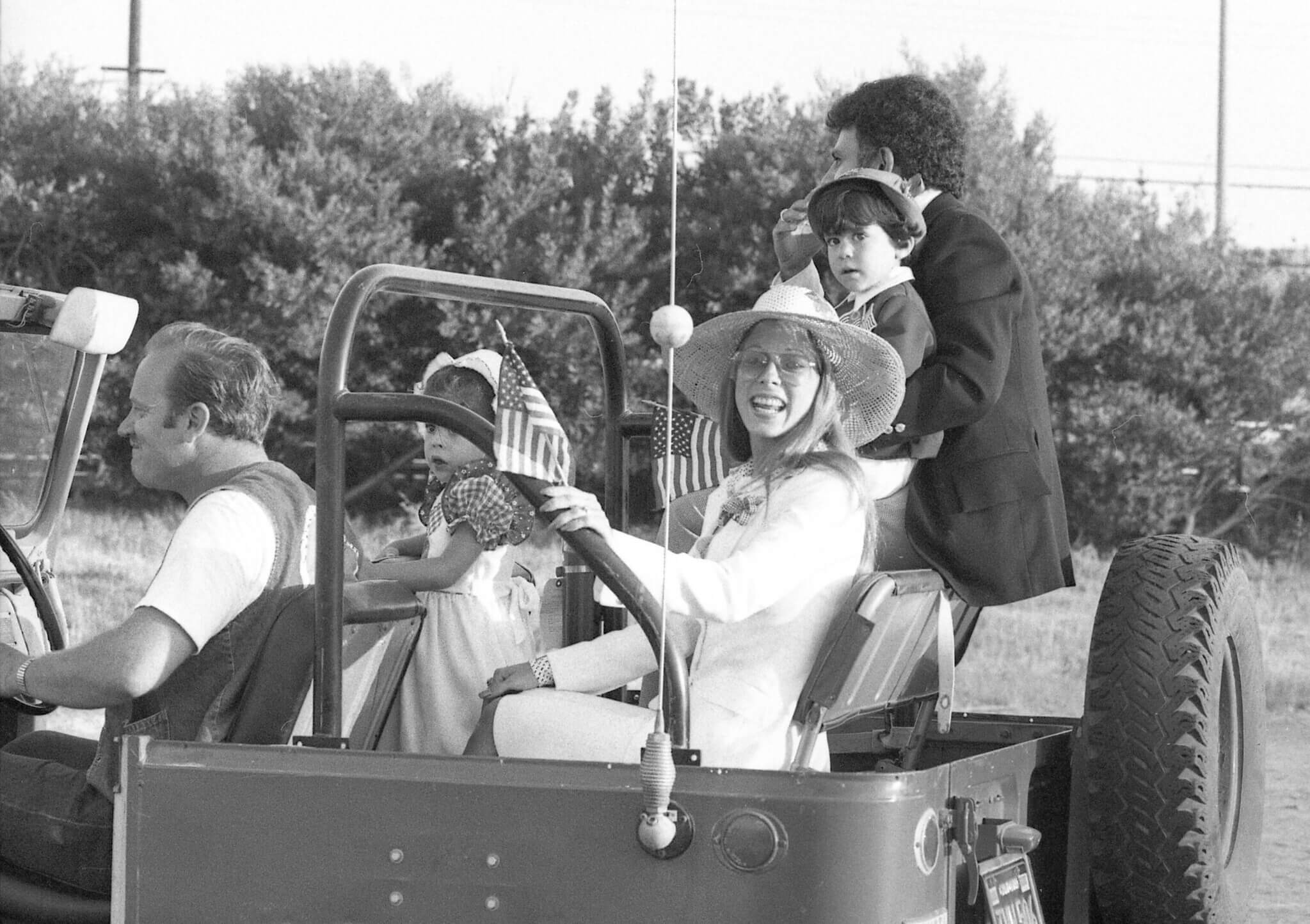
Casey Kasem revolutionized the radio countdown format with his American Top 40 program, which began syndication in 1970 and continued for decades. Kasem’s smooth voice and genuine enthusiasm for music made him the host that listeners chose to follow their favorite songs through.
His “Long Distance Dedications” segment transformed the countdown from a simple list into an emotional narrative of listener connections.
Jimmy Wallington
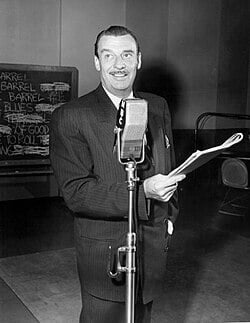
Jimmy Wallington served as the announcer for numerous popular radio shows in the 1930s, 1940s, and 1950s, including Fred Allen’s Texaco Star Theater and Eddie Cantor’s Texaco Town. His professional, authoritative voice became synonymous with network radio’s standard of quality, and his work appeared on both coast-to-coast broadcasts and major entertainment programs.
Wallington’s star on the Hollywood Walk of Fame attested to his significance in broadcasting history.
Al Benson
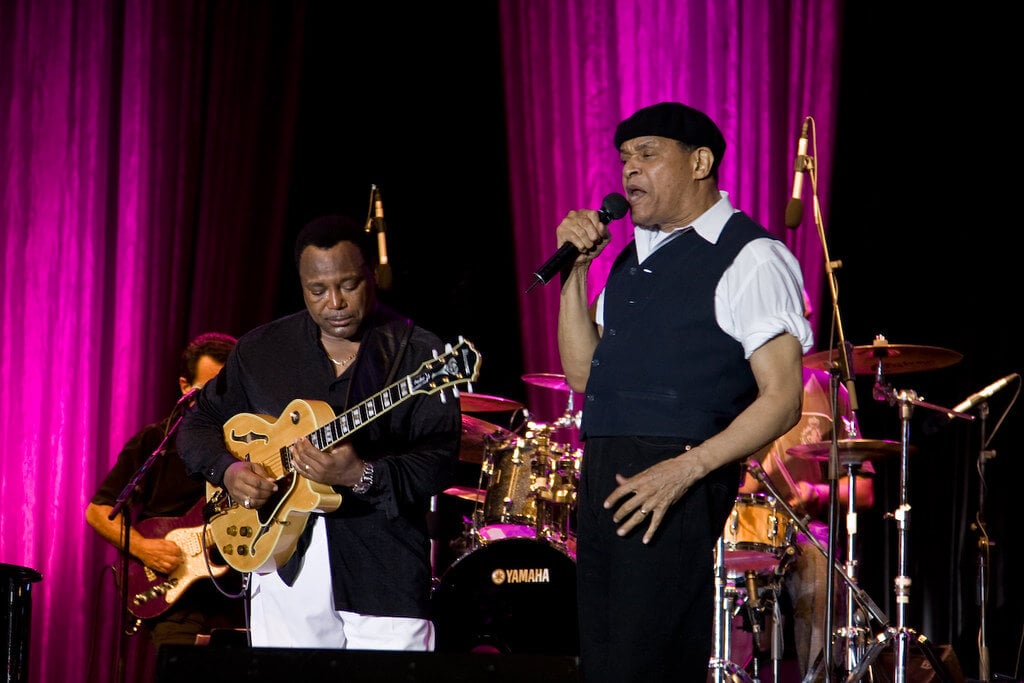
Al Benson became the first popular disc jockey to play urban blues and use Black street vernacular in his broadcasts, pioneering a style of radio presentation that was authentic to the communities he served. His presence on Chicago’s WGES helped establish rhythm and blues as a vital radio format and created a model for Black DJs to serve their communities authentically.
Benson’s work validated Black listening audiences and their musical preferences.
Ernie Kovacs
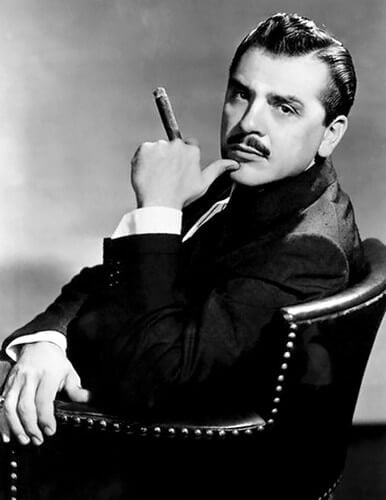
Ernie Kovacs demonstrated that radio could be experimental and visually imaginative, using only sound to create absurd and surreal comedy. Though best known for television, Kovacs’ radio work established his reputation for innovation and willingness to break format conventions.
His comedic sensibility proved that radio didn’t have to follow expected patterns to be entertaining.
Bob Crosby
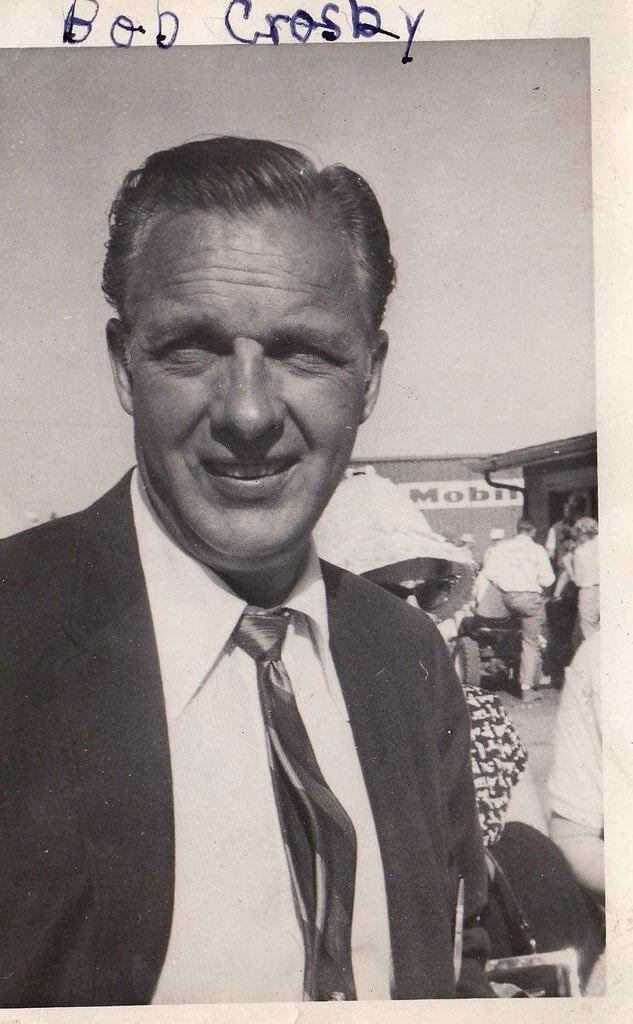
Bob Crosby built a successful career as a bandleader and radio personality separate from his more famous brother Bing, establishing his own identity through his Camel Caravan program and his ability to lead orchestras. His radio presence created a distinct personality that appealed to audiences seeking a different style from Bing’s more intimate approach.
Bob Crosby’s career demonstrated how radio could support multiple personalities in the same family without overlap or competition.
Alison Steele

Alison Steele became known as “The Nightbird,” hosting New York’s WNEW-FM in the 1960s and 1970s with her breathy voice and sophisticated delivery. She pioneered the role of the female FM DJ during the era when album rock was establishing itself as a serious radio format.
Steele’s success demonstrated that women could command passionate audiences and shape musical taste at the FM level.
The Eternal Relationship Between Voices and Listeners

Radio personalities achieved something unique in the history of media—a direct, intimate relationship with millions of people they would never meet. These hosts became friends to their listeners in a way that wasn’t possible before or after, because radio offered nothing but voice, leaving imagination free to shape the rest.
A listener could construct an entire image of who these people were based solely on tone, inflection, the cadence of their speech, and the emotion they conveyed through sound alone.
The connection was genuine, not in the sense that it wasn’t mediated by technology, but in that it wasn’t filtered through visual presentation or carefully managed public relations. A radio host’s voice appeared in the most intimate domestic space—the home—during moments of vulnerability and companionship.
That voice became trusted in ways that newer media, with all their visual information and constructed authenticity, struggle to replicate. These personalities understood they were entering a listener’s life not as performers on a stage but as companions in solitude.
More from Go2Tutors!

- The Romanov Crown Jewels and Their Tragic Fate
- 13 Historical Mysteries That Science Still Can’t Solve
- Famous Hoaxes That Fooled the World for Years
- 15 Child Stars with Tragic Adult Lives
- 16 Famous Jewelry Pieces in History
Like Go2Tutors’s content? Follow us on MSN.