29 Movie Plot Twists That Audiences Never Saw Coming
A perfect plot twist doesn’t announce itself. It plants clues so subtle that even repeat viewers miss them on first viewing, then reshapes everything you thought you understood.
The best twists don’t feel like cheating—they feel inevitable in retrospect, even though they blindsided you in the moment. These 29 films proved that a great twist can define an entire film’s legacy.
The Sixth Sense

The Sixth Sense’s big reveal is that psychiatrist Malcolm Crowe (Bruce Willis) has actually been a ghost the whole movie. Scoring 37 percent of the vote in a poll of 2,000 readers picking the best movie twist of all time, it’s worthy of the title “best movie twist ever,” with all the hallmarks of a great twist: it’s unexpected but logical, not contradicting information given to the viewer, and in hindsight, you feel like you should have seen it coming.
The Usual Suspects
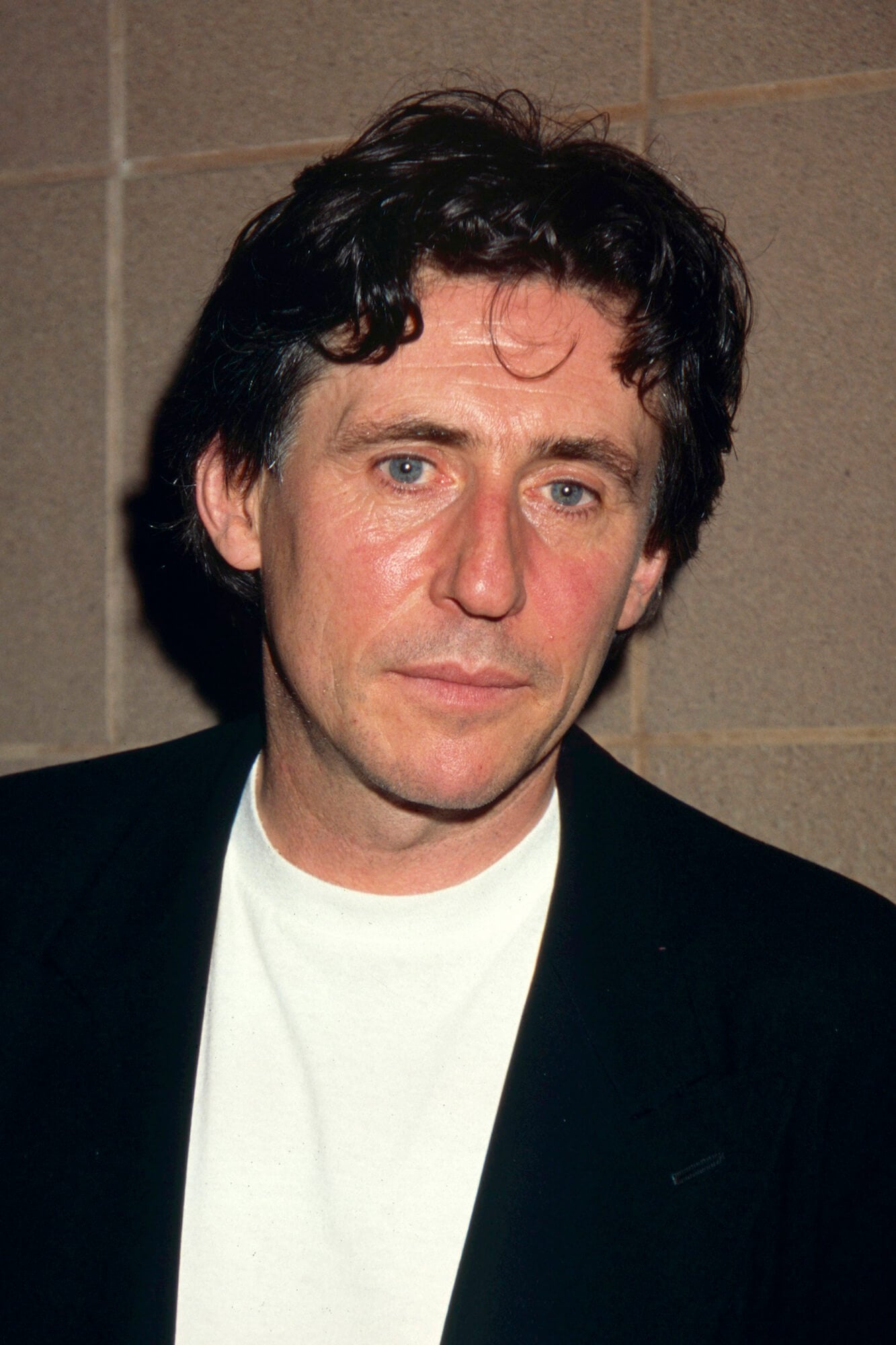
The Usual Suspects came in second place in the readers’ poll for best movie twist. The reveal that the meek Roger “Verbal” Kint (Kevin Spacey), who recounts a story of his brush with crime lord Keyser Söze, was actually the criminal mastermind all along is brilliant.
Fight Club

In Fight Club, audiences were left reeling when they learned the narrator and main character Tyler are the same person. The twist recontextualizes literally every scene seen in the movie so far, as every conversation the narrator has with Tyler reveals itself as internal dialogue, fundamentally altering how viewers understand the entire narrative.
Planet of the Apes
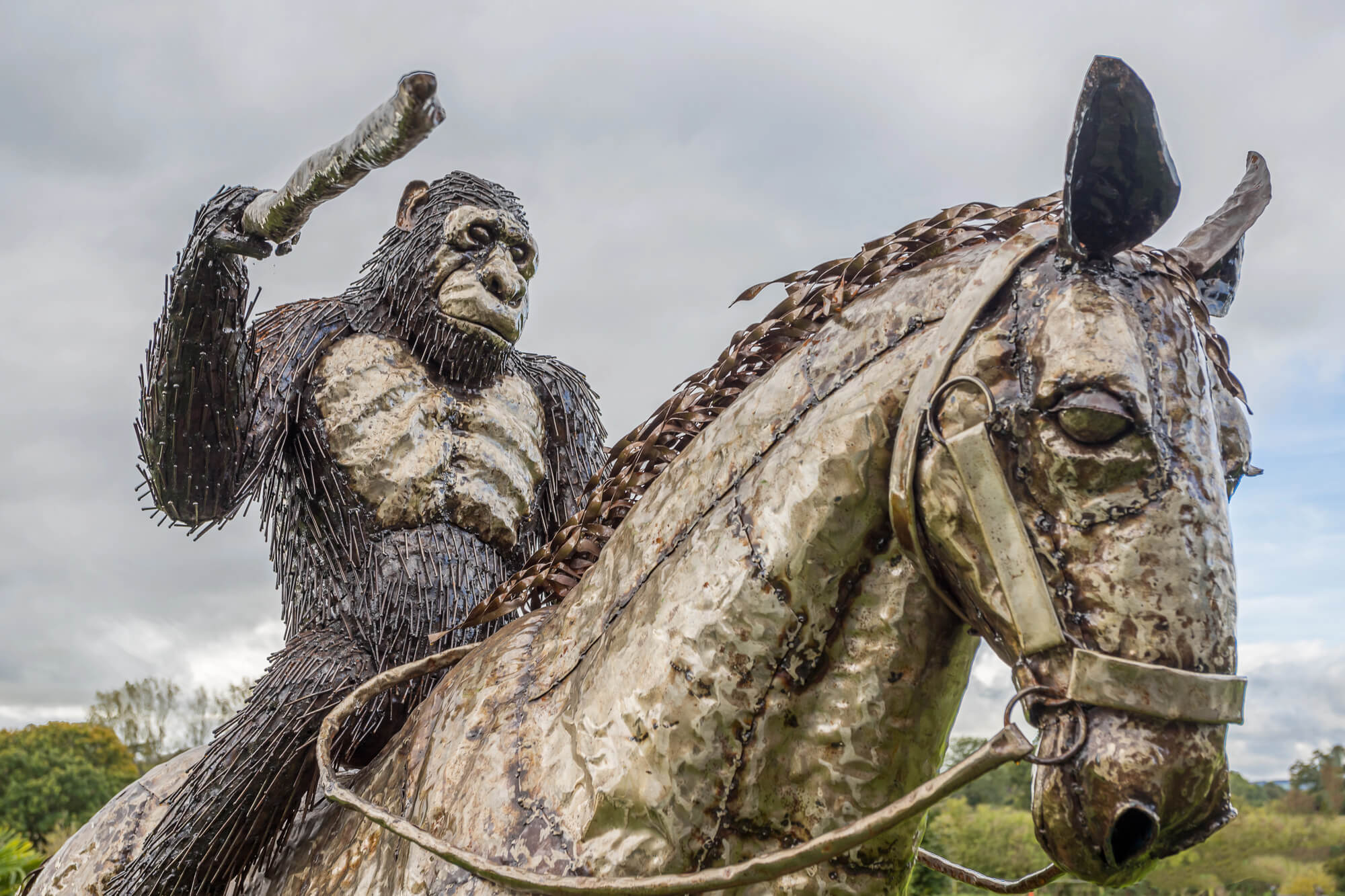
Planet of the Apes, the oldest movie on a list of best twists, came in third place with one of cinema’s most iconic images coming from the twist ending. The revelation that the desolate landscape is actually Earth transforms the entire film from science fiction adventure to dystopian warning.
Shutter Island
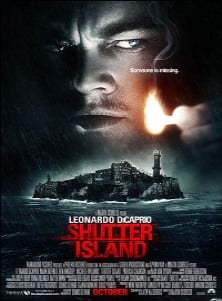
Shutter Island presents itself from the beginning as an off-kilter thriller where you cannot trust your eyes and where nothing is as simple as it first seems, and yet, the film still manages to catch you off guard with a grade-A twist ending. The film’s unreliable narrator leads viewers through a deliberately constructed maze of misdirection.
Oldboy
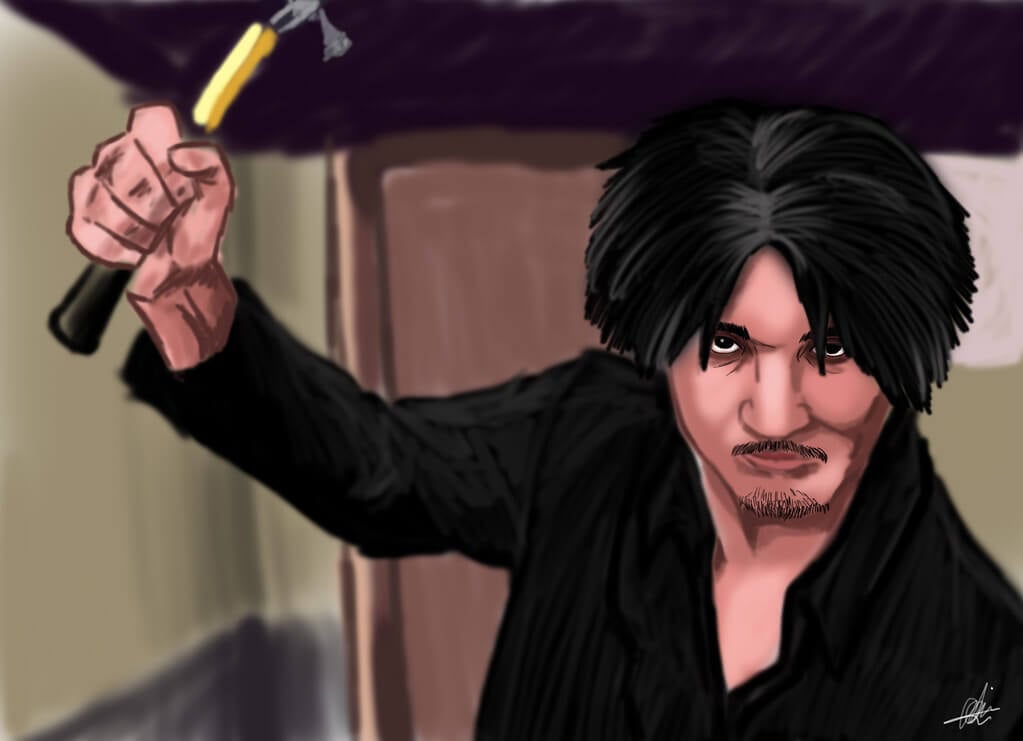
Park Chan-wook’s Oldboy is an incredible film and the twist at the end is shocking in a manner perfectly suited to this particular film. The film plays a trick by making you think you’ve already gotten the plot twist, but then the real twist comes rushing at you: our protagonist has been tricked and manipulated into sleeping with his own daughter, mirroring the past.
Memento

The nonlinear progression of Memento allows audiences to witness the shocking truth behind Leonard Shelby’s amnesia, uniquely closing out its narrative by depicting its start rather than its ending. The backward-flowing sequence structure itself becomes integral to understanding the protagonist’s unreliable grasp on reality.
The Prestige

Christopher Nolan’s examination of obsession and rivalry between magicians hides a multiple-narrative twist that recontextualizes every scene. The revelation that neither main character is who the audience believed them to be transforms the entire film into a meditation on identity and sacrifice.
Unbreakable
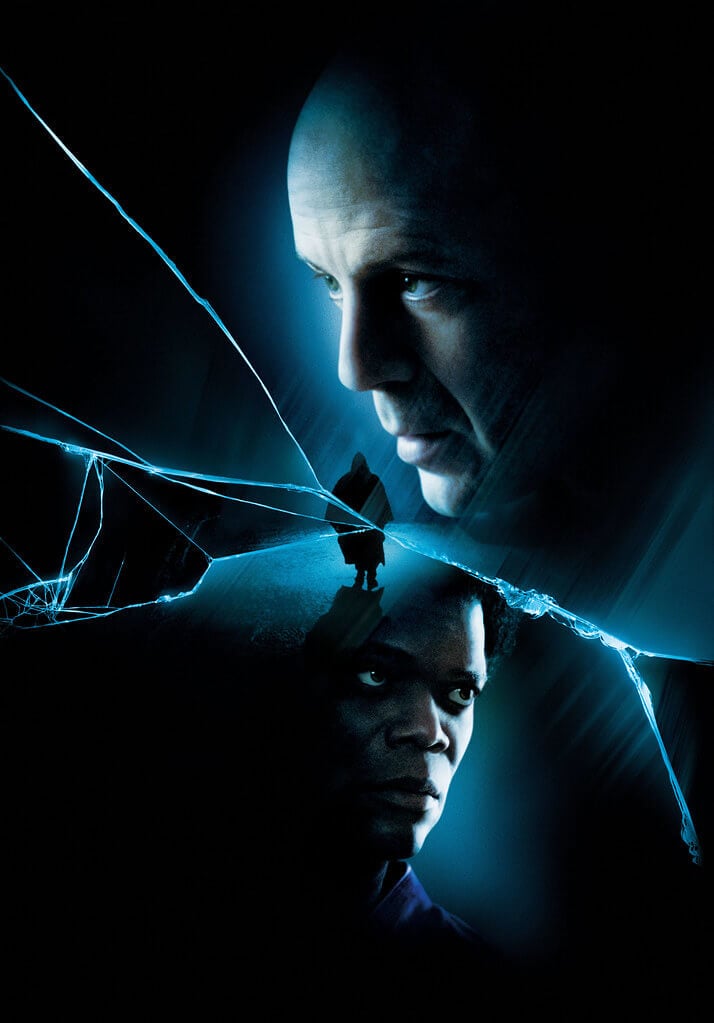
In M. Night Shyamalan’s Unbreakable, after a train accident, David Dunn comes to understand his superhuman qualities. The film loves to change your understanding of what a superhero story can be, including setting up a villain like Elijah Price.
Inception

Inception’s final scene—with the top wobbling ambiguously—leaves viewers questioning whether the protagonist ever escaped the dream layers. It turns the film into a philosophical puzzle that sparks debate years after viewing.
Se7en
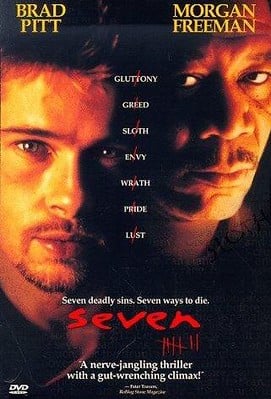
The twist in Se7en isn’t a sudden reveal but a gradual realization that the serial killer has won, that the detective’s vengeance becomes the final killing. The film’s escalating darkness culminates in a ending that feels both expected and devastatingly inevitable.
Get Out
The twist that the upper-class white family is harvesting Black bodies for their consciousness-transplant scheme transforms the film from psychological thriller into sharp social commentary. The reveal recontextualizes every interaction as predatory from the film’s beginning.
Psycho
There were several twists in the Psycho plot that viewers didn’t see coming. Was Norman Bates actually the killer? Was his mom dead all along? There’s a reason Alfred Hitchcock is still considered the king of horror.
The Game

David Fincher’s The Game layers twist upon twist until the final reveal that every horrifying event was part of an elaborate game. The film’s structure mirrors a magic trick, misdirecting attention at every turn.
Primal Fear

The courtroom drama Primal Fear conceals a shocking final revelation about its seemingly innocent defendant that reframes the entire moral question the film posed. The twist arrives in the final moment, requiring immediate reevaluation of character motivation.
The Machinist

The Machinist appears on lists of mind-bending movies with unexpected endings. The film’s protagonist’s guilt-driven psychological unraveling culminates in a revelation that changes the nature of his entire reality and moral culpability.
Donnie Darko
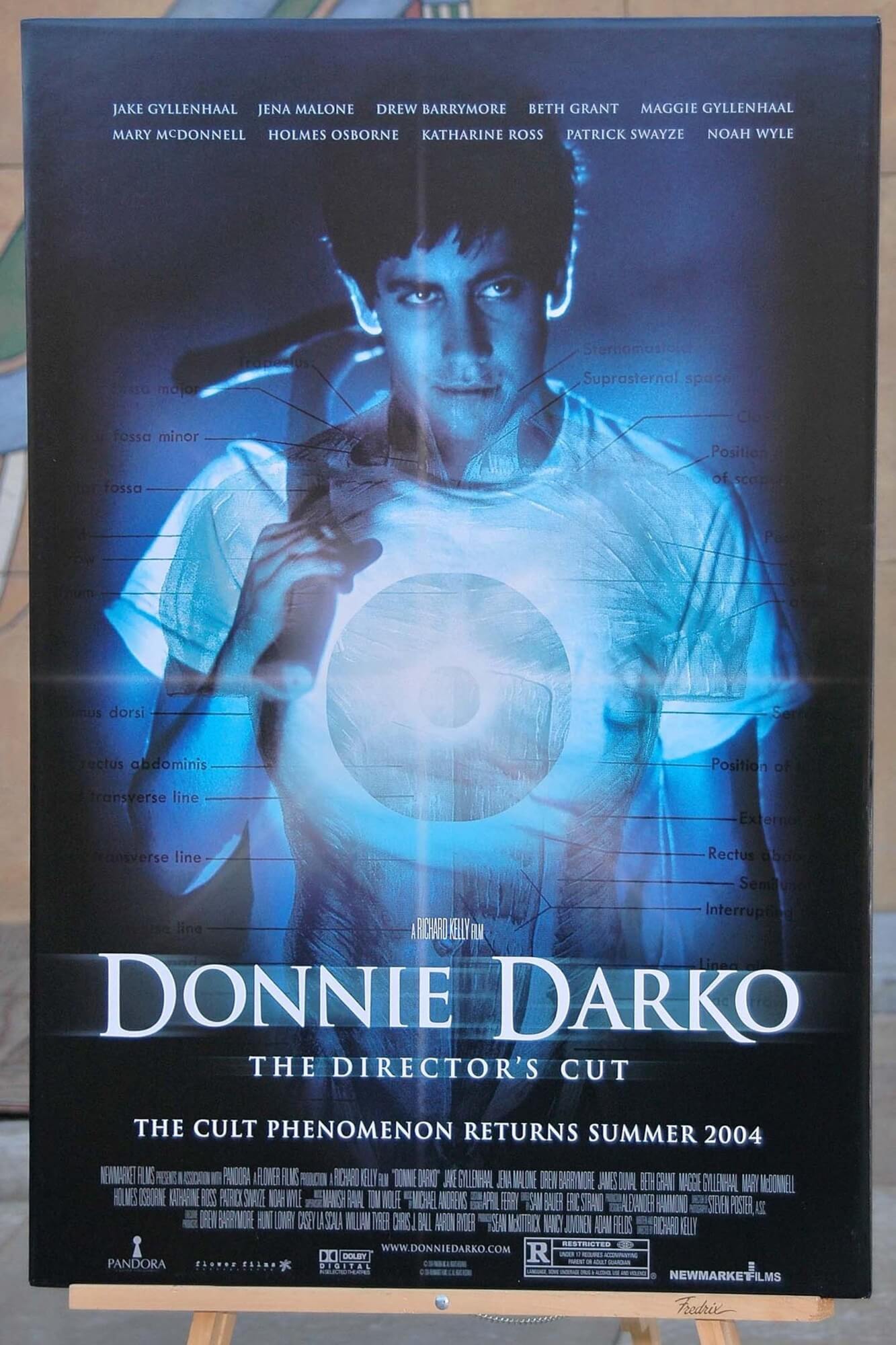
The suburban dystopia of Donnie Darko hides a complex time-loop twist involving a jet engine and alternate timelines. The film’s dense mythology and unexplained phenomena eventually cohere into a tragic explanation for everything the protagonist experienced.
Saw

Saw’s twist that the seemingly dead accomplice was the orchestrator all along established the template for the franchise. The reveal recontextualizes the film’s moral framework and the detective’s role in enabling the killer.
Star Wars: The Empire Strikes Back

Star Wars: The Empire Strikes Back scores 6 percent of votes for best movie twist. Vader’s revelation that he is Luke’s father fundamentally changed the trajectory of the franchise and rewrote the mythology established in the first film.
Frailty

The twist in Frailty that the protagonists’ murders were divinely sanctioned, combined with the final revelation about the narrator’s true identity, forces viewers to reconsider their moral judgments about every action in the film.
No Way Out

The cold war thriller No Way Out hides a devastating final twist that recontextualizes the protagonist’s entire mission and moral standing. It arrives so late in the film that it feels both surprising and inevitable.
Wild Things

The crime thriller Wild Things layers multiple plot twists in succession. It constantly upends audience expectations about who committed the crimes and which characters are actually trustworthy.
Mulholland Drive

David Lynch’s Mulholland Drive uses its twist midway through to transform a sunny Hollywood narrative into a dark descent into Los Angeles ambition and delusion. The shift recontextualizes the first half entirely.
The Village

M. Night Shyamalan’s The Village reveals that the seemingly period-accurate isolated community is actually contemporary. It is a manufactured sanctuary hiding a darker truth about its creators’ intentions.
Secret Window

The psychological thriller Secret Window concludes with a twist that the protagonist himself is responsible for the crimes he’s been investigating. It reveals an unreliable narrator beneath layers of self-deception.
Mystic River

The tragedy of Mystic River hides a twist about who actually committed the central crime. It contradicts the main characters’ assumptions and leaves viewers questioning what justice truly means.
The Stepford Wives

The 1975 original’s twist that the wives have been replaced by compliant robots functions as both science fiction premise and satirical commentary on 1950s ideals of domesticity.
In the Mouth of Madness
The cosmic horror of In the Mouth of Madness culminates in a twist that the protagonist’s entire reality is fiction, that he’s becoming a fictional character within a novel. The film’s ending questions the nature of narrative itself.
All Is Lost

The minimalist All Is Lost subverts expectations by cutting to black before any clear resolution. The ambiguous ending—whether the protagonist survives—forces viewers to construct their own meaning from the film’s wordless struggle.
The Time Loop Twist Archetype

These 29 films prove that the most effective twists work on multiple levels. They provide immediate shock value but also deeper satisfaction on repeat viewings, when every detail clicks into place.
The worst twists feel arbitrary; the best ones feel like they were inevitable all along, hidden in plain sight through careful construction, misleading dialogue, and strategic misdirection. What distinguishes these 29 is not just that they surprised audiences, but that they survived that initial shock and improved the films they inhabited.
More from Go2Tutors!

- The Romanov Crown Jewels and Their Tragic Fate
- 13 Historical Mysteries That Science Still Can’t Solve
- Famous Hoaxes That Fooled the World for Years
- 15 Child Stars with Tragic Adult Lives
- 16 Famous Jewelry Pieces in History
Like Go2Tutors’s content? Follow us on MSN.