26 Saturday Morning Cartoons Kids Rushed Downstairs to Watch
The alarm didn’t matter on Saturday mornings. Kids woke before dawn anyway, padding quietly downstairs in pajamas to claim the best spot on the living room floor.
The TV schedule was already memorized. These cartoons didn’t just fill airtime—they were appointment television, the one thing every kid in the neighborhood watched at the same moment.
Scooby-Doo, Where Are You!
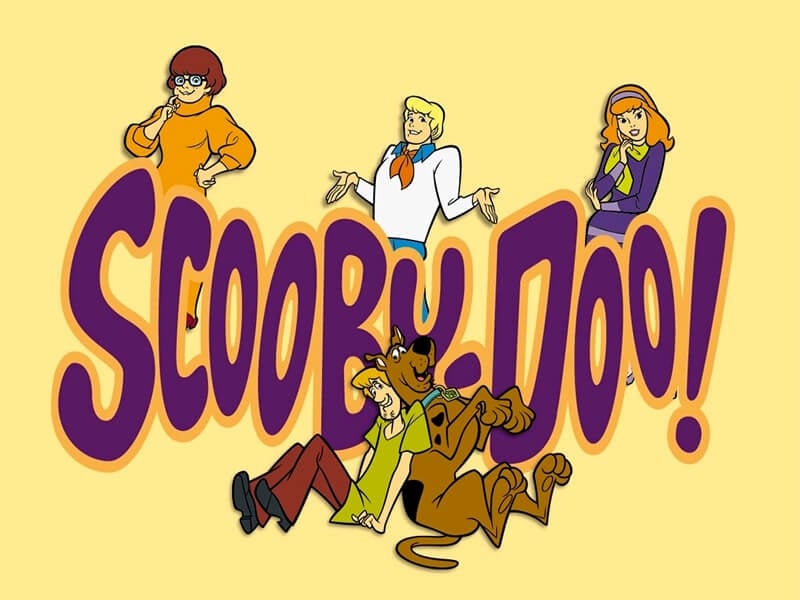
The Great Dane and the teenage mystery-solving gang premiered in 1969 and dominated Saturday mornings through the 1970s. Every episode followed the same formula: creepy location, fake monster, unmask reveal.
Kids loved the repetition precisely because they knew what to expect. Shaggy and Scooby’s cowardice and appetite provided comic relief while Fred, Daphne, and Velma solved crimes that adults seemed to miss entirely.
Looney Tunes and Merrie Melodies Cartoons
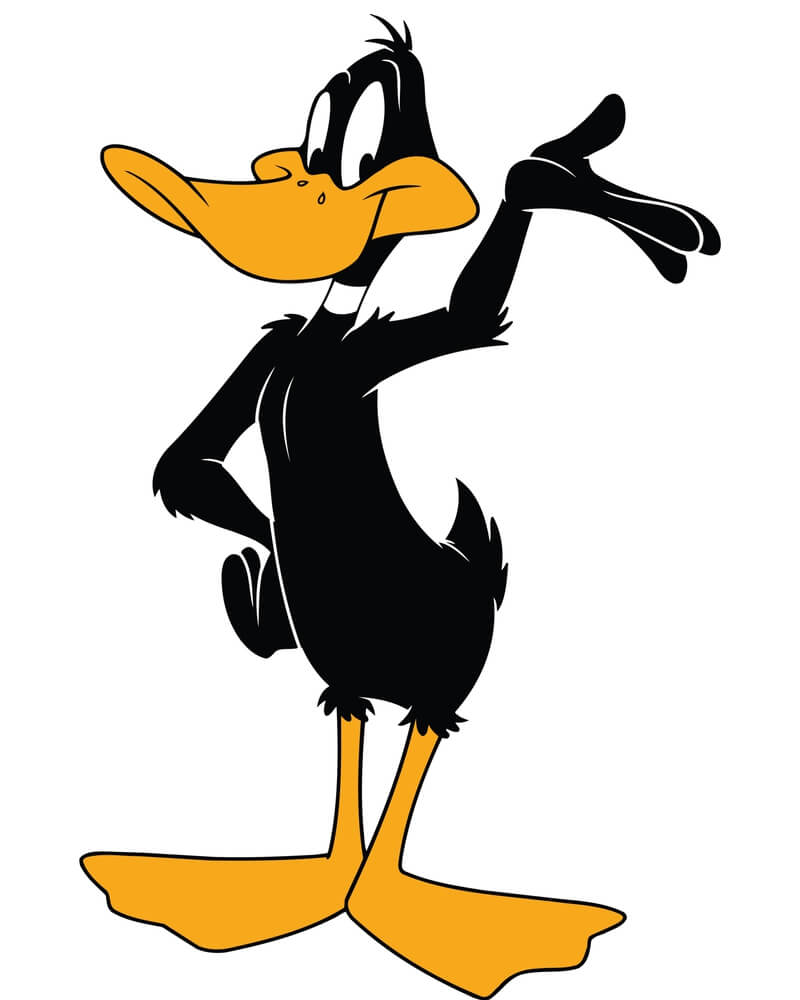
Warner Bros. syndicated its golden age theatrical shorts for television, giving Saturday morning audiences Bugs Bunny, Daffy Duck, Road Runner, and Porky Pig without their families paying extra. A single thirty-minute block contained five or six complete cartoons, each self-contained and ready to rewatch immediately.
The humor worked differently for adults and children; no kid noticed the sophisticated puns that made parents smirk.
The Flintstones
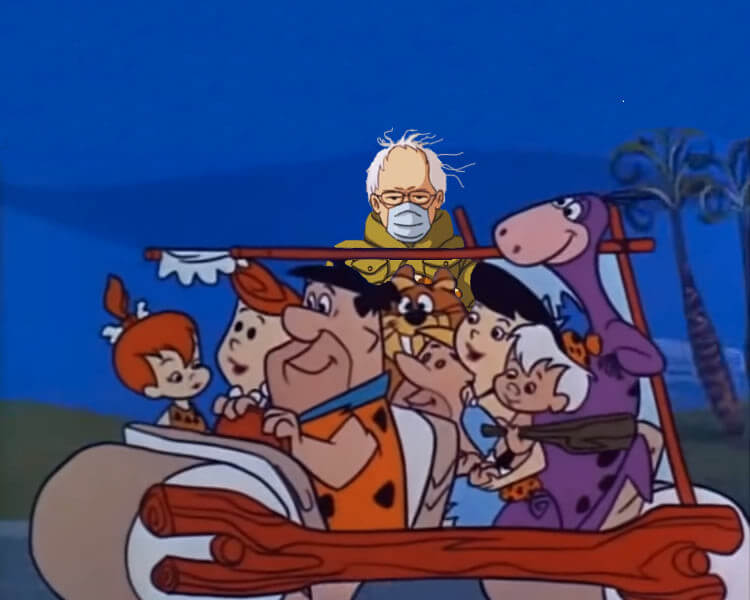
This animated sitcom about a modern stone-age family ran on prime time at night but became a Saturday morning institution through reruns. Fred and Wilma’s domestic life, complete with dinosaur appliances and pun-based technology, created an alternate universe where everything worked slightly wrong.
The show’s appeal lay in its gentle humor and the fact that adults felt comfortable watching alongside their children.
The Jetsons
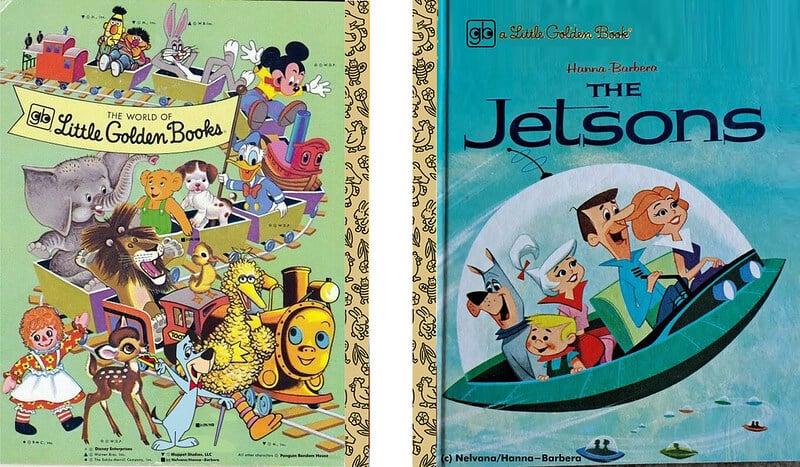
Hanna-Barbera’s futuristic counterpart to The Flintstones introduced kids to a flying-car world where domestic robots served meals and robots did housework. George’s commute to Spacely’s Space Sprockets involved hovering elevators and automated everything.
The show predicted video calls, flat-screen televisions, and automated homes that wouldn’t exist for decades, giving young viewers a template for imagining the future.
Bugs Bunny and Tweety Show

This CBS program in the 1970s gathered the most recognizable Looney Tunes characters into a regular Saturday slot. Kids memorized Bugs’ catchphrase and Tweety Bird’s baby voice.
The show proved that theatrical-quality animation could transition to television without losing its appeal, as long as the catalog was good enough.
Speed Racer
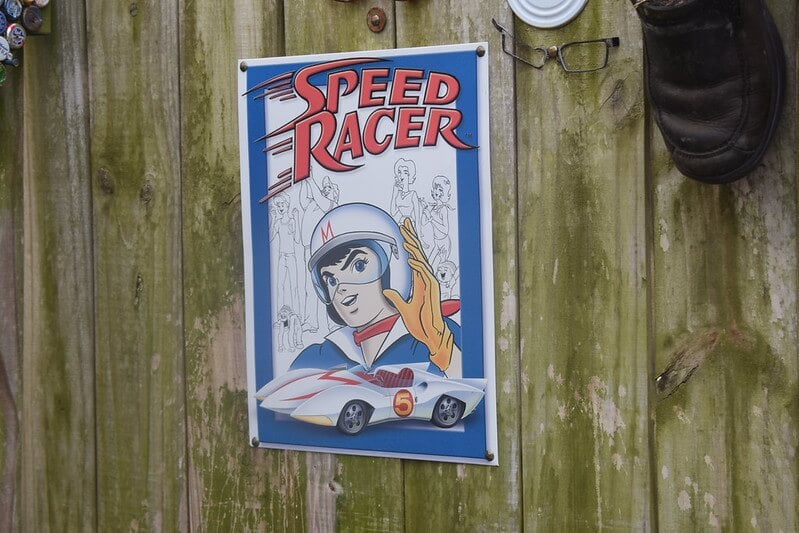
This anime from Japan featured Speed Racer (Go Mifune) in his high-tech race car, the Mach Five, traveling the world with his family and loyal mechanic. The show’s dramatic plotting felt more urgent than American cartoons, with real stakes and dangerous opponents in nearly every race.
Speed’s constant danger and the car’s gadgets gave kids something to discuss at school Monday morning.
The Pink Panther
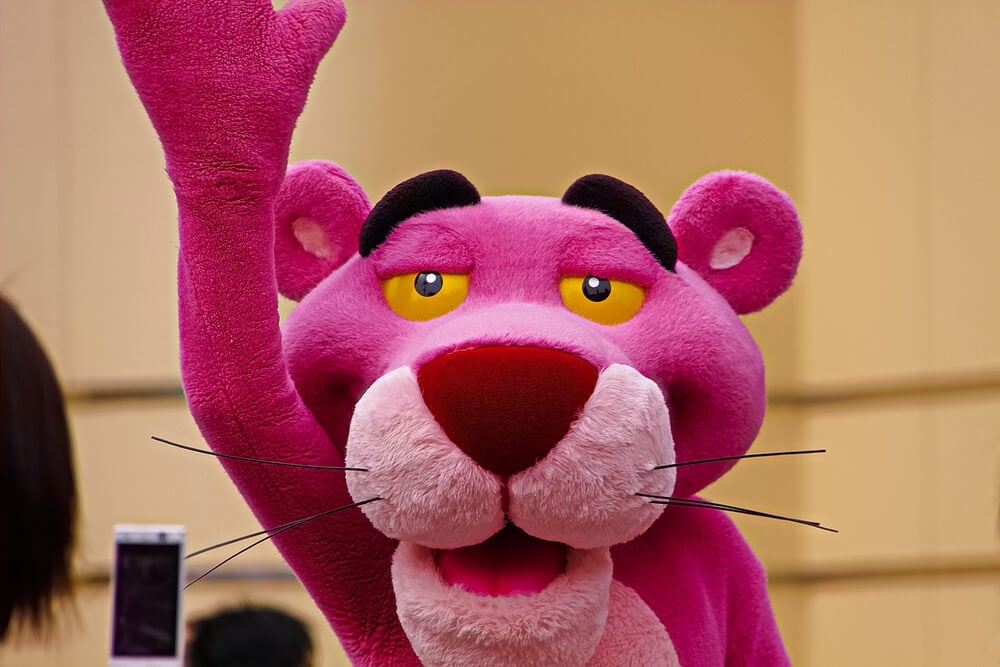
The wordless big cat detective solved crimes with a jazzy soundtrack playing throughout. His bumblings and lucky accidents led to solved cases despite his complete incompetence.
The opening theme became immediately recognizable, and kids hummed it all week. The cartoons were short enough to watch multiple episodes without losing steam.
Woody Woodpecker
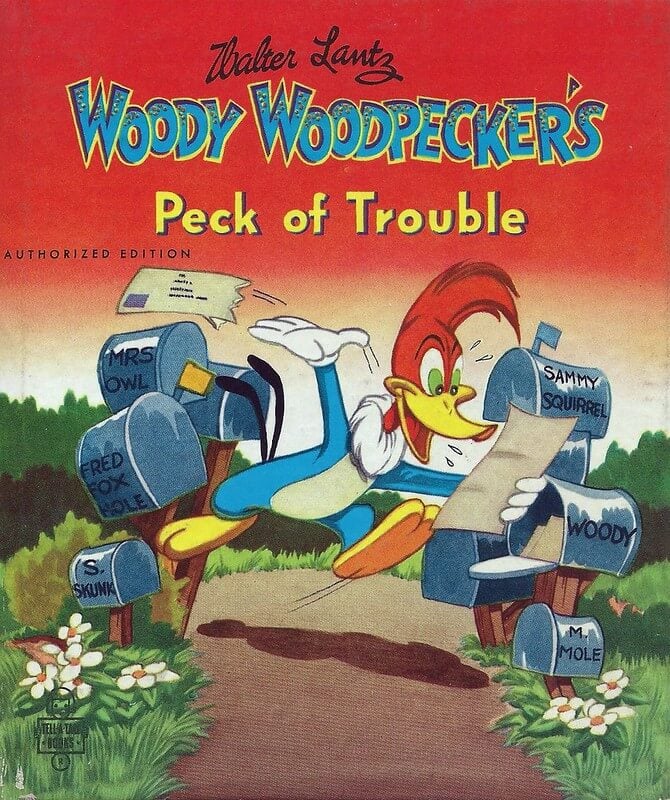
This character’s maniacal laugh and absurdist humor predated most modern animation styles. Woody and his crow nemesis created chaos that resolved by the end of each episode.
The cartoons were fast-paced and relied on visual gags that didn’t require following complex dialogue.
Yogi Bear and Huckleberry Finn
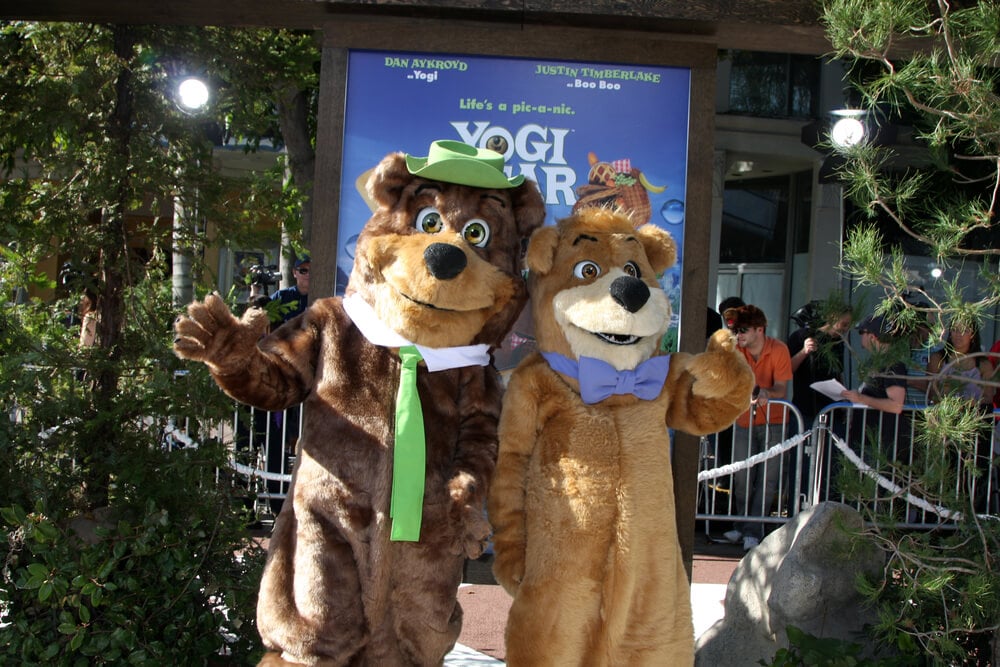
Hanna-Barbera’s adventures followed Yogi Bear stealing picnic baskets in Jellystone Park while Ranger Smith chased him. Huckleberry Finn provided more laid-back rural adventures with less structured conflict.
Both shows ran long enough to build loyal audiences who recognized character quirks and anticipated recurring jokes.
Superman
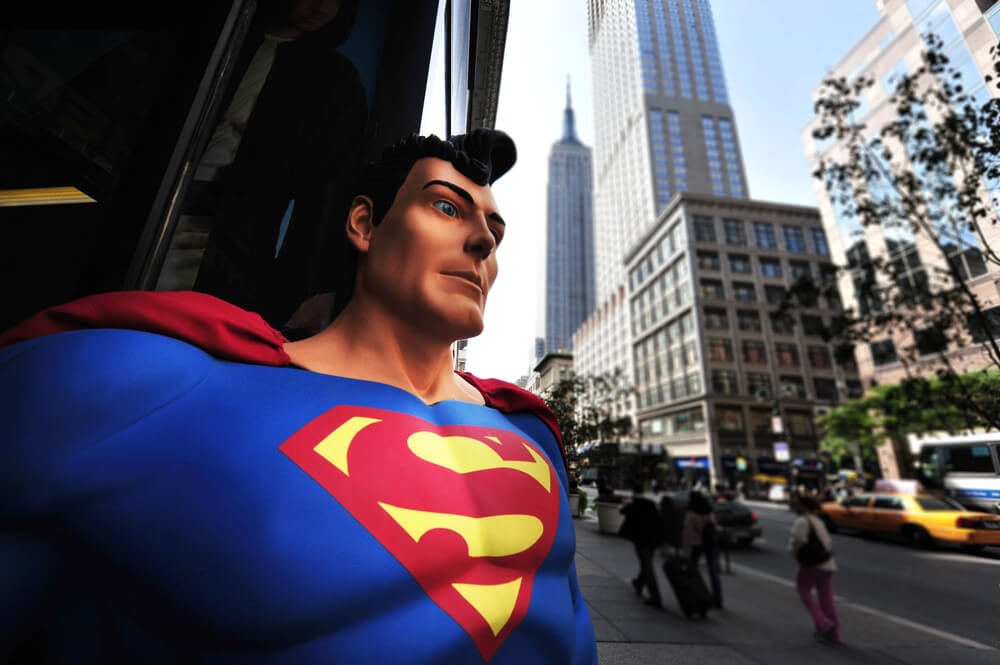
The Fleischer Studios cartoons from the 1940s became Saturday morning staples through syndication. These theatrical shorts maintained theatrical quality animation despite being made for smaller television screens.
Superman’s action-adventure formula worked for both the youngest viewers and children old enough to appreciate how the cartoons handled drama.
Batman: The Animated Series
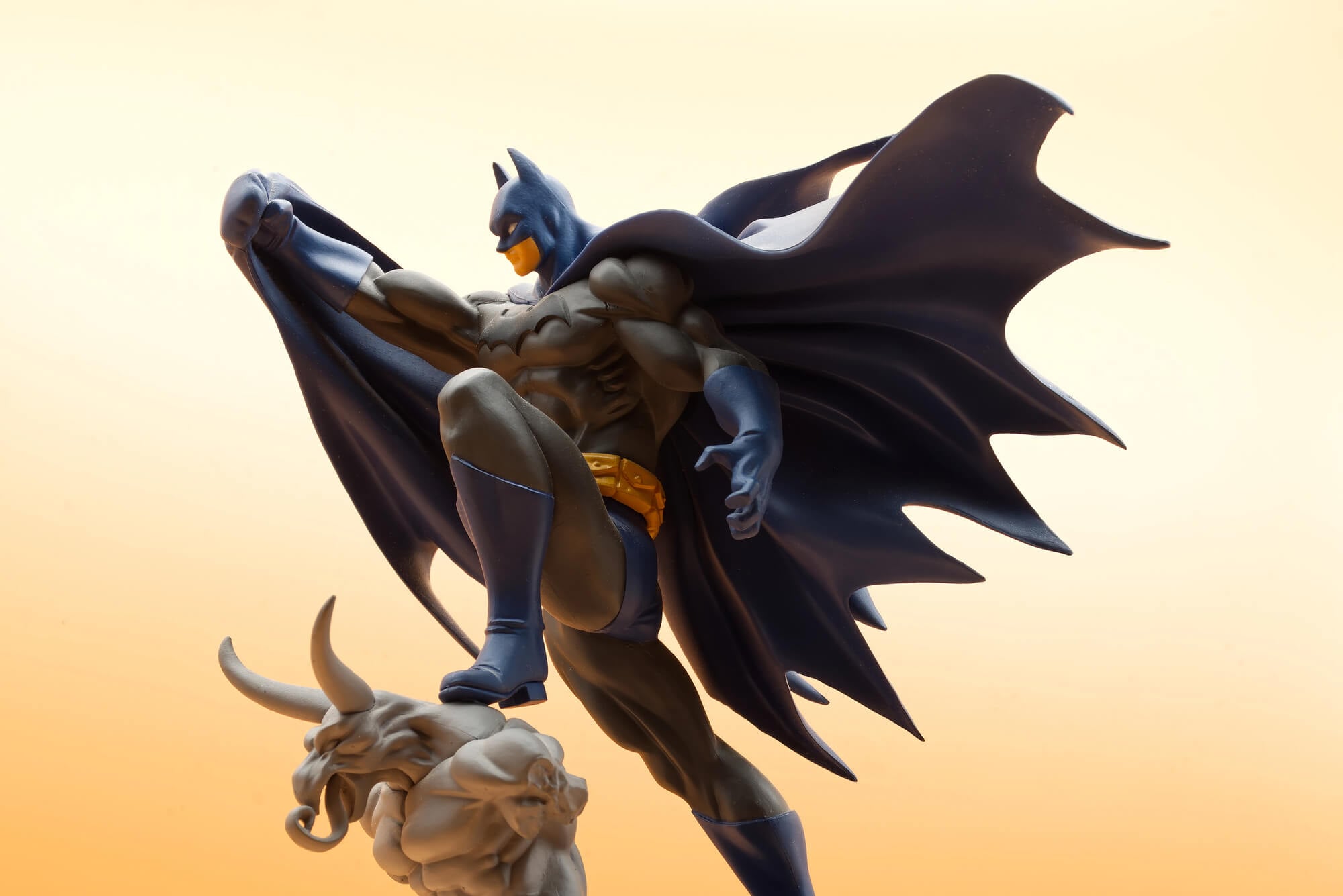
This 1990s show raised the bar for animated television with film noir aesthetics and serious storytelling. The show treated Batman’s mental state and Gotham’s criminal underworld with genuine gravity.
Kids realized cartoons didn’t have to be silly to be engaging; they could tell real stories with consequences.
Transformers
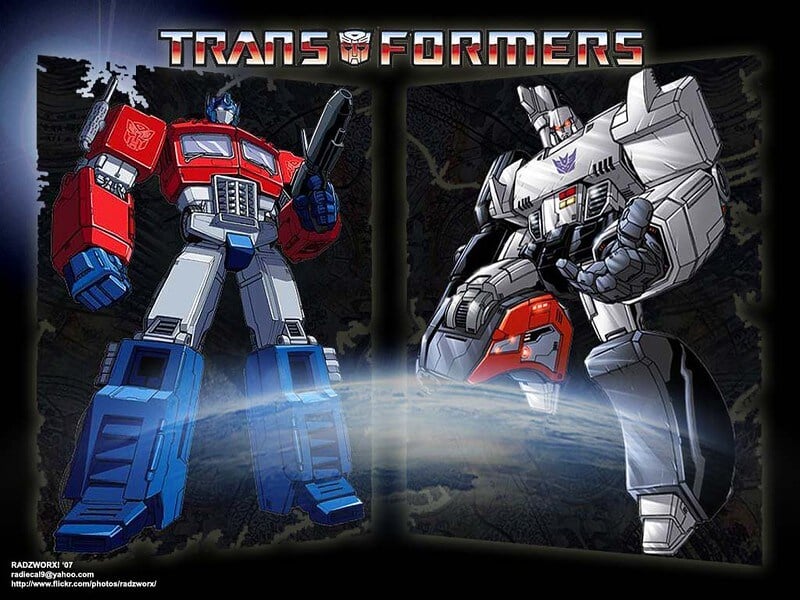
Giant alien robots hiding as vehicles captured the imagination of kids in the 1980s. The cartoon tie-in to the toy line created ongoing conflict between Autobots and Decepticons.
Kids spent the week playing with their action figures, recreating fights they’d watched on screen.
He-Man and the Masters of the Universe
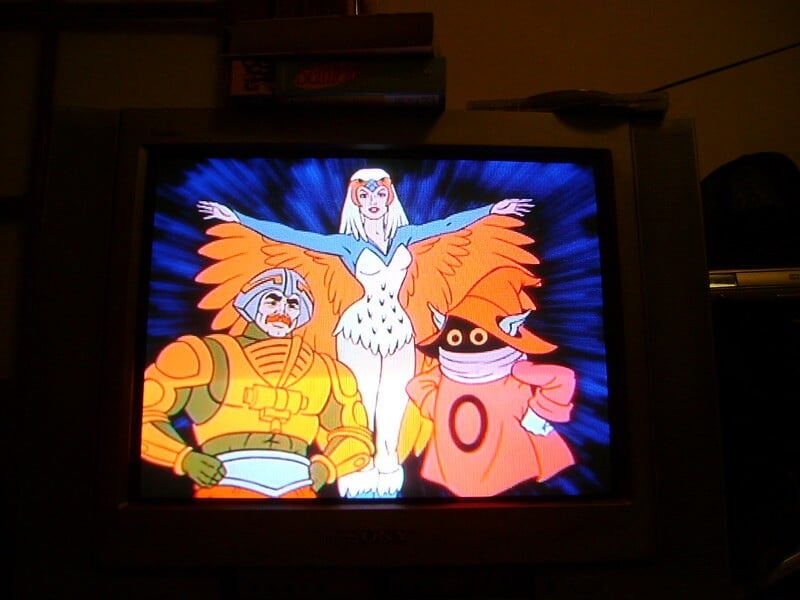
This 1980s fantasy series featured Prince Adam transforming into the muscular warrior He-Man when danger threatened Eternia. The cardboard sword-and-sorcery setting gave the show a theatrical quality.
Kids memorized He-Man’s transformation dialogue and repeated it while playing with action figures at school.
GI Joe: A Real American Hero
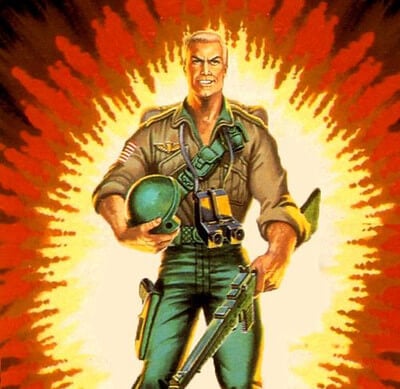
This cartoon expansion of the toy line featured a military action team fighting terrorists. The episodes contained surprising amounts of legitimate combat and military strategy.
A brief anti-drug message at the end of each episode became famous for its sincerity among young viewers.
The Smurfs
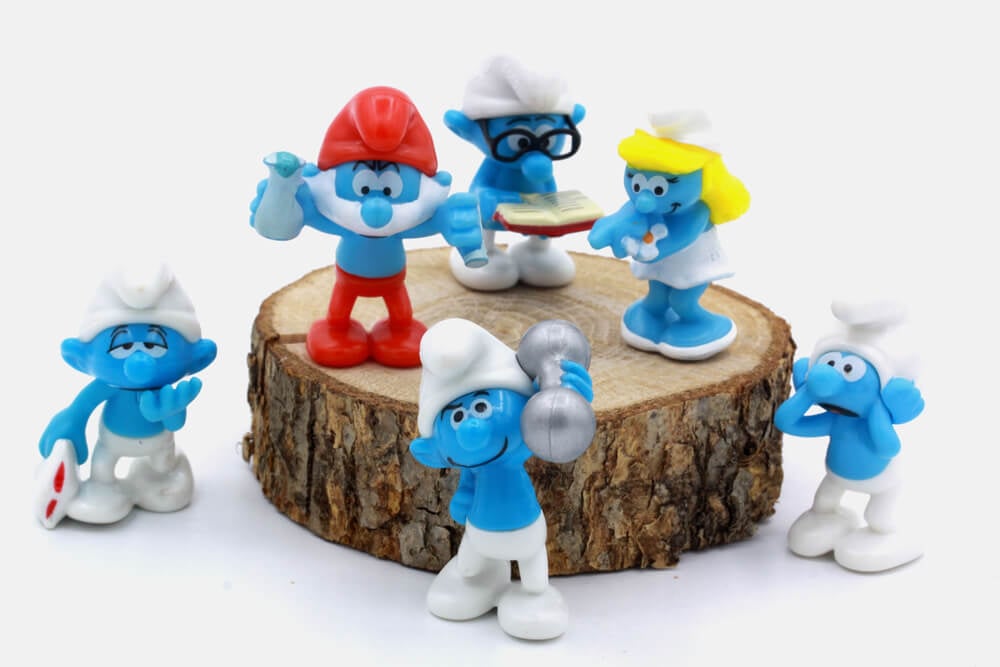
These tiny blue creatures living in a mushroom village became a phenomenon in the 1980s. Their leader Papa Smurf guided dozens of identical minions through adventures involving Gargamel’s cat and various magical threats.
The Smurfs’ high-pitched voices annoyed parents instantly, which gave kids extra incentive to watch.
Schoolhouse Rock

This educational series snuck grammar lessons and American history into pop songs. Kids learned multiplication tables, the bill-making process, and scientific concepts through earworm melodies they couldn’t forget.
The cartoons proved that education could be entertaining without condescension.
Scooby-Doo and Scrappy-Doo
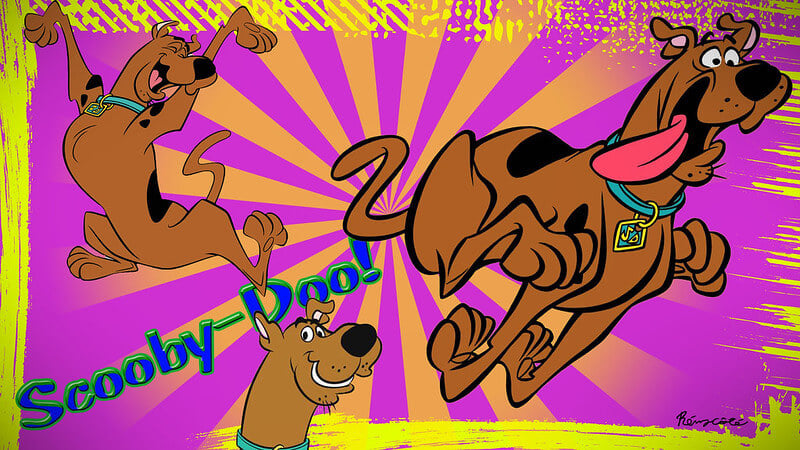
Scrappy-Doo’s addition to the Mystery Inc. gang marked the show’s jump to the 1980s. The puppy’s enthusiasm and “Puppy Power” catchphrase divided audiences between those who thought he added energy and those who found him grating.
The mysteries became more outlandish as the series progressed, embracing absurdity over plausibility.
Fat Albert and the Cosby Kids

This Bill Cosby-created show focused on African-American kids in an urban neighborhood solving everyday problems. The characters dealt with real issues like going to school and getting bullied.
The show’s moral lessons came from characters figuring things out rather than adults lecturing them.
Bugs Bunny and Road Runner Hour
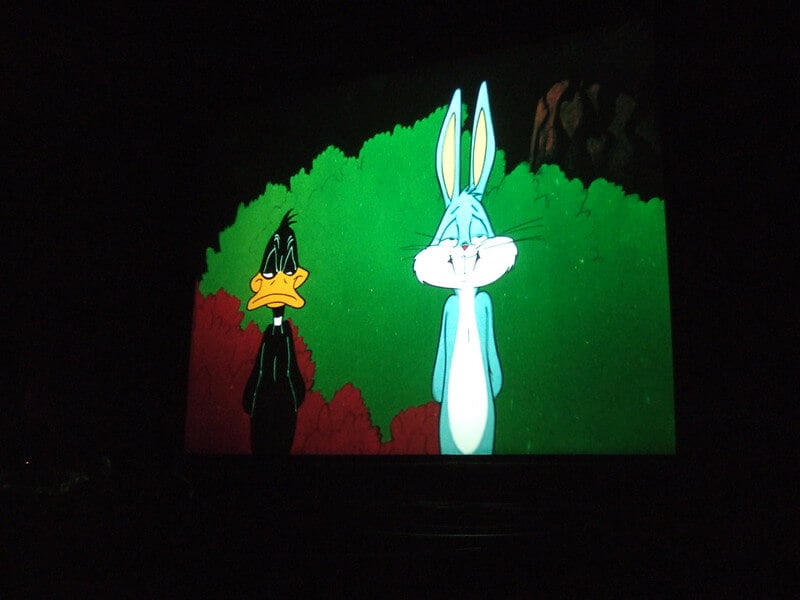
This Saturday institution blocked the fastest cartoon ever made (Road Runner) alongside Bugs’ best theatrical shorts. Road Runner’s silent chases against Wile E. Coyote required no dialogue and translated instantly across all age groups.
The double feature meant kids stayed planted in front of the television for the full block.
Foghorn Leghorn
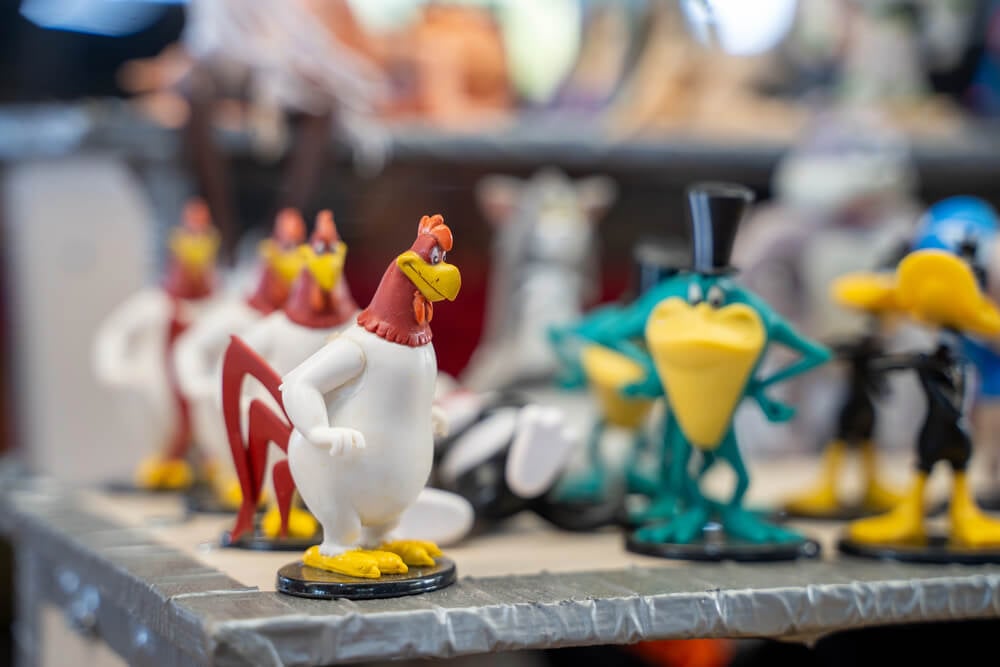
This rooster’s loud Southern accent and rapid-fire dialogue created chaos wherever he appeared. His complete lack of self-awareness about his disruptiveness made his cartoons absurdist humor before the term became common.
Kids loved his noise and his obliviousness in equal measure.
Sylvester and Tweety
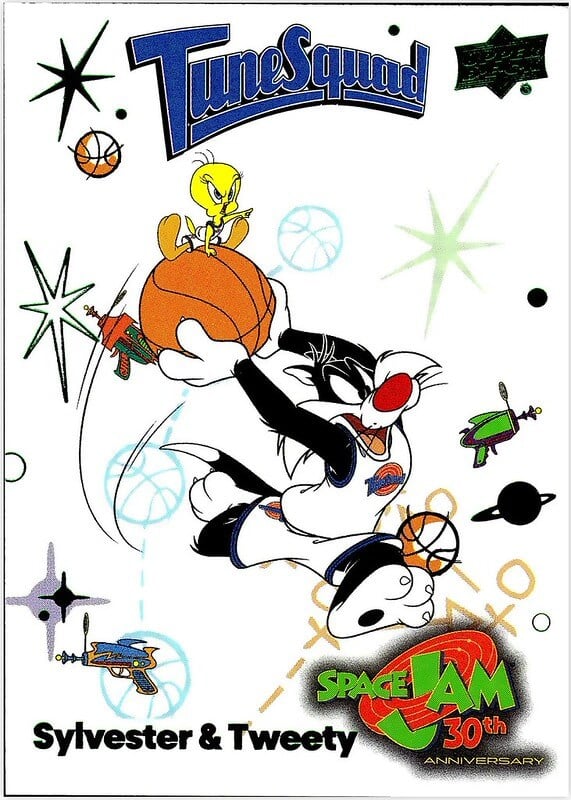
These theatrical shorts featured the unsuccessful cat constantly pursuing the baby bird protected by Granny. Tweety’s deceptive innocent appearance masked a willing participant in Sylvester’s downfall.
Each cartoon resolved with Sylvester in pain and Tweety claiming victimhood.
Underdog
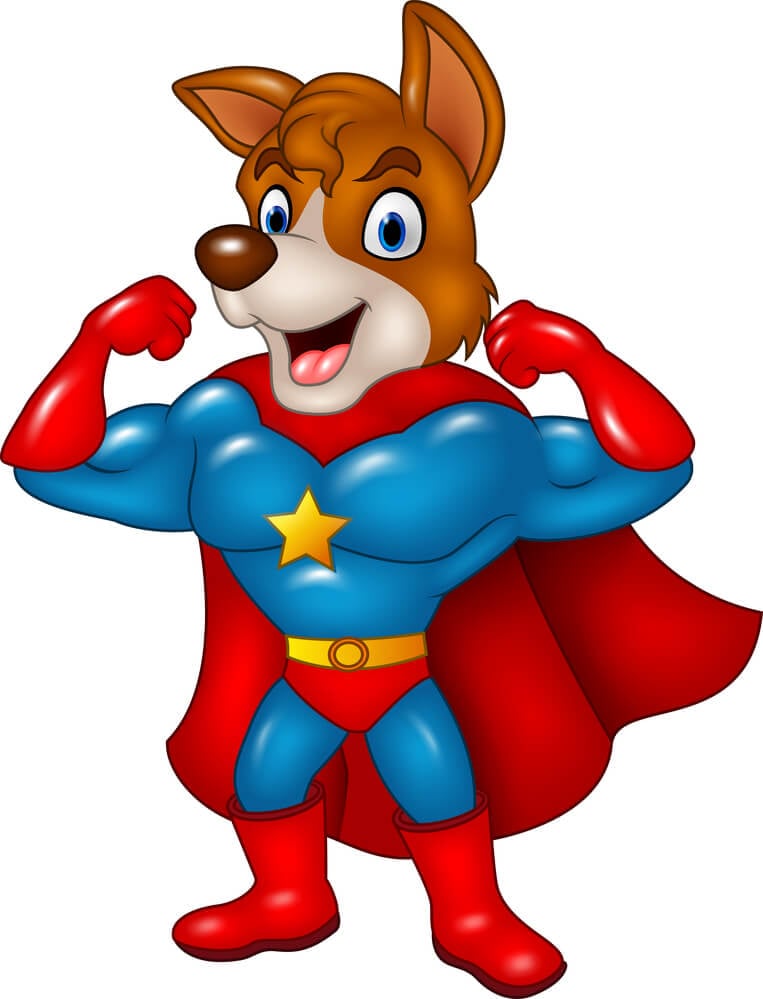
This superhero dog with a distinctive laugh made his appearance on Saturday mornings with his distinctive laugh. His civilian identity as Shoeshine Boy required transformation whenever Polly Purebred needed rescue.
The show’s earnest approach to superhero tropes gave kids a template for understanding comic book heroes.
Space Ghost and Dino Boy
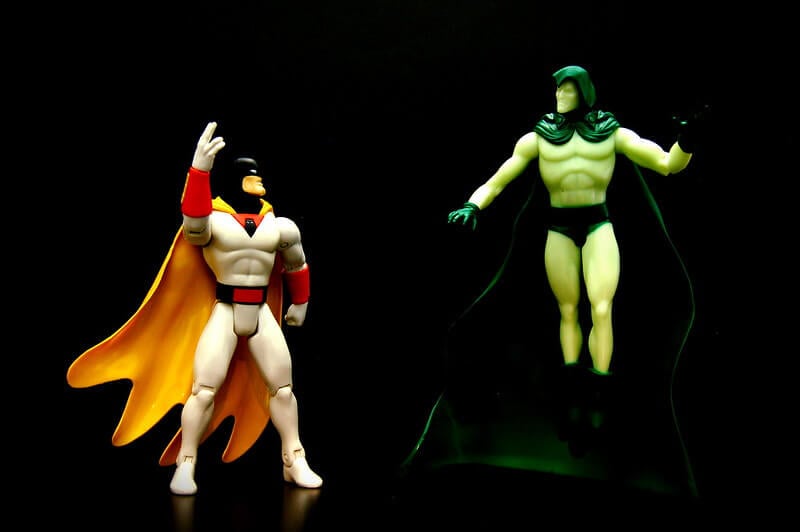
Hanna-Barbera’s action-adventure team featured Space Ghost and his superhuman abilities (including invisibility and super strength) fighting cosmic criminals. Dino Boy’s caveman sequences provided exotic scenery between space battles.
The show’s quick action scenes kept younger viewers engaged even when the plotting didn’t entirely make sense.
Mighty Mouse

This superhero mouse predated Superman’s cartoon debut and brought theatrical action to Saturday mornings. His “Here I come to save the day” catchphrase became instantly recognizable.
Mighty Mouse’s simple good-versus-evil plotting made the moral universe feel uncomplicated.
Popeye the Sailor
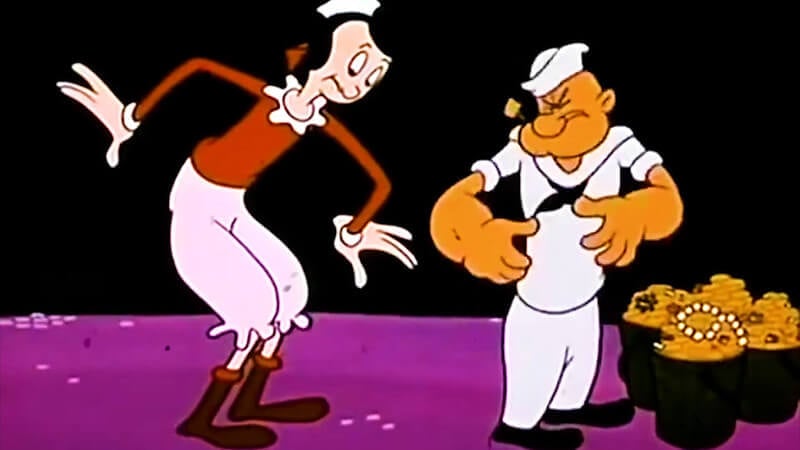
These theatrical cartoons from various studios featured Popeye’s mumbled dialogue and spinach-powered strength. Olive Oyl’s thin frame and Bluto’s obsessive violence created a romantic triangle that resolved identically in every episode.
The cartoons’ absurdist humor appealed to different age groups for entirely different reasons.
The Adventures of Superman
The Fleischer Studios episodes maintained higher animation quality than most television cartoons of their era. Superman’s moral clarity and straightforward conflict resolution provided reliable storytelling.
Kids recognized that some cartoons came from a different era of animation production.
The Shared Longing

Saturday mornings meant early wake-ups coordinated across an entire generation. Kids watched the same moments simultaneously, creating shared reference points for playground conversations.
The cartoons filled a specific time slot in American childhood, a ritual as important as the content itself. No streaming service captures what made these moments special—the scarcity of the schedule and the knowledge that these cartoons appeared only once per week at a predetermined moment.
More from Go2Tutors!

- The Romanov Crown Jewels and Their Tragic Fate
- 13 Historical Mysteries That Science Still Can’t Solve
- Famous Hoaxes That Fooled the World for Years
- 15 Child Stars with Tragic Adult Lives
- 16 Famous Jewelry Pieces in History
Like Go2Tutors’s content? Follow us on MSN.