24 Historic Figures Whose Records Went Missing
Several of history’s most influential figures left behind fragmentary legacies—not because they were forgotten, but because their personal papers, correspondence, or life records simply vanished. Some were lost to fire, others to deliberate destruction.
What remains are often broad achievements divorced from the specifics of how they were accomplished.
Archimedes
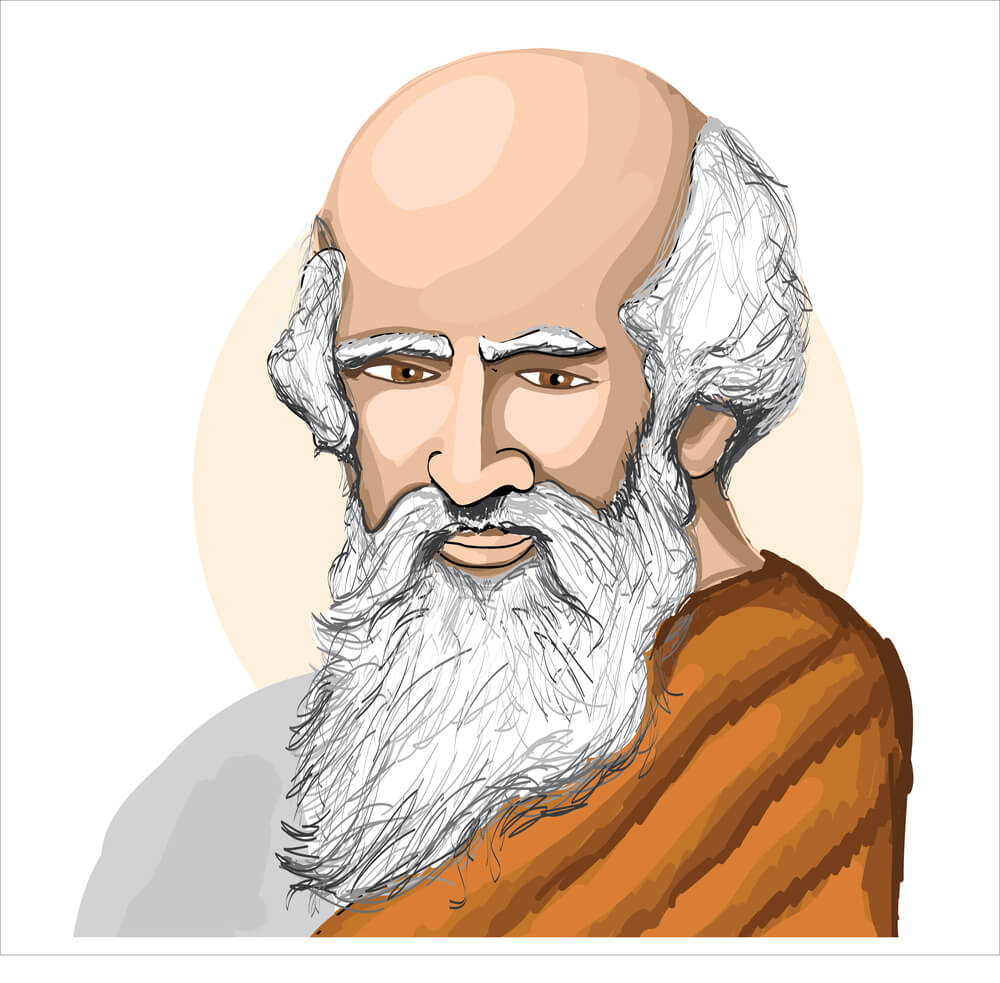
The ancient mathematician’s original writings were largely lost when the Library of Alexandria burned, and most of what we know comes from later Roman copies. Even the famous legend of him running unclothed through Syracuse may be a fabrication by a later biographer, as no contemporary accounts mention it.
His actual personal correspondence or laboratory notes—if they ever existed—disappeared entirely, leaving us with his theorems but not his methodology.
Hypatia of Alexandria
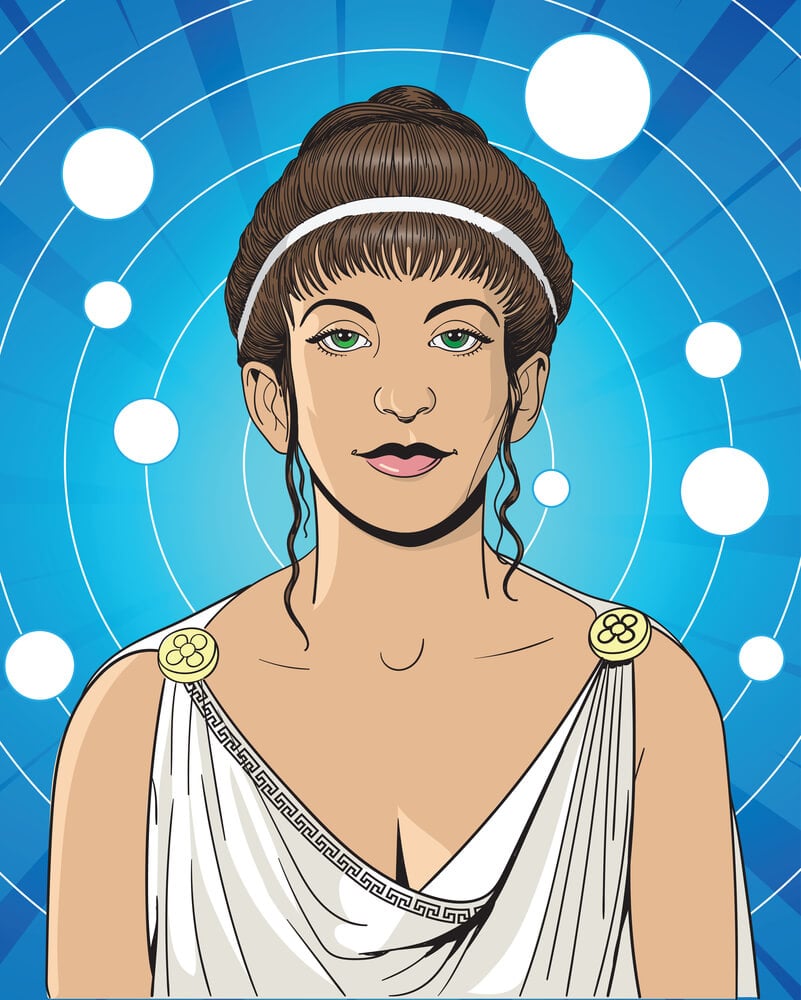
Most of Hypatia’s mathematical and astronomical works survive only as titles or fragmentary references in her students’ writings. Her contemporaries describe her brilliance with specific admiration, but her own texts vanished after her death in 415 CE.
Scholars have spent centuries trying to reconstruct what she actually wrote versus what later historians claimed she wrote.
Joan of Arc
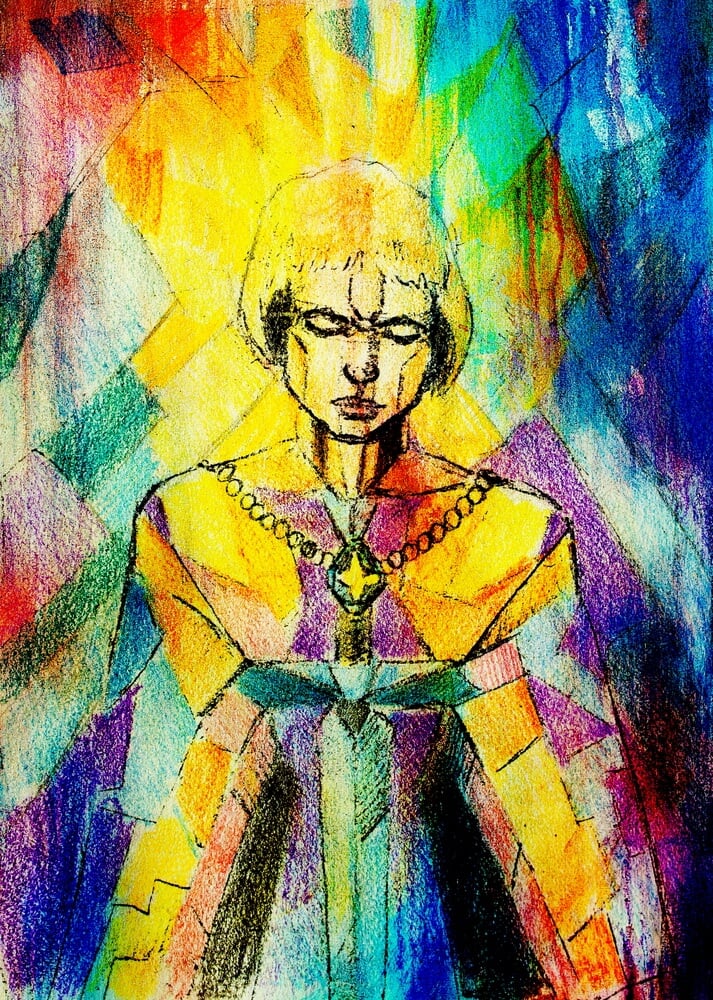
While trial records exist, Joan’s personal writings—if any were ever made—are entirely absent from the historical record. We know her words only through what court scribes recorded or what others claimed she said.
No letters, journals, or documents in her hand survive, making it impossible to verify claims about her education or literacy.
Christopher Columbus
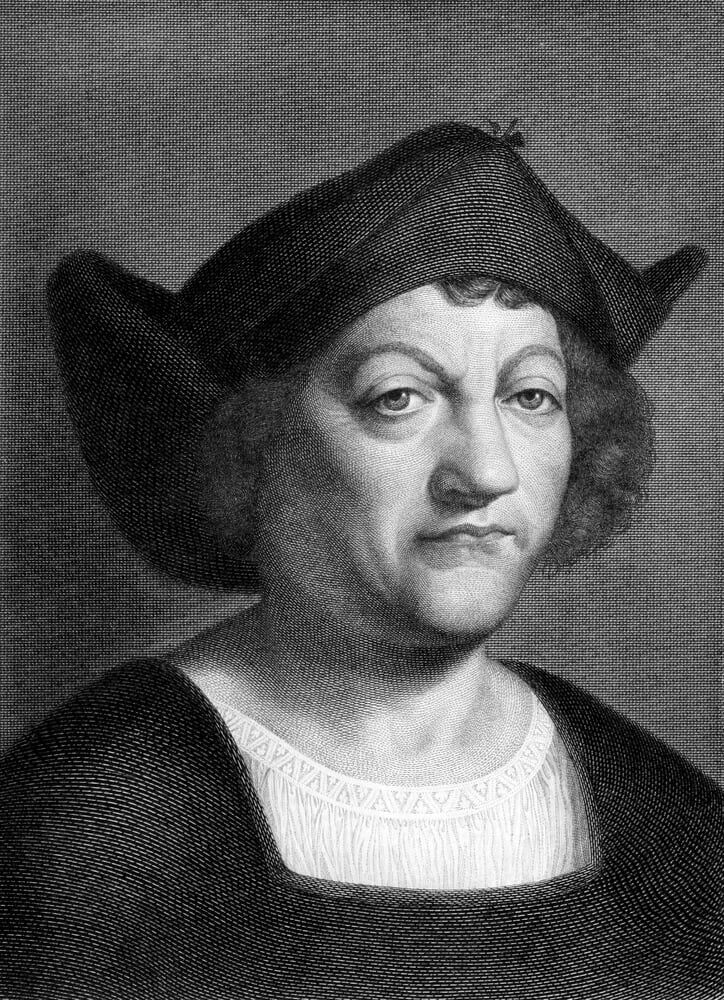
Most of Columbus’s personal journals and correspondence either burned in fires or were lost during transfers between archives. The famous “Columbus Letter” announcing the discovery is known only through printed editions whose original manuscripts vanished.
His actual logbooks from the voyages are gone, leaving historians to reconstruct his experiences from copies made by others.
Cleopatra VII
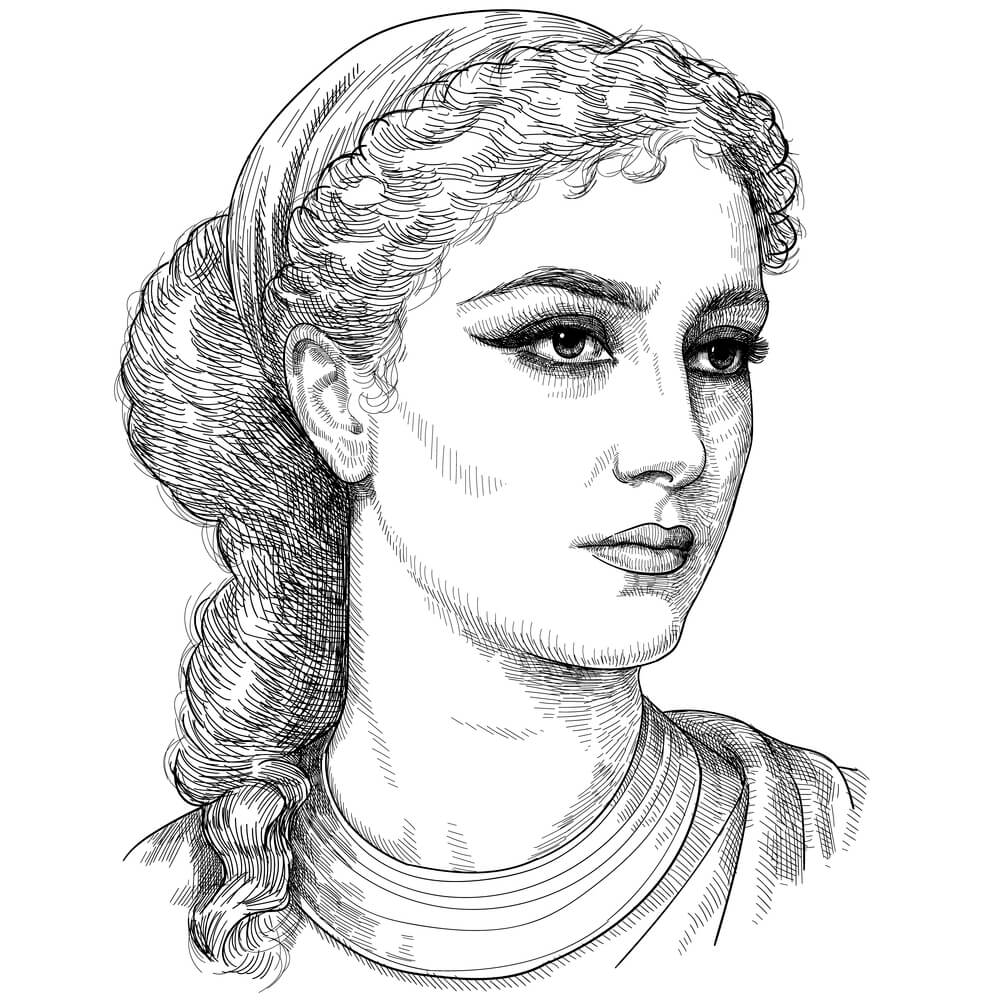
Despite her fame, Cleopatra left no surviving personal writings. Even her official decrees exist only in Roman paraphrases.
Ancient coins and inscriptions reference her, but her own voice—via letters or documents—disappeared entirely. Later Roman historians, particularly Octavian’s propagandists, were her only chroniclers, creating an account filtered through an enemy’s perspective.
Dante Alighieri
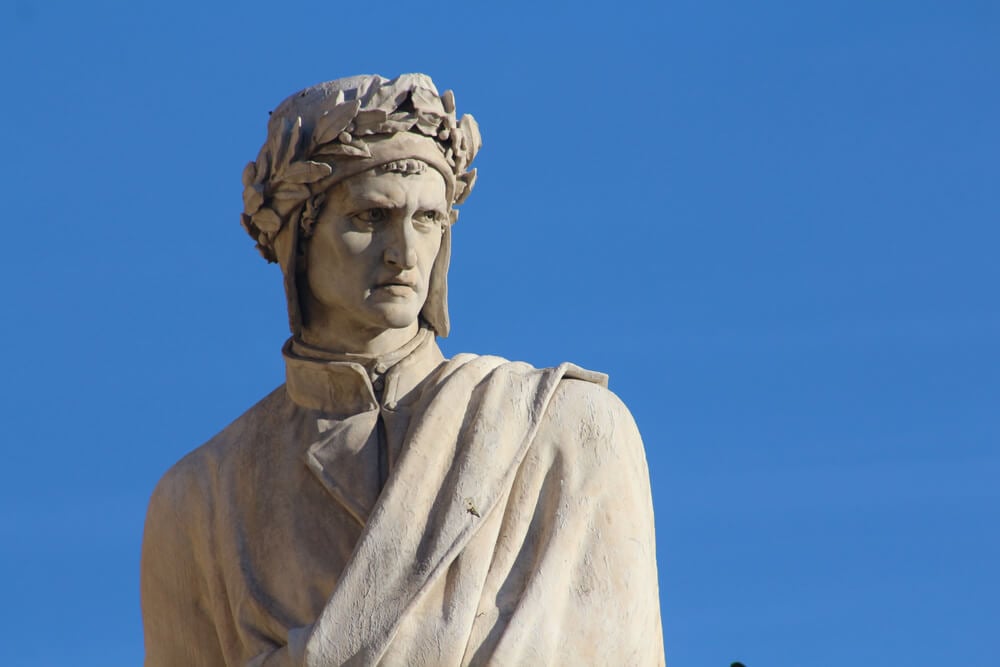
Dante’s personal correspondence was substantial during his lifetime, but most of it vanished. Only a handful of verified letters remain, and scholars debate which others attributed to him are genuine.
His private thoughts about his political exile, his relationships, and his creative process are largely lost to us.
Nicolaus Copernicus
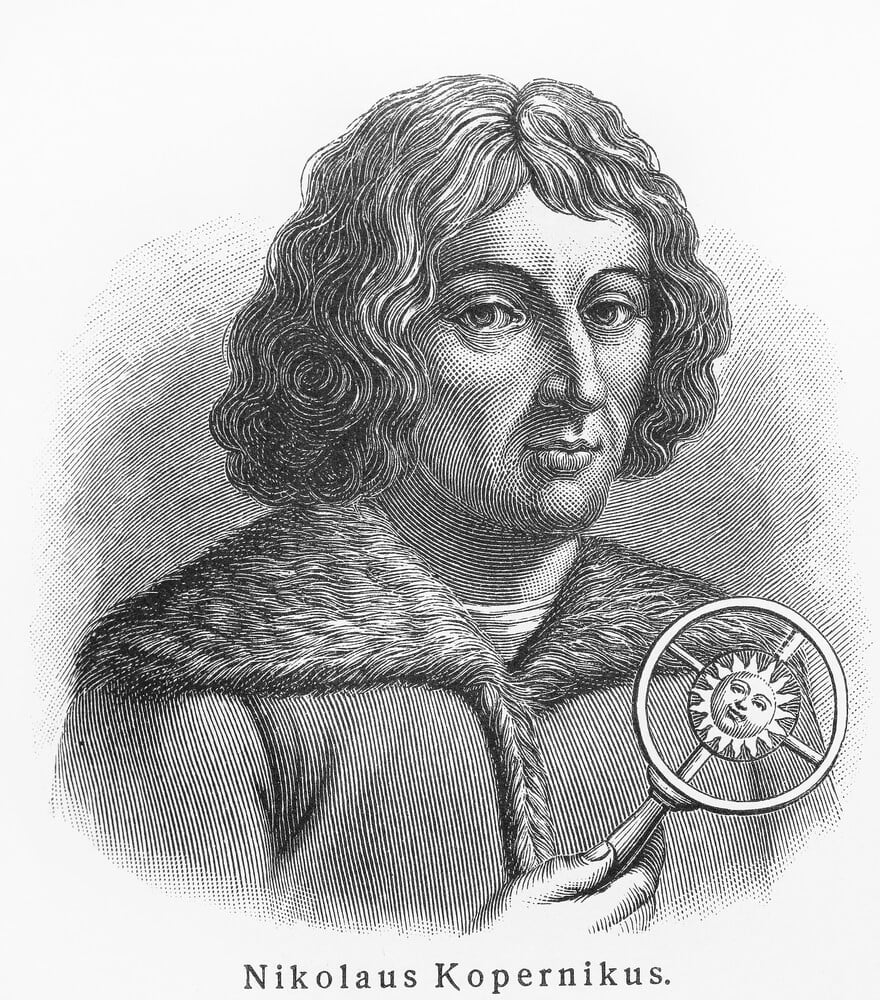
Copernicus’s personal papers and early draft manuscripts for De revolutionibus were mostly lost. We possess the published book, but his working notes, calculations, and the intellectual journey that led him to heliocentrism exist only in fragments quoted by others.
His personal correspondence is almost entirely absent.
Nostradamus
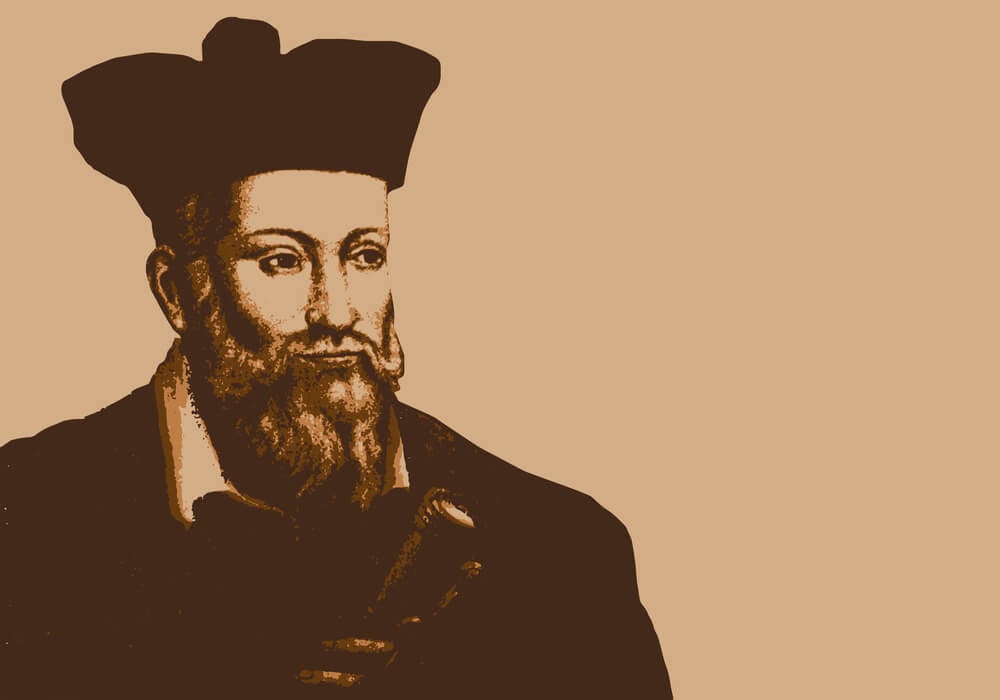
The original manuscripts of Nostradamus’s quatrains vanished after his death. Modern editions rely on printed versions from the 1600s that may have been altered or reinterpreted.
No autographed copies exist, making it impossible to verify whether the cryptic predictions were his original wording or later embellishments.
Calamity Jane
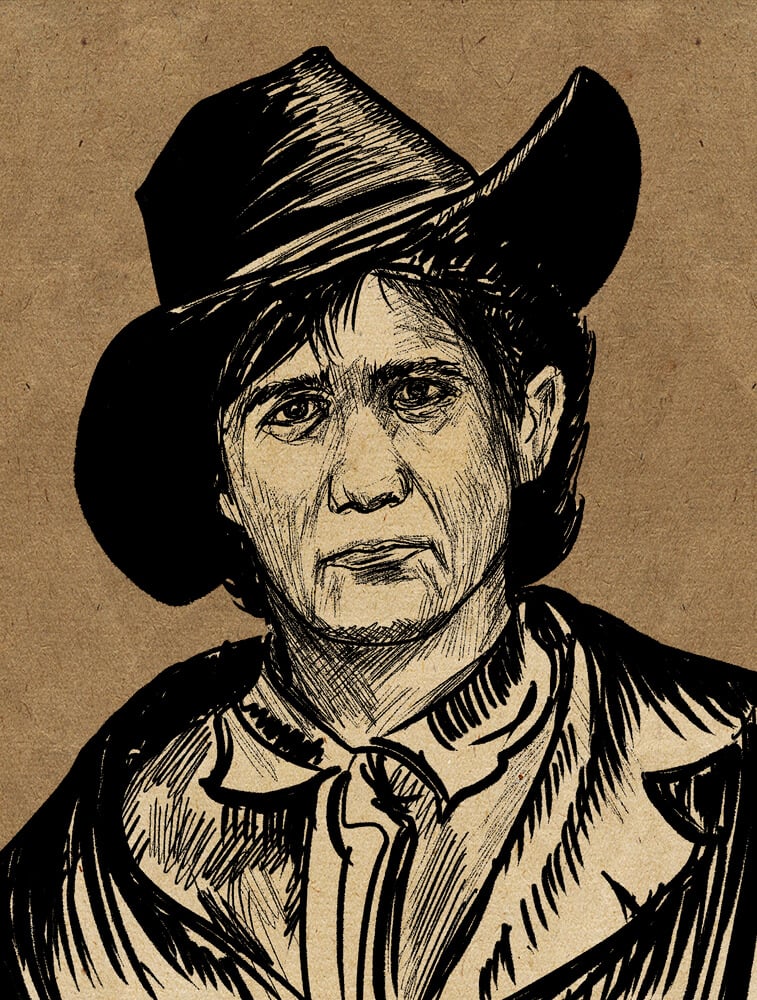
Most of Jane’s life exists in newspaper accounts and frontier legends rather than her own documents. Her supposed autobiography was ghostwritten, and questions persist about which stories attributed to her are authentic versus invented.
Few personal letters survive, leaving her actual biography muddled with Western mythology.
Kaspar Hauser
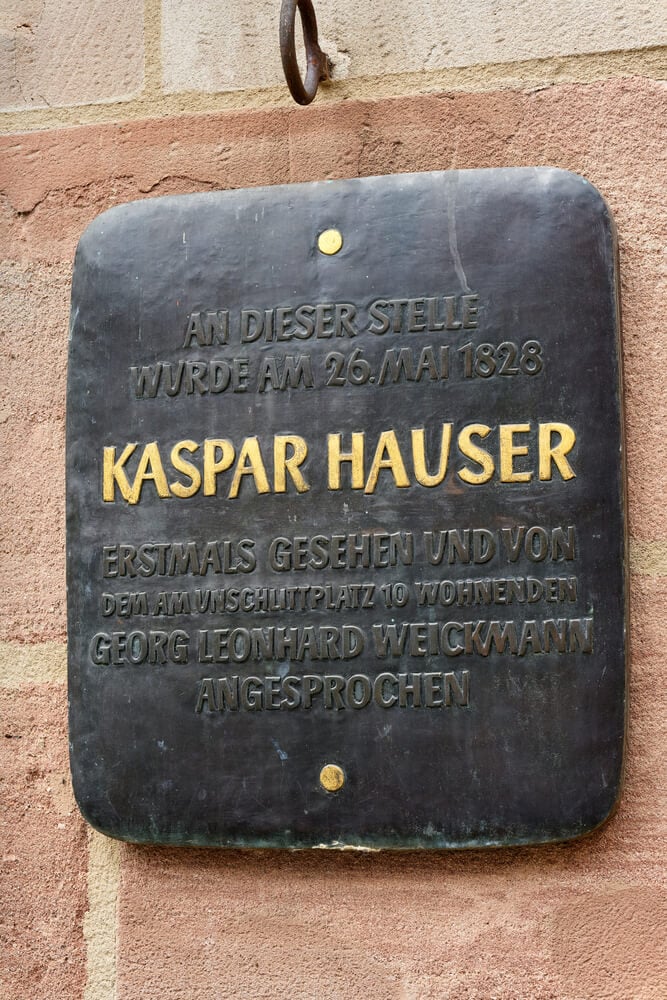
Kaspar’s personal writings and the complete records of his keepers vanished decades after his death. Historians debate whether he was a genuine “wild child” or an impostor, but no original documentation survives to settle the question.
His own account of his origins depends entirely on what he told others, with no corroborating evidence.
Thomas Jefferson’s Lost Correspondence
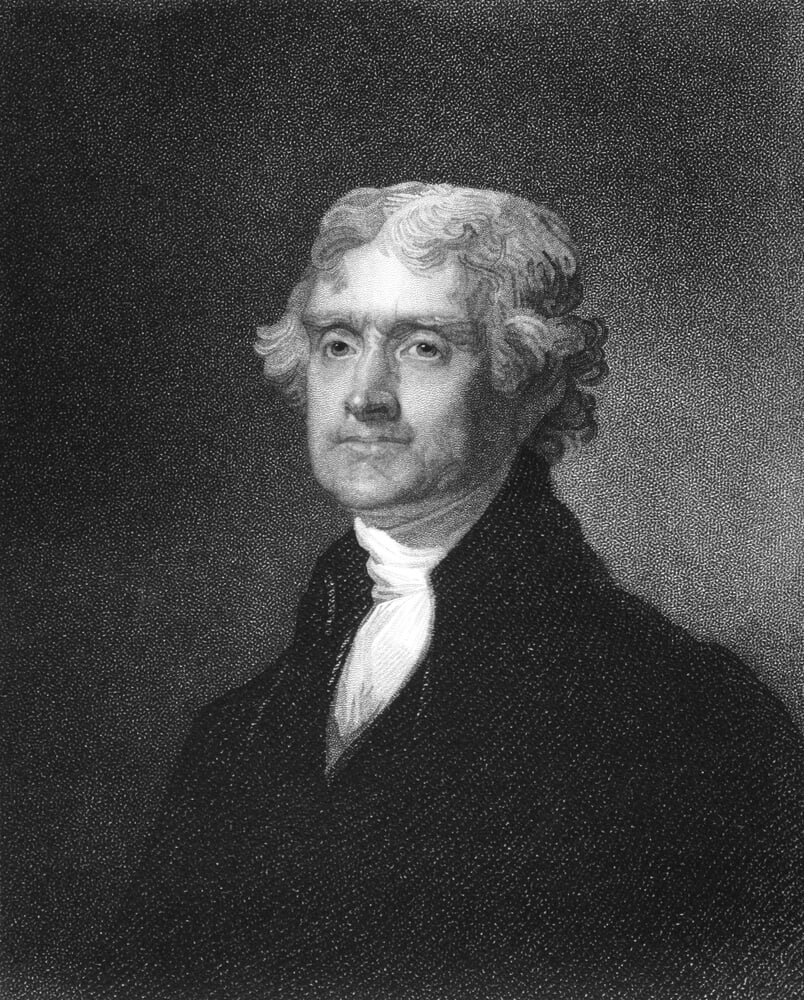
While Jefferson is famous for his preserved letters, substantial portions of his personal and political correspondence were destroyed—some deliberately by Jefferson himself before his death. Historians have spent generations trying to reconstruct his thinking from incomplete records, particularly regarding his personal life and private doubts.
Leonardo da Vinci’s Destroyed Notebooks
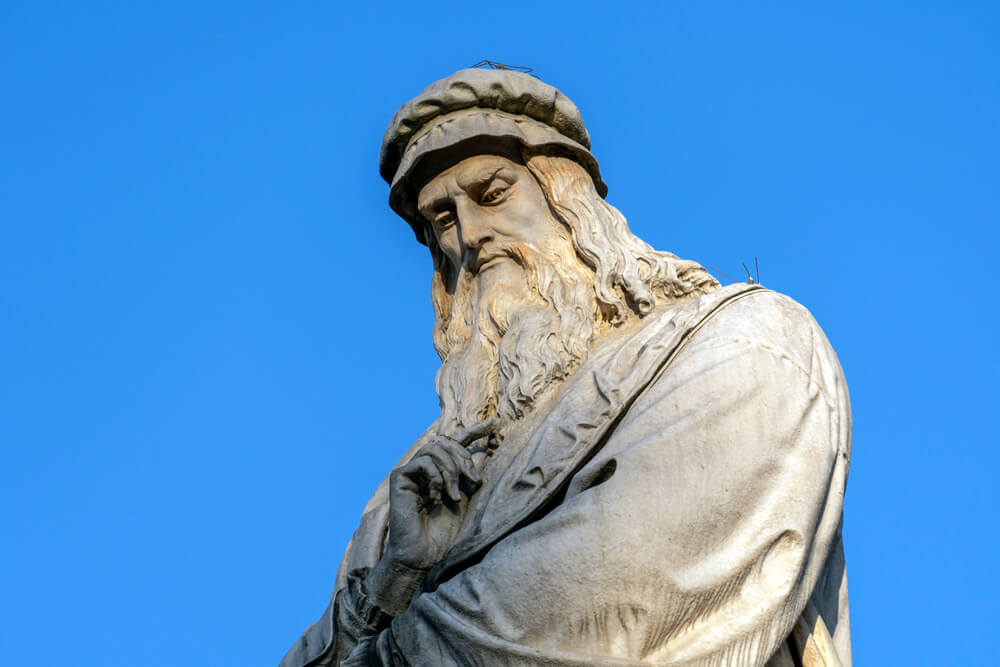
Many of Leonardo’s notebooks and designs were lost after his death. While his Codices are celebrated, historians estimate he created far more that vanished.
His thoughts on engineering, anatomy, and philosophy exist only in partial manuscripts that survived by chance.
Nefertiti
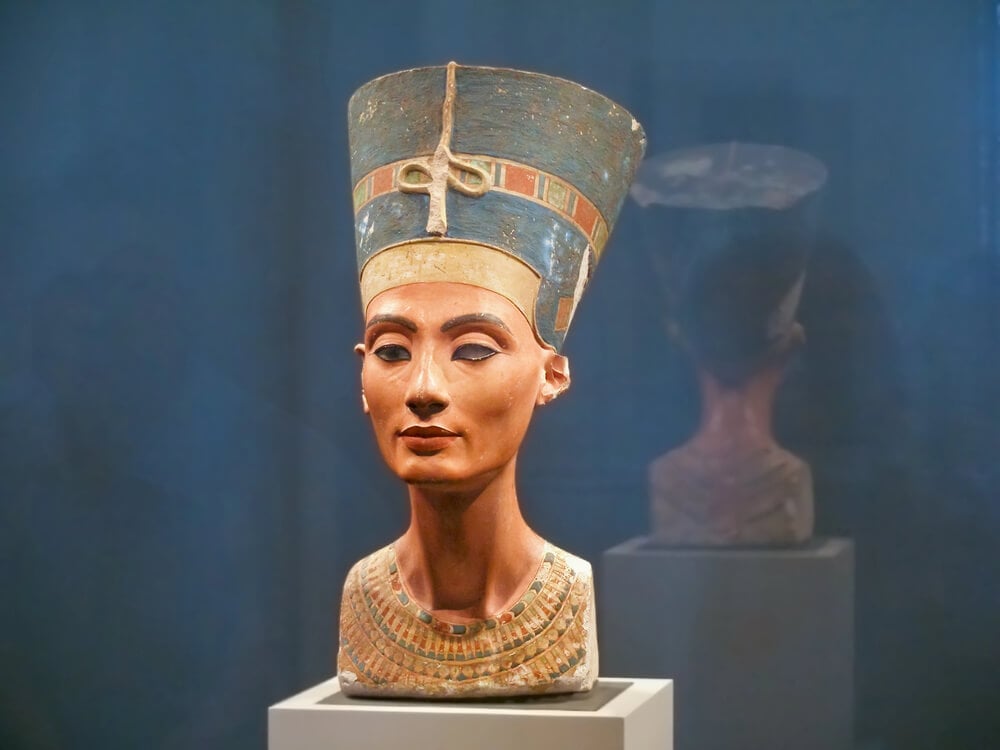
Despite her prominence in ancient Egypt, Nefertiti’s personal correspondence, if it existed, has never been found. We know her from statues, murals, and inscriptions created by others.
Her own voice, agency, and thoughts remain entirely absent from the historical record.
Mary Somerville’s Hidden Correspondence
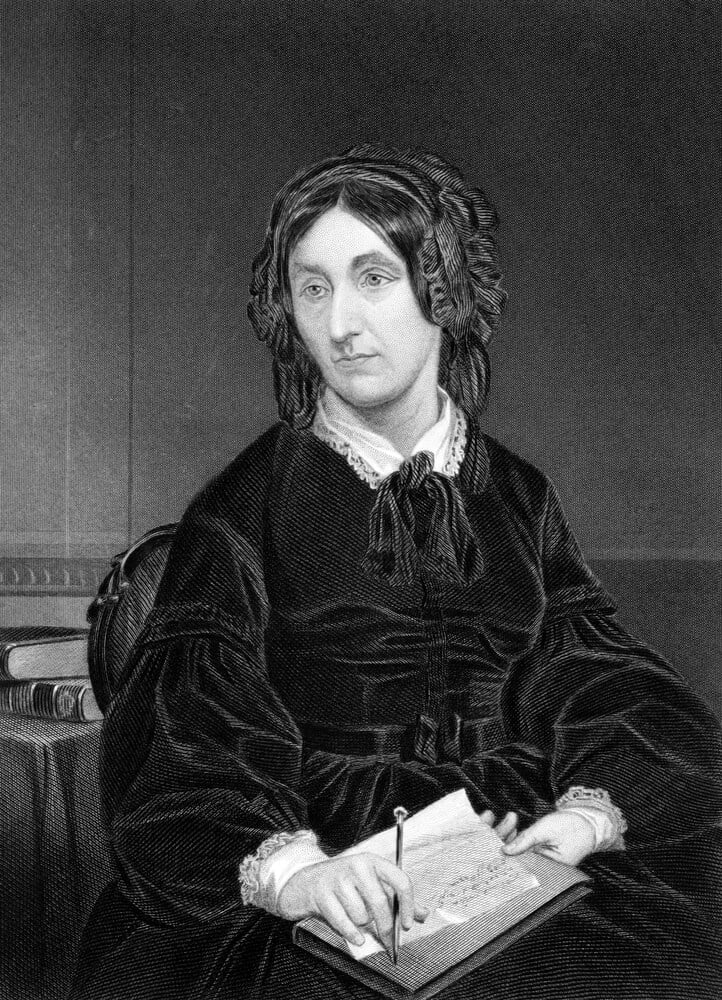
Somerville was a prolific scientist whose personal papers were partially destroyed by her family after her death to protect her privacy. Thousands of letters were burned, eliminating direct insight into her scientific thinking and personal relationships with contemporary scientists.
Émilie du Châtelet
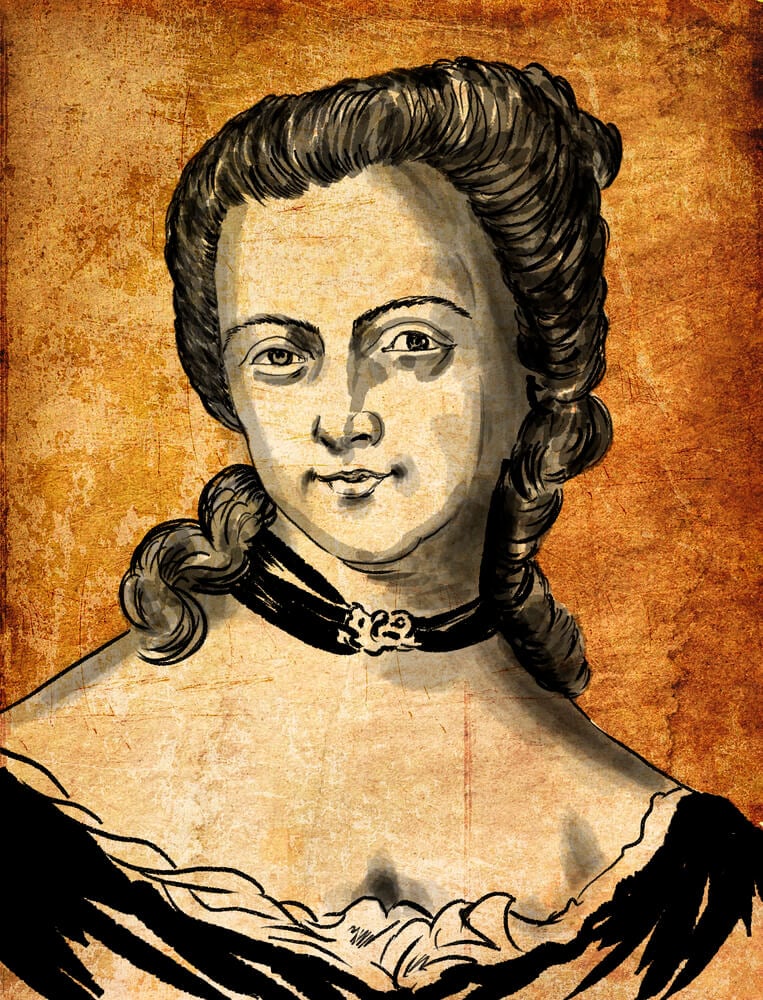
Du Châtelet’s personal journals and many letters were destroyed after her death in 1749. What survives are scattered letters and references in others’ correspondence.
Her complete thoughts on physics, mathematics, and philosophy are known only through her publications, not her private reflections.
Genghis Khan
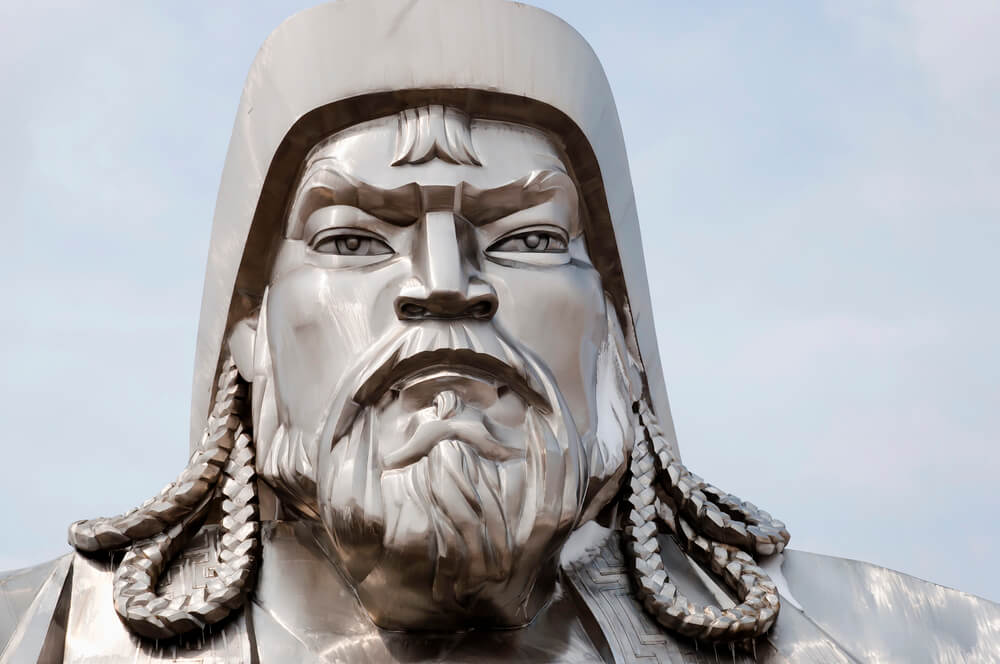
Almost no personal writings from Genghis Khan exist. Everything we know comes from accounts by conquered peoples, later Mongol chronicles, and hostile sources.
His motivations, doubts, and personal philosophy are inferred from his actions rather than documented by his own hand.
Eleanor of Aquitaine
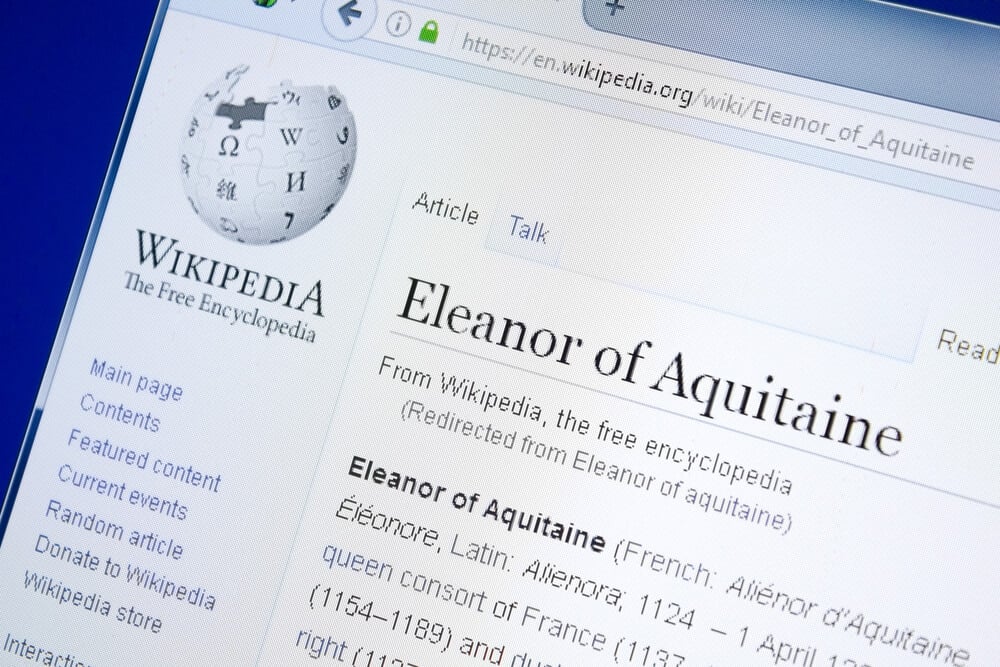
While Eleanor’s influence is well-documented, her personal letters and journals are almost entirely lost. We know her through the writings of chroniclers and her sons.
Her own account of her life, relationships, and political calculations survives only in fragments.
Pythagoras
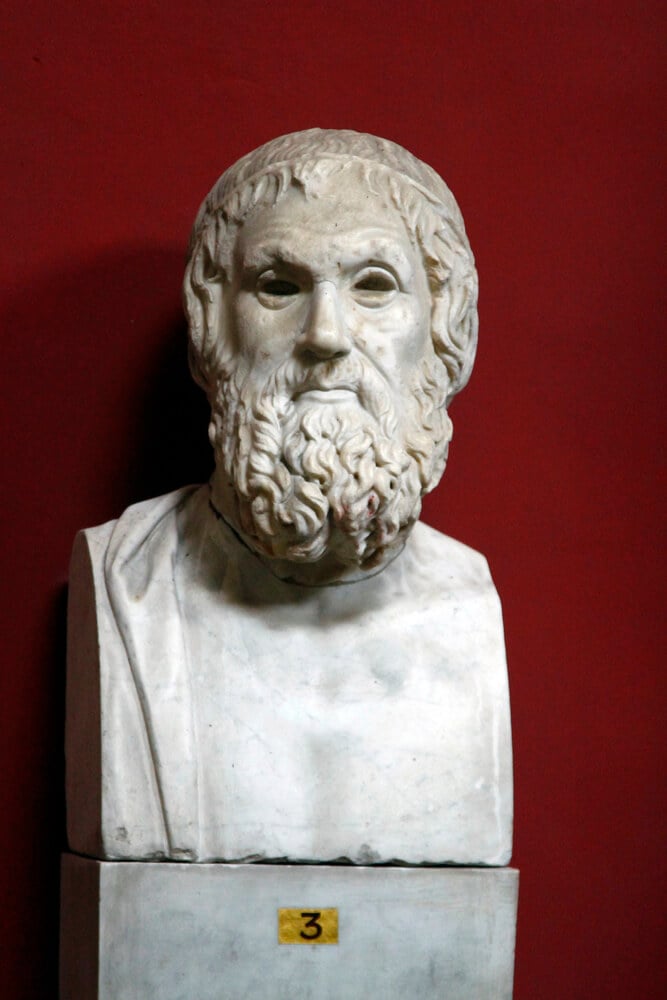
Pythagoras left no written works. Everything attributed to him was written by followers after his death.
Scholars cannot distinguish between Pythagoras’s actual teachings and later Pythagorean philosophy that followers invented and credited to him.
Sappho
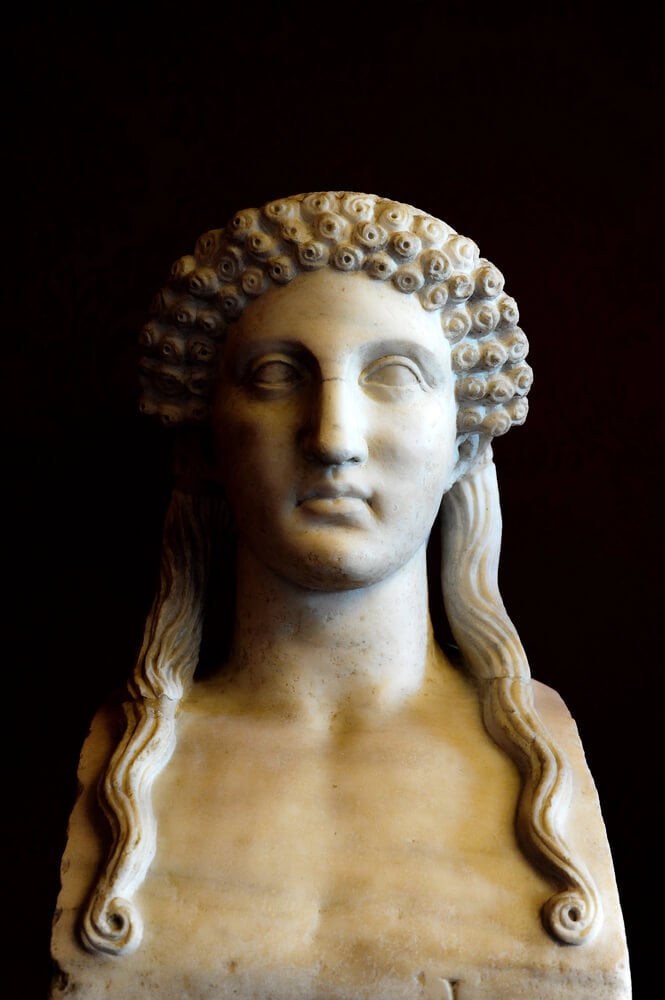
Of the nine books of Sappho’s poetry that existed in antiquity, only fragments survive on scraps of papyrus. The vast majority of her work disappeared when libraries were destroyed and her writing fell out of favor.
We know she was considered the greatest lyric poet of her age, but most of her actual poetry is gone.
Ramesses II’s Lost Personal Archives
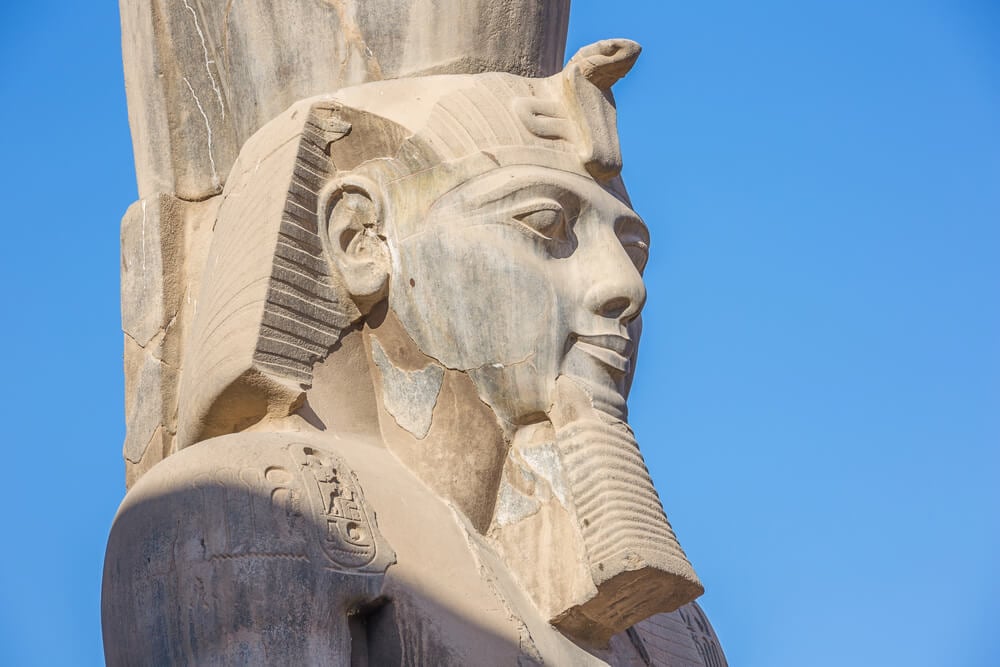
While Ramesses left more inscriptions and monuments than most pharaohs, his personal correspondence and administrative records largely vanished. What survives are official decrees and temple records, not his private thoughts or day-to-day governance documents.
Vincent van Gogh’s Lost Early Sketches
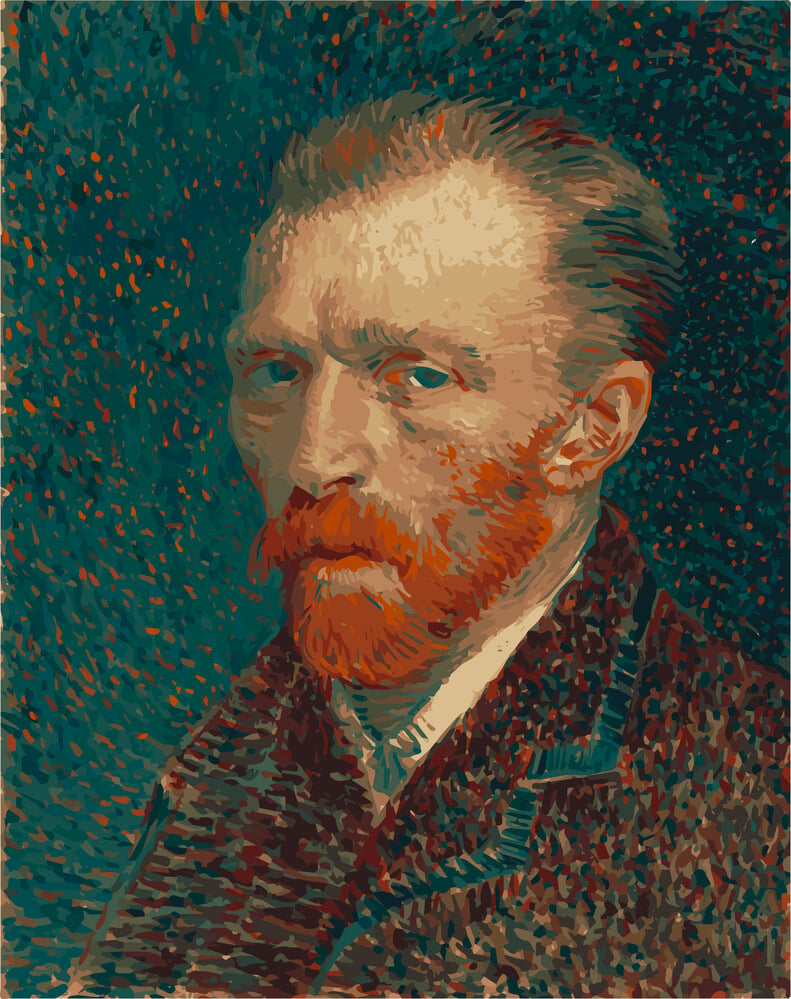
Van Gogh’s family destroyed or lost hundreds of his early sketches and paintings after his death. His evolution as an artist is incomplete because entire periods of his work vanished.
Some destroyed pieces were never photographed or catalogued.
Harriet Tubman’s Absence of Written Records
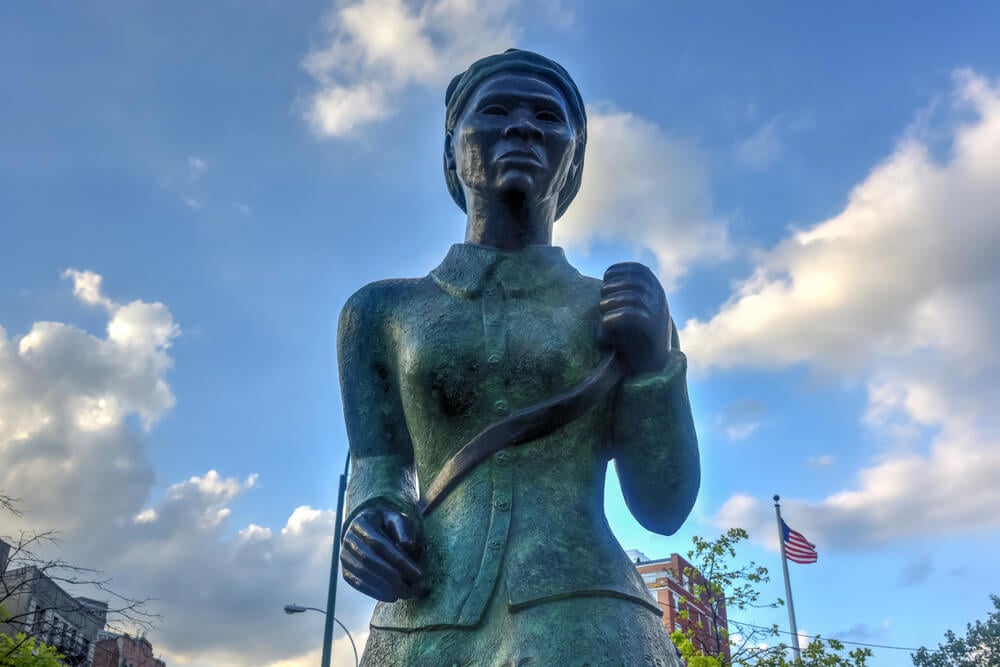
Harriet Tubman was illiterate and left no personal writings. Everything we know of her life and motivations comes through interviews given late in life or accounts by others.
Her own direct voice and thoughts are mediated entirely through other people’s records.
Pliny the Younger’s Lost Works
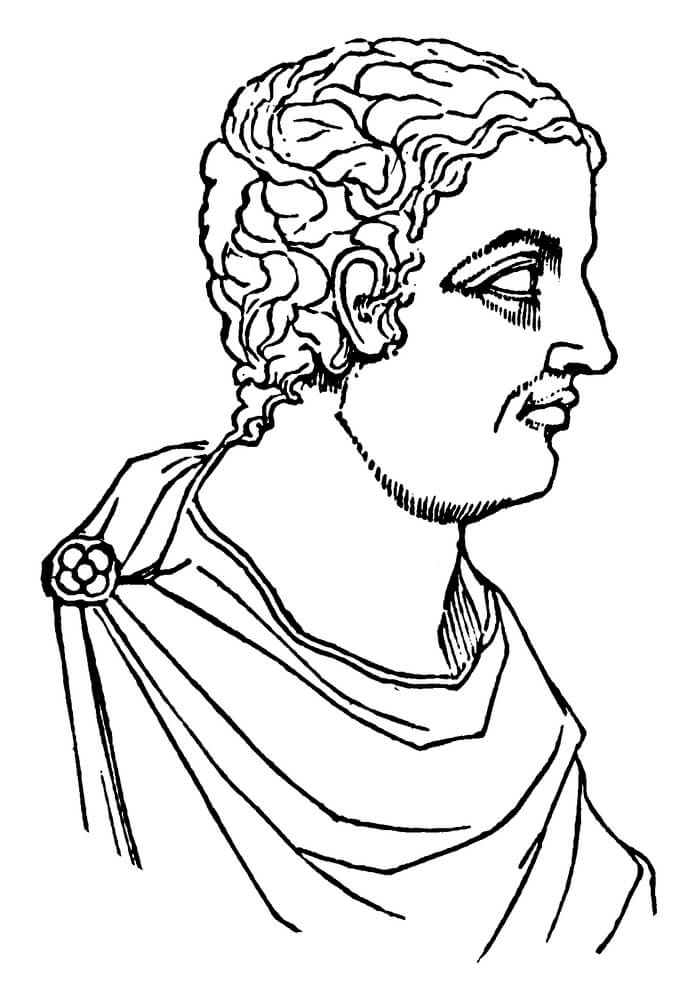
While some of Pliny’s letters and the Panegyricus survived, substantial portions of his larger literary output were lost in antiquity. His complete thoughts on science, politics, and rhetoric are known only partially.
Bessus and the Lost Records of Bactria
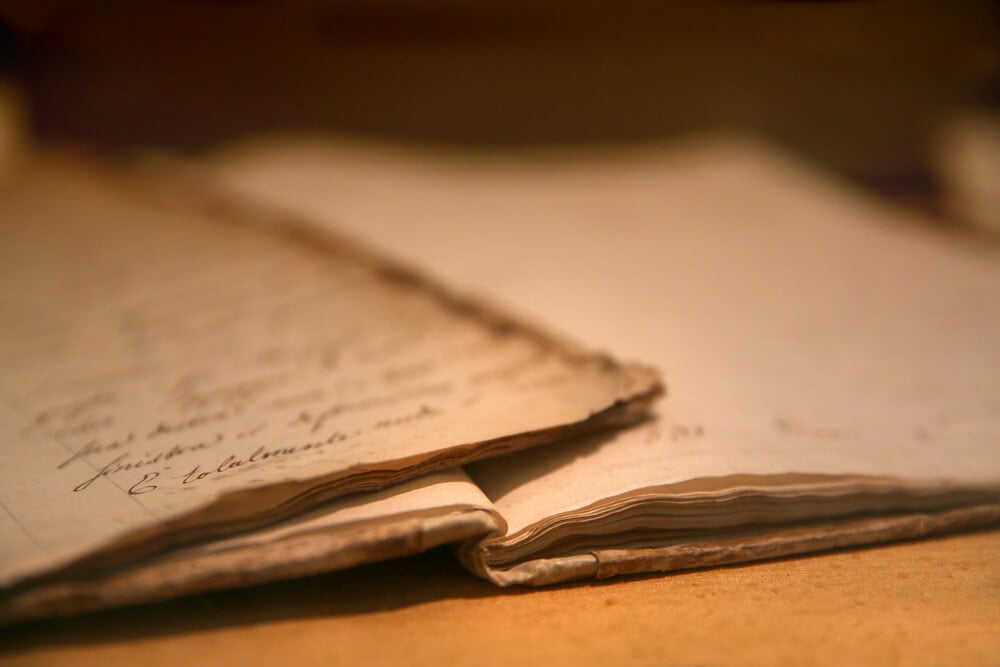
Bessus was a major historical figure in Central Asian politics, but almost no records created by him or his court survive. His perspective on events is entirely absent; history knows him only through Greek accounts written by his enemies.
When Historical Records Vanish, Our Certainty Does Too

History depends on what survived, not necessarily on what was most important. These twenty-four figures shaped their eras profoundly, yet their personal voices are often silent.
The gap between their documented achievements and their unknowable thoughts reminds us that every historical narrative is incomplete—a reconstruction built from whatever fragments chance preserved. For many of these figures, we know their legacies but not their minds.
More from Go2Tutors!

- The Romanov Crown Jewels and Their Tragic Fate
- 13 Historical Mysteries That Science Still Can’t Solve
- Famous Hoaxes That Fooled the World for Years
- 15 Child Stars with Tragic Adult Lives
- 16 Famous Jewelry Pieces in History
Like Go2Tutors’s content? Follow us on MSN.