30 Store Chains That Anchored Downtowns for Generations
Before suburban shopping malls and big-box retailers reshaped American commerce, downtown districts centered around anchor department stores that defined communities’ retail identity. These stores were destinations rather than mere shops, places where families gathered for holiday shopping, window displays that changed seasonally, and tea rooms or lunch counters that made shopping a social event.
The decline of these chains reshaped not just retail but the entire social geography of American towns.
Woolworth’s Five and Dime Stores
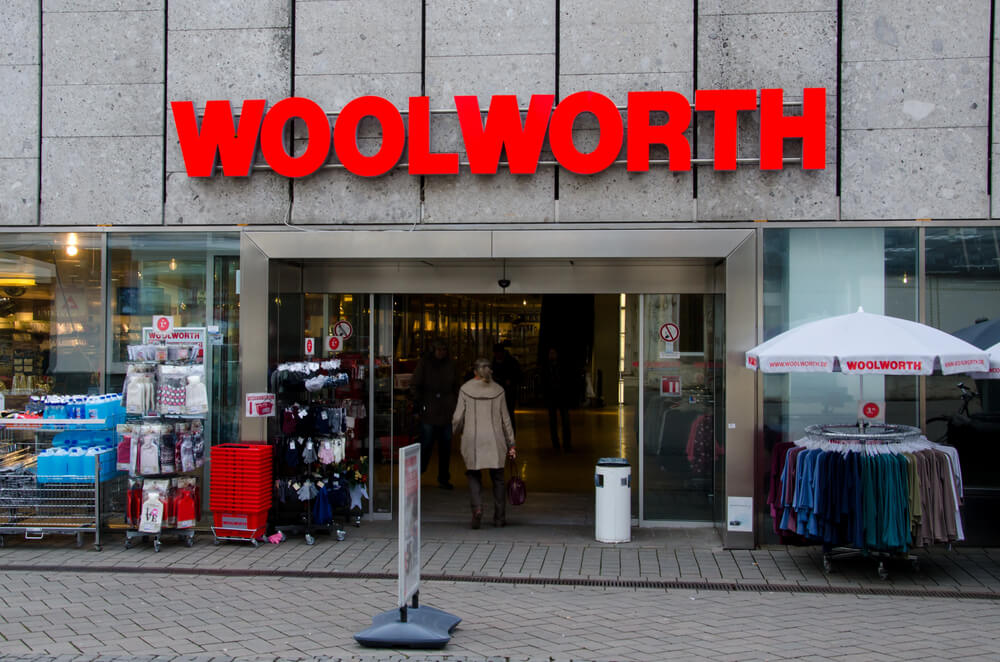
Woolworth’s revolutionized retail by offering affordable goods displayed on open shelves rather than behind counters. The iconic lunch counter served as a social hub where neighbors gathered for affordable meals and community conversation.
At its peak, Woolworth’s operated over 2,000 stores and defined the American downtown experience for over a century.
J.C. Penney’s Department Stores
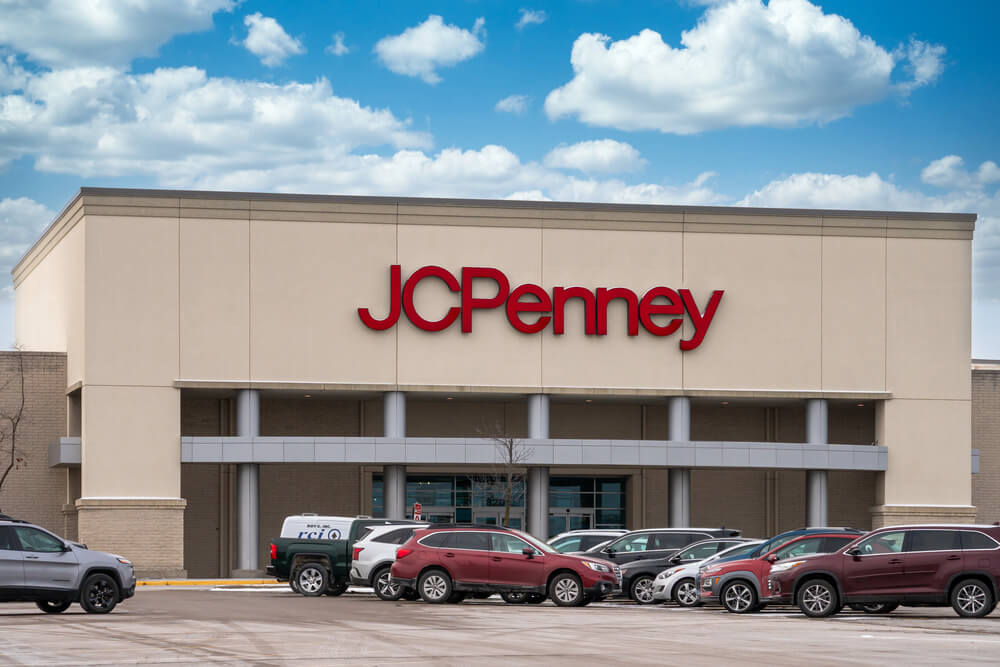
J.C. Penney established itself as the middle-class department store alternative to higher-end competitors, offering fashion and home goods at accessible prices. Penney stores became downtown anchors that drew shoppers for hours of browsing and purchase.
The store’s catalog extended reach to rural communities where mail-order shopping created connection to larger commerce.
Montgomery Ward’s General Merchandise Emporiums
Montgomery Ward’s catalog and physical stores made available an extraordinary range of goods from clothing to farm equipment to furniture. The stores served rural and urban communities as one-stop shopping destinations.
Ward’s rivalry with Sears defined American retail competition for generations.
Sears and Roebuck Stores
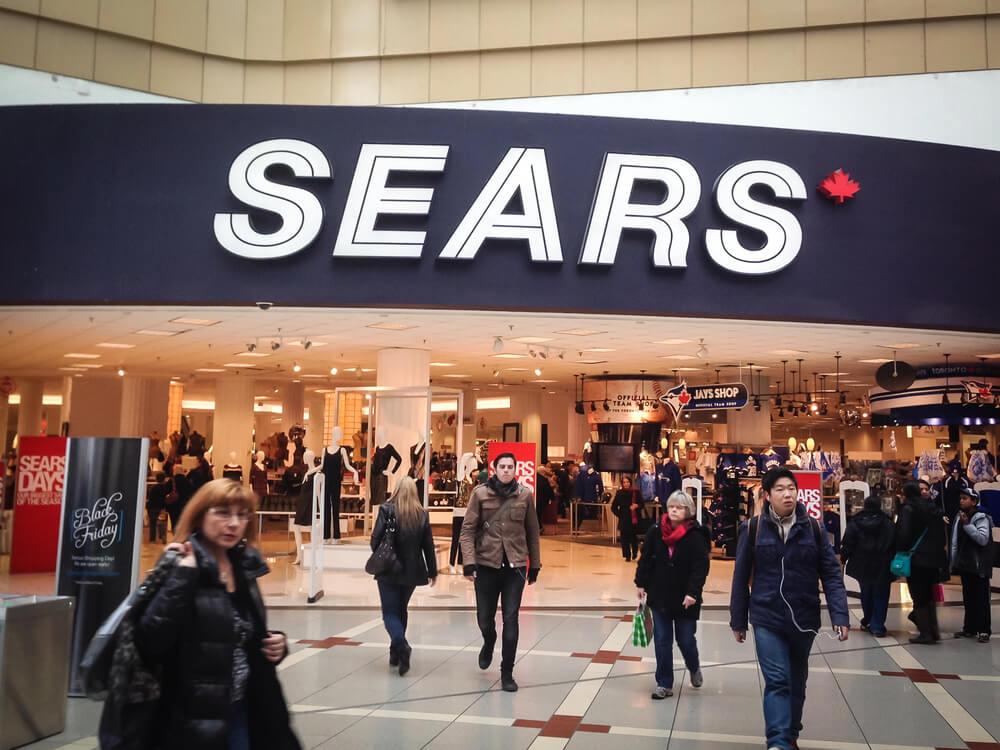
Sears built its empire on catalog sales combined with physical stores in every major American downtown. The stores offered an astonishing range from clothing to hardware to automotive parts.
Sears’ reputation for quality and customer service made it synonymous with American reliability.
Kresge’s Variety Stores
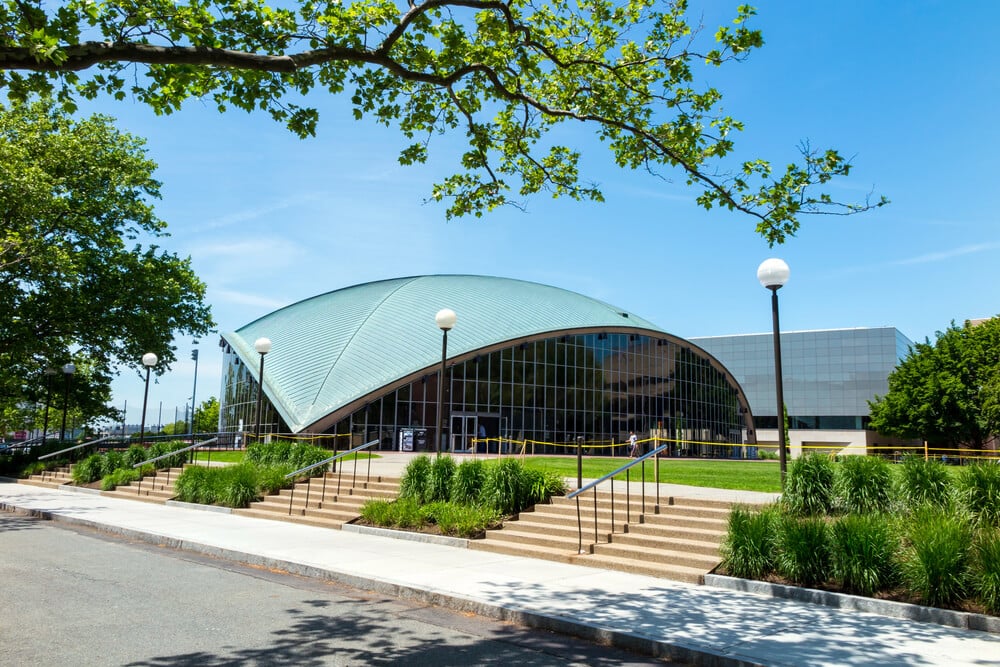
Kresge’s five-and-dime stores competed directly with Woolworth’s, offering affordable goods in accessible downtown locations. The stores attracted shoppers across entire families with their lunch counters and variety merchandise.
Kresge’s later evolved into Kmart, fundamentally reshaping American retail.
Rexall Drugstore Chains
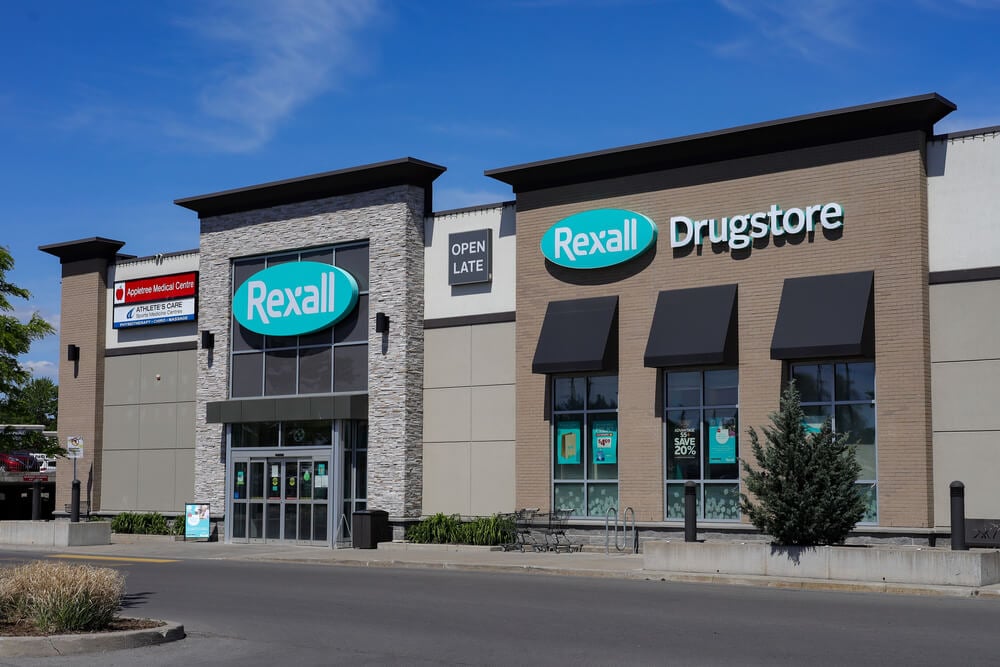
Rexall pharmacies served as neighborhood centers where people gathered for prescriptions, toiletries, and the essential soda fountain. Rexall became so ubiquitous that “Rexall” and “drugstore” were nearly synonymous in many communities.
The soda fountains created social gathering spaces independent of other commercial needs.
W.T. Grant Company Stores
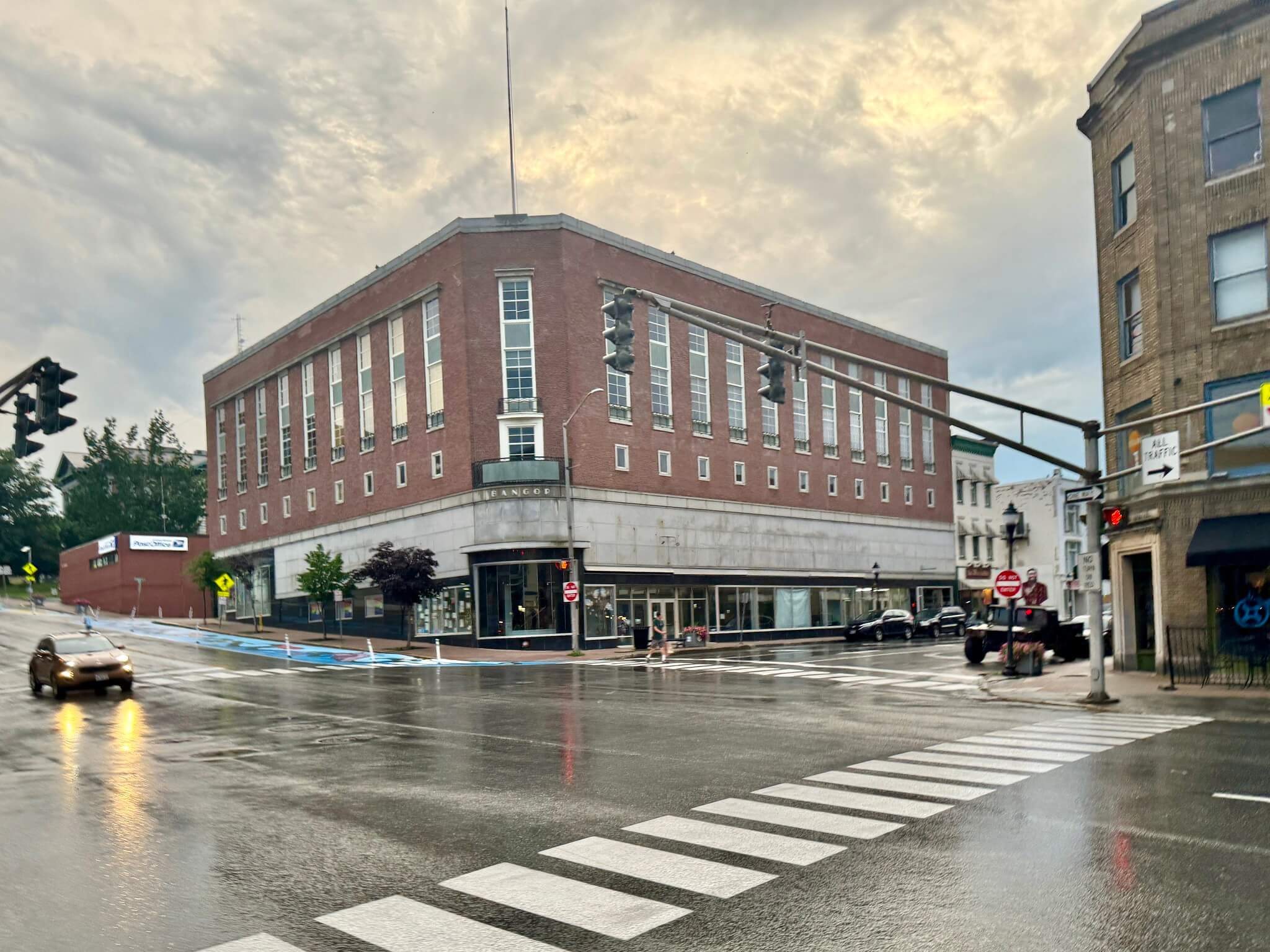
W.T. Grant operated general merchandise stores in competition with Woolworth’s and Kresge’s, offering affordable variety goods. Grant stores served as reliable downtown anchors that drew shoppers across age groups.
The chain’s consistent pricing strategy made budgeting and comparison shopping straightforward for families.
Liggett Drug Stores
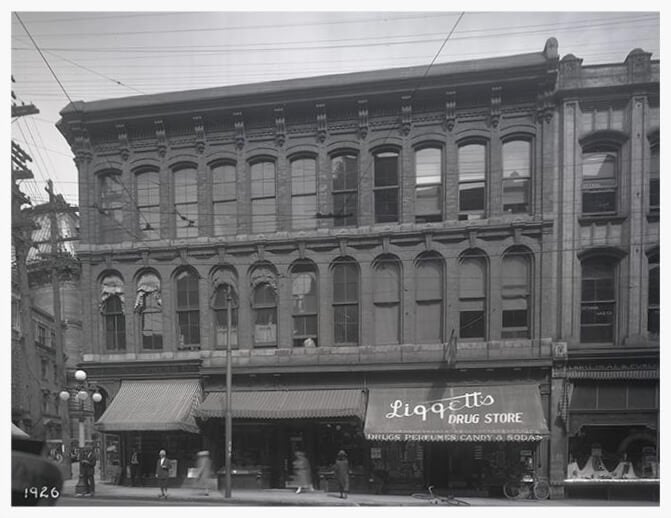
Liggett operated pharmacy and drug stores that served as social gathering points with soda fountains and merchandise beyond pharmaceuticals. The stores earned loyalty through consistent service and familiar staff across generations.
Liggett locations became second homes for regular patrons.
Newberry’s Five-and-Dime Stores
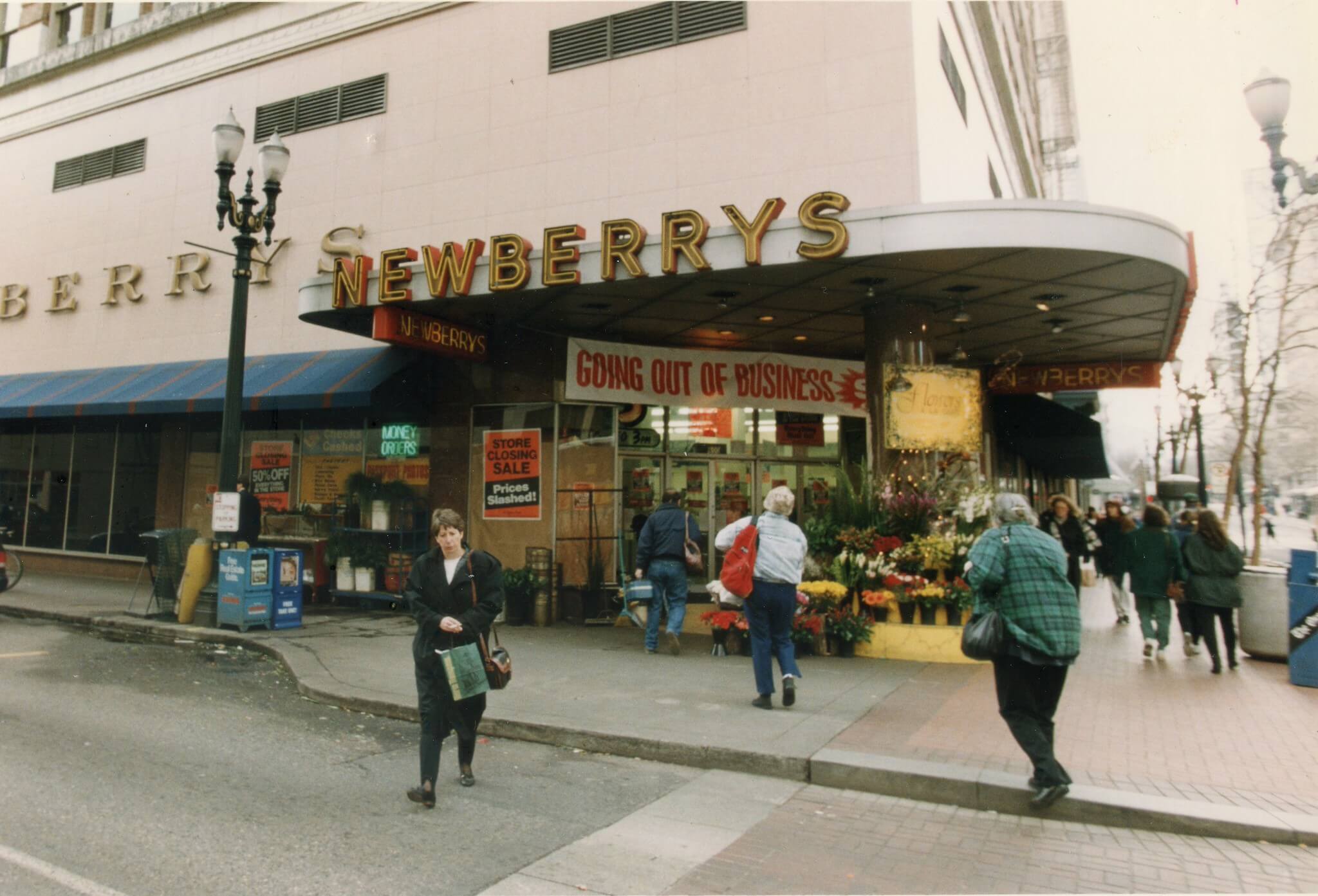
Newberry’s competed with Woolworth’s and Kresge’s, bringing five-and-dime retail to smaller communities. The stores offered variety merchandise at prices accessible to families with modest budgets.
Newberry’s lunch counters served the same social function as competitors.
Walgreens Drug Stores
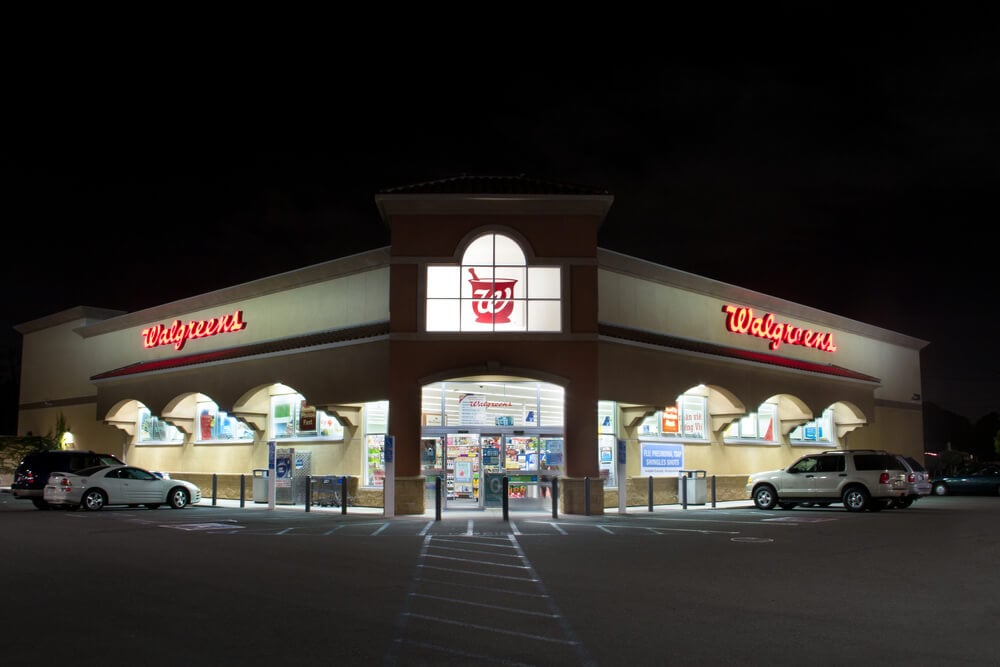
Walgreens established itself as the premium drugstore chain, with locations that served community pharmacy needs and general merchandise. Walgreens’ consistent quality earned customer loyalty despite slightly higher prices.
The stores became trusted neighborhood institutions across generations.
Grant’s Department Stores

Grant’s offered moderately-priced clothing and dry goods, competing directly with Penney’s and Sears in mid-range retail. Grant locations became downtown fixtures that families visited regularly for seasonal shopping.
The store’s reliability and predictable merchandise selection earned customer loyalty.
Wards Catalog Stores
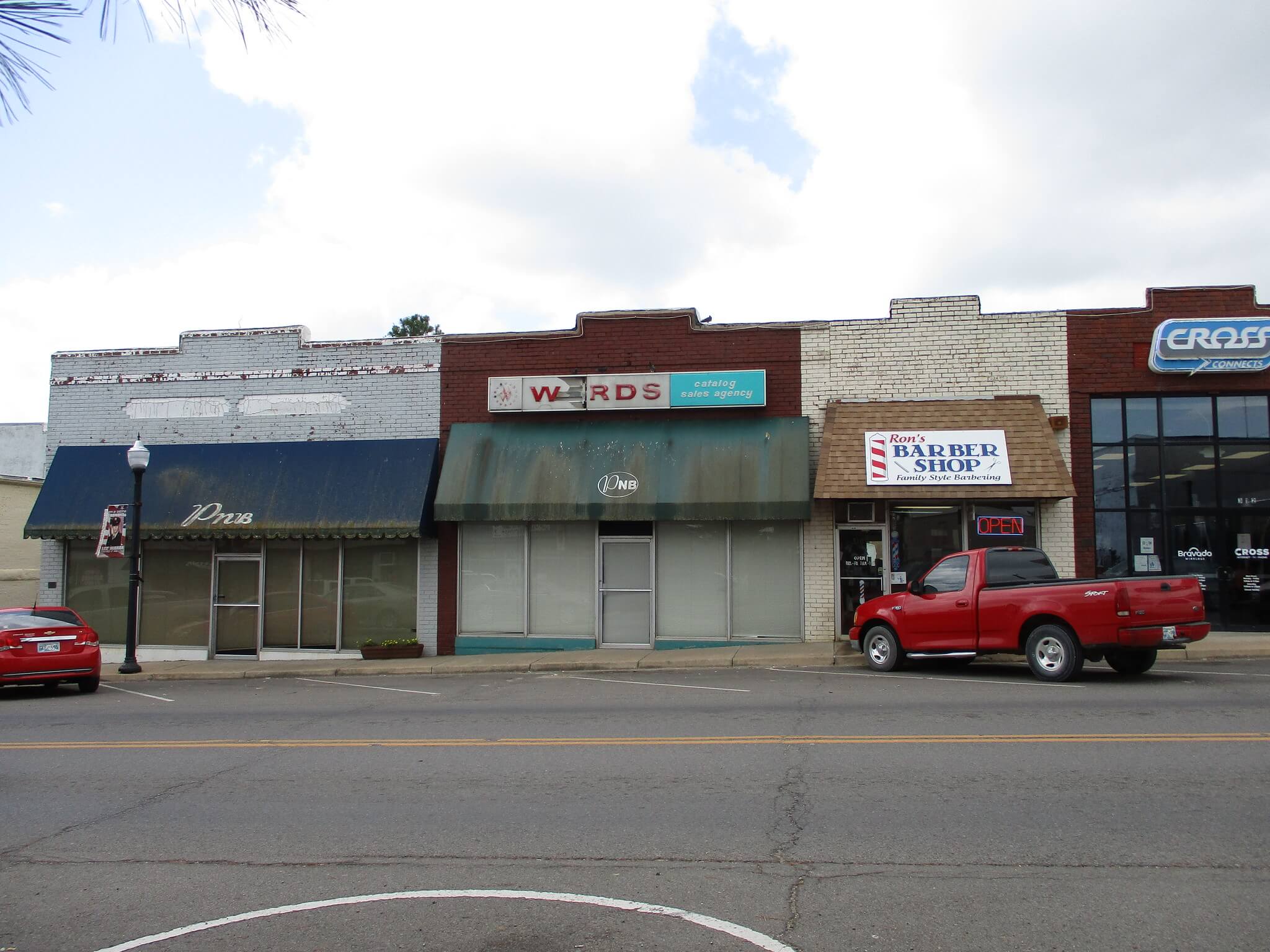
In addition to major department stores, Montgomery Ward operated smaller catalog pickup locations in communities too small for entire stores. These locations connected rural shoppers to broader commerce and made catalog ordering convenient.
The locations served essential function for communities without access to major retailers.
Ben Franklin Stores
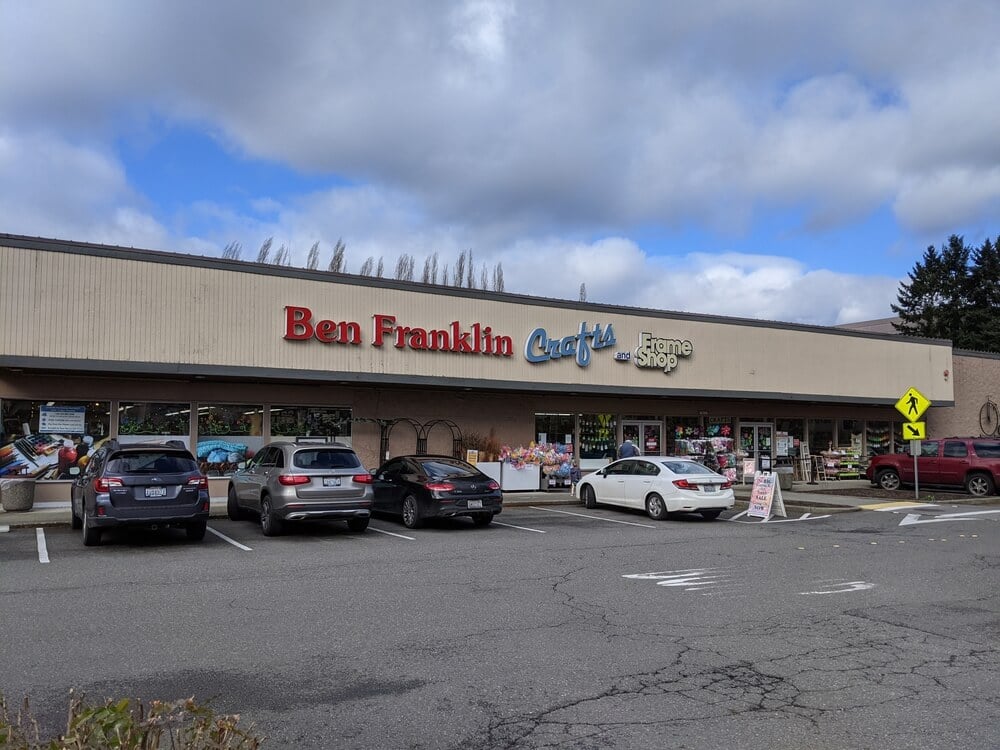
Ben Franklin operated variety stores across America, particularly in smaller communities where larger chains did not establish locations. The stores offered five-and-dime merchandise at competitive prices.
Ben Franklin became synonymous with small-town shopping.
Mahoney’s Drugstore Chains

Regional drugstore chains operated in specific areas with the same community-centered approach as national chains. These stores earned fierce local loyalty through staff familiarity and community involvement.
Regional chains’ decline often preceded national chain saturation.
The Great A&P Supermarkets

A&P expanded aggressively across America as a major supermarket chain, establishing stores that became shopping destinations where entire families spent hours browsing unprecedented variety. A&P’s efficiency and competitive pricing made it a dominant force in American grocery retail.
A&P stores served as community anchors that reshaped how America shopped for food.
Piggly Wiggly Supermarkets
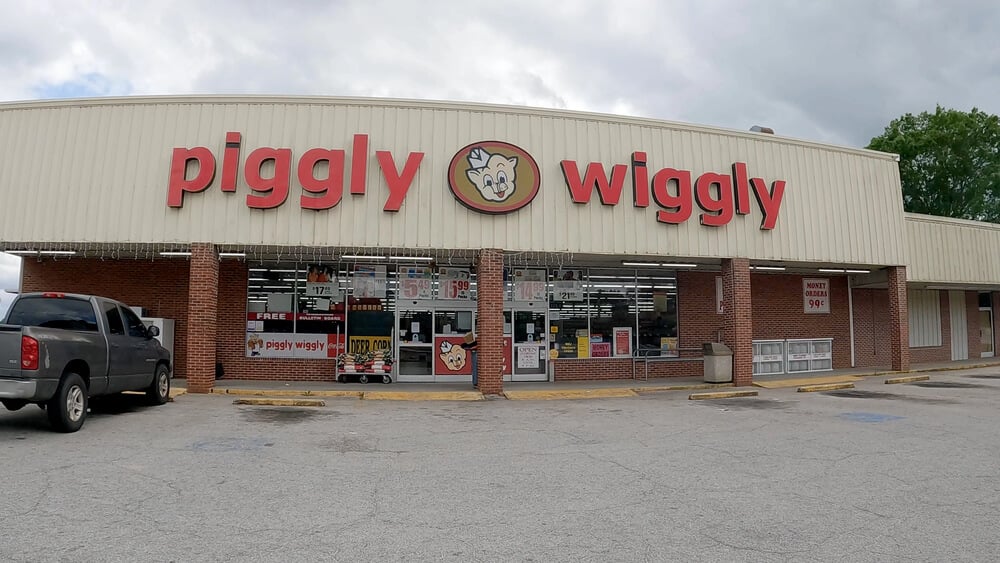
Piggly Wiggly pioneered the self-service grocery concept and established stores across the South and Midwest. The innovation of customers selecting their own groceries rather than requesting items from clerks fundamentally changed retail shopping.
Piggly Wiggly locations became social gathering points around food shopping.
Kroger Supermarkets
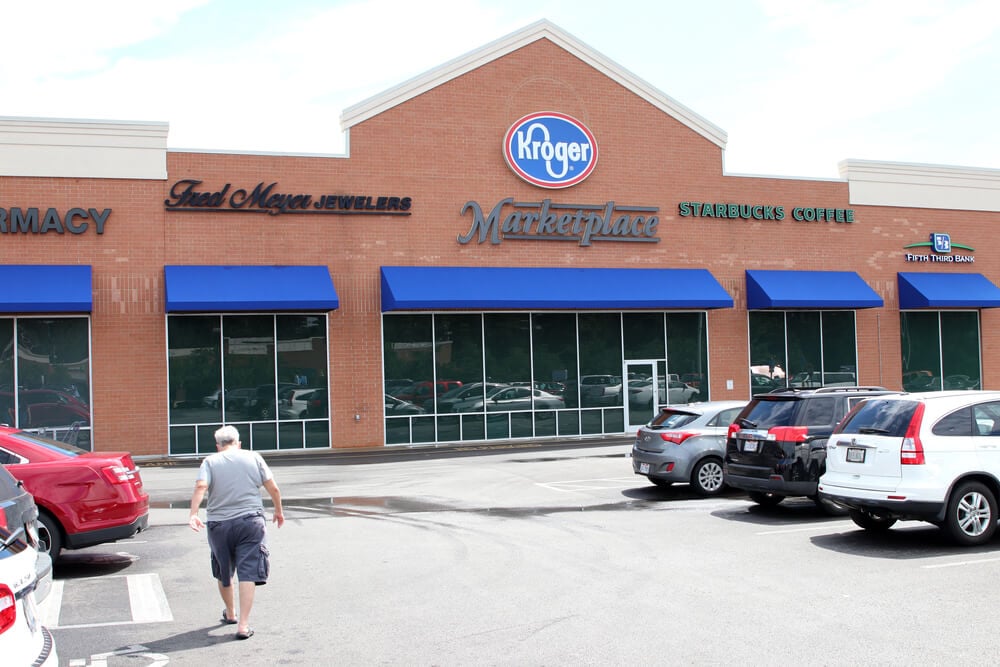
Kroger expanded its regional dominance into a national presence, operating grocery stores that served as community anchors. Kroger’s consistent quality and fair pricing earned customer loyalty across generations.
Store locations became regular shopping destinations for families planning weekly menus.
Safeway Supermarkets
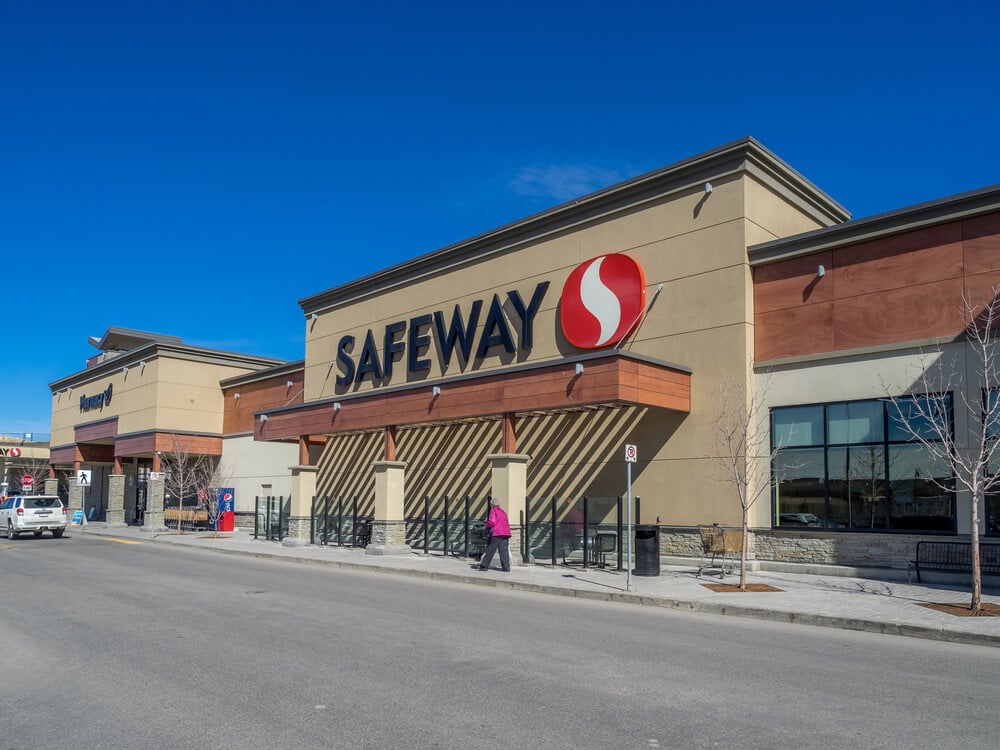
Safeway established itself as a premium grocery option, with clean, well-organized stores that made shopping pleasant and efficient. Safeway stores became destinations where shoppers trusted quality and fair pricing.
The stores’ success demonstrated that customers valued cleanliness and organization enough to return repeatedly.
Winn-Dixie Supermarkets
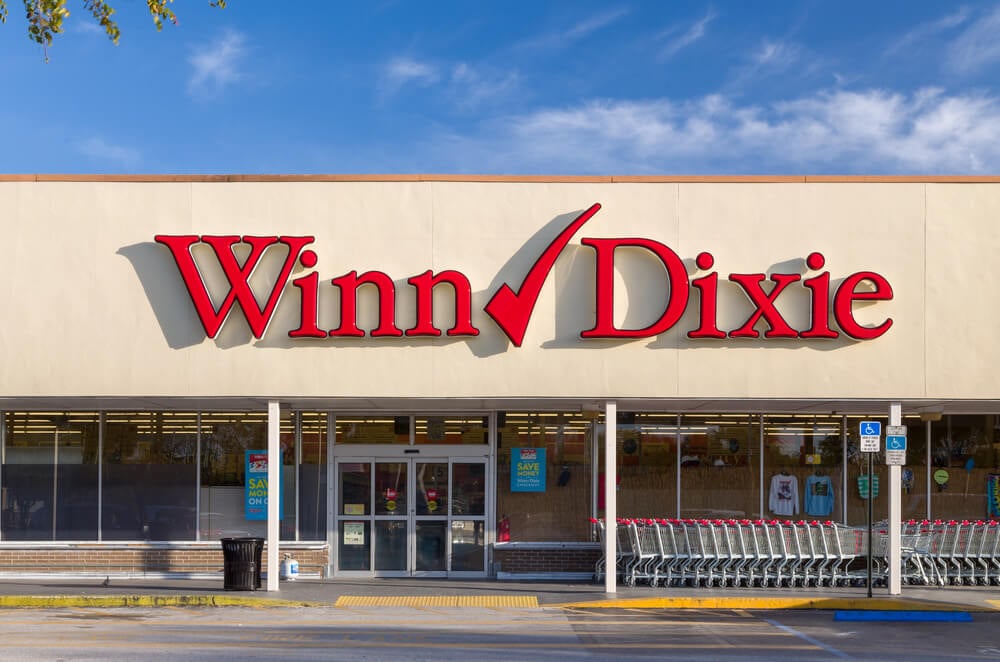
Winn-Dixie served the Southeast, establishing itself as a trusted grocer through quality meat departments and fresh produce. Winn-Dixie stores became community institutions where regular customers knew staff by name.
The chain’s decline removed a significant institutional anchor from many Southern communities.
Food Lion Supermarkets
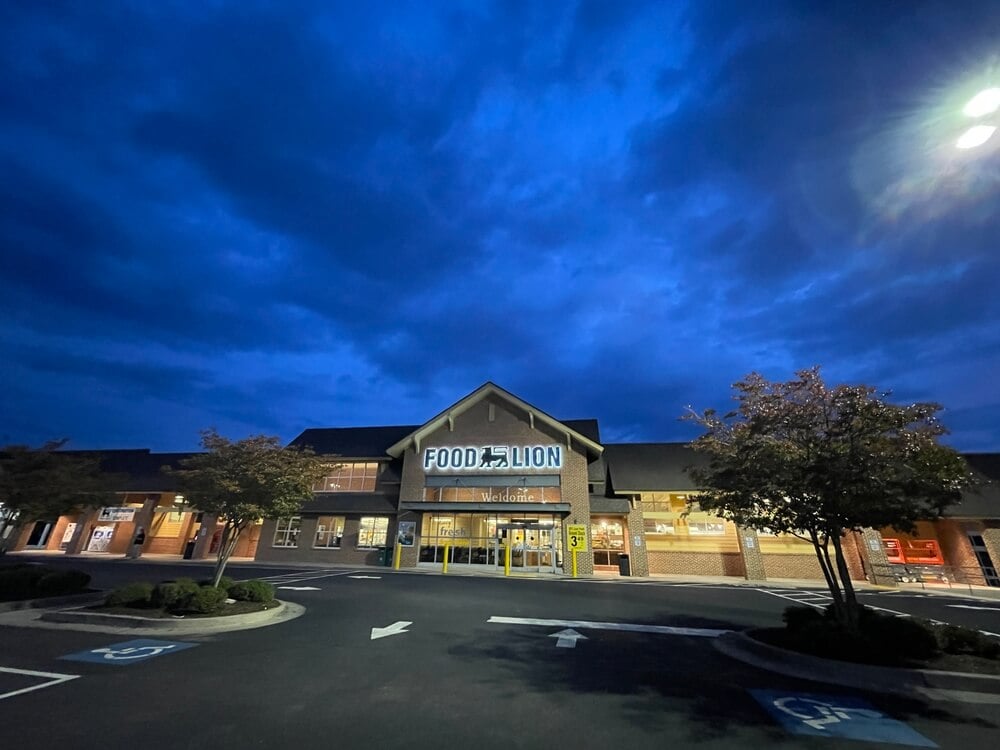
Food Lion aggressively expanded across the Southeast and Mid-Atlantic, establishing thousands of locations that undercut competitor prices. The chain’s rapid expansion made it a dominant force in regional grocery retail.
Later scandals undermined customer trust and contributed to the chain’s decline.
Marsh Supermarkets
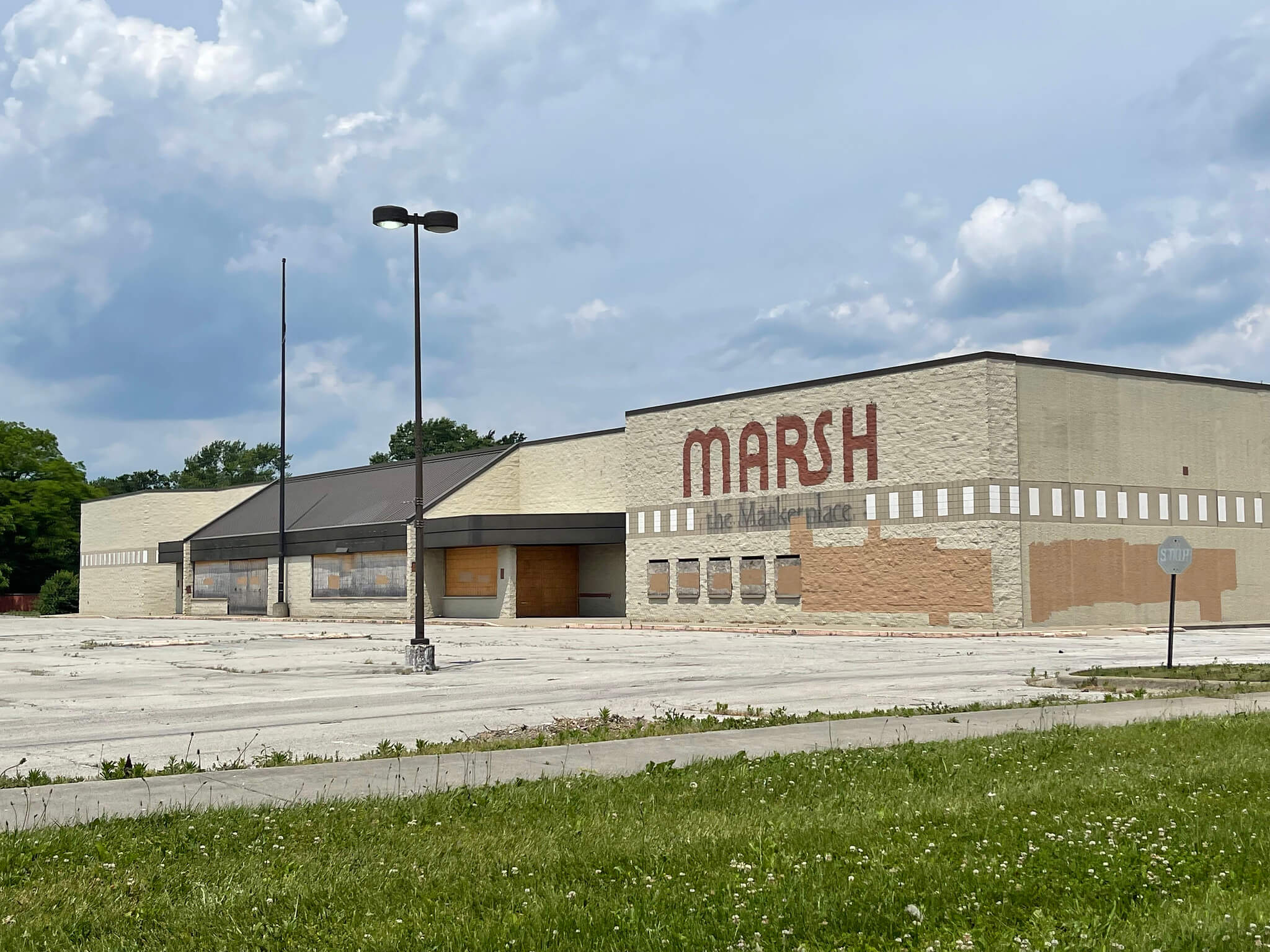
Marsh operated grocery stores across the Midwest, establishing itself through quality departments and community involvement. Marsh locations served as neighborhood anchors where generations of shoppers developed brand loyalty.
The chain’s regional focus made it integral to community identity.
Public Supermarkets
Publix established itself as the premium grocery chain in Florida, earning customer loyalty through cleanliness and customer service. Publix stores became destinations where shoppers expected consistent quality and pleasant shopping experiences.
The chain’s success demonstrated that premium positioning could sustain growth.
Perry Drugstores

Regional pharmacy chains served specific communities, earning loyalty through staff familiarity and personalized service. These chains’ decline often preceded the rise of national pharmacy chains.
Community pharmacists’ relationships with patients created loyalty that corporate chains could not replicate.
TG&Y Variety Stores
TG&Y operated variety stores across America in direct competition with Woolworth’s and other five-and-dime chains. The stores offered affordable merchandise and lunch counters in accessible downtown locations.
TG&Y’s consistent pricing made budget shopping predictable for families.
Otasco Farm Equipment Stores
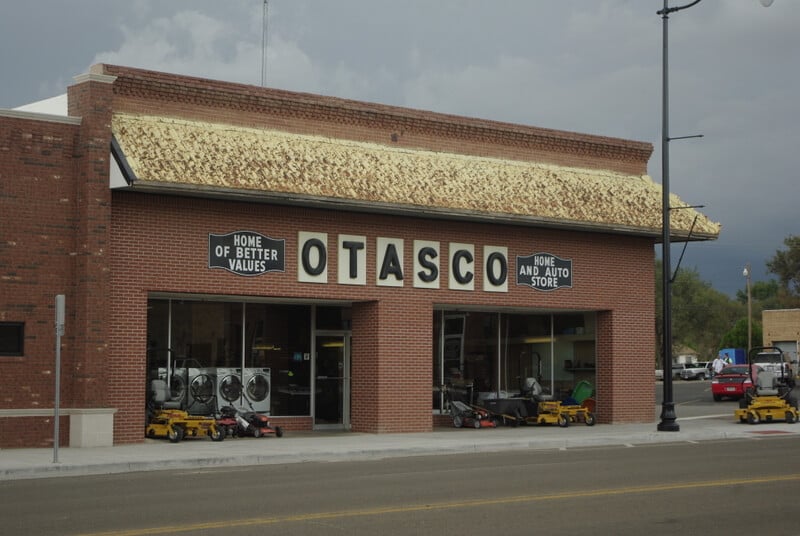
Otasco served farmers and rural communities, offering equipment, supplies, and advice about agricultural needs. Otasco stores became essential to farming success in regions where they operated.
The chain’s understanding of farming needs earned customer loyalty within agricultural communities.
Coast to Coast Hardware Stores

Coast to Coast operated hardware stores emphasizing service and knowledgeable staff, making them destinations for serious do-it-yourself shoppers. Hardware stores served as community gathering points where projects were discussed and advice given freely.
The chain’s success demonstrated that hardware shopping could be social.
Gamble Stores
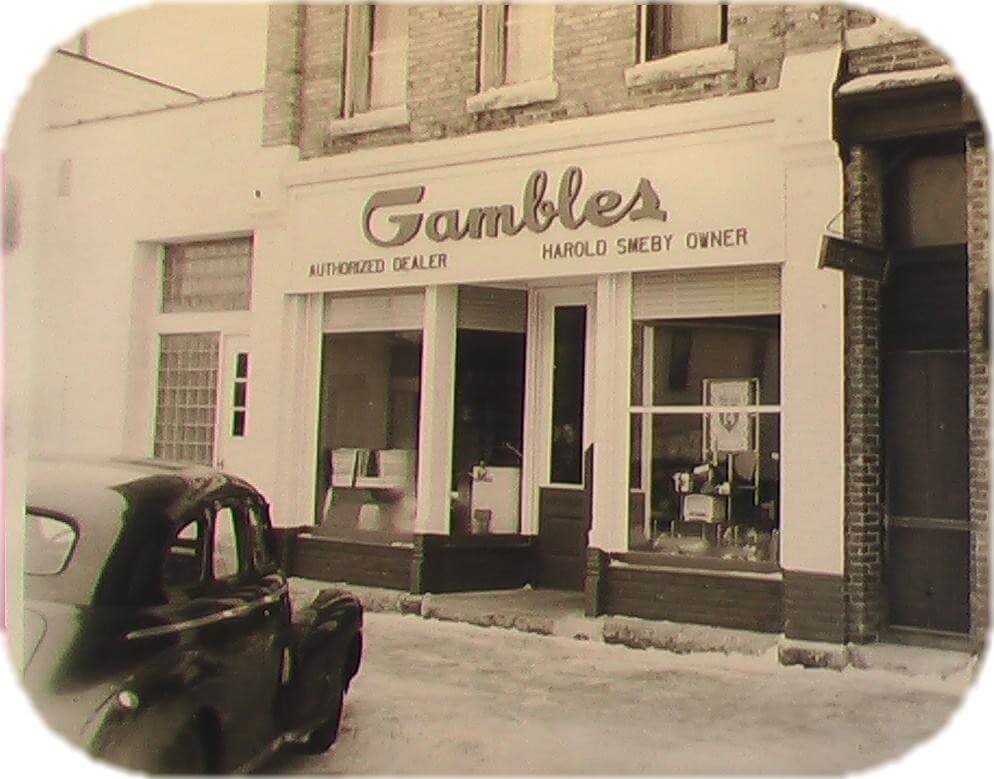
Gamble stores competed with hardware and variety retailers, offering merchandise suitable for home and farm needs. Gamble locations served rural communities where limited retail options made them essential shopping destinations.
The stores’ reliability made them trusted advisors on product quality.
Raleigh’s Five-and-Dime Stores

Raleigh’s operated variety stores across multiple states, bringing five-and-dime retail to communities of varying sizes. The stores offered merchandise at accessible prices and served as social gathering points.
Raleigh’s consistency made it a reliable shopping destination.
Katz Drug Stores

Katz operated drugstores with a focus on prescription service and a entire complement of drugstore merchandise. Katz locations established themselves as neighborhood institutions through staff familiarity and consistent service.
The stores’ reputation for fair pricing and quality service earned customer loyalty.
Sprouse-Reitz Variety Stores
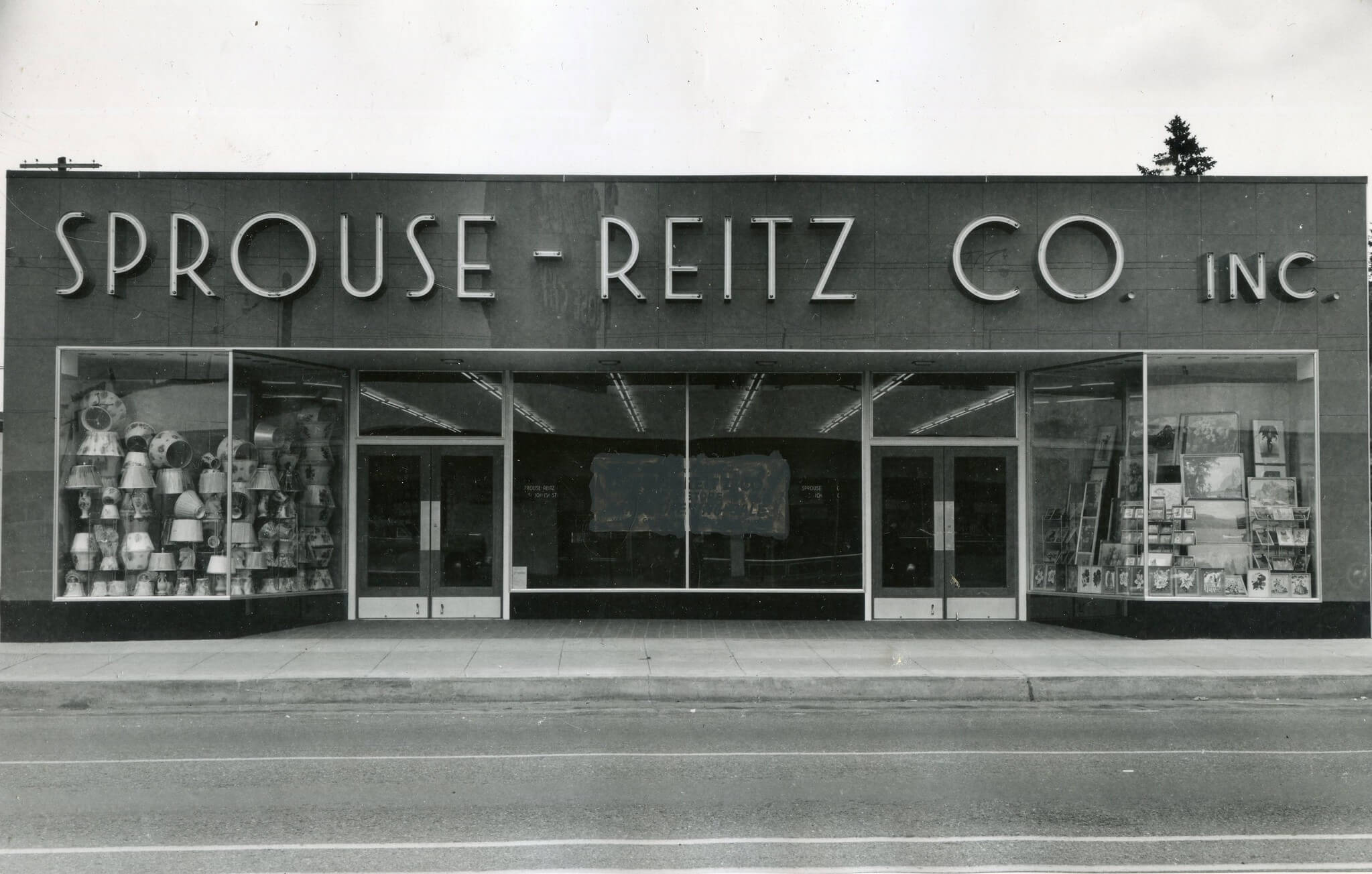
Sprouse-Reitz operated variety stores primarily in the Pacific Northwest, establishing itself through variety merchandise and accessible pricing. The stores served as shopping destinations where customers expected good value.
Sprouse-Reitz’s regional focus made it integral to Pacific Northwest retail identity.
The End of the Main Street Store
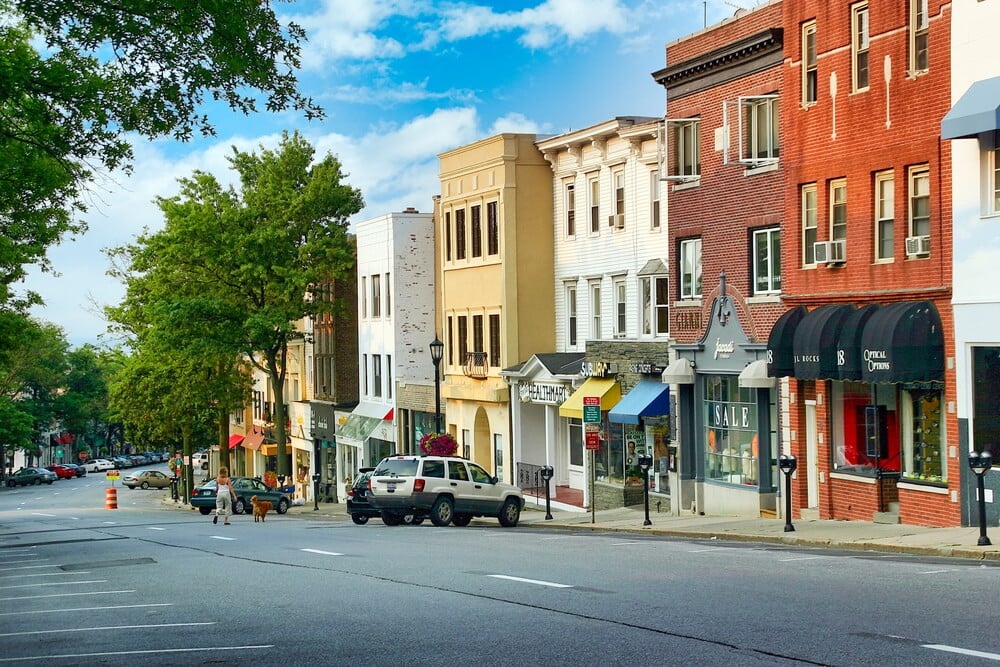
These chains represented an era when retail prosperity flowed through downtown corridors and neighborhood locations. Store managers knew customers by name, and returning shoppers expected recognition and personal service.
The shift to suburban malls and eventually to online shopping redistributed retail commerce and emptied the downtowns that these chains had animated for generations, leaving architectural shells and economic questions about what communities had lost.
More from Go2Tutors!

- The Romanov Crown Jewels and Their Tragic Fate
- 13 Historical Mysteries That Science Still Can’t Solve
- Famous Hoaxes That Fooled the World for Years
- 15 Child Stars with Tragic Adult Lives
- 16 Famous Jewelry Pieces in History
Like Go2Tutors’s content? Follow us on MSN.