27 Kitchen Habits Passed Down From Grandparents
Before recipe websites and cooking shows offered infinite options, families passed specific kitchen knowledge from grandmother to parent to child through demonstration and repeated practice. These habits represented refined solutions to practical problems, accumulated wisdom about flavor combinations, and efficiency strategies born from necessity.
The habits formed the foundation of everyday cooking and were considered essential knowledge for establishing an independent household.
Always Tasting Before Adding More Salt
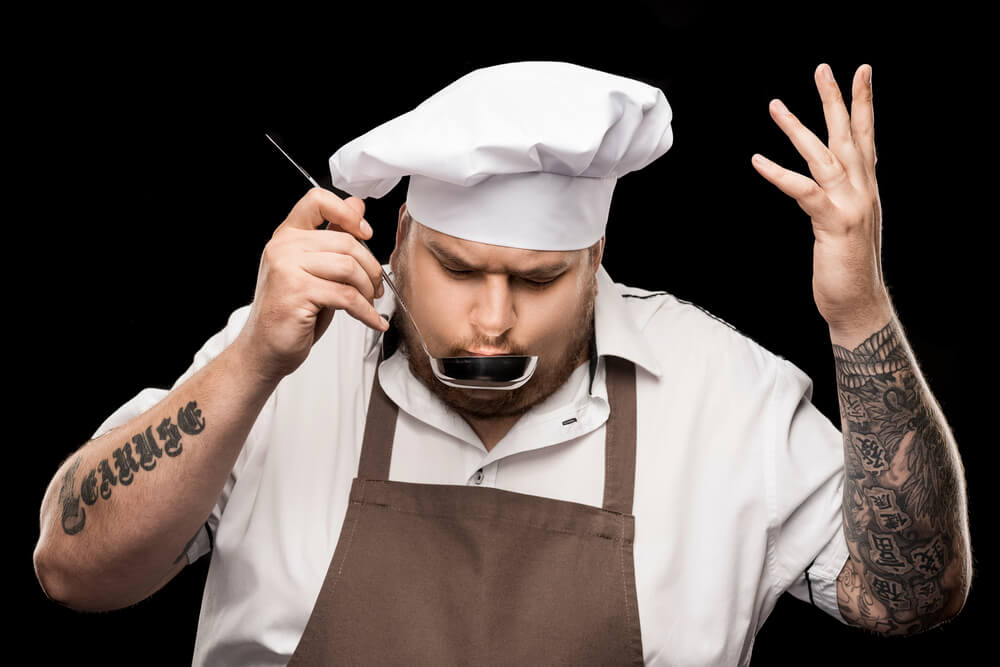
Grandparents taught that salt corrects and enhances flavor, but excess salt ruins an entire pot of food. The habit of tasting frequently and adjusting carefully prevented mistakes impossible to correct later.
Children learned that cook’s judgment and palate development mattered more than recipes’ salt quantities.
Keeping Bacon Grease for Cooking
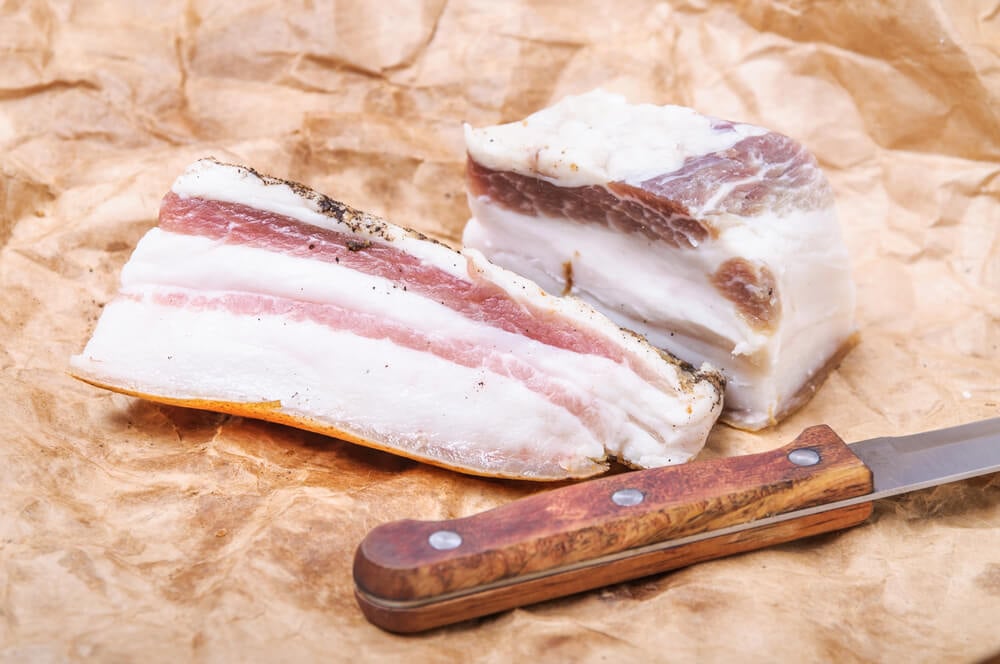
Families saved bacon grease in cans or containers, using the flavorful fat for cooking vegetables, cornbread, or beans. This habit extracted maximum value from meat and improved flavor across dozens of dishes.
Children learned that cooking efficiency meant preserving rather than discarding valuable ingredients.
Adjusting Cooking Time for Weather and Altitude
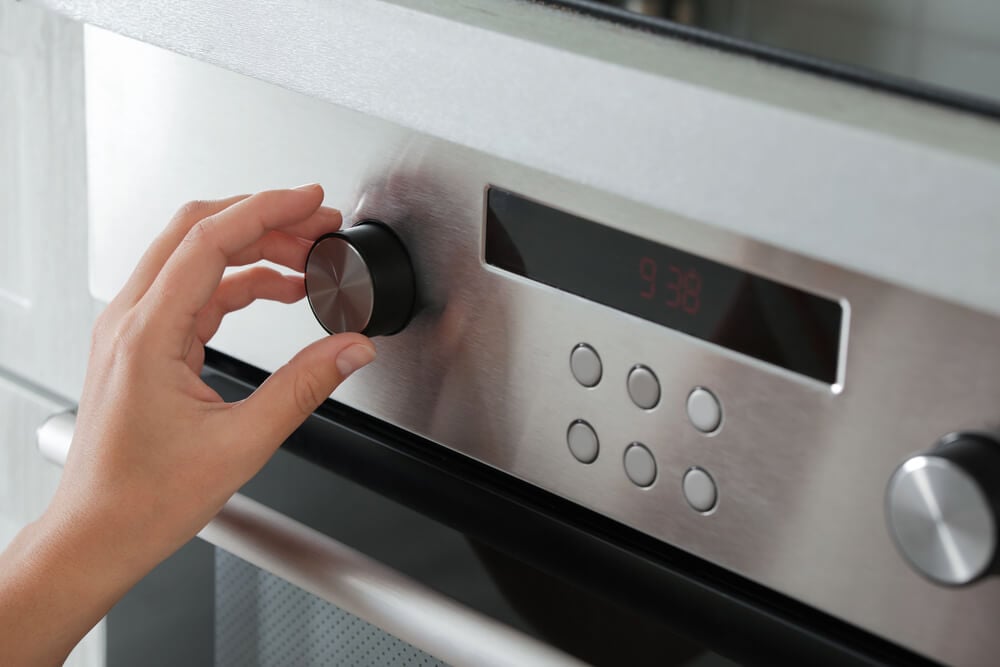
Grandparents taught that boiling points changed with barometric pressure and altitude, requiring adjustment of cooking times. This empirical knowledge meant recipes were guides rather than absolutes, and cooks developed judgment about when food was actually done.
High-altitude cooks became expert at recognizing doneness without relying on timing.
Floating a Cork in Boiling Water to Prevent Overflow
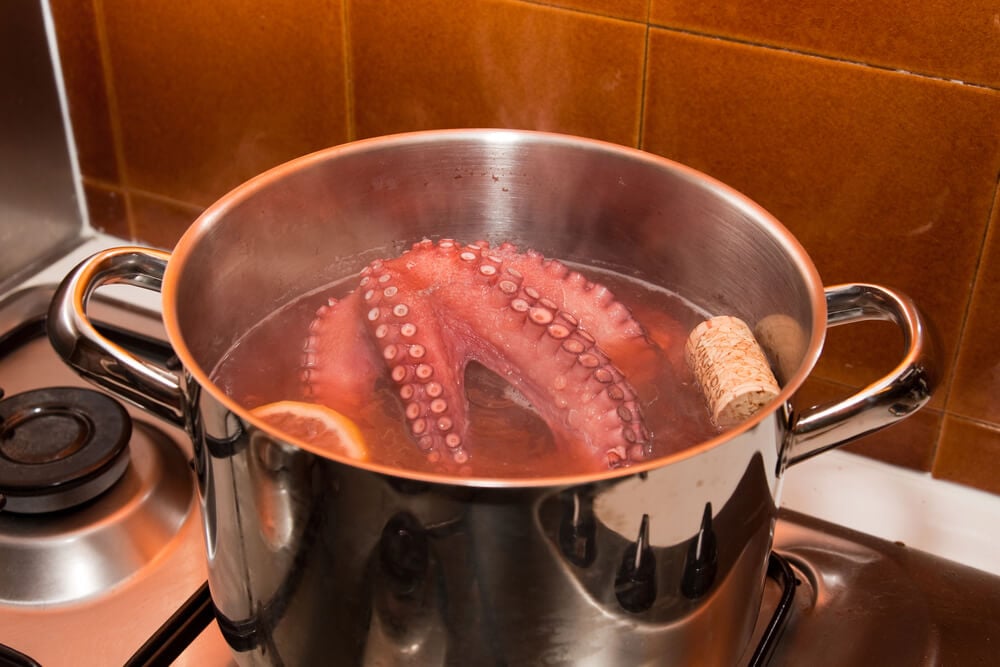
Adding a cork to boiling water somehow prevented pots from boiling over, a habit grandparents taught as absolute truth. Children accepted this practice without understanding the mechanism, simply knowing it worked.
The habit persisted even after cooks could theoretically explain why water boiled over.
Tasting Spoon Rules and Hygiene Practices
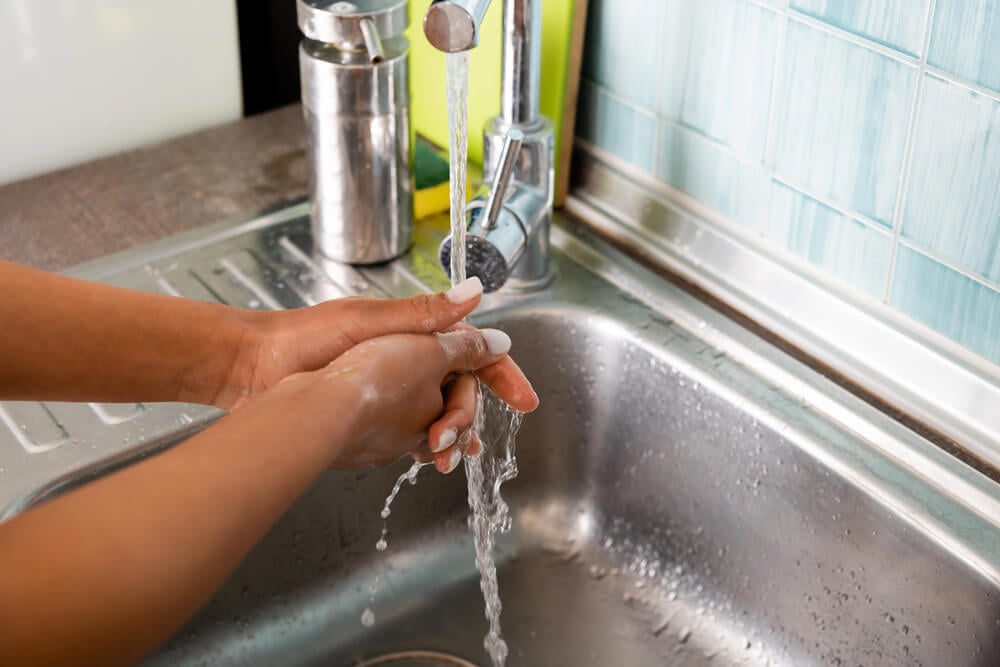
Grandparents taught strict rules about separate spoons for tasting versus serving, preventing spread of bacteria or double-dipping. These habits predated germ theory but reflected practical understanding that multiple people’s mouths on serving utensils caused illness.
Children learned hygiene through repeated instruction and correction.
Resting Meat After Cooking Before Cutting
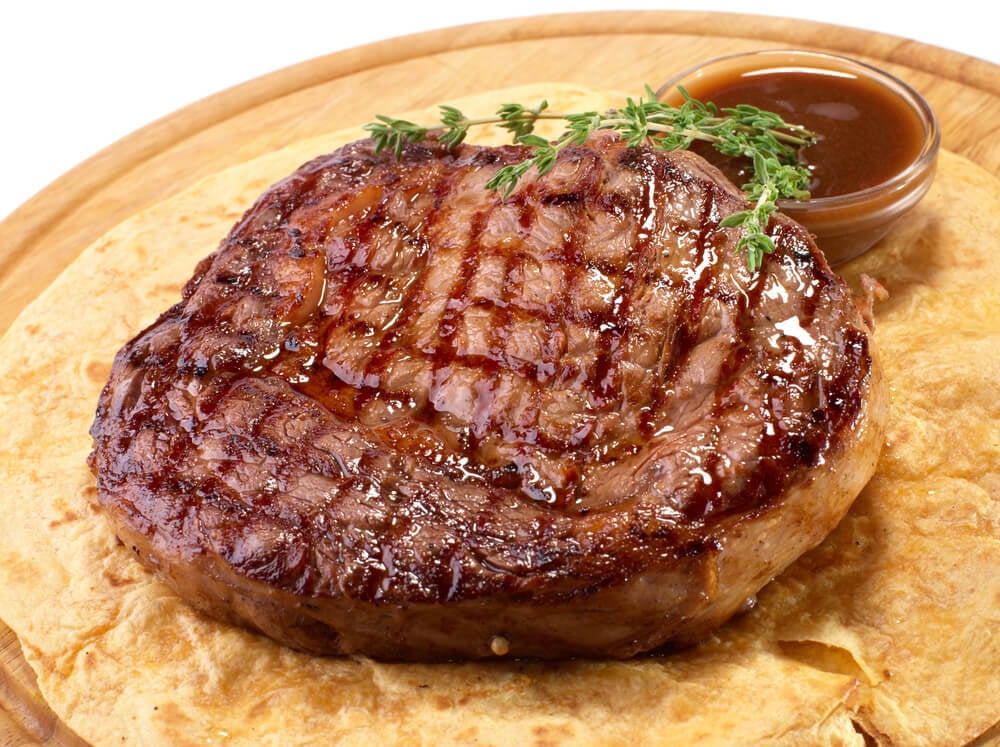
Grandparents taught that meat needed to rest after cooking, though the reasoning (allowing carryover cooking to cease and juices to reabsorb) was understood only later. The habit was followed consistently, and meat cut immediately after cooking was considered wasted.
Cooks learned patience as a virtue in pursuit of better results.
Soaking Dried Beans Overnight Before Cooking
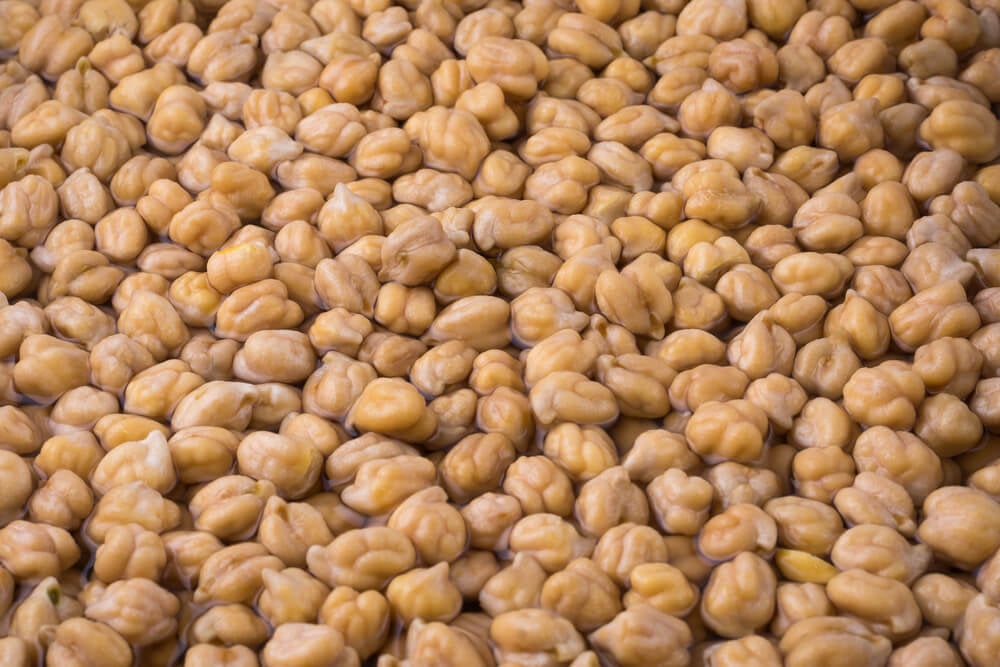
Families soaked beans overnight before cooking, reducing cooking time and improving digestibility. This habit was standard practice, though the reasons (leaching compounds causing gas) were not explained.
Children performed the soaking ritual without understanding its purpose but knew it was essential.
Saving Vegetable Scraps for Broth
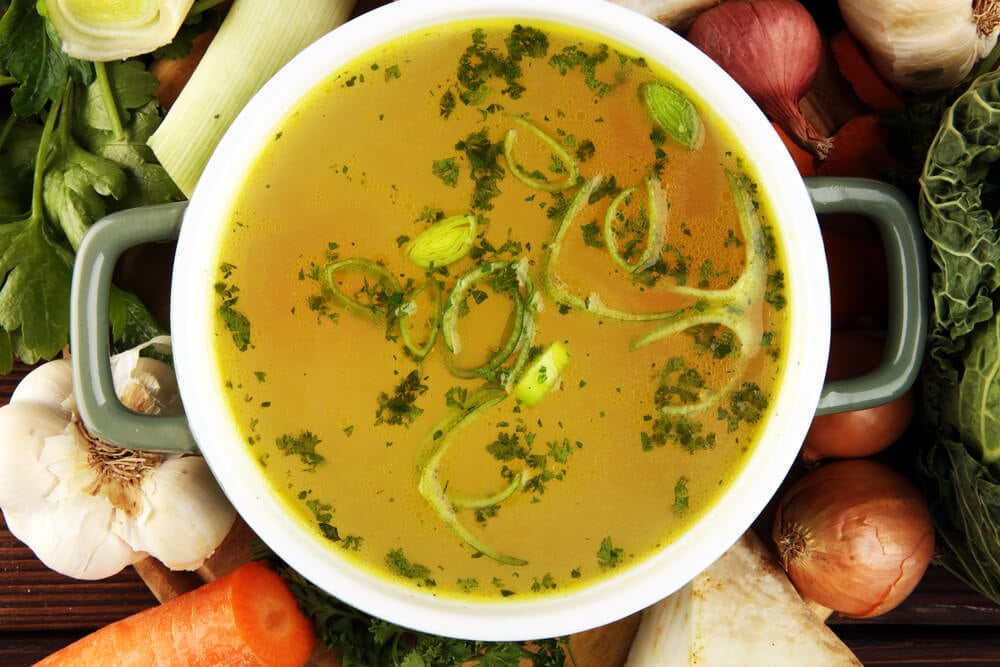
Cooks saved carrot tops, celery leaves, onion skins, and other vegetable scraps in containers for later broth-making. This habit meant nothing was truly discarded, and kitchen efficiency meant using every part.
Children learned to see waste as failure.
Adding Baking Soda to Green Vegetables During Cooking
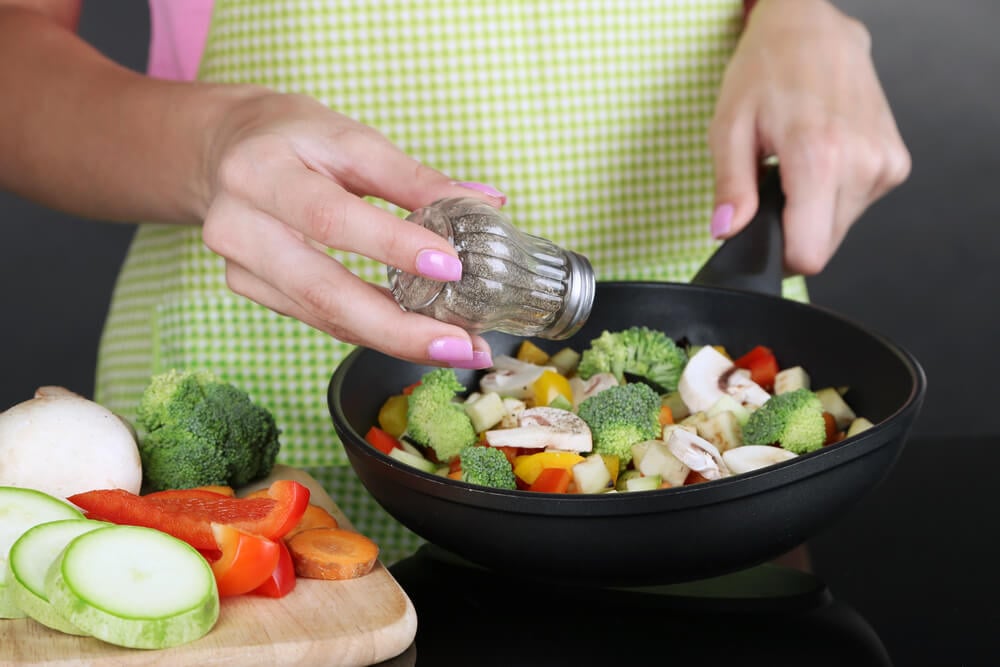
Cooking green vegetables with a pinch of baking soda kept them bright green and tender, a habit grandparents taught as essential to proper cooking. The actual chemical reason (baking soda raises pH) was not explained, but results were visibly superior.
The habit was followed so consistently it became non-negotiable.
Testing Oil Temperature by Dropping in a Wooden Spoon
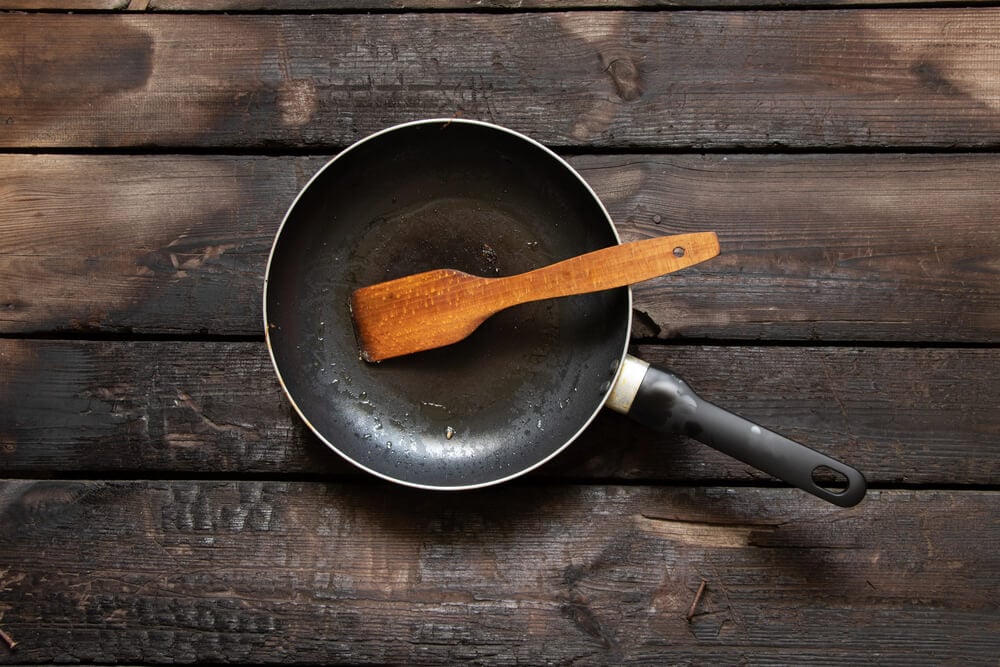
Before cooking thermometers were common, cooks tested oil temperature by observing bubbles around a wooden spoon dropped into the oil. Experienced cooks developed remarkable accuracy in this assessment, though they could not have quantified the temperature.
Children learned temperature judgment through observation rather than instruments.
Deglazing Pans With Wine or Water to Make Sauce
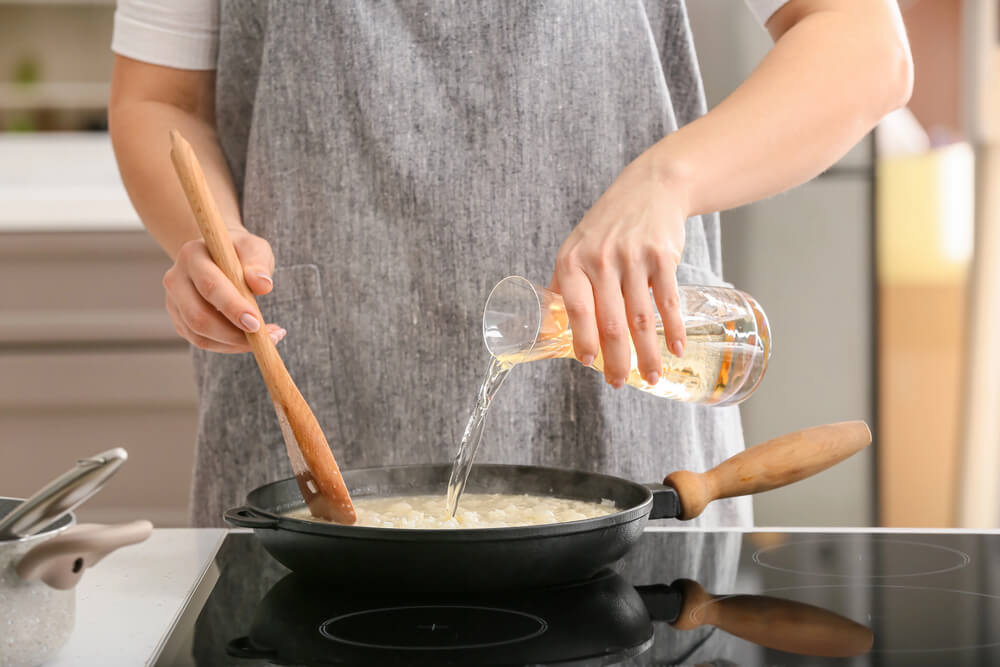
After cooking meat, grandparents taught scraping the browned pan with liquid to create sauce without additional ingredients. This habit transformed cooking byproducts into valuable flavor.
Children learned that real cooking involved salvaging and repurposing rather than starting fresh.
Letting Dough Rise in a Warm, Draft-Free Location
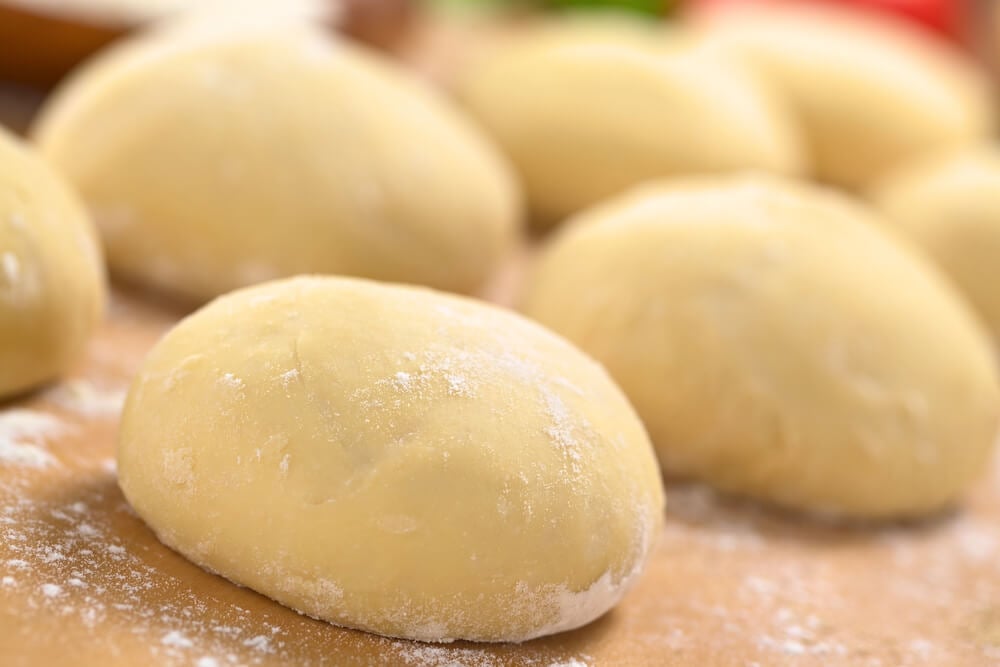
Bakers understood that yeast required warmth to work effectively and protected rising dough from drafts that cooled it. Specific locations became known as best rising spots—near stoves, under blankets, in sunny windows.
Children learned location strategy as applied physics.
Adding Acid (Lemon or Vinegar) to Brighten Flavors
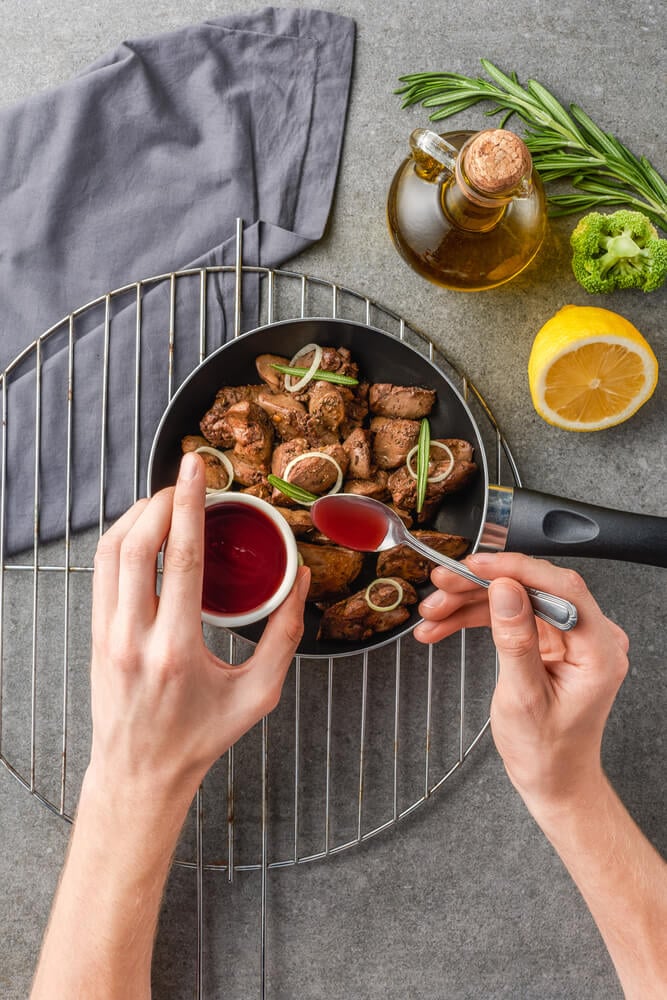
Cooks habitually squeezed lemon juice or added vinegar at the end of cooking to brighten and balance flavors. This habit developed palate sensitivity to how acid affected flavor perception.
Children learned that the same dish could taste entirely different with acid adjustment.
Keeping Flour in Glass Jars for Easy Access
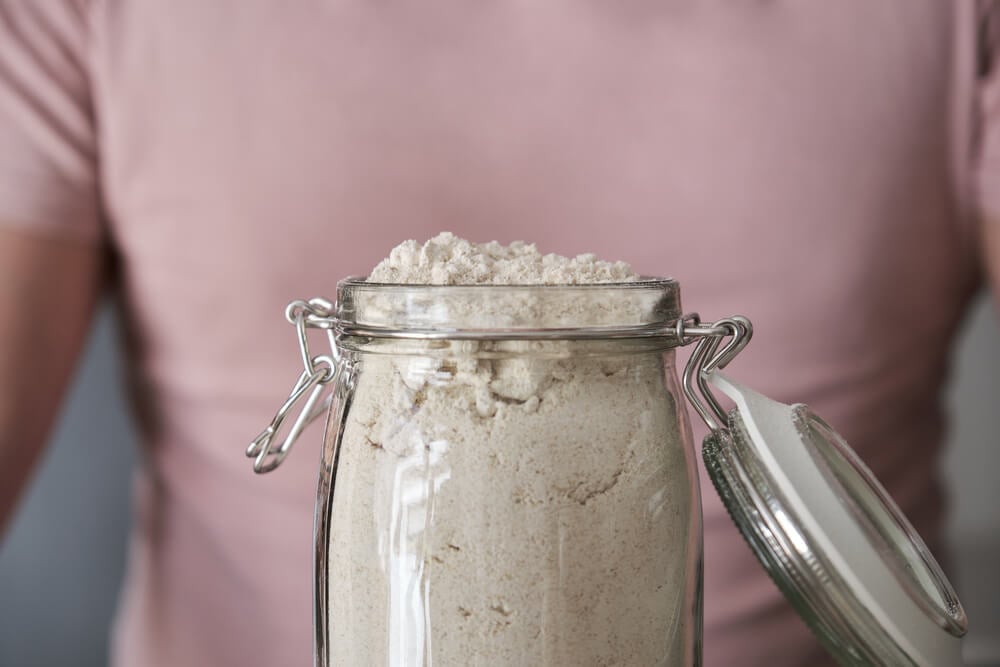
Bakers stored flour in glass jars rather than paper bags, allowing quick viewing of remaining quantities and easier scooping. This organizational habit prevented running out of essential ingredients mid-recipe.
Children learned that kitchen organization should prioritize workflow efficiency.
Using Cold Water to Stop Cooking Vegetables
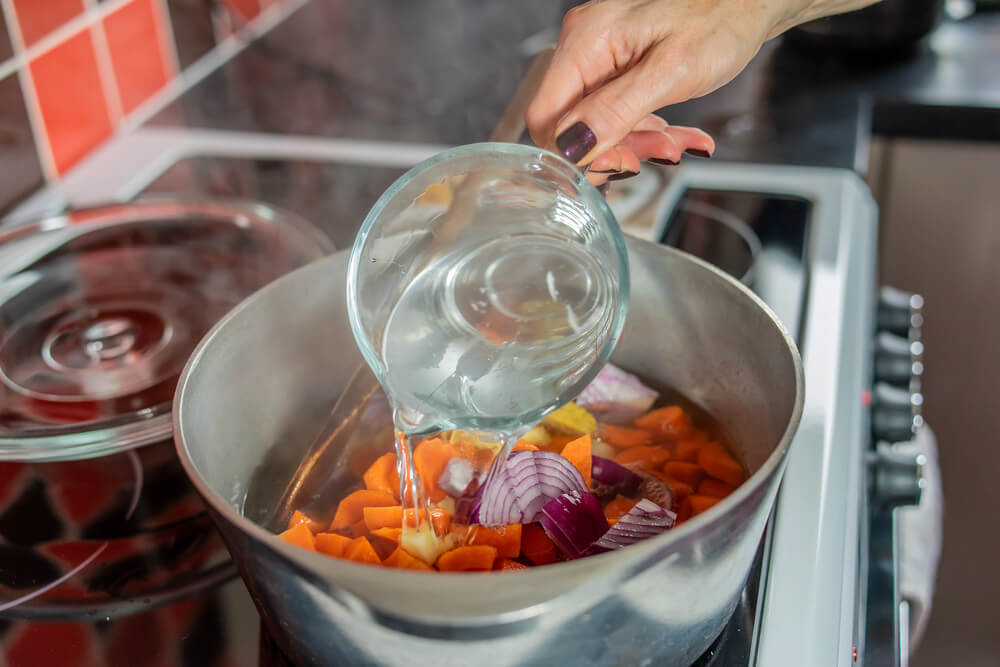
Grandparents taught plunging hot vegetables into ice water to halt cooking immediately, preserving color and preventing overcooking. This habit required always keeping ice on hand, which shaped freezer management.
Children learned timing precision in cooking depended on understanding carryover cooking.
Cleaning Up Immediately After Using an Ingredient
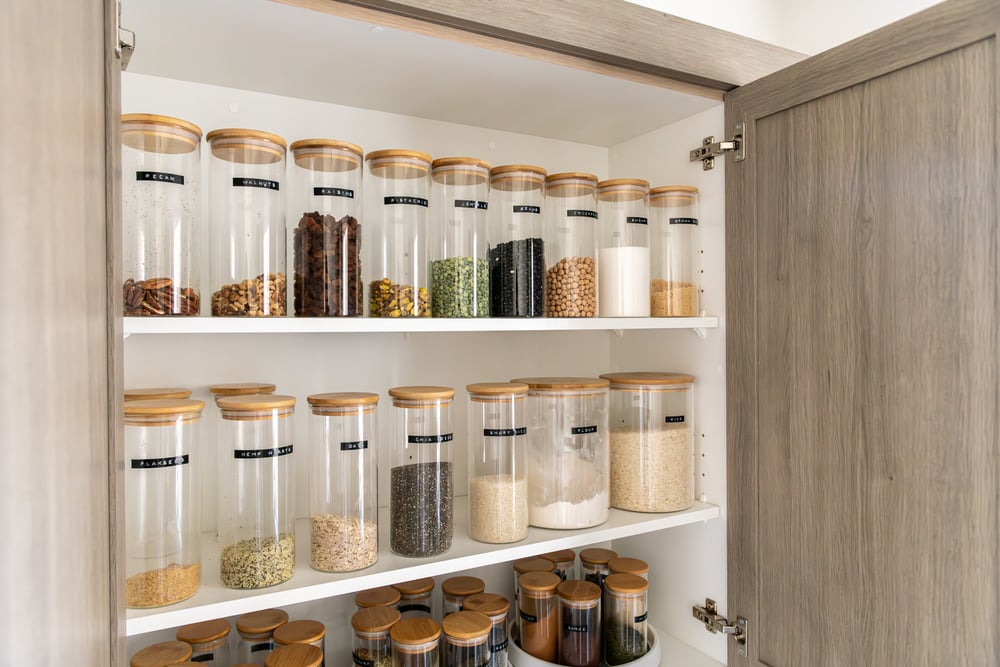
Cooks cleaned and stored each ingredient immediately after using it, preventing mixing of ingredients and keeping workspace clear. This habit maintained organized workspace and prevented errors like double-adding ingredients.
Children learned efficiency through this habit.
Tapping Eggs on Flat Surfaces Rather Than Bowl Edges
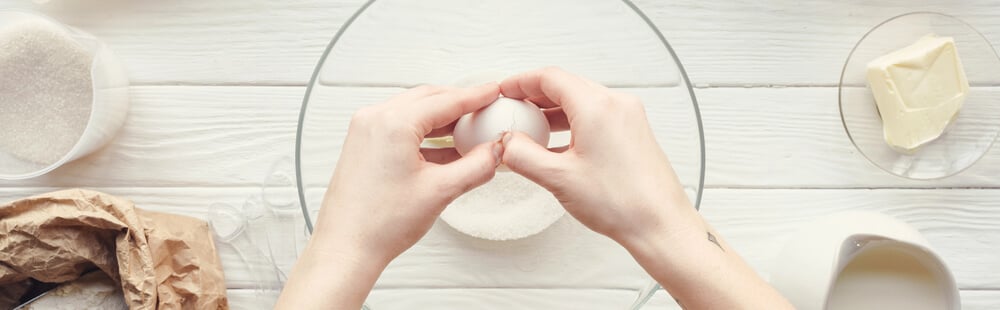
Grandparents taught cracking eggs on flat surfaces rather than bowl edges, keeping fragments out of food. This habit required breaking muscle memory and conscious practice, but prevented contamination.
Children learned that proper technique prevented problems better than fixing mistakes.
Letting Butter Soften to Room Temperature for Baking
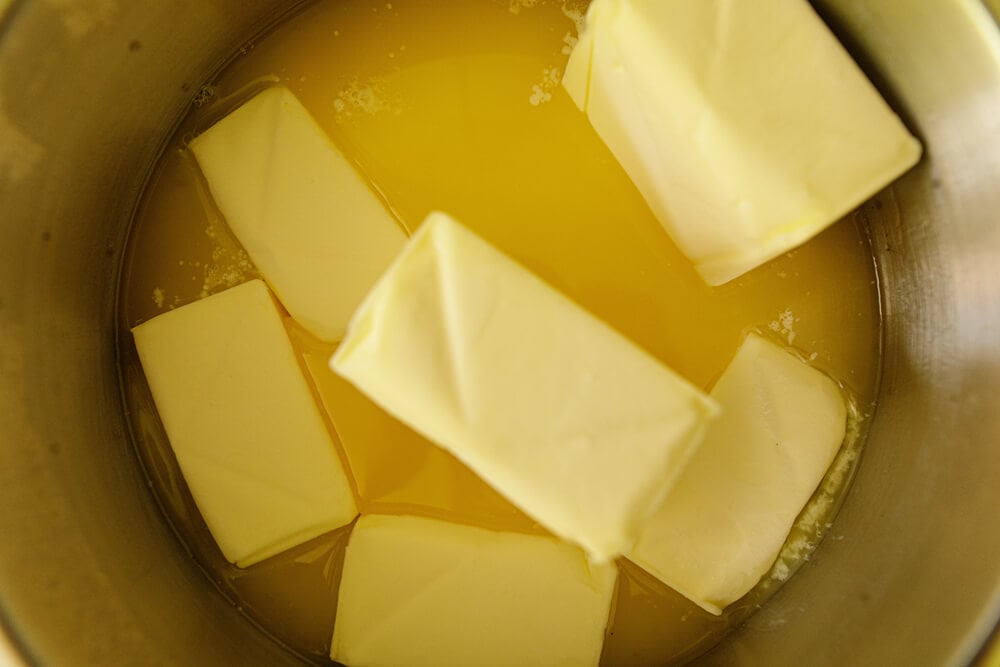
Bakers knew that soft butter incorporated more smoothly into batter, creating better texture in finished baked goods. Rather than adding heat, they simply removed butter from the refrigerator hours in advance.
Children learned planning and patience as essential to quality results.
Measuring Flour by Spooning Into Cups and Leveling
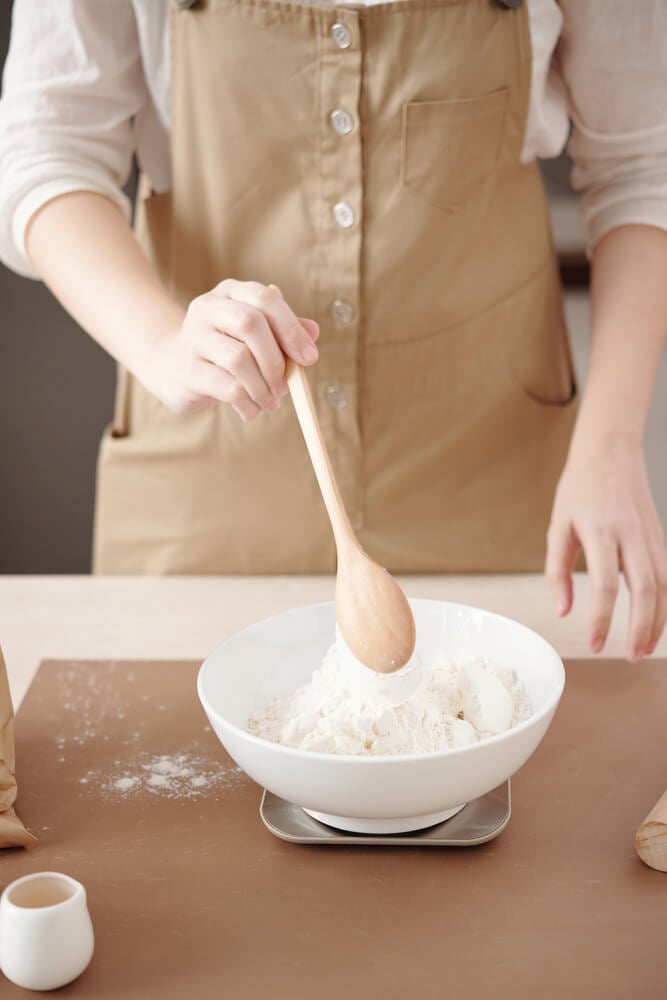
Rather than scooping flour directly, experienced cooks spooned flour into measuring cups and leveled the top, preventing compacting. This technique produced consistent results across batches.
Children learned that measurement technique mattered as much as quantities.
Tasting Sauce Temperatures by Dropping on Cold Plates
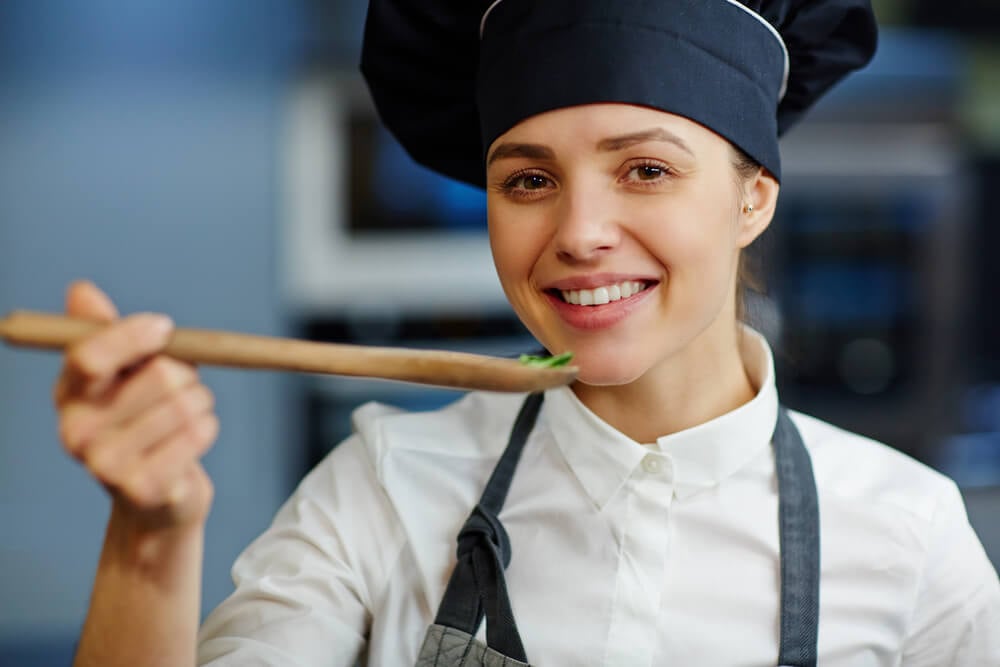
Candy makers and jam makers tested doneness by dropping hot sauce onto cold plates and observing cooling behavior. This tactile test required practice but eliminated guesswork about exact temperatures.
Children learned experiential testing through observation.
Saving Whey From Cheese-Making for Cooking
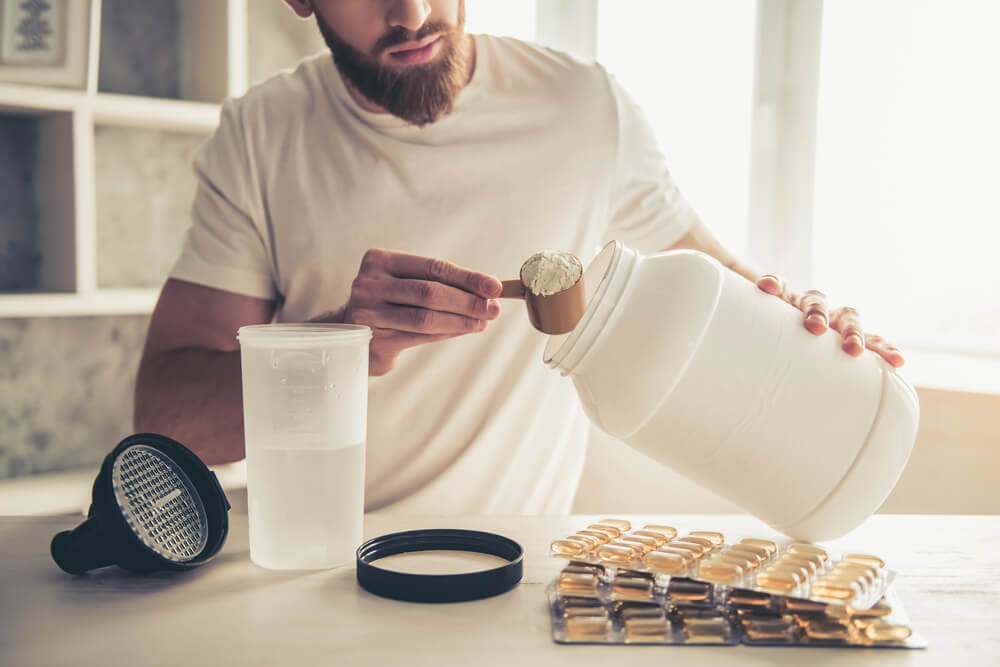
Families that made cheese saved the whey for cooking, using it in baking or as cooking liquid for grains. This habit meant nothing was wasted and every byproduct had value.
Children learned industrial thinking about food production.
Sharpening Knives Regularly on Stones or Steels
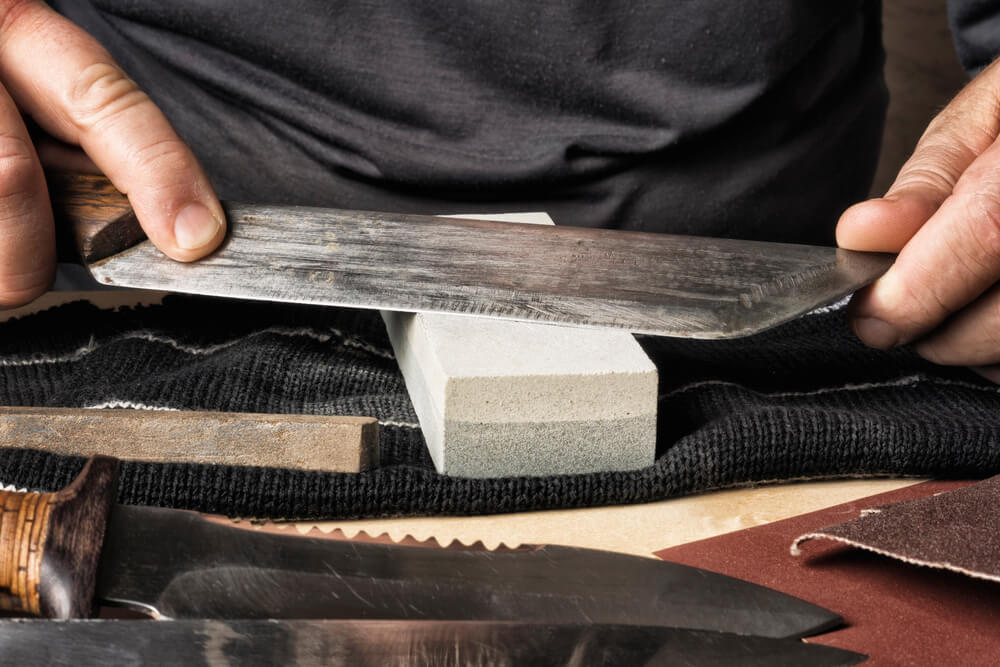
Cooks maintained sharp knives by regular sharpening, since dull knives were dangerous and inefficient. Knife sharpening was taught as essential maintenance, not optional refinement.
Children learned that tools required care and attention.
Cooling Baked Goods on Racks Rather Than Counters
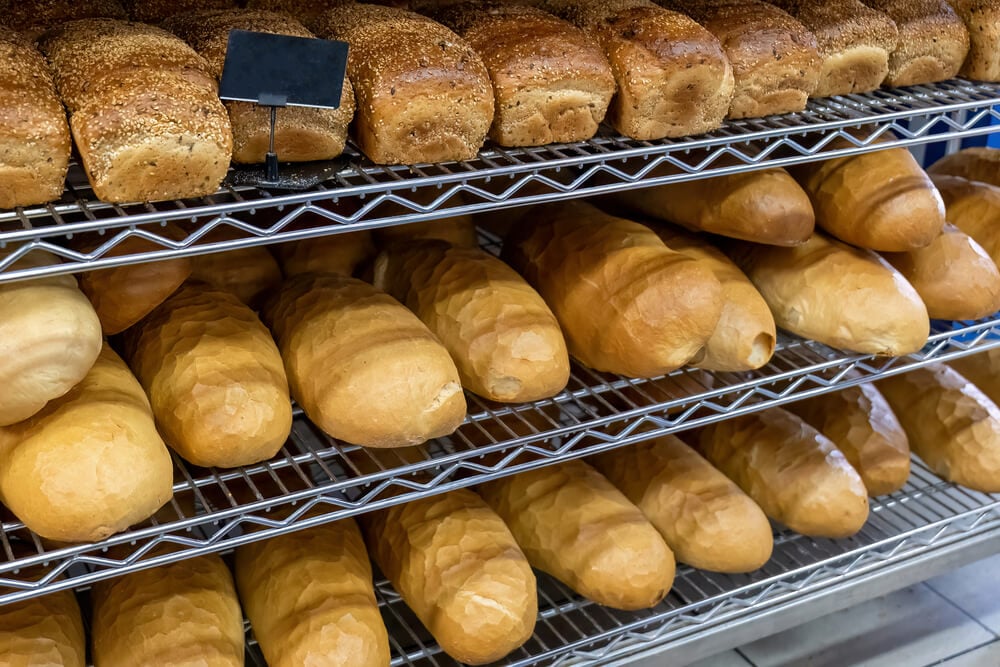
Bakers placed cooling cakes and pastries on racks rather than solid counters, allowing air circulation underneath. This habit prevented soggy bottoms and improved cooling uniformity.
Children learned that surface contact affected final results.
Adding Eggs One at a Time in Baking, Beating After Each
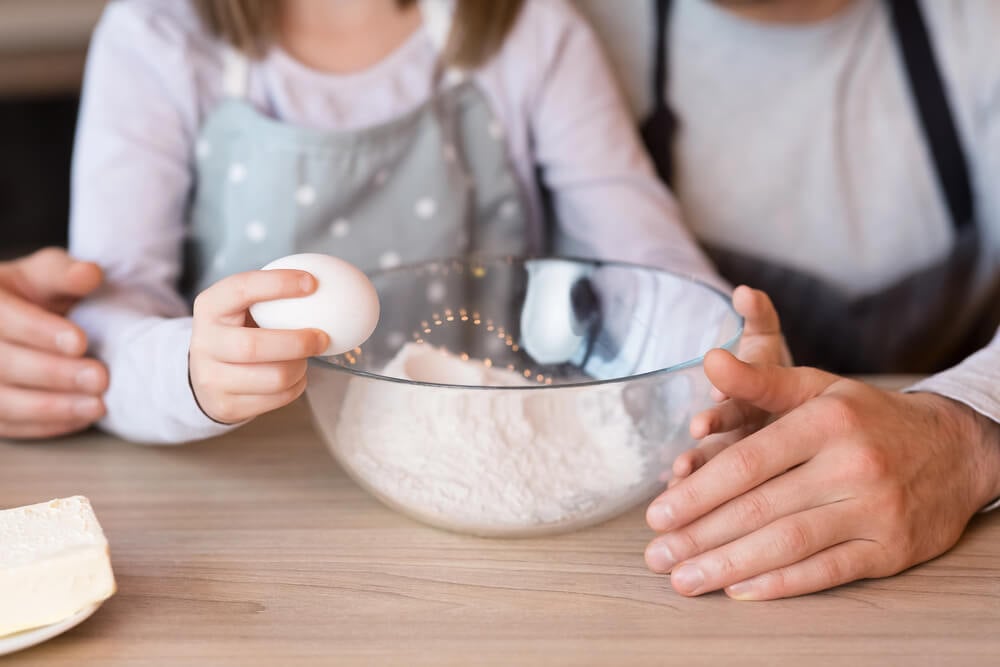
When recipes called for multiple eggs, cooks added them individually and beat after each addition. This habit ensured even distribution and better incorporation.
Children learned that proper technique required patience and attention.
Storing Onions and Potatoes Separately to Prevent Sprouting
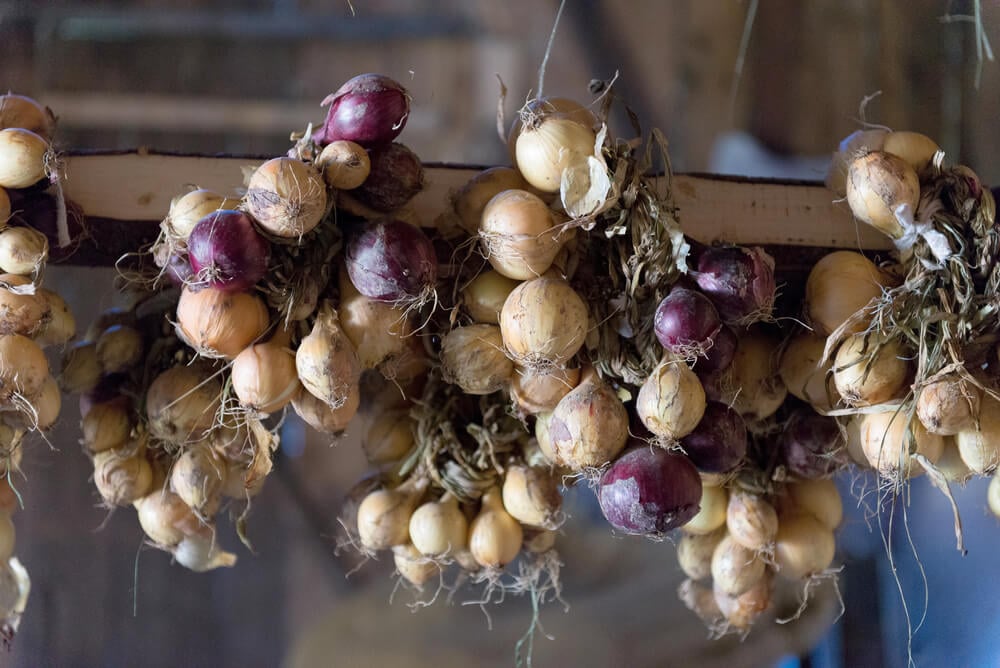
Cooks kept onions and potatoes in separate locations, knowing that proximity caused sprouting. This simple separation improved storage duration significantly.
Children learned that produce storage required understanding chemistry of ripening and sprouting.
Always Tasting Foods Others Had Prepared to Check Temperature
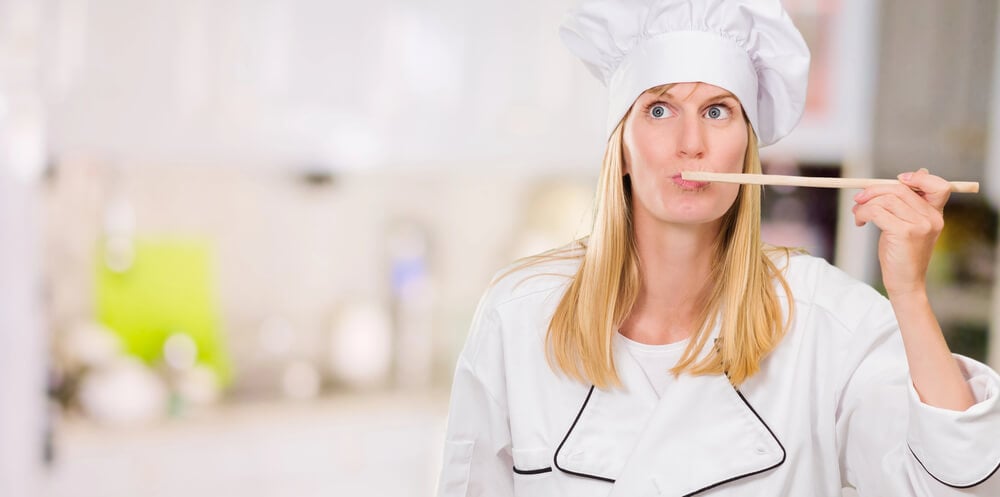
When serving food others had prepared, experienced cooks tasted first to verify temperature before serving to guests. This habit prevented injury from unexpectedly hot food.
Children learned that tasting was both quality control and safety measure.
Using Wooden Spoons and Boards Rather Than Metal
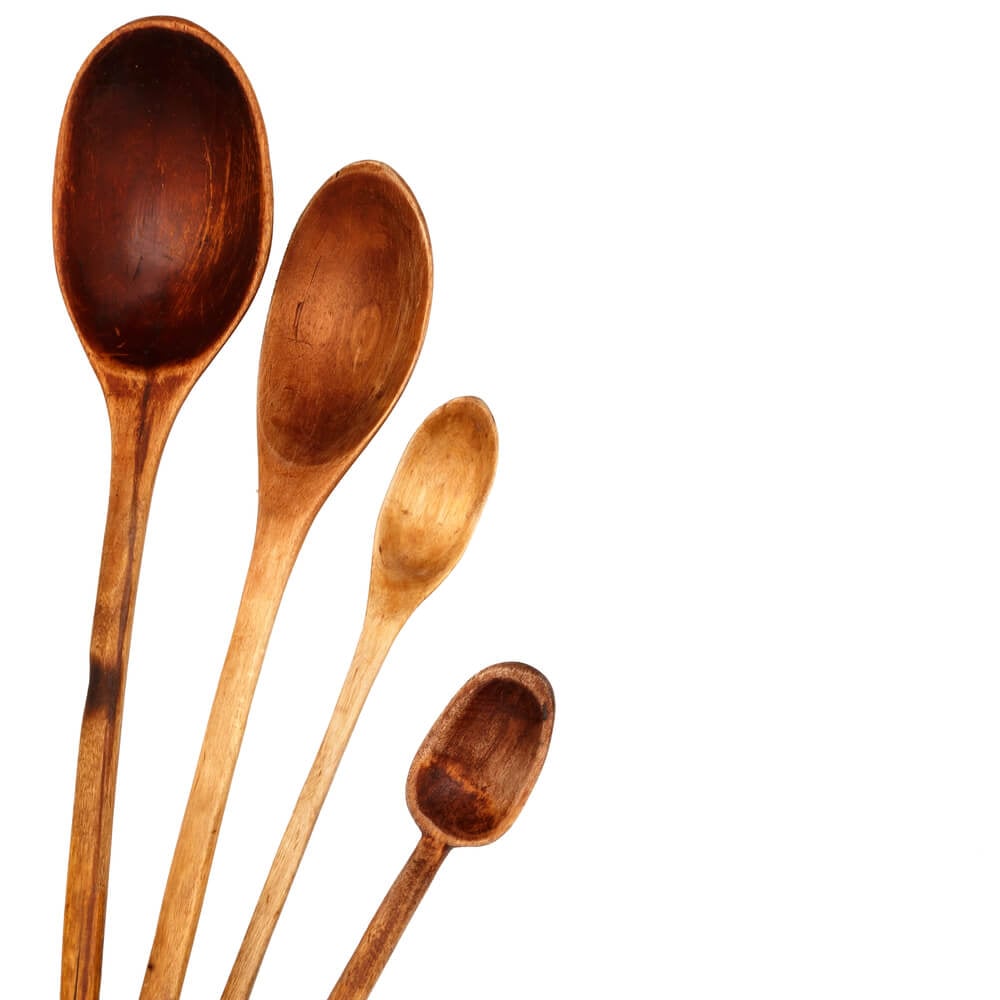
Wooden spoons and boards were preferred because they did not mark food, conduct heat uncomfortably, or affect flavor. Metal was considered inferior for cooking and storage.
Children learned material choice affected cooking quality in practical ways.
Habits as Transmitted Knowledge
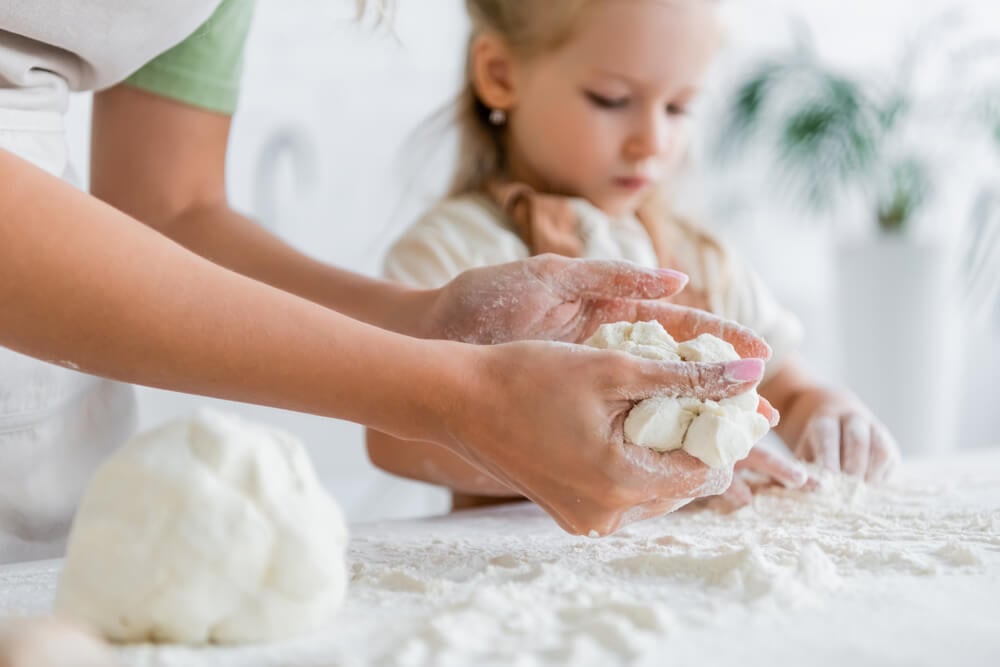
These kitchen practices accumulated over generations and were transmitted not through written instruction but through repeated observation and correction. A grandmother’s hands guiding a child’s hand while stirring, repeated failures and adjustments, the slow development of intuition—this was how kitchen knowledge passed forward.
When microwave cooking and takeout food disrupted this transmission, something more than convenience was lost.
More from Go2Tutors!

- The Romanov Crown Jewels and Their Tragic Fate
- 13 Historical Mysteries That Science Still Can’t Solve
- Famous Hoaxes That Fooled the World for Years
- 15 Child Stars with Tragic Adult Lives
- 16 Famous Jewelry Pieces in History
Like Go2Tutors’s content? Follow us on MSN.