28 Ancient Sites Researchers Still Cannot Fully Explain
Archaeology reveals mysteries as often as it resolves them. The sites that follow are among the world’s most famous, yet decades or centuries of research have not answered fundamental questions about their origins, purpose, or construction.
What we know is often less impressive than what we do not.
Stonehenge
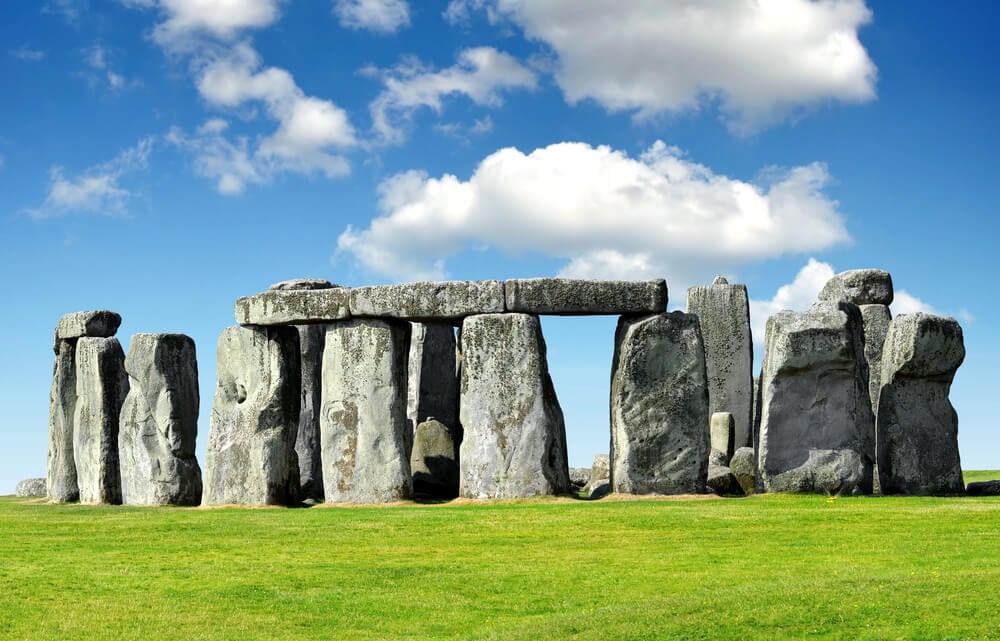
Built in multiple phases between 3000 and 1500 BCE on the Salisbury Plain in southern England, Stonehenge remains archaeologically puzzling. The source of the bluestones remains uncertain—they may have traveled 150 miles from Wales, suggesting vast logistical networks, or they may have been transported by natural geological processes.
The site’s astronomical alignments are documented, but whether that was the primary purpose or a secondary feature remains debated.
The Nazca Lines
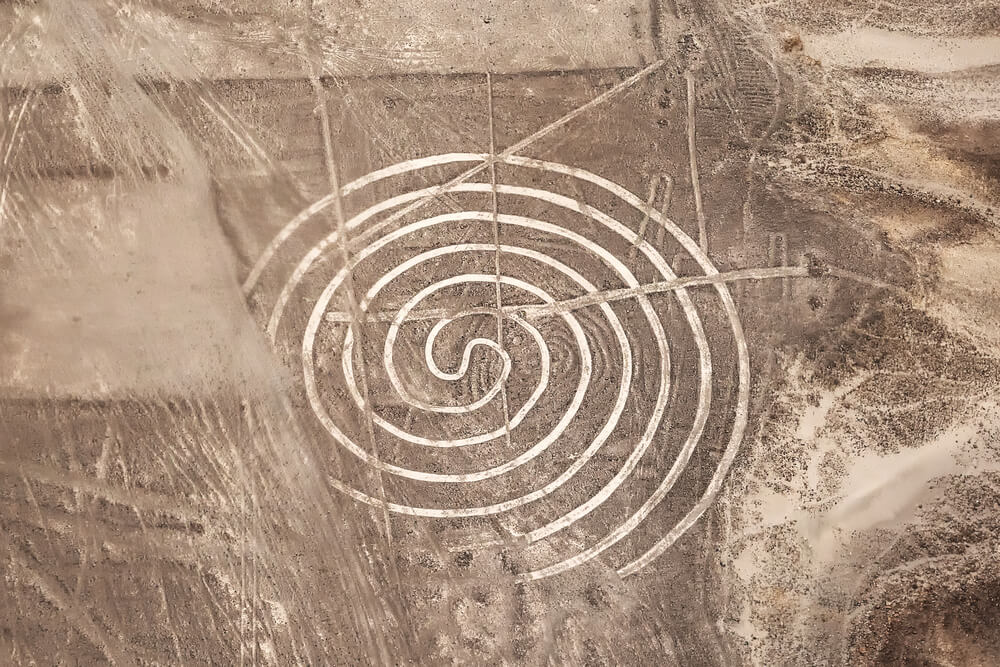
In the 1st century BCE, people in Peru carved enormous geoglyphs into the desert floor—lines, animals, and geometric shapes visible only from the air. The purpose remains unknown; theories range from agricultural rituals to astronomical calendars to messages to the gods.
The precision required for creation without aerial perspective suggests sophisticated planning and organization, but no archaeological explanation accounts for all the evidence.
Göbekli Tepe
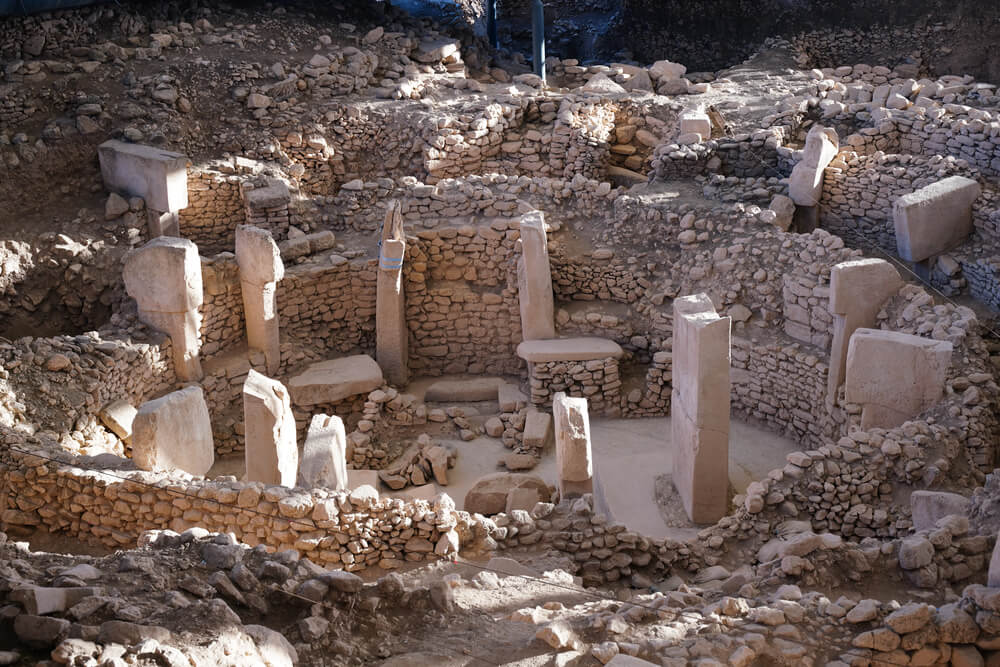
Built around 9500 BCE in what is now Turkey, Göbekli Tepe is among the world’s oldest known structures. Its purpose is entirely unclear; it predates agriculture and permanent settlement, suggesting it served a ceremonial function.
The sophistication of carving and architecture at such an early date has challenged assumptions about human development and suggests societies were more complex than theory predicted.
The Antikythera Mechanism
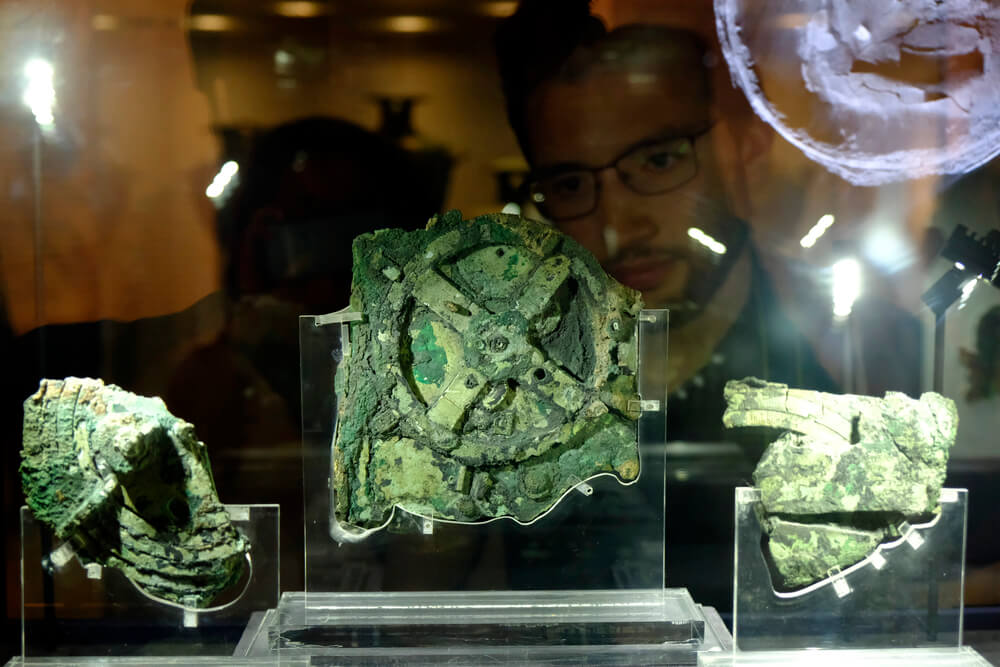
In 1901, sponge divers off the Greek island of Antikythera recovered an ancient mechanical device of unknown purpose. Dating to around 100 BCE, the mechanism consists of at least thirty bronze gears and displays astronomical and calendrical data.
Its purpose—an orrery, a planetarium, or an astrological calculator—remains uncertain, as does how such a sophisticated mechanical device came to exist in the ancient Mediterranean.
Easter Island’s Moai
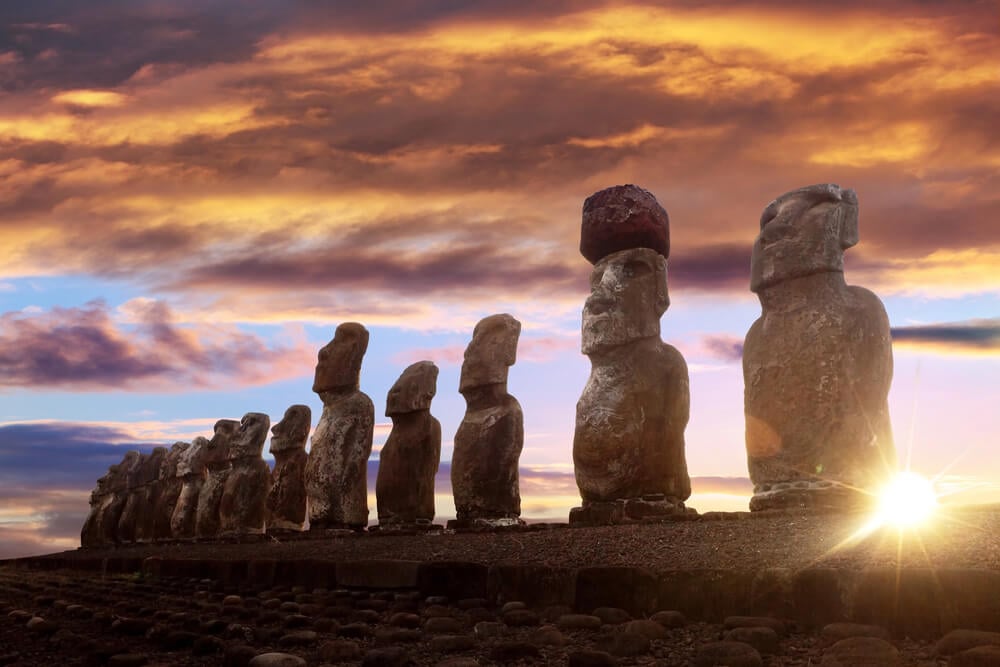
Polynesian people on Easter Island carved nearly nine hundred massive stone heads called moai over a thousand years. The purpose of the statues and the process of their creation remain partially mysterious.
Recent research suggests they may have been tilted rather than rolled, but questions about resource constraints and motivation persist.
The Bosnian Pyramids
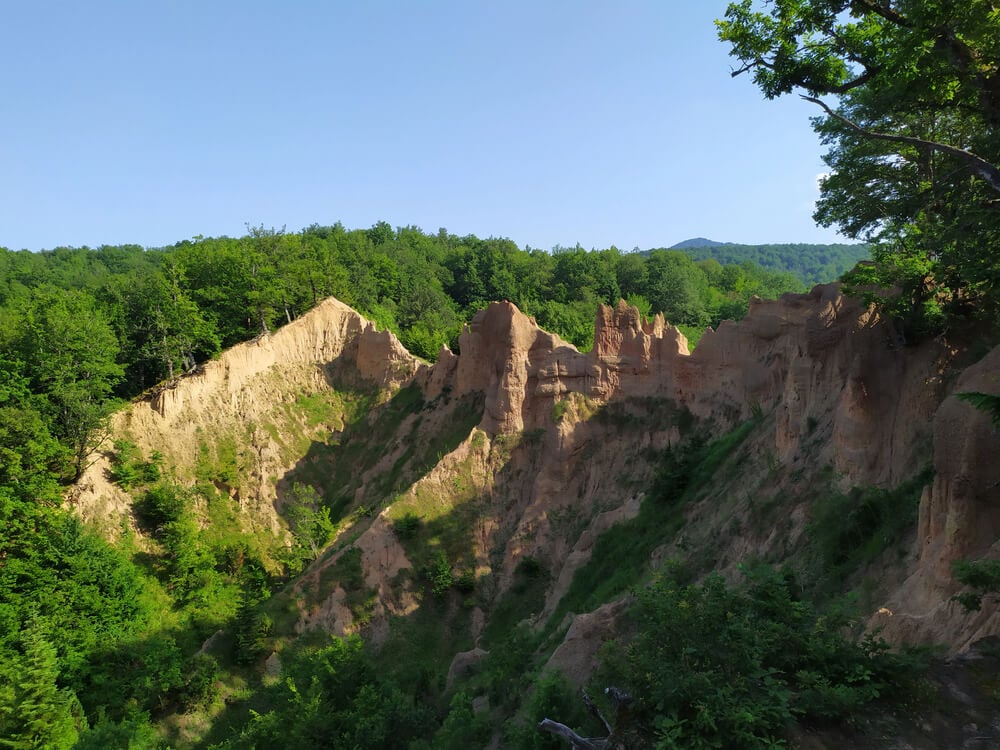
In the early 2000s, archaeologist Semir Osmangović proposed that hills near Sarajevo were prehistoric pyramids built roughly 12,000 years ago. Conventional archaeology rejects the claim, but excavations continue to reveal unusual structural features that do not fit standard geological processes.
The origin of the structures remains disputed.
Baalbek’s Stone Platform
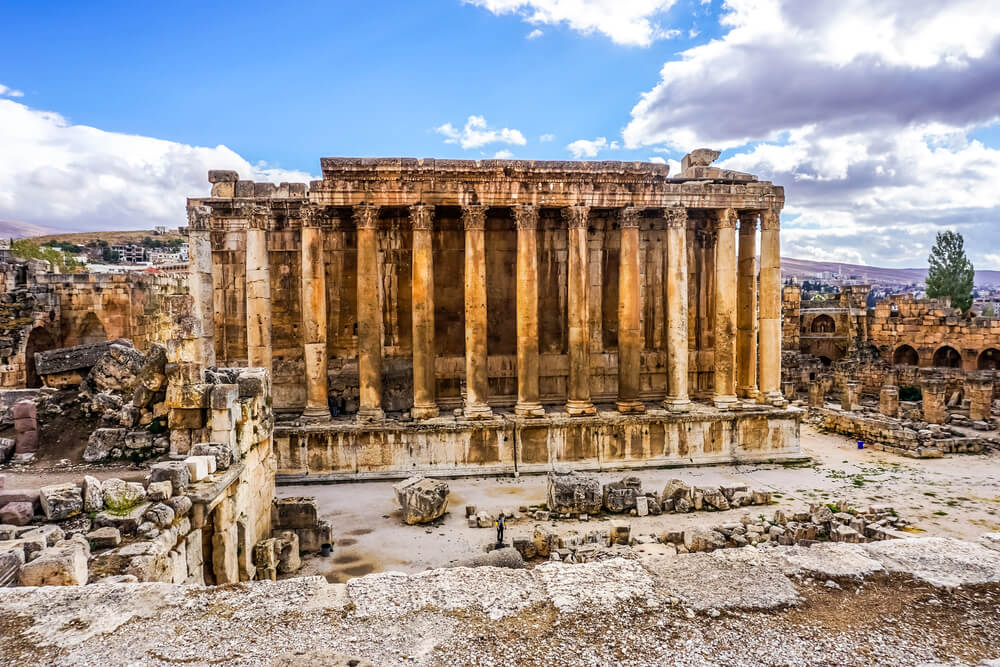
In Lebanon, a Roman temple sits on a platform made of enormous limestone blocks, some weighing over 800 tons. The largest unfinished stone on site weighs 1,000 tons—the largest cut stone ever.
The precision of the cuts and the means by which such stones were moved remain unexplained, though Roman engineering was sophisticated.
The Nazca Runway Hypothesis
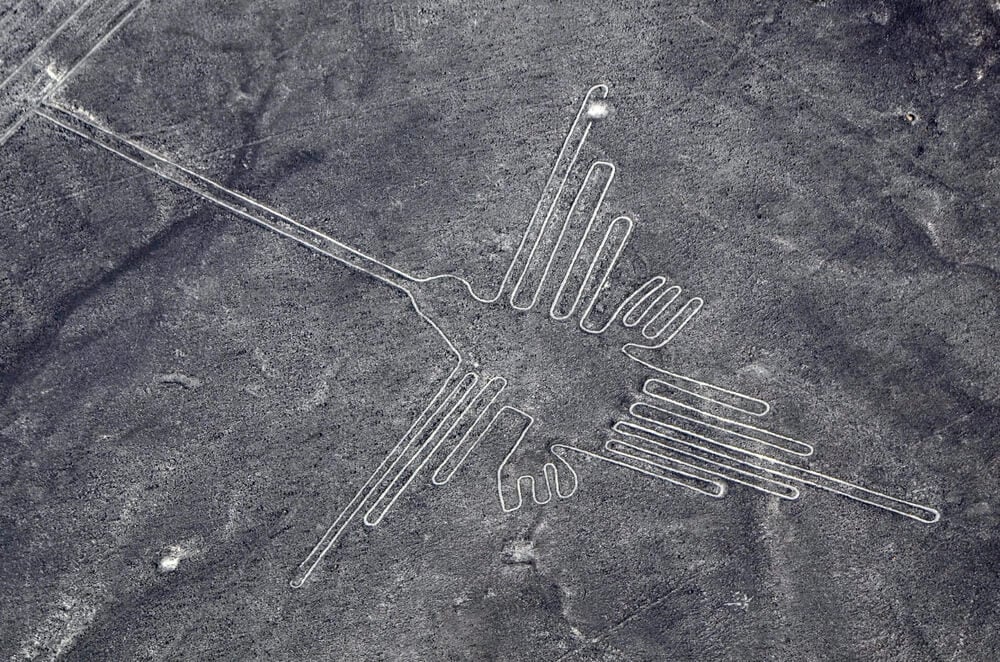
A section of the Nazca Lines forms perfectly parallel lines running for thirty miles. Archaeologists have proposed the lines served ritual or astronomical purposes, but a minority hypothesis suggests they were landing strips.
The purpose of the parallel lines remains a genuine mystery, though the runway theory is not accepted by mainstream archaeology.
Cahokia
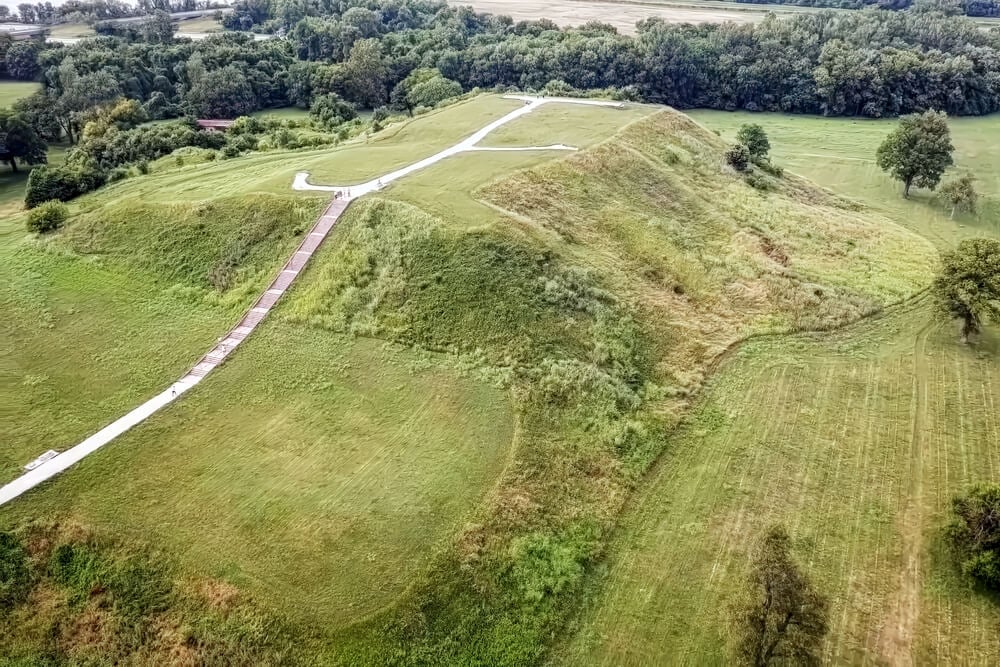
In what is now Illinois, a prehistoric city called Cahokia existed from roughly 600 to 1350 CE, at its peak housing 10,000 to 20,000 people. The city’s purpose, social organization, and reasons for decline remain poorly understood.
Recent satellite imagery has revealed additional structures, suggesting the site’s complexity exceeds previous estimates.
The Piri Reis Map
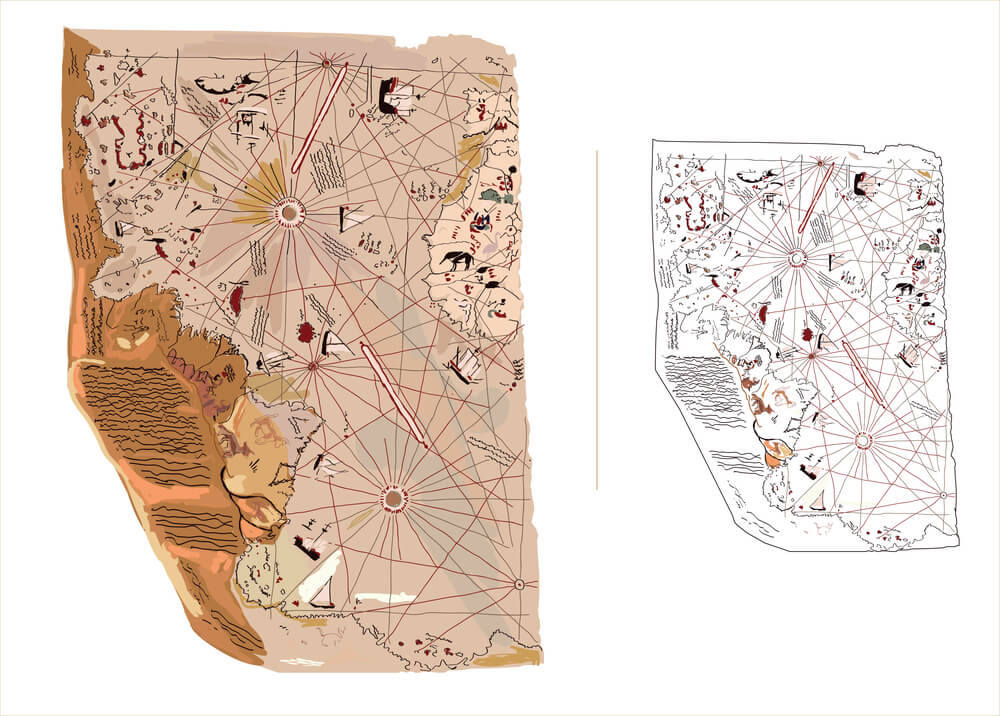
A 1513 map created by Ottoman admiral Piri Reis shows the Atlantic coast of South America and Africa with surprising accuracy. The map’s purpose and sources remain unclear, as is how such accuracy was achieved with sixteenth-century navigational technology.
The map’s details have sparked decades of scholarly debate.
The Baghdad Battery
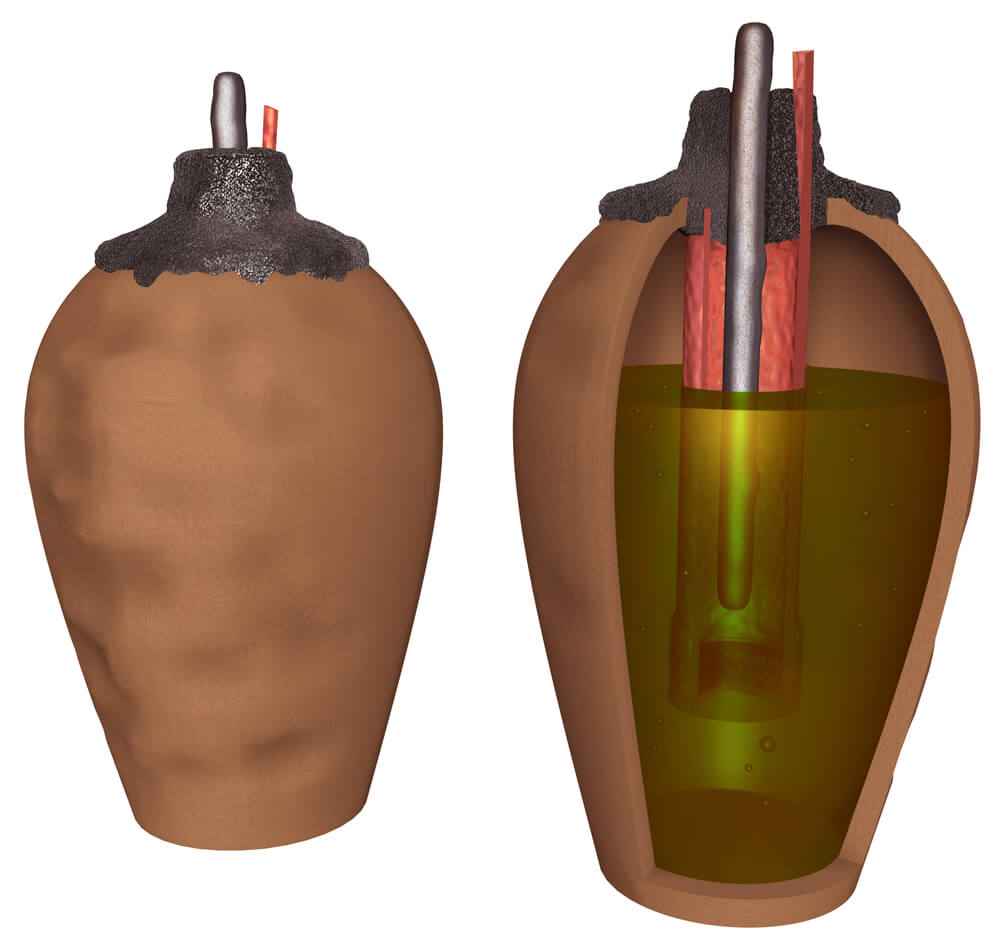
In Iraq, archaeologists found ceramic vessels containing copper and zinc that may have been electrochemical cells dating to 250 BCE. The purpose of the devices remains unknown; they may have been batteries used for electroplating, ceremonial objects, or medical devices.
The theory of their function remains speculative.
Sacsayhuamán
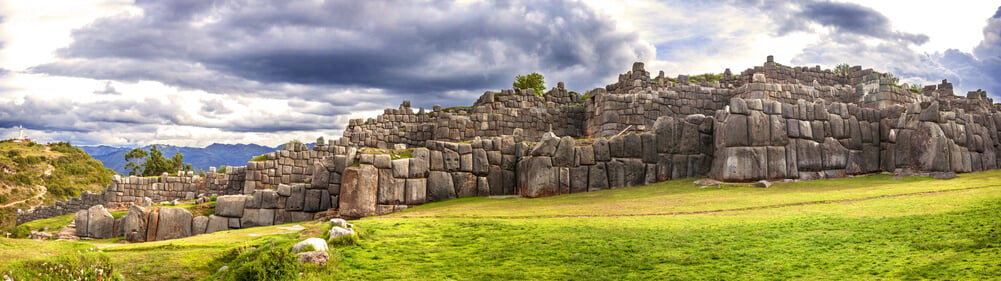
Built by the Inca in the fifteenth century above Cusco, Peru, Sacsayhuamán is a massive stone fortress made of fitted blocks without mortar. The precision of the fits is extraordinary, and some blocks are so large that modern cranes cannot move them.
The complete fortress’s purpose and the labor required to build it remain imperfectly understood.
The Carnac Stones
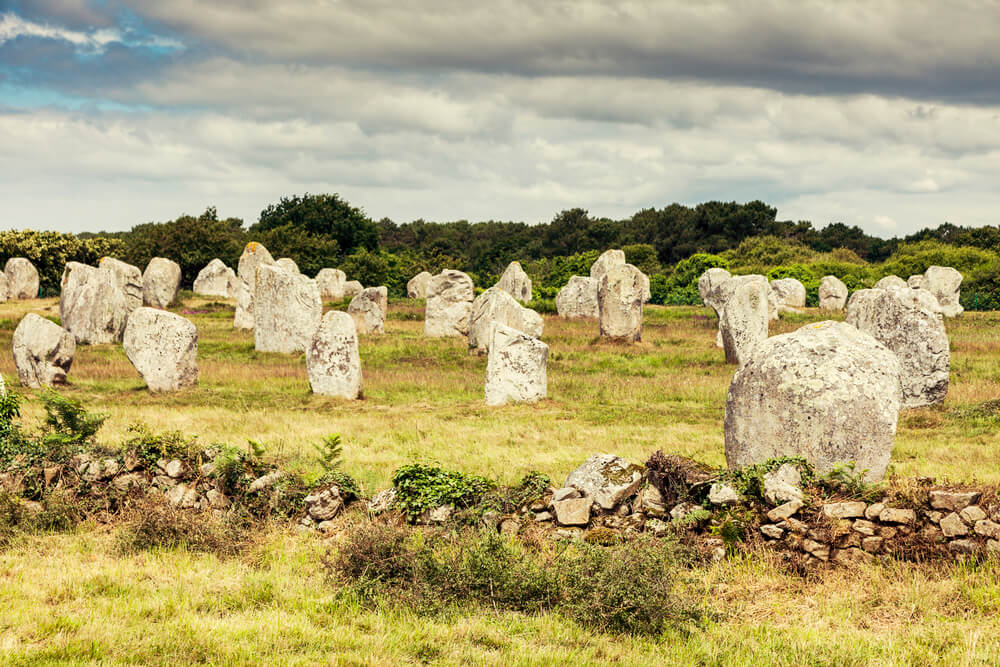
In Brittany, France, roughly 3,000 standing stones arranged in parallel rows stretch for miles. Dating to roughly 3300 BCE, the stones’ purpose is unknown; theories range from ritual processional routes to astronomical markers to symbolic territorial boundaries.
The effort required to erect so many stones suggests profound significance, but what that significance was remains mysterious.
Tiwanaku
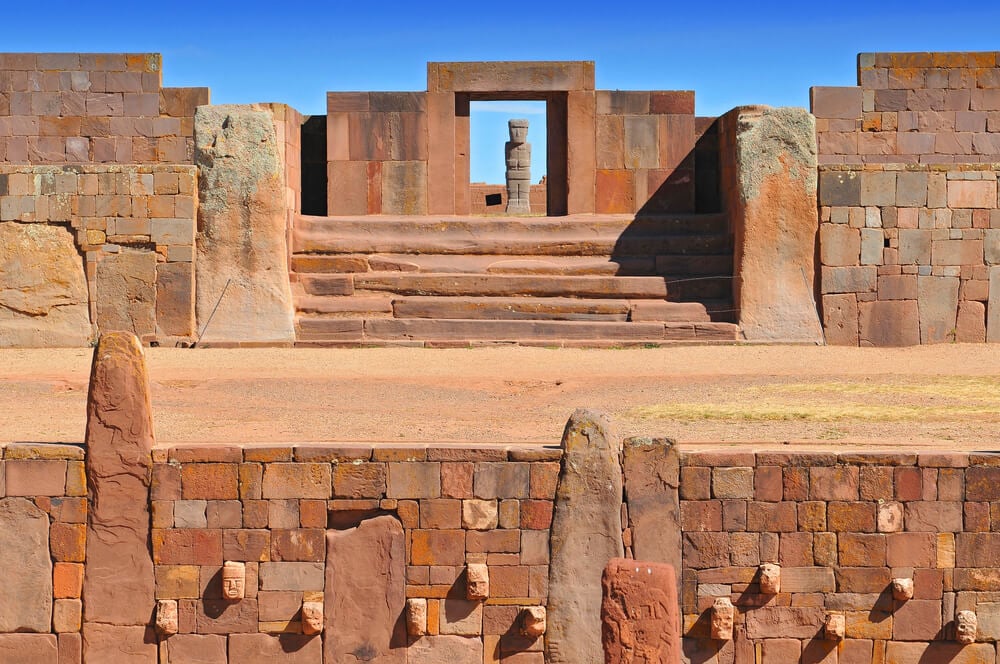
In the Andes, the ruins of Tiwanaku, a pre-Columbian civilization that flourished between 300 and 1000 CE, show astronomical and hydraulic engineering sophistication. The site’s complete layout and purpose remain partially mysterious despite decades of excavation.
Recent research suggests larger populations than previously estimated, complicating explanations of resource management.
The Plain of Jars

In Laos, thousands of large stone jars are scattered across a plain. Dating to around 500 BCE, their purpose is entirely unknown; the most common hypothesis is they were burial containers, but this remains unproven.
The origin of the stone, the means of transport, and why so many were abandoned remain mysteries.
Longshan Culture’s Black Pottery

In China, a culture called Longshan, dating to roughly 3000 BCE, produced incredibly thin, precisely shaped black pottery. The technology required to create such ware exceeds what is known of the culture’s development.
The pottery’s purpose and how the culture achieved such sophistication remain poorly understood.
The Olmec Colossal Heads
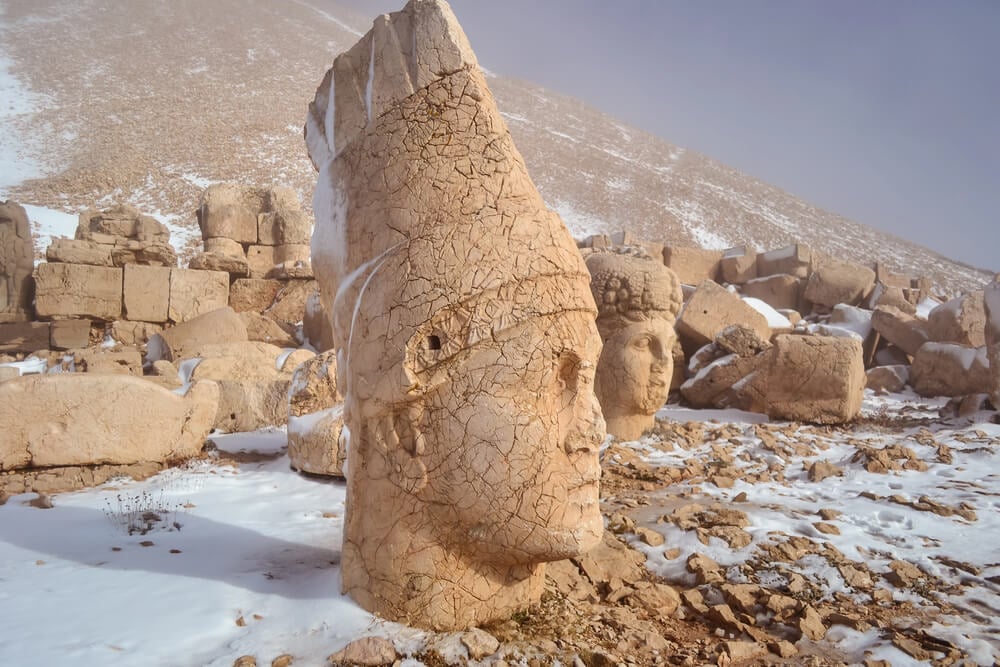
The Olmec civilization in Mesoamerica carved enormous stone heads up to ten feet tall and weighing over forty tons. The stone had to be quarried from sources over fifty miles away and transported with no wheeled vehicles.
The heads’ purpose—whether they represented rulers, gods, or ceremonial objects—remains unknown.
The Minoan Palace at Knossos
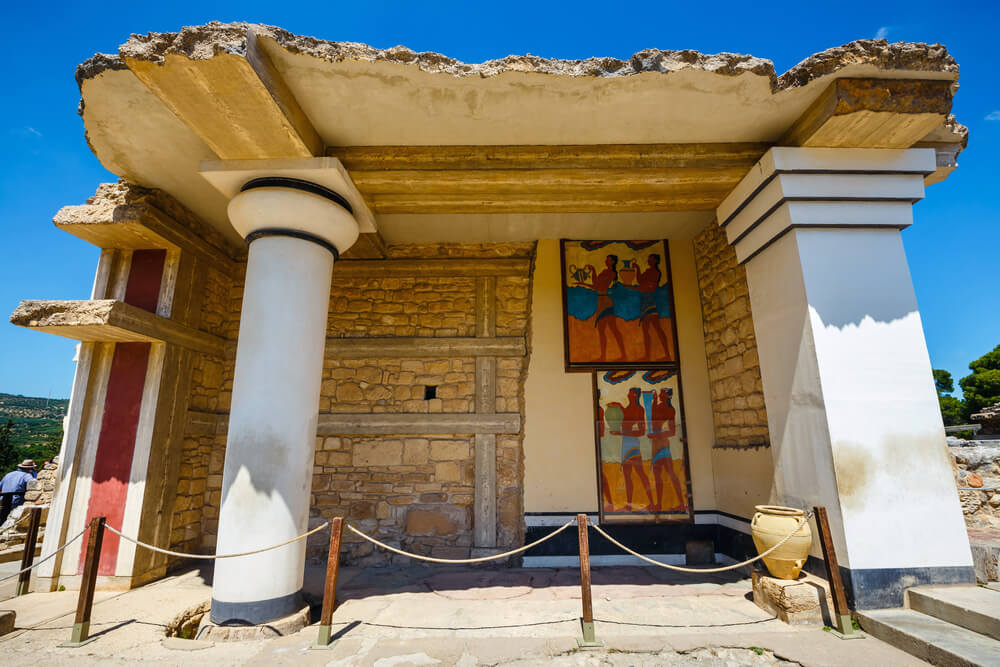
On Crete, the palace of Knossos, built by the Minoan civilization around 1700 BCE, shows extraordinary architectural sophistication. The palace’s complete organization, the purpose of many rooms, and the nature of Minoan political organization remain imperfectly understood despite extensive excavation.
The Richat Structure
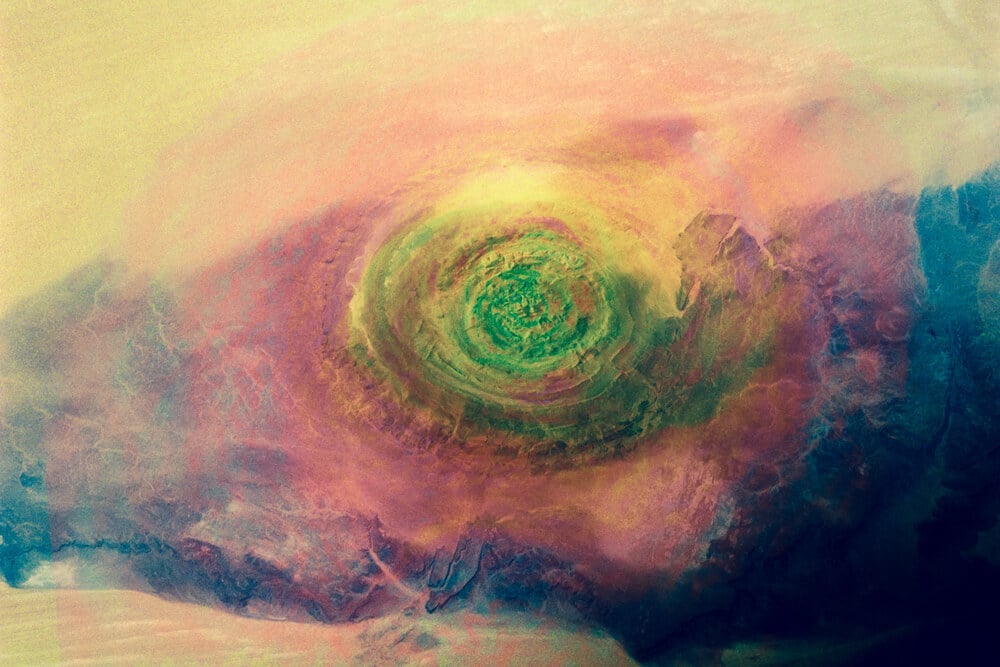
In the Mauritanian Sahara, a perfectly circular geological structure called the Richat Structure is visible from space. The structure’s formation has been attributed to erosion, meteor impact, and volcanic activity, but its origins remain disputed among geologists.
The structure’s perfect symmetry has invited speculation about human involvement, though no archaeological evidence supports this.
Angkor Wat

Built in the twelfth century in Cambodia, Angkor Wat is the largest religious monument in the world. Its exact purpose—whether primarily Hindu or Buddhist, whether primarily ceremonial or administrative—remains subject to interpretation.
The collapse of the Khmer Empire that built it remains inadequately explained.
The Yonaguni Monument
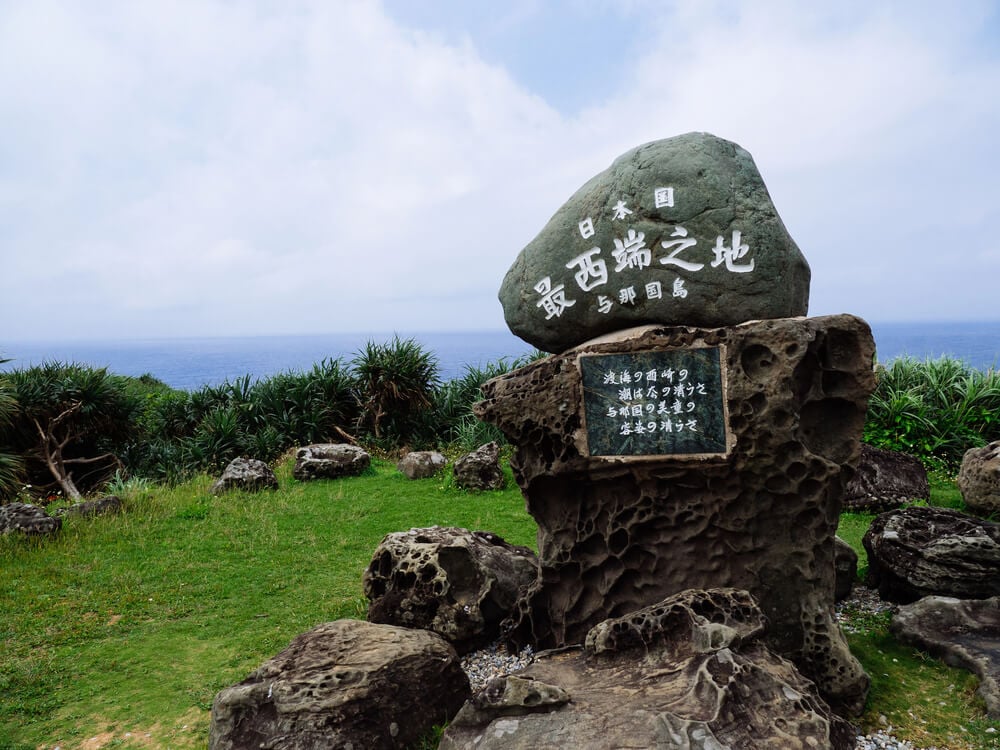
Off the coast of Japan, divers discovered what appears to be a partially submerged monument with geometric features suggesting human construction. Whether the structure is natural erosion or human-made remains debated, as does when it would have been built if human-made.
The Lachish Siege Ramp
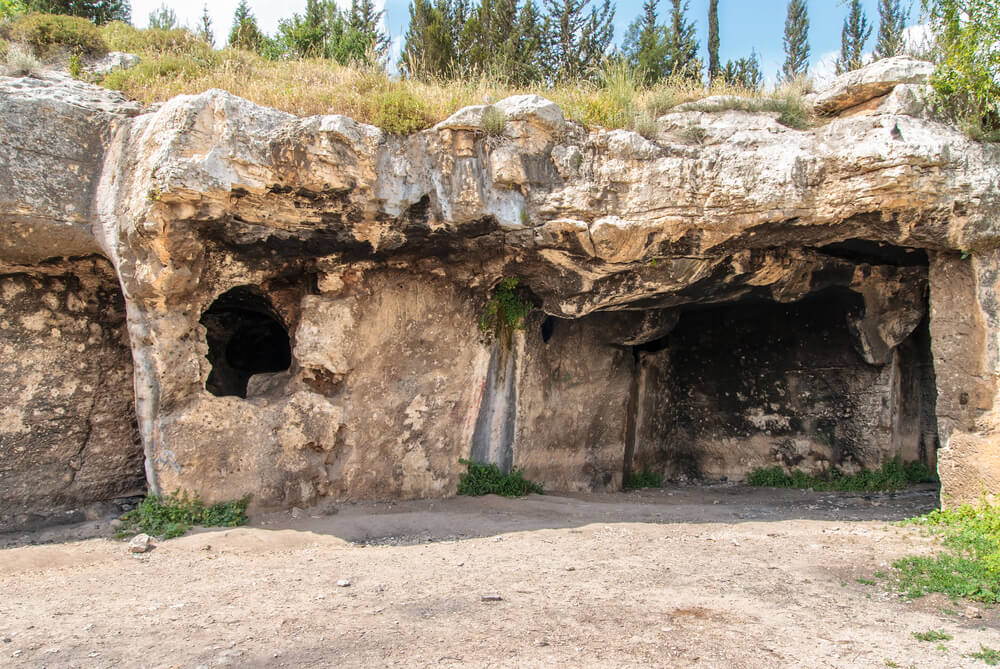
Archaeological excavations in Israel revealed a ramp associated with a siege described in ancient texts. The presence of the ramp confirms some historical accounts, but questions about the siege’s date and exact course remain unresolved.
Mound City
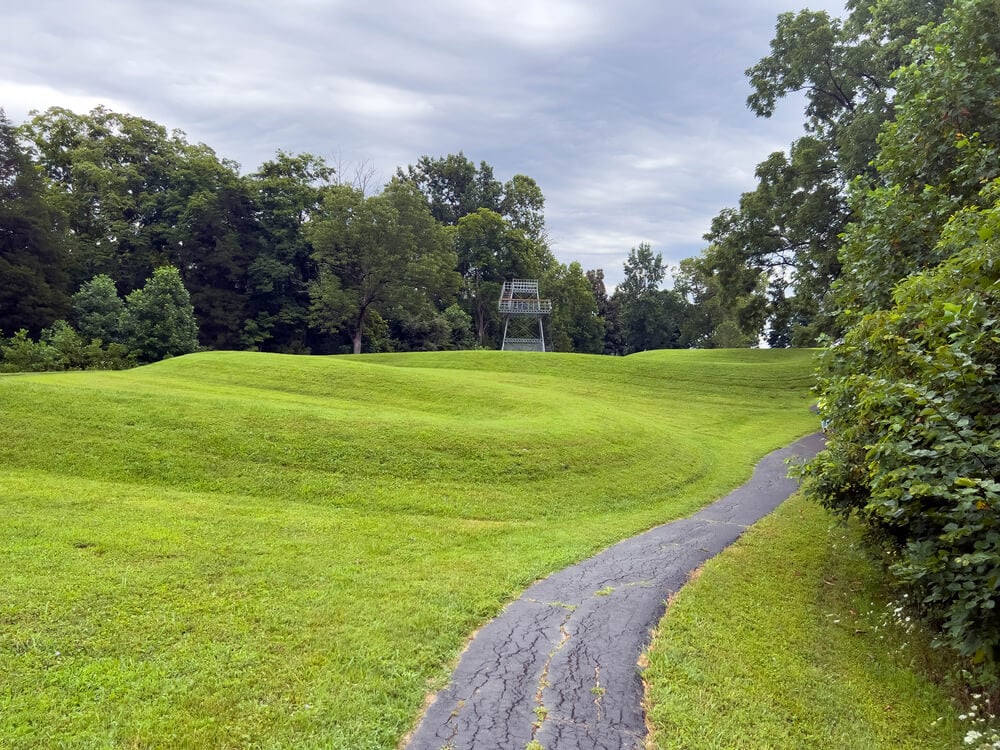
In Ohio, dozens of earthen mounds were constructed by the Adena culture. The mounds’ exact purpose and the culture’s organization remain poorly understood.
Recent lidar technology has revealed additional structures, suggesting greater complexity than previously recognized.
The Antechamber of the Great Pyramid
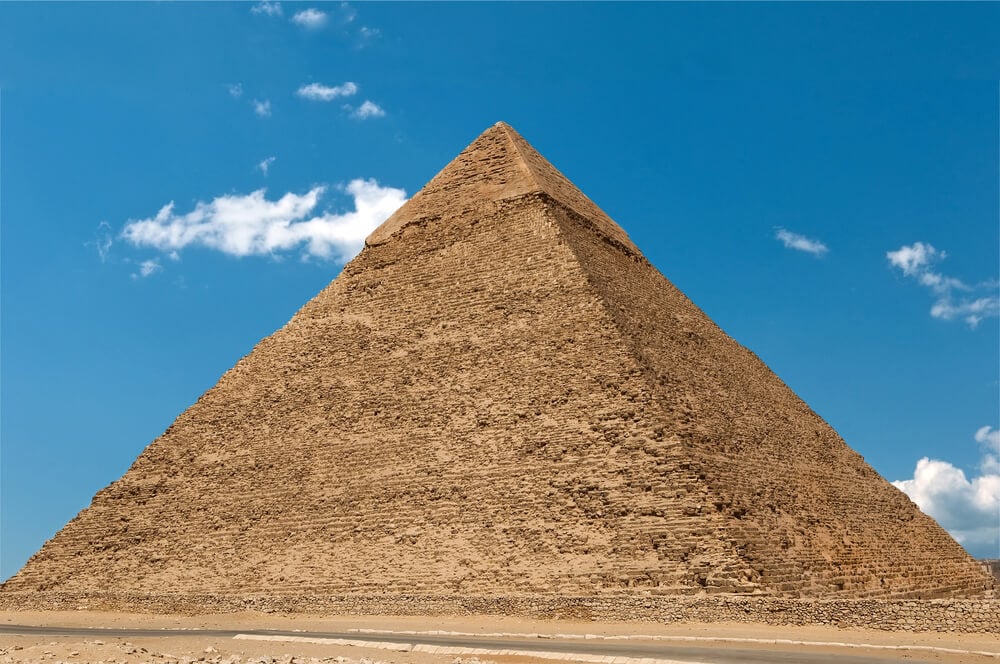
Within the Great Pyramid, a chamber called the Antechamber of the King was discovered. Its purpose remains unknown; it was empty when discovered, and no artifacts or inscriptions explain its function.
The architectural sophistication suggests importance, but what that importance was remains mysterious.
The Parthenon’s Asymmetry
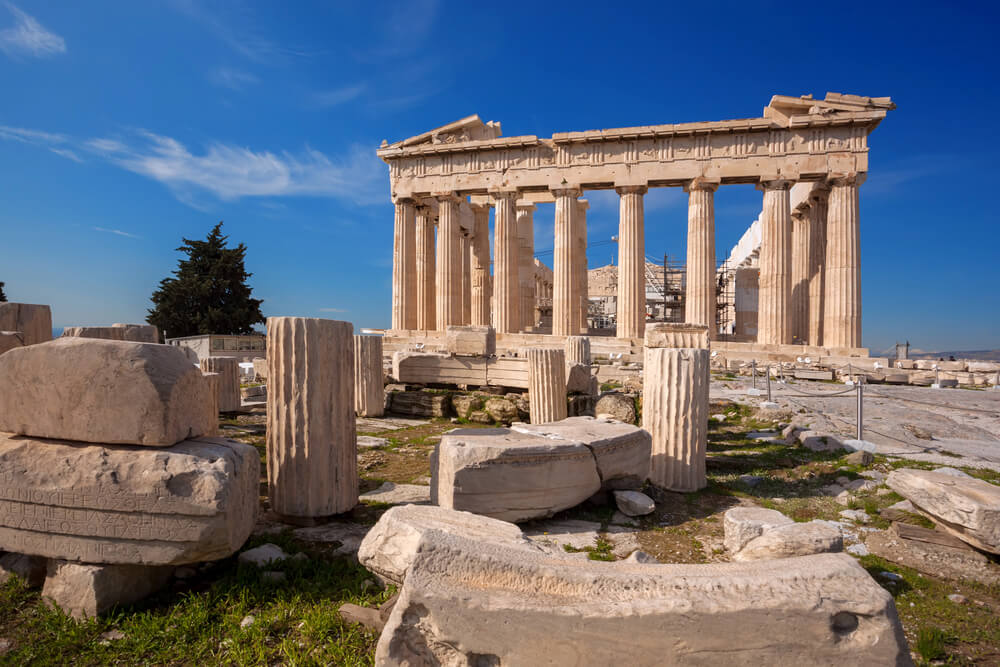
The Parthenon in Athens appears symmetrical but contains subtle asymmetries that architectural research has not fully explained. The curve of the floor, the slight angle of the columns, and other deviations from perfect geometry serve no obvious structural purpose but suggest intentional design.
Why these subtle departures were made remains a subject of scholarly debate.
Cahokia’s Woodhenge
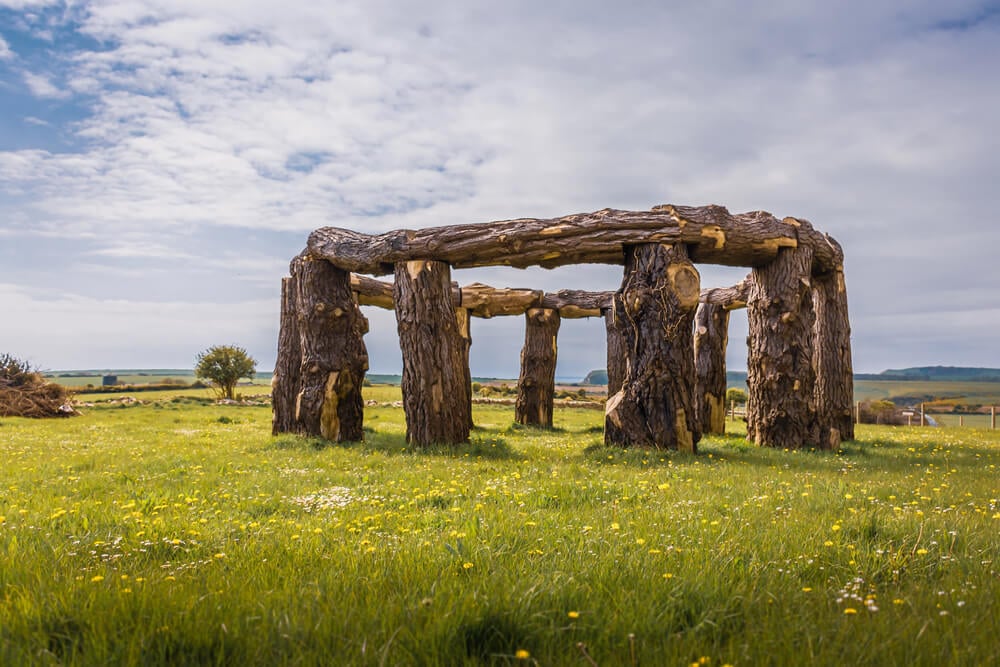
Within Cahokia, archaeologists identified what appear to be wooden posts arranged in circles to align with sunrise and sunset on equinoxes. The structure is called Cahokia’s Woodhenge and suggests astronomical knowledge, but its exact purpose and the culture’s understanding of astronomy remain imperfectly understood.
The Shroud of Turin

A cloth in Turin, Italy, bears the image of a human figure that some claim is the burial shroud of Jesus. Scientific analysis has dated the cloth to the medieval period, not the first century, but the image’s origin remains unexplained by conventional chemistry.
The image’s creation method remains a genuine scientific mystery.
The Nazca Underground Channels
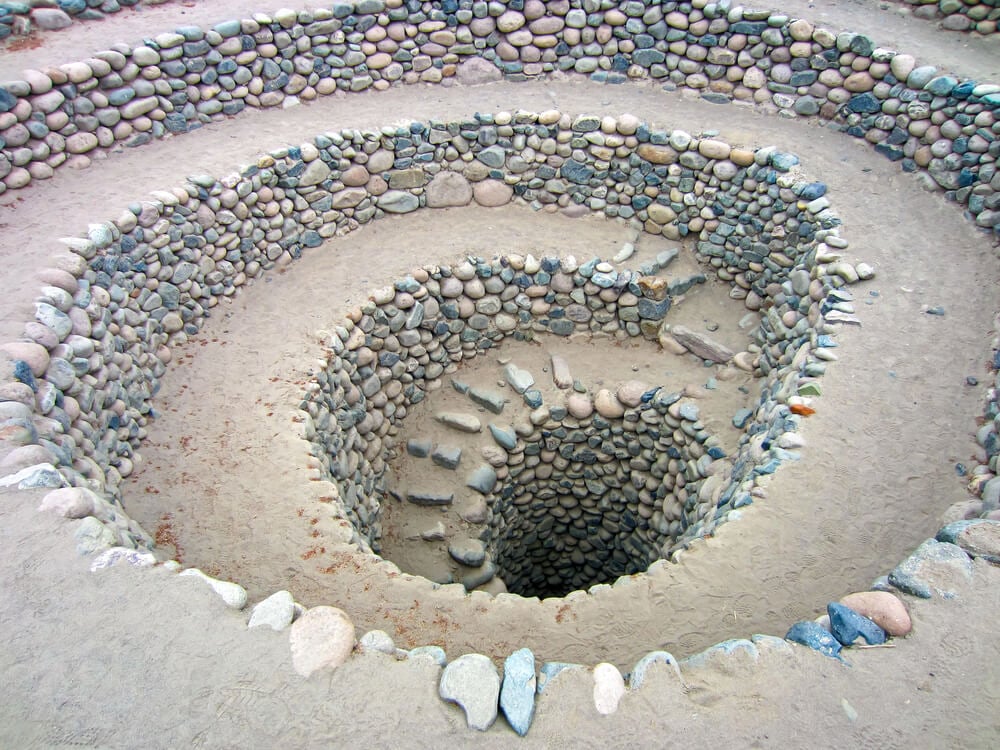
Beneath some Nazca geoglyphs, researchers have found underground channels with unknown purpose. The channels may have been aqueducts or ceremonial conduits, but their exact function remains mysterious.
The sophistication of the channel system suggests substantial engineering effort, but the motivation for the channels remains unexplained.
When Mystery Persists Despite Knowledge

The most archaeologically interesting sites are often those that refuse to yield their secrets despite sophisticated investigation. These twenty-eight sites have been studied extensively, yet fundamental questions about purpose, method, and meaning persist.
The persistence of mystery reminds us that even the most studied past remains partially unknowable.
More from Go2Tutors!

- The Romanov Crown Jewels and Their Tragic Fate
- 13 Historical Mysteries That Science Still Can’t Solve
- Famous Hoaxes That Fooled the World for Years
- 15 Child Stars with Tragic Adult Lives
- 16 Famous Jewelry Pieces in History
Like Go2Tutors’s content? Follow us on MSN.