29 Historic Sites Closed to the Public Today
Some places earn their closure through fragility, some through danger, and some through a government’s simple refusal to explain itself. What they share is a history significant enough that people keep asking to get in anyway.
Lascaux Cave
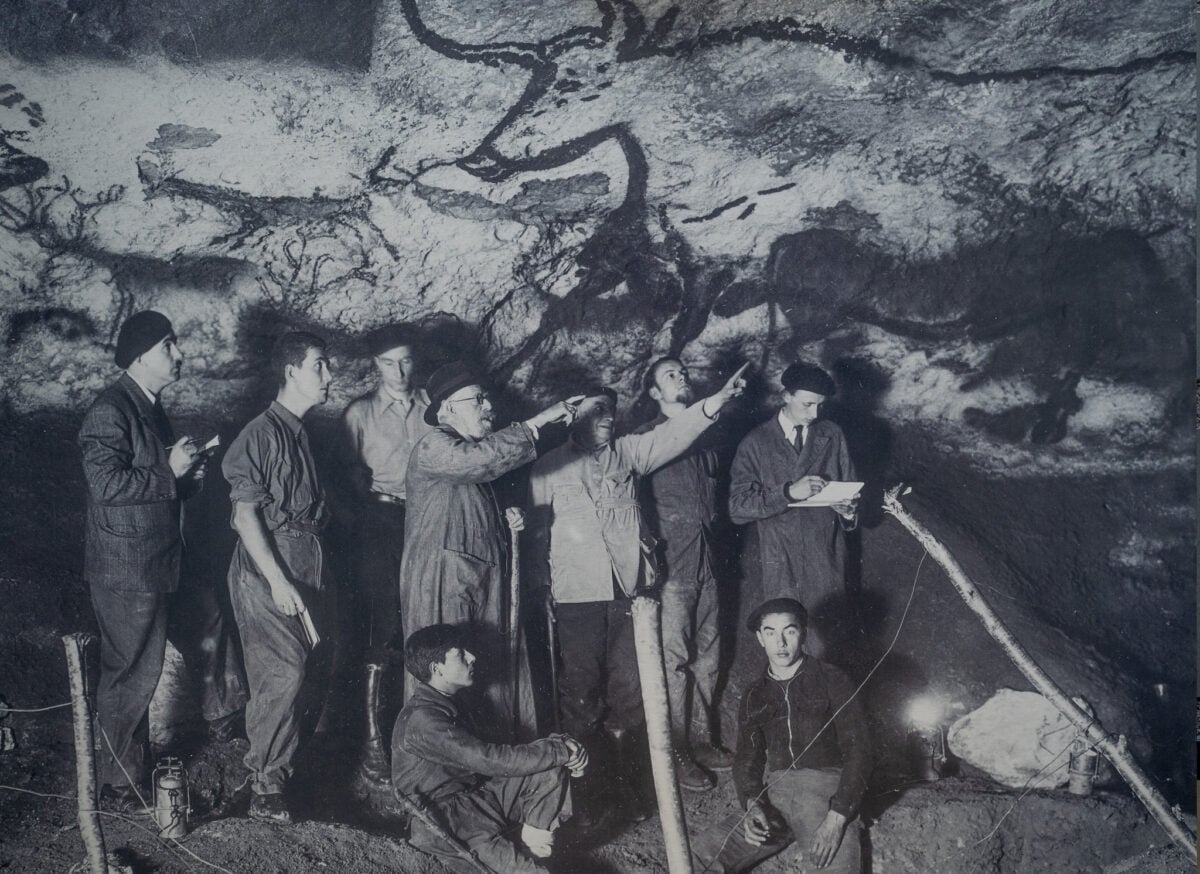
The original Lascaux cave in southwestern France, home to some of the most celebrated Paleolithic paintings ever found, was sealed to the public in 1963 after visitors’ breath and body heat were found to be growing mold and algae on the ancient artwork. A precise full-scale replica now stands nearby so visitors can see reproductions of the images without further damaging the originals.
North Sentinel Island
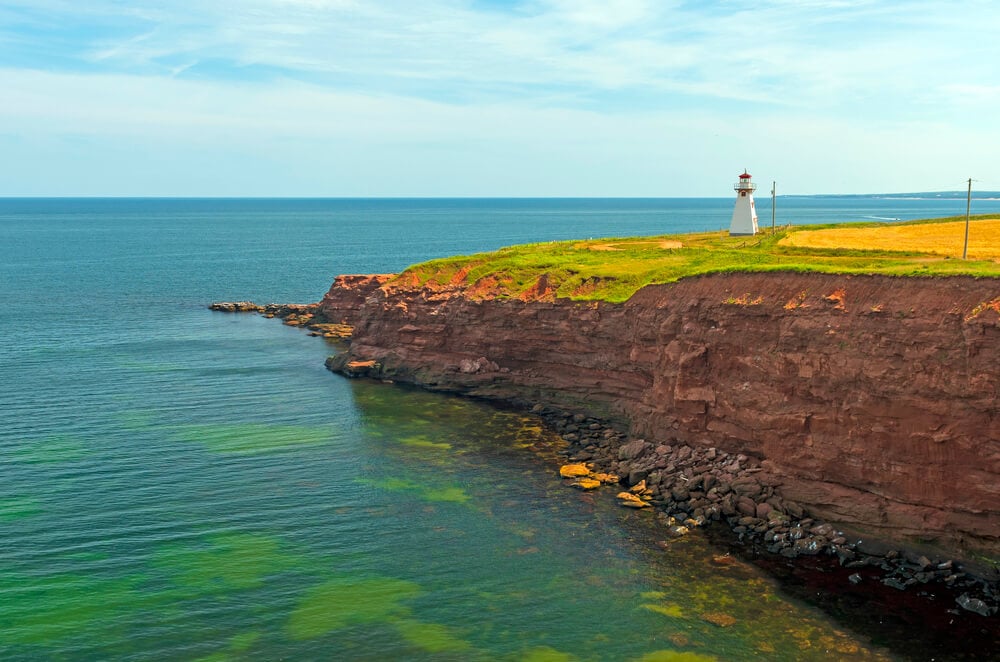
North Sentinel Island in the Bay of Bengal is home to one of the world’s last uncontacted peoples, and the Indian government has banned all approach within several miles of its shore, both to protect the islanders’ isolation and to prevent the spread of diseases they have no immunity to. The ban was enforced strictly enough that a 2018 attempt by an American visitor to reach the island ended in his death and no further investigation on the ground.
Ilha da Queimada Grande
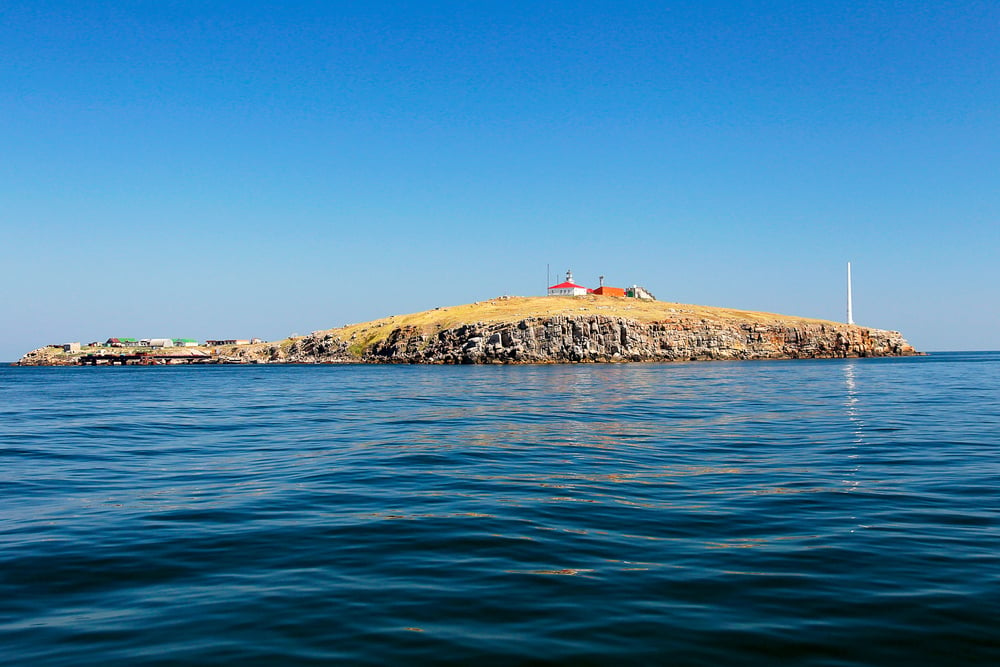
Known informally as Snake Island, this small landmass off the coast of Brazil holds one of the highest concentrations of venomous pit vipers anywhere on Earth, found nowhere else in the world. The Brazilian Navy restricts access entirely, permitting only a small number of scientific researchers under close supervision.
Area 51
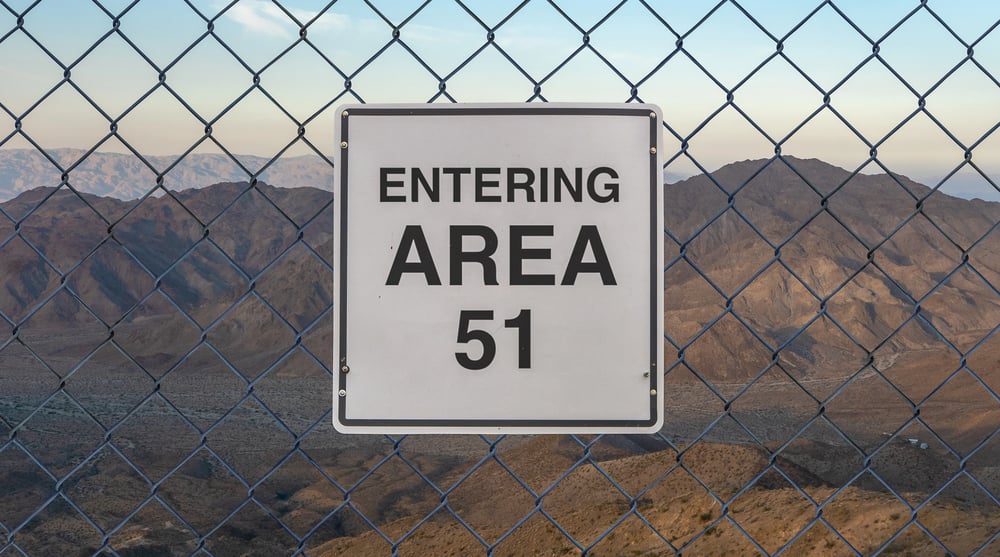
The United States Air Force facility in the Nevada desert remains one of the most heavily guarded military sites in the country, and its exact purpose was not officially acknowledged by the government until documents were declassified in 2013. Warning signs around its perimeter still authorize the use of deadly force against trespassers.
The Svalbard Global Seed Vault
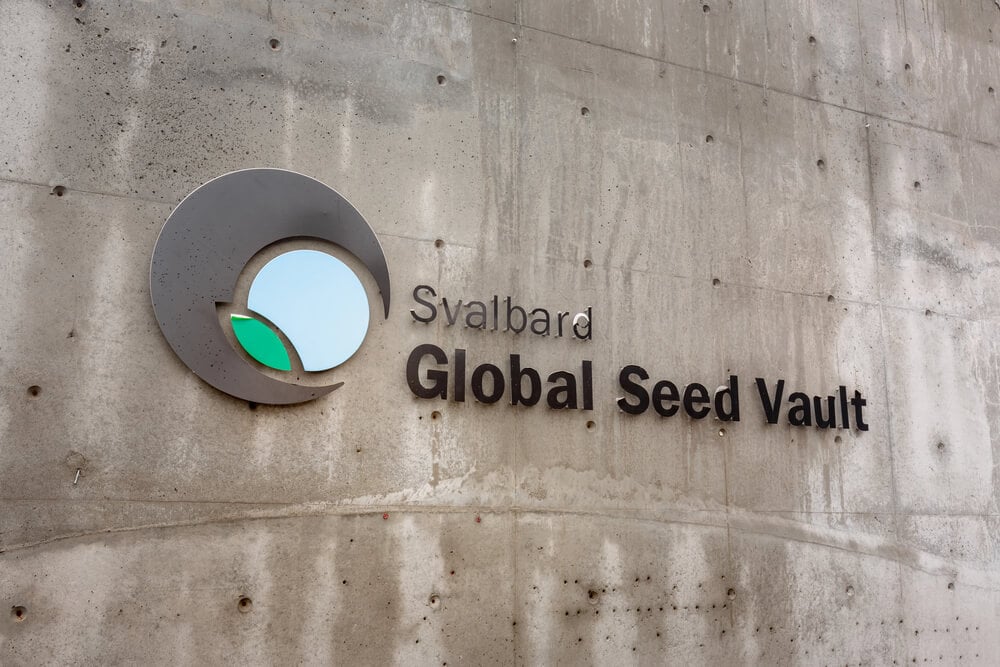
Built into a mountainside on a remote Norwegian archipelago, the Svalbard Global Seed Vault stores backup samples of the world’s crop seeds as insurance against catastrophe, and it is closed to the general public entirely. Only depositing institutions and vault staff are permitted inside its refrigerated storage chambers.
Bohemian Grove
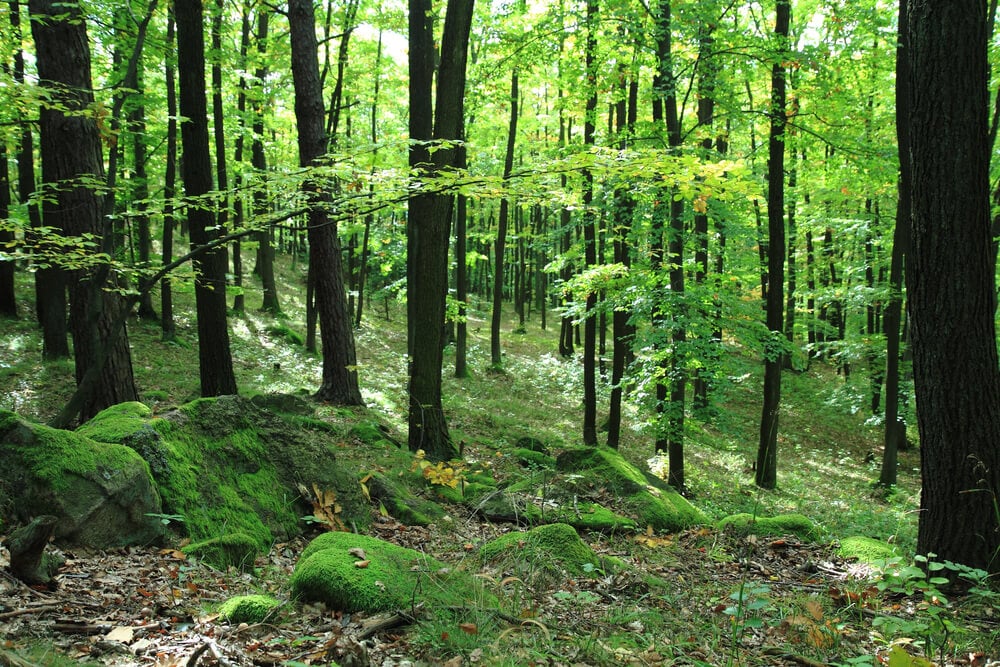
This private forest retreat in Northern California has hosted an exclusive men’s club since the 1870s, drawing a membership that has included business leaders, entertainers, and multiple American presidents over the decades. Access is restricted entirely to members and their invited guests, and the surrounding grounds are patrolled to keep the public and press well away during the club’s annual encampment.
Ise Grand Shrine’s Inner Sanctuary
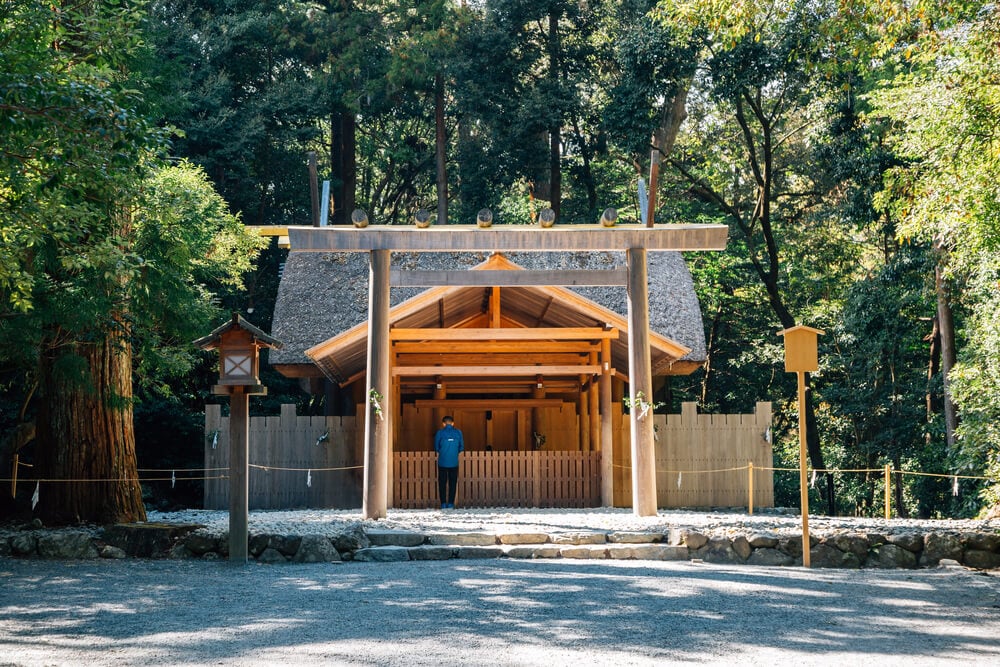
At the heart of Japan’s Ise Grand Shrine complex sits the inner sanctuary believed to house a sacred mirror associated with the imperial line, and only priests and members of the imperial family may enter it. The shrine buildings themselves are ritually rebuilt every twenty years, but the inner sanctuary’s contents remain unseen by the general public regardless of the reconstruction cycle.
Fort Knox
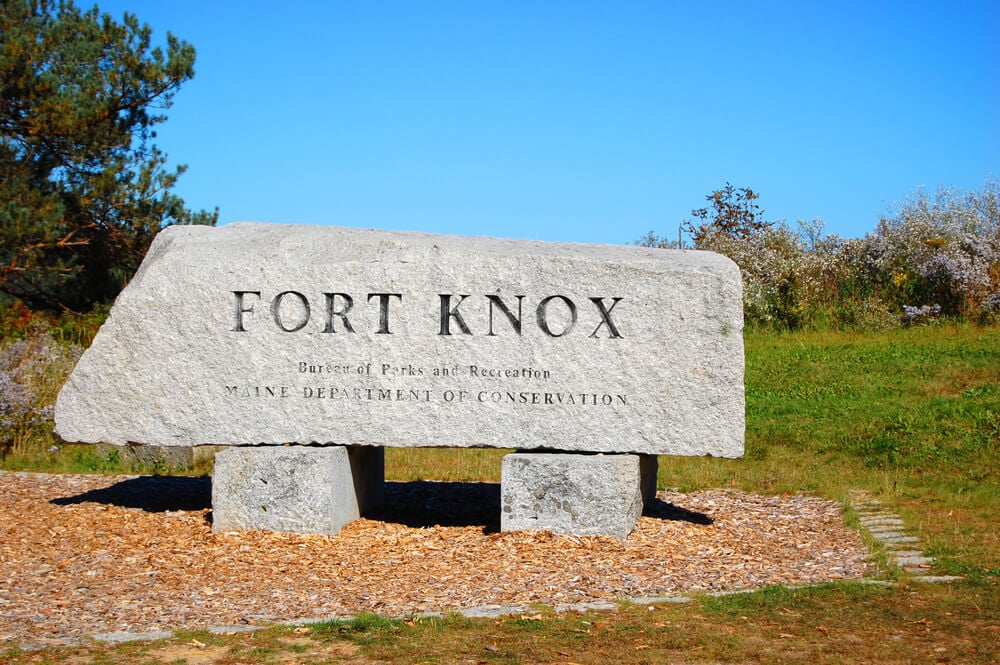
The United States Bullion Depository at Fort Knox, Kentucky, holds a significant portion of the country’s gold reserves behind a vault door reported to weigh more than twenty tons. No sitting president is known to have entered the vault itself, and public tours of the interior have never been permitted in the depository’s history.
Cheyenne Mountain Complex
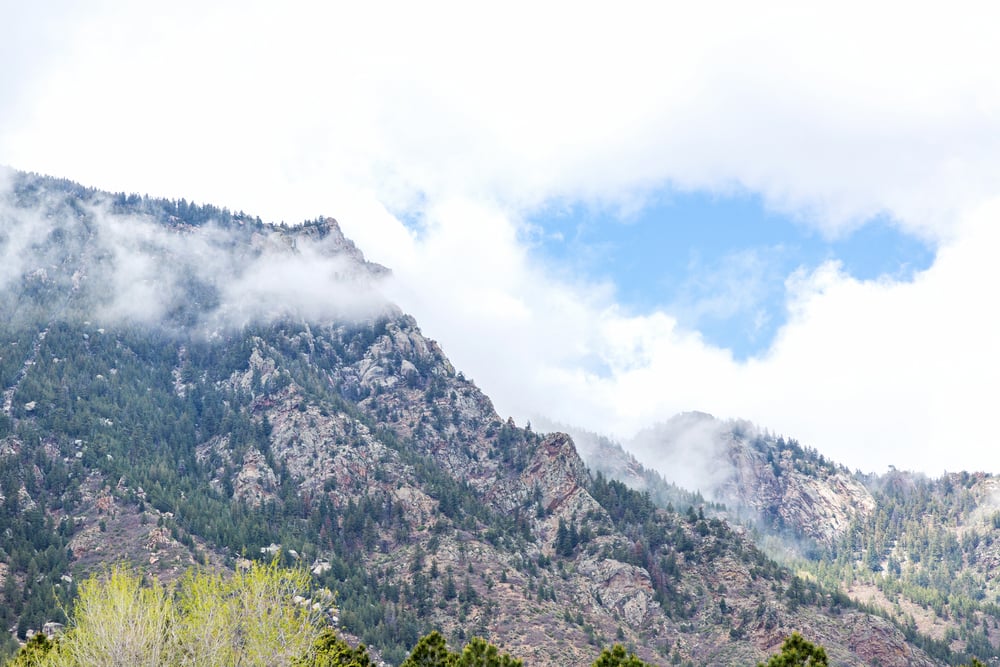
Built inside a granite mountain in Colorado to survive a direct nuclear strike, the Cheyenne Mountain Complex has served as a military command center since the Cold War and remains an active, secured facility today. Its blast doors and tunnel network are occasionally referenced in popular culture, but the interior has never been open to public visitors.
The Vatican’s Apostolic Archives
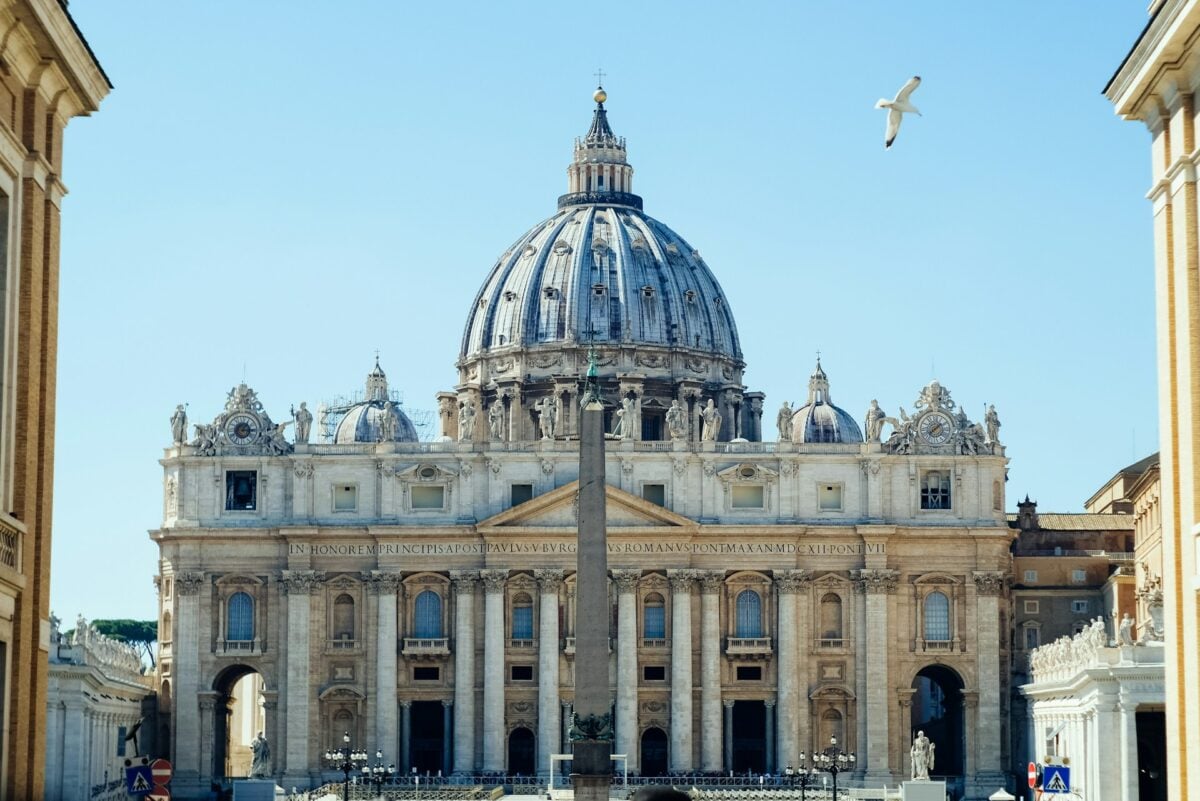
The Vatican’s central archive holds centuries of correspondence, official records, and historical documents related to the papacy, and access is restricted to accredited scholars conducting specific research, not the general public. Even qualified researchers must apply for permission and are limited in what they can view and copy.
Buckingham Palace’s Private Apartments
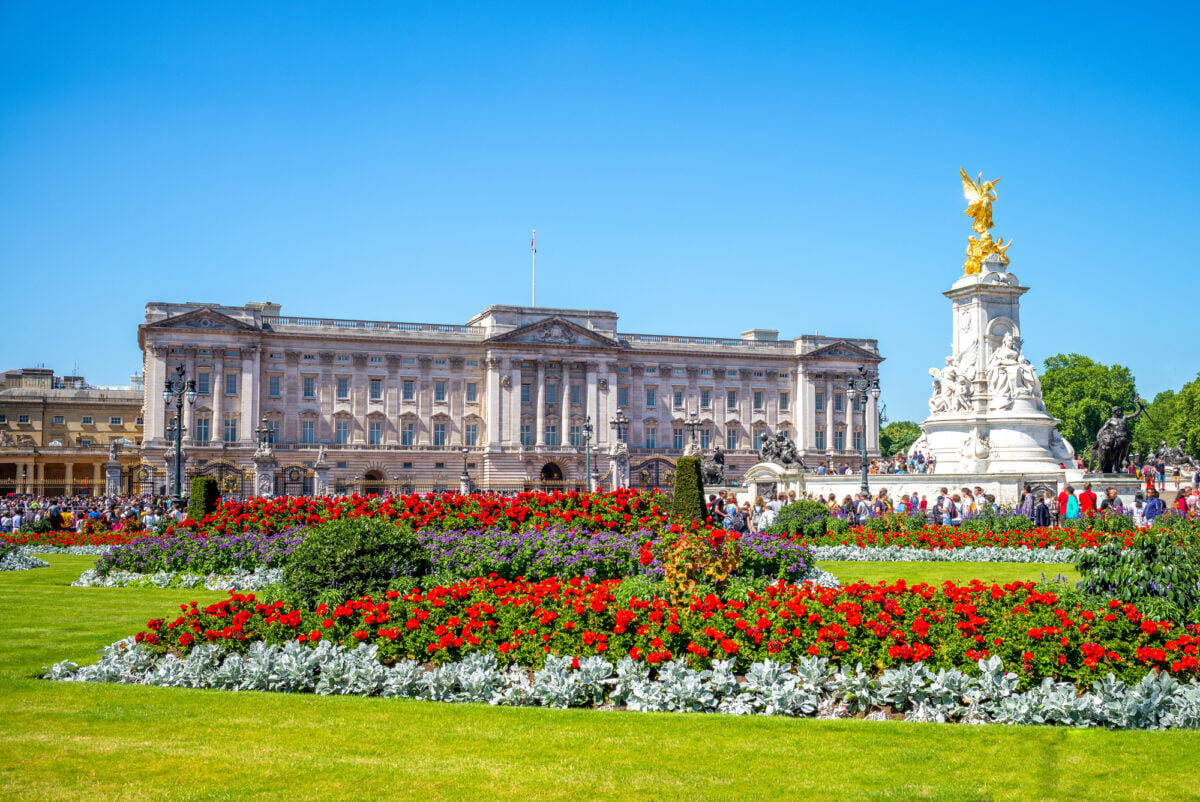
While parts of Buckingham Palace open to ticketed visitors during a limited summer season, the private apartments used by the royal family remain permanently closed to the public. Even staff access to those rooms is tightly restricted, and no public tour route has ever included them.
Qin Shi Huang’s Tomb Mound
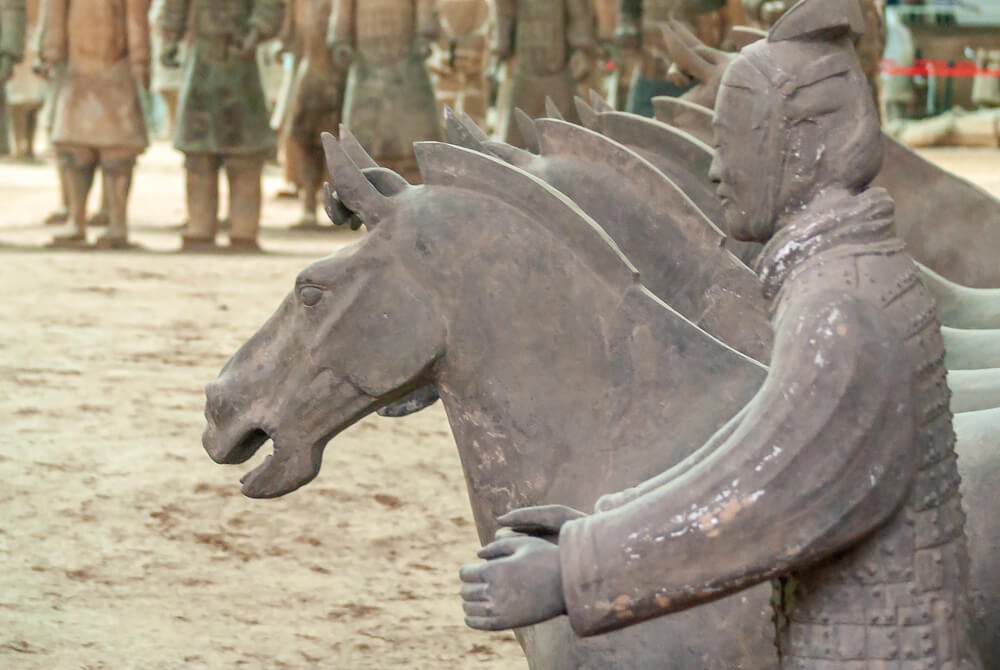
The unexcavated tomb of China’s first emperor, famous for the terracotta army buried nearby to guard it, remains sealed beneath a large earthen mound that archaeologists have deliberately left undisturbed. Ancient accounts describe rivers of mercury built into the tomb’s design, and modern soil tests have found unusually high mercury concentrations in the surrounding earth, reinforcing the decision to leave the site unopened.
Poveglia Island
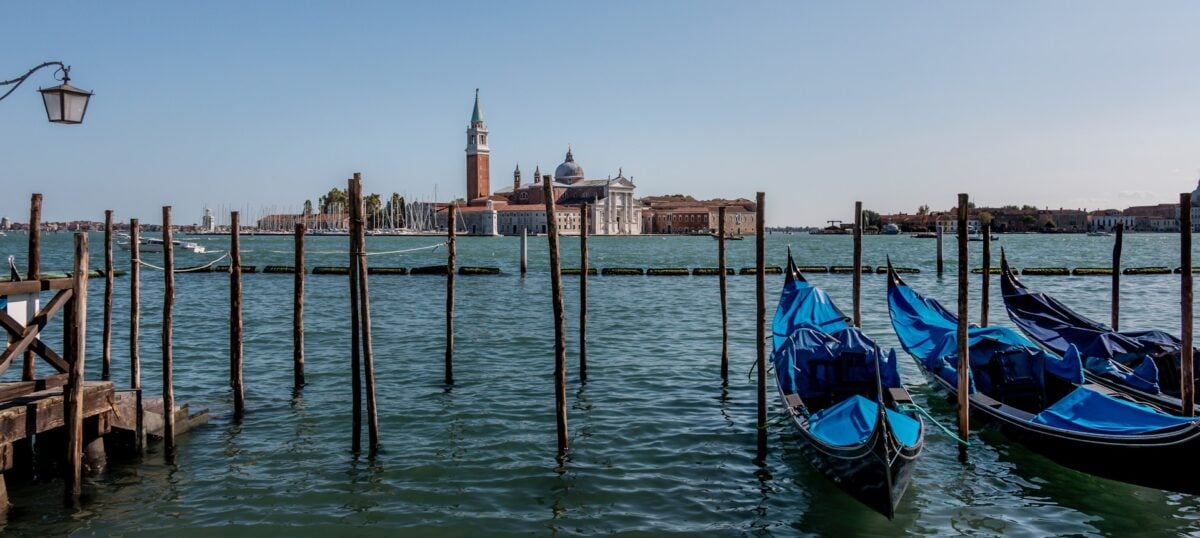
This small island in the Venetian Lagoon served over the centuries as a quarantine station and later a psychiatric facility, and Italian authorities have kept it officially off-limits to visitors for years. Its abandoned buildings and reputation for a grim past have made it one of the most sought-after unauthorized destinations in the region.
North Brother Island
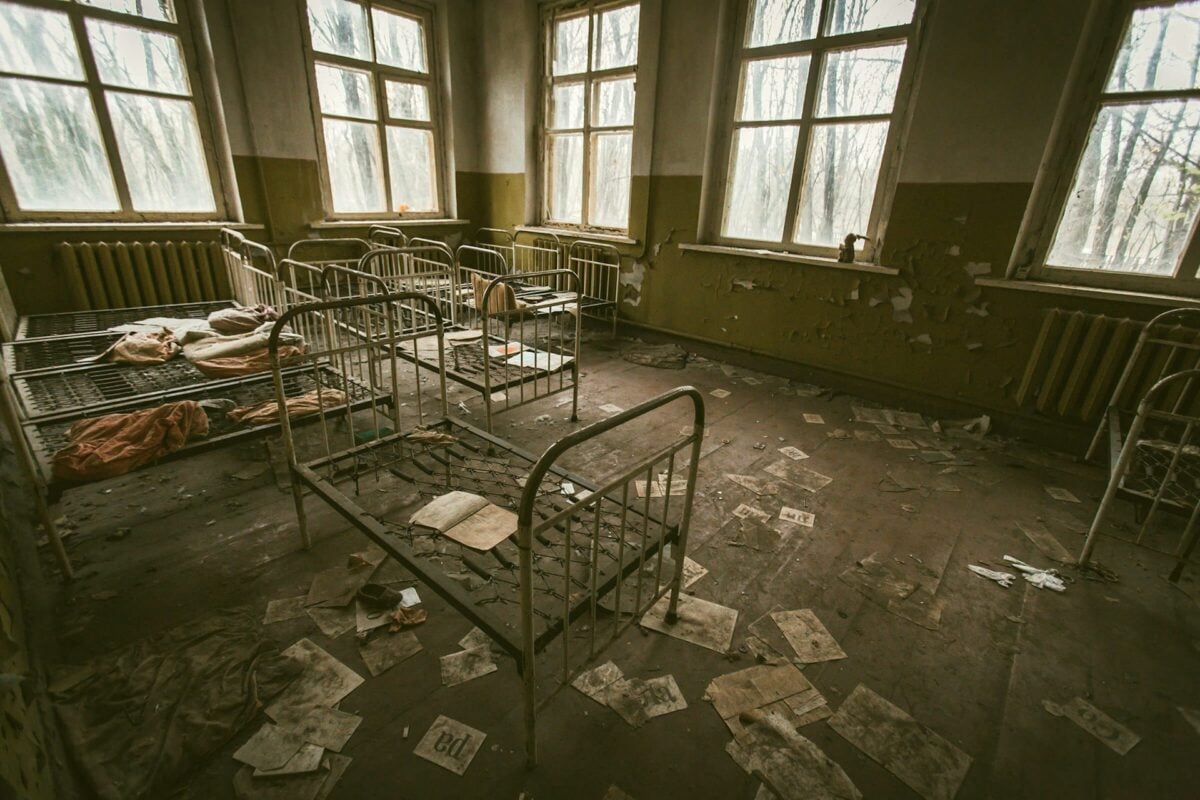
Once home to a hospital that isolated patients with infectious disease, including the woman known as Typhoid Mary, North Brother Island in New York’s East River was abandoned by the mid-twentieth century and later designated a bird sanctuary closed to public access. The crumbling hospital buildings remain standing, visible from passing boats but reachable only with special permits granted for research purposes.
Centralia, Pennsylvania
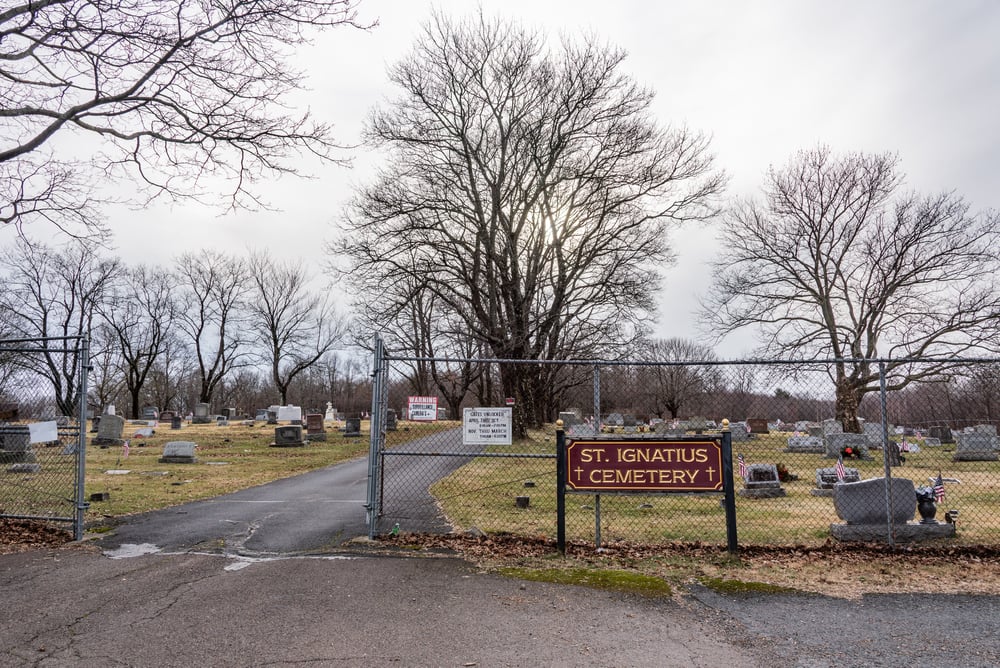
An underground coal seam fire ignited beneath this small Pennsylvania town in 1962 and has burned continuously ever since, filling the ground with toxic gases and unstable pockets of collapsing earth. The state condemned most of the town’s properties and revoked its zip code, and the areas directly above the fire remain closed to entry for safety reasons.
Plymouth, Montserrat
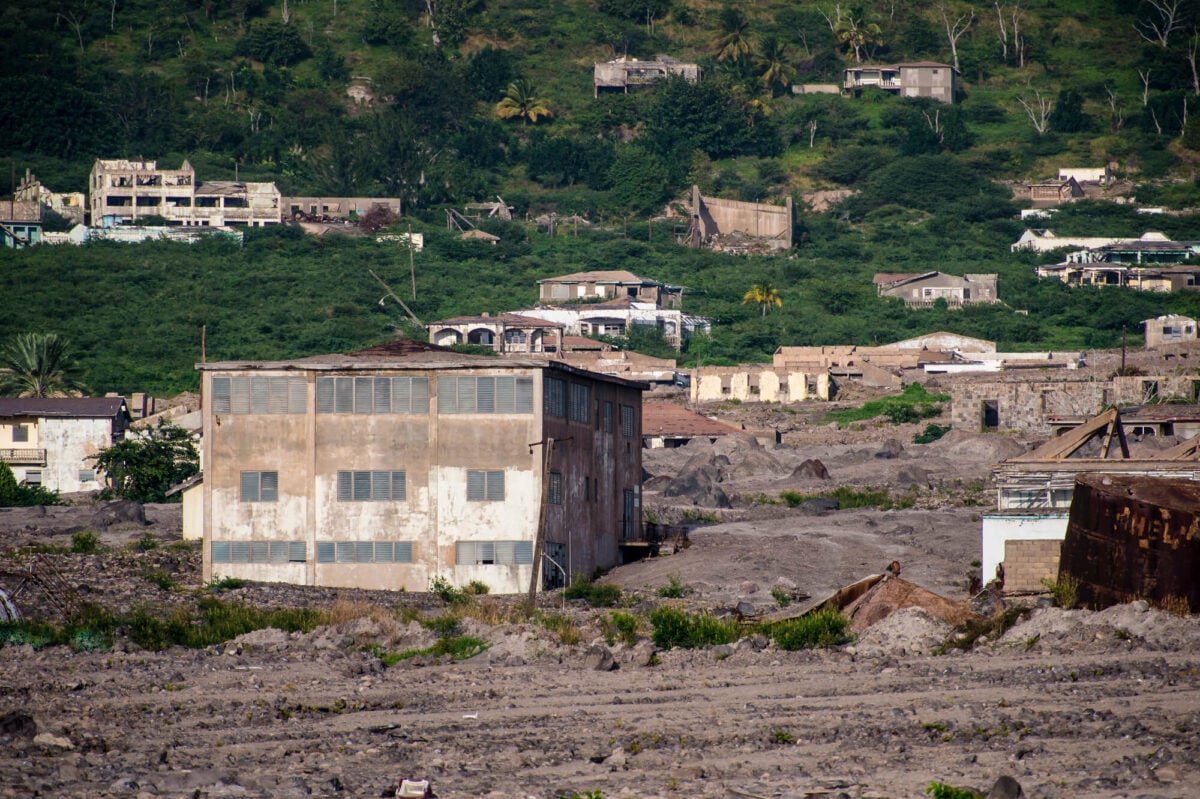
The former capital of the Caribbean island of Montserrat was buried under volcanic ash and pyroclastic flows following a series of eruptions beginning in 1995, and the entire southern half of the island, including the ruined city, remains an exclusion zone. Only scientists and escorted tour groups are permitted brief, restricted visits to the zone’s edges.
Pripyat’s Amusement Park
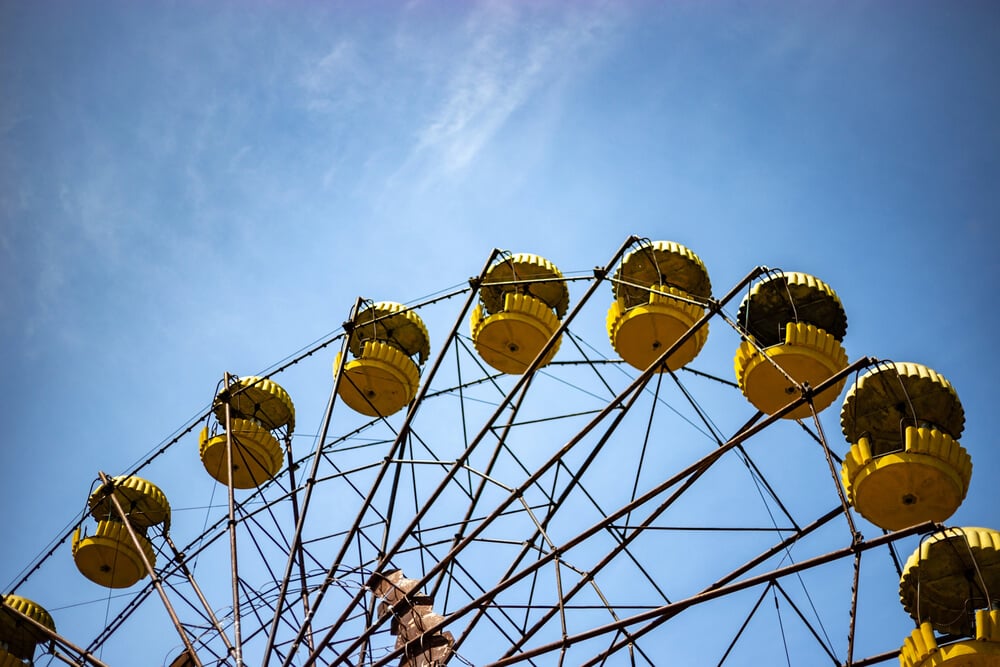
The amusement park in Pripyat, built to open just days after the 1986 Chernobyl reactor disaster, never held its planned opening and now sits abandoned inside the exclusion zone. While licensed tour operators bring visitors through parts of the zone, the structures themselves remain officially closed to entry due to radiation and structural collapse risk.
RAF Menwith Hill
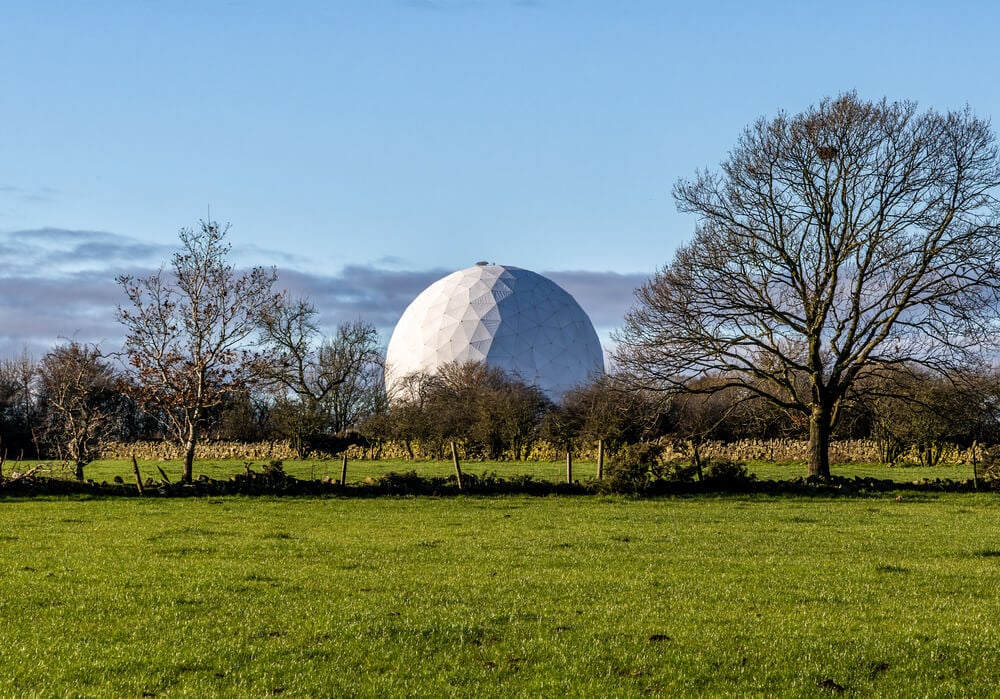
This Royal Air Force station in Yorkshire, England, houses one of the largest satellite communication and signals intelligence facilities operated jointly by British and American agencies. The base is surrounded by fencing and restricted airspace, and its interior has never been open to public visitors despite decades of activist protests at its perimeter.
Heard Island
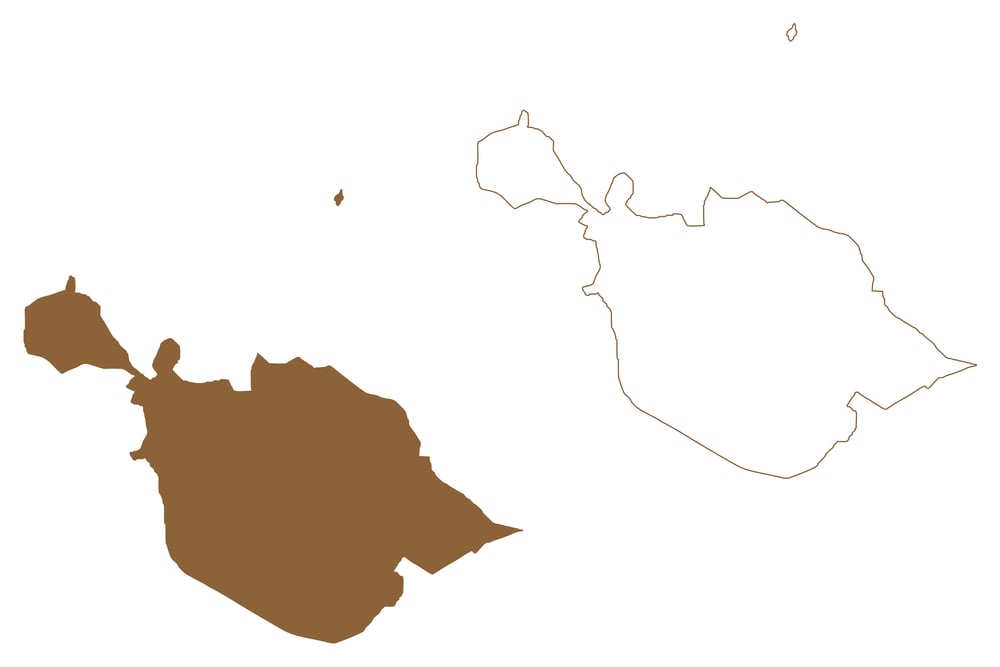
Located in the remote sub-Antarctic Indian Ocean and home to an active volcano, Heard Island is technically open to visitors under Australian permit but is so isolated and difficult to reach that almost no one ever sets foot there. Fewer people are believed to have visited the island than have climbed Mount Everest.
The Lion City of Qiandao Lake
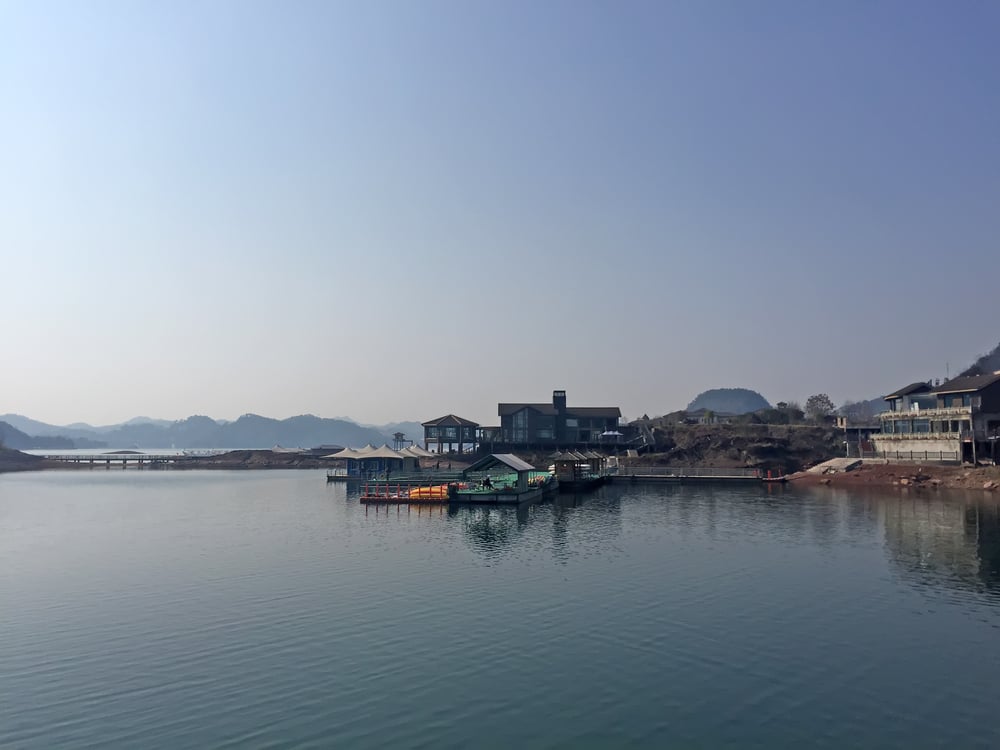
An ancient Chinese city dating back roughly 1,300 years was deliberately flooded in 1959 during the construction of a hydroelectric dam, submerging it beneath what is now Qiandao Lake. The remarkably preserved ruins are accessible only to licensed technical divers, leaving the general public with no way to visit the site directly.
Diego Garcia
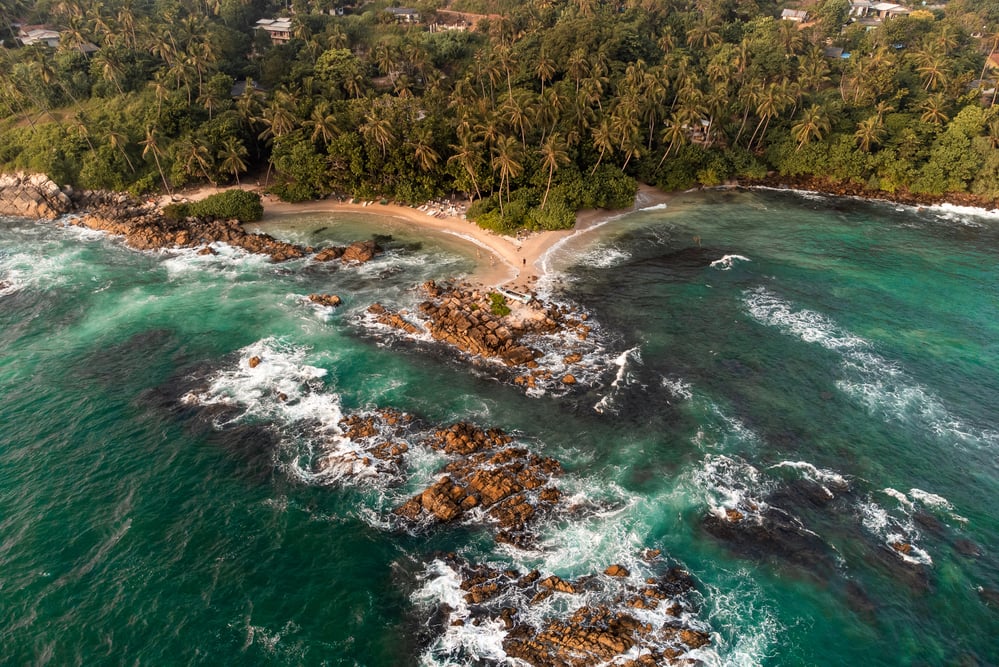
This British-administered island in the Indian Ocean hosts a major joint British and American military base, and its former Chagossian residents were forcibly removed decades ago to make way for it. The island remains closed to virtually all civilian visitors, and the removed population’s decades-long legal fight to return has still not resulted in public access being restored.
The Tomb of Genghis Khan
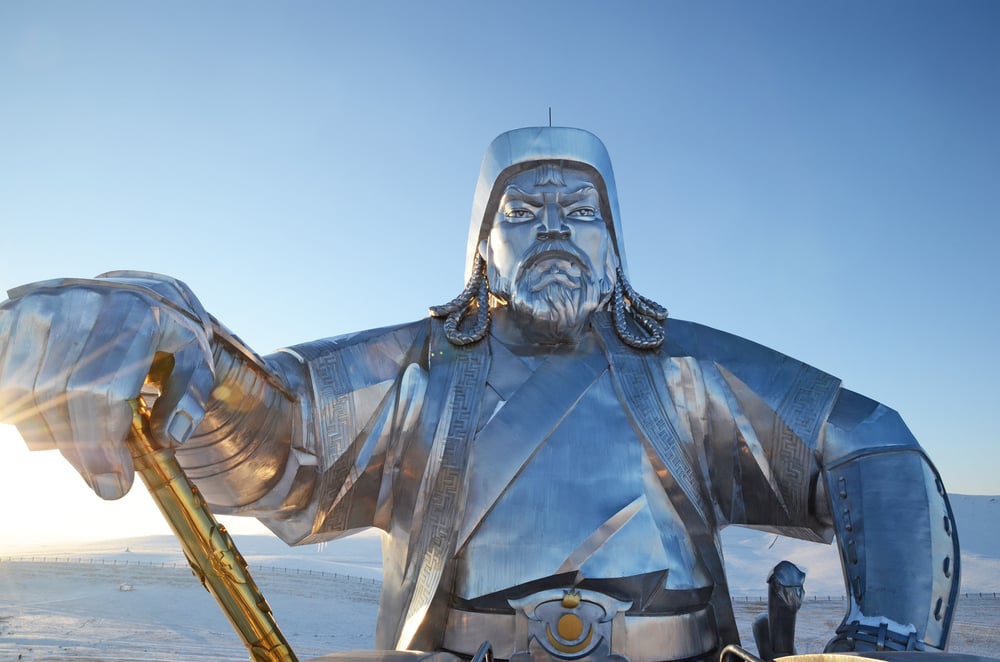
Unlike most sites on this list, the tomb of Genghis Khan is closed not by choice but by circumstance, since its location has never been definitively found. Mongol tradition holds that his followers deliberately concealed and later erased any trace of the burial site, and despite decades of searching, no confirmed tomb has ever been located for the public, or anyone else, to visit.
The Boneyard at Davis-Monthan
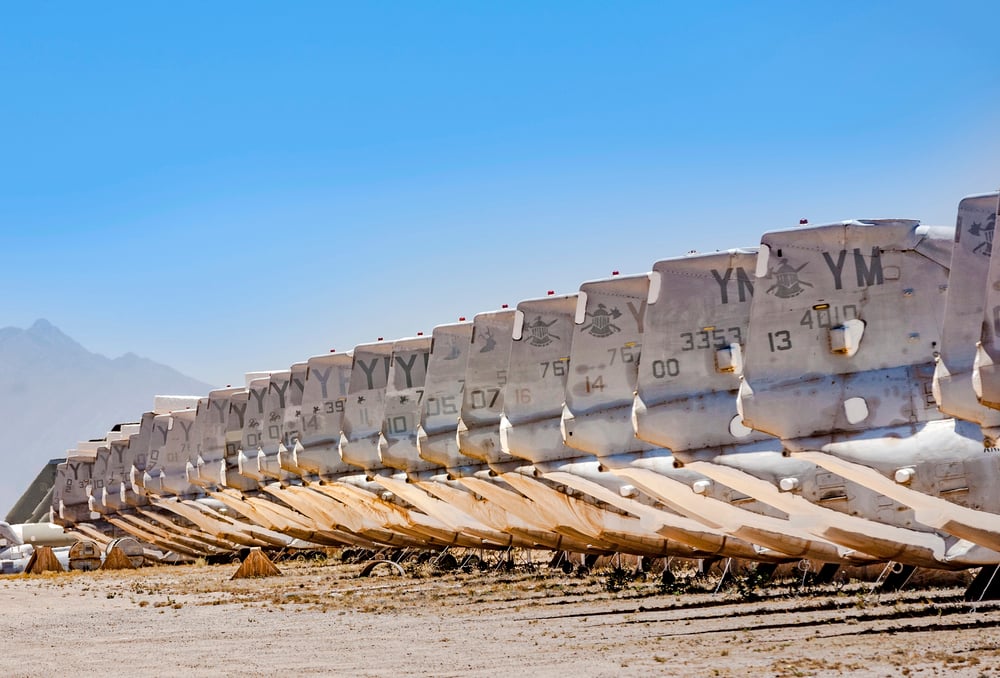
The 309th Aerospace Maintenance and Regeneration Group, known informally as the Boneyard, stores thousands of retired military aircraft on a vast stretch of Arizona desert. The facility is an active military installation closed to unescorted public entry, though limited bus tours operated through a nearby museum offer a distant, guided look at the rows of retired planes in long-term storage.
The Nuremberg Zeppelin Tribune
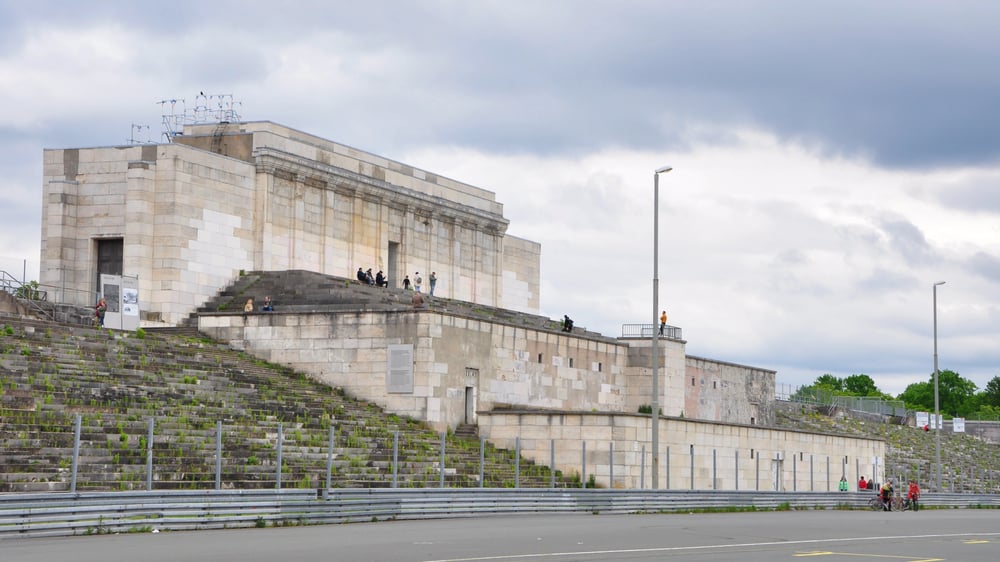
The grandstand where Adolf Hitler once addressed massive Nazi party rallies in Nuremberg has fallen into serious structural disrepair, and German authorities closed the crumbling tribune to public access over safety concerns. City officials have debated for years whether to fully restore, partially preserve, or eventually demolish the deteriorating structure.
The Titanic Wreck Site
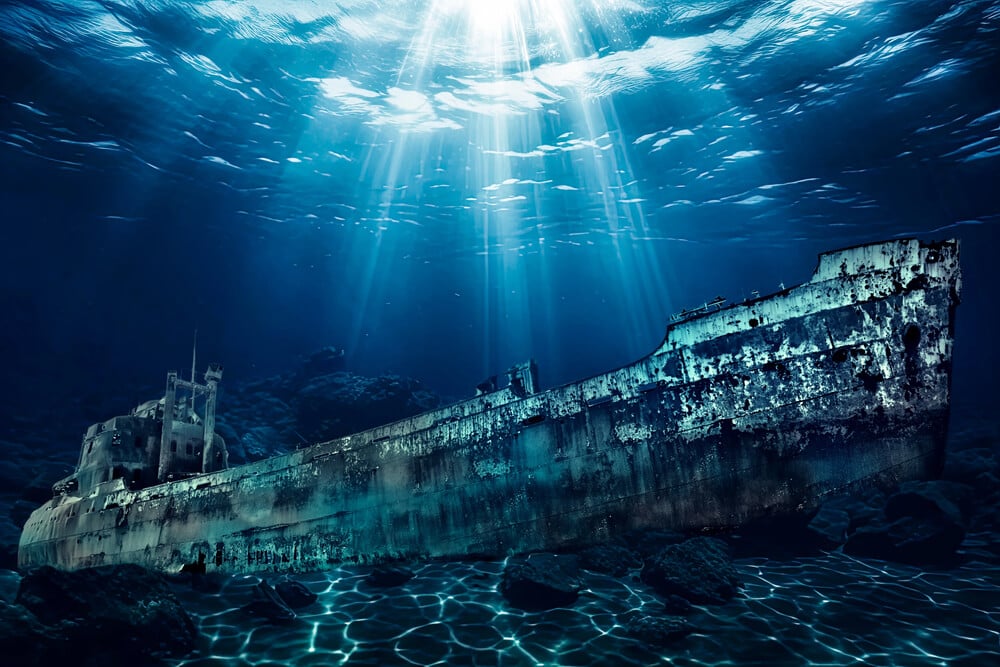
The wreck of the Titanic, resting more than two miles deep in the North Atlantic, was formally designated an international maritime memorial in 2012, and access is now legally restricted under an agreement between the United States and United Kingdom. Only expeditions granted specific permits may approach the site, following growing concern over damage caused by decades of tourist and salvage dives.
Aldabra Atoll
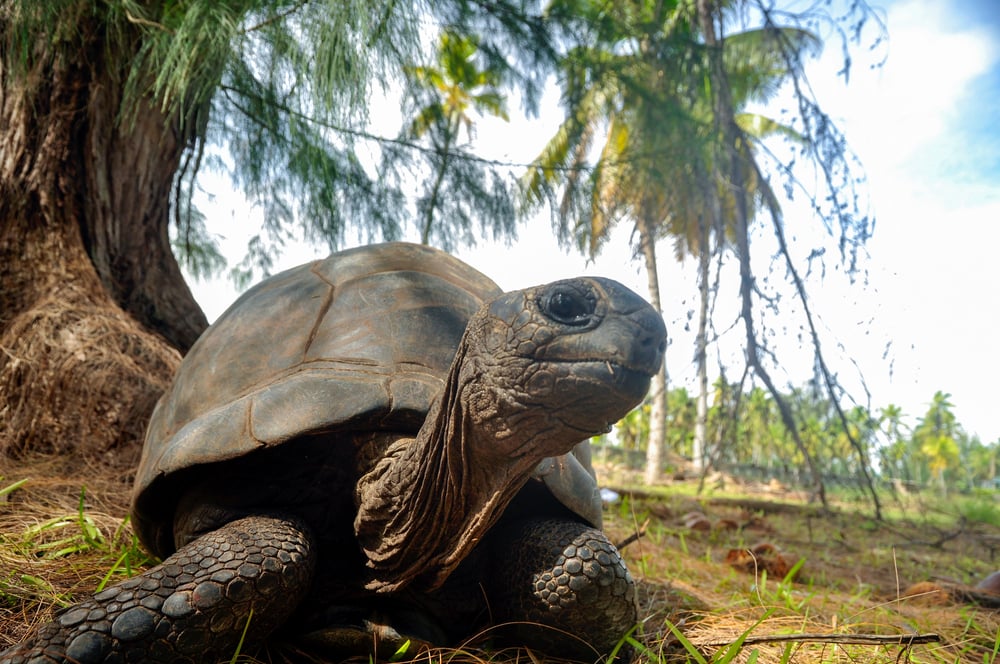
One of the largest raised coral atolls in the world, Aldabra in the Seychelles is home to a population of giant tortoises found almost nowhere else and has been designated a strict nature reserve. Only a small number of scientists and rangers are permitted to live and work there, with general tourism prohibited to protect the atoll’s isolated ecosystem.
The Duga Radar Array
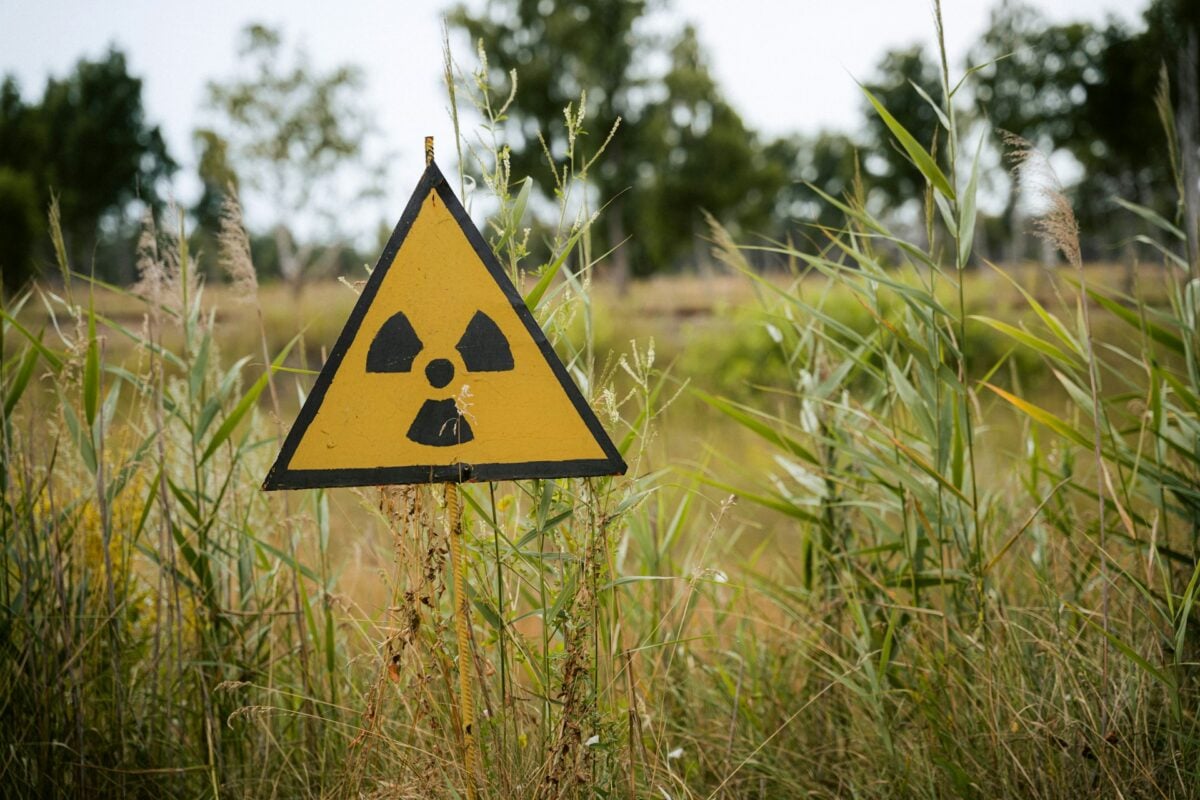
This massive Soviet over-the-horizon radar installation near Chernobyl, built to provide early warning of a missile launch, was abandoned after the nearby nuclear disaster and the collapse of the program that funded it. While portions of the surrounding exclusion zone now permit guided tours, the antenna structure and its control buildings remain officially closed due to structural and radiological hazards.
The Chapel of the Holy Shroud, Turin
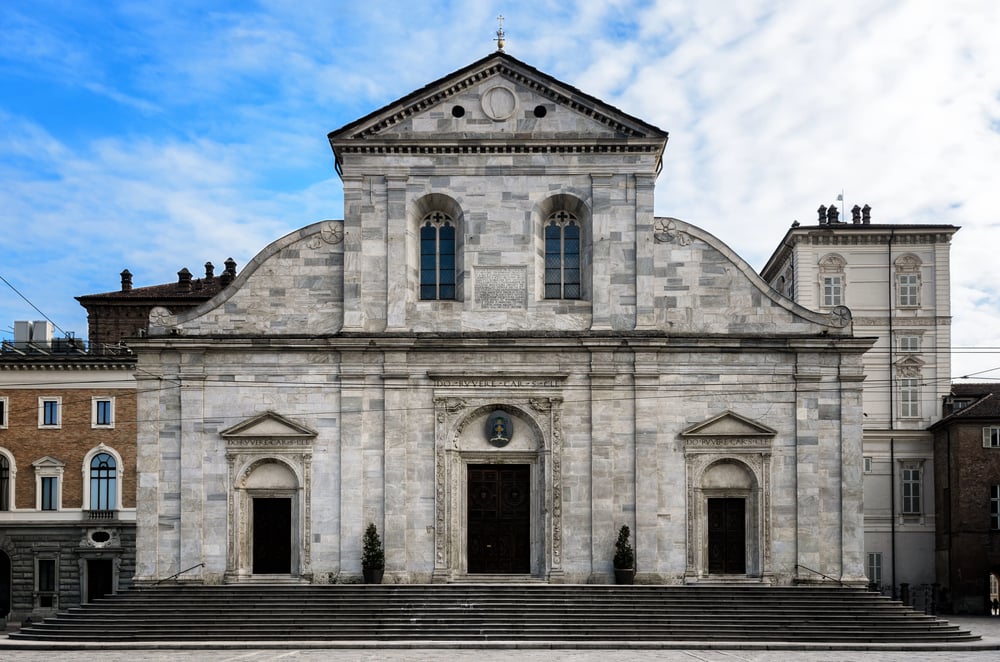
The chapel built specifically to house the Shroud of Turin, a linen cloth associated with claims about the burial of Jesus, suffered severe fire damage in 1997 and has undergone lengthy restoration since. The shroud itself is displayed to the public only on rare, specially announced occasions, and the chapel’s interior remains closed outside those limited viewing periods.
The Weight of a Locked Door
A closed site is not the same as a forgotten one. If anything, the opposite is usually true: the fences, guards, and restricted permits exist precisely because too many people already want in, whether out of scientific curiosity, religious devotion, or simple fascination with a place that history has marked as significant.
What these places share is not secrecy for its own sake but a judgment, made by someone with the authority to enforce it, that the site is too fragile, too sacred, too dangerous, or too sensitive to survive open access. The closure itself has become part of each place’s story.
More from Go2Tutors!

- The Romanov Crown Jewels and Their Tragic Fate
- 13 Historical Mysteries That Science Still Can’t Solve
- Famous Hoaxes That Fooled the World for Years
- 15 Child Stars with Tragic Adult Lives
- 16 Famous Jewelry Pieces in History
Like Go2Tutors’s content? Follow us on MSN.