27 Saturday Morning Rituals Kids No Longer Have
For decades, Saturday morning followed an unwritten script: wake up early, plant yourself in front of the television, and stay there through a lineup that existed nowhere else during the week. The ritual was so consistent that entire industries built their release schedules around it.
Streaming and on-demand viewing quietly dismantled the whole structure, and with it, a specific kind of childhood routine that an entire generation once shared without ever discussing it.
Waking Up Before Anyone Else in the House

Kids trained themselves to wake earlier on Saturdays than any school day, often before their parents, specifically to catch the very first show of the morning lineup before it aired only once. Missing those first fifteen minutes meant missing the episode entirely until a rerun, if one ever came.
The instant availability of on-demand content removed any reason to set an early alarm for a specific broadcast time.
Pouring a Bowl of Cereal Before the TV Even Warmed Up

The ritual bowl of cereal was timed precisely to the opening theme song, poured during the commercial break before the first show so nothing was missed once it started. Many kids ate directly in front of the television rather than at the table, treating it as an accepted weekend exception to the rule.
Streaming’s pause and rewind functions eliminated the need to time breakfast around a fixed broadcast schedule.
Fighting Siblings Over Who Controlled the Channel Dial

With only one television in most households, Saturday mornings frequently involved genuine negotiation, or outright conflict, between siblings over which channel’s lineup would win out for the morning. Whoever got up first often claimed informal control over the set for the day.
Multiple streaming devices and personal screens have made shared-television disputes largely a thing of the past.
Checking the TV Guide the Night Before
Families relied on a printed weekly TV guide to plan exactly which shows would air Saturday morning, often circling favorites in pen the night before. Losing track of the schedule meant genuinely missing a show with no way to catch it later.
Digital guides and searchable streaming libraries removed any need to plan viewing in advance.
Sitting Exactly the Right Distance From the Screen
Parents commonly enforced a rule about sitting a certain distance back from the television, a rule kids negotiated down inch by inch every week as the morning wore on. It reflected genuine, if somewhat overstated, concerns about eye strain from television sets of the era.
Modern screens and viewing habits across phones, tablets, and televisions have made that specific parental rule almost entirely obsolete.
Racing to Answer the Phone During Commercial Breaks

If the phone rang during a Saturday morning show, kids would sprint to answer it as fast as possible specifically to get back to the couch before the program resumed. A call that ran too long risked missing key plot points with no way to rewind.
Streaming’s ability to pause anything at any moment eliminated the urgency around interruptions entirely.
Collecting the Toy Tie-Ins From the Cereal Box

Saturday morning shows were closely tied to cereal box promotions, and kids would beg for a specific brand purely because of the toy or decoder ring packed inside that week, tying breakfast directly to the morning’s programming. Trading these prizes with friends became its own small social economy.
Cereal box promotions still exist but no longer carry the same cultural weight tied to a specific weekly broadcast.
Watching Commercials as Part of the Experience

Saturday morning commercials, largely aimed directly at children, became as memorable as the shows themselves, with certain jingles and mascots recalled decades later by people who grew up watching them. Skipping a commercial meant physically leaving the room, which most kids simply didn’t bother doing.
Ad-skipping and commercial-free streaming have made that specific, unavoidable advertising experience essentially extinct.
Getting Dressed in Pajamas All Morning on Purpose
Staying in pajamas specifically through the entire Saturday morning lineup became an accepted ritual in many households, treated as a small, sanctioned break from the routine of getting dressed for school every other day of the week. Parents rarely pushed back on it until the shows ended.
The specific cultural marker of “still in pajamas for cartoons” has faded as viewing shifted away from a fixed morning block.
Calling a Friend to Compare Notes on What Happened

Without any way to rewatch a missed episode, kids called friends immediately after a show ended specifically to fill in details they missed or to debate what a cliffhanger ending might mean for the following week. The conversation had real urgency because there was no other way to catch up.
Instant rewatching and online recaps removed the need for this kind of appointment-based social catch-up.
Setting Up Snacks for a Marathon Viewing Block
Some households treated the entire morning lineup as a single extended event, with a parent setting out an actual spread of snacks meant to last through several consecutive hours of programming. It functioned almost like a small in-house event with its own preparation.
On-demand viewing spread throughout the day and week has removed the specific concept of a single, concentrated morning block worth prepping snacks for.
Arguing Over Whether a Show Counted as a Cartoon

Kids developed surprisingly strict internal rules about which shows legitimately belonged in the cartoon lineup versus which were live-action interlopers that didn’t belong, arguments that could get genuinely heated among friends. The distinction mattered enormously in the moment even if it seems trivial in hindsight.
The blending of animated and live-action content across streaming platforms has made that specific genre gatekeeping largely irrelevant.
Racing Outside the Moment the Lineup Ended

The end of the Saturday morning block functioned as an unofficial signal that indoor time was over, with kids bolting outside the moment the last show wrapped up, often as if a bell had rung. Parents frequently used the schedule itself as an informal cutoff point without needing to enforce a separate rule.
Without a fixed end time to programming, that natural transition point has largely disappeared from modern routines.
Watching Reruns Specifically Because They Were New to You

Because reruns aired on a rotating schedule kids couldn’t control, catching an unfamiliar older episode felt like a genuine discovery rather than a rewatch, since there was no guarantee of ever seeing that particular one again. The randomness of the rerun schedule created real anticipation.
Full-series availability on demand has eliminated that specific feeling of stumbling onto something unexpected.
Negotiating With Parents Over the Weekly Time Limit

Many households enforced a strict cutoff, often framed as “cartoons until nine” or similar, and kids negotiated over that boundary every single week with the same tired arguments. The limit existed specifically because the programming itself had a fixed, known schedule to negotiate against.
Without a fixed block of morning programming, that specific weekly negotiation over screen time has shifted into a completely different, less structured argument.
Recording Shows on a VCR to Rewatch Later
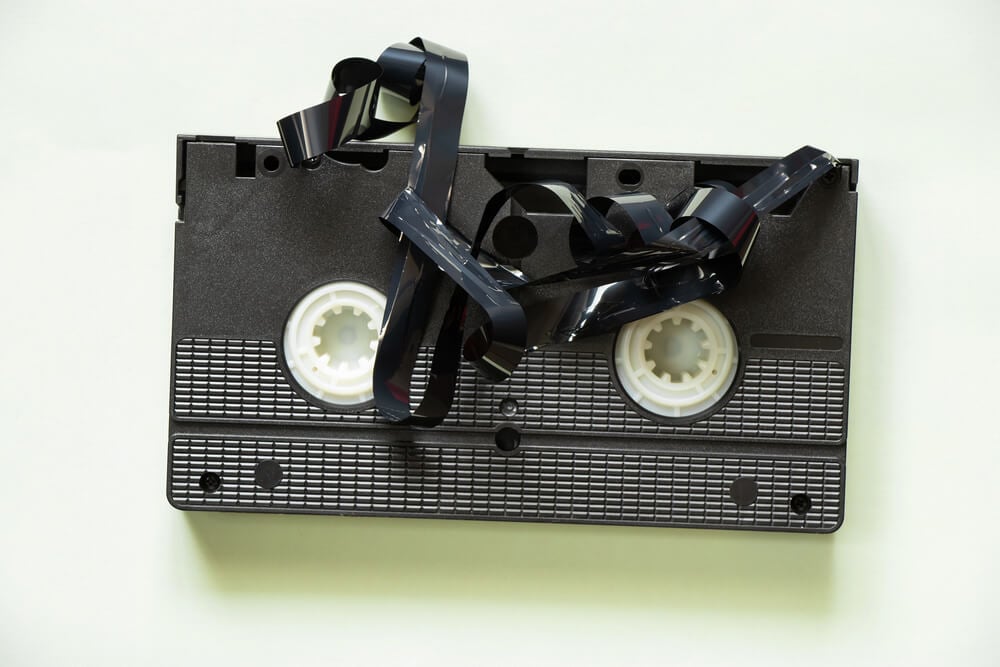
Families with a VCR treated recording the Saturday lineup as a small technical project, carefully timing the tape and labeling it for later rewatching, often building an actual home library of favorite recorded episodes. A failed recording, due to a forgotten tape or timer error, was treated as a genuine loss.
Instant, permanent streaming access has erased any need for the effort and uncertainty that came with physically recording a broadcast.
Discussing the Lineup Order Like a Sacred Schedule

Kids memorized the exact sequence of shows each week with surprising precision, treating the specific order almost like a ritual itself rather than an arbitrary programming decision. Changes to the lineup order could provoke genuine complaints among young viewers.
Personalized, on-demand queues have replaced any shared, fixed sequence that an entire audience experienced identically.
Waiting an Entire Week for a Cliffhanger Resolution

A cliffhanger ending meant a full seven days of anticipation with absolutely no way to shorten the wait, leading kids to speculate obsessively with friends about what might happen next. That stretch of forced patience became part of the emotional experience of watching itself.
Full-season releases and instant next-episode access have removed the extended wait that once defined the cliffhanger format.
Treating the Couch Cushions as Assigned Seating

Households with multiple kids often developed unspoken but rigidly enforced seating arrangements on the couch for Saturday mornings, with the best spot treated as a genuine point of competition each week. Arriving late to the living room could mean losing your usual seat entirely.
Individual screens and staggered viewing habits have made the specific ritual of claiming a shared couch spot far less relevant.
Watching With the Volume Turned Up Specifically Loud

Parents often granted a specific Saturday morning exception allowing the television volume higher than usual, treating it as a small permitted indulgence tied to the day itself rather than an everyday allowance. The exception made the morning feel distinctly different from a regular weekday.
Personal headphones and individual streaming devices have made loud shared television volume, permitted or not, largely unnecessary.
Keeping a Mental List of Which Toys Were Advertised

Kids kept careful, almost competitive mental track of which toy commercials aired during the morning block, building an internal wish list purely from what happened to be advertised that particular week. The list shaped birthday and holiday requests directly.
Targeted digital advertising has replaced that specific, communal experience of an entire generation seeing the same toy ads at the same time.
Getting Genuinely Upset Over Preemptions for Sports or News

A live sporting event or breaking news broadcast preempting the regular lineup could provoke real, immediate disappointment among kids who had planned their entire morning around a specific show. There was no alternative way to watch what had been bumped.
On-demand libraries have made programming preemption a nonissue, since nothing airing elsewhere can bump content that isn’t tied to a broadcast slot in the first place.
Building an Entire Wardrobe Around Favorite Characters
Saturday morning viewing directly shaped what kids wanted to wear, with entire lines of pajamas, shirts, and backpacks tied to a specific show’s characters, updated as the lineup itself changed season to season. Wearing the wrong character to school could carry real social weight among peers.
Character merchandise still exists but no longer traces back to one specific, universally shared Saturday broadcast block.
Timing Chores Around the Broadcast Schedule
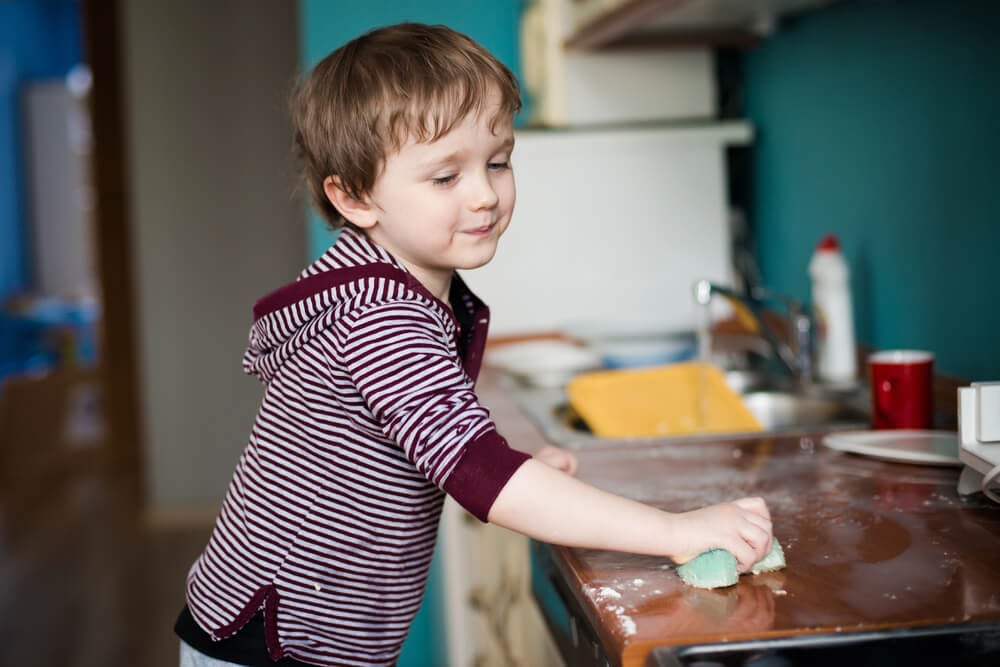
Parents who required Saturday chores often structured them explicitly around the programming block, either before it started as a condition of watching or immediately after it ended as a firm transition. The fixed schedule gave both parent and child a shared, unambiguous reference point for negotiation.
Without a fixed viewing block, that specific structure for negotiating weekend responsibilities has largely disappeared from most households.
Comparing Notes at School the Following Monday

Because an entire generation of kids watched largely the same limited set of channels, Monday morning conversations at school frequently referenced Saturday’s lineup as shared cultural ground that virtually everyone in the room understood. Missing a major episode could genuinely leave a kid out of the conversation.
The fragmentation of viewing across dozens of platforms has made that specific kind of shared reference point far less common among kids today.
Watching the Same Holiday Specials at the Exact Same Time Every Year
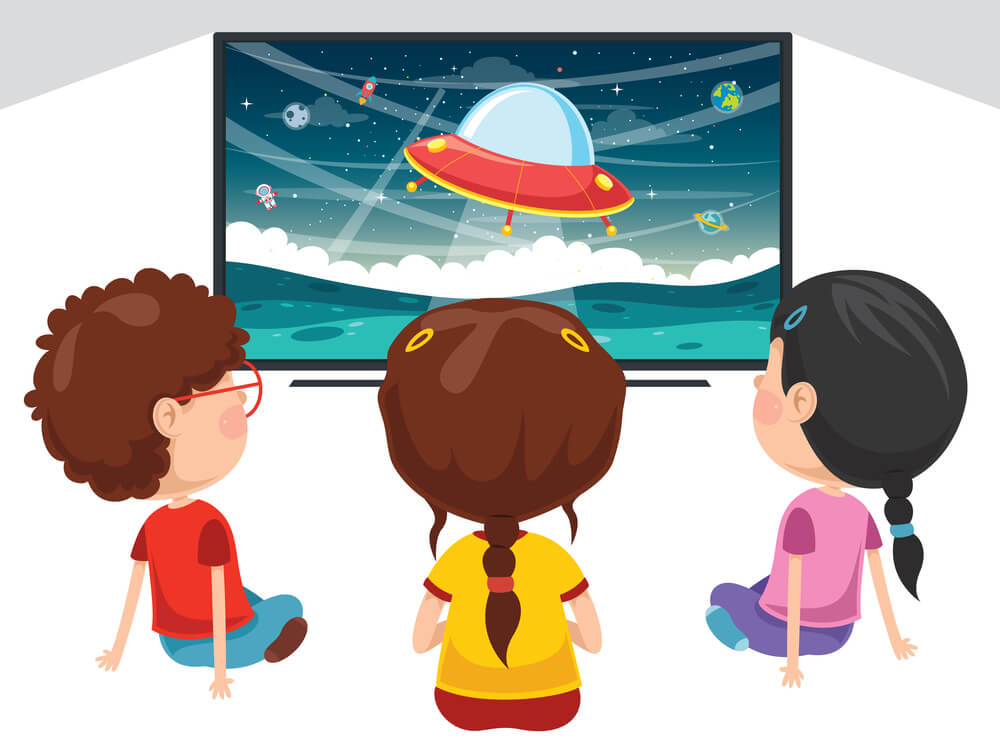
Certain specials aired on a specific Saturday each year with no other opportunity to watch them, turning the broadcast itself into an annual event tied to a fixed calendar date rather than something available whenever wanted. Missing the single yearly airing meant waiting a full year to try again.
Year-round on-demand access has removed the scarcity that once made these annual broadcasts feel like genuine events.
Falling Asleep on the Floor Before the Lineup Even Finished

Younger kids who woke unusually early to catch the first show often ended up dozing off directly on the living room floor well before the morning block wrapped up, worn out by their own early start. Parents frequently let them sleep through it rather than waking them for the rest of the lineup.
Without a reason to wake up early for fixed programming, that specific pattern of early-morning exhaustion has faded along with the ritual that caused it.
What Saturday Morning Actually Structured

None of this was really about the shows themselves, most of which were fairly simple and forgettable on their own. What made the ritual matter was the shared structure: an entire generation of kids waking up at roughly the same time, watching roughly the same things, in roughly the same order, without ever coordinating it.
Streaming gave kids more control and more choice, and almost nobody would trade that back. But it also quietly dissolved a specific kind of collective experience that an entire childhood used to organize itself around, one Saturday morning at a time.
More from Go2Tutors!

- The Romanov Crown Jewels and Their Tragic Fate
- 13 Historical Mysteries That Science Still Can’t Solve
- Famous Hoaxes That Fooled the World for Years
- 15 Child Stars with Tragic Adult Lives
- 16 Famous Jewelry Pieces in History
Like Go2Tutors’s content? Follow us on MSN.