29 Summer Traditions Neighborhood Kids Once Shared
Summer used to run on a schedule set by daylight and boredom instead of a calendar app. Kids left the house after breakfast, found whoever else was outside, and built an entire day around whatever the neighborhood happened to offer that particular afternoon.
None of it required much planning or money. What it required was a street full of other kids willing to show up, and a set of shared rituals that every neighborhood seemed to reinvent on its own without anyone writing the rules down.
Chasing the Ice Cream Truck
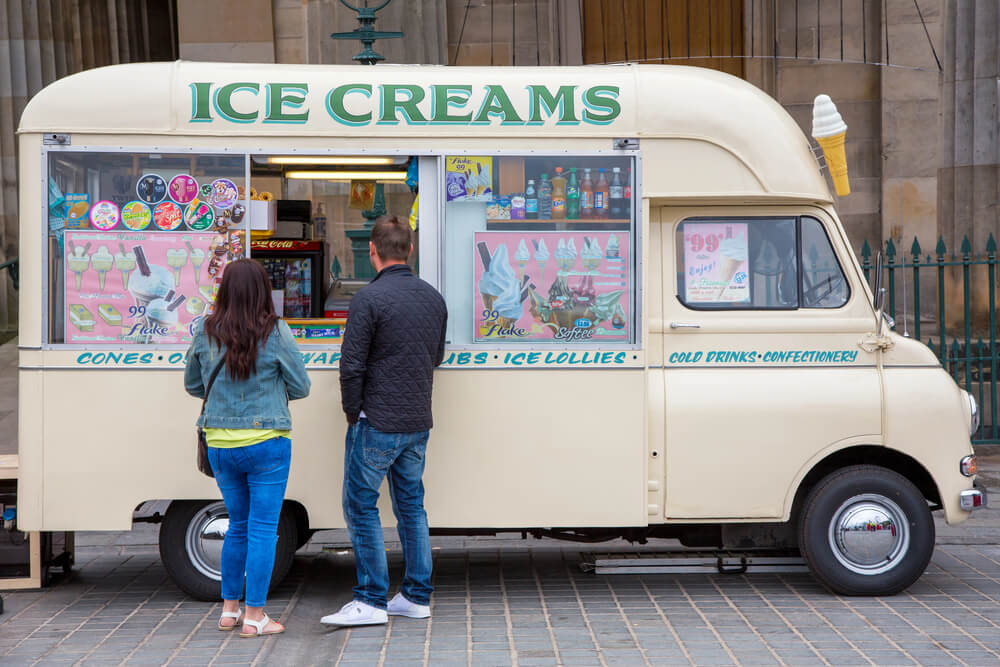
The distant jingle of an approaching ice cream truck could empty a block of kids in seconds, all of them sprinting toward the sound with whatever loose change they could grab on the way out the door. Missing the truck meant waiting, sometimes for days, for it to circle back through the same streets again.
Running Through the Sprinkler
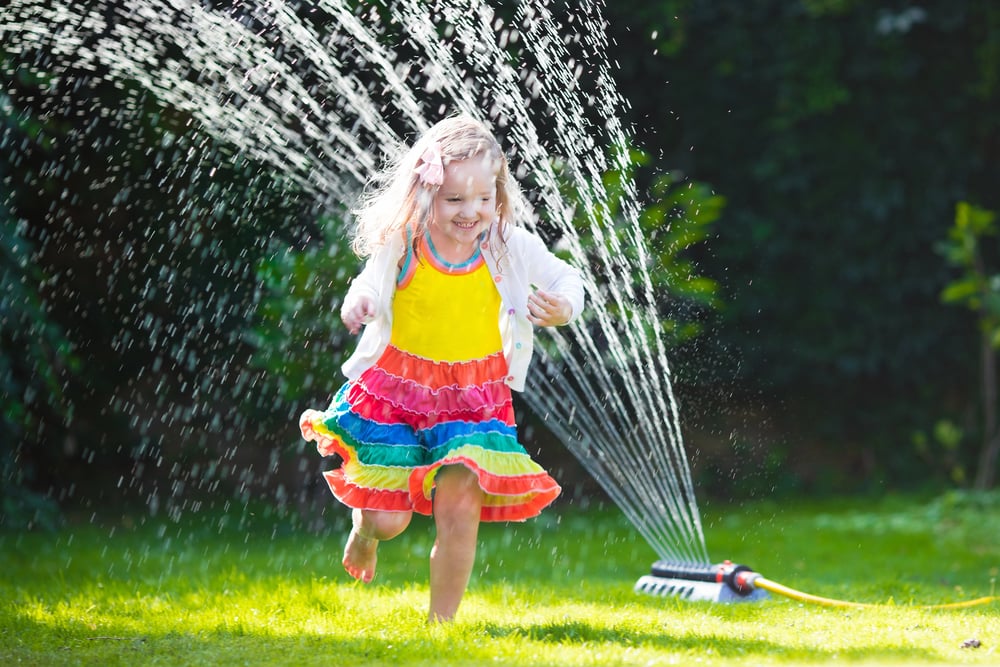
A garden sprinkler set up in the front yard became an entire afternoon’s entertainment, with kids taking turns running through the spray until someone’s parent finally called everyone in for dinner. It required no setup beyond a hose and a patch of grass, which made it one of the most reliably repeated rituals of the season.
Catching Fireflies in Mason Jars
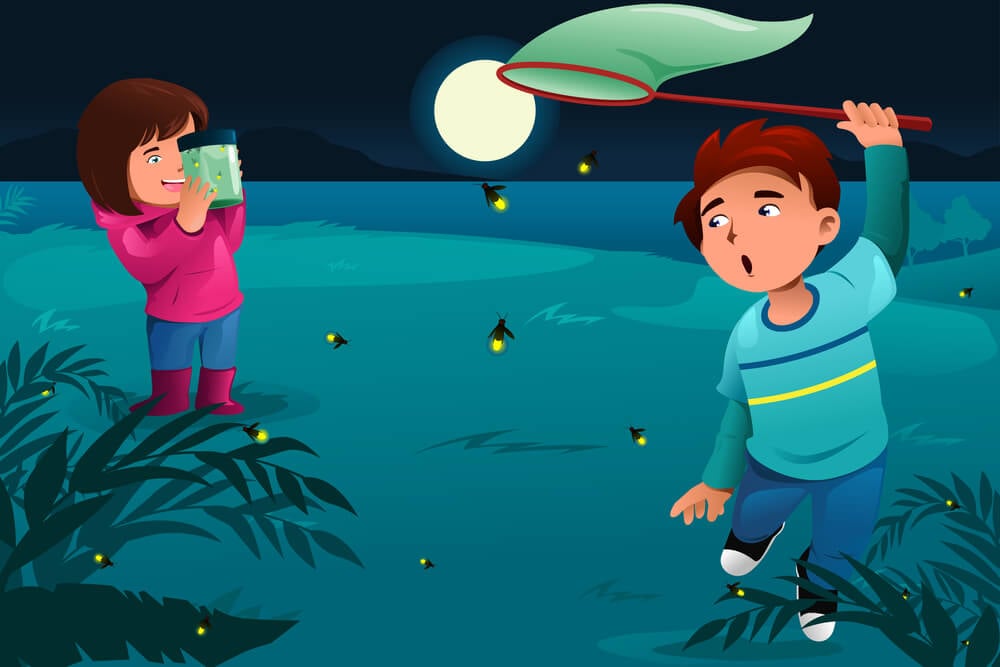
As dusk settled in, kids across a neighborhood would fan out across yards with mason jars, punching small openings in the lids and racing to see who could catch the most fireflies before being called inside. Most jars were released by morning, the catching itself being the entire point rather than any plan to keep them.
Marathon Sidewalk Chalk Drawings
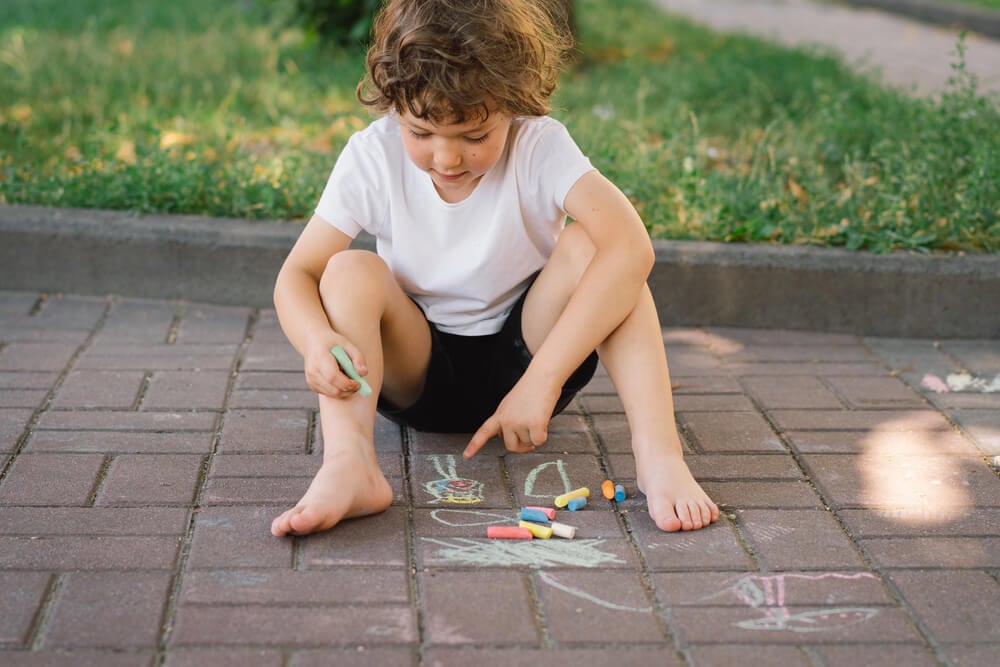
An entire driveway or stretch of sidewalk could disappear under chalk drawings that took an afternoon to complete, often turning into a collaborative mural among several kids working on adjoining sections at once. The next good rain would erase weeks of collective effort in minutes, and nobody seemed to mind beginning again.
Homemade Lemonade Stands

A card table, a pitcher of powdered lemonade, and a hand-lettered sign were enough to launch a lemonade stand at the end of a driveway, usually staffed by kids more interested in the novelty of running a business than in the modest profit involved. Neighbors bought a cup out of goodwill as much as thirst.
Riding Bikes Until the Streetlights Came On
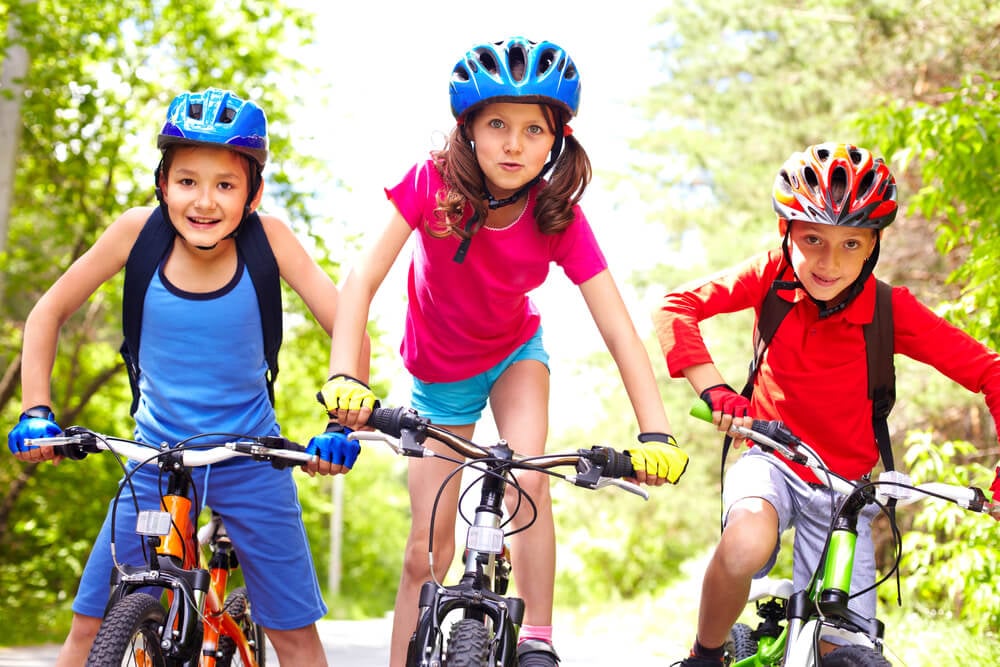
The neighborhood’s collective curfew was rarely a specific time so much as a visual cue: when the streetlights flickered on, every kid within earshot of their own name being called knew it was time to head home. Bikes covered enormous informal territory during the hours before that, crossing yards and cutting through connecting paths kids knew better than most adults did.
Kick the Can at Dusk

A rusted can set in the middle of the street served as the anchor for a hide-and-seek variant that could stretch across an entire block, with kids of wildly different ages playing together simply because it was the game happening that night. Rounds often lasted until it was too dark to see who was hiding where.
Hopscotch Courts Drawn in Chalk
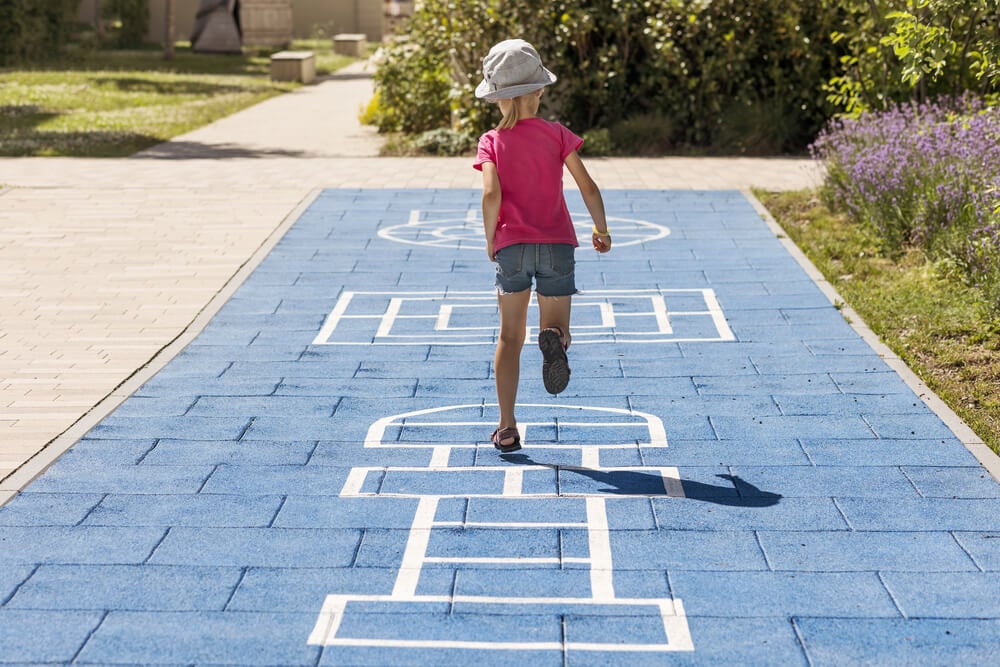
A hopscotch grid scratched into a driveway with chalk turned into a semi-permanent fixture for the summer, redrawn every time rain washed it away and re-litigated constantly over whose turn came next. The game required nothing more than a small stone and enough patience to hop in a straight line.
Water Gun Fights Across the Block

Plastic water guns, refilled constantly at whichever hose was closest, fueled loosely organized battles that could sprawl across several connected yards at once. Alliances shifted mid-fight depending on who still had ammunition, and the entire match usually ended with everyone soaked regardless of who claimed to have won.
Backyard Blanket Forts
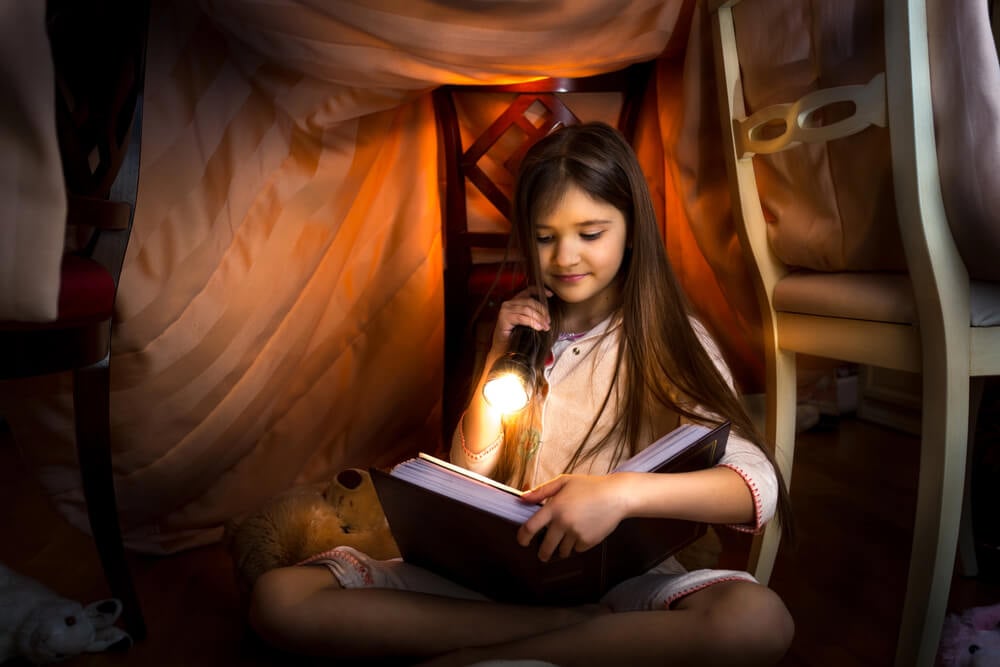
Built from couch cushions, bedsheets, and whatever furniture could be dragged outside, blanket forts turned a backyard into a temporary hideout that felt far more private than its actual visibility from the kitchen window suggested. Forts were taken down and rebuilt constantly, each version slightly more ambitious than the last.
Catching Tadpoles in Creek Nets
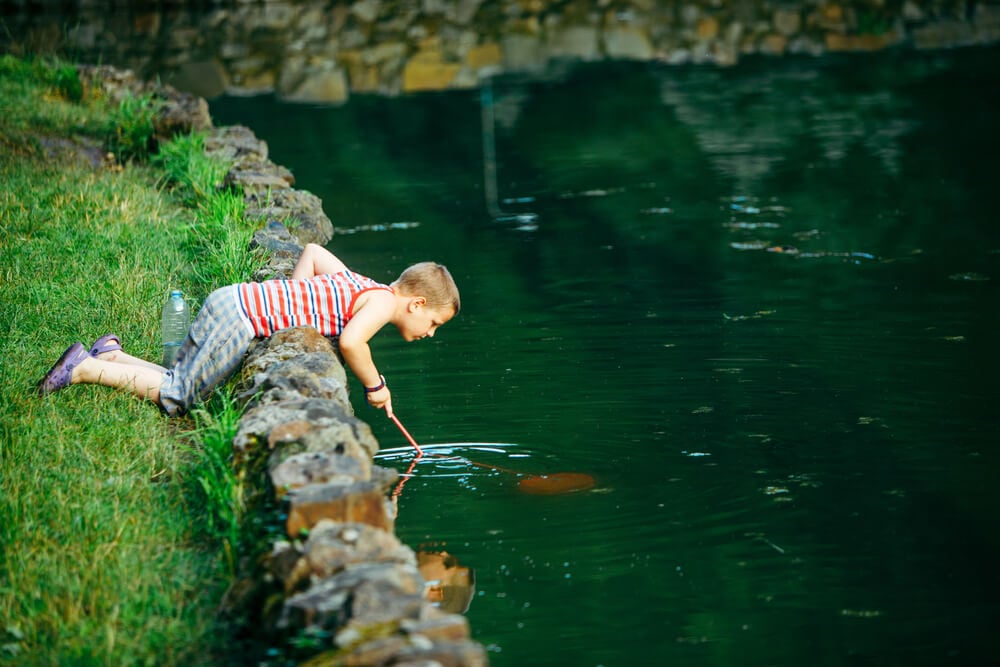
Neighborhood creeks and drainage ditches became a destination for kids armed with a net and a jar, wading in to catch tadpoles and watch them develop over the following weeks. Most were eventually released back into the same water they came from, the observation being the real reward rather than any long-term plan to keep them.
Backyard Tent Sleepovers
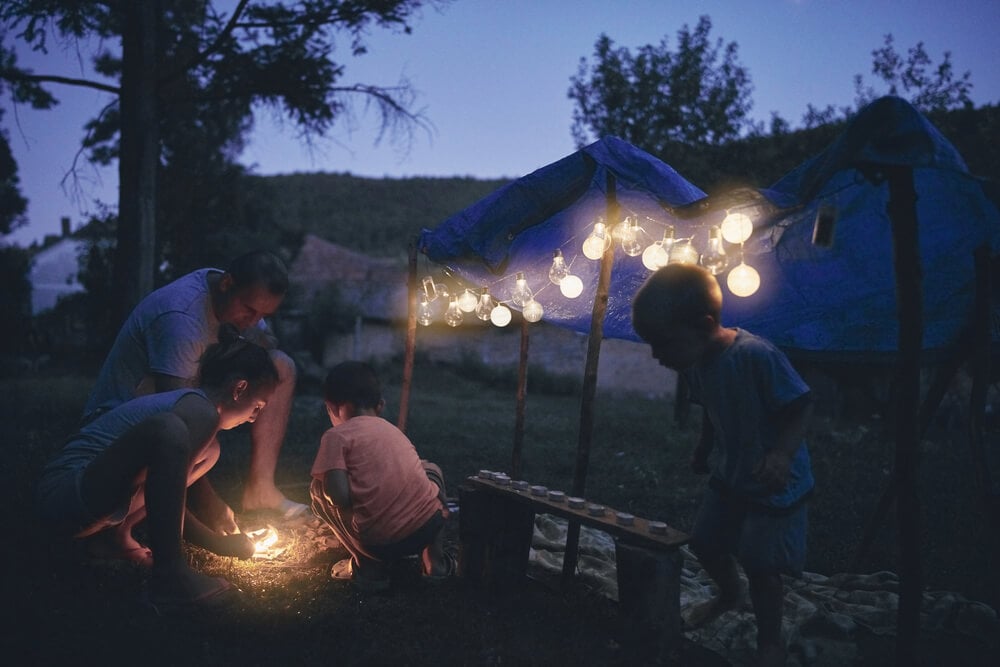
A tent pitched in a backyard, sometimes shared between two or three kids from neighboring houses, offered just enough distance from the actual house to feel like an adventure while staying close enough that nobody was really alone. Flashlights and ghost stories were mandatory, actual sleep was optional.
Trading Comic Books on the Porch

Porches functioned as informal trading posts where kids swapped comic books, trading cards, or whatever collectible was popular that summer, negotiating trades with a seriousness that rarely matched the actual monetary value involved. A good trade could be the highlight of an otherwise uneventful afternoon.
Making Mud Pies
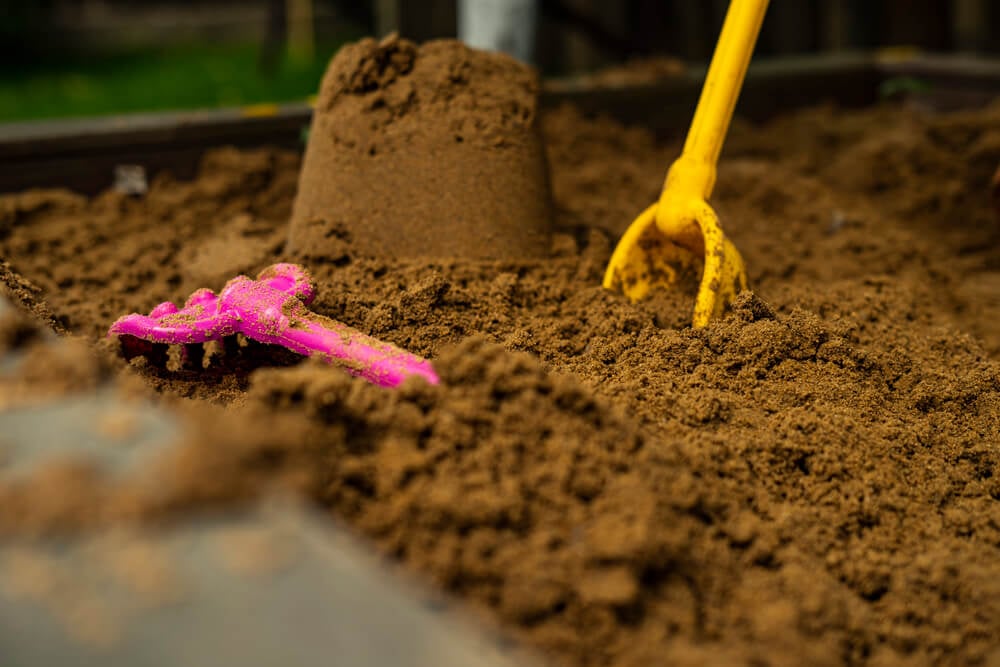
A patch of dirt, a garden hose, and a scavenged collection of old pots and pans were all it took to set up a mud pie kitchen, usually staffed by younger kids imitating whatever cooking show or family recipe they had half-absorbed. The pies were never eaten, but the process was taken with genuine culinary seriousness.
Racing Homemade Go-Karts Down a Hill
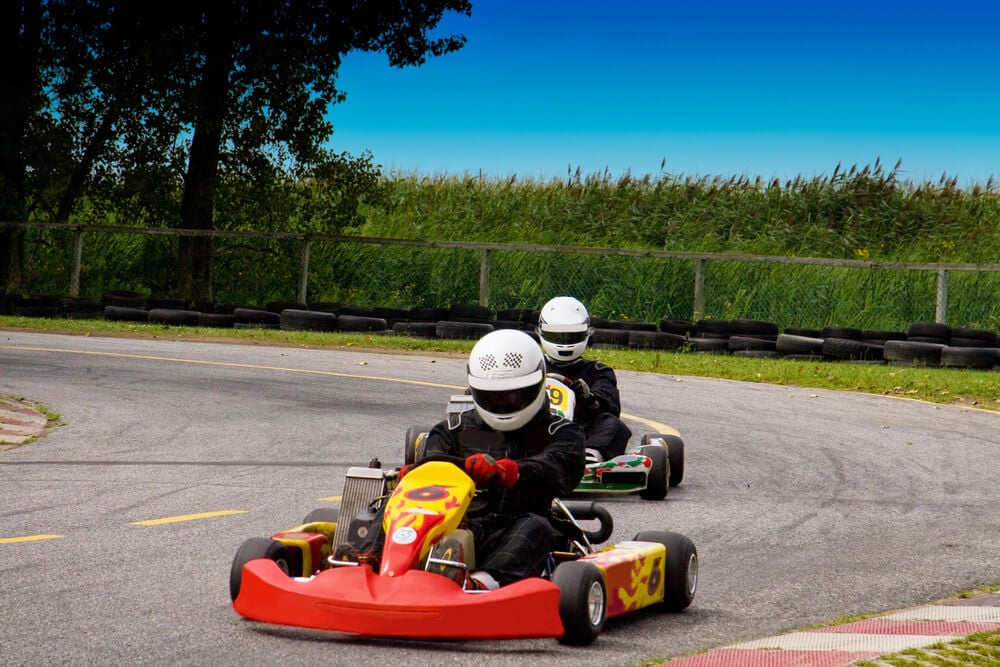
Built from spare wood, old wagon wheels, and whatever hardware a garage had lying around, homemade go-karts turned any neighborhood hill into an informal racetrack. Braking systems were often theoretical at best, and most runs ended with a controlled crash into a hedge or a patch of grass rather than a clean stop.
Sparklers on the Driveway at Dusk

As soon as it was dark enough, sparklers came out for an activity that required almost no coordination beyond a lighter and a driveway clear of anything flammable. Writing names in the air with the trailing light was a near-universal ritual performed by every kid who ever held one.
Flashlight Tag After Dark
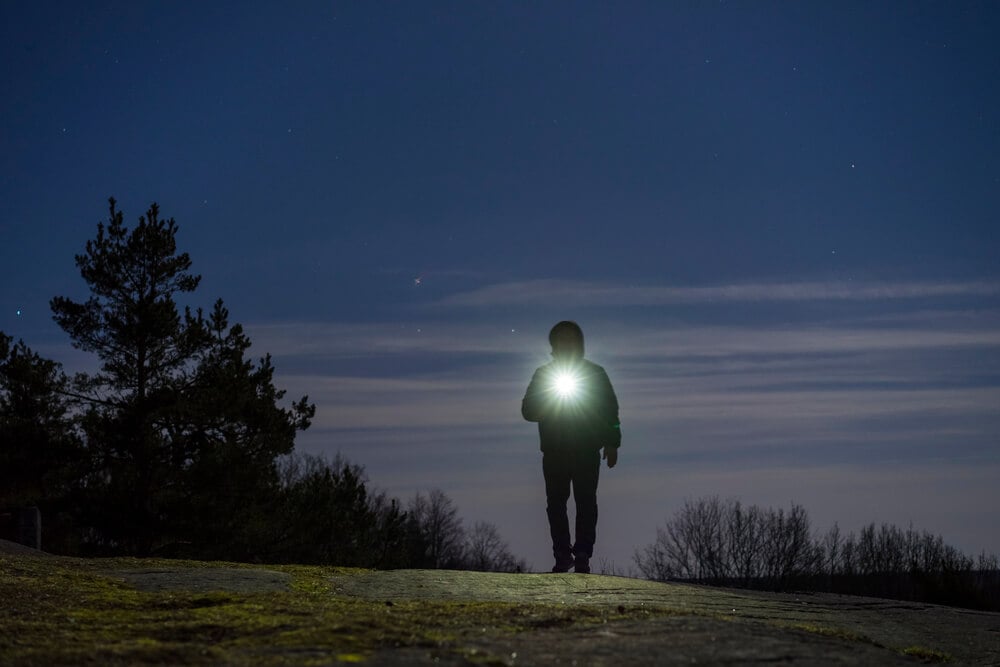
A variation on hide-and-seek played after sunset, flashlight tag used a beam of light instead of a physical touch to tag someone out, turning an ordinary yard into a genuinely tense hunting ground once the sun went down. The game relied entirely on a neighborhood’s willingness to let kids stay out well past when it got dark.
Double-Dutch Jump Rope Chants
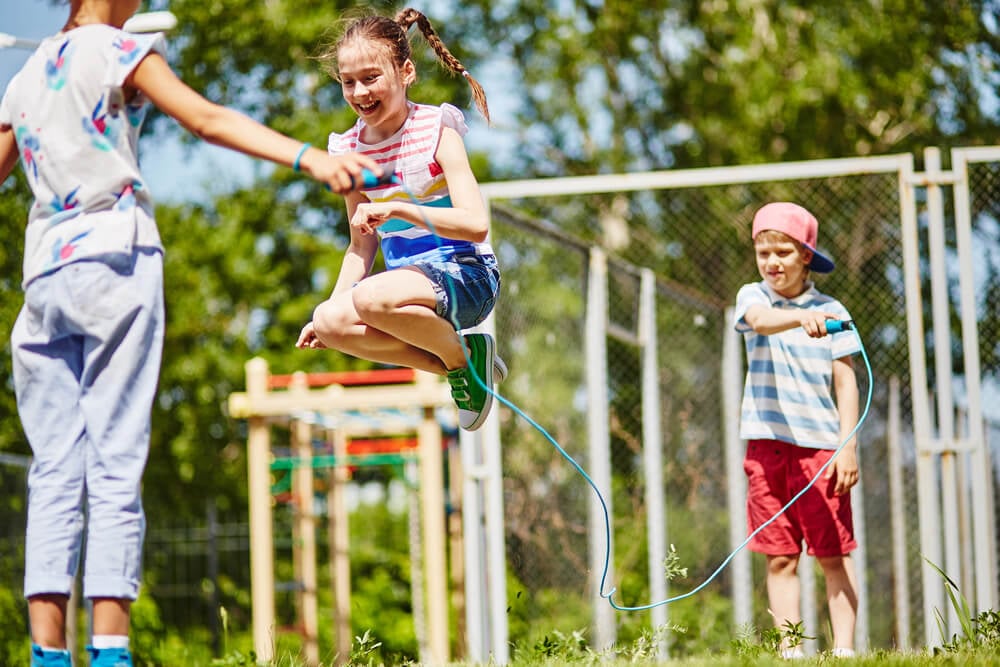
Two ropes turning in opposite directions demanded real coordination, and the chants that accompanied double-Dutch became their own oral tradition, passed from older kids to younger ones on porches and driveways across an entire neighborhood. Mastering the rhythm was as much a rite of passage as any organized sport.
Trading Bottle Caps
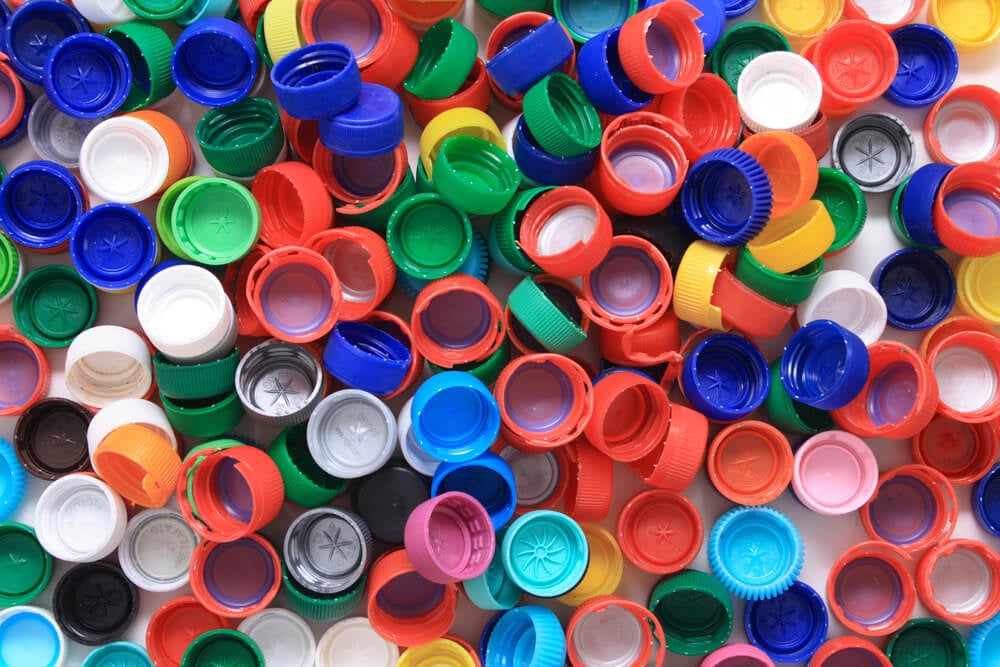
Bottle caps collected from soda bottles became a minor currency among younger kids, sorted, traded, and occasionally used in makeshift games that involved flicking them across a sidewalk toward a chalk target. The appeal had little to do with the caps themselves and everything to do with the trading ritual around them.
Building Tree Houses From Scrap Wood
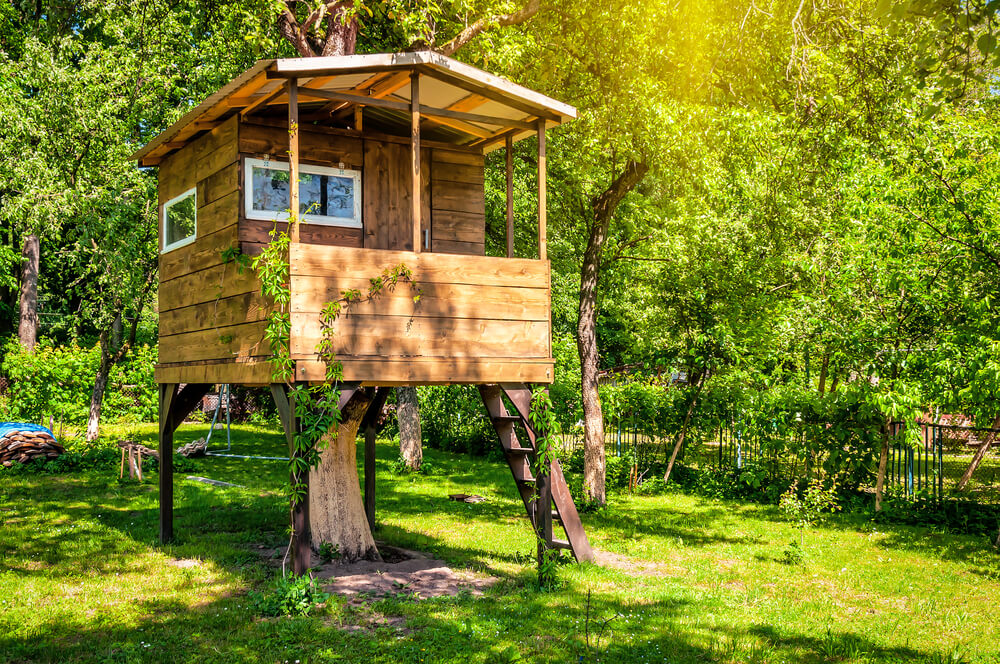
A sturdy tree and a pile of scavenged lumber were enough to begin a tree house project that could stretch across an entire summer, usually built without a plan and reinforced constantly as it slowly proved structurally unreliable. Few were ever technically finished, but that never stopped kids from using them anyway.
Opening Day at the Neighborhood Pool
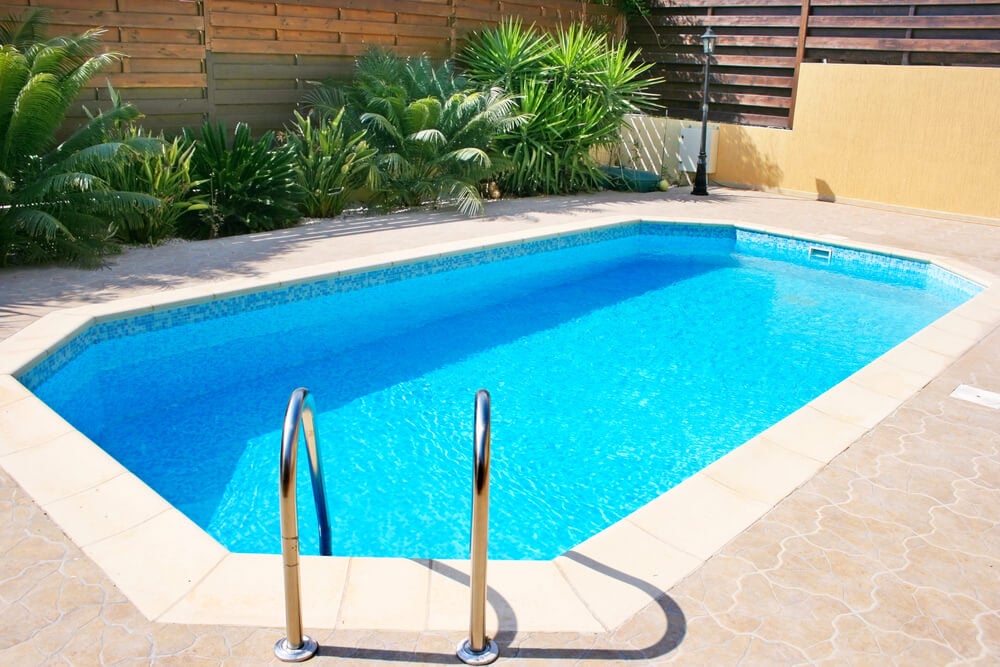
The public pool’s opening day functioned as an unofficial opening to summer, with kids arriving early enough to claim a spot on the deck before the gates even opened. The first jump off the diving board that season carried a kind of ceremonial weight that later swims in the same pool never quite matched.
Recording Mixtapes Off the Radio

Kids sat by the radio with a cassette recorder poised, waiting for a favorite song to come on so they could hit record fast enough to catch it before the DJ began talking over the intro. The resulting mixtapes, imperfect cuts and all, were traded and copied among friends as a homemade alternative to buying an album.
Freeze Tag Across Several Yards

Freeze tag expanded the boundaries of ordinary tag by letting frozen players be unfrozen by a teammate’s touch, turning a simple chase into a rescue mission that could sprawl across several connected yards. Games often continued until it was too dark to tell who was still frozen and who had quietly given up.
Snow Cone Carts Pushed Door to Door
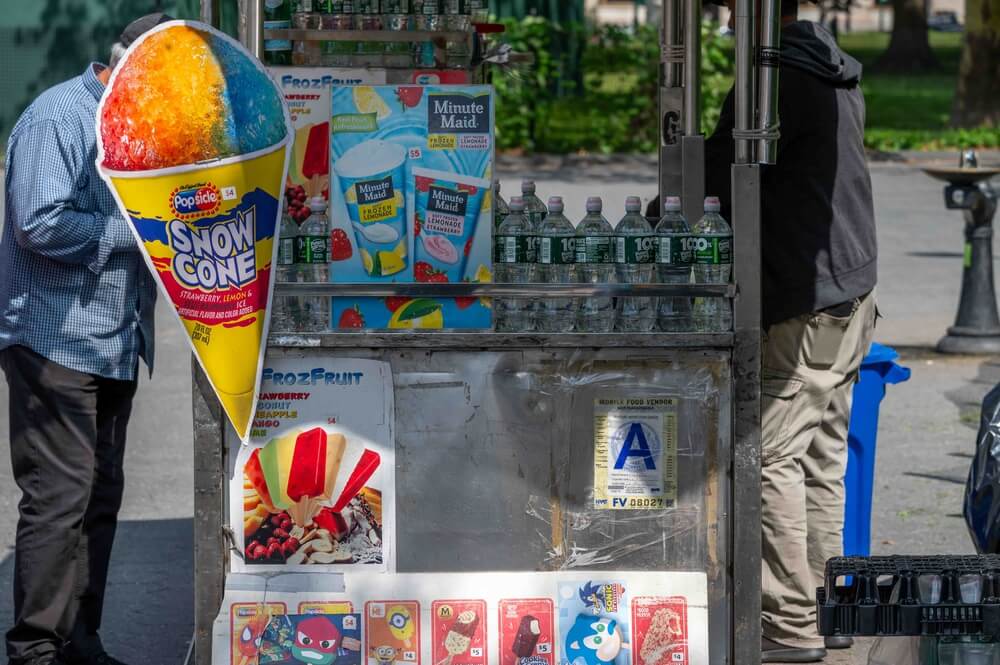
In neighborhoods without an ice cream truck, a homemade snow cone cart, sometimes little more than a wagon with a block of shaved ice and a few bottles of flavored syrup, made the rounds instead, run by an enterprising older kid selling to a captive younger audience.
Chalk Obstacle Courses on the Sidewalk

Beyond simple hopscotch, some kids built entire chalk obstacle courses across a driveway or sidewalk, combining hopping patterns, balance lines, and timed challenges into an improvised competition. Courses were redesigned constantly, with each version borrowing rules from whatever game had been popular the week before.
Comparing Cicada Shells
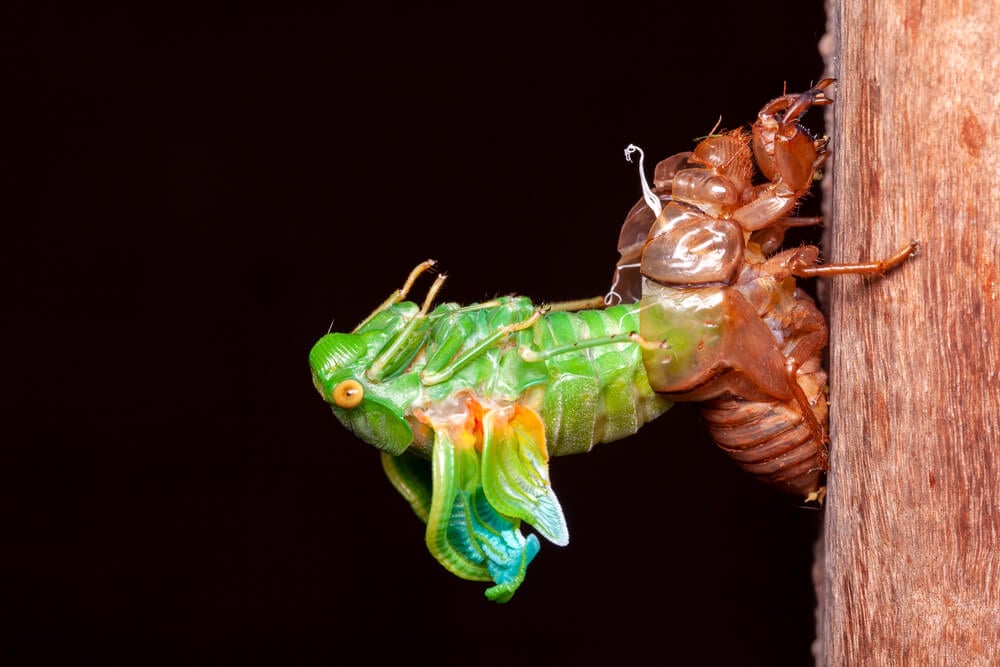
During cicada season, kids collected the papery, discarded shells left clinging to tree trunks and fence posts, comparing collections and occasionally competing over who found the most intact specimen. The shells were treated as genuine treasures despite being, functionally, empty husks.
Porch Step Card Games
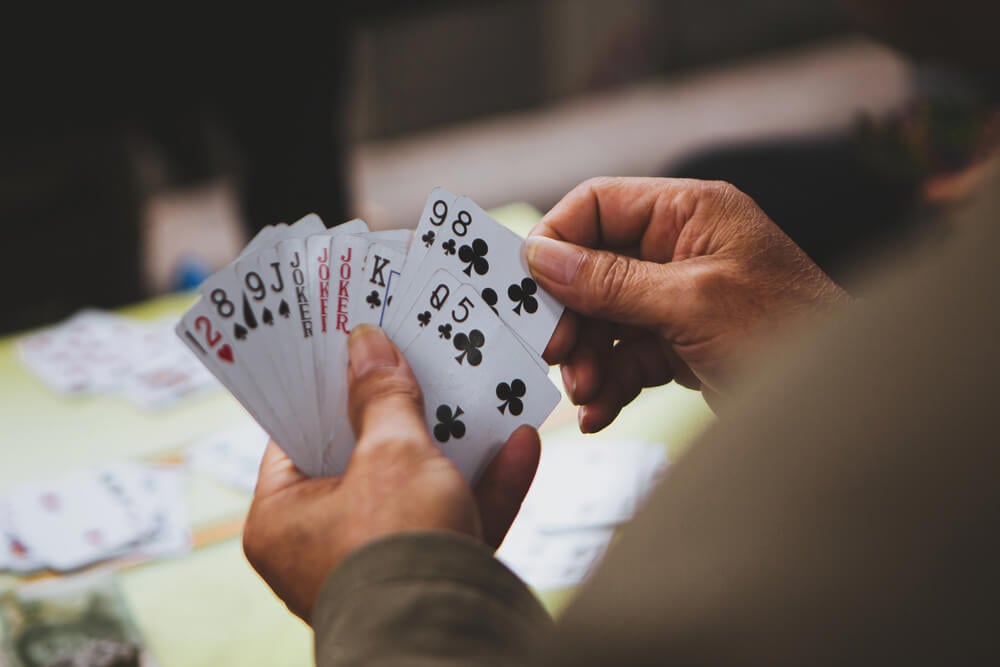
As the evening cooled off, groups of kids would settle onto a porch step for a card game that could run for hours, less about winning than about having a reason to stay outside a little longer before being called in. Rules were often adjusted mid-game to fit whoever happened to be playing.
Block Party Cookouts That Closed the Street to Traffic
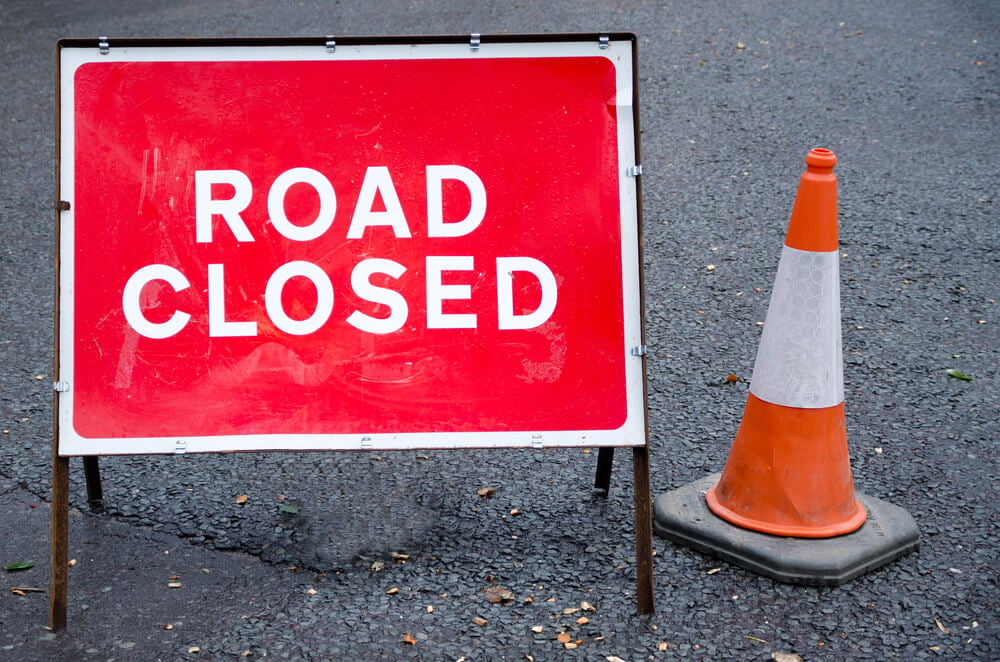
Once or twice a summer, an entire street would coordinate a cookout ambitious enough to justify blocking off traffic for an afternoon, with grills, folding tables, and lawn chairs spilling directly onto the asphalt. It was one of the rare traditions that pulled adults and kids into the same shared event at once.
Homemade Slip-n-Slides
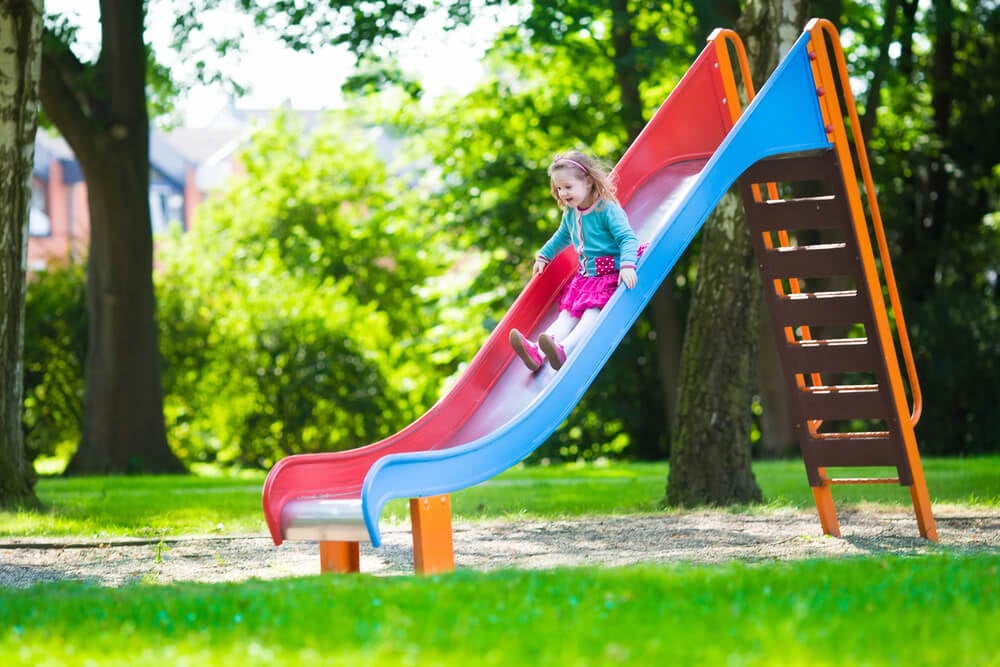
A length of plastic sheeting, a garden hose, and a patch of grass sloped just enough to build momentum turned an ordinary backyard into a makeshift water slide, usually held together with nothing more than a few stakes and a hope that nobody would hit the ground too hard.
The Neighborhood as a Shared Backyard
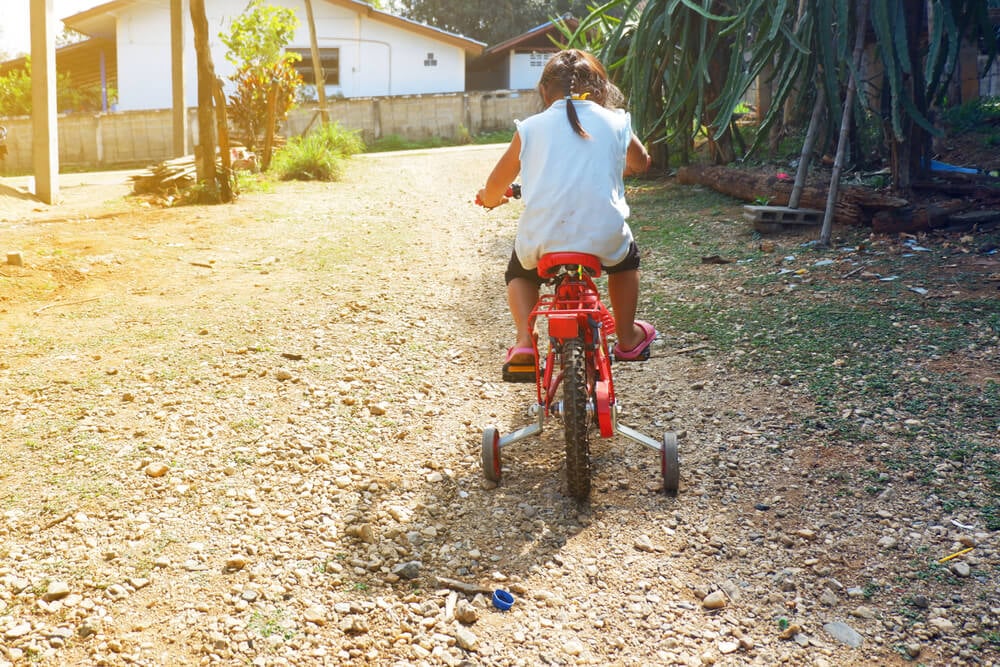
What made these traditions work was proximity. Every ritual on this list depended on a neighborhood full of kids who were simply outside, available, and willing to improvise whatever the day called for without an adult organizing any of it in advance.
That kind of unstructured, unsupervised togetherness has grown rarer, not because kids changed but because the neighborhoods around them did. Fewer kids are outside at the same time, which means fewer of these small daily rituals get invented in the first place, let alone passed down the way double-Dutch chants and kick the can rules once were.
More from Go2Tutors!

- The Romanov Crown Jewels and Their Tragic Fate
- 13 Historical Mysteries That Science Still Can’t Solve
- Famous Hoaxes That Fooled the World for Years
- 15 Child Stars with Tragic Adult Lives
- 16 Famous Jewelry Pieces in History
Like Go2Tutors’s content? Follow us on MSN.