27 Factory Town Traditions That Faded Away
Company towns and mill communities ran on more than shift schedules. They developed their own rituals, built around whistles, paydays, and the rhythms of a workforce that lived, shopped, and socialized within walking distance of the same plant.
Most of these customs disappeared along with the factories themselves, leaving behind small-town histories that read like a different country entirely.
The Whistle That Set the Town’s Clock
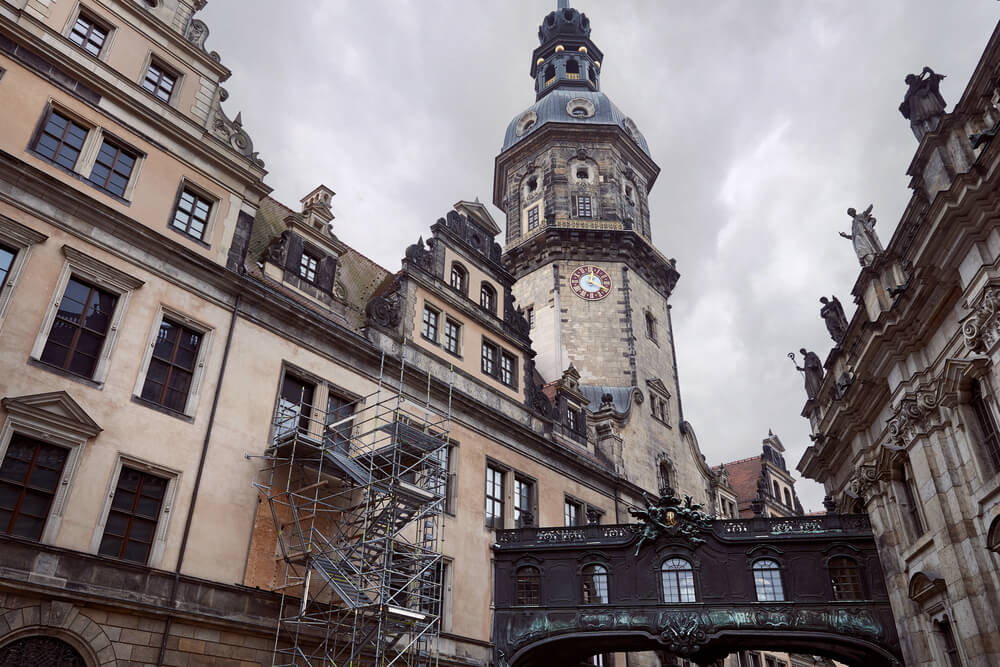
Mill and factory whistles didn’t just signal shift changes; entire towns set their days around them, timing meals, school dismissal, and church schedules to the same blasts the workforce used. Losing the whistle when a plant closed often left residents describing an eerie quiet that took years to get used to. Digital timekeeping and the decline of single-industry towns ended the tradition almost everywhere.
Company Store Credit Books

Workers in isolated mill towns often bought groceries and supplies on credit at a company-owned store, with purchases logged in a book and deducted directly from their pay before they ever saw it. The system left many families perpetually behind on what they owed. Labor reforms and the rise of independent retail broke the model apart by the mid-1900s.
Paycheck Parades

On payday, some factory towns saw a informal procession of workers walking together from the plant gates to the bank or company store, a routine so consistent that shopkeepers scheduled their busiest hours around it. Merchants along the route often extended short-term credit knowing exactly when it would be repaid. The shift to direct deposit and electronic banking quietly ended the ritual by the late twentieth century.
Mill Village Housing Rows
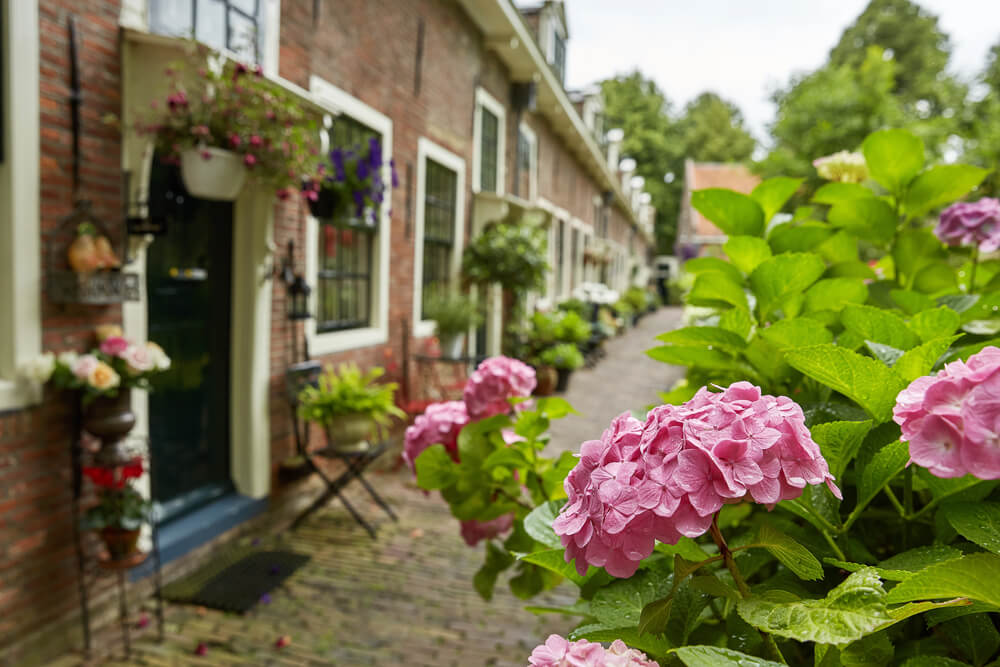
Companies built identical rows of housing for workers, often with rent deducted straight from wages, creating tight-knit neighborhoods where everyone’s household schedule matched the same shift rotation. Losing your job frequently meant losing your home in the same week. Post-war housing policy changes and the decline of company-owned housing largely ended the arrangement.
Shift-Change Traffic Jams

Twice a day, factory towns experienced a predictable surge of foot and vehicle traffic as one shift left the plant and the next arrived, turning quiet streets into a brief rush hour that locals could set a watch by. Diners and corner shops timed their staffing around the crowd. Plant closures and staggered modern scheduling erased the predictable rush in most former mill towns.
The Annual Plant Picnic

Many factories hosted a company-wide picnic each summer, complete with organized games, a company-funded meal, and appearances from management who were otherwise rarely seen on the shop floor. It functioned as one of the few times labor and management mixed socially. The tradition faded as companies consolidated, automated, or moved operations, shrinking workforces too much to justify the event.
Service Pins for Milestone Years

Long-tenured workers received a small pin or medal to mark milestones like ten, twenty, or thirty years with the same company, often presented at a small ceremony in front of coworkers. The pins were worn with visible pride on work uniforms and church clothes alike. Declining job tenure and the disappearance of lifelong single-employer careers made the tradition largely obsolete.
The Noon Meal Delivered by Family

In many mill towns, wives and children carried hot midday meals to the factory gates in tin pails, timed precisely to a worker’s break. It created a daily public gathering at the plant entrance that doubled as informal neighborhood news exchange. Cafeterias, later fast food, and eventually two-income households without a parent free at midday ended the custom.
Union Hall Saturday Nights
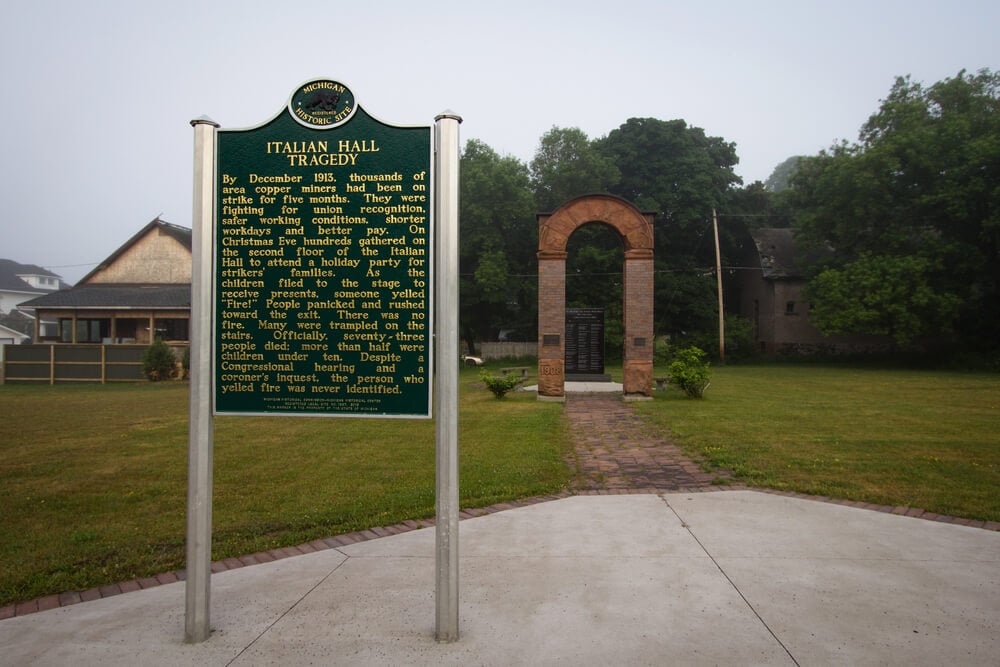
Local union halls doubled as the social center of many factory towns, hosting dances, meetings, and community events on weekends that brought together workers and their families outside the plant. Attendance was often treated as an unspoken expectation among younger workers building community ties. Declining union membership and the rise of alternative entertainment options emptied out most union halls by the century’s end.
The Foreman’s House Call
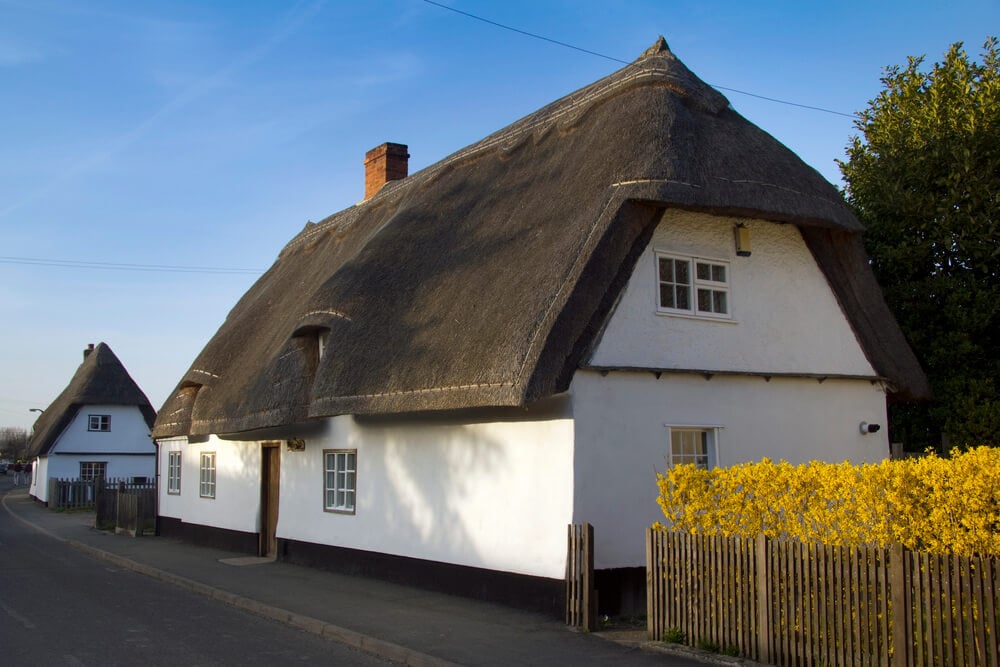
In smaller mill towns, a foreman might personally visit a worker’s home if they missed a shift without notice, a practice that blurred the line between supervision and neighborhood familiarity. It reflected how closely intertwined work and residential life were in these communities. Larger, more anonymous workforces and formal HR procedures replaced the personal house call entirely.
Christmas Bonus Distributed From the Paymaster’s Window

Around the holidays, some factories distributed cash bonuses directly through the same paymaster’s window used for regular wages, creating a visible, sometimes lengthy line of workers each December. The amount was often announced informally beforehand and became a topic of town-wide conversation. Bonuses folded into standard payroll processing eliminated the distinct in-person ritual by the late twentieth century.
The Boarding House for Single Workers

Mill towns commonly maintained boarding houses run by a matron who managed strict schedules, communal meals, and curfews for young single workers who had moved from rural areas for factory jobs. The arrangement provided structure but left little personal independence. Rising wages and changing housing norms shifted young workers toward independent apartments by the mid-1900s.
The Steam Whistle Code for Emergencies

Beyond marking shifts, mill whistles were often used with distinct patterns to signal emergencies like a fire or an accident, a code every resident in town understood instinctively regardless of whether they worked at the plant. The sound carried real civic weight beyond the factory walls. Modern emergency communication systems made the shared whistle code unnecessary by the late 1900s.
Company-Sponsored Sports Leagues

Factories frequently sponsored organized recreational leagues for employees, complete with team uniforms bearing the company name and standings tracked in the local paper. Games served as a rare chance for departments that never interacted on the floor to compete together. Shrinking workforces and the decline of company-funded recreation programs ended most leagues by the late twentieth century.
The Retirement Watch Presentation

Workers reaching retirement after decades of service were often given a formal send-off featuring a presentation watch, a tradition significant enough that entire departments would pause production to attend. It marked one of the only ceremonial recognitions many blue-collar workers received in their careers. The decline of long-tenure factory careers made the tradition increasingly rare by the century’s end.
The Company Newsletter Passed Hand to Hand

Many factories published an internal newsletter covering plant news, employee milestones, and safety reminders, often physically passed between workers on the floor since not every household had reliable mail delivery to remote mill housing. It became a primary source of both official news and informal gossip. Email and corporate intranets replaced printed newsletters almost entirely by the 1990s.
The Tuesday Night Church Service Timed to Second Shift
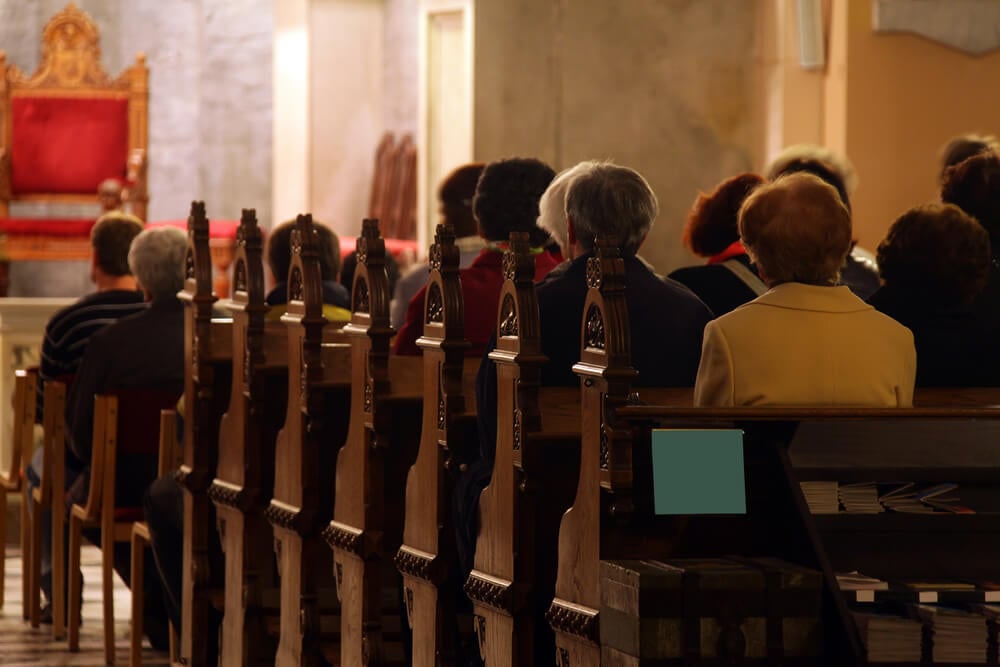
Some mill towns held a dedicated midweek evening service specifically scheduled for workers on rotating shifts who could not attend regular Sunday worship. Congregations built entire ministry programs around factory schedules rather than the reverse. As shift patterns diversified and church attendance declined broadly, the dedicated midweek service disappeared from most communities.
The Company Doctor’s Office on Site

Larger factories maintained an on-site medical office staffed by a company doctor who treated everything from workplace injuries to family illnesses for employees who had no other easy access to care in remote mill towns. The arrangement created deep personal familiarity between one physician and hundreds of families. Modern employer health insurance and regional clinics replaced the on-site company doctor model by the mid-1900s.
The Fire Siren Doubling as a Curfew Bell

In addition to signaling emergencies, some factory town sirens sounded a fixed nightly time meant to signal children indoors, a use residents accepted as a shared community norm rather than an official rule. Parents across the entire town relied on the same signal without any formal agreement. Changing attitudes toward childhood independence and the disappearance of the sirens themselves ended the informal curfew system.
The Payday Line at the Company Bank Branch

Some larger mill operations maintained an on-site bank branch specifically to process payday transactions, with workers lining up in shift order to cash checks before heading home. The branch often closed entirely on non-payday afternoons since it existed for this single purpose. Direct deposit eliminated the need for a physical payday line by the late twentieth century.
The Apprentice Ladder Everyone Understood
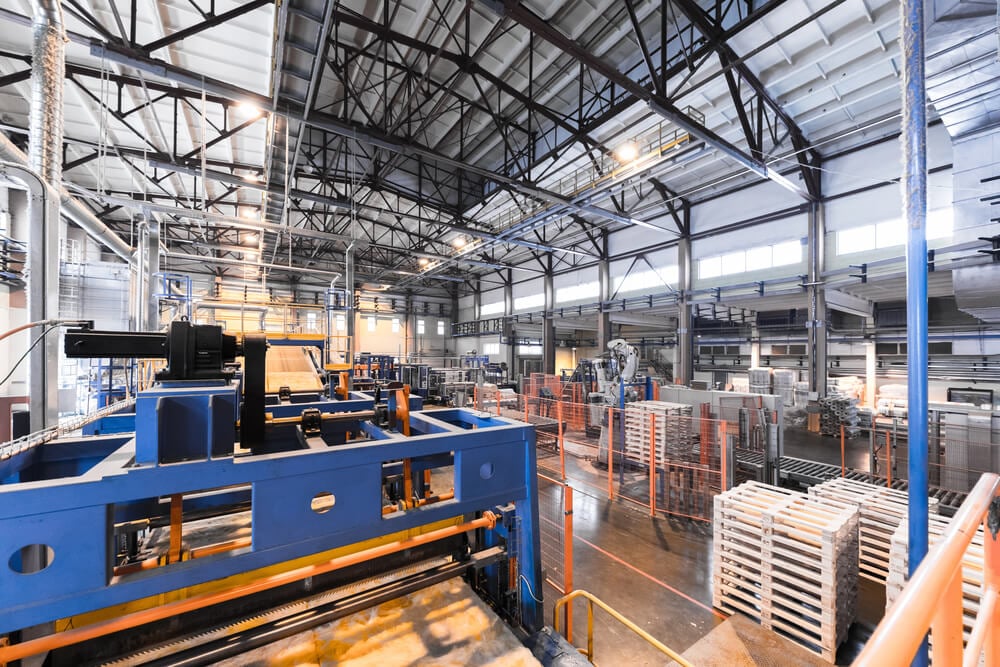
Factory towns operated on a widely understood informal hierarchy where new hires started in the least desirable positions and moved up a known ladder of roles over years, a path every resident could describe even if they had never worked at the plant themselves. It gave young workers a clear, if slow, sense of career progression. Flatter modern organizational structures and higher job turnover erased the shared understanding of that ladder.
The Whistle-Stop Wedding Announcement

In some tight-knit mill towns, a couple’s upcoming wedding was informally announced via a distinct pattern on the factory whistle, a custom specific to a handful of communities but remembered fondly by those who lived through it. It reflected how the plant functioned as the emotional center of town life, not just its economic one. The custom disappeared along with the whistles and the close-knit communities that maintained it.
The Company Christmas Tree Lighting

Factories with a public-facing presence often hosted an annual tree lighting near the main gate, drawing the whole town rather than just employees and blending civic identity with company branding. Local officials frequently used the event as an informal town gathering outside of factory business. Plant closures and shifting civic traditions moved most town celebrations away from factory grounds by the century’s end.
The Overtime Signal Flag

Some plants raised a distinct flag or light at the gate each morning to signal whether overtime shifts were available that day, a visible system that let workers decide whether to stay before ever punching in. Families structured entire evenings around whether the flag was up. Scheduled overtime systems communicated through internal notices replaced the visible flag by the late twentieth century.
The Retired Workers’ Coffee Table

Diners and lunch counters near factory gates often kept an informal standing table reserved by unspoken agreement for retired workers who gathered each morning to talk shop long after they had stopped working. Current employees treated the table as a fixture of respect rather than an actual rule. The disappearance of factory-adjacent diners alongside the plants themselves ended the tradition in most towns.
The New Hire Orientation by Walking Tour

Rather than formal training rooms, many factories introduced new hires to the plant through a walking tour led personally by a veteran worker, who explained each department informally as they passed through. It doubled as both training and a first exposure to the plant’s unwritten social rules. Standardized HR onboarding processes replaced the personal walking tour by the late twentieth century.
The Founders’ Day Closure
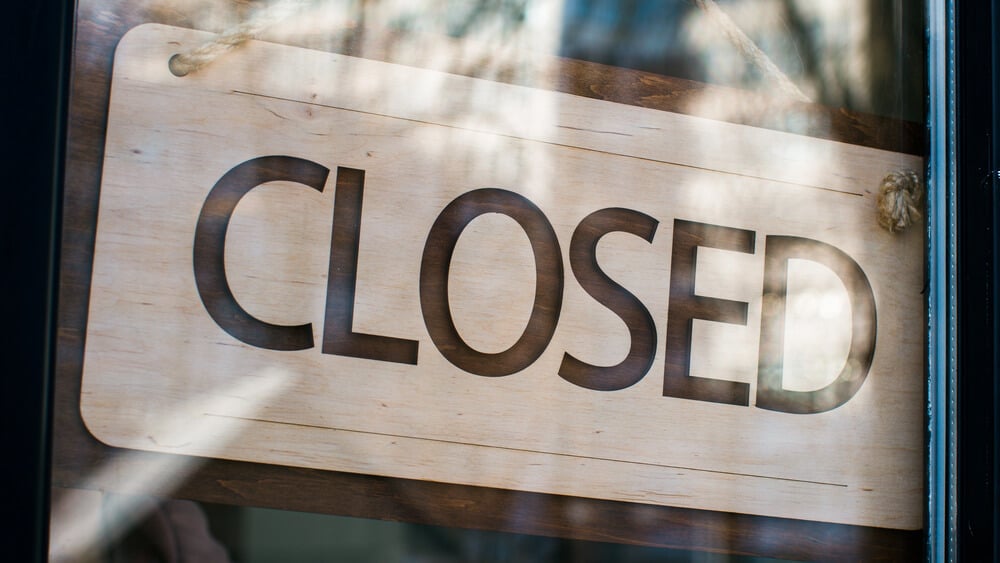
Some company towns closed the entire plant for one day each year to commemorate the founding of the factory or the company itself, treating it as a de facto local holiday even though it appeared on no official calendar. Schools sometimes closed in step with the plant out of simple practicality. Corporate mergers, ownership changes, and closures eliminated most of these locally specific holidays entirely.
What the Whistle Actually Kept Time For

None of these traditions were really about the factory itself. They were about a community organizing its entire rhythm, meals, courtship, childhood curfews, retirement, around a single shared institution that everyone depended on whether they worked inside its walls or not.
When the plants closed, what disappeared wasn’t just employment. It was a set of shared reference points a whole town once used to synchronize its days, and nothing quite as unifying ever replaced them.
More from Go2Tutors!

- The Romanov Crown Jewels and Their Tragic Fate
- 13 Historical Mysteries That Science Still Can’t Solve
- Famous Hoaxes That Fooled the World for Years
- 15 Child Stars with Tragic Adult Lives
- 16 Famous Jewelry Pieces in History
Like Go2Tutors’s content? Follow us on MSN.